- Home
- »
- Market Trend Reports
- »
-
Top 10 Players of Mobile & Fixed Medical Imaging Services by U.S. Regions
![Top 10 Players of Mobile & Fixed Medical Imaging Services by U.S. RegionsReport]()
Top 10 Players of Mobile & Fixed Medical Imaging Services by U.S. Regions
- Published: May, 2025
- Report ID: GVR-MT-100313
- Format: PDF/Excel databook
- No. of Pages/Datapoints: 85
- Report Coverage: 2024 - 2030
Overview of the U.S. Mobile & Fixed Medical Imaging Services Industry
The U.S. mobile & fixed medical imaging services market size was at USD 102.4 billion in 2024 and is expected to grow at a CAGR of 1.9% from 2025 to 2030. This growth can be attributed to the rising prevalence of chronic diseases, an aging population, increasing access to imaging services, and rising demand for point-of-care and home care services. According to the Population Reference Bureau (PRB), in the U.S., the number of individuals aged 65 and older is projected to increase from 58 million in 2022 to 82 million by 2050, representing a 47% increase. During the same period, this age group’s share of the total population is expected to rise from 17% to 23%. This aging population of the U.S. is significantly vulnerable to a range of chronic diseases and age-related health conditions that require frequent diagnostic imaging for early detection and ongoing monitoring, which significantly increases the demand for mobile & fixed imaging services in the U.S.
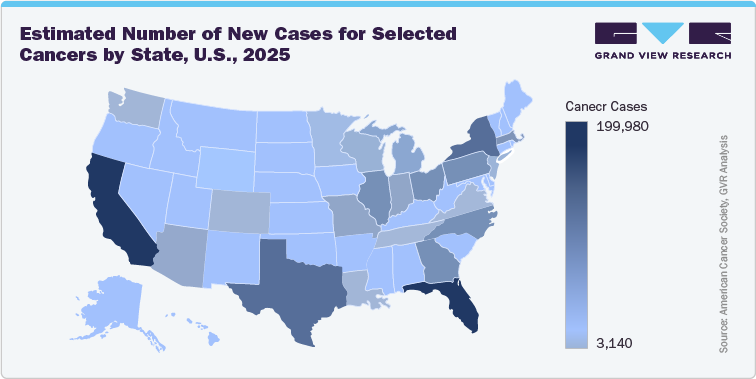
Moreover, the increasing prevalence of chronic diseases such as cancer, cardiovascular disorders, diabetes, and respiratory conditions is significantly driving the demand for mobile and fixed imaging services in the U.S. As chronic disease cases continue to rise, the healthcare system's reliance on flexible and scalable diagnostic solutions such as mobile imaging is expected to increase.
However, the industry faces several restraints. One significant barrier is the high initial capital investment required to establish and operate imaging infrastructure. Setting up advanced imaging facilities, whether mobile units or fixed centers, demands significant outlays for the procurement of high-cost equipment such as MRI, CT, and PET scanners. These machines are expensive and often require specialized installation environments, including structural modifications, radiation shielding, and power upgrades. For smaller providers or new entrants, such costs can be significantly high, limiting market expansion and innovation.
Hospitals are equipped with state-of-the-art diagnostic imaging systems, which enable early disease detection, image-guided interventions, and precision medicine applications. For instance, fixed MRI and CT scanners in hospitals provide unparalleled image quality and are critical for diagnosing conditions such as cancer, neurological disorders, and musculoskeletal injuries. Meanwhile, mobile imaging units allow healthcare providers to bring imaging services to patients who may be immobile or need urgent care, such as those in intensive care units, emergency rooms, or rural areas.
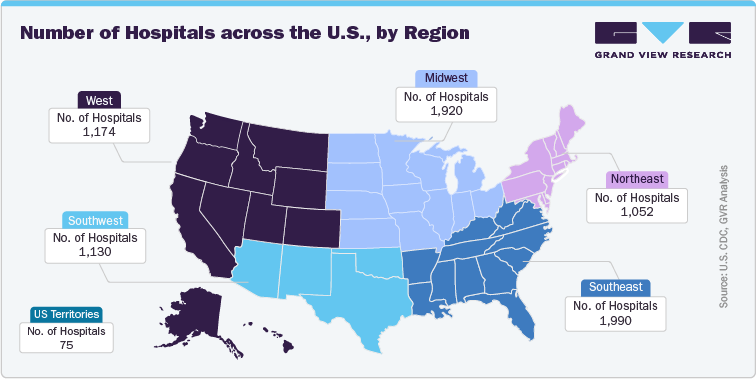
As new hospitals are established and existing ones expand their infrastructure, there is a significant rise in demand for advanced diagnostic imaging systems to support comprehensive patient care across specialties such as oncology, cardiology, neurology, orthopedics, and emergency medicine. Each newly opened or upgraded hospital typically invests in fixed imaging systems such as MRI, CT, PET/CT, digital X-ray, and fluoroscopy units to build a fully functional radiology department. These systems are essential for routine diagnostics, preoperative assessments, and image-guided procedures. Additionally, hospitals are increasingly integrating mobile imaging services, such as mobile CT, MRI, and ultrasound, to extend diagnostic capabilities to emergency departments, ICUs, surgical suites, and satellite clinics. This integration enhances workflow efficiency, reduces bottlenecks in high-volume settings, and allows immediate bedside imaging in critical care environments.
Initiatives Undertaken by Companies Operating in the U.S. Mobile & Fixed Medical Imaging Services Industry
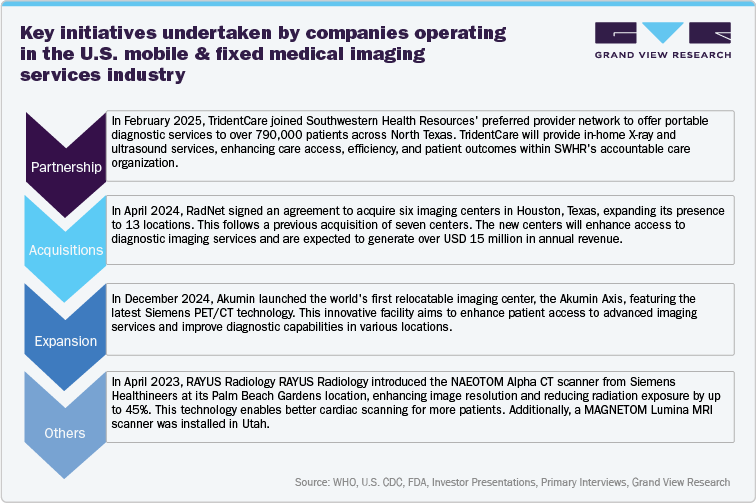
Initiatives undertaken by key market players are significantly shaping the U.S. mobile and fixed imaging services market. Companies are actively engaging in partnerships, acquisitions, and expansions to strengthen their service offerings and geographic presence. For instance, RadNet, a leading provider of outpatient diagnostic imaging services, has pursued several acquisitions to expand its imaging center network across various states. TridentCare has also been focusing on strategic partnerships and operational integration to streamline services and enhance access. These efforts aim to improve imaging accessibility, particularly in underserved areas. Moreover, collaborations with hospitals and healthcare systems are enabling mobile imaging service providers to offer flexible, on-demand diagnostic solutions.
Competitive Landscape of Top 10 Players of Mobile & Fixed Medical Imaging Services by U.S. Regions
The U.S. mobile & fixed medical imaging services market is moderately to highly competitive. The industry features several established leaders and emerging market players that undertake various strategic initiatives and strategies to increase their market presence. The market is segmented by key U.S. regions: Northeast, Midwest, Southeast, Southwest, and West, varying in healthcare infrastructure, population density, hospital penetration, and imaging service demand, creating significant opportunities for market players operating in the country. Some of the mature companies operating in the market include RAYUS Radiology; DMS Health; TridentCare; Akumin Inc.; RadNet Inc.; and Probo Medical. These companies leverage various strategies such as partnerships with healthcare providers, acquisition of other market players, and imaging centers to expand their presence in different U.S. regions, expansion of their service offering in various U.S. states, and other strategies to increase their market share.
The report analyses the competitive landscape in this industry based on the parameters mentioned below:
Competitive Landscape: Top 10 Players of Mobile & Fixed Imaging Services by U.S. Regions Overview
Market Outlook
Company Categorization
Financial Performance
List of Key Companies by Region
Company Overview
Service Benchmarking
Recent Strategic Initiatives
SWOT Analysis
Company Profiles
1.1.1 RAYUS Radiology
Company Overview:
Headquarters: Minnesota, U.S.
Founded: 1981
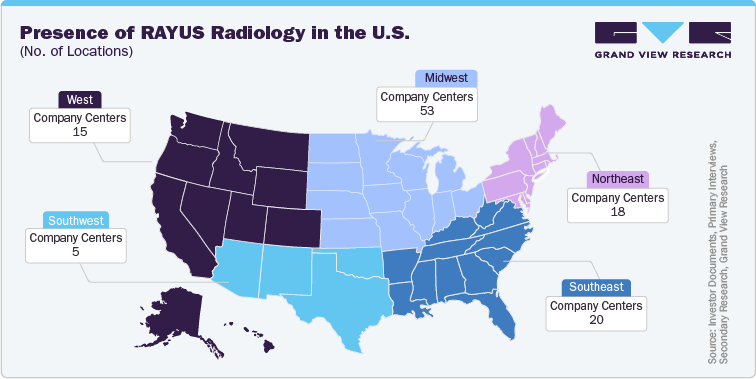
Overview: RAYUS Radiology is a U.S.-based provider of diagnostic and interventional radiology services. With a nationwide presence having more than 150 centers across 20+ states, RAYUS has built a reputation for delivering high-quality, subspecialized imaging through its network of board-certified radiologists and technologists. RAYUS differentiates itself through a strong emphasis on clinical quality, physician-led operations, and a partnership model with hospitals and referring physicians. This integrated approach ensures continuity of care and timely diagnostic results. The company positions capitalize on the healthcare industry’s shift toward cost-effective, ambulatory care.
Rayus Radiology Presence Across U.S. Regions:
Service Benchmarking:
Bone Density (DXA):
Description: The company offers a bone density test that employs a small X-ray dose to assess mineral content in the bones of the lower back, hip, and occasionally the forearm. This data helps healthcare providers determine whether bone density is normal or if there is a risk of osteoporosis.
Interventional and Vascular:
Description: The interventional radiologists at the facility are trained in minimally invasive techniques, enabling them to provide diagnosis and treatment for conditions related to the vascular system:
-
Varicose and Spider Vein Treatment
-
Uterine Fibroid Embolization
-
Varicocele Treatment
-
Critical Limb Ischemia Treatment
-
Non-healing Wound Treatment
-
Peripheral Artery Disease Treatment
-
Chronic Pelvic Pain Treatment
-
Vascular Access
-
Geniculate Artery Embolization
-
VenaSeal
PET/CT:
Description: These PET/CT scans reveal alterations in the body during the initial phases of a disease.
CT:
Description: CT services offered by the company include:
-
QCT
-
Cardiac Calcium Scoring
-
Lung Cancer Screening
-
CT Angiography
-
Virtual Colonoscopy
-
Cone Beam
-
CT Enterography
Ultrasound:
Description: Ultrasound services offered by the company include:
-
Ultrasound-guided Biopsy
-
Liver Elastography
-
Abdominal Aortic Aneurysm (AAA) Screening
-
Carotid Intima Media Thickness (C-IMT Screening)
-
Carotid Artery Screening
MRI:
Description: Magnetic resonance imaging (MRI) is a diagnostic test that physicians recommend for identifying diseases or injuries and assessing treatment effectiveness.
-
High-field MRI
-
3T MRI
-
Open MRI
-
Open Upright MRI
-
Cardiac MRI
-
Prostate MRI
-
Volumetric Brain Imaging
-
Dynamic Pelvic Floor MRI
-
MRI Enterography
-
MRI Elastography
X-ray:
Description: It includes FLUOROSCOPY.
Breast Imaging:
Description: The company’s breast imaging services offer personalized, comfortable care using advanced 3D mammography. Skilled technologists and expert radiologists ensure quality care. Annual screenings are recommended from age 40 and are typically covered by insurance.
-
Mammography
-
3D Mammography
-
Breast Ultrasound
-
Breast MRI
-
Ultrasound-guided Breast Biopsy
-
MRI-guided Breast Biopsy
-
Stereotactic Breast Biopsy
-
Breast Cancer Risk Assessment
-
Needle Localization
-
Cyst Aspiration
-
Ductogram
-
Abbreviated Breast MRI
RAYUS Vascular Care:
Description: Their interventional radiologists specialize in minimally invasive techniques, ensuring advanced diagnosis and treatment with reduced risks, pain, and recovery times compared to traditional surgeries.
Injections and Biopsies:
Description: The specialists provide precise, image-guided injection procedures and biopsies aimed at targeting and diagnosing the underlying causes of pain.
-
Arthrogram
-
Bursa Injection
-
Bone Marrow Aspirate Concentrate (BMAC)
-
Carpal Tunnel Injection
-
Discogram
-
Epidural Steroid Injection
-
Epidurography
-
Facet Joint Injection
-
Facet Nerve Injection
-
Fine Needle Biopsy
-
Kyphoplasty (Vertebral Augmentation)
-
Muscle and Tendon Injections
-
Myelogram
-
Nerve Root Block
-
Nucleoplasty
-
Platelet Rich Plasma (PRP)
-
Radiofrequency Rhizotomy
-
Sacroiliac (SI) Joint Injection
-
Stellate Ganglion (Sympathetic) Block
-
Steroid Injection
-
Tenography
-
Trigger Point Injection
-
Vertebroplasty
-
Biopsies
-
Lumbar Puncture (Spinal tap)
-
Regenerative Medicine
-
Tumor Ablation
-
Pain Consultation Services
-
MILD (Minimally Invasive Lumbar Decompression)
-
Therapeutic Injection
RAYUS Pain Care:
Description: The RAYUS Pain Care team focuses on assessing pain and its underlying causes to determine the most effective tests and treatments. They may prescribe short-term medications to help patients manage their pain during therapy.
Nuclear Medicine:
Description: Nuclear medicine is an advanced diagnostic tool that employs a specialized camera to capture images of organs and tissues within the body. This imaging occurs after a small quantity of a radioactive “tracer” is administered, allowing these structures to become visible.
Modality Analysis of U.S. Mobile & Fixed Medical Imaging Services Market Players
Company
CT
PET/CT
Ultrasound
MRI
X-ray
Nuclear Medicine
RAYUS Radiology
Yes
Yes
Yes
Yes
Yes
Yes
DMS Health Technologies
Yes
Yes
Yes
Yes
No
Yes
Shared Imaging
Yes
Yes
No
Yes
Yes
No
Shared Medical Services (SMS)
Yes
Yes
No
Yes
No
No
Heritage Imaging
Yes
Yes
Yes
Yes
No
Yes
![gvr icn]()
GET A FREE SAMPLE
![gvr icn]()
This FREE sample includes market data points, ranging from trend analyses to market estimates & forecasts. See for yourself.
![gvr icn]()
NEED A CUSTOM REPORT?
We can customize every report - free of charge - including purchasing stand-alone sections or country-level reports, as well as offer affordable discounts for start-ups & universities.
Contact us now to get our best pricing.
![esomar icon]()
ESOMAR certified & member
![ISO]()
ISO Certified
We are GDPR and CCPA compliant! Your transaction & personal information is safe and secure. For more details, please read our privacy policy.






We are committed towards customer satisfaction, and quality service.
Client Testimonials

"The quality of research they have done for us has been excellent..."
ISO Certified