Dry Bulk Freight Outlook 2026: Iron Ore, Coal, and Grain Driving Divergent Markets
The global dry bulk shipping industry entering 2026 is defined by structural divergence rather than a single unified trend. While aggregate oceanborne bulk volumes demonstrate steady expansion, with Grand View Research projecting the global dry bulk shipping market to expand from USD 148.1 billion in 2025 to USD 157.3 billion in 2026, a stark operational and financial gap has opened across vessel classes. Heavy-displacement Capesize vessels are benefiting from resilient, long-haul industrial mineral corridors, whereas medium-sized Panamax, Supramax, and Handymax bulkers navigate shifting energy transition dynamics, recalibrated agricultural trade flows, and persistent supply-side fleet deliveries.
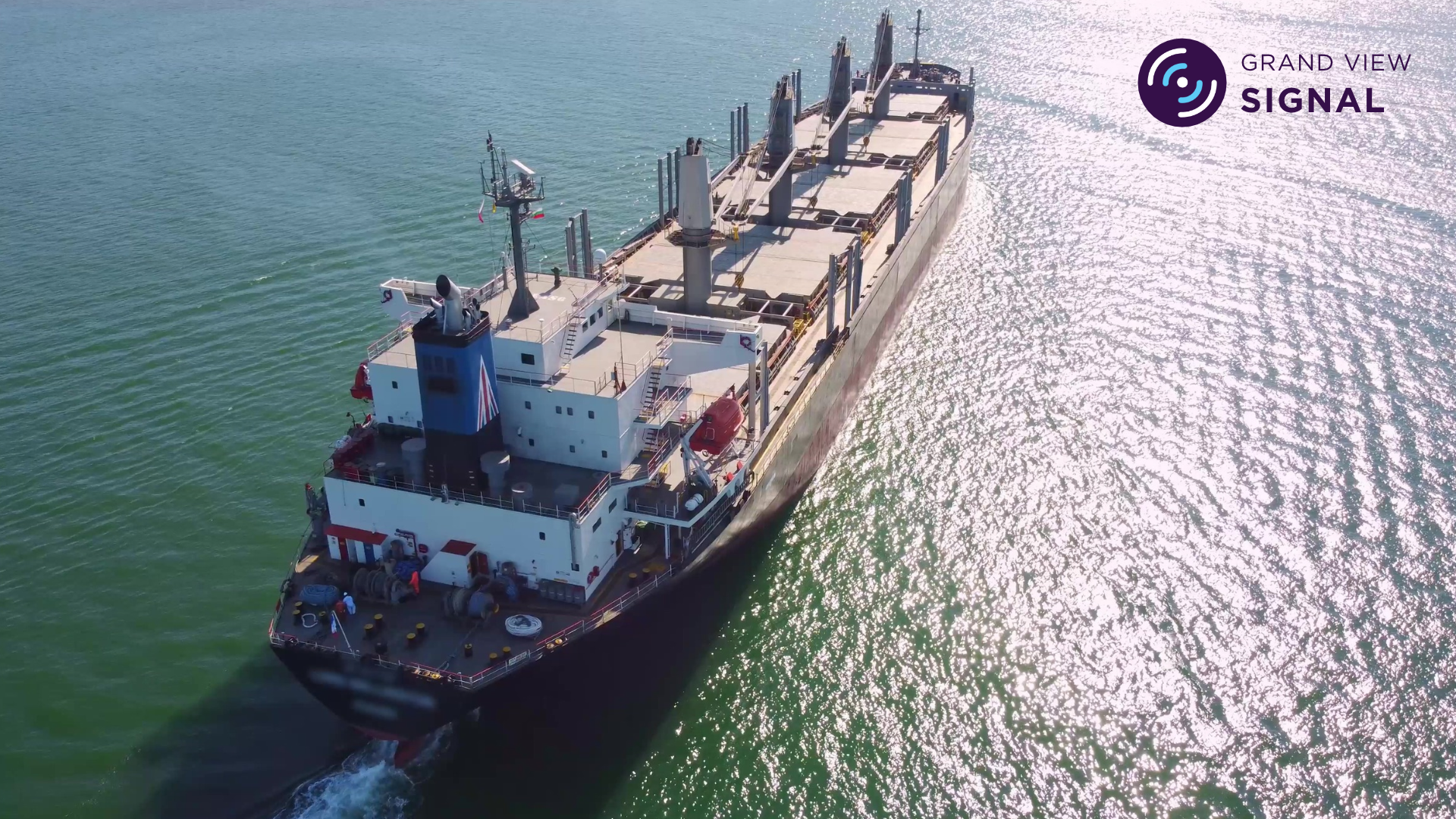
A comprehensive assessment of the market requires moving beyond broad indicators like the Baltic Dry Index to analyze recent real-world catalysts, underlying commodity drivers, regional infrastructure shifts, and fleet growth parameters shaping each vessel segment.
Recent Market Developments and Operational Catalysts
Recent real-world operational bottlenecks and geopolitical developments have highlighted the vulnerability of global dry bulk supply chains, directly impacting vessel deployment and rate volatility across trade lanes.
-
Panama Canal Transit Normalization and Panamax Re-alignment
Following prolonged drought-related restrictions that severely constricted vessel transits throughout late 2023 and 2024, the Panama Canal Authority restored daily booking slots and draft limits back toward baseline capacity. This return to operational normalization has allowed Panamax and Supramax vessels carrying U.S. Gulf agricultural exports and coal to resume direct transits to East Asia rather than taking circuitous routes around the Cape of Good Hope or Cape Horn. While this recovery reduced turnaround times and restored voyage predictability, the sudden re-injection of effective vessel capacity into the Pacific Basin moderated spot rate spikes that had previously been fueled by artificially extended voyage days.
-
Red Sea Rerouting and Atlantic-Pacific Basin Disconnects
Security disruptions across the Red Sea and Gulf of Aden have forced bulk operators, particularly those transporting European, Black Sea, and North African grains or fertilizer shipments, to systematically bypass the Suez Canal in favor of the Cape of Good Hope. This mandatory rerouting adds between 10 to 14 days to standard voyage itineraries. The resulting increase in ton-mile requirements has absorbed substantial mid-sized tonnage, temporarily supporting Panamax and Supramax hire rates in the Atlantic Basin even as fleet orderbooks continue to deliver new vessels.
-
Guinea’s Simandou Iron Ore Project First Exports
A critical catalyst shaping long-term Capesize fundamentals is the commercial ramp-up of the Simandou iron ore deposit in Guinea. As first export shipments begin entering seaborne trade lanes, the long-haul route from West Africa to Asian steel hubs is creating a structural expansion in Capesize ton-mile demand. Because the West Africa-to-China route requires roughly double the sailing distance of the traditional Australia-to-China corridor, each ton of Guinean ore shipped effectively absorbs twice the shipping capacity, providing a strong structural floor for Capesize freight rates.
Heavy Industrial Mineral Corridors: Capesize Market Resilience
Capesize freight rates maintain a pronounced structural premium relative to mid-sized vessel classes. This market resilience is primarily anchored in long-distance iron ore supply chains connecting major mining hubs in Western Australia, South America, and West Africa to expanding industrial centers across Asia. Because heavy mineral runs require high-displacement vessels with significant draft capabilities, the Capesize segment remains largely insulated from the supply-side friction impacting smaller tonnage.
-
Ton-Mile Demand Expansion
The key determinant of Capesize fleet utilization in 2026 is ton-mile demand, calculated as the volume of cargo moved multiplied by the distance traveled. Expanding export volumes from South America and emerging production zones in West Africa significantly increase average sailing distances compared to traditional Pacific routes. This extension of average voyage duration effectively absorbs shipping capacity, restricting spot vessel availability in major load basins and supporting charter rates.
-
Supply-Side Discipline
On the supply side, the Capesize orderbook relative to the active fleet remains historically restrained. Strict environmental compliance mandates from international maritime authorities and uncertain future fuel pathways have constrained new building orders in previous years. As a result, fleet growth in the Capesize sector remains subdued, preventing the supply overhang that currently impacts smaller bulk carrier segments.
Access real-time impact analysis on commodity prices
Explore Grand View Signal
Mid-Sized Tonnage Challenges: Panamax and Supramax Market Dynamics
In contrast to the heavy industrial focus of Capesize vessels, the Panamax, Kamsarmax, Supramax, and Ultramax markets face a more complex environment characterized by shifting commodity demand and steady fleet additions.
-
Fleet Growth and Spot Rate Pressure
According to maritime transport data from international logistics agencies and government agricultural research departments, ongoing vessel deliveries in the Ultramax and Supramax categories continue to introduce new tonnage into global supply chains. Although operational adjustments, such as reduced sailing speeds across the global fleet, help moderate effective capacity, the steady arrival of newbuild vessels exerts continuous downward pressure on spot charter rates.
-
Route Disruption and Efficiency Losses
Panamax and Supramax vessels are highly sensitive to geopolitical trade rerouting and regional canal transit constraints. Rerouting vessels around major maritime bottlenecks adds voyage days and increases fuel consumption, temporarily tightening regional spot vessel supply. However, as trade flows adjust and supply chains recalibrate to longer routes, the fundamental oversupply of mid-sized vessels re-emerges as the dominant market factor.
Commodity Demand Drivers: Iron Ore, Coal, and Grain
The divergence across vessel classes is directly driven by the differing economic drivers of primary dry bulk commodities: iron ore, thermal and coking coal, and agricultural grains.
-
Iron Ore: The Capesize Anchor
Iron ore remains the primary driver of global dry bulk ton-mile demand. While European import demand remains modest and Chinese steel manufacturing approaches a mature baseline, strong structural demand from expanding manufacturing economies in South Asia and Southeast Asia provides consistent upward support. India, in particular, has expanded its domestic steelmaking capacity, increasing raw material import requirements and domestic distribution shipping. The combination of sustained Asian demand and distant Atlantic supply sources ensures high employment rates for the global Capesize fleet.
-
Coal: Structural Realignment and Energy Transition
The global thermal coal trade is undergoing a long-term structural pivot. Reports from energy information authorities indicate a gradual decline in power-sector coal consumption across developed economies, driven by carbon reduction targets and the expansion of renewable energy infrastructure. While coal imports into developing Asian markets provide a baseline floor for regional demand, the overall geographic pattern of the coal trade is shifting toward shorter, intra-regional routes within the Asia-Pacific basin. This reduction in average sailing distance reduces overall ton-mile intensity, directly impacting Panamax and Kamsarmax vessel utilization.
-
Grains and Agricultural Products: Seasonal and Geopolitical Volatility
Global grain trade patterns are shifting due to changing climate conditions, regional export policy adjustments, and geopolitical trade realignments. Data from global agricultural forecasting agencies indicates that grain export availabilities from traditional North American and Australian sources face periodic supply fluctuations, causing a larger share of global demand to be met by South American and Black Sea exporters. These agricultural trade shifts generate localized, seasonal demand surges for Panamax and Supramax vessels along transatlantic and transpacific routes. However, because grain shipping is inherently seasonal, these surges produce short-term rate volatility rather than sustained multi-year market expansions.
How Grand View Signal Enhances Commodity Pricing Intelligence
Navigating a highly fragmented and divergent dry bulk market requires granular, real-time data that connects ocean freight dynamics directly to underlying commodity pricing. Grand View Signal provides comprehensive pricing and procurement intelligence designed to help shipowners, charterers, and commodity traders make confident strategic decisions.
-
Multi-Source Data Triangulation: Signal leverages a rigorous methodology combining primary market inputs, government statistical bulletins, central bank releases, and customs datasets to deliver verified, audit-ready commodity and freight price series.
-
Advanced Predictive Analytics: Using automated outlier detection, linear trend validation, and seasonality calibration backed by senior domain analysts, Signal filters market noise to reveal structural price trends across iron ore, coal, grains, and ocean freight corridors.
-
End-to-End Supply Chain Transparency: Beyond ocean freight spot rates, Signal provides actionable insight into raw material cost structures, landing costs, and regional supplier matrices, enabling procurement and trading desks to optimize contract timing and mitigate margin volatility across global trade routes.
Ultimately, navigating the 2026 dry bulk shipping landscape requires moving past broad macro indicators and recognizing the multi-speed reality across vessel classes. As Capesize bulkers draw strength from expanding Atlantic and West African mineral corridors, Panamax and Supramax operators must actively manage supply pressures through fleet agility and seasonal commodity windows. Success in this divergent market will belong to shipowners, charterers, and commodity traders who leverage real-time commodity pricing intelligence to align fleet deployment with shifting global trade flows, emerging regional discharge infrastructure, and evolving decarbonization mandates.
Explore Grand View Signal
A SaaS based commodity pricing intelligence platform
Talk to an analyst
Tell us what you need. We reply within one working day.
Service Guarantee
-
Insured Buying
This report has a service guarantee. We stand by our report quality.
-
Confidentiality
Your transaction & personal information is safe and secure.
-
Custom research service
Design an exclusive study to serve your research needs.
-
24/5 Research support
Get your queries resolved from an industry expert.