
- Home
- »
- Pharmaceuticals
- »
-
Alopecia Areata Market Size & Share Report, 2026-2033GVR Report cover

Alopecia Areata Market (2026 - 2033)
Size, Share & Trends Analysis Report By Treatment Type (JAK Inhibitors, Corticosteroids, Non-JAK Immunosuppressants, Hair Growth Promoters), By Route Of Administration, By Distribution Channel, By Region, And Segment Forecasts
Market Size, 2025
$3.8BMarket Estimate, 2026
$4.1BMarket Forecast, 2032
$7.1BCAGR, 2026–2032
8.3%Alopecia Areata Market Summary
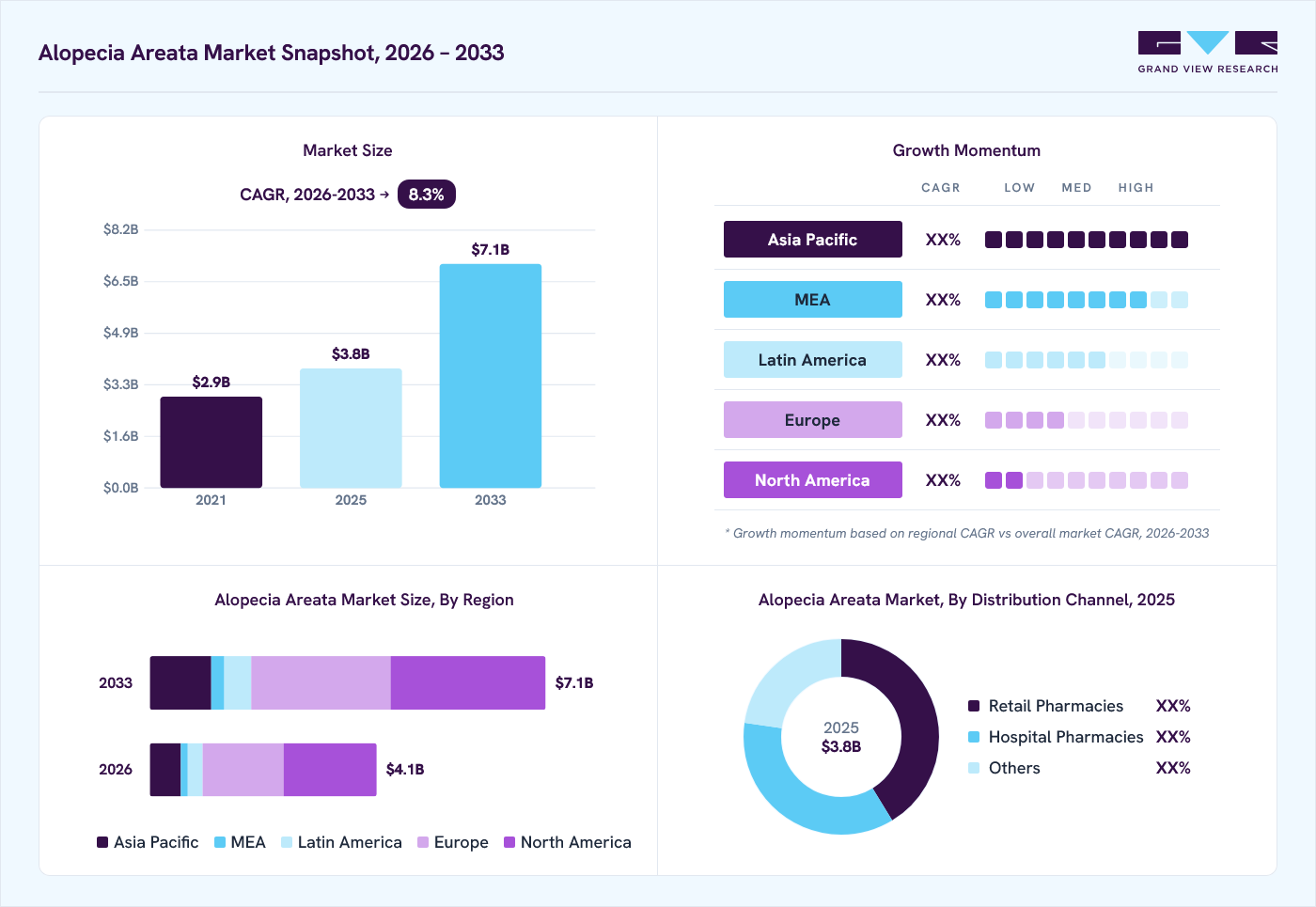
The global alopecia areata market size was valued at USD 3.8 billion in 2025 and is projected to grow from USD 4.1 billion in 2026 to USD 7.1 billion by 2033, at a CAGR of 8.3% from 2026 to 2033. North America dominated the market, accounting for a revenue share of 41.2% in 2025. Alopecia areata is an autoimmune disorder in which the immune system attacks hair follicles, causing non-scarring hair loss that commonly appears as round or oval patches on the scalp.
 Source: Grand View Research, IR Documents, Primary Interviews, Paid DatabasesTo learn more about this report,
 Download Free Sample Report
Key Market Trends & Insights
- The alopecia areata industry in the U.S. is expected to grow significantly over the forecast period.
- By treatment type, the corticosteroids segment held the highest market share of 42.9% in 2025.
- By route of administration, the oral segment held the highest market share of 35.0% in 2025.
- By distribution channel, the retail pharmacies segment held the highest market share in 2025.
Regional Highlights
- Largest regional market: North America (41.2% revenue share, 2025)
- Fastest-growing regional market: Asia Pacific (highest CAGR, 2026-2033)
- By country: The U.S. held the largest market share in 2025.
Market Size & Forecast
- Market size in 2025: USD 3.8 Billion
- Estimated market size in 2026: USD 4.1 Billion
- Projected market size by 2033: USD 7.1 Billion
- CAGR (2026-2033): 8.3%
Prism AI by Grand View Research Free to tryAsk a question about the alopecia areata marketTry asking✓Every figure cited from GVR research Prefer the report? Download free sample →The condition can also affect eyebrows, eyelashes, beard hair, and other body areas. Its severity ranges from limited patchy hair loss to extensive scalp hair loss or complete loss of body hair. Hair regrowth varies among patients, and recurrence remains a concern. The alopecia areata market includes medicines used to manage the condition, including corticosteroids, topical treatments, immunosuppressants, and targeted oral therapies. Treatment selection depends on disease severity, patient age, affected body areas, previous treatment response, and clinical assessment. The development of targeted medicines has expanded treatment options, particularly for patients with severe disease who require medical intervention to support hair regrowth and manage immune activity.
 To learn more about this report, Download Free Sample Report
Alopecia areata affects people across different age groups and populations, although reported disease burden varies according to diagnostic practices, study methods, and access to healthcare services. The condition is not always diagnosed promptly because some patients experience limited hair loss or do not consult a healthcare professional. Visible hair loss can affect emotional well-being, social interactions, and quality of life, creating a need for appropriate diagnosis and treatment. Dermatologists assess the extent of hair loss, disease progression, previous treatment response, and associated clinical factors before selecting a suitable therapy. Increased awareness of autoimmune hair loss and improvements in diagnostic practices support the identification of affected patients. Access to specialist consultations and approved medicines also influences treatment initiation and continuity. These factors contribute to the need for effective disease management, particularly among patients experiencing persistent or extensive hair loss who require medical intervention to support hair regrowth and manage recurring symptoms.
The alopecia areata market is shaped by advances in targeted drug development, clinical research, regulatory approvals, treatment affordability, and access to dermatology services. Janus kinase (JAK) inhibitors have expanded treatment options for eligible patients with severe alopecia areata by targeting immune signalling associated with hair follicle damage. However, treatment response varies, and some patients experience recurrent hair loss after discontinuing therapy. Corticosteroids and other immunomodulatory treatments remain relevant, particularly for patients with limited disease or those requiring alternative treatment options. Pharmaceutical companies are investigating therapies with different mechanisms of action, improved hair regrowth outcomes, and suitable safety profiles for disease management. Market development also depends on physician awareness, patient adherence, reimbursement coverage, and access to approved medicines across countries. Continued clinical research into disease recurrence, treatment response, and patient quality of life supports the development of treatment options for different disease severities. These factors collectively shape prescribing practices and the availability of therapies for patients with alopecia areata.
Market Dynamics
The increasing availability of targeted therapies supports growth in the alopecia areata market by providing treatment options for patients with severe hair loss. Janus kinase (JAK) inhibitors target immune signalling involved in inflammation around hair follicles and help support hair regrowth. These medicines have expanded treatment options for patients who do not achieve adequate results with topical treatments or corticosteroids. Regulatory approvals for additional patient groups also support broader treatment access and increase the number of patients eligible for pharmacological treatment. Physicians select therapies according to disease severity, medical history, safety considerations, and previous treatment response. Continued clinical research and regulatory reviews also contribute to the development of treatment options for patients with extensive scalp hair loss.
Safety concerns and the need for continued treatment restrain the growth of the alopecia areata market. Targeted therapies, particularly oral JAK inhibitors, require careful patient assessment because their use is associated with risks that include serious infections, changes in blood cell counts, and other adverse reactions. Physicians evaluate medical history, existing health conditions, concurrent medicines, and relevant laboratory results before initiating treatment. Ongoing monitoring adds to the clinical workload and can increase the overall cost of disease management. These requirements can limit treatment suitability for some patients and affect the willingness of patients and physicians to initiate systemic therapy. Treatment duration also presents a challenge because hair regrowth does not always continue after medicines are discontinued, and some patients experience recurrent hair loss. Patients who require prolonged treatment need regular consultations and continued access to prescribed medicines. Treatment affordability, insurance coverage, and differences in access to specialist dermatology services further affect treatment continuity. These factors influence therapy selection and patient adherence, particularly in healthcare systems where patients bear a substantial portion of medicine and monitoring costs. The need to balance treatment benefits against potential risks remains an important consideration in prescribing decisions.
The development of therapies that support sustained hair regrowth and reduce disease recurrence presents an opportunity in the alopecia areata market. Available treatments help manage hair loss by targeting immune mechanisms involved in hair follicle damage; however, treatment response varies among patients, and some experience renewed hair loss after discontinuing therapy. These challenges create scope for pharmaceutical companies to investigate medicines that maintain treatment response and support long-term disease management. Research into alternative mechanisms of action, treatment duration, and patient-specific responses can help address the needs of patients who achieve limited hair regrowth with existing therapies. Clinical studies evaluating sustained hair regrowth, relapse rates, and treatment safety can also guide the development of treatment options for different disease severities. Companies can further explore therapies for patients with extensive scalp hair loss and those who do not respond adequately to currently available medicines. Progress in this area depends on clinical evidence demonstrating durable treatment outcomes and acceptable safety profiles. The development of therapies that maintain hair regrowth after treatment and reduce the need for repeated treatment courses can address an important unmet need and support product differentiation in the alopecia areata market.
Market Concentration & Characteristics
The alopecia areata market demonstrates a high degree of innovation due to the development of targeted therapies that address immune mechanisms responsible for hair follicle damage. Janus kinase (JAK) inhibitors have expanded treatment options for patients with severe disease and provide alternatives to corticosteroids and other immunomodulatory treatments. Pharmaceutical companies are also investigating therapies with different mechanisms of action to improve hair regrowth, treatment response, and long-term disease management. Clinical research focuses on treatment durability, recurrence after discontinuation, and safety across different patient groups. Innovation also involves evaluating treatment outcomes beyond scalp hair regrowth, including eyebrow and eyelash recovery. Continued investment in research and development supports the introduction of new therapies and improvements in existing treatment options. However, clinical evidence and regulatory approval remain necessary for commercial adoption.
The alopecia areata market has high barriers to entry because the development of new medicines requires clinical evidence demonstrating efficacy and safety. Pharmaceutical companies must conduct clinical trials to evaluate hair regrowth, treatment response, adverse events, and the durability of outcomes. Regulatory approval requires compliance with country-specific requirements and the submission of clinical and manufacturing data. Developing targeted therapies also requires expertise in immunology, drug discovery, and clinical development, along with substantial financial resources. Established companies benefit from existing research capabilities, physician relationships, and experience in commercializing prescription medicines. New entrants must also establish distribution networks, communicate clinical evidence to dermatologists, and address reimbursement requirements. These factors increase the time and resources required to introduce new products. Companies with differentiated therapies and sufficient development capabilities are better positioned to compete.
 To learn more about this report, Download Free Sample Report
Regulations have a high impact on the alopecia areata market because medicines require approval from national regulatory authorities before commercial sale. Agencies such as the U.S. Food and Drug Administration (FDA) and the European Medicines Agency (EMA) assess clinical evidence, safety, manufacturing quality, and the proposed indications for use. Targeted therapies, including JAK inhibitors, also require safety evaluation and appropriate prescribing information. Regulatory requirements influence clinical trial design, development timelines, product labelling, and post-marketing safety monitoring. Companies must comply with country-specific requirements when expanding into new markets, which affects product launch timing and patient access. Changes to approved indications can also affect the eligible patient population. In addition, reimbursement decisions and healthcare policies influence the availability of approved medicines. Compliance with these requirements remains important throughout product development and commercial supply.
The alopecia areata market has a moderate level of product substitution because patients have access to different treatment categories based on disease severity, affected body areas, and clinical needs. Corticosteroids are used in selected patients with limited hair loss, while topical treatments and immunomodulatory therapies provide alternatives for specific clinical situations. Oral Janus kinase (JAK) inhibitors are important options for eligible patients with severe disease. These treatments differ in their mechanisms of action, administration, safety profiles, and monitoring requirements. However, they are not directly interchangeable for every patient because treatment selection depends on clinical assessment and approved indications. Some patients also experience spontaneous hair regrowth, although recurrence remains possible. The availability of multiple therapies gives physicians treatment choices, while differences in efficacy, tolerability, affordability, and patient preference influence prescribing decisions.
The alopecia areata market has a moderate level of geographical expansion, driven by opportunities to introduce approved therapies in additional countries. Expansion depends on regulatory approvals, reimbursement policies, medicine affordability, and access to dermatology services. Differences in healthcare coverage and specialist availability affect patient access to targeted treatments across regions. Pharmaceutical companies can expand their presence through local regulatory submissions, distribution partnerships, and agreements with healthcare providers. However, differences in clinical practice, treatment affordability, and reimbursement requirements can limit expansion in some countries. Therefore, geographical growth depends on regulatory compliance, market access planning, and the availability of suitable treatment options for eligible patients.
Analyst Perspective
The alopecia areata market is driven by the adoption of targeted therapies, improved disease awareness, and continued clinical research. JAK inhibitors have expanded treatment options for patients with severe hair loss. However, treatment costs, safety concerns, variable treatment response, and disease recurrence affect patient access and long-term treatment outcomes. Market development will depend on new product approvals, improved access to approved medicines, and research into therapies that support sustained hair regrowth and address unmet treatment needs.
Treatment Type Insights
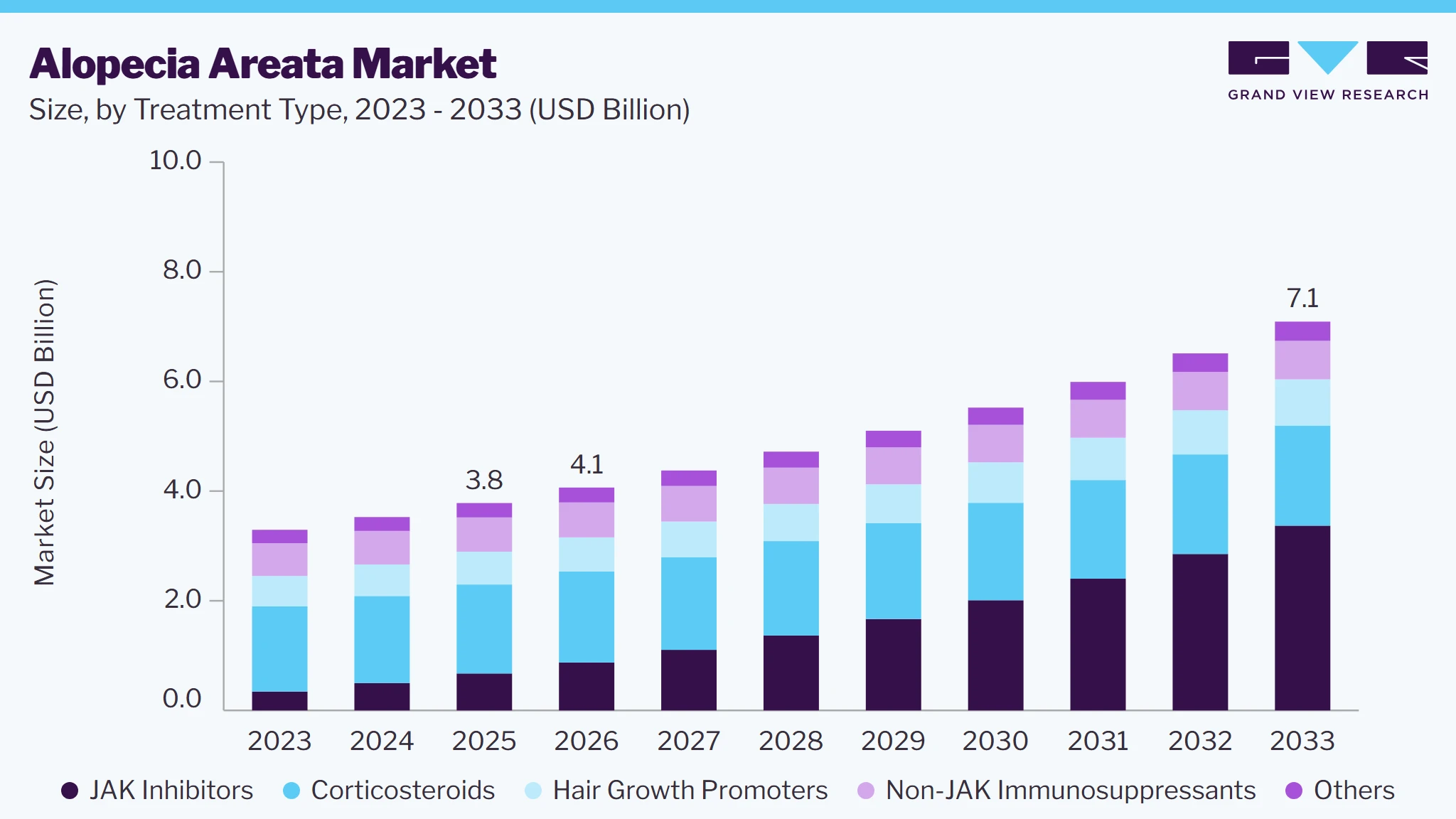
The corticosteroids segment dominated the alopecia areata market with a revenue share of 42.9% in 2025, due to their established use in clinical practice, availability in topical and injectable formulations, and suitability for treating localized hair loss. Corticosteroids suppress immune activity around hair follicles and support hair regrowth in selected patients. Their use is supported by physician familiarity, availability through dermatology services, and established treatment protocols. Different formulations allow physicians to select treatment according to disease severity, affected body areas, and patient age. Their role in managing localized inflammation also supports prescribing across eligible patient groups. However, prolonged use requires monitoring because of potential adverse effects. The segment continues to serve patients who require localized treatment and those for whom corticosteroids remain a suitable option.
The JAK inhibitors segment is projected to register the fastest CAGR of 21.2% during the forecast period due to increasing demand for targeted systemic therapies, clinical evidence supporting hair regrowth, and expanding treatment options for severe alopecia areata. These medicines target immune signalling involved in hair follicle damage and provide treatment options for eligible patients with extensive hair loss. Oral administration supports their use in systemic disease management, while continued clinical research helps assess treatment response and long-term outcomes. Regulatory approvals for additional patient groups and broader physician awareness also support segment growth.
Route of Administration Insights
The oral segment dominated the alopecia areata market with a market share of 35.0% in 2025, due to the convenience of oral administration, suitability for systemic treatment, established use of targeted medicines, ease of daily dosing, physician familiarity, and availability of approved oral JAK inhibitors. Oral medicines help manage immune activity associated with hair follicle damage and provide treatment options for eligible patients with severe hair loss. Their use is also supported by clinical evidence of scalp hair regrowth and the availability of standardized dosing schedules. Treatment selection depends on disease severity, patient medical history, safety considerations, and treatment response.
The topical segment is projected to register a CAGR of 5.0% during the forecast period, due to demand for localized treatment, ease of application, suitability for selected patients with limited hair loss, and interest in treatment options that reduce systemic drug exposure. Topical corticosteroids are used to manage localized inflammation around hair follicles and support hair regrowth in selected patients. Their use also benefits from established prescribing practices and availability in different formulations. Patients and physicians may consider topical treatment when disease severity and clinical assessment support localized therapy. Research into topical medicines with new mechanisms of action also supports development opportunities for patients who require alternatives to systemic treatment. However, treatment response varies, and topical medicines may provide limited benefits in extensive disease.
Distribution Channel Insights
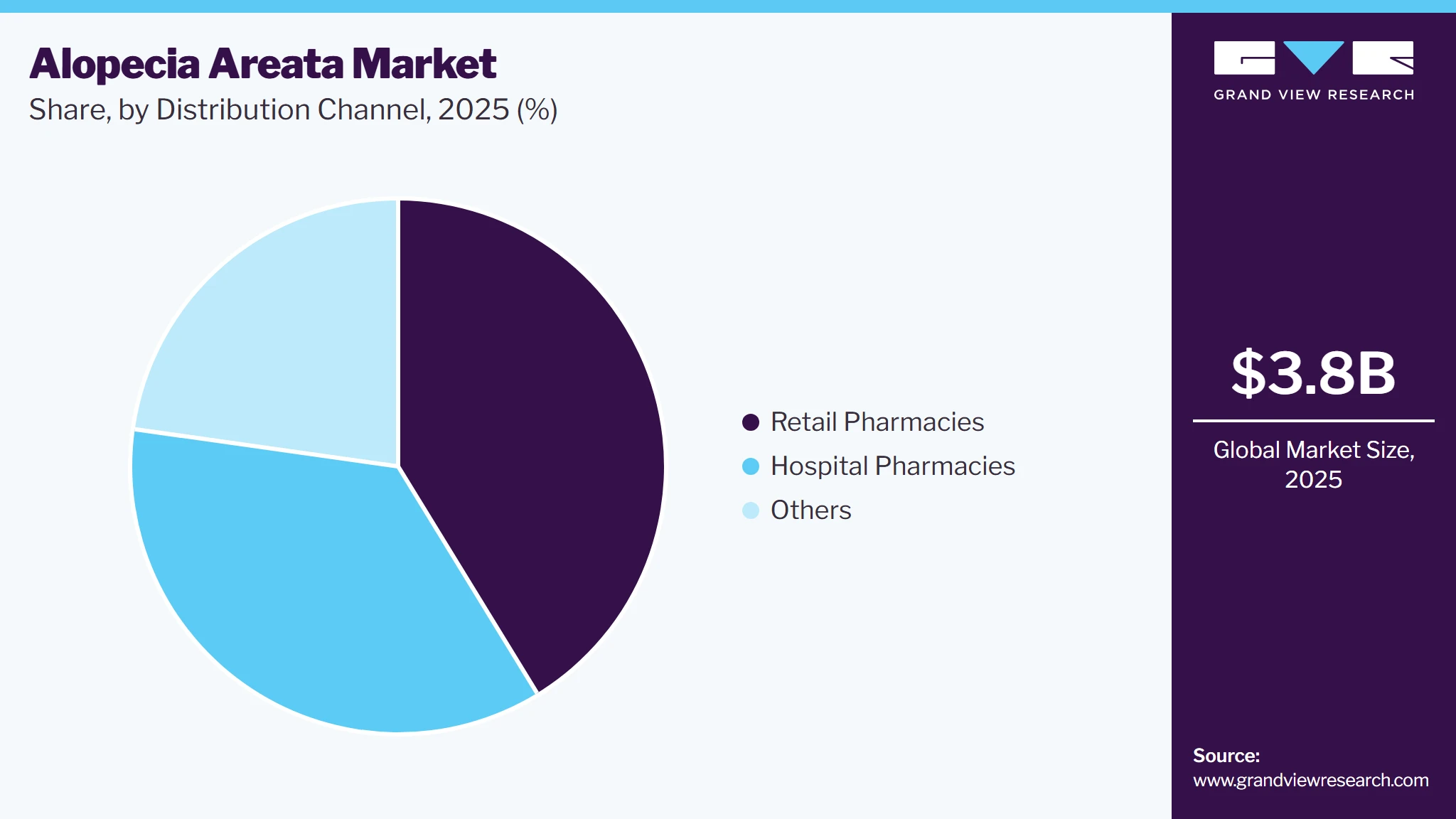
The retail pharmacies segment dominated the alopecia areata market with a market share of 41.3% in 2025, due to convenient access to prescription medicines, established pharmacy networks, direct patient access, availability of repeat prescriptions, pharmacist support, and distribution of medicines prescribed by dermatologists. Retail pharmacies provide a distribution channel for oral treatments and selected topical medicines used to manage alopecia areata. Their local presence helps patients obtain prescribed medicines and maintain treatment schedules. Repeat purchases also support the role of retail pharmacies in ongoing disease management. In addition, established relationships between pharmacies, healthcare providers, and patients support prescription fulfilment. However, access to targeted therapies depends on prescription requirements, medicine availability, insurance coverage, and local dispensing rules. These factors influence the contribution of retail pharmacies to medicine distribution across different healthcare systems.
 To learn more about this report, Download Free Sample Report
The retail pharmacies segment is projected to register a CAGR of 10.5% during the forecast period due to increasing demand for prescription fulfilment, wider access to targeted oral therapies, and the need for continued treatment among eligible patients. Growth is also supported by pharmacy network expansion, improved medicine distribution, and the role of retail outlets in repeat prescription fulfilment. As more patients receive medical treatment for severe alopecia areata, retail pharmacies provide an accessible channel for obtaining prescribed medicines. Pharmacy-based services and coordination with healthcare providers also support prescription management and treatment continuity. In markets where approved therapies become more accessible, retail pharmacies can benefit from increased dispensing activity. However, growth depends on reimbursement policies, medicine costs, prescription practices, and the availability of approved treatments. These factors shape the contribution of retail pharmacies to market expansion.
Regional Insights
North America Alopecia Areata Market Trends
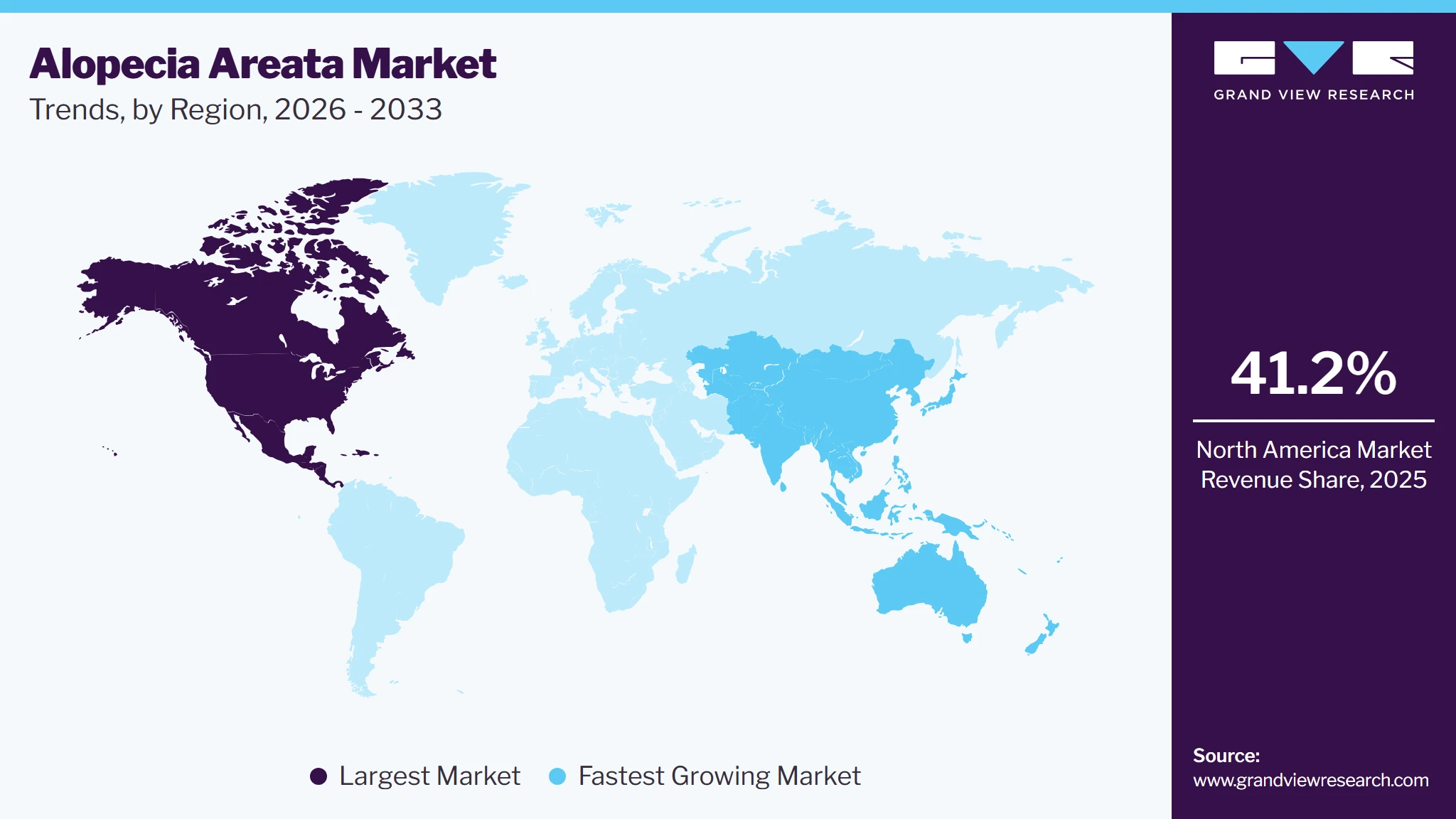
North America dominated the alopecia areata market with a market share of 41.2%, supported by access to approved targeted therapies and established dermatology services. The region benefits from awareness of autoimmune hair loss and access to specialist consultations. The availability of oral JAK inhibitors supports treatment options for patients with severe disease. Clinical research activity contributes to the development of new medicines and treatment protocols. Insurance coverage and prescription access influence the use of advanced therapies across the region. Continued research and patient access to approved medicines support regional market growth.
 To learn more about this report, Download Free Sample Report
U.S. Alopecia Areata Market Trends
The U.S. alopecia areata market benefits from the availability of approved oral JAK inhibitors for eligible patients with severe disease. Established dermatology services support diagnosis, treatment selection, and ongoing monitoring. Awareness of autoimmune hair loss encourages patients to seek medical assessment and treatment. Clinical trials and pharmaceutical research support the development of therapies with different mechanisms of action. Prescription coverage and patient assistance programs influence access to branded medicines. Demand for treatments that support scalp hair regrowth remains an important factor in market development.
Europe Alopecia Areata Market Trends
The European alopecia areata market is supported by access to dermatology services and the availability of targeted treatments in selected countries. Regulatory approval of new medicines expands treatment options for eligible patients. Clinical awareness of autoimmune hair loss supports diagnosis and treatment planning. Differences in reimbursement policies and healthcare coverage influence access to prescription therapies across countries. Research activity contributes to the evaluation of treatment response, safety, and long-term disease management. These factors shape the adoption of alopecia areata medicines across European healthcare systems.
UK Alopecia Areata Market Trends
The UK alopecia areata market is supported by specialist dermatology services and access to prescription treatments for eligible patients. The availability of targeted medicines provides options for adults with severe disease. Clinical assessment helps physicians select treatments according to disease severity, medical history, and previous response. Access to treatment depends on clinical eligibility, reimbursement decisions, and local prescribing practices. Patient awareness of hair loss conditions supports consultation and diagnosis. Continued research into treatment response and recurrence contributes to the development of disease management practices.
Germany Alopecia Areata Market Trends
The German alopecia areata market benefits from established dermatology services and access to prescription medicines through its healthcare system. Physician assessment supports the selection of treatments based on hair loss severity and patient characteristics. Targeted therapies provide options for eligible patients with severe alopecia areata. Clinical research contributes to understanding treatment response and the management of recurrent hair loss. Medicine reimbursement and patient access arrangements influence treatment selection. Continued clinical education and access to specialist care support the management of the condition.
France Alopecia Areata Market Trends
The French alopecia areata market is supported by access to dermatologists and established medical services for diagnosing autoimmune hair loss. Prescription medicines provide treatment options for patients with different levels of disease severity. Targeted therapies have expanded treatment choices for eligible patients who require systemic treatment. Clinical assessment and monitoring guide prescribing decisions and help manage potential adverse effects. Reimbursement criteria and medicine availability influence patient access to newer therapies. Continued research into hair regrowth and treatment response supports developments in disease management.
Asia-Pacific Alopecia Areata Market Trends
The Asia Pacific alopecia areata market is projected to register the fastest CAGR of 10.2% during the forecast period, supported by growing awareness of autoimmune hair loss and improving access to dermatology services. Expanding healthcare infrastructure supports diagnosis and treatment across regional markets. Greater availability of prescription medicines contributes to treatment access among eligible patients. Increasing clinical research activity supports the evaluation of targeted therapies in different patient populations. Differences in healthcare coverage and medicine affordability continue to affect adoption across countries. Growth in specialist services and access to approved treatments supports regional market expansion.
Japan Alopecia Areata Market Trends
The Japanese alopecia areata market is supported by established dermatology services and clinical attention to autoimmune hair loss. Access to prescription medicines enables treatment based on disease severity and patient characteristics. Targeted therapies provide additional options for eligible patients with severe disease. Physician monitoring supports the assessment of treatment response and potential adverse effects. Clinical research contributes to understanding disease progression and treatment outcomes in Japanese patients. Medicine approval, reimbursement, and prescribing practices influence the availability and use of therapies.
China Alopecia Areata Market Trends
The Chinese alopecia areata market is influenced by growing awareness of hair loss disorders and expanding access to dermatology services. Greater recognition of autoimmune causes supports clinical assessment and treatment planning. Access to prescription medicines varies across regions and healthcare facilities. Research into targeted therapies contributes to the evaluation of treatment options for patients with severe disease. Medicine affordability and distribution influence treatment access. Improvements in specialist care and patient awareness support the development of the market.
Latin America Alopecia Areata Market Trends
The Latin American alopecia areata market is shaped by access to dermatology services and the availability of prescription treatments. Awareness of autoimmune hair loss supports patient consultations and diagnosis. Targeted therapies provide treatment options for eligible patients with severe disease where approved and accessible. Differences in healthcare coverage and medicine affordability influence the use of newer treatments across countries. Access to specialist consultations also affects treatment initiation and follow-up. Expansion of pharmaceutical distribution and improved access to medical care support market development.
Brazil Alopecia Areata Market Trends
The Brazilian alopecia areata market benefits from a large patient population and access to dermatology services in major urban areas. Physician awareness supports the identification and management of autoimmune hair loss. Prescription medicines provide options for patients with varying disease severity. Access to targeted therapies depends on product availability, clinical eligibility, and treatment affordability. Differences in specialist access across regions influence diagnosis and treatment continuity. Expansion of dermatology services and patient awareness supports market development.
Middle East & Africa Alopecia Areata Market Trends
The MEA alopecia areata market is shaped by differences in healthcare infrastructure, access to dermatologists, and the availability of approved medicines. Awareness of autoimmune hair loss supports diagnosis and treatment among patients who seek specialist care. Targeted therapies provide options for eligible patients in countries where these medicines are available. Medicine costs and reimbursement arrangements influence access to prescription treatment. Variations in healthcare services across countries affect treatment continuity and monitoring. Improved access to specialist care and pharmaceutical distribution supports market development.
Saudi Arabia Alopecia Areata Market Trends
The Saudi Arabian alopecia areata market is supported by access to dermatology services and growing awareness of medical treatment options for hair loss. Physicians assess disease severity and patient history when selecting suitable therapies. Approved targeted medicines provide treatment options for eligible patients with severe disease. Access depends on product availability, prescribing practices, and reimbursement coverage. Specialist consultations support treatment monitoring and evaluation of hair regrowth. Continued development of dermatology services and patient access to prescription medicines supports market growth.
Key Companies & Market Share Insights
The alopecia areata market is witnessing competition among pharmaceutical companies developing and commercializing targeted therapies for autoimmune hair loss. Eli Lilly and Company, Pfizer Inc., and Sun Pharmaceutical Industries Ltd. participate in the treatment landscape through approved therapies targeting severe alopecia areata. AbbVie Inc. is advancing its position through the development of targeted medicines for immune-mediated conditions, while Bristol Myers Squibb Company is involved in research into immunological treatments. In parallel, Aclaris Therapeutics, Inc., Q32 Bio Inc., Nektar Therapeutics, Almirall, S.A., and Forte Biosciences, Inc. contribute to the competitive landscape through research and development programs focused on immunology and inflammatory diseases. Competition is shaped by product approvals, clinical outcomes, treatment safety, and access to prescription medicines. The market remains influenced by the ability of companies to demonstrate sustained hair regrowth, address unmet treatment needs, and expand access to approved therapies.
Key Alopecia Areata Companies
The following key companies have been profiled for this study on the alopecia areata market.
-
Eli Lilly and Company
-
Pfizer Inc.
-
Sun Pharmaceutical Industries Ltd.
-
AbbVie Inc.
-
Q32 Bio Inc.
-
Nektar Therapeutics
-
Aclaris Therapeutics, Inc.
-
Almirall, S.A.
-
Bristol Myers Squibb Company
-
Forte Biosciences, Inc.
Competitive Benchmarking
Category
Operating Strategies
Competitive Edge
Weaknesses
Mature Players (Pfizer Inc.)
- Mature players focus on developing and commercializing prescription medicines, expanding access to approved therapies, and maintaining relationships with dermatologists.
- Their strategies include clinical research, regulatory submissions, product launches, and investment in dermatology and immunology.
- Companies with approved alopecia areata treatments focus on clinical evidence, patient access, and treatment adoption.
- Mature players benefit from established research infrastructure, regulatory experience, clinical development capabilities, and commercial distribution networks.
- Companies with approved alopecia areata medicines benefit from clinical evidence, physician familiarity, and established product availability.
- Financial resources and healthcare relationships support clinical research, market access, and expansion into additional countries.
- Mature players face clinical development costs, regulatory requirements, safety monitoring obligations, and competition from other prescription therapies.
- Treatment costs and reimbursement differences can limit patient access.
- Companies without an approved alopecia areata product must invest in clinical development and demonstrate efficacy and safety before entering the market.
Emerging Players (Forte Bioscience, Inc.)
- Emerging players focus on research into immune regulation, inflammatory disease mechanisms, and new treatment candidates.
- Their strategies include clinical trials, licensing agreements, and research partnerships.
- They aim to develop therapies that address unmet needs in autoimmune and inflammatory conditions, with progress depending on clinical results, funding, and regulatory review.
- Emerging players can focus on specific biological targets and treatment concepts.
- Focused research programs support the investigation of new mechanisms of action and differentiated treatment profiles.
- Partnerships and licensing agreements can provide access to funding, clinical expertise, and commercial networks.
- Successful clinical results can help these companies establish a position in targeted treatment categories.
- Emerging players face funding constraints, clinical development risks, and limited commercial infrastructure.
- Trial delays, adverse events, or inconclusive results can affect development plans.
- Dependence on external financing and partnerships can limit operational flexibility.
- These companies must demonstrate clinical differentiation and establish relationships with healthcare providers and payers to support future commercialization.
Recent Developments
-
In September 2026, Eli Lilly and Company announced that the U.S. Food and Drug Administration had approved baricitinib for pediatric patients aged 12 years and older with severe alopecia areata.
-
In July 2026, AbbVie announced that the European Commission had approved upadacitinib for adults and adolescents aged 12 years and older with severe alopecia areata, expanding oral treatment options in the European Union.
-
In March 2026, Sun Pharmaceutical Industries Ltd. received UK regulatory approval for deuruxolitinib for the treatment of adults with severe alopecia areata, expanding the availability of oral JAK inhibitor treatment in the United Kingdom.
Alopecia Areata Market Report Scope
Report Attribute
Details
Market size in 2025
USD 3.8 billion
Estimated market size in 2026
USD 4.1 billion
Projected market size by 2033
USD 7.1 billion
Growth rate
CAGR of 8.3% from 2026 to 2033
Base year for estimation
2025
Historical data
2021 - 2024
Forecast period
2026 - 2033
Quantitative units
Revenue in USD billion and CAGR from 2026 to 2033
Report coverage
Revenue forecast, company ranking, competitive landscape, growth factors, trends
Segments covered
Treatment type, route of administration, distribution channel and region
Regional scope
North America; Europe; Asia Pacific; Latin America; Middle East & Africa
Country scope
U.S., Canada, Mexico, UK, Germany, France, Italy, Spain, Denmark, Sweden, Norway, China, Japan, India, Australia, South Korea, Thailand, Brazil, Argentina, South Africa, Saudi Arabia, UAE, Kuwait
Key company profiled
Eli Lilly and Company; Pfizer Inc.; Sun Pharmaceutical Industries Ltd.; AbbVie Inc.; Q32 Bio Inc.; Nektar Therapeutics; Aclaris Therapeutics, Inc.; Almirall, S.A.; Bristol Myers Squibb Company; Forte Biosciences, Inc.
Customization scope
Free report customization (equivalent up to 8 analysts working days) with purchase. Addition or alteration to country, regional & segment scope.
Pricing and purchase options
Avail customized purchase options to meet your exact research needs. Explore purchase options
Global Alopecia Areata Market Report Segmentation
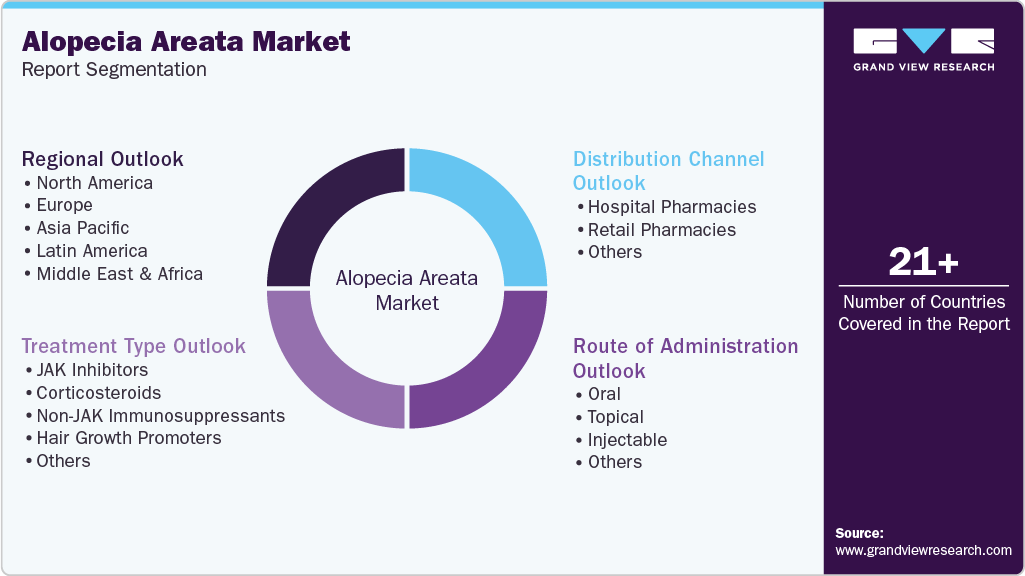
This report forecasts revenue growth at global, regional, and country levels and provides an analysis of the latest industry trends in each of the sub-segments from 2021 to 2033. For this study, Grand View Research has segmented the global alopecia areata market report based on treatment type, route of administration, distribution channel, and region:
 To learn more about this report, Download Free Sample Report
-
Treatment Type Outlook (Revenue, USD Million, 2021 - 2033)
-
JAK Inhibitors
-
Corticosteroids
-
Non-JAK Immunosuppressants
-
Hair Growth Promoters
-
Others
-
-
Route of Administration Outlook (Revenue, USD Million, 2021 - 2033)
-
Oral
-
Topical
-
Injectable
-
Others
-
-
Distribution Channel Outlook (Revenue, USD Million, 2021 - 2033)
-
Hospital Pharmacies
-
Retail Pharmacies
-
Others
-
-
Regional Outlook (Revenue, USD Million, 2021 - 2033)
-
North America
-
U.S.
-
Canada
-
Mexico
-
-
Europe
-
UK
-
Germany
-
France
-
Italy
-
Spain
-
Denmark
-
Sweden
-
Norway
-
-
Asia Pacific
-
Japan
-
China
-
India
-
Australia
-
South Korea
-
Thailand
-
-
Latin America
-
Brazil
-
Argentina
-
-
Middle East & Africa
-
South Africa
-
Saudi Arabia
-
UAE
-
Kuwait
-
-
Research Methodology
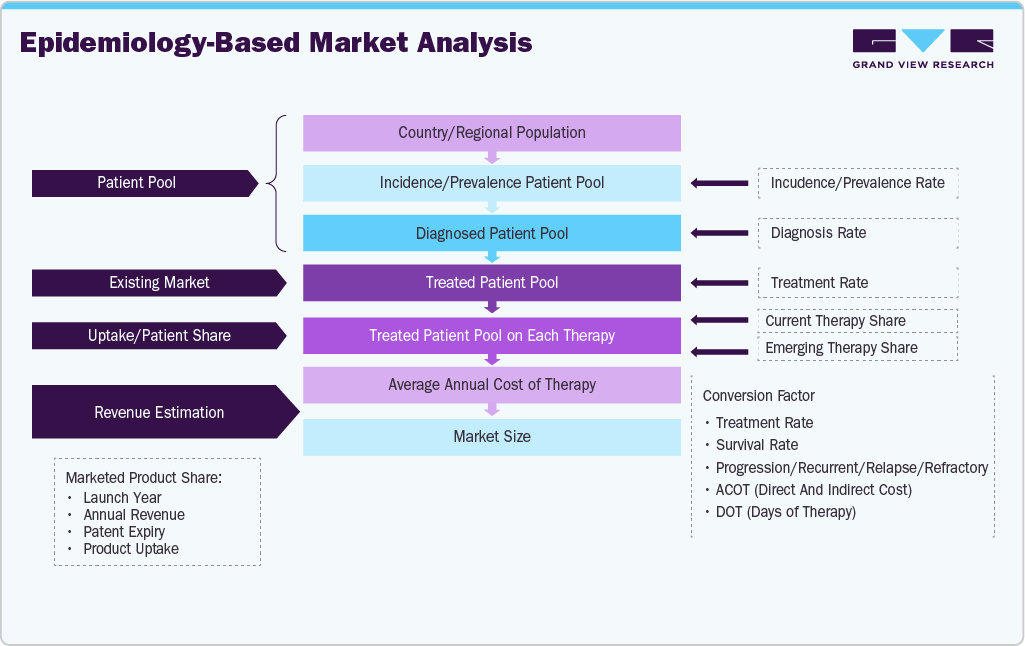
The alopecia areata market figures in this report are based on a proven research process that combines executive interviews with secondary research from proprietary databases, company filings, and recognized regulatory and institutional sources. Market size is built through value-chain sizing - reconciling supply-side and demand-side estimates - and triangulated with bottom-up and top-down approaches. Every estimate passes multiple levels of expert validation before publication, with each alopecia areata segment quantified using the revenue-capture definitions in the table below.
Segment Definition
Segment - Treatment Type
Revenue capture definition
JAK Inhibitors
This segment includes Janus kinase (JAK) inhibitors used to treat alopecia areata by targeting immune signals involved in hair follicle damage. It covers medicines classified as JAK inhibitors, regardless of their route of administration.
Corticosteroids
This segment includes corticosteroid medicines used to manage alopecia areata by reducing inflammation and immune activity around hair follicles. It covers topical, injectable, and systemic corticosteroids used to treat the condition.
Non-JAK Immunosuppressants
This segment includes immunosuppressive medicines other than JAK inhibitors and corticosteroids that are used to manage alopecia areata by reducing immune activity. It covers medicines such as cyclosporine, methotrexate, and other eligible immunosuppressants used for this condition.
Hair Growth Promoters
This segment includes medicines used primarily to stimulate hair growth in patients with alopecia areata. It covers pharmacological hair growth promoters, such as minoxidil, when used within the defined scope of alopecia areata treatment.
Others
This segment includes other treatments used for alopecia areata that do not fall under JAK inhibitors, corticosteroids, non-JAK immunosuppressants, or hair growth promoters. It includes contact immunotherapy agents, such as diphenylcyclopropenone (DPCP) and squaric acid dibutyl ester (SADBE), and other eligible treatments with distinct mechanisms of action.
Segment - Route of Administration
Revenue capture definition
Oral
This segment includes alopecia areata medicines administered by mouth in forms such as tablets, capsules, or oral solutions. It covers medicines across all included treatment types that are taken orally.
Topical
This segment includes alopecia areata medicines applied directly to the scalp or other affected skin areas. It covers creams, ointments, lotions, foams, and solutions intended for topical application, including topical corticosteroids and contact immunotherapy agents.
Injectable
This segment includes alopecia areata medicines administered through injections, including intralesional injections into affected skin areas and systemic injections when applicable. It covers injectable formulations across the included treatment types.
Others
This segment includes alopecia areata medicines administered through routes other than oral, topical, or injectable administration.
Segment - Distribution Channel
Revenue capture definition
Hospital Pharmacies
This segment includes alopecia areata medicines dispensed through pharmacies operated by or located within hospitals. It covers medicines supplied to inpatient and outpatient departments through hospital pharmacy services.
Retail Pharmacies
This segment includes alopecia areata medicines dispensed through community pharmacies, independent pharmacies, and chain pharmacies operating outside hospital pharmacy services. It covers prescription medicines supplied directly to patients through these outlets, including online orders fulfilled by retail pharmacies.
Others
This segment includes alopecia areata medicines supplied through channels other than hospital and retail pharmacies. It includes separately identifiable specialty pharmacies, mail-order pharmacies, and direct-to-patient medicine supply services when these operate as distinct dispensing channels.
Estimation Model
 To learn more about this report, Download Free Sample Report
Delivered Customizations
This report has been delivered with the following In-depth customizations
Client Request
Customization Delivered
Value Adds
Global Alopecia Areata Market Assessment and Treatment Opportunity Analysis
Conducted an assessment of the alopecia areata market across key countries, evaluating disease prevalence, diagnosis rates, treatment adoption, and access to approved therapies. The study assessed treatment patterns across corticosteroids, JAK inhibitors, non-JAK immunosuppressants, and hair growth promoters, along with regulatory approvals, reimbursement policies, and distribution channels.
Helped the client identify treatment segments with growth potential, assess patient access barriers, and evaluate opportunities associated with targeted therapies. The analysis supported product positioning, market entry planning, and the assessment of treatment adoption across established and developing pharmaceutical markets.
Alopecia Areata Therapeutic Pipeline and Competitive Benchmarking
Delivered a comparative assessment of pharmaceutical companies operating in the alopecia areata market, covering approved medicines, clinical-stage candidates, research programs, product launches, and regulatory developments. The analysis examined treatment mechanisms, clinical trial progress, efficacy, safety, and potential differentiation across therapies.
Enabled the client to assess competitive positioning, identify development opportunities, and evaluate potential areas for product differentiation. The analysis supported pipeline benchmarking, research prioritization, partnership assessment, and strategic planning based on treatment gaps and clinical development activity.
Alopecia Areata Treatment Access and Market Expansion Assessment
Conducted a country-level assessment of alopecia areata treatment access across selected markets, examining specialist availability, diagnosis practices, medicine affordability, reimbursement coverage, and access to approved therapies. The study also reviewed differences in prescribing practices, distribution channels, and healthcare infrastructure affecting treatment initiation and continuity.
Supported market expansion planning by identifying barriers to treatment access, opportunities to improve medicine availability, and differences in patient access across countries. The analysis helped inform distribution planning, market access strategies, and prioritization of countries based on treatment availability, healthcare access, and unmet clinical needs.
About the Author(s)
Pharmaceuticals Research Team
Healthcare · PharmaceuticalsThis report was authored by the pharmaceuticals research team at Grand View Research - comprising two research analysts, one senior research analyst, and one industry expert - with specialized expertise in the pharmaceuticals segment of the healthcare industry. All findings are based on proprietary healthcare databases, executive interviews, and regulatory analysis, subject to internal peer review prior to publication.
Last Updated:
Speak to Analyst

Customize this report to your needs - add regions, segments, or data points, with 20% free customization.
Or view our licence options:


ISO 9001:2015 & 27001:2022 Certified
We are GDPR and CCPA compliant! Your transaction & personal information is safe and secure. For more details, please read our privacy policy.


