
- Home
- »
- Medical Devices
- »
-
Ambulatory Infusion Centers Market Size Report, 2026-2033GVR Report cover

Ambulatory Infusion Centers Market (2026 - 2033)
Size, Share & Trends Analysis Report By Therapy Area (Oncology), By Ownership Model (Independent Centers), By Age Group (Pediatric, Adult Geriatric), By Region, And Segment Forecasts
Market Size, 2025
$40.9BMarket Estimate, 2026
$43.7BMarket Forecast, 2033
$76.2BCAGR, 2026–2033
8.3%Ambulatory Infusion Centers Market Summary
The global ambulatory infusion centers market size was estimated at USD 40.9 billion in 2025 and is projected to grow from USD 43.7 billion in 2026 to USD 76.2 billion by 2033, growing at a CAGR of 8.3% from 2026 to 2033. North America dominated the market, accounting for the largest revenue share of 36.8% in 2025. This growth is attributed to the increasing prevalence of chronic diseases, expanding use of specialty infusion therapies, and the shift toward cost-effective outpatient care. Moreover, favorable reimbursement policies, increasing investments in independent infusion centers, and growing patient preference for convenient, accessible, and personalized infusion services are further supporting market expansion.
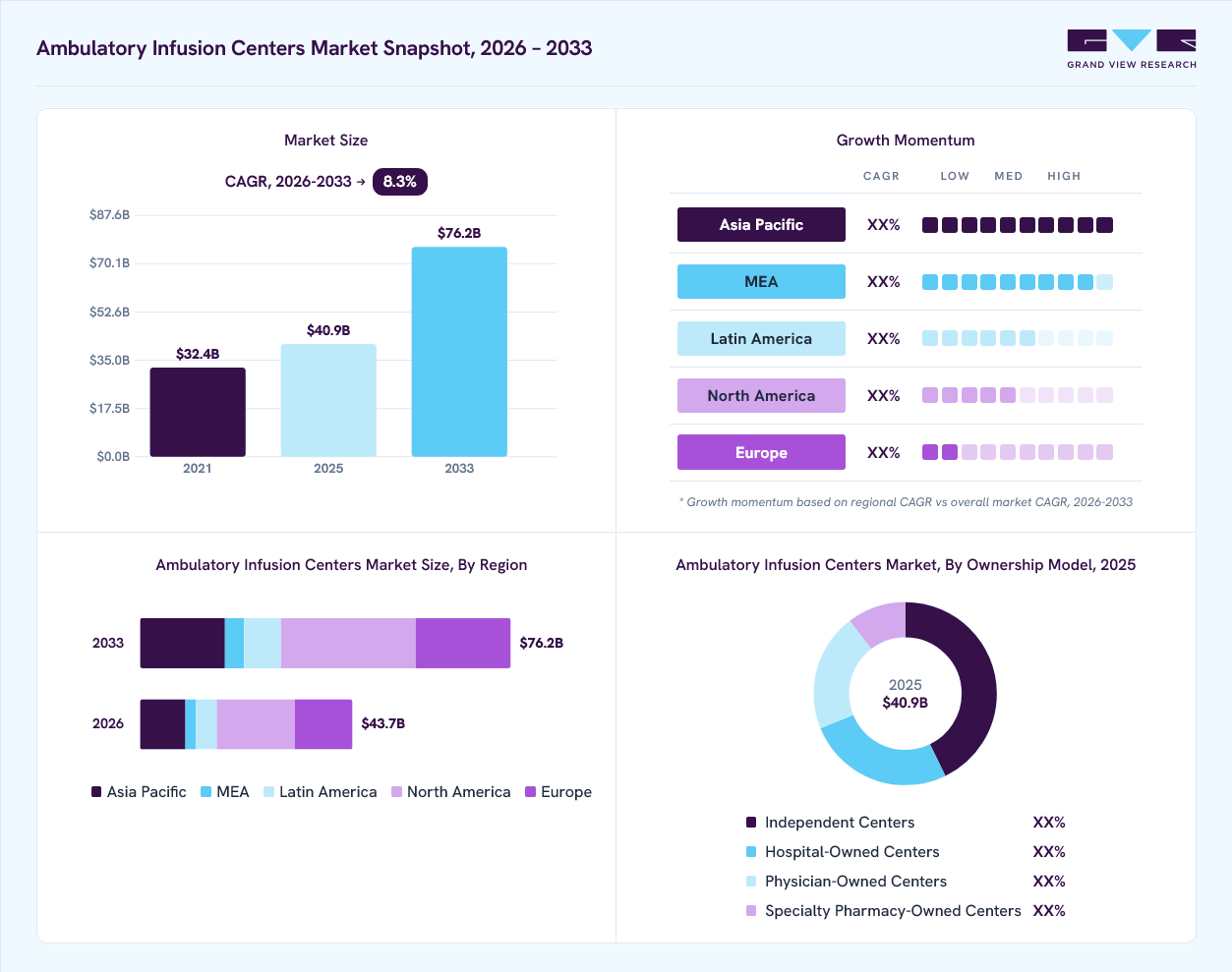 Source: Grand View Research, IR Documents, Primary Interviews, Paid DatabasesTo learn more about this report,
 Download Free Sample Report
Key Market Trends & Insights
- By therapy area: The oncology segment held the largest revenue share of 48.3% in 2025.
- By ownership model: Hospital-owned centers segment is expected to register the fastest growth rate during the forecast period.
- By age group: Adult segment held the largest revenue share of 56.3% in 2025.
Regional Highlights
- Largest regional market: North America (36.8% revenue share, 2025)
- Fastest-growing regional market: Asia Pacific (highest CAGR, 2026 - 2033)
- By country: U.S. held the largest market share in 2025.
Market Size & Forecast
- Market size in 2025: USD 40.9 Billion
- Estimated market size in 2026: USD 43.7 Billion
- Projected market size by 2033: USD 76.2 Billion
- CAGR (2026-2033): 8.3%
Prism AI by Grand View Research Free to tryAsk a question about the ambulatory infusion centers marketTry asking✓Every figure cited from GVR research Prefer the report? Download free sample →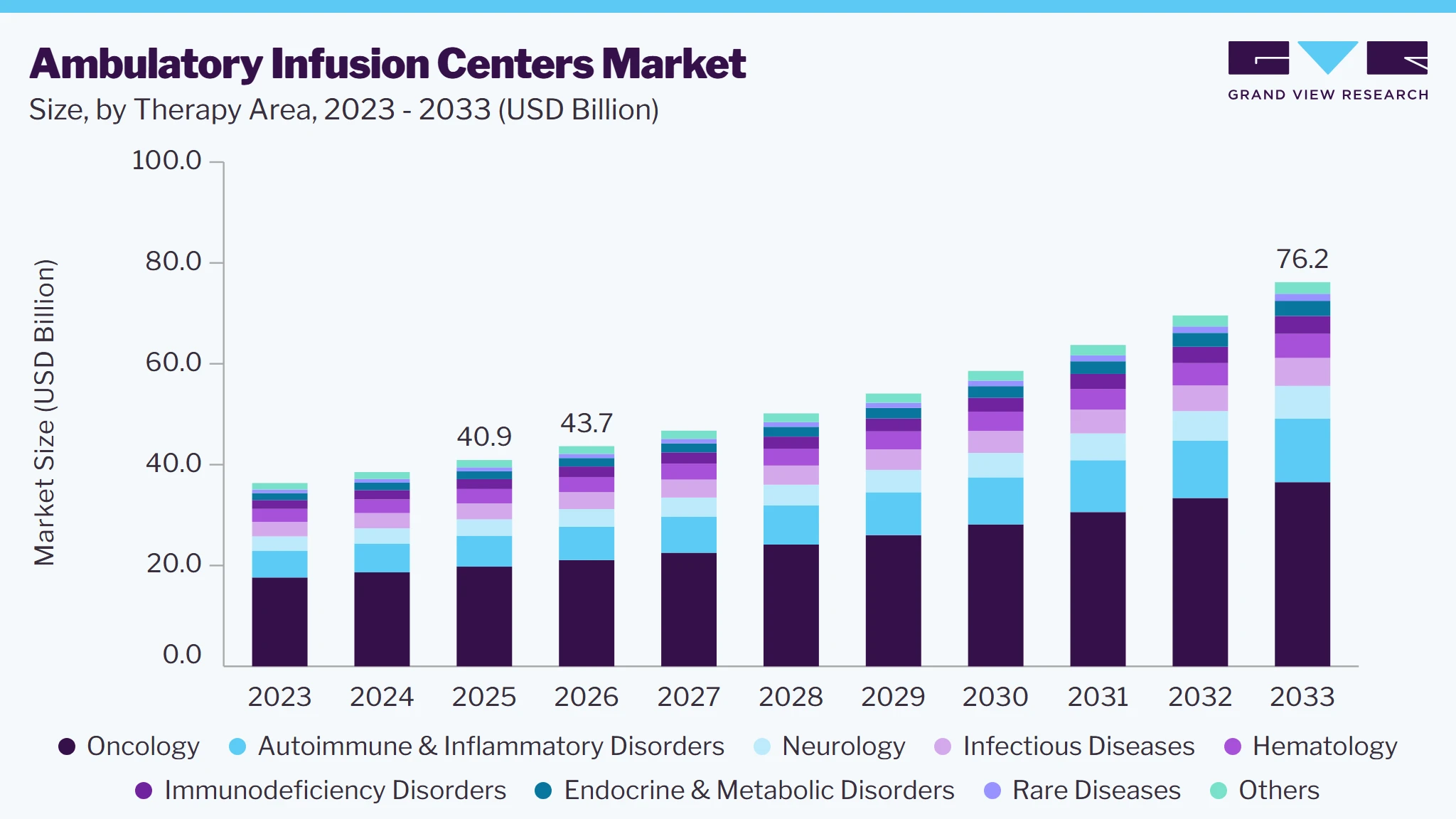 To learn more about this report, Download Free Sample Report
The section below outlines the key factors driving the growth of the ambulatory infusion centers market, highlighting the rising prevalence of chronic diseases requiring long-term infusion therapies and the growing shift from hospital-based care to cost-effective outpatient settings. It also examines the increasing adoption of specialty biologics and injectable therapies, favorable reimbursement policies, expanding investments in independent infusion centers, and rising patient preference for convenient, accessible, and personalized infusion services.
Market Dynamics
The increasing transition of infusion therapies from hospital outpatient departments to ambulatory infusion centers is significantly driving market growth. Healthcare systems, payers, and employers are increasingly encouraging the use of ambulatory infusion centers due to their ability to deliver high-quality care at substantially lower costs than hospital-based settings. In June 2026, Singlepoint Healthcare acquired Healix, a national provider supporting more than 220 physician-owned and ambulatory infusion centers across the U.S. The acquisition strengthened Singlepoint's specialty infusion capabilities, expanded access to outpatient infusion services, and enhanced integrated, patient-centered care for individuals requiring advanced infusion therapies.In addition, the implementation of favorable reimbursement policies promoting site-of-care optimization is driving the growth of the ambulatory infusion centers market. In November 2025, the U.S. Centers for Medicare & Medicaid Services (CMS) finalized the CY 2026 Hospital Outpatient Prospective Payment System (OPPS) and Ambulatory Surgical Centers (ASCs) Final Rule, extending physician fee schedule-equivalent payment rates to drug administration services provided in excepted off-campus hospital outpatient departments. This policy aims to reduce unnecessary healthcare spending by encouraging the delivery of eligible infusion services in lower-cost outpatient settings. CMS estimated that the provision would reduce OPPS spending by USD 290 million in CY 2026, including USD 220 million in Medicare savings and USD 70 million in beneficiary coinsurance savings. Such reimbursement reforms are expected to accelerate the transition of infusion therapies to ambulatory infusion centers, supporting market growth.
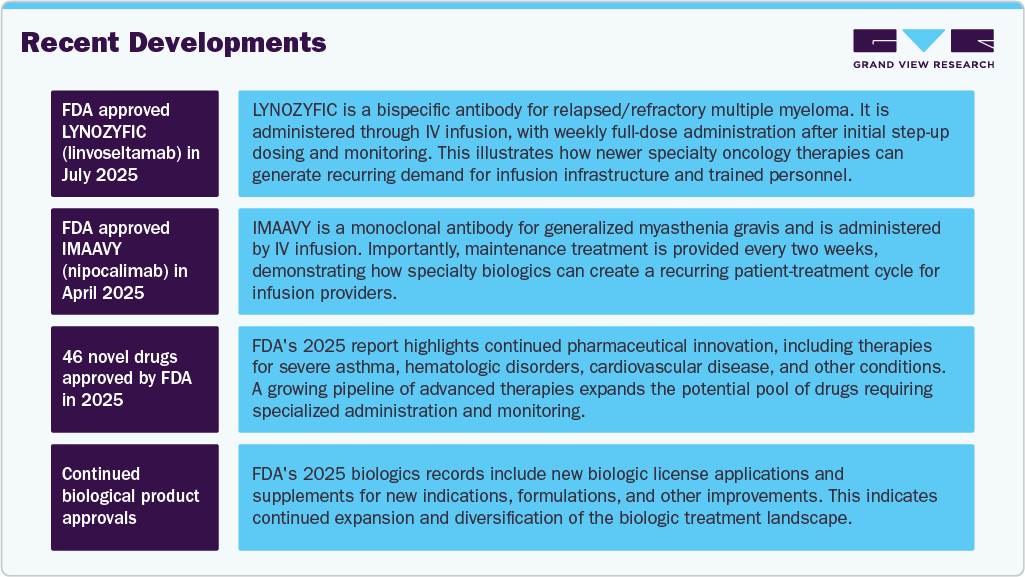
The increasing adoption of biologic and specialty drugs is a key driver of the Ambulatory Infusion Centers Market, as the pharmaceutical pipeline continues to introduce therapies that require administration by trained healthcare professionals in controlled clinical environments. Biologics, monoclonal antibodies, immunotherapies, and other specialty medicines are increasingly being used for oncology, autoimmune diseases, neurological disorders, inflammatory conditions, and rare diseases. Many of these therapies require intravenous infusion, repeated dosing, pre-infusion assessment, and monitoring for adverse reactions, creating recurring demand for specialized infusion services. The expanding drug pipeline further strengthens this opportunity.
 To learn more about this report, Download Free Sample Report
The shortage of skilled infusion nurses and specialized healthcare professionals is limiting the expansion of ambulatory infusion centers. Infusion therapies require trained clinicians to administer complex biologics, chemotherapy, and immunoglobulin therapies while monitoring patients for infusion-related reactions. Workforce shortages increase staffing costs, extend appointment wait times, and restrict the ability of infusion centers to expand capacity. According to the U.S. Bureau of Labor Statistics, employment of registered nurses is projected to grow 6% from 2023 to 2033, with approximately 197,200 job openings annually, reflecting persistent workforce demand that continues to challenge healthcare providers.
The rising healthcare expenditure on chronic disease management presents a significant opportunity for the ambulatory infusion centers market. As the prevalence of chronic conditions such as cancer, autoimmune disorders, multiple sclerosis, inflammatory bowel disease, and immunodeficiency disorders continues to increase, healthcare systems are allocating greater financial resources toward long-term disease management and specialty infusion therapies. To optimize healthcare spending while maintaining quality of care, providers and payers are increasingly shifting infusion treatments from high-cost hospital outpatient departments to cost-effective ambulatory infusion centers. This transition enables improved patient access, reduced treatment costs, and enhanced operational efficiency, creating substantial growth opportunities for ambulatory infusion center operators.
Market Concentration & Characteristics
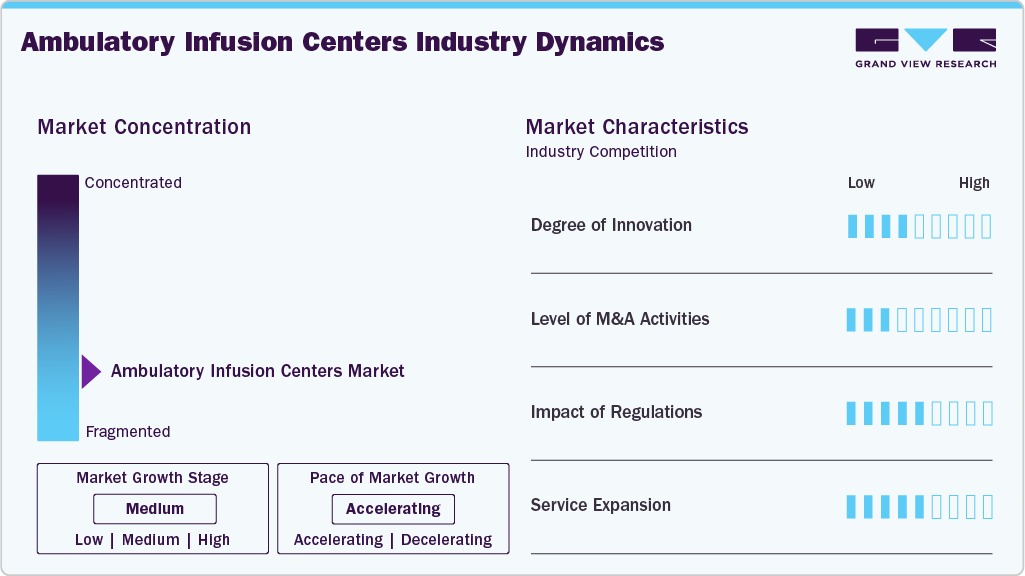
The chart below illustrates the relationship between industry concentration, industry characteristics, and key market participants in the ambulatory infusion centers market. The market is moderately fragmented, with the presence of hospital-affiliated providers, independent infusion center operators, and specialty pharmacy networks.
The ambulatory infusion centers market is witnessing a moderate degree of innovation driven by advancements in digital health technologies, smart infusion pumps, remote patient monitoring, and electronic health record (EHR) integration. Providers are increasingly leveraging digital platforms to improve medication safety, streamline clinical workflows, and enhance patient outcomes. For instance, in December 2025, New England Life Care opened its second ambulatory infusion suite in Concord, New Hampshire, incorporating specialized outpatient infusion capabilities to improve patient access and enhance the delivery of infusion therapies in a dedicated clinical setting.
 To learn more about this report, Download Free Sample Report
The level of merger and acquisition activities in the market is low to moderate, reflecting the industry's focus on expanding geographic reach and strengthening specialty infusion capabilities. For instance, in July 2024, Vivo Infusion, an ambulatory infusion provider backed by InTandem Capital, acquired Infusion Associates for approximately USD 200 million. The acquisition expanded Vivo Infusion's geographic footprint, strengthened its outpatient infusion network, and enhanced its capabilities in delivering specialty infusion therapies across the U.S.
The ambulatory infusion centers market is significantly influenced by regulatory and reimbursement policies governing outpatient healthcare services. Providers must comply with accreditation standards, medication safety regulations, and reimbursement requirements established by healthcare authorities.
Market participants are actively pursuing service expansion strategies to increase patient access to outpatient infusion therapies and strengthen their regional presence. Expansion initiatives include opening new infusion centers, extending specialty pharmacy networks, and acquiring regional providers.
Analyst Perspective
The ambulatory infusion centers market is witnessing steady growth, driven by the increasing prevalence of chronic diseases, rising demand for outpatient infusion therapies, and the growing preference for cost-effective alternatives to hospital-based care. Expanding adoption of biologics, specialty pharmaceuticals, and home-such as infusion settings is accelerating the development of dedicated ambulatory infusion centers globally. In addition, continuous advancements in infusion technologies, remote patient monitoring, electronic health records, and value-based care models are enhancing treatment efficiency, patient safety, and care accessibility, supporting the expansion of modern ambulatory infusion centers across both developed and emerging healthcare markets.
Therapy Area Insights
The oncology segment accounted for the largest market revenue share of 48.3% in 2025. The oncology segment dominated the ambulatory infusion centers market owing to the rising global burden of cancer and the increasing adoption of outpatient infusion therapies for cancer treatment. Most chemotherapy, immunotherapy, targeted therapies, monoclonal antibodies, and supportive care drugs are administered intravenously under clinical supervision, making ambulatory infusion centers a preferred treatment setting. These centers offer lower treatment costs, reduced hospital visits, shorter waiting times, and improved patient convenience while maintaining high-quality clinical care. The growing availability of advanced oncology biologics and immunotherapies is further driving the demand for specialized outpatient infusion services. According to data published by the WHO in February 2024, an estimated 20.6 million new cancer cases and nearly 10 million cancer-related deaths occur annually globally. Furthermore, annual cancer cases are projected to increase to nearly 35 million by 2050, highlighting the growing need for long-term infusion-based oncology care delivered through ambulatory infusion centers.
The autoimmune & inflammatory disorders segment is expected to register the fastest CAGR over the forecast period owing to the increasing prevalence of immune-mediated diseases and the growing adoption of biologic and monoclonal antibodies administered through intravenous infusion. Conditions such as rheumatoid arthritis, Crohn's disease, ulcerative colitis, psoriasis, and systemic lupus erythematosus require long-term treatment with infusion-based therapies, including TNF inhibitors, interleukin inhibitors, and B-cell targeted therapies. As healthcare providers continue to shift chronic disease management toward outpatient settings, ambulatory infusion centers are becoming preferred sites for administering these specialty therapies due to their cost-effectiveness, accessibility, and patient-centered care.
Ownership Model Insights
The hospital-owned centers segment accounted for the largest market revenue share of 42.7% in 2025. Many infusion treatments, particularly for oncology, autoimmune disorders, neurological diseases, and rare conditions, require close collaboration among physicians, pharmacists, infusion nurses, and emergency care teams to monitor adverse drug reactions and adjust treatment regimens. In May 2025, Bon Secours dedicated a new cancer clinic and outpatient infusion center in Virginia, bringing oncology services and infusion therapy under one roof to improve care coordination, patient experience, and access to cancer treatment. Hospital-owned centers offer immediate access to specialists, advanced diagnostic services, laboratory testing, imaging facilities, and emergency medical support, enabling safe administration of high-risk biologics and specialty infusions. According to the American Hospital Association (AHA), the U.S. had 6,100 hospitals in 2025, providing a broad healthcare infrastructure capable of delivering specialized outpatient infusion services. The extensive hospital network supports integrated, multidisciplinary care and contributes to the dominance of hospital-owned ambulatory infusion centers.
The independent centers segment is expected to register the fastest CAGR over the forecast period due to increasing investments from private equity firms and healthcare organizations seeking to expand outpatient infusion networks. Rising demand for specialty infusion therapies, combined with favorable cost economics compared to hospital outpatient departments, is encouraging independent providers to establish new centers and expand into underserved regions. This trend is improving patient access while supporting the rapid growth of the independent infusion center market. In July 2025, Pure Infusion was launched following the merger of AleraCare and Pure Healthcare, combining their ambulatory infusion clinic networks under a unified brand. The merger strengthened the company's national presence, enhanced coordinated infusion care delivery, and supported improved patient outcomes through an integrated outpatient infusion services model.
Age group Insights
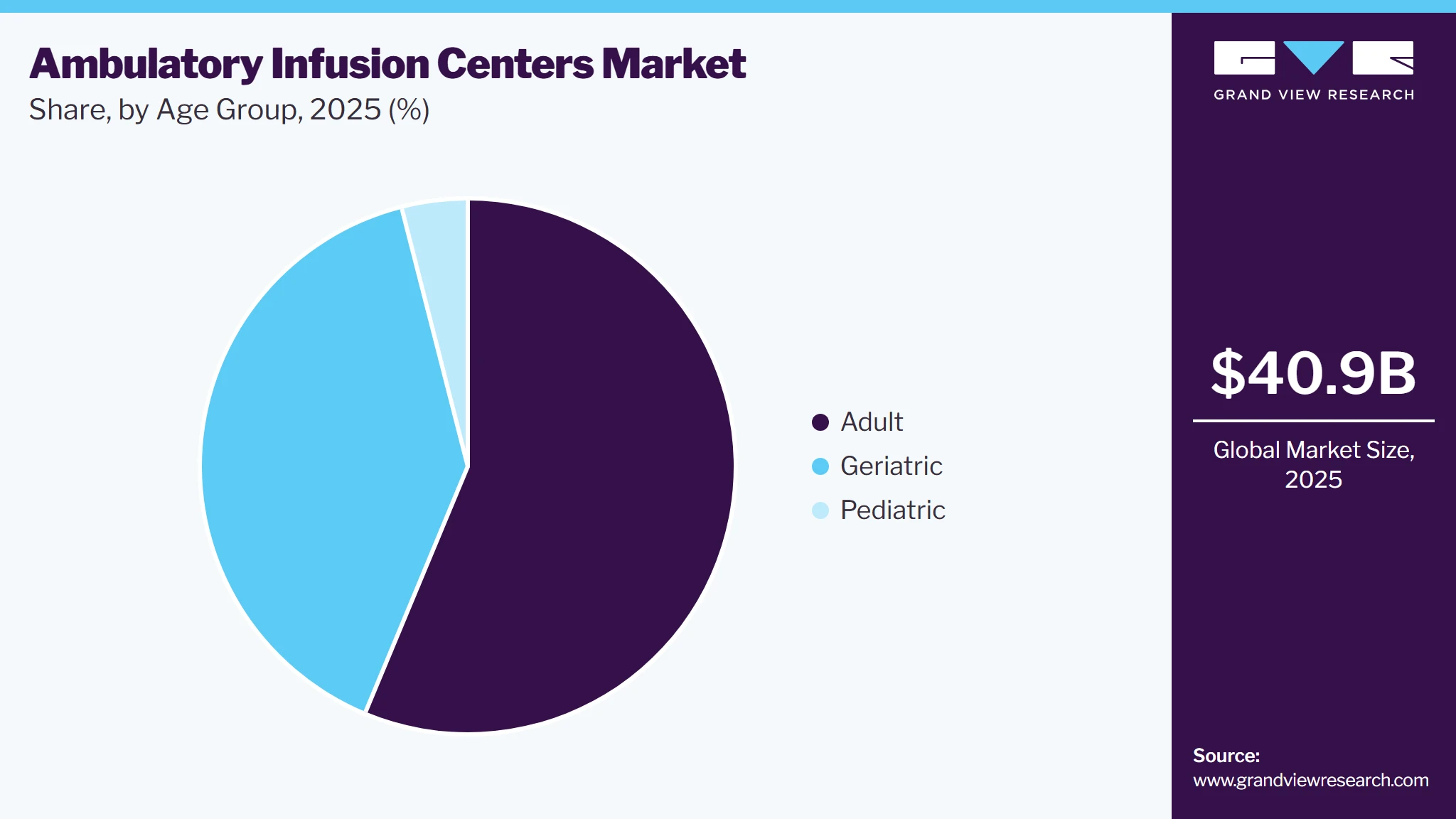
The adult segment dominated the end use segment with the largest market share of 56.3% in 2025. Adults are the primary recipients of chemotherapy, biologics, monoclonal antibodies, intravenous immunoglobulin (IVIG), and other specialty infusion therapies used to manage conditions such as cancer, diabetes, arthritis, chronic kidney disease, and neurological disorders. The increasing burden of these diseases has led to a greater demand for continuous outpatient infusion services, contributing to the dominance of the adult segment in the ambulatory infusion centers market. According to data published by the U.S. Centers for Disease Control and Prevention (CDC), more than 850,000 Americans died from heart disease or stroke in 2024. In addition, approximately 1.9 million people are diagnosed with cancer annually, more than 40.1 million Americans have diabetes, 53.2 million adults are living with arthritis, and over 37 million adults have chronic kidney disease. The growing prevalence of these chronic conditions continues to increase the demand for long-term infusion therapies, supporting the dominance of the adult segment in the ambulatory infusion centers market.
 To learn more about this report, Download Free Sample Report
The geriatric segment is expected to register the fastest CAGR over the forecast as older adults are more prone to hospital-acquired infections, prolonged hospital stays, and treatment-related complications. As a result, healthcare providers are increasingly shifting eligible infusion therapies to ambulatory infusion centers, where patients can receive clinically supervised treatment in a lower-cost, outpatient setting while minimizing unnecessary hospital admissions and improving overall patient experience.
Regional Insights
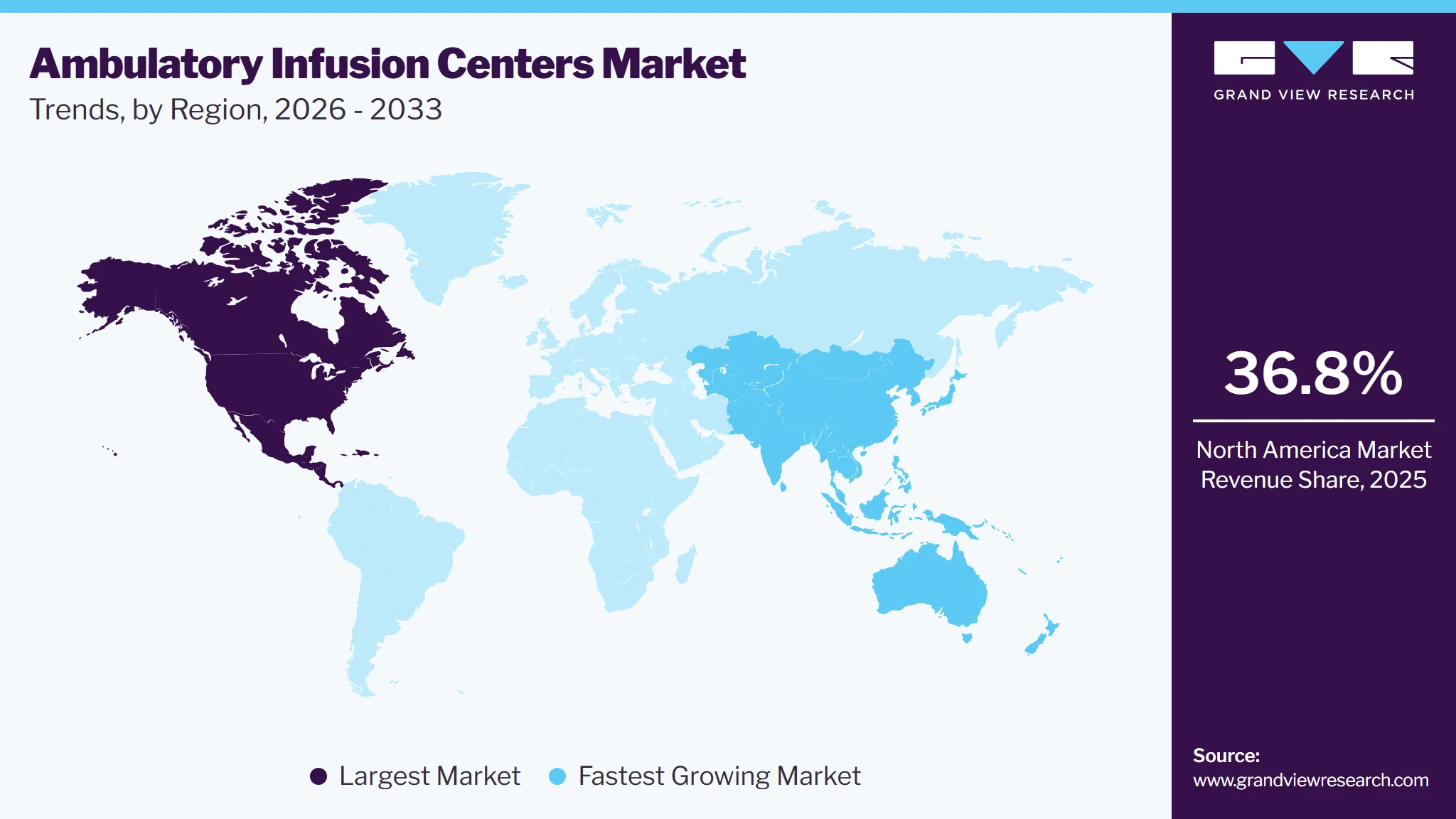
North America dominated the market with a revenue share of 36.8% in 2025 owing to the high adoption of specialty biologics, favorable reimbursement policies, advanced outpatient healthcare infrastructure, and increasing preference for site-of-care optimization. Healthcare providers and payers continue to transition infusion therapies from hospital outpatient departments to ambulatory infusion centers to improve patient convenience and reduce healthcare costs. The region is also witnessing significant investments in expanding outpatient infusion capacity. For instance, in January 2026, BioMatrix Infusion Pharmacy acquired First Choice Wellness Centers, a regional ambulatory infusion provider, to expand access to community-based infusion services across the Southeastern U.S. and strengthen its regional infusion network.
 To learn more about this report, Download Free Sample Report
The Canada ambulatory infusion centers market is expected to witness steady growth during the forecast period, driven by the increasing shift toward community-based healthcare delivery and efforts to reduce pressure on hospital outpatient departments. Provincial healthcare systems are expanding access to outpatient specialty care by promoting treatment in non-hospital settings, enabling patients with chronic conditions to receive infusion therapies closer to home. This transition is to improve care accessibility, reducing hospital resource utilization, and supporting the expansion of ambulatory infusion services.
Europe Ambulatory Infusion Centers Market Trends
Europe held a significant share in the market owing to its well-established outpatient healthcare infrastructure, growing adoption of integrated care models, and increasing emphasis on delivering specialized treatments outside traditional inpatient settings. Healthcare providers across the region are expanding outpatient services to improve patient access, reduce hospital stays, and enhance care efficiency for individuals requiring long-term infusion therapies. For instance, Fresenius Helios, one of Europe's largest private healthcare providers, treats more than 24 million patients annually, including approximately 22.2 million outpatients. The company operates 87 hospitals in Germany, 57 hospitals, and 100 outpatient centers in Spain through Quirónsalud, demonstrating the continued expansion of integrated inpatient and outpatient care across Europe.
The Germany ambulatory infusion centers market is anticipated to grow considerably during the forecast period due to increasing adoption of biosimilars, favorable reimbursement policies, and expanding outpatient specialty care infrastructure. Healthcare providers are increasingly shifting chronic disease management toward outpatient settings to improve efficiency and patient access.
The UK ambulatory infusion centers market is projected to register notable growth owing to increasing demand for outpatient oncology and immunology treatments, pressure on NHS hospital capacity, and continued expansion of community-based specialty care services. The growing emphasis on reducing hospital waiting times and improving access to decentralized healthcare delivery models is encouraging the adoption of ambulatory infusion facilities across the country.
Asia Pacific Ambulatory Infusion Centers Market Trends
Asia Pacific is expected to register the fastest CAGR during the forecast period due to the increasing healthcare decentralization, growing demand for affordable specialty care, rising private healthcare investments, and improving access to advanced outpatient treatment services. Several countries in Asia Pacific are witnessing a transition from hospital-centric care models toward outpatient and community-based healthcare delivery due to overcrowded hospitals, increasing treatment costs, and the need for more accessible chronic disease management solutions. The expansion of private healthcare networks and specialty clinics is further supporting the establishment of ambulatory infusion centers across urban and semi-urban regions.
The China ambulatory infusion centers market is driven by the country's rapidly aging population, increasing healthcare utilization, and government initiatives focused on strengthening community-based healthcare delivery. The growing elderly population is increasing the demand for long-term management of chronic conditions that require recurring infusion therapies. In addition, healthcare reforms promoting tiered medical services and shifting appropriate treatments from large tertiary hospitals to community and outpatient facilities are creating opportunities for ambulatory infusion providers.According to the National Bureau of Statistics of China, the population aged 60 years and above reached approximately 310 million in 2024, accounting for more than 22% of the total population. The increasing elderly population is expected to drive demand for continuous management of age-related diseases and specialty infusion services.
The India ambulatory infusion centers market is expected to witness rapid growth owing to increasing healthcare accessibility gaps, rising preference for daycare treatment models, and expansion of organized private healthcare providers. Many patients in India travel long distances to access specialty treatments; therefore, the development of outpatient infusion centers closer to residential areas improves treatment convenience and reduce indirect healthcare costs. Furthermore, the increasing adoption of daycare chemotherapy and specialty treatment centers is supporting the growth of ambulatory infusion services.
The Latin America ambulatory infusion centers market is expected to witness substantial growth driven by expanding private healthcare infrastructure, increasing prevalence of chronic diseases, and improving access to specialty biologics. Healthcare providers are increasingly investing in outpatient infusion services to reduce hospitalization costs while improving treatment accessibility.
The Brazil ambulatory infusion centers market accounted for a notable regional share owing to growing investments in oncology care, expansion of specialty hospitals, and increasing adoption of biologic therapies across major metropolitan areas. According to the International Agency for Research on Cancer (IARC), Brazil recorded approximately 20 million new cancer cases in 2022, making cancer a major healthcare burden in the country. The increasing number of cancer patients requiring chemotherapy, immunotherapy, and supportive infusion therapies is expected to drive demand for ambulatory infusion services.
The Middle East & Africa ambulatory infusion centers market is expected to grow steadily during the forecast period owing to increasing healthcare investments, rising adoption of advanced specialty treatments, and expansion of private healthcare infrastructure. Countries across the region are focusing on improving healthcare accessibility through specialized outpatient facilities that can provide complex therapies outside traditional hospital settings. In addition, increasing healthcare expenditure, medical infrastructure development, and rising demand for personalized chronic disease management are supporting the adoption of ambulatory infusion centers.
The UAE ambulatory infusion centers market is witnessing a transition toward outpatient and day-care treatment models as healthcare providers aim to improve patient convenience, reduce hospital admissions, and enhance healthcare efficiency. The presence of internationally accredited hospitals and specialty care providers is further supporting the adoption of ambulatory infusion services. According to the UAE Ministry of Health and Prevention (MOHAP), healthcare expenditure and investments in healthcare infrastructure have increased significantly as part of the country's healthcare transformation initiatives.
Key Ambulatory Infusion Centers Company Insights
The ambulatory infusion centers market players are focusing on devising innovative business growth strategies in the form of service portfolio expansions, partnerships & collaborations, mergers & acquisitions, and business footprint expansions.
Key Ambulatory Infusion Centers Companies
The following key companies have been profiled for this study on the ambulatory infusion centers market:
-
Option Care Health, Inc.
-
Coram CVS Specialty Infusion Services
-
Amerita, Inc.
-
KabaFusion
-
BioMatrix Specialty Pharmacy
-
Paragon Healthcare, Inc.
-
Healix, Inc.
-
Vivo Infusion
-
Pure Infusion
-
AIS Healthcare
Competitive Benchmarking
Operating Strategies Competitive Edge Weaknesses Mature Players: Option Care Health, Inc., Coram CVS Specialty Infusion Services, Amerita, Inc., KabaFusion, BioMatrix Specialty Pharmacy
- Focus on expanding ambulatory and alternate-site infusion networks through new center openings, acquisitions, and strategic partnerships.
- Established nationwide networks, extensive payer relationships, experienced clinical teams, and broad specialty therapy portfolios enable strong market penetration.
- Large operational structures and complex service networks may slow decision-making and limit rapid adaptation to emerging care delivery models.
Emerging Players: Paragon Healthcare, Inc., Healix, Inc., Vivo Infusion, Pure Infusion, AIS Healthcare
- Focus on expanding regional infusion center footprints through acquisitions, partnerships, and development of specialized outpatient infusion facilities.
- Greater operational flexibility enables faster expansion, customized patient-care models, and rapid adoption of outpatient infusion trends.
- Smaller geographic presence and limited infrastructure compared with national providers restrict scalability.
Recent Developments
-
In May 2026, Pure Infusion was launched following the merger of AleraCare and Pure Healthcare, combining two established ambulatory infusion networks under a unified brand. The merger expanded outpatient infusion capabilities and strengthened the company’s ability to deliver coordinated specialty infusion care nationwide.
-
In January 2026, BioMatrix Specialty Pharmacy acquired First Choice Wellness Centers to expand its ambulatory infusion services across the Southeastern U.S. The acquisition strengthened BioMatrix’s community-based infusion network and enhanced access to specialty infusion therapies through expanded outpatient care capabilities.
Ambulatory Infusion Centers Market Report Scope
Report Attribute
Details
Market size in 2025
USD 40.9 billion
Estimated market size in 2026
USD 43.7 billion
Projected market size by 2033
USD 76.2 billion
Growth rate
CAGR of 8.3% from 2026 to 2033
Actual rata
2021 - 2025
Forecast data
2026 - 2033
Quantitative units
Revenue in USD million/billion, and CAGR from 2026 to 2033
Report coverage
Revenue forecast, company ranking, competitive landscape, growth factors, and trends
Segments covered
Therapy area, ownership model, age group, and region
Regional scope
North America; Europe; Asia Pacific; Latin America; MEA
Country scope
U.S.; Canada; Mexico; UK; Germany; France; Italy; Spain; Denmark; Norway; Sweden; China; India; Japan; Australia; New Zealand; South Korea; Brazil; Argentina; South Africa
Key companies profiled
Option Care Health, Inc.; Coram CVS Specialty Infusion Services; Amerita, Inc.; KabaFusion; BioMatrix Specialty Pharmacy; Paragon Healthcare, Inc.; Healix, Inc.; Vivo Infusion; Pure Infusion; AIS Healthcare.
Customization scope
Free report customization (equivalent up to 8 analysts working days) with purchase. Addition or alteration to country, regional & segment scope.
Pricing and purchase options
Avail customized purchase options to meet your exact research needs. Explore purchase options
Global Ambulatory Infusion Centers Market Report Segmentation
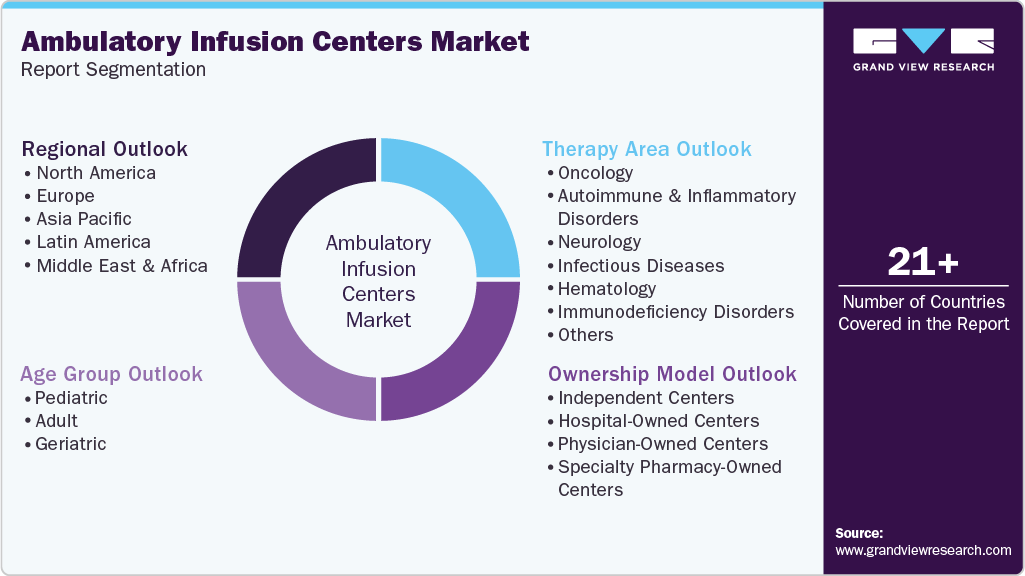
This report forecasts revenue growth at global, regional, and country levels and provides an analysis on industry trends in each of the segments from 2021 to 2033. For this study, Grand View Research, Inc. has segmented the ambulatory infusion centers market report on the basis of therapy area, ownership model, age group and region:
 To learn more about this report, Download Free Sample Report
-
Therapy Area Outlook (Revenue, USD Million, 2021 - 2033)
-
Oncology
-
Autoimmune & Inflammatory Disorders
-
Neurology
-
Infectious Diseases
-
Hematology
-
Immunodeficiency Disorders
-
Endocrine & Metabolic Disorders
-
Rare Diseases
-
Others
-
-
Ownership Model Outlook (Revenue, USD Million, 2021 - 2033)
-
Independent Centers
-
Hospital-Owned Centers
-
Physician-Owned Centers
-
Specialty Pharmacy-Owned Centers
-
-
Age Group Outlook (Revenue, USD Million, 2021 - 2033)
-
Pediatric
-
Adult
-
Geriatric
-
-
Regional Outlook (Revenue in USD Million, 2021 - 2033)
-
North America
-
U.S.
-
Canada
-
Mexico
-
-
Europe
-
UK
-
Germany
-
France
-
Italy
-
Spain
-
Sweden
-
Denmark
-
Norway
-
-
Asia Pacific
-
China
-
India
-
Japan
-
Australia
-
South Korea
-
New Zealand
-
-
Latin America
-
Brazil
-
Argentina
-
-
MEA
-
South Africa
-
Saudi Arabia
-
Kuwait
-
UAE
-
-
Research Methodology
The ambulatory infusion centers market figures in this report are based on a proven research process that combines executive interviews with secondary research from proprietary databases, company filings, and recognized regulatory and institutional sources. Market size is built through value-chain sizing-reconciling supply-side and demand-side estimates-and triangulated with bottom-up and top-down approaches. Every estimate passes multiple levels of expert validation before publication, with each ambulatory infusion centers segment quantified using the revenue-capture definitions in the table below.
Segment Definition
Segment - Therapy Area Revenue capture definition Oncology Encompasses infusion-based cancer treatments, including chemotherapy, immunotherapy, targeted therapies, and supportive medications delivered through ambulatory infusion centers. Autoimmune & Inflammatory Disorders Covers infusion therapies for immune-mediated conditions such as rheumatoid arthritis, Crohn’s disease, ulcerative colitis, psoriasis, and other inflammatory disorders requiring biologics or monoclonal antibodies. Neurology Represents infusion services utilized for neurological conditions such as multiple sclerosis, migraine, neuromuscular disorders, and other diseases requiring specialty infusion-based management. Infectious Diseases Includes intravenous treatment services for bacterial, viral, fungal, and other infections requiring antibiotics, antivirals, antifungals, or antimicrobial therapies. Hematology Comprises infusion treatments associated with blood disorders, including leukemia, lymphoma, anemia, and clotting disorders, involving chemotherapy, transfusions, and supportive therapies. Immunodeficiency Disorders Involves infusion care for patients with immune system deficiencies, including intravenous immunoglobulin (IVIG), immune replacement therapies, and other immune-modulating treatments. Endocrine & Metabolic Disorders Covers specialized infusion therapies for hormonal and metabolic conditions requiring enzyme replacement therapies, intravenous medications, or nutritional support. Rare Diseases Represents infusion-based management of uncommon genetic and complex disorders requiring specialized therapies such as enzyme replacement, biologics, and advanced treatments. Others Includes additional infusion applications such as hydration therapy, pain management, nutritional support, and supportive treatments outside the major therapeutic categories. Segment - Ownership Model Revenue capture definition Independent Centers Operate as privately owned ambulatory infusion facilities that function separately from hospitals, physician practices, and specialty pharmacies while providing outpatient infusion services. Hospital-Owned Centers Function as outpatient infusion units managed by hospitals or healthcare systems, offering specialty infusion therapies as an extension of hospital-based care. Physician-Owned Centers Represent infusion facilities established and operated by physician practices, allowing specialists to administer therapies within their own clinical environments. Specialty Pharmacy-Owned Centers Consist of infusion facilities operated by specialty pharmacy organizations that integrate medication management, pharmacy support, and outpatient infusion services. Segment - Age Group Revenue capture definition Pediatric Refers to infusion services designed for children and adolescents requiring specialized treatments for conditions such as immunodeficiency disorders, metabolic diseases, and infections. Adult Represents infusion care provided to adult patients requiring recurring therapies for oncology, autoimmune diseases, neurological disorders, and other chronic conditions. Geriatric Includes infusion services focused on elderly patients requiring long-term treatment for age-related diseases, chronic conditions, cancer, and complex health disorders. Estimation Model
Section Key Summary 1.1 Research Approach Hybrid research approach combining secondary and primary research methodologies. Market assessment is based on infusion center revenues, number of ambulatory infusion facilities, patient volumes, infusion therapy utilization, specialty drug adoption, reimbursement trends, and healthcare provider expansion strategies. Insights from infusion service providers, healthcare systems, specialty pharmacies, physicians, payers, and industry experts are used to validate market estimates. 1.2 Market Estimation Framework Market size is estimated using three approaches: (1) infusion center revenue and patient volume model, (2) therapy utilization and average treatment cost model, and (3) provider revenue validation model. These approaches are triangulated to determine the overall market size and forecast projections. 1.2.1 Demand Model Estimates market demand based on the number of patients requiring recurring infusion therapies, prevalence of chronic diseases, adoption of specialty biologics, oncology treatment volumes, autoimmune disorder burden, aging population trends, healthcare access, and transition from hospital-based infusion care to outpatient settings. 1.2.2 Revenue Model Market value is calculated based on average revenue generated per infusion session, treatment frequency, therapy complexity, reimbursement rates, payer mix, and variations across ownership models such as independent centers, hospital-owned centers, physician-owned centers, and specialty pharmacy-owned centers. 1.2.3 Vendor Model Market estimates are validated using revenues of key ambulatory infusion providers, number of infusion locations, patient service volumes, expansion activities, acquisitions, and annual financial disclosures of leading infusion service companies. 1.3 Forecast Development Forecast projections are developed by analyzing increasing prevalence of chronic diseases, rising demand for specialty infusion therapies, expansion of biologics and biosimilars, healthcare cost optimization initiatives, shift toward outpatient care delivery, reimbursement changes, and investments in ambulatory healthcare infrastructure. 1.4 Segmentation Method Market segmentation is determined using weighted analysis of therapy adoption patterns, disease prevalence, infusion service utilization, ownership structure, patient demographics, provider networks, reimbursement environment, and regional healthcare infrastructure development. 1.5 Scope & Assumptions Market measured in USD based on revenues generated from ambulatory infusion center services, including administration of specialty infusion therapies such as oncology treatments, biologics, immunoglobulin therapies, antibiotics, and other intravenous treatments. Estimates incorporate patient volumes, infusion frequency, average treatment costs, provider revenues, reimbursement trends, and regional variations in healthcare delivery models. Delivered Customizations
This report has been delivered with the following In-depth customizations
Client Request Customization Delivered Value Adds Infusion Chair Utilization & Capacity Analysis Assessment of infusion chairs, treatment duration, operating hours, patients treated per chair, utilization rates, and capacity requirements across different center formats. Helps clients identify capacity gaps, optimize chair utilization, and determine when additional infusion capacity is required. State-Level Market Attractiveness Ranking Comparison of major infusion therapies based on treatment frequency, drug cost, administration requirements, reimbursement, patient volume, and potential center revenue. Helps clients prioritize high-value therapies and optimize their service portfolio. Therapy Profitability Analysis Quantification of the opportunity created by shifting appropriate infusion procedures from hospital outpatient departments to lower-cost ambulatory settings. Helps clients estimate the addressable patient pool available for conversion to ambulatory infusion centers. Hospital-to-Ambulatory Migration Analysis Quantification of the opportunity created by shifting appropriate infusion procedures from hospital outpatient departments to lower-cost ambulatory settings. Helps clients estimate the addressable patient pool available for conversion to ambulatory infusion centers. Staffing & Workforce Requirement Analysis Assessment of nurses, pharmacists, pharmacy technicians, physicians, administrative staff, and other personnel required according to patient volume and center size. Helps clients estimate staffing requirements and identify workforce constraints before expansion. Frequently Asked Questions About This Report
The ambulatory infusion centers market size was estimated at USD 40.9 billion in 2025 and is projected to grow from USD 43.7 billion in 2026.
The ambulatory infusion centers market size is projected to reach at a value of USD 76.2 billion by 2033, growing at a CAGR of 8.3% from 2026 to 2033.
The oncology segment accounted for the largest market revenue share of 48.3% in 2025 owing to the rising global burden of cancer and the increasing adoption of outpatient infusion therapies for cancer treatment.
The hospital-owned centers segment accounted for the largest market revenue share of 42.7% in 2025. Many infusion treatments, particularly for oncology, autoimmune disorders, neurological diseases, and rare conditions, require close collaboration among physicians, pharmacists, infusion nurses, and emergency care teams to monitor adverse drug reactions and adjust treatment regimens.
The adult segment dominated the end use segment with the largest market share of 56.3% in 2025. Adults are the primary recipients of chemotherapy, biologics, monoclonal antibodies, intravenous immunoglobulin (IVIG), and other specialty infusion therapies used to manage conditions such as cancer, diabetes, arthritis, chronic kidney disease, and neurological disorders.
Key players in the market include Option Care Health, Inc.; Coram CVS Specialty Infusion Services; Amerita, Inc.; KabaFusion; BioMatrix Specialty Pharmacy; Paragon Healthcare, Inc.; Healix, Inc.; Vivo Infusion; Pure Infusion; AIS Healthcare.
North America dominated the market with a revenue share of 36.8% in 2025 owing to the high adoption of specialty biologics, favorable reimbursement policies, advanced outpatient healthcare infrastructure, and increasing preference for site-of-care optimization.
The factors driving the market increasing prevalence of chronic diseases, expanding use of specialty infusion therapies, and the shift toward cost-effective outpatient care.
About the Author(s)
Medical Devices Research Team
Healthcare · Medical DevicesThis report was authored by the medical devices research team at Grand View Research - comprising two research analysts, one senior research analyst, and one industry expert - with specialized expertise in the medical devices segment of the healthcare industry. All findings are based on proprietary healthcare databases, executive interviews, and regulatory analysis, subject to internal peer review prior to publication.
Last Updated:
Speak to Analyst

Customize this report to your needs - add regions, segments, or data points, with 20% free customization.
Or view our licence options:


ISO 9001:2015 & 27001:2022 Certified
We are GDPR and CCPA compliant! Your transaction & personal information is safe and secure. For more details, please read our privacy policy.


