
- Home
- »
- Clinical Diagnostics
- »
-
Clinical Laboratory Tests Market Size Report, 2026-2033GVR Report cover

Clinical Laboratory Tests Market (2026 - 2033)
Size, Share & Trends Analysis Report By Type (Complete Blood Count, HGB/HCT Tests, Basic Metabolic Panel Testing, Liver Panel Testing), By End Use (Primary Clinics, Central Laboratories), By Region, And Segment Forecasts
Market Size, 2025
$139.2BMarket Estimate, 2026
$151.4BMarket Forecast, 2033
$282.2BCAGR, 2026–2033
9.3%Clinical Laboratory Tests Market Summary
The global clinical laboratory tests market size was valued at USD 139.2 billion in 2025 and is projected to grow from USD 151.4 billion in 2026 to USD 282.2 billion by 2033, at a CAGR of 9.3% from 2026 to 2033. The market in North America dominated with a revenue share of 46.7% in 2025. As global life expectancy rises-most developed economies now witnessing averages exceeding 80 years-the demand for diagnostic testing is fueled by both the increasing burden of chronic conditions and the need for early disease detection and treatment management.
 Source: Grand View Research, IR Documents, Primary Interviews, Paid DatabasesTo learn more about this report,
 Download Free Sample Report
 Key Market Trends & Insights
- By end use: Central laboratories segment held the largest market share of 56.7% in 2025.
- By type: HbA1c testing segment held the largest market share of 12.5% in 2025.
Regional Highlights
- Largest regional market: North America (46.7% revenue share, 2025)
- By country: The U.S. held the largest market share in 2025
Market Size & Forecast
- Market size in 2025: USD 139.2 Billion
- Estimated market size in 2026: USD 151.4 Billion
- Projected market size by 2033: USD 282.2 Billion
- CAGR (2026-2033): 9.3%
Three ways to get this report
Buy it, customize it, or ask a question.Ask an Analyst
Analyst response in 1 business day
- AccessReport author, directly
- Reply timeWithin 1 working day
- No sales callDirect answer only
- FormatEmail reply
- CostFree, no cost
Get the Full Report
What the study covers
- FormatsPDF · Excel · Dashboard
- Timeline2026–2033 annual, 2025 base
- Coverage20+ countries, 5 regions
- Companies10+ key players profiled
Customize the Report
20% free customization
- IncludeCountries, segments, points
- TailorTo your product definition
- ExtendDeeper competitor detail
- OrA fully bespoke study
- Turnaround5–10 working days
A significant market driver is the high incidence of cardiovascular diseases and diabetes. The World Health Organization (WHO) reports that cardiovascular conditions, including heart disease and stroke, were responsible for roughly 17.9 million deaths globally in 2021. In parallel, the growing prevalence of diabetes has expanded the patient pool that requires clinical laboratory tests. Lifestyle changes, such as increased smoking rates, rising obesity levels, and irregular diets, have further contributed to the global burden of cardiovascular disease. Moreover, the increased risk of cardiovascular complications associated with SARS-CoV-2 infections underscores the critical role of laboratory tests in risk stratification and early intervention.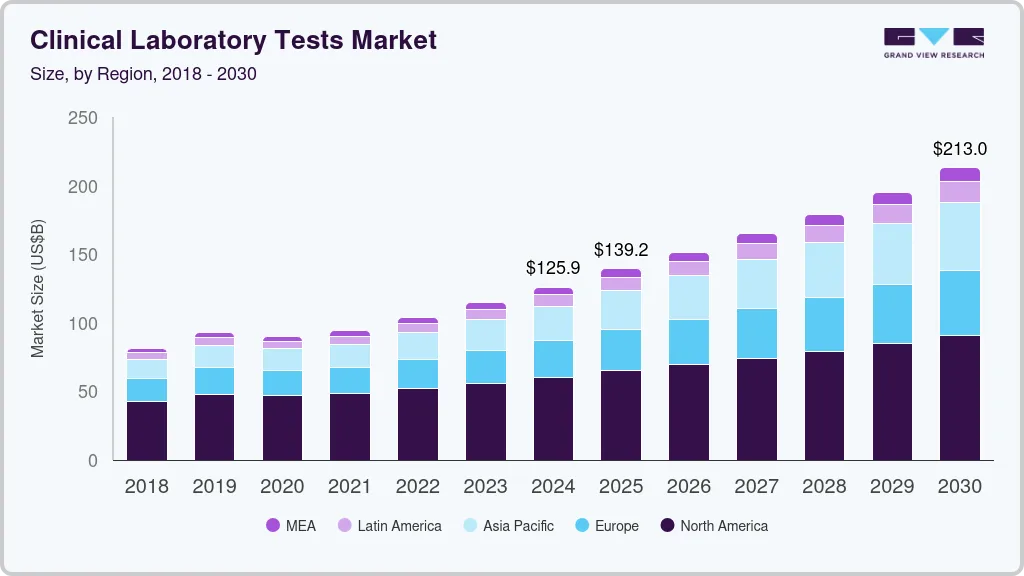 To learn more about this report, Download Free Sample Report
 The aging population also significantly contributes to market expansion. Aging, influenced by a combination of genetic and environmental factors that affect immunity and metabolism, is associated with a progressive decline in organ function and an increased risk of infectious diseases. Clinical laboratory tests are essential in detecting nutrient deficiencies, monitoring organ functions (such as kidney, liver, or thyroid), and tracking the progression of various diseases. As demand for acute and long-term healthcare rises among the elderly, there is a proportional increase in the use of clinical laboratory testing for screening and diagnostic purposes.
 To learn more about this report, Download Free Sample Report
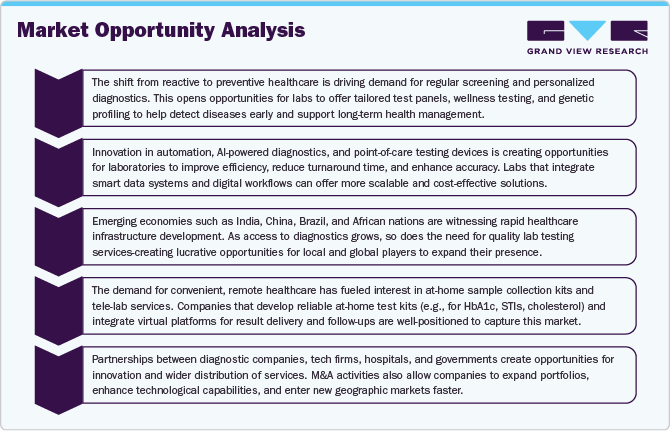
 Furthermore, technological innovations are transforming the clinical laboratory landscape. The development of integrated workflow management systems, advanced database management tools, and electronic patient test records has enabled laboratories to handle large volumes of samples-ranging from 100 to 150 billion annually-more efficiently and accurately. These innovations not only streamline operations but also contribute to lowering overall test costs. Enhanced data management and informatics solutions further support smooth laboratory operations and improved service delivery, positioning the market for sustained growth
However, market expansion is tempered by challenges related to regulatory ambiguities. The clinical diagnostics sector is highly dependent on regulatory frameworks set by bodies such as the U.S. Food and Drug Administration (FDA) and the European Medicines Agency (EMA). In many developing markets, including China and India, clear regulatory guidelines for diagnostic tests are lacking. Laboratory-developed tests (LDTs), which offer the promise of faster and more efficient testing in in-house settings, are under stringent FDA oversight. The risks associated with LDTs, including potential impacts on profit margins and delays in the commercialization of new tests, present significant hurdles for market players. Despite these regulatory challenges, the overall trajectory of the clinical laboratory tests industry remains positive, driven by both demographic shifts and continuous innovation in diagnostic technologies.
Market Dynamics
The clinical laboratory tests market is driven by the rising prevalence of chronic and infectious diseases, increasing demand for early disease diagnosis, and advancements in molecular diagnostics and automation. However, high operational costs, regulatory compliance, and reimbursement challenges restrain growth. Expanding personalized medicine, preventive healthcare, and digital laboratory technologies create significant market opportunities.
The rising prevalence of chronic diseases is a major driver of the clinical laboratory tests market, as the growing burden of conditions such as diabetes, cardiovascular diseases, cancer, and chronic respiratory disorders has significantly increased the demand for diagnostic and monitoring tests. Patients suffering from chronic illnesses often require routine blood tests, biomarker analysis, pathology services, and preventive screenings for effective disease management. According to 2024 estimates from the World Health Organization (WHO), noncommunicable diseases (NCDs) account for nearly 43 million deaths annually, representing approximately 74% of total global deaths, highlighting the growing importance of clinical laboratory diagnostics in disease detection and long-term patient management.
In addition to chronic conditions, the growing incidence of infectious diseases continues to strengthen demand for clinical laboratory testing worldwide. Infectious diseases such as tuberculosis (TB), HIV/AIDS, influenza, and dengue require rapid and accurate diagnostic testing for timely intervention and outbreak control. According to WHO data published in 2024, approximately 40.8 million people were living with HIV globally, while tuberculosis remained among the leading infectious diseases, with around 10.7 million new TB cases reported globally in 2024. This increasing need for disease surveillance and infection monitoring has accelerated the adoption of molecular diagnostics, microbiology testing, and immunoassays.
Furthermore, the healthcare landscape in 2025 continues to emphasize preventive healthcare and early disease detection, further driving the clinical laboratory tests market. Governments and healthcare organizations are increasingly investing in diagnostic infrastructure to strengthen healthcare systems and improve patient outcomes. The growing focus on personalized medicine, routine health screenings, and early-stage disease identification has increased the utilization of laboratory tests across hospitals, diagnostic centers, and outpatient settings. As a result, the rising prevalence of both chronic and infectious diseases is expected to remain a major growth driver for the clinical laboratory tests market during the forecast period.
Stringent regulatory requirements and high operational costs act as significant restraints on the clinical laboratory tests market, limiting the expansion of laboratories and delaying the adoption of advanced diagnostic technologies. Clinical laboratories must comply with strict quality assurance standards, accreditation requirements, and regulatory frameworks established by agencies such as the U.S. Food and Drug Administration (FDA), the Centers for Medicare & Medicaid Services (CMS), and international healthcare authorities. Regulatory compliance often requires continuous investments in laboratory validation, documentation, skilled personnel training, and quality control systems, increasing operational complexity and extending product approval timelines.
Additionally, the high operational costs associated with laboratory testing pose a major challenge for market growth, particularly for small and medium-sized laboratories. Expenses related to advanced diagnostic instruments, automation systems, reagents, maintenance, cybersecurity, and laboratory information management systems (LIMS) significantly increase financial burdens. Rising labor shortages and inflationary pressures in healthcare during 2024–2025 have further increased operating expenses, making it difficult for smaller facilities to remain profitable while maintaining regulatory standards and delivering affordable testing services.
The growth of personalized medicine is creating substantial opportunities for the clinical laboratory tests market, as healthcare systems increasingly shift toward precision-based treatment approaches. Personalized medicine depends on clinical laboratory testing to identify genetic variations, biomarkers, and patient-specific disease characteristics, enabling physicians to tailor therapies for improved outcomes. According to the Personalized Medicine Coalition, approximately 34% of new drugs approved by the U.S. FDA in 2024 were personalized medicines, highlighting the growing reliance on advanced diagnostic testing to support targeted therapies and individualized treatment planning.
Additionally, the rapid advancement of molecular diagnostics is expanding opportunities for clinical laboratories, particularly in disease areas such as oncology, infectious diseases, rare genetic disorders, and cardiovascular conditions. Technologies including polymerase chain reaction (PCR), next-generation sequencing (NGS), liquid biopsy, and companion diagnostics are increasingly being used for accurate disease detection and treatment monitoring. According to the U.S. Food and Drug Administration (FDA), the increasing number of approvals for precision medicines and companion diagnostics in 2024 reflects rising demand for molecular laboratory testing across healthcare settings.
Furthermore, in 2025, increasing investments in genomics, artificial intelligence-enabled diagnostics, and precision healthcare infrastructure are expected to further accelerate market growth. Governments, pharmaceutical companies, and healthcare providers are emphasizing preventive healthcare and early disease identification, increasing the utilization of laboratory-based molecular testing. As demand for targeted therapies and precision diagnostics continues to rise, personalized medicine and molecular diagnostics are expected to create significant long-term growth opportunities for the clinical laboratory tests market.
Market Concentration & Characteristics
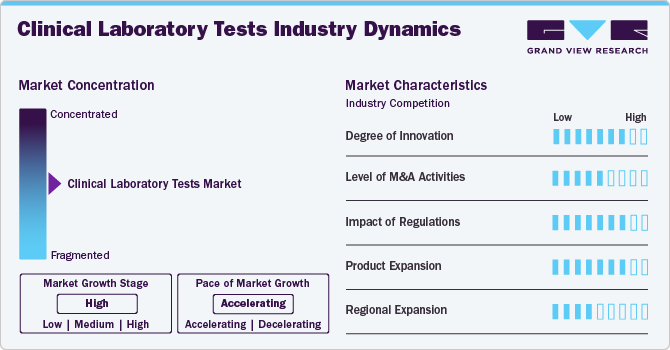
The clinical laboratory tests industry exhibits a high degree of innovation, driven by advancements in diagnostics and personalized healthcare. Innovations like at-home testing kits and AI-integrated diagnostic tools enhance accessibility and efficiency. Companies like Hurdle introducing HbA1c home testing reflect the growing trend toward patient-centric, decentralized solutions, improving early detection, chronic disease management, and the overall patient experience.
Mergers and acquisitions are central to the clinical lab market’s growth strategy. Key players engage in strategic deals to expand portfolios, access new technologies, and enter untapped markets. For example, Cinven’s investment in SYNLAB’s advanced Munich lab exemplifies how acquisitions strengthen capabilities, consolidate market share, and accelerate innovation, highlighting the competitive and fast-paced nature of the industry.
 To learn more about this report, Download Free Sample Report
 The market faces increasing regulatory oversight, especially from agencies like the U.S. FDA and EMA. Regulations around laboratory-developed tests (LDTs) demand compliance with evolving standards of safety, efficacy, and accuracy. While these measures safeguard public health, they can delay test approvals, raise costs, and affect commercialization timelines, posing strategic and operational challenges for clinical laboratories and test developers.
Product expansion in this market is robust, fueled by rising demand for specialized tests across chronic and infectious diseases. Companies are developing comprehensive test panels, integrating molecular diagnostics, and expanding point-of-care solutions. This diversification not only addresses various medical needs but also enhances diagnostic accuracy, operational efficiency, and responsiveness to emerging health threats, supporting sustained market growth and innovation.
Geographic expansion remains a key growth lever, with companies scaling services across global markets. Major players like Sonic Healthcare and Fluxergy are investing in infrastructure and partnerships to expand footprints in North America, Europe, and Asia-Pacific. These efforts improve access to quality diagnostics, enhance healthcare equity, and drive market penetration in underserved and high-potential regions, boosting overall market competitiveness.
Analyst Perspective
The clinical laboratory tests market is expected to witness steady growth, driven by the rising prevalence of chronic and infectious diseases, increasing demand for preventive healthcare, and growing adoption of precision medicine. Analysts observe that expanding use of routine diagnostic testing for diabetes, cardiovascular diseases, cancer, and kidney disorders continues to support global market expansion. The increasing integration of molecular diagnostics, automation, artificial intelligence, and digital laboratory information systems is enhancing testing accuracy and operational efficiency. However, challenges including regulatory compliance, reimbursement limitations, pricing pressures, and high operational costs may restrain growth, particularly for smaller laboratories. Despite these barriers, growing investments in personalized medicine, early disease detection, decentralized diagnostics, and high-throughput laboratory technologies are expected to create substantial long-term opportunities, supporting sustained market expansion through the forecast period.
Type Insights
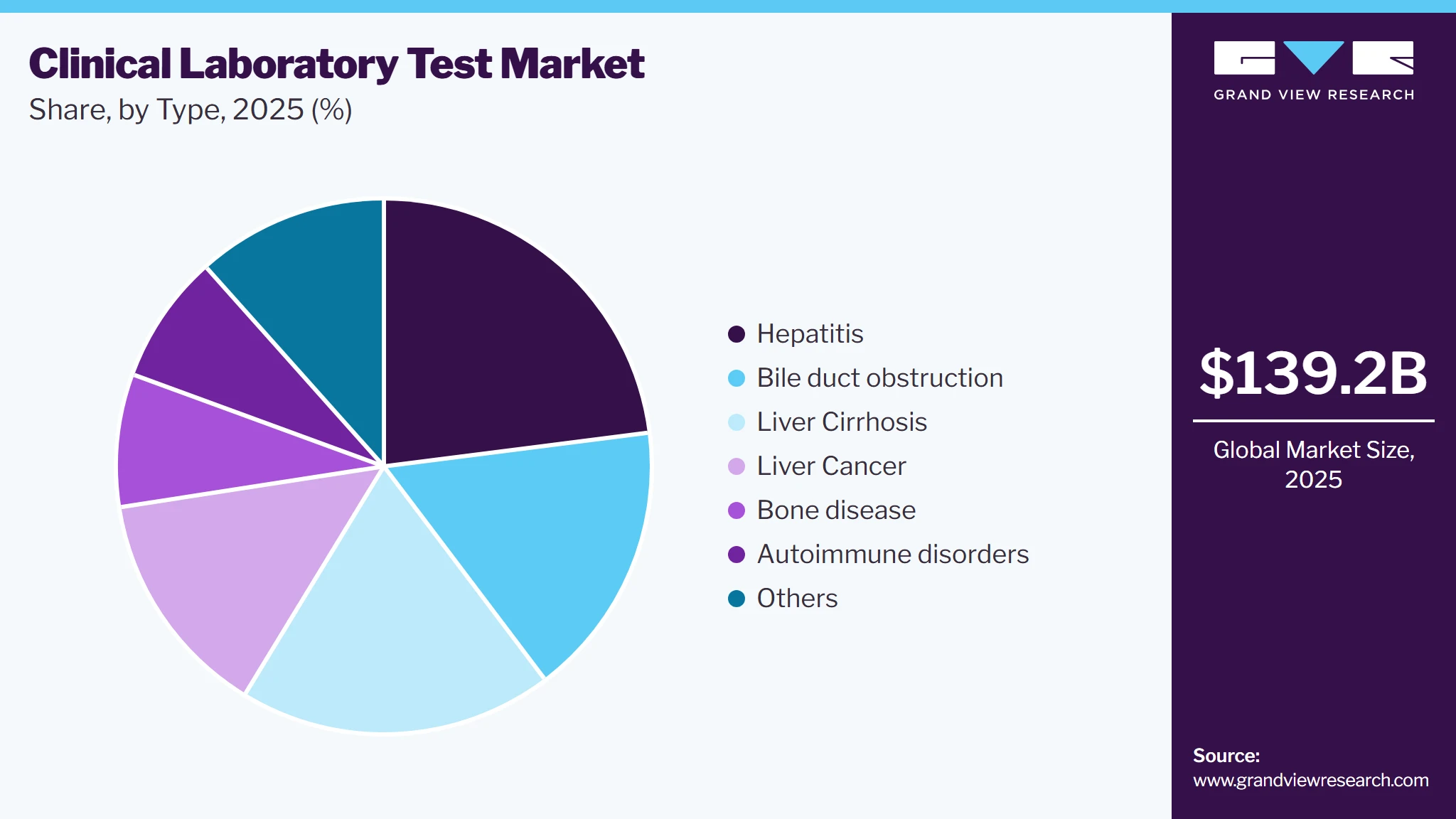
The market for clinical laboratory testing encompasses a broad range of test types, including hemoglobin/hematocrit (HGB/HCT), basic metabolic panel, blood urea nitrogen (BUN) and creatinine, electrolyte levels, HbA1c, comprehensive metabolic panel, liver and renal panels, lipid profiles, and cardiovascular-specific tests, among others. Among these, the HbA1c testing segment held the largest market share at 12.5% in 2025, driven primarily by the rising global prevalence of diabetes and cholesterol-related conditions. Fluctuating HbA1c levels are closely associated with diabetes complications, prompting the need for regular monitoring and diagnosis. The growing diabetic population and increasing awareness of disease management have significantly boosted demand for these tests. In addition, innovative product launches are expanding market accessibility.
 To learn more about this report, Download Free Sample Report
 For example, in October 2023, Healthyr became the first to offer at-home dried blood spot tests in Walmart stores, covering multiple health metrics, including HbA1c, cholesterol, thyroid, blood sugar, and STIs. These initiatives bring convenient, affordable lab testing directly to consumers, making health monitoring more accessible. Further supporting market expansion, in April 2023, FIND partnered with Abbott, i-SENS Inc., and Siemens Healthineers to improve HbA1c testing availability in low- and middle-income countries. This global initiative aims to offer cost-effective, point-of-care diagnostic kits to strengthen early diagnosis and disease management, especially in resource-limited settings.
Meanwhile, the HGB/HCT testing segment is projected to grow at a significant CAGR during the forecast period. This growth is attributed to the increasing prevalence of anemia and other blood disorders. HGB/HCT tests are commonly used to diagnose anemia or polycythemia, monitor drug therapies, determine the need for blood transfusions, and assess dehydration levels. The rising incidence of hematologic conditions, coupled with advancements in noninvasive and user-friendly testing technologies, is expected to fuel demand for these tests significantly in the coming years.
End-use Insights
Based on end use, the central laboratories segment led the market with the largest revenue share of 56.7% in 2025, primarily due to high test volumes and widespread market penetration. This dominance is further supported by government-led initiatives aimed at improving access to healthcare services, including reimbursement for clinical lab tests, which is driving adoption. In addition, numerous healthcare institutions are partnering with laboratories to integrate a broad range of testing services, such as microbiology diagnostics, further expanding the role of central labs in routine and specialized testing. Moreover, the presence of a large number of laboratories, particularly in emerging and underserved regions, contributes significantly to the segment’s overall share. Regulatory bodies are also taking active steps to enhance laboratory infrastructure and streamline diagnostic procedures, making central labs a critical component of healthcare delivery systems.
On the other hand, the primary clinics segment is expected to register the fastest CAGR during the forecast period. This segment includes standalone labs, laboratories within physician clinics and primary healthcare centers, as well as facilities associated with clinical research organizations and insurance providers. One of the key advantages of these laboratories is the immediate availability of tests, allowing physicians, patients, and care teams to receive results quickly and make timely clinical decisions. While primary clinics typically offer a more limited range of testing services compared to hospital-based or large-scale laboratories, they are highly focused on specific specialties. As a result, they generate smaller revenue shares, but their agility, accessibility, and direct patient interaction are expected to drive steady and impactful contributions to market growth over time.
Regional Insights
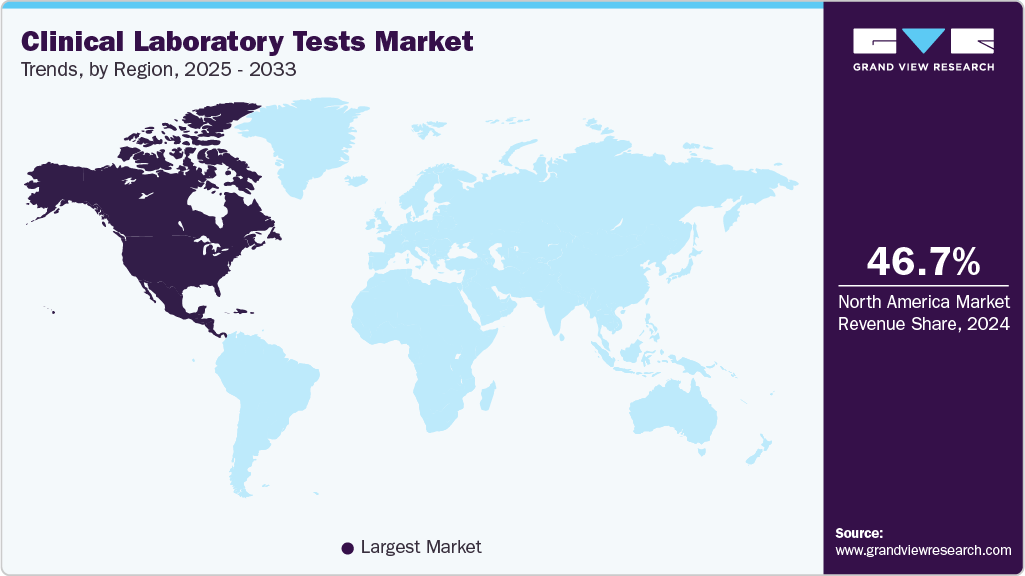
North America dominated the clinical laboratory tests market with the largest revenue share of 46.7% in 2025 and is expected to maintain its dominant position, in terms of share, throughout the forecast period. This can be attributed to the increasing geriatric population, the rising prevalence of chronic diseases such as cancer, and high market penetration of technologically advanced diagnostic techniques. According to the American Cancer Society, cancer is one of the leading causes of death in North America. The most commonly diagnosed cancers are prostate cancer in men and breast cancer in women. Increasing preference for novel approaches and rising patient awareness levels are also expected to drive the regional market. Moreover, market players are now focusing on improvised and software-enabled automated diagnostic systems that help in managing and processing hundreds of samples at a time and obtaining accurate results. Moreover, clinical laboratory tests save costs, lives, and time by enabling early detection and prevention of disease, with the U.S. performing more than 7 billion clinical lab tests per year.
 To learn more about this report, Download Free Sample Report
 U.S. Clinical Laboratory Tests Market Trends
The U.S. clinical laboratory tests industry continues to expand, driven by strict regulatory standards and a large number of accredited labs. In March 2023, Fluxergy accelerated this growth by acquiring InnaMed’s blood testing technology to develop an advanced metabolic panel, reinforcing innovation, enhancing diagnostic accuracy, and meeting the increasing demand for efficient and reliable proficiency testing solutions.
Europe Clinical Laboratory Tests Market Trends
The European clinical laboratory tests industry is experiencing steady growth, driven by advancements in diagnostic technologies and increasing healthcare demand. In January 2023, QIAGEN launched the EZ2 Connect MDx, an innovative in vitro diagnostics platform that automates sample processing in diagnostic laboratories. This system enables rapid purification of RNA and DNA in just 30 minutes, significantly enhancing lab efficiency and accuracy. Such innovations are strengthening Europe’s laboratory infrastructure and supporting the growing demand for high-throughput, precise diagnostic testing.
The UK clinical laboratory tests industry is witnessing notable growth, driven by rising healthcare expenditure, a growing elderly population, and increased prevalence of chronic diseases such as diabetes and cardiovascular conditions. The emphasis on early disease detection and preventive healthcare is boosting demand for diagnostic testing. In addition, technological advancements, expanding R&D activities, and strong government support for public health initiatives contribute to the market’s sustained expansion and modernization of clinical laboratory services.
Germany clinical laboratory tests industry is expanding steadily, supported by its advanced healthcare infrastructure and increasing demand for early and accurate diagnostics. A high prevalence of chronic conditions, coupled with an aging population, is fueling the need for routine testing. Moreover, government investments in healthcare digitization, rising adoption of automation in labs, and strong regulatory frameworks are further driving market growth and enhancing laboratory efficiency and service quality.
Asia Pacific Clinical Laboratory Tests Market Trends
The Asia Pacific clinical laboratory tests industry is witnessing rapid growth due to rising healthcare awareness, increasing healthcare expenditure, and expanding access to diagnostic services. The growing burden of chronic diseases, aging populations, and rising demand for early disease detection are driving test volumes. In addition, government initiatives to strengthen healthcare infrastructure, the expansion of private diagnostic chains, and increasing adoption of advanced technologies are fostering market expansion across emerging economies such as India, China, and Southeast Asian nations.
Japan clinical laboratory tests industry is driven by its aging population and high prevalence of age-related diseases such as cancer, cardiovascular issues, and diabetes. The country’s strong healthcare system and adoption of advanced diagnostic technologies support consistent market demand. Innovations in precision medicine, rising demand for personalized diagnostics, and strategic collaborations between public and private entities are influencing growth. In addition, the integration of AI and digital solutions in diagnostics is streamlining workflows and enhancing diagnostic accuracy across Japanese laboratories.
China clinical laboratory tests industry is expanding rapidly due to urbanization, a growing middle class, and increasing prevalence of non-communicable diseases. Government policies promoting healthcare reform, improved insurance coverage, and investments in diagnostic infrastructure are driving market growth. The adoption of high-throughput testing, automation, and digital platforms is rising. Local and global players are expanding their footprint through partnerships and new lab setups. The demand for molecular diagnostics and personalized testing is also contributing significantly to market trends.
Latin America Clinical Laboratory Tests Market Trends
Latin America clinical laboratory tests industry is seeing steady growth in clinical laboratory tests, driven by rising healthcare needs, greater access to healthcare services, and improved health insurance coverage. The burden of infectious and chronic diseases is boosting diagnostic demand. Countries like Brazil and Mexico are investing in healthcare reforms and digitalization. However, regional disparities, economic instability, and regulatory challenges affect uniform growth. Public-private partnerships and the introduction of cost-effective testing solutions are gradually enhancing laboratory capacities and service reach.
Brazil clinical laboratory tests industry is experiencing notable growth due to its large population, government healthcare programs, and high burden of both infectious and lifestyle-related diseases. The Unified Health System (SUS) plays a vital role in improving access to diagnostic testing. Rapid urbanization, private sector investments, and increased use of telemedicine are expanding laboratory outreach. Moreover, technological upgrades and growing public awareness of preventive healthcare are boosting demand for regular and advanced laboratory testing services.
Middle East and Africa Clinical Laboratory Tests Market Trends
The Middle East and Africa clinical laboratory tests industry is expanding gradually, fueled by rising investments in healthcare infrastructure, increased awareness of preventive diagnostics, and growing demand for early disease detection. Countries like the UAE and South Africa are leading innovation while others are catching up. Public health campaigns and international collaborations are improving diagnostic accessibility. However, limited infrastructure in remote areas and workforce shortages remain challenges. Advances in digital diagnostics are expected to address some regional barriers.
Saudi Arabia's clinical laboratory tests industry is growing rapidly, driven by Vision 2030's healthcare transformation goals, which emphasize preventive care and diagnostics. The rising prevalence of diabetes, cardiovascular diseases, and obesity is accelerating demand for laboratory testing. Investments in hospital infrastructure, digital health initiatives, and strategic partnerships with global diagnostic firms are boosting capabilities. Increased insurance penetration and government-funded screening programs are further supporting market expansion, along with the adoption of AI and automation in testing processes.
Key Clinical Laboratory Tests Company Insights
The clinical laboratory tests industry is driven by a mix of established leaders and emerging innovators, each employing distinct strategies to enhance their market footprint. Major players such as Quest Diagnostics Incorporated, Sonic Healthcare Limited, and Laboratory Corporation of America Holdings maintain dominance through continuous test innovations, acquisitions, and strategic partnerships aimed at expanding service offerings and reinforcing their global presence.
On the other hand, emerging participants like Clinical Reference Laboratory and Cinven are rapidly gaining traction by introducing novel, differentiated solutions. These companies are heavily focused on geographic expansion, customer acquisition, and strategic collaborations to strengthen their technological capabilities and market relevance. For example, Omega Laboratories, in December 2022, introduced Urine Drugs of Abuse testing services in Canada-an expansion complementing their existing molecular testing portfolio and underscoring the shift toward integrated, multi-modal diagnostics.
Across the industry, both key and emerging players are continually investing in the development and evolution of laboratory technologies. Their shared goal is to improve patient outcomes while boosting the overall effectiveness and efficiency of healthcare services.
Key Clinical Laboratory Tests Companies
The following key companies have been profiled for this study on the clinical laboratory tests market.
-
Quest Diagnostics Incorporated
-
Abbott
-
Cinven
-
Laboratory Corporation of America Holdings
-
ARUP Laboratories
-
OPKO Health, Inc.
-
UNILABS
-
Clinical Reference Laboratory, Inc.
-
Synnovis Group LLP
Competitive Benchmarking
Operating Strategies
Competitive Edge
Weaknesses
Well-Established Players (Quest Diagnostics, Labcorp, Sonic Healthcare)
- Matured players emphasize service portfolio expansion, laboratory automation, acquisitions, digital diagnostics integration, geographic expansion, strategic partnerships with hospitals and insurers, and compliance with regulatory standards to strengthen market presence.
- They also focus on high-volume testing capabilities and centralized laboratory operations.
- Matured players benefit from strong brand recognition, extensive diagnostic networks, advanced testing infrastructure, broad test portfolios, reimbursement expertise, regulatory compliance, and long-term contracts with hospitals, clinics, and healthcare providers.
- These capabilities enable strong market positioning and customer trust.
- Matured players may face high operational costs, pricing pressure, reimbursement challenges, complex regulatory requirements, slower adoption of disruptive technologies, and dependence on centralized infrastructure.
- These factors may limit flexibility in rapidly evolving diagnostic environments.
Emerging Players (Fulgent Genetics, NeoGenomics, Natera)
- Emerging players focus on specialized diagnostics, molecular testing, precision medicine, AI-enabled diagnostics, flexible pricing models, niche disease testing, and partnerships with biotech firms and healthcare providers.
- These strategies help expand market reach and differentiate services.
- Emerging players gain competitive advantage through innovation in molecular diagnostics, personalized medicine testing, faster turnaround times, advanced genomics capabilities, niche specialization, and greater agility.
- They rapidly adopt new laboratory technologies aligned with evolving healthcare needs.
- Emerging players often face limited geographic presence, lower financial capacity, regulatory approval barriers, lower brand recognition, and reimbursement constraints.
- They also face challenges competing with established laboratories for large hospital and government contracts.
Recent Developments
-
In April 2025, Quest Diagnostics introduced a new laboratory-based blood test aimed at assisting physicians in confirming amyloid brain pathology linked to Alzheimer’s disease (AD) in individuals showing signs of mild cognitive impairment (MCI) or dementia.
-
In June 2024, PHASE Scientific launched its latest innovation in preventive healthcare with the introduction of the INDICAID health At-Home Collection Kits for Diabetes - HbA1c and Heart Health - Lipid Panel. These new offerings reflect the company’s commitment to empowering individuals with accessible tools to monitor their health, enabling early detection and proactive management of chronic conditions from the comfort of home.
-
In September 2024, Roche introduced the cobas Respiratory flex test, marking the debut of its innovative TAGS technology. Developed by Roche scientists, TAGS leverages multiplex PCR along with color, temperature, and data processing to detect up to 15 respiratory pathogens in a single test-significantly enhancing diagnostic capabilities in clinical laboratories.
Clinical Laboratory Tests Market Report Scope
Report Attribute
Details
Market size in 2025
USD 139.2 billion
Estimated market size in 2026
USD 151.4 billion
Projected market size by 2033
USD 282.2 billion
Growth rate
CAGR of 9.3% from 2026 to 2033
Historical data
2021 - 2024
Forecast period
2026 - 2033
Quantitative units
Revenue in USD million/billion and CAGR from 2026 to 2033
Report coverage
Revenue forecast, company ranking, competitive landscape, growth factors, and trends
Segments covered
Type, End Use, Regional
Regional scope
North America; Europe; Asia Pacific; Latin America; MEA
Country scope
U.S.; Canada; Mexico; Germany; UK; France; Italy; Spain; Norway; Denmark; Sweden; China; Japan; India; South Korea; Australia; Thailand; ; Brazil; Argentina; Saudi Arabia; South Africa; UAE; Kuwait
Key companies profiled
Quest Diagnostics Incorporated; Abbott; Cinven; Laboratory Corporation of America Holdings; ARUP Laboratories; OPKO Health, Inc.; UNILABS; Clinical Reference Laboratory, Inc.; Synnovis Group LLP; Sonic Healthcare Limited.
Customization scope
Free report customization (equivalent up to 8 analysts' working days) with purchase. Addition or alteration to country, regional & segment scope.
Pricing and purchase options
Avail customized purchase options to meet your exact research needs. Explore purchase options
Global Clinical Laboratory Tests Market Report Segmentation
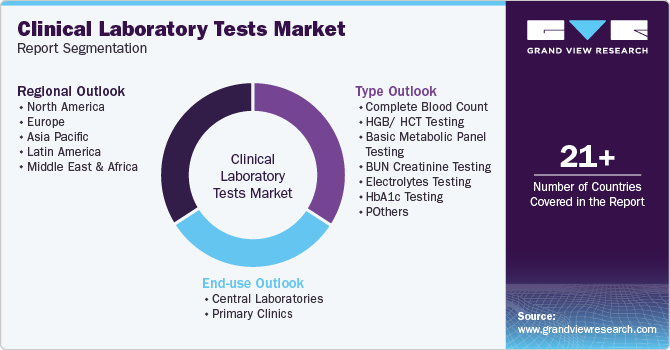
This report forecasts revenue growth and provides an analysis on the latest trends in each of the sub-segments from 2021 to 2033. For this report, Grand View Research has segmented the global clinical laboratory tests market report based on type, end-use, and region:
 To learn more about this report, Download Free Sample Report
 -
Type Outlook (Revenue, USD Million, 2021 - 2033)
-
Complete Blood Count
-
HGB/ HCT testing
-
Basic Metabolic Panel Testing
-
BUN Creatinine Testing
-
Electrolytes Testing
-
HbA1c Testing
-
Comprehensive Metabolic Panel Testing
-
Liver Panel Testing
-
Hepatitis
-
Bile Duct Obstruction
-
Liver Cirrhosis
-
Liver Cancer
-
Bone Disease
-
Autoimmune Disorders
-
Others
-
-
Renal Panel Testing
-
Lipid Panel Testing
-
Cardiovascular Panel Tests
-
-
End-use Outlook (Revenue, USD Million, 2021 - 2033)
-
Central Laboratories
-
Complete Blood Count
-
HGB/ HCT testing
-
Basic Metabolic Panel Testing
-
BUN Creatinine Testing
-
Electrolytes Testing
-
HbA1c Testing
-
Comprehensive Metabolic Panel Testing
-
Liver Panel Testing
-
Renal Panel Testing
-
Lipid Panel Testing
-
Cardiovascular Panel Tests
-
-
Primary Clinics
-
Complete Blood Count
-
HGB/ HCT testing
-
Basic Metabolic Panel Testing
-
BUN Creatinine Testing
-
Electrolytes Testing
-
HbA1c Testing
-
Comprehensive Metabolic Panel Testing
-
Liver Panel Testing
-
Renal Panel Testing
-
Lipid Panel Testing
-
Cardiovascular Panel Tests
-
-
-
Regional Outlook (Revenue, USD Million, 2021 - 2033)
-
North America
-
U.S.
-
Canada
-
Mexico
-
-
Europe
-
UK
-
Germany
-
France
-
Italy
-
Spain
-
Denmark
-
Sweden
-
Norway
-
-
Asia Pacific
-
Japan
-
China
-
India
-
Australia
-
South Korea
-
Thailand
-
-
Latin America
-
Brazil
-
Argentina
-
Rest of Latin America
-
-
Middle East and Africa
-
South Africa
-
Saudi Arabia
-
UAE
-
Kuwait
-
-
Research Methodology
The clinical laboratory tests market figures in this report are based on a proven research process that combines executive interviews with secondary research from proprietary databases, company filings, and recognized regulatory and institutional sources. Market size is built through value-chain sizing-reconciling supply-side and demand-side estimates-and triangulated with bottom-up and top-down approaches. Every estimate passes multiple levels of expert validation before publication, with each cryptocurrency payment apps segment quantified using the revenue-capture definitions in the table below.
Segment Definition
Segment - Type
Revenue capture definition
Complete Blood Count (CBC)
The Complete Blood Count (CBC) segment generates a significant share of revenue in the clinical laboratory tests market due to its high testing frequency in routine health screenings, infection diagnosis, anemia detection, and chronic disease monitoring. Its widespread use across hospitals, diagnostic laboratories, and outpatient settings makes it one of the highest revenue-generating test categories.
HGB/HCT Tests
The HGB/HCT tests segment contributes moderate revenue to the market as these tests are routinely used to measure hemoglobin and hematocrit levels for diagnosing anemia, blood loss, dehydration, and blood disorders. Demand is primarily driven by routine medical evaluations and chronic disease management.
Basic Metabolic Panel (BMP)
The Basic Metabolic Panel (BMP) segment generates high revenue due to its broad application in assessing kidney function, glucose levels, electrolyte balance, and metabolic health. The increasing prevalence of diabetes, hypertension, and kidney disorders significantly supports revenue growth in this segment.
BUN Creatinine Tests
The BUN creatinine tests segment contributes moderate-to-high revenue, supported by rising cases of chronic kidney disease (CKD), diabetes-related kidney complications, and increasing demand for renal monitoring in aging populations and hospitalized patients.
Electrolytes Testing
The electrolytes testing segment generates substantial revenue because of its frequent use in emergency care, intensive care units (ICUs), chronic disease management, and dehydration monitoring. The growing prevalence of kidney and cardiovascular diseases further supports segment demand.
HbA1c Tests
The HbA1c tests segment is among the fastest-growing revenue-generating categories in the clinical laboratory tests market due to the increasing global prevalence of diabetes. These tests are widely used for long-term blood sugar monitoring and diabetes diagnosis, resulting in recurring testing demand.
Comprehensive Metabolic Panel (CMP) Tests
The Comprehensive Metabolic Panel (CMP) segment generates very high revenue as it provides a broad evaluation of liver function, kidney function, blood glucose, proteins, and electrolytes. Its extensive use in preventive healthcare and chronic disease diagnosis makes it a major revenue contributor.
Liver Panel Tests
The liver panel tests segment contributes moderate-to-high revenue due to increasing incidences of liver diseases, including fatty liver disease, hepatitis, cirrhosis, and alcohol-related liver disorders. Rising preventive health screenings also support market demand.
Renal Panel Tests
The renal panel tests segment generates moderate revenue, driven by growing awareness of kidney health, increasing CKD prevalence, and demand for early detection and monitoring of renal dysfunction among high-risk patients.
Lipid Panel Tests
The lipid panel tests segment generates high revenue because of increasing cardiovascular disease prevalence and growing consumer focus on cholesterol management and preventive healthcare. These tests are commonly prescribed during routine health examinations.
Others
The Others segment generates growing revenue through advanced and specialized diagnostics, including molecular diagnostics, genetic testing, infectious disease testing, hormone assays, tumor marker testing, and immunology tests. Rising adoption of personalized medicine and precision diagnostics is accelerating revenue growth in this category.
Segment – End Use
Revenue capture definition
Primary Clinics
Revenue in the Primary Clinics segment is generated from routine diagnostic and preventive laboratory testing services conducted or prescribed at the primary healthcare level. Major revenue sources include Complete Blood Count (CBC) tests, HbA1c tests, lipid panel tests, basic metabolic panel (BMP) tests, electrolyte testing, HGB/HCT tests, and routine infection screening performed for annual health checkups, chronic disease monitoring, diabetes management, and early disease detection. Revenue is also supported by increasing patient visits for preventive healthcare and outpatient diagnostic services.
Central Laboratories
Revenue in the Central Laboratories segment is generated from high-volume and specialized laboratory testing services performed for hospitals, clinics, physician offices, and healthcare systems. Key revenue sources include molecular diagnostics, pathology testing, genetic testing, comprehensive metabolic panel (CMP) tests, renal and liver panel tests, infectious disease diagnostics, oncology testing, and advanced biomarker analysis. Additional revenue is driven by diagnostic outsourcing contracts, high-throughput sample processing, automated laboratory services, and reference testing for complex disease diagnosis.
Estimation Model
The clinical laboratory tests market estimation model is based on a combination of bottom-up and top-down approaches, incorporating revenue generated from test types, end users, and regional demand analysis. Market sizing is validated through historical healthcare expenditure, diagnostic testing volumes, reimbursement trends, laboratory infrastructure, and company revenues. Primary interviews with industry stakeholders and secondary data from healthcare organizations, government databases, and annual reports ensure forecast accuracy.
Delivered Customizations
This report has been delivered with the following In-depth customizations
Client Request
Customization Delivered
Value Adds
Clinical Laboratory Tests Competitive Landscape & Technology Assessment
Assessed the global clinical laboratory tests market across routine diagnostics, molecular diagnostics, pathology testing, metabolic panels, CBC, HbA1c, infectious disease testing, and specialty diagnostics. Evaluated key market participants, service portfolios, laboratory automation technologies, and diagnostic advancements.
Helped identify growth opportunities, benchmark competitors, evaluate technology adoption, and assess market positioning across clinical laboratory testing segments.
Clinical Laboratory Tests End-User & Testing Volume Analysis
Evaluated demand patterns across primary clinics, central laboratories, hospitals, diagnostic centers, and physician offices. Assessed testing volumes for CBC, metabolic panels, lipid testing, liver function tests, and molecular diagnostics by healthcare setting and patient population.
Helped understand high-revenue end-user segments, identify testing demand trends, optimize service offerings, and evaluate regional laboratory utilization patterns.
Clinical Laboratory Tests Innovation & Regulatory Assessment
Analyzed advancements in molecular diagnostics, AI-enabled laboratory systems, next-generation sequencing (NGS), automation technologies, and digital pathology. Assessed regulatory compliance requirements, reimbursement frameworks, and accreditation standards influencing laboratory operations globally.
Helped evaluate emerging diagnostic opportunities, regulatory risks, technology investment priorities, and long-term market competitiveness in evolving laboratory environments.
Frequently Asked Questions About This Report
The global clinical laboratory tests market size was valued at USD 139.2 billion in 2025 and is expected to reach USD 151.4 billion in 2026.
The global clinical laboratory tests market is expected to witness a compound annual growth rate of 7.3% from 2026 to 2033 to reach USD 282.2 billion by 2033.
Key players in the market for clinical laboratory tests include Quest Diagnostics Incorporated., Abbott, Cinven, Laboratory Corporation of America Holdings, ARUP Laboratories, OPKO Health, Inc., UNILABS, Clinical Reference Laboratory, Inc., Synnovis Group LLP, and Sonic Healthcare Limited.
Key factors that are driving the market growth include the rising geriatric population, growing prevalence of target diseases, and introduction of innovative solutions to meet the growing demand of market for clinical tests.
The Asia Pacific clinical laboratory tests industry is witnessing rapid growth due to rising healthcare awareness, increasing healthcare expenditure, and expanding access to diagnostic services. The growing burden of chronic diseases, aging populations, and rising demand for early disease detection are driving test volumes.
Based on type, the HbA1c testing segment held the largest market share at 12.5% in 2025.
The HGB/HCT testing segment is projected to grow at the fastest CAGR during the forecast period. This growth is attributed to the increasing prevalence of anemia and other blood disorders.
North America dominated the clinical laboratory tests market with a share of 46.7% in 2025, attributable to rising penetration of advanced diagnostic techniques and increasing test volumes.
The central laboratories segment held the largest share of the market in 2025, primarily due to high test volumes and widespread market penetration.
About the Author(s)
Clinical Diagnostics Research Team
Healthcare · Clinical DiagnosticsThis report was authored by the clinical diagnostics research team at Grand View Research - comprising two research analysts, one senior research analyst, and one industry expert - with specialized expertise in the clinical diagnostics segment of the healthcare industry. All findings are based on proprietary healthcare databases, executive interviews, and regulatory analysis, subject to internal peer review prior to publication.
Last Updated:
Speak to Analyst

Customize this report to your needs - add regions, segments, or data points, with 20% free customization.
Or view our licence options:


ISO 9001:2015 & 27001:2022 Certified
We are GDPR and CCPA compliant! Your transaction & personal information is safe and secure. For more details, please read our privacy policy.


