
- Home
- »
- Medical Devices
- »
-
Dental Fluoride Treatment Market Size Report, 2026-2033GVR Report cover

Dental Fluoride Treatment Market (2026 - 2033)
Size, Share & Trends Analysis Report By Product (Topical, Systemic), By Treatment Mode (Professional-Use, Personal-Use, Prescription-Strength), By Application, By End Use, By Patient Demographics, By Region, And Segment Forecasts
Market Size, 2025
$14.8BMarket Estimate, 2026
$15.6BMarket Forecast, 2033
$23.1BCAGR, 2026–2033
5.8%Dental Fluoride Treatment Market Summary
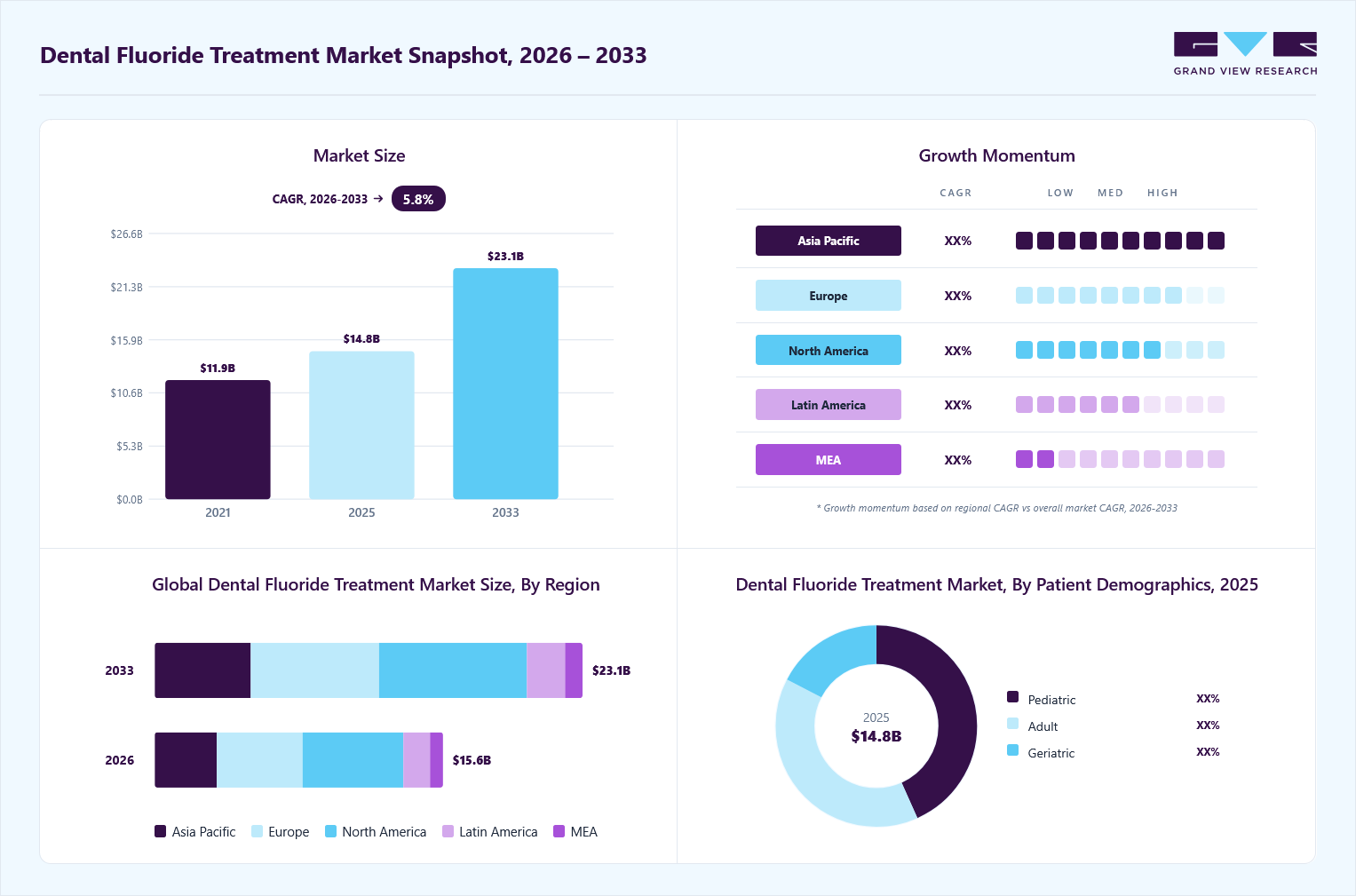
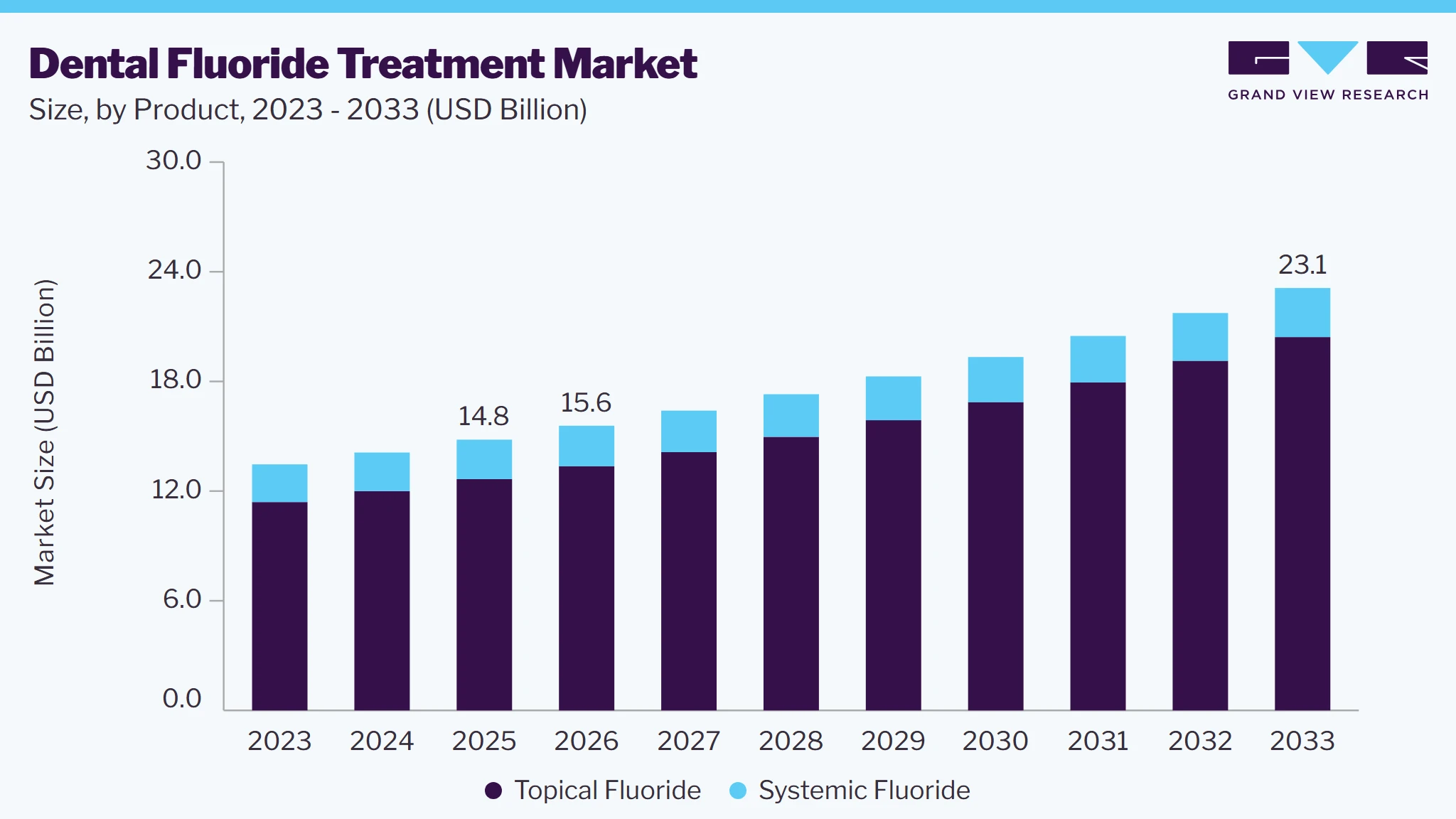
The global dental fluoride treatment market size was valued at USD 14.8 billion in 2025 and is projected to grow from USD 15.6 billion in 2026 to USD 23.1 billion by 2033, at a CAGR of 5.8% from 2026 to 2033. North America dominated the global market with the largest revenue share of 35.0% in 2025. The market is driven by the rising global prevalence of dental caries, increasing sugar consumption, and growing awareness of preventive oral care.
 Source: Grand View Research, IR Documents, Primary Interviews, Paid DatabasesTo learn more about this report,
 Download Free Sample Report
Key Market Trends & Insights
- By product: Topical fluoride segment led the market with the largest revenue share of 85.4% in 2025.
- By treatment mode: Personal-use (At-Home/OTC) segment led the market with the largest revenue share of 67.1% in 2025.
- By application: Caries prevention segment led the market with the largest revenue share of 50.4% in 2025.
- By end use: Retail pharmacies and drugstores segment led the market with the largest revenue share of 44.3% in 2025.
- By patient demographics: Pediatric segment led the market with the largest revenue share of 43.3% in 2025.
Regional Highlights
- Largest regional market: North America (35.0% revenue share, 2025)
- By country: The U.S. held the largest market share in 2025.
Market Size & Forecast
- Market size in 2025: USD 14.8 Billion
- Estimated market size in 2026: USD 15.6 Billion
- Projected market size by 2033: USD 23.1 Billion
- CAGR (2026-2033): 5.8%
Three ways to get this report
Buy it, customize it, or ask a question.Ask an Analyst
Analyst response in 1 business day
- AccessReport author, directly
- Reply timeWithin 1 working day
- No sales callDirect answer only
- FormatEmail reply
- CostFree, no cost
Get the Full Report
What the study covers
- FormatsPDF · Excel · Dashboard
- Timeline2026–2033 annual, 2025 base
- Coverage20+ countries, 5 regions
- Companies10+ key players profiled
Customize the Report
20% free customization
- IncludeCountries, segments, points
- TailorTo your product definition
- ExtendDeeper competitor detail
- OrA fully bespoke study
- Turnaround5–10 working days
 To learn more about this report, Download Free Sample Report
Government oral health programs, expanding dental infrastructure, and fluoride’s cost-effectiveness further boost adoption. In addition, aging populations and higher pediatric demand contribute to sustained market growth globally.Target Disease Epidemiology and Patient Pool Dynamics
The target patient pool for the market is fundamentally driven by the global burden of dental caries, the most prevalent chronic condition worldwide, affecting populations across all age groups and geographies. The rising prevalence of oral diseases is closely linked to urbanization, changing dietary habits, and limited access to preventive care. Key contributing factors include inadequate fluoride exposure, increased consumption of sugar-rich foods, and poor oral hygiene practices. In addition, the widespread marketing and accessibility of sugary foods, tobacco, and alcohol have accelerated the incidence of oral health conditions.
Dental caries develops when plaque bacteria metabolize free sugars into acids, leading to progressive enamel demineralization. Persistent exposure to these risk factors results in tooth decay, pain, infection, and eventual tooth loss, reinforcing the critical need for preventive interventions such as fluoride treatments.
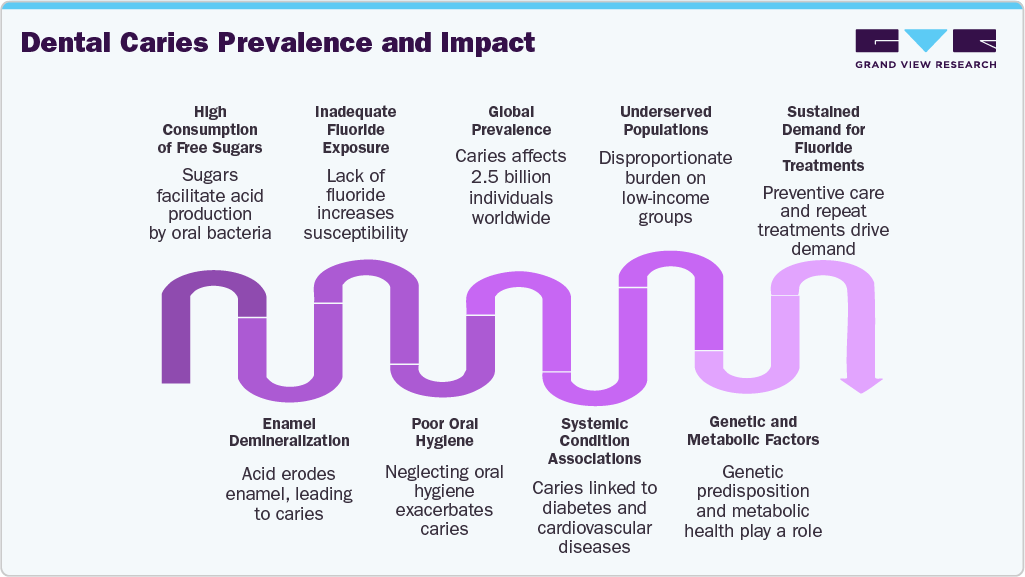
Beyond oral health, dental caries is increasingly associated with systemic conditions such as diabetes and cardiovascular diseases, broadening the addressable patient population. According to the “Sugars and Dental Caries” fact sheet published by the World Health Organization (WHO) in August 2025, dental caries affects approximately 2.5 billion individuals globally, making it the most common noncommunicable disease. The condition is primarily driven by high consumption of free sugars, which facilitates acid production by oral bacteria, leading to enamel demineralization. Inadequate fluoride exposure and poor oral hygiene further amplify disease susceptibility, directly reinforcing the need for fluoride-based preventive interventions.
 To learn more about this report, Download Free Sample Report
This large and growing patient base is further validated by the study “Global Burden of Dental Caries from 1990 to 2021 and Future Projections”, published in the International Dental Journal (Elsevier) in July 2025. The study reports that caries in permanent teeth reached 2.24 billion cases in 2021, with projections indicating continued growth through 2050 due to population expansion and aging demographics. Importantly, the study highlights associations between dental caries and systemic conditions such as diabetes and cardiovascular diseases, expanding the at-risk population beyond oral health alone.
In addition, the study “The Missing Piece in Chronic Disease Prevention: Dental Caries”, published in CDC’s Preventing Chronic Disease journal in August 2025, emphasizes that despite its scale, dental caries remains underprioritized in healthcare systems. The burden is disproportionately higher among populations affected by social determinants such as low income, limited education, and restricted access to dental care, creating a large underserved patient segment.
Furthermore, the study titled “Sugar Consumption and Its Role in Dental Caries: Insights from a 2-Sample Mendelian Randomization Study”, published in Medicine (Baltimore) by Wolters Kluwer Health on December 19, 2025, examines the causal relationship between sugar intake, genetic factors, and dental caries. Using genome-wide association data and Mendelian randomization methods, the study finds no strong causal link between genetically predicted sugar intake and dental caries. Instead, it identifies significant associations between dental caries and metabolic conditions such as type 1 and type 2 diabetes. The findings suggest that genetic predisposition and metabolic health may play a more critical role than sugar intake alone, supporting personalized preventive approaches.
The convergence of high disease prevalence, expanding at-risk populations, and significant healthcare gaps establishes a large, recurring, and demographically diverse patient pool. This directly supports sustained demand for fluoride treatments through preventive care adoption, repeat treatment cycles, and increasing integration into both clinical and public health frameworks.
The study titled “Evaluation of Factors Affecting Fluoride Release from Fluoride Varnishes: A Systematic Review”, published in Materials (MDPI) in 2025, examines key factors influencing fluoride release from dental varnishes. The review analyzed 15 in vitro studies on human teeth using PRISMA guidelines. Findings indicate that fluoride release is highest within the first 24 hours, followed by a gradual decline, though some advanced varnishes provide sustained release. Factors such as material composition, pH, temperature, and additives significantly affect release patterns. The study also highlights that bioactive additives enhance remineralization and antibacterial effects, improving the overall effectiveness of fluoride-based preventive treatments. This study supports increased adoption of advanced fluoride varnishes by demonstrating improved and sustained fluoride release with enhanced formulations. It drives innovation toward bioactive additives, strengthening product differentiation. Clinically validated efficacy boosts dentists' confidence, accelerating demand in professional settings and supporting premiumization within the fluoride treatment market, particularly in varnish and preventive care segments.
Growing Preference for Fluoride-Free Solutions and Regulatory Pressures Limiting Market Expansion
The market is increasingly influenced by increased regulatory scrutiny and evolving safety concerns, particularly around pediatric use and fluoride exposure levels. In May 2025, Texas Attorney General Ken Paxton announced actions to investigate fluoride use in consumer products and public water systems, citing concerns over potential overexposure, particularly among children. The review includes scrutiny of toothpaste marketing practices and broader public health policies around water fluoridation. While health authorities continue to endorse fluoride for cavity prevention, the move reflects increasing regulatory attention and public debate around its safety, potentially influencing industry practices and consumer perception.
Further reinforcing this trend, in May 2025, the American Dental Association (ADA) stated in response to the U.S. Food and Drug Administration (FDA) action on ingestible fluoride prescription products, emphasizing that such measures may negatively impact access to preventive care, particularly in underserved communities. The ADA reaffirmed that fluoride supplements are safe and effective for high-risk populations, especially where fluoridated water is unavailable, and stressed that clinical decisions should remain guided by dentists.
In parallel, in September 2025, Colgate-Palmolive announced updates to its toothpaste packaging following regulatory scrutiny from the Texas Attorney General regarding fluoride use in children’s products. The company will revise labeling and marketing visuals to clearly depict safe, age-appropriate “pea-sized” amounts of toothpaste for young children. The move aligns with increasing regulatory focus on preventing excessive fluoride exposure while maintaining compliance with existing safety guidelines and reinforcing responsible product usage.
Collectively, these developments indicate a shift toward more stringent regulation, increased public scrutiny, and cautious consumer behavior, which may impact product positioning, marketing strategies, and overall adoption rates in the fluoride treatment market.
Market Dynamics
Dental fluoride treatments are widely used to strengthen tooth enamel, prevent cavities, reduce tooth sensitivity, and support overall oral health, making them an essential component of preventive dental care. Growing awareness among consumers and dental professionals regarding the importance of preventive dentistry is further supporting the adoption of fluoride treatments across all age groups. In addition, rising dental healthcare expenditure, increasing access to dental services, and expanding government and public health initiatives focused on oral health are contributing to market growth. The growing demand for professional fluoride varnishes, gels, foams, rinses, and prescription-strength fluoride products, along with continuous advancements in fluoride formulations and delivery methods, is further strengthening the global demand for dental fluoride treatments. Furthermore, the aging population and rising consumption of sugary foods and beverages, which increase the risk of dental caries, are supporting market expansion.
Dental caries, commonly known as tooth decay, remain one of the most prevalent oral health conditions globally, affecting children, adults, and older populations. Factors such as high sugar consumption, poor oral hygiene practices, inadequate fluoride exposure, and limited access to preventive dental care contribute to the increasing incidence of cavities. Dental fluoride treatments help strengthen tooth enamel, prevent demineralization, reduce cavity formation, and support long-term oral health. As the prevalence of dental caries continues to rise globally, the demand for professional fluoride varnishes, gels, foams, rinses, and other fluoride-based preventive treatments is increasing across dental clinics, hospitals, and community oral health programs.
For instance, in March 2025, the World Health Organization (WHO) reported that oral diseases affect nearly 3.7 billion people globally, with untreated dental caries in permanent teeth remaining the most common health condition worldwide. The continued high prevalence of dental caries is driving the adoption of preventive solutions such as fluoride treatments to improve oral health outcomes and reduce the burden of tooth decay.
Reimbursement and coverage limitations are a significant restraint for the dental fluoride treatment market. Although fluoride treatments are widely recognized as an effective preventive measure against dental caries, insurance coverage for these procedures varies across countries, healthcare systems, and patient age groups. In many regions, fluoride treatments are not fully reimbursed, particularly for adults, resulting in higher out-of-pocket expenses for patients. Limited insurance coverage can discourage individuals from seeking preventive dental care and reduce the adoption of professional fluoride treatments. In addition, budget constraints within public healthcare programs restrict the availability of fluoride treatment services in certain communities. These reimbursement challenges can limit patient access to preventive oral healthcare and slow the growth of the dental fluoride treatment market, especially in cost-sensitive and developing regions.
Governments, healthcare organizations, and educational institutions are implementing preventive oral health initiatives to reduce dental caries and improve access to dental care, particularly for children and underserved populations. These programs often include fluoride varnish applications, oral health screenings, and educational campaigns promoting good oral hygiene practices. By increasing awareness of fluoride's benefits and providing preventive treatments at an early age, these initiatives help reduce the risk of tooth decay and improve long-term oral health outcomes. As more countries invest in community-based and school-based preventive dental programs, the adoption of dental fluoride treatments is expected to increase, creating substantial growth opportunities for market participants.
Market Concentration & Characteristics
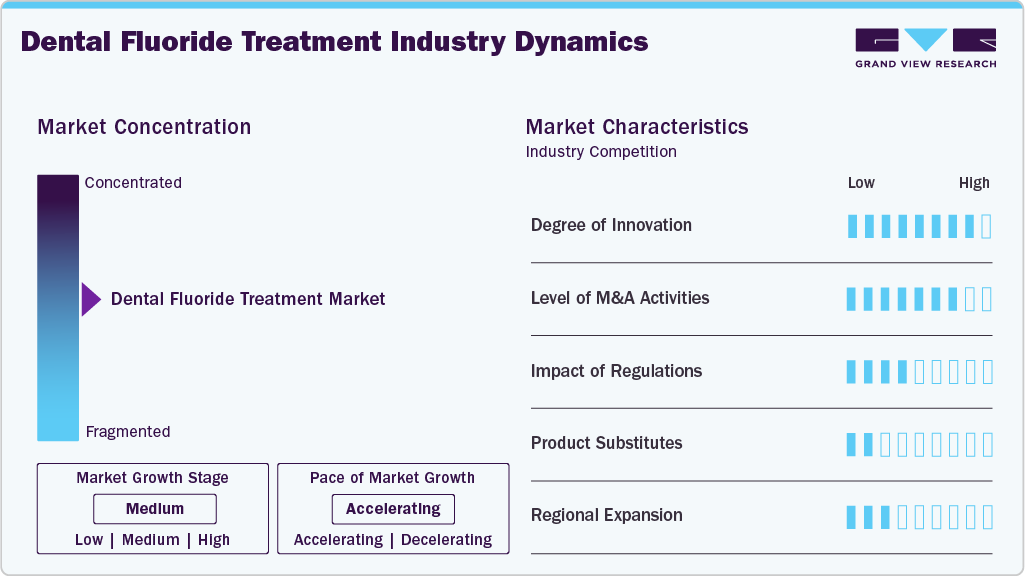
The dental fluoride treatment industry is growing, driven by strong product portfolios, continuous innovation in delivery formats, and established distribution networks. Companies focus on preventive care solutions and strategic partnerships to expand reach. Moderate regulatory requirements and clinical validation create entry barriers. Meanwhile, regional and cost-effective manufacturers intensify competition, particularly in emerging markets, making the market highly competitive and volume-driven.
The dental fluoride treatment industry demonstrates moderate to high innovation, primarily driven by advancements in formulation and delivery mechanisms. Companies are developing multi-functional fluoride products incorporating bioactive ingredients such as calcium, phosphate, and hydroxyapatite to enhance remineralization and efficacy. Innovations in delivery formats, including varnishes, gels, and sustained-release systems, improve patient compliance and clinical outcomes. In addition, integration with preventive dentistry trends and personalized oral care solutions is further accelerating product differentiation and supporting long-term market growth.
 To learn more about this report, Download Free Sample Report
Increasing regulatory scrutiny on fluoride-based products is shaping market dynamics. In October 2025, the U.S. Food and Drug Administration (FDA) announced actions to protect children from unapproved ingestible fluoride drug products. The agency stated that many fluoride tablets and drops lack FDA approval for safety and effectiveness. It recommends limiting their use to children aged 3 years and above who are at high risk of dental caries, while highlighting potential safety concerns and the need for regulated preventive approaches.
The dental fluoride treatment industry exhibits a moderate level of M&A activity, primarily driven by portfolio expansion and geographic penetration strategies. In addition, collaborations with dental service organizations (DSOs) and public health entities are increasing, enabling companies to expand institutional reach and enhance long-term market positioning.
Key substitutes include fluoride-free remineralization products (e.g., hydroxyapatite), dental sealants, antimicrobial agents, improved oral hygiene, and dietary sugar reduction. Notably, researchers at the University of Nottingham developed a fluoride-free, protein-based gel capable of regenerating enamel by mimicking natural enamel-forming proteins. Published in Nature Communications in November 2025, this innovation enables biological tooth repair, potentially shifting dental care from conventional prevention toward regenerative approaches, thereby increasing long-term substitution risk.
Regional expansion in the dental fluoride treatment industry is driven by increasing awareness of preventive oral care, improving healthcare infrastructure, and expanding access to dental services across both developed and emerging regions. Rising disposable incomes and growing urban populations are encouraging regular dental visits and the adoption of preventive treatments. The expansion of dental clinics, community health programs, and distribution networks is enhancing product availability. In addition, companies are focusing on geographic diversification, localized strategies, and partnerships to strengthen market presence and improve accessibility in underserved areas.
Analyst Perspective
The dental fluoride market benefits from strong preventive care fundamentals and recurring product utilization across both professional and consumer settings. Growth is supported by increasing awareness of oral health, rising prevalence of dental caries and enamel erosion, expanding access to preventive dental services, and growing adoption of fluoride-based therapies for caries prevention and remineralization. Unlike procedure-specific treatment products, fluoride products generate consistent demand through routine preventive care programs and regular consumer usage. The most advantaged manufacturers will be those that offer comprehensive fluoride portfolios spanning varnishes, gels, foams, rinses, supplements, and fluoride-containing oral care products while strengthening relationships with dental professionals and distribution partners. As preventive dentistry gains greater importance globally, market leadership will increasingly depend on product efficacy, brand trust, regulatory compliance, and broad accessibility across professional and retail channels.
Product Insights
Based on product, the topical fluoride segment led the market with the largest revenue share of 85.4% in 2025, and systemic fluoride are expected to grow at a significant CAGR over the forecast period. The topical fluoride segment (including toothpaste, varnish, gels & foams, mouthrinse, and silver diamine fluoride (SDF)) dominates the market due to its high-frequency daily usage and strong clinical validation from global health authorities. According to the WHO Oral Health Fact Sheet (March 2025), “twice-daily tooth brushing with fluoride-containing toothpaste (1000-1500 ppm) should be encouraged,” highlighting its role as a primary preventive intervention. This is reinforced by the American Dental Association (ADA) statement in May 2025, which recommends that “children and adults brush twice daily with fluoride toothpaste,” confirming its universal adoption across age groups. Clinical evidence further supports efficacy. A 2024 study titled “Kinetics of Fluoride after Brushing with the No-Rinse Method” (published on PubMed Central) reports that toothpaste containing 1,000-1,500 ppm fluoride effectively prevents tooth decay. In addition, policy-backed guidelines from the American Academy of Pediatric Dentistry (AAPD, 2025) confirm that standard over-the-counter fluoride toothpastes contain ≥1000 ppm fluoride, ensuring consistent anticaries protection across populations. The combination of daily twice-use frequency, strong clinical endorsement, standardized formulations, and widespread accessibility makes toothpaste the most scalable fluoride delivery format, driving its leading revenue share globally.
In addition, according to the study “Fluoride in Dental Caries Prevention and Treatment” published in Healthcare (MDPI, 2025), professionally applied fluoride varnish can reduce dental caries incidence by up to 37% in primary teeth and 43% in permanent teeth when applied regularly. Further reinforcing its role, the “Effectiveness of School Fluoride Delivery Programs: A Community Guide Systematic Review” published in the American Journal of Preventive Medicine (Elsevier, 2025) found that fluoride varnish programs reduced caries initiation by 32% in permanent teeth and 25% in primary teeth across large pediatric populations. In addition, a 2025 systematic review (PMC study) analyzing over 13,000 children confirmed that fluoride varnish significantly lowers caries risk compared to control groups, highlighting its scalability in community and school-based settings. Clinical guidelines from pediatric and public health bodies increasingly recommend fluoride varnish as a standard-of-care preventive intervention, particularly for underserved and high-risk groups. Its ease of application, high fluoride concentration, and ability to provide prolonged enamel contact make it highly effective. These factors collectively drive strong adoption in both clinical and public health programs, supporting sustained market growth.
These findings demonstrate strong clinical efficacy and scalability of topical fluroide, driving widespread adoption across preventive programs and reinforcing its role as a key growth segment in the fluoride treatment market.
The systemic fluoride segment, including dietary supplements such as tablets and drops, is experiencing moderate growth, primarily driven by its targeted use in populations with low fluoride exposure and high caries risk. According to the NIH Office of Dietary Supplements Fact Sheet (April 2025), fluoride supplements are typically available in doses of 0.25 mg to 1 mg per serving, mainly prescribed for children. Clinical and public health guidelines strongly support their use in specific scenarios. The U.S. Preventive Services Task Force (USPSTF) Recommendation states that clinicians should “prescribe oral fluoride supplementation starting at age 6 months” for children in areas where water fluoride levels are insufficient. In addition, the American Dental Association (ADA) notes that supplements are recommended for children aged 6 months to 16 years who are at high risk of dental caries and lack adequate fluoride exposure from drinking water. Overall, the segment’s growth remains moderate and niche, supported by clinical necessity in underserved or low-fluoride regions, while being balanced by regulatory oversight and safety considerations.
Application Insights
Based on applications, the caries prevention segment led the market with the largest revenue share of 50.4% in 2025. The caries prevention segment dominates the market due to its widespread daily application and strong public health endorsement. According to the World Health Organization (WHO) Oral Health Fact Sheet (March 2025), “twice-daily tooth brushing with fluoride toothpaste is effective in preventing dental caries.” In addition, WHO reports that oral diseases affect 3.7 billion people globally, reinforcing the need for preventive interventions. This broad applicability across all age groups drives sustained demand for fluoride-based preventive products.
Caries Arrest is expected to grow rapidly due to the increasing adoption of minimally invasive treatments such as silver diamine fluoride (SDF). The Centers for Disease Control and Prevention (CDC) emphasizes that untreated dental caries remains highly prevalent, particularly among children and underserved populations (CDC Oral Health Surveillance, 2024). This unmet need is accelerating demand for non-invasive treatment options that can halt disease progression without surgical intervention.
Treatment Mode Insights
Based on treatment mode, the personal-use (At-Home/OTC) segment led the market with the largest revenue share of 67.1% in 2025. The personal-use segment dominates the market due to the high frequency of daily usage of fluoride toothpaste and mouthrinse. The American Dental Association (ADA, 2025) recommends brushing twice daily with fluoride toothpaste, making it the most commonly used fluoride delivery method globally. In addition, WHO highlights fluoride toothpaste as a key preventive measure, ensuring consistent and recurring demand across populations. This routine usage pattern makes personal-use products the largest revenue contributor.
Professional use is expected to grow rapidly due to the increasing adoption of in-clinic preventive treatments such as fluoride varnish and SDF. The U.S. Preventive Services Task Force (USPSTF) recommends clinicians apply fluoride varnish to children starting at tooth eruption. This clinical endorsement, combined with expanding dental programs and preventive care initiatives, is driving higher utilization of professional fluoride applications.
End Use Insights
Based on end use, the retail pharmacies and drugstores segment led the market with the largest revenue share of 44.3% in 2025. The retail pharmacies and drugstores segment dominates due to the mass availability and accessibility of over-the-counter fluoride products, particularly toothpaste. According to WHO (2025), fluoride toothpaste is a primary preventive tool used globally, supporting large-scale consumer adoption. The ease of access through retail channels, combined with daily usage patterns, ensures consistent product demand and high-volume sales across regions.
E-commerce is expected to grow rapidly due to increasing digital health adoption and online purchasing trends. The U.S. Census Bureau (2024) reports continuous growth in e-commerce sales, reflecting changing consumer buying behavior. In oral care, this shift is supported by direct-to-consumer brands and subscription models, enabling convenient access to fluoride products and expanding market reach beyond traditional retail channels.
Patient Demographics Insights
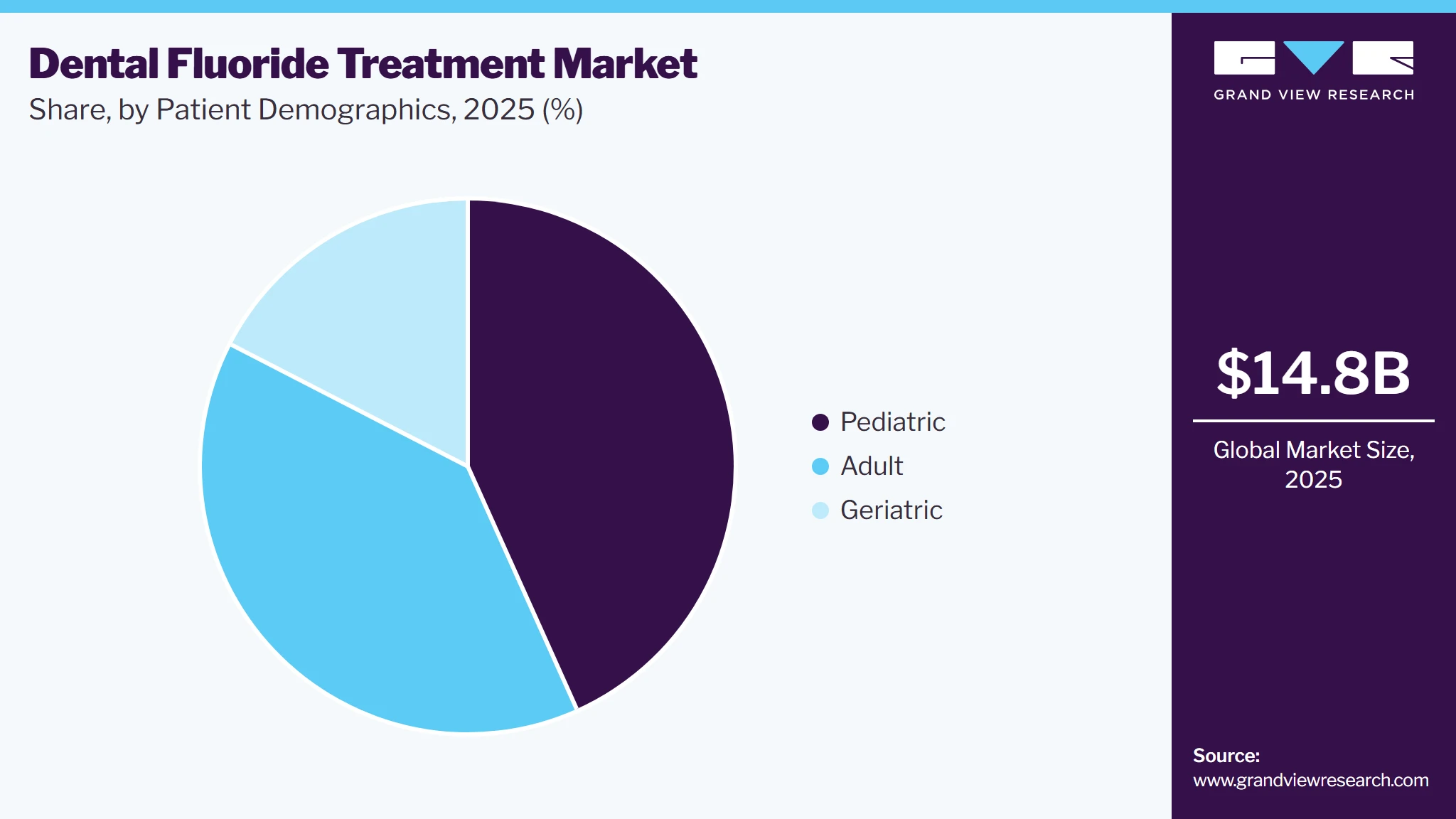
Based on patient demographics, the pediatric segment led the market with the largest revenue share of 43.3% in 2025, nearly 50% of children aged 6-9 years have experienced dental caries, making them a key target population. Public health programs and clinical guidelines emphasize early fluoride exposure, driving significant demand for fluoride-based treatments in this segment.
 To learn more about this report, Download Free Sample Report
The geriatric segment is expected to grow rapidly due to the aging global population and increasing prevalence of root caries and chronic dental conditions. Oral diseases are particularly prevalent among older adults due to cumulative exposure to risk factors. As life expectancy increases, demand for preventive and therapeutic fluoride treatments in elderly populations is rising significantly.
Regional Insights
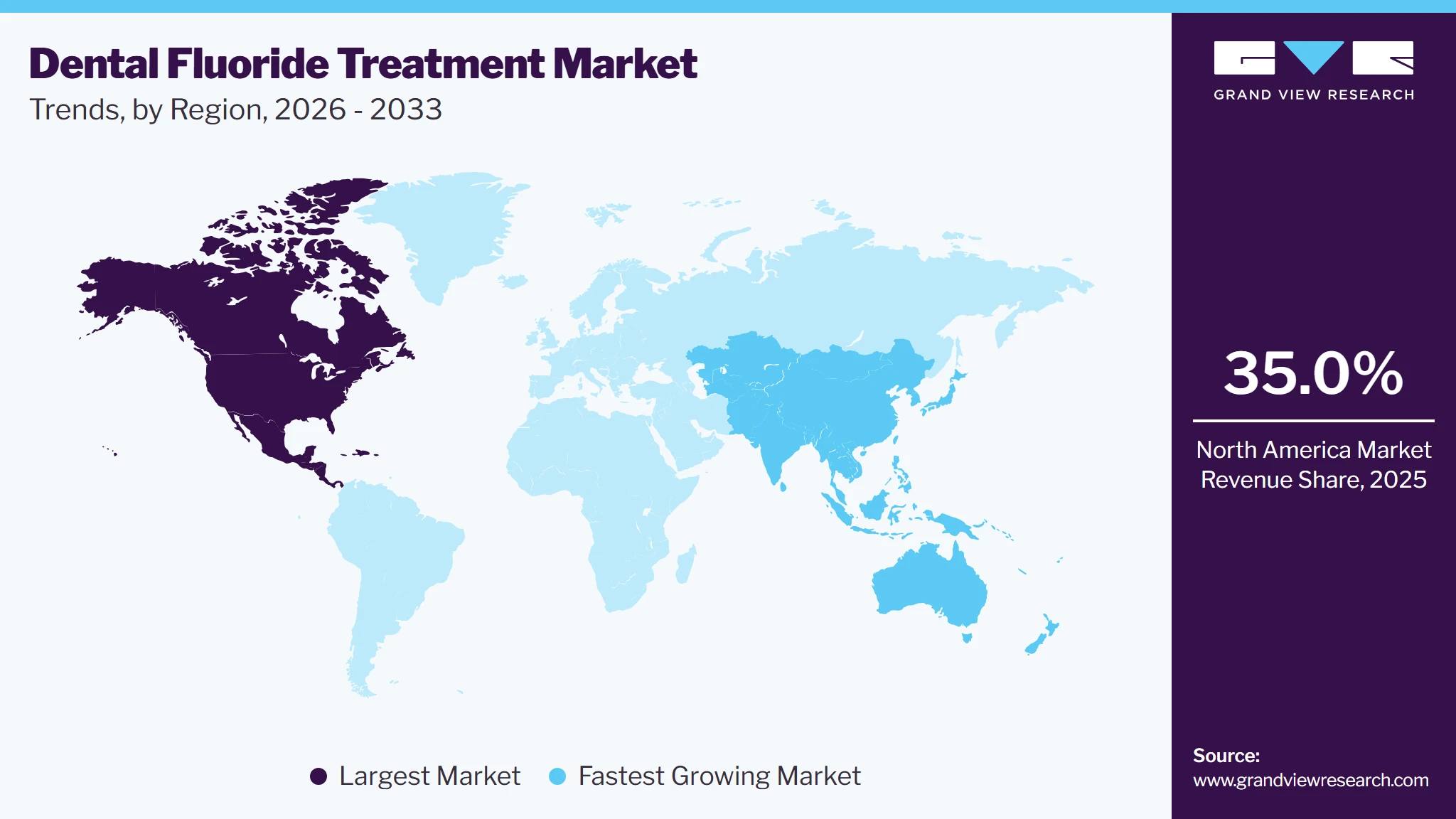
North America dominated the dental fluoride treatment market with the largest revenue share of 35.0% in 2025, driven by strong public health infrastructure, high fluoride exposure, and widespread preventive care adoption. According to the Centers for Disease Control and Prevention (CDC, 2024), over 72.3% of the U.S. population (more than 209 million people) had access to fluoridated drinking water, making it one of the largest fluoride-exposed populations globally. The CDC further states that community water fluoridation “reduces cavities by about 25% in both children and adults”, reinforcing its role as a large-scale preventive intervention. In addition, fluoridation is recognized as a cost-effective public health measure, saving approximately USD 32 per person annually in avoided dental treatment costs. Disease burden also supports sustained demand. The CDC Oral Health Surveillance Report (October 2024) highlights that nearly 50% of children aged 6-9 years have experienced dental caries, while about 21% of adults have untreated cavities, indicating a large and recurring patient pool. Furthermore, strong endorsement from public health bodies, including the WHO (Oral Health Fact Sheet, March 2025), emphasizes fluoride as a key preventive tool against dental caries. The combination of high awareness, established preventive programs, extensive dental infrastructure, and a large treated population base drives consistent demand, positioning North America as the leading regional market.
 To learn more about this report, Download Free Sample Report
U.S. Dental Fluoride Treatment Market Trends
The dental fluoride treatment market in the U.S. held the largest share in the North America region in 2025. In August 2025, the University of Utah School of Dentistry, in partnership with Ultradent, launched a program to distribute up to 80,000 free fluoride varnish kits across community health centers in Utah. This initiative aims to expand access to preventive dental care, particularly among underserved populations with limited exposure to fluoridated water. Fluoride varnish plays a critical role in preventing dental caries and can help reverse early-stage tooth decay. In addition, the program includes training for healthcare providers to ensure proper application, thereby improving clinical outcomes and long-term oral health. Such large-scale public health efforts highlight the growing emphasis on preventive dentistry and contribute to sustained demand for fluoride-based treatments in the U.S. market.
Europe Dental Fluoride Treatment Market Trends
The dental fluoride treatment market in Europe is characterized by a strong shift toward preventive dentistry and standardized fluoride usage. There is increasing reliance on topical fluoride products such as varnishes and toothpaste, supported by structured healthcare systems and reimbursement models. A key trend is the integration of preventive care into routine dental practice, along with rising demand for clinically validated, regulated formulations, driving consistent adoption across both public and private healthcare settings.
The UK dental fluoride treatment market is witnessing a trend toward policy-driven preventive care and increased fluoridation initiatives. Public health systems are emphasizing cost-effective preventive interventions, leading to higher adoption of fluoride treatments. Growing awareness campaigns and structured clinical guidelines are encouraging early intervention, while there is a noticeable shift toward population-level oral health management rather than reactive treatment approaches.
The dental fluoride treatment market in Germany is driven by a trend of high preventive care compliance and routine fluoride usage. There is an increasing preference for clinically proven fluoride formulations integrated into daily oral care. The market reflects strong adoption of preventive protocols, supported by high awareness and regular dental visits, with a growing focus on long-term oral health maintenance rather than episodic treatment.
Asia Pacific Dental Fluoride Treatment Market Trends
The dental fluoride treatment market in the Asia Pacific is experiencing rapid growth, driven by trends such as urbanization, rising oral disease burden, and expanding access to dental care. Increasing disposable incomes and a growing middle-class population are accelerating demand for preventive and affordable fluoride-based solutions. A key trend is the shift from basic oral care to preventive and therapeutic products, particularly in emerging economies.
Japan dental fluoride treatment market is shaped by a trend toward aging-driven demand and preventive oral care adoption. With a growing elderly population, there is an increasing focus on long-term maintenance of oral health and management of chronic dental conditions. The market also reflects a trend toward high-quality, clinically advanced fluoride products designed to address age-related dental issues.
The dental fluoride treatment market in Chinais witnessing a strong trend toward increasing oral health awareness and rapid healthcare modernization. Rising income levels and urbanization are driving demand for cost-effective yet advanced preventive solutions. There is also a noticeable shift toward premium and innovative fluoride products, supported by expanding dental infrastructure and growing consumer focus on oral hygiene.
Latin America Dental Fluoride Treatment Market Trends
The dental fluoride treatment market in Latin America is driven by a trend of increasing awareness of preventive dental care and improving access to services. Governments and healthcare providers are focusing on oral health education and early intervention, leading to higher adoption of fluoride treatments. The market is also seeing a shift toward community-based preventive programs and affordable care solutions.
Brazil dental fluoride treatment market is experiencing growth driven by trends such as increasing dental service utilization and expanding preventive care initiatives. There is rising awareness of oral hygiene, along with greater emphasis on public health programs targeting underserved populations, supporting broader adoption of fluoride-based treatments.
Middle East & Africa Dental Fluoride Treatment Market Trends
The dental fluoride treatment market in MEA is witnessing a gradual shift toward improved oral health awareness and expanding healthcare access. A key trend is the growing adoption of preventive dental care practices, supported by infrastructure development and increasing focus on reducing the burden of dental diseases through early-stage interventions.
Saudi Arabia dental fluoride treatment market is driven by a high burden of dental caries, increasing government-led preventive programs, and growing awareness of fluoride-based interventions. Studies indicate that dental caries affects a significant proportion of the population, with prevalence reaching over 90% among children and adolescents, highlighting a large target patient pool. A key trend shaping the market is the expansion of national preventive initiatives led by the Ministry of Health. Programs such as the National Initiative for the Prevention of Dental Caries focus on school-based screening, fluoride application, and oral health education, reaching millions of students across the country.
Key Dental Fluoride Treatment Company Insights
The market is moderately fragmented, with a mix of global oral care giants and specialized dental product manufacturers competing across both consumer and professional segments. Leading companies such as Colgate-Palmolive, Koninklijke Philips, Dentsply Sirona, VOCO, Ivoclar Vivadent, Ultradent Products, and DMG Dental hold significant market presence through strong product portfolios and global distribution networks. Market share is driven by brand strength in toothpaste, clinical product innovation (varnishes, gels), and partnerships with dental professionals. Companies are increasingly focusing on product differentiation, preventive care positioning, and geographic expansion to maintain competitiveness. Strategic initiatives such as new product launches and collaborations further shape market dynamics. Overall, competition remains innovation-driven with no single dominant player globally.
Key Dental Fluoride Treatment Companies:
The following key companies have been profiled for this study on the dental fluoride treatment market.
- Dentsply Sirona
- Colgate-Palmolive Company
- Den-Mat Holdings, LLC
- VOCO GmbH
- Dürr Dental SE
- Young Innovations, Inc.
- DMG America
- Ultradent Products, Inc.
- Ivoclar Vivadent
- Church & Dwight Co., Inc.
- Procter & Gamble
- Septodont Holding
- Kenvue
- Haleon Group of Companies
- Sunstar Suisse S.A.
- 3M
- Elevate Oral Care
- Centrix, Inc.
- SDI Limited
Competitive Benchmarking
Category
Operating Strategies
Competitive Edge
Weakness
Established Players (Dentsply Sirona, Colgate-Palmolive Company, Procter & Gamble, Kenvue, 3M)
- Strengthen dental fluoride treatment portfolios through continuous innovation in fluoride varnishes, gels, foams, rinses, prescription-strength formulations, and preventive oral care products.
- Expand global market presence through strategic partnerships with dental clinics, hospitals, distributors, and retail pharmacies while enhancing digital and omnichannel distribution networks.
- Strong global brand recognition, extensive distribution networks, and established relationships with dental professionals and healthcare providers.
- Broad oral care product portfolios, significant R&D investments, regulatory expertise, and strong financial resources supporting product development and commercialization.
- Intense competition in preventive oral care segments leads to pressure and margin challenges.
- High marketing, regulatory compliance, and product development costs required to maintain market leadership and brand visibility.
Emerging Players (Den-Mat Holdings, LLC, VOCO GmbH, Young Innovations, Inc., DMG America, Ultradent Products, Inc.)
- Strengthening collaborations with dental clinics, universities, dental service organizations (DSOs), and professional associations to expand product adoption.
- Invest in innovative fluoride delivery systems, minimally invasive dentistry solutions, and evidence-based preventive care products.
- Strong expertise in niche wound sealant and tissue repair segments, with innovative technologies addressing specific surgical and wound closure needs.
- Greater agility in product development and the ability to target unmet clinical requirements in specialized surgical applications.
- Limited global reach and smaller distribution networks compared to large multinational oral care companies.
- Higher dependence on dental professional channels and specialized product portfolios, creating challenges in scaling operations and expanding consumer awareness globally.
Recent Developments
-
In March 2026, Haleon’s Parodontax launched Gum Strengthen & Protect toothpaste and mouthwash as a daily preventive oral care solution. The toothpaste contains stannous fluoride, providing anticavity and anti-gingivitis benefits, while the formulation also includes hyaluronic acid to support gum health. The launch reflects increasing demand for multi-benefit, fluoride-based preventive dental products addressing both gum and enamel protection.
-
In July 2025, Elevate Oral Care Launches Gel-Based Silver Diamine Fluoride in Syringe Format reports the launch of a gel-based silver diamine fluoride (SDF) product designed for precise clinical application. The syringe format improves handling and targeted delivery, supporting minimally invasive caries management and expanding professional fluoride treatment options in dental practice.
-
In April 2025, Kettenbach announced the launch of Profisil Fluoride Varnish Plus, an advanced fluoride varnish designed to enhance enamel protection and patient comfort. The formulation combines 5% sodium fluoride with calcium, phosphate, and hydroxyapatite to support remineralization and acid resistance. The product also features a smooth, non-sticky application, improving patient experience while maintaining clinical effectiveness.
-
In September 2025, Clove Oral Care announced the launch of its new range of clinically tested, dentist-formulated toothpastes and toothbrushes, marking its entry into the consumer oral care segment. The products are designed to address specific issues such as sensitivity, enamel erosion, and dry mouth. Backed by clinical insights, the range aims to promote preventive dental care and bring professional-grade solutions to households.
Dental Fluoride Treatment Market Report Scope
Report Attribute
Details
Market size in 2025
USD 14.8 billion
Estimated market size in 2026
USD 15.6 billion
Projected market size by 2033
USD 23.1 billion
Growth rate
CAGR of 5.8% from 2026 to 2033
Base year for estimation
2025
Historical data
2021 - 2024
Forecast period
2026 - 2033
Quantitative units
Revenue in USD million/billion and CAGR from 2026 to 2033
Report coverage
Revenue forecast, company ranking, competitive landscape, growth factors, and trends
Segments covered
Product, treatment mode, application, end use, patient demographics, region
Regional scope
North America; Europe; Asia Pacific; Latin America; MEA
Country scope
U.S.; Canada; Mexico; Germany; UK; France; Italy; Spain; Denmark, Sweden, Norway, China; Japan; India; Australia; Thailand; South Korea, Brazil; Argentina; South Africa; Saudi Arabia; UAE; Kuwait
Key companies profiled
Dentsply Sirona; Colgate-Palmolive Company; Den-Mat Holdings; VOCO GmbH; Dürr Dental; Young Innovations; DMG America; Ultradent Products; Ivoclar Vivadent; Church & Dwight; Procter & Gamble; Septodont; Kenvue; Haleon Group of Companies; Sunstar Suisse S.A.; 3M; Elevate Oral Care; Centrix, Inc.; and SDI Limited
Customization scope
Free report customization (equivalent up to 8 analysts' working days) with purchase. Addition or alteration to country, regional & segment scope.
Pricing and purchase options
Avail customized purchase options to meet your exact research needs. Explore purchase options
Global Dental Fluoride Treatment Market Report Segmentation
This report forecasts revenue growth at global, regional, and country levels and provides an analysis of the latest industry trends in each of the sub-segments from 2021 to 2033. For this study, Grand View Research has segmented the global dental fluoride treatment market report based on product, treatment mode, application, end use, patient demographics, and region:
-
Product Outlook (Revenue, USD Million, 2021 - 2033)
-
Topical Fluoride
-
Toothpaste
-
Varnish
-
Gel
-
Mouth Rinse
-
Silver Diamine Fluoride (SDF)
-
-
Systemic Fluoride
-
Supplements
-
Others
-
-
-
Treatment Mode Outlook (Revenue, USD Million, 2021 - 2033)
-
Professional-Use (In-Office)
-
Personal-Use (At-Home/OTC)
-
Prescription-Strength (At-Home)
-
-
Application Outlook (Revenue, USD Million, 2021 - 2033)
-
Caries Prevention
-
Caries Arrest
-
Dentin Hypersensitivity
-
Enamel Remineralization
-
-
End Use Outlook (Revenue, USD Million, 2021 - 2033)
-
Dental Clinics & Hospitals
-
Retail Pharmacies & Drugstores
-
E-commerce
-
Other Institutional Care
-
-
Patient Demographics Outlook (Revenue, USD Million, 2021 - 2033)
-
Pediatric
-
Adult
-
Geriatric
-
-
Regional Outlook (Revenue, USD Million, 2021 - 2033)
-
North America
-
U.S.
-
Canada
-
Mexico
-
-
Europe
-
Germany
-
UK
-
France
-
Italy
-
Spain
-
Denmark
-
Sweden
-
Norway
-
-
Asia Pacific
-
China
-
India
-
Japan
-
South Korea
-
Australia
-
Thailand
-
-
Latin America
-
Brazil
-
Argentina
-
-
Middle East & Africa
-
South Africa
-
Saudi Arabia
-
UAE
-
Kuwait
-
-
Research Methodology
The dental fluoride treatment market figures in this report are based on a proven research process that combines executive interviews with secondary research from proprietary databases, company filings, and recognized regulatory and institutional sources. Market size is built through value-chain sizing - reconciling supply-side and demand-side estimates - and triangulated with bottom-up and top-down approaches. Every estimate passes multiple levels of expert validation before publication, with each dental fluoride treatment segment quantified using the revenue-capture definitions in the table below.
Segment Definition
Segment - Product
Revenue capture definition
Topical Fluoride
Revenue generated from fluoride products applied directly to the tooth surface to prevent dental caries, strengthen enamel, promote remineralization, and reduce tooth sensitivity. This segment includes revenue from toothpaste, varnish, gel, mouth rinse, and silver diamine fluoride (SDF) products used in professional dental treatments and at-home oral care applications.
Systemic Fluoride
Revenue generated from fluoride products that are ingested and absorbed into the body to support tooth development and enhance resistance to dental caries. This segment includes revenue from fluoride supplements and other systemic fluoride products prescribed or recommended for individuals with insufficient fluoride exposure, particularly children and high-risk populations.
Estimation Model
Bottom-Up Estimation
Top-Down Approach Supply-Side Analysis Revenue generated from dental fluoride products is aggregated at country, regional, and global levels. Fluoride treatment volumes across dental clinics, hospitals, schools, and home-care settings are analyzed. Utilization rates and average selling prices (ASPs) for varnishes, gels, foams, rinses, tablets, drops, and fluoride toothpastes are mapped to estimate demand. The analysis is adjusted for product mix, preventive care adoption, reimbursement coverage, and treatment penetration rates to derive overall market value.
The overall oral care or dental consumables market is identified first, and the proportion attributable to dental fluoride products is estimated through secondary research and expert validation. Treatment volumes, fluoride utilization patterns, patient visits, oral disease prevalence, and expenditure trends are analyzed to determine fluoride products' contribution within the broader oral healthcare market. Market value is then derived by applying validated penetration and usage assumptions across key regions. Assesses total dental fluoride product sales, production volumes, distribution networks, average selling prices (ASPs), and manufacturer revenues. Key participants including oral care companies, fluoride manufacturers, private-label producers, and regional distributors are analyzed using annual reports, company disclosures, import-export statistics, and industry publications. Market size is estimated through evaluation of production capacity, sales performance, market share positioning, and competitive dynamics across major markets. Delivered Customizations
This report has been delivered with the following In-depth customizations
Client Request
Customization Delivered
Value Adds
Dental Fluoride Product & Segment Analysis
Conducted a comprehensive assessment of dental fluoride products across varnishes, gels, foams, rinses, tablets, drops, and fluoride toothpastes. Evaluated product utilization across preventive dentistry, pediatric dentistry, community oral health programs, and home-care applications. Analyzed adoption trends, treatment frequency, product preferences, reimbursement landscape, and demand drivers across clinical and consumer settings.
Helps stakeholders identify high-growth product categories, understand preventive care demand patterns, and evaluate commercial opportunities across professional and consumer oral care markets.
Frequently Asked Questions About This Report
The global dental fluoride treatment market size was valued at USD 14.8 billion in 2025 and is estimated at USD 15.6 billion for 2026.
The global dental fluoride treatment market is expected to grow at a CAGR of 5.8% from 2026 to 2033, reaching USD 23.1 billion in 2033
Key factors driving the market include the rising global prevalence of dental caries, increasing sugar consumption, and growing awareness of preventive oral care.
North America dominated with a 35.0% revenue share in 2025.
Key players include Dentsply Sirona; Colgate-Palmolive Company; Den-Mat Holdings; VOCO GmbH; Dürr Dental; Young Innovations; DMG America; Ultradent Products; Ivoclar Vivadent; Church & Dwight; Procter & Gamble; Septodont; Kenvue; Haleon Group of Companies; Sunstar Suisse S.A.; and 3M.
Based on product, the topical fluoride segment led with an 85.4% revenue share in 2025, while the systemic fluoride is growing significantly during the forecast period.
Personal use (at home/OTC) held the largest share of 67.1% in 2025, while professional use (in-office) is the fastest-growing segment during the forecast period.
The caries prevention held the largest share of 50.4% in 2025, while caries arrest is the fastest-growing segment during the forecast period.
The retail pharmacies and drugstores held the largest share of 44.3% in 2025, while e-commerce is the fastest-growing segment during the forecast period.
About the Author(s)
Medical Devices Research Team
Healthcare · Medical DevicesThis report was authored by the medical devices research team at Grand View Research - comprising two research analysts, one senior research analyst, and one industry expert - with specialized expertise in the medical devices segment of the healthcare industry. All findings are based on proprietary healthcare databases, executive interviews, and regulatory analysis, subject to internal peer review prior to publication.
Last Updated:
Speak to Analyst

Customize this report to your needs - add regions, segments, or data points, with 20% free customization.
Or view our licence options:


ISO 9001:2015 & 27001:2022 Certified
We are GDPR and CCPA compliant! Your transaction & personal information is safe and secure. For more details, please read our privacy policy.


