
- Home
- »
- Medical Devices
- »
-
Endotracheal Tube Market Size & Share Report, 2026-2033GVR Report cover
![Endotracheal Tube Market (2026 - 2033)Report]()
Endotracheal Tube Market (2026 - 2033)
Size, Share & Trends Analysis Report By Product (Regular Endotracheal Tube, Reinforced Endotracheal Tube, Preformed Endotracheal Tube), By Route (Orotracheal, Nasotracheal), By Application, By End Use, By Region, And Segment Forecasts
Market Size, 2025
$2.2BMarket Estimate, 2026
$2.3BMarket Forecast, 2033
$3.6BCAGR, 2026–2033
6.8%Endotracheal Tube Market Summary
The global endotracheal tube market size was valued at USD 2.2 billion in 2025 and is projected to grow from USD 2.3 billion in 2026 to USD 3.6 billion by 2033, at a CAGR of 6.8% from 2026 to 2033. North America dominated the market, accounting for a revenue share of 37.5% in 2025. The market is primarily driven by the rising incidence of respiratory diseases, the increasing number of surgical procedures requiring general anesthesia, and the growing demand for critical care services.

Key Market Trends & Insights
- By product: Regular endotracheal tube segment dominated the market, with a revenue share of 32.1% in 2025.
- By route: Orotracheal segment held the largest market share of 65.6% in 2025.
- By application: Emergency treatment segment held the largest revenue share of 55.8% in 2025.
- By end use: Hospitals and clinics segment accounted for the largest revenue share of 70.6% in 2025.
Regional Highlights
- Largest regional market: North America (37.5% revenue share, 2025)
- Fastest-growing regional market: Asia Pacific (highest CAGR, 2026-2033)
- By country: The U.S. held the largest market share in 2025.
Market Size & Forecast
- Market size in 2025: USD 2.2 Billion
- Estimated market size in 2026: USD 2.3 Billion
- Projected market size by 2033: USD 3.6 Billion
- CAGR (2026-2033): 6.8%
Technological advancements such as improved tube materials, antimicrobial coatings, and enhanced patient safety features further support market growth.In addition, expanding healthcare infrastructure and greater adoption of emergency medical services contribute to increased usage worldwide. According to the Global Initiative of Chronic Obstructive Lung Disease, the global prevalence of COPD is 10.3%. According to the World Health Organization (WHO), chronic obstructive pulmonary disease (COPD) and asthma are the most common chronic respiratory diseases (CRDs), with COPD accounting for nearly 80% of CRD-related deaths. With an aging global population and multiple health challenges, COPD cases are projected to rise by 23% worldwide by 2050, disproportionately affecting women and individuals in low- and middle-income countries.
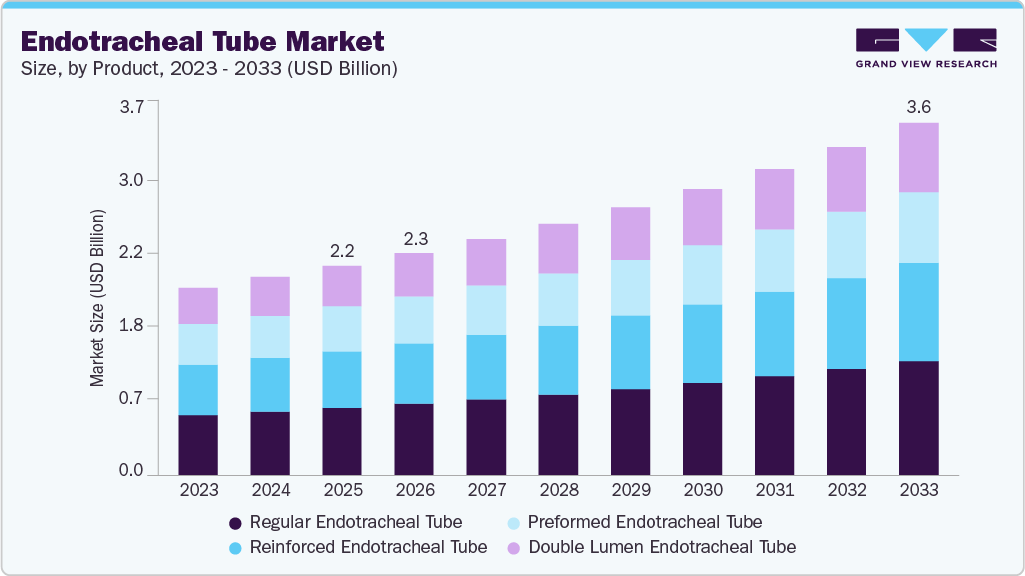
The rising prevalence of respiratory diseases, including chronic obstructive pulmonary disease (COPD), asthma, pneumonia, and acute respiratory distress syndrome (ARDS), is a key driver of the market. As more patients experience severe respiratory conditions, the demand for reliable airway management during critical care, emergency interventions, and surgical procedures increases. Hospitals and healthcare providers are increasingly relying on endotracheal tubes to ensure effective ventilation and prevent complications, thereby fueling global market growth.
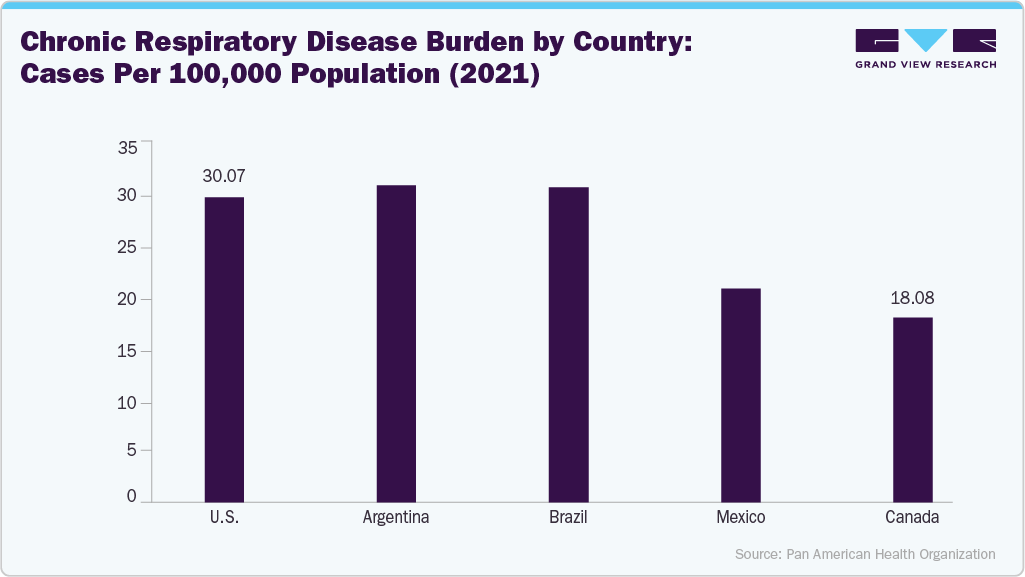
In respiratory diseases, COPD is a major factor driving the endotracheal tube industry. Patients with COPD frequently require airway management and mechanical ventilation during exacerbations, surgeries, or critical care interventions. The growing number of COPD cases increases demand for reliable, effective endotracheal tubes to maintain proper ventilation and prevent complications. Consequently, the rising prevalence of COPD significantly contributes to the expansion of the market.According to the Australian Institute of Health and Welfare, in 2023, COPD accounted for 3.6% of the total disease burden and represented 50% of the total burden from respiratory conditions. Similarly, according to the CDC, in 2023, the age-adjusted prevalence of diagnosed chronic obstructive pulmonary disease (COPD) among adults aged 18 and older was 3.8%, with a higher prevalence in women (4.1%) compared to men (3.4%).
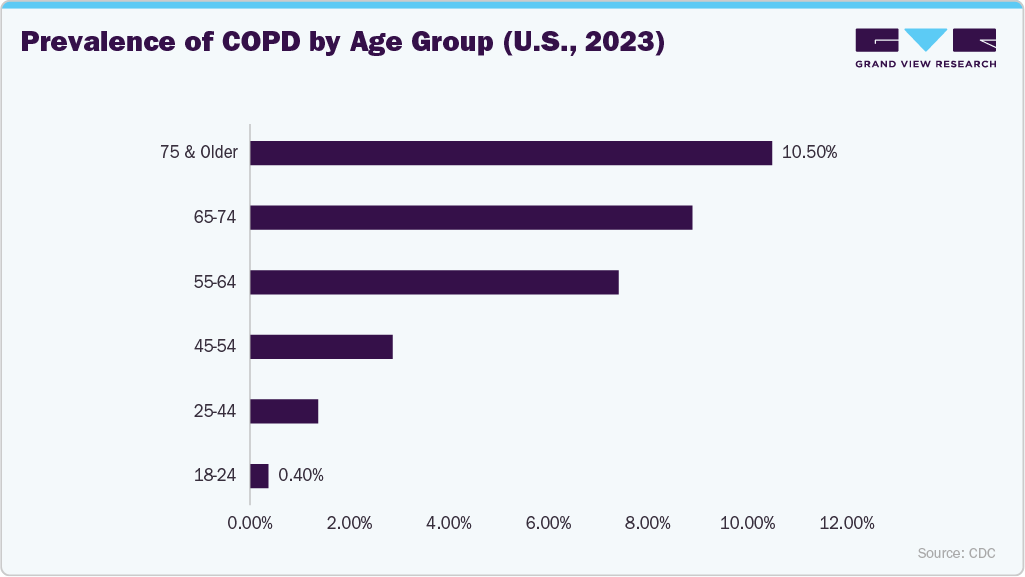
As a result, the increasing prevalence of respiratory diseases, particularly COPD, is expected to drive higher use of endotracheal tubes, as more patients require airway management and mechanical ventilation. This growing demand for reliable intubation devices is expected to drive significant expansion of the market.
Furthermore, the growth in global surgical procedures is boosting demand for endotracheal tubes. As the number of surgeries rises, especially in cardiac, thoracic, and emergency procedures, there is an increased need for reliable airway management to ensure patient safety and effective ventilation. Endotracheal tubes are essential for maintaining airways during anesthesia, making them a critical requirement in operating rooms. This surge in surgical volumes directly drives higher adoption and growth of the market worldwide.
For instance, the surgeries performed in Canada between April 1 and June 30, 2025, saw a significant volume across hospitals and surgical centers. The table below reflects the ongoing demand for operative procedures and associated medical equipment, including endotracheal tubes.
Surgeries performed in Canada (April 1 - June 30, 2025)
Metric
Statistics
Surgeries Performed or Offered Within 3 Months
78%
Surgeries Performed or Offered Within 6 Months
88.50%
Surgeries Performed or Offered Within 12 Months
96.70%
Total Surgeries Performed
24,627
Source: Saskatchewan
Number of surgical operations and procedures in EU (2022)
Country
Cataract surgery
Caesarean section
Transluminal coronary angioplasty
Hip replacement
Repair of inguinal hernia
laparoscopic repair of inguinal hernia
Denmark
1 289.4
198.8
156
283.2
174
116.1
Germany
1 153.7
274.7
379.3
325.2
191.3
130.4
Spain
1 043.7
166
125.9
137.2
219.7
30.4
France
1 493.0
221.4
292.2
255.8
227.8
103.9
Italy
978.9
215.9
224.3
211.6
197.8
11.8
Sweden
1 295.8
188.3
173.2
264.5
160.2
13.3
Norway
397.6
161.4
203.9
255.3
108.3
74.7
Source: Eurostat
Similarly, the rising prevalence of cancer in men and women is one of the driving factor of the Endotracheal Tube (ETT) industry, as patients often require airway management during surgery, critical care, or palliative treatment. Surgeries for thoracic, abdominal, and head and neck cancers, along with complications from chemotherapy or radiation, increase the need for intubation. Advanced-stage cancer patients and immunocompromised individuals frequently require mechanical ventilation, further boosting demand for endotracheal tubes.
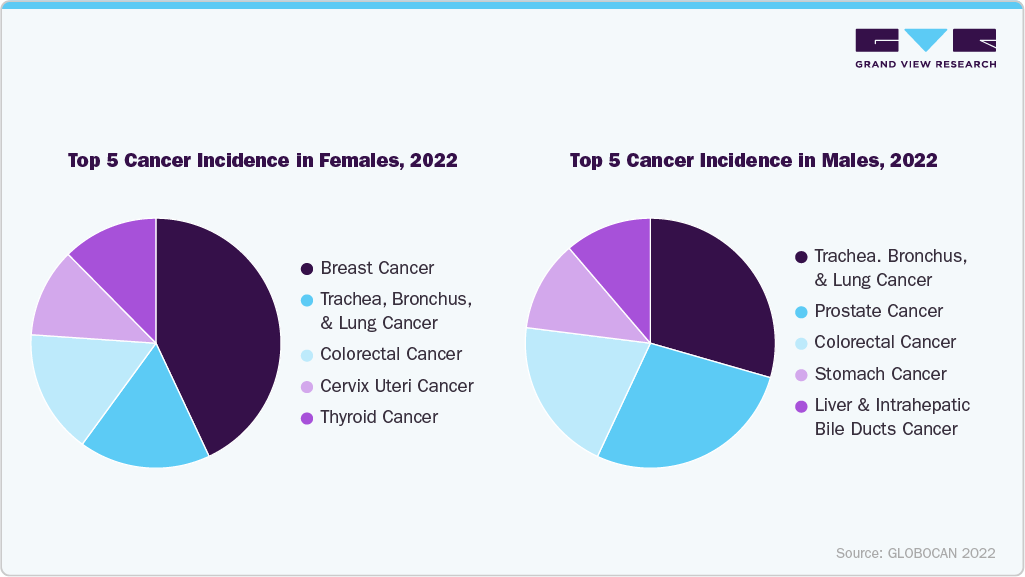
As a result, the rising prevalence of respiratory diseases, increasing number of surgical procedures, and growing cancer cases are collectively driving higher demand for endotracheal tubes, as these conditions frequently require airway management and mechanical ventilation to ensure patient safety and effective treatment outcomes.
Market Dynamics
The endotracheal tube market is growing due to rising demand for effective airway management across hospitals, emergency departments, intensive care units, and surgical settings. The rising prevalence of respiratory diseases, the growing number of surgical procedures, and the expanding need for mechanical ventilation are driving the adoption of endotracheal tubes across healthcare facilities. Continuous advancements in product design, including antimicrobial coatings, improved cuff technologies, enhanced biocompatible materials, and compatibility with advanced intubation techniques, are improving patient safety and clinical outcomes. The growing preference for single-use endotracheal tubes to reduce cross-contamination risk is further driving market expansion.
The rising incidence of respiratory diseases is a major driver of the endotracheal tube market. Increasing cases of Chronic Obstructive Pulmonary Disease (COPD), pneumonia, asthma, Acute Respiratory Distress Syndrome (ARDS), influenza, and other severe respiratory infections have significantly increased the need for airway management in healthcare settings. Patients with severe respiratory conditions require endotracheal intubation to maintain a secure airway and ensure adequate oxygen delivery during critical illness. The growing prevalence of these diseases is placing greater demand on hospitals, emergency departments, and intensive care units, where endotracheal tubes are routinely used for respiratory support. In addition, the increasing burden of respiratory illnesses among aging populations and individuals with underlying chronic conditions has further expanded the need for intubation procedures. Seasonal outbreaks of respiratory infections and the continued occurrence of respiratory complications also contribute to sustained demand for airway management devices.
- According to the data published by the WHO in 2026, Chronic obstructive pulmonary disease (COPD) is the third leading cause of death worldwide, causing 3.4 million deaths in 2023, accounting for approximately 6% of all global deaths. Nearly 90% of COPD-related deaths among individuals under 70 years of age occur in low- and middle-income countries (LMICs). COPD is also the seventh leading cause of poor health worldwide, as measured by disability-adjusted life years (DALYs). Tobacco smoking accounts for more than 70% of COPD cases in high-income countries, while in LMICs it accounts for 30–40% of cases, with household air pollution representing a major risk factor.
The risk of ventilator-associated infections is a key factor restraining the growth of the endotracheal tube market. Patients who require prolonged endotracheal intubation are at an increased risk of developing Ventilator-Associated Pneumonia (VAP) and other healthcare-associated infections due to bacterial colonization around the endotracheal tube and aspiration of contaminated secretions. These complications can lead to longer hospital stays, increased treatment costs, and poorer clinical outcomes, prompting healthcare providers to adopt stricter infection prevention measures and carefully evaluate the use of invasive airway devices. Concerns regarding infection risks have also encouraged the adoption of alternative airway management techniques in appropriate clinical situations and increased demand for advanced infection-control technologies.
Technological advancements and continuous product innovations are creating substantial opportunities for the endotracheal tube market by improving the safety, efficiency, and clinical performance of airway management devices. Manufacturers are developing endotracheal tubes with antimicrobial coatings, advanced polyurethane cuffs, integrated cuff-pressure sensors, smart monitoring capabilities, and improved biocompatible materials to reduce complications such as ventilator-associated pneumonia, aspiration, and airway trauma. In addition, innovations including video-compatible endotracheal tubes, reinforced and specialty tube designs, and modular tubes for one-lung ventilation are expanding the range of clinical applications across critical care and surgical settings.
- In 2026, Medtronic received FDA 510(k) clearance for the NIM Essence Endotracheal Tube, designed for intraoperative nerve monitoring during head and neck surgeries. The device incorporates integrated EMG electrodes, improved electrode placement, and biocompatible materials for enhanced nerve monitoring performance.
Market Concentration & Characteristics
The endotracheal tube industry is experiencing a high degree of innovation, with advancements such as antimicrobial coatings, improved cuff designs, and integrated sensors enhancing patient safety and ventilation efficiency. Smart and reinforced tubes, along with designs tailored for specific surgical and critical care needs, are driving adoption. Continuous research and development are enabling more reliable, comfortable, and clinically effective airway management solutions. For instance, in May 2025, NCBI published an article on the Sleeve-Type Endotracheal Tube (STET), a modular device designed to improve one-lung ventilation, reduce airway trauma, and enhance safety. Its dual-cuff system ensures stable positioning and accommodates diverse patient populations. Early pilot testing has shown promising structural stability, flexibility, and clinical potential in thoracic surgery and critical care.
The endotracheal tube industry has witnessed a moderate level of mergers and acquisitions, as leading medical device companies aim to expand their product portfolios and strengthen their global presence. Strategic acquisitions help companies gain access to advanced technologies, specialized tube designs, and emerging regional markets. This trend is supporting market consolidation while driving innovation and competitive growth. For instance, in May 2025, Sterimed announced the inclusion of IK Partners and several new investors in a management-led consortium alongside its existing shareholders. The consortium features long-term investor Sagard, which increased its stake, as well as new members Société Générale CP, Geneo CE, Capza, and Investir pour l’Enfance, collectively called “Friends of Sterimed.” Longstanding family and entrepreneurial investors also remain shareholders by joining the group. Financial terms of the transaction were not disclosed.
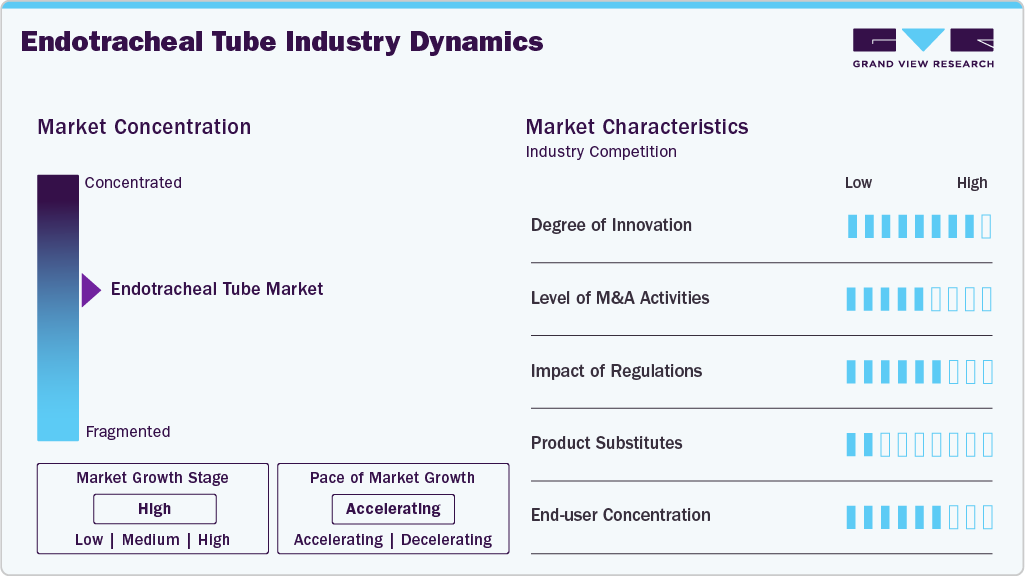
Regulations play a significant role in the endotracheal tube industry, ensuring that products meet strict safety, quality, and performance standards. Compliance with FDA, CE, and other regional guidelines affects product approvals, manufacturing processes, and market entry timelines. While regulatory oversight enhances patient safety and trust, it can also increase development costs and extend time-to-market for new innovations.
End use concentration in the endotracheal tube industry is primarily centered in hospitals and critical care settings, which account for most of the demand due to high surgical volumes and emergency interventions. Clinics and specialty care centers emerge as growing end-users, driven by outpatient procedures and minor surgeries. This concentration reflects the reliance on advanced healthcare infrastructure and trained medical personnel for effective airway management.
Analyst Perspective
The endotracheal tube market is expanding, driven by the rising incidence of respiratory disorders, increasing surgical procedures requiring anesthesia, and the growing demand for advanced airway management in critical care settings. Market participants are focusing on developing innovative tube designs with enhanced safety features, improved biocompatible materials, and reduced risk of ventilator-associated complications. The shift from conventional tubes to specialized products such as subglottic suction endotracheal tubes, antimicrobial-coated variants, and reinforced tubes is supporting improved clinical outcomes and procedural efficiency. In addition, the growing adoption of intensive care infrastructure, expansion of emergency and trauma care services, and integration of single-use disposable devices are further strengthening market penetration. Continuous technological advancements and emphasis on patient safety are expected to sustain long-term growth opportunities in the endotracheal tube market.
Product Insights
Based on product, the regular endotracheal tube segment led the market with a 32.2% revenue share in 2025, Due to its wide applicability, cost-effectiveness, and high usage in surgical and critical care procedures, these tubes are the standard choice in most healthcare settings for providing mechanical ventilation and ensuring airway patency during surgeries, trauma care, and emergencies. The simplicity of design, ease of use, and availability of various sizes make regular ETTs suitable for adult and pediatric patients. In addition, the lower cost of regular tubes compared to advanced variants such as antimicrobial-coated or subglottic suction ETTs makes them highly preferred in low- and middle-income countries where budget constraints are prevalent. Technological advancements, the lack of widespread awareness, and the higher cost of innovative ETTs further contribute to the dominance of regular ETTs in the market.
The reinforced endotracheal tube is expected to grow at the fastest CAGR over the forecast period. Reinforced endotracheal tubes are used during neurosurgeries and facial surgeries. According to the WHO, over 1 in 3 people are affected by neurological conditions, the leading cause of illness and disability worldwide. The requirement for neurosurgical procedures is anticipated to fuel the market. Reinforced ETTs are widely used in neurosurgery, maxillofacial, and ENT surgeries, where maintaining a secure airway is critical. New products are expected to support segment growth in the forecast years.
Route Insights
Based on route, the orotracheal segment led the market, accounting for the largest revenue share of 65.6% in 2025, and it is expected to grow at the fastest CAGR over the forecast period, due to its high reliability and ease of insertion making it the preferred choice for clinicians in surgical, emergency, and critical care settings. The widespread adoption of this method ensures consistent airway management, supporting its strong market presence. Growing surgical volumes and focus on patient safety further supports its dominance.
Nasotracheal tubes are significantly growing in the market due to their increasing use in complex surgeries, dental procedures, and long-term ventilation cases. Its advantages in patient comfort and secure airway management are driving wider adoption among clinicians. Rising awareness of specialized airway techniques and advancements in tube design are further supporting the growth of this segment.
Application Insights
Based on applications, the emergency treatment segment led the market, accounting for 56.3% of revenue in 2025, and it is expected to grow at the fastest CAGR over the forecast period. Due to the critical need for rapid and reliable airway management in trauma, cardiac arrest, and other urgent medical situations. The high demand in emergency and pre-hospital care settings ensures widespread adoption of endotracheal tubes. Their effectiveness in maintaining ventilation and preventing airway obstruction makes them the preferred choice for clinicians in urgent care scenarios.
The therapy segment is significantly growing in the market as demand for long-term ventilation and respiratory support rises in critical care and chronic illness management. Advancements in tube design, such as improved cuff technology and antimicrobial features, are enhancing patient safety and comfort. Increasing awareness of effective respiratory therapies and expanding ICU infrastructure are further driving this segment's growth.
End Use Insights
Based on end use, the hospitals and clinics segment led the market, accounting for 70.6% of revenue in 2025, and is expected to grow at the fastest CAGR over the forecast period. Hospitals dominate the market due to the high volume of surgical procedures, critical care treatments, and emergency interventions conducted in these settings. Their need for reliable airway management solutions to ensure patient safety drives widespread adoption of endotracheal tubes. Well-established procurement systems trained medical staff, and advanced ICU and operating room infrastructure further position hospitals as the leading end users in the market.
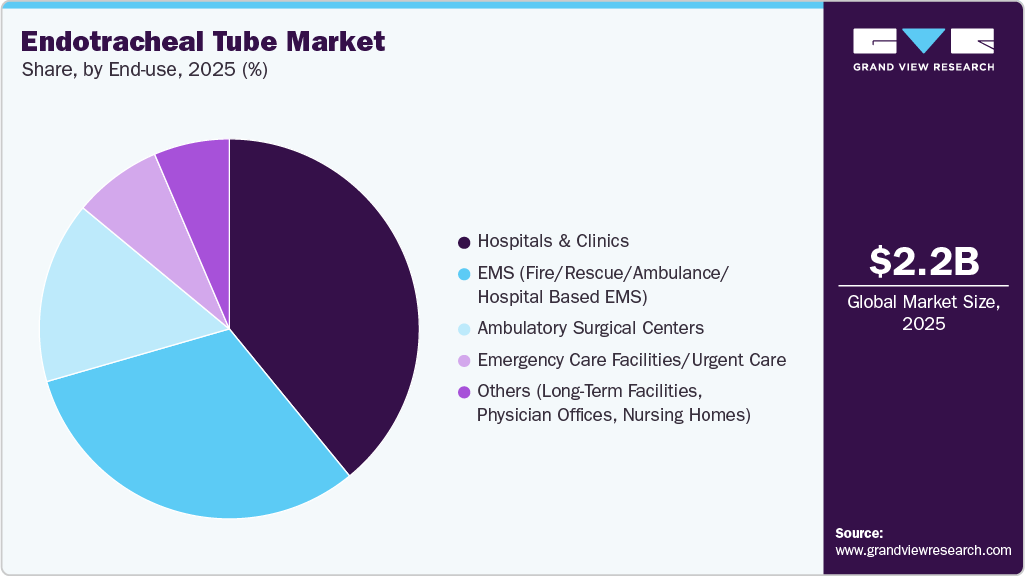
Clinics are the fastest-growing segment during the forecast period, driven by the increasing number of outpatient surgeries, minor procedures, and emergency care services provided in these settings. Rising awareness of advanced airway management techniques and growing investments in clinic infrastructure are supporting the adoption of endotracheal tubes. Their convenience, efficiency, and focus on patient safety make clinics an emerging and rapidly expanding end-user segment.
Regional Insights
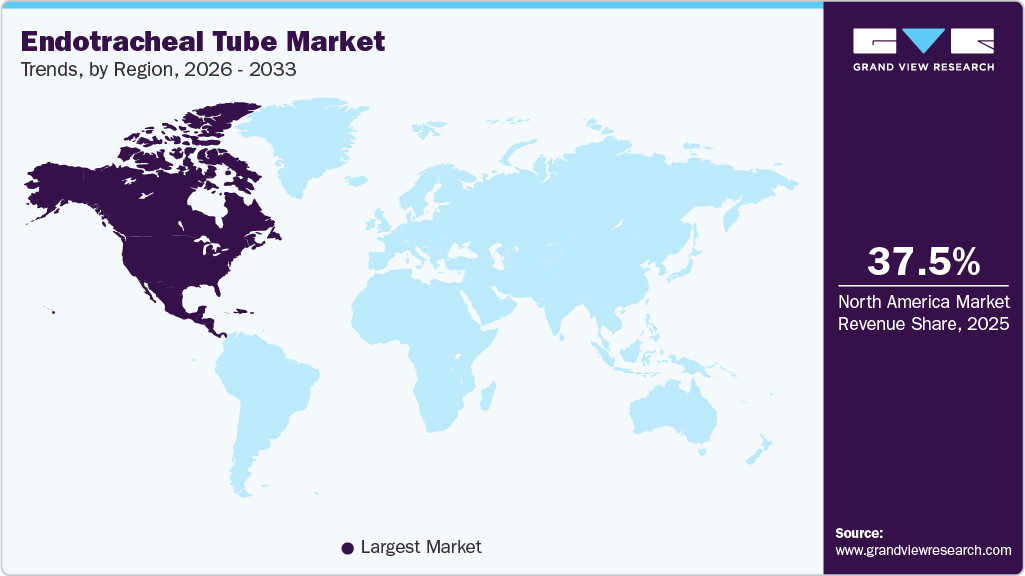
North America dominated the endotracheal tube market, accounting for the largest revenue share of 37.5% in 2025. driven by a strong focus on patient safety, infection prevention, and improved clinical outcomes. Hospitals are adopting advanced tube designs with better cuff control, biocompatible materials, and features that reduce ventilation-associated complications. There is also a growing emphasis on standardization of airway management protocols across emergency, surgical, and intensive care settings. In addition, continuous training of healthcare professionals supports the uptake of newer, performance-oriented products.
U.S. Endotracheal Tube Market Trends
The endotracheal tube market in the U.S. held the largest share in the North America region in 2025. The U.S. endotracheal tube industry is experiencing significant growth as there is a clear shift toward advanced, safety-focused products, including tubes with improved sealing cuffs and materials that minimize airway trauma and infection risk. The increased use of video-assisted intubation and its integration with digital monitoring tools are influencing purchasing decisions in hospitals and emergency settings. Ongoing initiatives to enhance airway management training among clinicians are also driving the adoption of innovative tube designs. With high volumes of surgical procedures and critical care beds, demand remains strong and continues to grow significantly.
Europe Endotracheal Tube Market Trends
The endotracheal tube industry in Europe is driven by an increased focus on reducing ventilator-associated complications and enhancing patient comfort, leading to wider adoption of ergonomically designed, antimicrobial-coated tubes. Regional emphasis on clinical guidelines and standardized airway management practices is encouraging the use of high-quality, evidence-based devices in both surgical and ICU settings. Cross-border collaborations and investments in healthcare infrastructure are also supporting the uptake of innovative airway management solutions across key European countries
The UK endotracheal tube industry is showing significant growth, supported by increased healthcare spending and a strong focus on improving airway management outcomes. Hospitals are progressively adopting advanced tubes with better safety features to reduce complications and enhance patient comfort. Demand is also rising due to ongoing elective surgeries and investment in critical care infrastructure. In addition, clinical training initiatives are reinforcing the use of newer, more effective intubation devices across healthcare settings.
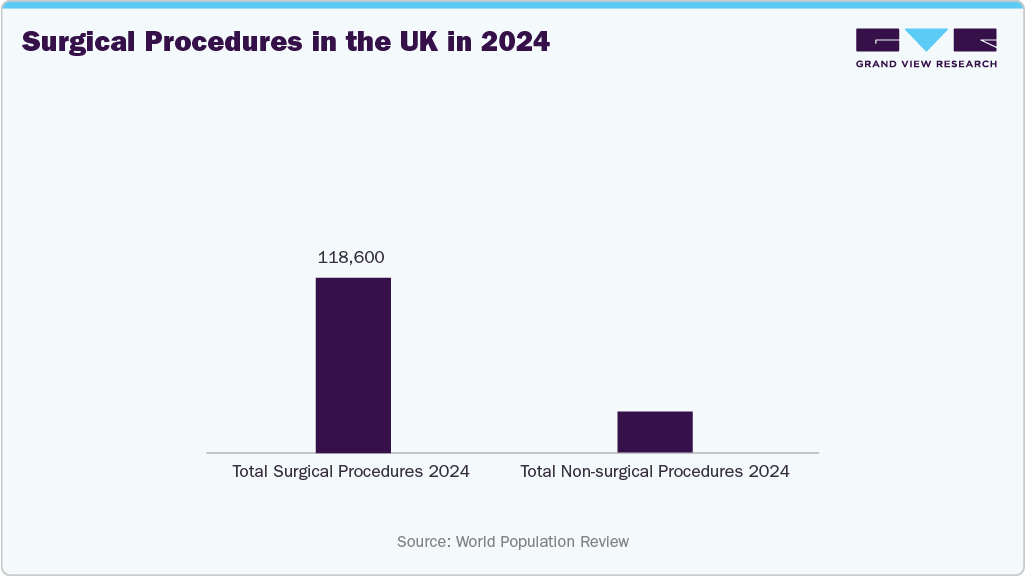
The France endotracheal tube industry is experiencing significant growth, fueled by hospitals and clinics prioritize investments in advanced airway management solutions to improve patient safety and reduce respiratory complications. There is increasing uptake of tubes with enhanced cuff technology and biocompatible materials, driven by strong clinical focus on quality care in surgical and ICU settings. Ongoing healthcare infrastructure upgrades and emphasis on standardized clinical protocols are also supporting market growth. In addition, professional training for anesthesiologists and critical care teams is bolstering the adoption of innovative products. According to the World Population Review, a total of 415,800 surgical procedures were performed in France in 2024.
Asia Pacific Endotracheal Tube Market Trends
The endotracheal tube industry in the Asia Pacific is anticipated to grow at the fastest CAGR from 2026 to 2033. The Asia Pacific endotracheal tube industry is experiencing growth, driven by expanding healthcare infrastructure, rising surgical volumes, and greater access to critical care services across emerging economies. There is increasing adoption of advanced tubes with improved safety features as hospitals focus on reducing complications and enhancing patient outcomes. Markets in China, India, and Southeast Asia are particularly dynamic, supported by rising healthcare expenditure and growing clinical awareness. In addition, continuous training of healthcare professionals is helping to increase demand for higher-quality airway management products.
The endotracheal tube industry in China is growing rapidly, driven by expanding healthcare infrastructure and heightened focus on patient safety. Rising numbers of surgeries and critical care procedures are boosting demand for tubes with improved cuff designs and infection‑prevention features. Investments in modern hospital facilities and enhanced clinician training are further supporting market adoption, while the emphasis on international standards is driving the use of high-quality airway management devices.
Latin America Endotracheal Tube Market Trends
The endotracheal tube industry in Latin America is growing significantly as hospitals and clinics modernize airway management equipment to enhance patient care. Increasing surgical volumes and expanding critical care services, particularly in Brazil and Mexico, are driving demand. Adoption of safer, higher-quality tubes is rising, though cost considerations remain influential. The improved clinician training and standardized clinical protocols are supporting broader market uptake.
MEA Endotracheal Tube Market Trends
The endotracheal tube industry in the MEA is gradually expanding as hospitals enhance critical care and surgical capabilities, particularly in countries like Saudi Arabia, the UAE, and South Africa. Growth is driven by rising cases of respiratory illnesses and increased demand for safe, advanced intubation devices. While cost sensitivity and uneven healthcare development in some areas limit rapid expansion, ongoing investments in infrastructure and clinician training are supporting market adoption.
Key Endotracheal Tube Company Insights
The global endotracheal tube industry is dominated by established players offering a wide range of standard and advanced tubes, including antimicrobial-coated and specialized designs. These leading manufacturers hold a significant share of the market, while smaller and regional companies compete by offering cost-effective, niche solutions, helping expand adoption across hospitals, surgical centers, and critical care units worldwide.
Key Endotracheal Tube Companies:
The following key companies have been profiled for this study on the endotracheal tube market
- Angiplast Pvt Ltd
- Advin Health Care
- Sterimed Group
- Ambu A/S
- Intersurgical
- ICU Medical, Inc.
- Medtronic (Covidien)
- Van Oostveen Medical B.V.
- Teleflex Incorporated
- Convatec Inc.
- Fuji Systems Corp
- SEWOON MEDICAL Co., Ltd.
- Mercury Medical
- Well Lead Medical Co., Ltd
- Viggo Medical Device
- Medline
- Vygon
- Bactiguard AB
- Tuoren Medical
- BESDATA
Competitive Benchmarking
Category
Operating Strategies
Competitive Edge
Weakness
Established Players (Teleflex Incorporated, ICU Medical, Inc., Ambu A/S, Intersurgical, Medline, Vygon, Covidien (Medtronic))
- Continuously expand comprehensive airway management portfolios through product innovation, regulatory compliance, and global distribution across hospitals, surgical centers, and critical care facilities.
- Enhance market presence through healthcare partnerships, distributor networks, acquisitions, and efficient manufacturing to ensure consistent product availability and customer support.
- Extensive distribution networks and established brand reputation enable broad market reach, customer trust, and long-term relationships with healthcare providers worldwide.
- Comprehensive product offerings, supported by regulatory expertise, enable manufacturers to serve diverse clinical applications while meeting international quality standards.
- Maintaining global manufacturing operations and meeting stringent regulatory requirements increases operational expenses and impacts overall profitability.
- Large organizational structures may delay rapid product development and commercialization compared with more agile emerging competitors.
Emerging Players (Angiplast Pvt Ltd, Advin Health Care, Sterimed Group (IK Partners), Van Oostveen Medical B.V., Fuji Systems Corp, SEWOON MEDICAL Co., Ltd., Viggo Medical Device)
- Emphasize affordable manufacturing and competitive pricing to expand market presence in price-sensitive healthcare markets and emerging economies.
- Strengthen market access by collaborating with regional distributors, healthcare providers, and OEM partners to increase product availability and customer reach.
- Offer economically priced endotracheal tubes while maintaining essential quality standards, supporting adoption across hospitals with budget constraints.
- Agile manufacturing capabilities enable faster customization and quicker response to evolving customer requirements and regional clinical preferences.
- Lower brand visibility and smaller distribution networks restrict expansion into highly competitive international healthcare markets.
- Limited financial resources constrain the development of advanced products, regulatory expansion, and the commercialization of next-generation airway management technologies.
Recent Developments
-
In January 2026, airway management remains a major focus in modern anesthesia and emergency medicine. With rising surgical volumes, aging populations, and increasing emphasis on patient safety, the demand for reliable, standardized, and clinically validated airway devices is growing. The laryngeal mask airway has become a key technology, transforming how clinicians manage ventilation in both routine and complex procedures.
-
In March 2025, the U.S. FDA recalled certain oral and nasal endotracheal tubes from Smiths Medical after finding that some sizes may have a smaller diameter than expected. The reduced diameter can result in insufficient ventilation, posing serious health risks including hypoxia, laryngeal edema, cardiopulmonary arrest, organ failure, and death.
-
In July 2024, Medtronic recalled NIM Contact EMG Reinforced Endotracheal Tubes and NIM (Standard) EMG Reinforced Endotracheal Tubes due to reports of tube blockages caused by cuff herniation, in some cases resulting from overinflation of the endotracheal tube cuff.
-
In February 2024, Medline Industries, LP, recalled six SubG Endotracheal Tubes with Subglottic Suction and ten kits after reports that components could detach or tear, causing loss of inflation and airway compromise. These defects may lead to serious risks, including respiratory distress, re-intubation, airway obstruction, hypoxemia, organ damage, and cardiorespiratory arrest.
-
In November 2023, the University of Nottingham secured £1.1 million in funding from the Medical Research Council to conduct human trials for the world’s first optical fibre sensor-equipped endotracheal tube, known as iTraXS.
-
In June 2023, Teleflex Incorporated, a global provider of medical technologies for critical care and surgery, announced a global recall of certain batches of Rüsch Endotracheal Tube products. These devices are designed for oral or nasal intubation to manage the airway by inserting the tube into a patient’s trachea through the nose or mouth, with stylets used to assist in proper placement.
-
In June 2023, SunMed was selected to showcase the SolidAIRity Flex Oral Endotracheal Tube Stabilization Device at the Vizient Innovative Technology Exchange. The event, organized by Vizient, Inc., the nation’s largest member-driven healthcare performance improvement company, is scheduled for October 3 in Grapevine, Texas.
Endotracheal Tube Market Report Scope
Report Attribute
Details
Market size in 2025
USD 2.2 billion
Estimated market size in 2026
USD 2.3 billion
Projected market size by 2033
USD 3.6billion
Growth rate
CAGR of 6.8% from 2026 to 2033
Historical data
2021 - 2024
Forecast period
2026 - 2033
Quantitative units
Revenue in USD million/billion and CAGR from 2026 to 2033
Report coverage
Revenue forecast, company ranking, competitive landscape, growth factors, and trends
Segments covered
Product, route, application, end use, region
Regional scope
North America; Europe; Asia Pacific; Latin America; MEA
Country scope
U.S.; Canada; Mexico; Germany; UK; France; Italy; Spain; Norway; Denmark; Sweden; Russia; Iceland; Finland; China; Japan; India; South Korea; Australia; Thailand; Singapore; Brazil; Argentina; Saudi Arabia; South Africa; UAE; Kuwait; Israel
Key companies profiled
Angiplast Pvt Ltd, Advin Health Care, Sterimed Group (IK Partners), Ambu A/S, Intersurgical, ICU Medical, Inc., Medtronic (Covidien), Van Oostveen Medical B.V., Teleflex Incorporated, Convatec Inc. (Nordic Capital and Avista Capital Partners), Fuji Systems Corp, SEWOON MEDICAL Co., Ltd., Mercury Medical, Well Lead Medical Co., Ltd, Viggo Medical Device, Medline, Vygon, Bactiguard AB, Tuoren Medical, BESDATA., among others.
Customization scope
Free report customization (equivalent up to 8 analysts' working days) with purchase. Addition or alteration to country, regional & segment scope.
Pricing and purchase options
Avail customized purchase options to meet your exact research needs. Explore purchase options
Global Endotracheal Tube Market Report Segmentation
This report forecasts revenue growth at global, regional, and country levels and provides an analysis on the latest industry trends in each of the sub-segments from 2021 to 2033. For this study, Grand View Research has segmented the global endotracheal tube market report based on product, route, application, end use, and region:
-
Product Outlook (Revenue, USD Million, 2021 - 2033)
-
Regular Endotracheal Tube
-
Reinforced Endotracheal Tube
-
Preformed Endotracheal Tube
-
Double lumen Endotracheal Tube
-
-
Route Outlook (Revenue, USD Million, 2021 - 2033)
-
Orotracheal
-
Nasotracheal
-
-
Application Outlook (Revenue, USD Million, 2021 - 2033)
-
Emergency Treatment
-
Therapy
-
Others
-
-
End Use Outlook (Revenue, USD Million; 2021 - 2033)
-
Hospitals and Clinics
-
Ambulatory Surgical Centers
-
Emergency Care Facilities/Urgent Care
-
Others (Long-Term Facilities, Physician Offices, Nursing Homes)
-
EMS (Fire/Rescue/Ambulance/Hospital Based EMS)
-
-
Regional Outlook (Revenue, USD Million, 2021 - 2033)
-
North America
-
U.S.
-
Canada
-
Mexico
-
-
Europe
-
Germany
-
UK
-
France
-
Italy
-
Spain
-
Sweden
-
Denmark
-
Norway
-
-
Asia Pacific
-
Japan
-
China
-
India
-
Australia
-
South Korea
-
Thailand
-
-
Latin America
-
Brazil
-
Argentina
-
-
Middle East & Africa
-
South Africa
-
Saudi Arabia
-
UAE
-
Kuwait
-
-
Research Methodology
The endotracheal tube market figures in this report are based on a proven research process that combines executive interviews with secondary research from proprietary databases, company filings, and recognized regulatory and institutional sources. Market size is built through value-chain sizing - reconciling supply-side and demand-side estimates - and triangulated with bottom-up and top-down approaches. Every estimate passes multiple levels of expert validation before publication, with each endotracheal tube segment quantified using the revenue-capture definitions in the table below.
Segment Definition
Segment - Usability
Revenue capture definition
Regular Endotracheal Tube
This segment tracks revenue from standard, single-use PVC tubes utilized in routine airway management. Financial forecasting relies on high-volume, lower-margin sales driven by daily surgical procedures, emergency departments, and critical care units, where predictable replacement cycles and institutional GPO contracts drive consistent market.
Reinforced Endotracheal Tube
Revenue capture for this category centers on premium-priced, wire-reinforced tubes engineered to resist kinking during specific surgical positions, such as head-and-neck procedures. Higher profit margins compensate for lower volume compared to standard tubes, with growth driven by specialized surgical centers and neurocritical care units willing to pay a premium.
Preformed Endotracheal Tube
This market segment captures financial data from anatomically shaped tubes (Oral/Nasal RAE) designed to redirect the circuit away from the surgical field. Revenue is heavily dependent on the volume of specialized pediatric, maxillofacial, and dental surgeries, commanding a higher price point than regular tubes due to their specialized clinical utility.
Double-lumen Endotracheal Tube
This segment monitors revenue from complex tubes used for independent, one-lung ventilation. Sales are concentrated in cardiothoracic surgery units and specialized pulmonary centers, where the modern design and lower market volume justify premium pricing and drive specialized clinical revenue.
Estimation Model
Approach Name
Description
Bottom-Up Epidemiological Modeling
Estimating ET tube demand based on procedure volumes requiring intubation across hospitals, ICUs, operating rooms, and emergency departments, segmented by region, type of respiratory conditions (e.g., respiratory failure, trauma, surgery).
Top-Down Revenue Triangulation
Analyzing total respiratory care and airway management market revenues reported by key players, investors, and industry databases, and parameters anchored by volume metrics, pricing, and utilization trends.
Demand-Side Care-Setting Modeling
Assessing ET tube volumes across care settings (ICU, OR, ER, general ward), by tube type (cuffed, uncuffed, RAE, armored, reinforced, PVC, silicone), and patient demographics.
Supply-Side Capacity & Utilization Modeling
Evaluating global and regional manufacturing capacities, production utilization rates, and output by key manufacturers, especially in capacity-constrained regions.
Data Triangulation & Market Reconciliation
Synthesizing outputs from multiple models using primary and secondary research inputs, expert statistics, regulatory reports, and investor filings to validate and reconcile tube market size estimates.
Delivered Customizations
This report has been delivered with the following In-depth customizations
Client Request
Customization Delivered
Value Adds
ASP and Volume Analysis (Historical and Forecast)
Comprehensive ASP (Average Selling Price) and volume analysis for endotracheal tubes across 2021–2033, segmented by product type (cuffed, uncuffed, reinforced/armored, preformed RAE, laser-resistant, double-lumen, subglottic suction, oral and nasal tubes); material (PVC, silicone, others); patient group (adult, pediatric, neonatal); end use; and geography. Includes historical pricing trends, procurement contracts, reimbursement dynamics, and forward-looking forecasts based on surgical procedures, ICU admissions, and airway management demand.
Enables long-term revenue forecasting, pricing optimization, identification of premium product segments, and supports strategic decision-making through visibility into ASP trends, product mix evolution, and procedure-driven market growth.
Procedure Epidemiology and Patient Population Analysis
Detailed assessment of the patient population requiring endotracheal intubation, including incidence of respiratory failure, cardiac arrest, anesthesia-related surgeries, critical care admissions, emergency medicine cases, and neonatal respiratory disorders. Includes procedure volume estimation, intubation rates, patient segmentation by age group, disease indication, and regional demand patterns.
Supports accurate demand forecasting, intubation volume estimation, healthcare capacity planning, reimbursement strategy development, and long-term market sizing across major healthcare settings.
Market Share Analysis by Manufacturer and Product Type
Revenue- and volume-based market share estimation by manufacturer across standard cuffed tubes, uncuffed tubes, reinforced tubes, double-lumen tubes, subglottic suction tubes, preformed tubes, and specialty endotracheal tubes, segmented by product type, patient population, distribution channel, and geography. Includes competitive benchmarking, pricing analysis, portfolio comparison, innovation pipeline, and procurement trends.
Provides insights into competitive positioning, technology leadership, procurement dynamics, purchasing behavior, product differentiation, and growth opportunities across hospital and emergency care markets.
Frequently Asked Questions About This Report
The global endotracheal tube market size was valued at USD 2.2 billion in 2025 and is estimated at USD 2.3 billion for 2026.
North America dominated with a 37.5% revenue share in 2025.
Key players include Angiplast Pvt Ltd, Advin Health Care, Sterimed Group (IK Partners), Ambu A/S, Intersurgical, ICU Medical, Inc., Medtronic (Covidien), Van Oostveen Medical B.V., Teleflex Incorporated, Convatec Inc. (Nordic Capital and Avista Capital Partners), Fuji Systems Corp, SEWOON MEDICAL Co., Ltd., Mercury Medical, Well Lead Medical Co., Ltd, Viggo Medical Device, Medline, Vygon, Bactiguard AB, Tuoren Medical, and BESDATA., among others.
Hospitals and clinics segment led the market, accounting for 70.6% of revenue in 2025.
Key drivers expected to contribute to market growth include rising disease burden, a steady increase in the number of surgeries worldwide, technological advancements, and rising private & public healthcare expenditure.
The regular endotracheal tube segment held the largest market share of 32.1% in 2025, while the reinforced endotracheal tube segment is the fastest-growing segment.
Orotracheal segment held the largest market share of 65.6% in 2025.
Asia Pacific is the fastest-growing region over the forecast period.
The global endotracheal tube market is expected to grow at a CAGR of 6.8% from 2026 to 2033, reaching USD 3.6 billion by 2033.
About the Author(s)
Medical Devices Research Team
Healthcare · Medical DevicesThis report was authored by the medical devices research team at Grand View Research - comprising two research analysts, one senior research analyst, and one industry expert - with specialized expertise in the medical devices segment of the healthcare industry. All findings are based on proprietary healthcare databases, executive interviews, and regulatory analysis, subject to internal peer review prior to publication.
Last Updated:
Speak to Analyst


Customize this report to your needs — add regions, segments, or data points, with 20% free customization.
Or view our licence options:


ISO 9001:2015 & 27001:2022 Certified
We are GDPR and CCPA compliant! Your transaction & personal information is safe and secure. For more details, please read our privacy policy.


