
- Home
- »
- Medical Devices
- »
-
Fertility Test Market Size, Share & Growth Report, 2026-2033GVR Report cover

Fertility Test Market (2026 - 2033)
Size, Share & Trends Analysis Report By Test Type (Ovulation Prediction Tests, Female Fertility Hormone Tests, Male Fertility Tests), By Application (Female, Male), By Sample Type, By End Use, By Region, And Segment Forecasts
Market Size, 2025
$7.9BMarket Estimate, 2026
$8.5BMarket Forecast, 2033
$14.7BCAGR, 2026–2033
8.1%Fertility Test Market Summary
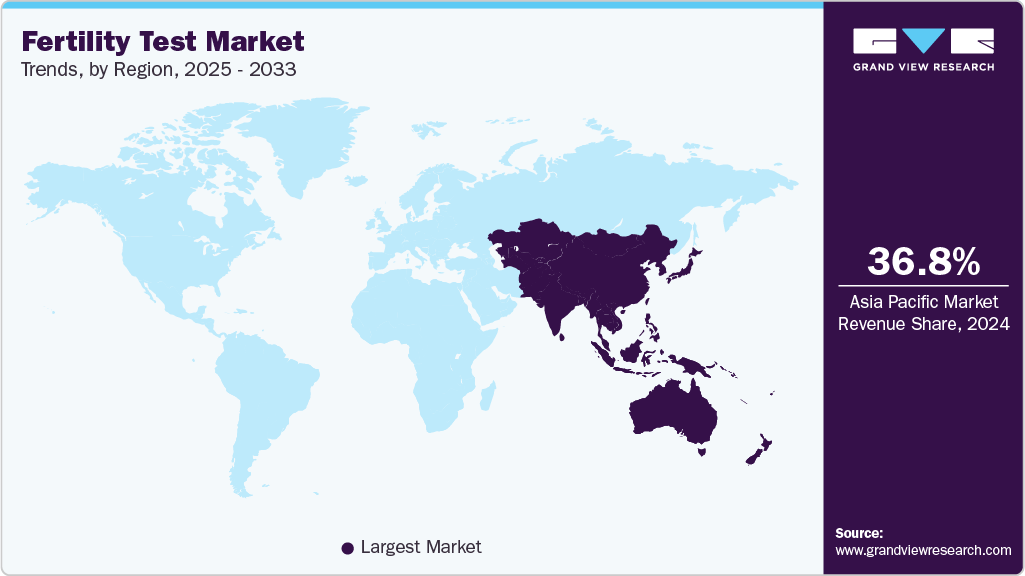
The global fertility test market size was valued at USD 7.9 billion in 2025 and is projected to grow from USD 8.5 billion in 2026 to USD 14.7 billion by 2033, at a CAGR of 8.1% from 2026 to 2033. The market in Asia Pacific dominated with a revenue share of 36.6% in 2025. This growth is attributed to lifestyle changes, higher stress levels, delayed pregnancies, and exposure to environmental pollutants.
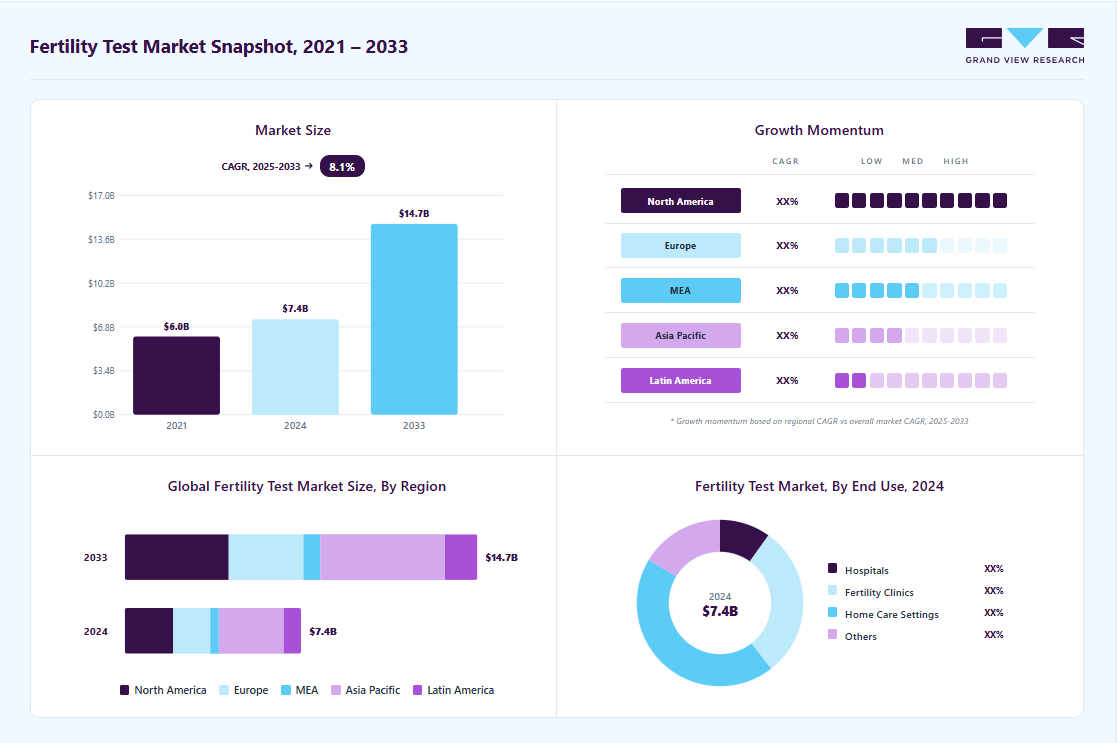 Source: Grand View Research, IR Documents, Primary Interviews, Paid DatabasesTo learn more about this report,
 Download Free Sample Report
 Key Market Trends & Insights
- By test type: Ovulation prediction tests segment held the largest market share of 30.4% in 2025.
- By application: Female fertility testing segment held the largest market share in 2025.
- By sample type: Blood-based segment held the largest market share of 39.2% in 2025.
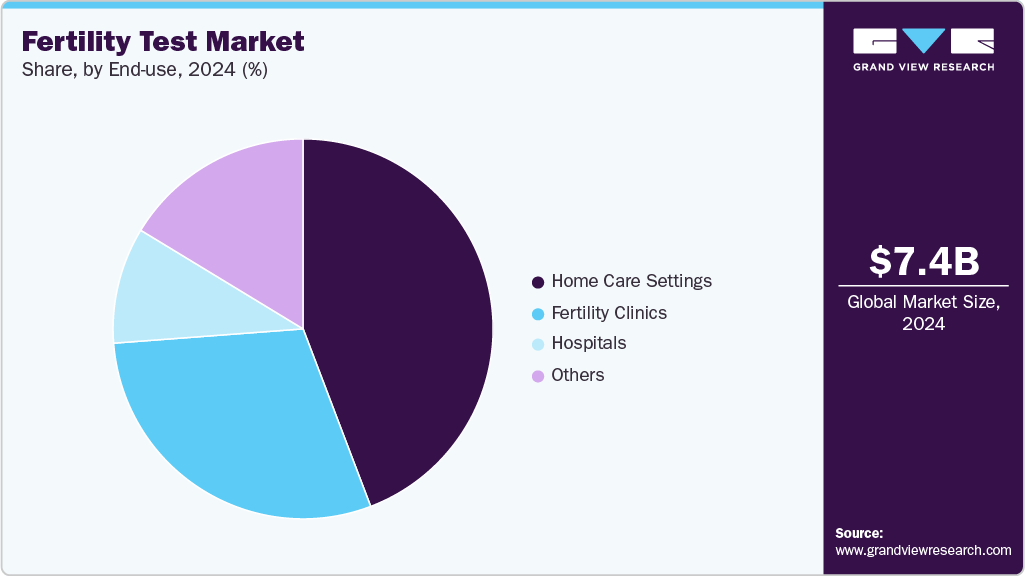
- By end use: Home care settings segment held the largest market share of 44.1% in 2025.
Regional Highlights
- Largest regional market: Asia Pacific (36.6% revenue share, 2025)
- By country: India held the largest market share in 2025
Market Size & Forecast
- Market size in 2025: USD 7.9 Billion
- Estimated market size in 2026: USD 8.5 Billion
- Projected market size by 2033: USD 14.7 Billion
- CAGR (2026-2033): 8.1%
Three ways to get this report
Buy it, customize it, or ask a question.Ask an Analyst
A direct answer, usually in 1 working day
- AccessReport author, directly
- Reply timeWithin 1 working day
- No sales callDirect answer only
- FormatEmail reply
- CostFree, no cost
Get the Full Report
What the study covers
- FormatsPDF · Excel · Dashboard
- Timeline2026–2033 annual, 2025 base
- Coverage20+ countries, 5 regions
- Companies10+ key players profiled
Customize the Report
20% free customization
- IncludeCountries, segments, points
- TailorTo your product definition
- ExtendDeeper competitor detail
- OrA fully bespoke study
- Turnaround5–10 working days
In addition, there is a growing awareness of reproductive health and greater acceptance of fertility testing among both men and women, which encourages early diagnosis and intervention. Moreover, the rising prevalence of reproductive disorders, such as polycystic ovary syndrome (PCOS) and endometriosis, is encouraging more individuals to seek evaluations.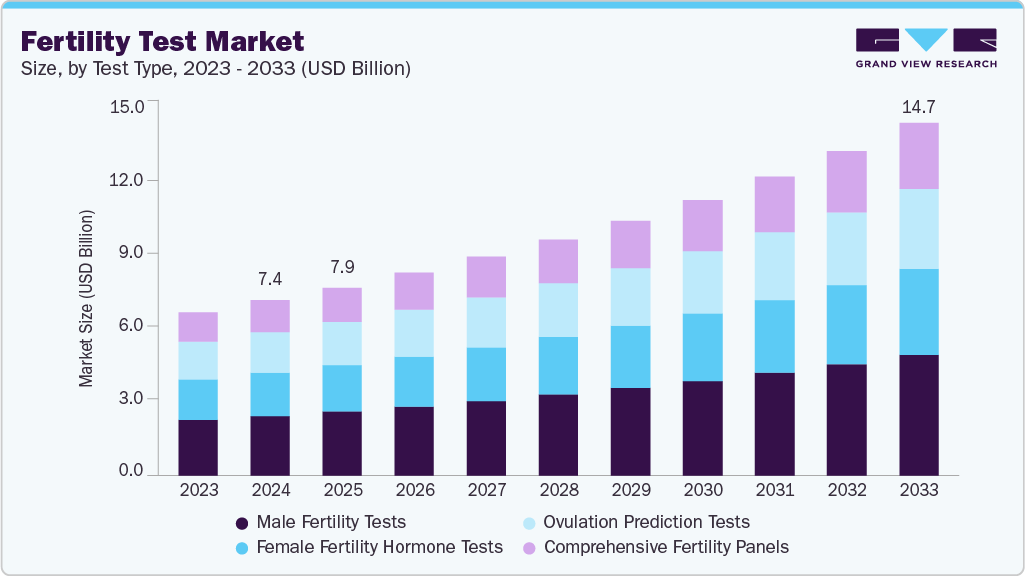 To learn more about this report, Download Free Sample Report
 The increasing rates of infertility among both men and women are a significant factor driving the growth of the market. As per the report published by the World Health Organization (WHO) in April 2023, infertility affects approximately 1 in 6 adults, or 17.5% of the population. The report indicates that infertility rates are consistent across various regions and income levels, with a lifetime prevalence of 17.8% in high-income countries and 16.5% in low- and middle-income countries. This suggests that infertility is not confined to specific demographics or areas, making it a serious challenge for people worldwide.
Market Dynamics
The fertility test market is witnessing significant growth, driven primarily by the rising prevalence of infertility among both men and women, increasing maternal age, and greater awareness of reproductive health. Factors such as lifestyle changes, delayed parenthood, obesity, stress, and hormonal disorders such as polycystic ovary syndrome (PCOS) and declining sperm quality are increasing the demand for fertility assessment solutions. Growth is also supported by wider adoption of home-based fertility testing kits, advances in digital and AI-enabled monitoring devices, and greater use of assisted reproductive technologies (ART) such as in vitro fertilization (IVF), where fertility testing is a key initial step. Improved access to fertility care, supportive government initiatives, and expanding fertility clinic networks are further accelerating market growth by enabling earlier diagnosis and personalized fertility management.
The rapid expansion of virtual fertility care platforms integrated with diagnostic testing is driving significant growth in the fertility test market. Digital health providers are increasingly collaborating with diagnostic laboratories to offer comprehensive fertility evaluations, including ovarian reserve testing (AMH), reproductive hormone profiling, semen analysis, ovulation monitoring, and genetic carrier screening, via telehealth-enabled care pathways. This integrated approach allows individuals to undergo fertility assessment before visiting fertility specialists, improving accessibility, reducing diagnostic delays, and facilitating earlier clinical intervention. The growing utilization of fertility services further supports this trend. According to the U.S. Centers for Disease Control and Prevention (CDC), 13.7% of women aged 20-49 had used fertility services during 2022-2023, with infertility testing (6.9%) emerging as the most frequently utilized fertility-specific service, exceeding the use of ovulation drugs (4.5%) and in vitro fertilization (IVF) (1.6%). Furthermore, women with private health insurance (16.0%) were considerably more likely to utilize fertility services than those with public insurance (9.4%) or no insurance (9.6%), reflecting the positive impact of expanding insurance coverage and employer-sponsored reproductive health benefits. This increasing reliance on fertility diagnostics as the first step in fertility care is further reinforced by industry initiatives such as the 2025 partnership between Frame and Labcorp, which integrated nationwide laboratory testing with virtual fertility consultations to accelerate diagnosis and treatment. Collectively, these developments indicate a clear shift toward earlier, technology-enabled fertility assessment, supporting sustained demand for laboratory-based and at-home fertility testing solutions.
Indicator
Findings
Market Relevance
Women using any fertility services
13.7% of U.S. women aged 20-49 had used fertility services during 2022-2023.
Demonstrates the growing use of fertility care, expanding the addressable market for fertility diagnostics.
Infertility testing
6.9% of women underwent infertility testing, making it the most commonly used fertility-specific service, compared with ovulation drugs (4.5%) and IVF (1.6%).
Indicates that fertility testing has become the primary entry point into fertility treatment, driving demand for hormone assays, ovarian reserve testing, and semen analysis.
Impact of insurance coverage
Fertility service utilization reached 16.0% among women with private insurance, compared with 9.4% for public insurance and 9.6% for uninsured women.
Expanding insurance coverage and employer-sponsored fertility benefits are increasing patient access to fertility testing services.
Income-based adoption
Fertility service utilization increased from 9.5% among women with family income below 150% of the Federal Poverty Level (FPL) to 17.2% among those with incomes at or above 450% FPL.
Higher healthcare spending and affordability are accelerating the adoption of fertility diagnostics and reproductive healthcare services.
Industry adoption of virtual fertility care (2025)
Frame partnered with Labcorp to integrate virtual fertility consultations with nationwide laboratory testing through a network of 5,000+ providers, reducing time to fertility treatment by at least one month.
Demonstrates the commercialization of integrated virtual fertility care, improving access to early fertility testing and increasing diagnostic volumes.
Sources: National Center for Health Statistics
The limited clinical validation and lack of standardized protocols for several advanced fertility diagnostics remain significant barriers to the growth of the market. While innovations such as non-invasive preimplantation genetic testing (niPGT), Anti-Müllerian Hormone (AMH) testing, sperm DNA fragmentation testing, and direct-to-consumer fertility tests have expanded diagnostic options, many continue to face concerns regarding diagnostic accuracy, reproducibility, and clinical reliability. Unlike conventional fertility assessments, which are supported by established clinical guidelines and decades of evidence, several next-generation tests still lack consistent validation across laboratories and patient populations. As a result, fertility specialists often use these tests as complementary tools rather than primary diagnostic methods, limiting physician confidence and slowing their routine adoption in fertility clinics.
For instances:
- 2025: ISAR, IFS, and ACE recommend against routine clinical use of niPGT.
In 2025, the Indian Society for Assisted Reproduction (ISAR), the Indian Fertility Society (IFS), and the Academy of Clinical Embryologists (ACE) jointly published a position statement advising clinicians not to routinely use non-invasive preimplantation genetic testing (niPGT) for embryo selection. Their review found an average concordance of only 78% compared with conventional embryo biopsy methods, meaning nearly 22% of embryos could be incorrectly classified, while false-positive rates of around 15% could result in healthy embryos being identified as genetically abnormal. The societies concluded that larger prospective clinical studies are required before niPGT can be incorporated into routine IVF practice. - 2024-2025: Monash IVF controversy increases scrutiny of advanced embryo genetic testing.
Concerns regarding the clinical reliability of Preimplantation Genetic Testing for Aneuploidy (PGT-A) intensified after the Monash IVF embryo testing controversy, where hundreds of patients alleged that inaccurate genetic testing resulted in viable embryos being incorrectly classified and discarded. The case led to legal action, increased regulatory scrutiny, and renewed debate within the fertility community regarding the need for stronger validation standards before advanced genetic testing technologies are routinely adopted. The incident has encouraged fertility clinics to rely on well-established diagnostic methods until additional clinical evidence becomes available. - Growing emphasis on evidence-based fertility diagnostics.
Following these developments, fertility societies and clinicians have increasingly emphasized that advanced fertility tests should complement—not replace—conventional fertility evaluations. This cautious clinical approach has slowed the commercialization of emerging fertility diagnostics and increased demand for standardized validation studies, robust clinical evidence, and harmonized laboratory protocols before widespread market adoption.
The launch of advanced at-home and digital fertility testing solutions presents a significant growth opportunity for the fertility test market. Increasing consumer preference for convenient, private, and accessible reproductive health monitoring has accelerated the adoption of home-based fertility diagnostics that integrate with smartphone applications and telehealth platforms. These solutions enable individuals to monitor ovulation, hormone levels, and overall fertility status without frequent visits to healthcare facilities, supporting early fertility assessment and timely clinical intervention. As more people delay parenthood and proactively manage their reproductive health, manufacturers are investing in innovative digital fertility testing technologies that improve user experience, provide personalized insights, and expand access to fertility care beyond traditional clinical settings.
For instance, in January 2024, Inito expanded the availability of its Fertility Monitor, a smartphone-connected device that measures multiple fertility hormones, including luteinizing hormone (LH), estrogen metabolite (E3G), follicle-stimulating hormone (FSH), and progesterone metabolite (PdG) with a single home test. Unlike conventional ovulation kits, the platform provides users with personalized hormone tracking and fertility insights through a mobile application, enabling more accurate identification of fertile windows and confirmation of ovulation.
Similarly, in 2024, WHEN Fertility introduced a clinical-grade at-home ovarian reserve test using microsampling technology, allowing women to assess anti-Müllerian hormone (AMH) levels remotely without visiting a diagnostic laboratory. These product launches reflect the industry's transition toward digital, consumer-centric fertility diagnostics and are expected to expand the addressable market by increasing accessibility, encouraging early fertility evaluation, and driving adoption of advanced home-based fertility testing solutions.
Key Opportunities in the Market:
Opportunity Area
Development / Example
Market Impact
Expansion of Fertility Clinic and Diagnostic Networks
In May 2025, Oval Fertility, backed by GVK, launched a flagship fertility center in Hyderabad and announced plans to establish additional IVF and fertility centers across major Indian cities.
Increases access to advanced fertility diagnostics, expands the addressable patient population, and drives demand for hormone testing, ovarian reserve assessment, semen analysis, and genetic fertility screening.
Strategic Partnerships to Improve Access to Fertility Care
In October 2025, Costco Health, through Sesame, partnered with IVI RMA North America to offer members virtual fertility consultations, diagnostic evaluations, and discounted fertility care services.
Broadens access to fertility testing through integrated digital healthcare platforms, strengthens referral pathways to fertility clinics, and supports the adoption of early fertility assessment services.
Source: Secondary Research, Grand View Research
Market Characteristics & Concentration
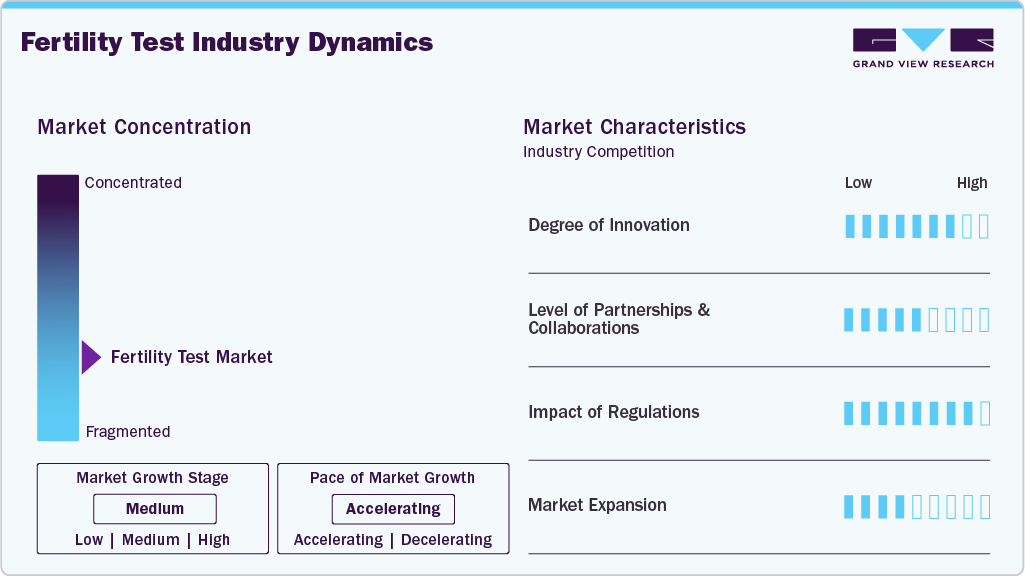
The chart below represents the relationship between industry concentration, characteristics, and participants. There is a high degree of innovation, moderate level of partnership & collaboration activities, high impact of regulations, and a moderate service expansion of industry.
The industry is experiencing a high degree of innovation. At-home testing has become more common, with innovations such as highly sensitive hormone assays, self-collected blood microsampling, and rapid tests for follicle-stimulating hormone (FSH) and anti-Müllerian hormone (AMH). For instance, in December 2023, Arva Health launched an at-home test designed for women, especially those with conditions such as PCOS and thyroid disorders. The test analyzes up to 12 hormone levels, including AMH, FSH, E2, and TSH, offering important insights into reproductive, thyroid, and metabolic health. In addition, innovations such as digital health platforms, telemedicine, and remote monitoring have improved accessibility and convenience in fertility care. These technologies enable personalized treatment plans and optimized embryo selection using AI and data analytics.
 To learn more about this report, Download Free Sample Report
 Several key players in the fertility test market are actively engaging in partnerships & collaborations to promote growth & innovation and improve their competitiveness by combining the expertise & efforts of different organizations. For instance, in October 2024, ARC Fertility announced a partnership with Sapyen to introduce a transformative approach to male fertility testing, aiming to enhance reproductive health benefits for employees. This collaboration allows employers to offer their male employees and health plan members a seamless fertility testing experience from the comfort and privacy of their homes.
MD, founder and CEO, ARC Fertility, said:
“Our partnership with Sapyen aligns perfectly with our mission to deliver high-quality, cost-effective and flexible family-forming and fertility benefits that enhance employee satisfaction and loyalty while contributing to improved health outcomes and cost savings. By offering the Sapyen at-home fertility test, we are providing a unique, accessible and discreet option for male fertility testing that will significantly benefit our clients and their employees. The Sapyen solution is crucial in addressing reproductive challenges early on to minimize costs and provide more opportunities to explore options on the path to parenthood.”
The market is regulated by a variety of guidelines designed to ensure patient safety, quality of care, and ethical business practices. The market operates under various regulatory frameworks aimed at ensuring product safety, accuracy, and consumer protection. Regulatory bodies such as the U.S. Food and Drug Administration (FDA), the European Medicines Agency (EMA), and other national health authorities oversee the approval and monitoring of testing kits and devices. In many regions, advertising claims are regulated to prevent misleading consumers. As the demand for at-home testing solutions grows, regulators are increasingly focusing on data privacy, proper usage instructions, and consumer education to minimize the risk of misuse and misinterpretation of results.
In September 2024, MGM Healthcare inaugurated Varam IVF, a state-of-the-art fertility center located in Chennai. This dedicated center aims to provide comprehensive reproductive healthcare services, combining advanced medical technology with compassionate, personalized care. The center is staffed by a team of experienced specialists, such as a Senior Consultant in Obstetrics and Gynaecology, who bring expertise in reproductive medicine to the facility. With a focus on high success rates and a patient-centered approach, Varam IVF is committed to supporting individuals and couples on their journey to parenthood.
Analyst Perspective
The global fertility test market is witnessing robust growth, driven by rising infertility rates, delayed parenthood, increasing awareness of reproductive health, and the growing preference for early fertility assessment. As more individuals and couples proactively evaluate their fertility before conception, demand for convenient, accurate, and accessible fertility testing solutions continues to increase. Technological advancements, including smartphone-connected fertility monitors, at-home hormone testing kits, AI-enabled fertility tracking, and digital health platforms, are transforming the market by improving user experience and enabling personalized reproductive health management. Furthermore, expanding fertility clinic networks, increasing adoption of assisted reproductive technologies (ART), and supportive government initiatives aimed at improving access to fertility care are creating favorable market conditions.
Rising Infertility Rates:
Director of Sexual and Reproductive Health and Research at WHO, including the United Nations’ Special Programme of Research, Development and Research Training in Human Reproduction (HRP), said:
"Millions of people face catastrophic healthcare costs after seeking treatment for infertility, making this a major equity issue and all too often, a medical poverty trap for those affected. Better policies and public financing can significantly improve access to treatment and protect poorer households from falling into poverty as a result.”
Several factors contribute to this decline in reproductive health, including unhealthy lifestyle choices, rising obesity levels, chronic stress, and environmental pollution, all of which make it more challenging for couples to conceive naturally. In addition, social trends such as delayed parenthood have worsened the situation, as fertility generally decreases with age. As awareness of these issues grows through healthcare initiatives and public campaigns, more individuals and couples are taking the initiative to seek diagnostic solutions to understand their fertility status. This rising demand for early detection and evaluation has led to a greater adoption of tests, making them an essential tool for family planning and reproductive health management.
Annual Incidence Rates of Female Infertility Diagnoses by Age Group, Active Component Service Women, U.S. Armed Forces, 2019-2023:
Age Group
2019
2020
2021
2022
2023
<20
18.3
18.0
11.1
7.5
6.4
20-24
51.7
42.1
42
35.3
32.6
25-29
99.5
92.2
89.2
75.7
67.3
30-34
166.5
132
149.2
137.6
131.9
35-39
176.1
158.5
166.9
150.8
145.7
40-44
101
84.4
99.7
93.8
97.0
45-49
10.4
5.6
7.4
5.8
4.4
Growing Awareness about Reproductive Health:
As education levels increase and awareness campaigns gain traction, more individuals are becoming informed about factors that affect fertility, such as hormonal imbalances, lifestyle choices, and age-related decline. This heightened understanding encourages people to seek medical advice and diagnostic solutions earlier. Moreover, increased awareness of available fertility tests and their benefits has helped reduce the stigma associated with infertility, making it easier for couples and individuals to access these services. Hence, the acceptance and use of fertility tests have surged, contributing to the overall growth of the market as more people actively monitor and manage their reproductive health.
On World IVF Day, ReadyToBeMom.com launched a comprehensive initiative aimed at raising awareness and educating the public about IVF in November 2024, addressing the increasing concerns surrounding infertility in India. This program was created in collaboration with the Federation of Obstetric and Gynaecological Societies of India (FOGSI), the Indian Society for Assisted Reproduction (ISAR), and its Maharashtra Chapter. The goal was to bridge knowledge gaps and reduce hesitancy surrounding assisted reproduction. The initiative included a specialized webinar for gynecologists, offering updates on the latest advancements in IVF and assisting with reproductive technologies. In addition, a multimedia campaign was launched to further enhance understanding. This included a "Doctor Bytes" series on FM radio channels, where listeners could submit questions related to assisted reproduction. These inquiries were addressed through both video and audio podcasts. Following this, a four-week mobile campaign was conducted on platforms such as YouTube and Instagram to educate prospective parents about their options in assisted reproduction.
Technological Advancements
Advancements in technology have played a pivotal role in transforming the market by making diagnostic methods more accurate, user-friendly, and widely accessible. Modern testing techniques, such as advanced hormone assays, have improved the precision of detecting hormonal imbalances and reproductive health issues. At-home testing kits have empowered individuals by offering privacy and ease of use, eliminating the need for frequent hospital visits. Genetic screening tools now enable the identification of hereditary conditions affecting fertility, helping couples make informed decisions earlier in their reproductive journey. Moreover, digital platforms and mobile tracking applications have made monitoring cycles and health parameters seamless, allowing users to access personalized insights and healthcare guidance conveniently. These innovations have collectively expanded the reach of fertility testing, encouraged early diagnosis, and enhanced the overall experience, driving the market growth.
Latest Trends and Technologies Shaping IVF Treatments in 2024:
Technology
Description
Impact on IVF Treatment
AI and Machine Learning
Uses algorithms to interpret embryo images and predict implantation success
Enhances selection of healthiest embryos, improving pregnancy rates
Time-Lapse Imaging
Continuous monitoring of embryos without disturbing incubation
Provides detailed developmental insights, reducing trial-and-error methods
Non-Invasive Genetic Testing
Screening embryos for genetic abnormalities without invasive procedures
Reduces risk of miscarriage, improves birth outcomes
Personalized IVF Protocols
Customizing treatment based on hormonal, lifestyle, and medical factors
Increases success rates by tailoring treatments to patients’ needs
Improved Egg-Freezing Techniques
Advanced vitrification methods for preserving eggs
Higher success rates and more choices for women delaying motherhood
IVF-Friendly Lifestyle Apps
Digital tools for tracking medication, nutrition, and emotional wellbeing
Enhance patient compliance and experience, easing the IVF journey
Microfluidics in Sperm Selection
Mimics the female reproductive environment for selecting the healthiest sperm
Improves chances of fertilization and supports a successful pregnancy
Growing Adoption of Assisted Reproductive Technologies (ART):
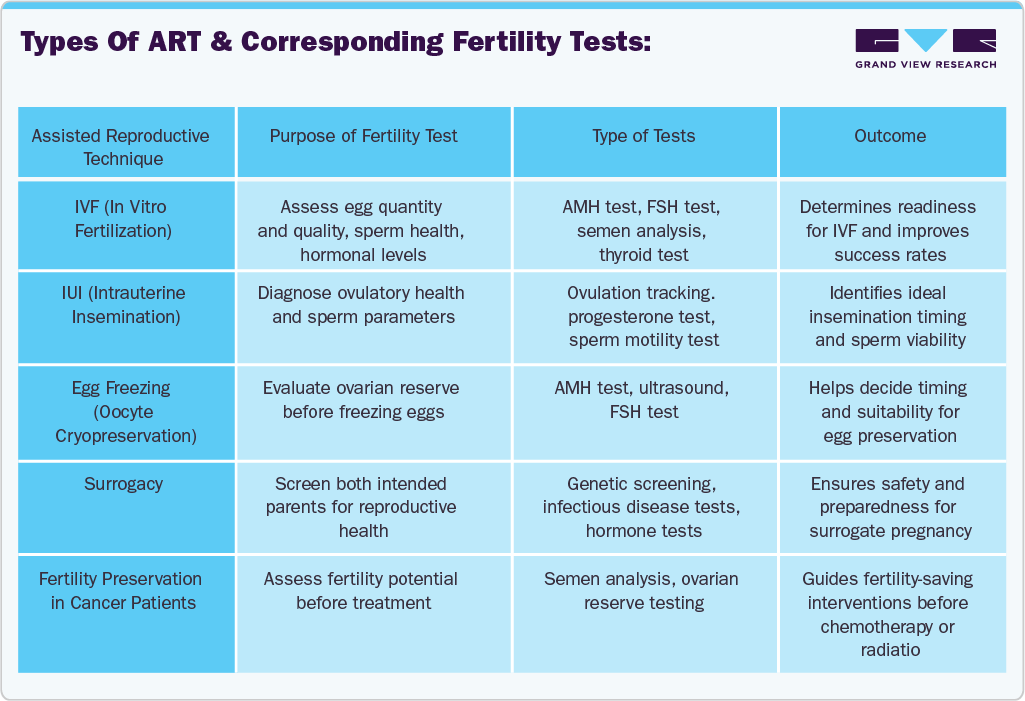
The increasing use of ART, such as In Vitro Fertilization (IVF) and Intrauterine Insemination (IUI), is significantly driving industry growth. These advanced procedures necessitate thorough assessments to uncover the underlying causes of infertility, determine the most appropriate treatment methods, and monitor hormonal and reproductive health throughout the process. As more couples pursue ART solutions due to factors such as delayed childbearing, medical conditions, or unexplained infertility, the demand for accurate and accessible testing has surged. Diagnostic tests play a vital role in evaluating ovarian reserve, sperm quality, hormonal balance, and genetic factors, ensuring that treatment plans are personalized and effective. Therefore, the growing use of ART has led to greater reliance on tests, fostering innovation and growth within the market.
 To learn more about this report, Download Free Sample Report
 Government Initiatives and Support:
Government initiatives and support play a crucial role in the growth of the market. By implementing policies that promote awareness of reproductive health, governments educate individuals and couples about fertility-related issues, which encourages early diagnosis and treatment. In addition, insurance coverage for tests and treatments helps reduce the financial burden, making these services more accessible to a larger population. Public health bodies also provide subsidized testing services, ensuring that individuals from lower-income groups can benefit from fertility assessments. These supportive measures improve access to fertility care and encourage a proactive approach to reproductive health, ultimately expanding the market.
In June 2023, the Tamil Nadu government announced the establishment of fertility centers in Chennai and Madurai, aimed at providing accessible reproductive healthcare services to the public. In Chennai, the Women and Children Hospital in Egmore is set to inaugurate the state's first public treatment unit in October 2023. This facility aims to offer level two care, including in vitro fertilization (IVF) treatments, free of charge to economically disadvantaged patients. Meanwhile, in Madurai, the Government Rajaji Hospital (GRH) announced the launch of a similar IVF facility. These initiatives are part of the government's broader efforts to address the rising infertility rates and the associated financial burden on low-income families.
Moreover, the article "Janani Yatra to educate on fertility," published by the Times of India in May 2025, highlights a significant initiative to address declining fertility rates in Andhra Pradesh. With rates in the state dropping to 1.7, well below the replacement threshold of 2.1, infertility has emerged as a pressing public health concern. In response, Oasis Fertility launched the Oasis Janani Yatra, a 30-day, 30-town journey across Telangana and Andhra Pradesh from Gajuwaka. The primary objective of the initiative is to educate communities about the often-overlooked causes of infertility and the urgent need for proactive lifestyle changes.
Digital Health Platforms and Telemedicine:
The growth of digital health platforms and telemedicine has significantly driven the fertility test industry’s growth. These innovations enhance accessibility, convenience, and patient engagement. Online consultations with fertility specialists and personalized reproductive health advice allow individuals and couples to seek guidance without the constraints of geography or scheduling. In addition, tracking apps that monitor menstrual cycles, hormone levels, and ovulation windows provide users with real-time insights into their reproductive health. This encourages proactive management and earlier intervention. These digital solutions also offer privacy and ease of use, helping to reduce the stigma associated with fertility concerns. In August 2025, Maven Clinic introduced the Cycle Tracker and Male Fertility Tools, which help individuals and couples conceive more effectively. By combining data-driven insights with personalized guidance, these tools enable users to gain a deeper understanding of their menstrual cycles, ovulation patterns, and male fertility factors, all of which are essential for planning a pregnancy. The Cycle Tracker allows women to monitor hormonal fluctuations and identify fertile windows. At the same time, the Male Fertility Tools provide assessments related to sperm health and lifestyle factors that can impact fertility.
The CEO and founder of Maven Clinic said:
"For far too many of us, it takes trying to have a baby to understand how our own body works. With 75% of women believing falsehoods about their fertility, and nearly 40% of men avoiding testing because of the inconvenience, people need better support and they need it earlier on. Together these new features are bringing better consumer health to families while building on Maven's ultimate goal: helping people find their shortest, safest and most affordable path to a healthy baby."
Delayed Marriages and Parenthood:
Many individuals around the world are prioritizing higher education, career development, financial stability, and personal growth before starting a family. Hence, the average age at which couples attempt to conceive has increased. This delay has significant implications for fertility, particularly for women, as fertility naturally declines with age due to decreased egg quality and quantity. Thus, more couples are turning to fertility assessments to understand their reproductive health, plan for pregnancies, and consider assisted reproductive technologies if necessary. Tests provide essential insights into hormonal levels, ovarian reserve, and other factors affecting fertility, making them a valuable resource for couples facing age-related challenges in conception.
Test Type Insights
Based on test type, the ovulation prediction tests segment led the market with the largest revenue share of 30.4% in 2025. This growth is attributed to the rising prevalence of infertility and the growing awareness among women regarding reproductive health. Increasing delays in childbearing due to lifestyle choices, career priorities, and late marriages are fueling the demand for reliable home-based solutions. Technological advancements, such as digital and smartphone-connected ovulation kits, have made testing more convenient, accurate, and user-friendly, further boosting adoption.
The male fertility tests segment is expected to grow at the significant CAGR during the forecast period. This is driven by the rising prevalence of male infertility, which accounts for nearly half of infertility cases globally. Factors such as increasing stress, sedentary lifestyles, obesity, smoking, alcohol consumption, and exposure to environmental toxins have contributed to declining sperm quality and count, thereby fueling demand for fertility assessments. In addition, growing awareness of fertility health among men, delayed parenthood trends, and the increasing number of couples seeking assisted reproductive technologies (ART) further support the demand for male fertility tests as a crucial first step in identifying underlying issues and guiding treatment pathways.
Application Insights
Based on the application, the female fertility testing segment led the market with the largest revenue share of in 2025, driven by the increased availability and affordability of advanced diagnostic technologies. Innovations such as high-sensitivity hormone assays, self-collected blood microsampling, and rapid follicle-stimulating hormone (FSH) and anti-Müllerian hormone (AMH) tests enable women to evaluate ovarian reserve and reproductive health with clinical precision from home. Moreover, integration with digital health platforms allows for automated result interpretation, trend tracking, and teleconsultations, further boosting adoption. Moreover, rising infertility rates among women are fueling segment growth. For instance, a 2023 study published in the International Journal of Reproduction, Contraception, Obstetrics, and Gynecology found that among infertile women, 57.33% experienced primary infertility, while 42.66% had secondary infertility, with the 26-30 age group being most affected, emphasizing the need for early and accurate assessment.
The male fertility testing segment is expected to grow at the fastest CAGR over the forecast period. Factors such as declining sperm counts, hormonal imbalances, and increasing prevalence of lifestyle-related infertility have prompted men to seek early and convenient diagnostic solutions. As per the 2022 NIH report, human sperm counts have decreased by over 50% worldwide in the last five decades, highlighting the need for timely testing. Furthermore, technological innovations, including home-based semen analysis kits and microfluidic sperm testing devices, allow men to assess motility, concentration, and morphology without visiting clinics, reducing social stigma and encouraging proactive health monitoring, thereby driving industry growth.
Sample Type Insights
Based on sample type, the blood-based segment led the market with the largest revenue share of 39.2% in 2025. This growth is primarily due to their high accuracy, reliability, and ability to provide comprehensive hormonal insights compared to urine or at-home methods. These tests help measure critical fertility-related hormones such as FSH, LH, AMH, estradiol, and progesterone, which are essential in assessing ovarian reserve, ovulation cycles, and overall reproductive health. Rising infertility rates worldwide, fueled by lifestyle changes, delayed pregnancies, and increasing cases of hormonal imbalances and polycystic ovary syndrome (PCOS), are creating higher demand for precise diagnostic solutions, including blood-based testing.
The urine-based segment is expected to grow at the fastest CAGR during the forecast period. This is driven by its convenience, affordability, and non-invasive nature compared to blood-based tests. These tests are widely preferred for at-home use as they allow individuals and couples to monitor ovulation cycles and fertility status privately without frequent clinical visits. Increasing awareness about family planning, delayed pregnancies due to lifestyle changes, and the growing prevalence of infertility are further boosting demand. Technological advancements, such as digital ovulation kits with higher accuracy and smartphone app integration, are also enhancing consumer adoption. In addition, the availability of these tests through both retail and online channels makes them highly accessible, fueling their growth within the overall market.
End-use Insights
Based on end use, the home care settings segment led the market with the largest revenue share of 44.1% in 2025 due to rising preference for convenient, non-invasive, and private fertility monitoring solutions. Increasing awareness about reproductive health, coupled with the desire to track ovulation, hormone levels, and sperm quality in the comfort of one’s home, is driving adoption of at-home testing devices. In addition, advancements in device accuracy, ease of use, and integration with digital health platforms have enhanced user confidence and engagement. Moreover, rising internet penetration and e-commerce availability have expanded access to these devices, making home-based fertility care an increasingly viable and preferred option.
 To learn more about this report, Download Free Sample Report
 The fertility clinics are expected to grow at the fastest CAGR over the forecast period, owing to increasing demand for specialized reproductive healthcare and advanced assisted reproductive technologies (ART). Fertility clinics offer comprehensive services, including ovulation induction, in vitro fertilization (IVF), intrauterine insemination (IUI), and hormone monitoring, attracting patients seeking personalized care. The expansion of insurance coverage and reimbursement policies in certain regions has further increased accessibility to clinic-based treatments. Moreover, increased female workforce participation and delayed parenthood trends have also contributed to higher patient volumes, thus supplementing industry growth.
Regional Insights
The North America fertility test market held a significant revenue share in 2025, owing to the high awareness of reproductive health and the widespread availability of advanced assisted reproductive technologies (ART). Moreover, supportive insurance coverage in certain states and growing telehealth adoption for reproductive health consultations have further enhanced accessibility to fertility testing devices.
U.S. Fertility Test Market Trends
The U.S. fertility test industry is experiencing significant growth over the forecast period, driven by the increasing use of personalized fertility care and demand for early detection tools. Fertility testing devices that provide rapid hormone or sperm analysis at home are becoming popular, especially among millennials seeking convenience and privacy. Moreover, partnerships between device manufacturers and telehealth platforms are facilitating remote consultations and continuous monitoring, further driving adoption. For instance, in August 2023, Reproductive Medicine Associates of New York (RMA NY) announced a partnership with US Fertility. This strategic move expanded US Fertility's network to over 100 clinic locations and 32 IVF laboratories across the U.S., enhancing its capacity to provide advanced reproductive care. This partnership reflects a broader trend in the fertility industry towards consolidation, aiming to enhance service delivery and patient outcomes through expanded networks and shared resources.
Asia Pacific Fertility Test Market Trends
Asia Pacific dominated fertility test market with the largest revenue share of 36.6% in 2025, due to rising awareness, cultural shifts, and increasing adoption of fertility care services. Furthermore, growing urbanization, delayed marriage, and lifestyle changes such as smoking and poor diet are driving demand for both male and female fertility testing devices.
 To learn more about this report, Download Free Sample Report
 The Japan fertility test market held a significant revenue share in 2025. Fertility startups in Japan are emerging as key players in addressing the nation's escalating infertility challenges, driven by a combination of demographic shifts and systemic healthcare inefficiencies. With Japan experiencing one of the world's lowest birth rates, the demand for assisted reproductive technologies (ART) such as in vitro fertilization (IVF) has surged. However, patients often face prolonged waiting times and limited access to treatments, exacerbating the emotional and financial burdens associated with infertility. Entrepreneurs such as Yukiko Nakai are responding to these challenges by leveraging technology to streamline fertility care.
The fertility test market in the India held the largest share in the Asia Pacific region in 2025. For instance, in November 2023, an India-based startup has recently secured USD 6 million in funding to advance its testing solutions. This investment underscores the growing interest and demand for innovative approaches in women's health diagnostics. The startup is developing a novel diagnostic test aimed at determining female fertility by measuring estrogen levels and related metabolites. The funding is likely to support the startup in refining its technology, conducting clinical trials, and navigating regulatory pathways to bring its product to market.
Europe Fertility Test Market Trends
The fertility test industry in Europe is expected to witness a significant growth over the forecast period, owing to the rising investments in reproductive healthcare infrastructure and public awareness campaigns about fertility preservation. Furthermore, growing government support, coupled with increasing lifestyle-related issues, is driving the market growth.
The Germany fertility test market held a significant share of the Europe industry in 2025, owing to the widespread health insurance coverage for fertility testing and advanced clinical infrastructure. For instance, in August 2023, Berlin-based healthtech startup Fertilly launched Europe's first at-home fertility test kit that employs dried blood microsampling technology. This innovative approach utilizes Mitra devices, developed by Trajan Scientific and Medical, which enable individuals to collect small blood samples via a finger stick at home. These samples are then mailed to a laboratory for analysis as dried blood, providing a convenient and non-invasive method for fertility assessment. Moreover, the increasing infertile population in the region is driving market growth. For instance, as per an article published in Deutsche Welle in 2024, infertility affects 1 in 6 women in Germany.
The fertility test market in Spainis influenced due to the increasing number of patients from other European countries, rapid developments in fertility tourism, and the rising number of international fertility clinics. In recent years, Spain has emerged as a leader in the field of ART, particularly IVF. According to the Instituto Bernabeu, Spain performs 15% of all IVF treatments conducted in Europe, outpacing both France and Germany in this regard. Moreover, in Spain, there are over 165,000 IVF cycles performed annually, and babies conceived through reproductive medicine techniques now make up 12% of all births nationwide. This prominence can be attributed to several factors, including advanced medical technologies, a high level of expertise among fertility specialists, and favorable legal frameworks that support reproductive health.
Latin America Fertility Test Market Trends
The industry in Latin America is expected to register considerable growth over the forecast period owing to the increasing investment in reproductive health, expanding private healthcare facilities, and rising awareness about infertility. In countries such as Brazil and Mexico, cultural stigma around fertility is gradually declining, prompting more individuals to seek testing and treatment.
The industry in Brazil isexpected to register significant growth over the forecast period in the Latin America market. The growth of private fertility clinics offering complementary diagnostic services has stimulated interest in pre-clinic at-home testing to prepare patients for consultations. In addition, in March 2025, the Chief Operating Officer of FertGroup discussed the significant growth of egg freezing in Brazil and the company's pioneering role in transforming the fertility care landscape. Prior to the COVID-19 pandemic, egg freezing accounted for 15-17% of fertility cycles in Brazil. By 2025, this figure had doubled to 30%, with some clinics in the southeast region reaching up to 40%. FertGroup's approach combines technological innovation with private equity support to expand access to fertility services across Brazil, aiming to meet the growing demand for egg freezing and other reproductive treatments.
Middle East and Africa Fertility Test Market Trends
The growth of the fertility test industry in the Middle East & Africa (MEA) is driven by the rising awareness of fertility health, the adoption of advanced reproductive technologies, and high-income urban populations seeking personalized healthcare solutions. In countries such as the UAE and Saudi Arabia, government initiatives to improve maternal and reproductive health, alongside rising investment in private fertility clinics, have driven device adoption.
The UAE fertility test marketis witnessing an increasing investment, leading to its significant expansion. For instance, in July 2025, Abu Dhabi-based FemTech startup Ovasave secured USD 1.2 million in pre-seed funding to expand its digital health platform, which focuses on fertility and hormonal care for women across the MENA region. The capital will be utilized to scale operations across the GCC, enhance corporate partnerships, and develop the next phase of Ovasave's mobile app, which will include features such as menstrual cycle tracking, symptom monitoring, and AI-driven treatment protocols.
Co-founder and CEO of Ovasave said, "There is a critical need for timely intervention in women’s health, particularly around fertility and hormonal health. This funding marks a crucial step in our mission to disrupt women’s health and expand access to fertility and hormonal care across the region. We are grateful for the confidence shown by our investors, which allows us to scale a platform designed to deliver timely, personalised, and accessible fertility and hormonal care. By bringing together medical expertise, digital convenience, and emotional support, we are helping women take control of their health earlier and more effectively across different life stages.”
Key Fertility Test Company Insights
The market is fragmented, with the presence of many country-level fertility test providers.The market players undertake several strategic initiatives, such as partnerships & collaborations, product launches, mergers & acquisitions, and geographical expansion to maintain their position and grow in the market.
Key Fertility Test Companies:
The following key companies have been profiled for this study on the fertility test market.
-
Quest Diagnostics
-
Mayo Clinic Laboratories
-
Ovation Fertility
-
Illume Fertility
-
Proov
-
BioMérieux
-
Labcorp
-
CCRM Fertility
-
Hertility Health
-
Maven Clinic Co.
Competitive Benchmarking
Category
Operating Strategies
Competitive Edge
Weakness
Established Players
e.g., Quest Diagnostics, Labcorp, bioMérieux
- Expand fertility diagnostic portfolios through advanced hormone assays, molecular diagnostics, automation, and laboratory network expansion. Strengthen partnerships with fertility clinics, hospitals, and healthcare providers while investing in digital reporting, AI-enabled laboratory workflows, and high-throughput testing platforms. Focus on improving diagnostic accuracy, expanding geographic reach, and supporting reproductive health programs.
- Strong brand reputation, extensive laboratory infrastructure, broad diagnostic portfolios, established relationships with healthcare providers and fertility clinics, high testing volumes, regulatory expertise, and global distribution networks. Significant financial resources enable continuous investment in R&D, automation, and laboratory modernization.
- High operational and laboratory infrastructure costs, dependence on reimbursement policies, lengthy regulatory approval processes for new diagnostic technologies, and relatively slower adoption of direct-to-consumer fertility testing models compared with digital-first competitors.
Emerging Players
e.g., Modern Fertility (Ro), Inito, Mira, Proov, Hertility Health, Fertility Focus, Maven Clinic
- Focus on direct-to-consumer fertility testing, digital fertility monitoring, AI-powered hormone tracking, personalized reproductive health insights, telehealth integration, and subscription-based fertility care. Differentiate through smartphone-enabled testing, at-home sample collection, user-friendly mobile applications, and personalized fertility education to improve accessibility and early fertility awareness.
- High innovation capability, rapid product development, strong consumer engagement, convenient at-home testing solutions, personalized data-driven fertility insights, and seamless digital health integration. Ability to quickly respond to changing consumer preferences and expand access to fertility testing beyond traditional clinical settings.
- Limited laboratory infrastructure and commercial scale compared with established diagnostic companies, lower bargaining power with healthcare providers and payers, dependence on consumer adoption and digital marketing, and constrained financial resources for large-scale clinical validation, regulatory expansion, and international market penetration.
Recent Developments
- In July 2025, IVI RMA Global expanded its presence in the Gulf Cooperation Council (GCC) region through the acquisition of ART Fertility Clinics' operations in the UAE and Saudi Arabia. This strategic move, valued between USD 400 million and USD 450 million, was finalized with Gulf Capital, the majority shareholder in ART Fertility Clinics. The acquisition encompasses three state-of-the-art clinics located in the UAE and Saudi Arabia, enhancing IVI RMA Global's footprint in the Middle East.
CEO of IVI RMA Global said,“We’re thrilled to welcome ART Fertility Clinics into our network. From the very beginning, our ambition has been the expansion of our network whilst maintaining our quality standards. We are confident in the GCC region's potential to become a hub for international patients and a driver in the development of the fertility sector. In this context, ART Fertility is the ideal platform to drive that growth in the region.”
- In July 2025, Nova IVF Fertility reached a significant milestone by launching its 100th center in Jammu, reinforcing its position as one of India’s leading fertility service providers. This expansion reflects the company’s commitment to increasing accessibility to advanced fertility treatments across the country, catering to the rising demand for assisted reproductive technologies.
CEO, Nova IVF Fertility said:“Our 100th centre is more than a number-it represents 100 access points to new possibilities for aspiring parents. This milestone aligns with our vision to bring quality fertility care closer to communities and address the evolving reproductive health needs of India.”
- In November 2024, Qassay introduced a fertility testing solution for IVF clinics, representing a strategic advancement in reproductive healthcare diagnostics. The solution is designed to provide accurate, rapid, and reliable assessments of key fertility parameters, enabling clinicians to make more informed decisions during the in vitro fertilization (IVF) process. In addition, the integration of such testing solutions into clinical workflows enhances efficiency, minimizes errors, and supports personalized treatment approaches, which are increasingly in demand in fertility care.
Fertility Test Market Report Scope
Report Attribute
Details
Market size in 2025
USD 7.9 billion
Estimated market size in 2026
USD 8.5 billion
Projected market size by 2033
USD 14.7 billion
Growth rate
CAGR of 8.1% from 2026 to 2033
Historical data
2021 - 2025
Forecast period
2026 - 2033
Quantitative units
Revenue in USD million/billion and CAGR from 2026 to 2033
Report coverage
Revenue forecast, company ranking, competitive landscape, growth factors, and trends
Segments covered
Test type, sample type, application, end use, region
Regional scope
North America; Europe; Asia Pacific; Latin America; MEA
Country scope
U.S.; Canada; Mexico; Germany; UK; France; Italy; Spain; Norway; Denmark; Sweden; China; Japan; India; South Korea; Australia; Thailand; Brazil; Argentina; Saudi Arabia; South Africa; UAE; Kuwait
Key companies profiled
Quest Diagnostics, Labcorp, BioMérieux, Modern Fertility (Ro), Inito, Mira, Proov, Hertility Health, Fertility Focus, and Maven Clinic.
Customization scope
Free report customization (equivalent up to 8 analysts' working days) with purchasse. Addition or alteration to country, regional & segment scope.
Pricing and purchase options
Avail customized purchase options to meet your exact research needs. Explore purchase options
Global Fertility Test Market Report Segmentation
This report forecasts revenue growth at the global, regional, and country levels and provides an analysis of the latest industry trends in each of the sub-segments from 2021 to 2033. For this study, Grand View Research has segmented the global fertility test market report based on test type, application, sample type, end-use, and region:
-
Test Type Outlook (Revenue, USD Billion, 2021 - 2033)
-
Ovulation Prediction Tests
-
Female Fertility Hormone Tests
-
Male Fertility Tests
-
Comprehensive Fertility Panels
-
-
Application Outlook (Revenue, USD Billion, 2021 - 2033)
-
Female Fertility Testing
-
Male Fertility Testing
-
-
Sample Type Outlook (Revenue, USD Billion, 2021 - 2033)
-
Urine-based
-
Saliva-based
-
Blood-based
-
Semen-based
-
-
End-use Outlook (Revenue, USD Billion, 2021 - 2033)
-
Home Care Settings
-
Hospitals
-
Fertility Clinics
-
Others
-
-
Regional Outlook (Revenue, USD Billion, 2021 - 2033)
-
North America
-
U.S.
-
Canada
-
Mexico
-
-
Europe
-
UK
-
Germany
-
France
-
Italy
-
Spain
-
Denmark
-
Sweden
-
Norway
-
-
Asia Pacific
-
China
-
Japan
-
India
-
South Korea
-
Australia
-
Thailand
-
-
Latin America
-
Brazil
-
Argentina
-
-
Middle East and Africa (MEA)
-
South Africa
-
Saudi Arabia
-
UAE
-
Kuwait
-
-
Research Methodology
The fertility test market figures in this report are based on a proven research process that combines executive interviews with secondary research from proprietary databases, company filings, and recognized regulatory and institutional sources. Market size is built through value-chain sizing - reconciling supply-side and demand-side estimates - and triangulated with bottom-up and top-down approaches. Every estimate passes multiple levels of expert validation before publication, with each fertility test segment quantified using the revenue-capture definitions in the table below.
Segment Definition
Segment
Revenue capture definition
By test type
Ovulation Prediction Tests
Test kits that detect the luteinizing hormone (LH) surge in urine or saliva to identify the most fertile days of the menstrual cycle and assist with conception planning.
Female Fertility Hormone Tests
Diagnostic tests that measure reproductive hormones such as FSH, LH, AMH, estradiol, and progesterone to evaluate ovarian reserve, ovulation, and overall female reproductive health.
Male Fertility Tests
Tests designed to assess male reproductive health by evaluating semen parameters such as sperm count, motility, morphology, and, in some cases, hormone levels.
Comprehensive Fertility Panels
Multi-parameter diagnostic panels combining hormonal, genetic, and/or semen analyses to provide a comprehensive assessment of fertility status for individuals or couples.
By Application
Female Fertility Testing
Diagnostic testing performed to evaluate female reproductive function, identify infertility causes, monitor ovulation, and support fertility treatment decisions.
Male Fertility Testing
Diagnostic testing aimed at assessing male reproductive potential through semen analysis, hormonal evaluation, and other specialized fertility assessments.
By Sample type
Urine-Based
Fertility tests that analyze urine samples to detect reproductive hormones, primarily used for ovulation prediction and certain hormone assessments.
Saliva-Based
Non-invasive fertility tests that evaluate hormonal changes or electrolyte patterns in saliva to estimate fertile periods.
Blood-Based
Laboratory-based tests using blood samples to measure reproductive hormones and biomarkers for comprehensive fertility evaluation.
Semen-Based
Diagnostic tests that analyze semen samples to evaluate sperm quality, quantity, motility, morphology, and other fertility-related parameters.
By End use
Home Care Settings
Fertility testing conducted by individuals at home using self-administered test kits, primarily for ovulation tracking and preliminary fertility screening.
Hospitals
Fertility diagnostic services performed in hospital laboratories or reproductive health departments using advanced clinical testing methods.
Fertility Clinics
Specialized reproductive healthcare centers offering comprehensive fertility assessments, diagnostic testing, and infertility treatment services.
Others
Includes diagnostic laboratories, physician offices, community health centers, research institutions, and other healthcare facilities providing fertility testing services.
Estimation Model
Model Details
This research methodology outlines the process for estimating the size of the global fertility test market for the period from 2021 to 2033. The study covers key product segments, including ovulation prediction tests, female fertility hormone tests, male fertility tests, comprehensive fertility panels, fertility monitors, and genetic fertility testing solutions, across major geographic regions including North America, Europe, Asia Pacific, Latin America, and the Middle East & Africa.
The objective is to develop a robust and defensible market estimate through a combination of bottom-up and top-down approaches supported by primary industry validation.
A triangulated market sizing approach was used, combining:
-
Bottom-Up Analysis from fertility test volumes, diagnostic laboratory revenues, fertility clinic testing volumes, home-based fertility test sales, average selling prices (ASP), and patient utilization rates.
-
Top-Down Checks using infertility prevalence, reproductive-age population, birth rates, assisted reproductive technology (ART) cycles, healthcare expenditure, fertility clinic penetration, and diagnostic testing adoption rates.
-
Primary Research with fertility clinics, diagnostic laboratories, hospitals, fertility test manufacturers, distributors, reproductive endocrinologists, gynecologists, urologists, healthcare providers, and industry experts.
Step-by-Step Market Estimation Process
• Fertility Test Utilization Model
This model calculates market size by estimating the number of individuals undergoing fertility testing and the associated annual spending.
Step 1: Country-level data for infertility prevalence, reproductive-age population, fertility testing utilization, ART procedures, fertility clinic visits, and healthcare infrastructure for 2021–2025 was collected from government health agencies, WHO, CDC, ESHRE, ASRM, national fertility registries, diagnostic associations, and public health databases.
Step 2: Fertility testing utilization rates were applied to estimate the percentage of individuals undergoing fertility testing annually. Utilization rates were derived from fertility clinic registries, laboratory databases, healthcare surveys, insurance claims, published clinical studies, and primary interviews.
Step 3: Average annual spending per fertility test user was estimated using pricing data for ovulation tests, hormone panels, semen analysis, ovarian reserve testing (AMH), fertility monitors, genetic fertility testing, reimbursement schedules, laboratory billing data, and manufacturer pricing.
Step 4: Market size was calculated by multiplying:
Number of Fertility Test Users × Average Annual Spending per User
Step 5: Calculations were performed at the country level and subsequently aggregated to regional and global levels.
Step 6: Historical and forecast growth rates were incorporated based on delayed parenthood, increasing infertility prevalence, growing fertility awareness, expanding adoption of at-home fertility testing, rising ART procedures, and technological advancements in reproductive diagnostics.
• Fertility Testing Revenue Extrapolation Model
This model estimates market size using revenues generated by fertility testing providers and manufacturers.
Step 1: The number of active fertility clinics, diagnostic laboratories, hospitals offering reproductive diagnostics, independent diagnostic centers, retail pharmacies, and online fertility testing providers by country was identified through healthcare registries, industry associations, company disclosures, and proprietary databases.
Step 2: Average annual revenue per fertility testing provider was estimated using annual reports, company financial disclosures, laboratory revenue benchmarks, distributor sales data, and primary interviews.
Step 3: Provider revenues were adjusted for regional differences in testing volumes, pricing structures, reimbursement policies, product mix, consumer purchasing behavior, and healthcare expenditure.
Step 4: Country-level market size was calculated by multiplying:
Number of Fertility Testing Providers × Adjusted Average Annual Revenue per Provider
Step 5: Regional and global market values were generated through aggregation of country-level estimates.
Step 6: Annual adjustments were applied to account for expansion of fertility clinics, increased adoption of home-based fertility tests, digital fertility platforms, product launches, reimbursement changes, and technological innovations.
• Fertility Test Volume and Average Selling Price (ASP) Model
This model estimates market size based on fertility test volumes and average selling prices across product categories.
Step 1: Fertility test volume data was collected from diagnostic laboratories, fertility clinics, hospitals, manufacturers, distributors, retail pharmacy sales, e-commerce platforms, healthcare databases, and industry publications.
Step 2: Tests were categorized into:
-
Ovulation Prediction Tests
-
Female Fertility Hormone Tests
-
Male Fertility Tests
-
Comprehensive Fertility Panels
-
Fertility Monitors
-
Genetic Fertility Tests
Step 3: Average selling prices (ASP) were established using manufacturer pricing, laboratory fee schedules, retail pharmacy prices, reimbursement databases, distributor quotations, and expert interviews.
Step 4: Revenue generated by each product category was calculated by multiplying:
Number of Fertility Tests Sold/Performed × Average Selling Price (ASP)
Step 5: Category-level revenues were aggregated to determine country, regional, and global market sizes.
Step 6: Forecast assumptions incorporated increasing infertility awareness, delayed pregnancies, growing demand for home-based fertility diagnostics, rising utilization of fertility clinics, expanding digital fertility monitoring platforms, favorable reimbursement developments, and continuous innovation in reproductive diagnostic technologies.
• Market Validation and Forecasting
The estimates derived from the fertility test utilization model, fertility testing revenue extrapolation model, and fertility test volume and ASP model were cross-validated through data triangulation. Findings were further verified through primary interviews with fertility specialists, reproductive endocrinologists, gynecologists, urologists, diagnostic laboratory executives, fertility clinic administrators, manufacturers, distributors, healthcare consultants, and industry experts.
Final market forecasts were developed by evaluating infertility prevalence trends, reproductive-age population dynamics, delayed parenthood, ART treatment volumes, healthcare expenditure, reimbursement landscape, fertility awareness initiatives, digital health adoption, regulatory developments, and technological advancements shaping the global fertility test market.
Delivered Customizations
This report has been delivered with the following In-depth customizations
Client Request
Customization Delivered
Value Adds
Competitive Intelligence & Vendor Landscape Analysis
Comprehensive assessment of leading fertility test manufacturers and diagnostic service providers, including product portfolio analysis, technology benchmarking, pricing strategies, regulatory approvals, distribution networks, strategic partnerships, M&A activities, and geographic presence across key markets.
Provides visibility into competitive positioning, market leadership, product differentiation, pricing benchmarks, and partnership or acquisition opportunities. Supports strategic planning and competitive decision-making.
Fertility Testing Volume & End-User Adoption Analysis
Detailed assessment of fertility testing volumes across fertility clinics, hospitals, diagnostic laboratories, and home-testing channels. Includes utilization trends by test type (ovulation, male fertility, hormone testing, genetic testing), patient demographics, IVF treatment demand, and regional adoption patterns.
Supports demand forecasting, sales planning, laboratory capacity expansion, regional market prioritization, and identification of high-growth end-user segments. Enables data-driven investment and commercialization strategies.
Technology & Innovation Analysis
Assessment of emerging technologies, including AI-enabled fertility assessment, digital fertility monitoring platforms, smartphone-connected home testing devices, next-generation hormone biomarker assays, and genetic fertility screening solutions. Evaluates product innovation, clinical validation, regulatory developments, and commercialization trends.
Identifies future growth opportunities, technology adoption trends, innovation hotspots, and product development strategies. Helps companies prioritize R&D investments, strengthen competitive differentiation, and capitalize o
Frequently Asked Questions About This Report
The global fertility test market size was valued at USD 7.9 billion in 2025 and is estimated at USD 8.5 billion for 2026.
The global fertility test market is expected to grow at a CAGR of 8.1% from 2026 to 2033, reaching USD 14.7 billion by 2033.
Home care settings segment held the largest share (over 44.0%) in 2025, while the fertility clinics segment is the fastest-growing.
The ovulation prediction tests segment led with a 30.4% revenue share in 2025, and male fertility tests is the fastest-growing segment.
Asia Pacific dominated with a 36.6% revenue share in 2025.
North America is the fastest-growing region over the forecast period.
The female fertility testing segment led with a 53.9% revenue share in 2025, and male fertility tests is the fastest-growing segment.
The blood-based segment led with a 39.2% revenue share in 2025, and urine-based is the fastest-growing segment.
Some key players operating in the fertility test market include Quest Diagnostics, Labcorp, BioMérieux, Modern Fertility (Ro), Inito, Mira, Proov, Hertility Health, Fertility Focus, and Maven Clinic.
The fertility test market is witnessing significant growth, driven primarily by the rising prevalence of infertility among both men and women, increasing maternal age, and greater awareness of reproductive health. Factors such as lifestyle changes, delayed parenthood, obesity, stress, and hormonal disorders such as polycystic ovary syndrome (PCOS) and declining sperm quality are increasing the demand for fertility assessment solutions.
About the Author(s)
Medical Devices Research Team
Healthcare · Medical DevicesThis report was authored by the medical devices research team at Grand View Research - comprising two research analysts, one senior research analyst, and one industry expert - with specialized expertise in the medical devices segment of the healthcare industry. All findings are based on proprietary healthcare databases, executive interviews, and regulatory analysis, subject to internal peer review prior to publication.
Last Updated:
Speak to Analyst

Customize this report to your needs - add regions, segments, or data points, with 20% free customization.
Or view our licence options:


ISO 9001:2015 & 27001:2022 Certified
We are GDPR and CCPA compliant! Your transaction & personal information is safe and secure. For more details, please read our privacy policy.


