
- Home
- »
- Medical Devices
- »
-
Foot And Ankle Orthobiologics Market Size Report, 2033GVR Report cover

Foot And Ankle Orthobiologics Market (2026 - 2033)
Size, Share & Trends Analysis Report By Product (Biologics, Wedges), By End Use (Hospitals, Outpatient Clinics), By Region (North America, Europe, Asia Pacific, Latin America, MEA), And Segment Forecasts
Market Size, 2025
$804.9MMarket Estimate, 2026
$865.5MMarket Forecast, 2033
$1,475.7MCAGR, 2026–2033
7.9%Foot And Ankle Orthobiologics Market Summary
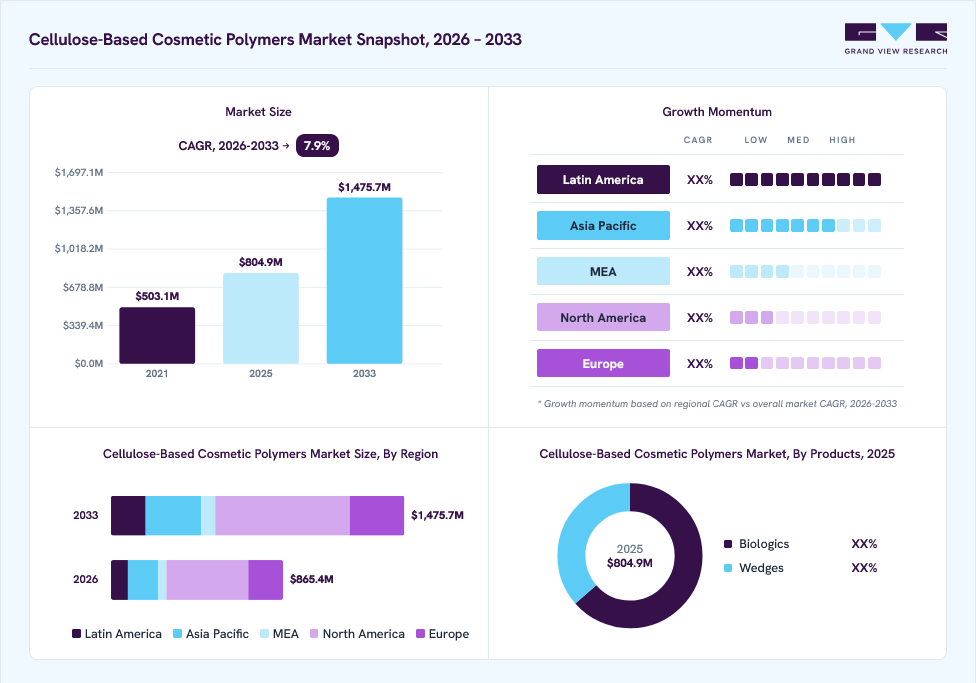
The global foot and ankle orthobiologics market size was valued at USD 804.9 million in 2025 and is projected to grow from USD 865.5 million in 2026 to USD 1475.7 million by 2033, at a CAGR of 7.9% from 2026 to 2033. North America dominated the market, accounting for a revenue share of 47.9% in 2025. The growing burden of osteoporosis and degenerative disorders is one of the key factors driving the growth of the market.
 Source: Grand View Research, IR Documents, Primary Interviews, Paid DatabasesTo learn more about this report,
 Download Free Sample Report
Key Market Trends & Insights
- By product: Biologics segment held the largest market share of 63.5% in 2025.
- By end use: Hospitals segment held the largest market share of 66.5% in 2025.
Regional Highlights
- Largest regional market: North America (47.9% revenue share, 2025)
- By country: The U.S. held the largest market share in 2025.
Market Size & Forecast
- Market size in 2025: USD 804.9 Million
- Estimated market size in 2026: USD 865.5 Million
- Projected market size by 2033: USD 1475.7 Million
- CAGR (2026-2033): 7.9%
Prism AI by Grand View Research Free to tryAsk a question about the foot and ankle orthobiologics marketTry asking✓Every figure cited from GVR research Prefer the report? Download free sample →
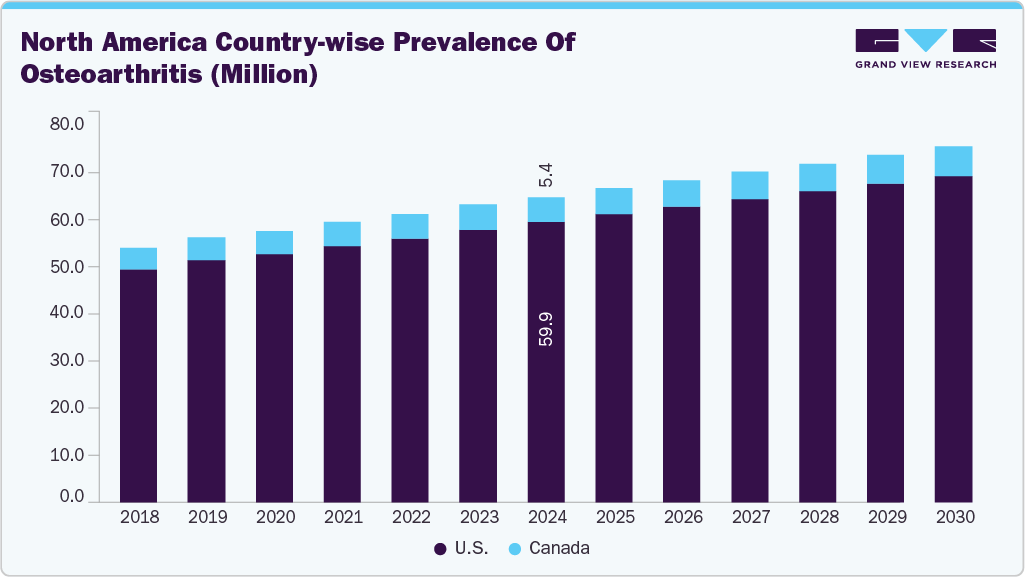
According to the Oxford University Press article published in June 2025, from around 256 million people in 1990 to over 600 million in 2021 had osteoarthritis, with projections nearing 765 million by 2060 has created significant pressure on healthcare systems to deliver more effective musculoskeletal treatments. As foot and ankle joints are often among the first to experience degenerative changes, the demand for biologic interventions such as demineralized bone matrix, allografts, bone morphogenetic proteins, and stem cell therapies is rising, as these options support joint preservation and bone healing.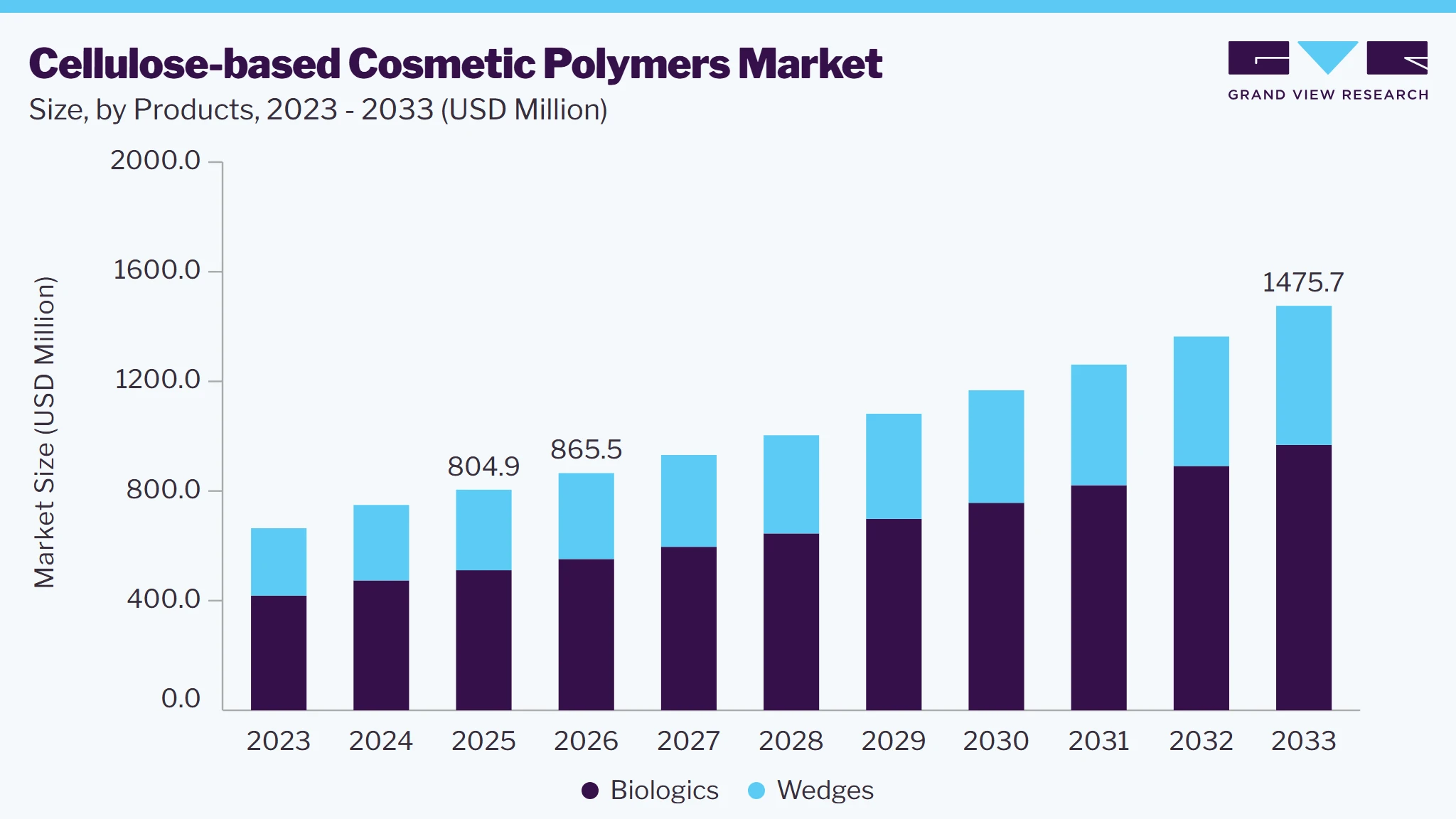 To learn more about this report, Download Free Sample Report
Moreover, as per the Elsevier B.V. article published in September 2024, ankle osteoarthritis, though less common than knee or hip disease, affects nearly 1% of adults worldwide and represents about 3% of all osteoarthritis cases, with an incidence of roughly 30 per 100,000 people. Its impact on mobility and quality of life is substantial, often leading to pain, stiffness, and functional decline that require medical intervention. For many of these patients, biologic options such as demineralized bone matrix, allografts, bone morphogenetic proteins, and stem cell therapies are being utilized to promote bone healing and joint preservation. At the same time, wedges including viscosupplementation and synthetic bone substitutes are increasingly applied to reduce joint stress and delay more invasive procedures. Hospitals typically manage advanced cases through reconstructive surgeries, while outpatient clinics are adopting injectable and minimally invasive biologic therapies for earlier stages. This rising clinical burden of ankle osteoarthritis is therefore directly fueling the adoption of both biologic and wedge-based orthobiologic solutions across care settings.
Age-Driven PRP Treatments: Personalized Care for Better Healing
 To learn more about this report, Download Free Sample Report
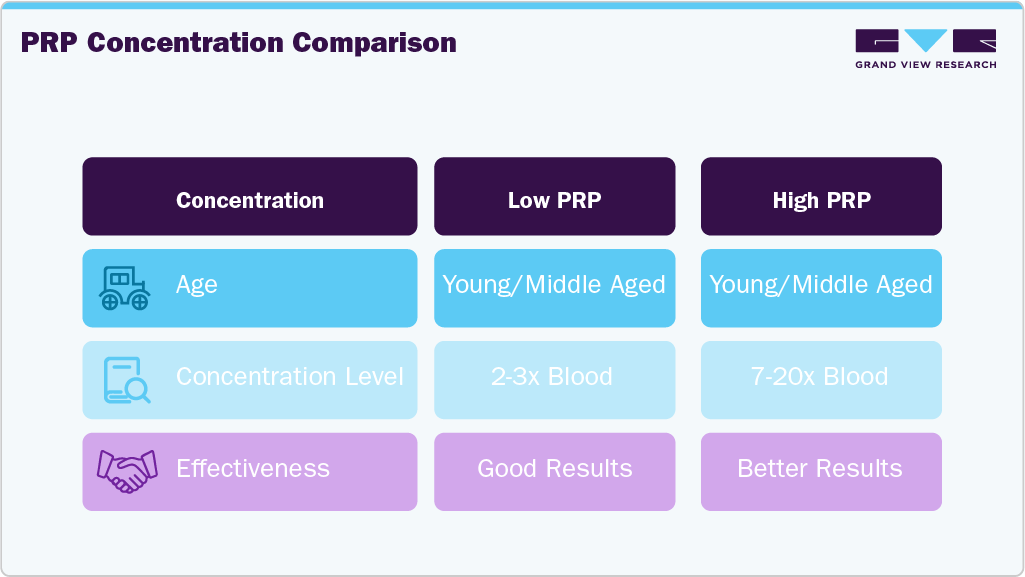
This infographic clearly explains how PRP (Platelet-Rich Plasma) concentration impacts treatment outcomes depending on age, helping patients distinguish between high- and low-quality orthobiologic treatments and make informed care decisions. For younger individuals (under 30 years), a lower concentration of PRP, about 2 to 3 times more concentrated than blood, is sufficient to produce good in-vitro and clinical results because their bodies naturally heal more effectively. In contrast, middle-aged and older patients (over 30 years) require a higher concentration, 7 to 20 times more concentrated than blood, to support healing, bone regeneration, and joint recovery, yielding better results. The infographic’s clear visuals make it easy for patients and their families to understand why personalized PRP treatments based on age are more beneficial than generic approaches or invasive procedures such as surgery, promoting awareness and encouraging educated, tailored treatment choices.
Market Dynamics
The growing burden of osteoporosis and degenerative disorders is one of the key factors driving the growth of the market. As foot and ankle joints are often among the first to experience degenerative changes, the demand for biologic interventions such as demineralized bone matrix, allografts, bone morphogenetic proteins, and stem cell therapies is rising, as these options support joint preservation and bone healing. Thus, the rising clinical burden of ankle osteoarthritis is fueling the adoption of both biologic and wedge-based orthobiologic solutions across care settings.
Sports Injuries Boost Ankle Fracture Care with Advanced SolutionsRising number of sport injury drives the growth of the market. According to an article published in the NIH Journal in February 2025, ankle fractures are among the most frequent injuries treated in orthopedic practice, with incidence rates estimated at about 187 cases per 100,000 people. Ankle fractures often require more than simple fixation, with biologics such as DBM, BMPs, and allografts supporting bone healing and joint stability. Synthetic wedges and substitutes are also used to address structural defects. Their growing adoption in hospitals and outpatient clinics highlights the increasing role of these solutions in foot and ankle care.
Furthermore, as per the NCBI article published in May 2025, youth football tournaments, such as the Gothia Cup the world’s largest annual youth soccer event illustrate how common foot and ankle injuries are among young athletes. In 2024, the tournament hosted 33,060 players from more than 72 countries across 4,820 matches. Research conducted during such high-intensity competitions shows that foot and ankle injuries accounted for roughly 31% of cases in female players and 25% in males. The high incidence of these injuries highlights the importance of effective orthopedic interventions and is driving demand for advanced foot and ankle treatment solutions.
Road Accidents Drive Demand for Foot & Ankle Orthoiologics SolutionsRising number of road traffic accidents boost the growth of the market. According to the WHO article published in May 2025, road traffic accidents remain a major global health concern, causing an estimated 1.19 million deaths each year and leaving between 20 and 50 million people with non-fatal injuries. A significant share of these injuries affects the feet and ankles, particularly among vulnerable road users such as pedestrians, cyclists, and motorcyclists. Young people aged 5-29 are disproportionately impacted, while two-thirds of fatalities involve working-age adults (18-59 years), imposing a considerable socio-economic burden. The high incidence of foot and ankle trauma in these populations is driving demand for advanced orthobiologic solutions such as demineralized bone matrix, stem cell therapies, allografts, and synthetic wedges that support bone regeneration, restore joint stability, and improve recovery outcomes across hospitals and outpatient clinics.
The global demand for orthobiologics is increasing, mainly due to an aging population and the prevalence of age-related conditions such as bone loss and reduced bone density. According to the WHO (October 2022), by 2030, it is estimated that one in six individuals is anticipated to be 60 years or older. People aged 60 and above are expected to rise from 1 billion in 2020 to 2.1 billion by 2050. As life expectancy continues to grow, the incidence of orthopedic issues related to aging is increasing, leading to a greater need for surgeries and implants.
 To learn more about this report,Increased R&D Funding Accelerates Orthobiologics Adoption Download Free Sample Report
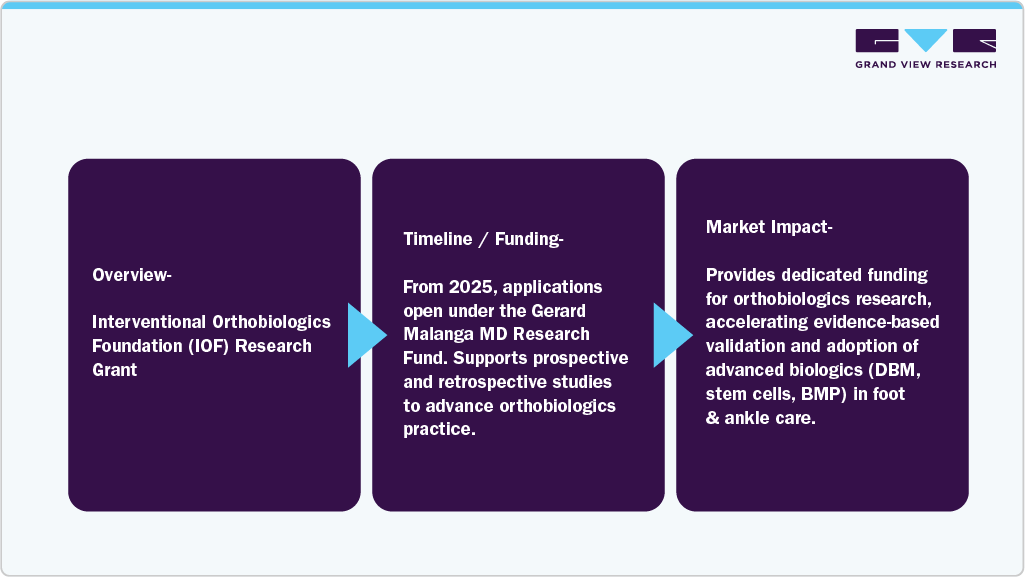
Growing research and development drives the growth of the market. For instance, in 2025, the Interventional Orthobiologics Foundation (IOF) Research Grant provides a dedicated funding pathway aimed specifically at orthobiologics. For instance, the foundation offers USD 10,000 (prospective) and USD 2,500 (retrospective) grants, encouraging prospective and retrospective studies that advance knowledge and clinical practice in orthobiologics. Directly addressing research gaps, the IOF program is positioned to drive wider clinical validation and adoption of advanced orthobiologic treatments.
Similarly, the Orthopaedic Research and Education Foundation (OREF) offers research grants ranging from USD 5,000 to USD 100,000 for musculoskeletal research to improve patient care and outcomes.
Moreover, in December 2025, the American Academy of Orthopaedic Surgeons (AAOS) launched the Orthobiologics Registry as a disease-focused registry to collect long-term safety, efficacy, and real-world outcomes for orthobiologic therapies for knee osteoarthritis.
 To learn more about this report, Download Free Sample Report
AOFAS Grants Boost Early Research in Foot & Ankle Biologics
Moreover, in March2024, the AOFAS Research Grants Program, managed by the American Orthopaedic Foot & Ankle Society and the Orthopaedic Foot & Ankle Foundation, continues to expand its support for clinical and translational research. In 2024, the program awarded more than USD 250,000 in funding, with a particular focus on encouraging early-career investigators and residents. This initiative plays an important role in advancing pilot studies in biologics for foot and ankle conditions. Creating opportunities for smaller-scale projects, it lays the groundwork for larger clinical trials and potential regulatory submissions that can accelerate the adoption of innovative orthobiologic solutions.
 To learn more about this report, Download Free Sample Report
Age-Driven PRP Treatments: Personalized Care for Better Healing PRP Concentration Comparison
Concentration
Age
Concentration Level
Effectiveness
Low PRP
Young/Middle Aged
2-3x Blood
Good Results
High PRP
Young/Middle Aged
7-20x Blood
Better Results
This infographic clearly explains how PRP (Platelet-Rich Plasma) concentration impacts treatment outcomes depending on age, helping patients distinguish between high- and low-quality orthobiologic treatments and make informed care decisions. For younger individuals (under 30 years), a lower concentration of PRP, about 2 to 3 times more concentrated than blood, is sufficient to produce good in-vitro and clinical results because their bodies naturally heal more effectively. In contrast, middle-aged and older patients (over 30 years) require a higher concentration, 7 to 20 times more concentrated than blood, to support healing, bone regeneration, and joint recovery, yielding better results. The infographic’s clear visuals make it easy for patients and their families to understand why personalized PRP treatments based on age are more beneficial than generic approaches or invasive procedures such as surgery, promoting awareness and encouraging educated, tailored treatment choices.
The foot and ankle orthobiologics market operates within a highly regulated environment due to the biological nature of many products and their direct impact on bone healing, tissue regeneration, and patient safety. Orthobiologics such as bone grafts, demineralized bone matrix (DBM), bone morphogenetic proteins (BMPs), stem cell-based therapies, and allografts are subject to rigorous evaluation by regulatory authorities including the U.S. Food and Drug Administration (FDA), European Medicines Agency (EMA), and other national health agencies. Manufacturers must demonstrate product safety, efficacy, sterility, biocompatibility, and manufacturing consistency through extensive preclinical and clinical studies. The regulatory approval process often requires substantial scientific evidence, comprehensive documentation, and long-term follow-up data to support clinical claims. These requirements are expected to significantly increase research and development expenditures while extending product development and commercialization timelines. For novel orthobiologic technologies, particularly those involving cellular therapies, growth factors, or advanced tissue-engineered products, regulatory scrutiny is often more stringent due to concerns about biological variability and long-term clinical outcomes.
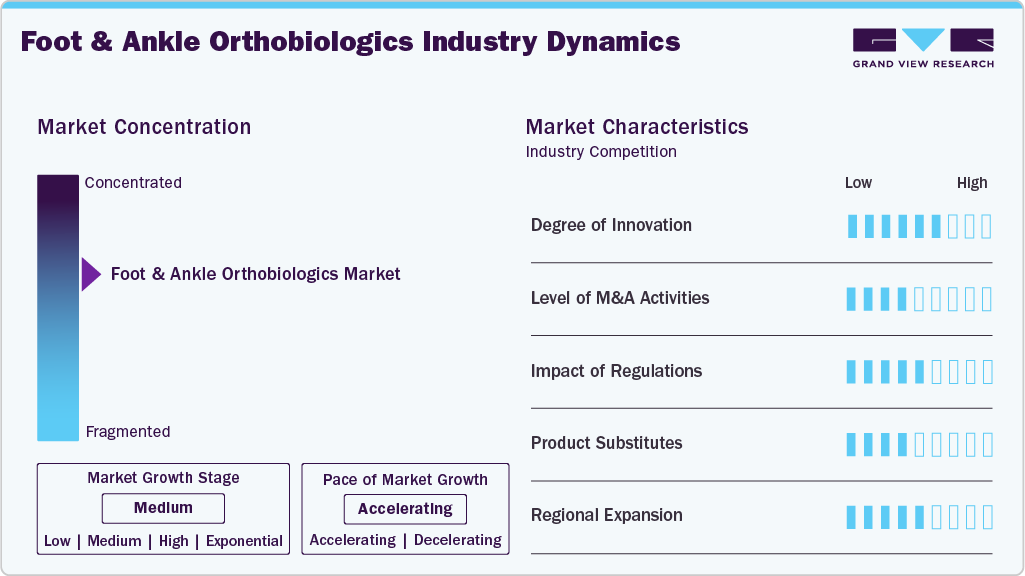
Market Concentration & Characteristics
The industry has seen significant innovation in recent years, due to biologic grafts, stem cell-based therapies, and bone morphogenetic proteins that support faster healing. Synthetic bone substitutes and wedges are also being adopted for their consistency and lower complication risks. These advances highlight a gradual move toward more effective and reliable treatment options in surgical practice.
The market is characterized by the leading players' high level of merger and acquisition (M&A) activity. This is due to several factors, including the desire to expand the business to cater to the growing demand for foot and ankle orthobiologics. In January 2025, Zimmer Biomet announced the acquisition of Paragon 28 in a deal valued at about USD 1.1 billion. Paragon 28 is recognized for its strong portfolio in foot and ankle implants, fracture management, and deformity correction. While its focus is not solely on biologics, the products are often used alongside orthobiologics in surgical practice.
 To learn more about this report, Download Free Sample Report
Regulations play a central role in the industry by safeguarding patient outcomes and setting clear standards for product development. Biologics such as demineralized bone matrices, bone morphogenetic proteins, and stem cell-based therapies require rigorous evaluation for safety, efficacy, and quality. Agencies such as the FDA closely monitor these products, demanding strong clinical evidence before approval and widespread use. While this slows the pace of new product introductions, it builds trust among surgeons and patients, ensuring that only therapies with proven benefits reach the market.
Product substitutes include traditional metal implants, fixation devices, and standard bone grafts that can be used instead of advanced biologic materials. While these options are often more widely available and cost-effective, they may not offer the same regenerative benefits as biologics such as DBM, BMP, or stem cell-based therapies.
Several key players are expanding their business by entering new geographical regions to strengthen their market position and product portfolio. Rising product launches create more opportunities for market players to enter new areas. In November 2024, Kuros Biosciences has extended its reach into extremity surgery by introducing its MagnetOs biologic material for foot and ankle applications. This expansion is supported by the Foot Innovate educational platform, which helps surgeons in new regions understand and adopt the product.
Analyst Perspective
The global foot and ankle orthobiologics market is experiencing robust growth due to the increasing prevalence of foot and ankle disorders, rising sports-related injuries, growing incidence of trauma cases, and expanding demand for advanced bone healing solutions. Orthobiologics are increasingly being utilized to enhance bone fusion, accelerate tissue regeneration, and improve clinical outcomes in complex foot and ankle procedures, including arthrodesis, fracture repair, osteotomies, and reconstructive surgeries. The growing elderly population, coupled with the rising burden of diabetes-related foot complications and osteoporosis-associated fractures, is further contributing to market expansion.
Innovations in demineralized bone matrices, viable cellular allografts, bone morphogenetic proteins, and bone growth stimulation technologies are creating new opportunities for manufacturers. As orthopedic surgery continues to move toward biologically enhanced treatment approaches, companies with strong clinical evidence, comprehensive regenerative medicine portfolios, surgeon education programs, and advanced research capabilities will be well-positioned to capitalize on long-term growth opportunities in the global foot and ankle orthobiologics market.
Product Insights
By product, the biologics segment held the largest market share of 63.5% in 2025. In addition, this segment is expected to witness the fastest growth with a CAGR over the forecast period. Biologics are biologically derived materials used in foot and ankle surgeries to promote bone and tissue healing, regeneration, and repair. It includes Demineralized Bone Matrix (DBM), Allograft, Bone Morphogenetic Protein(BMP) and Stem Cell. In April 2025, Xtant Medical introduced the Trivium Advanced Bone Graft, a premium, next-generation demineralized bone matrix (DBM) allograft designed to elevate the standard of care in bone grafting procedures. This product aims to provide superior osteoinductive properties, enhancing bone regeneration and healing in foot and ankle surgeries.
The wedges segment is anticipated to witness significant CAGR over the forecast period. Wedges are pre-shaped orthopedic implants or bone grafts used to correct alignment, stabilize joints, or fill bone voids in foot and ankle surgeries, often applied in osteotomies and fusion procedures to restore proper biomechanics. It includes viscosupplementation and synthetic bone substitutes. Rising osteoarthritis incidence and technologically advanced products drive the growth of the market. For instance, in September 2024, NovaBone introduced an innovative minimally invasive surgical (MIS) delivery system equipped with a conical tip, enhancing precision in the placement of its bioactive synthetic bone graft materials. This system is designed to backfill osseous defects as small as 3.5mm in diameter, facilitating accurate delivery and optimal outcomes in orthopedic procedures.
End Use Insights
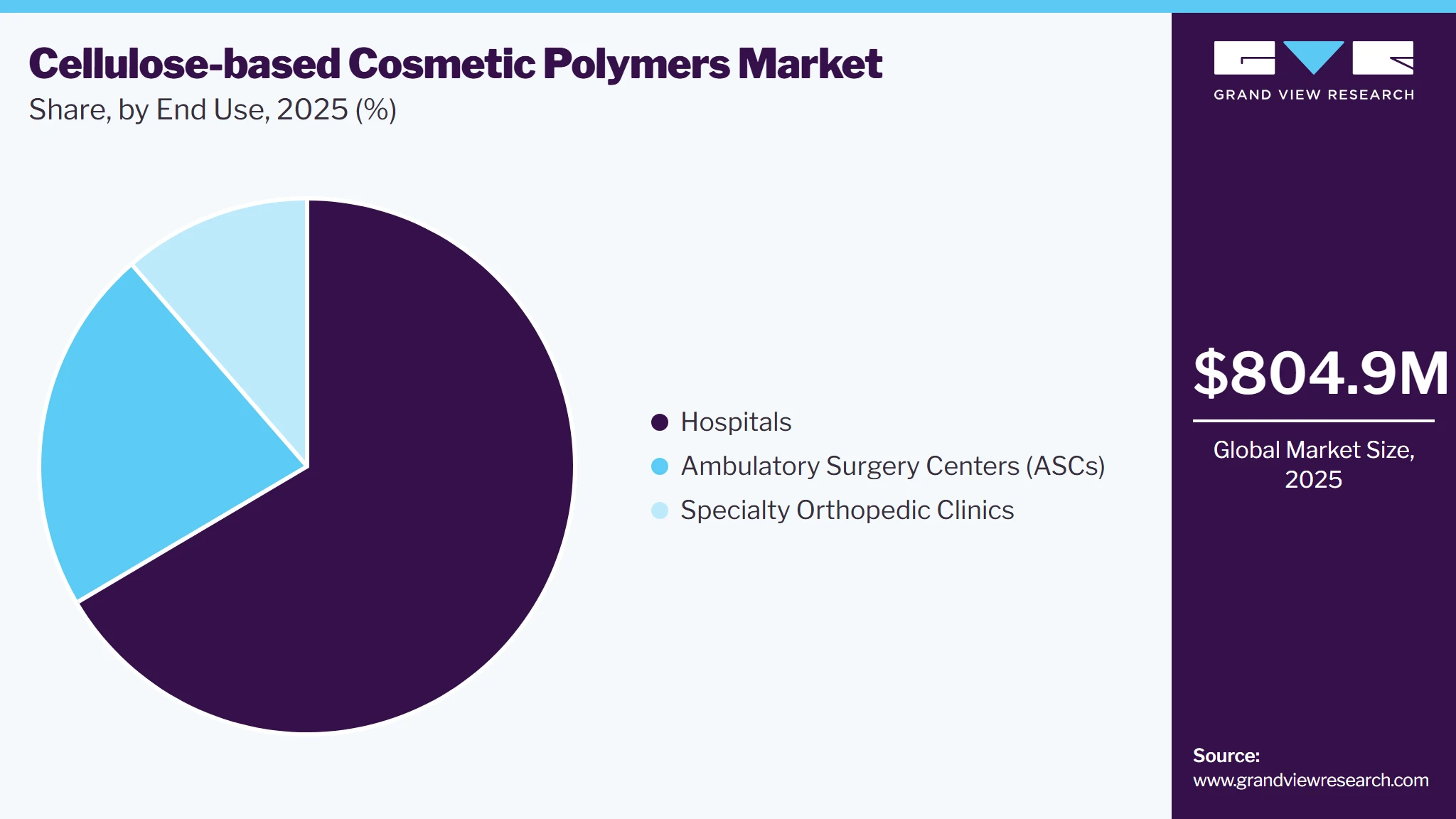
By end use, the hospitals segment held the largest market share of 66.5% in 2025. In addition, this segment is expected to witness the fastest growth with a CAGR over the forecast period. Hospitals are the primary centers for the use of orthobiologic devices in foot and ankle care, offering the infrastructure and expertise needed for complex procedures. They routinely utilize biologics such as demineralized bone matrix, allografts, bone morphogenetic proteins, and stem cell-based products to enhance bone healing and tissue regeneration. In addition, synthetic bone substitutes and wedges are applied during corrective surgeries and fusion procedures. Hospitals also play a key role in testing and adopting new devices, combining regenerative therapies with surgical interventions to improve patient outcomes and reduce recovery times. Leading institutions, such as Massachusetts General Hospital and Greater Pittsburgh Orthopaedic Associates, demonstrate the integration of these advanced therapies into clinical practice, highlighting the hospital segment’s critical role in advancing foot and ankle orthobiologics.
 To learn more about this report, Download Free Sample Report
The outpatient clinics segment is anticipated to register a significant growth rate over the forecast period. Growing preference for outpatient settings in managing foot and ankle conditions, offering patients the benefits of reduced hospital stays, lower costs, and quicker recovery times. The shift towards outpatient clinics is expected to continue as surgical techniques evolve and healthcare policies support the expansion of ambulatory care. According to the AORN Inc. article published in September 2023, outpatient clinics have experienced significant growth in foot and ankle procedures, driven by advancements in surgical techniques and favorable reimbursement policies. A notable example is the Bronson Orthopedic Surgery Center in Kalamazoo, Michigan, which is projected to handle over 5,000 orthopedic cases annually, including foot and ankle surgeries.
Regional Insights
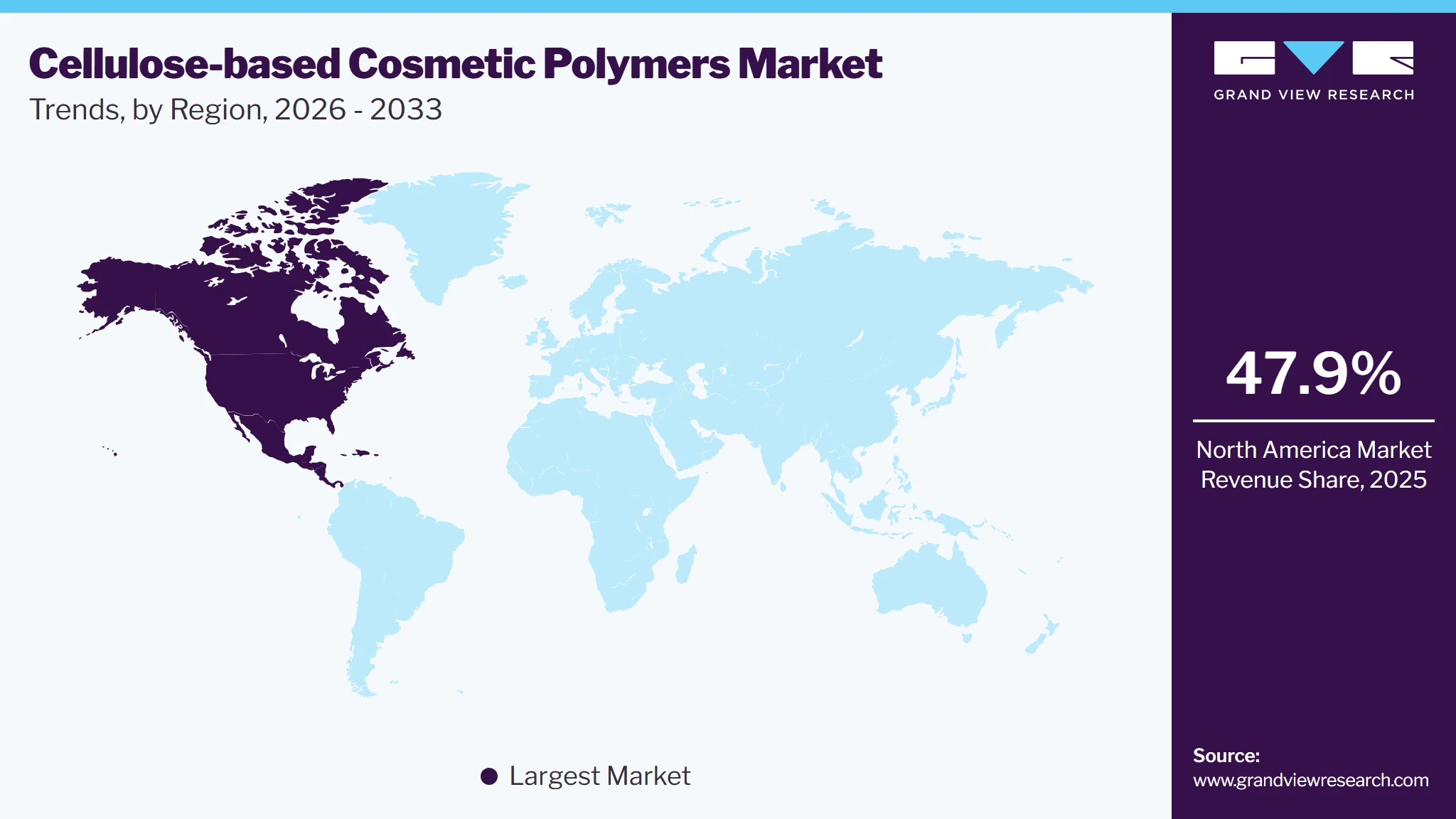
North America dominated the foot and ankle orthobiologics market with the largest revenue share of 47.9% in 2025, owing to a well-established healthcare infrastructure and high healthcare expenditure. According to the Elsevier B.V. article published in February 2025, Osteoarthritis (OA) affects 24% of adults in the U.S., placing significant pressure on healthcare providers to offer effective treatments for foot and ankle joint deterioration. This has boosted the adoption of advanced orthobiologic therapies in both hospitals and outpatient clinics, where regenerative approaches are increasingly used to enhance healing, restore function, and reduce recovery times.
 To learn more about this report, Download Free Sample Report
U.S. Foot And Ankle Orthobiologics Market Trends
The foot and ankle orthobiologics market in the U.S. held the largest share in the North America region in 2025. In November 2023, a 3D-printed, patient-specific implant was designed to replace the talus bone in the ankle joint. Made from cobalt-chromium alloy, it aims to reduce pain and preserve joint mobility in cases of avascular necrosis, talar collapse, or non-union fractures.
Canada foot and ankle orthobiologics market is anticipated to register the fastest growth rate during the forecast period. In September 2024, Stryker Corporation launched the Osteotomy Truss System (OTS) and Ankle Truss System (ATS) as part of its Foot & Ankle product range. The debut occurred at the American Orthopaedic Foot & Ankle Society (AOFAS) Annual Meeting in Vancouver, Canada.
Europe Foot And Ankle Orthobiologics Market Trends
The foot and ankle orthobiologics market in Europe is anticipated to register a significant growth rate during the forecast period. Growing awareness of minimally invasive procedures, favorable reimbursement policies in key countries, and investments by leading players to expand their presence and enhance R&D for advanced regenerative solutions.
Germany foot and ankle orthobiologics market is anticipated to register a considerable growth rate during the forecast period. Growing foot and ankle injury drives the growth of the market. According to the England & Wales No. article in May 2023, Ankle sprains are among the most common injuries, with an estimated incidence of approximately 1 per 10,000 persons per day, translating to around 8,000 cases daily in Germany.
Spain foot and ankle orthobiologics market is anticipated to register a considerable growth rate during the forecast period. Rising foot and ankle injury drives the growth of the market. According to the MDPI article published in August 2023, in Spain, foot and ankle injuries are prevalent, particularly among athletes. A study on Spanish male youth football players revealed that the ankle accounted for 19 out of 162 injuries, highlighting its significance in this demographic thus drives the growth of the market.
Asia Pacific Foot And Ankle Orthobiologics Market Trends
The foot and ankle orthobiologics market in Asia Pacific is anticipated to be the fastest-growing region, driven by improving healthcare infrastructure, rising awareness of regenerative therapies, and increasing adoption of biologics such as DBM, allografts, BMPs, and stem cells. Wedges, including viscosupplements and synthetic bone substitutes, are also gaining traction due to their role in supporting complex procedures and enhancing patient recovery. Expanding R&D activities and investments by key players are further fueling market growth in the region.
Japan foot and ankle orthobiologics market is anticipated to register a significant growth rate during the forecast period. The increasing incidence of sports injuries drives the growth of the market. According to an article published in February 2024, a survey among Japanese international athletes found that 21.5% experienced injuries, with a higher prevalence of complaints among female athletes compared to male athletes. Ankle injuries were notably more common among females, with an incidence rate of 13.6 per 1,000 compared to 6.9 per 1,000 in males.
The foot and ankle orthobiologics market in China is anticipated to register a significant growth rate during the forecast period. The increasing incidence of sports injuries drives the growth of the market. According to the Sage Journal article published in June 2022, a study on Chinese female soccer players highlighted that ankle injuries constituted 17.9% of all injuries, emphasizing the need for targeted prevention strategies.
Latin America Foot And Ankle Orthobiologics Market Trends
The foot and ankle orthobiologics market in Latin America is expected to grow over the forecast period, owing to factors such as the growing aging population with a high risk of osteoporosis, technological advancements in foot and ankle devices, other musculoskeletal problems, and the rising incidence of osteoarthritis. Furthermore, modern fixation and prosthetic technologies have replaced traditional surgical techniques in the foot and ankle devices market, which is expected to drive the region’s market.
Brazil foot and ankle orthobiologics market is expected to grow over the forecast period. In Brazil, foot and ankle injuries are common, especially among athletes. According to the NCBI article published in May 2024, research on professional soccer players showed that ankle sprains made up 10.17% of all injuries, with lateral ligament sprains accounting for over half (53.75%) of these cases. Forwards were the most affected, sustaining 86 injuries, while midfielders experienced the highest proportion of sprains at 75.5%. Nearly half of the sprains (47.04%) occurred during the final 15 minutes of each half. Recurring injuries were reported in 31.22% of cases, and 7.11% required surgical intervention. On average, affected players were sidelined for about 14 days.
Middle East & Africa Foot and Ankle Orthobiologics Market Trends
The foot and ankle orthobiologics market in the Middle East & Africa is growing due to several factors, including increasing awareness of implant surgeries among patients and healthcare professionals, rising prevalence of orthopedic conditions, product launches, and favorable reimbursement for orthopedic devices including foot and ankle devices. Moreover, the drivers fueling the market expansion include the increasing investment in healthcare infrastructure and government initiatives to improve healthcare services.
South Africa foot and ankle orthobiologics market is expected to grow over the forecast period. In South Africa, foot and ankle injuries are common, especially among athletes. According to the NCBI article published in June 2023, research on elite cricketers reported 104 injuries affecting 82 players, with lateral ankle ligament injuries making up 35% of cases. Most injuries occurred on the non-dominant side (96%) and were first-time, non-impact injuries (80% and 60%, respectively). The activities most often linked to these injuries were bowling (30%) and fielding (19%). Around half of the affected players missed at least one match or practice session due to their injury.
Key Foot And Ankle Orthobiologics Companies Insights
Key players operating in the foot and ankle orthobiologics market are undertaking various initiatives to strengthen their presence and increase the reach of their products and services. Strategies such as expansion activities and partnerships are key in propelling the market growth.
Key Foot And Ankle Orthobiologics Companies:
The following are the leading companies in the foot and ankle orthobiologics market.
- Medtronic Plc
- Johnson & Johnson (De PuySynthes)
- Zimmer Biomet
- Stryker Corporation
- Orthofix, Inc.
- Arthrex, Inc.
- Smith & Nephew
- Integra LifeSciences
- Acumed
- Bioventus
Competitive Benchmarking
Category
Operating Strategies
Competitive Edge
Weakness
Established Players (Medtronic Plc, Johnson & Johnson (DePuy Synthes), Zimmer Biomet, Stryker Corporation, Smith & Nephew)
- Expand foot and ankle orthobiologics portfolios through continuous innovation, strategic acquisitions, clinical research investments, and partnerships with orthopedic surgeons and healthcare institutions. Invest in bone graft substitutes, demineralized bone matrices (DBMs), synthetic bone grafts, growth factor technologies, cellular allografts, and regenerative medicine solutions to enhance bone healing and fusion outcomes. Focus on integrating orthobiologics with trauma fixation, arthrodesis, reconstruction, and sports medicine procedures to strengthen market leadership.
- Strong global brand recognition, extensive clinical evidence, broad orthopedic and biologics portfolios, and established relationships with hospitals, ambulatory surgery centers, and orthopedic specialists. Significant R&D capabilities, regulatory expertise, manufacturing scale, and comprehensive distribution networks support widespread adoption across foot and ankle reconstruction, trauma, and fusion procedures.
- High research, development, and regulatory compliance costs associated with biologic products can impact profitability and commercialization timelines. Premium pricing of advanced orthobiologic solutions and reimbursement limitations may restrict adoption in cost-sensitive healthcare markets and smaller healthcare facilities.
Emerging & Specialized Players (Orthofix, Inc., Arthrex, Inc., Integra LifeSciences, Acumed, Bioventus)
- Focus on specialized regenerative medicine and bone healing solutions including cellular allografts, bone growth stimulation technologies, biologic matrices, synthetic grafts, and procedure-specific orthobiologic products. Leverage niche expertise, surgeon-focused innovation, targeted clinical studies, and specialized product development strategies to address unmet needs in foot and ankle fusion, trauma repair, and reconstruction procedures.
- Greater agility in responding to emerging regenerative medicine trends and evolving clinical requirements. Ability to rapidly introduce innovative biologic solutions, provide focused clinical support, and develop specialized products for complex foot and ankle procedures requiring enhanced bone healing and tissue regeneration.
- Limited global scale, narrower product portfolios, and lower financial resources compared to large multinational orthopedic companies. Smaller commercial infrastructures, reduced brand visibility, and dependence on specialized orthopedic segments may limit penetration into large healthcare systems and multinational procurement contracts.
Recent Developments
-
In September 2025, Stryker introduced the FDA-cleared Incompass Total Ankle System at the AOFAS 2025 Annual Meeting. This system is designed for patients with end-stage ankle arthritis and features an innovative implant with an enhanced instrument platform.
-
In June 2025 , SmartTRAK and Foot Innovate launched a strategic partnership to deliver next-level foot and ankle market intelligence. This collaboration combines SmartTRAK’s data expertise with Foot Innovate’s network of engaged surgeons to provide comprehensive, clinically relevant insights into the foot and ankle landscape.
-
In April 2025, Foot Innovate announced a new corporate partnership with Enovis Foot & Ankle, expanding its network of industry collaborations. This partnership brings Enovis Foot & Ankle’s comprehensive range of cutting-edge products to the Foot Innovate platform, offering greater access to reconstruction, minimally invasive surgery (MIS) technologies, and core products that support enhanced patient care.
Foot And Ankle Orthobiologics Market Report Scope
Report Attribute
Details
Market size in 2025
USD 804.9 million
Estimated market size in 2026
USD 865.5 million
Projected market size by 2033
USD 1,475.7 million
Growth rate
CAGR of 7.9% from 2026 to 2033
Historical data
2021 - 2025
Forecast period
2026 - 2033
Quantitative units
Revenue in USD million/billion and CAGR from 2026 to 2033
Report coverage
Revenue forecast, company ranking, competitive landscape, growth factors, and trends
Segments covered
Product, End Use, and Region
Regional scope
North America; Europe; Asia Pacific; Latin America; MEA
Country scope
U.S.; Canada; Mexico; Germany; UK; France; Italy; Spain; Norway; Denmark; Sweden; China; Japan; India; South Korea; Australia; Thailand; Brazil; Argentina; Saudi Arabia; South Africa; UAE; Kuwait
Key companies profiled
Medtronic, Johnson & Johnson (DePuy Synthes), Zimmer Biomet, Stryker Corporation, Orthofix, Inc., Arthrex, Inc., Smith & Nephew, Integra LifeSciences, Acumed, Bioventus.
Customization scope
Free report customization (equivalent up to 8 analysts' working days) with purchase. Addition or alteration to country, regional & segment scope.
Pricing and purchase options
Avail customized purchase options to meet your exact research needs. Explore purchase options
Global Foot And Ankle Orthobiologics Market Report Segmentation
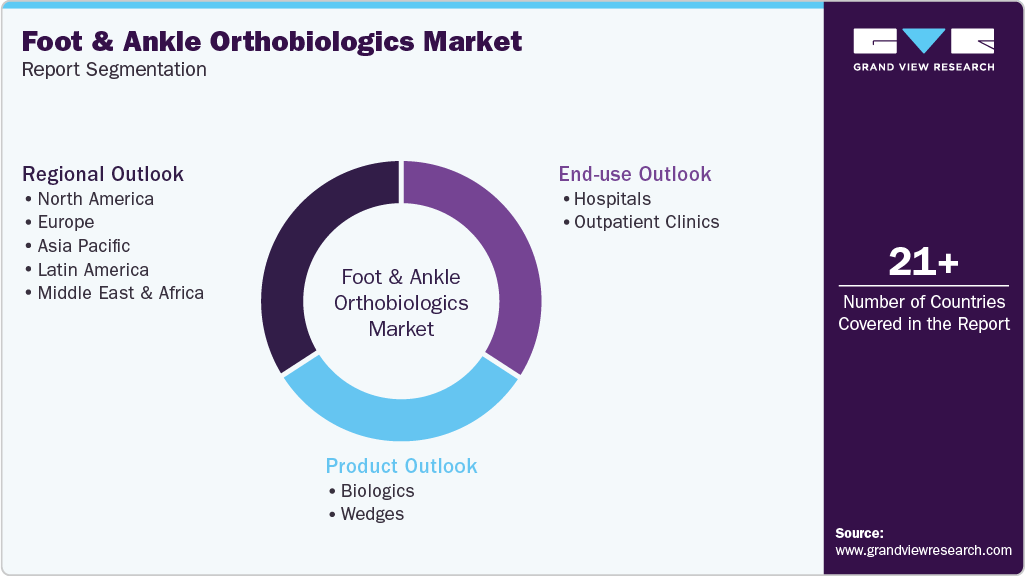
This report forecasts revenue growth at global, regional, and country levels and analyzes industry trends in each sub-segments from 2021 to 2033. For this study, Grand View Research, Inc. has segmented the global foot and ankle orthobiologics market report based on product, end use, and region:
 To learn more about this report, Download Free Sample Report
-
Product Outlook (Revenue, USD Million, 2021 - 2033)
-
Biologics
-
Demineralized Bone Matrix (DBM)
-
Allograft
-
Bone Morphogenetic Protein(BMP)
-
Stem Cell
-
-
Wedges
-
Viscosupplementation
-
Synthetic Bone Substitutes
-
-
-
End Use Outlook (Revenue, USD Million, 2021 - 2033)
-
Hospitals
-
Outpatient Clinics
-
-
Regional Outlook (Revenue, USD Million, 2021 - 2033)
-
North America
-
U.S.
-
Canada
-
Mexico
-
-
Europe
-
Germany
-
UK
-
Spain
-
Italy
-
France
-
Denmark
-
Norway
-
Sweden
-
-
Asia Pacific
-
Japan
-
China
-
India
-
Australia
-
Thailand
-
South Korea
-
-
Latin America
-
Brazil
-
Argentina
-
-
MEA
-
South Africa
-
Saudi Arabia
-
UAE
-
Kuwait
-
-
Research Methodology
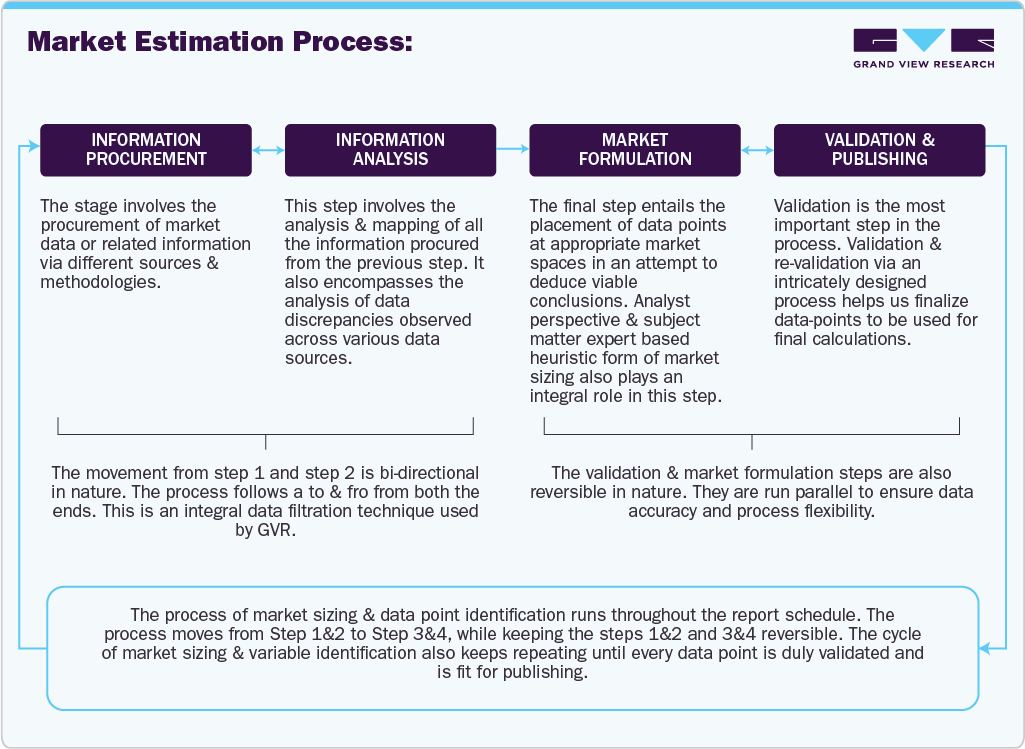
The foot and ankle orthobiologics market figures in this report are based on a proven research process that combines executive interviews with secondary research from proprietary databases, company filings, and recognized regulatory and institutional sources. Market size is built through value-chain sizing - reconciling supply-side and demand-side estimates - and triangulated with bottom-up and top-down approaches. Every estimate passes multiple levels of expert validation before publication, with each foot and ankle orthobiologics segment quantified using the revenue-capture definitions in the table below.
Segment Definition
Segment - Product
Revenue capture definition
Biologics
Biologically derived or bioactive products used to promote bone regeneration, fusion, and soft tissue healing during foot and ankle procedures. These products enhance the body's natural healing response and are commonly used in trauma, reconstruction, arthrodesis, and revision surgeries.
Demineralized Bone Matrix (DBM)
Processed human donor bone from which the mineral content has been removed while preserving collagen and osteoinductive growth factors. DBM is used as a bone graft substitute or extender to stimulate new bone formation and improve fusion outcomes.
Allografts
Bone graft materials obtained from human donors and processed through accredited tissue banks. Allografts are used to fill bone defects, support arthrodesis, reconstruct skeletal anatomy, and eliminate the need for harvesting autologous bone.
Bone Morphogenetic Proteins (BMPs)
Osteoinductive growth factors that stimulate the differentiation of precursor cells into bone-forming cells, promoting bone regeneration and fusion. Recombinant BMPs are used selectively in complex foot and ankle fusion procedures and cases with impaired healing potential.
Synthetic Bone Graft Substitutes
Artificial biomaterials such as calcium phosphate, hydroxyapatite, calcium sulfate, bioactive glass, and composite ceramics that serve as alternatives to autografts and allografts. These materials provide structural support and facilitate bone regeneration.
Stem Cell-Based Orthobiologics
Regenerative products containing mesenchymal stem cells or progenitor cells that promote bone and soft tissue healing through cellular differentiation and the release of bioactive growth factors. These therapies are primarily used in complex reconstruction and fusion procedures.
Wedges
Structural implants used during osteotomy and reconstructive foot and ankle procedures to correct deformities, restore alignment, maintain joint spacing, and support bone fusion. Wedges are available in biological and synthetic materials depending on clinical requirements.
Allograft Wedges
Structural wedges manufactured from donor bone tissue that provide immediate mechanical support while serving as a biologic scaffold for bone incorporation and remodeling during healing.
Synthetic Wedges
Wedges manufactured from synthetic biomaterials designed to provide structural stability, maintain correction, and support bone healing without relying on donor tissue.
PEEK Wedges
Wedges fabricated from polyether ether ketone (PEEK), a radiolucent, high-strength polymer with an elastic modulus similar to bone. PEEK wedges provide durable structural support and facilitate postoperative radiographic assessment.
Titanium Wedges
Metallic wedges manufactured from titanium or titanium alloys, offering high mechanical strength, corrosion resistance, and excellent biocompatibility. Many designs incorporate porous structures to encourage bone ingrowth and long-term implant fixation.
Segment - End Use
Revenue capture definition
Hospitals
Public and private hospitals that perform a broad range of foot and ankle trauma, reconstruction, deformity correction, and arthrodesis procedures utilizing orthobiologic products to improve bone healing, fusion rates, and clinical outcomes. Hospitals manage both routine and complex surgical cases requiring advanced biologic augmentation.
Ambulatory Surgery Centers (ASCs)
Outpatient surgical facilities specializing in same-day foot and ankle procedures. ASCs utilize orthobiologics during minimally invasive and elective surgeries to enhance bone healing while enabling faster patient recovery and reduced healthcare costs.
Specialty Orthopedic Clinics
Orthopedic and podiatric specialty centers dedicated to diagnosing and treating foot and ankle disorders. These clinics perform reconstructive surgeries, sports injury repairs, deformity correction, and follow-up care while incorporating orthobiologic products to optimize healing and functional recovery.
Estimation Model
 To learn more about this report, Download Free Sample Report
Market-specific Research Models:
Consensus-Based Estimates & Forecasting
The foot and ankle orthobiologics market presents emerging to dominant opportunities, featuring global key players such as Medtronic, Johnson & Johnson (DePuy Synthes), Zimmer Biomet, Stryker Corporation, Orthofix, Inc., Arthrex, Inc., Smith & Nephew, Integra LifeSciences, Acumed, Bioventus. To ensure a holistic approach, the GVR research team adopted a comprehensive methodology, considering multiple companies worldwide and utilizing various variables for data accuracy.
Our methodology included:
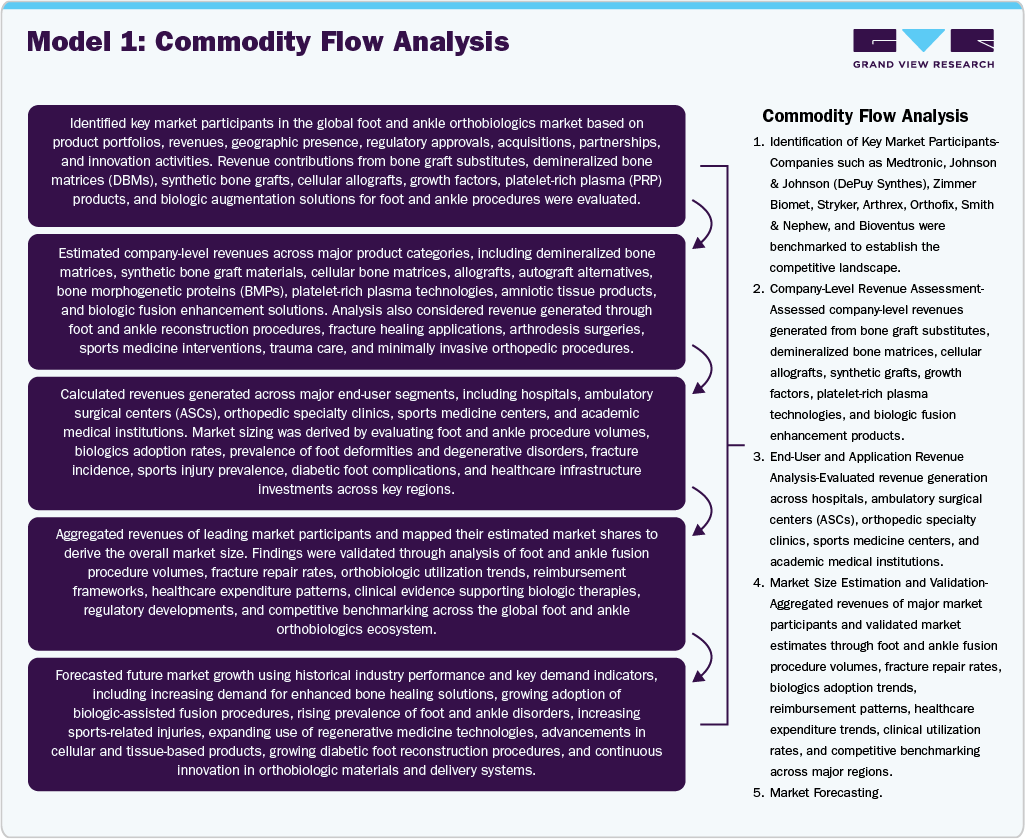
Model 1: Commodity Flow Analysis - For public players, annual reports were referenced. For private players, premium paid data sources such as S&P Global, Crunchbase, ZoomInfo, RocketReach, etc., were used for the latest revenue insights.
Model 2: Parent Market Analysis
Model 3: Country-level Multivariate Analysis Assumptions
Model 4: Segment-level Multivariate Analysis Assumptions
Model 5: Foot and Ankle Orthobiologics Market CAGR Calculations
Model 1: Commodity Flow Analysis
 To learn more about this report, Download Free Sample Report
Commodity flow analysis was employed to track the movement of foot and ankle orthobiologics through the value chain, from technology providers to end users. This analysis provided insights into demand generation points, intermediary roles, and ultimate consumption patterns.
Delivered Customizations
This report has been delivered with the following In-depth customizations
Client Request
Customization Delivered
Value Adds
Veterinary Anti-infectives Market Ecosystem & Market Assessment
Conducted a comprehensive assessment of the veterinary anti-infectives ecosystem, covering pharmaceutical manufacturers, contract manufacturing organizations (CMOs), active pharmaceutical ingredient (API) suppliers, veterinary hospitals and clinics, livestock producers, distributors, retail pharmacies, e-commerce platforms, regulatory authorities, and research institutions. Evaluated product portfolios, disease prevalence, antimicrobial stewardship initiatives, pricing strategies, distribution networks, regulatory landscape, and innovation trends across companion and livestock animal healthcare.
Provides a holistic understanding of the veterinary anti-infectives market landscape, disease management trends, regulatory developments, competitive dynamics, and revenue opportunities, enabling stakeholders to identify high-growth therapeutic areas, investment priorities, and strategic partnership opportunities.
Veterinary Anti-infectives Competitive Intelligence & Vendor Benchmarking
Performed detailed benchmarking of leading veterinary anti-infective manufacturers based on product portfolio breadth, antimicrobial and antiviral pipeline, geographic presence, manufacturing capabilities, R&D investments, regulatory approvals, pricing strategies, distribution network, strategic collaborations, acquisition activities, and innovation pipeline. Included comparative positioning of multinational companies and regional manufacturers across companion and livestock animal segments.
Enables identification of competitive gaps, product differentiation opportunities, licensing and partnership targets, portfolio optimization strategies, and innovation leadership while supporting long-term competitive positioning, investment planning, and strategic decision-making.
Market Penetration & Expansion Strategy
Evaluated regional growth opportunities for veterinary anti-infective products by assessing livestock and companion animal populations, infectious disease burden, antimicrobial usage patterns, veterinary healthcare infrastructure, regulatory frameworks, antimicrobial resistance (AMR) initiatives, animal healthcare expenditure, and competitive intensity. Identified priority countries and recommended market entry and expansion strategies based on disease prevalence, treatment adoption, distribution channel maturity, reimbursement landscape, and future market growth potential.
Enables companies to prioritize high-growth markets, optimize commercialization strategies, strengthen regional distribution networks, allocate investments efficiently, minimize regulatory and market-entry risks, and capitalize on emerging opportunities driven by increasing infectious disease incidence and advancements in veterinary therapeutics.
Frequently Asked Questions About This Report
North America dominated with a 47.9% revenue share in 2025.
Asia Pacific is the fastest-growing region over the forecast period.
The hospitals segment led with a 66.5% revenue share in 2025, while Ambulatory Surgical Centers is the fastest-growing segment.
The global foot and ankle orthobiologics market size was estimated at USD 804.9 million in 2025 and is expected to reach USD 865.5 million in 2026.
The biologics segment led with a 63.5% revenue share in 2025, and is the fastest-growing segment.
Some key players operating in the foot and ankle orthobiologics market include Medtronic, Johnson & Johnson (DePuy Synthes), Zimmer Biomet, Stryker Corporation, Orthofix, Inc., Arthrex, Inc., Smith & Nephew, Integra LifeSciences, Acumed, Bioventus.
The growing burden of osteoporosis and degenerative disorders is one of the key factors driving the growth of the market. As foot and ankle joints are often among the first to experience degenerative changes, the demand for biologic interventions such as demineralized bone matrix, allografts, bone morphogenetic proteins, and stem cell therapies is rising, as these options support joint preservation and bone healing. Thus, the rising clinical burden of ankle osteoarthritis is fueling the adoption of both biologic and wedge-based orthobiologic solutions across care settings.
The global foot and ankle orthobiologics market is expected to grow at a compound annual growth rate of 7.9% from 2026 to 2033 to reach USD 1475.7 million by 2033.
About the Author(s)
Medical Devices Research Team
Healthcare · Medical DevicesThis report was authored by the medical devices research team at Grand View Research - comprising two research analysts, one senior research analyst, and one industry expert - with specialized expertise in the medical devices segment of the healthcare industry. All findings are based on proprietary healthcare databases, executive interviews, and regulatory analysis, subject to internal peer review prior to publication.
Last Updated:
Speak to Analyst

Customize this report to your needs - add regions, segments, or data points, with 20% free customization.
Or view our licence options:


ISO 9001:2015 & 27001:2022 Certified
We are GDPR and CCPA compliant! Your transaction & personal information is safe and secure. For more details, please read our privacy policy.


