
- Home
- »
- Medical Devices
- »
-
Foot And Ankle Reconstruction Devices Market Report, 2033GVR Report cover

Foot And Ankle Reconstruction Devices Market (2026 - 2033)
Size, Share & Trends Analysis Report By Application (Hallux Valgus, Hammertoe Correction, Midfoot Reconstruction, Hindfoot & Ankle Reconstruction), By End-use, By Region, And Segment Forecasts
Market Size, 2025
$1.8BMarket Estimate, 2026
$1.9BMarket Forecast, 2033
$3.3BCAGR, 2026–2033
8.3%Foot And Ankle Reconstruction Devices Market Summary
The global foot and ankle reconstruction devices market size was valued at USD 1.8 billion in 2025 and is projected to grow from USD 1.9 billion in 2026 to USD 3.3 billion by 2033, at a CAGR of 8.3% from 2026 to 2033. North America dominated the market, accounting for a revenue share of 47.9% in 2025. The market is driven by the rising prevalence of degenerative joint diseases, trauma injuries, and deformities, along with the growing adoption of minimally invasive surgical techniques and next-generation implant systems.
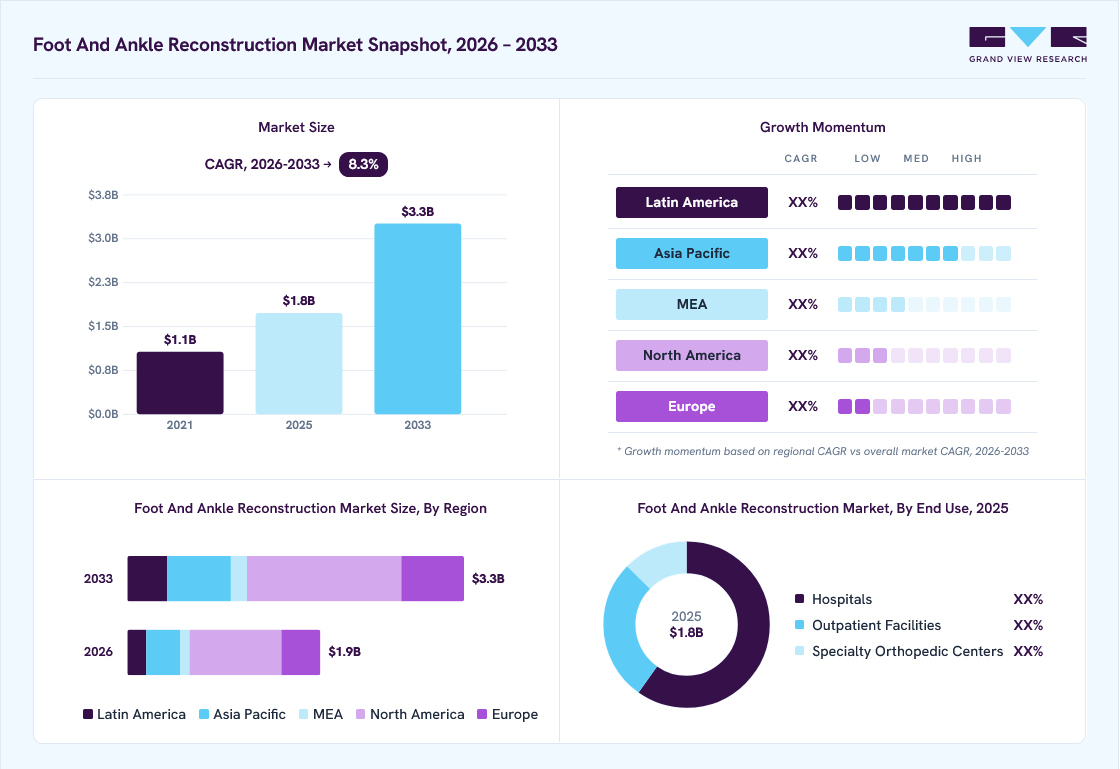 Source: Grand View Research, IR Documents, Primary Interviews, Paid DatabasesTo learn more about this report,
 Download Free Sample Report
Key Market Trends & Insights
- By application: Hallux valgus / bunion correction segment dominated the market, with a revenue share of 31.4% in 2025.
- By end use: Hospitals segment held the largest market share of 59.7% in 2025.
Regional Highlights
- Largest regional market: North America (47.9% revenue share, 2025)
- By country: The U.S. held the largest market share in 2025.
Market Size & Forecast
- Market size in 2025: USD 1.8 Billion
- Estimated market size in 2026: USD 1.9 Billion
- Projected market size by 2033: USD 3.3 Billion
- CAGR (2026-2033): 8.3%
Three ways to get this report
Buy it, customize it, or ask a question.Ask an Analyst
Analyst response in 1 business day
- AccessReport author, directly
- Reply timeWithin 1 working day
- No sales callDirect answer only
- FormatEmail reply
- CostFree, no cost
Get the Full Report
What the study covers
- FormatsPDF · Excel · Dashboard
- Timeline2026–2033 annual, 2025 base
- Coverage20+ countries, 5 regions
- Companies10+ key players profiled
Customize the Report
20% free customization
- IncludeCountries, segments, points
- TailorTo your product definition
- ExtendDeeper competitor detail
- OrA fully bespoke study
- Turnaround5–10 working days
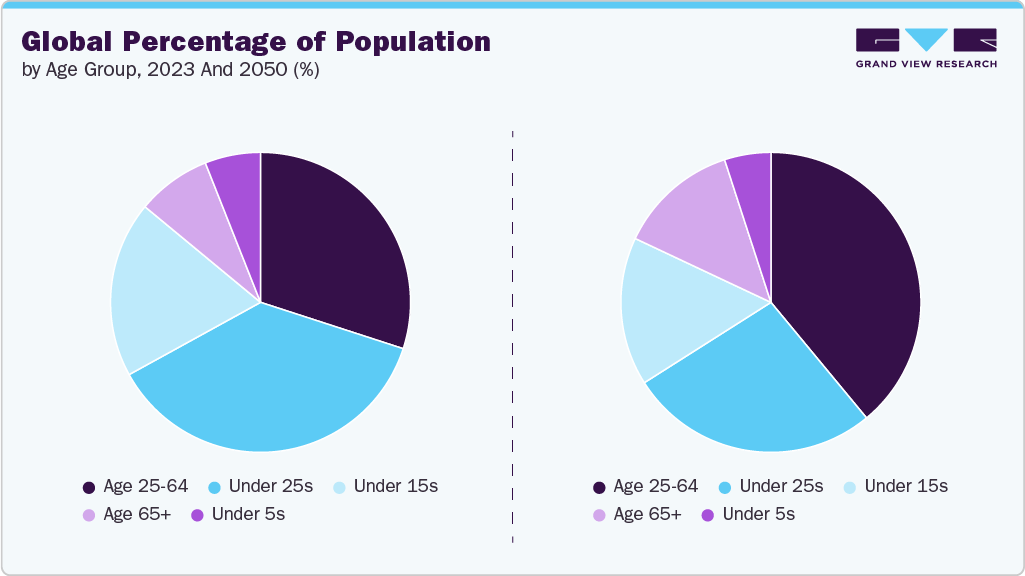
Increasing geriatric and diabetic populations are contributing to a higher incidence of ankle arthritis and deformities, driving surgical demand. In September 2024, Stryker expanded its Foot & Ankle portfolio in the U.S. with the Osteotomy Truss System for foot osteotomies and the Ankle Truss System for tibiotalocalcaneal fusions and total ankle procedures.The growing number of older adults worldwide drives the rising demand for orthopedic ankle and foot reconstruction. Osteoarthritis, degenerative joint abnormalities, and persistent foot conditions that demand surgical treatment are more common in older adults. The need for surgeries such as total ankle replacement, midfoot and hindfoot fusions, and deformity corrections is fueled by an aging population that has an increased likelihood of musculoskeletal degenerative disease. In January 2024, according to the CDC, about 33 million U.S. adults had osteoarthritis, causing joint pain, stiffness, and swelling, with a higher risk in older adults, women, those with obesity, joint injuries, or a family history.
 To learn more about this report, Download Free Sample Report
Minimally invasive techniques enhance results and shorten recovery periods. To minimize operative trauma and hasten recovery, surgeons are increasingly employing less invasive methods for tendon reconstructions, fusions, and corrective osteotomies. In August 2025, DePuy Synthes launched the TriLEAP Lower Extremity Anatomic Plating System across the U.S., offering low-profile, procedure-specific plates for forefoot and midfoot reconstruction, bunion, and fracture fixation surgeries. The system enhances precision and customization for diverse foot anatomies.
Advances in surgical technology, such as computer-assisted navigation and preoperative planning tools, are improving precision and predictability in complex reconstructions. By improving patient outcomes and decreasing revisions, these tools assist surgeons in optimizing implant placement, alignment, and fixation. In March 2025, Paragon 28 showcased its new portfolio at the ACFAS Annual Conference, including SMART 28 Portal, APEX 3D Stemmed Tibial, Phantom Fibula Nail, R3FLEX, FJ2000, and PRECISION MIS Bunion System.
 To learn more about this report, Download Free Sample Report
Market Dynamics
The market is driven by the rising prevalence of degenerative joint diseases, trauma injuries, and deformities, along with the growing adoption of minimally invasive surgical techniques and next-generation implant systems.
The growing geriatric population is a key driver of the global foot and ankle reconstruction devices market. Aging is closely associated with a higher prevalence of degenerative musculoskeletal conditions and lower extremity disorders. Older adults are more susceptible to osteoarthritis, osteoporosis, tendon degeneration, and deformities that compromise joint function and mobility, increasing the need for surgical reconstruction. Foot and ankle reconstruction procedures, including total ankle replacement (TAR), hindfoot and midfoot fusion, fracture fixation, and deformity correction, are increasingly performed to restore function, alleviate pain, and improve quality of life. According to the U.S. Centers for Disease Control and Prevention (CDC), approximately 33 million adults in the U.S. were living with osteoarthritis by December 2024. Similarly, the Osteoarthritis (OA) Action Alliance projects the prevalence of osteoarthritis in the U.S. to rise to 72 million by 2030 and 78 million by 2040.
The risk increases significantly among older individuals, women, people with obesity, and those with previous joint injuries or a family history of the disease. As life expectancy continues to increase globally, healthcare systems are witnessing a growing volume of patients requiring advanced orthopedic interventions, creating sustained demand for innovative reconstruction devices that offer improved fixation, durability, and long-term clinical outcomes.
Aging Population and Degenerative Burden
• Osteoporosis-related fractures: Around 25% of ankle fractures in patients >60 years are associated with osteoporosis, particularly ankle and calcaneal fractures. These often require dedicated fixation plates and intramedullary nails.
• Degenerative ankle osteoarthritis (OA): Prevalence is estimated at ~3.4% of the global adult population, with post-traumatic cases showing higher rates. This fuels demand for fusion systems and total ankle replacement (TAR) implants as alternatives to long-term conservative care.
• Tendon degeneration: Aging contributes to weakening of tendons, raising the risk of Achilles tendon ruptures. Incidence is 5-10 per 100,000 annually, with higher risk in men aged 30-50 and in elderly populations with degenerative tendinopathy. This sustains demand for Achilles repair anchors and scaffolds.
Increasing Adoption of Minimally Invasive SurgeriesMinimally invasive techniques enhance results and shorten recovery periods. To minimize operative trauma and hasten recovery, surgeons are increasingly employing less invasive methods for tendon reconstructions, fusions, and corrective osteotomies. In August 2025, DePuy Synthes launched the TriLEAP Lower Extremity Anatomic Plating System across the U.S., offering low-profile, procedure-specific plates for forefoot and midfoot reconstruction, bunion, and fracture fixation surgeries. The system enhances precision and customization for diverse foot anatomies.
Advances in surgical technology, such as computer-assisted navigation and preoperative planning tools, are improving precision and predictability in complex reconstructions. By improving patient outcomes and decreasing revisions, these tools assist surgeons in optimizing implant placement, alignment, and fixation. In March 2025, Paragon 28 showcased its new portfolio at the ACFAS Annual Conference, including SMART 28 Portal, APEX 3D Stemmed Tibial, Phantom Fibula Nail, R3FLEX, FJ2000, and PRECISION MIS Bunion System.
Advancements in Foot and Ankle Reconstruction: Global Technology, Patient-Centric Models, and Research Innovation
• Robotics & Computer Navigation
• Robotic-assisted surgery is increasingly applied in complex reconstructions, particularly for deformity corrections and total ankle replacements. Robotics and computer navigation improve implant positioning, plate alignment, and screw placement, reducing revision surgeries and enhancing post-operative outcomes. Real-time intraoperative feedback allows surgeons to adjust fixation strategies precisely.
• Artificial Intelligence (AI)
AI is being leveraged to improve surgical planning, imaging interpretation, and predictive modeling:
• Imaging Interpretation: Deep learning algorithms help with accurate pre-operative planning by identifying subtle deformities and intricate ankle or midfoot misalignments.
• Predictive Modeling: AI predicts functional results and rehabilitation schedules, allowing for individualized post-operative care.
• Surgical Planning: Simulation tools help select optimal implants, determine screw trajectories, and predict construct stability, improving reconstruction reliability.
Case Study: Fourth Generation Minimally Invasive Hallux Valgus Surgery - Vertical Screw Orientation Variant
Abstract:
Minimally invasive bunion surgery (MIBS) is increasingly preferred for hallux valgus correction due to smaller incisions, faster recovery, and reduced pain. This study evaluates a technical variation in screw orientation for fourth-generation MIBS, comparing traditional horizontal screws with a vertical (sagittal plane) orientation for potential advantages.
Methods:
• Retrospective review of 50 feet in 48 patients (Jan 2021 - Dec 2024).
• Procedures performed by fellowship-trained surgeons.
• Outcomes measured: VAS pain scores, forefoot and midshaft widths, and complications.
• Comparison between horizontal vs vertical screw orientation.
Surgical Technique Highlights:
• Transverse osteotomy at the metatarsal metaphyseal-diaphyseal junction.
• Two fully-threaded screws placed either horizontally or vertically.
• Use of high-torque low-speed Shannon burr for bone resection.
• Immediate weight-bearing in removable walking boot; full activity after ~12 weeks.
Results:
• Significant decrease in VAS scores from ~6.55 pre-op to 2.14 post-op in both groups.
• Forefoot width decreased similarly (7.2 mm).
• Vertical screw orientation showed minimal increase in midshaft width (0.1 mm vs 0.5 mm horizontal).
• Two complications (first metatarsal fracture with screw cut-out) occurred, one in each group; three hardware removals in horizontal group.
Discussion:
• Vertical screw orientation provides potential benefits including better cortical purchase, maintenance of midshaft width, and more aggressive medial flare resection.
• Biomechanically theorized to improve construct stability, though formal testing is needed.
• MIBS continues to grow, with multiple innovations improving outcomes and reducing complications.
Conclusion:
Vertical screw orientation is a viable variation of fourth-generation MIBS, offering technical advantages while maintaining comparable patient outcomes. Further studies and biomechanical analyses are recommended to validate these benefits.
The foot and ankle reconstruction devices market is subject to stringent regulatory requirements due to the critical role these implants play in restoring musculoskeletal function and ensuring long-term patient safety. Manufacturers must comply with regulations established by authorities such as the U.S. Food and Drug Administration (FDA), the European Union Medical Device Regulation (EU MDR 2017/745), and other regional regulatory agencies. Obtaining market approval requires comprehensive preclinical testing, clinical evidence, biocompatibility assessments, and compliance with quality management standards. These extensive regulatory processes increase product development timelines, delay commercialization, and raise overall development costs for manufacturers.
Regulatory expectations continue to evolve with greater emphasis on clinical performance, post-market surveillance, traceability, and real-world evidence generation for orthopedic implants. Manufacturers are required to continuously monitor device safety and effectiveness throughout the product lifecycle, maintain detailed technical documentation, and report adverse events. Compliance with changing regulatory standards often necessitates additional investments in clinical studies, manufacturing upgrades, and regulatory expertise. Smaller manufacturers may face greater challenges in meeting these obligations, limiting innovation and delaying the introduction of new foot and ankle reconstruction technologies into global markets.
Market Concentration & Characteristics
The degree of innovation in the foot and ankle reconstruction devices industry is high. It is driven by advancements in implant design, patient-specific solutions, and minimally invasive surgical techniques. In December 2022, Arthrex, Inc. launched the Arthrex Minimally Invasive Bunionectomy System, offering faster recovery, less pain, and fewer scars than traditional bunion surgery.
The level of M&A activity in the foot and ankle reconstruction devices industry is moderate. Strategic acquisitions that strengthen regional presence, acquire the latest innovations, and expand product portfolios drive the industry. In January 2025, Fusion Orthopedics acquired Metalogix External Fixation Systems, adding circular and dynamic frames, mini-rail systems, and advanced external fixation technology to its portfolio.
 To learn more about this report, Download Free Sample Report
Regulations significantly impact the industry for foot and ankle reconstruction devices, as new implants and reconstruction devices must meet stringent safety and effectiveness requirements to be approved and used in clinical settings. In addition to influencing product launch schedules and market dynamics by directing innovation and adoption strategies, adherence to these regulations guarantees patient safety.
Product and service expansion in the foot and ankle reconstruction devices industry is moderate, with companies introducing advanced implants, fusion systems, and biologic adjuncts to broaden procedural applications. In November 2023, NovaBone launched its first foot and ankle-specific bioglass syringe, available in 2.5 cc and 5 cc sizes, to deliver 45S5 bioactive glass putty for targeted bone defect repair and enhanced osseointegration in reconstructive foot and ankle procedures.
Regional expansion in the foot and ankle reconstruction devices industry is moderate, focusing on areas with growing demand such as North America, Europe, and select Asia-Pacific countries. To support market expansion and better access to the latest solutions, businesses are investing in areas with aging populations, rising surgical adoption rates, and growing awareness of sophisticated reconstruction techniques. Companies can also modify their training programs and product offerings by implementing targeted regional strategies to meet local clinical needs.
Analyst Perspective
The foot and ankle reconstruction devices market is benefiting from the increasing incidence of trauma, sports-related injuries, deformities, diabetic foot complications, and degenerative conditions. Rising demand for total ankle replacement, advanced fixation systems, and minimally invasive reconstructive procedures is driving innovation across implant design, biologics, and surgical technologies. Growth in ambulatory surgery centers and improvements in surgical techniques are further accelerating adoption. Competition is increasingly focused on comprehensive procedure-specific portfolios that integrate implants, orthobiologics, digital preoperative planning, and minimally invasive surgical solutions. Established orthopedic manufacturers continue to strengthen their market position through acquisitions, product launches, and surgeon education initiatives. Specialized companies compete by delivering innovative fixation systems and regenerative technologies for complex reconstruction procedures. Vendors capable of demonstrating strong clinical outcomes are expected to maintain a competitive advantage. Expanding outpatient surgery support and offering differentiated implant technologies are further strengthening competitive positioning. Demand for personalized, less-invasive foot and ankle reconstruction continues to grow. These trends are expected to support continued growth in the foot and ankle reconstruction devices market.
Application Insights
By application, the hallux valgus / bunion correction segment held the largest market share of 31.4% in 2025. The dominance of this segment is driven by the high prevalence of bunion deformities, increasing patient awareness, and the availability of advanced surgical implants and fixation systems that improve functional outcomes and reduce recovery time. Minimally invasive techniques and improved post-operative rehabilitation protocols are further increasing adoption of corrective procedures in this segment. In October 2025, SINTX Technologies received FDA clearance for its SINAPTIC Foot & Ankle Osteotomy Wedge System, enabling its U.S. launch. The system, made from silicon nitride, is designed to enhance precision and outcomes specifically for hallux valgus corrective procedures.
The hammertoe correction segment is anticipated to witness the fastest growth with a CAGR over the forecast period due to rising incidence of toe deformities, greater adoption of minimally invasive techniques, and growing demand for procedures that enhance mobility and quality of life. Expanded use of patient-specific implants and increased awareness of the long-term complications of untreated hammertoes are contributing to higher procedure volumes and revenue growth. In September 2023, Forma Medical launched OptimalHT, the first minimally invasive surgical system for hammer toe correction, offering specialized instrumentation for precise wire placement through the affected bones.
End Use Insights
By end use, the hospitals segment held the largest market share of 59.7% in 2025. This dominance is attributed to the availability of advanced surgical infrastructure, well-equipped operating rooms, and highly skilled orthopedic surgeons capable of performing complex reconstructive procedures. In March 2025, a 64-year-old patient was provided pain-free mobility after Narayana Health City in Bengaluru performed the first mobile bearing Total Ankle Replacement (TAR) surgery in the city, providing a movement-preserving substitute for ankle fusion.
 To learn more about this report, Download Free Sample Report
The outpatient facilities (ambulatory surgical centers, etc.) segment is expected to witness the fastest growth with a CAGR over the forecast period due to increasing adoption of minimally invasive surgical techniques, shorter recovery times, and the growing trend of performing elective reconstruction procedures in ambulatory settings. Improved efficiency, lower procedural costs, and enhanced patient convenience are driving higher procedure volumes in outpatient centers. In July 2025, to emphasize quicker recovery and less invasive methods, the Ambulatory Surgery Center of Bala Cynwyd focused on outpatient procedures, such as fracture fixation, Achilles tendon repair, and bunion correction.
Regional Insights
North America dominated the foot and ankle reconstruction devices market with the largest revenue share of 47.9% in 2025. This is driven by the high prevalence of degenerative conditions, advanced healthcare infrastructure, and widespread adoption of minimally invasive procedures. Strong reimbursement systems and well-trained surgeons support the high procedure volumes. The region continues to lead in the adoption of technologically advanced reconstruction solutions. In September 2024, Enovis unveiled the Tarsoplasty Percutaneous Lapidus System and showcased the Better Step patient platform, emphasizing advanced foot & ankle reconstruction solutions.
 To learn more about this report, Download Free Sample Report
U.S. Foot And Ankle Reconstruction Devices Market Trends
The foot and ankle reconstruction devices market in the U.S. held the largest share in the North America region in 2025. The rising incidence of deformities, the increasing geriatric population, and the demand for corrective surgeries such as total ankle replacements and fusions support growth. In April 2025, the FDA 510(k) cleared Medline UNITE's REFLEX HYBRID Nitinol Implant System. This system combines locking plate stability and nitinol staple compression for MTP fusions and Lapidus procedures, giving surgeons greater accuracy and simpler implantation.
Europe Foot And Ankle Reconstruction Market Trends
The foot and ankle reconstruction devices market in Europe is expected to grow significantly over the forecast period. Demand is fueled by aging populations, high prevalence of foot deformities, and increasing adoption of advanced reconstruction implants. In November 2024, according to a BMC Musculoskeletal Disorders article, out of 2,784 Swedish children with cerebral palsy, 58% had valgus foot deformities, and 6% had varus foot deformities. Younger children and those with higher GMFCS levels were likelier to have valgus foot deformities.
The foot and ankle reconstruction devices industry in the UK is expected to grow significantly during the forecast period. The main drivers are the growth of specialized orthopedic centers and the growing application of minimally invasive reconstruction methods. Adoption is aided by growing patient awareness and the practical advantages of corrective measures. Procedure volumes are further increased by easier access to surgical technologies. In May 2024, Stryker performed the first surgeries in Europe using its Infinity Total Ankle System with Adaptis and Everlast technology, which incorporates Prophecy Surgical Planning for accurate and effective ankle arthroplasty.
Asia Pacific Foot And Ankle Reconstruction Devices Market Trends
The Asia Pacific foot and ankle reconstruction devices industry is expected to register the fastest growth rate over the forecast period. The primary factors are the growing prevalence of post-traumatic and degenerative foot disorders and the development of new hospital facilities. The quality of the procedure is improved by investments in the latest surgical instruments and training. In February 2025, FootSecure became the third facility in India to offer Minimally Invasive Foot and Ankle Surgery (MIFAS), providing small-incision procedures for hallux valgus (bunions) that reduce tissue damage and speed up recovery.
China foot and ankle reconstruction devices market is anticipated to register considerable growth during the forecast period. The adoption of new surgical techniques and growing hospital networks are the main drivers of growth. Increased access to healthcare and awareness-raising initiatives help fuel market growth. In July 2025, an international expert visited Foshan Hospital of TCM, providing surgical guidance, case discussions, and lectures on complex reconstruction, including flatfoot, talus nonunion, and hallux valgus.
Latin America Foot And Ankle Reconstruction Devices Market Trends
The Latin America foot and ankle reconstruction devices industry is anticipated to witness considerable growth over the forecast period. The market is driven by increasing healthcare investments and rising demand for corrective reconstruction procedures. Expanding hospital infrastructure and orthopedic specialty centers improve accessibility. In May 2023, Exactech performed the first total ankle replacement surgeries in South America using the Vantage Total Ankle Fixed Bearing System.
Brazil foot and ankle reconstruction devices industry is anticipated to register considerable growth during the forecast period. Expansion of healthcare infrastructure and the availability of orthopedic specialists drive the market. Rising awareness of deformity treatments supports procedural adoption. Investment in advanced foot and ankle reconstruction devices industry further enhances market growth. In August 2023, a Brazilian surgeon corrected a complex ankle deformity, showcasing advanced surgical expertise and innovative techniques in pediatric care.
Middle East & Africa Foot And Ankle Reconstruction Devices Market Trends
The Middle East and Africa foot and ankle reconstruction devices market is anticipated to witness considerable growth over the forecast period. The market is driven by rising healthcare spending and investments in modern orthopedic facilities, growing demand for corrective procedures, and an expanding trained surgical workforce that improves accessibility and outcomes. In January 2023, the first dedicated limb lengthening and orthopedic reconstruction clinic opened at UAE, focusing on complex pediatric and adult deformity correction procedures.
UAE foot and ankle reconstruction devices industry is anticipated to register considerable growth during the forecast period. New hospital facilities and the growing use of innovative surgical methods support growth. Procedural uptake is driven by increased awareness among physicians and patients. Investments in latest reconstruction tools and training also help the market grow. In February 2024, Auxein Medical highlighted its arthrodesis plates and distal tibia nails, at Arab Health 2024, emphasizing global clinical trials and surgical precision.
Key Foot And Ankle Reconstruction Devices Company Insights
Key participants in the foot and ankle reconstruction devices industry are focusing on devising innovative business growth strategies, such as expanding their product portfolios, partnerships and collaborations, mergers and acquisitions, and expanding their business footprints.
Key Foot And Ankle Reconstruction Devices Companies:
The following key companies have been profiled for this study on the foot and ankle reconstruction devices market.
-
Smith+Nephew
-
Arthrex, Inc.
-
DePuy Synthes (Johnson & Johnson)
-
CONMED Corporation
-
Stryker
-
Globus Medical
-
Anika Therapeutics, Inc
-
Zimmer Biomet
-
Orthofix, Inc.
-
Enovis Corp.
-
Acumed LLC
Competitive Benchmarking
Category
Operating Strategies
Competitive Edge
Weakness
Established Players (Stryker, DePuy Synthes (Johnson & Johnson), Zimmer Biomet, Smith+Nephew, Arthrex, Inc.)
- Expand foot and ankle reconstruction portfolios through continuous product innovation, strategic acquisitions, surgeon education programs, and partnerships with hospitals and ambulatory surgery centers (ASCs). Invest in advanced plating systems, total ankle replacement (TAR) implants, biologics, minimally invasive fixation technologies, patient-specific instrumentation, and digital surgical planning solutions to strengthen market leadership.
- Strong global brand recognition, comprehensive foot and ankle product portfolios, extensive clinical evidence, and established relationships with orthopedic surgeons and healthcare institutions. Robust R&D capabilities, global distribution networks, regulatory expertise, and integrated trauma, reconstruction, and sports medicine offerings enable broad market penetration and high surgeon adoption.
- High development and regulatory compliance costs associated with orthopedic implants and reconstructive technologies may affect pricing flexibility. Premium-priced implant systems and complex product portfolios may limit adoption in cost-sensitive healthcare settings and smaller orthopedic practices.
Emerging & Specialized Players (Globus Medical, Orthofix, Inc., Enovis Corp., Acumed LLC, CONMED Corporation, Anika Therapeutics, Inc.)
- Focus on specialized foot and ankle reconstruction solutions, including fixation systems, orthobiologics, regenerative technologies, minimally invasive implants, and procedure-specific instrumentation. Leverage targeted product innovation, strategic partnerships, surgeon-focused training, and expansion into high-growth outpatient orthopedic markets to strengthen competitive positioning.
- Greater agility in developing procedure-specific implants and specialized reconstruction solutions tailored to complex foot and ankle conditions. Ability to rapidly introduce innovative fixation technologies, biologic adjuncts, and minimally invasive surgical solutions while providing focused clinical support for orthopedic specialists.
- Smaller global footprint, narrower product portfolios, and lower financial resources compared to multinational orthopedic leaders. Limited brand recognition in certain international markets and fewer large-scale hospital procurement contracts may constrain market expansion and competitive positioning.
Recent Developments
-
In September 2025, Treace Medical Concepts highlighted new product innovations and presented updated clinical data at the AOFAS Annual Meeting, focusing on the Lapiplasty 3D Bunion Correction and Adductoplasty Midfoot Correction systems. The company showcased minimally invasive and fusion solutions designed to improve surgical outcomes and accelerate return to weight-bearing for patients.
-
In September 2025, Zimmer Biomet showcased its foot and ankle portfolio at the AOFAS Annual Conference, highlighting reconstruction-relevant solutions including the PRECISION MIS Bunion System for triplanar bunion correction and the APEX 3D S Stemmed Tibial Implant for total ankle replacement.
-
In February 2025, Smith+Nephew launched its innovative foot and ankle repair portfolio in Australia and New Zealand, introducing ULTRABRIDGE Adjustable Achilles Reconstruction and ULTRABRACE Adjustable Ankle Instability Techniques. The adjustable tensioning technology allows surgeons to optimize suture tension post-anchor insertion, improving precision and patient-specific outcomes.
Foot And Ankle Reconstruction Devices Market Report Scope
Report Attribute
Details
Market size in 2025
USD 1.8 billion
Estimated market size in 2026
USD 1.9 billion
Projected market size by 2033
USD 3.3 billion
Growth rate
CAGR of 8.3% from 2026 to 2033
Historical data
2021 - 2025
Forecast period
2026 - 2033
Quantitative units
Revenue in USD million/billion and CAGR from 2026 to 2033
Report coverage
Revenue forecast, company ranking, competitive landscape, growth factors, and trends
Segments covered
Application, end use, region
Regional scope
North America; Europe; Asia Pacific; Latin America; MEA
Country scope
U.S.; Canada; Mexico; Germany; UK; France; Italy; Spain; Norway; Denmark; Sweden; China; Japan; India; South Korea; Australia; Thailand; Brazil; Argentina; Saudi Arabia; South Africa; UAE; Kuwait
Key companies profiled
Smith+Nephew; Arthrex, Inc.; DePuy Synthes (Johnson & Johnson); CONMED Corporation; Stryker; Globus Medical; Anika Therapeutics, Inc; Zimmer Biomet; Orthofix, Inc.; Enovis Corp.; Acumed LLC
Customization scope
Free report customization (equivalent up to 8 analysts' working days) with purchase. Addition or alteration to country, regional & segment scope.
Pricing and purchase options
Avail customized purchase options to meet your exact research needs. Explore purchase options
Global Foot And Ankle Reconstruction Devices Market Report Segmentation
This report forecasts revenue growth and provides at global, regional, and country levels an analysis of the latest trends in each of the sub-segments from 2021 to 2033. For this report, Grand View Research has segmented the global foot and ankle reconstruction devices market report based on application, end use, and region:
 To learn more about this report, Download Free Sample Report
-
Application Outlook (Revenue USD Million, 2021 - 2033)
-
Hallux Valgus / Bunion Correction
-
Hammertoe Correction
-
Midfoot Reconstruction
-
Hindfoot & Ankle Reconstruction
-
Total Ankle Replacement (TAR)
-
Toe Joint Replacement
-
-
End Use Outlook (Revenue USD Million, 2021 - 2033)
-
Hospitals
-
Outpatient Facilities
-
Specialty Orthopedic Centers
-
-
Regional Outlook (Revenue, USD Million, 2021 - 2033)
-
North America
-
U.S.
-
Canada
-
Mexico
-
-
Europe
-
UK
-
Germany
-
France
-
Italy
-
Spain
-
Denmark
-
Sweden
-
Norway
-
-
Asia Pacific
-
Japan
-
China
-
India
-
Australia
-
South Korea
-
Thailand
-
-
Latin America
-
Brazil
-
Argentina
-
-
Middle East & Africa
-
South Africa
-
Saudi Arabia
-
UAE
-
Kuwait
-
-
Research Methodology
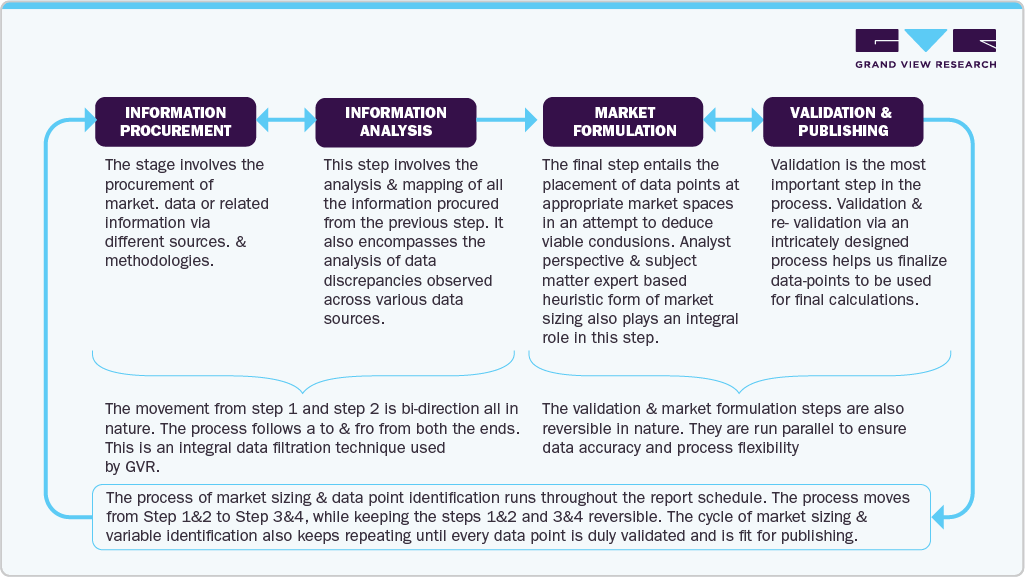
The foot and ankle reconstruction devices market figures in this report are based on a proven research process that combines executive interviews with secondary research from proprietary databases, company filings, and recognized regulatory and institutional sources. Market size is built through value-chain sizing - reconciling supply-side and demand-side estimates - and triangulated with bottom-up and top-down approaches. Every estimate passes multiple levels of expert validation before publication, with each foot and ankle reconstruction devices segment quantified using the revenue-capture definitions in the table below.
Segment Definition
Segment - Application
Revenue capture definition
Hallux Valgus / Bunion Correction
Reconstruction devices used to correct hallux valgus (bunion) deformities by restoring the alignment of the first metatarsal and great toe. These include plates, screws, staples, intramedullary fixation systems, and osteotomy implants designed to stabilize bone following corrective surgery.
Hammertoe Correction
Implant systems used to treat hammertoe deformities by realigning and stabilizing the affected interphalangeal joints. These devices include intramedullary implants, fixation pins, screws, and fusion systems that help restore normal toe function and relieve pain.
Midfoot Reconstruction
Devices used to reconstruct and stabilize the midfoot following trauma, arthritis, Charcot foot, or deformity. Products include fusion plates, locking screws, compression staples, and fixation systems designed for procedures involving the tarsometatarsal and naviculocuneiform joints.
Hindfoot & Ankle Reconstruction
Reconstruction devices used to restore alignment and stability of the hindfoot and ankle in patients with severe arthritis, deformity, instability, or post-traumatic conditions. These include arthrodesis plates, intramedullary nails, locking screws, compression devices, and fixation systems used in complex reconstructive procedures.
Total Ankle Replacement (TAR)
Prosthetic implant systems designed to replace the damaged ankle joint with artificial tibial and talar components, preserving joint motion while reducing pain associated with end-stage ankle arthritis or severe joint degeneration.
Toe Joint Replacement
Artificial joint implants used to replace diseased or damaged toe joints, particularly the first metatarsophalangeal (MTP) joint. These devices help restore joint mobility, relieve pain, and improve functional outcomes in patients with arthritis or degenerative joint disease.
Segment - End Use
Revenue capture definition
Hospitals
Public and private hospitals that perform a wide range of foot and ankle reconstructive procedures, including deformity correction, arthrodesis, total ankle replacement, and complex revision surgeries. Hospitals possess the specialized orthopedic infrastructure and multidisciplinary teams required for advanced reconstructive care.
Outpatient Facilities
Ambulatory surgery centers and outpatient surgical facilities that perform minimally invasive and elective foot and ankle reconstruction procedures without requiring overnight hospitalization. These facilities emphasize shorter recovery times, lower procedural costs, and efficient patient management.
Specialty Orthopedic Centers
Dedicated orthopedic and podiatric centers specializing in the diagnosis, surgical treatment, and rehabilitation of foot and ankle disorders. These centers provide advanced reconstructive procedures, sports medicine services, deformity correction, and postoperative care using specialized surgical expertise and technologies.
Estimation Model
Market Estimation Process:
 To learn more about this report, Download Free Sample Report
Market-specific Research Models:
Consensus-Based Estimates & Forecasting
The foot and ankle reconstruction devices market presents emerging to dominant opportunities, featuring global key players such as Smith+Nephew; Arthrex, Inc.; DePuy Synthes (Johnson & Johnson); CONMED Corporation; Stryker; Globus Medical; Anika Therapeutics, Inc; Zimmer Biomet; Orthofix, Inc.; Enovis Corp.; Acumed LLC. To ensure a holistic approach, the GVR research team adopted a comprehensive methodology, considering multiple companies worldwide and utilizing various variables for data accuracy.
Our methodology included:
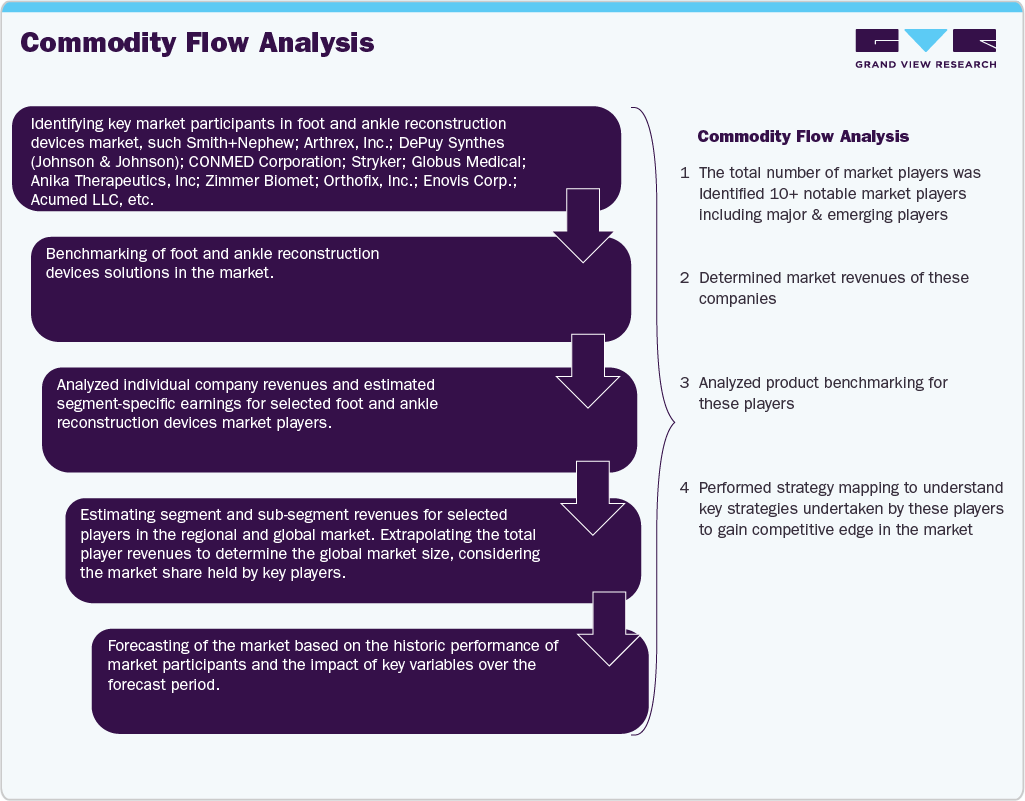
Model 1: Commodity Flow Analysis - For public players, annual reports were referenced. For private players, premium paid data sources such as S&P Global, Crunchbase, ZoomInfo, RocketReach, etc., were used for the latest revenue insights.
Model 2: Parent Market Analysis
Model 3: Country-level Multivariate Analysis Assumptions
Model 4: Segment-level Multivariate Analysis Assumptions
Model 5: Foot and Ankle Reconstruction Devices Market CAGR Calculations
 To learn more about this report, Download Free Sample Report
Commodity flow analysis was employed to track the movement of foot and ankle reconstruction devices through the value chain, from technology providers to end users. This analysis provided insights into demand generation points, intermediary roles, and ultimate consumption patterns.
Delivered Customizations
This report has been delivered with the following In-depth customizations
Client Request
Customization Delivered
Value Adds
Foot & Ankle Reconstruction Device Adoption & Surgical Procedure Analysis
Developed a tailored analysis of the global foot and ankle reconstruction devices market focused on fixation systems, fusion devices, total ankle replacement implants, soft tissue repair systems, bone graft substitutes, plates, screws, intramedullary devices, and biologic solutions used in reconstructive foot and ankle surgeries. The study assessed adoption trends across hospitals, orthopedic specialty centers, ambulatory surgical centers (ASCs), and sports medicine clinics while evaluating the increasing prevalence of osteoarthritis, trauma, diabetic foot deformities, sports injuries, and congenital foot abnormalities driving market growth.
Enables stakeholders to understand evolving reconstructive orthopedic treatment trends, identify high-growth device categories, assess procedure-driven demand opportunities, and evaluate the impact of technological innovation, demographic shifts, and disease prevalence on long-term market expansion.
Reconstruction Technologies, Clinical Outcomes & Orthopedic Innovation Assessment
Delivered a customized evaluation of foot and ankle reconstruction device utilization across hallux valgus (bunion) correction, hammertoe correction, midfoot reconstruction, hindfoot and ankle reconstruction, total ankle replacement, ligament reconstruction, tendon repair, and complex deformity correction procedures. The analysis assessed advancements in anatomically contoured implants, locking plate systems, patient-specific instrumentation, minimally invasive fixation technologies, bioabsorbable implants, 3D-printed orthopedic solutions, and bone graft substitutes. Additionally, it evaluated surgeon adoption patterns, surgical training focus areas, revision procedures, and technology adoption patterns among leading companies including Arthrex, Stryker, Smith & Nephew, Johnson & Johnson, CONMED Corporation, Zimmer Biomet, Wright Medical, Integra LifeSciences, Orthofix, and Acumed LLC.
Generates actionable insights into commercially relevant orthopedic segments, emerging orthopedic technologies, evolving clinical requirements, and physician adoption patterns, thereby driving increased focus on functional outcomes and increasing adoption of advanced reconstructive solutions.
Orthopedic Reconstruction Ecosystem, Regulatory Environment & Competitive Landscape Assessment
Conducted a focused assessment of the foot and ankle reconstruction devices ecosystem, including supplier and distributor networks, clinical innovation trends, regulatory landscape, and competitive benchmarking. The study analyzed product portfolios, R&D investments, and market positioning strategies across leading orthopedic device manufacturers including Stryker, Smith & Nephew, Wright Medical, Arthrex, Integra LifeSciences, Orthofix, Medtronic, DJO Global, Anika Therapeutics, Zimmer Biomet, Orthobond, Enovis, and Acumed LLC.
Supports strategic planning for product development, manufacturing investments, healthcare partnerships, clinical commercialization, regulatory compliance, and reimbursement strategies. Enables competitive benchmarking and market positioning analysis across the global foot and ankle reconstruction device landscape.
Frequently Asked Questions About This Report
The global foot and ankle reconstruction devices market is expected to grow at a compound annual growth rate of 8.3% from 2026 to 2033, reaching USD 3.3 billion by 2033.
The foot and ankle reconstruction devices industry is driven by the rising prevalence of degenerative joint diseases, trauma injuries, and deformities, along with the growing adoption of minimally invasive surgical techniques and next-generation implant systems.
The global foot and ankle reconstruction devices market size was estimated at USD 1.8 billion in 2025 and is expected to reach USD 1.9 billion in 2026.
North America dominated with a 47.9% revenue share in 2025.
The hospitals segment led with a 59.7% revenue share in 2025, while outpatient facilities (Ambulatory Surgical Centers, etc.) is the fastest-growing segment.
The hallux valgus / bunion correction systems segment led with a 31.4% revenue share in 2025, while hammertoe correction is the fastest-growing segment.
Some key players operating in the foot and ankle reconstruction devices market include Smith+Nephew; Arthrex, Inc.; DePuy Synthes (Johnson & Johnson); CONMED Corporation; Stryker; Globus Medical; Anika Therapeutics, Inc; Zimmer Biomet; Orthofix, Inc.; Enovis Corp.; Acumed LLC
About the Author(s)
Medical Devices Research Team
Healthcare · Medical DevicesThis report was authored by the medical devices research team at Grand View Research - comprising two research analysts, one senior research analyst, and one industry expert - with specialized expertise in the medical devices segment of the healthcare industry. All findings are based on proprietary healthcare databases, executive interviews, and regulatory analysis, subject to internal peer review prior to publication.
Last Updated:
Speak to Analyst

Customize this report to your needs - add regions, segments, or data points, with 20% free customization.
Or view our licence options:


ISO 9001:2015 & 27001:2022 Certified
We are GDPR and CCPA compliant! Your transaction & personal information is safe and secure. For more details, please read our privacy policy.


