
- Home
- »
- Clinical Diagnostics
- »
-
Hepatic Fibrosis Biomarkers Market Size Report, 2025-2033GVR Report cover

Hepatic Fibrosis Biomarkers Market (2025 - 2033)
Size, Share & Trends Analysis Report By Product (Blood-based Kits, Saliva-based Kits), By Technology (Immunofiltration Assays, Lateral Flow Assays), By End Use, By Region, And Segment Forecasts
Market Size, 2024
$423.5MMarket Estimate, 2026
$674.2MMarket Forecast, 2033
$2,291.7MCAGR, 2025–2033
20.0%Hepatic Fibrosis Biomarkers Market Summary
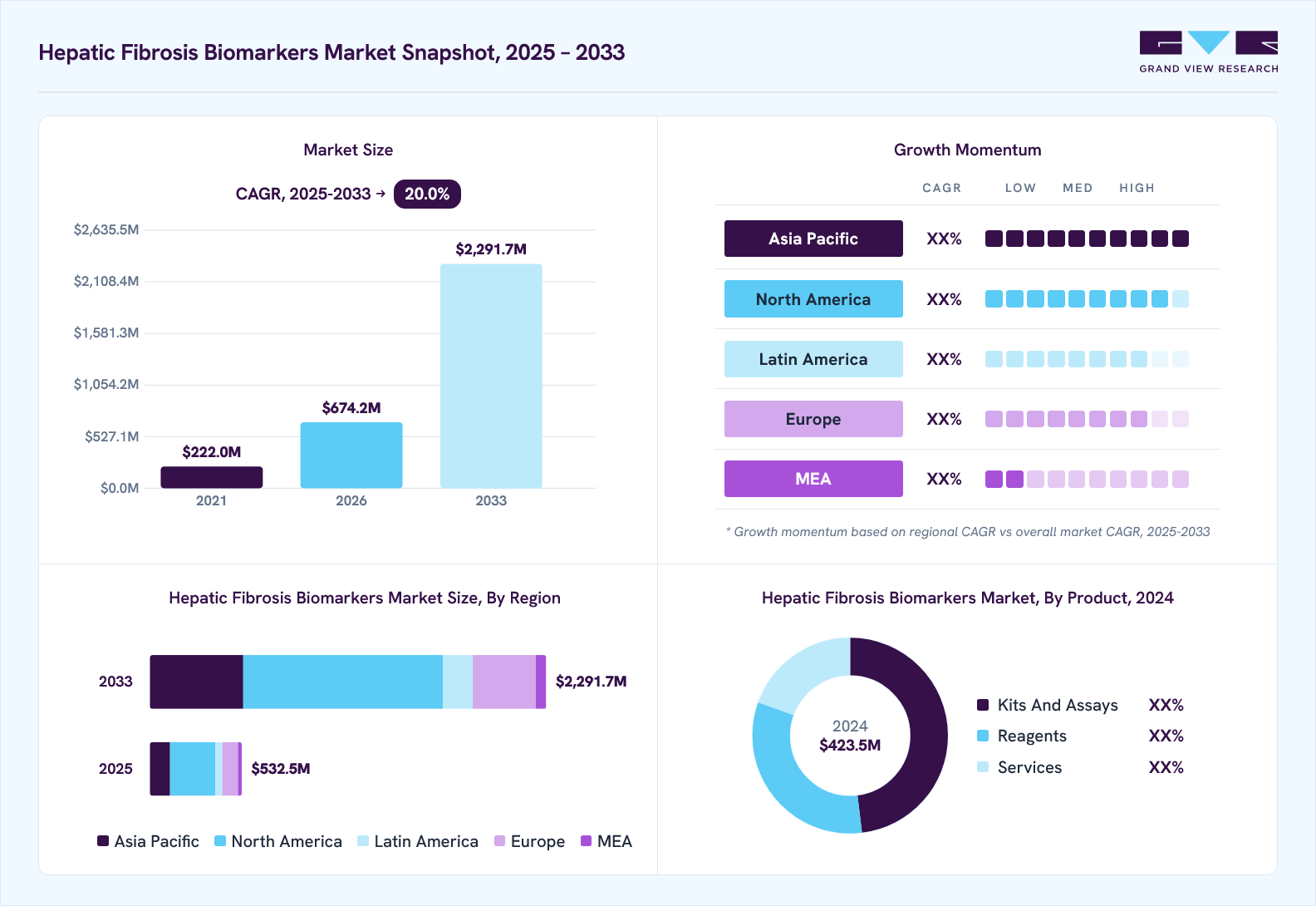
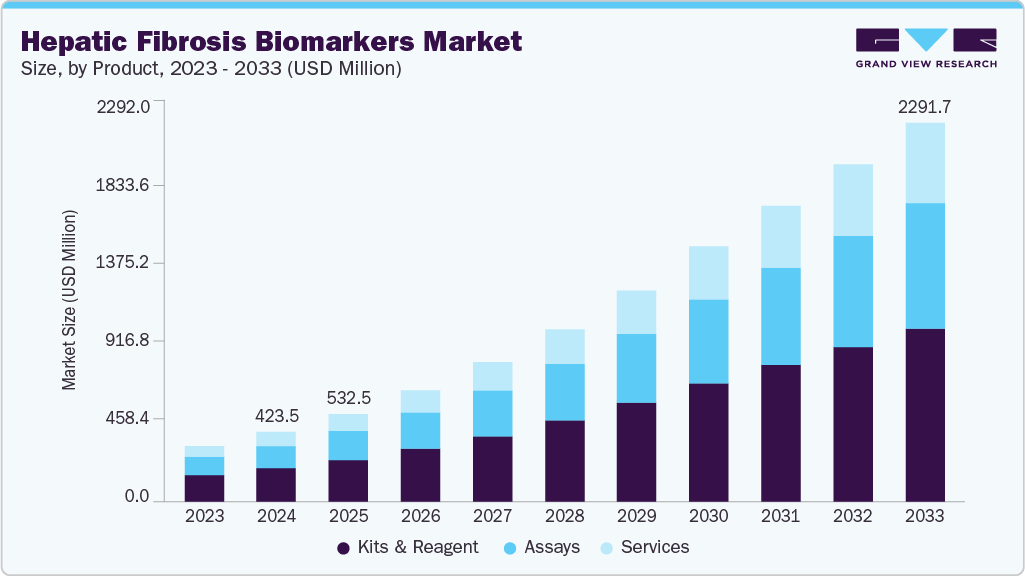
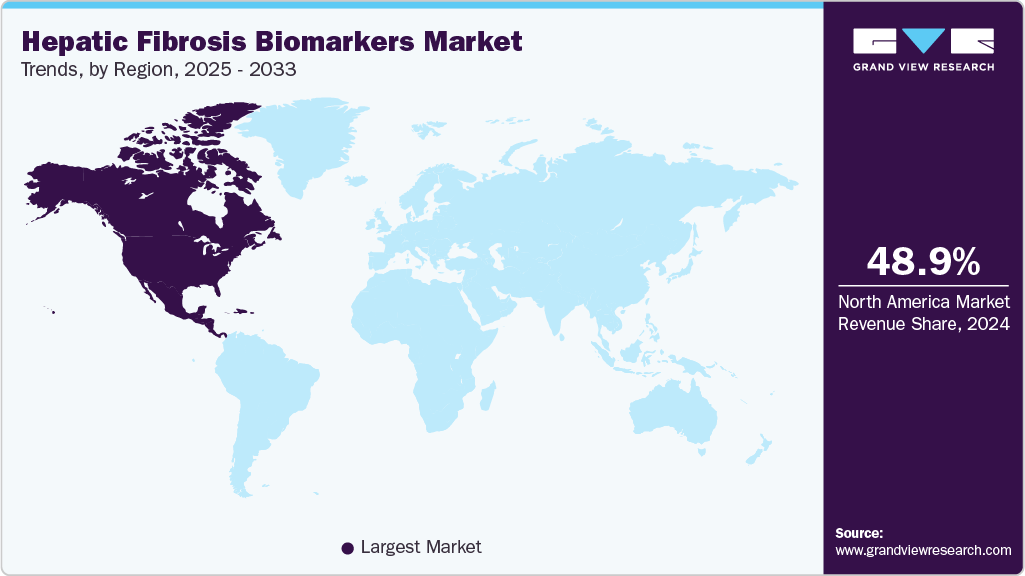
The global hepatic fibrosis biomarkers market size was valued at USD 423.5 million in 2024 and is projected to grow from USD 674.2 million in 2026 to USD 2,291.7 million by 2033, at a CAGR of 20.0% from 2025 to 2033. North America dominated the market, accounting for a revenue share of 48.9% in 2024. The rising prevalence of NASH, a consequence of obesity, sedentary lifestyles, and metabolic syndrome, has led to a greater focus on hepatic fibrosis biomarkers.
 Source: Grand View Research, IR Documents, Primary Interviews, Paid DatabasesTo learn more about this report,
 Download Free Sample Report
Key Market Trends & Insights
- The U.S. led the North America market and held the largest revenue share in 2024.
- Based on product, the kits and reagents segment led the market with the largest revenue share of 48.04% in 2024.
- Based on technology, the immunoassay segment led the market with the largest revenue share of 44.79% in 2024.
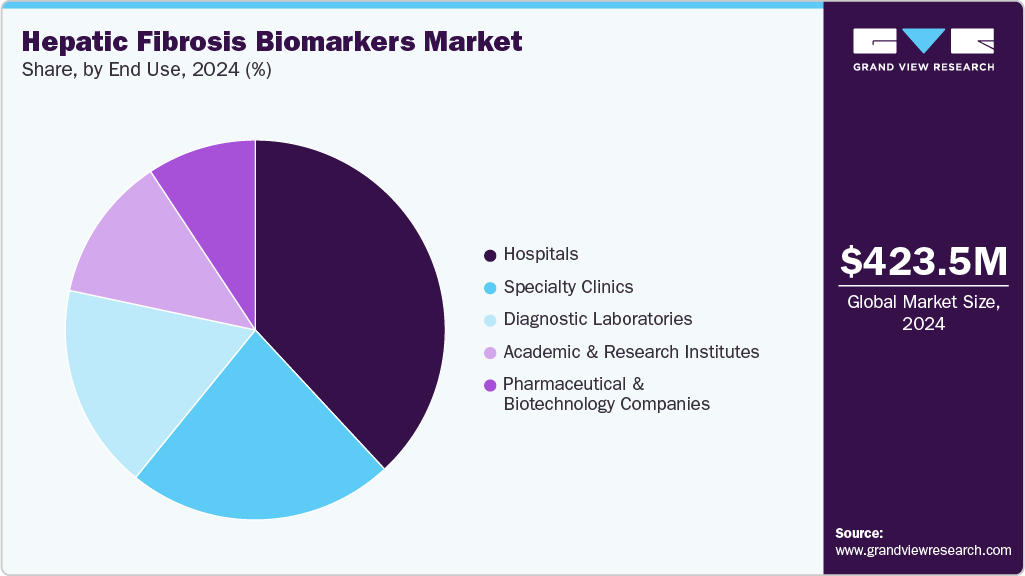
- Based on end use, the hospitals segment led the market with the largest revenue share of 38.09% in 2024.
Market Size & Forecast
- 2024 Market Size: USD 423.5 Million
- 2033 Projected Market Size: USD 2,291.7 Million
- CAGR (2025-2033): 20.0%
- North America: Largest market in 2024
Prism AI by Grand View Research Free to tryAsk a question about the hepatic fibrosis biomarkers marketTry asking✓Every figure cited from GVR research Prefer the report? Download free sample →
According to the study published in the National Institutes of Diabetes and Digestive and Kidney Diseases, NAFLD affects one-third to two-thirds of individuals with type 2 diabetes. Studies also indicate that over 90% of individuals with extreme obesity and up to 75% of overweight individuals have NAFLD. One of the key drivers propelling the demand for NASH-specific hepatic fibrosis biomarkers is the clinical significance of fibrosis staging. The risks and limitations associated with liver biopsies and non-invasive biomarkers offer a safer and more patient-friendly approach to monitoring hepatic fibrosis progression in NASH patients.As of the most recent estimates, approximately 3.3% of the global population is living with advanced hepatic fibrosis, with rates rising to around 3.5% when measured using vibration-controlled transient elastography (VCTE). Non-alcoholic fatty liver disease (NAFLD), recently redefined as metabolic dysfunction-associated steatotic liver disease (MASLD), affects about 25% of the world’s population, with prevalence increasing to 38% in certain regions between 2016 and 2019 due to rising obesity and type 2 diabetes rates.
 To learn more about this report, Download Free Sample Report
The adoption of tests such as ELF, FIB-4, NAFLD fibrosis score, APRI, and FibroTest/FibroSure, alongside emerging multi-marker panels like IGFBP7/SSc5D/Sema4D, is enabling earlier detection, accurate staging, and reduced reliance on invasive liver biopsies. These advancements, combined with rising screening initiatives, are positioning hepatic fibrosis biomarkers as a central tool in tackling the global liver disease epidemic.
The dynamics of liver fibrosis are specifically targeted by noninvasive biomarkers of liver condition, such as NASH, which offer a novel tool to assess a patient's disease progression. Such indicators for liver illness could be applied to patient risk classification as well as prognostic enrichment of clinical trials aimed at the individuals with the highest risk, improving the likelihood of success. These blood biomarkers are also accurate indicators of the dynamics of liver fibrosis and can be used to gauge the success of a given treatment. Nordic Bioscience NASH specialists can examine a precise panel of liver fibrosis biomarkers, including the biomarker PRO-C3 NASH, which offers insight into the course of the illness.
In addition to these advancements, GENFIT unveiled NASHnext, an innovative, noninvasive diagnostic test driven by GENFIT's NIS4 Technology. This test, exclusively available in the U.S. and Canada through LabCorp, a global leader in life sciences, harnesses a unique blood-based molecular biomarker test to identify individuals with at-risk NASH who possess at least one metabolic risk factor. This breakthrough enhances the diagnostic & prognostic capabilities of NASH patients, offering a promising avenue for improved disease management and clinical trial success.
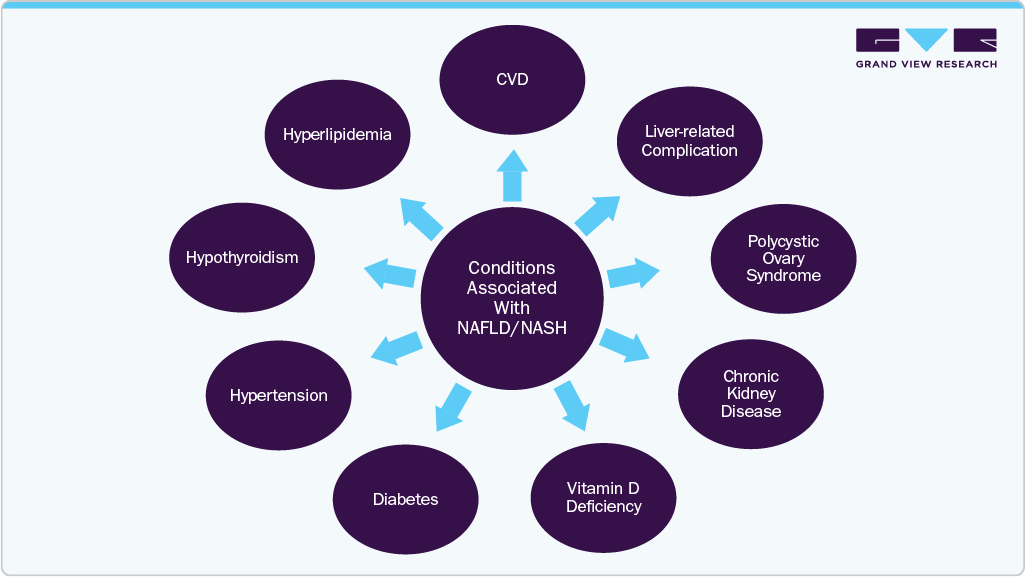
Several chronic diseases are associated with NAFLD/NASH. The associated conditions are illustrated below:
 To learn more about this report, Download Free Sample Report
Moreover, as per the International Diabetes Federation, the estimated prevalence of diabetes in 2019 was 9.3%, representing 463 million people globally, and this percentage is likely to reach 10.2% by 2030. The prevalence of diabetes is very high in India. Even in Japan and China, the prevalence of cancer and diabetes has increased over the past years.
The table below highlights the prevalence of diabetes in the age group of 20 to 79 years:
Prevalence of diabetes in 2021, 2030, and 2045
Region
2021
2030
2045
Percentage Increase
Global
537 million
643 million
537 million
46%
North America and the Caribbean
51 million
57 million
63 million
24%
South and Central America
32 million
40 million
49 million
50%
Africa
24 million
33 million
55 million
134%
Middle East and North Africa
73 million
95 million
136 million
87%
South-East Asia
90 million
113 million
152 million
68%
Western Pacific
206 million
238 million
260 million
27%
Europe
61 million
67 million
69 million
13%
Source: International Diabetes Federation 2021, Grand View Research
In addition, NASH has emerged as a major public health concern worldwide, closely linked to obesity, diabetes, and metabolic syndrome. According to recent data from the Global Liver Institute, NASH affects an estimated 115 million people globally, with numbers steadily increasing. This prevalence is driven by the growing prevalence of obesity and type 2 diabetes, both of which are significant risk factors for NASH development. As a result, the demand for effective diagnostic tools like biomarkers to detect NASH early and accurately is surging.
Prevalence of NASH worldwide and by ethnicity:
Prevalence Category
Prevalence Percentage
Worldwide (NASH)
1.5% to 6.45%
U.S. (NASH)
12%
By Ethnicity
Hispanics
19.4%
Caucasians
9.8%
Market Concentration & Characteristics
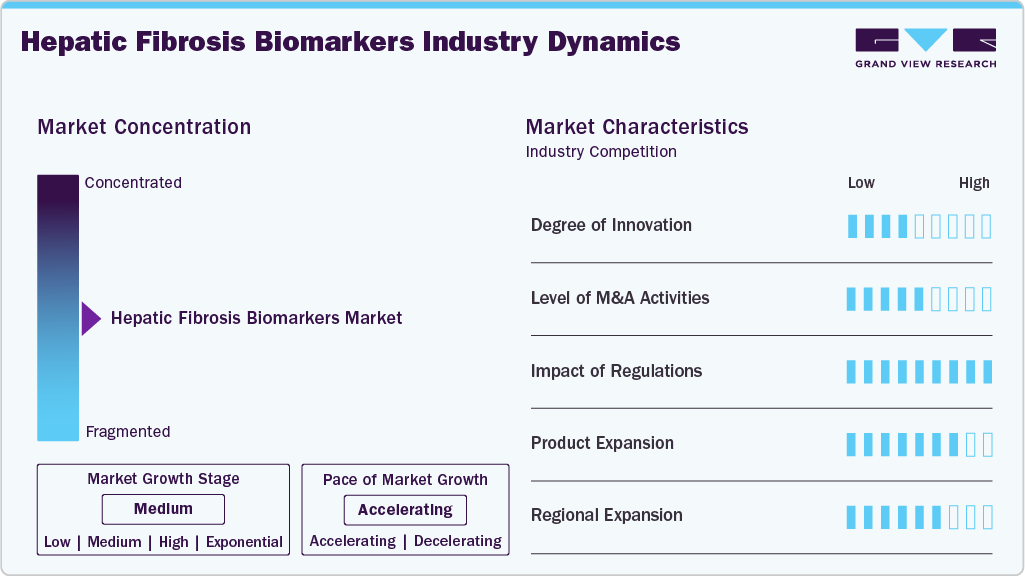
The hepatic fibrosis biomarkers industry is characterized by a steady pace of innovation, particularly in transitioning from invasive liver biopsy to non-invasive diagnostic tools. Novel biomarker panels combining serum-based indicators with imaging modalities are entering clinical practice. In September 2023, the Foundation for the National Institutes of Health (FNIH) revealed research results published in Nature Medicine that showcase the efficacy of noninvasive blood tests for diagnosing NASH. This breakthrough represents a significant step towards obtaining approval from the U.S. Food and Drug Administration (FDA). The study findings originate from the FNIH’s Biomarkers Consortium, which is dedicated to validating and qualifying biomarkers to expedite the development of new treatments and healthcare technologies through collaborative efforts across various sectors.
Mergers and acquisitions in this space are driven by the need to consolidate technology portfolios and expand regional reach. Meridian Bioscience’s acquisition of Exalenz Bioscience brought advanced breath-testing technology that complements fibrosis biomarker portfolios. Strategic deals between diagnostics companies and contract research organizations (CROs) are also being observed to embed biomarkers into pharmaceutical development workflows, particularly for NASH and MASLD drug trials.
 To learn more about this report, Download Free Sample Report
Regulatory agencies are increasingly supportive of non-invasive fibrosis diagnostics as adjuncts or replacements for biopsy in specific clinical contexts. The U.S. FDA and European regulatory bodies have cleared several biomarker tests, such as the Enhanced Liver Fibrosis (ELF) test, for clinical use. In Asia, regulatory adoption varies-Japan and China are gradually formalizing approval pathways for advanced biomarker panels. The inclusion of non-invasive fibrosis assessment in EASL, AASLD, and APASL guidelines further accelerates market acceptance.
Manufacturers are diversifying their portfolios beyond single biomarkers to multi-marker panels and integrating them with imaging-based solutions (e.g., FibroScan). Quest Diagnostics and Labcorp have expanded their hepatic fibrosis test menus within their clinical lab offerings, while biotech firms like GENFIT are moving towards companion diagnostics aligned with emerging antifibrotic therapies. Point-of-care assay development remains a niche but promising segment, especially for resource-limited settings.
Global players are actively strengthening their footprint in Asia Pacific, Latin America, and the Middle East & Africa through partnerships with local labs and distributors. Siemens Healthineers and BioPredictive have increased distribution in China and India, while Quest Diagnostics has expanded operations in Brazil and Mexico. Companies are also targeting Gulf countries due to high obesity-related liver disease prevalence and rising healthcare investments.
Product Insights
The kits and reagent segment led the market with the largest revenue share of 48.04% in 2024. Kits such as BioPredictive’s FibroTest and GENFIT’s NIS4 panel have set benchmarks for non-invasive liver fibrosis detection, offering reproducibility and compatibility with high-throughput analyzers. Continuous launches of specialized kits targeting NASH, hepatitis B/C, and alcohol-related liver disease are expanding the application base. For example, new ELISA-based fibrosis detection kits introduced in Asia-Pacific markets in 2024 have accelerated adoption in secondary care facilities. The recurring demand for reagents in existing test platforms ensures a stable revenue stream for both multinational and regional players, particularly in markets with growing screening programs.
The assays segment is anticipated to grow at the fastest CAGR during the forecast period. Portable fibrosis biomarker devices, including microfluidics-enabled cartridges and rapid immunochromatographic assays, are being introduced in community clinics and rural health settings. These innovations are especially impactful in Asia-Pacific and Latin America, where centralized laboratory access is limited. Recent POC assay launches by Exalenz Bioscience (Meridian Bioscience), integrated with breath-test-based liver function analytics, have expanded non-invasive fibrosis screening to primary care levels. This decentralization trend not only increases early diagnosis rates but also reduces patient burden from invasive procedures like liver biopsy.
Technology Insights
The immunoassay segment accounted for the largest market revenue share in 2024. This is due to its proven analytical accuracy, scalability for high-throughput screening, and ability to measure multiple biomarkers from small serum volumes. Chemiluminescent and enzyme-linked immunosorbent assay (ELISA) formats remain the industry standard, while electrochemiluminescent platforms are being deployed for improved sensitivity. Global players like Siemens Healthineers continue to enhance immunoassay analyzers with liver disease panels integrated into broader metabolic screening platforms. Additionally, new automated immunoassay systems launched in 2024 in Japan and China have further lowered turnaround times, supporting faster treatment initiation.
The molecular diagnostics segment is expected to grow at the fastest CAGR during the forecast period, driven by the application of genomic, transcriptomic, and proteomic signatures for precision medicine approaches in hepatic disease management. RNA-based assays for fibrosis staging, now in pilot use across academic research institutes in Europe and Asia, are expected to see broader clinical uptake in the next five years. However, higher per-test costs and infrastructure requirements limit their penetration outside major urban centers.
End Use Insights
The hospitals segment led the market with the largest revenue share of 38.09% in 2024 and is expected to grow at the fastest CAGR over the forecast period. This growth is driven by the high patient volume for chronic liver diseases, the availability of advanced diagnostic infrastructure, and the integration of biomarker testing into standard hepatology and gastroenterology care pathways. Tertiary care and teaching hospitals, particularly in countries with universal healthcare coverage, are incorporating non-invasive fibrosis biomarkers into their liver disease management protocols, reducing reliance on invasive liver biopsies.
 To learn more about this report, Download Free Sample Report
The specialty clinics segment is expected to grow at a significant CAGR over the forecast period, fueled by the rising number of hepatology and gastroenterology centers offering targeted liver disease management programs. These clinics are early adopters of novel biomarker assays, including point-of-care (POC) fibrosis tests and advanced biomarker panels, which enable faster staging of fibrosis and monitoring of treatment response. In regions with limited hospital infrastructure, specialty clinics are emerging as primary diagnostic hubs, often partnering with biotechnology firms like GENFIT and BioPredictive to pilot new test kits.
Regional Insights
North America dominated the hepatic fibrosis biomarkers market with the largest revenue share of 48.9% in 2024, driven by increasing obesity and metabolic syndrome prevalence, spurring demand for non-invasive diagnostic tools that can stage fibrosis without a biopsy. Recent cost-effectiveness analyses and practice guidance from AASLD/AACE reinforce two-step screening in primary care and endocrinology/diabetes cohorts, where MASLD risk is high. In the U.S.-Mexico border region and other high-risk primary-care settings, studies highlight the large undiagnosed pool that can be triaged with FIB-4 and advanced with serologic panels (ELF, PRO-C3/PROC3, and proprietary composites).
 To learn more about this report, Download Free Sample Report
U.S. Hepatic Fibrosis Biomarkers Market Trends
The hepatic fibrosis biomarkers market in the U.S. is growing due to the rising prevalence of obesity, type 2 diabetes, and metabolic syndrome has led to a significant increase in the incidence of non-alcoholic steatohepatitis (NASH) in the U.S. According to the National Institutes of Diabetes and Digestive and Kidney Diseases, non-alcoholic fatty liver disease (NAFLD) affects up to 24% of U.S. adults, and NASH is estimated to affect 1.5% to 6.5% of the U.S. population. As the prevalence of NAFLD and NASH continues to rise, there is a greater need for diagnostic tests and treatments, driving the demand for NASH biomarkers. Further, the development of biomarker tests by major corporations is expected to drive the NASH biomarkers market over the forecast period. For instance, in May 2021, GENFIT and Laboratory Corporation of America Holdings launched NASHnext in the U.S. and Canada, a non-invasive NASH detection test powered by NIS4 technology for use in the clinic.
Europe Hepatic Fibrosis Biomarkers Market Trends
The hepatic fibrosis biomarkers market in Europe is experiencing strong growth. Europe’s diagnostics market benefits from strong society guidance and structured care pathways. EASL’s 2024 clinical practice direction emphasizes non-invasive testing strategies, and industry updates in mid-2024 highlighted NIS2+ (GENFIT’s optimized blood-based panel) as a key tool for detecting at-risk disease-supporting broader adoption of laboratory biomarkers alongside routine indices and elastography. Multiple European real-world studies in 2024 demonstrated sequential algorithms (automatic FIB-4 in primary care followed by ELF ≥9.8) efficiently identify advanced fibrosis while minimizing unnecessary biopsies and referrals; parallel work from Scandinavia found FIB-4→ELF pathways cost-efficient and practical for population triage.
The UK hepatic fibrosis biomarkers market is growing rapidly. In the UK, NHS pathway design and real-world evaluations are propelling blood-based fibrosis testing beyond specialist clinics. The intelligent Liver Function Testing (iLFT) pathway evaluated in 2024 showed how automated lab rules can escalate from routine LFTs to targeted non-invasive tests, improving case-finding and referral quality in everyday practice. PMC In 2025, a UK primary-care study in BMJ Open Gastroenterology found that deploying ELF in community settings facilitated earlier diagnosis and streamlined stratification-an outcome aligned with NHS priorities to reduce unnecessary biopsy and specialty bottlenecks
Asia Pacific Hepatic Fibrosis Biomarkers Market Trends
The hepatic fibrosis biomarkers market in Asia Pacific is growing rapidly, supported by a high and rising prevalence of chronic liver diseases linked to hepatitis B and C infections, obesity, and metabolic dysfunction-associated steatotic liver disease (MASLD). Countries such as China, Japan, India, and South Korea are witnessing increased screening initiatives and clinical adoption of non-invasive diagnostic tools. Key players, including Siemens Healthineers with its ELF test and Roche’s collaborations in the region, are driving adoption through local partnerships and analyzer placements. The presence of global diagnostics firms alongside regional laboratories is boosting accessibility. Market opportunities lie in expanding early detection programs, integrating biomarker testing into diabetic and obesity clinics, and tapping into growing pharmaceutical clinical trial demand for NASH and MASLD therapies.
The Japan hepatic fibrosis biomarkers market is gradually embracing hepatic fibrosis biomarkers, with growth supported by its aging population and high prevalence of hepatitis C-related liver damage, as well as increasing cases of MASLD. Japanese clinical guidelines are progressively recognizing the value of non-invasive fibrosis assessment, driving interest in biomarker-based panels such as ELF and FibroTest. GENFIT and local distributors are exploring strategic collaborations to introduce advanced biomarker platforms, while academic research institutions in Japan are contributing to biomarker validation studies. Opportunities exist in aligning biomarker adoption with Japan’s preventive healthcare model and national screening programs, particularly in hepatology and metabolic clinics.
The hepatic fibrosis biomarkers market in China is expanding rapidly, driven by a large patient base with chronic hepatitis B, growing rates of fatty liver disease linked to lifestyle changes, and increasing awareness of early fibrosis detection. The government’s emphasis on reducing the burden of advanced liver disease is opening pathways for biomarker inclusion in public health screening. Siemens Healthineers and BioPredictive are actively collaborating with Chinese laboratories and diagnostic chains to make non-invasive panels more available. With pharmaceutical companies like AstraZeneca and Pfizer conducting liver disease trials in China, there is also a significant opportunity for biomarkers to be embedded in patient selection and monitoring protocols.
Latin America Hepatic Fibrosis Biomarkers Market Trends
The hepatic fibrosis biomarkers market in Latin America is experiencing moderate to high growth in hepatic fibrosis biomarkers, propelled by the dual burden of viral hepatitis and rising MASLD prevalence due to obesity and diabetes. Countries such as Brazil, Mexico, and Argentina are gradually incorporating non-invasive fibrosis tests into clinical pathways to reduce dependence on liver biopsy. Companies like Quest Diagnostics and Labcorp are expanding their reference laboratory capabilities in the region, enabling access to advanced fibrosis testing without the need for international sample shipping. There is untapped potential in aligning biomarker testing with national hepatitis elimination programs and leveraging partnerships with local healthcare providers to broaden patient reach.
Middle East and Africa Hepatic Fibrosis Biomarkers Market Trends
The hepatic fibrosis biomarkers market in the Middle East and Africa region shows strong potential for hepatic fibrosis biomarkers growth, primarily driven by high rates of obesity, type 2 diabetes, and hepatitis infections in Gulf countries and parts of Africa. Increasing investment in healthcare infrastructure, particularly in the UAE, Saudi Arabia, and South Africa, is facilitating the introduction of advanced diagnostics. Key players such as Siemens Healthineers and Exalenz Bioscience (Meridian Bioscience) are positioning non-invasive fibrosis solutions in tertiary hospitals and specialty clinics. Opportunities exist in integrating biomarkers into national metabolic disease screening programs, as well as in supporting pharmaceutical trials for liver disease therapies targeting high-prevalence populations.
Key Hepatic Fibrosis Biomarkers Company Insights
The hepatic fibrosis biomarkers industry is driven by a mix of established diagnostics companies and specialized innovators focused on expanding access and ease of testing. Major players shaping this landscape include GENFIT, known for its NIS4 and upgraded NIS2+ multi-marker panels, Prometheus Laboratories, Siemens Healthineers (via the ELF test), BioPredictive (FibroTest/ActiTest), Quest Diagnostics, Labcorp, as well as pharmaceutical innovators such as AstraZeneca, Pfizer, Bristol-Myers Squibb, and Exalenz Bioscience (Meridian Bioscience).
Key Hepatic Fibrosis Biomarkers Companies:
The following are the leading companies in the hepatic fibrosis biomarkers market. These companies collectively hold the largest market share and dictate industry trends.
- GENFIT
- Prometheus Laboratories
- Siemens Healthineers AG
- BioPredictive
- Quest Diagnostics
- AstraZeneca
- Exalenz Bioscience Ltd (Meridian Bioscience)
- Labcorp
- Pfizer Inc.
- Bristol-Myers Squibb Company
Recent Developments
-
In March 2025, Precision BioSciences received FDA clearance (IND approval) for its lead candidate PBGENE-HBV, marking it as the first-ever in vivo gene-editing therapy to enter clinical trials in the United States for chronic hepatitis B. PBGENE-HBV uses ARCUS meganuclease delivered via lipid nanoparticles to eliminate the viral reservoirs cccDNA and integrated HBV DNA, aiming for a functional cure.
-
In November 2024, Arbutus Biopharma and Barinthus Bio jointly announced new interim data from the IM-PROVE II Phase 2a clinical trial in chronic hepatitis B. The combination of VTP-300, low-dose nivolumab, and imdusiran demonstrated increased rates of HBsAg loss, indicating enhanced therapeutic potential toward achieving a functional cure. These results reinforce the value of combining immune modulators with RNA-targeted therapies in treating chronic HBV.
-
In June 2022, Echosens entered into a partnership with Novo Nordisk A/S for advancement in early diagnosis of NASH and increasing awareness among healthcare providers, patients, and other stakeholders about the condition.
Hepatic Fibrosis Biomarkers Market Report Scope
Report Attribute
Details
Market size in 2024
USD 423.5 million
Estimated Market size in 2026
USD 674.2 million
Projected Market size by 2033
USD 2,291.7 million
Growth rate
CAGR of 20.0% from 2025 to 2033
Base year for estimation
2024
Historical data
2021 - 2023
Forecast period
2025 - 2033
Quantitative units
Revenue in USD million/billion and CAGR from 2025 to 2033
Report coverage
Revenue forecast, company ranking, competitive landscape, growth factors, and trends
Segments covered
Product, technology, end use, region
Regional scope
North America; Europe; Asia Pacific; Latin America; MEA
Country scope
U.S.; Canada; Mexico; UK; Germany; France; Italy; Spain; Norway; Sweden; Denmark; Japan; China; India; Australia; South Korea; Thailand; Brazil; Argentina; South Africa; Saudi Arabia; UAE; Kuwait
Key companies profiled
GENFIT; Prometheus Laboratories; Siemens Healthineers AG.; BioProdictive; Quest Diagnostics; AstraZeneca; Exalenz Bioscience Ltd; Labcorp; Pfizer, Inc.; Bristol-Myers Squibb Company
Customization scope
Free report customization (equivalent up to 8 analysts’ working days) with purchase. Addition or alteration to country, regional & segment scope
Pricing and purchase options
Avail customized purchase options to meet your exact research needs. Explore purchase options
Global Hepatic Fibrosis Biomarkers Market Report Segmentation
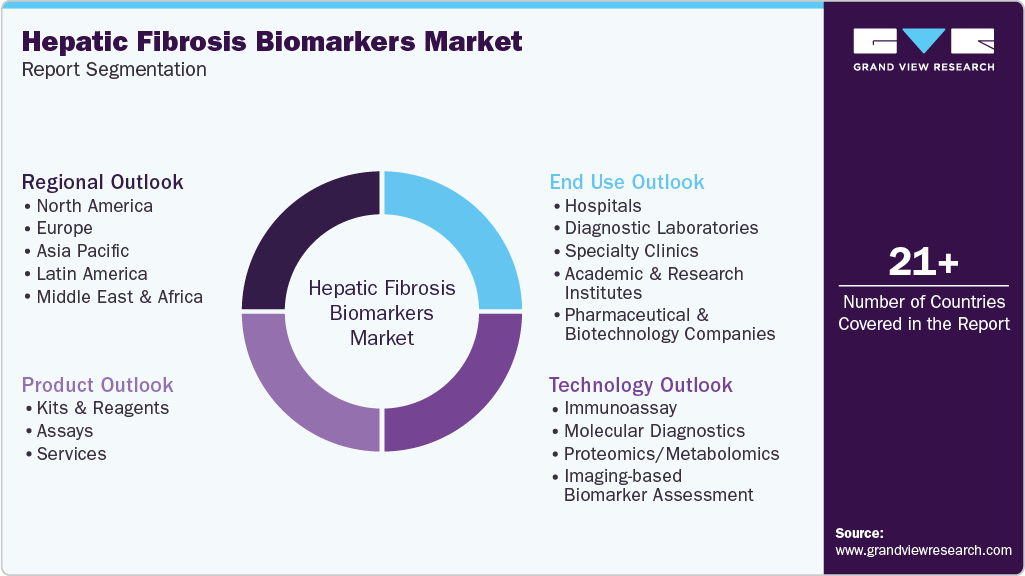
This report forecasts revenue growth and provides an analysis of the latest trends in each of the sub-segments from 2021 to 2033. For this study, Grand View Research has segmented the global hepatic fibrosis biomarkers market report based on product, technology, end use, and region:
 To learn more about this report, Download Free Sample Report
-
Product Outlook (Revenue, USD Million, 2021 - 2033)
-
Kits and Reagents
-
Assays
-
Services
-
-
Technology Outlook (Revenue, USD Million, 2021 - 2033)
-
Immunoassay
-
Molecular Diagnostics
-
Proteomics/Metabolomics
-
Imaging-based Biomarker Assessment
-
-
End Use Outlook (Revenue, USD Million, 2021 - 2033)
-
Hospitals
-
Diagnostic Laboratories
-
Specialty Clinics
-
Academic & Research Institutes
-
Pharmaceutical & Biotechnology Companies
-
-
Regional Outlook (Revenue, USD Million, 2021 - 2033)
-
North America
-
U.S.
-
Canada
-
Mexico
-
-
Europe
-
UK
-
Germany
-
France
-
Italy
-
Spain
-
Denmark
-
Sweden
-
Norway
-
-
Asia Pacific
-
Japan
-
China
-
India
-
Australia
-
South Korea
-
Thailand
-
-
Latin America
-
Brazil
-
Argentina
-
-
Middle East & Africa
-
South Africa
-
Saudi Arabia
-
UAE
-
Kuwait
-
-
Frequently Asked Questions About This Report
North America dominates the hepatic fibrosis biomarkers market is driven by increasing obesity and metabolic syndrome prevalence, spurring demand for non-invasive diagnostic tools that can stage fibrosis without a biopsydue to its well-established healthcare infrastructure, widespread adoption of advanced diagnostic technologies, and high awareness of liver-related health issues.
Some key players operating in the hepatic fibrosis biomarkers market include GENFIT; Prometheus Laboratories; Siemens Medical Solutions USA, Inc.; Quest Diagnostics; AstraZeneca; Laboratory Corporation of America Holdings; Pfizer, Inc.; Bristol-Myers Squibb Company
The rising prevalence of NASH, a consequence of obesity, sedentary lifestyles, and metabolic syndrome, has led to a greater focus on hepatic fibrosis biomarkers.
The global hepatic fibrosis biomarkers market size was valued at USD 423.5 million in 202 and is expected to reach USD 674.2 million in 2026.
The global hepatic fibrosis biomarkers market is expected to grow at a compound annual growth rate of 20.0% from 2025 to 2033 to reach USD 2,291.7 million by 2033.
About the Author(s)
Clinical Diagnostics Research Team
Healthcare · Clinical DiagnosticsThis report was authored by the clinical diagnostics research team at Grand View Research - comprising two research analysts, one senior research analyst, and one industry expert - with specialized expertise in the clinical diagnostics segment of the healthcare industry. All findings are based on proprietary healthcare databases, executive interviews, and regulatory analysis, subject to internal peer review prior to publication.
Last Updated:
Speak to Analyst

Customize this report to your needs - add regions, segments, or data points, with 20% free customization.
Or view our licence options:


ISO 9001:2015 & 27001:2022 Certified
We are GDPR and CCPA compliant! Your transaction & personal information is safe and secure. For more details, please read our privacy policy.


