
- Home
- »
- Medical Devices
- »
-
Laparotomy Sponge Market Size & Share Report, 2026-2033GVR Report cover
![Laparotomy Sponge Market (2026 - 2033)Report]()
Laparotomy Sponge Market (2026 - 2033)
Size, Share & Trends Analysis Report By Product (Radiopaque, RFID, Traditional, RFID), By End-use (Hospitals & Clinics), By Region (North America, Europe, Asia Pacific, Latin America, MEA) And Segment Forecasts
Market Size, 2025
$1.3BMarket Estimate, 2026
$1.4BMarket Forecast, 2033
$2.1BCAGR, 2026–2033
5.9%Laparotomy Sponge Market Summary
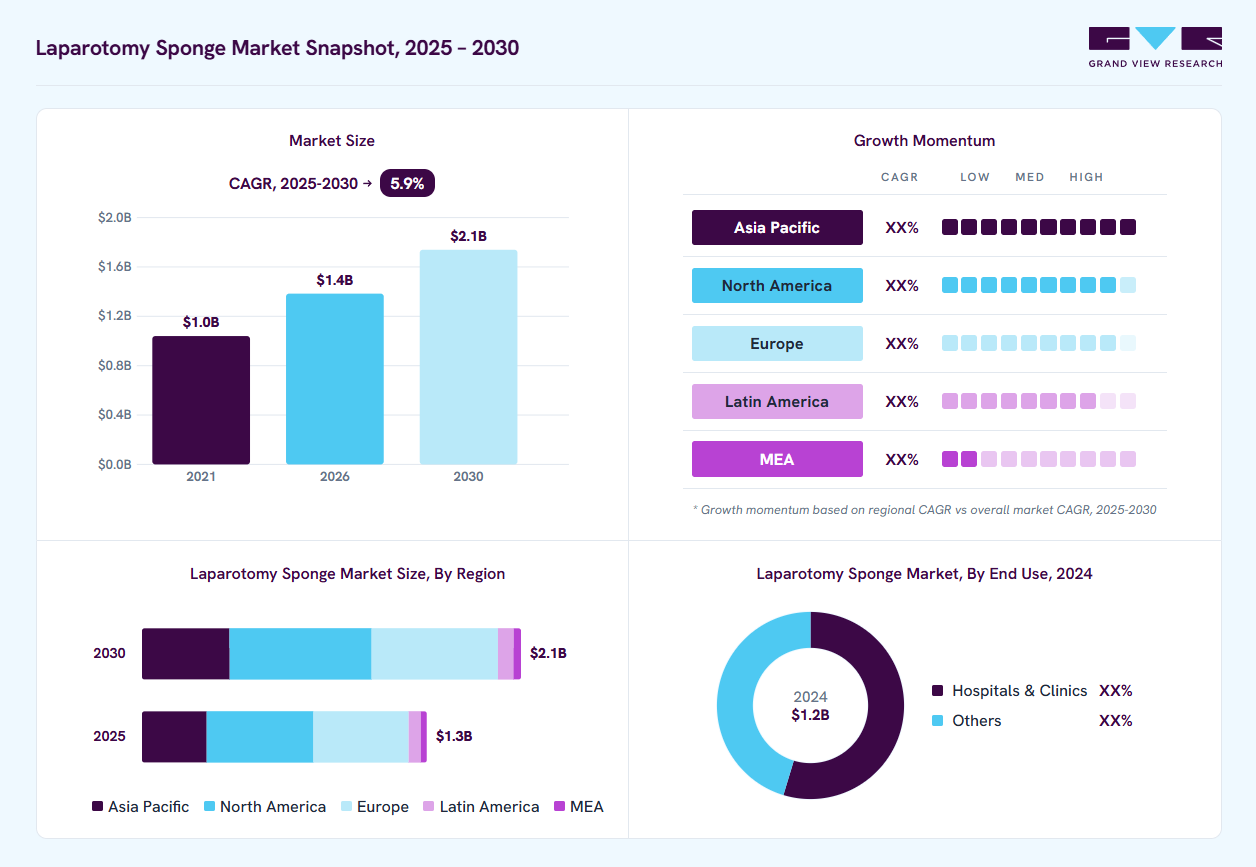
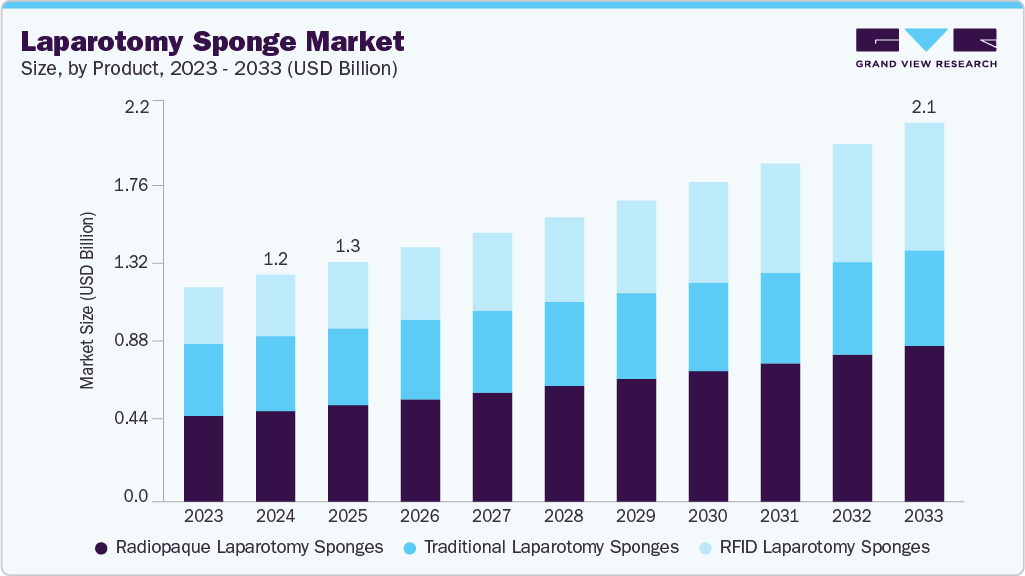
The global laparotomy sponge market size was valued at USD 1.3 billion in 2025 and is projected to grow from USD 1.4 billion in 2026 to USD 2.1 billion by 2033, at a CAGR of 5.9% from 2026 to 2033. North America dominated the market, accounting for a revenue share of 37.5% in 2025. This growth is attributed to the growing elderly population, resulting in an increased prevalence of abdominal diseases requiring surgical treatment.
Key Market Trends & Insights
- By product: Radiopaque laparotomy sponge segment led the market with the largest revenue share of 40.1% in 2025.
- By end use: Hospitals & clinics segment led the market with the largest revenue share of 53.9% in 2025.
Regional Highlights
- Largest regional market: North America (37.5% revenue share, 2025)
- Fastest-growing regional market: Asia Pacific (highest CAGR, 2026-2033)
- By country: The U.S. held the largest market share in 2025.
Market Size & Forecast
- Market size in 2025: USD 1.3 Billion
- Estimated market size in 2026: USD 1.4 Billion
- Projected market size by 2033: USD 2.1 Billion
- CAGR (2026-2033): 5.9%
Innovations such as radiopaque materials and RFID-enabled sponges improve detection and lower the chances of retained surgical items. Furthermore, the global rise in surgical procedures, driven by chronic illnesses such as cancer and heart conditions, boosts demand. Growing healthcare facilities and using single-use, environmentally friendly sponges also support market expansion.The laparotomy sponge market is witnessing significant growth driven by advancements in surgical safety protocols and the increasing prevalence of abdominal surgeries. For instance, according to the American College of Surgeons, around 4 million abdominal operations are performed yearly in the U.S. Laparotomy sponges are essential tools used to absorb fluids and prevent retained surgical items (RSIs) during procedures, increasing their demand in operating rooms. The rising incidence of abdominal disorders, cancer, and cesarean deliveries has contributed to a rise in laparotomy procedures globally, thereby boosting demand for these sponges.
The market is also witnessing a shift toward sustainable practices, with manufacturers focusing on eco-friendly materials and packaging to meet environmental standards. Innovations in sponge design, such as improved adhesive properties and ergonomic configurations, aim to enhance usability and comfort for surgical teams. Moreover, antimicrobial coatings on laparotomy sponges are becoming increasingly popular to minimize infection risks during surgeries. These advancements align with stringent healthcare regulations and address growing concerns about surgical safety and operational efficiency, further contributing to market growth.
Market Dynamics
The laparotomy sponge market is experiencing steady growth as hospitals, ambulatory surgical centers, trauma centers, and academic medical institutions increasingly rely on high-quality surgical sponges to ensure effective fluid absorption, tissue protection, and maintenance of a clear operative field during surgical procedures. Laparotomy sponges encompass a range of sterile single-use products, including x-ray detectable sponges, RFID-enabled surgical sponges, cotton gauze laparotomy pads, and specialty absorbent sponges designed for use in open and minimally invasive surgeries. These products are widely utilized across various surgical specialties, including general surgery, cardiovascular surgery, obstetrics and gynecology, orthopedic surgery, neurosurgery, urology, trauma surgery, and gastrointestinal procedures, where efficient blood and fluid management is critical for surgical precision and patient safety. The increasing global volume of surgical procedures, rising incidence of trauma cases and chronic diseases requiring operative intervention, and growing emphasis on preventing retained surgical items (RSIs) are driving demand for advanced laparotomy sponges.
Furthermore, technological advancements such as radiopaque markers, barcode-enabled tracking systems, RFID integration, enhanced absorbent materials, and lint-free fabric designs are improving surgical workflow, reducing counting errors, enhancing traceability, and supporting compliance with patient safety protocols. As healthcare providers continue to prioritize infection prevention, operating room efficiency, and surgical quality improvement initiatives, the adoption of advanced laparotomy sponges is expected to increase across healthcare settings worldwide.
The increasing number of laparotomy surgeries is a key driver of the laparotomy sponge market, as these procedures require large volumes of sterile, highly absorbent surgical sponges for blood and fluid management, tissue protection, and maintenance of a clear operative field. Laparotomy remains a critical surgical approach for managing complex abdominal conditions, including gastrointestinal cancers, bowel obstructions, abdominal trauma, perforated organs, intra-abdominal infections, gynecological disorders, and emergency exploratory procedures. The growing global burden of chronic diseases, rising incidence of traumatic injuries, expanding aging population, and increasing demand for complex abdominal surgeries have contributed to a steady rise in laparotomy procedure volumes. Each procedure necessitates the use of multiple single-use laparotomy sponges, creating consistent and recurring demand across hospitals, trauma centers, and academic medical institutions. Furthermore, increasing emphasis on patient safety, prevention of retained surgical items (RSIs), and compliance with standardized surgical counting protocols is driving the adoption of radiopaque and RFID-enabled laparotomy sponges. As healthcare systems continue to expand surgical capacity and improve access to advanced surgical care, the rising volume of laparotomy procedures is expected to sustain long-term growth in the laparotomy sponge market.
The high cost of advanced laparotomy sponges is a significant restraint on the growth of the laparotomy sponge market, particularly in cost-sensitive healthcare systems and developing economies. While conventional cotton gauze laparotomy sponges are relatively inexpensive, advanced products incorporating radiopaque markers, RFID technology, barcode-enabled tracking systems, enhanced absorbent materials, and lint-free fabrics command considerably higher prices due to their specialized manufacturing processes and integrated patient safety features. Although these technologies improve surgical workflow, reduce the risk of retained surgical items (RSIs), enhance traceability, and support compliance with operating room safety protocols, their higher acquisition costs can limit widespread adoption, especially in hospitals operating under constrained procurement budgets. In addition, the implementation of RFID- or barcode-based sponge tracking systems often requires complementary investments in scanning equipment, software integration, staff training, and workflow modifications, further increasing the overall cost of adoption. Consequently, many healthcare facilities, particularly in low- and middle-income countries, continue to rely on conventional laparotomy sponges and manual counting procedures. As a result, the higher upfront costs associated with advanced laparotomy sponge technologies remain a key challenge to broader market penetration despite their demonstrated clinical and patient safety benefits.
Market Concentration & Characteristics
The laparotomy sponge market witness’s significant industry concentration, with key players focusing on expansion and product differentiation. Companies such as Integra LifeSciences, Stryker, and Cardinal Health hold significant market share. The market is characterized by steady growth driven by increasing surgical procedures, technological advancements, and a focus on patient safety. Key market drivers include the rising prevalence of abdominal disorders, cancer, and cesarean deliveries, coupled with advancements such as RFID-enabled sponges for improved safety and sponge detection systems, as well as growing awareness of surgical safety and infection control measures.
The laparotomy sponge industry experiences a moderate to high degree of innovation, primarily driven by the need for improvements and error reduction in surgical procedures. Advancements such as radio-frequency identification (RFID) and barcode-enabled sponges are gaining demand, addressing the critical issue of retained surgical items (RSIs). These innovations can help prevent adverse events and enhance surgical outcomes. However, the integration of such advanced solutions remains uneven globally, especially in low- to mid-income settings due to cost constraints.
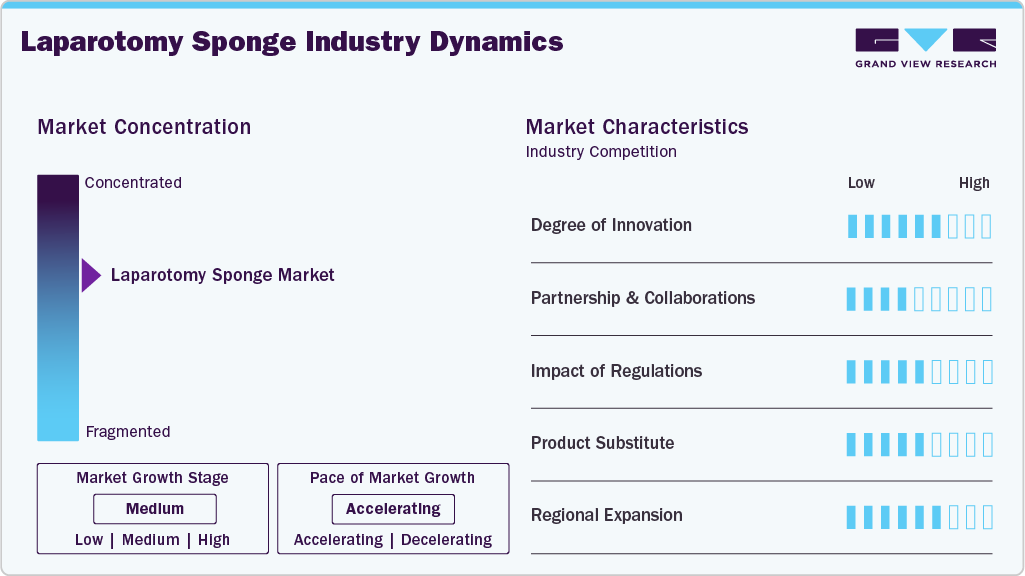
Although partnerships and collaborations in the laparotomy sponge industry are currently limited, the potential for future collaborations is high. Most manufacturers operate independently, focusing on organic growth strategies such as product enhancements and direct engagement with hospitals and surgical centers. Furthermore, collaborative efforts with academic institutions or regulatory bodies to standardize safety protocols are also expected to witness a rise over the forecast period.
Regulations play a crucial role in shaping the laparotomy sponge industry. Regulatory bodies such as the U.S. FDA and European CE authorities enforce stringent guidelines for sterility, safety, and traceability of surgical sponges. This regulatory framework encourages manufacturers to prioritize compliance and quality assurance, ensuring the safety of use for laparotomy sponges in healthcare facilities. As surgical safety gains more attention globally, future regulations may become stricter, further encouraging innovation and potentially differentiating market players with better regulatory compliance.
The threat of direct product substitutes in the laparotomy sponge industry is relatively low. However, functional substitutes in the form of advanced hemostatic agents and absorbable surgical pads are also witnessing demand. These alternatives may be preferred in complex or minimally invasive procedures where reduced foreign body presence is prioritized. However, laparotomy sponges remain the standard of care due to their high absorbency, versatility, and ease of use. Their role in maintaining clear surgical fields and managing blood loss is crucial in several open surgeries.
The laparotomy sponge industry is witnessing significant regional expansion, particularly in emerging economies where surgical volumes are rising and healthcare infrastructure is improving. Similarly, increasing regulatory compliance and hospital facility requirements are expected to drive demand. Government-backed healthcare programs and foreign investments in hospital infrastructure further support the regional expansion.
Analyst Perspective
The laparotomy sponge market is positioned at the convergence of rising open surgical procedures, growing emphasis on patient safety, and adoption of technologies to prevent retained surgical items. Demand is driven by chronic diseases such as gastrointestinal disorders, cancer, cardiovascular diseases, gynecological conditions, and traumatic injuries. Manufacturers are focusing on radiopaque, traditional, and RFID-enabled sponges to meet demand. Healthcare providers prioritize single-use sponges for blood and fluid management, infection prevention, and compliance with surgical counting protocols. Expansion of hospitals, trauma centers, and ambulatory facilities sustains demand for disposable surgical consumables. Advancements in absorbent materials, lint-free fabrics, radiopaque markers, barcode tracking, and RFID detection enhance accuracy and patient safety. As healthcare systems emphasize quality improvement, regulatory compliance, and operating room efficiency, adoption of advanced laparotomy sponges will accelerate across surgical specialties.
Product Insights
Based on product, the radiopaque laparotomy sponge segment led the market with the largest revenue share of 40.1% in 2025, due to increasing emphasis on surgical safety and post-operative accountability. Radiopaque laparotomy sponges are implanted with a detectable marker visible under X-ray imaging. This allows for quick identification of retained surgical items (RSIs), significantly reducing the risk of complications such as infections, adhesions, or re-operation. Hospitals and surgical centers increasingly adopt radiopaque sponges to comply with regulatory guidelines and improve surgical outcomes.
The adoption of Radio-Frequency Identification (RFID) sponge in the laparotomy sponge market is witnessing significant growth due to its ability to enhance surgical safety and prevent surgical items retained (RSIs). RFID-tagged laparotomy sponges contain chips that allow real-time tracking and detection through specialized scanners, reducing reliance on manual counting and significantly minimizing human error. In addition, RFID product offers traceability and automatic documentation, streamlining post-operative audits and litigation defense, further fueling their demand in healthcare facilities.
End Use Insights
Based on end-use, the hospitals & clinics segment led the market with the largest revenue share of 53.9% in 2025. This growth is driven by the high volume of surgical procedures conducted in these settings. Hospitals are the primary adopter of laparotomy sponges due to their extensive surgical departments handling abdominal, gynecological, and trauma-related surgeries. The rising incidence of complex surgeries and emergency interventions in hospitals has encouraged the consistent demand for sterile, radiopaque sponges to manage blood absorption and prevent retained surgical items. The expansion of hospital infrastructure in emerging markets and the steady increase in surgical admissions in developed regions have further supported segment growth.
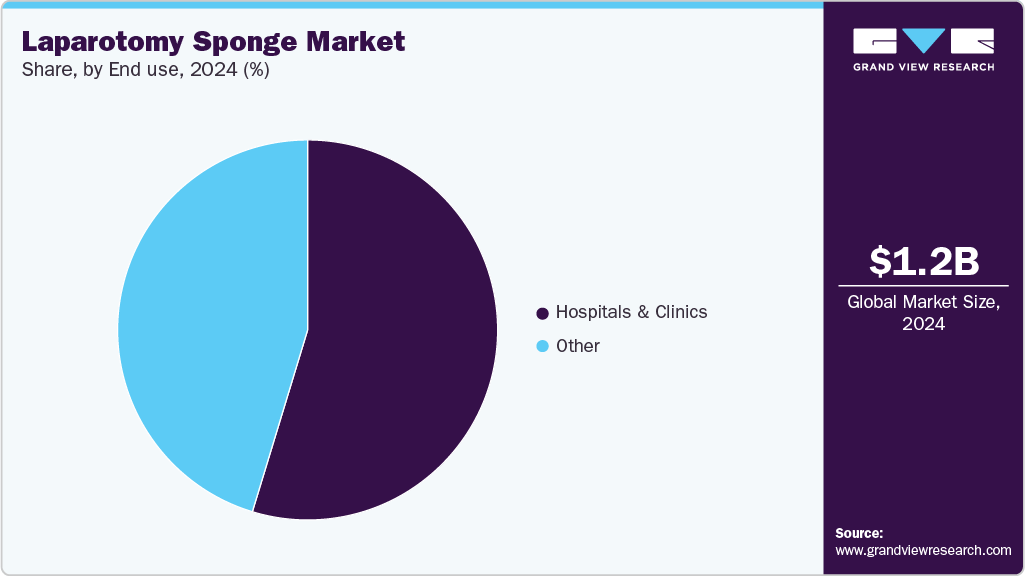
The others segment is experiencing significant growth and is driven by the rising number of outpatient surgical procedures and the increasing shift of complex surgeries to ambulatory settings. Others are rapidly adopting laparotomy sponges due to their cost-effectiveness, shorter patient recovery times, and lower infection rates compared to traditional hospitals. These centers are performing a growing volume of minimally invasive and open abdominal surgeries such as cholecystectomies, hernia repairs, and gynecological procedures that require efficient sponge tracking systems to reduce the risk of retained surgical items.
Regional Insights
North America dominated the laparotomy sponge market with the largest revenue share of 37.5% in 2025, driven by a rise in surgical procedures, increased awareness around retained surgical items (RSIs), and the increasing adoption of radiofrequency identification (RFID) and barcode-based tracking systems. Furthermore, the presence of key players in the region, such as Integra LifeSciences, Stryker, and Cardinal Health further increases the access of wide range of laparotomy sponges to healthcare facilities, thereby fueling the market growth in the region.
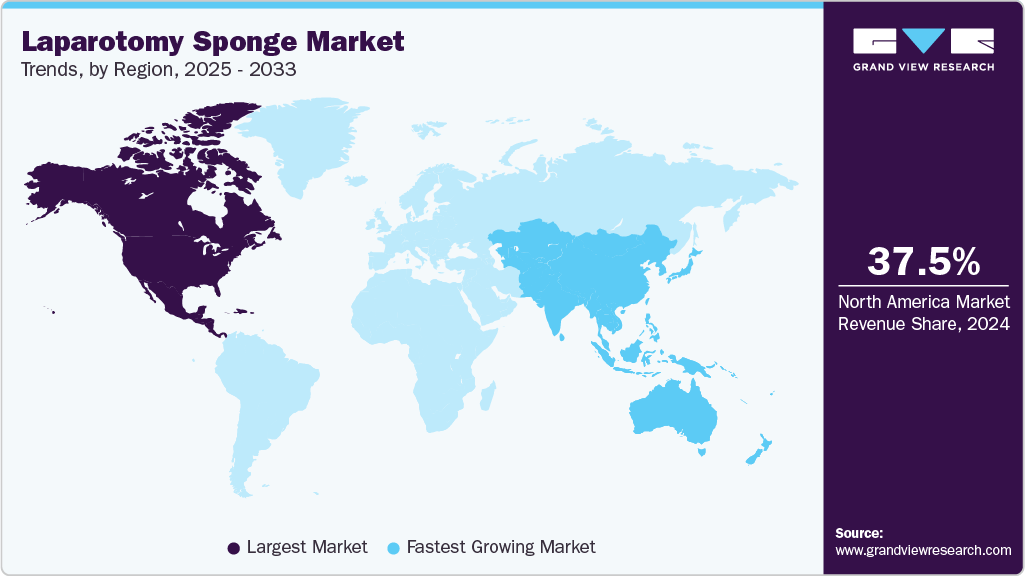
U.S. Laparotomy Sponge Market Trends
The laparotomy sponge market in the U.S. held the largest share in the North America region in 2025. The laparotomy sponge market in U.S. is expected to witness growth, driven by increasing focus of healthcare facilities on regulatory compliance. In addition, the increasing volume of surgical procedures, particularly abdominal surgeries, has increased the demand for high-quality laparotomy sponges. The emphasis on patient safety and adherence to stringent regulatory standards further propels the adoption of advanced sponges with radiopaque and RFID features.
Europe Laparotomy Sponge Market Trends
The European market for laparotomy sponges is witnessing significant growth driven by advancements in surgical procedures and increasing awareness around surgical safety protocols. Technologies such as radiofrequency identification (RFID) and barcode systems are gaining demand in hospitals and surgical centers across Europe. Countries such as Germany, France, and the UK are emphasizing hospital hygiene and patient safety, further encouraging the adoption of high-quality laparotomy sponges. The growth is also supported by the increasing number of complex surgical procedures among the aging population, creating significant demand.
The laparotomy sponge market in the UK is driven primarily by advancements in surgical safety protocols and a rising volume of abdominal surgeries across NHS and private healthcare settings. Moreover, the demand for laparotomy sponges is also driven by increasing hospital emphasis on surgical count accuracy and the prevention of retained surgical items (RSIs), aligning with current patient safety regulations and CQC standards.
The laparotomy sponge market in Germany is driven by advancements in surgical technologies and an increasing number of complex abdominal procedures. German healthcare facilities are adopting innovative sponge designs, including radiopaque and RFID-enabled sponges, to enhance surgical safety and efficiency. These factors collectively contribute to the expansion of the laparotomy sponge market in Germany.
Asia Pacific Laparotomy Sponge Market Trends
The laparotomy sponge market in Asia Pacific is driven by a combination of rising surgical volumes, expanding healthcare infrastructure, and increasing adoption of safety-enhancing surgical products. Countries such as China, India, and Thailand are witnessing a surge in both government and private investments in the improvement of healthcare infrastructure to improve the quality of the healthcare sector, which is boosting the demand for high-quality surgical consumables such as radiopaque laparotomy sponges. In addition, awareness initiatives by regional healthcare bodies are leading to more standardized surgical protocols, further contributing to the increasing adoption of these products in the region.
The laparotomy sponge market in Japan is witnessing significant growth, driven primarily by the rising surgical volumes, increased awareness of retained surgical items (RSIs), and ongoing efforts to improve operating room safety protocols. Moreover, Japan’s aging population, which fuels the demand for abdominal and complex surgeries, further contributes to the market growth in the country.
The laparotomy sponge market in China is driven by the expansion of surgical procedures and increased focus on patient safety in operating rooms. In addition, the developing healthcare infrastructure and healthcare quality in the country’s hospitals further contribute to demand. Furthermore, the government's emphasis on quality care under the Healthy China 2030 agenda is further encouraging hospitals to invest in reliable surgical consumables.
The laparotomy sponge market in India is witnessing significant growth, driven by rising surgical volumes, improving hospital infrastructure, and increased emphasis on surgical safety protocols. Moreover, government initiatives to expand access to healthcare under programs such as Ayushman Bharat are increasing the adoption of healthcare consumables in the country. Furthermore, the demand is also driven by the private sector’s growing investment in multispecialty and super-specialty facilities, which require reliable surgical consumables.
Latin America Laparotomy Sponge Market Trends
The laparotomy sponge market in Latin America is driven by the rising surgical volumes, expanding healthcare infrastructure, and increasing awareness around surgical safety. Moreover, the market also benefits from a regional push toward improving perioperative care and reducing the incidence of retained surgical items. Countries such as Brazil, and Argentina are investing in modernizing public hospitals, which is fueling demand for high-quality surgical consumables, including radiopaque and RFID-tagged laparotomy sponges.
The laparotomy sponge market in Brazil is witnessing significant growth, supported by rising surgical procedures across both public and private healthcare sectors. Advances in surgical protocols and an increased focus on patient safety further fuel the demand for laparotomy sponges. In addition, the expansion of hospital infrastructure, including new surgical centers, is increasing the utilization of surgical consumables, thereby driving the country's market growth.
Middle East & Africa Laparotomy Sponge Market Trends
The laparotomy sponge market in the Middle East and Africa (MEA) is driven by the rising surgical procedure volumes, improvements in hospital infrastructure, and increasing awareness of surgical safety standards. Adopting advanced surgical protocols and emphasizing reducing retained surgical items fuel demand for radiopaque and RFID-tagged laparotomy sponges. In addition, the expansion of medical tourism across the Gulf region supports the adoption of high-quality surgical consumables, thereby fueling the market growth in the region.
The laparotomy sponge market in Saudi Arabia is witnessing steady growth, driven by the expanding surgical volume across both public and private healthcare institutions. Moreover, the market is also driven by the Kingdom’s healthcare infrastructure developments under the Vision 2030 initiative, which emphasizes surgical safety and advanced operating room practices. The increasing adoption of surgical safety protocols, including sponge tracking technologies such as RFID and barcoding, is also influencing purchasing decisions among hospitals, aiming to minimize retained surgical items (RSIs).
Key Laparotomy Sponge Company Insights
The laparotomy sponge market is highly competitive, with key players such as Integra LifeSciences, Stryker, and Cardinal Health holding significant positions. The major companies undertake various organic and inorganic strategies such as product introduction, collaborations, and regional expansion to serve the unmet needs of their customers.
Key Laparotomy Sponge Companies:
The following key companies have been profiled for this study on the laparotomy sponge market.
-
Integra LifeSciences
-
Medical Action Industries Inc.
-
SDP Inc.
-
Dukal, LLC
-
Stryker
-
Cardinal Health
-
AllCare
-
DeRoyal Industries Inc.
-
Allmed Medical Products Co.,Ltd.
-
Premier Enterprises
Competitive Benchmarking
Category
Operating Strategies
Competitive Edge
Weakness
Established Players (Medtronic plc, Cardinal Health, Medline Industries, Mölnlycke Health Care, B. Braun SE, Owens & Minor)
- Established companies focus on expanding comprehensive surgical consumables portfolios comprising radiopaque laparotomy sponges, traditional laparotomy sponges, RFID-enabled sponge systems, surgical gauze products, and operating room accessories. They emphasize large-scale manufacturing, global distribution capabilities, hospital procurement contracts, and continuous innovation in sponge traceability, absorbent materials, and patient safety technologies to strengthen market leadership.
- Extensive distribution networks and long-standing relationships with hospitals, trauma centers, ambulatory surgical centers, and group purchasing organizations (GPOs) support widespread adoption. Broad surgical consumables portfolios enable bundled procurement agreements and recurring revenue from high-volume surgical procedures. Strong financial resources facilitate investments in R&D, regulatory compliance, advanced manufacturing, and digital surgical safety technologies such as RFID-enabled sponge tracking systems.
- Dependence on global supply chains and cotton-based raw materials increases vulnerability to material cost fluctuations and logistics disruptions. Pricing pressures from hospital cost-containment initiatives and competitive tendering may impact profitability. Large organizational structures may also reduce agility in responding to emerging technologies and niche customer requirements.
Emerging Players (Aspen Surgical, Dynarex Corporation, Texpol, Kettenbach GmbH & Co. KG, Winner Medical Co., Ltd.)
- Emerging companies prioritize cost-effective laparotomy sponge solutions, specialty surgical consumables, and differentiated products featuring enhanced absorbency, lint-free materials, radiopaque markers, and RFID compatibility. Many focus on expanding regional distribution networks, targeting underserved healthcare facilities, and offering competitive alternatives to premium products from established manufacturers.
- Agile product development enables rapid introduction of innovative sponge materials and patient safety features. Competitive pricing strategies, flexible manufacturing capabilities, and specialty-focused product portfolios create opportunities to gain market share. The ability to address regional procurement needs and expand into emerging healthcare markets supports long-term growth.
- Limited global distribution infrastructure and lower brand recognition compared with multinational competitors may restrict market penetration. Smaller manufacturing scale and R&D investments can constrain technological innovation and international expansion. Dependence on third-party distributors and regulatory approval timelines may further slow commercialization in highly regulated markets.
Recent Developments
-
In November 2024, Stryker launched its next-generation SurgiCount+ system, integrating sponge tracking and blood loss estimation into a single platform to improve surgical safety and workflow efficiency. Combining SurgiCount’s RFID-enabled sponge tracking with the Triton system’s real-time blood loss analysis helps reduce surgical count errors-one of the most time-consuming safety tasks-by up to 10 minutes per procedure.
-
In October 2023, a U.S. patent (20240136700, April 2024) details a surgical sponge with a laminated RFID tag featuring flexible tabs and an etched metal foil antenna. The tag enhances durability, signal strength, and X-ray visibility, improving tracking and reducing the risk of retained surgical items.
Laparotomy Sponge Market Report Scope
Report Attribute
Details
Market size in 2025
USD 1.3 billion
Estimated market size in 2026
USD 1.4 billion
Projected market size by 2033
USD 2.1 billion
Growth rate
CAGR of 5.9% from 2026 to 2033
Historical data
2021 - 2024
Forecast period
2026 - 2033
Quantitative units
Revenue in USD million/billion and CAGR from 2026 to 2033
Report coverage
Revenue forecast, company ranking, competitive landscape, growth factors, and trends
Segments covered
Product, end use, region
Regional scope
North America; Europe; Asia Pacific; Latin America; MEA
Country scope
U.S.; Canada; Mexico; UK; Germany; France; Italy; Spain; Denmark; Sweden; Norway; Japan; China; India; Australia; Thailand; South Korea; Brazil; Argentina; South Africa; Saudi Arabia; UAE; Kuwait
Key companies profiled
Integra LifeSciences; Medical Action Industries Inc.; SDP Inc.; Dukal, LLC; Stryker; Cardinal Health; AllCare; DeRoyal Industries Inc.; Allmed Medical Products Co.,Ltd.; Premier Enterprises
Customization scope
Free report customization (equivalent up to 8 analysts' working days) with purchase. Addition or alteration to country, regional & segment scope.
Pricing and purchase options
Avail customized purchase options to meet your exact research needs. Explore purchase options
Global Laparotomy Sponge Market Report Segmentation
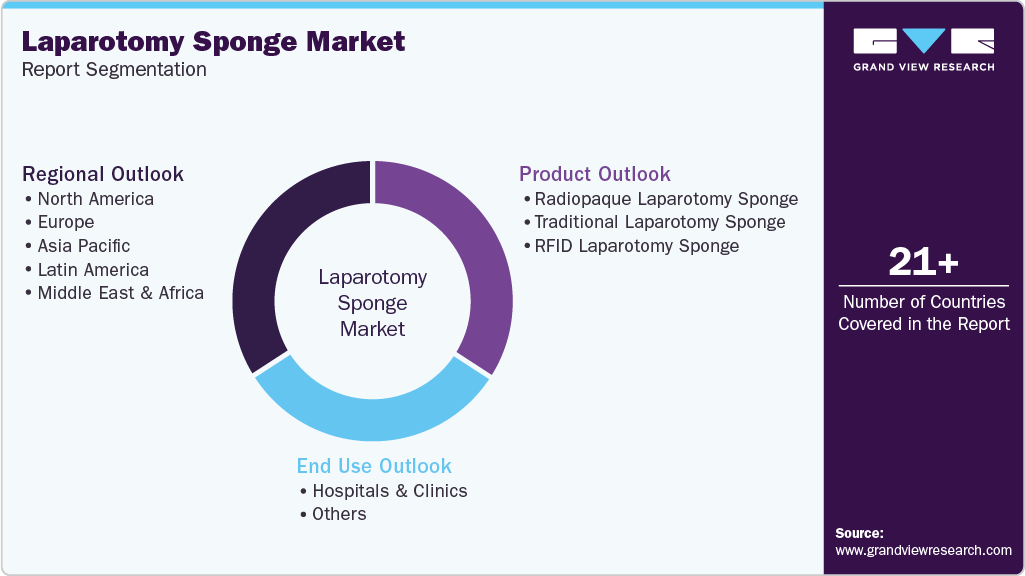
This report forecasts revenue growth at global, regional, and country levels and provides an analysis on the latest industry trends and opportunities in each of the sub-segments from 2021 to 2033. For the purpose of this study, Grand View Research has segmented the global laparotomy sponge market report on the basis of product, end use, and region:
-
Product Outlook (Revenue, USD Million, 2021 - 2033)
-
Radiopaque Laparotomy Sponge
-
Traditional Laparotomy Sponge
-
RFID Laparotomy Sponge
-
-
End Use Outlook (Revenue, USD Million, 2021 - 2033)
-
Hospitals & Clinics
-
Others
-
-
Regional Outlook (Revenue, USD Million, 2021 - 2033)
-
North America
-
U.S.
-
Canada
-
Mexico
-
-
Europe
-
UK
-
Germany
-
France
-
Italy
-
Spain
-
Denmark
-
Sweden
-
Norway
-
-
Asia Pacific
-
Japan
-
China
-
India
-
Australia
-
South Korea
-
Thailand
-
-
Latin America
-
Brazil
-
Argentina
-
-
Middle East & Africa
-
South Africa
-
Saudi Arabia
-
UAE
-
Kuwait
-
-
Research Methodology
The laparotomy sponge market figures in this report are based on a proven research process that combines executive interviews with secondary research from proprietary databases, company filings, and recognized regulatory and institutional sources. Market size is built through value-chain sizing - reconciling supply-side and demand-side estimates - and triangulated with bottom-up and top-down approaches. Every estimate passes multiple levels of expert validation before publication, with each laparotomy sponge segment quantified using the revenue-capture definitions in the table below.
Segment Definition
Segment - Product
Revenue capture definition
Radiopaque Laparotomy Sponges
Revenue is generated through the sale of laparotomy sponges embedded with radiopaque markers that enable intraoperative and postoperative X-ray detection to reduce the risk of retained surgical items (RSIs). Manufacturers capture recurring revenue through widespread utilization in general, cardiovascular, trauma, obstetric, and other high-volume surgical procedures, supported by hospital patient safety protocols and regulatory compliance requirements.
Traditional Laparotomy Sponges
Revenue is derived from the commercialization of conventional sterile cotton gauze laparotomy sponges used for blood and fluid absorption, tissue protection, and maintenance of a clear surgical field during open procedures. Market participants benefit from high-volume, procedure-driven demand due to the routine use of these cost-effective disposable products across hospitals, ambulatory surgical centers, and surgical clinics.
Radio-frequency Identification (RFID) Laparotomy Sponges
Revenue flows from the sale of RFID-enabled laparotomy sponges designed to facilitate automated surgical sponge tracking and improve operating room safety by minimizing retained surgical items. Manufacturers generate value through premium-priced products integrated with RFID detection systems, benefiting from increasing adoption of digital surgical workflow solutions and hospital investments in patient safety technologies.
Segment - End-use
Revenue capture definition
Hospitals & Clinics
Revenue is captured through the extensive utilization of laparotomy sponges during elective and emergency surgical procedures performed in hospitals, specialty surgical centers, and outpatient clinics. Manufacturers benefit from recurring procurement contracts, high surgical volumes, and increasing adoption of radiopaque and RFID-enabled sponges driven by stringent patient safety protocols, infection prevention initiatives, and regulatory requirements.
Others
Revenue is generated through the supply of laparotomy sponges to ambulatory surgical centers (ASCs), military and field hospitals, academic medical institutions, and other specialized healthcare facilities performing surgical procedures. Market participants benefit from procedure-dependent demand, expansion of outpatient surgical services, and the growing need for reliable disposable surgical consumables across diverse healthcare environments.
Estimation Model
Step
Guiding Question
Process Steps
Data Sources
Scope Definition
What is being studied?
1. Define Laparoscopy and Open Surgery Product Categories.
2. Scope Product and End‑User Segments.
3. Establish Geographic Coverage (Regional/Global).
4. Align volume base for forecast inclusion (2021-2031).
ACS, WHO, FDA, CE Mark, AORN Guidelines, company product portfolios.
Build the Product Base
How large is the total end‑market volume?
1. Collect Annual Volumes of Open Surgical Procedures.
2. Estimate Laparoscopy Surgery Utilization per Procedure.
3. Map Sponge Usage Across Surgical Procedures.
4. Develop Surgical Procedure Volume Estimates.
National inpatient databases, hospital procedure databases, surgical registries, healthcare statistics.
Estimate Penetration
What proportion of procedures use laparotomy sponges?
1. Assess Adoption of Laparotomy Sponges Across Surgical Procedures. 2. Evaluate the Transition from Traditional to Radiopaque and RFID‑enabled Sponges.
3. Analyze Utilization by End‑User Setting and Surgical Specialty.
4. Validate Assumptions using Manufacturer and End‑User Data.
Primary interviews, company filings, trade surveys
Revenue Conversion
How do volumes become revenue?
1. Determine ASPs by Product Category.
2. Calculate Procedure‑level Sponge Consumption.
3. Apply Regional Pricing Variations.
4. Derive Global Units, Core Revenues, and Total Market Value.
Distributor pricing sheets, procurement data, import/export databases, expert interviews
Delivered Customizations
This report has been delivered with the following In-depth customizations
Client Request
Customization Delivered
Value Adds
Competitive Landscape Analysis
Conducted a comprehensive competitive landscape assessment for the global laparotomy sponge market, covering leading manufacturers of radiopaque laparotomy sponges, traditional laparotomy sponges, RFID-enabled sponge systems, surgical gauze products, and operating room safety solutions. The study evaluated product portfolio breadth, manufacturing capabilities, distribution networks, hospital procurement partnerships, regulatory compliance strategies, pricing models, and geographic expansion initiatives across hospitals, ambulatory surgical centers (ASCs), trauma centers, and academic medical institutions. It also assessed innovation trends in radiopaque materials, RFID-based sponge tracking technologies, enhanced absorbent fabrics, and patient safety solutions adopted by both multinational medical device companies and emerging surgical consumables manufacturers.
Enables stakeholders to understand the competitive dynamics, product positioning, and commercialization strategies shaping the global laparotomy sponge market. The study supports informed decision-making related to supplier selection, procurement optimization, product portfolio differentiation, regional expansion planning, and partnership opportunities. It also helps manufacturers identify innovation gaps, benchmark distribution capabilities, and strengthen market penetration strategies while addressing evolving patient safety requirements and retained surgical item (RSI) prevention initiatives.
Segment by Product Analysis
Conducted a detailed segment-level assessment of the laparotomy sponge market across key product categories including radiopaque laparotomy sponges, traditional laparotomy sponges, and RFID-enabled laparotomy sponges. The study analyzed product utilization rates, adoption trends, pricing dynamics, procurement patterns, surgical workflow requirements, and technology adoption across hospitals, trauma centers, and ambulatory surgical facilities. It further evaluated historical and forecast demand trends, transition toward advanced sponge tracking technologies, and the impact of patient safety regulations on product selection and utilization.
Enables stakeholders to gain granular insights into high-growth product segments, evolving technology adoption, and procedure-specific product utilization trends. The study supports product portfolio optimization, commercialization strategies, pricing decisions, inventory planning, and identification of emerging growth opportunities driven by increasing surgical volumes, stricter patient safety regulations, and growing adoption of RFID-enabled sponge tracking systems.
Macroeconomic Analysis
Conducted an in-depth driver and macroeconomic assessment focused on healthcare expenditure growth, rising global surgical procedure volumes, increasing trauma incidence, demographic shifts, chronic disease prevalence, and healthcare infrastructure investments influencing demand for laparotomy sponges. The study evaluated key economic indicators including hospital procurement budgets, reimbursement trends, procurement policies, inflationary pressures on cotton and medical textile raw materials, supply chain disruptions, and international trade dynamics affecting manufacturing and distribution costs. Additionally, it assessed the growing emphasis on patient safety initiatives, retained surgical item (RSI) prevention, infection control standards, and regulatory requirements promoting adoption of advanced radiopaque and RFID-enabled laparotomy sponges across healthcare facilities.
Enables stakeholders to understand the key macroeconomic, demographic, regulatory, and operational factors influencing demand within the global laparotomy sponge market. The study supports long-term strategic forecasting, pricing strategy development, supply chain risk mitigation, procurement planning, capacity expansion decisions, and regional market prioritization amid evolving healthcare spending patterns, patient safety regulations, and operating room quality improvement initiatives.
Frequently Asked Questions About This Report
The global laparotomy sponge market size was valued at USD 1.3 billion in 2025 and is estimated at USD 1.4 billion for 2026.
The global laparotomy sponge market is expected to grow at a CAGR of 5.9% from 2025 to 2033, reaching USD 2.1 billion by 2033.
North America dominated the laparotomy sponge market with a share of 37.5% in 2025. This is attributable to the increasing geriatric population, rising incidence of abdominal disorders, and the growing number of abdominal surgeries.
Some key players operating in the laparotomy sponge market include Medtronic; Derma Sciences, Inc.; Medical Action Industries, Inc.; Medline Industries, Inc.; Stryker; Premier Enterprises; ACTIMED; A Plus International, Inc.; Cardinal Health; and AllCare.
Key factors that are driving the market growth include increasing incidence of abdominal disorders, technological advancements, and surging geriatric population.
Asia Pacific is the fastest-growing region over the forecast period.
Radiopaque laparotomy sponge segment led the market with the largest revenue share of 40.1% in 2025.
Hospitals & clinics segment led the market with the largest revenue share of 53.9% in 2025.
About the Author(s)
Medical Devices Research Team
Healthcare · Medical DevicesThis report was authored by the medical devices research team at Grand View Research - comprising two research analysts, one senior research analyst, and one industry expert - with specialized expertise in the medical devices segment of the healthcare industry. All findings are based on proprietary healthcare databases, executive interviews, and regulatory analysis, subject to internal peer review prior to publication.
Last Updated:
Speak to Analyst


Customize this report to your needs — add regions, segments, or data points, with 20% free customization.
Or view our licence options:


ISO 9001:2015 & 27001:2022 Certified
We are GDPR and CCPA compliant! Your transaction & personal information is safe and secure. For more details, please read our privacy policy.


