
- Home
- »
- Medical Devices
- »
-
Ophthalmic Lasers Market Size & Share Report, 2026-2033GVR Report cover
![Ophthalmic Lasers Market (2026 - 2033)Report]()
Ophthalmic Lasers Market (2026 - 2033)
Size, Share & Trends Analysis Report By Product (Diode, Femtosecond), By Application (Glaucoma, Cataract Removal, Diabetic Retinopathy, AMD), By End Use, And Segment Forecasts
Market Size, 2025
$1.8BMarket Estimate, 2026
$1.9BMarket Forecast, 2033
$2.8BCAGR, 2026–2033
5.5%Ophthalmic Lasers Market Summary
The global ophthalmic lasers market size was valued at USD 1.8 billion in 2025 and is projected to grow from USD 1.9 billion in 2026 to USD 2.8 billion by 2033, at a CAGR of 5.5% from 2026 to 2033. North America dominated the market with the largest revenue share of 39.3% in 2025. The increasing occurrence of ophthalmic disorders is fueling market growth.

Key Market Trends & Insights
- By product: Femtosecond lasers segment led the market with the largest revenue share of 30.0% in 2025.
- By application: Refractive error correction segment led the market with the largest revenue share of 22.1% in 2025.
- By end use: Outpatient facilities segment led the market with the largest revenue share of 57.0% in 2025.
Regional Highlights
- Largest regional market: North America (39.3% revenue share, 2025)
- Fastest-growing regional market: Asia Pacific (highest CAGR, 2026-2033)
- By country: The U.S. held the largest market share in 2025
Market Size & Forecast
- Market size in 2025: USD 1.8 Billion
- Estimated market size in 2026: USD 1.9 Billion
- Projected market size by 2033: USD 2.8 Billion
- CAGR (2026-2033): 5.5%
For example, the World Health Organization (WHO) reports that about 2.2 billion people globally suffer from near or far vision impairments. Refractive errors and cataracts are the main culprits behind these vision issues. Furthermore, vision impairments impose a substantial financial strain, with the estimated annual global cost of lost productivity reaching USD 411 billion.
There is a growing prevalence of ophthalmic disorders such as cataracts, glaucoma, refractive errors, age-related macular degeneration (AMD), diabetic retinopathy, and other retinal disorders. Among these, cataracts, glaucoma, AMD, and diabetic retinopathy are some of the most prevalent and severe ophthalmic disorders, significantly contributing to visual impairment and blindness on a global scale. Cataract accounts for nearly half of global blindness cases, while glaucoma impacts millions without noticeable early symptoms until significant vision loss occurs. Similarly, AMD primarily affects older people and is a leading cause of central vision loss. At the same time, diabetic retinopathy, a complication of diabetes, threatens vision due to damage to the blood vessels in the retina.
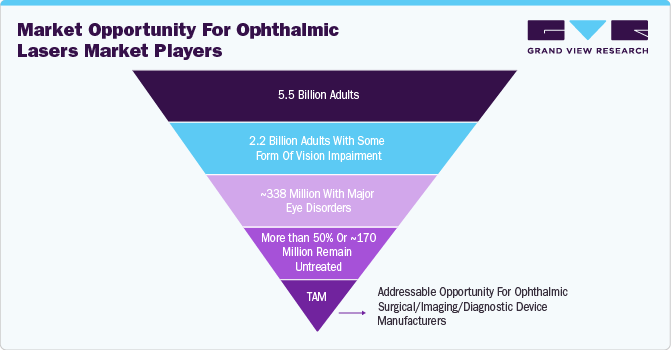
A significant portion of this burden could be prevented or treated with early diagnosis and appropriate medical interventions. However, with the aging global population, the number of people suffering from these conditions is expected to rise. As the elderly population grows, their susceptibility to age-related ophthalmic disorders increases.
Growing awareness regarding the importance of maintaining optimal eye health and adhering to regular eye check-ups has impelled the demand for ophthalmic lasers. People now recognize the early signs of eye problems, prompting them to seek help and treatment earlier. This increased understanding not only helps individuals get timely treatment. For instance, Johnson & Johnson launched a program called “Vision Made Possible” in October 2023, aiming to educate people about eye health, such as childhood myopia, presbyopia, and cataracts. These efforts show a growing focus on taking proactive steps for better eye health, which means more chances for improving eye health through accessible treatments.
In addition, lifestyle changes have led to a rise in diseases such as diabetes and hypertension, which are linked to visual impairment. According to the IDF Diabetes Atlas, around 589 million adults had diabetes in 2023, representing 1 in 10 people, which is projected to increase to 634 million by 2030 and 783 million by 2045. This increase in diabetes cases heightens the risk of glaucoma in many patients. It has created a greater need for convenient and effective ophthalmic devices and procedures, thus driving market demand.
Technological advancements in laser technology have driven the growth in the ophthalmic laser market, revolutionizing how eye conditions are diagnosed and treated. Innovations such as femtosecond lasers, which enable ultra-precise, bladeless surgical procedures, have transformed cataract and refractive surgeries by enhancing accuracy and recovery and minimizing complications. Excimer lasers have further advanced refractive error correction with customizable treatments like wavefront-guided LASIK, offering highly personalized vision solutions. In addition, doped lasers become essential in managing glaucoma and retinal disorders due to their efficiency, cost-effectiveness, and versatility. These advancements improve surgical outcomes and expand their range of treatable eye conditions, driving the demand for advanced ophthalmic laser devices worldwide.
In February 2025, Alcon, Inc. introduced the Voyager direct selective laser trabeculoplasty (DSLT) device. This innovative device streamlines the workflow by delivering 120 laser pulses without requiring a gonio lens or manual aiming. It is now available in the U.S. for commercial use, catering to around 5 million Americans diagnosed with eye conditions glaucoma.
Market Dynamics
Ophthalmic laser solutions are gaining significant traction as they enable hospitals, specialized eye care clinics, and ambulatory surgery centers (ASCs) to address, treat, and optimize visual acuity and ocular health through advanced surgical and therapeutic energy-based platforms. These solutions integrate technologies such as multi-wavelength photocoagulators, high-precision femtosecond and excimer laser systems, Nd:YAG and Selective Laser Trabeculoplasty (SLT) modules, intraoperative Optical Coherence Tomography (OCT) guidance, and cloud-connected practitioner dashboards to provide real-time control over corneal ablation profiles, pulse parameters, micro-energy delivery, real-time diagnostic mapping, and structural treatment efficacy. Ophthalmic laser platforms help healthcare providers and surgical practitioners address the rising global burden of sight-threatening conditions such as cataracts, refractive errors, glaucoma, and diabetic retinopathy by supporting highly personalized surgical planning, high-precision corneal tissue reshaping, targeted retinal photocoagulation, and proactive, vision-saving disease management.
The global ophthalmic lasers market is experiencing robust, long-term expansion fueled by a dual-force engine: a rapidly aging worldwide population and a corresponding surge in chronic, sight-threatening ocular disorders. Age remains the single most significant risk factor for structural and degenerative eye diseases, and with the global population aged 60 and older projected to double by mid-century, a massive demographic segment is moving into the peak risk bracket for severe vision impairment. This demographic shift directly accelerates the incidence of age-related cataracts, where the natural crystalline lens progressively clouds over. Because surgery is the only definitive treatment, this expanding geriatric demographic creates an unyielding demand for Femtosecond Laser-Assisted Cataract Surgery (FLACS) to optimize precision, while simultaneously driving a high-volume, continuous secondary market for Nd:YAG lasers to treat post-surgical posterior capsular opacification (PCO).
The high procurement costs of ophthalmic laser equipment coupled with the substantial financial burden of the procedures themselves act as a critical restraint to the overall growth of the global market. Ophthalmic laser systems, particularly premium platforms such as femtosecond and excimer laser suites used in advanced cataract and refractive surgeries, represent massive capital expenditures that frequently range from hundreds of thousands to over a million dollars per unit. For small-to-medium specialized eye clinics, rural community hospitals, and healthcare providers in developing economies, this high upfront acquisition cost presents a steep barrier to entry. This financial strain is compounded by significant ongoing operational expenses, including costly specialized service contracts, technical calibration fees, replacement components, and "click fees" or per-procedure activation charges imposed by manufacturers.
Market Concentration & Characteristics
The ophthalmic lasers industry is moderately concentrated, dominated by key players like Alcon, Lumenis, Carl Zeiss Meditec, and NIDEK. These companies hold significant market share due to their advanced technologies, global presence, and strong distribution networks. The industry is characterized by high entry barriers, driven by stringent regulatory requirements, complex R&D processes, and significant capital investment. Continuous innovation, particularly in femtosecond and excimer lasers, shapes competitive dynamics. Demand is fueled by the rising prevalence of eye disorders like cataracts, glaucoma, and diabetic retinopathy, alongside the growing elderly population and increasing adoption of minimally invasive ophthalmic procedures worldwide.
The ophthalmic lasers industry is characterized by high innovation, with companies consistently developing products that enhance efficiency and safety. For instance, the introduction of wavefront-guided LASIK, laser-assisted cataract surgery, and minimally invasive treatments reflect the industry’s shift towards more personalized and effective treatments. Such technological advances are expected to propel market growth.
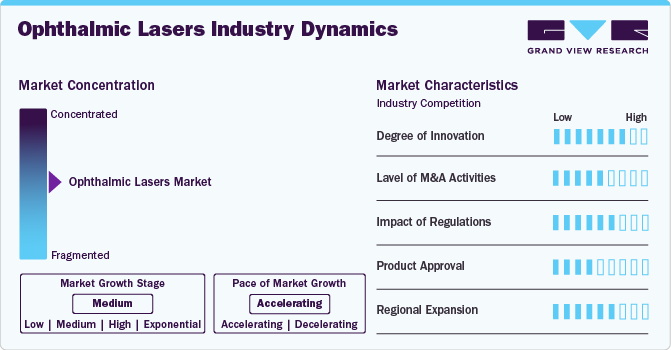
Stringent regulations ensure rigorous testing and approval processes for ophthalmic devices, minimizing risks and protecting patient safety. This nurtures trust in the industry and encourages widespread acceptance of safe, effective technologies. Regulatory bodies like the FDA in the U.S. and the MHRA in the UK provide transparency in device approval processes and hold manufacturers accountable for product safety and efficacy. This builds trust and promotes ethical practices in the industry.
Mergers and acquisitions in the ophthalmological lasers industry are rising due to the need for research and development, reflecting the industry's dynamic nature. Companies are leveraging M&A activities to innovate and offer advanced solutions that meet the evolving needs of healthcare professionals. For instance, in July 2024, Alcon, Inc. acquired BELKIN Vision. This acquisition includes BELKIN’s Direct Selective Laser Trabeculoplasty (DSLT) technology, which helped in expanding Alcon’s glaucoma portfolio with a first-line therapy.
In the ophthalmic lasers industry, product substitutes include traditional surgical procedures, pharmaceutical therapies, and emerging non-laser technologies. For conditions such as glaucoma and diabetic retinopathy, eye drops, or anti-VEGF injections can serve as alternatives. Manual cataract surgery may replace femtosecond laser-assisted methods in cost-sensitive settings. In addition, newer imaging-guided treatments or microinvasive surgical devices (MIGS) pose competitive pressure. These substitutes may offer lower upfront costs or simpler infrastructure requirements, especially in developing regions. However, laser-based procedures remain favored for their precision, speed, and minimally invasive nature, maintaining strong demand despite the presence of these alternatives. Innovation continues to reduce substitution threats.
The ophthalmic lasers market is experiencing dynamic regional expansion, driven by increasing healthcare investments, rising prevalence of eye disorders, and growing awareness about advanced eye care. Regional expansion in the ophthalmic laser industry involves penetrating new geographical markets to broaden the customer base and increase market share. Moreover, regional expansion involves conducting market research to understand different markets' unique needs and challenges. By expanding into new regions, companies aim to capitalize on growth opportunities, strengthen their competitive position, and achieve sustainable business growth in the ophthalmological lasers market. For instance, the 2023 Asia Pacific Academy of Ophthalmology (APAO) meeting highlighted the importance of reconnection and collaboration among professionals in the region, fostering advancements in ophthalmic devices.
Analyst Perspective
The ophthalmic lasers market is positioned at the intersection of several long-term healthcare and vision care industry trends, including the growing global prevalence of chronic eye disorders, an aging population demanding enhanced visual acuity, and continuous advancements in precision-guided laser technologies. Rising incidences of cataracts, glaucoma, refractive errors, and diabetic retinopathy are creating significant opportunities for ophthalmic laser manufacturers and service providers as patients seek safe, highly accurate, and rapid surgical interventions with minimal post-operative recovery time. In addition, the expanding adoption of advanced laser platforms across multi-specialty hospitals, dedicated outpatient surgical centers, and specialized ophthalmic clinics, coupled with technological innovations such as ultra-fast femtosecond lasers, precision excimer systems, selective laser trabeculoplasty (SLT) modules, and advanced real-time diagnostic integration, is vastly improving surgical predictability, tissue preservation, and overall patient visual outcomes.
Product Insights
Based on product, the femtosecond lasers segment led the market with the largest revenue share of 30.0% in 2025. Femtosecond lasers emit ultra-short light pulses, allowing for highly accurate tissue cutting with minimal damage to surrounding structures. This precision is particularly beneficial in refractive surgeries such as LASIK, where precise corneal flap creation is critical for optimal vision correction. The largest revenue share is due to factors such as the number of people affected by refractive errors. These devices are also increasingly used during cataract surgeries. For instance, in June 2023, MKS Instruments, Inc. introduced the Spectra-Physics IceFyre FS femtosecond laser, which delivered exceptional performance and flexibility, and a wide range of repetition rates.
The Diode lasers segment is expected to grow at a CAGR of 7.8% over the forecast period. This growth is driven by their effectiveness, safety profile, and rising prevalence of glaucoma worldwide. Furthermore, their wide range of applications, targeted treatment options, and minimally invasive approach affect market growth. Diode lasers are a type of solid-state laser that use semiconductor materials as the laser medium.
Application Insights
Based on application, the refractive error correction segment led the market with the largest revenue share of 22.1% in 2025. This segment is influenced by the growing number of refractive errors in both children and adults. For example, in March 2023, Johnson & Johnson Vision obtained CE Mark approval for the ELITA Femtosecond Laser System. This system allows surgeons to carry out refractive corrections on myopic patients using the SILK or Smooth Incision Lenticule Keratomileusis technique procedure. In addition, the rising use of femtosecond lasers in refractive surgery has bolstered the segment's growth.
The cataract removal segment shows the fastest CAGR of 7.5% over the forecast period. This is due to the growing number of cataract removal surgeries taking place worldwide. Cataract is a common problem among the geriatric population and might lead to blindness if not given immediate medical attention.
End-use Insights
Based on end use, the outpatient facilities segment led the market with the largest revenue share of 57.0% in 2025. Outpatient clinics provide several factors that align with the evolving healthcare trends and patient preferences. Firstly, there is a growing demand for minimally invasive and same-day ophthalmic procedures, such as cataract surgeries, LASIK, and diagnostic imaging, which are ideally suited to the outpatient setting. Advancements in laser technologies have led to procedures that are minimally invasive, require shorter recovery times, and can be performed on an outpatient basis, making them more convenient and cost-effective for patients. For instance, in October 2024, at the American Academy of Ophthalmology (AAO) meeting, Carl Zeiss AG announced innovations, such as ZEISS VisioGen, which is an AI-driven solution designed to enhance patient communication, streamline clinic operations, and advance their outpatient ophthalmic care.

The inpatient facilities segment is expected to account for a significant market share in the ophthalmic lasers market. Some of the factors driving the growth include rising prevalence of chronic eye conditions such as diabetic retinopathy, glaucoma, and age-related macular degeneration, which often require advanced laser treatments performed in hospital settings. According to the Macular Degeneration Research, a part of the BrightFocus Foundation Program states that approximately 20 million adults in the U.S. are living with at least one form of age-related macular degeneration. In addition, the increasing availability of technologically advanced laser systems in inpatient facilities enhances the accuracy and outcomes of procedures, encouraging more referrals to these centers. Reimbursement policies and healthcare infrastructure also significantly impact this segment, as favorable insurance coverage and well-equipped hospitals support patient access to inpatient laser treatments.
Regional Insights
North America dominated the ophthalmic lasers market with the largest revenue share of 39.3% in 2025. Key factors contributing to the growth include numerous key players, a well-established healthcare infrastructure, growing awareness regarding eye care, and the increasing prevalence of ophthalmic disorders, such as cataracts, AMD, and glaucoma. To meet this rising demand, manufacturers are expected to intensify their investments in research and development (R&D), focusing on innovations of advanced ophthalmic devices that enhance ocular health and patient quality of life.

U.S. Ophthalmic Lasers Market Trends
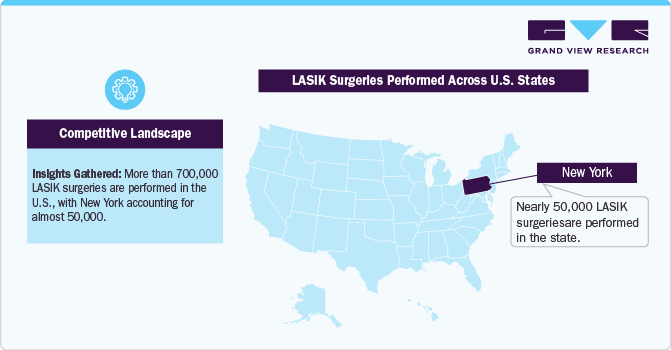
The ophthalmic lasers market in the U.S. held the largest share in the North America region in 2025. U.S. has a well-developed healthcare system with advanced diagnostic and treatment facilities. The country's increasing number of ocular diseases is anticipated to fuel market growth. The U.S. Centers for Disease Control and Prevention (CDC) states that refractive errors-including myopia, presbyopia, and astigmatism-are the most common eye conditions country. It is estimated that 11 million Americans aged 12 and older could benefit from proper refractive corrections to improve their vision. Furthermore, approximately 12 million people aged 40 and above in the U.S. are affected by vision impairment, according to the CDC. This growing number of cases is thus creating significant opportunities for adopting ophthalmic devices to diagnose, treat, and manage these disorders.
Europe Ophthalmic Lasers Market Trends
The European ophthalmic lasers market is witnessing growth fueled by technological advancements, the quality of healthcare infrastructure, and the rising incidence of ophthalmic procedures. The UK, France, Germany, Italy, and Spain are some of the major markets in this region. The increasing prevalence of various ophthalmic disorders largely drives the growth in this region. With well-established healthcare systems across European countries, there is a notable demand for advanced and high-quality medical equipment and a growing awareness of eye care, which is expected to increase the demand for these devices and technologies in the European market.
The UK ophthalmic lasers market is one of the key markets in the region. As the need for optical care services continues to grow, the demand for modern and efficient equipment is anticipated to surge. It caters to a wide range of eye conditions through advanced laser technologies, including excimer lasers for refractive surgeries, femtosecond lasers for precise corneal flap creation and cataract procedures, and YAG lasers for glaucoma and posterior capsule opacification treatments. Major players like Johnson & Johnson Vision Care, Alcon, Carl Zeiss Meditec, Bausch & Lomb, and Nidek dominate the market, driving innovations and expanding access to advanced eye care.
France's ophthalmic lasers industry is expected to grow over the forecast period. Several people of older age are susceptible to certain ophthalmic conditions, such as cataracts, diabetic retinopathy, and AMD, which can lead to severe vision impairment or blindness if not diagnosed and treated properly. Ophthalmic lasers play a crucial role in early detection, diagnosis, and ongoing management of these diseases. They also offer detailed visualization of the retina to help ophthalmologists provide timely and accurate diagnoses.
The ophthalmic lasers market in Germany is projected to expand in the forecast period due to the rising number of healthcare professionals and increasing healthcare expenditure. Germany’s strong healthcare infrastructure and investment in medical technology drive the adoption of innovative solutions. Government initiatives, funding, and collaborations support the development and integration of cutting-edge technologies. For instance, SCHWIND eye-tech Solutions GmbH, a manufacturer of products supporting the treatment of corneal diseases, received funding from the German Federal Ministry of Education and Research to give people the opportunity of laser vision correction.
Asia Pacific Ophthalmic Lasers Market Trends
The ophthalmic lasers market in the Asia Pacific region is expected to grow at the fastest rate during the forecast period. China and Japan are poised to lead the Asia Pacific market in the upcoming period. Further, the rising prevalence of cataract removal surgeries in developing countries such as India and increasing awareness levels for the prevention of blindness are also motivating the market's high growth.
Japan's ophthalmic lasers market is expected to grow the fastest. The rising geriatric population, coupled with their susceptibility to eye disorders, is a major driver for the market. For instance, the World Economic Forum reported over 10% of individuals aged 80 and above in Japan in 2023. The increasing demand for precise diagnostic tools, fueled by Japan’s aging demographic, is complemented by government support for enhanced healthcare infrastructure and early detection. The success of this innovation promotes further research and investment, leading to broader adoption and availability of advanced ophthalmic devices across Japan.
China's ophthalmic laser industry is projected to grow throughout the forecast period. The expanding healthcare infrastructure, increasing healthcare workforce, and well-established medical facilities in China are expected to fuel market growth in the future. In addition, rising government support for companies is boosting market development. For example, in February 2025, Carl Zeiss Meditec AG received approval from the National Medical Products Administration (NMPA) in China for its Visumax 800 femtosecond laser with SMILE pro software. This approval will broaden the company’s access to small incision lenticule extraction (SMILE) procedures using its femtosecond laser Asia.
India's ophthalmic lasers market is expected to grow over the forecast period. The growing financial burden highlights the increasing need for advanced eye care solutions, driving demand for ophthalmic devices. The need for effective diagnostic tools to manage and prevent visual impairment can spur investment in ophthalmic technologies, expanding the market and promoting the development of innovative eye care solutions in India.
Latin America Ophthalmic Lasers Trends
The ophthalmic lasers market in Latin America is driven by the increasing prevalence of eye disorders, a heightened focus on R&D in medical devices, the rapid adoption of advanced healthcare technologies, and a growing geriatric population. For instance, in June 2022, Norlase, Inc., an ophthalmic company developing next-generation laser solutions, announced its distributor partnerships in Latin America.
Middle East & Africa Ophthalmic Lasers Market Trends
The Middle East and Africa ophthalmic lasers market is driven by rising cases of cataracts, diabetic retinopathy, and glaucoma, along with expanding access to advanced eye care. Increasing government investments and growing private eye clinics are boosting laser adoption, particularly in Gulf nations, Egypt, and South Africa.
The ophthalmic lasers market in Saudi Arabia is anticipated to expand in the forecast period. Saudi Arabia’s Vision 2030 initiative, focusing on socioeconomic transformation and healthcare infrastructure development, is poised to boost the ophthalmic devices market. The initiative includes investments in new hospitals, healthcare facilities, and advanced medical technologies essential for complex surgeries.
Key Ophthalmic Lasers Company Insights
The ophthalmic lasers market is highly competitive, with key players such as Alcon Laboratories, Inc., Carl Zeiss Meditec AG, and Bausch & Lomb Incorporated holding significant positions.
The major companies are undertaking various organic and inorganic strategies such as new product development, collaborations, acquisitions, mergers, and regional expansion for serving the unmet needs of their customers.
Key Ophthalmic Lasers Companies:
The following are the leading companies in the ophthalmic lasers market. These companies collectively hold the largest market share and dictate industry trends.
-
Alcon Laboratories, Inc.
-
Carl Zeiss Meditec AG
-
Ellex Medical Lasers Limited
-
Abbott Medical Optics, Inc.
-
Bausch & Lomb Incorporated
-
Topcon Corporation
-
IRIDEX Corporation
-
Lumenis
-
Ziemer Ophthalmic Systems AG
-
NIDEK Co., Ltd.
Competitive Benchmarking
Category Operating Strategies Competitive Edge Weakness Established Players (Alcon Laboratories, Inc., Carl Zeiss Meditec AG, Bausch & Lomb Incorporated, NIDEK Co., Ltd.) Focus on expanding advanced ophthalmic laser portfolios across cataract surgery, glaucoma treatment, retinal photocoagulation, refractive surgery, and posterior capsulotomy applications.Strengthen partnerships with hospitals, ophthalmology clinics, ambulatory surgical centers, and academic eye institutes to increase adoption of premium laser platforms. Strong brand recognition, extensive global distribution networks, and established relationships with ophthalmologists and healthcare institutions.Significant R&D capabilities, broad product portfolios, and robust clinical evidence supporting technology differentiation and premium pricing. High product development, regulatory compliance, and commercialization costs associated with advanced ophthalmic laser systems.Dependence on capital equipment budgets and reimbursement environments can impact purchasing decisions. Emerging Players (Ziemer Ophthalmic Systems AG, IRIDEX Corporation, Ellex Medical Lasers Limited, Topcon Corporation) Focus on cost-effective ophthalmic laser systems targeting mid-sized hospitals, specialty eye clinics, and developing healthcare markets.Prioritize innovation in compact, user-friendly laser platforms that improve accessibility and reduce procedural costs. Faster product innovation cycles and greater flexibility in addressing regional clinical requirements and customer preferences.Competitive pricing strategies support adoption in cost-sensitive healthcare environments. Limited financial resources, lower brand recognition, and smaller distribution footprints compared with established global competitors.Challenges related to regulatory approvals, physician training, and generation of long-term clinical evidence. Recent Developments
-
In August 2024, Meridian Medical received FDA approval for the MR Q laser family, including the fully integrated ND: YAG laser MR Q, MR Q SLT, and MR Q Supine U.S.
-
In January 2024, Iridex Corporation introduced the Iridex 532 and Iridex 577 laser platforms in the U.S. These products utilize various treatment modes, such as continuous-wave and the exclusive MicroPulse technology developed by Iridex, along with a user-friendly touchscreen for enhanced clinical control options.
Ophthalmic Lasers Market Report Scope
Report Attribute
Details
Market size in 2025
USD 1.8 billion
Estimated market size in 2026
USD 1.9 billion
Projected market size by 2033
USD 2.8 billion
Growth rate
CAGR of 5.5% from 2026 to 2033
Historical data
2021 - 2024
Forecast period
2026 - 2033
Quantitative units
Revenue in USD million/billion and CAGR from 2026 to 2033
Report coverage
Revenue forecast, company ranking, competitive landscape, growth factors, and trends
Segments covered
Product, application, end use, region
Regional scope
North America; Europe; Asia Pacific; Latin America; MEA
Country scope
U.S.; Canada; Mexico; Germany; UK; France; Italy; Spain; Norway; Denmark; Sweden; China; Japan; India; South Korea; Australia; Thailand; Brazil; Argentina; Saudi Arabia; South Africa; UAE; Kuwait;
Key companies profiled
Alcon Laboratories, Inc.; Carl Zeiss Meditec AG; Ellex Medical Lasers Limited; Abbott Medical Optics, Inc.; Bausch & Lomb Incorporated; Topcon Corporation; IRIDEX Corporation; Lumenis; Ziemer Ophthalmic Systems AG; NIDEK Co., Ltd.
Customization scope
Free report customization (equivalent up to 8 analysts' working days) with purchase. Addition or alteration to country, regional & segment scope.
Pricing and purchase options
Avail customized purchase options to meet your exact research needs. Explore purchase options
Global Ophthalmic Lasers Market Report Segmentation
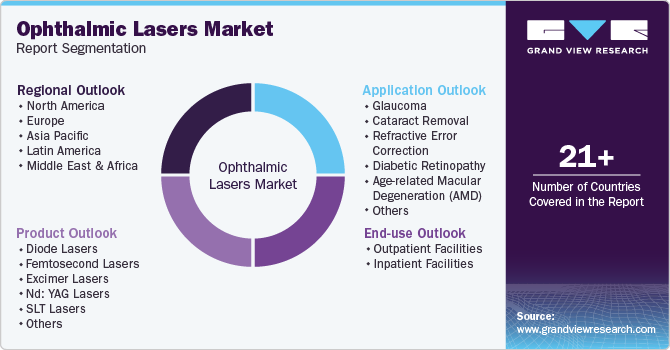
This report forecasts country-level revenue growth and analyzes the latest industry trends and opportunities in each sub-segment from 2018 to 2030. For the purpose of this study, Grand View Research has segmented the ophthalmic lasers market report on the basis of product, application, end use and region:
-
Product Outlook (Revenue, USD Million, 2021 - 2033)
-
Diode Lasers
-
Femtosecond Lasers
-
Excimer Lasers
-
Nd: YAG Lasers
-
SLT Lasers
-
Others
-
-
Application Outlook (Revenue, USD Million, 2021 - 2033)
-
Glaucoma
-
Cataract Removal
-
Refractive Error Correction
-
Diabetic Retinopathy
-
Age-related Macular Degeneration (AMD)
-
Others
-
-
End Use Outlook (Revenue, USD Million, 2021 - 2033)
-
Outpatient Facilities
-
Inpatient Facilities
-
-
Region Outlook (Revenue, USD Million, 2021 - 2033)
-
North America
-
U.S.
-
Canada
-
Mexico
-
-
Europe
-
UK
-
Germany
-
France
-
Italy
-
Spain
-
Denmark
-
Sweden
-
Norway
-
-
Asia Pacific
-
Japan
-
China
-
India
-
Australia
-
South Korea
-
Thailand
-
-
Latin America
-
Brazil
-
Argentina
-
-
Middle East & Africa
-
South Africa
-
Saudi Arabia
-
UAE
-
Kuwait
-
-
Research Methodology
Segment Definition
Segment - Product
Revenue capture definition
Femtosecond Lasers
Revenue flows from ultra-fast, high-precision infrared laser systems utilized for blade free corneal and lenticular incisions. Given the premium price point of these platforms, market participants secure considerable revenue through high-value capital equipment sales or per-procedure leasing models, alongside highly profitable recurring revenue from single-use patient interface kits (disposable suction rings and contact lenses) and mandatory software licensing updates.
Diode Lasers
Revenue is generated through the sale of photocoagulation and cyclophotocoagulation systems utilizing semiconductor diode technology. Manufacturers earn revenue from capital equipment sales, specialized fiber-optic delivery probes (e.g., endophotocoagulation or transscleral probes), slit-lamp adapters, and comprehensive annual preventative maintenance and optical alignment service contracts.
Excimer Lasers
Revenue is captured via ultraviolet argon-fluoride gas laser systems engineered for precise corneal tissue ablation. Revenue streams are bifurcated between substantial upfront hardware sales and highly structured recurring monetization models, which include per-procedure "click fees" (pay-per-use software activation), medical-grade gas cylinder replenishments, replacement delivery optics, and specialized service agreements for calibration.
Nd:YAG Lasers
Revenue is derived from neodymium-doped yttrium aluminum garnet laser platforms designed for photodisruption procedures like capsulotomy and iridotomy. Manufacturers capitalize on steady, high-volume hardware sales to broad ophthalmic practices, combined with recurring revenue from integrated slit-lamp consumables, specialized viewing lenses, and routine maintenance of the optical Q-switching modules.
SLT Lasers
Revenue is generated through Selective Laser Trabeculoplasty systems optimized for targeting pigmented trabecular meshwork cells. Income is driven by the commercialization of dedicated SLT standalone units or combo-laser platforms, specialized goniophotocoagulation lenses, and clinical training certification packages for practitioners.
Others
Revenue encompasses alternative laser modalities, such as Argon gas lasers, Krypton lasers, and Yellow/Green Pattern Scanning Photocoagulators (PASCAL). Monetization occurs through boutique hardware procurement, specialized multi-wavelength fiber optic accessories, and customized service contracts for multi-specialty clinical installations.
Segment - Application
Revenue capture definition
Glaucoma
Revenue is derived from laser solutions dedicated to lowering intraocular pressure via trabeculoplasty, iridotomy, or ciliary body ablation. Revenue tracking focuses on the volume of SLT systems and Diode platforms sold, specialized treatment lenses, and multi-use delivery fibers used across chronic, long-term glaucoma management protocols.
Refractive Error Correction
Revenue is captured through laser platforms dedicated to reshaping the cornea for myopia, hyperopia, and astigmatism correction (e.g., LASIK, PRK, SMILE). This application is heavily monetized through the combination of Excimer and Femtosecond laser platforms, software-driven per-procedure royalty keys, and rigorous calibration software maintenance.
Cataract Removal
Revenue flows from laser platforms, predominantly femtosecond lasers, utilized for corneal incisions, capsulotomy, and lens fragmentation during premium cataract surgeries. Revenue is strongly tied to high-volume recurring consumable sales, particularly single-use patient interfaces, coupled with premium hardware sales to high-throughput surgical centers.
Diabetic Retinopathy
Revenue is generated through retinal photocoagulation solutions used to treat proliferative diabetic retinopathy and macular edema. Manufacturers capture income through the sale of green, yellow, or multi-wavelength diode-pumped solid-state (DPSS) lasers, automated pattern-scanning software modules, and specialized contact lenses.
Age-related Macular Degeneration
Revenue flows from targeted laser solutions, including photodynamic therapy (PDT) systems using specialized non-thermal diode lasers to treat wet AMD. Revenue is achieved through targeted hardware placement, specialized delivery parameters integration, and diagnostic imaging platform cross-licensing.
Others
Revenue includes laser applications for oculoplastics, vitreolysis (floater removal via Nd:YAG), and the removal of ocular tumors. Monetization is achieved via versatile, multi-indication laser modules, specialty handpieces, and custom clinical software configurations.
Segment – End Use
Revenue capture definition
Outpatient Facilities
Revenue is captured through sales to Ambulatory Surgical Centers (ASCs), independent ophthalmic clinics, laser vision correction centers, and optometric practices. This high-volume segment is characterized by rapid technology adoption and is monetized via flexible leasing, high consumable turnover (patient interfaces/click fees), and highly responsive, localized technical support contracts.
Inpatient Facilities
Revenue is generated through large-scale procurement contracts with multi-specialty hospitals, academic medical centers, and government healthcare networks. Revenue capture is driven by institutional B2B bulk purchases of premium, multi-platform laser consoles, extended multi-year service agreements, software integration licensing for hospital-wide Electronic Health Records (EHR), and dedicated training programs for resident ophthalmologists.
Estimation Model
Step Title
Guiding Question
Process Steps
Data Sources
Scope Definition
What is being sized?
- Define Ophthalmic Laser Technology Categories - Scope Clinical Applications - Set Geographic Boundaries - Align on base year & forecast horizon (2020–2030)
ICO, AAO, ESCRS, WHO
Build the Product Base
How large is total addressable market?
- Gather Facility Matrices - Estimate Active Installed Base - Apply Product Mix Splits - Project Macro Adjustments
NHS, CMS
Estimate Penetration
What portion of the market is migrating to next-gen tech?
- Survey technology adoption rates - Map Capital vs. Standalone Mix - Analyze Local Regulatory Approvals - Triangulate Vendor Shipments
FDA, EMA, MHRA
Revenue Conversion
How does volume become revenue?
- Model Dual Revenue Streams - Segment Value Tiers - Analyze End-use Channel and Sourcing Share - Validate with Trade & Import Dynamics
Distributor pricing sheets, procurement data, import/export databases, expert interviews
Delivered Customizations
This report has been delivered with the following In-depth customizations
Client Request
Customization Delivered
Value Adds
Increasing Demand for Cosmetic and Refractive Surgeries
Conducted a comprehensive assessment of technological integration, FDA/CE/PMA approvals, and platform scalability supporting the adoption of advanced refractive and therapeutic ophthalmic lasers across major markets. The analysis evaluated platform versatility including all-laser refractive suites (integrated Femtosecond and Excimer systems), SMILE (Small Incision Lenticule Extraction) capabilities, advanced eye-tracking technologies, and intraoperative OCT integration. The study further assessed emerging features like AI-driven corneal ablation profiling, automated flap creation parameters, low-energy tissue-sparing laser pulses, multi-spot photocoagulators, and selective laser trabeculoplasty (SLT) modalities that are expanding clinical indications and reducing post-operative recovery times.
Enables stakeholders to understand how continuous laser innovation and high-precision system evolution influence ophthalmic clinic adoption, surgical workflows, and capital purchasing behaviors. Identifies high-growth product segments (e.g., integrated diagnostic surgical refractive suites vs. standalone tabletop therapeutic lasers), supports targeted R&D allocation, and highlights feature-driven opportunities that improve surgical safety, optimize patient visual outcomes, and maximize commercial ROI.
Macroeconomic Analysis
Conducted a detailed geographic assessment of the ophthalmic lasers market across North America, Europe, Asia-Pacific, Latin America, and the Middle East & Africa. The study evaluated shifting macroeconomic scenarios, rising healthcare expenditures, government-sponsored vision care programs, medical tourism corridors (e.g., high-volume refractive surgery hubs), outlet density, and reimbursement coverage for therapeutic lasers across major surgical centers. The analysis also included epidemiological modeling of cataract, glaucoma, and refractive error prevalence to estimate potential patient pools and procedure volumes.
Enables stakeholders to evaluate regional expansion opportunities, localized market maturity, and device distribution channels. Helps manufacturers optimize international pricing and tendering strategies, refine marketing and distribution networks, and align regulatory matrices with evolving healthcare infrastructure. Provides actionable insights for strategic planning, resource allocation, and long-term market forecasting.
Competitive Landscape Analysis
Conducted a detailed assessment of ophthalmic laser manufacturers and emerging market participants. The study mapped competitive positioning, product portfolio benchmarking, and vendor scoring across major product categories (refractive, cataract, glaucoma, and retinal lasers). The analysis identified the seven highest competitive platforms based on wavelength diversity and modular design (e.g., yellow 577nm vs. green 532nm photocoagulators). It also examined product differentiation lifecycles, post-sales service models, field calibration support, global brand engagement, and training/fellowship support programs for practicing ophthalmologists.
Enables stakeholders to benchmark competitive positioning, identify technology gaps, and prioritize product differentiation strategies. Supports corporate decision-making processes targeting long-term clinical integration, brand loyalty, and service excellence. Helps manufacturers strengthen product portfolios, enhance after-sales support, and improve overall market competitiveness.
Frequently Asked Questions About This Report
The global ophthalmic lasers market was estimated at USD 1.8 billion in 2025 and is expected to reach USD 1.9 billion in 2026.
The global ophthalmic lasers market is expected to grow at a compound annual growth rate of 5.5% from 2026 to 2033, reaching USD 2.8 billion by 2033.
By product, the femtosecond lasers segment accounted with a 30.0% revenue share in 2025, while diode lasers is the fastest-growing segment.
Some key players operating in the ophthalmic lasers market include Alcon Laboratories, Inc., Carl Zeiss Meditec AG, Ellex Medical Lasers Limited, Abbott Medical Optics, Inc., Bausch & Lomb Incorporated, Topcon Corporation, IRIDEX Corporation, Lumenis, Ziemer Ophthalmic Systems AG, and NIDEK Co., Ltd.
Key factors that are driving the market growth include rising prevalence of ophthalmic disorders, increasing geriatric population, and introduction of technologically advanced products.
North America dominated the ophthalmic lasers market, accounting for 39.3% in 2025. This is attributable to advanced healthcare infrastructure and the growing prevalence of ophthalmic disorders.
Asia Pacific is the fastest-growing region over the forecast period.
Refractive error correction segment held the largest revenue share of 22.1% in 2025, while cataract removal is the fastest-growing segment.
The outpatient facilities segment dominated market with the largest revenue share of 57.0% in 2025.
About the Author(s)
Medical Devices Research Team
Healthcare · Medical DevicesThis report was authored by the medical devices research team at Grand View Research - comprising two research analysts, one senior research analyst, and one industry expert - with specialized expertise in the medical devices segment of the healthcare industry. All findings are based on proprietary healthcare databases, executive interviews, and regulatory analysis, subject to internal peer review prior to publication.
Last Updated:
Speak to Analyst


Customize this report to your needs — add regions, segments, or data points, with 20% free customization.
Or view our licence options:


ISO 9001:2015 & 27001:2022 Certified
We are GDPR and CCPA compliant! Your transaction & personal information is safe and secure. For more details, please read our privacy policy.


