
- Home
- »
- Medical Devices
- »
-
Prostate Biopsy Devices Market Size Report, 2026-2033GVR Report cover

Prostate Biopsy Devices Market (2026 - 2033)
Size, Share & Trends Analysis Report By Product (Biopsy Guidance Systems (Capital Equipment), Tissue Acquisition & Sampling Devices), By Procedure Approach, By Imaging Guidance Technology, By End User, By Region, And Segment Forecasts
Market Size, 2025
$839.0MMarket Estimate, 2026
$906.1MMarket Forecast, 2033
$1,563.0MCAGR, 2026–2033
8.1%Prostate Biopsy Devices Market Summary
The global prostate biopsy devices market size was valued at USD 839.0 million in 2025 and is projected to grow from USD 906.1 million in 2026 to USD 1,563.0 million by 2033, at a CAGR of 8.1% from 2026 to 2033. North America dominated the market, accounting for the largest revenue share of 40.3% in 2025. The prostate biopsy device industry’s growth is driven by the increasing prevalence of prostate disorders, growing awareness of the importance of early cancer detection, and rising adoption of advanced diagnostic technologies.
 Source: Grand View Research, IR Documents, Primary Interviews, Paid DatabasesTo learn more about this report,
 Download Free Sample Report
 Key Market Trends & Insights
- By product: Biopsy guidance systems (capital equipment) held the largest revenue share in 2025.
- By procedure approach: Transrectal Prostate Biopsy (TRUS) held the largest revenue share in 2025.
- By imaging guidance technology: Conventional ultrasound-guided technology held the largest revenue share in 2025.
- By end user: Hospitals held the largest revenue share in 2025.
Regional Highlights
- Largest regional market: North America (40.3% revenue share, 2025)
- Fastest-growing regional market: Asia Pacific (Highest CAGR, 2026-2033)
- By country: The U.S. held the largest revenue share of North America in 2025.
Market Size & Forecast
- Market size in 2025: USD 839.0 Million
- Estimated market size in 2026: USD 906.1 Million
- Projected market size by 2033: USD 1,563.0 Million
- CAGR (2026-2033): 8.1%
Three ways to get this report
Buy it, customize it, or ask a question.Ask an Analyst
A direct answer, usually in 1 working day
- AccessReport author, directly
- Reply timeWithin 1 working day
- No sales callDirect answer only
- FormatEmail reply
- CostFree, no cost
Get the Full Report
What the study covers
- FormatsPDF · Excel · Dashboard
- Timeline2026–2033 annual, 2025 base
- Coverage20+ countries, 5 regions
- Companies10+ key players profiled
Customize the Report
20% free customization
- IncludeCountries, segments, points
- TailorTo your product definition
- ExtendDeeper competitor detail
- OrA fully bespoke study
- Turnaround5–10 working days
The shift toward minimally invasive biopsy procedures, coupled with improvements in imaging-guided techniques such as MRI-ultrasound fusion and transperineal biopsy, is enhancing diagnostic accuracy and patient safety. Favorable clinical guidelines promoting targeted biopsy approaches, expanding healthcare infrastructure, and greater access to urology services are further supporting market growth. In addition, continuous technological advancements, including disposable biopsy instruments, robotic-assisted systems, and precision-guided biopsy platforms, are improving procedural efficiency and clinical outcomes. To learn more about this report, Download Free Sample Report
 The rising prevalence of prostate cancer is a key factor driving the growth of the prostate biopsy device market, as an increasing number of men require confirmatory diagnostic procedures following suspicious screening results or clinical findings. Prostate biopsy remains the gold standard for obtaining tissue samples to confirm the presence and severity of cancer, making biopsy devices essential in the diagnostic pathway. As the incidence of prostate cancer continues to rise globally, healthcare providers are performing a greater volume of biopsy procedures to enable early diagnosis and appropriate treatment planning. The growing disease burden is also placing greater emphasis on accurate, efficient biopsy techniques that improve cancer detection and support better clinical outcomes. In addition, increasing prostate cancer diagnoses are encouraging healthcare facilities to expand their diagnostic capabilities and invest in advanced biopsy technologies, resulting in sustained demand for prostate biopsy devices.
Estimated number of new prostate cancer cases by state, U.S., 2026
State
Estimated New Prostate Cancer Cases
Alabama
5,400
Alaska
750
Arizona
5,540
Arkansas
3,150
California
32,610
Colorado
4,480
Connecticut
4,000
Delaware
1,410
District of Columbia
450
Florida
26,970
Georgia
11,420
Hawaii
1,310
Idaho
2,030
Illinois
13,050
Indiana
6,440
Iowa
3,320
Kansas
2,650
Kentucky
4,290
Louisiana
5,440
Maine
1,820
Maryland
7,230
Massachusetts
7,310
Michigan
10,530
Minnesota
6,340
Mississippi
3,170
Missouri
5,530
Montana
1,260
Nebraska
2,030
Nevada
2,970
New Hampshire
1,760
New Jersey
11,480
New Mexico
2,140
New York
Upgrade the report license to gain access to the complete analysis
North Carolina
North Dakota
Ohio
Oklahoma
Oregon
Pennsylvania
Rhode Island
South Carolina
South Dakota
Tennessee
Texas
Utah
Vermont
Virginia
Washington
West Virginia
Wisconsin
Wyoming
Source: American Cancer Society 2026
 To learn more about this report, Download Free Sample Report
 Expanding awareness of early prostate cancer diagnosis is contributing significantly to the growth of the prostate biopsy device market by encouraging more men to undergo timely screening and follow-up diagnostic evaluations. Public health campaigns, patient education initiatives, and increased awareness among healthcare professionals have improved understanding of the importance of detecting prostate cancer at an early stage, when treatment outcomes are generally more favorable. As more individuals undergo prostate-specific antigen (PSA) testing and clinical examinations, the number of patients requiring confirmatory prostate biopsies continues to rise. This growing emphasis on early diagnosis has increased demand for accurate, reliable biopsy devices that enable precise tissue sampling for definitive cancer confirmation. Healthcare providers are expanding the use of advanced prostate biopsy technologies to support earlier diagnosis, improve clinical decision-making, and enhance patient management.
“Early detection is the single most powerful tool we have to beat prostate cancer. All men should begin annual PSA screenings at age 45, and men with a family history or Black men should start as early as age 40. Prostate cancer often has no symptoms until the disease is advanced, and screening may help detect cancer early when patients often have a number of treatment options available to them - many of which have been supported by PCF,” said Phillip Koo, M.D., Chief Medical Officer of PCF.
Prostate Cancer Awareness Programs and Initiatives in the U.S.
Program/Initiative
Organization
Objective
Key Activities
Blitz the Barriers Initiative
ZERO Prostate Cancer
Reduce disparities in prostate cancer outcomes and promote early detection
Community outreach, awareness campaigns, access to screening, patient support, and advocacy for high-risk populations.
ZERO Prostate Cancer Run/Walk Series
ZERO Prostate Cancer
Raise nationwide awareness and encourage prostate cancer screening
Community runs/walk events across multiple U.S. cities, survivor engagement, educational resources, free PSA screening awareness, and fundraising.
National Prostate Cancer Awareness Month Campaign
Prostate Cancer Foundation (PCF)
Increase public awareness and encourage PSA screening
National awareness campaign, media outreach, educational resources, and promotion of early detection during September.
CDC Prostate Cancer Screening Education Initiative
Centers for Disease Control and Prevention (CDC)
Educate men about informed prostate cancer screening decisions
Public education materials, screening recommendations, shared decision-making resources for patients and healthcare providers.
ZERO Ambassador Program
ZERO Prostate Cancer
Expand awareness among high-risk and underserved communities
Celebrity ambassadors, public education campaigns, advocacy events, community engagement, digital awareness initiatives.
ZERO Prostate Cancer Advocacy Summit
ZERO Prostate Cancer
Improve awareness through policy advocacy and education
Legislative advocacy, stakeholder engagement, patient education, awareness programs, training for advocates.
Source: CDC, ZERO Prostate Cancer
Market Dynamics
The prostate biopsy device market is experiencing growth, driven by the increasing prevalence of prostate cancer, growing awareness of early diagnosis, and rising adoption of advanced imaging-guided biopsy techniques. The shift toward minimally invasive and transperineal biopsy procedures, along with technological advancements such as MRI-ultrasound fusion and micro-ultrasound guidance systems, is improving diagnostic accuracy and supporting market expansion. Increasing investments in healthcare infrastructure and expanding access to specialized urology services are further contributing to product adoption. The market faces challenges, including the high cost of advanced biopsy systems, limited availability of skilled professionals, procedure-related complications, and stringent regulatory requirements for medical devices.
The rising prevalence of prostate cancer is a major factor driving the growth of the prostate biopsy device market, as an increasing number of men require biopsy procedures to confirm the presence and extent of suspected malignancies. As more cases of prostate cancer are diagnosed, healthcare providers perform a greater volume of biopsy procedures to obtain tissue samples for accurate pathological evaluation and treatment planning. The growing disease burden is increasing the demand for advanced biopsy devices that offer greater precision, improved tissue sampling, and enhanced patient safety. In addition, the expanding population of older men, who are at a higher risk of developing prostate cancer, continues to contribute to the increasing number of diagnostic procedures.
- According to Prostate Cancer UK in 2026, Prostate cancer is now the most common cancer in the UK, with record numbers of men receiving a diagnosis. The most recent NHS figures show a significant rise in prostate cancer cases, increasing from just under 52,000 in 2021 to more than 64,000 in 2022, representing a 24% increase. Thus, prostate cancer is now diagnosed more frequently than breast cancer in the UK.
Procedure-related risks, including infection and bleeding, are restraining the growth of the prostate biopsy device market by influencing both patient acceptance and clinical decision-making. Although prostate biopsy remains the standard method for confirming prostate cancer, complications such as urinary tract infections, sepsis, rectal bleeding, hematuria, and temporary urinary retention can occur following the procedure, particularly with transrectal approaches. These potential adverse events may discourage some patients from undergoing a biopsy and prompt clinicians to carefully evaluate the necessity of the procedure before recommending it. Concerns over post-procedural complications also encourage healthcare providers to adopt more conservative diagnostic pathways or explore alternative imaging and risk assessment methods before performing a biopsy.
The rising adoption of micro-ultrasound imaging technologies presents a significant opportunity for the prostate biopsy device market by improving the visualization of prostate tissue during biopsy procedures. Compared with conventional ultrasound, micro-ultrasound provides higher-resolution, real-time imaging, enabling clinicians to identify suspicious lesions more accurately and perform more precise targeted biopsies. This technology has the potential to enhance the detection of clinically significant prostate cancer while reducing unnecessary tissue sampling and repeat biopsy procedures. As healthcare providers seek cost-effective alternatives to more complex imaging approaches, the adoption of micro-ultrasound-guided biopsy systems is expected to grow across hospitals and specialty urology clinics.
- In November 2025, Exact Imaging announced that its ExactVu micro-ultrasound platform demonstrated non-inferiority to MRI fusion-guided biopsy for diagnosing clinically significant prostate cancer in the OPTIMUM randomized clinical trial. The study results were published in JAMA and presented at the European Multidisciplinary Congress on Urological Cancers (EMUC) 2025. The findings highlighted that the 29 MHz ExactVu micro-ultrasound system can serve as an effective in-office alternative to MRI for image-guided prostate biopsy, offering high-resolution real-time imaging, improved lesion visualization, and targeted biopsy capabilities.
“These results are a game-changer for urologists and patients, as we now have an in-office diagnostic tool proven non-inferior to MRI that is easy-to-use, affordable and speeds the diagnosis process for patients,” said Dr. Klotz, Professor, Department of Surgery, University of Toronto and Chair of Prostate Cancer Research, Sunnybrook Health Sciences Center.
Market Concentration & Characteristics
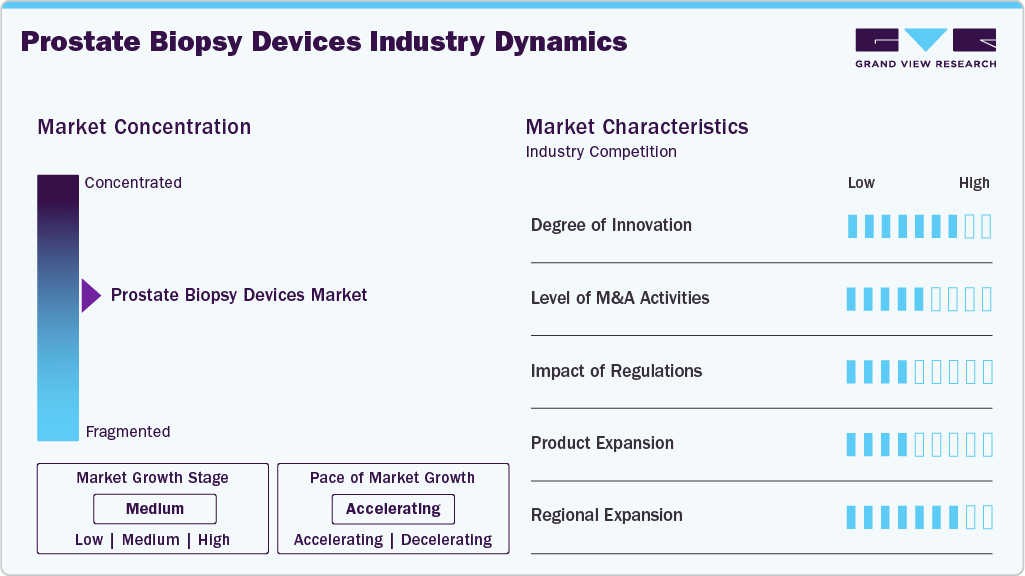
The prostate biopsy device market is characterized by continuous technological innovation, increasing adoption of image-guided biopsy techniques, and a growing emphasis on improving diagnostic accuracy for prostate cancer. The market includes a broad range of products, such as biopsy guidance systems, access devices, and tissue acquisition instruments, with increasing preference for MRI-ultrasound fusion, micro-ultrasound, and transperineal biopsy technologies. Manufacturers are developing minimally invasive, high-precision, user-friendly devices that enhance procedural efficiency while reducing complications. The market is also witnessing a shift toward disposable biopsy components to improve infection control and streamline clinical workflows. Hospitals, specialty urology clinics, ambulatory surgical centers, and diagnostic imaging centers remain the primary end users, supported by expanding prostate cancer screening programs and increasing awareness of early diagnosis.
 To learn more about this report, Download Free Sample Report
 The prostate biopsy device market is witnessing continuous innovation focused on improving diagnostic precision, procedural efficiency, and patient safety. Manufacturers are developing advanced biopsy guidance systems that integrate technologies such as MRI-ultrasound fusion, micro-ultrasound imaging, and real-time navigation to enable more accurate targeting of suspicious lesions. There is also increasing emphasis on transperineal biopsy solutions designed to reduce infection risks while enhancing tissue sampling accuracy. Product development is expanding to include disposable biopsy instruments, ergonomic biopsy guns, and software platforms that simplify workflows and support clinical decision-making. The incorporation of artificial intelligence, image fusion algorithms, and advanced visualization capabilities is further enhancing biopsy planning and execution.
-
In March 2025, Koelis announced innovations for its Trinity MRI-US Fusion Biopsy Platform during the European Association of Urology (EAU) Congress 2025. The company introduced enhanced workflow capabilities for MRI fusion-guided prostate biopsy and focal therapy, featuring its proprietary Organ Based Tracking (OBT Fusion) technology, which combines three-dimensional ultrasound imaging with MRI-ultrasound fusion guidance to improve biopsy precision. Koelis also showcased its Promap-Contour software, which automates AI-assisted processing of prostate contours and MRI lesions, then seamlessly transfers the data to the Trinity platform for three-dimensional MRI-ultrasound fusion procedures.
The prostate biopsy device market is witnessing ongoing strategic activities as companies pursue mergers, acquisitions, partnerships, and collaborations to strengthen their product portfolios, expand geographic reach, and enhance technological capabilities. Medical device manufacturers are seeking opportunities to integrate advanced imaging, biopsy guidance, and artificial intelligence technologies through acquisitions and strategic alliances, enabling them to offer more comprehensive solutions for prostate cancer diagnosis. These transactions also help companies accelerate product development, expand their customer base, and improve their competitive positioning in the urology market. In addition, collaborations between biopsy device manufacturers, imaging technology providers, and healthcare institutions are supporting innovation in MRI-ultrasound fusion, micro-ultrasound, and transperineal biopsy platforms.
-
In September 2024, Koelis announced a strategic partnership with DeepHealth to integrate artificial intelligence into prostate MRI fusion biopsy workflows. The collaboration combines DeepHealth's AI-powered prostate MRI analysis with the Koelis Trinity MRI-US Fusion Biopsy Platform, enabling automated prostate contouring, lesion segmentation, and seamless transfer of imaging data into biopsy planning. The partnership is designed to improve workflow efficiency, reduce manual image processing, enhance targeting accuracy during MRI-ultrasound fusion-guided prostate biopsies, and support more personalized prostate cancer diagnosis.
Regulatory frameworks play a significant role in shaping the prostate biopsy device market by ensuring that biopsy systems, guidance platforms, and tissue acquisition devices meet stringent standards for safety, performance, and clinical effectiveness before commercialization. Manufacturers are required to comply with medical device regulations, quality management systems, and clinical evidence requirements to obtain approvals in major markets. While these regulatory requirements increase development timelines and compliance costs, they also promote product reliability, patient safety, and clinician confidence in advanced biopsy technologies. Regulatory approvals for innovations such as MRI-ultrasound fusion systems, micro-ultrasound platforms, and transperineal biopsy devices facilitate broader clinical adoption and market expansion.
The prostate biopsy device industry is characterized by an intense end-user base, with hospitals accounting for the largest share due to their comprehensive diagnostic infrastructure, advanced imaging capabilities, and availability of specialized urology departments. Specialty urology clinics also represent a significant end-user segment, driven by the increasing volume of outpatient prostate biopsy procedures and growing adoption of targeted biopsy technologies. Ambulatory surgical centers are expanding their presence as minimally invasive and transperineal biopsy techniques become more suitable for outpatient settings, offering greater convenience and reduced healthcare costs. Diagnostic and imaging centers contribute to market growth by adopting advanced imaging-guided biopsy systems, particularly MRI-ultrasound fusion platforms.
Analyst Perspective
The prostate biopsy device market is competitive and innovation-driven, driven by the increasing adoption of MRI-targeted biopsy, MRI-ultrasound fusion guidance systems, transperineal biopsy techniques, and AI-enabled imaging technologies to improve prostate cancer diagnosis. Leading companies compete by offering integrated biopsy platforms that combine advanced imaging, navigation software, biopsy guidance, and workflow optimization to enhance diagnostic precision and procedural efficiency. Established manufacturers leverage strong clinical evidence, regulatory approvals, and extensive hospital partnerships to strengthen their market position. Emerging companies focus on AI-assisted lesion detection, robotic-assisted biopsy systems, and minimally invasive technologies to differentiate their offerings. As healthcare providers prioritize accurate diagnosis, reduced infection risk, and personalized treatment planning, continuous technological innovation, interoperability with imaging platforms, and comprehensive clinical support remain the key competitive differentiators in the market.
Product Insights
The biopsy guidance systems (capital equipment) segment dominated the prostate biopsy device market, accounting for 47.7% of revenue share in 2025. These systems integrate advanced imaging modalities, navigation software, and targeting technologies to improve lesion localization and biopsy precision, making them indispensable in hospitals and high-volume urology centers. Their widespread adoption is supported by increasing demand for MRI-ultrasound fusion-guided and ultrasound-guided biopsy procedures, growing emphasis on early and accurate prostate cancer diagnosis, and continuous technological advancements in imaging and navigation platforms.
The biopsy access devices segment is expected to grow at the fastest CAGR during the forecast period, driven by the increasing adoption of transperineal biopsy procedures and the growing focus on improving procedural safety, precision, and workflow efficiency. These devices facilitate accurate needle placement while reducing procedural complexity and enhancing consistency during tissue sampling. Rising demand for minimally invasive prostate biopsy techniques, expanding use of disposable and single-use access devices to minimize infection risks, and increasing preference for outpatient procedures are accelerating market growth.
Procedure Approach Insights
The Transrectal Prostate Biopsy (TRUS) segment led the prostate biopsy device industry, accounting for 54.4% of revenue in 2025. TRUS-guided biopsy remains the most performed approach for prostate tissue sampling because it is familiar to urologists, requires relatively simple equipment, and can be completed efficiently in outpatient or hospital settings under local anesthesia. The procedure is supported by extensive clinical experience, standardized guidelines, and broad availability of compatible biopsy devices, making it the preferred option in many healthcare facilities. In addition, its lower procedural costs, shorter learning curve, and integration with conventional ultrasound systems have contributed to its sustained leadership across both developed and emerging healthcare markets.
The Transperineal Prostate Biopsy (TP) segment is expected to grow at the fastest CAGR during the forecast period, driven by increasing clinical preference for safer, more accurate biopsy techniques. Compared with the transrectal approach, transperineal biopsy significantly reduces the risk of infection by avoiding the rectal route while providing improved access to the anterior and apical regions of the prostate, which may be difficult to sample with conventional methods. Growing recommendations from clinical guidelines, increasing adoption of precision-guided biopsy technologies, and rising demand for minimally invasive procedures with fewer complications are accelerating the transition toward transperineal biopsy.
Imaging Guidance Technology Insights
The conventional ultrasound-guided segment led the market, accounting for the largest revenue share of 45.8% in 2025, due to its widespread clinical adoption, affordability, and accessibility across hospitals, diagnostic centers, and urology clinics. Conventional transrectal ultrasound (TRUS)-guided biopsy remains the standard first-line imaging guidance technique for prostate tissue sampling because it offers real-time needle visualization, established clinical workflows, and broad physician familiarity. Its lower equipment costs, shorter procedure times, and compatibility with existing biopsy systems make it the preferred choice, particularly in routine clinical practice and healthcare facilities with limited access to advanced imaging technologies.
The micro-ultrasound guided segment is expected to grow at the fastest CAGR during the forecast period, due to its ability to provide significantly higher-resolution, real-time visualization of prostate tissue compared with conventional ultrasound. This enhanced imaging enables improved detection of suspicious lesions and supports more targeted biopsy procedures without the need for pre-procedure MRI in selected patients. Growing clinical evidence demonstrating improved diagnostic accuracy, increasing adoption of precision-guided biopsy techniques, and rising demand for cost-effective alternatives to MRI-ultrasound fusion systems are driving market growth.
End User Insights
The hospitals segment led the prostate biopsy device industry, accounting for 58.1% revenue share in 2025. Due to their comprehensive diagnostic infrastructure, high patient volumes, and availability of advanced imaging technologies such as MRI-ultrasound fusion guidance and transperineal biopsy platforms. These facilities bring together multidisciplinary teams of urologists, radiologists, pathologists, and oncologists, enabling accurate diagnosis and coordinated management of prostate cancer. Hospitals are also the primary adopters of technologically advanced biopsy systems because of their greater capacity for capital investment, established reimbursement frameworks, and participation in clinical research and evidence-based treatment programs.
 To learn more about this report, Download Free Sample Report
 The Ambulatory Surgical Centers (ASCs) segment is growing at the fastest CAGR, driven by the global shift toward minimally invasive outpatient procedures and value-based healthcare delivery. ASCs provide shorter procedure times, same-day discharge, lower treatment costs, and improved patient convenience while maintaining high standards of clinical care. Increasing adoption of compact image-guided biopsy systems, expanding reimbursement support for outpatient prostate biopsy procedures, and growing demand for transperineal biopsy techniques are encouraging urology practices to perform more procedures in ASC settings.
Regional Insights
North America dominated the prostate biopsy device market with the largest revenue share of 40.3% in 2025, owing to the high prevalence of prostate cancer, widespread awareness of early diagnosis, and strong adoption of advanced biopsy technologies. The region benefits from well-established healthcare infrastructure, specialized urology centers, and broad access to imaging-guided biopsy procedures, including MRI-ultrasound fusion and transperineal biopsy techniques. Continuous technological innovation, favorable reimbursement policies, and increasing investments in cancer diagnostics are further supporting market growth. In addition, the presence of major medical device manufacturers, ongoing clinical research, and the rapid adoption of minimally invasive biopsy solutions are accelerating product commercialization and clinical acceptance. Growing prostate cancer screening initiatives and increasing demand for precise, efficient diagnostic procedures are driving demand for prostate biopsy devices.
 To learn more about this report, Download Free Sample Report
 U.S. Prostate Biopsy Devices Market Trends
The rising prevalence of prostate cancer in the U.S. is significantly contributing to the growth of the prostate biopsy device industry. Prostate cancer remains one of the most frequently diagnosed cancers among men, with increasing numbers of new cases reported across the country each year. The growing disease burden is driving greater demand for timely and accurate diagnosis, making prostate biopsy an essential step in confirming the presence and severity of the disease. As more men undergo clinical evaluation following elevated prostate-specific antigen (PSA) levels or abnormal imaging findings, the need for advanced biopsy devices continues to increase. The expanding patient population requiring diagnostic assessment is encouraging healthcare providers to adopt precise, image-guided biopsy technologies, thereby supporting the continued expansion of the U.S. market.
 To learn more about this report, Download Free Sample Report
 Europe Prostate Biopsy Devices Market Trends
Europe is witnessing growth in the prostate biopsy device industry, driven by the increasing burden of prostate cancer, growing emphasis on early cancer diagnosis, and widespread adoption of advanced image-guided biopsy technologies. Strong healthcare infrastructure, favorable reimbursement in several countries, and well-established cancer screening and referral pathways further support market expansion. In addition, ongoing investments in medical technology, clinical research, and minimally invasive diagnostic procedures are encouraging the adoption of next-generation biopsy devices in hospitals and specialty urology centers.
The UK prostate biopsy device market is expected to grow during the forecast period. The rising prevalence of prostate cancer in the UK is driving market growth. Prostate cancer has become the most diagnosed cancer in the country, with a substantial increase in the number of newly diagnosed cases in recent years. The growing incidence reflects an expanding patient population requiring confirmatory diagnostic procedures following clinical suspicion of the disease. As more men are diagnosed with prostate cancer, the demand for accurate tissue sampling and image-guided biopsy procedures continues to increase. This rising disease burden is leading healthcare providers to perform a greater number of prostate biopsies, supporting the adoption of advanced biopsy devices capable of improving diagnostic precision. Consequently, the continuous increase in prostate cancer cases is strengthening demand for prostate biopsy devices across the UK.
Prostate Cancer Mortality Statistics in the UK (2022-2024)
Parameter
Statistics
Annual prostate cancer deaths
Around 12,300 deaths per year
Average daily prostate cancer deaths
Approximately 34 deaths per day
Rank among all cancer deaths
3rd most common cause of cancer death
Share of all cancer deaths
7% of all cancer deaths
Rank among male cancer deaths
2nd most common cause of cancer death in males
Share of male cancer deaths
14% of all male cancer deaths
Age group with the highest mortality rates
Males aged 90 years and above
Proportion of deaths in people aged 75 and over
More than 77% of prostate cancer deaths
Source: Cancer Research UK 2024
The prostate biopsy device market in Germany is emerging as a significant growth market, driven by its well-established healthcare system, increasing emphasis on early prostate cancer diagnosis, and growing adoption of advanced diagnostic technologies. The rising prevalence of prostate cancer, coupled with an aging male population, is increasing the demand for accurate and minimally invasive biopsy procedures. Healthcare providers across the country are adopting MRI-ultrasound fusion-guided, transperineal, and image-guided biopsy techniques to enhance diagnostic accuracy and improve patient outcomes. Strong investments in healthcare infrastructure, favorable reimbursement frameworks, and continuous advancements in precision diagnostics are accelerating the adoption of innovative biopsy devices.
Asia Pacific Prostate Biopsy Devices Market Trends
The Asia Pacific prostate biopsy device industry is growing, driven by the increasing incidence of prostate cancer, rising awareness of early cancer detection, and expanding access to advanced healthcare services. Improving healthcare infrastructure, growing healthcare expenditure, and the adoption of modern diagnostic technologies are encouraging hospitals and diagnostic centers to invest in advanced biopsy systems. Countries such as China, Japan, India, South Korea, and Australia are experiencing increased demand for minimally invasive, image-guided biopsy procedures due to expanding aging populations and improved screening practices. In addition, government initiatives to strengthen cancer care, rising investments in medical technology, and the growing presence of global and regional medical device manufacturers are supporting market expansion. Continuous advancements in MRI-ultrasound fusion-guided and transperineal biopsy techniques are further enhancing diagnostic accuracy and driving the adoption of prostate biopsy devices across the region.
The growth of the India prostate biopsy device market is driven by the rising awareness about prostate cancer. Increasing public health campaigns, educational initiatives by healthcare organizations, and improved access to health information are encouraging men to seek timely screening and medical consultation for urinary symptoms and other prostate-related conditions. As awareness of the importance of early diagnosis grows, more patients are undergoing prostate-specific antigen (PSA) testing and imaging evaluations, leading to a higher number of biopsy procedures for definitive cancer diagnosis. In addition, expanding access to specialized urology services, increasing adoption of advanced imaging technologies, and growing acceptance of minimally invasive biopsy techniques are driving demand for modern prostate biopsy devices.
-
September 2025 - Prostate Cancer Awareness Month 2025: Breaking the Silence around Men's Health: The campaign aims to raise awareness about prostate cancer, encourage early detection through regular screening, educate men about risk factors and symptoms, promote timely medical consultation, and reduce the stigma surrounding men's health through awareness programs and community engagement.
The prostate biopsy device market in Japan is experiencing significant growth, driven by its rapidly aging population, increasing prevalence of prostate cancer, and highly advanced healthcare infrastructure. The country's strong emphasis on early cancer detection and widespread adoption of prostate-specific antigen (PSA) screening have increased the demand for accurate diagnostic procedures, including prostate biopsies. Hospitals and specialized urology centers are adopting MRI-ultrasound fusion-guided and transperineal biopsy techniques to improve diagnostic precision while reducing procedure-related complications. Furthermore, continuous investments in medical technology, favorable reimbursement policies, and ongoing advancements in precision medicine are accelerating the adoption of next-generation prostate biopsy devices.
- According to the World Economic Forum, Japan's Ministry of Internal Affairs and Communications reported that, as of 2024, the country had a record 36.25 million people aged 65 and over, accounting for 29.3% of the total population. This share is projected to rise to 34.8% in 2040 and 36.3% in 2045. Japan's proportion of elderly residents is already far higher than second-ranked Martinique (25.3%), making it the world's most aged society.
Latin America Prostate Biopsy Devices Market Trends
The Latin America prostate biopsy device industry is growing, driven by the increasing prevalence of prostate cancer, improving awareness of early diagnosis, and expanding access to healthcare services across the region. Rising healthcare investments and the modernization of hospitals and diagnostic centers are encouraging the adoption of advanced biopsy technologies for accurate cancer diagnosis. Countries such as Brazil and Argentina are experiencing growing demand for minimally invasive and image-guided biopsy procedures as healthcare providers focus on improving diagnostic accuracy and patient outcomes. In addition, government initiatives to strengthen cancer screening programs, increasing availability of specialized urology services, and the gradual adoption of MRI-guided and transperineal biopsy techniques are supporting market expansion.
Middle East and Africa Prostate Biopsy Devices Market Trends
The Middle East & Africa prostate biopsy device industry is expanding gradually as healthcare systems continue to strengthen cancer diagnosis and treatment capabilities. Increasing investments in specialized oncology centers, rising availability of advanced diagnostic imaging, and growing efforts to improve access to urology services are creating favorable conditions for market growth. Several countries in the Gulf region are prioritizing the adoption of modern medical technologies to enhance the accuracy and efficiency of prostate cancer diagnosis, while emerging African economies are improving healthcare infrastructure through public and private sector investments. In addition, collaborations between healthcare providers and international medical device companies are facilitating the introduction of innovative biopsy technologies and clinician training programs.
Key Prostate Biopsy Devices Company Insights
Key prostate biopsy device companies are significantly shaping the market by developing advanced diagnostic technologies that improve the accuracy, safety, and efficiency of prostate cancer detection. Innovations such as MRI-ultrasound fusion-guided biopsy systems, transperineal biopsy platforms, robotic-assisted biopsy solutions, and AI-enabled imaging software are transforming clinical practice by enhancing lesion targeting and reducing procedure-related complications. Industry leaders are also focusing on integrating real-time imaging, precision navigation, and digital workflow solutions to streamline biopsy procedures and support clinical decision-making.
Key Prostate Biopsy Device Companies
The following key companies have been profiled for this study of the prostate biopsy device market.
-
BD
-
KOELIS (InnovaHealth Partners)
-
Exact Imaging
-
Biobot Surgical
-
Focal Healthcare
-
GE HealthCare
-
Koninklijke Philips N.V.
-
CANON MEDICAL SYSTEMS
-
FUJIFILM Healthcare
-
Esaote SPA
-
Siemens Healthcare Private Limited
-
Argon Medical Devices (Shandong Weigao Group Medical Polymer Co)
-
Merit Medical Systems
-
Cook
-
Uromed (LABORIE Medical Technologies)
-
TSK Laboratory
-
STERYLAB
-
BXTA (Elysian Capital)
-
CIVCO Medical Solutions (Roper Technologies)
-
Leapmed Healthcare
-
Perineologic
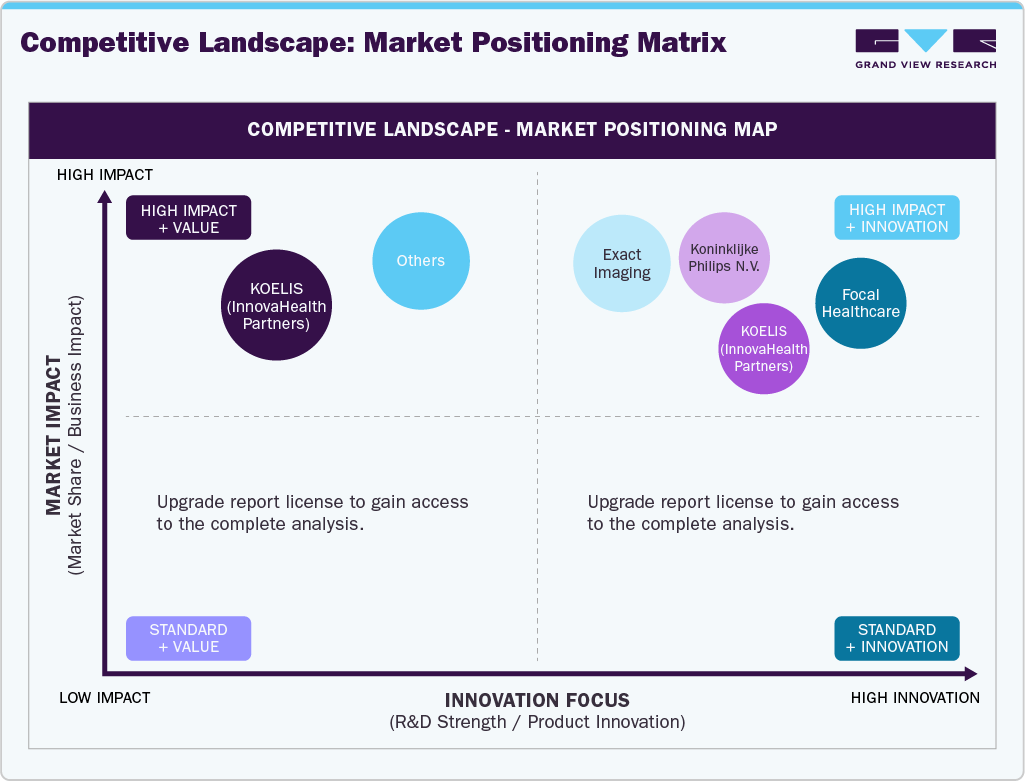
The competitive positioning map shows that the prostate biopsy device market is highly competitive, driven by clinical effectiveness, technological advancement, and product value. Market leaders are differentiated by their ability to deliver highly accurate image-guided biopsy solutions, integrate advanced imaging modalities, and support minimally invasive procedures. The market continues to evolve through ongoing innovation in fusion imaging, navigation technologies, and workflow optimization, enabling improved diagnostic precision and enhanced patient outcomes.
 To learn more about this report, Download Free Sample Report
 Competitive Benchmarking
Category
Operating Strategies
Competitive Edge
Weakness
Established Players (BD, GE HealthCare, Koninklijke Philips N.V., CANON MEDICAL SYSTEMS, FUJIFILM Healthcare, Esaote SPA, Siemens Healthcare Private Limited, Merit Medical Systems, Cook)
Invest in MRI-ultrasound fusion systems, AI-enabled biopsy guidance, and clinical research collaborations to improve diagnostic precision and procedural workflow efficiency globally.
Strengthen market presence through hospital partnerships, physician training, regulatory approvals, and integrated imaging platforms supporting precision prostate cancer diagnosis and treatment.
Strong global brand reputation, extensive product portfolios, and established hospital relationships enable broad market penetration and sustained customer loyalty across regions.
Strong clinical validation, advanced imaging integration, and continuous innovation enhance diagnostic accuracy while supporting premium product positioning and competitive differentiation.
High capital investment requirements and complex installation processes restrict adoption among smaller healthcare facilities and budget-constrained clinical settings worldwide.
Lengthy product development cycles and regulatory approval requirements slow commercialization, reducing flexibility in the face of rapidly emerging AI-driven biopsy technologies.
Emerging Players (KOELIS (InnovaHealth Partners), Exact Imaging, Biobot Surgical, Focal Healthcare, BXTA (Elysian Capital), Leapmed Healthcare, Perineologic)
Focus on developing AI-enabled biopsy guidance, robotic-assisted platforms, and software innovations that improve targeting accuracy while reducing procedural complexity and costs.
Establish growth through strategic partnerships, clinical validation studies, regulatory approvals, and collaborations with hospitals to accelerate technology adoption and market expansion.
Agile product development enables rapid integration of artificial intelligence, advanced imaging, and minimally invasive technologies tailored to evolving clinical requirements.
Competitive pricing and specialized solutions help attract healthcare providers seeking innovative alternatives to conventional prostate biopsy systems from established manufacturers.
Limited brand recognition and smaller commercial networks restrict market penetration compared with established companies possessing extensive global distribution and customer relationships.
Constrained financial resources and limited clinical evidence can delay regulatory approvals, product adoption, and expansion into highly competitive international healthcare markets.
Recent Developments
-
In April 2026, KOELIS announced the launch of ProMap Smart, an AI-assisted auto-contouring software integrated into the KOELIS Trinity MRI-ultrasound fusion platform. The new software automates prostate segmentation, streamlining MRI fusion biopsy workflows. Thus, the company also highlighted positive one-year outcomes from the VIOLETTE trial supporting its TMA (Targeted Microwave Ablation) technique for focal prostate cancer therapy.
-
In July 2025, Philips received FDA 510(k) clearance for the latest version of its UroNav image-guided navigation system, featuring an advanced annotation workflow integrated with DynaCAD Urology. The enhanced MRI-ultrasound fusion platform supports more precise prostate biopsy guidance and focal therapy planning, improving workflow efficiency, treatment accuracy, and minimally invasive prostate cancer care.
-
In March 2025 Quibim received FDA 510(k) clearance for its AI-powered QP-Prostate CAD solution for prostate cancer lesion detection and diagnosis. The software enhances prostate MRI interpretation by automating lesion detection, 3D visualization, and risk stratification, improving diagnostic accuracy and enabling more efficient workflows for MRI-guided biopsy and focal therapy planning.
Prostate Biopsy Devices Market Report Scope
Report Attribute
Details
Market size in 2025
USD 839.0 million
Estimated market size in 2026
USD 906.1 million
Projected market size by 2033
USD 1,563.0 million
Growth rate
CAGR of 8.1% from 2026 to 2033
Base year for estimation
2025
Historical data
2021 - 2024
Forecast period
2026 - 2033
Quantitative units
Revenue in USD million and CAGR from 2026 to 2033
Report coverage
Revenue forecast, company ranking, competitive landscape, growth factors, and trends
Segments covered
Product, procedure approach, imaging guidance technology, end user, region
Regional scope
North America; Europe; Asia Pacific; Latin America; MEA
Country scope
U.S.; Canada; Mexico; Germany; UK; France; Italy; Spain; Norway; Denmark; Sweden; China; Japan; India; South Korea; Australia; Thailand; Brazil; Argentina; Saudi Arabia; South Africa; UAE; Kuwait
Key companies profiled
BD; KOELIS (InnovaHealth Partners); Exact Imaging; Biobot Surgical; Focal Healthcare; GE HealthCare; Koninklijke Philips N.V.; CANON MEDICAL SYSTEMS; FUJIFILM Healthcare; Esaote SPA; Siemens Healthcare Private Limited; Argon Medical Devices (Shandong Weigao Group Medical Polymer Co); Merit Medical Systems; Cook; Uromed (LABORIE Medical Technologies); TSK Laboratory; STERYLAB; BXTA (Elysian Capital); CIVCO Medical Solutions (Roper Technologies); Leapmed Healthcare; Perineologic
Customization scope
Free report customization (equivalent up to 8 analysts' working days) with purchase. Addition or alteration to country, regional & segment scope.
Pricing and purchase options
Avail customized purchase options to meet your exact research needs. Explore purchase options
Global Prostate Biopsy Device Market Report Segmentation
This report forecasts revenue growth at the global, regional & country levels and provides an analysis of the latest industry trends in each of the sub-segments from 2021 to 2033. For this study, Grand View Research has segmented the prostate biopsy device market report based on Product, procedure approach, imaging guidance technology, end user, and region:
-
Product Outlook (Revenue, USD Million, 2021 - 2033)
-
Biopsy Guidance Systems (Capital Equipment)
-
Conventional Ultrasound-Guided Biopsy Systems
-
TRUS biopsy guidance systems
-
Ultrasound biopsy navigation systems
-
-
MRI-Ultrasound Fusion Biopsy Systems
-
Hardware-based fusion platforms (electromagnetic/mechanical)
-
Software-based fusion platforms
-
-
Micro-Ultrasound Biopsy Systems
-
In-Bore MRI Biopsy Guidance Systems
-
-
Biopsy Access Devices
-
Transperineal Access Systems
-
Freehand transperineal access devices
-
Template/grid-based transperineal systems
-
-
Transrectal Needle Guide Systems
-
Disposable needle guides
-
Probe-mounted biopsy guides
-
-
-
Tissue Acquisition & Sampling Devices
-
Biopsy Drivers / Mechanisms
-
Reusable biopsy guns
-
Fully single-use/disposable biopsy instruments (integrated handle + needle)
-
-
Standalone Core Biopsy Needles (For use with reusable guns or coaxial kits)
-
16G biopsy needles
-
18G biopsy needles
-
Other gauge biopsy needles
-
-
Cannula
-
-
-
Procedure Approach Outlook (Revenue, USD Million, 2021 - 2033)
-
Transrectal Prostate Biopsy (TRUS)
-
Transperineal Prostate Biopsy (TP)
-
-
Imaging Guidance Technology Outlook (Revenue, USD Million, 2021 - 2033)
-
Conventional Ultrasound-Guided
-
MRI-Ultrasound Fusion-Guided
-
Micro-Ultrasound Guided
-
MRI-Guided
-
In-Bore MRI-Guided
-
-
End User Outlook (Revenue, USD Million, 2021 - 2033)
-
Hospitals
-
Ambulatory Surgical Centers (ASCs)
-
Specialty Urology Clinics
-
Diagnostic & Imaging Centers
-
Academic & Research Institutes
-
-
Regional Outlook (Revenue, USD Million, 2021 - 2033)
-
North America
-
U.S.
-
Canada
-
Mexico
-
-
Europe
-
Germany
-
UK
-
France
-
Italy
-
Spain
-
Denmark
-
Sweden
-
Norway
-
-
Asia Pacific
-
China
-
Japan
-
India
-
South Korea
-
Australia
-
Thailand
-
-
Latin America
-
Brazil
-
Argentina
-
-
Middle East & Africa
-
South Africa
-
Saudi Arabia
-
UAE
-
Kuwait
-
-
Research Methodology
The prostate biopsy device market figures in this report are based on a proven research process that combines executive interviews with secondary research from proprietary databases, company filings, and recognized regulatory and institutional sources. Market size is built through value-chain sizing-reconciling supply-side and demand-side estimates-and triangulated with bottom-up and top-down approaches. Every estimate passes multiple levels of expert validation before publication, with each prostate biopsy device segment quantified using the revenue-capture definitions in the table below.
Segment Definition
Segment - Product
Revenue capture definition
Biopsy Guidance Systems (Capital Equipment)
This segment captures revenue from high-value, long-term hardware investments, such as fusion imaging platforms, ultrasound systems, and robotic assistance suites. Revenue is generated through one-time system sales, multi-year leasing agreements, and ongoing software licensing or maintenance contracts required to accurately guide needle placement.
Biopsy Access Devices
Focusing on single-use or reusable entry components, this category accounts for sales of transperineal grids, stepper templates, and transrectal needle guides or introducer sheaths. Healthcare facilities generate recurring revenue streams by purchasing these specialized conduits, which ensure sterile, stable, and precise pathways for targeting lesions.
Tissue Acquisition & Sampling Devices
This high-volume market comprises core needle biopsy guns, specialized cutting needles, and vacuum-assisted extraction tools. Revenue is continuously driven by the consumable nature of these devices, as a new needle or cartridge is required for every patient procedure to harvest intact histological specimens.
Estimation Model
Market Estimation Approaches
Approach
Description
Bottom-Up Epidemiological Modeling
Estimating the target patient population requiring prostate biopsy procedures (systemic, targeted, and fusion-guided) using epidemiological data on prostate cancer incidence, PSA screening rates, and biopsy referral patterns. Applies adoption rates and penetration levels by device type (needles, guidance systems, biopsy guns) and end-user to derive market estimates.
Top-Down Revenue Triangulation
Analyzing total revenue reported by leading prostate biopsy device manufacturers and medical device companies globally and regionally, then allocating revenue to prostate biopsy devices based on product portfolios, end-user mix, and market share estimates.
Demand-Side Care-Setting Model
Assessing procedure volumes across hospitals, urology clinics, ambulatory surgical centers, and imaging centers, combined with device utilization rates, average selling prices, and replacement cycles for biopsy devices to estimate market size.
Supply-Side Capacity & Utilization Modeling
Evaluating manufacturing capacity, production output, capacity utilization rates, raw material availability, supply chain dynamics, and distribution networks to estimate achievable supply of prostate biopsy devices and identify bottlenecks or surpluses across regions.
Data Triangulation & Market Reconciliation
Synthesizing outputs from multiple models using primary research, hospital procurement data, claims and reimbursement data, regulatory filings, and expert validation to generate robust, validated prostate biopsy devices market size estimates.
Delivered Customizations
This report has been delivered with the following In-depth customizations
Client Request
Customization Delivered
Value Adds
ASP and Volume Analysis (Historical & Forecast)
Comprehensive ASP (Average Selling Price) and procedure volume analysis for prostate biopsy devices across the forecast period, segmented by product type (biopsy guidance systems, biopsy access devices, tissue acquisition & sampling devices), procedure (TRUS-guided, MRI-US fusion-guided, transperineal), imaging guidance technology, end user, and geography. Includes historical pricing trends, procurement models, utilization rates, replacement cycles, reimbursement impact, and forward-looking forecasts based on prostate biopsy procedure volumes, prostate cancer screening trends, adoption of MRI-targeted biopsy, and healthcare infrastructure expansion.
Enables accurate revenue forecasting, pricing strategy optimization, procurement planning, identification of premium product opportunities, assessment of regional adoption trends, and investment decision-making for manufacturers and investors.
Procedure Volume and Patient Population Analysis
Detailed assessment of patient populations undergoing prostate biopsy, including systematic biopsy, targeted biopsy, MRI-US fusion biopsy, and transperineal biopsy procedures. Includes segmentation by prostate cancer incidence, elevated PSA population, suspicious MRI findings, active surveillance patients, hospital and ambulatory procedure volumes, urology center capacity, biopsy repeat rates, and regional healthcare infrastructure across key markets.
Supports demand forecasting, estimation of addressable patient populations, identification of high-growth clinical segments, capacity planning for healthcare providers, evaluation of regional opportunities, and long-term market sizing based on evolving prostate cancer diagnostic pathways.
Competitive Benchmarking and Market Share Analysis
Comprehensive competitive assessment of leading prostate biopsy device manufacturers, including product portfolio benchmarking, ASP comparison, technology assessment (MRI-US fusion, robotic guidance, disposable biopsy systems), regional market share analysis, regulatory approvals, distribution network evaluation, innovation pipeline assessment, strategic partnerships, mergers and acquisitions, and product positioning across global markets.
Enables competitive positioning, identification of market gaps, technology benchmarking, pricing optimization, partnership and acquisition evaluation, product differentiation, commercialization strategy development, and geographic expansion planning for existing and emerging market participants.
Frequently Asked Questions About This Report
The global prostate biopsy device market size was valued at 839.0 million in 2025 and is estimated at USD 906.1 million in 2026.
The global prostate biopsy device market is expected to grow at a CAGR of 8.1% from 2026 to 2033, reaching USD 1,563.0 million in 2033
The biopsy guidance systems (capital equipment) segment led with a 47.7% revenue share in 2025, while biopsy access devices is the fastest-growing segment.
North America dominated the biosimulation market, accounting for 40.3% of revenue in 2025.
The prostate biopsy device market is driven by the rising prevalence of prostate cancer, increasing adoption of minimally invasive biopsy techniques, growing demand for targeted biopsy procedures, advancements in MRI-guided and fusion biopsy technologies, improved diagnostic accuracy, rising geriatric population, and increased awareness regarding early detection and prostate cancer screening.
BD, KOELIS (InnovaHealth Partners), Exact Imaging, Biobot Surgical, Focal Healthcare, GE HealthCare, Koninklijke Philips N.V., CANON MEDICAL SYSTEMS, FUJIFILM Healthcare, Esaote SPA, Siemens Healthcare Private Limited, Argon Medical Devices (Shandong Weigao Group Medical Polymer Co), Merit Medical Systems, Cook, Uromed (LABORIE Medical Technologies), TSK Laboratory, STERYLAB, BXTA (Elysian Capital), CIVCO Medical Solutions (Roper Technologies), Leapmed Healthcare, Perineologic, among others.
Asia Pacific is the fastest-growing region over the forecast period.
The Transrectal Prostate Biopsy (TRUS) segment led with a 54.4% revenue share in 2025, while the Transperineal Prostate Biopsy (TP) segment is the fastest-growing.
The conventional ultrasound-guided segment led with a 45.8% revenue share in 2025, while the micro-ultrasound guided segment is the fastest-growing.
About the Author(s)
Medical Devices Research Team
Healthcare · Medical DevicesThis report was authored by the medical devices research team at Grand View Research - comprising two research analysts, one senior research analyst, and one industry expert - with specialized expertise in the medical devices segment of the healthcare industry. All findings are based on proprietary healthcare databases, executive interviews, and regulatory analysis, subject to internal peer review prior to publication.
Last Updated:
Speak to Analyst

Customize this report to your needs - add regions, segments, or data points, with 20% free customization.
Or view our licence options:


ISO 9001:2015 & 27001:2022 Certified
We are GDPR and CCPA compliant! Your transaction & personal information is safe and secure. For more details, please read our privacy policy.


