
- Home
- »
- Clinical Diagnostics
- »
-
Protein Biomarker Immunoassay Market Size Report, 2033GVR Report cover

Protein Biomarker Immunoassay Market (2026 - 2033)
Size, Share & Trends Analysis Report By Product (Reagents & Consumables, Instruments), By Technology, By Clinical Application (Cardiology, Oncology), By Sample, By End Use, By Region, And Segment Forecasts
Market Size, 2025
$6.8BMarket Estimate, 2026
$7.2BMarket Forecast, 2033
$11.7BCAGR, 2026–2033
7.1%Protein Biomarker Immunoassay Market Summary
The global protein biomarker immunoassay market size was valued at USD 6.8 billion in 2025 and is projected to grow from USD 7.2 billion in 2026 to USD 11.7 billion by 2033, at a CAGR of 7.1% from 2026 to 2033. North America dominated the market, accounting for the largest revenue share of 37.3% in 2025. Market growth is primarily driven by the growing adoption of blood-based protein biomarker testing for early disease detection, patient stratification, treatment monitoring, and assessment of disease progression across multiple clinical applications.
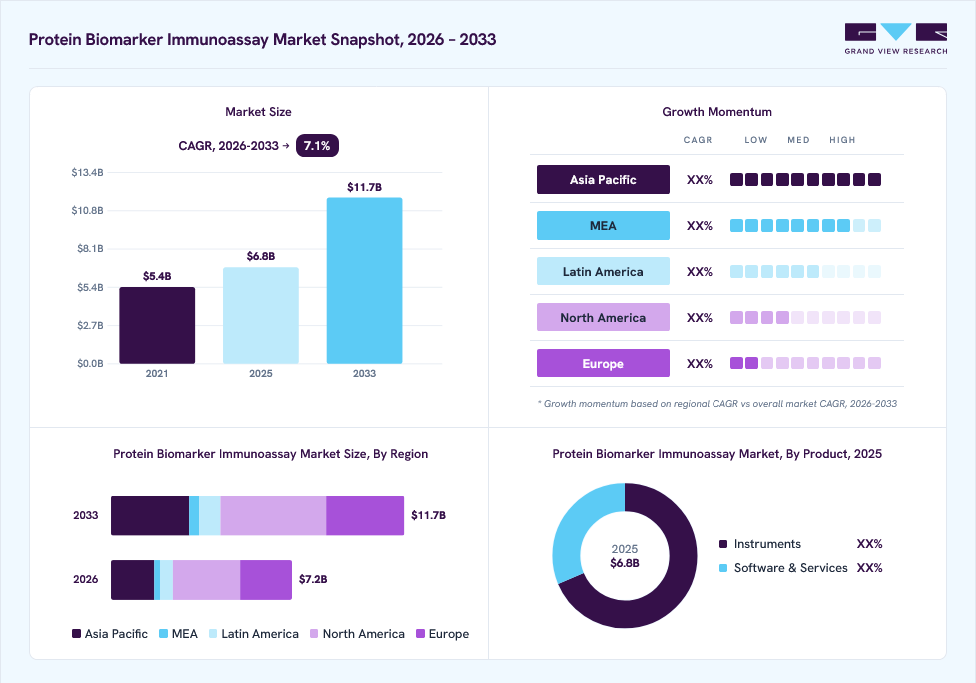 Source: Grand View Research, IR Documents, Primary Interviews, Paid DatabasesTo learn more about this report,
 Download Free Sample Report
Key Market Trends & Insights
- By product: The reagents & consumables segment led the market with the largest revenue share of 72.5% in 2025.
- By technology: The chemiluminescence immunoassay segment led the market with the largest revenue share of 38.0% in 2025.
- By clinical application: The cardiology segment led the market with the largest revenue share 20.8% in 2025.
- By sample: The serum segment led the market with the largest revenue share of 45.7% in 2025.
- By end use: The hospitals & clinics segment led the market with the largest revenue share of 43.1% in 2025.
Regional Highlights
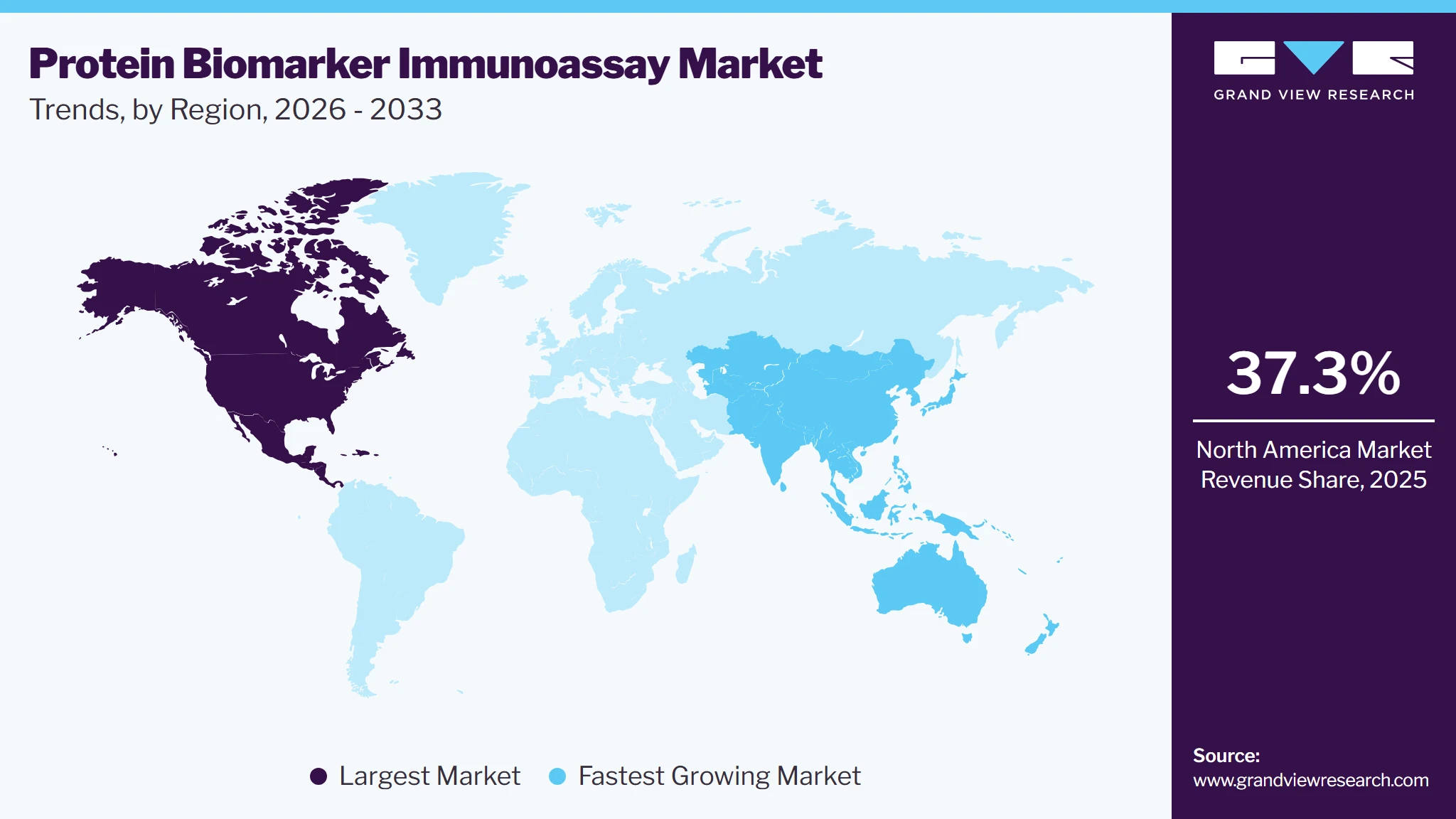
- Largest regional market: North America (37.3% revenue share, 2025)
- Fastest-growing regional market: Asia Pacific (highest CAGR, 2026-2033)
- By country: The U.S. held the largest market share in 2025.
Market Size & Forecast
- Market size in 2025: USD 6.8 Billion
- Estimated market size in 2026: USD 7.2 Billion
- Projected market size by 2033: USD 11.7 Billion
- CAGR (2026-2033): 7.1%
Prism AI by Grand View Research Free to tryAsk a question about the protein biomarker immunoassay marketTry asking✓Every figure cited from GVR research Prefer the report? Download free sample →
Blood-based immunoassays are increasingly preferred owing to their minimally invasive nature, established clinical laboratory workflows, and ability to measure disease-associated proteins from serum, plasma, and whole-blood samples.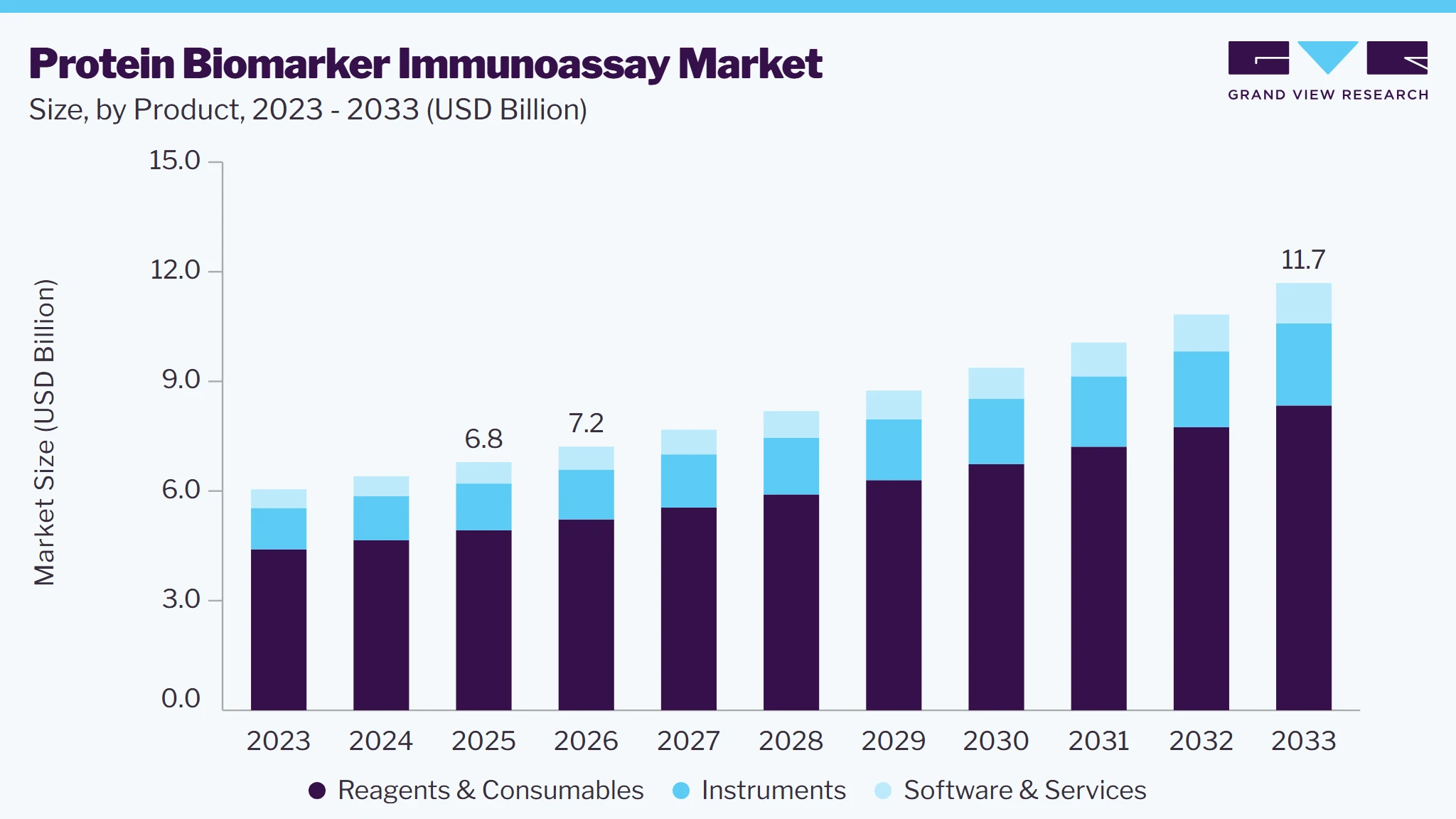 To learn more about this report, Download Free Sample Report
Market Dynamics
The growing adoption of minimally invasive blood-based biomarker testing for early disease assessment is driving the market growth, supported by increasing clinical validation and regulatory acceptance of protein biomarkers. Blood-based immunoassays offer advantages such as simplified sample collection, lower procedural burden, and potential scalability across diagnostic settings. This trend is particularly prominent in neurology, where phosphorylated Tau and other circulating protein biomarkers are gaining importance in Alzheimer’s disease assessment. For instance, in October 2025, Roche received FDA clearance for its Elecsys pTau181 test, developed in collaboration with Eli Lilly, for use as an aid in the initial assessment of Alzheimer’s disease and other causes of cognitive decline. The automated immunoassay measures phosphorylated Tau 181 in plasma, strengthening the role of protein biomarker immunoassays in accessible neurological diagnostics.
The adoption of blood-based protein biomarkers is also being supported by their potential to complement or reduce dependence on more invasive diagnostic procedures. The Elecsys pTau181 assay demonstrated a 97.9% negative predictive value for ruling out Alzheimer’s-related amyloid pathology in an early-stage, low-prevalence population, highlighting its potential utility within initial clinical assessment. Furthermore, the assay's compatibility with Roche's established automated laboratory infrastructure can facilitate standardized and scalable testing across healthcare facilities. As diagnostic laboratories and healthcare providers increasingly seek efficient approaches for earlier disease identification, the availability of clinically validated protein biomarker immunoassays is expected to broaden testing volumes. This shift toward accessible, automated, and minimally invasive biomarker assessment is therefore expected to support sustained market growth.
The high cost and technical complexity associated with advanced protein biomarker immunoassay platforms can restrain the growth of the market, particularly in resource-constrained healthcare settings. Highly sensitive assays for low-abundance biomarkers often require sophisticated instrumentation, specialized reagents, stringent calibration procedures, and controlled laboratory workflows to achieve reliable and reproducible results. These requirements can increase capital expenditure for diagnostic laboratories and create additional operating costs associated with maintenance, quality control, and skilled personnel. Furthermore, variability in biomarker concentrations, sample handling, and assay performance can affect analytical accuracy and limit standardization across laboratories. Such challenges may slow adoption among smaller diagnostic facilities and healthcare providers with limited laboratory infrastructure, particularly in emerging markets.
The economic burden can become more pronounced when laboratories transition from conventional immunoassays to newer ultrasensitive or digital immunoassay technologies. Advanced platforms may require dedicated analyzers and proprietary consumables, increasing dependence on specific technology providers and raising the overall cost per test. In addition, limited reimbursement coverage for newly introduced protein biomarker assays can discourage routine clinical adoption, particularly when their clinical utility is still being established. These financial and operational barriers can delay the integration of emerging protein biomarker tests into standard diagnostic workflows. Consequently, despite advances in assay sensitivity and automation, high implementation costs, specialized infrastructure requirements, and reimbursement uncertainty remain important restraints on broader market penetration.
The expansion of protein biomarker immunoassays into disease monitoring and longitudinal assessment presents a significant opportunity for the market. For instance, in April 2026, Roche received CE mark approval for its Elecsys Neurofilament Light Chain (NfL) blood test for detecting neuroinflammation in adults diagnosed with relapsing-remitting multiple sclerosis. The assay is a quantitative immunoassay that measures NfL protein in human serum and plasma. Unlike diagnostic approaches focused primarily on disease identification, NfL testing provides an opportunity to monitor biological damage associated with neuroinflammation, broadening the potential clinical applications of protein biomarker immunoassays.
The availability of a minimally invasive blood-based test could expand access to neurological monitoring, particularly for patients who face geographic, financial, or logistical barriers to repeated MRI assessments. Roche reported that the Elecsys NfL test can be performed on its widely available cobas instruments, supporting standardized testing across laboratories and potentially enabling more frequent monitoring. The development, therefore creates an opportunity to extend protein biomarker immunoassays from initial disease assessment toward ongoing disease monitoring and treatment decision support. As additional protein biomarkers demonstrate clinical utility across neurological and other chronic disorders, laboratories may expand their assay menus and healthcare providers may increasingly incorporate quantitative biomarker measurements into longitudinal patient management.
Market Concentration & Characteristics
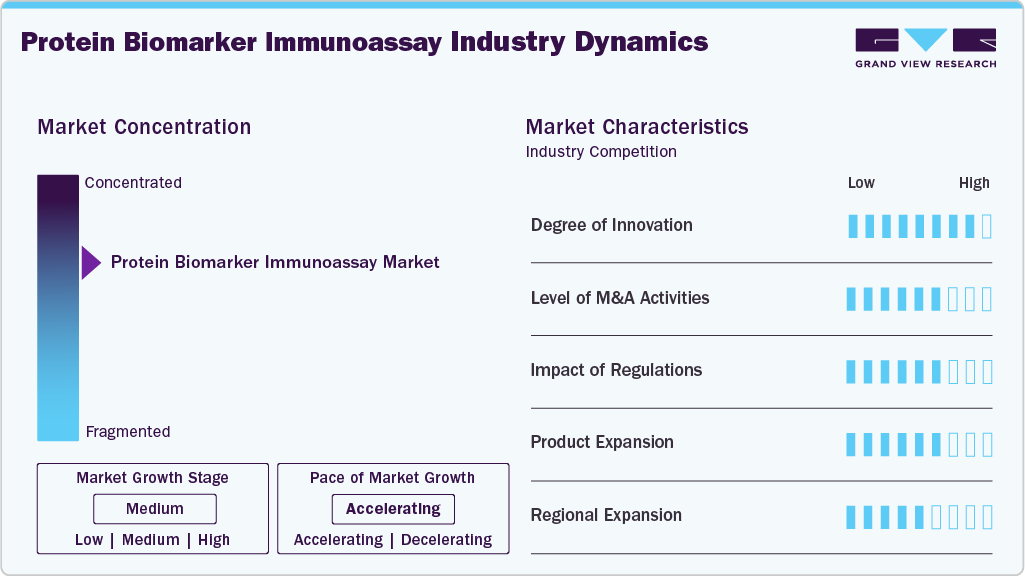
The market for protein biomarker immunoassay is characterized by high innovation, supported by advances in ultrasensitive protein detection. In July 2025, Spear Bio commercially launched SPEAR UltraDetect, an immunoassay solution targeting pTau231, pTau217, GFAP, and NfL. Its homogeneous, wash-free format enables attomolar-level protein measurement from small sample volumes while reducing nonspecific binding. Compatibility with widely adopted qPCR systems further supports laboratory integration and scalability. Impact: Such advances improve sensitivity and specificity for low-abundance biomarkers and expand opportunities for blood-based neurological protein biomarker testing.
The market is characterized by moderate M&A activity, with companies pursuing acquisitions to strengthen ultrasensitive protein biomarker detection capabilities and broaden their technology portfolios. In July 2025, Quanterix completed its acquisition of Akoya Biosciences for approximately USD 20 million in cash and 7.8 million Quanterix shares. The transaction combines Quanterix’s ultrasensitive digital immunoassay and biomarker detection capabilities with Akoya’s multiplex spatial phenotyping technology, creating an integrated approach for biomarker measurement across blood and tissue. Quanterix stated that the acquisition could expand its served addressable market from approximately USD 1 billion to USD 5 billion. Such consolidation can accelerate technology integration, expand application areas, and strengthen competitive capabilities in protein biomarker analysis across neurology, oncology, and immunology.
 To learn more about this report, Download Free Sample Report
Regulatory requirements have a significant impact on the market by establishing standards for analytical performance, clinical validity, safety, quality, and reliability of biomarker testing. Stringent regulatory pathways can increase the time and financial resources required for assay development, clinical validation, and commercialization, particularly for novel biomarkers and highly sensitive technologies. Manufacturers must demonstrate consistent assay performance across intended samples and clinical populations, while meeting requirements for quality control and manufacturing processes. These regulatory expectations can create barriers for smaller companies with limited resources and may delay the introduction of innovative products. Conversely, successful regulatory authorization can strengthen clinician confidence, support reimbursement discussions, and facilitate adoption of validated protein biomarker immunoassays across diagnostic laboratories and healthcare settings.
Product expansion in the protein biomarker immunoassay industry is driven by manufacturers broadening assay menus across biomarkers, diseases, and samples. Companies are increasingly expanding beyond established protein measurements toward low-abundance biomarkers associated with neurological, cardiovascular, inflammatory, oncological, and metabolic conditions. Broader assay portfolios enable laboratories to consolidate multiple protein biomarker tests within existing automated workflows, improving testing efficiency and supporting wider clinical adoption. Expansion across serum, plasma, cerebrospinal fluid, and other biological samples also enables manufacturers to address diverse diagnostic and research requirements.
Regional expansion in the protein biomarker immunoassay industry is supported by manufacturers extending automated and ultrasensitive protein biomarker testing across developed and emerging markets. Companies are pursuing regulatory approvals, distribution partnerships, and localized commercialization strategies to improve access to advanced immunoassays. The growing availability of assays for neurological, cardiovascular, oncology, inflammatory, and metabolic biomarkers is enabling manufacturers to address diverse regional healthcare needs. As distribution networks strengthen and regulatory clearances expand, broader geographic adoption of protein biomarker immunoassay technologies is expected across healthcare systems.
Analyst Perspective
The market for protein biomarker immunoassay is positioned for sustained growth as clinical laboratories increasingly adopt sensitive, automated, and minimally invasive biomarker testing. Expansion of blood-based biomarkers, particularly in neurology, oncology, and cardiovascular applications, is broadening clinical utility. Chemiluminescence immunoassays remain prominent due to automation and high-throughput capabilities, while multiplex and digital immunoassays are creating opportunities for advanced biomarker profiling. Product innovation is increasingly focused on low-abundance proteins and decentralized testing applications. Established diagnostic companies are strengthening competitive positions through assay-menu expansion, technology integration, strategic collaborations, and acquisitions. Overall, increasing biomarker validation and integration into clinical workflows are expected to support market expansion.
Product Insights
The reagents & consumables segment dominated the global market, accounting for 72.5% of the market share in 2025. The segment’s leadership is supported by recurring demand for assay kits, reagents, calibrators, controls, cartridges, and other consumables required for routine protein biomarker testing. For instance, in July 2025, Quanterix launched commercial p-Tau 205 and p-Tau 212 assays, expanding its portfolio of blood-based Alzheimer’s disease biomarkers. The addition of these assays supports demand for biomarker-specific consumables across research and clinical workflows. Furthermore, frequent replacement and repeat purchasing of consumables, combined with expanding biomarker testing applications, strengthens the segment’s revenue base and sustains its leading position in the market.
The software & services segment is anticipated to register lucrative CAGR during the forecast period, driven by increasing demand for laboratory automation, data management, instrument connectivity, workflow optimization, and technical support associated with protein biomarker immunoassay platforms. As laboratories adopt automated and high-throughput systems, software solutions are becoming important for assay management, result interpretation, quality control, and integration with laboratory information systems. In addition, manufacturers are expanding service offerings covering installation, maintenance, calibration, training, and technical assistance, creating recurring revenue streams beyond instrument sales. Growing adoption of complex and ultrasensitive biomarker testing is further increasing the need for specialized software and support services, enabling laboratories to manage higher testing volumes while maintaining workflow efficiency, analytical consistency, and operational reliability.
Technology Insights
The chemiluminescence immunoassay segment dominated the global market, accounting for 38.0% of the revenue share in 2025. The segment’s leadership is attributed to its high analytical sensitivity, broad dynamic range, automation compatibility, and suitability for high-throughput protein biomarker testing. For instance, in May 2026, Fujirebio received CE certification under the IVDR for its Lumipulse G pTau 217 Plasma assay, a chemiluminescent enzyme immunoassay designed for quantitative measurement of phosphorylated Tau 217 in human plasma. The development demonstrates the expansion of clinically relevant protein biomarkers onto fully automated chemiluminescence platforms, supporting standardized testing and broader adoption across neurological applications. This trend is expected to reinforce the segment’s leading position.
The multiplex immunoassay segment is poised to emerge as the fastest-growing segment and is projected to expand at a significant rate during the forecast period. Growth is driven by the ability to simultaneously measure multiple protein biomarkers from a single sample, reducing sample volume and testing time. For instance, in July 2026, Alamar Biosciences launched its first commercial eMTBR-Tau immunoassay, which was incorporated into the NULISAseq Neuro 220 multiplexed panel, enabling blood-based measurement of a key Alzheimer’s disease biomarker alongside multiple other proteins. The development demonstrates the expansion of multiplexed protein biomarker testing toward neurological applications and supports broader biomarker profiling through integrated assay panels.
Clinical Application Insights
The clinical application segment accounted for the largest revenue share of 20.8% in 2025. The segment’s dominance is driven by the expanding use of protein biomarkers for disease diagnosis, risk assessment, treatment selection, prognosis, and disease monitoring across multiple clinical conditions. For instance, in May 2025, Roche received FDA approval for the VENTANA MET (SP44) RxDx Assay, the first companion diagnostic approved to assess MET protein expression in patients with non-squamous non-small cell lung cancer who may be eligible for targeted therapy. The development demonstrates the growing clinical utility of protein biomarker immunoassays in oncology and strengthens their role in treatment-related decision-making.
The neurology segment is anticipated to register the fastest CAGR during the forecast period, driven by the growing demand for minimally invasive biomarkers for Alzheimer’s disease and other neurodegenerative disorders. Blood-based proteins such as phosphorylated tau, neurofilament light, and GFAP are gaining clinical and research relevance because they can support disease assessment while reducing reliance on cerebrospinal fluid collection and advanced imaging. For instance, in July 2025, Spear Bio commercially launched its SPEAR UltraDetect immunoassay solution, initially offering assays for pTau231, pTau217, GFAP, and NfL. The ultrasensitive platform enables measurement of low-abundance neurological biomarkers from small sample volumes, supporting broader biomarker research and potential clinical applications. These developments are expanding the role of protein immunoassays in neurological disease assessment and supporting rapid segment growth.
Sample Insights
The serum segment accounted for the largest revenue share of 45.7% in 2025. The segment’s dominance is driven by the widespread use of serum as a standardized specimen for measuring protein biomarkers across neurological, cardiovascular, oncology, endocrine, and inflammatory conditions. For instance, in January 2025, Beckman Coulter introduced new fully automated research-use-only blood-based immunoassays for p-Tau217, GFAP, NfL, and APOE ε4, with testing supported on its immunoassay analyzers. The availability of biomarker assays across blood-based specimen workflows supports serum utilization in protein biomarker research and testing. Standardized sample processing and compatibility with automated platforms further strengthen serum-based testing across clinical and research laboratories.
The saliva segment is anticipated to register the fastest CAGR during the forecast period, driven by increasing interest in non-invasive specimen collection for protein biomarker assessment. Saliva can be collected easily with minimal patient discomfort, supporting repeated sampling and decentralized testing applications. Its potential to contain measurable protein biomarkers associated with neurological, infectious, inflammatory, and metabolic conditions is encouraging research into saliva-based immunoassays. In addition, simplified collection and handling requirements can support testing outside conventional laboratory settings. Advances in assay sensitivity are improving the feasibility of detecting low-abundance proteins in saliva, while growing interest in patient-friendly diagnostics is supporting development of saliva-compatible biomarker panels. These factors are expected to expand the clinical and research applications of saliva-based protein biomarker immunoassays.
End Use Insights
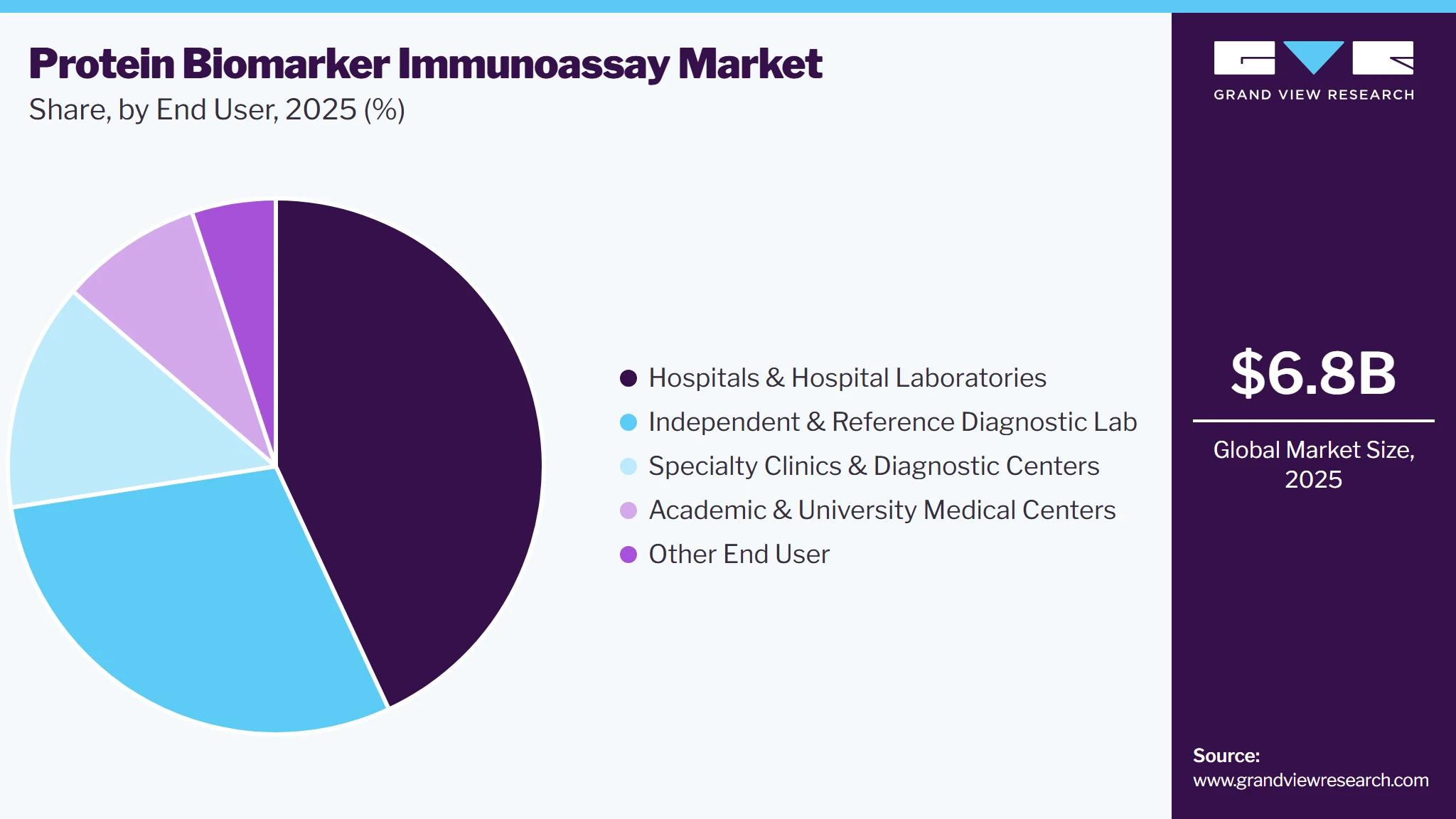
The Hospitals & Clinics segment accounted for the largest revenue share of 43.1% in 2025. The segment’s dominance is driven by the high volume of diagnostic testing performed within hospital laboratories and clinical settings for disease diagnosis, prognosis, treatment monitoring, and patient management. For instance, in June 2026, Zydus Hospitals Ahmedabad introduced a dedicated blood-based Alzheimer’s biomarker testing facility, making protein biomarker assessment available within a hospital setting. The initiative demonstrates the integration of minimally invasive biomarker testing into hospital-based diagnostic pathways and supports broader clinical utilization of protein biomarker assays. Established laboratory infrastructure, trained personnel, and access to automated testing platforms further strengthen hospitals and clinics as major end users.
 To learn more about this report, Download Free Sample Report
The specialty clinics & diagnostic centers segment is anticipated to register the fastest CAGR during the forecast period, driven by growing adoption of specialized protein biomarker testing for neurological, oncology, cardiovascular, and autoimmune conditions. These facilities increasingly provide advanced diagnostic services requiring sensitive and standardized immunoassays. The expansion of blood-based biomarkers is supporting specialized testing beyond traditional hospital settings, while automated platforms enable efficient processing with consistent analytical performance. Growing demand for disease-specific testing, faster turnaround times, and specialized diagnostic expertise is further supporting segment expansion.
Regional Insights
North America Protein Biomarker Immunoassay Market Trends
North America protein biomarker immunoassay industry dominated the global market, accounting for 37.3% of the revenue share in 2025, supported by advanced laboratory infrastructure, strong biomarker research capabilities, and high adoption of automated diagnostic technologies. The region benefits from a well-established ecosystem of pharmaceutical companies, biotechnology firms, academic institutions, and diagnostic laboratories involved in protein biomarker discovery and validation. Demand is particularly supported by applications in neurology, oncology, cardiology, and inflammatory disorders, where quantitative protein measurements are increasingly incorporated into disease assessment. The presence of high-throughput clinical laboratories also supports the adoption of automated chemiluminescence and ultrasensitive immunoassay platforms. In addition, growing emphasis on precision medicine and minimally invasive diagnostics is encouraging healthcare providers to incorporate biomarker-based testing into clinical workflows, supporting continued regional market expansion.
 To learn more about this report, Download Free Sample Report
U.S. Protein Biomarker Immunoassay Market Trends
The U.S. protein biomarker immunoassay industry accounted for the largest share of the North American market in 2025, supported by extensive clinical laboratory networks, advanced healthcare infrastructure, and substantial investments in biomedical research. The country has a strong ecosystem of diagnostic companies, biotechnology firms, pharmaceutical manufacturers, and academic medical centers engaged in biomarker development and clinical validation. Neurological diseases, cancer, cardiovascular disorders, and inflammatory conditions represent important application areas. High adoption of automated laboratory analyzers enables efficient processing of protein biomarker tests across centralized and hospital laboratories. In addition, strong demand for personalized medicine and earlier disease detection is encouraging the development of increasingly sensitive biomarker assays. The availability of specialized research infrastructure and established commercialization channels is expected to support continued introduction and adoption of advanced protein biomarker immunoassay technologies.
Europe Protein Biomarker Immunoassay Market Trends
Europe protein biomarker immunoassay industry represents a significant market, supported by developed healthcare systems, strong biomedical research capabilities, and growing emphasis on precision diagnostics. The region has extensive clinical laboratory networks and established adoption of automated immunoassay platforms, particularly for cardiovascular, oncology, endocrine, inflammatory, and neurological applications. Regulatory requirements under the European In Vitro Diagnostic Regulation are encouraging manufacturers to strengthen clinical evidence, analytical validation, and quality standards for biomarker assays. Germany, the UK, France, and Italy remain important contributors because of their advanced healthcare infrastructure and research capabilities. Increasing focus on early disease detection and minimally invasive testing is also supporting demand for blood-based biomarkers. Furthermore, collaborations between diagnostic companies, research institutions, and healthcare providers are facilitating translation of emerging protein biomarkers into clinical applications.
The UK protein biomarker immunoassay industry is supported by a mature healthcare system, strong biomedical research capabilities, and extensive networks of academic medical centers and diagnostic laboratories. The country's emphasis on early diagnosis, personalized healthcare, and evidence-based clinical practice provides favorable conditions for the adoption of protein biomarker testing. Neurology, oncology, cardiovascular disease, and inflammatory disorders represent important application areas, while increasing interest in blood-based biomarkers is supporting demand for minimally invasive testing. The presence of specialized research institutions also contributes to biomarker discovery, validation, and clinical translation. In addition, efforts to improve laboratory efficiency and standardize diagnostic pathways are encouraging the use of automated immunoassay platforms. Continued integration of biomarker testing into clinical research and diagnostic workflows is expected to support steady market development across the UK
Germany protein biomarker immunoassay industry is a major European market, supported by sophisticated healthcare infrastructure, extensive diagnostic laboratory networks, and a strong pharmaceutical and biotechnology sector. The country's emphasis on clinical quality, analytical standardization, and evidence-based healthcare supports demand for validated protein biomarker assays. Neurology, oncology, cardiology, and metabolic disorders represent key areas of application, while automated immunoassay systems are widely suited to Germany's established laboratory environment. Strong collaboration among universities, research institutes, pharmaceutical companies, and diagnostic manufacturers also supports biomarker development and commercialization. Furthermore, increasing interest in precision medicine is encouraging the use of quantitative biomarkers for disease stratification, diagnosis, and monitoring. These factors, combined with Germany's substantial healthcare expenditure and advanced laboratory capabilities, are expected to support continued adoption of protein biomarker immunoassay technologies.
Asia Pacific Protein Biomarker Immunoassay Market Trends
Asia Pacific protein biomarker immunoassay industry is expected to register strong growth, supported by healthcare infrastructure development, expanding diagnostic networks, increasing biomedical research, and rising demand for advanced testing technologies. The region presents substantial opportunities because of its large patient population and growing burden of cancer, cardiovascular, metabolic, neurological, and inflammatory diseases. Japan and China represent major established markets, while India and Southeast Asian countries provide additional growth opportunities as laboratory capacity expands. Increasing adoption of automated analyzers is enabling higher testing throughput and standardized workflows across hospitals and diagnostic laboratories. International manufacturers are also expanding their presence through partnerships, distribution networks, and localized commercialization strategies. As healthcare systems increasingly prioritize early diagnosis and precision medicine, demand for sensitive and quantitative protein biomarker testing is expected to increase across the region.
China protein biomarker immunoassay industry is expected to be one of the major growth markets in Asia Pacific, supported by healthcare infrastructure expansion, increasing diagnostic capacity, and growing investment in biotechnology and precision medicine. The country's large patient population creates substantial demand for biomarker testing across oncology, cardiovascular, metabolic, infectious, and neurological diseases. Hospital modernization and expansion of clinical laboratory capabilities are increasing the adoption of automated diagnostic platforms, while domestic biotechnology companies are strengthening their focus on biomarker development and advanced diagnostics. International manufacturers are also expanding access to immunoassay technologies through local commercialization and distribution strategies. Growing awareness of early disease detection and increasing healthcare expenditure are expected to further support demand. As laboratory capabilities become more sophisticated, China is likely to provide significant opportunities for both established and emerging protein biomarker immunoassay providers.
Japan protein biomarker immunoassay industry represents a mature market within Asia Pacific, supported by advanced healthcare infrastructure, sophisticated diagnostic laboratories, and strong life science research capabilities. The country's aging population creates sustained demand for biomarkers associated with neurological, cardiovascular, metabolic, and age-related diseases. Japanese healthcare institutions also demonstrate strong adoption of automated laboratory systems, supporting standardized and high-throughput immunoassay testing. Domestic diagnostics and life science companies contribute to assay development and commercialization, while academic and research institutions support biomarker discovery and clinical validation. Increasing emphasis on precision medicine and personalized healthcare is further creating opportunities for quantitative protein biomarkers in disease assessment and monitoring. The combination of demographic demand, technological sophistication, and established laboratory infrastructure positions Japan as an important market for advanced protein biomarker immunoassay technologies.
Latin America Protein Biomarker Immunoassay Market Trends
Latin America protein biomarker immunoassay industry is expected to experience steady growth over the forecast period, as healthcare systems gradually strengthen diagnostic infrastructure and expand access to advanced laboratory technologies. Brazil and Mexico represent key markets because of their relatively large healthcare systems, growing diagnostic laboratory networks, and substantial patient populations. Demand for protein biomarker testing is supported by the prevalence of cardiovascular disease, cancer, diabetes, infectious conditions, and inflammatory disorders. However, disparities in healthcare expenditure, laboratory infrastructure, reimbursement coverage, and access to specialized personnel can limit adoption of advanced and ultrasensitive technologies in several countries. Expansion of centralized laboratories and improvements in automated testing capabilities are expected to support market penetration. Increasing availability of international diagnostic platforms and broader distribution networks should further improve access to protein biomarker immunoassays across major Latin American healthcare markets.
Middle East and Africa Protein Biomarker Immunoassay Market Trends
The Middle East & Africa protein biomarker immunoassay industry is expected to develop steadily as countries invest in healthcare modernization, laboratory infrastructure, and advanced diagnostic capabilities. The Gulf Cooperation Council markets, particularly Saudi Arabia and the UAE, are positioned to lead regional adoption because of higher healthcare expenditure, advanced hospital infrastructure, and investments in diagnostic technologies. Demand is supported by increasing prevalence of oncology, cardiovascular, metabolic, infectious, and inflammatory diseases. However, adoption remains uneven across the region because of differences in healthcare infrastructure, affordability, laboratory capacity, and availability of skilled personnel. Expansion of centralized diagnostic laboratories and greater access to automated immunoassay platforms can improve testing capabilities. As healthcare systems increasingly emphasize early diagnosis and specialized disease management, demand for protein biomarker testing is expected to expand, particularly in higher-investment markets across the region.
Key Protein Biomarker Immunoassay Company Insights
The market for protein biomarker immunoassay is moderately concentrated, with leading diagnostic companies leveraging comprehensive assay portfolios, established laboratory infrastructure, automated platforms, and extensive distribution networks to maintain competitive positions. Competitive differentiation is driven by assay sensitivity, biomarker portfolio breadth, automation capabilities, multiplexing, regulatory approvals, and integration with laboratory workflows. Leading participants benefit from established customer relationships and global commercial infrastructure, while specialized players contribute innovation in ultrasensitive protein detection.
Key Protein Biomarker Immunoassay Companies
The following key companies have been profiled for this study on the protein biomarker immunoassay market.
-
Siemens Healthineers AG
-
Beckman Coulter, Inc.
-
QuidelOrtho Corporation.
-
BIOMÉRIEUX
-
Tosoh Bioscience, Inc.
-
Fujirebio (H.U. Group company)
-
DiaSorin S.p.A.
-
Thermo Fisher Scientific Inc.
-
F. Hoffmann-La Roche Ltd.
-
Abbott.
Competitive Benchmarking
Operating Strategies
Competitive Edge
Weaknesses
Mature Players: Siemens Healthineers AG
- Expand automated laboratory diagnostic portfolios supporting kidney-function assessment and AKI-related testing.
- Integrate biomarker testing into established immunoassay and clinical chemistry workflows to improve laboratory efficiency.
- Strengthen market presence through strategic collaborations, licensing agreements, and integration of specialized diagnostic technologies.
- Extensive installed bases of laboratory instruments and established relationships with hospitals and diagnostic laboratories.
- Broad IVD portfolios spanning clinical chemistry, immunoassays, molecular diagnostics, and point-of-care testing.
- Strong regulatory, R&D, manufacturing, distribution, and technical-support capabilities.
- Large organizational structures can limit flexibility compared with specialized diagnostic companies.
- High regulatory and clinical-validation requirements can lengthen development and commercialization timelines.
- Advanced automated testing systems may involve higher acquisition and operating costs, limiting adoption in resource-constrained markets.
Emerging Players: Tosoh Bioscience, Inc.
- Expand immunoassay, clinical chemistry, and specialty diagnostic capabilities relevant to kidney-function assessment.
- Develop and strengthen assay menus compatible with established laboratory analyzer platforms.
- Utilize strategic partnerships, technology development, and regional distribution networks to broaden diagnostic capabilities.
- Strong expertise in immunoassay technologies, clinical laboratory systems, and specialty diagnostic testing.
- Established global distribution networks and customer relationships across hospitals and laboratories.
- Significant R&D and manufacturing capabilities support development of new assays and diagnostic platforms.
- AKI-specific diagnostic portfolios may be less differentiated than those of specialized kidney-biomarker companies.
- Broad corporate portfolios can result in comparatively lower focus on niche AKI diagnostic applications.
- New AKI biomarker assays require clinical validation and regulatory clearance before broad commercialization..
Recent Developments
-
In May 2026, Roche received CE Mark approval for the Elecsys pTau217 blood test, developed in collaboration with Eli Lilly, for detecting Alzheimer’s-related amyloid pathology. The plasma-based immunoassay expands access to minimally invasive neurological biomarker testing and strengthens Roche’s blood-based Alzheimer’s diagnostic portfolio in Europe.
-
In March 2026, Roche received CE Mark approval for the Elecsys ApoE4 test, an IVD immunoassay that identifies ApoE4 carriers from blood samples in adults with cognitive impairment. The development broadens immunoassay-based neurological biomarker testing and supports more efficient patient assessment.
-
In January 2026, Spear Bio and Formulatrix advanced their collaboration to automate the SPEAR UltraDetect assay platform using Formulatrix’s F.A.S.T. liquid handler. The integration combines ultrasensitive protein immunoassay technology with automated sample preparation and qPCR setup, improving workflow efficiency, reproducibility, and throughput.
Protein Biomarker Immunoassay Market Report Scope
Report Attribute
Details
Market size in 2025
USD 6.8 billion
Estimated market size in 2026
USD 7.2 billion
Projected market size by 2033
USD 11.7 billion
Growth rate
CAGR of 7.1% from 2026 to 2033
Actual Data
2021 - 2025
Forecast period
2026 - 2033
Quantitative units
Revenue in USD billion and CAGR from 2026 to 2033
Report coverage
Revenue forecast, company ranking, competitive landscape, growth factors, and trends
Segments covered
Product, technology, clinical application, sample, end use, region
Regional scope
North America; Europe; Asia Pacific; Latin America; Middle East & Africa
Country scope
U.S.; Canada; Mexico; UK; Germany; France; Italy; Spain; Norway; Denmark; Sweden; China; Japan; India; Australia; Thailand; South Korea; Brazil; Argentina; South Africa; Saudi Arabia; UAE; Kuwait
Key companies profiled
Siemens Healthineers AG; Beckman Coulter, Inc.; QuidelOrtho Corporation; BIOMÉRIEUX; Tosoh Bioscience, Inc.; Fujirebio (H.U. Group company); DiaSorin S.p.A.; Thermo Fisher Scientific Inc.; F. Hoffmann-La Roche Ltd.; Abbott.
Customization scope
Free report customization (equivalent up to 8 analyst working days) with purchase. Addition or alteration to country, regional & segment scope.
Pricing and purchase options
Avail customized purchase options to meet your exact research needs. Explore purchase options
Global Protein Biomarker Immunoassay Market Segmentation
This report forecasts revenue growth at global, regional, and country levels and provides an analysis of the latest industry trends and opportunities in each of the sub-segments from 2021 to 2033. For this study, Grand View Research has segmented the protein biomarker immunoassay market report based on product, technology, clinical application, sample, end use, and region:
-
Product Outlook (Revenue, USD Billion, 2021 - 2033)
-
Reagents & Consumables
-
Instruments
-
Software & Services
-
-
Technology Outlook (Revenue, USD Billion, 2021 - 2033)
-
Chemiluminescence Immunoassay
-
ELISA
-
Fluorescence Immunoassay
-
Immunoturbidimetry & Nephelometry
-
Lateral Flow Immunoassay
-
Multiplex Immunoassay
-
Digital Immunoassay
-
Others
-
-
Clinical Application Outlook (Revenue, USD Billion, 2021 - 2033)
-
Cardiology
-
Oncology
-
Infectious Disease & Inflammation
-
Neurology
-
Endocrine & Metabolic Disorders
-
Women's Health & Reproductive Disorders
-
Autoimmune & Allergy Disorders
-
Renal Disorders
-
Others
-
-
Sample Outlook (Revenue, USD Billion, 2021 - 2033)
-
Serum
-
Plasma
-
Whole Blood
-
Urine
-
Cerebrospinal Fluid
-
Saliva
-
Others
-
-
End Use Outlook (Revenue, USD Billion, 2021 - 2033)
-
Hospitals & Clinics
-
Diagnostic Laboratories
-
Academic Medical Centers
-
Specialty Diagnostic Centers
-
Others
-
-
Regional Outlook (Revenue, USD Billion, 2021 - 2033)
-
North America
-
U.S.
-
Canada
-
Mexico
-
-
Europe
-
UK
-
Germany
-
France
-
Italy
-
Spain
-
Norway
-
Denmark
-
Sweden
-
-
Asia Pacific
-
Japan
-
China
-
India
-
Australia
-
South Korea
-
Thailand
-
-
Latin America
-
Brazil
-
Argentina
-
-
Middle East & Africa
-
South Africa
-
Saudi Arabia
-
UAE
-
Kuwait
-
-
Research Methodology
The protein biomarker immunoassay market figures in this report are based on a proven research process that combines executive interviews with secondary research from proprietary databases, company filings, and recognized regulatory and institutional sources. Market size is built through value-chain sizing-reconciling supply-side and demand-side estimates-and triangulated with bottom-up and top-down approaches. Every estimate passes multiple levels of expert validation before publication, with each protein biomarker immunoassay segment quantified using the revenue-capture definitions in the table below.
Segment Definition
Product
Revenue capture definition
Reagents & Consumables
Captures revenue from assay reagents, calibrators, controls, cartridges, plates, kits, and other disposable materials required to perform protein biomarker immunoassays, with recurring purchases supporting the revenue stream.
Instruments
Covers revenue from analyzers and dedicated equipment used to perform, automate, or process protein biomarker immunoassays, including benchtop and high-throughput systems purchased or leased by laboratories.
Software & Services
Encompasses revenue from software licenses, data-management platforms, instrument connectivity, maintenance, technical support, training, validation, and other services supporting protein biomarker immunoassay operations.
Technology
Revenue capture definition
Chemiluminescence Immunoassay
Captures assay-related revenue from protein biomarker tests using chemiluminescent signal generation, including associated reagents, consumables, and compatible analyzer systems used for quantitative or qualitative measurements.
ELISA
Includes revenue from enzyme-linked immunosorbent assays that quantify or detect protein biomarkers through enzyme-mediated signal generation, covering test kits, plates, reagents, controls, and associated consumables.
Fluorescence Immunoassay
Covers testing revenue associated with immunoassays using fluorescent labels to detect protein biomarkers, including fluorescence-based reagents, assay kits, consumables, and compatible analytical instruments.
Immunoturbidimetry & Nephelometry
Encompasses revenue from protein biomarker testing based on antibody-mediated changes in light transmission or scattering, including reagents, calibrators, controls, and compatible analyzers.
Lateral Flow Immunoassay
Captures sales from disposable membrane-based immunoassay formats that detect protein biomarkers through capillary migration and labeled antibody reactions, including rapid-test kits and associated consumables.
Multiplex Immunoassay
Includes revenue from platforms and assays capable of simultaneously measuring multiple protein biomarkers within a single sample, encompassing multiplex panels, reagents, consumables, and supporting instrumentation.
Digital Immunoassay
Covers revenue from immunoassay technologies using digital signal detection or partitioning to quantify protein biomarkers at very low concentrations, including specialized analyzers, assay kits, and consumables.
Others
Represents revenue from protein biomarker immunoassay technologies not classified within the specified categories, including emerging or specialized detection formats and their associated testing products and consumables.
Clinical Application
Revenue capture definition
Cardiology
Captures testing-related revenue from immunoassays measuring protein biomarkers used for cardiovascular disease diagnosis, risk assessment, prognosis, or monitoring, including biomarkers associated with myocardial injury and cardiac function.
Oncology
Encompasses revenue from protein biomarker immunoassays applied to cancer screening, diagnosis, prognosis, treatment selection, disease monitoring, or recurrence assessment across tumor types.
Infectious Disease & Inflammation
Covers testing revenue from protein biomarkers used to identify, assess, or monitor infectious conditions and inflammatory responses, including immune-response, acute-phase, and inflammation-associated proteins.
Neurology
Includes revenue from immunoassays measuring protein biomarkers associated with neurological and neurodegenerative disorders for diagnosis, disease characterization, progression assessment, or monitoring.
Endocrine & Metabolic Disorders
Captures revenues from protein biomarker immunoassays supporting diagnosis and monitoring of endocrine and metabolic disorders, including hormone-related and metabolism-associated protein biomarkers.
Women's Health & Reproductive Disorders
Encompasses testing income from protein biomarker immunoassays used for pregnancy assessment, fertility evaluation, reproductive health, and disorders affecting female reproductive functions.
Autoimmune & Allergy Disorders
Includes revenue from immunoassays detecting or quantifying protein biomarkers associated with autoimmune reactions, hypersensitivity, allergy, and immune-mediated disorders for diagnostic or monitoring purposes.
Renal Disorders
Captures testing revenues from protein biomarker immunoassays used to assess kidney function, renal injury, disease progression, or complications through measurement of kidney-associated protein biomarkers.
Others
Represents revenue from clinical applications outside the defined categories, including protein biomarker immunoassays supporting gastrointestinal, hepatic, musculoskeletal, and other disease assessment or monitoring.
Sample
Revenue capture definition
Serum
Captures revenue from protein biomarker immunoassays performed using serum specimens, including associated assays, reagents, controls, and consumables specifically validated for serum-based testing.
Plasma
Encompasses testing revenue from immunoassays using plasma specimens for protein biomarker measurement, including assay kits, reagents, controls, and consumables compatible with plasma-based workflows.
Whole Blood
Covers revenue from protein biomarker immunoassays performed directly on whole-blood specimens, including compatible testing kits, collection-related consumables, reagents, and analytical systems.
Urine
Includes revenues associated with immunoassays measuring protein biomarkers in urine specimens, encompassing urine-compatible assay kits, reagents, controls, consumables, and supporting analytical platforms.
Cerebrospinal Fluid
Captures revenue from immunoassays designed to measure protein biomarkers in cerebrospinal fluid, particularly for neurological and neurodegenerative disease assessment, including specialized assays and consumables.
Saliva
Encompasses sales from protein biomarker immunoassays validated for saliva specimens, including collection-compatible kits, reagents, controls, and analytical consumables used for noninvasive testing.
Others
Represents revenue associated with protein biomarker immunoassays using specimens outside the specified categories, including tissue extracts, fecal samples, synovial fluid, and other biological matrices.
End Use
Revenue capture definition
Hospitals & Clinics
Captures purchases and testing expenditures from hospitals and clinics using protein biomarker immunoassays for patient diagnosis, treatment assessment, monitoring, and routine clinical decision-making.
Diagnostic Laboratories
Encompasses revenue from independent and reference laboratories performing protein biomarker immunoassay testing for healthcare providers, including high-volume testing, specialized assays, and laboratory service contracts.
Academic Medical Centers
Covers expenditures by university-affiliated medical institutions conducting protein biomarker testing for clinical research, translational studies, biomarker validation, and specialized patient investigations.
Specialty Diagnostic Centers
Includes revenue from specialized facilities focused on particular diseases or diagnostic disciplines that use protein biomarker immunoassays for targeted testing, assessment, and monitoring services.
Others
Represents purchases or testing expenditures from research institutes, pharmaceutical and biotechnology companies, contract research organizations, and other users applying protein biomarker immunoassays outside defined healthcare end users.
Estimation Model
The Protein Biomarker Immunoassay Market is estimated by identifying key manufacturers, benchmarking their relevant products, and determining revenues attributable to protein biomarker immunoassay products and technologies.
Delivered Customizations
This report has been delivered with the following In-depth customizations
Client Request
Customization Delivered
Value Adds
Protein Biomarker Immunoassay Market Competitive Landscape & Technology Assessment
Assessed the global market across ELISA, multiplex immunoassays, chemiluminescent immunoassays, electrochemiluminescence, and high-sensitivity platforms. Evaluated leading players based on assay sensitivity, multiplexing, automation, biomarker coverage, regulatory approvals, product portfolios, partnerships, and geographic presence.
Enabled benchmarking of leading providers, identification of high-growth technologies, evaluation of competitive differentiation, and prioritization of clinical and research opportunities.
Protein Biomarker Immunoassay Product Benchmarking & Performance Analysis
Compared commercial platforms based on analytical sensitivity, specificity, dynamic range, reproducibility, multiplexing, sample requirements, throughput, automation, turnaround time, and biomarker menu across oncology, cardiovascular, neurological, infectious disease, and immunology applications.
Helped identify product performance gaps, evaluate next-generation technologies, optimize product positioning, and prioritize assay menu expansion.
Protein Biomarker Immunoassay Commercialization & Market Entry Assessment
Assessed regulatory pathways, reimbursement, distribution networks, laboratory adoption, clinical workflow integration, partnerships, and competitive intensity across hospitals, diagnostic laboratories, pharmaceutical companies, CROs, and research institutes.
Supported identification of attractive regional markets, partnership opportunities, adoption barriers, and effective market-entry strategies.
Frequently Asked Questions About This Report
The global protein biomarker immunoassay market was valued at approximately USD 6.8 billion in 2025 and is projected to reach USD 11.7 billion by 2033.
The reagents & consumables segment accounted for the largest share of the 72.5% market in 2025.
The primary factors driving the protein biomarker immunoassay market include growing adoption of blood-based protein biomarker testing for early disease detection. Market growth is also supported by technological innovation, increasing investment, growing awareness, expanding applications, and rising adoption across developed and emerging economies.
The key players operating in the protein biomarker immunoassay market include Siemens Healthineers AG; Beckman Coulter, Inc.; QuidelOrtho Corporation; BIOMÉRIEUX; Tosoh Bioscience, Inc.; Fujirebio (H.U. Group company); DiaSorin S.p.A.; Thermo Fisher Scientific Inc.; F. Hoffmann-La Roche Ltd.; Abbott.
Asia Pacific is expected to register the fastest growth during the forecast period.
The chemiluminescence immunoassay segment led the market with the largest revenue share of 38.0% in 2025.
The cardiology segment led the market with the largest revenue share 20.8% in 2025.
The global protein biomarker immunoassay market is expected to grow at a compound annual growth rate (CAGR) of approximately 7.1% from 2026 to 2033, reaching USD 11.7 billion by 2033.
North America dominated the global protein biomarker immunoassay market in 2025. Its leading position is supported by well-developed infrastructure, high adoption of advanced solutions, the presence of major market participants, favorable funding, and a supportive regulatory environment.
About the Author(s)
Clinical Diagnostics Research Team
Healthcare · Clinical DiagnosticsThis report was authored by the clinical diagnostics research team at Grand View Research - comprising two research analysts, one senior research analyst, and one industry expert - with specialized expertise in the clinical diagnostics segment of the healthcare industry. All findings are based on proprietary healthcare databases, executive interviews, and regulatory analysis, subject to internal peer review prior to publication.
Last Updated:
Speak to Analyst

Customize this report to your needs - add regions, segments, or data points, with 20% free customization.
Or view our licence options:


ISO 9001:2015 & 27001:2022 Certified
We are GDPR and CCPA compliant! Your transaction & personal information is safe and secure. For more details, please read our privacy policy.


