
- Home
- »
- Medical Devices
- »
-
Vascular Patches Market Size, Share & Trends Report, 2033GVR Report cover

Vascular Patches Market (2026 - 2033)
Size, Share & Trends Analysis Report By Material (Biologic, Synthetic, Biosynthetic), By Application (Carotid Endarterectomy, Peripheral Artery Reconstruction), By Surgery, By End-use, By Region, And Segment Forecasts
Market Size, 2025
$505.1MMarket Estimate, 2026
$534.1MMarket Forecast, 2033
$842.7MCAGR, 2026–2033
6.7%Vascular Patches Market Summary
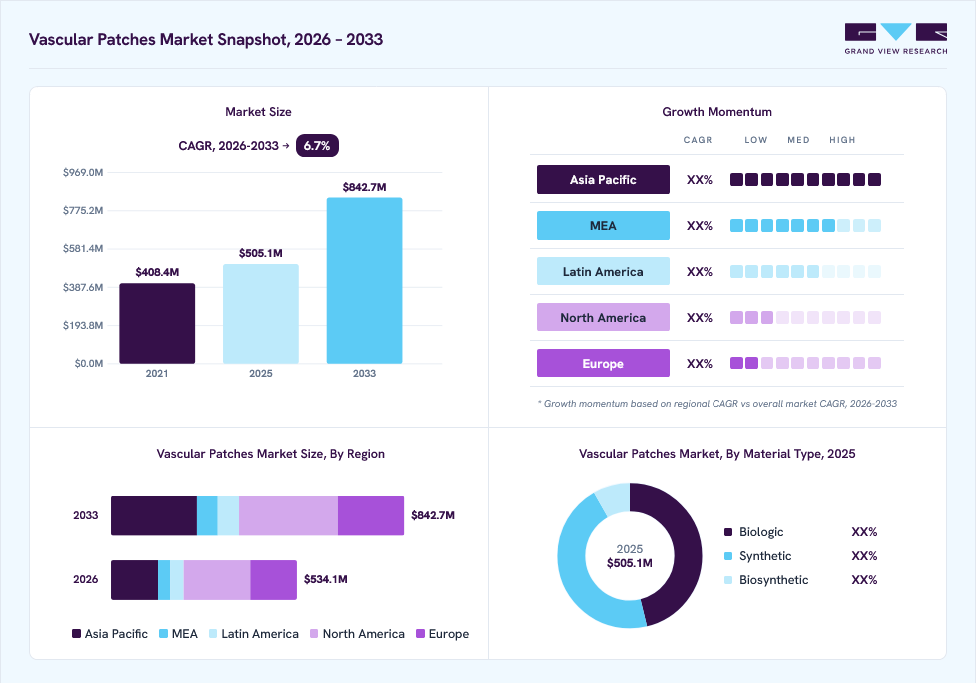
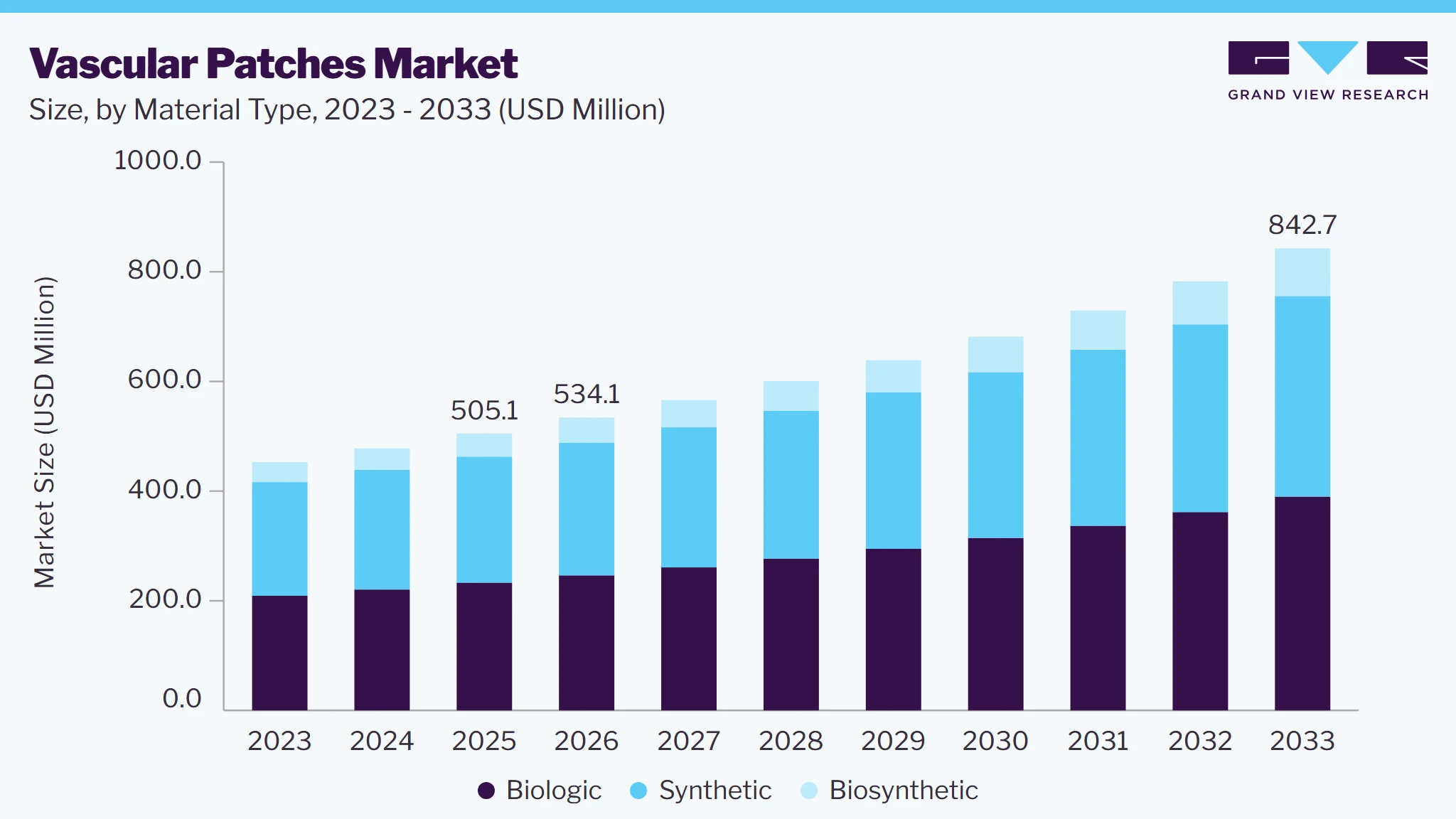
The global vascular patches market size was valued at USD 505.1 million in 2025 and is projected to grow from USD 534.1 million in 2026 to USD 842.7 million by 2033, at a CAGR of 6.7% from 2026 to 2033. North America dominated the market, accounting for the largest revenue share of 36.1% in 2025. The rising prevalence of peripheral artery disease, carotid artery disease, diabetes, and other atherosclerotic conditions, particularly among older adults, is increasing the need for vascular interventions. The use of vascular patches in endarterectomy, peripheral vascular reconstruction, arterial repair, and arteriovenous access revisions further supports market demand.
 Source: Grand View Research, IR Documents, Primary Interviews, Paid DatabasesTo learn more about this report,
 Download Free Sample Report
 Key Market Trends & Insights
- By material: The biologic segment led the market with the largest revenue share of 46.1% in 2025.
- By application: The hemodialysis / AV access surgery segment led the market with the largest revenue share of 35.8% in 2025.
- By surgery: The open surgery segment led the market with the largest revenue share of 82.3% in 2025.
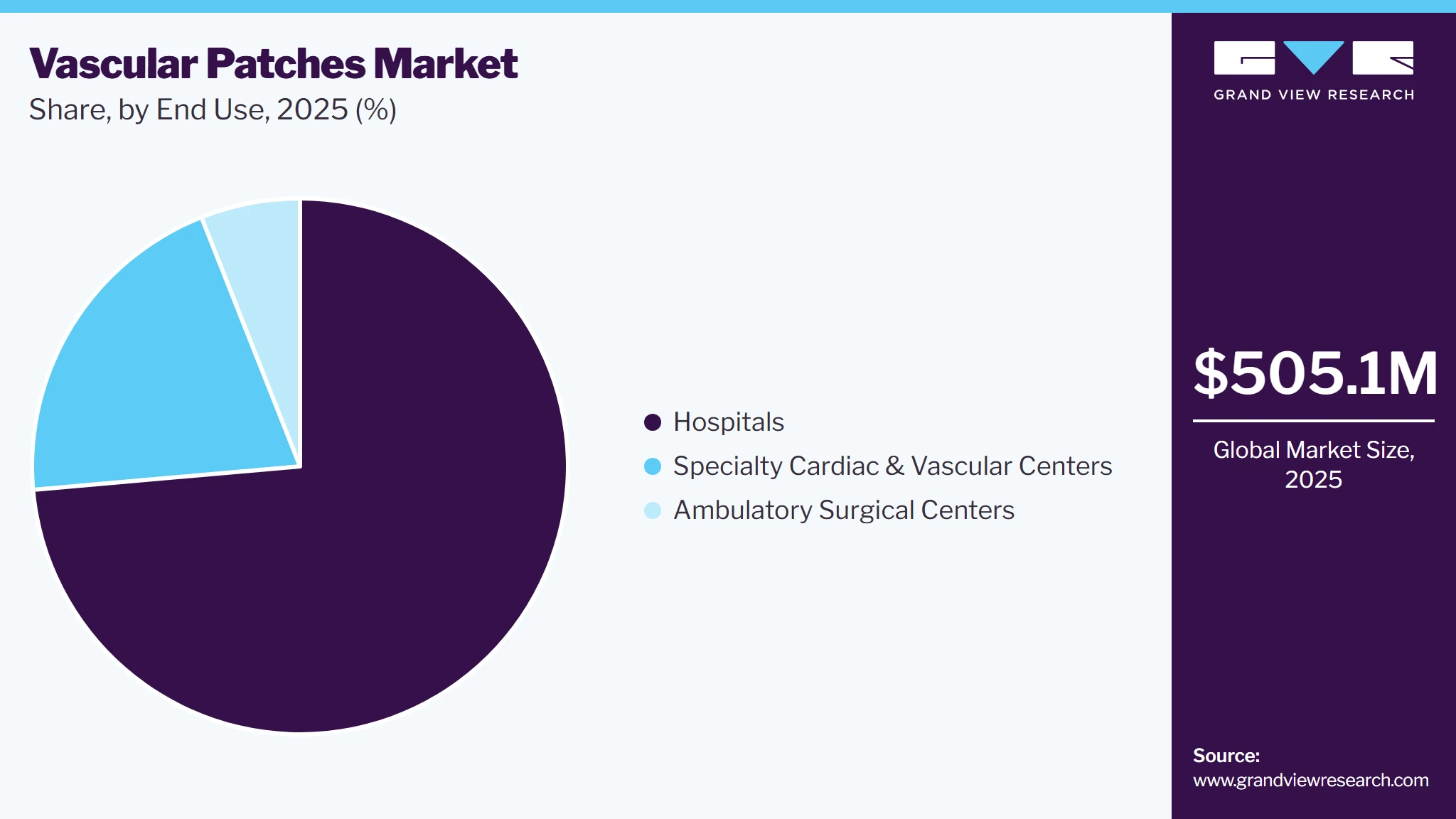
- By end use: The hospitals segment led the market with the largest revenue share of 73.6% in 2025.
Regional Highlights
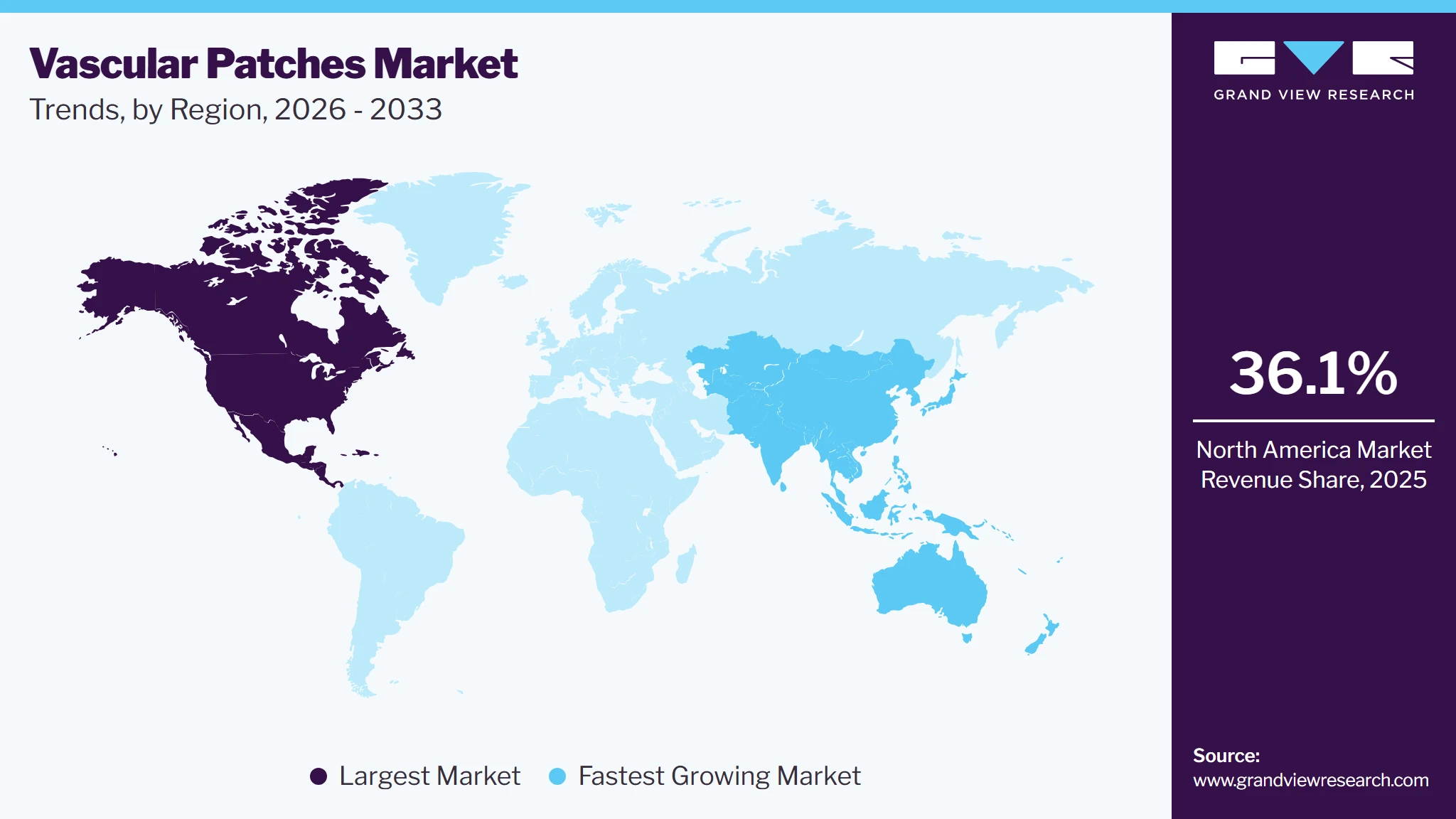
- Largest regional market: North America (36.1% revenue share, 2025)
- Fastest-growing regional market: Asia Pacific (highest CAGR, 2026-2033)
- By country: The U.S. held the largest market share in 2025.
Market Size & Forecast
- Market size in 2025: USD 505.1 Million
- Estimated market size in 2026: USD 534.1 Million
- Projected market size by 2033: USD 842.7 Million
- CAGR (2026-2033):6.7%
Three ways to get this report
Buy it, customize it, or ask a question.Ask an Analyst
A direct answer, usually in 1 working day
- AccessReport author, directly
- Reply timeWithin 1 working day
- No sales callDirect answer only
- FormatEmail reply
- CostFree, no cost
Get the Full Report
What the study covers
- FormatsPDF · Excel · Dashboard
- Timeline2026–2033 annual, 2025 base
- Coverage20+ countries, 5 regions
- Companies10+ key players profiled
Customize the Report
20% free customization
- IncludeCountries, segments, points
- TailorTo your product definition
- ExtendDeeper competitor detail
- OrA fully bespoke study
- Turnaround5–10 working days
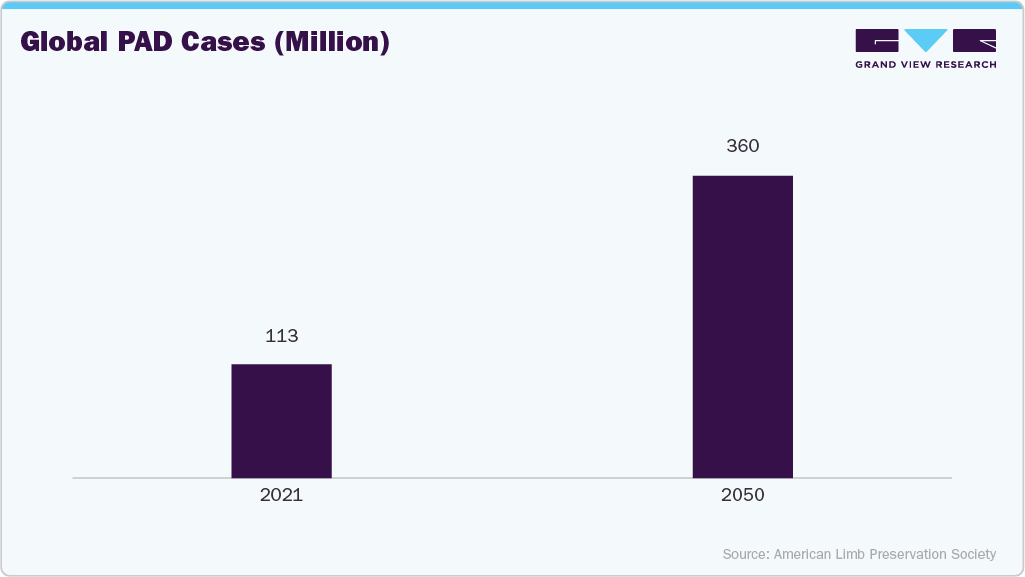
The increasing prevalence of peripheral artery disease (PAD), carotid artery disease, and atherosclerosis is creating a larger patient pool requiring vascular interventions. PAD causes narrowing or blockage of peripheral arteries and can progress to severe limb complications, increasing the need for revascularization and arterial repair. This growing disease burden is expected to support demand for vascular patches used in arterial reconstruction and repair. According to the American Limb Preservation Society (ALPS), the study published in Research projects a 220% increase in global peripheral artery disease (PAD) cases, rising from 113 million in 2021 to more than 360 million by 2050.
 To learn more about this report, Download Free Sample Report
 “What we found is both alarming and actionable,” said Dr. Wuquan Deng, senior author of the study and professor at Chongqing University Central Hospital and King’s College London. “If current trends continue, we are facing a doubling of PAD mortality and a staggering 68% rise in disability burden. Yet, by prioritizing aggressive management of diabetes, obesity, and hypertension, we could prevent over 30% of this burden.”
“This is a call to action,” said Dr. David G. Armstrong, co-author and Distinguished Professor of Surgery and Neurological Surgery with the Keck School of Medicine of USC. “PAD is the tip of a much larger metabolic iceberg. If we act decisively, we can not only prevent disease but reduce amputations and deaths. This study gives us a roadmap-and a responsibility-to do so.” He is also a podiatric surgeon with Keck Medicine of USC.
 To learn more about this report, Download Free Sample Report
 The continued use of peripheral vascular reconstruction, endarterectomy, arterial repair, and patch angioplasty is driving demand for vascular patches. FDA documentation confirms that vascular repair patches are used in the reconstruction of the carotid, renal, iliac, femoral, profunda, and tibial vessels, as well as arteriovenous access revisions. The broad range of surgical applications provides a stable clinical basis for the adoption of vascular patches.
Furthermore, advancements in biologic vascular patches, particularly bovine pericardial and decellularized tissue materials, are improving biocompatibility, handling, durability, and tissue integration. Products such as VASCU-GUARD and XenoSure demonstrate the established use of biologic patches for vascular reconstruction and repair, including peripheral vascular procedures. Continued development of biologic materials is expected to strengthen their adoption across vascular surgery.
For instance, in July 2026, Medical Xpress reported a technological advancement in vascular patch development involving vascular organoid patches for treating ischemic heart disease. Researchers at Stanford University developed vascular organoids from human cells and surgically implanted them onto the surface of the hearts of pigs with ischemic heart disease. The patches survived for several weeks, promoted the formation of new microvessels, increased vessel density and maturity, and improved blood flow and cardiac function. The technology combines endothelial progenitor cells with mesenchymal stem cell-derived smooth muscle cells, offering a regenerative approach that could expand vascular patch applications beyond conventional structural repair toward biological tissue regeneration.
Market Dynamics
The market for vascular patches is shaped by the rising burden of vascular disease, continued use of endarterectomy and arterial reconstruction, and increasing adoption of biologic and advanced patch materials. Competition between biologic and synthetic patches remains strong, while newer materials such as extracellular-matrix patches are creating opportunities for product differentiation through improved tissue integration and remodeling. However, endovascular alternatives, material-related complications, clinical evidence requirements, and regulatory considerations influence the pace of adoption across different applications.
The increasing prevalence of peripheral artery disease (PAD), carotid artery disease, and atherosclerotic vascular disorders is expanding the patient population requiring arterial repair and reconstruction. PAD affects more than 12 million people in the U.S., creating substantial demand for vascular interventions. As vascular patches are used in peripheral and carotid artery reconstruction, including following endarterectomy, the growing disease burden is expected to support demand for vascular patches.
The risk of patch-related complications remains a restraint in the market, as procedures may be associated with complications such as infection, restenosis, pseudoaneurysm, thrombosis, and bleeding. Although these complications are uncommon, their potential to necessitate additional surgical intervention can influence surgeons’ choice of patch materials and increase demand for safer, more durable alternatives.
The development of biosynthetic and regenerative vascular patches offers an opportunity to overcome limitations of conventional materials by promoting tissue integration, vascular remodeling, and regeneration. Advanced approaches using biodegradable polymers, extracellular-matrix coatings, and tissue-engineered scaffolds are being explored to improve biocompatibility and endothelialization. These technologies could support the development of more durable and biologically compatible patches for complex vascular reconstruction.
Market Concentration & Characteristics
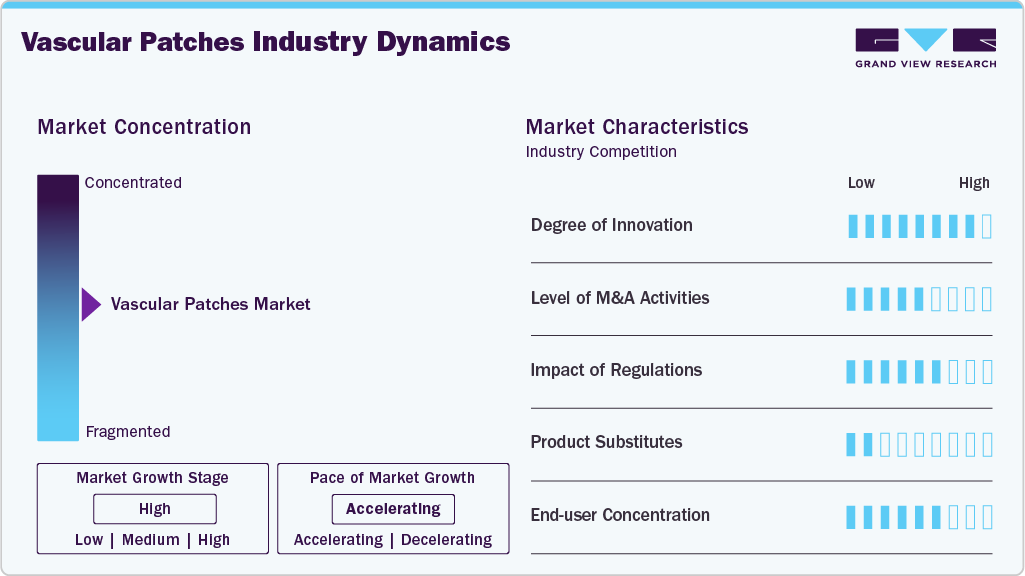
The market demonstrates a moderate-to-high degree of innovation, driven by the development of decellularized biologic materials, advanced biomaterials, and tissue-engineered scaffolds designed to improve biocompatibility and vessel integration. Research into electrospun and bioactive scaffolds is further enabling control over mechanical properties, cellular response, and tissue regeneration.
The market has a moderate level of mergers and acquisitions, with established medical-device companies selectively pursuing acquisitions to broaden their vascular product portfolios and add complementary technologies. M&A activity is primarily focused on biologic vascular repair technologies, cardiovascular biomaterials, and peripheral vascular surgical products. Overall, companies are using acquisitions as a targeted strategy to strengthen product capabilities and expand their presence across vascular surgery.
 To learn more about this report, Download Free Sample Report
 Regulatory requirements have a moderate impact on the market as products must meet safety, performance, manufacturing, labeling, and post-market surveillance requirements before commercialization. In the U.S., vascular patch devices such as those under FDA product code DXZ are classified as Class II devices and generally follow the 510(k) pathway, creating compliance requirements while providing a defined route to market.
The market has a high concentration of end-use in vascular surgery and cardiovascular procedures, particularly carotid endarterectomy, peripheral vascular reconstruction, arterial repair, and suture-line reinforcement. FDA-cleared products indicate applications across carotid, renal, iliac, femoral, profunda, and tibial vessels, as well as arteriovenous access revisions. Therefore, demand is concentrated in hospitals, vascular surgery centers, and cardiovascular surgical settings, where these procedures are routinely performed.
Analyst Perspective
The market for vascular patches is expected to remain clinically established and competitive, supported by continued use in carotid endarterectomy, peripheral arterial reconstruction, vascular trauma, and AV-access repair. Competition is likely to center on biologic, synthetic, and biosynthetic materials, with differentiation driven by biocompatibility, durability, resistance to infection, handling characteristics, and tissue integration. Innovation in regenerative and tissue-engineered patch materials is also creating opportunities for next-generation products, particularly those designed to promote remodeling and reduce complications. Established products are expected to retain a strong clinical position while newer materials gradually expand their share through improved performance and clinical evidence.
Material Insights
The biologic segment dominated the market in 2025, driven by the widespread use of biologic materials, such as bovine pericardium and decellularized tissue, for vascular reconstruction and repair. LeMaitre Vascular reported that its biologic offerings, including XenoSure, CardioCel, and VascuCel patches, accounted for 53% of its total sales in 2025, underscoring the strong commercial presence of biologics.
The clinical use of bovine pericardial patches in procedures such as common femoral endarterectomy, along with ongoing regulatory scrutiny of biologically derived vascular patches, further supports the segment’s strong position.
The biosynthetic segment is expected to grow at the fastest CAGR during the forecast period, driven by increasing adoption of advanced vascular patch materials for arterial repair and patch angioplasty. Continued clinical evaluation of biologically derived and biosynthetic patches, including bovine pericardial patches used in femoral thromboendarterectomy, is supporting surgeons' acceptance of these patches and encouraging innovation in vascular patch design.
Application Insights
The hemodialysis/AV access surgery segment dominated the market in 2025 and is expected to grow at the fastest CAGR over the forecast period, supported by the recurring need to maintain and reconstruct arteriovenous fistulas and grafts in patients receiving hemodialysis. For instance, in February 2026, NCBI published a study evaluating PTFE patch angioplasty in 14 patients with hemodialysis-access dysfunction. The study reported 100% technical success, with primary patency rates of 92.3% at 3 months, 81.8% at 6 months, and 77.8% at 12 months, demonstrating the continued clinical use of vascular patches in dialysis-access reconstruction.
The peripheral artery reconstruction segment is expected to grow significantly over the forecast period, driven by increasing demand for surgical treatment of peripheral arterial disease and complex arterial occlusions. Vascular patches are used in procedures such as femoral endarterectomy and patch angioplasty to enlarge and reinforce the artery after plaque removal. Growing adoption of biologic patches and continued clinical use in peripheral arterial reconstruction are expected to create sustained demand for vascular patches.
Surgery Insights
The open surgery segment dominated the market in 2025, as vascular patches are widely used during open procedures such as carotid endarterectomy, femoral endarterectomy, and arterial reconstruction. For instance, in January 2025, a ScienceDirect-published multicenter study in Annals of Vascular Surgery evaluated common femoral thromboendarterectomy with patch angioplasty using vein and bovine pericardial patches. The study reported 2-year primary patency rates of 95.6% for vein patches and 92.8% for bovine pericardial patches, supporting the continued clinical use of vascular patches in open vascular surgery.
The hybrid surgery segment is expected to grow at the fastest CAGR during the forecast period, driven by increasing use of combined open and endovascular techniques for complex vascular disease. For instance, in February 2026, an NCBI-indexed study evaluated hybrid revascularization combining common femoral endarterectomy with bovine pericardial patch angioplasty and endovascular iliac recanalization in 28 patients, achieving an 85.7% technical success rate, supporting the growing use of vascular patches in hybrid procedures.
End-use Insights
The hospital segment dominated the market in 2025, as hospitals perform most complex vascular procedures requiring patch angioplasty, including carotid endarterectomy, peripheral vascular reconstruction, and arterial repair. The availability of specialized vascular surgeons, advanced operating facilities, intensive care units, and comprehensive postoperative monitoring further supports hospitals as the primary end users of vascular patches.
 To learn more about this report, Download Free Sample Report
 The ambulatory surgical centers (ASCs) segment is expected to grow at the fastest CAGR during the forecast period, supported by the shift of selected vascular procedures toward outpatient settings, driven by lower costs, shorter stays, and advances in minimally invasive techniques. For instance, in November 2025, an NCBI-indexed study found that ASC/office-based settings accounted for 46.72% of lower-extremity revascularizations by 2023, indicating a rapid shift of vascular care toward ambulatory settings. While vascular patches are primarily used in open procedures, increasing adoption of outpatient vascular surgery is expected to create opportunities for patch-based repairs in appropriately selected patients.
Regional Insights
The North America vascular patches industry dominated the global market with a revenue share of 36.1% in 2025. The North America market is supported by the region’s high prevalence of vascular diseases, advanced surgical infrastructure, and the availability of specialized vascular care services. The U.S. and Canada have established capabilities for carotid endarterectomy, peripheral vascular reconstruction, arterial repair, and dialysis-access procedures, creating consistent demand for vascular patches. The presence of established medical-device manufacturers and the continued development of biologic and synthetic patch materials further support market growth.
 To learn more about this report, Download Free Sample Report
 U.S. Vascular Patches Market Trends
The U.S. vascular patches industry is supported by the substantial burden of vascular disease and the established use of patch angioplasty in vascular surgery. The CDC estimates that approximately 6.5 million U.S. adults aged 40 years and older have peripheral artery disease, creating a significant patient pool for vascular interventions. In addition, a U.S. study of 1,481 carotid endarterectomies found that 67.5% used bovine pericardial patches, demonstrating strong clinical adoption of vascular patches.
Europe Vascular Patches Market Trends
The Europe vascular patches industry is supported by a well-established vascular healthcare system, a substantial burden of cardiovascular and peripheral vascular diseases, and continued use of surgical vascular repair procedures. The European Society for Vascular Surgery recommends routine patch closure following conventional carotid endarterectomy, reflecting the established clinical role of vascular patches in the region. The availability of advanced biologic and synthetic patch materials and specialized vascular-surgery centers further supports market demand.
The vascular patches industry in the UK is supported by an established vascular care system, continued demand for carotid and peripheral vascular procedures, and the routine use of patch angioplasty in selected surgeries. The UK National Vascular Registry recorded 2,877 carotid endarterectomies in 2024, while NHS data reported 16,618 lower-limb revascularisation procedures during the year. The continued use of vascular patches in carotid endarterectomy and peripheral vascular repair supports sustained demand across the UK.
The France vascular patches industry is supported by a significant burden of peripheral and arterial diseases, with 68,702 adults hospitalized for lower-extremity arterial disease in 2022 and more than 760,000 adults affected by the condition. The continued use of patch angioplasty in carotid endarterectomy and peripheral vascular reconstruction, supported by France’s established vascular-care infrastructure, is expected to sustain demand for vascular patches.
Asia Pacific Vascular Patches Market Trends
The Asia Pacific vascular patches industry is supported by the region’s large patient population, increasing prevalence of cardiovascular and peripheral vascular diseases, and improving access to vascular surgical care. Rising healthcare expenditure, expansion of hospitals and specialized vascular centers, and increasing adoption of advanced biologic and synthetic vascular patches are contributing to market development. Growing awareness of vascular disease and improvements in surgical capabilities are expected to further support demand for vascular patches across the region.
The vascular patches industry in Japan is supported by an established vascular-surgery system, a large aging population, and continued demand for arterial reconstruction and endarterectomy procedures. Japan’s vascular-surgery database records substantial volumes of open arterial procedures and vascular access operations, providing a clinical basis for vascular patch use. Although patch angioplasty remains less widely adopted in Japan than in some Western markets, clinical evidence supports its use in carotid endarterectomy, particularly to reduce the risk of restenosis.
Latin America Vascular Patches Market Trends
The Latin America vascular patches industry is supported by the growing burden of peripheral vascular disease and increasing demand for vascular interventions. A multicenter Latin American registry reported a high prevalence of critical limb-threatening ischemia, diabetes, hypertension, and dyslipidemia among patients undergoing peripheral interventions, indicating a substantial need for vascular repair. Improving vascular surgery capabilities and healthcare infrastructure in countries such as Brazil and Argentina is expected to support the adoption of vascular patches.
Middle East & Africa Vascular Patches Market Trends
The MEA vascular patches industry is supported by the growing burden of peripheral arterial disease, diabetes, and other vascular conditions across the region. North Africa and the Middle East recorded approximately 6.14 million PAD cases among older adults in 2021, highlighting a substantial patient population requiring vascular interventions. Improving vascular care infrastructure and increasing access to surgical treatment are expected to support the adoption of vascular patches for arterial repair, reconstruction, and endarterectomy.
Key Vascular Patches Company Insights
The vascular patches industry is competitive and moderately fragmented, with major participants including LeMaitre Vascular, W. L. Gore & Associates, B. Braun, Getinge, and Baxter. Market share is distributed among several manufacturers, with competition based on biologic and synthetic patch portfolios, product performance, clinical adoption, regulatory approvals, and geographic presence, rather than being controlled by a single dominant company.
Key Vascular Patches Companies:
The following key companies have been profiled for this study on the vascular patches market:
-
Vygon
-
Baxter International Inc.
-
LeMaitre Vascular, Inc.
-
W. L. Gore & Associates, Inc.
-
Getinge AB
-
B. Braun Melsungen AG
-
Artivion, Inc.
-
Edwards Lifesciences Corporation
-
Elutia Inc. (formerly Aziyo Biologics)
-
Becton, Dickinson and Company (BD)
-
Labcor Laboratórios Ltda.
-
VUP Medical a.s.
-
Aegis Lifesciences Pvt. Ltd.
Competitive Benchmarking
Category
Operating Strategies
Competitive Edge
Weakness
Established Players (B. Braun SE, W. L. Gore & Associates, Inc., LEMAITRE VASCULAR, INC.)
- Expand and diversify biologic and synthetic vascular patch portfolios while strengthening surgeon relationships and distribution networks.
- Invest in clinical validation, product innovation, regulatory approvals, and strategic partnerships/acquisitions.
- Strong brand recognition, established regulatory clearances, manufacturing capabilities, broad product portfolios, and global distribution.
- Extensive clinical experience and established relationships with hospitals and vascular surgeons.
- Higher operating complexity and costs associated with large-scale operations and established manufacturing networks.
- Dependence on mature product categories may make it more difficult to rapidly commercialize next-generation biosynthetic or regenerative patches.
Emerging Players (Vygon, Edwards Lifesciences Corporation)
- Focus on novel biomaterials, biosynthetic patches, tissue engineering, and regenerative vascular technologies targeting unmet clinical needs.
- Build market presence through clinical collaborations, licensing, partnerships, and targeted geographic expansion.
- Greater innovation flexibility, and specialized technology, allowing rapid development of differentiated patch products.
- Ability to target specific clinical applications that may be underserved by established products.
- Limited manufacturing scale, distribution reach, brand recognition, and financial resources compared with mature players.
- Greater dependence on successful clinical trials, regulatory approvals, and surgeon adoption before achieving commercial scale.
Recent Developments
-
In May 2026, Artivion, Inc. completed the acquisition of Endospan Ltd., a long-standing partner and developer of the NEXUS Aortic Arch System, strengthening Artivion’s portfolio in endovascular treatment of aortic arch disease. Artivion funded the transaction with its previously drawn USD 150 million delayed-draw term loan, including a USD 135 million upfront net purchase price, with additional consideration contingent on commercial performance.
-
In June 2025, Aortyx secured USD 16.0 million in Series A funding led by Ship2B Ventures and Clave Capital. The funding was intended to accelerate the development of Aortyx’s next-generation aortic patch technology and support first-in-human clinical trials within two years. Following successful animal and cadaver studies, the company planned to advance through clinical and regulatory pathways while expanding its patch platform for aneurysms and other aortic conditions in the EU and U.S. markets.
Global Vascular Patches Market Report Scope
Report Attribute
Details
Market size in 2025
USD 505.1 million
Estimated Market size in 2026
USD 534.1 million
Projected market size by 2033
USD 842.7 million
Growth rate
CAGR of 6.7% from 2026 to 2033
Historical data
2021 - 2024
Forecast period
2026 - 2033
Quantitative units
Revenue in USD million, and CAGR from 2026 to 2033
Report coverage
Revenue forecast, company ranking, competitive landscape, growth factors, and trends
Segments covered
Material, application, surgery, end-use, region
Regional scope
North America; Europe; Asia Pacific; Latin America; MEA
Country scope
U.S.; Canada; Mexico; Germany; UK; France; Italy; Spain; Norway; Denmark; Sweden; Russia; Iceland; Finland; China; Japan; India; South Korea; Australia; Thailand; Singapore; Brazil; Argentina; Saudi Arabia; South Africa; UAE; Kuwait; Israel
Key companies profiled
Vygon; Baxter International Inc.; LeMaitre Vascular, Inc.; W. L. Gore & Associates, Inc.; Getinge AB; B. Braun Melsungen AG; Artivion Inc.; Edwards Lifesciences Corporation; Elutia Inc. (formerly Aziyo Biologics); Becton, Dickinson and Company (BD); Labcor Laboratórios Ltd.; VUP Medical a.s.; Aegis Lifesciences Pvt. Ltd.
Customization scope
Free report customization (equivalent up to 8 analysts' working days) with purchase. Addition or alteration to country, regional & segment scope.
Pricing and purchase options
Avail customized purchase options to meet your exact research needs. Explore purchase options
Global Vascular Patches Market Report Segmentation
This report forecasts revenue growth at global, regional, and country levels and provides an analysis on the latest industry trends in each of the sub-segments from 2021 to 2033. For this study, Grand View Research has segmented the global vascular patches market report based on material, application, surgery, end-use, and region:
-
Material Outlook (Revenue, USD Million, 2021 - 2033)
-
Biologic
-
Synthetic
-
Biosynthetic
-
-
Application Outlook (Revenue, USD Million, 2021 - 2033)
-
Carotid Endarterectomy
-
Peripheral Artery Reconstruction
-
Aortic & Cardiac / Congenital Repair
-
Hemodialysis / AV Access Surgery
-
Trauma & Other Vascular Repairs
-
-
Surgery Outlook (Revenue, USD Million, 2021 - 2033)
-
Open Surgery
-
Hybrid Surgery
-
-
End-use Outlook (Revenue, USD Million, 2021 - 2033)
-
Hospitals
-
Specialty Cardiac & Vascular Centers
-
Ambulatory Surgical Centers
-
-
Regional Outlook (Revenue, USD Million, 2021 - 2033)
-
North America
-
U.S.
-
Canada
-
Mexico
-
-
Europe
-
Germany
-
UK
-
France
-
Italy
-
Spain
-
Sweden
-
Denmark
-
Norway
-
-
Asia Pacific
-
Japan
-
China
-
India
-
Australia
-
South Korea
-
Thailand
-
-
Latin America
-
Brazil
-
Argentina
-
-
Middle East & Africa
-
South Africa
-
Saudi Arabia
-
UAE
-
Kuwait
-
-
Research Methodology
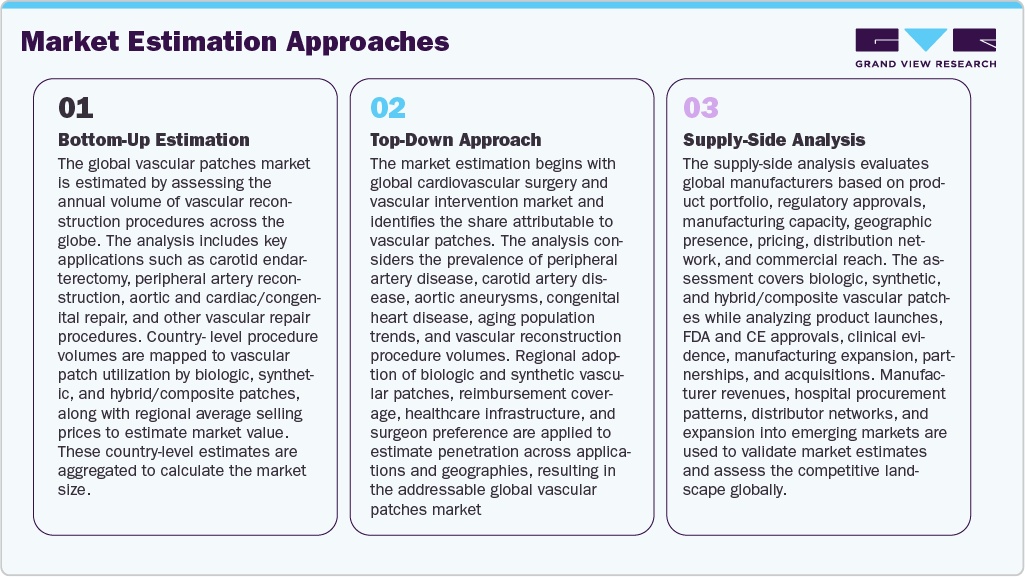
The vascular patches market figures in this report are based on a proven research process that combines executive interviews with secondary research from proprietary databases, company filings, and recognized regulatory and institutional sources. Market size is built through value-chain sizing-reconciling supply-side and demand-side estimates-and triangulated with bottom-up and top-down approaches. Every estimate passes multiple levels of expert validation before publication, with each vascular patches segment quantified using the revenue-capture definitions in the table below.
Segment Definition
Segment - Material
Revenue capture definition
Biologic
Revenue generated from vascular patches derived from human or animal biological tissues, such as bovine or porcine pericardium and extracellular-matrix materials. These products are generally positioned as premium patch solutions because of their biological characteristics and tissue compatibility.
Synthetic
Revenue generated from patches manufactured from man-made polymers, primarily ePTFE, PTFE, polyester/Dacron, and polyurethane. This segment captures revenue from readily available, standardized patches used for vascular repair and reconstruction.
Biosynthetic
Revenue generated from engineered or hybrid patch materials that combine synthetic scaffolds with biological or tissue-engineering characteristics, including biodegradable polymer-based scaffolds designed to support tissue regeneration or remodeling. This category is distinct from conventional biologic patches and conventional permanent synthetic patches.
Estimation Model
 To learn more about this report, Download Free Sample Report
 Delivered Customizations
This report has been delivered with the following In-depth customizations
Client Request
Customization Delivered
Value Adds
Global Vascular Patches Product Portfolio & Application Analysis
Conducted a comprehensive assessment of the global vascular patches product landscape, covering biologic patches, synthetic patches, and hybrid/composite patch technologies. Evaluated product adoption across carotid endarterectomy, peripheral artery reconstruction, aortic and cardiac/congenital repair, arteriovenous access creation, and other vascular reconstruction procedures across developed and emerging healthcare markets.
Helps stakeholders identify high-growth product categories, understand regional application trends, evaluate material-specific adoption, and identify opportunities for product portfolio expansion across global vascular surgery markets.
Regional End-User Adoption & Procurement Landscape Analysis
Analyzed adoption of vascular patches across hospitals, cardiovascular surgery centers, specialty vascular centers, ambulatory surgical centers, and academic medical institutions globally. Assessed the impact of healthcare infrastructure, vascular surgery volumes, reimbursement frameworks, procurement practices, surgeon preference, and the growing adoption of advanced biologic and synthetic patch materials across different regions.
Enables manufacturers to identify high-demand regional markets, optimize commercialization and distribution strategies, understand procurement dynamics across healthcare systems, and evaluate expansion opportunities in both mature and emerging markets.
Global Product Positioning & Manufacturer Competitiveness Assessment
Evaluated leading global vascular patch manufacturers based on product portfolio breadth, patch material, handling characteristics, biocompatibility, infection resistance, clinical evidence, regulatory approvals, manufacturing capabilities, pricing, geographic presence, and distribution strength. The assessment also considered product launches, technology innovation, strategic collaborations, acquisitions, and expansion into new vascular surgery applications and international markets.
Supports global competitive benchmarking, identifies technology differentiation opportunities, evaluates regional competitive positioning, strengthens market entry and expansion strategies, and helps companies identify portfolio gaps and regulatory expansion opportunities across global markets.
Frequently Asked Questions About This Report
The global vascular patches market size was valued at USD 505.1 million in 2025 and is estimated at USD 534.1 million for 2026.
The global vascular patches market is expected to grow at a CAGR of 6.7% from 2026 to 2033, reaching USD 842.7 million.
Key factors include the rising prevalence of peripheral artery disease, carotid artery disease, diabetes, and other atherosclerotic conditions, particularly among older adults, is increasing the need for vascular interventions.
North America dominated with a 36.1% revenue share in 2025.
Asia Pacific is the fastest-growing region over the forecast period.
The biologic segment led with a 46.1% revenue share in 2025, while the biosynthetic is the fastest-growing segment.
The hemodialysis / AV access surgery held the largest share of 35.8% in 2025 and is the fastest-growing channel.
The open surgery held the largest share of 82.3% in 2025, while hybrid surgery is the fastest-growing channel.
The hospitals held the largest share of 73.6% in 2025, while ambulatory surgical centers (ASCs) is the fastest-growing channel.
Key players include Vygon, Baxter International Inc., LeMaitre Vascular, Inc., W. L. Gore & Associates, Inc., Getinge AB, B. Braun Melsungen AG, Artivion, Inc., Edwards Lifesciences Corporation, Elutia Inc. (formerly Aziyo Biologics), Becton, Dickinson and Company (BD), Labcor Laboratórios Ltda., VUP Medical a.s., Aegis Lifesciences Pvt. Ltd.
About the Author(s)
Medical Devices Research Team
Healthcare · Medical DevicesThis report was authored by the medical devices research team at Grand View Research - comprising two research analysts, one senior research analyst, and one industry expert - with specialized expertise in the medical devices segment of the healthcare industry. All findings are based on proprietary healthcare databases, executive interviews, and regulatory analysis, subject to internal peer review prior to publication.
Last Updated:
Speak to Analyst

Customize this report to your needs - add regions, segments, or data points, with 20% free customization.
Or view our licence options:


ISO 9001:2015 & 27001:2022 Certified
We are GDPR and CCPA compliant! Your transaction & personal information is safe and secure. For more details, please read our privacy policy.


