How Freight Costs Affect Commodity Procurement Decisions: A Practical Guide
In commodity markets, buying raw materials isn't just about agreeing on a price at the factory gate or mine shaft. A sudden spike in ocean freight rates, fuel surcharges, or port congestion fees can erase thin profit margins overnight. Understanding the freight cost impact that commodity procurement professionals navigate daily is essential for protecting the bottom line and building a resilient supply chain.
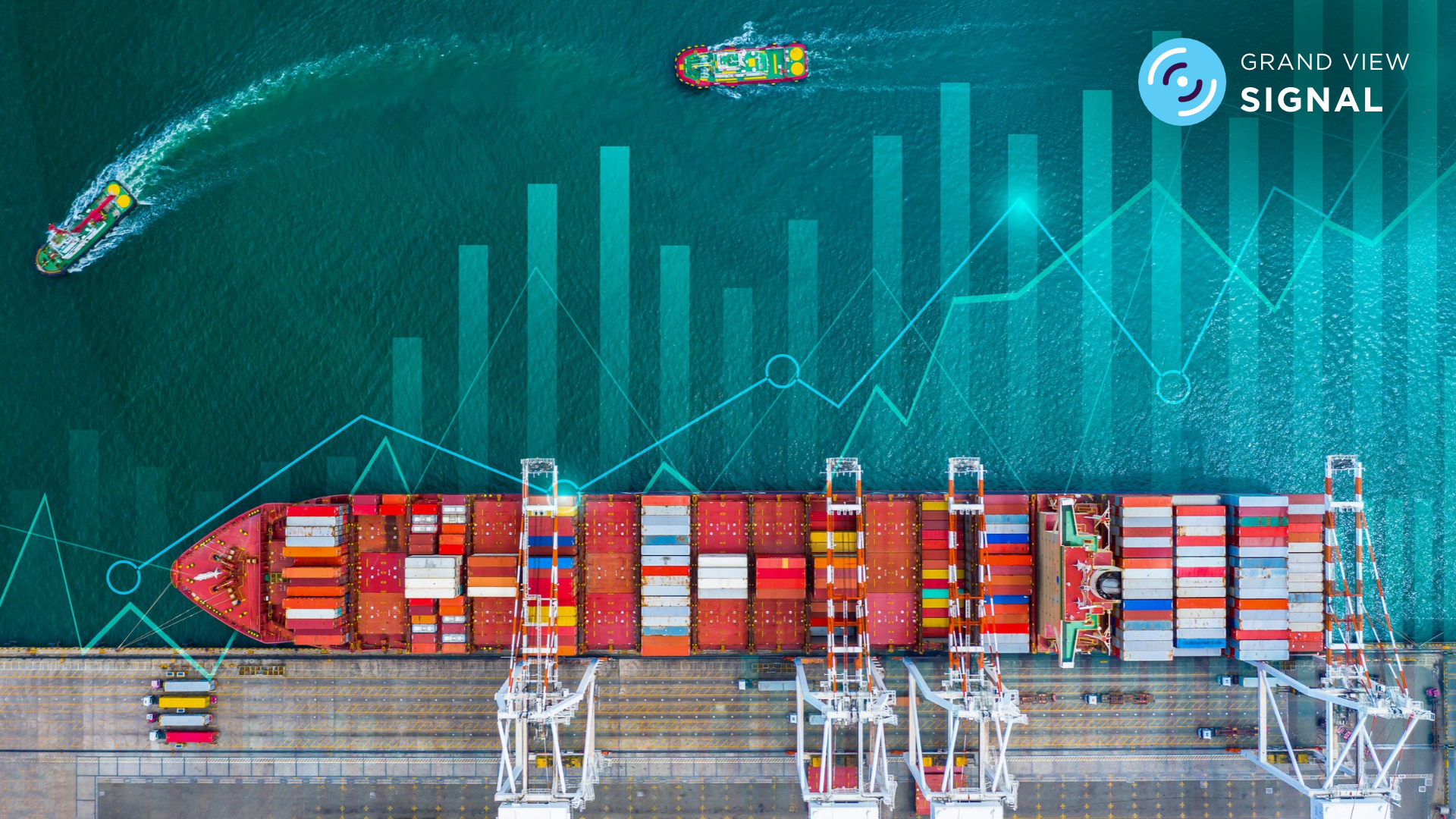
For procurement leaders, treating freight as an isolated logistical detail is a costly mistake. Logistics and sourcing must operate as a unified strategy. Grand View Signal, a commodity price intelligence platform, assists to analyze total landed cost methodologies and integrating real-time freight market intelligence into negotiations, which further helps procurement teams to turn volatile logistics data into a strategic advantage.
Why Does Freight Matter So Much in Commodity Sourcing?
When acquiring high-volume bulk commodities, such as agricultural products, industrial metals, energy, or chemicals, transportation costs often represent a substantial percentage of the overall purchase price. Unlike finished goods, where freight might account for a small fraction of the retail value, low-margin raw materials are heavily sensitive to logistics volatility.
A shift in bunker fuel prices or a bottleneck at a major maritime choke point directly influences shipping costs that raw materials rely on. Ignoring ocean or inland logistics dynamics when negotiating supplier contracts exposes buyers to unhedged risks.
When logistics intelligence is connected directly to procurement decision-making, buyers can:
-
Compare suppliers across different geographic regions using real landed costs rather than base prices.
-
Anticipate market shifts and lock in favorable freight terms before spot rates climb.
-
Structure dynamic contracts with floating mechanisms tied to transparent logistics benchmarks.
What Is Total Landed Cost Methodology?
To make sound procurement decisions, organizations must look beyond the initial purchase order price and calculate the total landed cost commodity inputs carry.
Total Landed Cost (TLC) encompasses every expense required to move a commodity from its origin to its final operational destination.
Key Components of Total Landed Cost
-
Base Commodity Purchase Price: The negotiated price per unit charged by the supplier at origin.
-
Primary Freight Charges: The cost of long-distance transport, whether by ocean vessel, rail, barge, or truck.
-
Ancillary Fees & Surcharges: Fuel adjustment factors (FAF), peak season surcharges, terminal handling charges (THC), and demurrage/detention costs.
-
Duties, Taxes, & Tariffs: Import tariffs, customs brokerage expenses, and local cross-border taxes.
-
Insurance & Financial Carrying Costs: Cargo insurance coverage alongside working capital costs tied up during long transit times.
A Practical Landed Cost Example
Consider two suppliers offering industrial-grade copper concentrate:
-
Supplier A (Overseas): Offers $8,500 per metric ton FOB (Free on Board).
-
Supplier B (Regional): Offers $8,800 per metric ton FCA (Free Carrier).
At first glance, Supplier A looks $300 cheaper per ton. However, once you factor in $450 per ton in ocean freight, marine insurance, port handling, and extended inventory holding costs, Supplier A's true total landed cost becomes $8,950 per ton. Supplier B, with regional rail transport costing $100 per ton, delivers a landed cost of $8,900 per ton.
Without evaluating the total landed cost, a procurement team could select an option that costs more overall while introducing greater supply chain lead-time risk.
Access real-time impact analysis on commodity prices
Explore Grand View Signal
How Can You Factor WCI and BDI Benchmarks into Contract Negotiations?
Understanding logistics volatility requires reliable data. Procurement teams monitor key maritime benchmarks to evaluate market trends:
-
Baltic Dry Index (BDI): Tracks raw material ocean transport rates across major dry bulk routes (capesize, panamax, and supramax freight for ferrous-scrap shipments and iron ore, coal, and grain).
-
World Container Index (WCI): Evaluates containerized freight rates across major global trade lanes.
1. Moving from Fixed to Index-Linked Pricing
During periods of market uncertainty, agreeing on a long-term fixed freight rate can leave money on the table or force suppliers to renegotiate if spot rates surge. Instead, procurement teams can negotiate dynamic contracts linked to BDI or WCI movements, setting upper ceiling caps to guard against market spikes while capturing savings when freight rates soften.
2. Identifying Bargaining Power Shift Windows
Tracking freight indices provides clear visibility into supply and demand balance across trade lanes. When the BDI drops significantly, shipping capacity outpaces demand, shifting bargaining leverage to the buyer. Sourcing teams can leverage these windows to negotiate lower freight allowances, reduced terminal handling fees, or softer supplier terms.
3. Choosing the Right Incoterms Strategic Mix
Freight index data helps buyers select the right International Commercial Terms (Incoterms):
-
FOB (Free on Board): When index trends indicate spot freight rates are low or your internal logistics desk holds strong volume leverage, buying FOB allows you to arrange transport directly and capture the cost savings.
-
CFR/CIF (Cost and Freight / Cost, Insurance, and Freight): When index forecasts signal rising rate volatility, transferring freight management responsibility to the seller via CFR or CIF locks in landed costs and transfers transit risk to the supplier.
How Do Freight Fluctuations Shift Global Sourcing Regions?
Logistics cost movements alter geographic sourcing advantages over time. When global shipping costs are low, sourcing raw materials from lower-cost overseas producers makes economic sense. However, when freight rates spike, long-haul cost advantages vanish, favoring nearshoring or regional suppliers.
Integrating real-time freight price commodity buying insights enables procurement functions to pivot sourcing strategies dynamically:
-
Scenario Planning: Modeling how different freight rate increases impact total landed cost allows teams to pre-qualify regional backup suppliers before disruptions occur.
-
Nearshoring Realignment: Evaluating landed costs continuously reveals the exact tipping point where domestic or regional suppliers become more economical than overseas origins.
-
Inventory Buffer Management: When freight transit times fluctuate due to port congestion, procurement must balance higher safety stock carrying costs against the expense of expedited shipping options.
How to Build Freight Intelligence into Modern Procurement Workflow
To manage logistics volatility effectively, organizations are replacing disconnected spreadsheets with integrated commodity and supply chain management platforms. Connecting procurement software directly to live logistics feeds gives buyers real-time visibility into landed costs before signing purchase agreements.
Cross-functional alignment between procurement, logistics, and treasury management delivers clear operational advantages:
-
Automated Landed Cost Calculation: Procurement systems evaluate real-time freight quotes and tariffs alongside base commodity offers automatically.
-
Integrated Risk Management: Hedging commodity price risk on financial exchanges alongside freight swap agreements (such as Forward Freight Agreements) protects total margin exposure.
-
Proactive Supplier Collaboration: Transparent freight index sharing fosters collaborative vendor relationships, enabling shared-savings structures during volatile market cycles.
Key Takeaways for Procurement Leaders
-
Managing the freight cost impact commodity procurement encounters requires shifting from transactional buying to strategic landed-cost analysis.
-
Evaluate supplier proposals using total landed cost rather than origin purchase prices.
-
Use recognized benchmarks like the Baltic Dry Index and World Container Index to negotiate flexible contract terms.
-
Align procurement strategies with logistics intelligence to capitalize on market movements and manage supply chain risk effectively.
-
By placing logistics intelligence at the heart of your procurement strategy, your team can safeguard margins, improve contract negotiations, and turn market volatility into a competitive advantage.
What Does Grand View Signal Offer to Modern Procurement Teams?
Grand View Signal is a SaaS-based commodity price intelligence platform that solves the visibility gap caused by fragmented sourcing tools. By consolidating energy tracking, base and non-ferrous metals data, critical minerals pricing, and freight rates into a single interface, Signal provides procurement leaders with a complete picture of their supply chain economics. Instead of forcing buyers to cross-reference static exchange benchmarks, raw material tickers, and isolated shipping quotes, the platform unifies these core inputs into real-time landed cost models and predictive forecasts.
Through multi-commodity price tracking, granular Average Selling Price (ASP) metrics, and custom alert thresholds, this platform empowers category managers to validate supplier price adjustments, model downstream risks, and optimize cross-functional sourcing strategies. By bridging the gap between macro market fluctuations and daily execution, Signal equips organizations to protect profit margins, negotiate effectively, and build resilient global supply chains.
Explore Grand View Signal
A SaaS based commodity pricing intelligence platform
Talk to an analyst
Tell us what you need. We reply within one working day.
Service Guarantee
-
Insured Buying
This report has a service guarantee. We stand by our report quality.
-
Confidentiality
Your transaction & personal information is safe and secure.
-
Custom research service
Design an exclusive study to serve your research needs.
-
24/5 Research support
Get your queries resolved from an industry expert.