India's Steel Boom: What It Means for Global Iron Ore and Scrap Demand
As global commodities navigate structural realignments, a fundamental geographic pivot is underway across dry-bulk markets. For over two decades, seaborne iron ore pricing, global shipping rates, and metallurgical coal benchmarks swung almost exclusively on Chinese economic indicators. However, with China’s property sector undergoing prolonged debt restructuring and its crude steel production leveling off, India has emerged as the principal growth engine of global steel demand, reshaping international trade flows across the ferrous metal landscape.
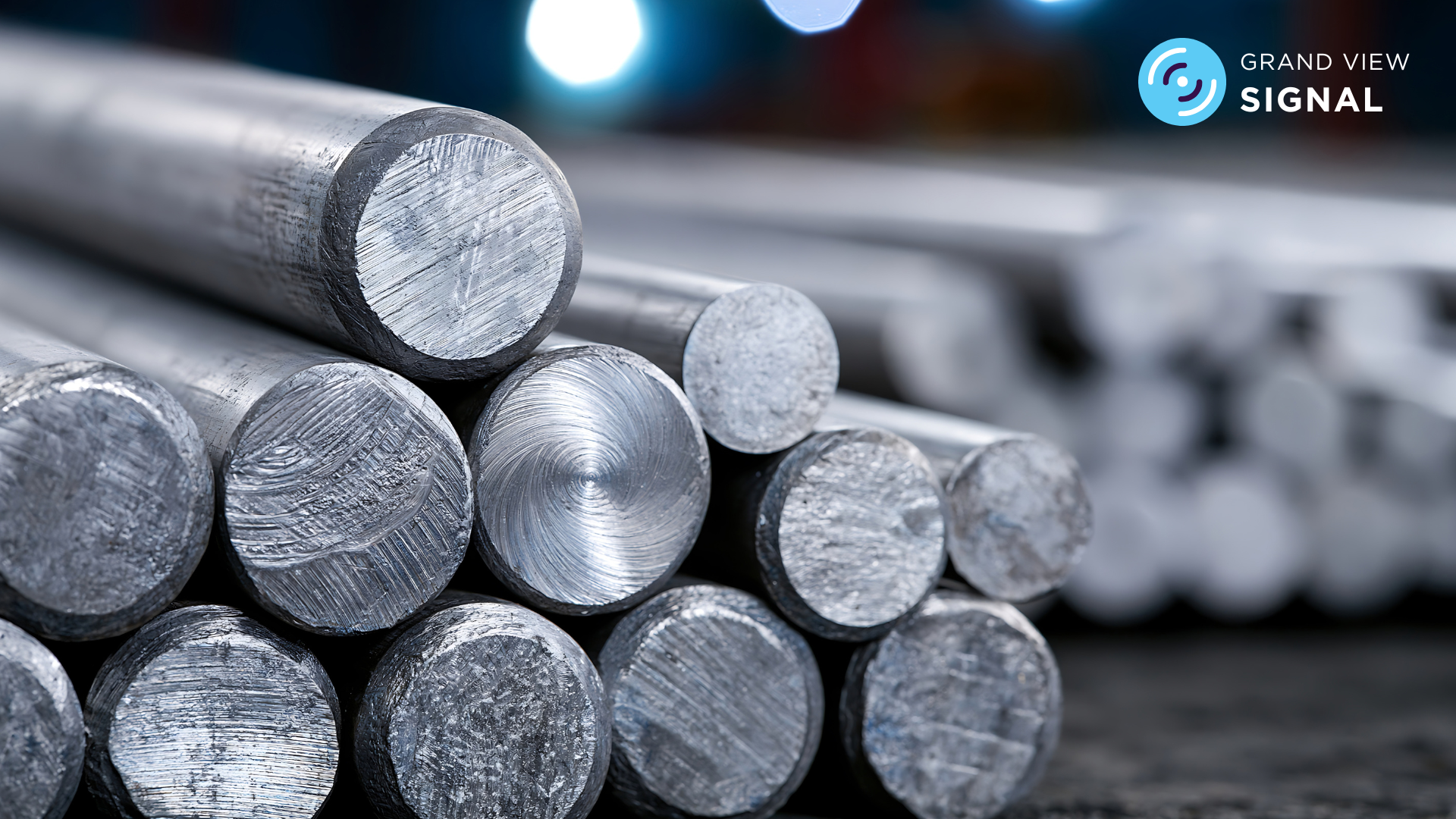
While global macroeconomic headwinds keep industrial activity subdued across traditional Western manufacturing hubs, India’s sustained infrastructure buildout, urban expansion, and rising private capital expenditure are driving double-digit growth. Official industry statistics show India produced 168.4 million tonnes (MT) of crude steel in FY2026, solidifying its position as the world’s second-largest steel producer and accounting for the vast majority of net global production growth.
To sustain this trajectory, domestic steelmakers are executing aggressive capital expenditure programs to achieve a national capacity target of 300 million tonnes per annum (MTPA) by 2030 under the National Steel Policy. Understanding the Indian steel demand outlook requires a granular examination of how this capacity buildout is altering seaborne raw material trade routes, shifting iron ore quality requirements, and reshaping global ferrous metal scrap flows.
1. The Great Rebalancing: India as the Structural Counter-Narrative to China
The primary driver in global bulk commodities is no longer whether Beijing will release credit-fueled, steel-intensive stimulus packages. Instead, physical trading desks are adapting to a permanent structural pivot. Chinese steel intensity is moving away from heavy civil engineering toward high-value manufacturing, electrical machinery, and export channels, structurally dampening its marginal appetite for imported raw materials.
Conversely, Indian infrastructure steel demand is entering a multi-decade super-cycle anchored by direct government capital allocation. Public sector capital expenditures have risen to approximately 3.4% of India’s GDP, up from 2.1% in FY2021. This capital flows directly into high-intensity long and flat steel applications:
-
Rail Infrastructure: Full network electrification, Dedicated Freight Corridors (DFCs), mass transit systems, and high-speed rail track laydowns.
-
National Highways & Freight Corridors: Expansion of multi-lane expressways, major river bridges, and elevated urban corridors connecting industrial nodes.
-
Energy Transition & Utilities: High-density commercial and residential development alongside solar mounting structures, wind turbine towers, and power transmission grids.
In the first half of calendar year 2026 alone, Indian finished steel consumption grew by 9.7% year-on-year to approximately 86 million tonnes. This represents an incremental annual demand gain of 12 to 15 million tonnes, an expansion profile unmatched by any other major economic region.
2. Capacity Expansion Trajectory: Closing the Path to 300 MTPA
To support this surge in consumption, India’s crude steelmaking capacity expanded from 154.1 MTPA in FY2022 to 220.3 MTPA by the end of FY2026, reflecting a compound annual growth rate (CAGR) of 9.3%. To bridge the remaining gap to 300 MTPA by 2030, the domestic industry must commission an additional 80 MTPA of operational capacity over the next four years.
This expansion wave is led by both Public Sector Units (PSUs) and major private steelmakers through massive brownfield and greenfield projects:
-
JSW Steel: Constructing its 13.2 MTPA greenfield integrated steel plant at Paradip, Odisha, while executing brownfield expansions at Vijayanagar to scale corporate capacity toward 48.8 MTPA.
-
Tata Steel: Board approved a ₹33,873 crore capex package for Neelachal Ispat Nigam Ltd (NINL) to add 4.8 MTPA of steelmaking capacity, scaling NINL into a 6.2 MTPA hub dedicated to long products. This sits alongside the 8 MTPA operational landmark at Kalinganagar.
-
Steel Authority of India (SAIL): Executing comprehensive modernization programs at Rourkela and Bokaro to increase public sector steelmaking capacity from 20 MTPA to 35 MTPA by 2031.
-
Jindal Steel & Power (JSPL) & NMDC: Scaling up coal-gasification and syngas-based Direct Reduced Iron (DRI) assets alongside greenfield units like NMDC's Nagarnar plant (3 MTPA).
This capital cycle is directly shifting the volumetric and technical specifications of raw materials required by domestic operators.
Access real-time impact analysis on commodity prices
Explore Grand View Signal
3. Iron Ore Market Dynamics: Quality Requirements vs. Domestic Supply
Historically, international traders viewed India as a merchant exporter of low-grade iron ore fines (typically <58% Fe content), supplying spot tonnage to Chinese coastal mills. However, the domestic production boom is fundamentally restructuring India's iron ore imports and export balances.
While domestic iron ore extraction reached 305 million tonnes in FY2026, the grade distribution creates an operational bottleneck. Modern high-capacity blast furnaces require high-grade lump, pellets, and high-Fe fines (>62% Fe) to maximize burden performance and reduce coke consumption.
Key Sourcing Realignment Trends:
-
Surging Seaborne High-Grade Imports: To meet high-Fe burden blend requirements, coastal steelmakers imported an estimated 12 to 14 million tonnes of high-grade iron ore in FY2026, a seven-year high. Facilities along the western and southern coasts increasingly turn to Australian and Brazilian miners when domestic inland rail freight costs create price parity.
-
Contraction in Merchant Exports: Iron ore prices fell by 22.4% year-on-year in FY2026. As domestic mills retain higher proportions of mined run-of-mine ore, merchant export availability continues to shrink.
-
Investments in Beneficiation & Pelletization: To process abundant low-grade domestic fines, Indian producers are investing in beneficiation plants and pelletization capacity. However, high domestic energy tariffs keep high-grade imported lump structurally attractive for coastal producers.
4. Decarbonization & Electric Steelmaking: The Ferrous Scrap Disruption
Unlike China’s reliance on Blast Furnace-Basic Oxygen Furnace (BF-BOF) infrastructure, India’s steel industry relies heavily on Electric Arc Furnaces (EAF) and Induction Furnaces (IF), which account for roughly 50% of national crude output.
As carbon intensity limits become more prominent globally, Indian steelmakers are raising scrap charges across both BOF converters and secondary electric furnaces. Data from the World Steel Association show that every metric ton of ferrous scrap used in steelmaking avoids roughly 1.5 metric tons of CO₂ emissions, thereby preserving 1.4 tons of iron ore and 0.74 tons of metallurgical coal.
Scrap Market Fundamentals:
-
Record Domestic Consumption: Indian ferrous scrap consumption surged 17% year-on-year to 41 million metric tons in FY2026, with scrap-based crude steel output reaching 38 MT.
-
Formalization of Domestic Supply: Domestic scrap collection rose 22% year-on-year to 32 million metric tons in FY2026, propelled by national vehicle recycling initiatives, shipbreaking activity at Alang, and formalized industrial recycling.
-
Price Elasticity & DRI Interplay: While India remains a top destination for imported deep-sea scrap, import volumes fluctuate with freight costs, foreign exchange rates, and the relative price of domestic Direct Reduced Iron (DRI/Sponge Iron). However, to meet 2030 production goals, scrap demand models project an import floor of 16 to 20 MTPA to ensure necessary metallization levels in high-grade EAF steelmaking.
5. Structural Impact on Metallurgical Coal and Seaborne Freight
The global reach of India's steel consumption extends directly into dry-bulk freight networks and seaborne metallurgical (coking) coal markets.
Due to limited domestic reserves of prime hard coking coal (HCC), Indian mills import over 85% of their coking coal requirements, sourcing primarily from Australia, the United States, Russia, and Mozambique. As national crude steel output surpassed 168 MT, Indian buyers became the largest marginal driver of demand in seaborne metallurgical coal trading.
6. Strategic Imperatives for Trade Desks and Market Analysts
For physical commodity traders, shipping lines, and industrial procurement managers, tracking the Indian steel sector requires evaluating micro-level operational indicators alongside macro GDP data. Key metrics to monitor include:
-
Coastal vs. Inland Capacity Distribution: Greenfield plants commissioned along the eastern coastline (Odisha and Andhra Pradesh) rely more heavily on imported high-grade iron ore and seaborne coking coal than traditional inland mills in Jharkhand or Chhattisgarh.
-
DRI/Sponge Iron vs. Scrap Spreads: When international scrap prices rise relative to domestic coal/gas-based sponge iron, secondary EAF producers adjust furnace charge ratios, impacting deep-sea scrap import shipments.
-
Inland Freight Tariffs & Mining Auction Dynamics: State mining royalties, iron ore auction premiums, and Indian Railways rake availability determine whether coastal mills purchase domestic ore or tender for Australian and Brazilian cargoes.
-
Hydrogen & Gas-Based DRI Adoption: The commercial scaling of hydrogen-DRI pilot plants and natural gas infrastructure will determine how rapidly India's coking coal demand growth curve moderates into the 2030s.
Unlocking Commodity Pricing Intelligence with Grand View Signal
As regional trade routes realign and raw material markets face volatility, enterprise buyers and strategy desks require real-time, data-backed intelligence to navigate shifting cost structures. Grand View Signal, a SaaS based commodity pricing intelligence platform, delivers granular pricing analytics and supply chain visibility tailored for commodity markets.
How Grand View Signal Empowers Strategy & Procurement:
-
Average Selling Price (ASP) Unbundling: Deconstructs complex pricing models into component cost drivers, including raw feedstocks, energy tariffs, and logistics overheads, giving procurement teams leverage during contract negotiations.
-
Multi-Driver Price Analysis: Connects price movements across metals, energy, and freight with macroeconomic indicators, policy shifts, and trade flow disruptions supported by a 10-year historical dataset.
-
Predictive Price Forecasting: Combines quantitative modeling with industry expertise to project price trajectories over 3-, 6-, and 12-month timeframes, allowing risk managers to hedge raw material exposure effectively.
-
Comprehensive Market Coverage: Tracks pricing benchmarks, regional dynamics, and trade flows across ferrous & non-ferrous metals, petrochemicals, polymers, energy, and freight.
Ready to optimize your procurement strategy and hedge against pricing volatility? Get in touch with our team of experts to explore localized trade flow intelligence and customized market coverage.
Explore Grand View Signal
A SaaS based commodity pricing intelligence platform
Talk to an analyst
Tell us what you need. We reply within one working day.
Service Guarantee
-
Insured Buying
This report has a service guarantee. We stand by our report quality.
-
Confidentiality
Your transaction & personal information is safe and secure.
-
Custom research service
Design an exclusive study to serve your research needs.
-
24/5 Research support
Get your queries resolved from an industry expert.