
- Home
- »
- Research
- »
-
Ferrous Metals Monthly Pricing Data & Analysis – August 2026
![Ferrous Metals Monthly Price Assessment – August 2026Report]()
Ferrous Metals Monthly Price Assessment – August 2026
Iron (Iron Ore 58% Fe, 61% Fe, 62% Fe, 65% Fe, and more), Steel (HRC, CRC, Plate, Rebar, Sections, Billets, and more), Steel Scrap (Shredded Scrap, Heavy Scrap, Cutting Scrap, Light New Scrap, and more)
Ferrous Metals Pricing Intelligence - Executive Summary
Ferrous metals recorded mixed but gradually more balanced conditions during August 2026. Iron ore remained relatively resilient despite weakness in parts of China’s finished-steel market. Continued seaborne procurement by Chinese mills supported the raw-material market. However, amid reduced steel margins and adequate global ore availability, the price levels remained stable and did not progress in a sustained way. China’s increasingly centralized iron ore purchasing system became a more important market influence as it directly affected procurement strategies and trading sentiments.
Steel performance differed significantly by product and geography. In China, construction-linked products entered August under pressure from weak property activity and elevated inventories. On the other hand, flat products received comparatively better support from manufacturing and export-oriented sectors. Conditions became more balanced during the middle and latter part of the month as prices of selected steel products stabilized, and inventory levels began to decline. India recorded high August pricing for flat products including HRC and CRC. However, sharply higher coking coal costs increased pressure on integrated steelmaker margins. European steel demand remained subdued despite a stronger manufacturing backdrop. The region’s new steel import framework materially tightened conditions for overseas suppliers. The U.S. market remained comparatively resilient, supported by higher domestic production and significantly lower imports than the previous year.
Steel scrap remained broadly flat during August. Late August imported scrap values remained close to levels seen at the starting of the month. This indicates a relatively balanced market rather than a sustained upward or downward trend. The scrap price movement remained restricted as the downstream demand lagged amid soaring energy costs.
Key Price Developments & Insights
-
Iron ore remained relatively resilient as continued Chinese procurement supported demand, although weak downstream steel margins and adequate seaborne availability limited stronger gains.
-
China’s steel market moved from pronounced early-August weakness toward greater stability, with selected products strengthening and inventories of rebar, wire rod and HRC declining during the latter half of the month.
-
India recorded elevated rebar and HRC pricing during August, but rising international coking coal costs increased production pressure on integrated steelmakers.
-
Europe operated under a substantially tighter steel import framework, while subdued consumption limited the extent to which reduced import availability translated into stronger domestic pricing.
-
Steel scrap remained broadly range-bound as buyers balanced raw-material requirements against weak rebar demand and constrained conversion margins.
Top Performing Ferrous Metal Commodity
-
Top Mover: HRC – Flat Steel
-
Average MoM Growth (top 3 geographies): 6.8%
-
Volatility Level: Moderate

Iron – Pricing Trends, August 2026
The iron category covers iron ore 58% Fe, 61% Fe, 62% Fe, 65% Fe and pig iron. Iron ore displayed a relatively narrow trading pattern during August, with prices remaining supported by continuing Chinese requirements. The latest customs information available during the month showed that China’s July iron ore imports remained above 100 million tonnes despite declining from June, while cumulative imports continued to exceed the previous year levels. This indicated that Chinese reliance on seaborne ore remained substantial even as domestic steel profitability weakened.
August trading was also influenced by developments in China’s centralized procurement system. Negotiations between the state-backed buyer and major international miners affected expectations around September shipments and contract terms. These developments increased uncertainty around individual ore brands but did not represent a broad physical shortage. Pig iron conditions remained closely linked to iron ore and coke costs, blast-furnace economics and competition from alternative metallic inputs.
Steel – Pricing Trends, August 2026
Steel markets recorded mixed but generally more stable conditions during August. China entered the month under significant pressure, particularly in construction steel, as weak property activity and elevated inventories weighed on rebar. During mid-August, conditions improved modestly. HRC, plate, and wire rod strengthened, while rebar remained broadly stable. By the third week, inventories of rebar, wire rod and HRC had begun declining, although plate and CRC stocks remained less supportive. The improvement therefore reflected selective destocking rather than a broad recovery across the steel sector.
The divergence between end-use sectors remained important. Construction-related demand stayed weak because of the prolonged property downturn and seasonal disruption. Manufacturing, machinery, automotive, and export-linked activity provided comparatively better support for flat products. In India, official August market data showed stronger rebar and HRC pricing compared with July, while CRC was broadly stable. Reduced availability during maintenance at some mills contributed to firmer domestic conditions. However, substantially higher coking coal costs increased blast-furnace production expenses for the local producers. European steel trading remained restrained by weak consumption and seasonal buying patterns, while U.S. domestic production remained comparatively strong.
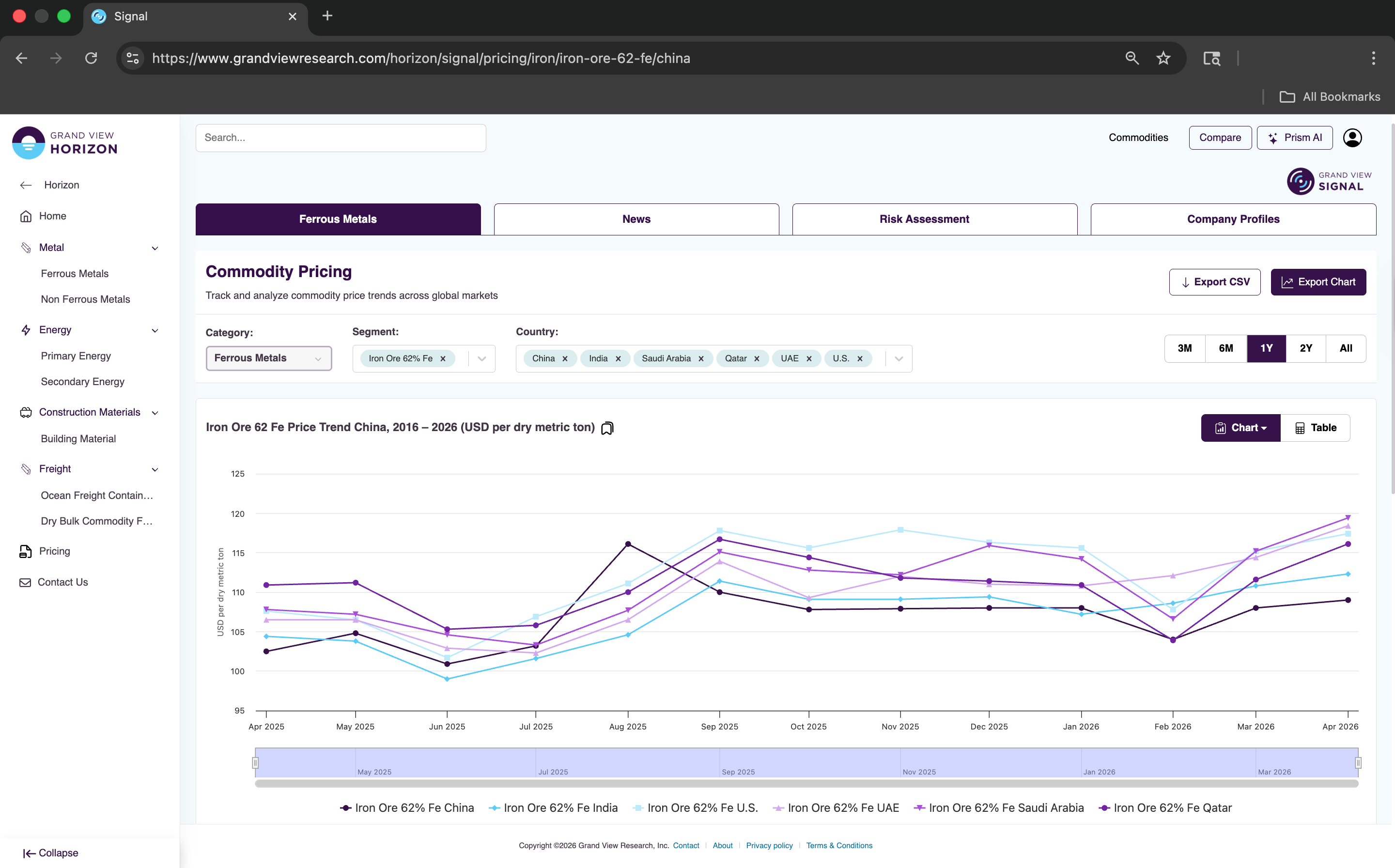
 Pricing Intelligence Platform
- Category & commodity wise real-time price trends and movements
- Latest and impact-making market drivers
- Geographic coverage across key countries
- Impact and Forecasting based on Geopolitical Scenarios.
Steel Scrap Segment – Pricing Trends, August 2026
Steel scrap remained broadly range-bound during August. The steel scrap price levels remained close to its early-August range toward the latter part of the month. This indicated that neither buyers nor suppliers established enough leverage to produce a sustained directional move.
Firmer billet conditions provided some support to scrap values during parts of the month but finished-steel demand restricted aggressive buying. European scrap markets also faced seasonal collection and logistics constraints, including pressure from low inland water levels in parts of the region. These supply-side factors provided some resistance to lower prices, but weak mill demand prevented them from generating a broader scrap rally.
Ferrous Metals Price Direction, By Geography And Metal Group, September 2026
Geography
Iron
Steel
Steel Scrap
China
-1.0%
-0.5%
-0.3%
India
Europe
U.S.
Saudi Arabia
UAE
Qatar
Egypt
Morocco
Ferrous Metals Pricing - Key Drivers
-
Uneven Chinese demand and improving finished-steel inventories - China’s steel market remained divided between weak construction-related demand and comparatively stronger manufacturing-linked consumption during August. Rebar entered the month under pronounced pressure as property activity remained weak and inventories were elevated. By the middle of August, price movement became more stable across several finished-steel products. Inventory conditions subsequently improved, with social stocks of rebar, wire rod and HRC declining during the third week. However, medium plate and CRC inventories did not show the same improvement, demonstrating that destocking remained product specific. Manufacturing and export-oriented sectors continued to perform better than property-related construction. This divergence prevented the improvement in inventories from developing into a broad demand recovery and kept mills cautious about output and raw-material procurement.
-
Centralized Chinese iron ore procurement influenced trading - China’s centralized iron ore procurement strategy became an increasingly important market factor during August. The state-backed purchasing organization expanded its role in negotiations between domestic mills and major international miners as it sought greater influence over purchasing terms and pricing. During the month, some mills were instructed to pause negotiations for selected September shipments from a major Australian supplier, while separate supply arrangements and ongoing negotiations involved other large miners. These actions created uncertainty around individual brands and contract negotiations without creating an overall shortage of iron ore. China remained highly dependent on imported ore, but adequate supply from major mining regions continued to constrain broader price increases. The interaction between centralized purchasing, mill profitability and supplier negotiations therefore became a significant influence on August iron ore sentiment.
-
Rising coking coal costs increased pressure on Indian steelmakers - India’s steel market recorded firmer conditions during August, but the improvement was accompanied by significant pressure from metallurgical coal costs. Official domestic pricing showed TMT and HRC increasing compared with July, while CRC remained broadly stable. Maintenance at some major mills reduced spot availability and contributed to tighter market conditions, while infrastructure and downstream requirements continued providing a demand base. At the same time, global coking coal prices increased sharply. India imports the majority of its metallurgical coal requirements, leaving integrated blast-furnace producers particularly exposed to higher international prices, freight costs and supply disruptions. Producers faced increasing difficulty transferring the full increase in raw-material costs to customers because downstream buyers remained price-sensitive. Consequently, higher steel prices did not necessarily translate into improved mill profitability.
Get in-depth driver impact analysis on ferrous metal prices.
Request Free Access
Access Grand View Signal.-
Trade measures continued reshaping international steel flows - Steel trade policy remained a major market influence during August. The European Union’s new steel framework operated with tariff-rate quotas across 26 product categories and a 50% duty on volumes exceeding applicable quotas. Additional measures introduced in early August implemented bilateral safeguards for covered imports from certain free-trade-agreement partners, further extending the practical reach of the framework. The tighter system reduced sourcing flexibility for European importers and increased the importance of product category, country of origin and remaining quota availability. India’s anti-dumping investigation into hot-rolled flat products from China, Japan and Russia also progressed during August, with additional procedural developments published during the month. In the U.S., domestic steel output remained higher than the previous year while cumulative imports fell substantially. Together, these measures continued encouraging greater regionalization of steel trade.
-
Weak finished-steel demand kept Turkish scrap range-bound - Türkiye remained the primary reference market for international seaborne ferrous scrap during August. Imported scrap values remained relatively stable rather than establishing a strong directional trend. Mills continued requiring metallic inputs, but weak rebar demand constrained their willingness to chase higher scrap offers. Firmer billet conditions occasionally provided support, while suppliers also faced seasonal collection and logistics constraints. Nevertheless, Turkish producers remained focused on protecting conversion margins, particularly when export opportunities for finished long products were limited. The resulting balance between supplier resistance and buyer caution kept the market within a comparatively narrow range. This dynamic also affected scrap suppliers in Europe and the U.S., where Turkish demand remains important for establishing international price direction.

Ferrous Metals - Commodity Coverage
Iron
The iron category covers iron ore 58% Fe, 61% Fe, 62% Fe, 65% Fe and pig iron. During August, the market remained influenced by continued Chinese seaborne procurement, changing centralized purchasing arrangements, steelmaker profitability and adequate global supply. Iron ore remained comparatively resilient but lacked sufficient demand for a sustained rally.
Iron Pricing - Key influencers
-
Chinese steel-mill raw-material requirements
-
Centralized procurement and supplier negotiations
-
Seaborne ore availability
-
Steelmaker margins and downstream demand
Get historical, current, and forecast iron price assessments.
Request Free Access
Access Grand View Signal.Steel
The steel category covers HRC, CRC, plate, rebar, billets, structural sections, pipes and other finished and semi-finished products. August conditions differed substantially by product and region. Chinese inventories improved selectively, Indian pricing firmed, European imports faced tighter regulatory constraints and U.S. domestic production remained resilient.
Steel Pricing - Key influencers
-
Construction versus manufacturing demand in China
-
Indian raw-material costs and domestic availability
-
European and Indian trade measures
-
Domestic production and import penetration in the U.S.
Get historical, current, and forecast steel price assessments.
Request Free Access
Access Grand View Signal.Steel Scrap
The steel scrap category includes shredded scrap, heavy melting scrap, cutting scrap, demolition scrap, stainless scrap, shipbreaking scrap and other ferrous scrap grades. August conditions remained broadly range-bound, with international pricing strongly influenced by Turkish purchasing economics.
Steel Scrap Pricing - Key influencers
-
Turkish rebar demand and mill margins
-
Imported scrap purchasing requirements
-
European collection and logistics conditions
-
Competition between scrap, billet and alternative metallic inputs
Get historical, current, and forecast steel scrap price assessments.
Request Free Access
Access Grand View Signal.Regional Commentary
China - China’s ferrous market remained divided during August. Construction-linked steel demand continued to face pressure from the prolonged property downturn, and rebar entered the month under particularly weak conditions. Selected steel products subsequently stabilized, while inventories of rebar, wire rod and HRC declined during the latter half of the month. Manufacturing and export-oriented demand remained comparatively stronger than construction activity. Iron ore remained relatively resilient despite weaker steel profitability, while increasingly centralized procurement negotiations with major global miners added uncertainty to imported ore trading and contract discussions.
India - India’s steel market strengthened during August. Domestic rebar and HRC prices increased compared with July, while CRC remained broadly stable. Tighter availability during maintenance at some producers contributed to firmer market conditions, while infrastructure and downstream consumption provided continued support. However, rapidly rising global coking coal prices became an important challenge for integrated steelmakers because of the country’s heavy dependence on imported metallurgical coal. The ongoing anti-dumping investigation covering HRC imports from China, Japan and Russia also continued influencing expectations regarding future import competition.
Europe - European steel markets remained relatively subdued during August despite signs of improvement in broader manufacturing activity. Summer buying patterns and still-fragile underlying steel demand limited spot-market momentum. At the same time, the import environment became materially more restrictive. The new tariff-quota framework applied a substantially higher duty to volumes exceeding allocated quotas, while additional bilateral safeguard implementation entered into force during August for certain free-trade-agreement partners. Reduced import flexibility strengthened the position of regional mills, although weak consumption limited the immediate effect on finished-steel prices.
U.S. - The U.S. steel market remained comparatively resilient during August. Weekly domestic raw-steel production continued to exceed the corresponding 2025 level, while year-to-date production also remained higher. At the same time, cumulative steel imports remained substantially below the previous year despite a monthly increase in July import volumes. Lower import penetration continued providing a more supportive environment for domestic producers. Construction, manufacturing, energy and infrastructure remained important demand channels, although procurement decisions continued to be influenced by tariffs, economic conditions and input costs.
Saudi Arabia - Saudi Arabia’s steel market remained broadly stable during August. Major domestic long-steel offers were maintained for August production, indicating limited pressure for a major short-term price adjustment. Construction, infrastructure and industrial projects continued providing underlying demand for rebar, sections and fabricated steel, while energy-sector investment supported demand for steel pipe. Corporate results published during August also showed that sales volumes were uneven across the domestic industry, suggesting that overall demand conditions were supportive but not uniformly strong.
Get region-wise ferrous metal price assessment.
Request Free Access
Access Grand View Signal.UAE - The UAE ferrous market remained supported by infrastructure execution during August. Locally manufactured rebar continued to be supplied to major national transport projects, demonstrating continued demand from strategic infrastructure investment. Domestic steel production helped meet a significant share of long-product requirements, while buyers remained exposed to international billet and scrap costs and regional freight conditions. The combination of domestic production and ongoing project activity provided a relatively stable underlying environment for the steel market.
Egypt - Egypt’s steel market faced a combination of immediate raw-material constraints and longer-term efforts to expand domestic upstream capacity during August. Some rolling operations experienced pressure from limited billet availability and elevated import costs, contributing to reduced production at affected plants. In response to the broader structural shortage, authorities launched eight new continuous-casting billet production licenses with combined planned capacity of 2.8 million tonnes per year. The additional capacity will not affect August supply directly, but the policy is intended to strengthen domestic billet availability, reduce import dependence and improve integration across the national steel value chain.
Morocco - Morocco’s ferrous demand remained linked to ongoing infrastructure investment during August. Water-sector procurement included a major project to replace part of the transmission system supplying Fez and Meknes with coated steel pipeline, providing a direct steel-related demand signal. Additional public infrastructure procurement, including major works associated with the Hassan II Stadium programme, reinforced the country’s construction pipeline. These projects supported prospective requirements for steel pipe, rebar, structural material and fabricated products, while imported steel costs remained sensitive to European market conditions and freight.
Analyst Commentary
“Ferrous metals displayed mixed but increasingly balanced conditions during August 2026. Iron ore remained relatively resilient as China continued relying on seaborne supply. China’s finished-steel market showed some improvement after pronounced early-month weakness. India recorded firmer steel pricing but faced increasing pressure from sharply higher coking coal costs. Europe’s tighter import framework strengthened protection for regional mills, while U.S. production remained comparatively resilient against substantially lower import penetration. Steel scrap stayed broadly flat with restricted movement. Overall market direction is shaped by resilient raw-material requirements, manufacturing demand, and construction activities.”
Senior Metals Analyst
Frequently Asked Questions
HRC emerged as the top-performing ferrous metal commodity, outperforming other ferrous products on the back of stronger price momentum.
India, Europe, and the U.S. registered strongest performance in HRC prices in August 2026.
HRC prices in Europe increased by over 7% on a MoM basis, indicating that Europe’s new import quota is changing sourcing directions.
Price movement remained stable with recorded an average of 4% growth in the last three months.
![Key questions answered by the report]()
-


Coverage
Data Depth
200
Commodities
Multiple
Geographies
6 Months
Forecast
10 Years
Historic Data
Get Free Newsletter
This free newsletter offers a hint of our pricing commodity coverage encompassing executive summary, drivers, and scope of research.
Get FREE NewsletterWe are committed towards customer satisfaction, and quality service.
"The quality of research they have done for us has been excellent."
