The Ethical Dilemma of Wildlife Tourism and How to Make It Sustainable
The observance of World Wildlife Day 2026 marks a significant shift in global conservation priorities. Under the official theme, medicinal and aromatic plants: conserving health, heritage and livelihoods, the United Nations and the CITES Secretariat underscore a critical reality: wildlife conservation is fundamentally inseparable from the protection of the world’s flora. With approximately 50,000 to 70,000 species of medicinal and aromatic plants harvested for human use , these biological resources form the bedrock of ecological stability and global public health.
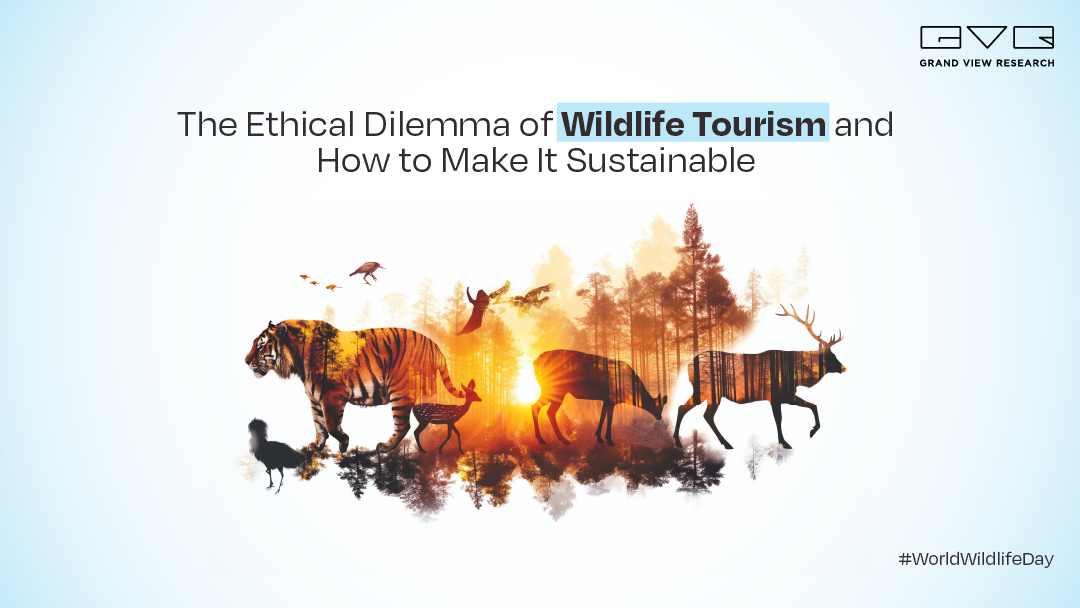
For the wildlife tourism market, this thematic focus necessitates a comprehensive ethical reevaluation. To ensure long-term viability, the industry must transition from an animal-centric model to an ecosystem-based approach that prioritizes the wildlife health market and adopts the non-intrusive methodologies perfected by the birdwatching tourism market.
The Ecological Significance of Medicinal and Aromatic Plants
While the wildlife tourism market has historically centered on charismatic megafauna, the 2026 mandate highlights the silent wildlife that sustains these species. According to CITES, nearly 1,300 medicinal and aromatic plant species are currently listed in the Appendices to regulate their international trade and prevent extinction. These plants are not merely a backdrop for animal sightings; they are essential components of the habitats that support biodiversity.
Unregulated tourism poses a direct threat to these botanical assets. Habitat fragmentation, soil compaction from off-road vehicular traffic, and the introduction of invasive species (a threat the UN seeks to mitigate by 50% by 2030) collectively degrade the green pharmacy upon which both wildlife and local communities depend.
Tourism as a Catalyst for the Wildlife Health Market
The wildlife health market represents a vital nexus between conservation, traditional medicine, and biological security. It is estimated that 70% to 95% of populations in developing nations rely on traditional, plant-based medicine for primary healthcare. Therefore, the conservation of medicinal plants is not solely an environmental concern but a prerequisite for human health and the preservation of indigenous heritage.
Strategic Biosecurity and One Health
Ethical tourism operators are increasingly adopting a One Health framework, acknowledging that human, animal, and environmental health are interdependent. In practice, this means implementing rigorous biosecurity protocols to prevent the transmission of pathogens and the accidental dispersal of invasive seeds. By protecting the chemical and biological integrity of medicinal plants, the tourism sector contributes to a robust wildlife health market that supports the immunity and resilience of wild animal populations.
Methodological Lessons from the Birdwatching Tourism Market
The birdwatching tourism market serves as an exemplary benchmark for low-impact environmental engagement. By its nature, birdwatching prioritizes observation over interaction, offering a blueprint for the broader industry to reduce its anthropogenic footprint.
-
Minimalist Infrastructure: Birdwatching utilizes established trail systems and stationary blinds, which prevents the trampling of fragile aromatic flora and protects delicate soil microbiomes.
-
Trophic Interdependence: Birdwatchers recognize the role of avian species as primary pollinators and seed dispersers for many medicinal plants. This appreciation for trophic levels encourages a holistic view of conservation that benefits both fauna and flora.
- Low-Impact Observation: The emphasis on silence and distance reduces physiological stress in wildlife, a key objective within the wildlife health market.
Framework for Ethical Stewardship in 2026
To achieve the objectives of World Wildlife Day 2026, the tourism industry must adhere to a standardized framework of ethical stewardship focused on three core pillars: Health, Heritage, and Livelihoods.
-
Health Protections: Operators must strictly enforce stay-on-path policies to protect aromatic plants and prevent the degradation of sensitive soils.
-
Heritage Preservation: Tour curricula should integrate traditional botanical knowledge, ideally delivered by local experts or indigenous community members.
- Livelihood Support: Priority must be given to tourism models that source goods and services from sustainable community-led plant harvesting initiatives.
Criteria for Discerning Travelers
In 2026, the distinction between genuine stewardship and greenwashing is determined by an operator’s commitment to the ecosystem as a whole. Discerning travelers should prioritize organizations that enforce strict distance protocols to prohibit all forms of physical contact or proximity that induces animal stress. Furthermore, responsible operators must provide comprehensive insights into the medicinal and cultural value of local flora while ensuring that no plant-based souvenirs are sourced from threatened or illegally harvested species in violation of CITES regulations.
Conclusion: Securing a Global Heritage
World Wildlife Day 2026 serves as a definitive call for the wildlife tourism market to evolve. The theme of medicinal and aromatic plants reminds us that the value of the wild lies in its complexity and its capacity to heal. By protecting the green pharmacy, we not only safeguard the scenery for future visitors, but we also protect the biological heritage and the livelihoods of millions.
The future of sustainable travel depends on our ability to act as guardians rather than consumers. By supporting the wildlife health market and emulating the precision of the birdwatching tourism market, the global community can ensure that wildlife in all its forms remains a source of health and inspiration for generations to come.
To schedule a free market intelligence database demo, please complete the form below:
Service Guarantee
-
Insured Buying
This report has a service guarantee. We stand by our report quality.
-
Confidentiality
Your transaction & personal information is safe and secure.
-
Custom research service
Design an exclusive study to serve your research needs.
-
24/5 Research support
Get your queries resolved from an industry expert.