Zero Waste in the Digital Age: Reducing E-Waste through Better Recycling Practices
Ever wondered where the old smartphone goes after the "final goodbye"? In the blink of an eye, the latest gadget becomes a "relic." Diving deeper into 2026, the world is more connected than ever, but this digital evolution carries a heavy, metallic shadow. Every year, millions of metric tons of circuit boards, screens, and batteries are discarded, creating a mountain of waste that the planet can no longer ignore.
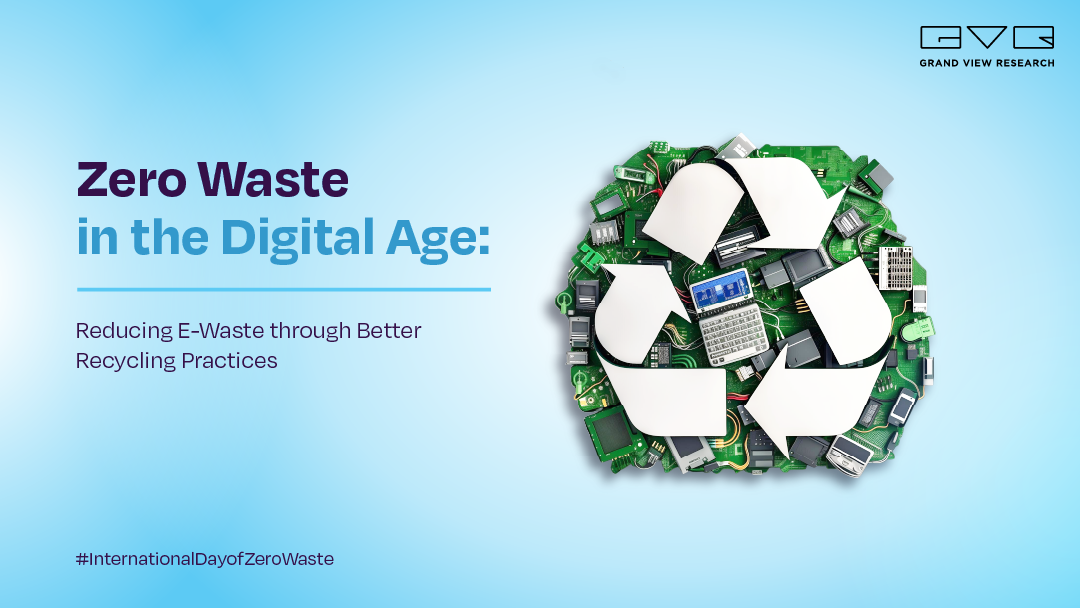
The e-waste market is expanding at an explosive rate. Valued at billions, this sector reflects the insatiable appetite for technology. However, with only about 20% of global e-waste being formally recycled, the real challenge lies in shifting the focus from "disposable" to "circular."
Reducing e-waste isn’t just about clearing out the "junk drawer" but about revolutionizing the relationship with the devices that define modern lives. Here is how we can embrace zero waste in the digital age.
The Rising Tide of the E-waste Market
Devices today are getting smarter and getting younger. The phenomenon of "planned obsolescence" and the rapid rollout of 6G and advanced AI-integrated hardware mean that the average lifespan of a smartphone has shrunk significantly. A prime example is the 2026 collaboration between Recycleye and SWEEEP Kuusakoski, which introduced an industry-first AI vision system capable of identifying complex circuit boards and lithium-ion batteries with near-perfect accuracy, surpassing the limitations of traditional sensors.
The e-waste crisis has evolved into a high-stakes "urban mining" industry, where recovering precious metals like gold and lithium from discarded devices is now more cost-effective than traditional earth mining. This shift is powered by automated breakthroughs like the Fraunhofer IFF iDEAR system, which uses robotics to safely and efficiently dismantle complex hardware. By automating the extraction of hazardous and valuable components, these technologies are transforming a massive environmental burden into a sustainable, competitive resource loop.
Rethinking E-waste Management: From Trash to Treasure
Effective e-waste management is the backbone of a zero-waste digital strategy. It’s no longer enough to simply toss a laptop into a recycling bin and hope for the best. Modern management requires a sophisticated, multi-layered approach:
-
Certified Recovery: Always use authorized recyclers. Informal "backyard" recycling often involves burning cables or using acid baths to extract metals, which releases toxic lead and mercury into the soil and water.
-
Data Security: In this era, digital waste contains identity. Professional e-waste management services now provide certified data destruction, ensuring that the old hard drive doesn't become a goldmine for cybercriminals.
-
The Power of Repair: The most sustainable device is the one already owned. Support the "Right to Repair" movement by choosing modular electronics that allow swapping a battery or a screen without replacing the entire unit.
-
In a strategic move to dominate the Oceania region, GreenBox Group recently acquired Remark-IT Solutions. This merger expands their IT asset recycling footprint into New Zealand, focusing specifically on high-security data destruction and refurbishment.
Pro Tip: Before recycling, check if the manufacturer has a "Product-as-a-Service" (PaaS) model. Many leading brands now offer trade-in credits or refurbishment programs that keep old tech in the loop longer.
Sustainable Packaging: The First Line of Defense
While the hardware inside is the primary concern, the waste starts long before turning the device on. Sustainable packaging has moved from a "nice-to-have" to a global expectation in 2026.
Electronics companies are ditching traditional plastics and Styrofoam in favor of:
-
Mushroom-Based Inserts: Mycelium packaging is biodegradable and provides the same cushioning as plastic foams.
-
Seaweed Films: These transparent, dissolvable windows allow for seeing the product without adding to the landfill.
-
Monomaterial Design: By using only one type of recyclable cardboard or paper for the entire box, companies make it easier for consumers to recycle everything in a single stream.
Sustainable packaging isn't just about the box; it’s about "right-sizing." By reducing the volume of packaging, companies can fit more products into a single shipping container, drastically cutting down the carbon footprint of global tech logistics. In February 2026, Olympus announced a shift to Tyvek with Renewable Attribution for its medical and electronic devices. This new material cuts the carbon footprint of packaging by one-third while maintaining sterile integrity.
Practical Steps for a Zero-Waste Digital Life
Transitioning to a zero-waste digital lifestyle doesn't happen overnight. It starts with small, intentional shifts in how we consume and discard.
1. The 1-In, 1-Out Rule
Before buying a new gadget, commit to responsibly disposing of an old one. This prevents "tech hoarding", the common habit of letting old tablets and chargers gather dust in drawers, where their internal batteries can degrade and become hazardous.
2. Audit Accessories
What is the need for another charging brick? Many companies have stopped including chargers in the box to encourage the reuse of existing ones. Check "cable spaghetti" before clicking "buy" on a new accessory.
3. Choose Refurbished
Refurbished electronics are the unsung heroes of the circular economy. These devices are professionally inspected, repaired, and sold with warranties. Choosing refurbished can save a device from the landfill while saving up to 40% of the retail price.
The Path Forward
The digital age doesn't have to be a wasteful one. As the e-waste market continues to scale, the individual actions combined with robust corporate e-waste management and sustainable packaging can turn the tide. By treating the devices as temporary custodians of precious planetary resources rather than disposable toys, we can ensure that technological progress doesn't come at the cost of the environment
To schedule a free market intelligence database demo, please complete the form below:
Service Guarantee
-
Insured Buying
This report has a service guarantee. We stand by our report quality.
-
Confidentiality
Your transaction & personal information is safe and secure.
-
Custom research service
Design an exclusive study to serve your research needs.
-
24/5 Research support
Get your queries resolved from an industry expert.