World Day Against Child Labor: A Digital Bridge to Education
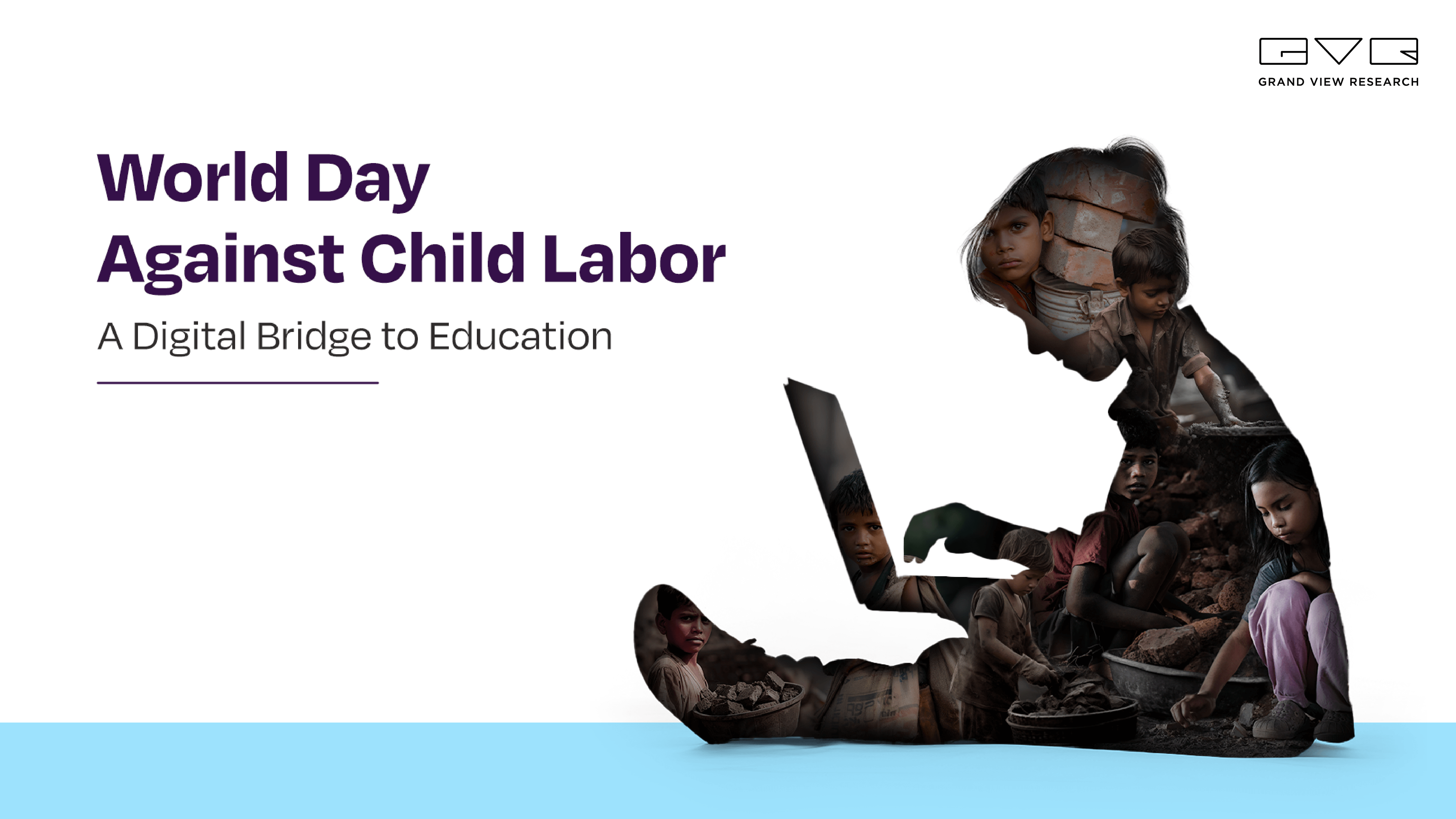
Each year on June 12, World Day Against Child Labor shines a light on the urgent need to end the exploitation of children in work. This year’s theme, “Let’s speed up efforts to end child labor everywhere!” contemplates a world where no child is forced into labor, and every young person can enjoy a safe, healthy childhood. Child labor not only robs children of their innocence but also traps millions in cycles of poverty and hardship. According to the International Labor Organization (ILO), nearly 160 million children worldwide were engaged in child labor at the start of 2020, 79 million of whom are involved in hazardous tasks.
Understanding the Crisis
Child labor is deeply intertwined with poverty, inequality, and limited access to quality education. Often, when families face financial hardship, children are the first to be pulled out of school. Although there was a decline of 94 million child laborers between 2000 and 2016, recent disruptions from the COVID-19 pandemic have reversed some of these gains. According to Unicef.org, by the end of 2022, around 9 million additional children were at risk of entering the workforce because of lost school access and diminished family income.
The issue is complex. Insecure, low-paying adult jobs and inadequate social safety nets further force families into a heartbreaking decision: send their children to work rather than school.
International Commitments and Progress
The global community has come together with strong commitments to end child labor. Two core frameworks stand out:
ILO Conventions:
Convention No. 138 establishes a minimum age of employment.
Convention No. 182 calls for the elimination of the worst forms of child labor, and nearly every country has ratified it.
Sustainable Development Goals:
SDG 8.7 explicitly calls for ending all forms of child labor by 2025.
Initiatives like Alliance 8.7 unite governments, businesses, and civil society to drive coordinated efforts.
While significant progress has been made, the recent resurgence of child labor underscores that these commitments must be matched with tangible action on the ground. The power of education offers hope, and the evolution of emerging technology-enabled education makes that hope a practical, scalable reality.
A Beacon of Hope: Technology in Education
In the fight against child labor, quality education stands as the most powerful catalyst for change. Innovative EdTech initiatives are paving the way for a brighter future by transforming how and where learning occurs. Breakthrough solutions within smart education and learning are redefining traditional instructional methods, delivering adaptive digital platforms and interactive content even in remote communities. Backed by robust investments in initiatives propelled through government education, these programs provide a safe, engaging alternative to child labor and empower children with the knowledge they need to dream big.
The digital revolution in education is further accelerated by dynamic developments in the education technology sector. Comprehensive platforms now offer personalized learning experiences through real-time analytics that address each child’s unique needs. For instance, cloud-based learning solutions championed by companies such as Apple and Dell ensure that students remain engaged and connected even outside conventional classrooms. Government-led initiatives are also embracing these technologies to expand access to quality education and alleviate the economic pressures that often force vulnerable children into labor.
Moreover, significant strides in educational robot technology are reshaping STEM education across the globe. Interactive robot kits and learning modules foster critical thinking and hands-on skills from an early age, steering young learners away from labor-intensive tasks. In many classrooms, these educational robots are sparking curiosity and building a foundation for future technological innovation, which is in stark contrast to the manual work that many at-risk children are forced into.
Apple’s SEED program, which operates in China, India, and Vietnam, effectively reintegrates underage workers into blended digital education settings while preserving their financial stability. Similarly, initiatives like SAP’s Africa Code Week and Cisco’s Networking Academy empower youth by imparting in-demand IT and coding skills. Therefore, as education technology continues to evolve with innovative advances, EdTech is dismantling long-standing barriers and forging resilient pathways toward a future free from child labor.
Collective Actions & Responsibilities
Ending child labor is not possible without a coordinated, collective effort. Here are some key actions each stakeholder can take:
Scale Up Social Protection:
Invest in child and family benefits to cushion against economic shocks. Strong safety nets can directly reduce the need for child labor.
Expand Quality Education:
Ensure free and safe education is accessible to every child, particularly in rural and impoverished areas. Education remains the best deterrent against child labor.
Enforce Laws and Ethical Business Practices:
Ratify and implement ILO conventions rigorously. Governments and companies alike must audit supply chains and enforce higher legal working ages.
Organizations like UNICEF advocate for a combination of education, healthcare, and social protection to empower families and keep children safe from labor exploitation.
Hope, Action, and a Bright Future
World Day Against Child Labor is a powerful call to action, a reminder that each child rescued from labor is a future unlocked. As UNICEF’s Executive Director, Catherine Russell has stated, “We must never accept child labor as inevitable… We have the power to change it.”
Joint efforts by governments, businesses, and communities have already driven down child labor numbers dramatically over the past decades. Yet, these gains are fragile. On this day and every day, the commitment to ending child labor must be unwavering. Through expanding education, strengthening social safety nets, and enforcing ethical practices, we can secure a future where every child has the opportunity to grow, learn, and thrive. The choices made today are the foundation for tomorrow’s brighter, more equitable world.
To schedule a free market intelligence database demo, please complete the form below:
Service Guarantee
-
Insured Buying
This report has a service guarantee. We stand by our report quality.
-
Confidentiality
Your transaction & personal information is safe and secure.
-
Custom research service
Design an exclusive study to serve your research needs.
-
24/5 Research support
Get your queries resolved from an industry expert.