
- Home
- »
- Pharmaceuticals
- »
-
Allergic Rhinitis Market Size And Share Report, 2026-2033GVR Report cover
![Allergic Rhinitis Market (2026 - 2033)Report]()
Allergic Rhinitis Market (2026 - 2033)
Size, Share & Trends Analysis Report By Disease Type, By Drug Class (Seasonal Allergic Rhinitis (SAR), Perennial Allergic Rhinitis (PAR)), By Route of Administration, By Prescription Type, By Distribution Channel, By Region, And Segment Forecasts
Market Size, 2025
$15.9BMarket Estimate, 2026
$16.5BMarket Forecast, 2033
$22.4BCAGR, 2026–2033
4.5%Allergic Rhinitis Market Summary
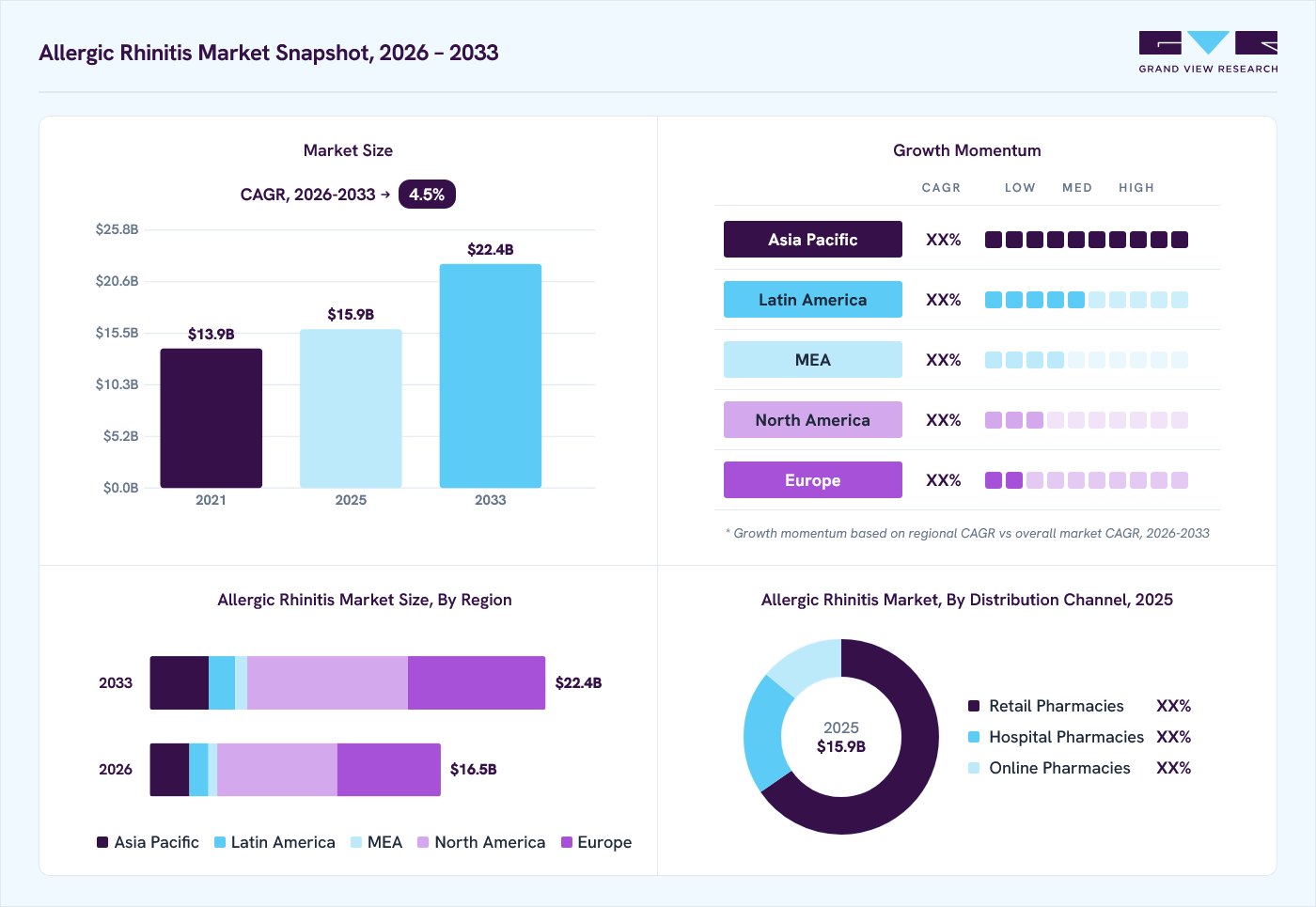
The global allergic rhinitis market size was valued at USD 15.9 billion in 2025 and is projected to grow from USD 16.5 billion in 2026 to USD 22.4 billion by 2033, at a CAGR of 4.5% from 2026 to 2033. The market in North America dominated with a revenue share of 41.2% in 2025. The market is supported by the increasing prevalence of allergic diseases, rising exposure to environmental allergens, air pollution, changing climatic conditions, and rapid urbanization across several regions.
Key Market Trends & Insights
- By disease type: Seasonal allergic rhinitis (SAR) segment held the largest market share of 44.5% in 2025.
- By drug class: Intranasal corticosteroids segment held the largest market share of 27.1% in 2025.
- By route of administration: Intranasal segment held the largest market share of 47.3% in 2025.
- By prescription type: Prescription (rx) segment held the largest market share of 47.9% in 2025.
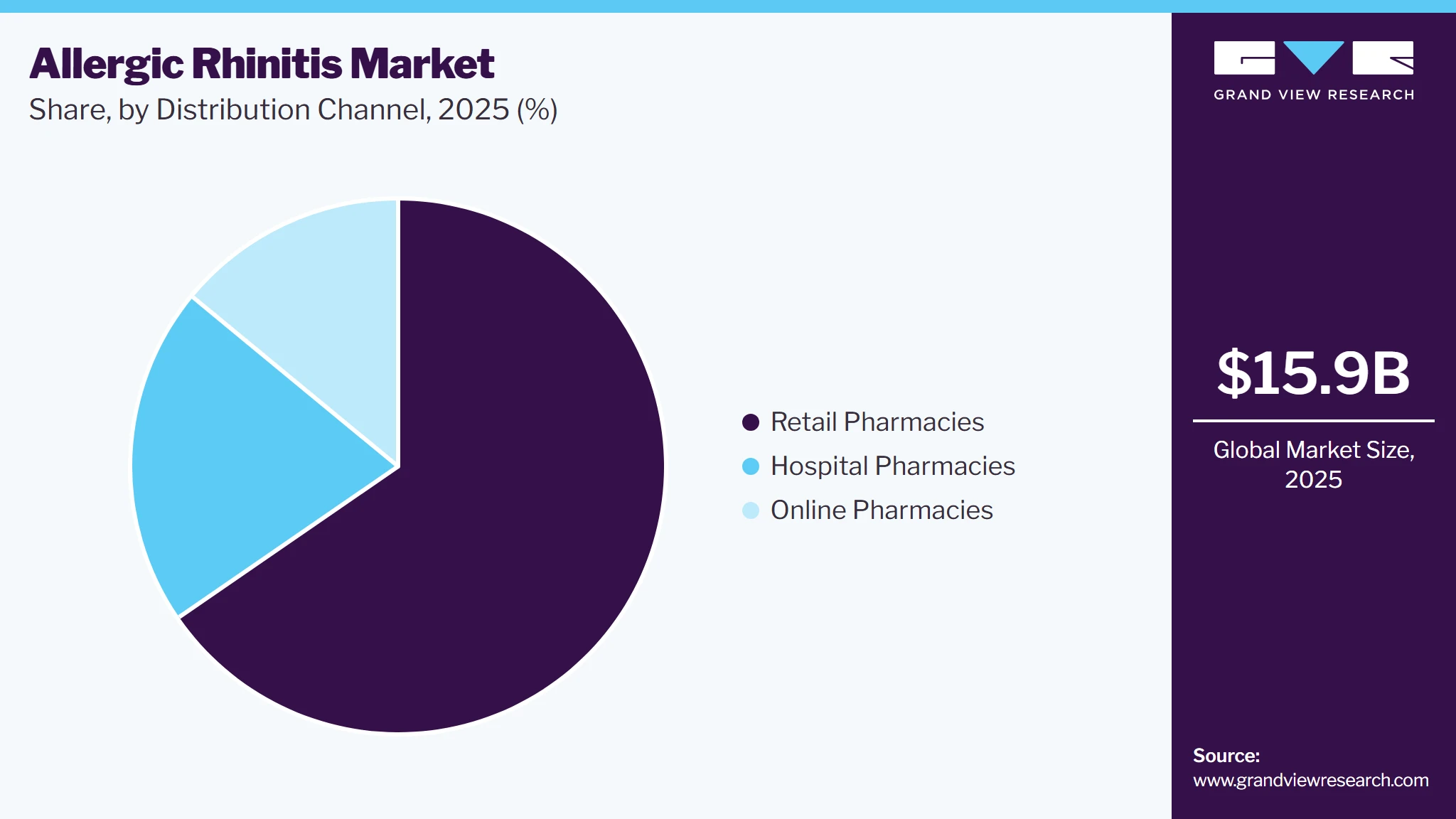
- By distribution channel: Retail pharmacies segment held the largest market share of 65.4% in 2025.
Regional Highlights
- Largest regional market: North America (41.2% revenue share, 2025)
- Fastest-growing regional market: Asia Pacific (highest CAGR, 2026-2033)
- By country: The U.S. held the largest market share in 2025
Market Size & Forecast
- Market size in 2025: USD 15.9 Billion
- Estimated market size in 2026: USD 16.5 Billion
- Projected market size by 2033: USD 22.4 Billion
- CAGR (2026-2033): 4.5%
Greater awareness of allergy symptoms, improved access to diagnostic services, and expanding healthcare infrastructure have contributed to higher diagnosis and treatment rates. The market comprises prescription and over-the-counter therapies, including antihistamines, intranasal corticosteroids, decongestants, and allergen immunotherapy, providing multiple treatment options based on disease severity and patient needs. Continuous investment in formulation improvements, combination therapies, and convenient drug delivery systems has strengthened product competitiveness and treatment adherence. Demand is also supported by expanding retail and online pharmacy networks, increasing healthcare expenditure in emerging economies, and a greater focus on long-term disease management. Ongoing clinical research, product innovation, and broader access to allergy care continue to support portfolio expansion, resulting in a competitive market with sustained opportunities for pharmaceutical manufacturers and healthcare providers.
Market Dynamics
The increasing prevalence of allergic rhinitis in both developed and emerging economies is a key driver of market growth. Higher exposure to airborne allergens, worsening air pollution, changing weather patterns, and expanding urban populations have contributed to a larger patient pool requiring long-term symptom management. Greater awareness among patients and healthcare professionals has also improved diagnosis rates, resulting in earlier treatment initiation. The availability of prescription medicines, over-the-counter products, and allergen immunotherapy has expanded treatment choices for different disease severities. In addition, wider access to allergy specialists and diagnostic testing has strengthened treatment adoption in routine clinical practice. Pharmaceutical companies continue to invest in expanding approved indications and improving access to allergy therapies, further supporting market development.
Long treatment duration and inconsistent patient adherence remain important restraints for the allergic rhinitis market. Although several pharmacological therapies provide effective symptom relief, many patients discontinue treatment once symptoms improve or during periods of lower allergen exposure, resulting in poor long-term disease control. Allergen immunotherapy requires repeated administration over several years to achieve sustained clinical benefit, creating challenges related to patient commitment, follow-up visits, and treatment compliance. The need for regular monitoring, particularly during immunotherapy initiation, can increase the burden on healthcare providers and patients. In many low- and middle-income countries, limited access to allergy specialists and diagnostic facilities further restricts the adoption of advanced treatment approaches. Variations in allergen exposure across geographic regions also make standardized treatment strategies difficult, while out-of-pocket expenses for prolonged therapy can discourage continued use. These factors collectively limit consistent treatment utilization despite the availability of effective therapeutic options and continue to slow broader market expansion.
The growing focus on advanced intranasal therapies and expansion into new geographic markets presents a significant opportunity for the allergic rhinitis market. Pharmaceutical companies are introducing combination therapies and improved drug delivery systems that provide effective symptom control while supporting treatment convenience. Regulatory approvals across additional countries are increasing product availability and strengthening commercial reach. The growing demand for therapies that combine multiple mechanisms of action is encouraging manufacturers to expand their respiratory portfolios through strategic regulatory initiatives. Increasing healthcare access in Asia Pacific, Latin America, and the Middle East is also creating new opportunities for product commercialization.
Market Concentration & Characteristics
The degree of innovation is moderate to high in the allergic rhinitis market, driven by continuous improvements in treatment convenience, symptom control, and long-term disease management. Companies continue to develop combination nasal sprays, improved drug formulations, preservative-free products, and allergen immunotherapy with broader patient eligibility. Research is also focused on extending approved age groups, improving dosing schedules, and supporting better patient adherence. Digital health tools for allergy monitoring are gradually becoming part of disease management. While the market does not witness frequent breakthrough therapies, steady product improvements, and lifecycle management, support ongoing innovation. These developments enable manufacturers to strengthen product differentiation while addressing changing patient and physician preferences across prescription and over-the-counter treatment categories.
Barriers to market entry are moderate due to regulatory requirements, product development costs, and the need to demonstrate product safety and efficacy. Manufacturers must comply with regulatory standards for quality, clinical evaluation, and manufacturing before receiving marketing approval. Building physician confidence and establishing distribution networks also requires considerable investment. However, the availability of generic medicines and established manufacturing technologies enables new companies to enter selected product categories, particularly oral antihistamines and nasal sprays. Companies with experience in respiratory or allergy therapeutics can expand their portfolios more efficiently, making market entry achievable despite regulatory and commercial requirements. This balance keeps competition active while maintaining quality standards across the market.

The impact of regulations is high as regulatory agencies play a significant role in product approval, manufacturing compliance, labeling, and post-marketing safety monitoring. Prescription medicines and allergen immunotherapy products must meet established standards for safety, quality, and clinical performance before commercialization. Manufacturing facilities are regularly inspected to maintain compliance with quality requirements. Regulatory decisions regarding pediatric indications, manufacturing updates, and labeling revisions directly influence product availability and commercial strategies. Approval timelines also determine how quickly new therapies reach different markets. Since allergic rhinitis therapies are commonly used for long-term symptom management, regulatory oversight remains important throughout the product lifecycle and continues to shape competition among manufacturers.
The level of product substitutes is high as several therapeutic classes are available for managing allergic rhinitis symptoms. Healthcare providers can prescribe oral antihistamines, intranasal corticosteroids, decongestants, combination therapies, saline nasal preparations, or allergen immunotherapy depending on disease severity and patient needs. Many of these therapies are also available as generic products, increasing treatment choices and pricing competition. Over-the-counter availability further expands substitution across commonly used medicines. Physicians often adjust treatment according to symptom response, seasonal allergen exposure, and patient tolerance, allowing patients to switch between products without affecting overall disease management. This broad availability of alternatives increases competition across multiple therapeutic categories.
Geographical expansion is high as pharmaceutical companies continue to strengthen their presence across both developed and emerging healthcare markets. Rising allergy prevalence, improving healthcare infrastructure, increasing diagnosis rates, and better access to pharmacies support product availability across Asia Pacific, Latin America, the Middle East, and parts of Africa. Companies are expanding through regulatory approvals, local partnerships, and broader distribution agreements to improve market access. Growing awareness of allergic diseases and improved access to allergy specialists are supporting treatment adoption in regions with previously lower diagnosis rates. These factors continue to create commercial opportunities for manufacturers while expanding the availability of allergic rhinitis therapies across diverse healthcare systems.
Analyst Perspective
The allergic rhinitis market is expected to maintain steady growth, supported by the rising prevalence of allergic diseases, increasing diagnosis rates, and broader access to effective therapies. Demand for prescription medicines, over-the-counter products, and allergen immunotherapy continues to expand across developed and emerging markets. Companies are focusing on product portfolio expansion, improved formulations, and wider geographic presence. Continued investment in allergy care and treatment innovation is expected to support long-term market development.
Disease Type Insights
The Seasonal Allergic Rhinitis (SAR) segment accounted for the largest market share of 44.5% in the allergic rhinitis market in 2025. The segment dominates due to seasonal allergic rhinitis affects a large patient population exposed to pollen and other seasonal allergens across many regions. High disease awareness, increasing diagnosis rates, broad availability of over-the-counter and prescription therapies, established clinical treatment guidelines, and strong physician preference for early symptom management continue to support demand. The availability of multiple treatment options, including antihistamines, intranasal corticosteroids, and allergen immunotherapy, further strengthens market penetration. In addition, seasonal symptom recurrence results in repeated treatment use each year, supporting consistent product demand. For instance, in February 2025, Lupin Limited received U.S. FDA approval for Ipratropium Bromide Nasal Solution 0.03%, a generic nasal spray indicated for the symptomatic relief of rhinorrhea associated with allergic and nonallergic perennial rhinitis in adults and children aged 6 years and older.
The Occupational Allergic Rhinitis (OAR) segment is projected to grow at the fastest CAGR of 11.8% during the forecast period. Growth is supported by increasing recognition of workplace-related respiratory allergies across industries such as healthcare, manufacturing, agriculture, and laboratory services. Employers are placing greater emphasis on occupational health programs, while improved reporting of work-related allergic conditions is contributing to earlier diagnosis and treatment. Better access to specialist care and allergy testing is also supporting disease identification among exposed workers. In addition, regulatory focus on workplace safety and preventive healthcare is encouraging the adoption of effective allergy management strategies. Pharmaceutical companies continue to expand the availability of allergy therapies across different markets, improving patient access. For instance, in December 2025, the UK Medicines and Healthcare products Regulatory Agency (MHRA) approved the pharmacy reclassification of fluticasone propionate nasal spray for adolescents aged 12 years and older, expanding access to treatment for allergic rhinitis without a prescription.
Drug Class Insights
The intranasal corticosteroids segment accounted for the largest market share of 27.1% in the allergic rhinitis market in 2025. The segment dominated the market due to its established role as a first-line treatment for moderate to severe allergic rhinitis and its ability to provide effective control of nasal inflammation and congestion. Strong recommendations in clinical guidelines, broad physician acceptance, wide availability of prescription and over-the-counter formulations, once-daily dosing convenience, and proven efficacy for long-term symptom management continue to support its adoption. In addition, increasing diagnosis rates, expanding access to allergy care, and growing patient preference for effective nasal therapies have strengthened the use of intranasal corticosteroids across both developed and emerging markets, supporting their continued leadership in the drug class segment.
The intranasal antihistamines segment is projected to register the fastest CAGR of 12.2% during the forecast period. The segment is growing due to increasing demand for therapies that provide rapid relief from nasal symptoms, particularly during seasonal allergy episodes. Rising preference for locally acting treatments with lower systemic exposure, increasing use in combination with intranasal corticosteroids, improving patient awareness, and greater availability through retail pharmacies are supporting market growth. Physicians are also recommending intranasal antihistamines for patients requiring faster symptom control or for those with an inadequate response to oral antihistamines. Continued product development, expanding clinical acceptance, increasing diagnosis rates, and growing availability across healthcare markets are expected to support sustained growth throughout the forecast period.
Route of Administration Insights
The intranasal segment accounted for the largest market share of 47.3% in the allergic rhinitis market in 2025. The segment dominated the market due to its ability to deliver medication directly to the nasal mucosa, providing effective control of nasal inflammation and allergy symptoms with limited systemic exposure. Strong physician preference, broad recommendations in clinical treatment guidelines, availability of multiple drug classes through the intranasal route, ease of self-administration, and suitability for both seasonal and perennial allergic rhinitis continue to support its adoption. In addition, the availability of prescription and over-the-counter nasal sprays, growing patient awareness, and improved treatment adherence have strengthened demand across major healthcare markets. These factors continue to support the leading position of the intranasal route of administration in allergic rhinitis management.
The sublingual segment is projected to register the fastest CAGR of 9.3% during the forecast period. The segment is growing due to increasing acceptance of allergen immunotherapy as a disease-modifying treatment rather than only symptom management. Rising preference for home-based therapy, improved patient convenience compared to injectable immunotherapy, growing awareness of long-term clinical benefits, increasing diagnosis of allergic diseases, and expanding recommendations in allergy management guidelines are supporting market growth. Healthcare providers are also adopting sublingual immunotherapy for suitable patients due of its favorable safety profile and reduced need for frequent clinical visits. In addition, expanding regulatory approvals in different countries and increasing investment in allergy immunotherapy products are expected to support continued adoption of the sublingual route throughout the forecast period.
Prescription Type Insights
The prescription (Rx) segment accounted for the largest market share of 47.9% in the allergic rhinitis market in 2025. The segment dominated the market due to the widespread use of prescription therapies for patients with moderate to severe allergic rhinitis and those requiring long-term disease management. Strong physician recommendations, availability of advanced therapies such as intranasal corticosteroids and allergen immunotherapy, established clinical treatment guidelines, better symptom control, and regular patient follow-up continue to support prescription drug utilization. In addition, increasing diagnosis rates, greater access to allergy specialists, and the need for individualized treatment plans have strengthened the demand for prescription medicines across major healthcare markets. These factors continue to support the leading position of the prescription segment in allergic rhinitis treatment.
The Over-the-Counter (OTC) segment is growing significantly and is projected to register a CAGR of 3.2% during the forecast period. The segment is expanding due to increasing consumer preference for self-medication for mild allergy symptoms, easy availability of OTC products through retail and online pharmacies, growing awareness of allergic rhinitis, and improved access to pharmacy-based healthcare services. The availability of antihistamines, nasal sprays, and decongestants without a prescription has improved treatment accessibility and convenience for patients experiencing seasonal or occasional symptoms. In addition, rising healthcare costs and growing consumer preference for readily available treatment options continue to drive OTC product adoption. These factors are expected to drive steady growth of the over-the-counter segment throughout the forecast period.
Distribution Channel Insights
The retail pharmacies segment accounted for the largest market share of 65.4% in 2025. The segment dominated the market due to its extensive geographic presence, immediate availability of prescription and over-the-counter allergy medications, and strong consumer preference for purchasing medicines through established pharmacy networks. Pharmacist consultation, reliable medicine supply, broad product availability, integration with healthcare providers, and access to insurance-supported prescription dispensing continue to support the segment's leadership. In addition, retail pharmacies offer convenient access to antihistamines, intranasal corticosteroids, decongestants, and allergen immunotherapy prescriptions, making them the primary distribution channel for allergic rhinitis treatment. Their established infrastructure and patient trust continue to strengthen medicine accessibility and support sustained demand across both developed and emerging healthcare markets.
The online pharmacies segment is growing significantly and is projected to register a CAGR of 8.4% from 2026 to 2033. The segment is expanding due to increasing digital adoption, growing consumer preference for home delivery of medicines, rising use of e-prescriptions, and improving access to online healthcare platforms. Competitive pricing, convenient ordering, availability of subscription-based medicine refills, and wider product selection are encouraging more patients to purchase allergy medications through online channels. Expansion of digital pharmacy services in emerging markets and increasing internet penetration are further supporting market growth. In addition, the integration of telemedicine with online pharmacy platforms has improved prescription fulfillment and treatment continuity, making online pharmacies an increasingly important distribution channel for allergic rhinitis therapies.
Regional Insights
North America Allergic Rhinitis Market Trends
North America accounted for the largest market share of 41.2% in the allergic rhinitis market in 2025. The region benefits from a high prevalence of seasonal and perennial allergies, resulting in consistent demand for diagnosis and treatment. Strong availability of prescription and over-the-counter therapies supports patient access across healthcare channels. The presence of established pharmaceutical companies and continuous product innovation strengthens the regional market. Advanced diagnostic capabilities improve early disease identification and treatment initiation. Growing use of allergen immunotherapy further supports long-term market growth across the region.

U.S. Allergic Rhinitis Market Trends
The U.S. holds the largest share of the North American allergic rhinitis market due to the large number of individuals affected by allergic disorders. High awareness among patients encourages timely diagnosis and treatment. Broad availability of branded and generic allergy medicines supports continued product utilization. Physicians frequently recommend evidence-based therapies based on disease severity and patient response. Strong retail pharmacy and online pharmacy networks improve medicine accessibility. Ongoing clinical research activities contribute to the introduction of new treatment options.
Europe Allergic Rhinitis Market Trends
Europe represents a significant regional market supported by increasing allergy prevalence and strong adoption of evidence-based treatment practices. Growing exposure to environmental allergens and air pollution continues to increase the patient population. Healthcare providers emphasize accurate diagnosis and long-term symptom management for allergic diseases. Availability of multiple treatment options, including allergen immunotherapy, supports patient care across the region. Pharmaceutical companies continue to expand their allergy product portfolios in European countries. Increasing awareness of allergy management contributes to stable market demand.
The UK allergic rhinitis market is supported by rising diagnosis rates and increasing patient awareness of allergy-related conditions. Seasonal pollen exposure contributes to a substantial number of allergic rhinitis cases each year. Physicians commonly prescribe intranasal corticosteroids and antihistamines based on established clinical guidelines. Community pharmacies play an important role in improving access to allergy medications. Growing demand for self-management has increased the use of over-the-counter therapies. Continued product availability across retail and digital pharmacy channels supports market expansion.
Allergic Rhinitis Market in Germany is a major market in Europe, due to strong adoption of allergy diagnostics and treatment services. High awareness of respiratory allergies encourages patients to seek medical care at an early stage. Availability of prescription therapies and allergen immunotherapy supports long-term disease management. Well-developed pharmaceutical distribution networks improve access to allergy medicines across the country. Continuous research activities contribute to advancements in allergy treatment approaches. Increasing demand for personalized allergy management continues to support market growth.
France allergic rhinitis market maintains a stable growth, supported by increasing recognition of allergic diseases among healthcare professionals and patients. Broad access to diagnostic services improves identification of allergic conditions. Physicians continue to recommend guideline-based therapies for effective symptom control. The availability of oral medicines, nasal sprays, and immunotherapy products provides multiple treatment options. Retail pharmacies remain an important distribution channel for allergy medications. Continuous improvements in patient education support treatment adherence and disease management.
Asia-Pacific Allergic Rhinitis Market Trends
Asia Pacific is projected to register the fastest CAGR of 5.8% during the forecast period. Rapid urbanization, increasing air pollution, and changing environmental conditions continue to increase the prevalence of allergic rhinitis across the region. Improving healthcare infrastructure has expanded access to allergy diagnosis and treatment services. Rising healthcare expenditure and growing awareness of allergic diseases support higher treatment rates. Pharmaceutical companies are expanding their presence through broader product availability across emerging markets. Increasing demand for effective allergy therapies continues to support regional market growth.
Japan allergic rhinitis market is an important market due to the high incidence of seasonal pollen allergies, particularly during spring. Growing awareness of allergic rhinitis encourages patients to seek early medical consultation. Strong physician preference for evidence-based treatment supports the use of prescription therapies and immunotherapy. Continuous product innovation improves the availability of advanced allergy treatments. Well-established pharmacy networks ensure convenient access to medicines across the country. The increasing elderly population also contributes to sustained demand for allergy management.
Allergic rhinitis market in China is experiencing steady growth in the APAC market, due to increasing urbanization and rising exposure to environmental allergens. Growing awareness of respiratory allergies has improved diagnosis and treatment rates. Expanding healthcare infrastructure has increased patient access to allergy specialists and diagnostic services. Pharmaceutical companies continue to introduce new allergy products to address growing demand. Retail and online pharmacy expansion has improved medicine availability across urban and semi-urban areas. Increasing healthcare spending continues to support market development.
Latin America Allergic Rhinitis Market Trends
The Latin American allergic rhinitis market is supported by improving access to healthcare services and increasing awareness of allergic diseases. Urban population growth and environmental pollution continue to increase allergy prevalence across several countries. Greater availability of allergy medications has improved treatment accessibility. Physicians are recommending earlier diagnosis and routine symptom management for better clinical outcomes. Expansion of pharmacy networks has strengthened medicine distribution across the region. These factors continue to support steady market growth.
Allergic rhinitis market in Brazil represents the largest market in Latin America due to its large patient population and increasing diagnosis of allergic disorders. Growing awareness of allergic rhinitis has encouraged greater use of prescription and over-the-counter therapies. Expansion of retail pharmacy networks has improved medicine availability across the country. Increasing physician focus on long-term allergy management supports continued treatment adoption. Availability of multiple therapeutic options provides flexibility for disease management. Continued investment by pharmaceutical companies strengthens product availability in the Brazilian market.
Middle East & Africa Allergic Rhinitis Market Trends
The Middle East & Africa allergic rhinitis market is expanding due to increasing awareness of allergic diseases and improving access to healthcare services. Rising exposure to dust, environmental allergens, and changing climate conditions contributes to a growing patient population. Healthcare providers are placing greater emphasis on accurate diagnosis and effective symptom management. Expanding pharmaceutical distribution channels have improved access to allergy medications across several countries. Growing adoption of prescription therapies continues to support market demand. Increasing availability of allergy specialists further contributes to market development.
Allergic rhinitis market in Saudi Arabia is a key market within the Middle East due to increasing exposure to airborne dust and environmental allergens. Rising diagnosis of allergic rhinitis has increased demand for effective treatment options. Physicians continue to recommend guideline-based therapies for symptom management and long-term disease control. Expansion of hospital, retail, and online pharmacy networks has improved patient access to allergy medications. Growing awareness of respiratory allergies has encouraged timely treatment initiation. Continuous introduction of allergy therapies supports the country's market growth.
Key Allergic Rhinitis Company Insights
The allergic rhinitis market is moderately fragmented, with competition among global pharmaceutical companies, consumer healthcare companies, and allergy immunotherapy specialists. Companies such as Sanofi, Bayer AG, Haleon plc, Kenvue Inc., and Glenmark Pharmaceuticals Ltd. maintain strong positions through broad portfolios of antihistamines, nasal sprays, and over-the-counter allergy products. ALK-Abelló A/S and Stallergenes Greer strengthen the competitive environment with their focus on allergen immunotherapy, while Viatris Inc. and Teva Pharmaceutical Industries Ltd. expand market presence through generic allergy therapies. Merck & Co., Inc. continues to participate through its immunotherapy portfolio and research activities. Market share remains distributed among these companies due to product diversity, regional presence, established distribution networks, continuous product development, and competition from branded and generic therapies, resulting in moderate industry concentration rather than dominance by a few manufacturers.
Key Allergic Rhinitis Companies
The following key companies have been profiled for this study on the allergic rhinitis market.
-
Sanofi
-
Bayer AG
-
Haleon plc
-
Kenvue Inc.
-
Glenmark Pharmaceuticals Ltd.
-
ALK-Abelló A/S
-
Stallergenes Greer
-
Viatris Inc.
-
Teva Pharmaceutical Industries Ltd.
-
Merck & Co., Inc.
Competitive Benchmarking
Operating Strategies
Competitive Edge
Weaknesses
Established Players: Sanofi.
- Mature companies focus on expanding allergy treatment portfolios through prescription medicines, over-the-counter products, and allergen immunotherapy.
- Their strategies include product lifecycle management, regulatory approvals, geographic expansion, manufacturing capacity improvements, and strategic collaborations with healthcare organizations.
- These companies continue to invest in clinical research, formulation improvements, and broader distribution networks to strengthen product availability.
- Mature players maintain a strong market position through established brands, broad product portfolios, global commercial operations, and well-developed manufacturing capabilities.
- Their extensive distribution networks, regulatory experience, and financial resources support consistent product availability across multiple regions.
- Continuous investment in research and product development enables these companies to expand treatment options and maintain a competitive position in both prescription and consumer healthcare segments.
- Mature companies face challenges from pricing pressure created by generic products and intense competition across established therapy classes.
- Maintaining regulatory compliance, manufacturing efficiency, and supply chain stability requires continuous investment.
- Large organizational structures may reduce operational flexibility, while product maturity limits opportunities for rapid portfolio expansion. Competition from regional manufacturers and changing patient preferences also creates pressure on long-term market performance.
Emerging Players: Viatris Inc
- Emerging players focus on expanding their presence through generic medicines, allergy immunotherapy, product launches, and regional market expansion.
- Their strategies include strengthening manufacturing capabilities, obtaining regulatory approvals, expanding commercial partnerships, and improving product accessibility across developing markets.
- These companies continue to invest in product pipeline development and portfolio diversification to increase their presence in both prescription and consumer allergy treatment segments.
- Emerging companies compete through cost-effective products, expanding regional presence, flexible commercial strategies, and growing manufacturing capacity.
- Their ability to introduce generic medicines, strengthen distribution partnerships, and address regional treatment demand supports business growth.
- Continued investment in product development and expansion into new healthcare markets helps these companies improve their competitive position within the allergic rhinitis market.
- Emerging companies often have a smaller commercial presence and narrower product portfolios than established competitors.
- Limited brand recognition in some regions and dependence on selected products can affect market expansion.
- They also face challenges related to regulatory approvals, pricing competition, manufacturing scale, and expansion into highly competitive healthcare markets, where established companies maintain stronger distribution networks and customer relationships.
Recent Developments
-
In June 2026, ALK-Abelló A/S announced that it would present new clinical and real-world evidence on its SLIT-tablets for respiratory allergy at the EAACI 2026 Congress, including data demonstrating improved symptom control, reduced intranasal corticosteroid use, and long-term effectiveness in patients with allergic rhinitis and allergic rhinoconjunctivitis
-
In November 2025, Glenmark Pharmaceuticals Ltd. announced that China's National Medical Products Administration (NMPA) approved olopatadine hydrochloride and mometasone furoate nasal spray for the treatment of allergic rhinitis in adults and pediatric patients, expanding the product's availability in China.
-
In February 2025, ALK announced that the U.S. Food and Drug Administration (FDA) approved the expanded indication of its house dust mite allergen tablet for children aged 5-11 years, in addition to the previously approved 12-65 years age group, for the treatment of house dust mite-induced allergic rhinitis, with or without conjunctivitis. The approval broadened the eligible patient population and strengthened the availability of allergen immunotherapy for pediatric patients.
Allergic Rhinitis Market Report Scope
Report Attribute
Details
Market size in 2025
USD 15.9 Billion
Estimated market size in 2026
USD 16.5 Billion
Projected market size by 2033
USD 22.4 Billion
Growth rate
CAGR of 4.5% from 2026 to 2033
Base year for estimation
2025
Historical data
2021 - 2024
Forecast period
2026 - 2033
Quantitative units
Revenue in USD billion and CAGR from 2026 to 2033
Report coverage
Revenue forecast, company ranking, competitive landscape, growth factors, trends
Segments covered
Disease type, drug class, route of administration, prescription type, distribution channel and region
Regional scope
North America; Europe; Asia Pacific; Latin America; Middle East & Africa
Country scope
U.S.; Canada; Mexico; UK; Germany; France; Italy; Spain; Denmark; Sweden; Norway; China; Japan; India; Australia; South Korea; Thailand; Brazil; Argentina; South Africa; Saudi Arabia; UAE; Kuwait
Key company profiled
Sanofi; Bayer AG; Haleon plc; Kenvue Inc.; Glenmark Pharmaceuticals Ltd.; ALK-Abelló A/S; Stallergenes Greer; Viatris Inc.; Teva Pharmaceutical Industries Ltd.; Merck & Co., Inc.
Customization scope
Free report customization (equivalent up to 8 analysts working days) with purchase. Addition or alteration to country, regional & segment scope.
Pricing and purchase options
Avail customized purchase options to meet your exact research needs. Explore purchase options
Global Allergic Rhinitis Market Report Segmentation
This report forecasts revenue growth at global, regional, and country levels and provides an analysis of the latest industry trends in each of the sub-segments from 2021 to 2033. For this study, Grand View Research has segmented the global allergic rhinitis market report based on disease type, drug class, route of administration, prescription type, distribution channel, and region:
-
Disease Type Outlook (Revenue, USD Billion, 2021 - 2033)
-
Seasonal Allergic Rhinitis (SAR)
-
Perennial Allergic Rhinitis (PAR)
-
Occupational Allergic Rhinitis (OAR)
-
Intermittent Allergic Rhinitis
-
Persistent Allergic Rhinitis
-
-
Drug Class Outlook (Revenue, USD Billion, 2021 - 2033)
-
Intranasal Corticosteroids
-
Oral Antihistamines
-
Intranasal Antihistamines
-
Leukotriene Receptor Antagonists
-
Nasal Decongestants
-
Mast Cell Stabilizers
-
Anticholinergics
-
Allergen Immunotherapy
-
Combination Therapies
-
Others
-
-
Route of Administration Outlook (Revenue, USD Billion, 2021 - 2033)
-
Intranasal
-
Oral
-
Subcutaneous
-
Sublingual
-
Others
-
-
Prescription Type Outlook (Revenue, USD Billion, 2021 - 2033)
-
Prescription (Rx)
-
Over the Counter (OTC)
-
-
Distribution Channel Outlook (Revenue, USD Billion, 2021 - 2033)
-
Hospital Pharmacies
-
Retail Pharmacies
-
Online Pharmacies
-
-
Regional Outlook (Revenue, USD Billion, 2021 - 2033)
-
North America
-
U.S.
-
Canada
-
Mexico
-
-
Europe
-
UK
-
Germany
-
France
-
Italy
-
Spain
-
Denmark
-
Sweden
-
Norway
-
-
Asia Pacific
-
Japan
-
China
-
India
-
Australia
-
South Korea
-
Thailand
-
-
Latin America
-
Brazil
-
Argentina
-
-
Middle East & Africa
-
South Africa
-
Saudi Arabia
-
UAE
-
Kuwait
-
-
Segment Definition
Disease Type
Revenue capture definition
Seasonal Allergic Rhinitis (SAR)
Allergic rhinitis caused by exposure to seasonal outdoor allergens such as tree, grass, or weed pollen during specific periods of the year. This segment includes therapies used to manage symptoms associated with seasonal allergen exposure.
Perennial Allergic Rhinitis (PAR)
Allergic rhinitis caused by continuous exposure to year-round indoor allergens, including dust mites, pet dander, mold, and cockroach allergens. This segment includes therapies intended for long-term management of persistent indoor allergen exposure.
Occupational Allergic Rhinitis (OAR)
Allergic rhinitis resulting from exposure to allergens or sensitizing agents encountered in occupational environments. This segment includes therapies used to manage work-related allergic rhinitis irrespective of occupation type.
Intermittent Allergic Rhinitis
Allergic rhinitis classified according to symptom frequency, with symptoms occurring for less than four days per week or for less than four consecutive weeks. This segment is defined based on disease duration irrespective of allergen source.
Persistent Allergic Rhinitis
Allergic rhinitis classified according to symptom frequency, with symptoms occurring for four or more days per week and lasting four or more consecutive weeks. This segment is defined based on disease duration irrespective of allergen source.
Drug Class
Revenue capture definition
Intranasal Corticosteroids
Corticosteroid medicines administered through the nasal route to reduce local inflammation and control allergic rhinitis symptoms. This segment includes all intranasal corticosteroid formulations approved for allergic rhinitis treatment.
Oral Antihistamines
Systemic antihistamine medicines administered orally to block histamine H1 receptors and relieve symptoms such as sneezing, itching, and rhinorrhea. This segment includes tablets, capsules, syrups, and orally disintegrating formulations.
Intranasal Antihistamines
Antihistamine medicines administered directly into the nasal cavity to provide localized relief from allergic rhinitis symptoms. This segment excludes orally administered antihistamine products.
Leukotriene Receptor Antagonists
Medicines that inhibit leukotriene receptors to reduce allergic inflammation and nasal symptoms. This segment includes products indicated for allergic rhinitis as monotherapy or in combination with other treatments.
Nasal Decongestants
Medicines that reduce nasal congestion by constricting blood vessels within the nasal mucosa. This segment includes decongestant therapies used for short-term relief of nasal obstruction associated with allergic rhinitis.
Mast Cell Stabilizers
Medicines that prevent mast cell degranulation and reduce the release of inflammatory mediators involved in allergic reactions. This segment includes products indicated for allergic rhinitis management.
Anticholinergics
Medicines that reduce excessive nasal secretions by blocking cholinergic receptors in the nasal passages. This segment includes therapies primarily used to control rhinorrhea associated with allergic rhinitis.
Allergen Immunotherapy
Disease-modifying therapies that expose patients to controlled doses of specific allergens to develop immune tolerance over time. This segment includes approved allergen immunotherapy products irrespective of their route of administration.
Combination Therapies
Products combining two or more pharmacological agents within a single formulation to provide broader management of allergic rhinitis symptoms. This segment includes fixed-dose combination therapies across approved drug classes.
Others
Pharmacological therapies used for allergic rhinitis that are not classified under the defined drug class segments. This category includes approved products with alternative mechanisms of action.
Route of Administration
Revenue capture definition
Intranasal
Allergic rhinitis therapies administered directly into the nasal cavity through sprays, drops, or similar formulations to provide localized treatment.
Oral
Allergic rhinitis therapies administered by mouth in the form of tablets, capsules, syrups, or orally disintegrating formulations for systemic treatment.
Subcutaneous
Allergen immunotherapy administered through injections beneath the skin under healthcare professional supervision to induce long-term immune tolerance.
Sublingual
Allergen immunotherapy administered beneath the tongue using tablets or liquid formulations to induce long-term immune tolerance outside the injectable route.
Others
Routes of administration that are not classified under intranasal, oral, subcutaneous, or sublingual for allergic rhinitis treatment.
Prescription Type
Revenue capture definition
Prescription (Rx)
Allergic rhinitis therapies that require authorization from a licensed healthcare professional before dispensing. This segment includes prescription medicines across all approved therapeutic classes.
Over-the-Counter (OTC)
Allergic rhinitis therapies available for purchase without a prescription. This segment includes approved self-care medicines intended for the management of mild to moderate allergy symptoms.
Distribution Channel
Revenue capture definition
Hospital Pharmacies
Hospital-based pharmacy facilities that dispense prescription allergic rhinitis therapies to inpatients and outpatients as part of hospital healthcare services.
Retail Pharmacies
Community pharmacy outlets that dispense prescription medicines and sell over-the-counter allergic rhinitis products directly to patients through physical store locations.
Online Pharmacies
Digital pharmacy platforms that dispense prescription medicines and supply over-the-counter allergic rhinitis products through online ordering and home delivery services.
Estimation Model

Delivered Customizations
This report has been delivered with the following In-depth customizations
Client Request
Customization Delivered
Value Adds
Global Spasticity Treatment Market Opportunity Assessment (U.S., Europe & Asia-Pacific)
Conducted a detailed assessment of spasticity treatment opportunities across the U.S., Germany, France, the UK, China, Japan, and India. The study evaluated the prevalence of neurological disorders associated with spasticity, treatment adoption, prescribing patterns, product availability, pricing benchmarks, distribution channels, and rehabilitation service utilization across major healthcare markets.
Helped the client identify high-growth treatment markets, evaluate pricing strategies, assess product positioning, and prioritize regional expansion. The study also supported long-term business planning by identifying unmet treatment needs, therapy adoption trends, and commercial opportunities across developed and emerging healthcare markets.
Spasticity Treatment Pipeline & Competitive Benchmarking
Delivered a comprehensive benchmarking analysis of approved and pipeline spasticity therapies. The assessment covered oral therapies, botulinum neurotoxin products, intrathecal drug delivery systems, clinical-stage developments, licensing activities, strategic collaborations, manufacturing capabilities, intellectual property positioning, and commercialization opportunities across major global markets.
Enabled the client to identify licensing and acquisition opportunities, evaluate product pipeline strength, and prioritize investment decisions in spasticity treatment. The analysis also supported portfolio expansion, partnership evaluation, and competitive intelligence while improving long-term commercialization strategies across the neurological treatment market.
Emerging Market Spasticity Treatment Accessibility & Infrastructure Feasibility Study
Conducted a country-level feasibility assessment for expanding spasticity treatment access across Brazil, Saudi Arabia, South Africa, Indonesia, Mexico, and the UAE. The study analyzed specialist neurology services, rehabilitation infrastructure, treatment accessibility, product availability, distribution networks, regulatory pathways, and healthcare delivery capabilities supporting long-term spasticity management.
Supported market entry planning by identifying regions with increasing treatment demand, infrastructure gaps, distribution opportunities, and rehabilitation service needs. The study also helped improve resource allocation, strengthen regional expansion strategies, and identify commercial opportunities across underserved neurological care markets.
Frequently Asked Questions About This Report
The retail pharmacies segment led with a 65.4% revenue share in 2025, while the online pharmacies segment is the fastest-growing.
The global allergic rhinitis market size was valued at USD 15.9 billion in 2025 and is estimated at USD 16.5 billion for 2026.
The global allergic rhinitis market is expected to grow at a CAGR of 4.5% from 2026 to 2033, reaching USD 22.4 billion by 2033.
Key factors include the rising prevalence of allergic diseases, increasing exposure to environmental allergens and air pollution, changing climatic conditions, rapid urbanization, greater allergy awareness, improved diagnosis, and expanding access to allergy treatments. Growth in retail and online pharmacy networks and continued product innovation are also supporting market expansion.
North America dominated the allergic rhinitis market, accounting for a 41.2% revenue share in 2025.
Asia Pacific is the fastest-growing regional market over the forecast period.
The Seasonal Allergic Rhinitis (SAR) segment led the market, accounting for a 44.5% revenue share in 2025.
The intranasal corticosteroids segment led the market with a 27.1% revenue share in 2025.
The intranasal route dominated the market, accounting for a 47.3% revenue share in 2025.
The prescription (Rx) segment led the market with a 47.9% revenue share in 2025.
About the Author(s)
Pharmaceuticals Research Team
Healthcare · PharmaceuticalsThis report was authored by the pharmaceuticals research team at Grand View Research - comprising two research analysts, one senior research analyst, and one industry expert - with specialized expertise in the pharmaceuticals segment of the healthcare industry. All findings are based on proprietary healthcare databases, executive interviews, and regulatory analysis, subject to internal peer review prior to publication.
Last Updated:
Speak to Analyst


Customize this report to your needs — add regions, segments, or data points, with 20% free customization.
Or view our licence options:


ISO 9001:2015 & 27001:2022 Certified
We are GDPR and CCPA compliant! Your transaction & personal information is safe and secure. For more details, please read our privacy policy.


