
- Home
- »
- Medical Devices
- »
-
Anti-Reflux Valve Market Size & Share Report, 2026-2033GVR Report cover

Anti-Reflux Valve Market (2026 - 2033)
Size, Share & Trends Analysis Report By Application (Urinary Drainage, Enteral Feeding), By Material (Silicone, PVC / Vinyl), By Usage (Single Use, Reusable), By End Use, By Region, And Segment Forecasts
Market Size, 2025
$1.2BMarket Estimate, 2026
$1.3BMarket Forecast, 2033
$2.4BCAGR, 2026–2033
9.2%Anti-Reflux Valve Market Summary
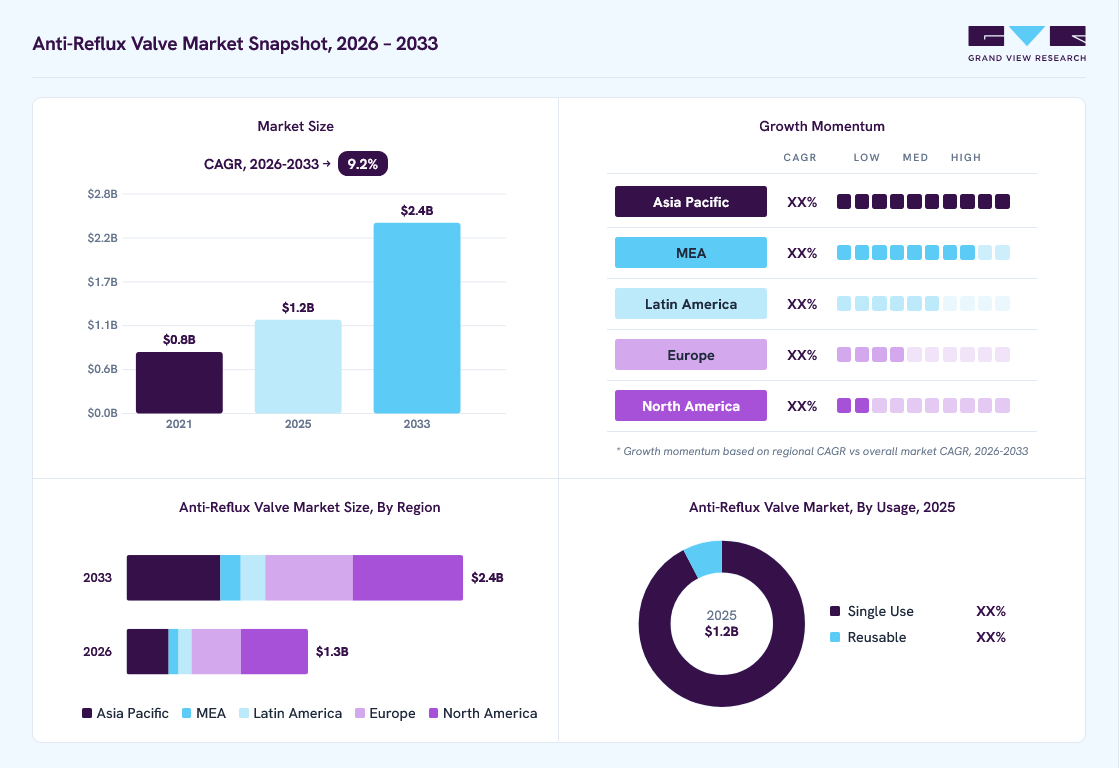
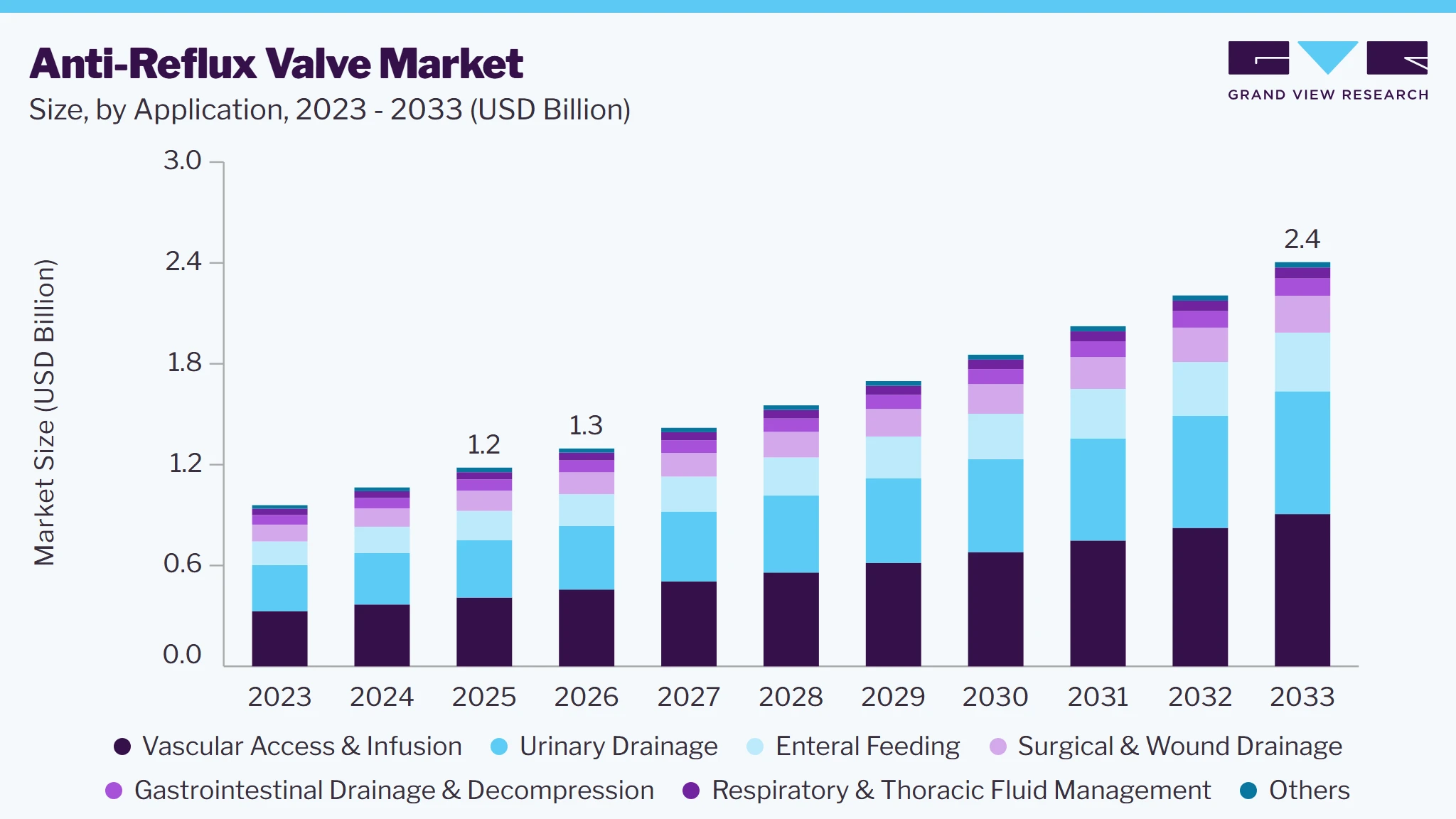
The global anti-reflux valve market size was valued at USD 1.2 billion in 2025 and is projected to grow from USD 1.3 billion in 2026 to USD 2.4 billion by 2033, at a CAGR of 9.2% from 2026 to 2033. North America dominated the market, accounting for a revenue share of 37.4% in 2025. The market growth is driven by the rising adoption of enteral feeding systems, increasing prevalence of chronic diseases requiring long-term nutritional support, growing geriatric population, and the expansion of home healthcare services.
 Source: Grand View Research, IR Documents, Primary Interviews, Paid DatabasesTo learn more about this report,
 Download Free Sample Report
Key Market Trends & Insights
- By application: Vascaular access & infusion segment held the largest market share of 34.6% in 2025.
- By material: PVC / vinyl segment led the market with the largest revenue share of 42.8% in 2025.
- By usage: Single use segment dominated the market with the largest revenue share of 92.2% in 2025.
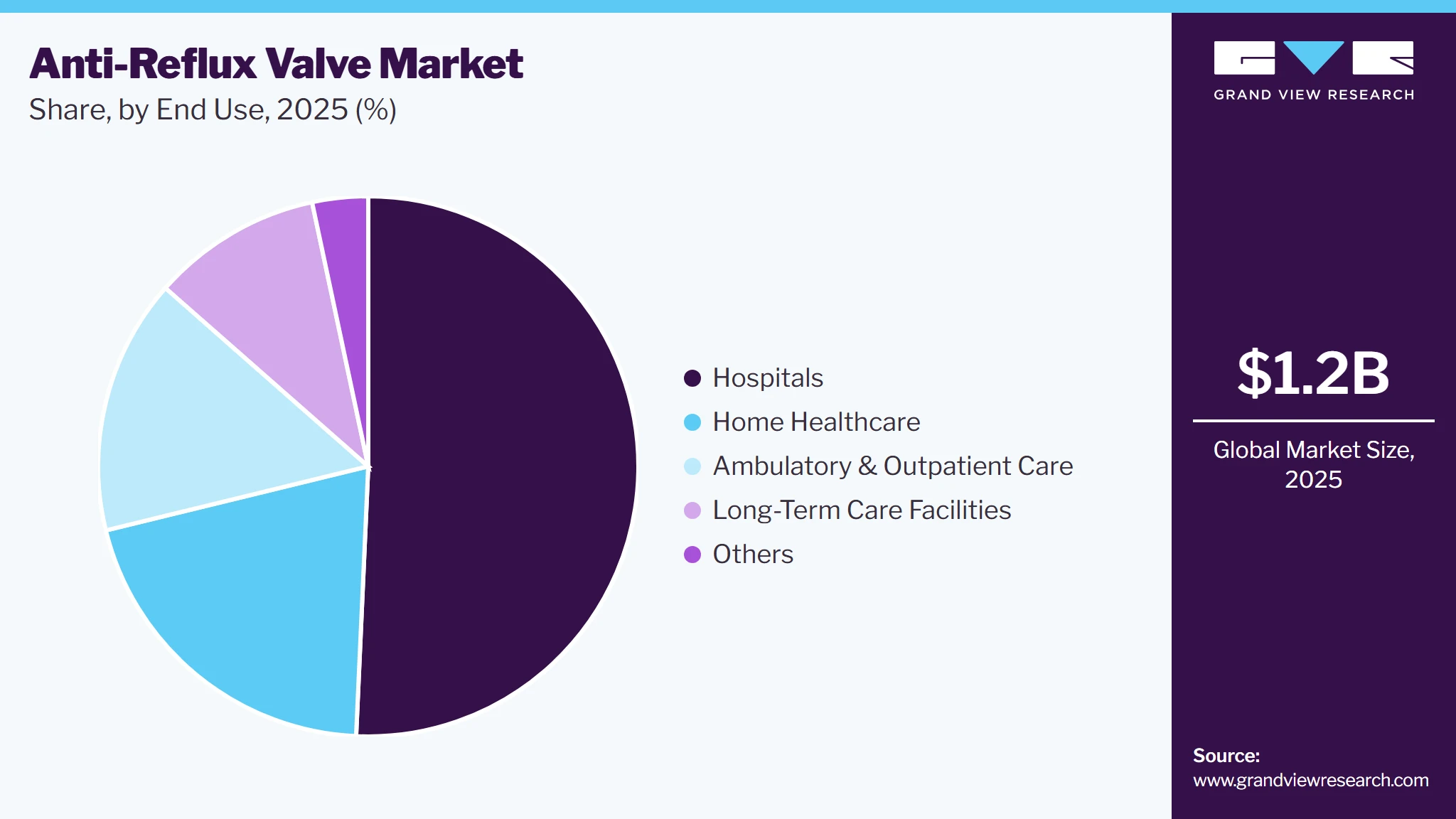
- By end use: Hospitals segment held the largest market share of 50.7% in 2025.
Regional Highlights
- Largest regional market: North America (37.3% revenue share, 2025)
- Fastest-growing regional market: Asia Pacific (highest CAGR, 2026-2033)
- By country: The U.S. dominated North America with the largest revenue share in 2025
Market Size & Forecast
- Market size in 2025: USD 1.2 Billion
- Estimated market size in 2026: USD 1.3 Billion
- Projected market size by 2033: USD 2.4 Billion
- CAGR (2026-2033): 9.2%
Prism AI by Grand View Research Free to tryAsk a question about the Anti-Reflux valve marketTry asking✓Every figure cited from GVR research Prefer the report? Download free sample →In addition, the increasing prevalence of chronic diseases requiring long-term nutritional support is a significant driver of the anti-reflux valve industry. Conditions such as stroke, cancer, neurological disorders, chronic kidney disease, and gastrointestinal diseases often impair swallowing or gastrointestinal function, increasing the need for long-term enteral feeding and fluid management. Anti-reflux valves play a critical role in preventing backflow and contamination during enteral nutrition, thereby improving patient safety. For instance, in September 2025, according to the World Health Organization (WHO), noncommunicable diseases (NCDs) caused at least 43 million deaths globally, accounting for 75% of all non-pandemic-related deaths. Cardiovascular diseases accounted for approximately 19 million deaths, cancers for 10 million, chronic respiratory diseases for 4 million, and diabetes for over 2 million deaths. The growing burden of these chronic conditions is increasing the number of patients requiring long-term nutritional support, creating sustained demand for anti-reflux valve technologies.
 To learn more about this report, Download Free Sample Report
The expanding hospital infrastructure is a key factor supporting the market growth, as hospitals represent major end users for enteral feeding systems, urinary drainage systems, infusion therapy devices, and catheter-based medical applications. Increasing patient admissions, rising demand for long-term care solutions, and a growing emphasis on infection prevention are driving healthcare providers to adopt medical devices equipped with reliable backflow-prevention mechanisms. Anti-reflux valves are integrated into catheter-associated systems, including urinary catheters, central venous access devices, and drainage systems, to help prevent fluid reflux, reduce contamination risks, and improve patient safety. The availability of a large network of hospitals and specialized care facilities creates a strong demand base for anti-reflux valve technologies across acute care, critical care, and long-term healthcare settings, as highlighted in the table below.
U.S. Hospital Infrastructure Trends Supporting Anti-Reflux Valve Market Growth (2023-2024)
Parameter
2023 AHA Survey (Published in Fast Facts 2025)
2024 AHA Survey (Published in Fast Facts 2026)
Total Number of U.S. Hospitals
6,093
6,100
U.S. Community Hospitals
5,112
5,121
Nonprofit Community Hospitals
2,978
2,984
Investor-Owned Community Hospitals
1,214
1,224
Federal Government Hospitals
207
210
Nonfederal Psychiatric Hospitals
654
656
Total Hospital Admissions
34.4 million
35.7 million
Rural Community Hospitals
1,796
1,797
Community Hospitals in Healthcare Systems
3,525
3,567
Source: American Hospital Association
Clinical Trials Landscape
Clinical trials and clinical evaluations are playing an important role in advancing the anti-reflux valve industry by generating evidence related to device safety, performance, reliability, and clinical effectiveness across applications such as vascular access, dialysis, infusion therapy, and fluid management systems. These studies evaluate key performance parameters, including prevention of blood or fluid backflow, pressure control, device durability, ease of use, and reduction of procedure-related complications. Clinical evidence generated through these evaluations supports regulatory approvals, product development, and broader adoption of anti-reflux valve technologies by healthcare providers. As the demand for safer catheter-based therapies and advanced fluid management solutions increases, manufacturers are focusing on developing valve systems that improve patient safety, maintain device functionality, and enhance clinical outcomes.
For instance, in March 2026, the Argyle Safety Fistula Cannula with anti-reflux valve clinical study (NCT05927532), sponsored by Mozarc Medical US LLC, evaluated the safety and performance of an anti-reflux valve-equipped fistula cannula for hemodialysis applications. The study assessed the device’s ability to support safe vascular access procedures and optimize fluid management during dialysis treatment, highlighting the growing application of anti-reflux valve technologies in renal care and long-term vascular access management.
Market Dynamics
The anti-reflux valve industry is experiencing steady growth due to the increasing demand for enteral feeding, urinary drainage, infusion therapy, and other fluid management applications across hospitals, long-term care facilities, and home healthcare settings. Anti-reflux valves help prevent backflow, leakage, and contamination, thereby improving patient safety and reducing the risk of device-associated infections. The market is further supported by the rising prevalence of chronic diseases and growing adoption of home-based healthcare, which have increased the need for long-term nutritional support and drainage devices. In addition, continuous advancements in valve design, biocompatible materials, and integrated closed-system technologies are improving product performance and ease of use. Increasing regulatory emphasis on infection prevention, expansion of healthcare infrastructure, and growing investments in advanced medical devices are expected to support sustained market growth throughout the forecast period.
The increasing emphasis on infection prevention and patient safety is a major driver of the anti-reflux valve industry. Anti-reflux valves help prevent backflow of fluids during enteral feeding, urinary drainage, and infusion therapy, thereby reducing the risk of contamination and healthcare-associated infections (HAIs). Hospitals are adopting closed-system medical devices to comply with infection control guidelines and improve patient outcomes. According to the CDC's 2024 National and State Healthcare-Associated Infections Progress Report, U.S. hospitals achieved a 10% reduction in catheter-associated urinary tract infections (CAUTIs) and a 9% reduction in central line-associated bloodstream infections (CLABSIs) compared with the previous year. These improvements reflect the growing adoption of evidence-based infection-prevention strategies and advanced medical devices, driving sustained demand for anti-reflux valve technologies that enhance patient safety and reduce device-related complications.
Despite their clinical advantages, anti-reflux valves remain susceptible to mechanical failure, leakage, blockage, breakage, and improper sealing, which can interrupt fluid delivery and compromise patient safety. These issues may result in fluid backflow, contamination, feeding interruptions, inaccurate fluid administration, or reduced device performance, particularly in enteral feeding, urinary drainage, and infusion therapy applications. Such failures often require immediate device replacement, additional clinical intervention, and increased monitoring by healthcare professionals, leading to higher treatment costs and operational burdens for healthcare facilities. Product recalls and adverse event reports associated with valve malfunctions further emphasize the importance of rigorous quality control, post-market surveillance, and regulatory compliance.
The rapid expansion of home healthcare is creating significant opportunities for anti-reflux valve manufacturers. Growing numbers of elderly patients and individuals with chronic diseases are receiving long-term enteral nutrition and infusion therapy outside hospitals, increasing demand for safe and easy-to-use fluid management devices. Anti-reflux valves play an important role in preventing backflow and contamination during home-based care, reducing caregiver burden and improving patient safety. In September 2025, the National Home Infusion Association (NHIA) reported that an estimated 220,000 individuals in the U.S. rely on Home Enteral Nutrition (HEN), requiring specialized feeding equipment, clinical coordination, and ongoing nutritional support. The continued expansion of HEN is expected to increase demand for reliable anti-reflux valve technologies used in enteral feeding systems.
Market Concentration & Characteristics
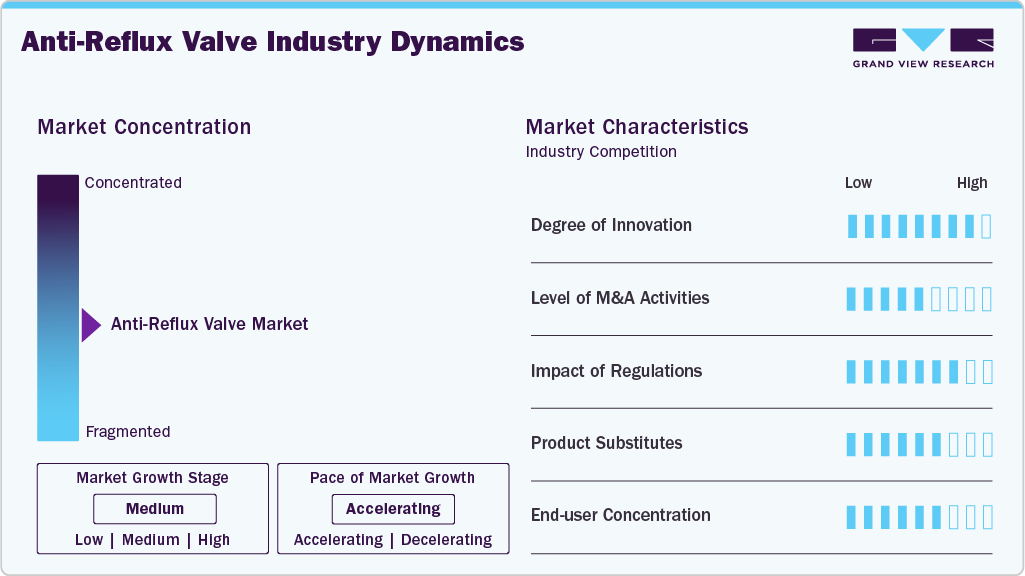
The anti-reflux valve industry is characterized by a moderate to high degree of innovation, driven by the development of advanced valve technologies that improve backflow prevention, reduce leakage, and minimize the risk of healthcare-associated infections. Manufacturers are introducing needleless anti-reflux connectors, anti-reflux enteral feeding valves, and integrated closed-system fluid management devices featuring improved biocompatibility and user-friendly designs. Innovation is also focused on enhancing patient safety in home healthcare and long-term care settings.
The anti-reflux valve industry has witnessed moderate merger and acquisition activity, primarily led by large medical device companies seeking to strengthen their portfolios in enteral nutrition, infusion therapy, vascular access, and drainage systems. Rather than acquiring standalone anti-reflux valve companies, manufacturers are acquiring broader fluid management and vascular access businesses to expand integrated product offerings. For instance, in May 2025, ICU Medical and Otsuka Pharmaceutical Factory completed their joint venture, Otsuka ICU Medical LLC, creating one of the world's largest IV solutions manufacturing networks with an estimated annual production capacity of 1.4 billion IV solution units. The partnership aims to strengthen the North American IV solutions supply chain, expand manufacturing capacity, and accelerate innovation in infusion and fluid management technologies.
 To learn more about this report, Download Free Sample Report
Anti-reflux valves are regulated as medical devices, making regulatory compliance a critical factor influencing product development and commercialization. Depending on the intended application, manufacturers must comply with FDA 510(k) requirements, the European Union Medical Device Regulation (EU MDR 2017/745), ISO 80369 standards for small-bore connectors, and ISO 10993 biocompatibility requirements. These regulations ensure product safety, compatibility, and performance while increasing development costs and extending approval timelines. Compliance is particularly important for anti-reflux valves used in enteral feeding, infusion therapy, and urinary drainage systems.
The anti-reflux valve industry faces moderate competition from integrated fluid management devices that incorporate built-in backflow-prevention mechanisms, thereby reducing the need for standalone anti-reflux valves. In addition, certain closed-system enteral feeding sets, urinary drainage systems, and needleless infusion connectors are designed with integrated reflux prevention technologies. While these products may substitute standalone valves in some applications, dedicated anti-reflux valves remain essential where enhanced backflow prevention, contamination control, and compatibility with existing medical devices are required.
Demand for anti-reflux valves is highly concentrated among hospitals, long-term care facilities, and home healthcare providers, where enteral feeding, urinary drainage, and infusion therapies are routinely performed. Hospitals are the largest end users due to high patient volumes and strict infection prevention protocols, while home healthcare is emerging as the fastest-growing segment due to increasing demand for long-term nutritional support and chronic disease management.
Analyst Perspective
The anti-reflux valve market is expected to see steady growth, driven by the increasing adoption of enteral feeding systems, the rising prevalence of chronic diseases, and the growing demand for long-term nutritional support among geriatric and critically ill patients. The market is further supported by the expansion of home healthcare services, increasing focus on infection prevention, and the need for safer medical devices that minimize backflow, leakage, and contamination risks. Technological advancements in valve design, including improved flow control, durability, and integration with feeding and drainage systems, are creating new growth opportunities. From an analyst’s perspective, companies focusing on reliable product performance, regulatory compliance, cost-effective solutions, and expansion across emerging healthcare markets will be better positioned to strengthen their competitive advantage.
Application Insights
The vascular access & infusion segment led the market with the largest revenue share of 34.6% in 2025 and is projected to grow at the fastest CAGR during the forecast period. This dominance is supported by the widespread use of intravenous (IV) therapy in hospitals, ambulatory care centers, and critical care units, where anti-reflux valves are used to prevent backflow, maintain accurate fluid flow, and reduce the risk of contamination during infusion procedures. The increasing number of hospitalized patients requiring medication delivery, fluid replacement, blood products, and parenteral nutrition continues to drive demand for advanced infusion systems. In addition, growing adoption of needleless connectors, closed-system transfer devices, peripheral intravenous catheters (PIVCs), peripherally inserted central catheters (PICCs), and central venous catheters (CVCs) is further supporting the integration of anti-reflux valve technologies in vascular access applications. For instance, in March 2026, a study published in the Journal of Vascular Access evaluated anti-reflux needle-free connectors and highlighted their role in reducing blood reflux, improving catheter safety, and supporting reliable infusion delivery. The findings reinforce the growing adoption of anti-reflux valve technologies in vascular access and critical care applications.
The urinary drainage segment is expected to grow at a significant CAGR during the forecast period, due to the increasing prevalence of urinary disorders, rising use of indwelling urinary catheters, and growing emphasis on preventing catheter-associated urinary tract infections (CAUTIs). Anti-reflux valves integrated into urinary drainage systems help prevent backflow of urine, reduce the risk of bacterial migration, and maintain a closed drainage system, thereby improving patient safety. In April 2026, according to the World Health Organization (WHO), kidney disease is a growing global health concern, with chronic kidney disease (CKD) affecting an estimated 674 million people worldwide, and the burden continues to rise due to aging populations and increasing prevalence of diabetes and hypertension. The growing number of patients requiring long-term renal and supportive care is expected to drive the adoption of advanced urinary drainage systems equipped with anti-reflux mechanisms.
Material Insights
The PVC / vinyl segment led the market with the largest revenue share of 42.8% in 2025. This dominance is supported by the widespread use of PVC-based medical tubing and fluid-management components in urinary drainage systems, enteral feeding devices, infusion sets, and catheter-based applications. PVC is preferred due to its cost-effectiveness, flexibility, durability, chemical stability, and compatibility with large-scale disposable medical device manufacturing. The material enables the production of lightweight and transparent components, allowing healthcare professionals to monitor fluid flow and detect blockages or abnormalities during patient care.
The silicone material segment is expected to grow at the fastest CAGR during the forecast period. Silicone offers superior properties such as high chemical stability, softness, low tissue irritation, temperature resistance, and compatibility with sterilization processes, making it suitable for urinary drainage systems, enteral feeding devices, and implantable and catheter-based applications. The growing preference for advanced medical-grade materials that improve patient comfort and reduce device-related complications is supporting silicone adoption.
Usage Insights
The single-use segment led the market with the largest revenue share of 92.2% in 2025 and is projected to grow at the fastest CAGR during the forecast period. This dominance is supported by the increasing adoption of disposable medical devices across hospitals, ambulatory care centers, and home healthcare settings due to their advantages in infection prevention, reduced risk of cross-contamination, and elimination of reprocessing requirements. Single-use anti-reflux valves are widely incorporated into enteral feeding systems, urinary drainage bags, infusion sets, and catheter-based devices where maintaining a sterile fluid pathway is critical. The growing focus on reducing healthcare-associated infections (HAIs), improving workflow efficiency, and minimizing sterilization-related costs is encouraging healthcare providers to prefer disposable solutions, particularly in high-volume acute care environments.
The reusable segment is expected to grow at a significant rate during the forecast period due to increasing healthcare sustainability initiatives and waste reduction efforts are creating opportunities for reusable anti-reflux valve solutions. Healthcare systems are evaluating medical device lifecycle costs, environmental impact, and resource utilization while maintaining patient safety. In October 2024, according to the World Health Organization (WHO), healthcare activities generate approximately 85% of general waste and 15% hazardous waste, including infectious, chemical, and pharmaceutical waste. This growing concern regarding medical waste management is encouraging healthcare providers to explore reusable and reprocessable medical devices where clinically appropriate.
End Use Insights
The hospitals segment led the market with the largest revenue share of 50.7% in 2025. This dominance is driven by the extensive utilization of anti-reflux valve-equipped devices across hospital applications, including catheter management, infusion therapy, enteral feeding, urinary drainage, and critical care procedures. Hospitals remain the primary end users due to the need for safe, continuous fluid management systems that prevent backflow, reduce contamination risks, and support infection-prevention protocols. For instance, in April 2025, Max Healthcare announced a ₹6,000 crore (approximately USD 700 million) expansion plan to expand its hospital network and add approximately 3,700 beds by 2028, reflecting continued investment in healthcare infrastructure and inpatient capacity. Such growth in hospital facilities, along with rising patient admissions, increasing chronic disease burden, and greater focus on reducing healthcare-associated infections (HAIs), is expected to strengthen demand for anti-reflux valve technologies across acute care and specialized healthcare settings.
 To learn more about this report, Download Free Sample Report
The home healthcare segment is expected to grow at the fastest CAGR during the forecast period. Growth is driven by the increasing shift toward home-based care, rising preference for remote patient management, and the growing number of patients requiring long-term therapies outside hospital settings. Anti-reflux valves are used in home healthcare applications, such as enteral feeding systems, urinary drainage systems, and infusion therapy devices, to prevent fluid backflow, maintain device functionality, and improve patient safety. The rising elderly population, increasing prevalence of chronic diseases, and need for cost-effective alternatives to prolonged hospital stays are encouraging healthcare providers and patients to adopt home-based medical solutions.
Regional Insights
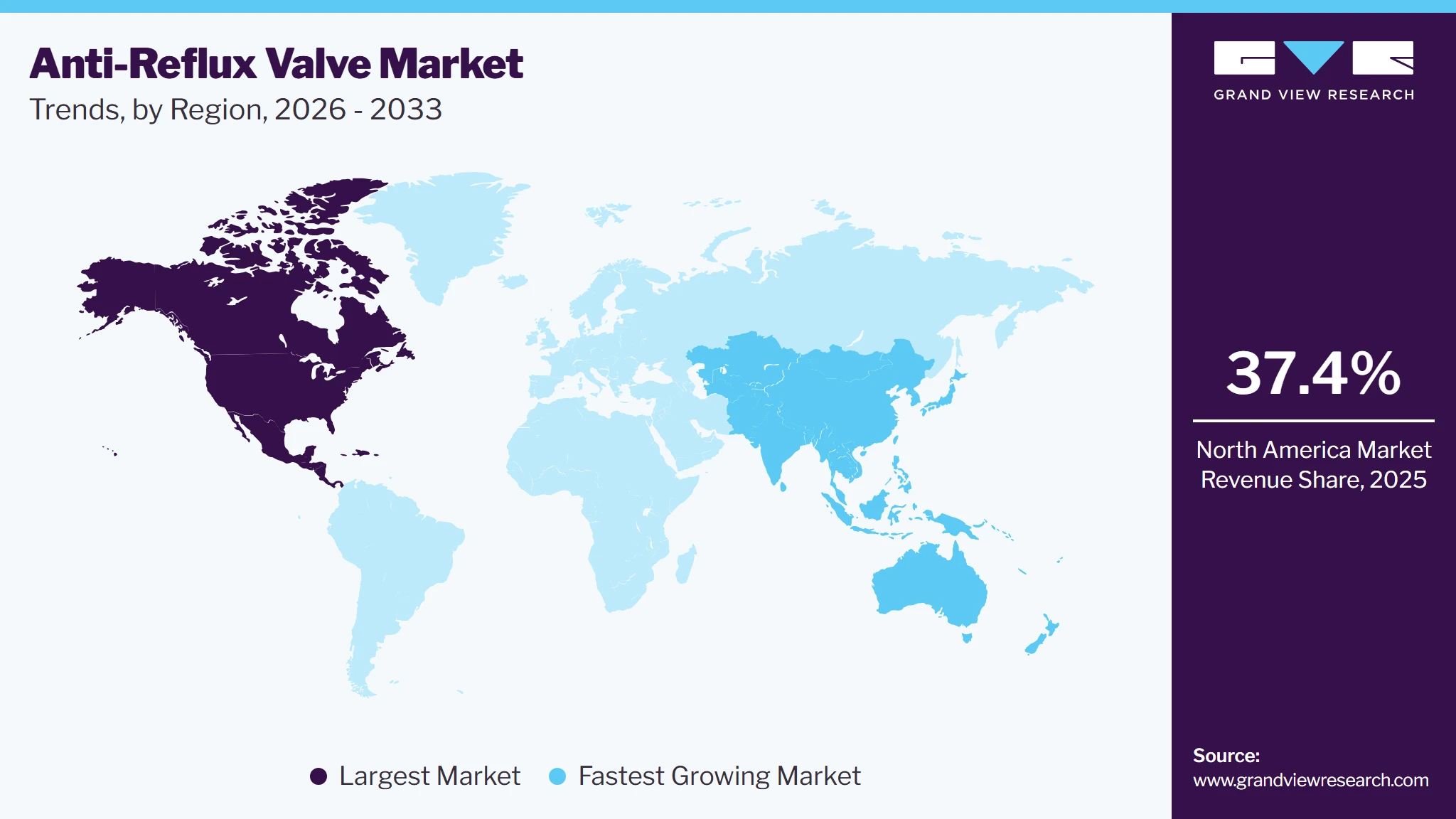
North America dominated the global anti-reflux valve market, with the largest revenue share of 37.4% in 2025, driven by advanced healthcare infrastructure, high adoption of enteral feeding, urinary drainage, and infusion therapy devices, and strong infection-prevention practices across hospitals and home healthcare settings. The region benefits from the presence of leading manufacturers such as BD, ICU Medical, Medline, Urocare Products, and Nexus Medical, which continue to introduce advanced fluid management solutions. In addition, the growing geriatric population, the increasing prevalence of chronic diseases, and well-established healthcare systems across the U.S., Canada, and Mexico continue to support demand for anti-reflux valve technologies in acute care, long-term care, and home healthcare settings.
 To learn more about this report, Download Free Sample Report
U.S. Anti-Reflux Valve Market Trends
The anti-reflux valve market in the U.S. accounted for the largest revenue share in North America in 2025, driven by increasing demand for enteral nutrition, rising hospitalization rates, an expanding geriatric population, and growing adoption of home healthcare. Hospitals and long-term care facilities continue to invest in anti-reflux valve-equipped enteral feeding, urinary drainage, and vascular access systems to reduce backflow-related complications and healthcare-associated infections. Regulatory emphasis on patient safety and infection control further supports product adoption. For instance, according to the American Medical Association, U.S. healthcare spending increased by 7.2% to USD 5.3 trillion in 2024, accounting for 18.0% of the nation's GDP. The continued growth in healthcare expenditure is supporting investments in hospitals, long-term care facilities, home healthcare services, and advanced medical devices, thereby driving the adoption of anti-reflux valve systems across enteral feeding, urinary drainage, and infusion applications.
Europe Anti-Reflux Valve Market Trends
The anti-reflux valve market in Europe is experiencing steady growth due to well-established healthcare systems, stringent medical device regulations, and the increasing adoption of infection-prevention technologies. Countries including Germany, France, Italy, Spain, and the UK continue to invest in advanced enteral nutrition, urinary drainage, and infusion therapy devices to improve patient safety and reduce healthcare-associated infections. The region also benefits from a growing elderly population and increasing prevalence of chronic diseases requiring long-term nutritional support and fluid management. Furthermore, implementation of the European Union Medical Device Regulation (EU MDR) has encouraged manufacturers to develop high-quality, compliant products, while strong reimbursement systems and expanding home healthcare services continue to support sustained market growth.
The Germany anti-reflux valve market held a significant market share in Europe in 2025, due to its advanced hospital infrastructure, strong medical device manufacturing base, and increasing utilization of enteral feeding and urinary drainage products. The country is home to globally recognized manufacturers such as B. Braun SE, which continues to invest in innovative fluid management technologies. Increasing demand for long-term care, combined with a rapidly aging population, is driving greater adoption of anti-reflux valve-equipped medical devices across hospitals and home healthcare settings. Germany's stringent quality standards, strong reimbursement framework, and emphasis on infection prevention further encourage healthcare providers to adopt advanced valve technologies, supporting long-term market expansion.
Asia Pacific Anti-Reflux Valve Market Trends
The anti-reflux valve market in the Asia Pacific region is expected to grow at the fastest CAGR during the forecast period, driven by rapid healthcare infrastructure development, rising healthcare expenditure, and expanding access to advanced medical devices. Countries including China, India, Japan, South Korea, and Australia are investing heavily in hospital modernization, critical care capacity, and home healthcare services. The rising prevalence of chronic diseases, increasing surgical procedures, and growing awareness of infection prevention are further supporting the demand for anti-reflux valve technologies. In addition, expansion of regional medical device manufacturing, favorable government healthcare initiatives, and improving access to enteral feeding and urinary drainage products are expected to create significant growth opportunities across the Asia Pacific region.
The China anti-reflux valve market is witnessing strong growth, owing to the rapid expansion of its domestic medical device industry and increasing government investment in healthcare modernization. Rising hospital admissions, growing critical care capacity, and increasing demand for enteral nutrition and urinary drainage products are driving product adoption. The country also benefits from a large manufacturing base capable of producing cost-effective medical devices for both domestic use and international export. Continued investments in healthcare infrastructure, expansion of tertiary hospitals, and supportive government policies to strengthen domestic medical device production are expected to further accelerate demand for anti-reflux valve technologies across hospitals, long-term care facilities, and home healthcare settings.
Latin America Anti-Reflux Valve Market Trends
The anti-reflux valve market in Latin America is expected to grow steadily due to improving healthcare infrastructure, expanding hospital networks, and increasing demand for long-term nutritional support and fluid management devices. Countries such as Brazil and Argentina are investing in healthcare modernization while expanding access to enteral feeding and urinary drainage products. The growing prevalence of chronic diseases, rising healthcare expenditure, and increasing awareness of infection prevention are encouraging healthcare providers to adopt advanced medical consumables. In addition, the expansion of private healthcare providers and improving availability of internationally manufactured medical devices are expected to support continued market growth throughout the forecast period.
Middle East & Africa Anti-Reflux Valve Market Trends
The anti-reflux valve market in the Middle East & Africa is witnessing gradual growth driven by increasing investments in healthcare infrastructure, expansion of hospital capacity, and rising adoption of advanced medical technologies. Countries including Saudi Arabia, the UAE, South Africa, and Kuwait are strengthening healthcare systems through government-led modernization programs and increasing procurement of medical devices. Rising demand for intensive care, enteral nutrition, and infection-prevention products is driving greater adoption of anti-reflux valve technologies. Furthermore, expanding private healthcare investment, improving access to specialized medical services, and increasing awareness regarding patient safety are expected to create new growth opportunities for manufacturers operating in the region.
Key Anti-Reflux Valve Company Insights
Some of the key companies in the anti-reflux valve industry include BD, B. Braun SE, Nexus Medical (Avanos Medical, Inc.), Urocare Products, Inc., Vygon, ICU Medical, Inc., Terumo Corporation, Medline, and Go Medical Industries Pty Ltd. Organizations are focusing on increasing their customer base to gain a competitive edge in the industry. Therefore, key players are taking several strategic initiatives, such as product launches and partnerships with other major companies.
Key Anti-Reflux Valve Companies
The following key companies have been profiled for this study on the anti-reflux valve market.
-
BD
-
B. Braun SE
-
Nexus Medical (Avanos Medical, Inc.)
-
Urocare Products, Inc.
-
Vygon
-
ICU Medical, Inc.
-
Terumo Corporation
-
Medline
-
Go Medical Industries Pty Ltd
Competitive Benchmarking
Category
Operating
Strategies
Competitive Edge
Weakness
Established Players: BD, B. Braun SE, ICU Medical
- Focus on expanding anti-reflux valve offerings through advanced medical fluid management solutions, including enteral feeding, vascular access, urinary drainage, and infusion applications.
- Invest in product innovation, infection prevention technologies, regulatory compliance, and integration of valve systems into broader medical device portfolios.
- Strong brand recognition, extensive healthcare product portfolios, established global distribution networks, regulatory expertise, and strong relationships with hospitals and healthcare providers.
- Broad application coverage enables these companies to leverage anti-reflux valve technologies across multiple clinical settings.
- High product development and regulatory compliance costs, and complex organizational structures may limit flexibility in cost-sensitive markets.
- Competition from specialized valve manufacturers and regional players offering lower-cost alternatives may impact market share.
Emerging Players: Nexus Medical, Urocare Products
- Focus on developing application-specific anti-reflux valve solutions for niche segments, including urinary drainage systems, needleless connectors, and fluid management devices.
- Expand market reach through specialized distributors, regional partnerships, product certifications, and targeted penetration into home healthcare and long-term care settings.
- Specialized product expertise, focused innovation, flexible product development capabilities, and the ability to address specific clinical requirements with application-focused solutions.
- Strong positioning in niche markets allows faster response to customer needs and emerging healthcare trends.
- Limited global presence compared with multinational medical device companies, and dependence on distribution partners in international markets.
- Challenges in scaling manufacturing capacity and achieving regulatory approvals across multiple regions may restrict expansion.
Recent Developments
-
In September 2025, Avanos Medical acquired Nexus Medical, LLC to strengthen its Specialty Nutrition Systems portfolio. The acquisition added Nexus’ proprietary TKO anti-reflux needleless connector technology, enhancing the safety of nutrition and medication delivery for neonatal and pediatric critical care patients.
-
In July 2025, Coloplast published a guide showcasing its urostomy bag range, including Alterna, SenSura, and SenSura Mio systems, to help users choose products that best fit their lifestyle and individual stoma care needs. The guide highlighted features such as anti-reflux valves, skin-friendly adhesives, and one-piece and two-piece options.
Anti-Reflux Valve Market Report Scope
Report Attribute
Details
Market size value in 2025
USD 1.2 billion
Estimated market size in 2026
USD 1.3 billion
Projected market size by 2033
USD 2.4 billion
Growth rate
CAGR of 9.2% from 2026 to 2033
Base year for estimation
2025
Historical data
2021 - 2024
Forecast period
2026 - 2033
Quantitative units
Revenue in USD million/billion, and CAGR from 2026 to 2033
Report coverage
Revenue forecast, company ranking, competitive landscape, growth factors, and trends
Segments covered
Application, material, usage, end use, region
Regional scope
North America; Europe; Asia Pacific; Latin America; Middle East & Africa
Country scope
U.S.; Canada; Mexico; UK; Germany; France; Italy; Spain; Denmark; Sweden; Norway; Japan; China; India; Thailand; Australia; South Korea; Brazil; Argentina; South Africa; Saudi Arabia; UAE; Kuwait
Key companies profiled
BD; B. Braun SE; Nexus Medical (Avanos Medical, Inc.); Urocare Products, Inc.; Vygon; ICU Medical, Inc.; Terumo Corporation; Medline; Go Medical Industries Pty Ltd
Customization scope
Free report customization (equivalent up to 8 analyst’s working days) with purchase. Addition or alteration to country, regional & segment scope
Pricing and purchase options
Avail customized purchase options to meet your exact research needs. Explore purchase options
Global Anti-Reflux Valve Market Report Segmentation
This report forecasts revenue growth at global, regional & country levels and provides an analysis of the latest industry trends in each of the sub-segments from 2021 to 2033. For this study, Grand View Research has segmented the global anti-reflux valve market report based on application, material, usage, end use, and region:
-
Application Outlook (Revenue, USD Million, 2021 - 2033)
-
Urinary Drainage
-
Leg Bags
-
Bedside Urine Collection Bags
-
Other Urinary Drainage Systems
-
-
Enteral Feeding
-
Enteral Feeding Bags
-
Feeding Pumps & Feeding Sets
-
Gastrostomy Feeding Systems
-
Other Enteral Feeding Systems
-
-
Vascular Access & Infusion
-
PIVC
-
PICC
-
Midline
-
CVC
-
Other Vascular Access & Infusion
-
-
Gastrointestinal Drainage & Decompression
-
Gastric Drainage Systems
-
Intestinal Decompression Systems
-
Nasogastric/Enteric Drainage Systems
-
-
Surgical & Wound Drainage
-
Closed-Suction Wound Drainage
-
Open/Passive Surgical Drainage
-
-
Respiratory & Thoracic Fluid Management
-
Airway/Tracheobronchial Secretion Drainage
-
Pleural/Chest Tube Drainage
-
Other Respiratory Fluid-Management Systems
-
-
Other Medical Applications
-
-
Material Outlook (Revenue, USD Million, 2021 - 2033)
-
PVC / Vinyl
-
Latex / Natural Rubber
-
Silicone
-
Other Medical-Grade Materials
-
-
Usage Outlook (Revenue, USD Million, 2021 - 2033)
-
Single Use
-
Reusable
-
-
End Use Outlook (Revenue, USD Million, 2021 - 2033)
-
Hospitals
-
Long-Term Care Facilities
-
Home Healthcare
-
Ambulatory & Outpatient Care
-
Other Healthcare Settings
-
-
Regional Outlook (Revenue, USD Million, 2021 - 2033)
-
North America
-
U.S.
-
Canada
-
Mexico
-
-
Europe
-
UK
-
Germany
-
France
-
Italy
-
Spain
-
Denmark
-
Sweden
-
Norway
-
-
Asia Pacific
-
Japan
-
China
-
India
-
Thailand
-
Australia
-
South Korea
-
-
Latin America
-
Brazil
-
Argentina
-
-
Middle East & Africa
-
South Africa
-
Saudi Arabia
-
UAE
-
Kuwait
-
-
Research Methodology
The anti-reflux valve market figures in this report are based on a proven research process that combines executive interviews with secondary research from proprietary databases, company filings, and recognized regulatory and institutional sources. Market size is built through value-chain sizing-reconciling supply-side and demand-side estimates-and triangulated with bottom-up and top-down approaches. Every estimate passes multiple levels of expert validation before publication, with each anti-reflux valve segment quantified using the revenue-capture definitions in the table below.
Segment Definition
Usage
Revenue capture definition
Single Use
Revenue generated from disposable anti-reflux valves designed for one-time clinical application, which are discarded after use to reduce cross-contamination risks and support infection prevention protocols.
Reusable
Revenue generated from anti-reflux valves designed for multiple uses after appropriate cleaning, sterilization, and maintenance procedures, primarily used in applications where long-term device utilization is preferred.
Estimation Model
Step No.
Approach Name
Description
01
Bottom-Up Estimation
The market is estimated by analyzing the adoption and sales volume of anti-reflux valves across key applications, including enteral feeding systems, urinary drainage systems, vascular access & infusion devices, gastrointestinal drainage systems, surgical drainage systems, and respiratory fluid management systems. The assessment considers the number of relevant procedures, device utilization rates, replacement frequency, and purchasing patterns across hospitals.
02
Top-Down Approach
The market estimation begins with an evaluation of the broader medical device segments, including enteral nutrition devices, urinary drainage products, and fluid management systems. The analysis determines the contribution of anti-reflux valve technologies through secondary research, company disclosures, and expert validation. Key indicators such as the growing geriatric population, prevalence of chronic diseases, and expansion of home healthcare services are considered to estimate market size.
03
Supply-Side Analysis
The analysis evaluates manufacturer revenues, production capacity, product portfolios, annual shipments, pricing trends, material usage (PVC/vinyl, silicone, latex, and other medical-grade materials), regulatory approvals, manufacturing capabilities, and regional distribution networks. In addition, factors such as product launches, technological advancements in valve design, strategic partnerships, and geographic revenue contribution are assessed to estimate market supply and competitive positioning.
Delivered Customizations
This report has been delivered with the following In-depth customizations
Client Request
Customization Delivered
Value Adds
Anti-Reflux Valve Product Portfolio & Application Analysis
Conducted a comprehensive assessment of the anti-reflux valve product portfolio, including standalone valves and integrated valve systems used across urinary drainage, enteral feeding, vascular access & infusion, gastrointestinal drainage, surgical drainage, and respiratory fluid management applications. Evaluated product adoption across single-use and reusable categories, material preferences, valve design characteristics, and application-specific requirements such as backflow prevention, leakage control, and infection prevention.
Helps stakeholders identify high-growth application segments, understand product demand across medical applications, evaluate technology adoption trends, and optimize product portfolios in response to evolving clinical requirements and healthcare safety standards.
End-user Adoption & Procurement Landscape Analysis
Analyzed anti-reflux valve adoption across hospitals, long-term care facilities, home healthcare providers, ambulatory & outpatient care centers, and other healthcare settings. Assessed procurement factors including disposable versus reusable product preferences, replacement cycles, infection control requirements, cost considerations, regulatory compliance, and the impact of increasing chronic disease management and home-based care on purchasing decisions.
Enables manufacturers to understand end-user purchasing behavior, identify high-demand healthcare settings, improve supply chain and distribution strategies, optimize pricing approaches, and expand market penetration across developed and emerging healthcare markets.
Product Positioning & Manufacturer Competitiveness Assessment
Evaluated leading anti-reflux valve manufacturers based on product portfolio coverage, application diversity, valve technology, material innovation, manufacturing capabilities, regulatory approvals, geographic presence, pricing strategies, and distribution networks. The assessment also analyzed product launches, technological advancements, strategic initiatives, and competitive differentiation among companies operating in enteral, urinary, infusion, and drainage applications.
Supports competitive benchmarking, identifies product innovation opportunities, enables portfolio differentiation, strengthens commercialization strategies, and helps companies enhance market positioning through advanced valve technologies, regulatory readiness, and expansion into high-growth healthcare applications.
Frequently Asked Questions About This Report
The global anti-reflux valve market size was valued at USD 1.2 billion in 2025 and is estimated at USD 1.3 billion for 2026.
The global anti-reflux valve market is expected to grow at a CAGR of 9.2% from 2026 to 2033, reaching USD 2.4 billion by 2033.
Key factors include the rising adoption of enteral feeding systems, increasing prevalence of chronic diseases requiring long-term nutritional support, growing geriatric population, and the expansion of home healthcare services.
Asia Pacific is the fastest-growing region over the forecast period.
Key players include BD, B. Braun SE, Nexus Medical (Avanos Medical, Inc.), Urocare Products, Inc., Vygon, ICU Medical, Inc., Terumo Corporation, Medline, Go Medical Industries Pty Ltd.
North America dominated with a 37.3% revenue share in 2025.
The vascular access & infusion segment held the largest share of 34.6% in 2025 and urinary drainage segment is the fastest-growing segment over the forecast period.
The PVC / vinyl held the largest share of 42.8% in 2025, while silicone is the fastest-growing segment.
The single use held the largest share of 92.2% in 2025.This dominance is supported by the increasing adoption of disposable medical devices across hospitals, ambulatory care centers, and home healthcare settings due to their advantages in infection prevention, reduced risk of cross-contamination, and elimination of reprocessing requirements.
About the Author(s)
Medical Devices Research Team
Healthcare · Medical DevicesThis report was authored by the medical devices research team at Grand View Research - comprising two research analysts, one senior research analyst, and one industry expert - with specialized expertise in the medical devices segment of the healthcare industry. All findings are based on proprietary healthcare databases, executive interviews, and regulatory analysis, subject to internal peer review prior to publication.
Last Updated:
Speak to Analyst

Customize this report to your needs - add regions, segments, or data points, with 20% free customization.
Or view our licence options:


ISO 9001:2015 & 27001:2022 Certified
We are GDPR and CCPA compliant! Your transaction & personal information is safe and secure. For more details, please read our privacy policy.


