
- Home
- »
- Pharmaceuticals
- »
-
Antihyperlipidemic Drugs Market Size, Share Report, 2033GVR Report cover

Antihyperlipidemic Drugs Market (2026 - 2033)
Size, Share & Trends Analysis Report By Drug Class (Statins, Cholesterol Absorption Inhibitors), By Indication, By Route of Administration, By Distribution Channel, By Region, And Segment Forecasts
Market Size, 2025
$14.3BMarket Estimate, 2026
$15.0BMarket Forecast, 2033
$22.0BCAGR, 2026–2033
5.6%Antihyperlipidemic Drugs Market Summary
The global antihyperlipidemic drugs market size was valued at USD 14.3 billion in 2025 and is projected to grow from USD 15.0 billion in 2026 to USD 22.0 billion by 2033, at a CAGR of 5.6% from 2026 to 2033. North America dominated the market, accounting for the largest revenue share of 41.2% in 2025. The market is supported by the ongoing need to manage elevated LDL cholesterol and triglyceride levels and to reduce the risk of cardiovascular disease.
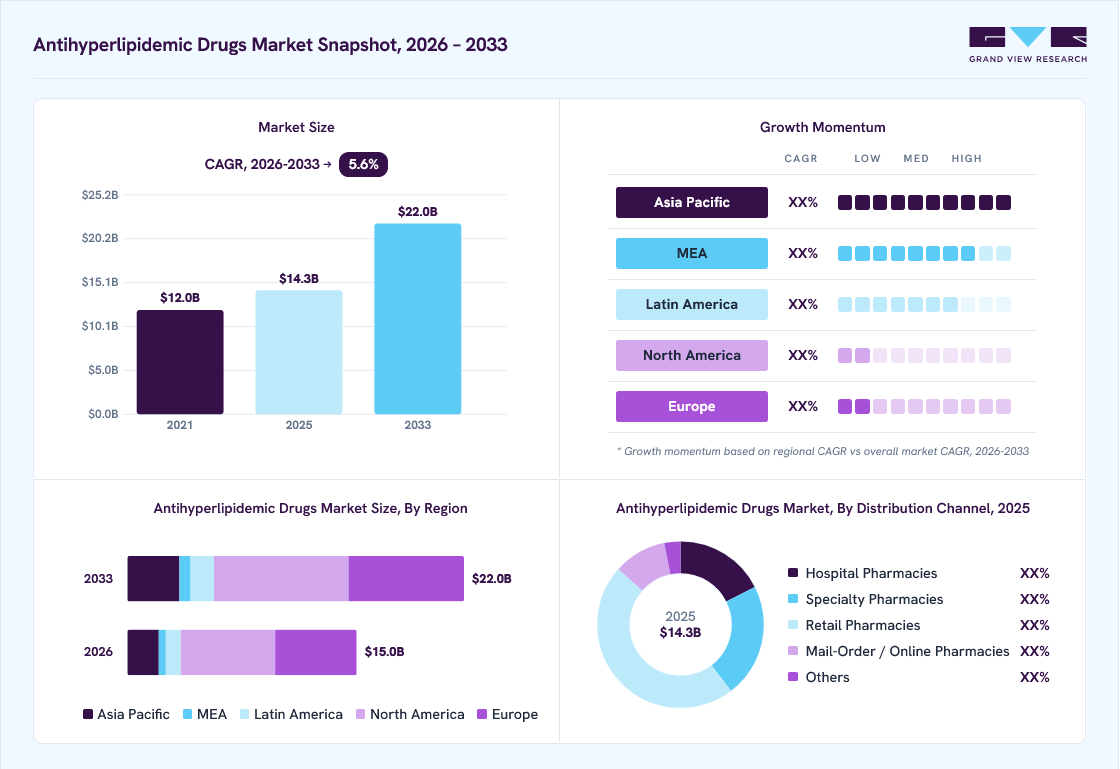 Source: Grand View Research, IR Documents, Primary Interviews, Paid DatabasesTo learn more about this report,
 Download Free Sample Report
 Key Market Trends & Insights
- By drug class: The statins segment held the largest market share of 53.5% in 2025.
- By indication: The hypercholesterolemia segment held the largest market share of 64.7% in 2025.
- By route of administration: The oral segment held the largest market share of 88.1% in 2025.
- By distribution channel: The retail pharmacies segment held the largest market share of 46.9% in 2025.
Regional Highlights
- Largest regional market: North America (41.2% revenue share, 2025)
- Fastest-growing regional market: Asia Pacific (highest CAGR, 2026-2033)
- By country: The U.S. dominated North America with the largest revenue share in 2025
Market Size & Forecast
- Market size in 2025: USD 14.3 Billion
- Estimated market size in 2026: USD 15.0 Billion
- Projected market size by 2033: USD 22.0 Billion
- CAGR (2026-2033): 5.6%
Three ways to get this report
Buy it, customize it, or ask a question.Ask an Analyst
A direct answer, usually in 1 working day
- AccessReport author, directly
- Reply timeWithin 1 working day
- No sales callDirect answer only
- FormatEmail reply
- CostFree, no cost
Get the Full Report
What the study covers
- FormatsPDF · Excel · Dashboard
- Timeline2026–2033 annual, 2025 base
- Coverage20+ countries, 5 regions
- Companies10+ key players profiled
Customize the Report
20% free customization
- IncludeCountries, segments, points
- TailorTo your product definition
- ExtendDeeper competitor detail
- OrA fully bespoke study
- Turnaround5–10 working days
Statins remain the main treatment option because of their established use, availability of generic products, and role in long-term cholesterol management. However, treatment is expanding beyond statins as patients with cardiovascular risk may require additional LDL-lowering therapies such as ezetimibe, bempedoic acid, PCSK9 inhibitors, and inclisiran. The market also includes therapies for high triglyceride levels, including fibrates and prescription omega-3 products. Growing focus on lipid testing, earlier treatment, and management of patients who do not achieve adequate lipid control with statins is supporting demand for combination and non-statin therapies. Treatment decisions are increasingly based on overall cardiovascular risk, LDL-C levels, and patient-specific factors, supporting continued use of both established and newer antihyperlipidemic drugs.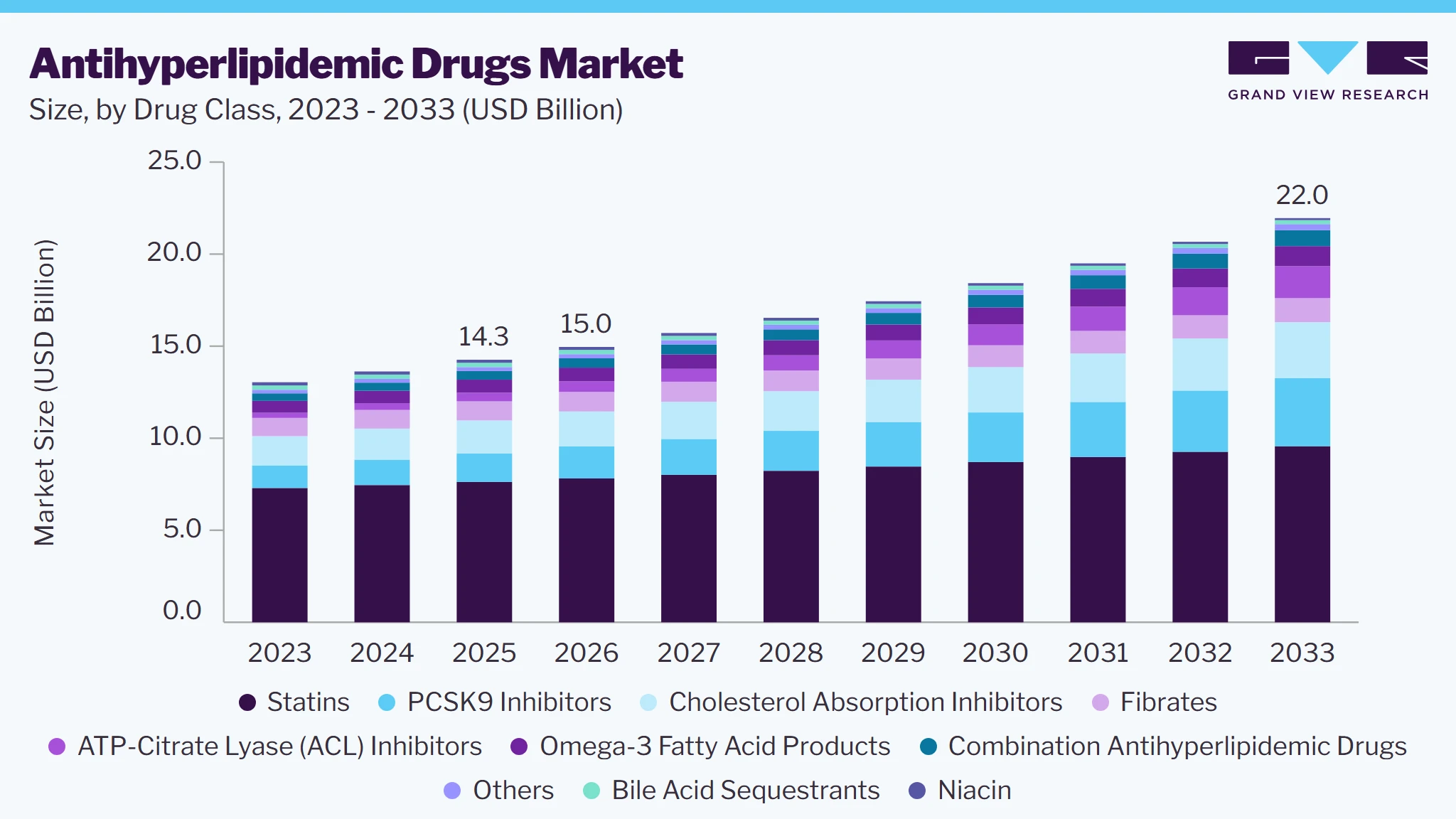 To learn more about this report, Download Free Sample Report
 Market Dynamics
The key driver for the antihyperlipidemic drugs industry is the growing focus on reducing LDL cholesterol to lower the long-term risk of cardiovascular disease. Statins continue to form the base of lipid-lowering treatment because of their established clinical use, generic availability, and use across primary and secondary prevention. However, treatment needs are changing as physicians manage patients who do not reach their LDL-C goals with statins alone, have statin intolerance, or have a higher cardiovascular risk. This supports demand for ezetimibe, bempedoic acid, PCSK9 inhibitors, and other non-statin therapies. In March 2026, the ACC and AHA issued updated dyslipidemia guidelines that placed greater focus on earlier lipid management, lower LDL-C goals, and the use of non-statin therapies when needed. The updated recommendations support more active management of cholesterol levels among patients with cardiovascular risk and provide guidance on adding non-statin medicines when LDL-C remains above treatment goals. This supports continued demand for different lipid-lowering treatment options across patient groups.
The high cost of newer antihyperlipidemic drugs remains a key restraint, particularly when compared with generic statins and other low-cost therapies. PCSK9 inhibitors, newer oral medicines, and other branded products can increase treatment costs, potentially limiting their use in price-sensitive healthcare systems. Physicians also need to consider whether additional LDL-C reduction provides enough clinical benefit to justify the cost of adding another medicine. Long-term treatment adherence is another challenge. Hypercholesterolemia often has no clear symptoms, so patients may not feel an immediate benefit from taking medicines regularly. This can reduce persistence with treatment, particularly when therapy requires continued use over many years. The need for regular lipid testing and follow-up can add to the treatment burden. In addition, differences in healthcare access, diagnostic rates, physician awareness, and the availability of lipid-lowering medicines across developing markets can limit treatment coverage. These factors can limit the use of newer therapies even when clinical guidelines support their use.
The expansion of non-statin therapies presents a key opportunity for the antihyperlipidemic drugs industry. Patients who cannot reach LDL-C targets through statin therapy alone require additional treatment options, creating scope for drugs with different mechanisms and dosing formats. Oral therapies may gain attention when patients prefer tablets to injectable treatments, while combination therapy can help address patients who require greater LDL-C reduction. Development of therapies targeting PCSK9, triglyceride-rich lipoproteins, and other lipid pathways can further expand treatment choices. In July 2026, the FDA approved Lipfendra (enlicitide), the first oral PCSK9 inhibitor, for adults with hypercholesterolemia, including heterozygous familial hypercholesterolemia. The once-daily tablet offers an alternative to injectable PCSK9 inhibitors and may broaden treatment options for patients who require further LDL-C reduction. The 2026 dyslipidemia guideline also supports newer non-statin therapies when statin treatment does not provide adequate LDL-C reduction, creating scope for product development and treatment expansion.
Market Concentration & Characteristics
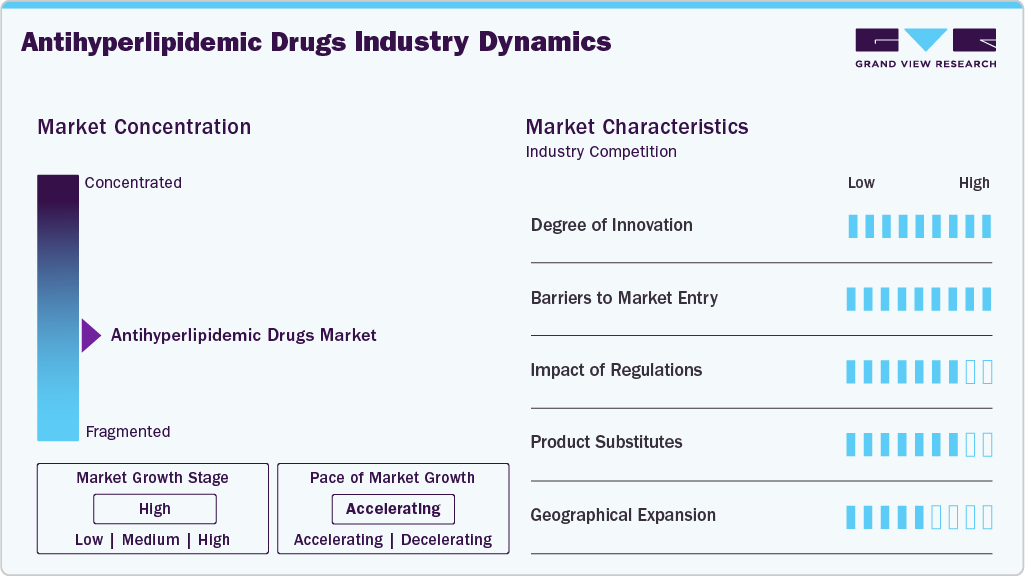
The degree of innovation in the global industry is high, supported by the continued development of therapies targeting LDL cholesterol, triglycerides, and other lipid-related risk factors. Innovation is moving beyond the long-established statin treatment approach toward medicines with different mechanisms of action. Non-statin therapies provide additional options for patients who do not achieve sufficient lipid reduction or cannot tolerate certain treatments. The market is also seeing development across different dosing schedules and administration methods, which can improve treatment flexibility. Combination therapy is another area of innovation, as multiple mechanisms can be used to achieve lipid targets in patients with higher cardiovascular risk. Research is also expanding toward lipid biomarkers and patient-specific treatment approaches. These developments create opportunities for differentiated products while maintaining competition with established therapies. Overall, the market has a high degree of innovation because companies continue to develop new mechanisms, treatment combinations, and approaches to lipid management.
Barriers to entry in the antihyperlipidemic drugs industry are high, particularly for companies developing new branded therapies. New medicines require substantial investment in discovery, clinical trials, regulatory submissions, manufacturing, and commercial development. Developers must also demonstrate that a new product provides sufficient clinical and treatment value compared with established lipid-lowering medicines. Generic statins and other established therapies create additional competitive pressure because of their wide availability and lower prices. New products, therefore, need a clear clinical role to gain physician acceptance and patient use. Regulatory requirements also increase the time and resources needed before commercial entry. Manufacturing requirements, product quality standards, intellectual property protection, and distribution capabilities add further barriers. For generic manufacturers, entry may be more accessible after patent protection expires, but regulatory compliance and manufacturing scale remain important requirements. As a result, companies with established clinical development capabilities, manufacturing infrastructure, and commercial networks have an advantage over new entrants.
 To learn more about this report, Download Free Sample Report
 The impact of regulations on the global market is high because regulatory requirements influence nearly every stage of a product's development and commercial use. New drugs must undergo clinical evaluation and regulatory review before approval, and manufacturers must meet requirements for product quality, safety, manufacturing, labeling, and post-market monitoring. Changes in regulatory requirements can affect development timelines and costs and may influence the commercial availability of new therapies. Generic products also require regulatory approval and must meet defined quality and bioequivalence requirements. In addition, safety information can lead to changes in product labeling or prescribing recommendations. Regulatory requirements differ across countries, which can create additional work for companies seeking international expansion. Clinical treatment guidelines also influence how approved medicines are used, although guidelines are separate from regulatory approval. Overall, regulatory requirements create a strong influence on competition, product development, market entry, manufacturing, and long-term product management within the global market.
Product substitutes in the global industry are high because physicians have access to several drug classes for managing abnormal lipid levels. Statins can be coadministered with or compete with ezetimibe, bempedoic acid, PCSK9 inhibitors, fibrates, bile acid sequestrants, and other lipid-lowering therapies. The choice depends on LDL-C levels, triglyceride levels, cardiovascular risk, treatment response, tolerance, and the need for additional lipid reduction. This creates substitution pressure across several treatment categories. Patients who cannot tolerate one therapy may switch to another class, while those who do not reach their treatment goals may receive an additional medication rather than replace their existing therapy. Generic products also create substitution between branded and lower-cost alternatives within established drug classes. As a result, companies must compete on clinical effectiveness, safety, dosing convenience, mechanism of action, and cost. The wide range of available treatment options makes substitution an important characteristic of the market.
Geographical expansion in the antihyperlipidemic drugs industry is moderate. Lipid disorders are treated across developed and emerging healthcare markets, creating opportunities for companies to expand product availability across regions. However, access to different drug classes varies considerably across countries due to differences in healthcare infrastructure, regulatory requirements, drug pricing, diagnosis rates, physicians' practices, and treatment guidelines. Established generic therapies generally have broader availability, while newer branded medicines may face greater access limitations. Expansion into emerging markets can provide opportunities as healthcare systems improve lipid screening and cardiovascular risk management. However, companies may need to adapt pricing, distribution, regulatory strategies, and product positioning to individual countries. Differences in reimbursement and healthcare spending can also affect the commercial availability of higher-cost therapies. Therefore, while the market offers opportunities for geographic expansion, growth across regions is uneven, resulting in a moderate level of geographic expansion.
Analyst Perspective
The antihyperlipidemic drugs market is supported by continued demand for LDL-C and triglyceride management, with statins remaining the main treatment class. Growth is shifting toward non-statin therapies, particularly ACL inhibitors and PCSK9 inhibitors. Oral medicines continue to account for most treatment use, while subcutaneous therapies are gaining use among patients requiring additional LDL-C reduction.
Drug Class Insights
The statins segment led the market with the largest revenue share of 53.5% in 2025. The segment is supported by their established role in cholesterol management, wide physician familiarity, broad generic availability, relatively low treatment cost, suitability for long-term use, and use across different cardiovascular risk groups. Statins are also commonly used as the initial drug therapy before adding other lipid-lowering medicines when LDL-C reduction remains insufficient. The availability of several products, including atorvastatin, rosuvastatin, simvastatin, and pravastatin, provides treatment flexibility across patient groups. Their long history of clinical use and inclusion in lipid management guidelines further support prescribing consistency. Generic competition has also improved accessibility across healthcare systems. These factors allow statins to maintain broad use across routine cholesterol management and support their leading position within the drug class segment.
The ATP-Citrate Lyase (ACL) Inhibitors segment is anticipated to grow at the fastest CAGR of 17.0% during the forecast period. Their growth is supported by increasing demand for non-statin treatment options, particularly among patients who cannot tolerate statins or need additional LDL-C reduction. Their distinct mechanism provides an alternative approach to lowering cholesterol and support use alongside other lipid-lowering therapies. The availability of oral treatment also supports patient convenience and makes the class suitable for long-term management. Growth is further supported by greater attention to patients who remain above LDL-C targets despite existing treatment and by increasing use of combination therapy. The segment can also benefit from broader physician familiarity with non-statin treatment options and from expanded use of treatment among high-risk patients. These factors are supporting faster growth compared with more established drug classes.
Indication Insights
The hypercholesterolemia segment held the largest market share of 64.7% in 2025 and is projected to grow at the fastest CAGR during the forecast period. The segment is supported by the high prevalence of elevated LDL cholesterol, routine lipid testing, strong physician focus on LDL-C reduction, long-term use of lipid-lowering medicines, established treatment guidelines, and the need to manage cardiovascular risk. Statins remain widely used, while ezetimibe, PCSK9 inhibitors, and other therapies provide additional options when LDL-C targets are not achieved. The availability of generic treatments also supports access across different healthcare systems. Growing attention to patients with familial hypercholesterolemia and high cardiovascular risk further supports demand within this indication. In July 2025, Novartis announced FDA approval of a Leqvio label update allowing use with diet and exercise as monotherapy for LDL-C reduction in adults with hypercholesterolemia, expanding its use within this indication.
The mixed dyslipidemia segment is anticipated to grow at a significant CAGR of 5.1% during the forecast period. Growth is supported by the need to manage multiple lipid abnormalities, including elevated LDL cholesterol and triglycerides, within the same patient population. The increasing prevalence of obesity, diabetes, and cardiovascular risk factors supports the need for broader lipid management. Combination therapies can address different lipid parameters through complementary mechanisms, creating demand beyond single-agent treatment. Greater use of lipid testing and attention to residual cardiovascular risk can also support diagnosis and treatment. The availability of statin-fibrate combinations and other multidrug approaches provides treatment flexibility for patients requiring control of multiple lipid parameters. In November 2025, Cadila Pharmaceuticals launched Rosmi F, a fixed-dose combination of rosuvastatin and fenofibrate specifically for patients with mixed dyslipidemia.
Route of Administration Insights
The oral segment led the market with the largest revenue share of 88.1% in 2025. The segment is supported by convenient administration, patient familiarity with tablets and capsules, broad availability of generic medicines, lower treatment costs, established prescribing practices, and suitability for long-term cholesterol management. Most established antihyperlipidemic drug classes are available in oral forms, including statins, ezetimibe, fibrates, and several other lipid-lowering therapies. Oral treatment also supports combination therapy, as additional medications can be added when a single drug does not achieve sufficient lipid reduction. The absence of injection-related requirements further supports routine use across primary care and specialist treatment. Oral medicines also fit established outpatient treatment practices and are easier to distribute through retail and hospital pharmacies. These factors support the widespread use of oral therapies and their leading position in the route-of-administration segment.
The subcutaneous segment is anticipated to grow at the fastest CAGR of 11.4% during the forecast period. Its growth is supported by increasing use of injectable lipid-lowering therapies for patients who require additional LDL-C reduction, particularly those with high cardiovascular risk or inadequate response to oral medicines. The route provides an option for patients who cannot tolerate or do not achieve sufficient results from oral therapies. Less frequent dosing is another factor supporting its use, as some subcutaneous medicines can be administered at longer intervals, reducing the need for daily treatment. Expansion of PCSK9-targeting therapies is also supporting the route, while treatment of patients with familial hypercholesterolemia and cardiovascular disease provides additional demand. The availability of healthcare-administered and self-administered options further supports its use across different patient groups. Increasing focus on LDL-C control and wider use of non-statin therapies are also supporting growth in this segment.
Distribution Channel Insights
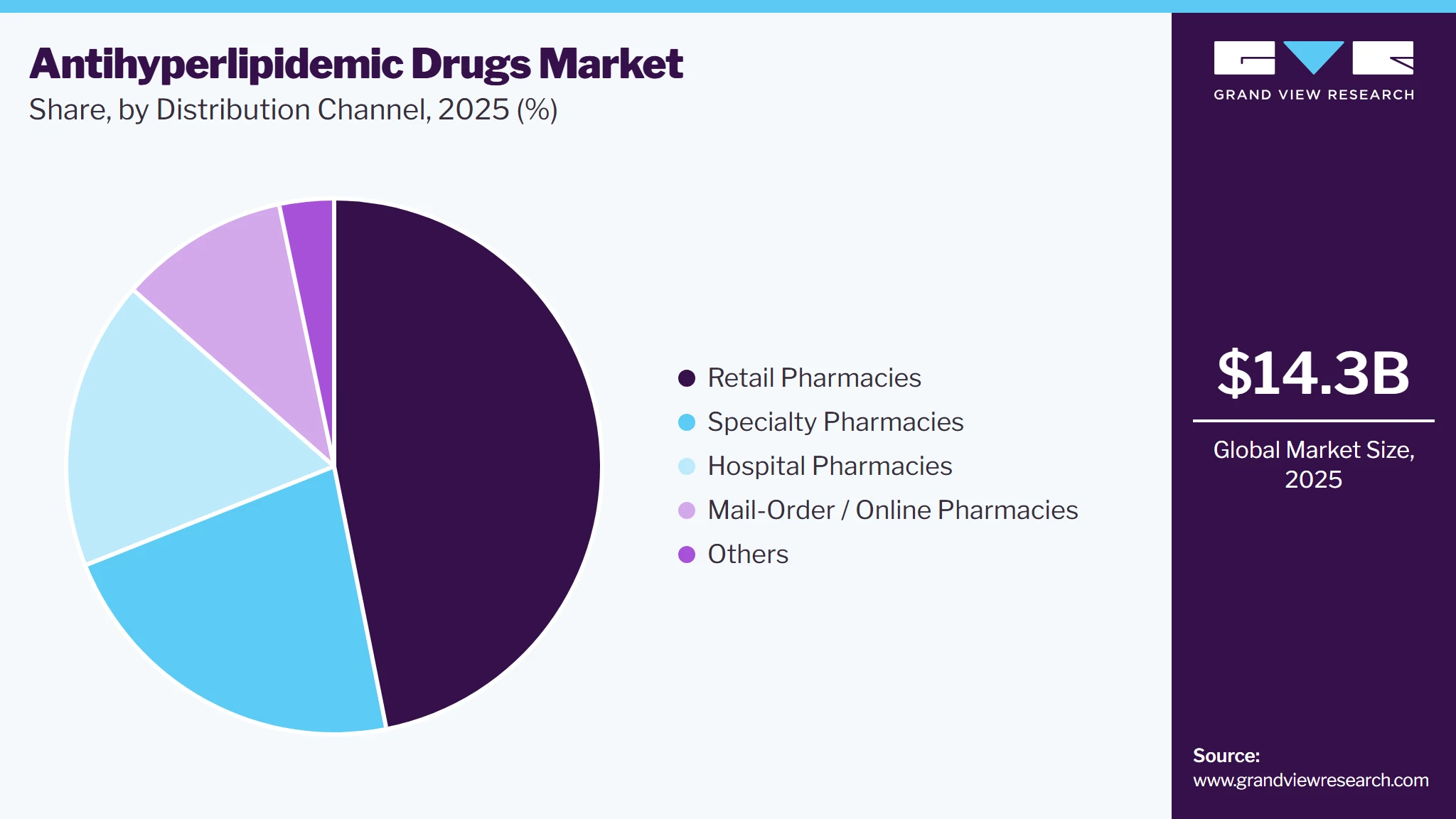
The retail pharmacies segment led the market with the largest revenue share of 46.9% in 2025. The segment is supported by broad geographic availability, established dispensing networks, convenient patient access, high use of prescription oral therapies, frequent refills for long-term cholesterol treatment, and strong availability of generic medicines. Retail pharmacies also serve as a common point for patients to obtain statins, ezetimibe, fibrates, and other oral antihyperlipidemic medicines. Their established relationships with wholesalers and manufacturers support regular product supply and help maintain availability across local markets. The large number of retail outlets also reduces travel requirements for patients requiring continuous treatment. Pharmacists can support prescription fulfillment, refill management, and basic medication guidance, which further supports this channel. These factors make retail pharmacies a key distribution channel for established antihyperlipidemic medicines and support their leading position in the segment.
 To learn more about this report, Download Free Sample Report
 The specialty pharmacies segment is anticipated to grow at the fastest CAGR of 8.1% during the forecast period. Its growth is supported by increasing use of higher-cost non-statin therapies, greater use of injectable lipid-lowering medicines, complex prescription requirements, and the need for patient support during long-term treatment. Specialty pharmacies can provide medication coordination, refill management, patient education, and delivery support, which are useful for therapies that require more involvement than standard oral medicines. The increasing use of PCSK9 inhibitors and other targeted therapies is also expanding the role of specialty pharmacies within the distribution network. These pharmacies can coordinate with healthcare providers, patients, and manufacturers to support treatment continuity. Growth is also supported by the shift toward therapies requiring specific handling, administration guidance, or closer follow-up. As the use of newer lipid-lowering therapies increases, specialty pharmacies are positioned to support their distribution and ongoing patient management.
Regional Insights
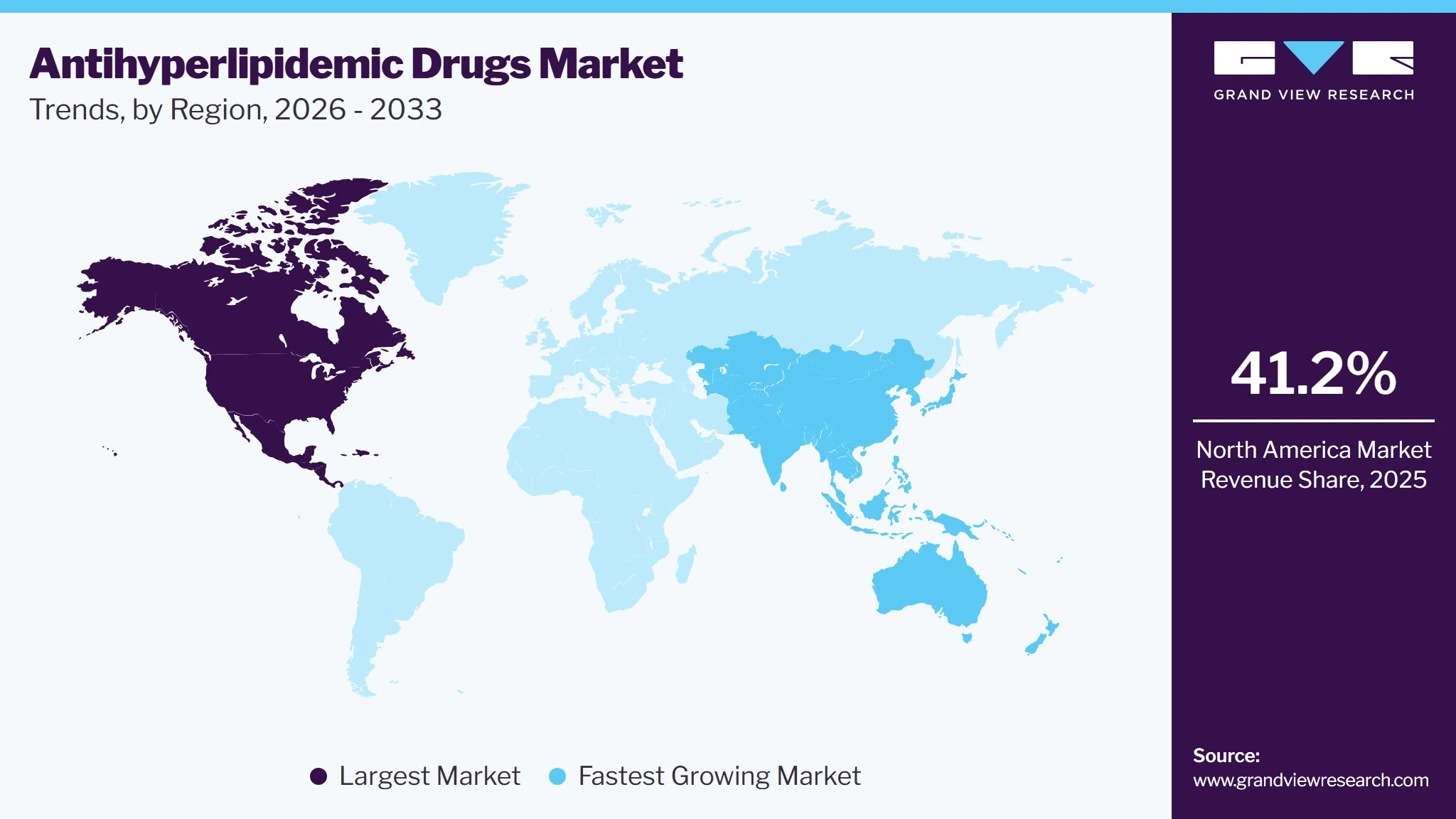
The North America antihyperlipidemic drugs market held the largest revenue share of 41.2% in 2025. High rates of cardiovascular risk factors, including obesity, diabetes, and high cholesterol, support demand for antihyperlipidemic drugs. Established lipid screening and regular cardiovascular risk assessment improve diagnosis and treatment. Strong physician familiarity with statins supports a large base of long-term therapy. Use of non-statin medicines is also increasing among patients who need further LDL-C reduction. The region’s established healthcare infrastructure supports access to prescription lipid-lowering therapies.
 To learn more about this report, Download Free Sample Report
 U.S. Antihyperlipidemic Drugs Drug Class Market Trends
The antihyperlipidemic drugs market in the U.S. accounted for the largest revenue share in North America in 2025, driven by high cardiovascular disease risk and widespread cholesterol testing. Statins remain the foundation of lipid-lowering treatment, while non-statin therapies are used when additional LDL-C reduction is required. The presence of established prescribing practices supports continued medicine use. Rising attention to earlier lipid management is expanding treatment among younger and higher-risk populations. The large number of patients requiring long-term cardiovascular risk management supports recurring demand.
Europe Antihyperlipidemic Drugs Market Trends
The antihyperlipidemic drugs market is anticipated to grow at a significant CAGR during the forecast period, supported by widespread cardiovascular risk management and routine cholesterol testing. An aging population increases the number of patients requiring long-term lipid control. Statins remain widely used, while ezetimibe and other non-statin medicines support patients who require additional LDL-C reduction. Differences in treatment access and prescribing patterns across European countries create varied market conditions. Greater attention to LDL-C targets and residual cardiovascular risk supports demand for combination therapy. The region also has established clinical guidance for managing dyslipidemia and cardiovascular risk.
The UK antihyperlipidemic drugs market is supported by established cardiovascular risk assessment and broad use of lipid-lowering medicines. Statins are the mainstay of treatment for cholesterol management. Demand is supported by the need to reduce cardiovascular risk among patients with diabetes, obesity, and established cardiovascular disease. Wider use of additional lipid-lowering medicines provides opportunities beyond statin therapy. Long-term treatment requirements support recurring prescriptions and pharmacy demand. Greater attention to identifying patients at elevated cardiovascular risk can expand the treated population. The market remains focused on LDL-C reduction as a key part of cardiovascular risk management.
The antihyperlipidemic drugs market in Germany held a significant market share in Europe in 2025, supported by a large population requiring cardiovascular risk management and regular treatment for lipid disorders. High LDL-C levels remain an important treatment concern, supporting demand for cholesterol-lowering medicines. Statins have an established role in routine lipid management, while non-statin therapies provide additional options for patients requiring further LDL-C reduction. An aging population supports long-term demand for cardiovascular medicines. Increasing attention to lipid targets can encourage treatment adjustment when current therapy is insufficient. The availability of multiple drug classes also supports physician choice across different patient risk groups.
The France antihyperlipidemic drugs market is driven by routine management of cardiovascular risk and continued use of lipid-lowering medicines. Statins remain an important treatment option for patients requiring LDL-C reduction. Demand is supported by the prevalence of cardiovascular risk factors such as diabetes, obesity, and physical inactivity. Long-term treatment requirements contribute to recurring prescription demand. Use of non-statin therapies provides additional treatment options for patients who need further lipid control. The availability of different drug classes supports treatment selection based on patient risk and lipid levels.
Asia-Pacific Antihyperlipidemic Drugs Market Trends
The antihyperlipidemic drugs market in the Asia Pacific is anticipated to grow at the fastest CAGR of 7.5% during the forecast period. Rising cardiovascular risk, urbanization, changing dietary patterns, obesity, and diabetes are increasing the need for lipid management. Greater awareness of cholesterol testing is expanding diagnosis across several countries. Large populations provide a broad patient base for lipid-lowering treatment. The use of statins remains important, while non-statin therapies are gaining attention as treatment access expands. The region also has a growing need to address residual cardiovascular risk associated with high triglycerides and other lipid abnormalities.
The Japan antihyperlipidemic drugs market is growing rapidly, supported by an aging population and established cardiovascular risk management. Statins remain widely used to reduce LDL-C, while other therapies are available for patients requiring additional lipid control. Regular medical consultations support continued monitoring of cholesterol levels. Treatment decisions can also account for differences in drug response among Japanese patients, supporting careful selection of dosage and therapy. Growing attention to cardiovascular prevention supports long-term use of lipid-lowering medicines. The market also has established clinical experience with both statin and non-statin therapies.
The antihyperlipidemic drugs market in China represents a major growth market due to its large population and increasing burden of dyslipidemia and cardiovascular disease. Earlier data showed substantial gaps in lipid-lowering treatment and LDL-C control, creating room for greater medicine use. Expanding lipid testing can increase diagnostic rates and treatment initiation. Statins remain an important treatment option, while non-statin therapies can be used for patients who need additional LDL-C reduction. Urbanization, dietary changes, obesity, and diabetes further support demand. Wider availability of lipid-lowering medicines across primary care can support market development.
Latin America Antihyperlipidemic Drugs Market Trends
The antihyperlipidemic drugs market in Latin America has a growing demand for antihyperlipidemic drugs as cardiovascular risk factors become more common across the region. Obesity, diabetes, physical inactivity, and dietary changes support the need for lipid management. Increasing awareness of cholesterol screening can improve the identification of patients requiring treatment. Statins remain central to therapy due to their established clinical use and broad availability. Non-statin medicines provide additional treatment options for patients who do not achieve adequate lipid control. Differences in healthcare access and medication availability across countries lead to varying levels of treatment coverage.
The Brazil antihyperlipidemic drugs market held a substantial market share in Latin America in 2025, due to its large population and cardiovascular disease burden. Demand is supported by obesity, diabetes, and other metabolic risk factors associated with abnormal lipid levels. Statins form the main treatment basis, while additional lipid-lowering medicines support patients at higher cardiovascular risk. Increasing lipid screening can improve the diagnosis of untreated dyslipidemia. Long-term cardiovascular risk management supports recurring demand for prescription medicines. Differences in healthcare access between urban and rural areas can affect treatment penetration and create room for further market development.
Middle East & Africa Antihyperlipidemic Drugs Market Trends
The antihyperlipidemic drugs market in the Middle East & Africa is supported by increasing cardiovascular risk and a growing burden of metabolic conditions. Obesity and diabetes contribute to abnormal cholesterol and triglyceride levels, creating demand for lipid-lowering treatment. Saudi Arabia and other Gulf markets have a strong need for cardiovascular risk management. Statins remain the primary treatment option, while combination and non-statin therapies offer additional options. Access to lipid testing and prescription medicines varies across countries, creating differences in treatment coverage. Growing clinical attention to cardiovascular prevention can support diagnosis and long-term management of dyslipidemia.
The Saudi Arabia antihyperlipidemic drugs market is anticipated to grow at a significant CAGR during the forecast period, supported by cardiovascular risk factors and a high burden of dyslipidemia. Obesity, diabetes, and related metabolic conditions increase the need for cholesterol management. The use of statins provides the primary treatment, while ezetimibe and PCSK9 inhibitors offer additional options for patients requiring further LDL-C reduction. Clinical recommendations support combination treatment when LDL-C targets are not reached with statins alone. A greater focus on cardiovascular risk assessment can increase diagnosis and treatment. The country also has a need for long-term management of patients at high cardiovascular risk.
Key Antihyperlipidemic Drugs Company Insights
The antihyperlipidemic drugs industry is moderately fragmented, with competition across statins, PCSK9 inhibitors, ACL inhibitors, cholesterol absorption inhibitors, and other lipid-lowering therapies. Amgen Inc. and Regeneron Pharmaceuticals, Inc. compete in the PCSK9 inhibitor market, while Novartis AG competes with its inclisiran-based therapy. Esperion Therapeutics, Inc. focuses on ACL inhibitor treatments through bempedoic acid products, while Merck & Co., Inc. is developing therapies targeting lipid disorders.
Viatris Inc. competes through generic statins and other established lipid-lowering medicines. Sanofi also has a position through its collaboration with Regeneron on Praluent. AstraZeneca participates through its cardiovascular portfolio and lipid-related research. Overall, the market includes large pharmaceutical companies, specialized drug developers, and generic manufacturers, creating competition across established and newer treatment classes.
Key Antihyperlipidemic Drugs Companies
The following key companies have been profiled for this study on the antihyperlipidemic drugs market.
-
Amgen
-
Merck & Co.
-
Sanofi
-
Regeneron
-
Novartis
-
AstraZeneca
-
Esperion Therapeutics
-
Viatris
Competitive Benchmarking
Operating Strategies
Competitive Edge
Weakness
Mature Players: Amgen Inc.
- Mature players focus on established lipid-lowering medicines, product development, regulatory activities, and wider market access.
- Their strategies include expanding product use, developing new therapies, maintaining supply, and strengthening physician and distribution networks.
- They also use partnerships and licensing arrangements to expand their presence across different lipid-lowering treatment categories and patient groups.
- Mature players benefit from established products, clinical data, regulatory experience, manufacturing capacity, and broad distribution networks.
- Their cardiovascular portfolios provide access to physicians and patients across multiple treatment areas. Established brands and long-term healthcare relationships support product use.
- Financial resources also allow these companies to invest in clinical development, product expansion, manufacturing, and international market access.
- Mature players face competition from generic medicines, newer non-statin therapies, and products with different mechanisms.
- Established products can also face price pressure after patent expiry and generic entry.
- Large portfolios require continued investment in clinical development, manufacturing, and regulatory activities.
- Companies with broad portfolios may also have less focus on antihyperlipidemic drugs.
Emerging Players: Esperion Therapeutics, Inc.
- Emerging players generally target specific treatment needs within the lipid-lowering market, with greater attention to non-statin therapies and new drug mechanisms.
- Their strategies include developing differentiated products, expanding clinical evidence, building physician awareness, entering new markets, and forming commercial partnerships.
- Smaller portfolios allow these companies to direct resources toward selected patient groups and treatment areas where additional LDL-C reduction or alternatives to statins are needed.
- Emerging players can compete through new mechanisms, alternative dosing, oral or injectable treatment options, and products aimed at patients who need additional LDL-C reduction.
- Their smaller portfolios can allow faster decisions around product development and commercial activities.
- New treatment approaches can also create opportunities where existing medicines do not fully address patient needs.
- The expanding range of non-statin therapies provides room for these companies to build positions in specific treatment categories.
- Emerging players generally have fewer financial, manufacturing, and distribution resources than established pharmaceutical companies.
- Building physician awareness and gaining access to healthcare providers can require significant investment.
- They also face competition from widely used generic medicines and established branded therapies.
- A smaller product portfolio can increase business risk, while delays in clinical development, regulatory review, or market expansion can affect their ability to compete.
Recent Developments
-
In September 2025, Regeneron announced that the U.S. FDA approved Evkeeza (evinacumab-dgnb) for children aged 1 to less than 5 years with homozygous familial hypercholesterolemia, expanding its approved use to younger patients.
-
In August 2025, Amgen announced that the U.S. FDA expanded the approved use of Repatha (evolocumab) to adults at increased risk of major cardiovascular events due to uncontrolled LDL-C, expanding its use in cholesterol management.
-
In June 2025, Merck & Co. announced positive Phase 3 results from the CORALreef HeFH and CORALreef Hyperlipidemia trials evaluating enlicitide decanoate, an investigational oral PCSK9 inhibitor for adults with hyperlipidemia.
Antihyperlipidemic Drugs Market Report Scope
Report Attribute
Details
Market size in 2025
USD 14.3 billion
Estimated market size in 2026
USD 15.0 billion
Projected market size by 2033
USD 22.0 billion
Growth rate
CAGR of 5.6% from 2026 to 2033
Base year for estimation
2025
Historical data
2021 - 2024
Forecast period
2026 - 2033
Quantitative units
Revenue in USD billion and CAGR from 2026 to 2033
Report coverage
Revenue forecast, company ranking, competitive landscape, growth factors, trends
Segments covered
Drug class, indication, route of administration, distribution channel, region
Regional scope
North America; Europe; Asia Pacific; Latin America; Middle East & Africa
Country scope
U.S.; Canada; Mexico; UK; Germany; France; Italy; Spain; Denmark; Sweden; Norway; China; Japan; India; Australia; South Korea; Thailand; Brazil; Argentina; South Africa; Saudi Arabia; UAE; Kuwait
Key company profiled
Amgen Inc.; Merck & Co., Inc.; Sanofi; Regeneron; Novartis AG; AstraZeneca; Esperion Therapeutics, Inc.; Viatris Inc.
Customization scope
Free report customization (equivalent up to 8 analysts working days) with purchase. Addition or alteration to country, regional & segment scope.
Pricing and purchase options
Avail customized purchase options to meet your exact research needs. Explore purchase options
Global Antihyperlipidemic Drugs Market Report Segmentation
This report forecasts revenue growth at global, regional, and country levels and provides an analysis of the latest industry trends in each of the sub-segments from 2021 to 2033. For this study, Grand View Research has segmented the global antihyperlipidemic drugs market report based on drug class, indication, route of administration, distribution channel, and region:
-
Drug Class Outlook (Revenue, USD Billion, 2021 - 2033)
-
Statins
-
Cholesterol Absorption Inhibitors
-
PCSK9 Inhibitors
-
ATP-Citrate Lyase (ACL) Inhibitors
-
Fibrates
-
Bile Acid Sequestrants
-
Omega-3 Fatty Acid Products
-
Niacin
-
Combination Antihyperlipidemic Drugs
-
Others
-
-
Indication Outlook (Revenue, USD Billion, 2021 - 2033)
-
Hypercholesterolemia
-
Hypertriglyceridemia
-
Mixed Dyslipidemia
-
Others
-
-
Route of Administration Outlook (Revenue, USD Billion, 2021 - 2033)
-
Oral
-
Subcutaneous
-
Others
-
-
Distribution Channel Outlook (Revenue, USD Billion, 2021 - 2033)
-
Hospital Pharmacies
-
Specialty Pharmacies
-
Retail Pharmacies
-
Mail-Order / Online Pharmacies
-
Others
-
-
Regional Outlook (Revenue, USD Billion, 2021 - 2033)
-
North America
-
U.S.
-
Canada
-
Mexico
-
-
Europe
-
UK
-
Germany
-
France
-
Italy
-
Spain
-
Denmark
-
Sweden
-
Norway
-
-
Asia Pacific
-
Japan
-
China
-
India
-
Australia
-
South Korea
-
Thailand
-
-
Latin America
-
Brazil
-
Argentina
-
-
Middle East & Africa
-
South Africa
-
Saudi Arabia
-
UAE
-
Kuwait
-
-
Research Methodology
The antihyperlipidemic drugs market figures in this report are based on a proven research process that combines executive interviews with secondary research from proprietary databases, company filings, and recognized regulatory and institutional sources. Market size is built through value-chain sizing-reconciling supply-side and demand-side estimates-and triangulated with bottom-up and top-down approaches. Every estimate passes multiple levels of expert validation before publication, with each antihyperlipidemic drugs segment quantified using the revenue-capture definitions in the table below.
Segment Definition
Segment - Drug Class
Revenue capture definition
Statins
Includes HMG-CoA reductase inhibitors that reduce hepatic cholesterol synthesis and lower LDL cholesterol. This segment covers statin medicines used alone or as a single active ingredient, including atorvastatin, rosuvastatin, simvastatin, pravastatin, and other statin products.
Cholesterol Absorption Inhibitors
Includes medicines that reduce intestinal absorption of dietary and biliary cholesterol by inhibiting the cholesterol absorption pathway. This segment covers single-agent cholesterol absorption inhibitors, including ezetimibe, when the product does not contain another antihyperlipidemic active ingredient.
PCSK9 Inhibitors
Includes medicines that reduce LDL cholesterol by inhibiting PCSK9 activity and increasing hepatic LDL receptor availability. This segment covers PCSK9-targeting therapies administered through approved routes, excluding products classified under combination antihyperlipidemic drugs.
ATP-Citrate Lyase (ACL) Inhibitors
Includes medicines that inhibit ATP-citrate lyase to reduce hepatic cholesterol synthesis and lower LDL cholesterol. This segment covers ACL inhibitor products, including bempedoic acid, when used as a single antihyperlipidemic active ingredient.
Fibrates
Includes fibric acid derivatives that primarily reduce triglyceride levels and can modify other lipid parameters. This segment covers fibrate medicines such as fenofibrate, gemfibrozil, and other products containing a fibrate as the sole antihyperlipidemic active ingredient.
Bile Acid Sequestrants
Includes non-systemic medicines that bind bile acids in the intestine and increase their elimination, leading to increased hepatic cholesterol use. This segment covers bile acid sequestrant products such as cholestyramine, colestipol, and colesevelam.
Omega-3 Fatty Acid Products
Includes prescription or medicinal products containing omega-3 fatty acids used to reduce elevated triglyceride levels. This segment covers products containing active omega-3 components such as EPA, DHA, or their approved derivatives, excluding combination products with other antihyperlipidemic drug classes.
Niacin
Includes medicines containing niacin or nicotinic acid as the active lipid-lowering ingredient. These products are used to modify cholesterol and triglyceride levels and are classified separately from other vitamin products that do not have an antihyperlipidemic indication.
Combination Antihyperlipidemic Drugs
Includes products containing two or more antihyperlipidemic active ingredients in a single marketed dosage form. The segment covers fixed-dose combinations that combine different lipid-lowering mechanisms, regardless of the specific drug classes included.
Others
Includes approved lipid-lowering medicines that do not fall within statins, cholesterol absorption inhibitors, PCSK9 inhibitors, ACL inhibitors, fibrates, bile acid sequestrants, omega-3 products, niacin, or combination antihyperlipidemic drugs.
Segment - Indication
Revenue capture definition
Hypercholesterolemia
Includes antihyperlipidemic drug use for patients with elevated blood cholesterol levels, primarily increased LDL cholesterol, where treatment is directed toward reducing cholesterol concentrations and associated cardiovascular risk. This segment excludes cases classified primarily as hypertriglyceridemia or mixed dyslipidemia.
Hypertriglyceridemia
Includes antihyperlipidemic drug use for patients with elevated triglyceride levels as the primary lipid abnormality being treated. The segment covers therapies prescribed mainly to reduce triglycerides and excludes patients classified primarily under hypercholesterolemia or mixed dyslipidemia.
Mixed Dyslipidemia
Includes antihyperlipidemic drug use for patients with more than one clinically relevant lipid abnormality, such as elevated LDL cholesterol combined with elevated triglycerides. The treatment is directed toward managing multiple lipid parameters rather than one primary abnormality.
Others
Includes antihyperlipidemic drug use for lipid disorders that do not meet the definitions of hypercholesterolemia, hypertriglyceridemia, or mixed dyslipidemia. This includes other clinically defined abnormalities involving cholesterol, triglycerides, or related lipid parameters.
Segment - Route of Administration
Revenue capture definition
Oral
Includes antihyperlipidemic drugs administered through the mouth in dosage forms such as tablets, capsules, solutions, suspensions, or other oral formulations. The segment covers products where oral administration is the marketed route for delivering the active lipid-lowering treatment.
Subcutaneous
Includes antihyperlipidemic drugs administered by injection into subcutaneous tissue. This segment covers injectable lipid-lowering products designed for subcutaneous delivery, including therapies administered by healthcare professionals or through approved self-administration methods.
Others
Includes antihyperlipidemic drugs administered through routes other than oral or subcutaneous delivery. This segment covers products administered via approved routes, such as intravenous, intramuscular, or other routes, based on their marketed route.
Segment - Distribution Channel
Revenue capture definition
Hospital Pharmacies
Includes antihyperlipidemic drugs dispensed directly through pharmacies located within hospitals or hospital-owned pharmacy operations. The segment covers medicines supplied for patients receiving hospital-based treatment or medicines dispensed through hospital pharmacy services.
Specialty Pharmacies
Includes antihyperlipidemic drugs dispensed through pharmacies that provide specialized services for complex, high-cost, injectable, or specialty medicines. The segment covers channels offering services such as patient coordination, refill management, treatment support, and specialized product handling.
Retail Pharmacies
Includes antihyperlipidemic drugs dispensed through community, chain, independent, or other conventional pharmacies serving patients outside hospital-based pharmacy operations. The segment primarily covers prescription medicines obtained directly by patients for outpatient treatment.
Mail-Order / Online Pharmacies
Includes antihyperlipidemic drugs ordered through online pharmacy platforms or delivered directly to patients through mail-order pharmacy services. The segment covers transactions where digital or remote ordering and direct delivery represent the primary dispensing channel.
Others
Includes antihyperlipidemic drugs distributed through channels that do not meet the definitions of hospital pharmacies, specialty pharmacies, retail pharmacies, or mail-order/online pharmacies. This may include direct manufacturer distribution and other defined dispensing channels.
Delivered Customizations
This report has been delivered with the following In-depth customizations
Client Request
Customization Delivered
Value Adds
Antihyperlipidemic Drugs Market Opportunity Assessment (U.S., Europe & Asia Pacific)
Conducted an assessment of antihyperlipidemic drug demand across major markets, covering cholesterol prevalence, treatment patterns, prescription use, drug class adoption, route of administration, distribution channels, and access to lipid-lowering therapies. The study also assessed statins, non-statin therapies, and emerging treatment approaches across key countries.
Helped the client identify high-growth drug classes and regions, assess treatment gaps, compare therapy adoption, and support product planning and market expansion across major antihyperlipidemic drug markets.
Antihyperlipidemic Drugs Pipeline & Competitive Benchmarking
Delivered a benchmarking analysis of statins, cholesterol absorption inhibitors, PCSK9 inhibitors, ACL inhibitors, fibrates, and combination therapies. The assessment covered product portfolios, clinical development, regulatory approvals, treatment indications, routes of administration, distribution channels, and competitive positioning.
Enabled the client to compare competing therapies, identify areas for product development, assess treatment options, and support decisions related to pipeline development, partnerships, licensing, and market entry.
Emerging Market Antihyperlipidemic Treatment & Patient Access Assessment
Conducted a country-level assessment of antihyperlipidemic drug diagnosis and treatment across Brazil, Saudi Arabia, Japan, China, and other selected markets. The study analyzed lipid screening, patient diagnosis, prescription patterns, treatment availability, physician practices, drug pricing, non-statin use, and access to different distribution channels.
Supported market entry planning by identifying treatment gaps, patient groups with limited access to lipid-lowering medicines, distribution opportunities, and areas for product expansion. The study also supported resource planning and commercial strategies for improving access to antihyperlipidemic treatments.
Frequently Asked Questions About This Report
The global antihyperlipidemic drugs market size was estimated at USD 14.3 billion in 2025 and is estimated at 15.0 billion in 2026.
Asia Pacific is the fastest-growing regional market over the forecast period, supported by the increasing burden of dyslipidemia and cardiovascular disease, expansion of lipid testing, and improving access to lipid-lowering medicines.
The retail pharmacies segment led the market with a 46.9% revenue share in 2025, supported by the widespread availability of prescription lipid-lowering medicines through retail pharmacy networks.
The global antihyperlipidemic drugs market is expected to grow at a CAGR of 5.6% from 2026 to 2033, reaching USD 22.0 billion by 2033
Key factors include the growing burden of dyslipidemia and cardiovascular disease, increasing lipid screening and earlier treatment, rising demand for long-term cholesterol management, and expanding use of non-statin and combination therapies among patients who do not achieve adequate lipid control with statins.
North America dominated the antihyperlipidemic drugs market with a 41.2% revenue share in 2025, supported by established healthcare infrastructure, high awareness of cardiovascular risk management, and widespread adoption of lipid-lowering therapies.
The statins segment led the antihyperlipidemic drugs market with a 53.5% revenue share in 2025, supported by their established clinical use, broad availability of generic products, and role in long-term cholesterol management.
The hypercholesterolemia segment dominated the market with a 64.7% revenue share in 2025, reflecting the continued focus on LDL cholesterol reduction and cardiovascular risk management.
The oral segment dominated the market with an 88.1% revenue share in 2025, reflecting the widespread use of orally administered statins and other established lipid-lowering medicines.
About the Author(s)
Pharmaceuticals Research Team
Healthcare · PharmaceuticalsThis report was authored by the pharmaceuticals research team at Grand View Research - comprising two research analysts, one senior research analyst, and one industry expert - with specialized expertise in the pharmaceuticals segment of the healthcare industry. All findings are based on proprietary healthcare databases, executive interviews, and regulatory analysis, subject to internal peer review prior to publication.
Last Updated:
Speak to Analyst

Customize this report to your needs - add regions, segments, or data points, with 20% free customization.
Or view our licence options:


ISO 9001:2015 & 27001:2022 Certified
We are GDPR and CCPA compliant! Your transaction & personal information is safe and secure. For more details, please read our privacy policy.


