
- Home
- »
- Clinical Diagnostics
- »
-
At-Home Molecular Testing Market Size, Share Report, 2033GVR Report cover

At-Home Molecular Testing Market (2026 - 2033)
Size, Share & Trends Analysis Report By Product (Test Kits & Consumables, Instruments & Readers), By Technology (Loop-Mediated Isothermal Amplification), By Application, By Distribution Channel, By Region, And Segment Forecasts
Market Size, 2025
$194.4MMarket Estimate, 2026
$222.5MMarket Forecast, 2033
$679.7MCAGR, 2026–2033
17.3%At-Home Molecular Testing Market Summary
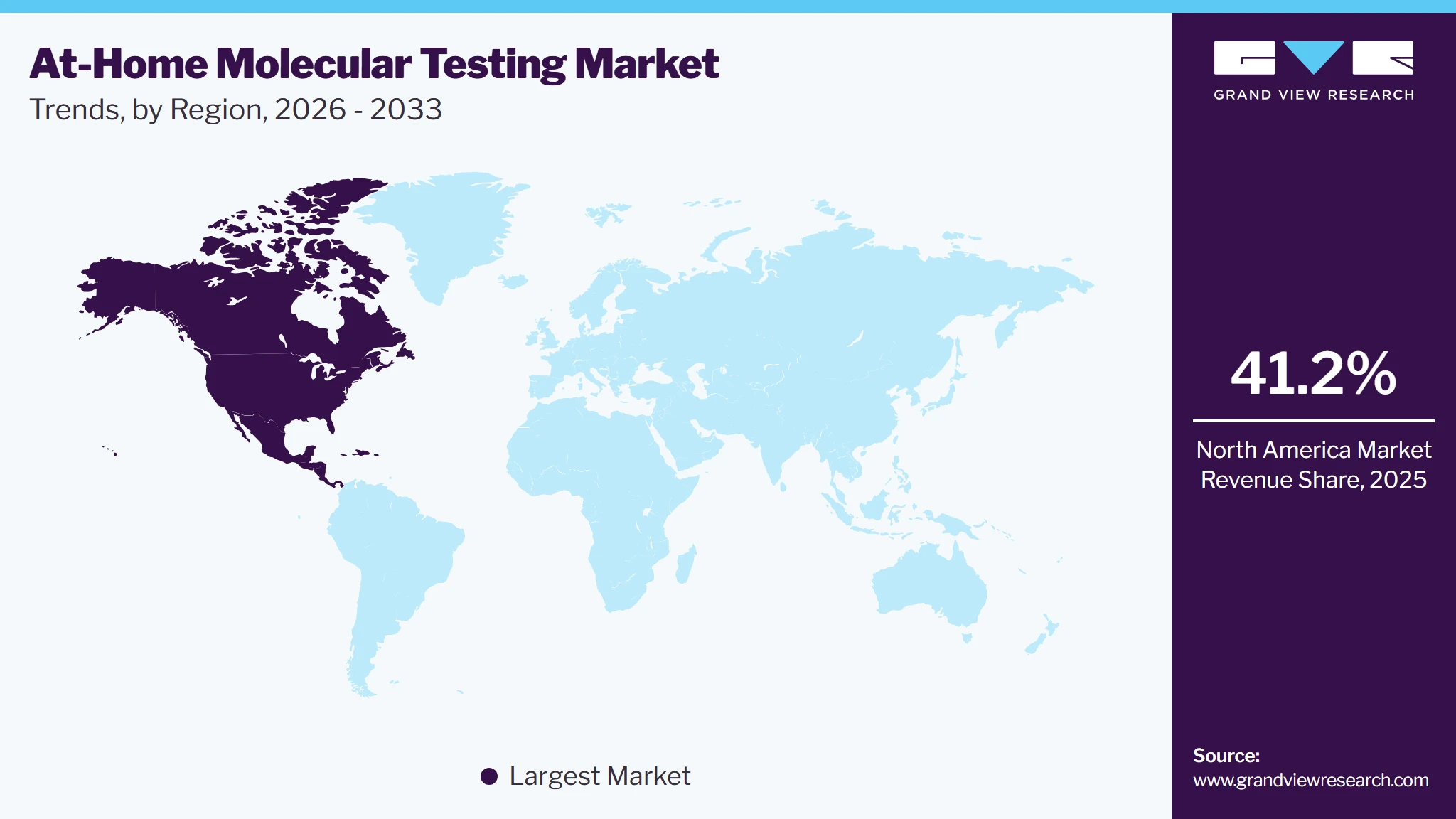
The global at-home molecular testing market size was valued at USD 194.4 million in 2025 and is projected to grow from USD 222.5 million in 2026 to USD 679.7 million by 2033, at a CAGR of 17.3% from 2026 to 2033. North America dominated the market, accounting for the revenue share of 41.2% in 2025. The growth of decentralized screening and the need for molecular testing for sexually transmitted infections have boded well for companies vying to expand their portfolios.
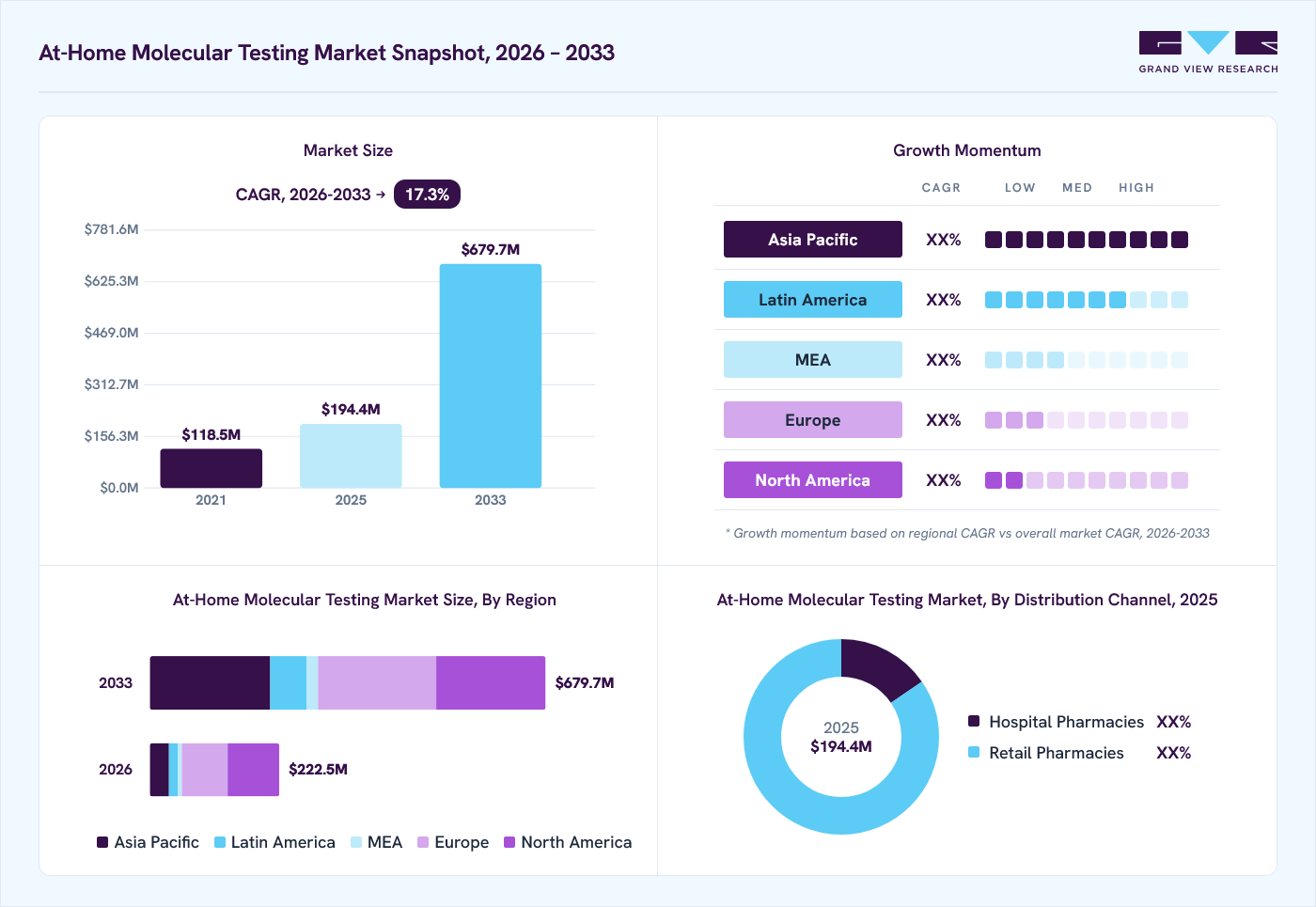 Source: Grand View Research, IR Documents, Primary Interviews, Paid DatabasesTo learn more about this report,
 Download Free Sample Report
 Key Market Trends & Insights
- By Product: Test kits & consumables segment led the market with the largest revenue share of 86.8% in 2025.
- By Technology: Loop-mediated isothermal amplification segment led the market with the largest revenue share of 57.8% in 2025.
- By Application: SARS-CoV-2 testing segment led the market with the largest revenue share of 67.9% in 2025.
- By Distribution Channel: Online & direct-to-consumer channels segment led the market with the largest revenue share of 58.9% in 2025.
Regional Highlights
- Largest regional market: North America (41.2% revenue share, 2025)
- By country: The U.S. held the largest market share in 2025.
Market Size & Forecast
- Market size in 2025: USD 194.4 Million
- Estimated market size in 2026: USD 222.5 Million
- Projected market size by 2033: USD 679.7 Million
- CAGR (2026-2033): 17.3%
Three ways to get this report
Buy it, customize it, or ask a question.Ask an Analyst
A direct answer, usually in 1 working day
- AccessReport author, directly
- Reply timeWithin 1 working day
- No sales callDirect answer only
- FormatEmail reply
- CostFree, no cost
Get the Full Report
What the study covers
- FormatsPDF · Excel · Dashboard
- Timeline2026–2033 annual, 2025 base
- Coverage20+ countries, 5 regions
- Companies10+ key players profiled
Customize the Report
20% free customization
- IncludeCountries, segments, points
- TailorTo your product definition
- ExtendDeeper competitor detail
- OrA fully bespoke study
- Turnaround5–10 working days
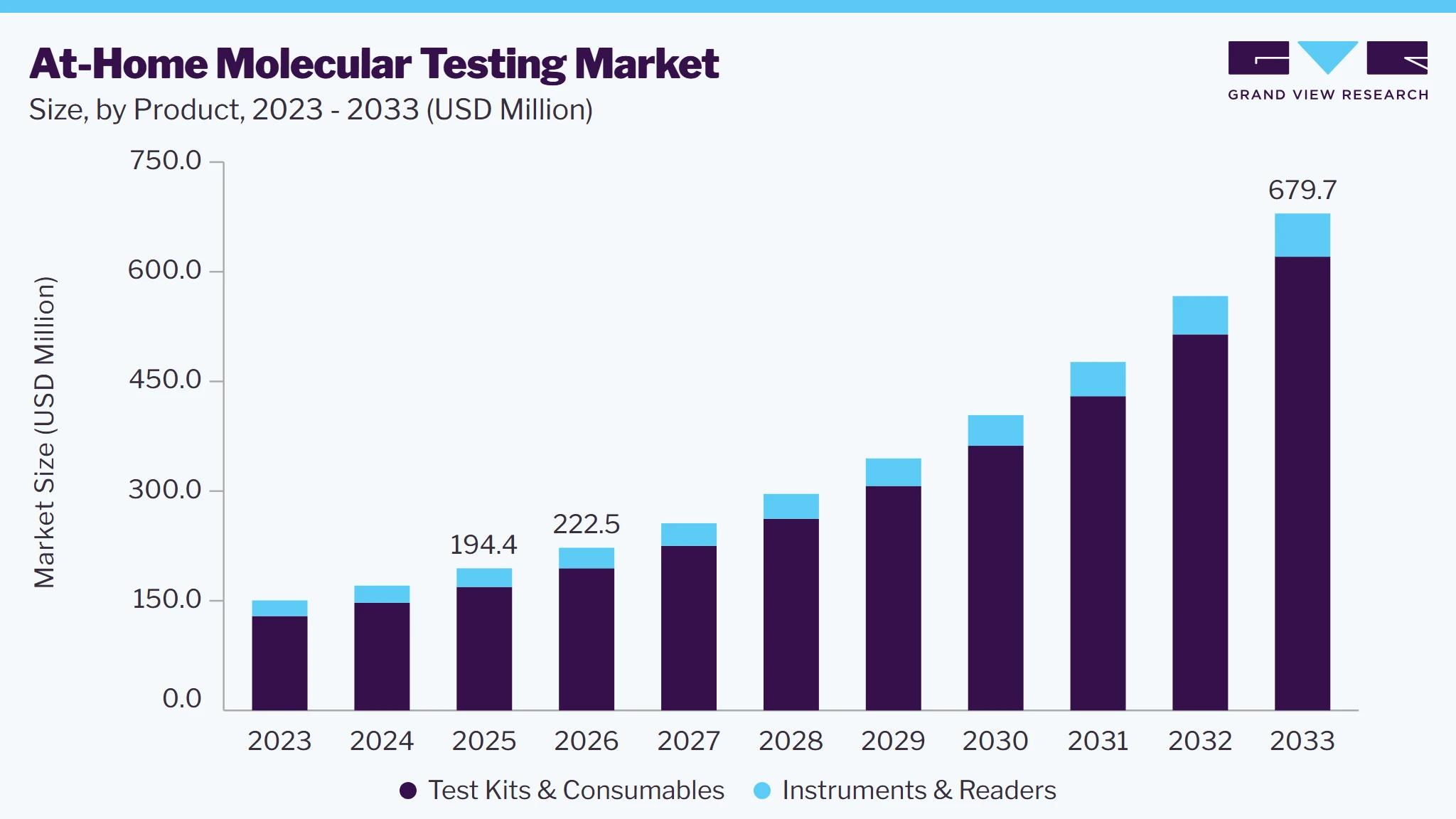 To learn more about this report, Download Free Sample Report
 Market Dynamics
Consumer preference for convenient, private, and accessible diagnostic services is driving the at-home molecular testing market. Conventional molecular testing generally requires clinical appointments, specimen collection by healthcare professionals, and centralized laboratory processing. These requirements can restrict participation in cancer, sexual-health, and infectious-disease screening, particularly among individuals facing geographic, mobility, scheduling, or privacy barriers. At-home testing models address these limitations by enabling consumers to collect specimens for laboratory analysis or, through fully integrated platforms, complete the molecular-testing process at home. The unmet need remains considerable. In August 2026, NHS England found that only 68.8% of eligible women were up to date with cervical screening, below the 80% national target. This left about 4 million women overdue and created substantial demand for alternative screening pathways.
Government-supported screening programs are accelerating the integration of home molecular testing into preventive-care pathways. In August 2026, NHS England launched a nationwide initiative offering free at-home HPV self-sampling kits to millions of women aged 30-65 who had missed cervical screening appointments. Eligible participants can order kits digitally, collect vaginal specimens at home, and return them free of charge to NHS laboratories for high-risk HPV molecular testing. Participants receiving positive results are referred for follow-up clinical screening. The initiative supports the NHS objective of eliminating cervical cancer as a public-health problem by 2040 and represents a transition from limited self-sampling studies to nationally coordinated screening. By improving participation among underscreened populations, the program is expected to expand testing volumes and provide a scalable model for other healthcare systems.
The substantial burden of molecularly detectable diseases further reinforces market growth. The FDA reported in March 2025 that more than 2.2 million chlamydia and gonorrhea cases were diagnosed and reported in the U.S. during 2023, while approximately 2.6 million people were estimated to have trichomoniasis. This disease burden indicates a sizeable addressable population for accessible HPV and STI screening. Consequently, the expansion of home-collection kits, fully integrated molecular self-tests, digital ordering platforms, secure result-reporting systems, and clinical follow-up services is expected to broaden screening participation and support sustained growth of the at-home molecular testing market.
The risk of inaccurate results is a major factor restraining the market growth. Despite the high analytical sensitivity of molecular technologies, real-world test performance depends on appropriate specimen collection, sample handling, test operation, and result interpretation. Consumers may collect insufficient specimens, use improper swabbing techniques, contaminate samples, or operate devices outside the recommended environmental conditions. These errors can generate invalid, false-negative, or false-positive results, even when an assay performs reliably under controlled laboratory conditions. False-negative results may delay diagnosis and treatment or facilitate disease transmission, whereas false-positive results can lead to anxiety, unnecessary medical consultations, and additional diagnostic procedures. Such performance risks can weaken confidence among consumers, healthcare providers, regulators, and payers, thereby limiting broader market adoption.
Products that fail to provide consistent results under real-world household conditions may face regulatory scrutiny, corrective actions, product recalls, or market withdrawal. Such outcomes can disrupt commercialization, increase compliance expenses, damage brand reputation, and reduce confidence among consumers and healthcare providers. Inaccurate results may also create clinical risks by delaying necessary treatment or prompting avoidable confirmatory procedures. Consequently, manufacturers must demonstrate reliable performance across intended user groups and operating environments through comprehensive clinical and usability validation. The requirement for rigorous quality controls, post-market surveillance, and continuous performance monitoring can extend development timelines and raise commercialization costs, thereby limiting the entry and expansion of smaller market participants.
At-home molecular testing systems must incorporate simplified specimen-collection procedures, clear operating instructions, internal quality controls, automated error detection, and easily interpretable results. Although these features improve reliability, they can add complexity to product development and extend regulatory-review and commercialization timelines. Manufacturers must also maintain stringent production controls and post-market surveillance systems to identify performance deviations after launch. Persistent accuracy concerns may reduce physician recommendations, limit reimbursement support, and discourage repeat purchases, particularly for tests addressing high-consequence conditions such as cancer and sexually transmitted infections. Consequently, sustained market growth will depend on manufacturers demonstrating consistent performance and clinical reliability under real-world, consumer-operated testing conditions.
The expansion of fully integrated molecular testing for sexually transmitted infections represents a significant opportunity for the at-home molecular testing market. Laboratory-based STI testing may require clinical appointments, invasive specimen collection, prescription orders, and extended result-delivery periods. These requirements can discourage testing among individuals concerned about privacy, inconvenience, or social stigma. Compact molecular platforms capable of processing self-collected specimens and delivering results at home can address these barriers while providing greater sensitivity than conventional antigen-based rapid tests. Chlamydia, gonorrhea, and trichomoniasis are particularly attractive targets owing to their high prevalence and frequent asymptomatic presentation. Extending at-home molecular testing across multiple pathogens could expand screening participation, enable earlier identification of infections, and establish recurring demand among sexually active consumers and populations with limited access to conventional diagnostic services.
Continued clinical development of consumer-operated STI platforms demonstrates the commercial potential of this opportunity. In May 2024, Sherlock Biosciences initiated a clinical study of its over-the-counter CRISPR-based molecular test for chlamydia and gonorrhea. The company planned to recruit approximately 2,500 sexually active participants across 20 U.S. study sites to compare the test’s performance with established laboratory methods. The platform was designed to use self-collected vaginal or penile swabs and provide results within approximately 30 minutes, compared with turnaround times of 24 hours or longer for conventional laboratory testing. The study represented an important step toward evaluating whether consumer-operated CRISPR diagnostics could deliver laboratory-comparable performance in home environments and supported the broader development of rapid, prescription-free molecular STI testing.
The commercial opportunity extends beyond standalone test sales to digitally connected testing and treatment pathways. Manufacturers can integrate molecular self-tests with mobile applications, telehealth consultations, electronic prescriptions, partner pharmacies, and confidential result-reporting services. These capabilities can convert a single consumer transaction into a coordinated diagnostic and treatment pathway while supporting repeat testing among individuals with ongoing exposure risks. Multiplex platforms capable of identifying multiple pathogens from a single specimen may further enhance consumer value and reduce the cost per target. However, market participants must demonstrate clinical accuracy, provide clear guidance for positive and invalid results, and ensure appropriate connection to medical care. Companies that combine rapid molecular performance with privacy, convenient purchasing, and dependable clinical follow-up are expected to capture emerging opportunities in the at-home molecular testing market.
Market Concentration & Characteristics
The degree of innovation in the at-home molecular testing market is high, supported by advances in multiplex detection, automated specimen processing, and consumer-operated sample-to-answer platforms. For instance, in March 2025, the U.S. FDA granted De Novo marketing authorization to Visby Medical’s Women’s Sexual Health Test, the first over-the-counter molecular test enabling women to test entirely at home for chlamydia, gonorrhea, and trichomoniasis. The palm-sized, single-use device analyzes a self-collected vaginal swab and delivers results in approximately 30 minutes without laboratory processing. Clinical evaluation demonstrated positive percent agreement of 97.2% for chlamydia, 100% for gonorrhea, and 97.8% for trichomoniasis, highlighting significant technological innovation within the market.
The level of merger and acquisition activity is moderate in the global market, as established diagnostics companies selectively acquire specialized technologies to expand consumer-testing pipelines. In December 2024, OraSure Technologies acquired Sherlock Biosciences for an initial aggregate purchase price of approximately USD 28.3 million, comprising USD 5.0 million in cash and estimated contingent consideration. The transaction added Sherlock’s disposable molecular platform and clinical-stage self-test for chlamydia and gonorrhea, designed to analyze DNA and RNA from self-collected swabs using isothermal amplification and deliver results in under 30 minutes. Strategically, the acquisition expanded OraSure’s infectious-disease and sexual-health portfolio while combining Sherlock’s molecular capabilities with OraSure’s commercialization, manufacturing, and home-diagnostics infrastructure, supporting future over-the-counter product development.
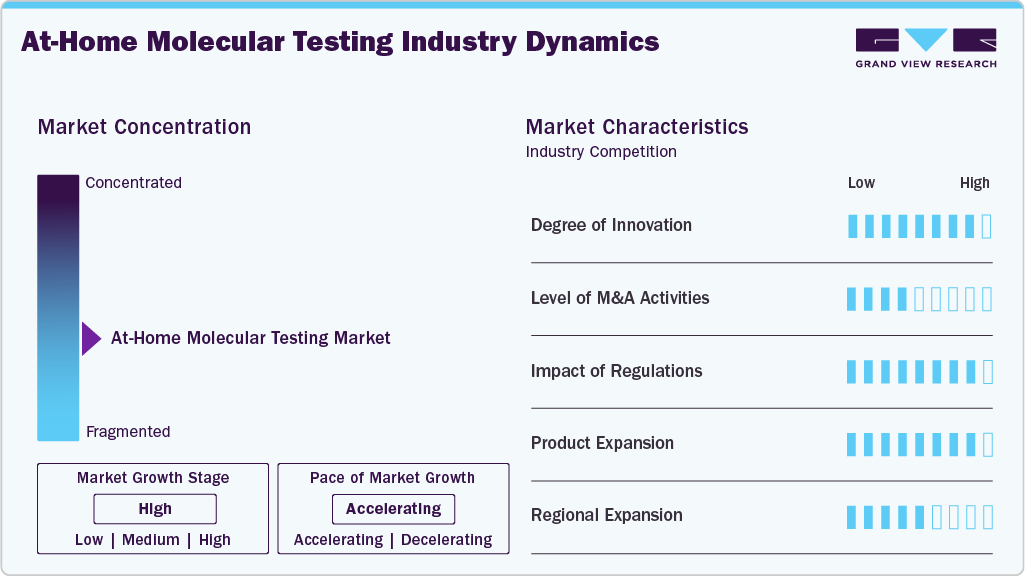 To learn more about this report, Download Free Sample Report
 Regulations exert a high impact on the at-home molecular testing industry, as products must demonstrate analytical performance, clinical validity, consumer usability, labeling adequacy, and manufacturing consistency before commercialization. Requirements are particularly stringent for fully integrated, consumer-operated molecular devices, where specimen-collection, test-operation, or result-interpretation errors can influence clinical decisions. In the U.S., the FDA’s Quality Management System Regulation became effective in February 2026, amending 21 CFR Part 820 by incorporating ISO 13485:2016 for medical-device quality-management systems. The revised framework also introduced an updated inspection process covering management reviews, quality audits, and supplier-audit records. Although the regulation applies broadly to FDA-regulated medical devices rather than exclusively to at-home molecular tests, affected manufacturers may face additional documentation, compliance, and validation requirements. Conversely, alignment with international standards may facilitate multi-market commercialization and strengthen product reliability and consumer confidence.
Product expansion is being driven by broader commercialization, digital ordering, and rapid-delivery channels. In December 2025, Visby Medical announced the national U.S. launch of its FDA-authorized Women’s Sexual Health Test through its direct platform and Everlywell, with same-day availability through DoorDash and Gopuff in selected cities. Priced at USD 149.99, the single-use PCR test detects chlamydia, gonorrhea, and trichomoniasis from a self-collected vaginal swab and delivers results at home in approximately 30 minutes. Positive users can access third-party telehealth support through the Visby application. The expansion moved the product from regulatory authorization into consumer commercialization, widened purchasing access, and established an integrated test-to-treatment pathway, supporting revenue generation and adoption within the overall market.
Regional expansion in the at-home molecular testing industry is advancing as companies extend their operations beyond established markets and introduce services across new geographic areas. Expansion strategies include localized regulatory submissions, laboratory partnerships, distributor agreements, digital ordering platforms, and region-specific telehealth networks. Market participants must adapt specimen-collection procedures, test instructions, data-management systems, and clinical follow-up pathways to local regulatory and healthcare requirements. Differences in reimbursement, diagnostic infrastructure, logistics, internet access, and consumer awareness influence the pace of geographic penetration. North America remains a major commercialization hub, while Europe and Asia Pacific present opportunities supported by decentralized screening initiatives and expanding molecular-testing capacity.
Analyst Perspective
The at-home molecular testing market is transitioning from laboratory-dependent home-collection services toward integrated consumer-operated platforms capable of delivering rapid results. Industry growth will be shaped by regulatory authorization, clinical performance, affordability, and effective linkage between testing, telehealth consultation, and treatment. Fully integrated molecular tests offer substantial differentiation from antigen-based alternatives through higher analytical sensitivity and multiplex detection; however, elevated prices and complex manufacturing requirements may restrict mass-market adoption. Home-collection services are expected to remain commercially important owing to their broader test menus and established laboratory infrastructure. Companies that combine intuitive specimen collection, automated interpretation, stable reagents, digital connectivity, and scalable distribution are likely to secure competitive advantages.
Product Insights
The test kits & consumables segment accounted for the largest revenue share of 86.8% in 2025 and is expected to register the fastest growth over the forecast period. The segment includes single-use collection kits, swabs, urine containers, transport tubes, stabilization buffers, molecular test cartridges, reagents, and return mailing materials. Its dominance is attributable to recurring purchases and the consumable requirements of each test. Samples are mailed to a clinical laboratory and analyzed using the Alinity m STI Assay to detect chlamydia, gonorrhea, trichomoniasis, and Mycoplasma genitalium. The availability of FDA-cleared, multiplex home-collection kits is expected to expand access to testing and support recurring consumables revenue.
The instruments & readers segment is expected to exhibit lucrative growth over the forecast period, supported by the development of compact, automated, and user-friendly molecular-testing systems. These instruments integrate sample preparation, nucleic-acid amplification, signal detection, and result interpretation within simplified workflows suitable for household use. Advances in miniaturized thermal cycling, isothermal amplification, microfluidics, optical detection, and smartphone connectivity are improving portability and reducing turnaround times. Reusable readers paired with single-use cartridges can also generate recurring consumables revenue while lowering the instrument cost per test across repeated use. However, adoption remains dependent on affordability, analytical reliability, ease of operation, and regulatory authorization for consumer use. Continued investment in automated error detection, internal controls, and digitally connected result reporting is expected to boost the segment expansion in the industry.
Technology Insights
The loop-mediated isothermal amplification segment accounted for the largest revenue share of 57.8% in 2025, underpinned by rapid amplification, constant-temperature operation, and compatibility with compact molecular-testing formats. Unlike conventional PCR, LAMP does not require repeated thermal cycling, thereby reducing instrument complexity, energy requirements, and processing time. The technology can be integrated with single-use cartridges, simplified sample-preparation workflows, and visual or electronic detection systems, making it suitable for consumer-operated testing. Its capacity to amplify low concentrations of nucleic acids within short turnaround times supports applications across respiratory infections, sexually transmitted infections, and other communicable diseases. Furthermore, advances in multiplexing, reagent stabilization, contamination control, and automated result interpretation are expected to strengthen the adoption of LAMP-based products.
The PCR-based testing segment is expected to exhibit the fastest growth over the forecast period, due to its high analytical sensitivity, established clinical utility, multiplexing capability, and expanding application in home-collected cancer screening. In May 2024, the U.S. FDA approved Geneoscopy’s ColoSense, a prescription-based, noninvasive colorectal cancer screening test for average-risk adults aged 45 years and older. The test uses a kit delivered to the patient’s home for stool collection, after which the specimen is returned to Geneoscopy’s laboratory for molecular analysis. ColoSense detects colorectal neoplasia-associated RNA markers using Bio-Rad’s QXDx digital PCR system and also evaluates occult hemoglobin. In clinical validation, the test demonstrated 93% sensitivity for colorectal cancer and 45% sensitivity for advanced adenomas, supporting the expansion of PCR-based home-collection testing beyond infectious diseases.
Application Insights
The SARS-CoV-2 testing segment dominated the market, accounting for 67.9% of revenue in 2025. The growth comes on the back of established consumer familiarity with COVID-19 self-testing, continued viral circulation, and demand for rapid differentiation of respiratory infections. In February 2025, the U.S. FDA granted Emergency Use Authorization to Aptitude Medical Systems’ Metrix COVID/Flu Test for over the counter and point-of-care use. The multiplex molecular test detects and differentiates SARS-CoV-2, influenza A, and influenza B from a self-collected anterior nasal swab, delivering results within approximately 20 minutes. Its consumer-operated, sample-to-answer format eliminates specimen shipment and centralized laboratory processing, demonstrating continued innovation in accessible home-based SARS-CoV-2 testing.
The respiratory multiplex testing segment is expected to demonstrate the fastest growth over the forecast period, supported by demand for rapid differentiation of respiratory pathogens that produce overlapping symptoms. Multiplex molecular tests can detect SARS-CoV-2, influenza A, influenza B, and, depending on the assay, respiratory syncytial virus from a single specimen, reducing the need for sequential testing. Growing preference for timely treatment decisions, particularly during seasonal surges and periods of co-circulation, is strengthening adoption. These tests can also support the appropriate selection of antivirals and reduce unnecessary antibiotic use. Continued advances in assay multiplexing, simplified sample preparation, reagent stabilization, automated interpretation, and compact amplification technologies are expected to improve consumer usability. Consequently, broader respiratory panels are anticipated to expand the clinical utility and revenue potential of the at-home molecular testing market.
Distribution Channel Insights
The online & direct-to-consumer channels segment is expected to account for the largest revenue share of 58.9% in 2025, owing to convenient ordering, direct home delivery, discreet specimen collection, and integrated sample-return services. In March 2025, Exact Sciences launched Cologuard Plus, an FDA-approved, prescription-based at-home colorectal cancer screening test for average-risk adults aged 45 years and older. The test enables home stool collection followed by centralized molecular analysis and demonstrated 95% colorectal cancer sensitivity and 94% specificity. Exact Sciences also reported a 71% test-completion rate within an average of 28 days, compared with 42% for FIT and 38% for colonoscopy referrals in separate meta-analyses. The launch demonstrates how direct-to-patient distribution can improve screening accessibility and adherence.
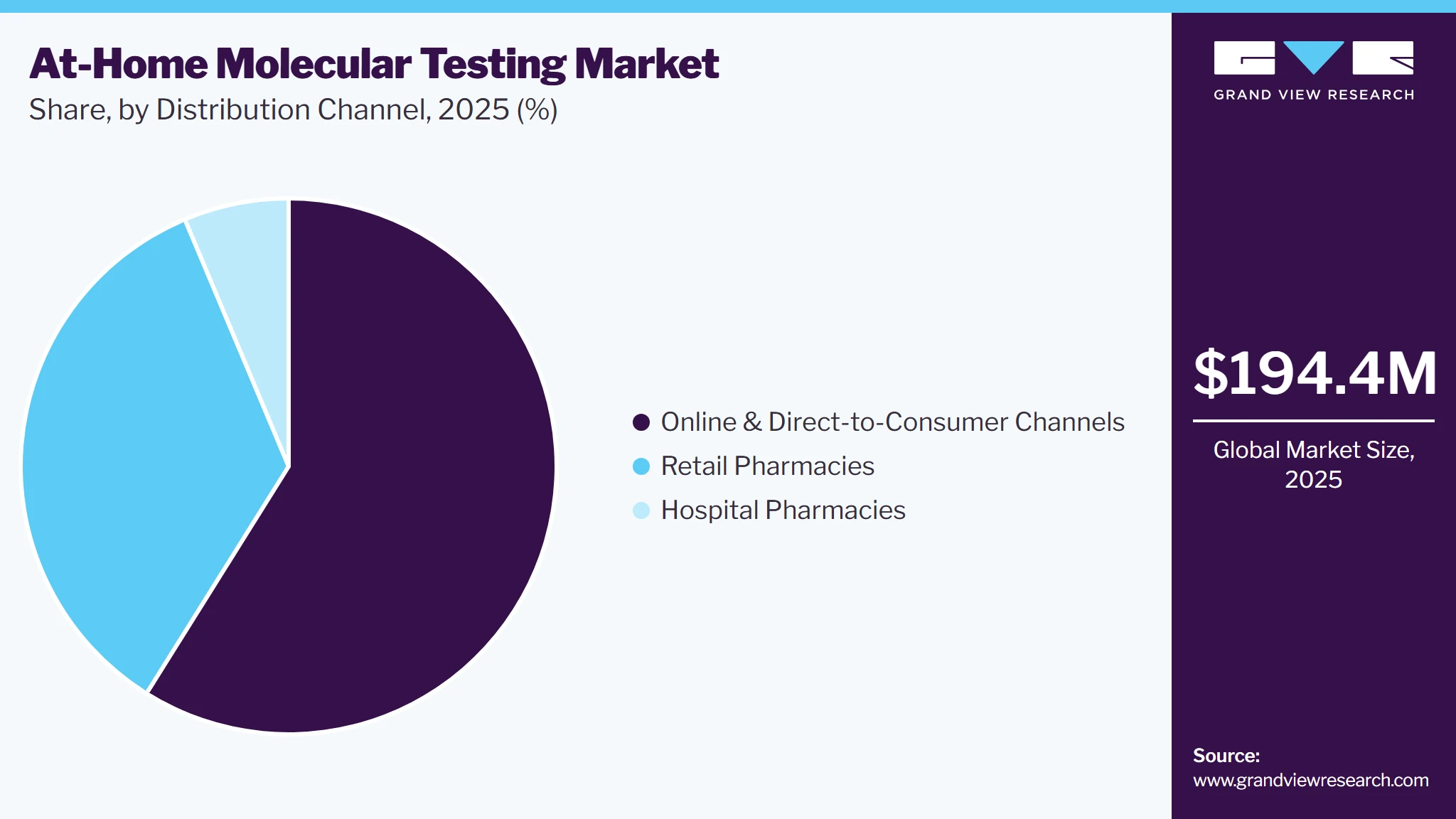 To learn more about this report, Download Free Sample Report
 The retail pharmacies segment is expected to witness strong adoption and register the fastest CAGR over the forecast period, driven by the accessibility of community pharmacies, consumer trust in established healthcare retailers, and demand for immediate test-kit availability. Pharmacies allow consumers to purchase authorized at-home molecular tests without waiting for shipment, supporting timely screening following suspected exposure to sexually transmitted or other infectious diseases. Pharmacist guidance can also improve product selection, specimen-collection compliance, and referrals for confirmatory testing or treatment. The expansion of OTC molecular assays, multiplex infectious-disease tests, click-and-collect services, and insurance-linked pharmacy benefits is expected to strengthen channel penetration. However, adoption will depend on product affordability, shelf-life stability, regulatory authorization, inventory availability, and pharmacies’ ability to distinguish molecular tests from lower-cost non-molecular alternatives.
Regional Insights
North America dominated the at-home molecular testing market and accounted for the largest revenue share of 41.2% in 2025, fueled by advanced diagnostic infrastructure, high consumer awareness, widespread internet access, and established home-delivery networks. The region benefits from the commercial availability of both consumer-operated molecular devices and home-collection services linked to certified laboratories. Demand is further strengthened by substantial STI and cancer-screening requirements. According to provisional data from the U.S. CDC, more than 2.2 million cases of chlamydia, gonorrhea, and syphilis were reported in 2024, representing a 9% decline from 2023 and the third consecutive annual decrease. Chlamydia cases declined by 8%, gonorrhea cases by 10%, and primary and secondary syphilis cases by 22%. However, congenital syphilis continued to increase, reaching nearly 4,000 reported cases. This alludes to the need for discreet and accessible testing pathways. Regulatory progress, telehealth adoption, reimbursement availability, and investment in compact nucleic-acid amplification technologies are expected to preserve regional leadership, although product pricing and variable insurance coverage may constrain adoption.
 To learn more about this report, Download Free Sample Report
 U.S. At-Home Molecular Testing Market Trends
The at-home molecular testing market in the U.S. accounted for the largest share of the North American industry, due to its established molecular-diagnostics industry, strong digital-health ecosystem, and growing availability of FDA-authorized home-collection and consumer-operated tests. For instance, in January 2026, Teal Health made its at-home cervical cancer screening service available across all 50 states. The service combines the Teal Wand self-collection device with online eligibility assessment, home delivery, laboratory-based high-risk HPV molecular testing, digital results, and follow-up coordination. It is available for USD 99 with in-network insurance or USD 249 without insurance. This expansion demonstrates how telehealth prescribing, centralized molecular laboratories, logistics networks, and payer participation can support nationwide commercialization of at-home molecular screening services.
Europe At-Home Molecular Testing Market Trends
The at-home molecular testing market in Europe is a significant market, supported by organized screening programs, established laboratory networks, high digital connectivity, and growing acceptance of self-collected specimens. Demand is particularly evident across HPV and STI testing, where privacy and appointment-related barriers can reduce participation. The European Centre for Disease Prevention and Control reported 213,443 confirmed chlamydia cases across 27 EU/EEA countries in 2024. The crude notification rate was 63.4 cases per 100,000 population among the 24 countries operating comprehensive surveillance systems. Among countries that reported consistently, the notification rate decreased by 10% compared with 2023. Nevertheless, chlamydia remained the most frequently reported bacterial sexually transmitted infection in the EU/EEA, supporting continued demand for accessible screening and diagnostic testing. This disease burden supports alternative specimen-collection pathways linked to accredited molecular laboratories. Market development is nevertheless influenced by the EU In Vitro Diagnostic Medical Devices Regulation, which imposes requirements concerning clinical evidence, performance evaluation, post-market surveillance, and conformity assessment. Consequently, adoption is expected to progress through validated, professionally supported home-collection models.
The UK at-home molecular testing market is driven by a mature and highly regulated laboratory system, established mail-in testing services, and consumer familiarity with digitally accessed healthcare. Home-collection models are particularly applicable to STI and HPV screening, where confidentiality, convenience, and reduced dependence on clinical appointments can improve participation. According to UK Health Security Agency data, England recorded 85,223 gonorrhea diagnoses in 2024, representing a 7.5% increase from 79,268 in 2022, while overall new STI diagnoses reached approximately 401,800. These figures demonstrate continued demand for accessible molecular screening and faster linkage to treatment. Market expansion is supported by telehealth consultations and secure digital reporting, although products and laboratories must comply with MHRA device requirements, UKCA or recognized conformity arrangements, clinical governance standards, and applicable data-protection rules.
The at-home molecular testing market in Germany is expected to gain ground from the advanced laboratory infrastructure, broad health-insurance coverage, strong diagnostic-manufacturing capabilities, and growing interest in noninvasive cancer screening. Home-collected specimens linked to accredited laboratories offer potential for improving access to colorectal cancer, HPV, and infectious disease testing while retaining professional result interpretation. The German Centre for Cancer Registry Data reported that approximately 55,320 people were newly diagnosed with colorectal cancer in 2023, comprising 30,250 men and 25,070 women. This burden supports the demand for convenient home-collection screening pathways that incorporate molecular biomarker analysis. Adoption remains moderated by stringent evidence, prescription, laboratory-quality, reimbursement, and data-protection requirements. Accordingly, physician-supported services are expected to achieve wider acceptance than unrestricted consumer testing, particularly for high-consequence conditions requiring confirmatory procedures.
Asia Pacific At-Home Molecular Testing Market Trends
The at-home molecular testing market in the Asia Pacific is expected to expand steadily, supported by growing molecular diagnostic capacity, increasing acceptance of self-sampling, and healthcare initiatives aimed at improving screening participation across geographically dispersed populations. The region presents considerable opportunities for HPV self-sampling and home-collection models, particularly where specimens can be collected outside conventional clinical settings and subsequently analyzed using validated molecular platforms. Rising cervical cancer prevention efforts are strengthening the role of self-collected HPV testing as an alternative pathway for reaching under-screened populations. In addition, continued improvements in sample-collection technologies, laboratory connectivity, and screening infrastructure are expected to facilitate integration of home collection with centralized molecular testing, supporting broader adoption of at-home molecular testing across Asia Pacific.
The China at-home molecular testing market shows compelling growth opportunities due to its large population, extensive e-commerce ecosystem, expanding molecular-diagnostics capacity, and increasing emphasis on cervical-cancer prevention. Home specimen collection could increase participation among women facing geographic, privacy, or appointment-related barriers, particularly when services are integrated with certified laboratories and digital follow-up pathways. IARC estimated that China recorded approximately 150,000 new cervical cancer cases in 2022, representing a substantial requirement for scalable HPV molecular screening. Domestic diagnostic manufacturing capabilities and established courier networks provide a foundation for wider commercialization of mail-in testing services. However, adoption depends on authorization by the National Medical Products Administration, evidence supporting specimen stability and collection accuracy, laboratory quality control, personal-information protection, and clear clinical-referral pathways for consumers receiving positive or inconclusive results.
The at-home molecular testing market in Japan has gained prominence from advanced diagnostic laboratories, high household internet penetration, an aging population, and demand for private and convenient screening services. HPV testing and home-collected cancer-screening specimens represent potential growth areas because participation in conventional screening remains comparatively limited. Japan’s National Cancer Center reports that more than 10,000 women are diagnosed with cervical cancer annually, while approximately 3,000 deaths occur each year. These figures demonstrate the need for improved screening accessibility and adherence. Commercial growth is expected to favor laboratory-connected home-collection services that provide validated transport conditions, professional interpretation, and clinical follow-up. Nevertheless, authorization requirements administered by the Ministry of Health, Labour and Welfare, and PMDA, combined with reimbursement limitations and preference for physician-directed testing, may restrict the rapid adoption of fully consumer-operated molecular devices.
Latin America At-Home Molecular Testing Market Trends
The at-home molecular testing market in Latin America is supported by expanding private diagnostic services, increasing adoption of digital healthcare channels, and growing demand for convenient and confidential testing options. Rising awareness of self-collection and home-based diagnostics is encouraging consumers to use decentralized testing for infectious diseases and sexual health conditions. The region’s large urban population and expanding e-commerce and telehealth ecosystems are also improving access to home-testing solutions. However, differences in regulatory frameworks, affordability, reimbursement, and molecular diagnostic infrastructure across countries may moderate adoption. Continued expansion of private healthcare networks and consumer-oriented diagnostic services is expected to support the gradual penetration of at-home molecular testing across Latin America.
Middle East and Africa At-Home Molecular Testing Market Trends
The at-home molecular testing market in the Middle East & Africa (MEA) is expected to develop gradually, supported by expanding digital-health platforms, investment in diagnostic infrastructure, and demand for private testing for infectious diseases and women’s health. Gulf countries offer comparatively favorable conditions owing to high internet penetration, centralized healthcare investment, and established courier services, while several African markets face laboratory, affordability, transport, and connectivity limitations. The commercial opportunity is reinforced by the concentration of cervical-cancer mortality in resource-constrained settings. WHO estimated that 94% of the approximately 350,000 global cervical cancer deaths recorded in 2022 occurred in low- and middle-income countries, including numerous African markets. Home-collected HPV specimens linked to regional molecular laboratories could extend screening coverage; however, reliable logistics, regulatory oversight, affordability, confirmatory testing, and linkage to treatment will remain essential for sustainable adoption.
Key At-Home Molecular Testing Company Insights
The at-home molecular testing market is characterized by an emerging and moderately fragmented competitive landscape comprising specialized molecular-diagnostics developers and established healthcare companies. Market participants compete primarily on regulatory authorization, clinical performance, assay multiplexing, turnaround time, affordability, and ease of consumer operation. Competitive differentiation is increasingly centered on compact sample-to-answer systems, simplified specimen-collection procedures, single-use consumables, automated result interpretation, and connectivity with telehealth and treatment pathways. Companies offering commercially authorized products currently maintain an advantage over developers with investigational platforms, owing to greater consumer confidence and established distribution capabilities. However, pipeline participants may strengthen their market positions through regulatory approvals, expanded test menus, strategic partnerships, and geographic commercialization.
Key At-Home Molecular Testing Companies
The following key companies have been profiled for this study on the at-home molecular testing market.
-
Visby Medical, Inc.
-
Aptitude Medical Systems
-
3EO Health
-
Pfizer
-
OraSure Technologies Inc.
-
Co-Diagnostics, Inc.
-
Pluslife
-
miDiagnostics
Competitive Benchmarking
Operating Strategies
Competitive Edge
Weaknesses
Mature Players: Visby Medical, Inc.
- Develop compact, consumer-operated molecular tests with rapid sample-to-answer workflows. Expand assay menus across respiratory and sexual-health applications. Strengthen commercialization through regulatory submissions, digital result platforms, telehealth integration, online distribution, and retail partnerships. Use single-use cartridges and simplified instructions to improve consumer accessibility.
- Commercialization experience and greater ability to fund clinical validation, manufacturing scale-up, regulatory compliance, and post-market surveillance. Integrated platforms provide rapid molecular results without centralized laboratory processing. Established distribution networks and consumer-facing digital support can facilitate market penetration.
- High product prices may restrict adoption compared with antigen tests and laboratory-based services. Regulatory authorization is indication- and geography-specific. Complex manufacturing, reagent-stability requirements, and quality-control obligations may increase costs. Limited test menus and dependence on recurring consumable sales can affect utilization.
Emerging Players: OraSure Technologies
- Advance miniaturized amplification, microfluidic, and decentralized molecular-testing platforms. Conduct clinical-performance and usability studies to support regulatory submissions. Pursue strategic acquisitions, research collaborations, licensing arrangements, and regional commercialization partnerships. Target unmet needs through affordable devices, multiplex assays, and simplified sample-preparation workflows.
- Specialized molecular-testing expertise, flexible product-development structures, and potential to address underserved applications. Proprietary amplification, cartridge, and microfluidic technologies may reduce instrument size, processing time, and operating complexity. Pipeline platforms provide opportunities to enter new disease-testing categories.
- Several products remain under development or regulatory review, limiting immediate commercial revenue. Smaller manufacturing footprints, restricted distribution coverage, and limited reimbursement experience can delay market penetration. Clinical validation expenses, funding requirements, and competition from authorized products pose commercialization risks.
Recent Developments
-
In June 2026, Labcorp announced the nationwide U.S. availability of Geneoscopy’s ColoSense, an FDA-approved RNA-based at-home colorectal cancer screening test. Patients collect stool specimens at home and return them for centralized molecular analysis.
-
In April 2026, Waters Corporation received FDA clearance for the Onclarity HPV Self-Collection Kit and approval for the BD Onclarity HPV Assay with extended genotyping. The solution enables at-home vaginal-sample collection followed by laboratory-based high-risk HPV molecular testing.
-
In May 2025, Teal Health received FDA authorization for the Teal Wand, a prescription-based device for at-home vaginal-specimen collection. Samples are mailed to a certified laboratory for high-risk HPV molecular testing using Roche’s cobas assay.
-
In January 2025, Abbott received FDA clearance for the simpli-COLLECT STI Test for prescription-based home collection of urine or vaginal-swab specimens. Laboratory analysis detects chlamydia, gonorrhea, trichomoniasis, and Mycoplasma genitalium.
At-Home Molecular Testing Market Report Scope
Report Attribute
Details
Market size in 2025
USD 194.4 million
Estimated market size in 2026
USD 222.5 million
Projected market size by 2033
USD 679.7 million
Growth rate
CAGR of 17.3% from 2026 to 2033
Actual Data
2021 - 2025
Forecast period
2026 - 2033
Quantitative units
Revenue in USD million and CAGR from 2026 to 2033
Report coverage
Revenue forecast, company ranking, competitive landscape, growth factors, and trends
Segments covered
Product, technology, application, distribution channel, region
Regional scope
North America; Europe; Asia Pacific; Latin America; MEA
Country scope
U.S.; Canada; Mexico; UK; Germany; France; Italy; Spain; Norway; Denmark; Sweden; China; Japan; India; Australia; Thailand; South Korea; Brazil; Argentina; South Africa; Saudi Arabia; UAE; Kuwait
Key companies profiled
Visby Medical, Inc.; Aptitude Medical Systems; 3EO Health; Pfizer; OraSure Technologies, Inc.; Co-Diagnostics, Inc.; Pluslife; miDiagnostics.
Customization scope
Free report customization (equivalent up to 8 analyst working days) with purchase. Addition or alteration to country, regional & segment scope.
Pricing and purchase options
Avail customized purchase options to meet your exact research needs. Explore purchase options
Global At-Home Molecular Testing Market Report Segmentation
This report forecasts revenue growth at the global, regional, and country levels and provides an analysis of the latest industry trends and opportunities in each of the sub-segments from 2021 to 2033. For this study, Grand View Research has segmented the global at-home molecular testing market report on the basis of product, technology, application, distribution channel, and region.
-
Product Outlook (Revenue, USD Million, 2021 - 2033)
-
Test Kits & Consumables
-
Instruments & Readers
-
-
Technology Outlook (Revenue, USD Million, 2021 - 2033)
-
PCR-Based Testing
-
Loop-Mediated Isothermal Amplification
-
Other Technologies
-
-
Application Outlook (Revenue, USD Million, 2021 - 2033)
-
SARS-CoV-2 Testing
-
Respiratory Multiplex Testing
-
Sexually Transmitted Infection Testing
-
Other Applications
-
-
Distribution Channel Outlook (Revenue, USD Million, 2021 - 2033)
-
Hospital Pharmacies
-
Online & Direct-to-Consumer Channels
-
Retail Pharmacies
-
-
Regional Outlook (Revenue, USD Million, 2021 - 2033)
-
North America
-
U.S.
-
Canada
-
Mexico
-
Europe
-
UK
-
Germany
-
France
-
Italy
-
Spain
-
Norway
-
Denmark
-
Sweden
-
-
Asia Pacific
-
Japan
-
China
-
India
-
Australia
-
South Korea
-
Thailand
-
-
Latin America
-
Brazil
-
Argentina
-
-
Middle East & Africa
-
South Africa
-
Saudi Arabia
-
UAE
-
Kuwait
-
-
Research Methodology
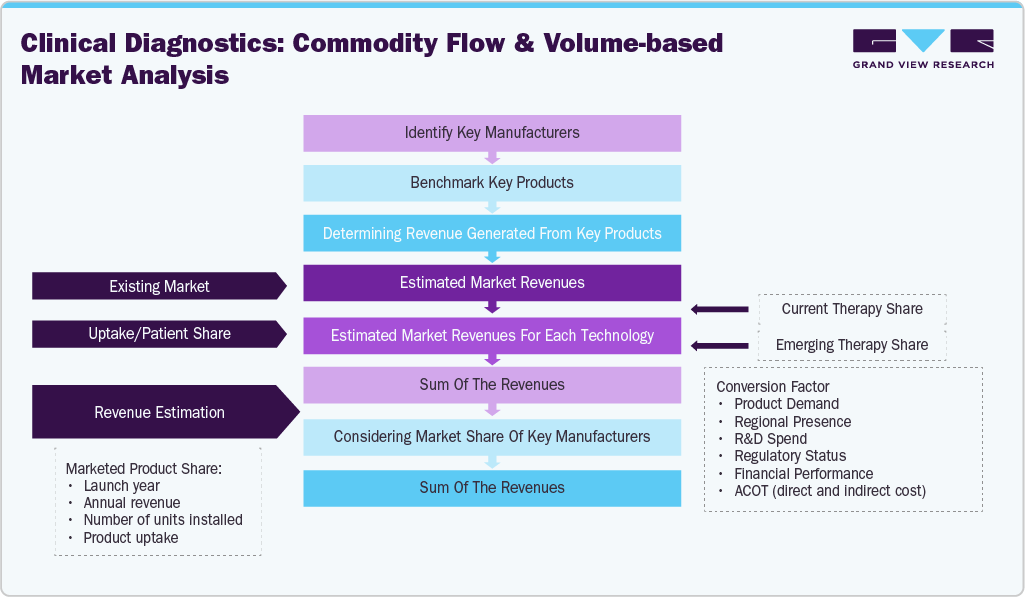
The at-home molecular testing market figures in this report are based on a proven research process that combines executive interviews with secondary research from proprietary databases, company filings, and recognized regulatory and institutional sources. Market size is built through value-chain sizing - reconciling supply-side and demand-side estimates - and triangulated with bottom-up and top-down approaches. Every estimate passes multiple levels of expert validation before publication, with each at-home molecular testing segment quantified using the revenue-capture definitions in the table below.
Segment Definition
Product
Revenue capture definition
Test Kits & Consumables
Includes disposable assay cartridges, collection kits, swabs, transport media, reagents, controls, and processing components. Market value is captured through initial kit purchases and recurring consumable replacement.
Instruments & Readers
Covers reusable molecular analyzers, amplification devices, docking stations, and electronic readers used at home. Commercial value arises from equipment sales, rentals, subscriptions, and instrument-placement arrangements.
Technology
Revenue capture definition
PCR-Based Testing
Includes tests using conventional PCR, real-time PCR, reverse-transcription PCR, or digital PCR. Segment proceeds are attributed to PCR-based kits, cartridges, instruments, and laboratory testing services.
Loop-Mediated Isothermal Amplification
Covers LAMP and RT-LAMP tests that amplify nucleic acids at a constant temperature. Market receipts originate from LAMP-based assays, proprietary reagents, single-use cartridges, and associated readers.
Other Technologies
Includes nicking enzyme amplification and recombinase-based amplification technologies not classified under PCR or LAMP. Commercial contribution reflects method-specific assays, cartridges, reagents, readers, and testing-service fees.
Application
Revenue capture definition
SARS-CoV-2 Testing
Includes molecular tests designed solely or primarily to detect SARS-CoV-2 from home-collected specimens. Segment value reflects SARS-CoV-2-specific kit sales, consumables, instruments, and laboratory-service charges.
Respiratory Multiplex Testing
Covers molecular panels detecting two or more respiratory pathogens from one specimen, including influenza, RSV, and SARS-CoV-2. Market turnover is attributed to multiplex assay kits and related testing services.
Sexually Transmitted Infection Testing
Includes molecular tests detecting chlamydia, gonorrhea, trichomoniasis, HPV, and Mycoplasma genitalium from home-collected specimens. Commercial value derives from STI-specific kits, laboratory analysis, and bundled clinical support.
Other Applications
Covers molecular testing for urinary tract infections, cancer screening,gastrointestinal infections, and other included indications not classified above. Segment receipts arise from application-specific kits, consumables, devices, and laboratory-processing services.
Distribution Channel
Revenue capture definition
Hospital Pharmacies
Includes at-home molecular products supplied through hospital-owned pharmacies and integrated health-system outlets. Channel value is captured through institutional procurement, prescription fulfillment, discharge programs, and patient dispensing.
Online & Direct-to-Consumer Channels
Covers manufacturer websites, telehealth platforms, online marketplaces, and authorized e-commerce portals. Revenue flows from digital purchases, subscriptions, virtual prescribing, home delivery, laboratory processing, and bundled care.
Retail Pharmacies
Includes products distributed through independent and chain-based community pharmacies, excluding hospital-owned outlets. Channel turnover reflects in-store purchases, pharmacy websites, click-and-collect transactions, and pharmacist-facilitated dispensing.
Estimation Model
The At-Home Molecular Testing Market was estimated by identifying key manufacturers, benchmarking commercial products, and assessing revenues from test kits, consumables, instruments, and laboratory-supported services. Technology-level revenues were calculated using product pricing, testing volumes, adoption rates, and manufacturer market shares, followed by aggregation and validation against the overall market size.
 To learn more about this report, Download Free Sample Report
 Delivered Customizations
This report has been delivered with the following In-depth customizations
Client Request
Customization Delivered
Value Adds
At-Home Molecular Testing Market Competitive Landscape & Technology Assessment
Assessed key companies across PCR, LAMP, recombinase-based, and nicking-enzyme amplification technologies. Evaluated regulatory status, product portfolios, testing models, turnaround time, multiplexing capability, digital integration, geographic presence, partnerships, and commercialization strategies.
Enables benchmarking of established and emerging participants, identification of technology gaps, and evaluation of opportunities involving sample-to-answer platforms, home-collection services, strategic partnerships, and portfolio expansion.
At-Home Molecular Testing Market Product & Application Benchmarking Analysis
Benchmarked test kits, consumables, instruments, and readers across SARS-CoV-2, respiratory multiplex, STI, urinary tract infection, and gastrointestinal applications. Compared specimen types, analytical performance, processing location, result time, pricing, authorization status, and distribution channels.
Helps identify product and application gaps, compare competitive positioning, prioritize target indications, and evaluate opportunities for assay multiplexing, product development, differentiated pricing, and consumer-friendly testing workflows.
At-Home Molecular Testing Market Entry & Commercialization Assessment
Evaluated regulatory pathways, reimbursement conditions, telehealth requirements, laboratory infrastructure, consumer adoption, online and pharmacy distribution, specimen-return logistics, data privacy, and market-entry barriers across major regions and countries.
Supports commercialization planning by identifying attractive geographic markets, suitable distribution models, potential laboratory and digital-health partners, regulatory requirements, reimbursement opportunities, and strategies for improving consumer adoption.
Frequently Asked Questions About This Report
The global at-home molecular testing market was valued at USD 194.4 million in 2025 and is projected to grow from USD 222.5 million in 2026.
The global at-home molecular testing market is expected to grow at a CAGR of 17.3% from 2026 to 2033, reaching USD 679.7 million by 2033.
Test kits & consumables segment led the market with the largest revenue share of 86.8% in 2025.
North America dominated the global at-home molecular testing market with a revenue share of 41.2% in 2025, supported by strong demand and an established industry ecosystem.
Key growth drivers include Expansion of decentralized screening and demand for convenient molecular testing, growing demand for convenient and private testing, increasing prevalence of infectious and sexually transmitted diseases
Major market participants include Visby Medical, Inc.; Aptitude Medical Systems; 3EO Health; Pfizer; OraSure Technologies, Inc.; Co-Diagnostics, Inc.; Pluslife; miDiagnostics and among others. These companies compete through innovation, expansion, partnerships, and acquisitions.
Online & direct-to-consumer channels segment led the market with the largest revenue share of 58.9% in 2025.
Loop-mediated isothermal amplification segment led the market with the largest revenue share of 57.8% in 2025.
SARS-CoV-2 testing segment led the market with the largest revenue share of 67.9% in 2025.
About the Author(s)
Clinical Diagnostics Research Team
Healthcare · Clinical DiagnosticsThis report was authored by the clinical diagnostics research team at Grand View Research - comprising two research analysts, one senior research analyst, and one industry expert - with specialized expertise in the clinical diagnostics segment of the healthcare industry. All findings are based on proprietary healthcare databases, executive interviews, and regulatory analysis, subject to internal peer review prior to publication.
Last Updated:
Speak to Analyst

Customize this report to your needs - add regions, segments, or data points, with 20% free customization.
Or view our licence options:


ISO 9001:2015 & 27001:2022 Certified
We are GDPR and CCPA compliant! Your transaction & personal information is safe and secure. For more details, please read our privacy policy.


