
- Home
- »
- Pharmaceuticals
- »
-
Autism Spectrum Disorder Treatment Market Report, 2033GVR Report cover

Autism Spectrum Disorder Treatment Market (2026 - 2033) Size, Share & Trends Analysis Report By Type (Antipsychotic Drugs, Selective Serotonin Reuptake Inhibitors, Stimulants), By Application (Autistic Disorder, Asperger Syndrome), By Distribution Channel, By Region, And Segment Forecasts
Market Size, 2025
$2.7BMarket Estimate, 2026
$2.9BMarket Forecast, 2033
$4.4BCAGR, 2026–2033
6.3%Autism Spectrum Disorder Treatment Market Summary
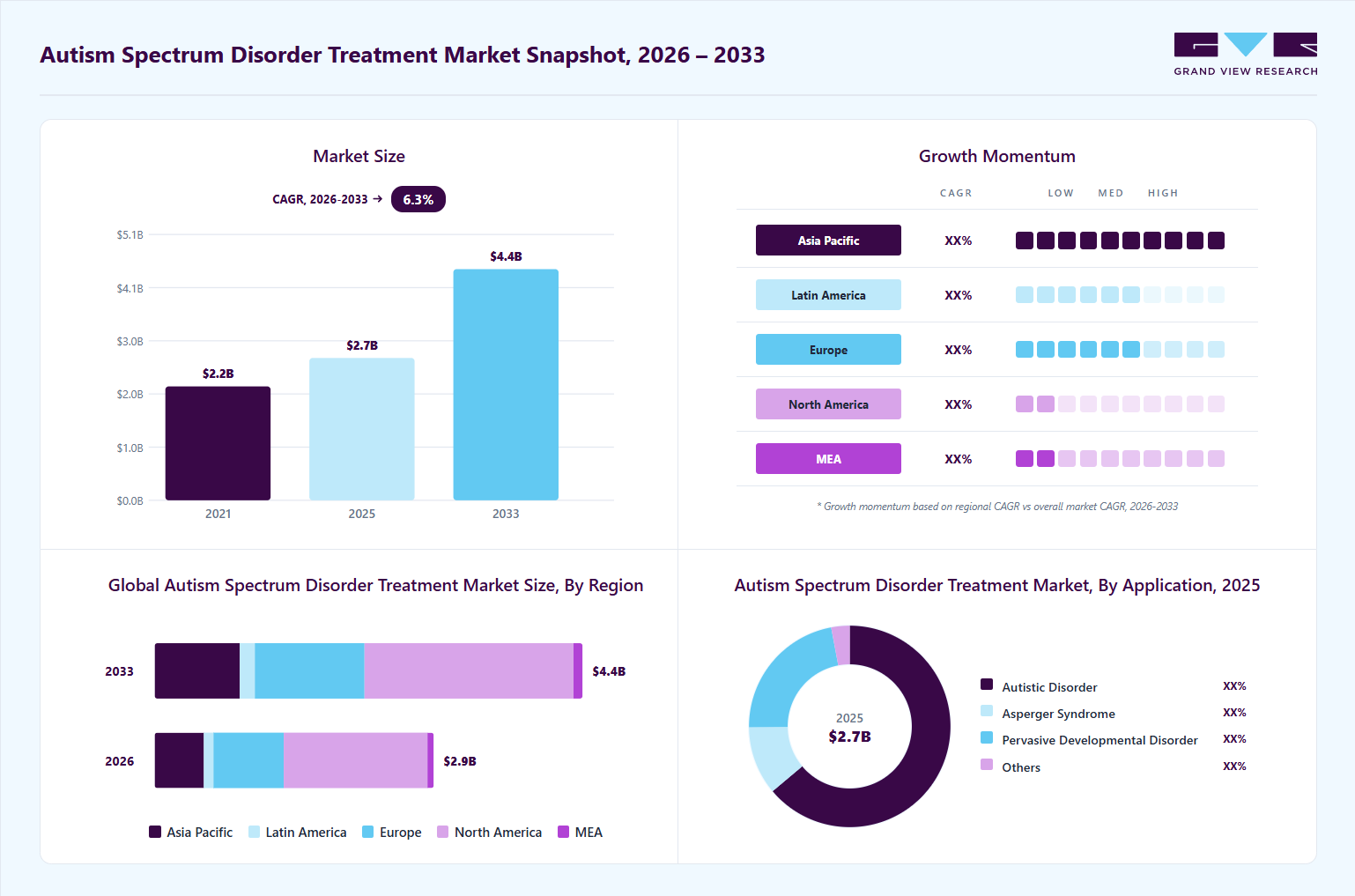
The global autism spectrum disorder treatment market size was valued at USD 2.7 billion in 2025 and is projected to grow from USD 2.9 billion in 2026 to USD 4.4 billion by 2033, at a CAGR of 6.3% from 2026 to 2033. North America held the largest share of 51.8% of the global market in 2025. The industry is witnessing substantial growth due to the increasing prevalence of autism spectrum disorder and rising awareness regarding the importance of early diagnosis and intervention.
 Source: Grand View Research, IR Documents, Primary Interviews, Paid DatabasesTo learn more about this report,
 Download Free Sample Report
 Key Market Trends & Insights
- By type: Antipsychotic drugs held the highest market share of 40.9% in 2025.
- By application: Autistic disorder segment dominated the market with the largest revenue share of 63.9% in 2025.
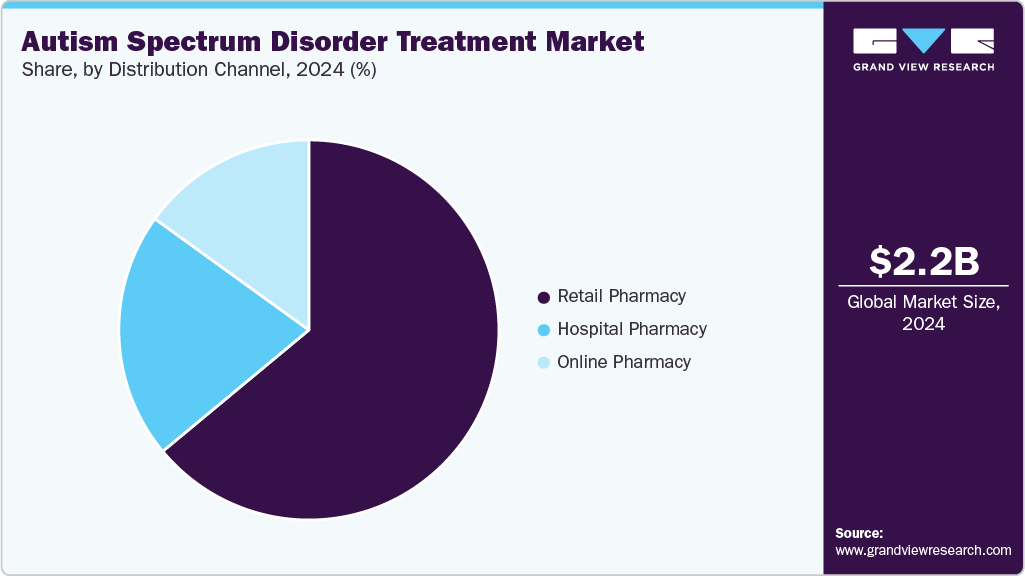
- By distribution channel: Retail pharmacies held the highest market share of 69.6% in 2025.
Regional Highlights
- Largest regional market: North America (51.8% revenue share, 2025)
- Fastest-growing regional market: Asia Pacific (highest CAGR, 2026-2033)
- The autism spectrum disorder treatment industry in the U.S. is expected to grow significantly over the forecast period.
Market Size & Forecast
- Market size in 2025: USD 2.7 Billion
- Estimated market size in 2026: USD 2.9 Billion
- Projected market size by 2033: USD 4.4 Billion
- CAGR (2026-2033): 6.3%
Three ways to get this report
Buy it, customize it, or ask a question.Ask an Analyst
Analyst response in 1 business day
- AccessReport author, directly
- Reply timeWithin 1 working day
- No sales callDirect answer only
- FormatEmail reply
- CostFree, no cost
Get the Full Report
What the study covers
- FormatsPDF · Excel · Dashboard
- Timeline2026–2033 annual, 2025 base
- Coverage20+ countries, 5 regions
- Companies10+ key players profiled
Customize the Report
20% free customization
- IncludeCountries, segments, points
- TailorTo your product definition
- ExtendDeeper competitor detail
- OrA fully bespoke study
- Turnaround5–10 working days
Healthcare providers, educational institutions, and government organizations are increasingly focusing on strengthening developmental healthcare programs to improve access to autism-related therapies and supportive care services. The market primarily consists of behavioral therapy, speech therapy, occupational therapy, social skills training, and medications used to manage associated symptoms, including irritability, anxiety, aggression, and hyperactivity. Growing emphasis on multidisciplinary treatment approaches is further supporting market expansion, as autism spectrum disorder often requires long-term therapeutic, educational, and behavioral support. In addition, increasing availability of specialized autism care centers and rehabilitation programs is improving treatment accessibility across multiple healthcare settings. Rising public awareness initiatives and supportive healthcare policies are also contributing to higher diagnosis rates and increasing demand for autism spectrum disorder treatment services globally.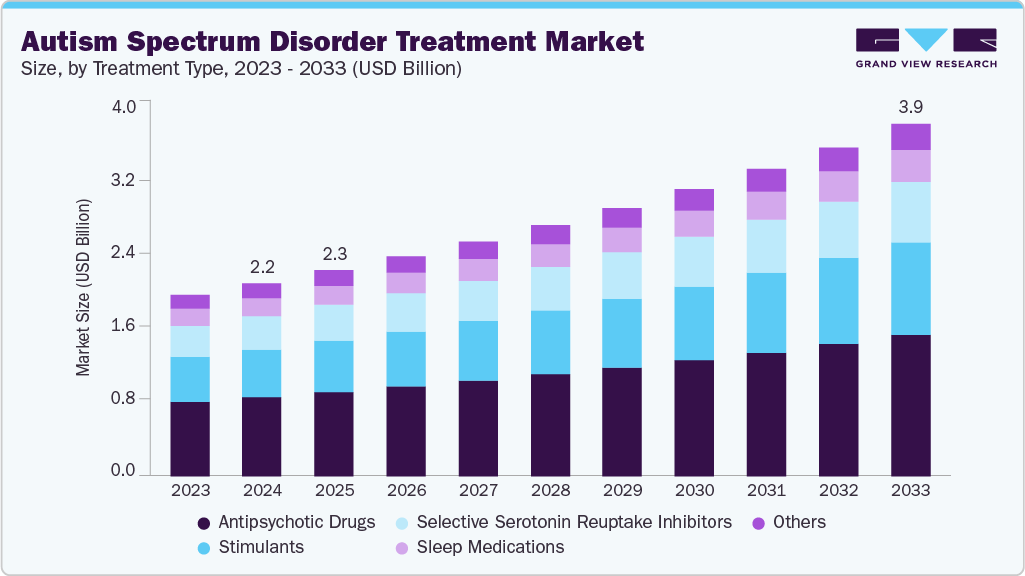 To learn more about this report, Download Free Sample Report
 As awareness and diagnosis rates continue to increase, the market is also experiencing significant advancements in therapeutic technologies and neurodevelopmental research aimed at improving long-term patient outcomes and quality of life. Pharmaceutical and biotechnology companies are focusing on the development of targeted therapies designed to address behavioral and neurological symptoms associated with autism spectrum disorder. Simultaneously, digital healthcare solutions such as teletherapy platforms, AI-enabled behavioral monitoring systems, assistive communication devices, and virtual intervention programs are gaining broader adoption within the treatment landscape. These technological advancements are helping improve treatment accessibility and continuity of care, particularly in underserved regions where access to specialized therapists remains limited. In addition, growing collaboration between research institutions, healthcare providers, and autism advocacy organizations is accelerating innovation in developmental disorder management. Increasing investment in pediatric neurological care and personalized treatment models is further strengthening the overall growth potential of the market.
Additionally, the industry is also driven by these ongoing technological and therapeutic advancements. The market is shifting toward more individualized and integrated models of patient care. Healthcare providers are placing greater emphasis on customized treatment plans that combine behavioral therapy, speech therapy, occupational therapy, educational intervention, and pharmacological management based on individual patient needs and symptom severity. This evolving treatment approach is improving long-term developmental support and enhancing overall patient engagement across different age groups. Moreover, continuous advancements in digital behavioral assessment tools, remote monitoring technologies, and virtual care platforms are transforming the delivery of autism-related healthcare services. The market is also benefiting from expanding collaboration between pharmaceutical companies, therapy providers, academic institutions, and support organizations focused on improving developmental disorder management strategies. Furthermore, increasing investment in early intervention programs and supportive care infrastructure is expected to continue driving innovation and sustained growth within the market.
Market Concentration & Characteristics
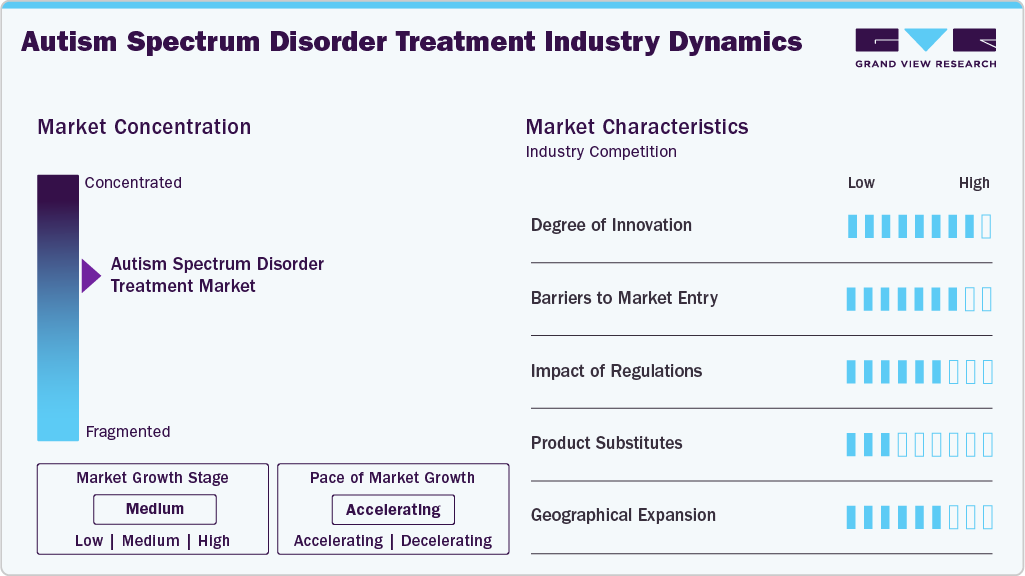
The industry exhibits a moderate to high degree of innovation supported by continuous advancements in neurodevelopmental research, digital therapeutics, and personalized treatment approaches. Market participants are increasingly focusing on the development of targeted therapies, AI-based behavioral assessment tools, assistive communication technologies, and technology-enabled intervention platforms to improve patient management and long-term developmental outcomes. Innovation within the market is further driven by increasing research focused on neurological, genetic, and behavioral mechanisms associated with autism spectrum disorder.
In addition, the growing integration of teletherapy services, remote patient monitoring systems, and digital rehabilitation solutions is transforming the accessibility and efficiency of autism care delivery. Strategic collaboration among pharmaceutical companies, healthcare providers, research institutions, and developmental therapy organizations continues to support the advancement of innovative treatment and supportive care solutions.
 To learn more about this report, Download Free Sample Report
 The industry faces moderate to high barriers to entry due to the complex nature of neurodevelopmental disorder research, stringent regulatory requirements, and the need for long-term clinical validation of therapeutic approaches. Market participants are required to invest significantly in research and development activities, specialized clinical studies, and multidisciplinary treatment infrastructure to establish competitive positioning within the market. In addition, limited understanding of the biological mechanisms associated with autism spectrum disorder and variability in patient symptoms create challenges in developing standardized and universally effective treatment solutions. The market also requires strong collaboration with healthcare providers, rehabilitation centers, educational institutions, and regulatory agencies to ensure broad treatment adoption and patient accessibility. Furthermore, high operational costs associated with specialized therapy programs, digital healthcare integration, and skilled professional training continue to restrict entry for smaller and emerging market participants.
Regulatory frameworks play a significant role in shaping the industry by influencing the approval, commercialization, and accessibility of therapeutic products and developmental care services. Government healthcare agencies and regulatory authorities are increasingly supporting early diagnosis initiatives, pediatric mental healthcare programs, disability inclusion policies, and standards for behavioral and rehabilitation therapies. Regulatory requirements related to clinical safety, treatment efficacy, and quality assurance continue to impact the development and adoption of pharmacological and digital therapeutic solutions within the market. In addition, reimbursement policies and public healthcare funding for autism-related therapies significantly affect treatment accessibility and long-term patient management across multiple healthcare systems. Evolving regulations supporting telehealth services, assistive technologies, and specialized developmental care programs are further contributing to the structured growth of the industry.
The industry faces moderate substitution challenges due to the availability of alternative non-pharmacological intervention approaches and supportive care strategies used for symptom management and developmental improvement. Behavioral therapy, speech therapy, occupational therapy, educational support programs, and community-based rehabilitation services often serve as alternatives or complementary approaches to pharmaceutical treatment options. In addition, increasing adoption of digital therapeutics, assistive communication technologies, and teletherapy platforms is expanding the range of supportive intervention models available for autism spectrum disorder management. The preference for individualized treatment plans based on patient age, symptom severity, and developmental needs further contributes to variability in therapy selection and treatment substitution patterns. However, the absence of a definitive curative therapy for autism spectrum disorder continues to support the sustained demand for integrated multidisciplinary treatment approaches.
The industry is witnessing increasing geographical expansion as healthcare providers, therapy organizations, and pharmaceutical companies broaden their presence across emerging and underserved markets. Expansion strategies are being supported by rising global awareness regarding developmental disorders, improving diagnostic capabilities, and growing demand for specialized autism care services beyond major metropolitan regions. Market participants are increasingly establishing rehabilitation centers, telehealth networks, and collaborative care programs to improve treatment accessibility in developing economies. In addition, international partnerships between healthcare institutions, educational organizations, and advocacy groups are facilitating the transfer of clinical expertise and autism intervention models across different regions. The growing integration of digital healthcare platforms and remote therapy services is further enabling market expansion by improving patient access to developmental support and long-term autism management solutions worldwide.
Type Insights
The antipsychotic drugs segment dominated the market with the largest revenue share of 40.9% in 2025 and is expected to grow at the fastest CAGR during the forecast period, primarily due to its role in managing severe behavioral and psychological symptoms associated with the condition. These therapies are commonly used to address irritability, aggression, self-injurious behavior, hyperactivity, and mood instability in patients with moderate to severe autism spectrum disorder. The segment benefits from increasing clinical emphasis on symptom control to improve daily functioning, social interaction, and overall quality of life. Growing adoption of atypical antipsychotic medications in pediatric and adolescent populations is further supporting segment demand across healthcare settings. In addition, the rising availability of psychiatric care services and improved diagnostic rates are contributing to greater prescription rates for symptom management therapies. Moreover, continuous clinical evaluation and expanding treatment guidelines are expected to support sustained utilization of antipsychotic drugs.
The stimulants segment is projected to grow at a significant CAGR over the forecast period and plays a supportive role in managing attention-related symptoms, particularly in patients with comorbid attention deficit hyperactivity disorder (ADHD). These medications are primarily used to improve focus, reduce hyperactivity, and enhance impulse control, thereby supporting better cognitive functioning and participation in therapeutic and educational activities. The segment is characterized by selective and symptom-driven prescribing patterns, as stimulants are not used to treat core autism symptoms but rather associated behavioral conditions. Increasing clinical recognition of co-occurring ADHD in autism spectrum disorder patients is contributing to the gradual adoption of stimulant therapies in pediatric populations. In addition, growing emphasis on individualized treatment approaches is supporting their integration within broader multidisciplinary care plans. Overall, the segment continues to function as an important adjunct within the pharmacological treatment landscape. In June 2025, clinical research and systematic reviews highlighted that attention deficit hyperactivity disorder (ADHD) commonly co-occurs with autism spectrum disorder, reinforcing the clinical use of stimulant medications such as methylphenidate in carefully selected patients to manage attention deficits and hyperactivity symptoms. This evidence supports the growing role of symptom-targeted pharmacological interventions in ASD-related comorbidity management and reflects increasing clinical acceptance of stimulant use within structured treatment pathways.
Application Insights
The autistic disorder segment dominated the market with the largest revenue share of 63.9% in 2025 and is expected to grow at the fastest CAGR during the forecast period, driven by a high prevalence of psychiatric comorbidities, which significantly influences treatment selection and pharmacological utilization patterns across patient populations. Clinical evidence indicates that individuals with autism spectrum disorder, particularly in moderate to severe cases, often present with overlapping conditions such as attention deficit hyperactivity disorder (ADHD), anxiety disorders, and major depression, necessitating a more comprehensive and individualized treatment approach. This has led to growing adoption of combination pharmacotherapy alongside behavioral and developmental interventions to address both core symptoms and associated psychiatric conditions.
The increasing reliance on multidimensional treatment strategies is further shaping prescribing patterns, with selective serotonin reuptake inhibitors, stimulants, and α-2 adrenergic agonists being commonly integrated into treatment regimens. Overall, the segment reflects a complex and evolving therapeutic landscape driven by the need for personalized, symptom-targeted management approaches within the autism spectrum disorder treatment market. For instance, in October 2025, clinical evidence in pediatric autism spectrum disorder populations reported that approximately 79% of patients presented with attention deficit hyperactivity disorder (ADHD), while 73% experienced two or more anxiety disorders and 67% were diagnosed with major depression, highlighting the high burden of psychiatric comorbidities in this patient group. The study further noted that around 79% of patients were on concomitant pharmacological therapy, with an average of 2.3 medications per patient, including selective serotonin reuptake inhibitors (65%), stimulants (46%), and α-2 adrenergic agonists (35%). These findings reinforce the increasing use of combination pharmacotherapy and individualized treatment strategies in autism spectrum disorder management.
The Asperger syndrome segment is projected to grow at a significant CAGR over the forecast period, driven by the growing recognition of high-functioning autism profiles and the need for more individualized diagnostic and therapeutic approaches. This segment is characterized by relatively preserved language and cognitive abilities, but persistent challenges in social interaction, communication, and adaptive behavior. As a result, management strategies are largely centered on behavioral therapies, social skills training, cognitive behavioral therapy, and structured educational support programs. Increasing emphasis on early identification and long-term developmental support is further driving demand for targeted intervention services. In addition, growing awareness among healthcare professionals and educators regarding subtle symptom presentation is improving diagnosis rates and treatment planning.
Overall, the segment is evolving toward more personalized and function-oriented care models. For instance, in December 2025, emerging neurodevelopmental research reported that autism spectrum disorder may include distinct subtypes, including milder high-functioning profiles often associated with Asperger syndrome. The findings highlighted differences in developmental trajectories, later diagnosis patterns, and higher co-occurrence of ADHD and anxiety, reinforcing the growing need for personalized diagnostic frameworks and individualized intervention strategies within autism care.
Distribution Channel Insights
The retail pharmacies segment dominated the market with the largest revenue share of 69.6% in 2025 and plays a key role by serving as a primary access point for prescription-based pharmacological therapies used in long-term symptom management. These pharmacies dispense commonly prescribed medications such as selective serotonin reuptake inhibitors, antipsychotics, stimulants, and α-2 adrenergic agonists, which are used to manage associated behavioral conditions, including anxiety, irritability, hyperactivity, and attention deficits. The segment benefits from the chronic and ongoing nature of autism-related pharmacotherapy, which often requires regular prescription refills and continuous medication adherence. Increasing availability of organized pharmacy networks across urban and semi-urban regions is further improving accessibility and treatment continuity. In addition, rising caregiver awareness regarding sustained medication requirements for comorbid conditions is supporting steady prescription fulfillment through retail channels. Overall, the segment remains an essential distribution channel, driven by long-term pharmacological dependence and expanding healthcare access.
 To learn more about this report, Download Free Sample Report
 The online pharmacies segment is projected to grow at a CAGR of 7.4% over the forecast period, driven by increasing digitalization of healthcare services and the rising adoption of convenient medication delivery models. This channel supports the distribution of prescription-based therapies used in autism spectrum disorder management, including selective serotonin reuptake inhibitors, antipsychotics, stimulants, and other medications used to manage associated behavioral conditions such as anxiety, irritability, and attention deficits. The segment is gaining traction due to the long-term nature of autism treatment, which requires consistent prescription refills and ongoing medication adherence. Growing integration of e-prescriptions, telemedicine consultations, and digital health platforms is further strengthening the role of online pharmacies in the distribution ecosystem. In addition, increasing internet penetration, expanding smartphone usage, and improved last-mile delivery infrastructure are enhancing service accessibility across urban and semi-urban regions. Overall, the segment is steadily expanding as a convenient and technology-driven distribution channel.
Regional Insights
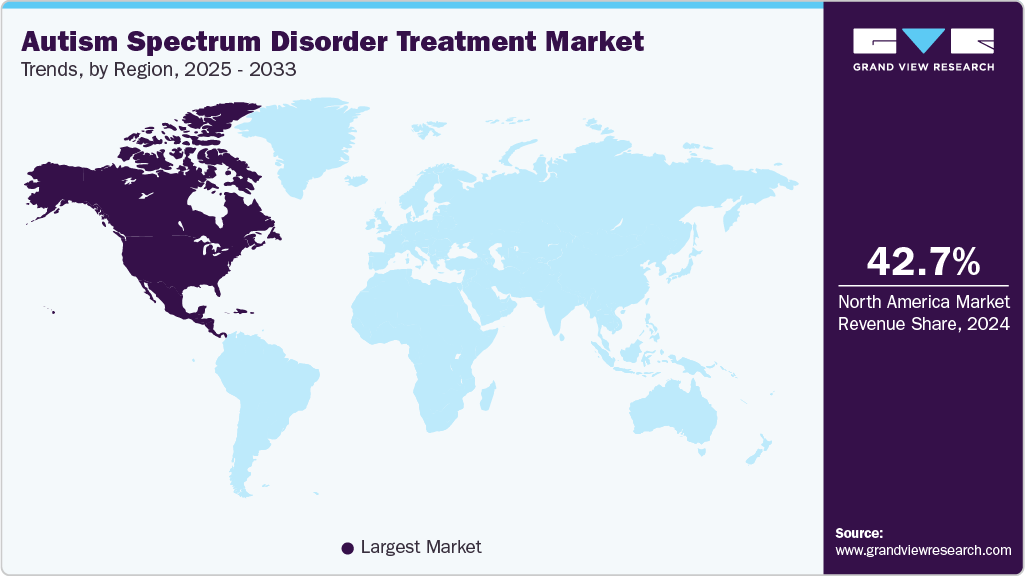
North America autism spectrum disorder treatment market held the largest share of 51.8% in 2025, driven bythe high prevalence of autism spectrum disorder diagnoses, strong awareness regarding early intervention therapies, and well-established healthcare infrastructure across the region. The market is further supported by increasing access to behavioral therapy programs, rising adoption of prescription medications for associated symptoms, and favorable reimbursement coverage for autism-related treatments in the United States and Canada. In addition, growing investments in neurodevelopmental research and the presence of major pharmaceutical and biotechnology companies continue to accelerate therapeutic innovation. Government support initiatives, expanding diagnostic screening programs, and increasing collaboration between research institutions and healthcare providers are also contributing to market growth. The availability of specialized autism care centers and multidisciplinary treatment approaches further strengthens regional market expansion. Moreover, continuous advancements in targeted therapies and precision medicine are expected to support sustained growth across North America during the forecast period.
 To learn more about this report, Download Free Sample Report
 U.S. Autism Spectrum Disorder Treatment Market Trends
The autism spectrum disorder treatment market in the U.S. accounted for the largest share within North America in 2025, supported by the rising prevalence of autism spectrum disorder and increasing emphasis on early diagnosis and intervention strategies. Market growth is driven by strong availability of behavioral therapy services, expanding use of medications for managing associated symptoms such as irritability and hyperactivity, and growing awareness among parents and healthcare professionals. The country also benefits from advanced healthcare infrastructure, significant investment in neurodevelopmental research, and the presence of leading pharmaceutical and biotechnology companies focused on CNS disorders. In addition, favorable insurance coverage policies and federal support programs for autism care continue to improve treatment accessibility. Increasing adoption of multidisciplinary treatment approaches combining behavioral, educational, and pharmacological interventions further contributes to market expansion. Moreover, ongoing advancements in targeted therapeutics and precision-based treatment research are expected to support continued growth of the U.S. market over the forecast period.
Europe Autism Spectrum Disorder Treatment Market Trends
The autism spectrum disorder treatment market in Europe is growing steadily, driven by increasing public healthcare expenditure, expanding autism awareness initiatives, and growing emphasis on inclusive neurodevelopmental care across the region. Countries such as Germany, the UK, and France are strengthening access to specialized diagnostic services and behavioral intervention programs through government-supported healthcare systems. The market is also benefiting from rising collaboration between academic institutions, autism research organizations, and pharmaceutical companies focused on developing innovative therapeutic approaches. In addition, increasing adoption of non-pharmacological interventions, including cognitive behavioral therapy and speech-language therapy, continues to support treatment demand. Favorable regulatory support for pediatric and rare neurodevelopmental disorder research is further contributing to clinical innovation within the region. Moreover, the growing integration of digital health technologies and personalized care models is expected to support long-term expansion of the European market during the forecast period.
The UK autism spectrum disorder treatment market is experiencing stable growth driven by increasing awareness of neurodevelopmental disorders, rising demand for early diagnostic services, and expanding government support for autism care programs. The market benefits from the presence of a well-established public healthcare system that promotes access to behavioral therapies, educational support services, and multidisciplinary treatment approaches for autism spectrum disorder patients. Increasing focus on improving mental health and developmental healthcare services across pediatric populations is further supporting treatment adoption in the country. In addition, collaborations between research institutions, healthcare providers, and pharmaceutical companies are contributing to advancements in innovative therapeutic and supportive care strategies. The growing use of digital therapy platforms and community-based intervention programs is also enhancing patient management and accessibility to care services. Moreover, ongoing investment in neurodevelopmental research and personalized treatment models is expected to support continued expansion of the industry in the UK.
The autism spectrum disorder treatment market in Germany is expanding steadily due to increasing recognition of autism spectrum disorder as a significant neurodevelopmental condition and growing demand for structured therapeutic support services. The country’s advanced healthcare infrastructure and strong emphasis on specialized pediatric and mental healthcare are supporting wider access to diagnostic assessments, behavioral therapies, and long-term patient management programs. Market growth is further driven by rising government initiatives promoting inclusive education, early intervention, and social support services for individuals with autism spectrum disorder. In addition, collaborations between academic research centers, healthcare institutions, and pharmaceutical companies are contributing to the development of innovative therapeutic approaches and improved clinical care pathways. The increasing adoption of multidisciplinary treatment models, including speech therapy, occupational therapy, and cognitive behavioral interventions, continues to strengthen market demand. Moreover, ongoing investment in neurodevelopmental research and digital healthcare integration is expected to support the long-term growth of the German market.
France autism spectrum disorder treatment market is witnessing gradual growth, supported by increasing national focus on improving neurodevelopmental healthcare services and strengthening autism care accessibility across the country. The market is benefiting from expanding public health initiatives aimed at enhancing early screening programs, reducing diagnostic delays, and improving long-term therapeutic support for children and adolescents with autism spectrum disorder. Rising demand for specialized behavioral therapy, speech therapy, and educational intervention services is further contributing to treatment market expansion. In addition, France continues to promote research activities focused on pediatric neurological disorders and integrated care approaches, supporting innovation in autism management strategies. The growing involvement of multidisciplinary healthcare teams and community-based support networks is also improving patient outcomes and treatment continuity. Furthermore, increasing awareness among families, educators, and healthcare professionals regarding early developmental intervention is expected to support the sustained growth of the French autism spectrum disorder treatment market.
Asia Pacific Autism Spectrum Disorder Treatment Market Trends
The autism spectrum disorder treatment market in Asia Pacific is expected to register the fastest CAGR of 8.1% over the forecast period due to improving healthcare accessibility, increasing autism awareness campaigns, and rising investment in pediatric neurodevelopmental care across developing and developed economies. Countries such as China, Japan, India, and Australia are witnessing increased demand for early intervention programs, specialized therapy centers, and supportive educational services for individuals with autism spectrum disorder. The market is also benefiting from expanding healthcare expenditure and gradual improvements in mental health infrastructure throughout the region. In addition, growing participation from local biotechnology companies, research organizations, and public health agencies is supporting the development of region-specific treatment and care strategies. The increasing adoption of telehealth platforms and digital behavioral therapy solutions is further improving access to autism-related services, particularly in underserved and rural areas. Moreover, favorable government initiatives focused on child development, disability support, and inclusive healthcare policies are expected to accelerate the long-term growth of the APAC market.
Japan autism spectrum disorder treatment market is developing steadily due to the country’s increasing emphasis on pediatric neuropsychiatric care and structured long-term developmental support programs. Growing societal recognition of autism spectrum disorder and rising demand for specialized rehabilitation services are encouraging broader adoption of behavioral and cognitive intervention therapies. Japan’s strong technological ecosystem is also supporting the integration of assistive communication tools, digital monitoring platforms, and AI-enabled therapeutic support systems in autism care management. In addition, the market is benefiting from increased collaboration between university hospitals, neurological research centers, and pharmaceutical companies focused on neurodevelopmental disorder innovation. Expansion of school-based support frameworks and community rehabilitation initiatives is further improving patient engagement and continuity of care across different age groups. Moreover, evolving healthcare policies aimed at strengthening disability support services and developmental healthcare accessibility are expected to contribute to the sustained growth of the Japanese market.
The autism spectrum disorder treatment market in China is anticipated to witness substantial growth owing to the increasing burden of developmental disorders and the rising national focus on strengthening pediatric mental healthcare services. The market is being shaped by the expanding availability of autism rehabilitation institutions, specialized intervention centers, and hospital-based developmental assessment programs across major metropolitan and provincial regions. Increasing awareness among parents and educators regarding the importance of early behavioral intervention is further supporting demand for diagnostic and therapeutic services. In addition, China’s rapidly evolving digital healthcare ecosystem is encouraging the adoption of teleconsultation platforms, AI-assisted screening tools, and technology-enabled behavioral therapy solutions for autism management. Government-led healthcare modernization initiatives and expanding support for disability rehabilitation services are also contributing to improved treatment accessibility throughout the country. Furthermore, growing investment from domestic biotechnology companies and academic research organizations in neurodevelopmental disorder research is expected to support long-term growth of the Chinese market.
Latin America Autism Spectrum Disorder Treatment Market Trends
The autism spectrum disorder treatment market inLatin America is gradually expanding due to improving recognition of developmental disorders and increasing efforts to strengthen pediatric mental healthcare services across the region. Market growth is being supported by the rising involvement of non-profit organizations, community healthcare programs, and educational institutions focused on autism awareness and early developmental support. Countries such as Brazil, Mexico, and Argentina are witnessing increasing demand for accessible behavioral therapy, speech therapy, and family-centered intervention programs for autism spectrum disorder patients. In addition, ongoing improvements in public healthcare infrastructure and the expansion of private neurodevelopmental care centers are contributing to broader treatment availability. The market is also benefiting from increasing collaborations between regional healthcare providers and international organizations aimed at enhancing autism diagnosis and rehabilitation services. Furthermore, growing policy attention toward disability inclusion, child healthcare accessibility, and developmental disorder management is expected to support the long-term growth of the market in Latin America.
Brazil autism spectrum disorder treatment market is expected to grow steadily, owing to increasing public awareness regarding neurodevelopmental disorders and rising demand for accessible autism care services across urban and semi-urban regions. The market is benefiting from the gradual expansion of specialized rehabilitation clinics, behavioral therapy centers, and multidisciplinary pediatric care programs focused on autism spectrum disorder management. Increasing engagement from public health agencies, educational institutions, and community support organizations is further improving early diagnosis and therapeutic intervention rates in the country. In addition, Brazil is witnessing the growing implementation of inclusive education policies and social assistance initiatives aimed at supporting children and adolescents with developmental disorders. Expansion of private healthcare networks and rising availability of speech-language therapy and occupational therapy services are also contributing to market development. Furthermore, improving healthcare accessibility and increasing focus on long-term developmental support programs are expected to drive the continued growth of the Brazilian market.
Middle East & Africa Autism Spectrum Disorder Treatment Market Trends
The autism spectrum disorder treatment market in the Middle East & Africa is expected to witness gradual expansion driven by improving developmental healthcare awareness and increasing efforts to strengthen specialized child care services across the region. Market growth is particularly supported by rising investment in pediatric neurology and rehabilitation infrastructure in Gulf countries, alongside growing initiatives aimed at improving autism diagnosis and intervention accessibility. Several countries are also experiencing increased establishment of autism support centers, special education institutions, and therapy clinics focused on behavioral and communication development. In Africa, international healthcare partnerships and non-governmental support programs are contributing to enhanced training, screening, and developmental care outreach activities. The market is further shaped by growing demand for structured rehabilitation services and individualized care programs for children with autism spectrum disorder. Moreover, evolving healthcare policies focused on disability inclusion, child welfare, and mental health service expansion are expected to support the long-term development of the market in the MEA region.
Saudi Arabia autism spectrum disorder treatment market is projected to experience steady growth during the forecast period, supported by increasing national emphasis on pediatric developmental healthcare and expanding autism support initiatives across the country. Market expansion is being driven by the growing availability of specialized rehabilitation centers, behavioral therapy clinics, and multidisciplinary care programs focused on autism spectrum disorder management. Rising healthcare expenditure and ongoing modernization of the Kingdom’s healthcare infrastructure are further improving access to diagnostic and therapeutic services for neurodevelopmental disorders. In addition, government-led healthcare transformation initiatives under Vision 2030 are encouraging greater investment in mental health, disability care, and specialized pediatric services. The market is also benefiting from increasing awareness among families and healthcare professionals regarding the importance of early intervention and long-term developmental support. Furthermore, expanding the participation of private healthcare institutions and specialized educational support centers is expected to contribute to the sustained growth of the Saudi Arabian industry.
Key Autism Spectrum Disorder Treatment Company Insights
Curemark LLC and Yamo Pharmaceuticals are actively developing targeted therapies focused on improving behavioral, socialization, and gastrointestinal-related symptoms associated with autism spectrum disorder. Otsuka Pharmaceutical Co., Ltd., Johnson & Johnson, and Pfizer Inc. continue to strengthen their neuropsychiatric treatment portfolios through therapies addressing irritability, behavioral management, and associated neurological symptoms in autism spectrum disorder patients. Novartis AG, Eli Lilly and Company, Merck & Co., Inc., and Bristol Myers Squibb are expanding research activities in neurodevelopmental and central nervous system disorders, supporting innovation in targeted therapeutic approaches. Roche and Axial Therapeutics Inc. are focusing on precision medicine and microbiome-gut-brain axis research to develop novel treatment strategies for autism spectrum disorder. The market remains highly competitive due to increasing autism diagnosis rates, rising investment in neurodevelopmental drug research, growing focus on personalized treatment approaches, and ongoing advancements in behavioral and pharmacological therapies.
Key Autism Spectrum Disorder Treatment Companies:
The following key companies have been profiled for this study on the autism spectrum disorder treatment market.
-
Curemark LLC
-
Bristol-Myers Squibb Company
-
Merck & Co., Inc.
-
Novartis AG
-
Eli Lilly and Company
-
Pfizer Inc.
-
Johnson & Johnson Services Inc.
-
Otsuka Pharmaceutical Co., Ltd.
-
Yamo Pharmaceuticals
-
F.Hoffmann-La Roche Ltd.
-
Axial Therapeutics Inc.
Recent Developments
-
In March 2026, Curemark LLC continued to advance its enzyme-based therapy CM-AT for autism spectrum disorder through a Phase III open-label extension study, focusing on evaluating long-term safety and efficacy in pediatric patients. The program reflects ongoing pipeline development in novel metabolic and enzyme-targeted therapeutic approaches aimed at addressing unmet needs in autism treatment.
-
In May 2025, The Clinical Trial Vanguard reported that Yamo Pharmaceuticals’s drug L1‑79 had delivered statistically significant results in a Phase 2 trial for autism spectrum disorder: in a 12‑week randomized, double‑blind, placebo‑controlled crossover study of 58 participants aged 12-21, L1‑79 achieved a 7.94‑point advantage over placebo on the Vineland‑3 Socialization Standard Score (VSSS), which was nearly double the minimal clinically important difference.
-
In April 2024, Otsuka Pharmaceutical Co., Ltd. and Jolly Good Inc. announced the launch of a world-first VR training program, FACEDUO Emotion Recognition Training VR, designed for individuals who experience difficulties in interpreting others’ emotions. The program can be utilized by individuals with mental health conditions and those with developmental traits such as autism spectrum disorder, and it incorporates gamification features such as graphics and sound effects to enhance usability and engagement.
Autism Spectrum Disorder Treatment Market Report Scope
Report Attribute
Details
Market size in 2025
USD 2.7 billion
Estimated Market size in 2026
USD 2.9 billion
Projected Market size in 2033
USD 4.4 billion
Growth rate
CAGR of 6.3% from 2026 to 2033
Base year for estimation
2025
Historical data
2021 - 2024
Forecast period
2026 - 2033
Quantitative units
Revenue in USD million/billion and CAGR from 2026 to 2033
Report coverage
Revenue forecast, company ranking, competitive landscape, growth factors, trends
Segments covered
Type, application, distribution channel, region
Regional scope
North America; Europe; Asia Pacific; Latin America; Middle East & Africa
Country scope
U.S.; Canada; Mexico; UK; Germany; France; Italy; Spain; Denmark; Sweden; Norway; China; Japan; India; Australia; South Korea; Thailand; Brazil; Argentina; South Africa; Saudi Arabia; UAE; Kuwait
Key company profiled
Curemark LLC; Bristol-Myers Squibb Company; Merck & Co., Inc.; Novartis AG; Eli Lilly and Company; Pfizer Inc.; Johnson & Johnson Services Inc.; Otsuka Pharmaceutical Co., Ltd.; Yamo Pharmaceuticals; F.Hoffmann-La Roche Ltd.; Axial Therapeutics Inc.
Customization scope
Free report customization (equivalent up to 8 analysts working days) with purchase. Addition or alteration to country, regional & segment scope.
Pricing and purchase options
Avail customized purchase options to meet your exact research needs. Explore purchase options
Global Autism Spectrum Disorder Treatment Market Report Segmentation
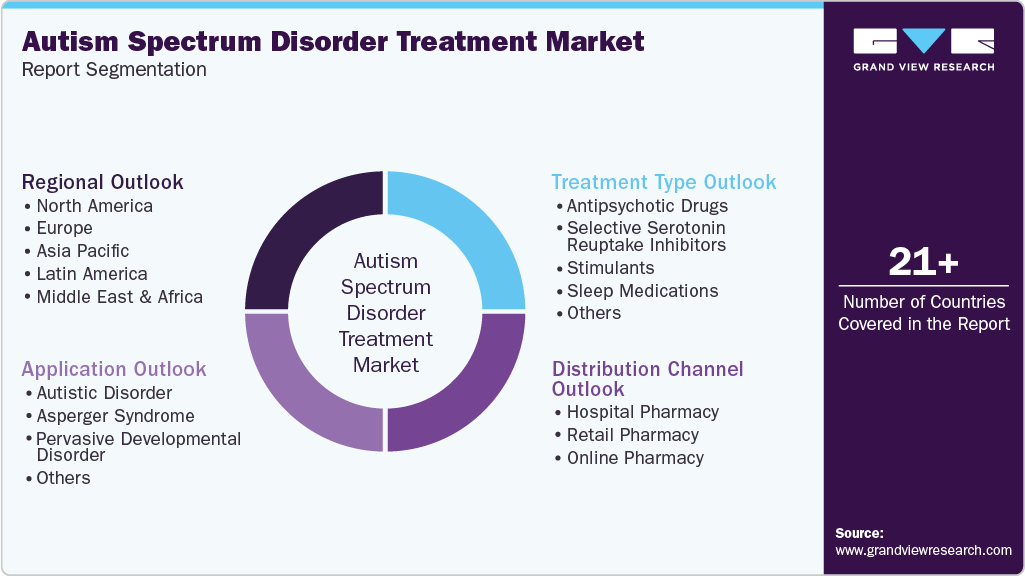
This report forecasts revenue growth at global, regional, and country levels and provides an analysis of the latest industry trends in each of the sub-segments from 2021 to 2033. For this study, Grand View Research has segmented the global autism spectrum disorder treatment market report based on type, application, distribution channel, and region:
 To learn more about this report, Download Free Sample Report
 -
Type Outlook (Revenue, USD Million, 2021 - 2033)
-
Antipsychotic Drugs
-
Selective Serotonin Reuptake Inhibitors
-
Stimulants
-
Sleep Medications
-
Others
-
-
Application Outlook (Revenue, USD Million, 2021 - 2033)
-
Autistic Disorder
-
Asperger Syndrome
-
Pervasive Developmental Disorder
-
Others
-
-
Distribution Channel Outlook (Revenue, USD Million, 2021 - 2033)
-
Hospital Pharmacies
-
Retail Pharmacies
-
Online Pharmacies
-
-
Regional Outlook (Revenue, USD Million, 2021 - 2033)
-
North America
-
U.S.
-
Canada
-
Mexico
-
-
Europe
-
UK
-
Germany
-
France
-
Italy
-
Spain
-
Denmark
-
Sweden
-
Norway
-
-
Asia Pacific
-
Japan
-
China
-
India
-
Australia
-
South Korea
-
Thailand
-
-
Latin America
-
Brazil
-
Argentina
-
-
Middle East & Africa
-
South Africa
-
Saudi Arabia
-
UAE
-
Kuwait
-
-
Frequently Asked Questions About This Report
North America dominated with a 51.8% revenue share in 2025.
Asia Pacific is the fastest-growing region over the forecast period.
The autistic disorder segment led with a 63.9% revenue share in 2025, and is the fastest-growing segment.
Retail pharmacies segment held the largest share (over 69.6%) in 2025.
The global autism spectrum disorder market size was valued at USD 2.7 billion in 2025 and is estimated at USD 2.9 billion for 2026.
The global autism spectrum disorder market is expected to grow at a CAGR of 6.3% from 2026 to 2033, reaching USD 4.4 billion.
Antipsychotic drugs segment held the largest revenue share of 40.9% in 2025, and is the fastest-growing segment.
Key players operating in the market include Curemark LLC, Bristol-Myers Squibb Company, Merck & Co., Inc., Novartis AG, Eli Lilly and Company, Pfizer Inc., Johnson & Johnson Services Inc., Otsuka Pharmaceutical Co., Ltd., Yamo Pharmaceuticals, F. Hoffmann-La Roche Ltd., and Axial Therapeutics Inc.
Key factors include the increasing prevalence of autism spectrum disorder, rising awareness regarding early diagnosis and intervention, growing adoption of multidisciplinary treatment approaches, expanding availability of specialized autism care centers, and increasing investment in neurodevelopmental research. Technological advancements such as teletherapy platforms, AI-enabled behavioral monitoring systems, assistive communication devices, and personalized treatment models are further supporting market expansion.
About the Author(s)
Pharmaceuticals Research Team
Healthcare · PharmaceuticalsThis report was authored by the pharmaceuticals research team at Grand View Research - comprising two research analysts, one senior research analyst, and one industry expert - with specialized expertise in the pharmaceuticals segment of the healthcare industry. All findings are based on proprietary healthcare databases, executive interviews, and regulatory analysis, subject to internal peer review prior to publication.
Last Updated:
Speak to Analyst

Customize this report to your needs - add regions, segments, or data points, with 20% free customization.
Or view our licence options:


ISO 9001:2015 & 27001:2022 Certified
We are GDPR and CCPA compliant! Your transaction & personal information is safe and secure. For more details, please read our privacy policy.


