
- Home
- »
- Organic Chemicals
- »
-
Benzyl Chloride Market Size And Share Report, 2026-2033GVR Report cover

Benzyl Chloride Market (2026 - 2033)
Size, Share & Trends Analysis Report By Product (Benzyl Alcohol, Benzyl Cyanide, Benzyl Quaternary Ammonium Compounds), By Application (Pharmaceutical, Agriculture, Paints & Coatings), By Region, And Segment Forecasts
Market Size, 2025
$993.0MMarket Estimate, 2026
$1,058.4MMarket Forecast, 2033
$1,658.6MCAGR, 2026–2033
6.6%Benzyl Chloride Market Summary
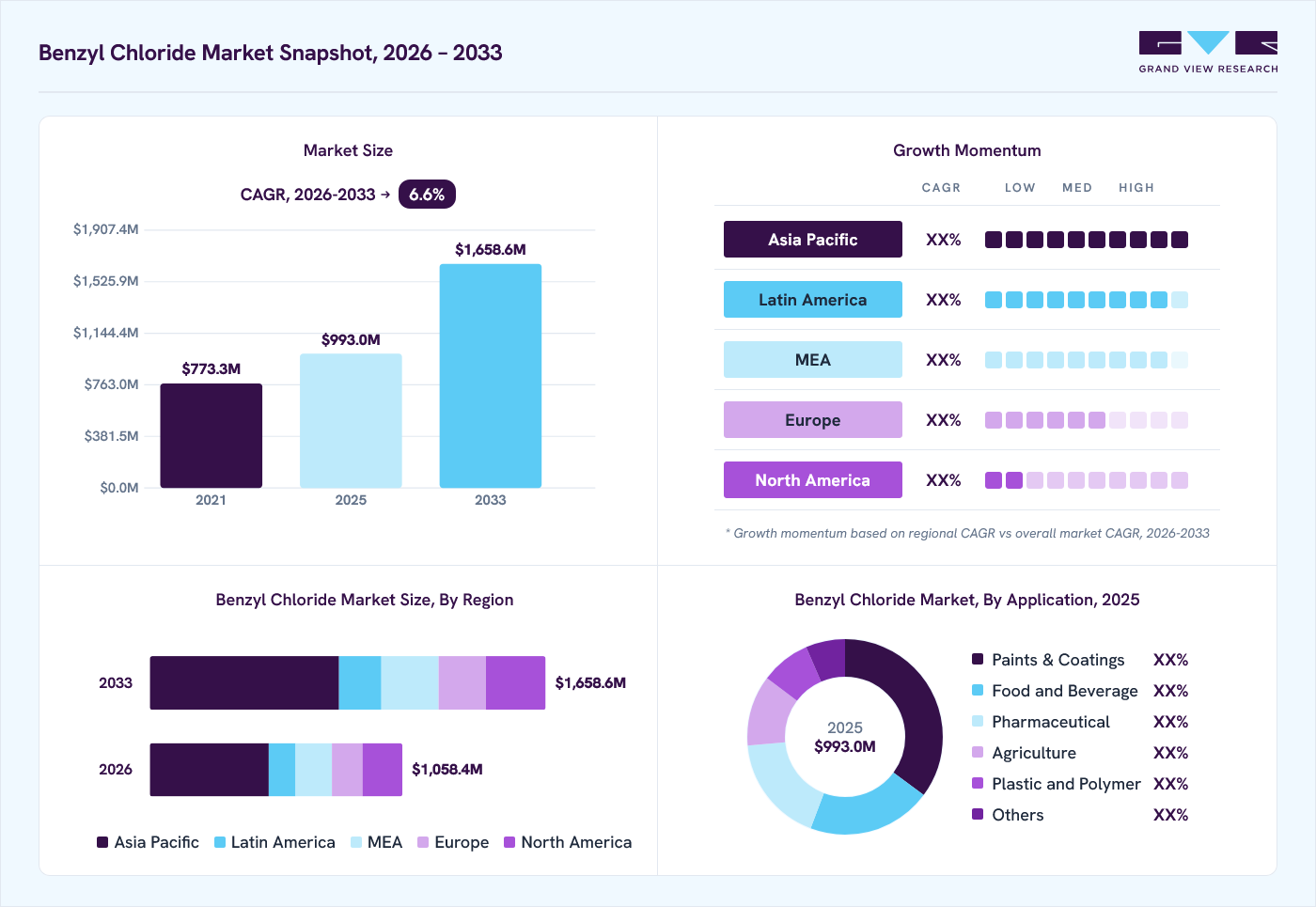
The global benzyl chloride market size was valued at USD 993.0 million in 2025 and is projected to grow from USD 1058.3 million in 2026 to USD 1658.6 million by 2033, at a CAGR of 6.6% from 2026 to 2033. Asia Pacific dominated the benzyl chloride market with the highest revenue share of 47.0% in 2025. Benzyl chloride, also known as α-chlorotoluene, is a versatile organic compound with the formula C6H5CH2Cl.
 Source: Grand View Research, IR Documents, Primary Interviews, Paid DatabasesTo learn more about this report,
 Download Free Sample Report
Key Market Trends & Insights
- By product: Benzyl quaternary ammonium compounds segment held the largest market share of 34.0% in 2025.
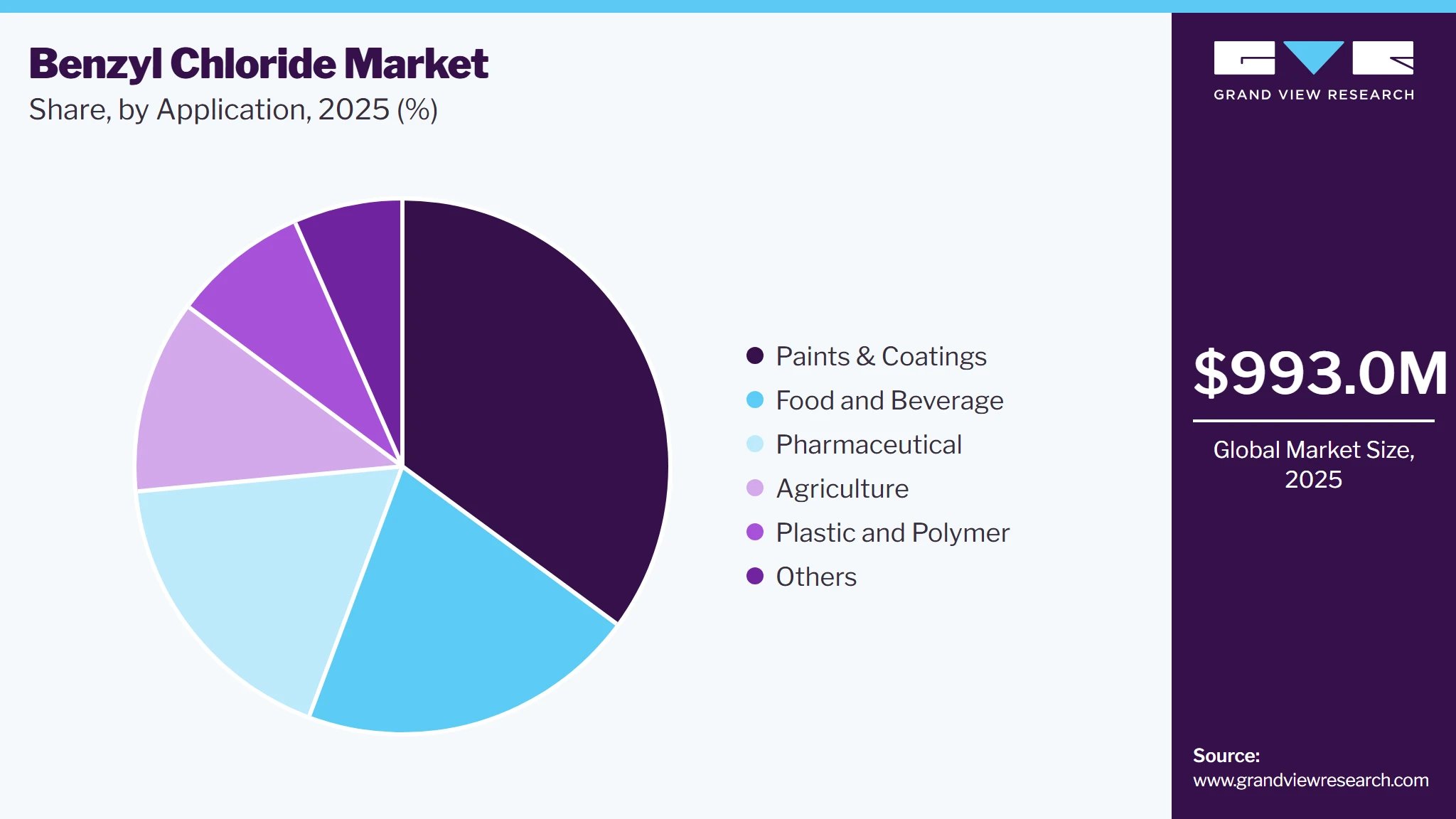
- By application: Paints & coatings segment held the largest market share of 35.1% in 2025.
Regional Highlights
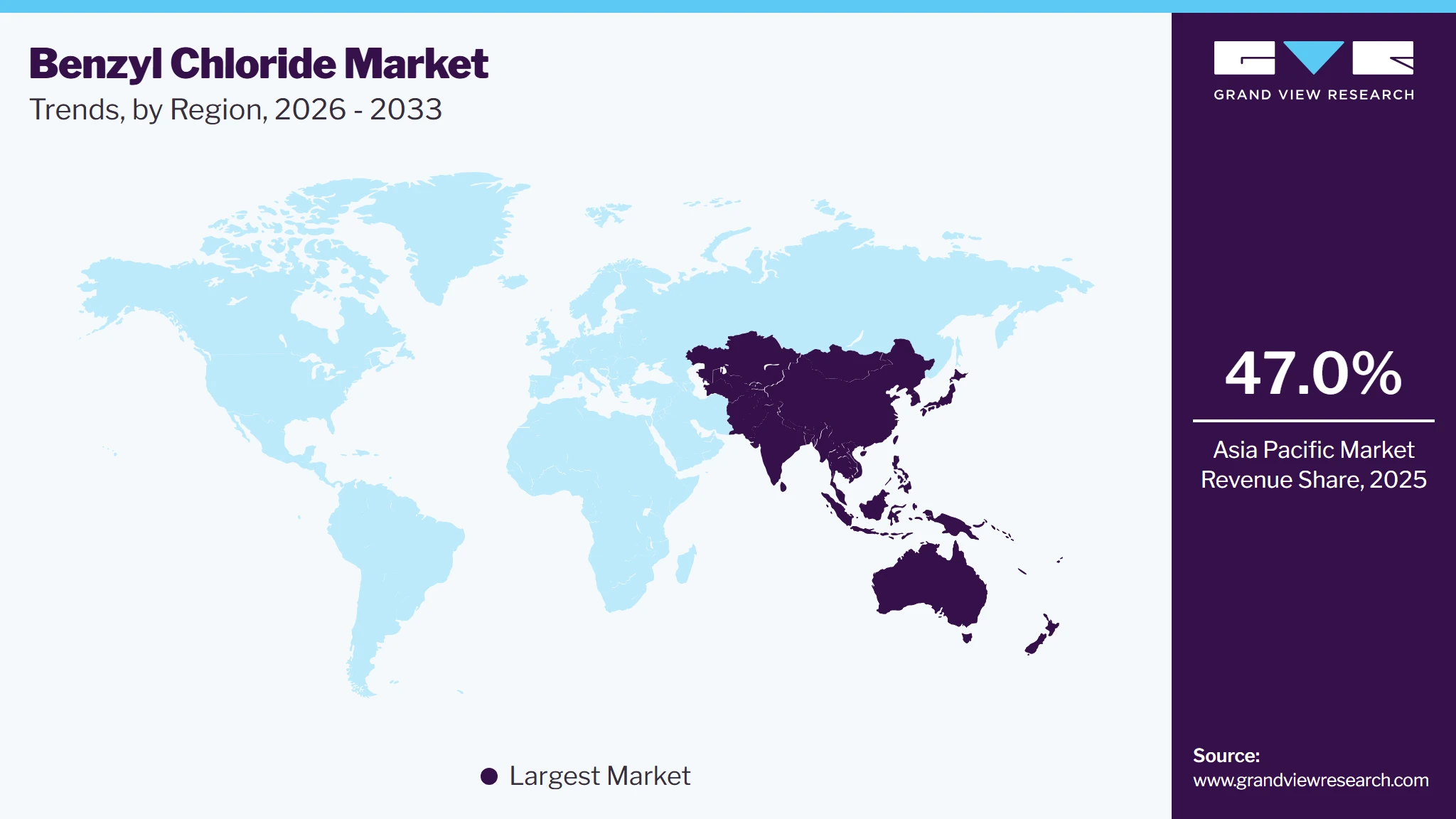
- Largest regional market: Asia Pacific (47.0% revenue share, 2025)
- By country: China held the largest market share in 2025.
Market Size & Forecast
- Market size in 2025: USD 993.0 Million
- Estimated market size in 2026: USD 1058.4 Million
- Projected market size by 2033: USD 1658.6 Million
- CAGR (2026-2033): 6.6%
Three ways to get this report
Buy it, customize it, or ask a question.Ask an Analyst
Analyst response in 1 business day
- AccessReport author, directly
- Reply timeWithin 1 working day
- No sales callDirect answer only
- FormatEmail reply
- CostFree, no cost
Get the Full Report
What the study covers
- FormatsPDF · Excel · Dashboard
- Timeline2026–2033 annual, 2025 base
- Coverage20+ countries, 5 regions
- Companies10+ key players profiled
Customize the Report
20% free customization
- IncludeCountries, segments, points
- TailorTo your product definition
- ExtendDeeper competitor detail
- OrA fully bespoke study
- Turnaround5–10 working days
It is a colorless liquid widely used as a chemical building block in various industries. Industrially, benzyl chloride is produced through the gas-phase photochemical reaction of toluene with chlorine. Its reactivity and utility make it a critical component in the synthesis of numerous products, including benzyl alcohol, benzyl esters, and other derivatives.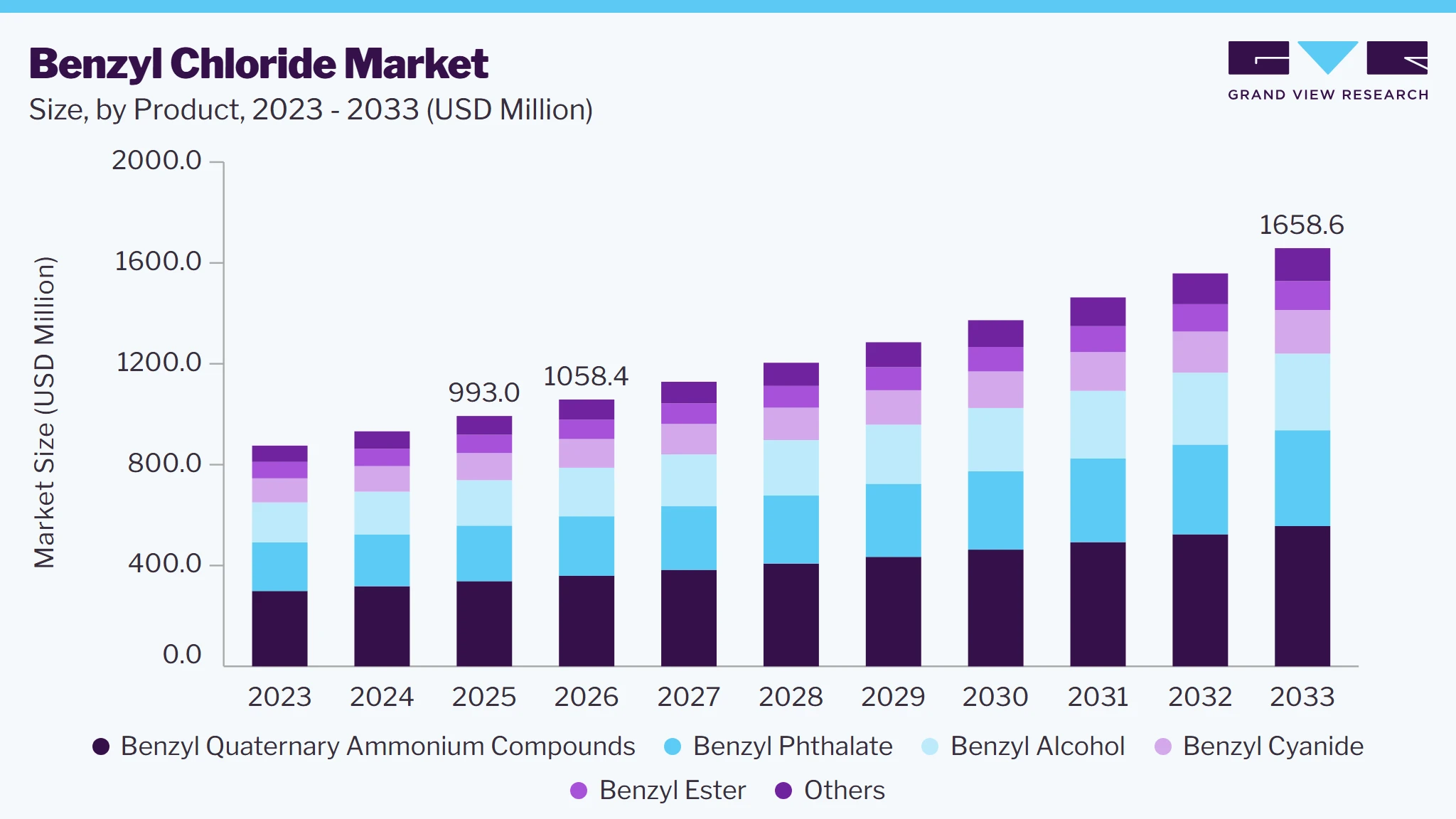 To learn more about this report, Download Free Sample Report
The demand for benzyl chloride has been steadily increasing due to its extensive applications in diverse industries. , One of the primary drivers of this growth is its use in the production of benzyl alcohol which accounts for approximately 50% of the global benzyl chloride market
Benzyl alcohol is widely used to manufacture paints, coatings, and personal care products, which are experiencing heightened demand due to expanding infrastructure projects and consumer preferences. Additionally, benzyl chloride is a key intermediate in the production of agrochemicals, pharmaceuticals, and dyes, further contributing to its rising demand.
Despite its growing demand, the benzyl chloride market faces challenges such as fluctuating raw material prices and environmental concerns associated with its production and use. For instance, the North American market experienced a decline in late 2024 due to oversupply, reduced agrochemical demand, and cheaper imports.
However, these challenges also present opportunities for innovation, such as developing more sustainable production methods and exploring alternative applications. As industries continue to evolve, benzyl chloride's versatility ensures its relevance in meeting the needs of emerging markets and technologies.
Market Dynamics
The benzyl chloride market is witnessing steady growth driven by increasing demand from downstream chemical manufacturing industries. Benzyl chloride serves as a critical intermediate in the production of benzyl alcohol, benzyl cyanide, quaternary ammonium compounds, esters, and various specialty chemicals, supporting its widespread industrial adoption. Growth in the pharmaceutical sector is a major market driver, as benzyl chloride is extensively utilized in the synthesis of active pharmaceutical ingredients and intermediates. Rising agricultural activities and the growing need for crop protection chemicals are contributing to higher consumption levels. Expanding paints and coatings production, coupled with increasing demand for specialty polymers and plastic additives, further strengthens market prospects. However, the market faces challenges related to stringent environmental regulations governing the handling and transportation of chlorinated compounds, as well as concerns regarding occupational safety.
The growing pharmaceutical industry is a key factor driving the benzyl chloride market. Benzyl chloride is widely used as an intermediate in the synthesis of active pharmaceutical ingredients (APIs), medicinal compounds, and specialty chemical intermediates. As global healthcare expenditure continues to increase and demand for pharmaceutical products rises across both developed and emerging economies, manufacturers are expanding production capacities to meet growing requirements. This trend has led to higher consumption of benzyl chloride as a fundamental raw material in various drug manufacturing processes.
Increasing investments in pharmaceutical research and development are supporting the demand for high-purity chemical intermediates. The expansion of generic drug manufacturing, coupled with the growing prevalence of chronic diseases and an aging population, has accelerated the requirement for efficient and cost-effective production routes. Benzyl chloride's versatility in organic synthesis makes it an essential component within pharmaceutical value chains, thereby playing a major role in market growth and creating long-term demand stability.
Rigorous environmental regulations and occupational safety requirements represent a major restraint for the benzyl chloride market. Benzyl chloride is classified as a hazardous chemical due to its toxic, corrosive, and potentially harmful properties, demanding strict handling, storage, transportation, and disposal procedures. Regulatory authorities across major economies have applied rigorous standards designed to curtail environmental emissions and protect worker health. Conformance with these regulations often requires substantial investments in emission control systems, safety infrastructure, employee training, and monitoring mechanisms, raising operational costs for manufacturers. Obtaining permits and meeting developing regulatory requirements can extend project schedules and create barriers to capacity expansion. Rising emphasis on sustainable chemical production and ecological oversight may further intensify compliance obligations, possibly limit market growth and affect profitability, particularly for small and medium-sized producers with limited financial resources.
The rapid expansion of chemical manufacturing activities in emerging economies provides a considerable opportunity for the benzyl chloride market. Countries across Asia-Pacific, Latin America, and the Middle East are witnessing substantial investments in industrial infrastructure, specialty chemicals, agrochemicals, and pharmaceutical production facilities. Favorable government policies, competitive manufacturing costs, and increasing domestic demand are encouraging both local and multinational companies to establish or expand production operations in these regions, creating additional demand for benzyl chloride-based intermediates.
The shift of global chemical supply chains toward emerging markets is generating new avenues for capacity expansion and market penetration. Growing industrialization and rising consumption of downstream products such as pharmaceuticals, coatings, polymers, and agricultural chemicals are expected to strengthen demand for benzyl chloride over the coming years. Manufacturers that enhance regional production capabilities and establish strategic distribution networks are likely to benefit from increasing procurement requirements and evolving end-user industries.
Analyst Perspective
The benzyl chloride market is supported by its critical role as an intermediate in pharmaceutical, agrochemical, and specialty chemical manufacturing. Rising demand for benzyl alcohol, benzyl cyanide, and quaternary ammonium compounds continues to strengthen downstream consumption. Asia Pacific remains the key production and consumption hub, driven by expanding chemical manufacturing capacities and cost-competitive supply chains. Regulatory pressures surrounding the handling and transportation of chlorinated compounds are encouraging investments in safer and more efficient production technologies. Market participants are increasingly focusing on high-purity grades, process optimization, and capacity expansion to enhance competitiveness. Long-term growth prospects remain favorable, underpinned by industrialization trends and increasing demand for value-added chemical intermediates.
Product Insights
Benzyl quaternary ammonium compounds represent the largest revenue share of 34% in 2025, supported by the established use of benzyl chloride as an alkylating intermediate for producing compounds such as benzalkonium chloride. These downstream compounds are widely used as disinfectants, sanitizers, biocides, surfactants, corrosion inhibitors, and preservatives across industrial cleaning, water treatment, household and personal care, and institutional applications. The broad application base and recurring demand for antimicrobial and cleaning chemicals support sustained consumption of benzyl chloride in this segment.
Benzyl phthalate is projected to be the fastest-growing product segment at a CAGR of 7.1% during the review period. This is primarily driven by its use as an intermediate in the production of benzyl-based plasticizers, particularly butyl benzyl phthalate (BBP). BBP is used as a plasticizer in flexible PVC applications, including vinyl flooring, coatings, and other flexible polymer products. Growth in construction and flexible PVC applications, coupled with continued demand for plasticized polymer products, is expected to support increasing consumption of benzyl chloride for phthalate production over the forecast period.
Application Insights
The paints and coatings segment dominated the market with a market share of 35.2% in 2024, during the forecast period. In the paints and coatings industry, benzyl chloride is primarily used to manufacture benzyl alcohol, which serves as a solvent and stabilizer in paint formulations. Benzyl alcohol improves the viscosity, drying time, and durability of paints and coatings, making it an indispensable ingredient in this sector. This application is particularly important in infrastructure development, automotive manufacturing, and home improvement projects, all of which are driving the demand for high-quality paints and coatings globally.
 To learn more about this report, Download Free Sample Report
Benzyl chloride finds limited but significant applications in the food and beverage industry, primarily as a chemical intermediate in producing flavoring agents and preservatives. It synthesizes benzyl esters, which impart fruity flavors and aromas in food products. Additionally, benzyl chloride-derived compounds are utilized as antimicrobial agents in food preservation. However, its use in this sector is subject to stringent safety regulations to ensure compliance with food-grade standards.
Regional Insights
Asia Pacific dominated the benzyl chloride market with the highest revenue share of 47.0% in 2025. The Asia-Pacific region dominates the global benzyl chloride market due to its robust industrial base and growing demand across key sectors such as pharmaceuticals, agrochemicals, and paints and coatings. Countries like China and India are major contributors, driven by their expanding manufacturing industries and increasing investments in infrastructure. However, the market in APAC faced challenges in late 2024, including a bearish trend caused by oversupply, reduced feedstock toluene costs, and subdued demand from the agrochemical and polymer sectors
 To learn more about this report, Download Free Sample Report
China Benzyl Chloride Market Trends
China dominated the Asia Pacific with a market share of 53.8% benzyl chloride market in 2025. China benzyl chloride market is growing due to the country's robust chemical industry and its role as a global manufacturing hub make it a critical market for benzyl chloride and its derivatives.
North America Benzyl Chloride Market Trends
North America represents a mature market for benzyl chloride, with significant demand stemming from the pharmaceutical and paints and coatings industries. The region benefits from advanced manufacturing capabilities and a strong focus on research and development, particularly in the pharmaceutical sector. However, the market experienced a slowdown in late 2024 due to oversupply and reduced demand for agrochemicals, coupled with competition from cheaper imports
Europe Benzyl Chloride Market Trends
Europe is a significant market for benzyl chloride, driven by its applications in pharmaceuticals, agrochemicals, and specialty chemicals. The region's stringent environmental regulations have encouraged the adoption of sustainable production practices, which could present opportunities for innovation in the benzyl chloride market. Additionally, the demand for benzyl chloride in the paints and coatings industry is supported by the region's focus on infrastructure development and automotive manufacturing. While the market in Europe is relatively stable, fluctuations in raw material prices and regulatory compliance costs remain key challenges for manufacturers.
Latin America Benzyl Chloride Market Trends
In Latin America, the benzyl chloride market is primarily driven by the agricultural sector, where it is used in the production of agrochemicals such as pesticides and herbicides. The region's reliance on agriculture for economic growth ensures a steady demand for benzyl chloride derivatives.
Middle East & Africa Benzyl Chloride Market Trends
The Middle East and Africa (MEA) region is witnessing growing demand for benzyl chloride in the paints and coatings industry, fueled by increasing construction activities and infrastructure development. However, both regions face challenges such as limited industrial capacity and dependence on imports, which could hinder market growth. Despite these obstacles, the rising demand for agrochemicals and infrastructure projects presents significant growth opportunities in these regions.
Key Benzyl Chloride Company Insights
Some of the key players operating in the market include Lanxess AG, Valtris Specialty Chemicals.
-
Lanxess AG, headquartered in Cologne, Germany, is a leading specialty chemicals company with a strong presence in the benzyl chloride market. The company operates globally, providing high-quality chemical intermediates, additives, and specialty chemicals for various industries. Lanxess is known for its focus on innovation, sustainability, and advanced manufacturing processes.
-
Valtris Specialty Chemicals, based in the United States, is a prominent player in the benzyl chloride market. The company specializes in the production of specialty chemicals and intermediates, serving a wide range of industries, including pharmaceuticals, plastics, and coatings.
Key Benzyl Chloride Companies
The following key companies have been profiled for this study on the benzyl chloride market.
-
Kemin Industries, Inc.
-
Lanxess AG
-
Valtris Specialty Chemicals
-
Shanghai Xinglu Chemical Technology Co., Ltd.
-
Nippon Light Metal Holdings Co., Ltd.
-
Hubei Phoenix Chemical Company Limited
-
Benzo Chem Industries Pvt. Ltd.
-
Charkit Chemical Company LLC
-
KLJ Group
-
Danyang Wanlong Chemical Co., Ltd.
-
LBB Specialties
Competitive Benchmarking
Category
Operating Strategies
Competitive Edge
Weakness
Established Players (LANXESS AG, Kemin Industries, Inc., Valtris Specialty Chemicals, Nippon Light Metal Holdings Co., Ltd., KLJ Group, Charkit Chemical Company LLC, LBB Specialties)
- Focus on vertically integrated production and diversified chemical portfolios.
- Maintain long-term supply agreements with pharmaceutical, agrochemical, and specialty chemical manufacturers.
- Invest in process optimization, regulatory compliance, and sustainability initiatives.
- Expand market presence through global distribution networks, acquisitions, and strategic partnerships.
- Strong brand recognition and established customer base across multiple industries.
- Broad product portfolios that reduce dependence on a single application segment.
- Advanced manufacturing technologies enabling consistent product quality and reliability.
- Extensive global sales and distribution infrastructure supporting international reach.
- Higher compliance and operational expenditures due to large-scale global operations.
- Slower implementation of strategic changes because of complex organizational structures.
- Exposure to fluctuations in mature end-use industries and global economic conditions.
- Significant capital requirements for facility upgrades and sustainability investments.
Emerging Players (Shanghai Xinglu Chemical Technology Co., Ltd., Hubei Phoenix Chemical Company Limited, Benzo Chem Industries Pvt. Ltd., Danyang Wanlong Chemical Co., Ltd.)
- Concentrate on regional market expansion and capacity enhancement projects.
- Emphasize cost-efficient manufacturing to strengthen competitiveness.
- Target niche applications and customized product requirements.
- Build customer relationships through flexible production and responsive supply services.
- Lower operating costs and competitive pricing structures.
- Greater agility in adapting to changing customer specifications and market trends.
- Ability to rapidly scale production for emerging regional demand.
- Strong presence in local markets with close customer engagement and faster decision-making.
- Limited international footprint and weaker brand visibility.
- Greater dependence on a smaller customer base and regional demand patterns.
- Restricted access to advanced technologies and research capabilities.
- Vulnerability to raw material price volatility and competitive pressure from larger manufacturers.
Recent Developments
-
In May 2023, LANXESS recently doubled its production capacity for high-purity benzyl alcohol at its Kalama, Washington, USA site. This expansion was achieved through technical upgrades and is aimed at supporting the increasing demand for benzyl alcohol in the Americas. Benzyl alcohol is widely used in applications such as pharmaceuticals, personal care products, and coatings.
Benzyl Chloride Market Report Scope
Report Attribute
Details
Market size in 2025
USD 993.0 million
Estimated market size in 2026
USD 1058.3 million
Projected market size by 2033
USD 1658.6 million
Growth rate
CAGR of 6.6% from 2026 to 2033
Base year for estimation
2025
Historical data
2021 - 2024
Forecast period
2026 - 2033
Quantitative units
Revenue in USD million/million, Volume in Kilotons and CAGR from 2026 to 2033
Report coverage
Revenue forecast, company ranking, competitive landscape, growth factors, and trends
Segments covered
Product, Application and Region
Regional scope
North America; Europe; Asia Pacific; Latin America; Middle East & Africa
Country scope
U.S.; Canada; Mexico; Germany; UK; France; Italy; Spain; China; India; Japan; South Korea; Brazil; Argentina; South Africa; Saudi Arabia
Key companies profiled
Kemin Industries, Inc.; Lanxess AG; Valtris Specialty Chemicals; Shanghai Xinglu Chemical Technology Co., Ltd.; Nippon Light Metal Holdings Co. Ltd.; Hubei Phoenix Chemical Company Limited; Benzo Chem Industries Pvt. Ltd.; Charkit Chemical Company LLC; KLJ Group Danyang Wanlong Chemical Co., Ltd.; LBB Specialties
Customization scope
Free report customization (equivalent up to 8 analysts' working days) with purchase. Addition or alteration to country, regional & segment scope.
Pricing and purchase options
Avail customized purchase options to meet your exact research needs. Explore purchase options
Global Benzyl Chloride Market Report Segmentation
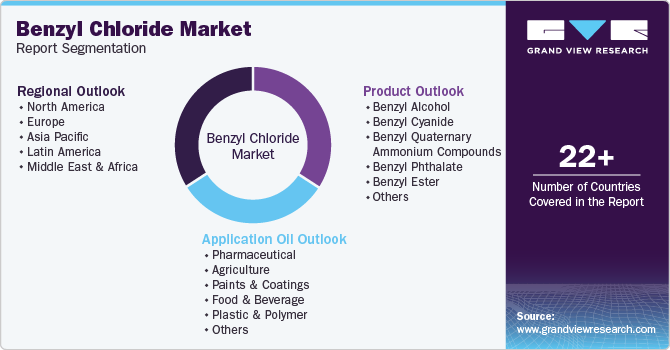
This report forecasts revenue and volume growth at global, regional, and country levels and provides an analysis of the latest industry trends in each of the sub-segments from 2021 to 2033. For this study, Grand View Research has segmented the global benzyl chloride market report based on product, application, and region.
 To learn more about this report, Download Free Sample Report
-
Product Outlook (Volume, Kilotons; Revenue, USD Million; 2021 - 2033)
-
Benzyl Alcohol
-
Benzyl Cyanide
-
Benzyl Quaternary Ammonium Compounds
-
Benzyl Phthalate
-
Benzyl Ester
-
Others
-
-
Application Oil Outlook (Volume, Kilotons; Revenue, USD Million; 2021 - 2033)
-
Pharmaceutical
-
Agriculture
-
Paints & Coatings
-
Food and Beverage
-
Plastic and Polymer
-
Others
-
-
Regional Outlook (Volume, Kilotons; Revenue, USD Million; 2021 - 2033)
-
North America
-
U.S.
-
Canada
-
Mexico
-
-
Europe
-
Germany
-
UK
-
France
-
Italy
-
Spain
-
-
Asia Pacific
-
China
-
India
-
Japan
-
South Korea
-
-
Latin America
-
Brazil
-
Argentina
-
-
Middle East & Africa
-
South Africa
-
Saudi Arabia
-
-
Research Methodology
The benzyl chloride market figures in this report are based on a proven research process that combines executive interviews with secondary research from proprietary databases, company filings, and recognized regulatory and institutional sources. Market size is built through value-chain sizing - reconciling supply-side and demand-side estimates - and triangulated with bottom-up and top-down approaches. Every estimate passes multiple levels of expert validation before publication, with each benzyl chloride segment quantified using the revenue-capture definitions in the table below.
Segment Definition
Segment - Product
Revenue capture definition
Benzyl Alcohol
Revenue is generated through the large-scale manufacture of benzyl chloride using efficient oxidation technology, supplying cost-competitive material to fragrance, pharmaceutical, food additive, and specialty chemical manufacturers worldwide.
Benzyl Cyanide
Income is derived from the production of benzyl chloride grades manufactured via chlorination routes, catering to customers requiring specific purity profiles and serving niche industrial and chemical synthesis applications.
Benzyl Quaternary Ammonium Compounds
Commercial value is created through alternative production techniques, including catalytic and bio-based pathways, which address sustainability objectives and specialized end-user requirements for premium-grade benzaldehyde.
Benzyl Phthalate
Revenue is secured through the supply of benzyl chloride-derived plasticizer intermediates utilized in flexible polymer formulations, coatings, adhesives, and industrial materials requiring enhanced durability and processing characteristics.
Benzyl Ester
Market earnings stem from the conversion of benzyl chloride into benzoic acid used in food preservation, industrial intermediates, plasticizers, and chemical manufacturing, supporting consistent downstream demand.
Other Products
Financial returns are supported by the production of sodium benzoate for use as a preservative in processed foods, beverages, pharmaceuticals, and personal care formulations that require extended shelf life.
Segment - Application
Revenue capture definition
Pharmaceutical
Revenue is generated through the utilization of benzyl chloride as a key intermediate in the manufacture of active pharmaceutical ingredients, drug intermediates, and therapeutic compounds across global healthcare markets.
Agriculture
Commercial proceeds originate from the application of benzyl chloride in the production of herbicides, insecticides, fungicides, and other crop protection formulations supporting agricultural productivity.
Paints & Coatings
Income is supported by the incorporation of benzyl chloride derivatives into coating additives, specialty resins, and performance-enhancing formulations used in architectural and industrial coatings.
Food and Beverage
Market value is captured through the production of flavoring agents, preservatives, and food-grade chemical ingredients derived from benzyl chloride that support processed food and beverage manufacturing.
Plastic and Polymer
Earnings are driven using benzyl chloride-based intermediates in plasticizers, polymer additives, resin modifiers, and specialty compounds that improve material performance and flexibility.
Other Applications
Business growth is supported by the deployment of benzyl chloride in fragrance ingredients, specialty chemicals, laboratory reagents, textile auxiliaries, and custom synthesis activities serving diverse industrial sectors.
Estimation Model
Layer Name
Key Question
Description
Raw Material & Production Layer
What forms the supply base?
Assess global benzyl chloride production based on key feedstocks such as toluene and chlorinating agents. Evaluate manufacturing pathways including side-chain chlorination, continuous processing technologies, and process optimization initiatives while examining feedstock accessibility, production economics, operational efficiencies, and key manufacturing hubs influencing worldwide supply.
Application Adoption Layer
Where is benzyl chloride consumed?
Examine the deployment of benzyl chloride across major end-use sectors including pharmaceuticals, agriculture, paints & coatings, plastics & polymers, food & beverage ingredients, and specialty chemicals. Demand is shaped by its role as a versatile intermediate in the synthesis of active compounds, additives, preservatives, plasticizers, and performance-enhancing formulations.
Consumption Intensity Layer
How much benzyl chloride is utilized?
Analyze benzyl chloride utilization through its conversion into downstream products such as benzyl alcohol, benzyl cyanide, quaternary ammonium compounds, benzyl esters, and plasticizer intermediates. The assessment considers derivative production volumes, manufacturing throughput, industrial demand patterns, and geographic consumption trends to estimate market absorption levels.
Revenue Layer
How is market revenue generated?
Market revenue is generated through the commercialization of benzyl chloride and its derivative products supplied to pharmaceutical manufacturers, agrochemical producers, coating formulators, polymer processors, and specialty chemical companies. Industry expansion is supported by increasing demand for chemical intermediates, capacity enhancements, product quality improvements, strategic supply agreements, and technological advancements that strengthen value creation across the supply chain.
Delivered Customizations
This report has been delivered with the following In-depth customizations
Client Request
Customization Delivered
Value Adds
Regional Segmentation
The study delivers detailed country-level analysis across major benzyl chloride production and consumption markets and other key regions. The assessment covers feedstock availability, benzyl chloride manufacturing capacities, supply chain dynamics, trade flows, regulatory frameworks, sustainability initiatives, and demand trends across pharmaceuticals, agriculture, paints & coatings, food & beverage, plastics & polymers, and other end-use sectors.
Enables stakeholders to identify high-growth geographic clusters, evaluate market accessibility, understand local regulatory environments, assess manufacturing competitiveness, and develop region-specific expansion and sourcing strategies.
Competitive Benchmarking
The report provides a comprehensive competitive benchmarking analysis of leading benzyl chloride producers and suppliers operating across global and regional markets. The assessment covers market positioning, product offerings, production infrastructure, operational efficiencies, distribution capabilities, strategic developments, customer engagement approaches, innovation activities, and business expansion initiatives.
Helps stakeholders assess competitive intensity, identify strategic gaps, compare operational performance, evaluate market differentiation factors, and support decisions related to partnerships, acquisitions, capacity expansion, and portfolio diversification.
Opportunity Assessment
The study delivers a detailed evaluation of growth opportunities across pharmaceutical intermediates, crop protection chemicals, coating additives, plasticizer production, specialty chemicals, and emerging high-purity applications. The analysis further examines opportunities arising from expanding chemical manufacturing investments, technological advancements, increasing demand for value-added derivatives, and the shift toward efficient production processes.
Assists companies in prioritizing investment areas, identifying untapped application segments, strengthening market penetration strategies, aligning production capabilities with future demand patterns, and maximizing returns through targeted business development initiatives.
Frequently Asked Questions About This Report
Based on product, the benzyl quaternary ammonium compounds segment accounted for the highest market share, representing 34.0% of total revenue in 2025. Its leading position is attributed to extensive utilization in disinfectants, antimicrobial formulations, fabric softeners, and industrial cleaning products, supported by growing hygiene and sanitation requirements across multiple sectors.
By application, paints & coatings held a dominant position, contributing 35.1% of total revenue in 2025. The segment's prominence is attributed to the extensive use of benzyl chloride-derived intermediates in coating additives, specialty resins, and performance-enhancing formulations for industrial and architectural applications.
Asia Pacific is the fastest growing region with a CAGR of 6.9% in the forecast period. Robust expansion of pharmaceutical production, increasing agrochemical consumption, and ongoing investments in chemical manufacturing infrastructure are expected to accelerate regional market growth throughout the forecast period.
Benzyl Phthalate is the fastest growing product segment with a CAGR of 7.1% in the forecast period. Growth is primarily attributed to increasing demand for plasticizers, flexible polymer formulations, and specialty industrial materials requiring enhanced durability and processing performance.
Asia Pacific dominated the benzyl chloride market with the highest revenue share of 47.0% in 2025. The region's leadership is supported by its extensive chemical manufacturing base, abundant feedstock availability, and strong demand from pharmaceutical, agrochemical, and specialty chemical industries, particularly in China and India.
The benzyl chloride market is primarily driven by growing demand for pharmaceutical intermediates, crop protection chemicals, and specialty chemical formulations. Expanding industrial production in emerging economies, coupled with increasing consumption of benzyl alcohol and quaternary ammonium compounds, is further supporting market expansion.
The global benzyl chloride market size was estimated at USD 993.0 million in 2025 and is expected to reach USD 1058.3 million in 2026.
The global benzyl chloride market is expected to grow at a compound annual growth rate of 6.6% from 2026 to 2033 to reach USD 1658.6 million by 2033.
Some key players operating in the benzyl chloride market include Kemin Industries, Inc., Lanxess AG, Valtris Specialty Chemicals, Shanghai Xinglu Chemical Technology Co., Ltd. and others.
About the Author(s)
Organic Chemicals Research Team
Bulk Chemicals · Organic ChemicalsThis report was authored by the organic chemicals research team at Grand View Research - comprising two research analysts, one senior research analyst, and one industry expert - with specialized expertise in the organic chemicals segment of the bulk chemicals industry. All findings are based on proprietary bulk chemicals databases, executive interviews, and regulatory analysis, subject to internal peer review prior to publication.
Last Updated:
Speak to Analyst

Customize this report to your needs - add regions, segments, or data points, with 20% free customization.
Or view our licence options:


ISO 9001:2015 & 27001:2022 Certified
We are GDPR and CCPA compliant! Your transaction & personal information is safe and secure. For more details, please read our privacy policy.


