
- Home
- »
- Medical Devices
- »
-
Cell & Gene Therapy Contract Research Organizations Market Report, 2033GVR Report cover

Cell & Gene Therapy Contract Research Organizations Market (2026 - 2033)
Size, Share & Trends Analysis Report By Type (Drug Discovery, Preclinical, Clinical), By Service (Regulatory Strategy, Clinical Monitoring), By Indication, By Modality, By Region, And Segment Forecasts
Market Size, 2025
$5.3BMarket Estimate, 2026
$5.8BMarket Forecast, 2033
$11.3BCAGR, 2026–2033
10.0%Cell & Gene Therapy Contract Research Organizations Market Summary
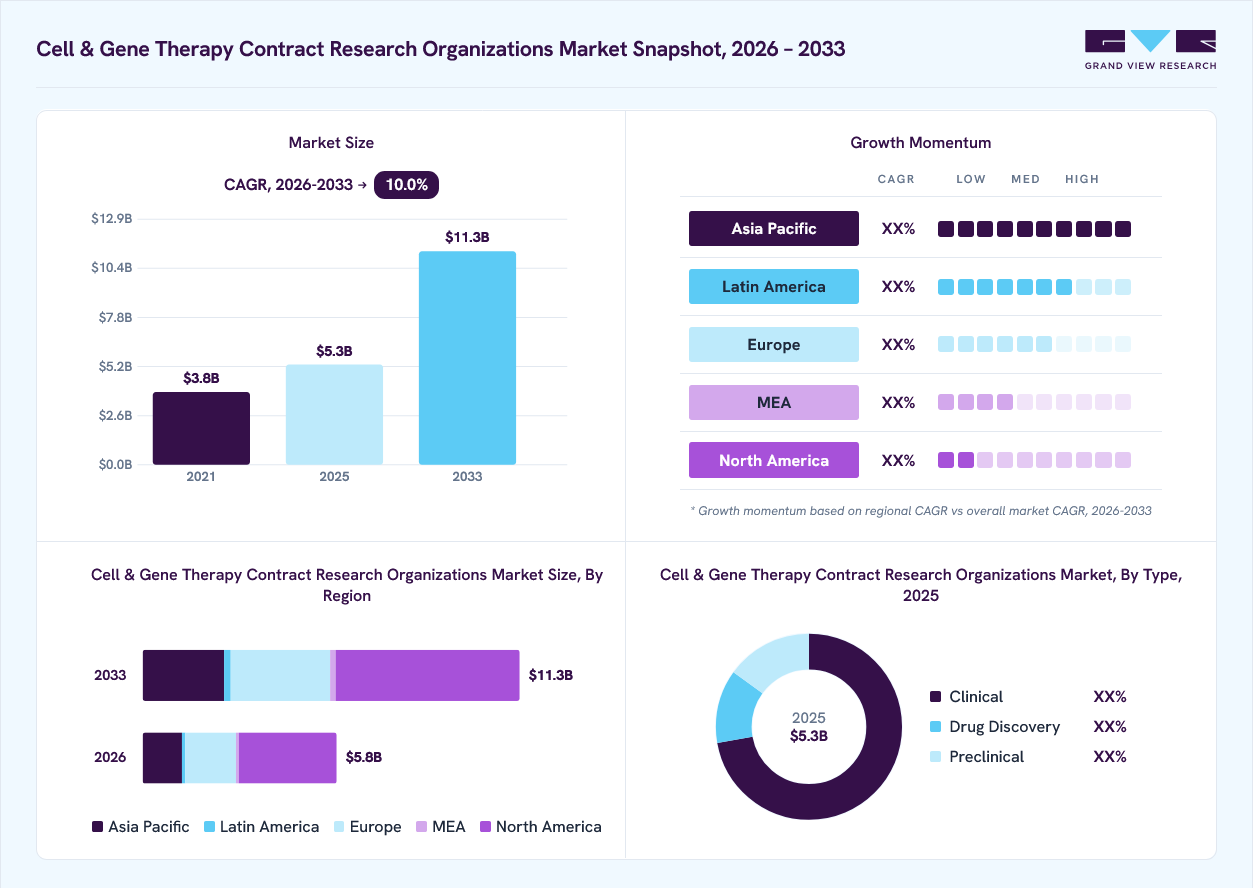
The global cell & gene therapy contract research organizations market size was valued at USD 5.3 billion in 2025 and is projected to grow from USD 5.8 billion in 2026 to USD 11.3 billion by 2033, at a CAGR of 10.0% from 2026 to 2033. The market in North America dominated with a revenue share of 50.7% in 2025. The growth is due to the rising clinical trial volume in CGT, increased outsourcing by biotech firms, regulatory complexity, and global expansion, among others.
 Source: Grand View Research, IR Documents, Primary Interviews, Paid DatabasesTo learn more about this report,
 Download Free Sample Report
Key Market Trends & Insights
- By type: Clinical segment held the largest market share of 72.1% in 2025.
- By service: Clinical monitoring segment held the largest market share of 19.5% in 2025.
- By indication: Oncology segment held the largest market share of 31.9% in 2025.
- By modality: Cell-based therapies segment held the largest market share of 52.6% in 2025.
Regional Highlights
- Largest regional market: North America (50.7% revenue share, 2025)
- Fastest-growing regional market: Asia Pacific (highest CAGR, 2026-2033)
- By country: The U.S. held the largest market share in 2025
Market Size & Forecast
- Market size in 2025: USD 5.3 Billion
- Estimated market size in 2026: USD 5.8 Billion
- Projected market size by 2033: USD 11.3 Billion
- CAGR (2026-2033): 10.0%
Three ways to get this report
Buy it, customize it, or ask a question.Ask an Analyst
Analyst response in 1 business day
- AccessReport author, directly
- Reply timeWithin 1 working day
- No sales callDirect answer only
- FormatEmail reply
- CostFree, no cost
Get the Full Report
What the study covers
- FormatsPDF · Excel · Dashboard
- Timeline2026–2033 annual, 2025 base
- Coverage20+ countries, 5 regions
- Companies10+ key players profiled
Customize the Report
20% free customization
- IncludeCountries, segments, points
- TailorTo your product definition
- ExtendDeeper competitor detail
- OrA fully bespoke study
- Turnaround5–10 working days
The growth of the cell & gene therapy contract research organizations industry is fueled by the rapid expansion of clinical pipelines, especially in oncology, hematologic, and rare genetic disorders. Sponsors are increasingly turning to CROs due to the high complexity, regulatory scrutiny, and cost intensity of CGT trials. These therapies demand specialized logistics, personalized manufacturing coordination, and sophisticated data handling capabilities that most small to mid-sized biotech firms prefer to outsource. Moreover, the global increase in Investigational New Drug (IND) applications for ATMPs has heightened demand for regulatory support, trial design, and long-term safety monitoring services.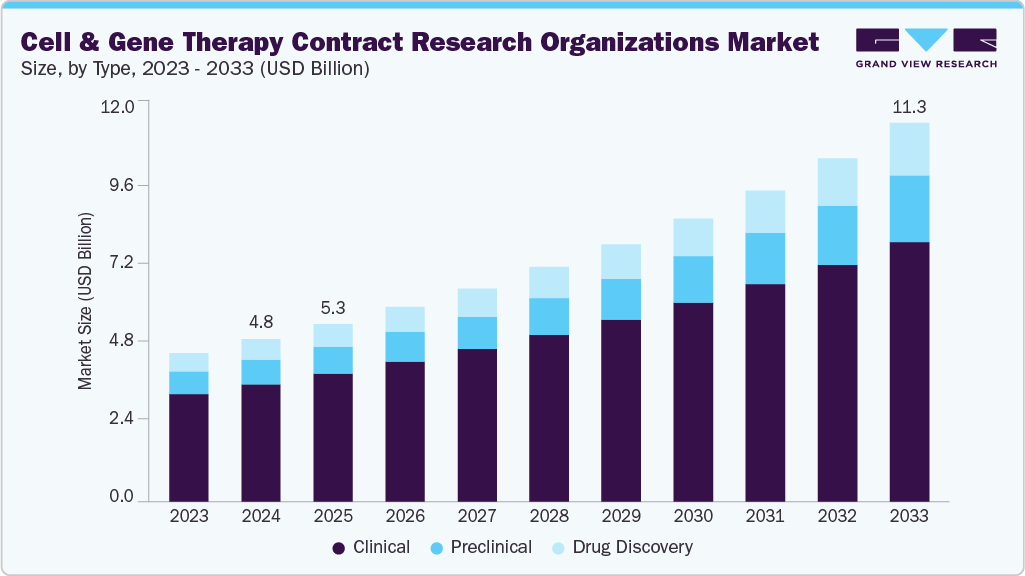 To learn more about this report, Download Free Sample Report
Advancements in gene-editing platforms such as CRISPR and viral and non-viral delivery technologies are transforming CGT development, thereby intensifying the need for expert-led preclinical and clinical research support. CROs offering integrated solutions across discovery, preclinical validation, vector analytics, and GMP compliance are gaining a competitive edge. Additionally, increased funding, strategic partnerships, and industry consolidation have enhanced the CRO ecosystem’s capacity to scale with the innovation surge. This ecosystem shift has positioned specialized CROs as essential partners in accelerating CGT approvals and global trial execution.
Market Dynamics
The cell & gene therapy contract research organizations market is evolving from conventional clinical outsourcing toward a specialized advanced-therapy development support ecosystem. Market growth is being shaped by increasing sponsor reliance on external partners for complex study design, regulatory alignment, clinical operations, biomarker integration, and long-term patient follow-up. Demand is particularly strong where programs require rare disease expertise, genetically defined patient cohorts, adaptive protocols, specialized site activation, and close coordination between clinical, laboratory, manufacturing, and logistics stakeholders. CROs are increasingly expanding their role beyond trial execution to include regulatory strategy, protocol optimization, data governance, safety oversight, quality management, and commercialization-enabling evidence generation. The market is also gaining momentum from the need for faster development timelines, higher data integrity, and improved patient access across global trial networks. Technology-enabled monitoring, real-world evidence platforms, decentralized engagement tools, and advanced analytics are becoming important differentiators. Overall, growth will be supported by the increasing maturity of cell and gene therapy pipelines, rising outsourcing intensity among biotech sponsors, and the need for integrated, therapy-specific CRO capabilities that can improve execution efficiency and reduce development uncertainty
The growing clinical pipeline of cell and gene therapies is a major driver for the Cell & Gene Therapy CRO market. Rising development of CAR-T therapies, gene therapies, gene-modified cell therapies, stem cell-based therapies, and rare disease-focused advanced therapies is increasing the demand for specialized CRO support across discovery, preclinical, clinical, regulatory, and post-approval stages. These therapies require complex trial designs, small and targeted patient populations, biomarker-based screening, specialized clinical sites, long-term safety follow-up, and strict regulatory documentation. Many emerging biotechnology companies developing cell and gene therapies lack in-house clinical operations, regulatory, biostatistics, pharmacovigilance, and site management capabilities, which increases dependence on CRO partners. In addition, the movement of candidates from early-stage development to Phase II and Phase III trials is raising outsourcing intensity. As sponsors focus on faster trial execution, patient access, compliance, and cost control, CROs with cell and gene therapy expertise are becoming critical development partners.
A key restraint for the Cell & Gene Therapy CRO market is the complexity associated with patient recruitment and clinical trial execution. Many cell and gene therapy programs target rare cancers, inherited disorders, neurological diseases, ophthalmic conditions, and ultra-rare genetic diseases, where eligible patient populations are limited and geographically dispersed. Patient identification often requires genetic testing, biomarker screening, prior treatment history assessment, and coordination with specialized referral centers. In addition, these trials require highly qualified sites with advanced infrastructure, trained investigators, cell handling capabilities, cryogenic logistics, intensive monitoring, and long-term follow-up systems. This increases operational burden, study timelines, and trial costs. Regulatory expectations around safety monitoring, adverse event reporting, and durability assessment further add complexity. Smaller CROs may face challenges in managing multicountry trials, while sponsors may experience delays in enrollment and site activation. These factors can restrict trial scalability and slow market growth.
A significant opportunity in the Cell & Gene Therapy CRO market lies in the rising demand for specialized end-to-end services. Sponsors are increasingly seeking CRO partners that can support the full development lifecycle, from target validation, preclinical study design, and regulatory strategy to clinical trial management, patient recruitment, safety monitoring, data management, and long-term follow-up. Cell and gene therapy programs require highly customized execution models due to complex manufacturing coordination, patient-specific logistics, decentralized treatment pathways, and advanced regulatory requirements. This creates opportunities for CROs to differentiate through rare disease recruitment networks, biomarker-driven trial design, real-world evidence capabilities, digital patient tracking, and integrated quality management. Demand is especially strong among small and mid-sized biotechnology companies that need flexible, high-touch support but lack internal infrastructure. CROs offering advanced therapy-specific expertise, regional trial access, technology-enabled monitoring, and regulatory readiness can capture higher-value contracts and strengthen long-term sponsor relationships.
Market Concentration & Characteristics
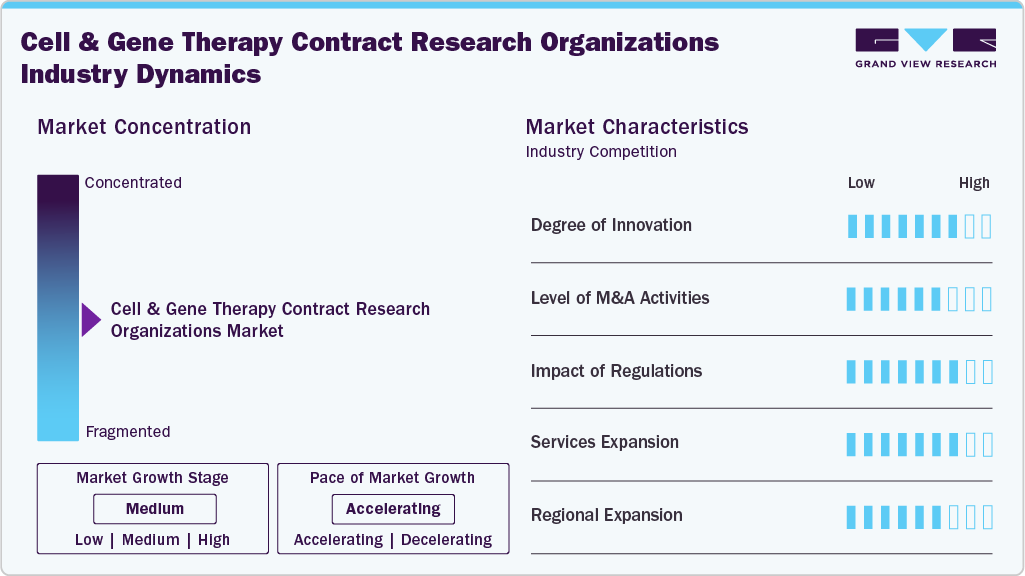
The cell & gene therapy contract research organizations market growth stage is medium, and growth is accelerating. The market is characterized by the degree of innovation, level of M&A activities, regulatory impact, service expansion, and regional expansion.
Innovation in the Cell & Gene Therapy CRO market is increasing with the adoption of decentralized trial models, AI-enabled patient matching, digital biomarkers, advanced analytics, and real-time clinical data platforms. These technologies are improving protocol execution, patient monitoring, data accuracy, and trial efficiency for complex cell and gene therapy studies. CROs are also integrating biomarker-driven trial design, long-term follow-up tools, and digital safety monitoring to support advanced therapy development across rare diseases, oncology, and genetic disorders.
 To learn more about this report, Download Free Sample Report
M&A activity in the Cell & Gene Therapy CRO market is moderate, with increasing partnerships, capability-driven acquisitions, and collaborations between global CROs, specialized advanced therapy service providers, academic centers, and biopharma sponsors. These transactions are aimed at strengthening expertise in regulatory strategy, patient recruitment, biomarker services, clinical monitoring, and long-term safety follow-up. Consolidation is helping CROs expand therapeutic depth, enhance geographic reach, and build integrated platforms for supporting complex cell and gene therapy development programs.
Regulatory impact is high in the Cell & Gene Therapy CRO market due to stringent requirements around patient safety, product traceability, long-term follow-up, trial documentation, and adverse event monitoring. Agencies increasingly expect robust clinical evidence, clear risk management plans, and specialized regulatory submissions for advanced therapies. This is increasing demand for CROs with strong regulatory intelligence, medical writing, pharmacovigilance, and compliance capabilities. CROs are becoming critical partners for sponsors navigating complex approval pathways across multiple regions.
CROs in the Cell & Gene Therapy market are expanding beyond traditional trial execution to offer integrated services across discovery support, preclinical planning, regulatory strategy, clinical operations, biomarker management, data analytics, pharmacovigilance, quality management, and real-world evidence generation. This expansion is driven by the complex and multidisciplinary nature of advanced therapy development. Sponsors increasingly prefer CRO partners that can provide continuity across development stages, reduce vendor fragmentation, improve execution efficiency, and support faster progression from early research to commercialization.
Regional expansion is gaining importance as cell and gene therapy trials increasingly require access to diverse patient populations, specialized clinical sites, and country-specific regulatory pathways. CROs are expanding their footprint across North America, Europe, Asia Pacific, Latin America, and the Middle East to support global trial execution. Expansion into emerging research hubs enables faster patient recruitment, stronger investigator engagement, and better local compliance support. This strengthens CRO competitiveness and improves sponsor access to advanced therapy development infrastructure.
Analyst Perspective
The cell & gene therapy contract research organizations market is positioned for sustained growth as advanced therapy pipelines expand and sponsors increasingly require specialized clinical, regulatory, and operational support. Unlike conventional drug development, cell and gene therapy programs involve complex trial designs, small patient populations, specialized site capabilities, intensive safety monitoring, and long-term follow-up requirements. This creates strong demand for CROs with deep expertise in rare disease recruitment, biomarker-driven protocols, vector-related safety assessment, regulatory documentation, and post-treatment surveillance. The market is also benefiting from rising outsourcing among emerging biopharma companies that lack internal infrastructure to manage highly specialized development programs. From an analyst perspective, service differentiation, therapeutic expertise, regulatory readiness, patient access, and data quality will remain key success factors. Growth will be driven by clinical pipeline advancement, increasing trial complexity, and the need for efficient execution across global regulatory environments, making CROs critical partners in accelerating cell and gene therapy commercialization.
Impact of U.S. Tariffs on the Global Cell & Gene Therapy Contract Research Organizations Market
U.S. tariffs are expected to have an indirect but measurable impact on the global Cell & Gene Therapy Contract Research Organizations market. As tariffs raise the cost of imported pharmaceutical products, APIs, specialty reagents, lab consumables, medical devices, and clinical trial materials, sponsors may face higher development budgets and tighter control over outsourcing decisions. For CROs, this can increase pressure to optimize trial design, manage vendor costs, build regional supply redundancy, and improve logistics planning. Cell and gene therapy studies are particularly exposed due to their dependence on specialized testing materials, cryogenic handling, comparator products, and cross-border clinical coordination. However, the impact is not purely negative. Tariff-driven supply chain realignment may accelerate demand for CROs with strong U.S. and regional operating networks, regulatory intelligence, and localized trial execution capabilities. CROs that can support cost-efficient study planning, domestic vendor qualification, and multisite risk mitigation are likely to gain strategic relevance. Overall, tariffs may increase near-term operational complexity while strengthening demand for integrated, resilient, and regionally diversified CRO partnerships.
Opportunity Analysis
The Cell & Gene Therapy (CGT) CRO market presents a high-growth opportunity driven by the surge in early-phase research, regulatory complexity, and the sharp rise in advanced clinical therapy trials. Most biotech companies developing CGT candidates operate with limited in-house infrastructure and depend on specialized CROs for protocol design, patient recruitment, GMP-grade sample handling, and regulatory submissions.
 To learn more about this report, Download Free Sample Report
This shift has created demand for CROs with technical capabilities in viral vector analytics, immunogenicity, and long-term patient monitoring. The decentralization of trials, increasing cell therapy manufacturing in Asia-Pacific, and the FDA's accelerated approval pathways for rare diseases are intensifying the outsourcing trend.
Technological Advancements
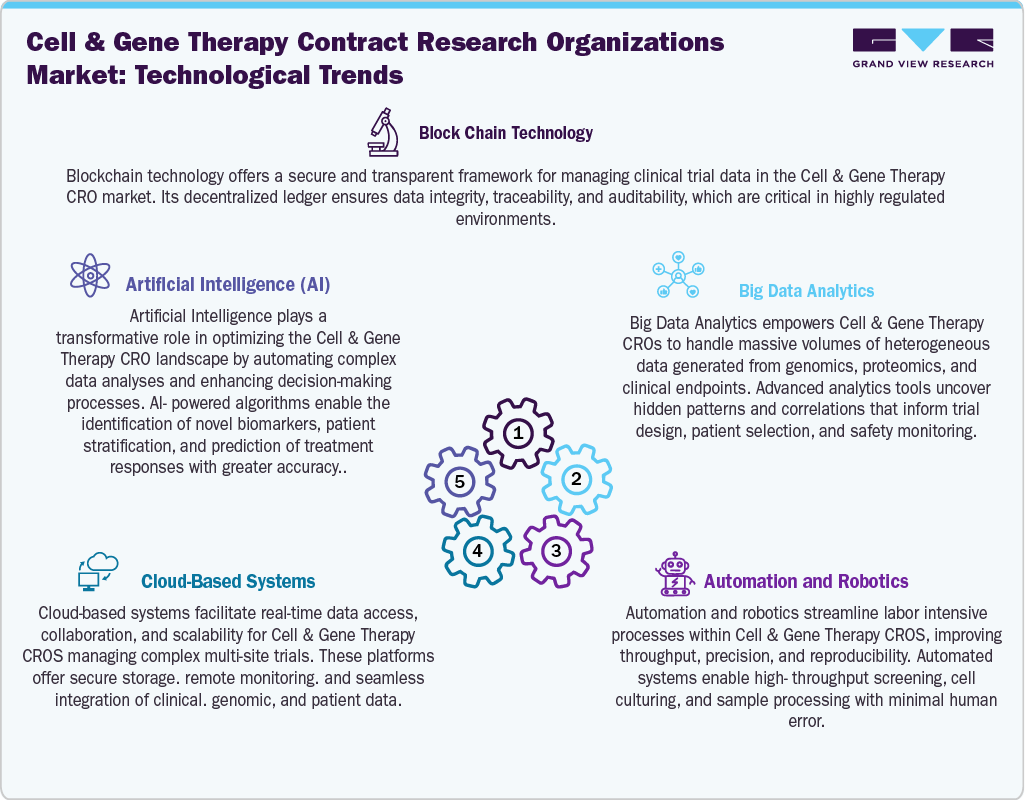
Rapid technological advancements in cell and gene therapy have significantly expanded the capabilities and complexity of clinical trials, creating substantial opportunities for specialized CROs. Innovations such as CRISPR-based gene editing, novel viral vectors, and next-generation sequencing require CROs to continuously upgrade their platforms and expertise to support precise, safe, and efficient therapy development. Automated cell processing technologies and digital monitoring tools enhance trial accuracy and patient adherence, enabling real-time data collection and analysis.
 To learn more about this report, Download Free Sample Report
The integration of artificial intelligence and machine learning into trial design and biomarker discovery further optimizes clinical endpoints and accelerates decision-making. CROs that invest in these cutting-edge technologies and demonstrate strong regulatory compliance stand to attract more partnerships with sponsors seeking to reduce development timelines and costs while ensuring product quality and patient safety.
Pricing Analysis
The pricing model for the cell & gene therapy contract research organizations market is typically structured around a combination of fixed fees and variable costs tied to the complexity and scope of services provided. Key cost drivers include patient enrolment numbers, trial phase, manufacturing scale, and regulatory requirements. Early-stage services such as preclinical research and biomarker development usually incur substantial fixed costs due to specialized technology and expertise. At the same time, clinical trial management fees often depend on per-patient charges and site management complexity. Manufacturing of cell and gene therapy products commands premium pricing because of stringent Good Manufacturing Practice (GMP) standards and personalized batch production.
Service Category
Estimated Pricing Range (USD)
Description
Preclinical Research
USD 200,000 + - USD 1,000,000+
Early-stage safety, toxicology, and efficacy studies before human trials
Clinical Trial Management
USD 2,000 - USD 5,000 per patient enrolled
Monitoring, site management, and patient recruitment for Phase I-III trials
Cell Manufacturing Services
USD 50,000 - USD 500,000+ per batch
Production of clinical-grade cell and gene therapy products
Biomarker Development
USD 100,000 - USD 500,000+
Development and validation of genomic/proteomic biomarkers
Data Management & Analytics
USD 50,000 - USD 300,000+
Data collection, integration, and advanced analytics
Regulatory Consulting
USD 20,000 - USD 150,000+
Guidance on compliance, submissions, and approvals
Type Insights
Based on type, the cell & gene therapy CRO industry is classified into drug discovery, preclinical, and clinical. The clinical segment led the market with the largest revenue share of 72.1% in 2025. The growth is due tothe increasing number of clinical trials involving advanced therapies, particularly in Phase I and II, where safety and efficacy assessments are critical. Cell and gene therapies require highly specialized trial designs, stringent regulatory oversight, and intensive patient monitoring, all of which drive demand for outsourcing to experienced CROs.
The preclinical segment is anticipated to grow at the fastest CAGR during the forecast period. The segment growth is driven due to the rising demand for early-stage safety and efficacy evaluations of complex cell and gene therapy candidates before human trials. These therapies often require tailored in vivo and in vitro studies, including immunogenicity testing, biodistribution analysis, and vector safety profiling, which demand specialized CRO expertise.
Service Insights
Based on service, the cell & gene therapy CRO market is segregated into project & clinical trial management, regulatory strategy, data management & medical writing, clinical monitoring, quality management / GMP compliance, biostatistics & safety monitoring, patient & site recruitment, technology transfer, and others. The clinical monitoring segment led the market with the largest revenue share of 19.5% in 2025 due to the critical need for real-time oversight and quality assurance in complex cell and gene therapy trials. These therapies involve sensitive biological materials, strict dosing protocols, and intensive patient follow-up, making accurate and continuous monitoring essential to ensure patient safety and protocol adherence. Clinical monitoring services support compliance with Good Clinical Practice (GCP) and regulatory guidelines by detecting deviations, managing adverse events, and verifying data integrity across multiple trial sites.
The regulatory strategy segment is anticipated to grow at the fastest CAGR over the forecast period. The growth of the segment is due to the increasing complexity of global regulatory pathways for cell and gene therapies. These therapies often involve novel mechanisms, such as genome editing or autologous cell modification, which require customized regulatory strategies to meet evolving standards from agencies like the FDA, EMA, and PMDA.
Indication Insights
Based on indication, the cell & gene therapy contract research organizations industry is segregated into oncology, CNS Disorders, infectious diseases, immunological disorders, cardiovascular diseases, respiratory diseases, diabetes, ophthalmology, pain management, and others. The oncology segment led the market with the largest revenue share of 31.9% in 2025 due to the high concentration of cell and gene therapy clinical trials targeting various cancers, particularly hematologic malignancies such as leukemia, lymphoma, and multiple myeloma. Therapies like CAR-T cells and gene-modified immune cells have demonstrated groundbreaking results in treating cancers resistant to conventional treatments, prompting a surge in R&D investment and trial activity.
The CNS disorders segment is anticipated to grow at the fastest CAGR over the forecast period. The growth is due to the rising focus on gene and cell-based therapies for previously untreatable or poorly managed neurological conditions such as Parkinson’s disease, Alzheimer’s disease, amyotrophic lateral sclerosis (ALS), and rare inherited neurodegenerative disorders. Traditional treatment options for these disorders often offer limited efficacy and fail to address the underlying causes, creating a strong incentive for the development of regenerative and gene-modifying therapies.
Modality Insights
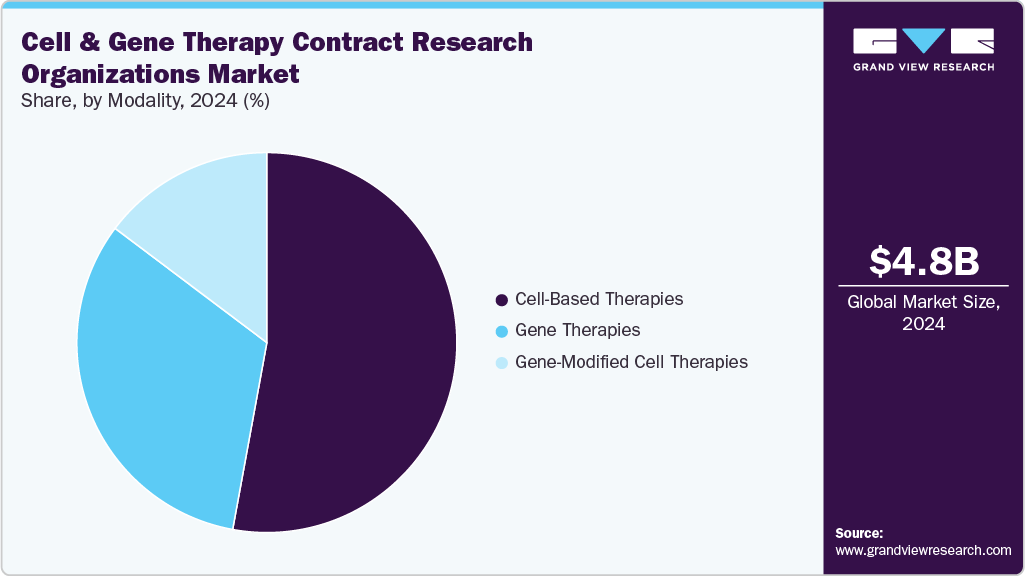
Based on modality, the cell & gene therapy contract research organizations market is segregated into cell-based therapies, gene therapies, and gene-modified cell therapies. The cell-based therapies segment led the market with the largest revenue share of 52.6% in 2025 due to its widespread clinical adoption, established manufacturing protocols, and demonstrated therapeutic success, particularly in oncology and regenerative medicine. These therapies, which include autologous and allogeneic stem cell treatments, have seen accelerated development owing to their ability to repair or replace damaged tissues and modulate immune responses in conditions such as cancer, autoimmune diseases, and musculoskeletal disorders.
 To learn more about this report, Download Free Sample Report
In addition, the gene therapies segment is anticipated to witness the fastest CAGR growth during the forecast period. This growth can be attributed to the increasing number of gene therapy candidates entering clinical pipelines, driven by advances in gene editing tools such as CRISPR, AAV-based vectors, and lipid nanoparticle delivery systems. Gene therapies offer the potential for curative treatment of a wide range of genetic, metabolic, and rare disorders by directly addressing the root cause at the molecular level.
Regional Insights
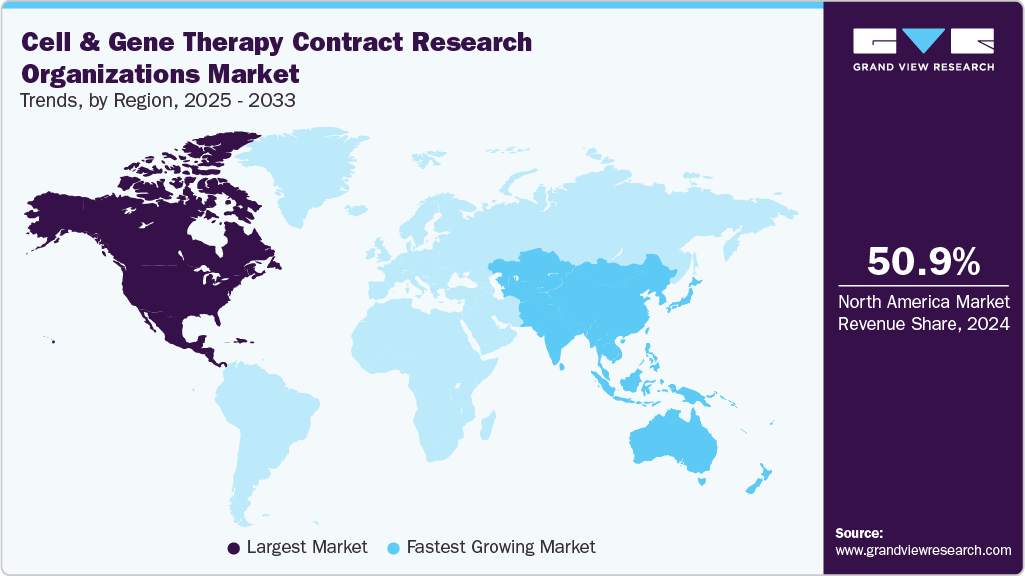
North America dominated the cell & gene therapy contract research organizations market with the largest revenue share of 50.7% in 2025, due to its well-established biopharmaceutical ecosystem, significant R&D investments, and presence of leading biotech companies and research institutions. The U.S., as the largest contributor, benefits from supportive regulatory frameworks like the FDA’s regenerative medicine advanced therapy (RMAT) designation, which accelerates development timelines.
 To learn more about this report, Download Free Sample Report
U.S. Cell & Gene Therapy Contract Research Organizations Market Trends
The cell & gene therapy contract research organizations market in the U.S. held the largest share in the North America region in 2025. The country’s growth is due to favorable intellectual property laws and robust venture capital funding accelerate pipeline growth. Regulatory initiatives, including streamlined IND and BLA pathways, encourage expedited clinical development.
Europe Cell & Gene Therapy Contract Research Organizations Market Trends
The cell & gene therapy contract research organizations industry in Europe is expected to grow significantly due to the supported regulatory environment under the European Medicines Agency (EMA) and strong government initiatives promoting advanced therapy medicinal products (ATMPs). Countries like Germany, the UK, and France invest heavily in translational research and clinical trial infrastructure.
The cell & gene therapy contract research organizations market in Germany held the largest share in 2025, owing to the country's strong regulatory framework that supports ATMP development and manufacturing. Its advanced healthcare system and patient registry networks facilitate efficient clinical trial recruitment and monitoring.
The UK cell & gene therapy contract research organizations market’s growth is driven by government initiatives like the Accelerated Access Collaborative and NHS innovation programs that support rapid adoption of cell and gene therapies. The presence of world-renowned research institutions and a vibrant biotech startup ecosystem fosters pipeline growth.
Asia Pacific Cell & Gene Therapy Contract Research Organizations Market Trends
Asia Pacific is expected to be the fastest-growing market during the forecast period, due toincreasing R&D investments, expanding healthcare infrastructure, and supportive government policies across countries like China, Japan, and India. Rising disease burden, improving clinical trial regulations, and cost advantages attract global sponsors to outsource development activities.
The cell & gene therapy contract research organizations market in China held the largest share in 2025. The growth is due to substantial government funding, including national plans targeting biotech innovation and regenerative medicine. Regulatory reforms by the National Medical Products Administration (NMPA) have accelerated clinical trial approvals and streamlined gene and cell therapy development.
The Japan cell & gene therapy contract research organizations market is expected to grow over the forecast period. The country’s advanced healthcare system, high patient standards, and focus on rare and genetic diseases support a growing pipeline of cell and gene therapies. Collaborative efforts between academia, industry, and government enhance translational research, while CROs benefit from increasing outsourcing trends to manage complex clinical trials and manufacturing processes.
The cell & gene therapy contract research organizations market in India is anticipated to grow at a lucrative CAGR over the forecast period. This can be attributed to increasing biopharma investments, expanding clinical research infrastructure, and improving regulatory frameworks tailored for advanced therapies. Cost-effective clinical trial execution, large patient pools, and growing expertise in cell and gene therapy research make India an attractive outsourcing destination.
Key Cell & Gene Therapy Contract Research Organizations Company Insights
Several key players are acquiring various strategic initiatives to strengthen their market position, offering diverse services to customers. The prominent strategies adopted by companies are service launches, mergers & acquisitions/joint ventures, mergers, partnerships & agreements, expansions, and others to increase market presence & revenue and gain a competitive edge, driving the market growth.
Key Cell & Gene Therapy Contract Research Organizations Companies:
The following key companies have been profiled for this study on the cell & gene therapy contract research organizations market.
-
Altasciences
-
Allucent
-
Labcorp
-
Linical
-
Medpace
-
Thermo Fisher Scientific Inc.
-
Precision Medicine Group, LLC.
-
QPS Holdings
-
Syneos Health
-
ICON plc
Competitive Benchmarking
Category
Operating Strategies
Competitive Edge
Weakness
Established Players (Labcorp, Thermo Fisher Scientific Inc., Syneos Health)
- Established players focus on integrated CRO platforms, global trial execution, regulatory consulting, advanced analytics, decentralized trial capabilities, and strategic partnerships with biopharma sponsors. They leverage broad therapeutic expertise, strong site networks, and scalable infrastructure to support complex cell & gene therapy programs across discovery, preclinical, clinical, and post-approval stages.
- Their competitive edge lies in global operational scale, strong regulatory experience, advanced clinical data systems, established sponsor relationships, and end-to-end service portfolios. These companies offer reliable execution for complex multicenter trials, long-term follow-up studies, biomarker-driven protocols, and regionally diverse patient recruitment, making them preferred partners for large-scale CGT development.
- Their weakness is linked to higher service costs, complex organizational structures, slower customization, and potential limitations in flexibility for early-stage biotech clients. Large CROs may also face resource allocation challenges, longer onboarding timelines, and reduced agility when handling niche, highly customized, or small-scale cell & gene therapy development programs.
Emerging Players (Altasciences, Allucent, Linical, Precision Medicine Group, LLC)
- Emerging players focus on specialized service offerings, flexible engagement models, niche therapeutic expertise, and customized support for small to mid-sized biotech sponsors. Their strategies include targeted expansion in advanced therapy trials, patient-centric recruitment, regulatory advisory, early-phase development support, and partnerships with academic institutions, biotech innovators, and regional clinical research networks.
- Their competitive edge lies in agility, specialized CGT expertise, faster decision-making, flexible pricing, and closer sponsor collaboration. These players are well-positioned to serve emerging biotech companies requiring tailored trial designs, rare disease recruitment, early-phase clinical support, and high-touch project management across complex cell and gene therapy development pathways.
- Their weakness includes limited global scale, narrower service portfolios, lower brand recognition, and relatively smaller investigator and site networks compared to large CROs. They may also face challenges in managing large multicountry trials, investing in advanced digital platforms, expanding regulatory coverage, and competing for large sponsor contracts against established global players.
Recent Developments
-
In June 2024, QPS announced the launch of new laboratory services to support clinical trials and cell therapy development, enhancing its capabilities in the CRO market. This expansion significantly broadens QPS’s comprehensive full-service global CRO portfolio, strengthening its ability to support advanced cell and gene therapy development.
-
In October 2024, Thermo Fisher Scientific, Inc. announced the launch of Accelerator Drug Development, its comprehensive 360° suite of contract development and manufacturing (CDMO) and contract research organization (CRO) drug development solutions. This new offering was unveiled ahead of CPHI Milan 2024, scheduled to take place in Milan, Italy, from October 8-10, 2024.
Cell & Gene Therapy Contract Research Organizations Market Report Scope
Report Attribute
Details
Market size in 2025
USD 5.3 billion
Estimated market size in 2026
USD 5.8 billion
Projected market size by 2033
USD 11.3 billion
Growth rate
CAGR of 10.0% from 2026 to 2033
Historical data
2021 - 2025
Forecast period
2026 - 2033
Quantitative units
Revenue in USD million/billion and CAGR from 2026 to 2033
Report coverage
Revenue forecast, company ranking, competitive landscape, growth factors, and trends
Segments covered
Type, service, indication, modality, region
Regional scope
North America; Europe; Asia Pacific; Latin America; MEA
Country scope
U.S., Canada, Mexico, UK, Germany, France, Italy, Spain, Denmark, Sweden, Norway, Japan, China, India, Thailand, South Korea, Australia, Brazil, Argentina, South Africa, Saudi Arabia, UAE, Kuwait, Oman, Qatar
Key companies profiled
Altasciences; Allucent; Labcorp; Linical; Medpace; Thermo Fisher Scientific Inc.; Precision Medicine Group, LLC.; QPS Holdings; Syneos Health; ICON plc
Customization scope
Free report customization (equivalent up to 8 analysts' working days) with purchase. Addition or alteration to country, regional & segment scope.
Pricing and purchase options
Avail customized purchase options to meet your exact research needs. Explore purchase options
Global Cell & Gene Therapy Contract Research Organizations Market Report Segmentation
This report forecasts revenue growth at the global, regional, and country levels and provides an analysis of the latest industry trends in each of the sub-segments from 2021 to 2033. For this study, Grand View Research has segmented the global cell & gene therapy contract research organizations market report based on type, service, indication, modality, and region:
-
Type Outlook (Revenue, USD Million, 2021 - 2033)
-
Drug Discovery
-
Target Validation
-
Lead Identification
-
Lead Optimization
-
-
Preclinical
-
Clinical
-
Phase I
-
Phase II
-
Phase III
-
Phase IV
-
-
-
Service Outlook (Revenue, USD Million, 2021 - 2033)
-
Project & Clinical Trial Management
-
Regulatory Strategy
-
Data Management & Medical Writing
-
Clinical Monitoring
-
Quality Management / GMP Compliance
-
Biostatistics & Safety Monitoring
-
Patient & Site Recruitment
-
Technology Transfer
-
Others
-
-
Indication Outlook (Revenue, USD Million, 2021 - 2033)
-
Oncology
-
CNS Disorders
-
Infectious Diseases
-
Immunological Disorders
-
Cardiovascular Diseases
-
Respiratory Diseases
-
Diabetes
-
Ophthalmology
-
Pain Management
-
Others
-
-
Modality Outlook (Revenue, USD Million, 2021 - 2033)
-
Cell-Based Therapies
-
Gene Therapies
-
Gene-Modified Cell Therapies
-
-
Regional Outlook (Revenue, USD Million, 2021 - 2033)
-
North America
-
U.S.
-
Canada
-
Mexico
-
-
Europe
-
UK
-
Germany
-
France
-
Italy
-
Spain
-
Denmark
-
Norway
-
Sweden
-
-
Asia Pacific
-
Japan
-
China
-
India
-
Australia
-
South Korea
-
Thailand
-
-
Latin America
-
Brazil
-
Argentina
-
-
Middle East and Africa (MEA)
-
South Africa
-
Saudi Arabia
-
UAE
-
Kuwait
-
-
Research Methodology
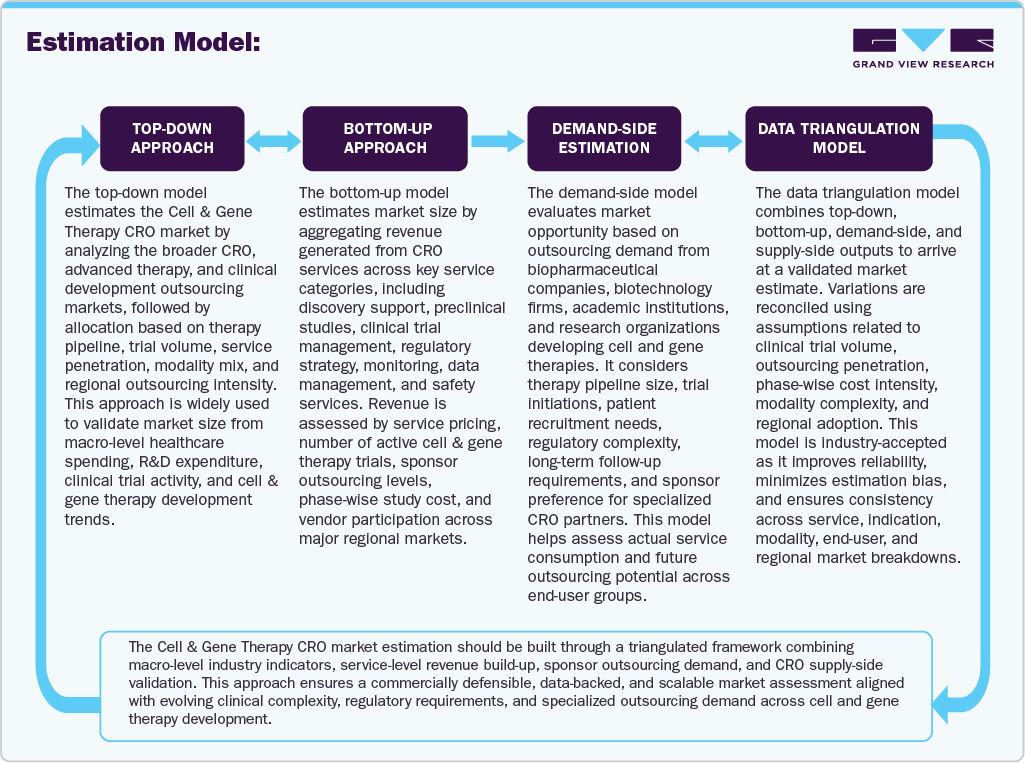
The cell & gene therapy contract research organizations market figures in this report are based on a proven research process that combines executive interviews with secondary research from proprietary databases, company filings, and recognized regulatory and institutional sources. Market size is built through value-chain sizing - reconciling supply-side and demand-side estimates - and triangulated with bottom-up and top-down approaches. Every estimate passes multiple levels of expert validation before publication, with each cell & gene therapy contract research organizations segment quantified using the revenue-capture definitions in the table below.
Segment Definition
Segment -Type
Definition
Drug Discovery
The segment captures revenue generated by providing CRO services for cell & gene therapy drug discovery to end users. The segment includes target identification, vector or construct design support, screening assays, proof-of-concept studies, biomarker assessment, candidate selection, and early-stage analytical support.
Target Validation
The segment covers revenue generated by providing CRO services for cell & gene therapy target validation to end users. The segment includes biological target confirmation, functional genomics, gene expression studies, disease pathway analysis, in vitro validation assays, animal model-based validation, and biomarker-linked target assessment.
Lead Identification
The segment includes revenue generated by providing CRO services for cell & gene therapy lead identification to end users. The segment includes screening of therapeutic candidates, vector construct evaluation, cell line or gene-editing candidate selection, potency screening, early efficacy testing, and lead candidate ranking.
Lead Optimization
The segment captures revenue generated by providing CRO services for cell & gene therapy lead optimization to end users. The segment includes optimization of vector design, transduction efficiency, gene expression, cell viability, potency, safety profile, delivery approach, manufacturability, and preclinical candidate refinement.
Preclinical
The segment covers revenue generated by providing CRO services for cell & gene therapy preclinical studies to end users. The segment includes in vitro and in vivo efficacy studies, biodistribution, toxicology, safety pharmacology, immunogenicity assessment, dose-ranging studies, pharmacology support, and IND-enabling study support.
Clinical
The segment captures revenue generated by providing CRO services for cell & gene therapy clinical development to end users. The segment includes clinical trial planning, site selection, patient recruitment, regulatory support, monitoring, data management, pharmacovigilance, biomarker analysis, and trial execution across Phase I to Phase IV.
Phase I
The segment includes revenue generated by providing CRO services for cell & gene therapy Phase I clinical trials to end users. The segment includes first-in-human study support, safety and tolerability assessment, dose-escalation studies, early pharmacodynamic evaluation, patient monitoring, site management, and regulatory documentation.
Phase II
The segment covers revenue generated by providing CRO services for cell & gene therapy Phase II clinical trials to end users. The segment includes proof-of-concept studies, dose optimization, preliminary efficacy assessment, safety monitoring, biomarker evaluation, patient recruitment, clinical data management, and protocol execution support.
Phase III
The segment captures revenue generated by providing CRO services for cell & gene therapy Phase III clinical trials to end users. The segment includes large-scale efficacy studies, confirmatory safety evaluation, multicenter trial management, regulatory submission support, data monitoring, endpoint assessment, quality assurance, and commercialization-enabling clinical evidence generation.
Phase IV
The segment includes revenue generated by providing CRO services for cell & gene therapy Phase IV studies to end users. The segment includes post-marketing surveillance, real-world evidence generation, long-term safety follow-up, registry studies, treatment outcome monitoring, pharmacovigilance, risk management studies, and lifecycle clinical support.
Segment-Service
Definition
Project & Clinical Trial Management
The segment captures revenue generated by providing CRO services for cell & gene therapy project and clinical trial management to end users. The segment includes study planning, protocol coordination, timeline management, vendor oversight, site coordination, budget tracking, risk management, milestone monitoring, and end-to-end trial execution support.
Regulatory Strategy
The segment covers revenue generated by providing CRO services for cell & gene therapy regulatory strategy to end users. The segment includes regulatory pathway assessment, IND/CTA planning, agency interaction support, orphan or expedited designation guidance, submission strategy, regulatory documentation, compliance planning, and country-specific regulatory advisory.
Data Management & Medical Writing
The segment includes revenue generated by providing CRO services for cell & gene therapy data management and medical writing to end users. The segment includes clinical database design, data cleaning, coding, validation, clinical study reports, protocols, investigator brochures, informed consent documents, regulatory narratives, and submission-ready documentation.
Clinical Monitoring
The segment captures revenue generated by providing CRO services for cell & gene therapy clinical monitoring to end users. The segment includes site initiation, routine monitoring visits, source data verification, protocol compliance checks, remote monitoring, issue escalation, patient safety review, site closeout, and clinical quality oversight.
Quality Management / GMP Compliance
The segment covers revenue generated by providing CRO services for cell & gene therapy quality management and GMP compliance to end users. The segment includes quality system support, audit preparation, vendor qualification, CAPA management, documentation review, GMP readiness assessment, deviation management, inspection support, and compliance gap assessment.
Biostatistics & Safety Monitoring
The segment includes revenue generated by providing CRO services for cell & gene therapy biostatistics and safety monitoring to end users. The segment includes statistical analysis planning, sample size calculation, interim analysis, efficacy endpoint evaluation, safety data review, adverse event monitoring, DSMB support, signal detection, and clinical safety reporting.
Patient & Site Recruitment
The segment captures revenue generated by providing CRO services for cell & gene therapy patient and site recruitment to end users. The segment includes site feasibility assessment, investigator identification, patient screening, referral network support, recruitment strategy, rare disease cohort identification, enrollment tracking, retention planning, and site activation support.
Technology Transfer
The segment covers revenue generated by providing CRO services for cell & gene therapy technology transfer to end users. The segment includes process knowledge transfer, analytical method transfer, documentation handover, manufacturing site coordination, comparability support, process validation assistance, scale-up support, and coordination between sponsors, CROs, and CDMOs.
Others
The segment includes revenue generated by providing other CRO services for cell & gene therapy to end users. The segment includes pharmacovigilance support, biomarker services, real-world evidence studies, patient registry support, sample logistics coordination, laboratory vendor management, long-term follow-up support, and customized consulting services.
Segment-Indication
Definition
Oncology
The segment captures revenue generated by providing CRO services for cell & gene therapy oncology applications to end users. The segment includes clinical and preclinical support for CAR-T, TCR-T, NK cell therapies, cancer vaccines, tumor-targeted gene therapies, biomarker testing, patient recruitment, trial monitoring, and oncology-focused regulatory documentation.
CNS Disorders
The segment covers revenue generated by providing CRO services for cell & gene therapy CNS disorder applications to end users. The segment includes study support for neurodegenerative, neuromuscular, genetic, and rare neurological disorders, CNS biodistribution studies, neurological endpoint assessment, biomarker evaluation, patient screening, clinical monitoring, and regulatory support.
Infectious Diseases
The segment includes revenue generated by providing CRO services for cell & gene therapy infectious disease applications to end users. The segment includes support for viral vector-based therapies, immune cell therapies, gene-modified approaches, vaccine-related studies, pathogen-specific immune response assessment, safety monitoring, trial execution, and regulatory documentation.
Immunological Disorders
The segment captures revenue generated by providing CRO services for cell & gene therapy immunological disorder applications to end users. The segment includes study support for autoimmune diseases, immune deficiencies, inflammatory disorders, immune cell modulation therapies, biomarker analysis, patient stratification, safety assessment, clinical monitoring, and regulatory strategy.
Cardiovascular Diseases
The segment covers revenue generated by providing CRO services for cell & gene therapy cardiovascular disease applications to end users. The segment includes support for regenerative cell therapies, angiogenic gene therapies, cardiac repair studies, vascular disorders, endpoint assessment, imaging-based evaluations, safety monitoring, clinical trial execution, and regulatory documentation.
Respiratory Diseases
The segment includes revenue generated by providing CRO services for cell & gene therapy respiratory disease applications to end users. The segment includes study support for genetic lung disorders, inflammatory respiratory conditions, pulmonary gene delivery, cell-based repair approaches, lung function assessment, biomarker evaluation, patient recruitment, monitoring, and regulatory support.
Diabetes
The segment captures revenue generated by providing CRO services for cell & gene therapy diabetes applications to end users. The segment includes support for beta-cell replacement therapies, stem cell-derived islet therapies, immune-modulating cell therapies, gene-editing approaches, metabolic endpoint assessment, safety monitoring, patient recruitment, and clinical data management.
Ophthalmology
The segment covers revenue generated by providing CRO services for cell & gene therapy ophthalmology applications to end users. The segment includes support for inherited retinal diseases, retinal degeneration, ocular gene delivery, cell-based retinal repair, visual function endpoints, imaging assessments, patient screening, trial monitoring, and regulatory documentation.
Pain Management
The segment includes revenue generated by providing CRO services for cell & gene therapy pain management applications to end users. The segment includes support for gene-based pain modulation, cell-based regenerative therapies, neuropathic pain studies, endpoint development, patient-reported outcome tracking, safety assessment, clinical monitoring, and regulatory support.
Others
The segment captures revenue generated by providing CRO services for other cell & gene therapy applications to end users. The segment includes study support for rare genetic diseases, musculoskeletal disorders, metabolic conditions, hematological disorders, dermatology, gastrointestinal diseases, renal disorders, biomarker services, clinical monitoring, and customized regulatory or development support.
Segment-Modality
Definition
Cell-Based Therapies
The segment captures revenue generated by providing CRO services for cell & gene therapy cell-based therapy modalities to end users. The segment includes CRO support for stem cell therapies, immune cell therapies, regenerative cell therapies, donor-derived or autologous cell products, preclinical efficacy studies, clinical trial management, safety monitoring, biomarker assessment, and regulatory documentation.
Gene Therapies
The segment covers revenue generated by providing CRO services for cell & gene therapy gene therapy modalities to end users. The segment includes CRO support for viral and non-viral gene delivery platforms, gene replacement, gene silencing, gene editing, vector-related studies, biodistribution assessment, toxicology support, clinical monitoring, long-term follow-up, and regulatory submission support.
Gene-Modified Cell Therapies
The segment includes revenue generated by providing CRO services for cell & gene therapy gene-modified cell therapy modalities to end users. The segment includes CRO support for CAR-T, TCR-T, CAR-NK, gene-edited immune cells, engineered stem cells, ex vivo modification studies, potency and safety assessment, patient recruitment, clinical trial execution, and regulatory compliance support.
 To learn more about this report, Download Free Sample Report
Delivered Customizations
This report has been delivered with the following In-depth customizations
Client Request
Customization Delivered
Value Adds
Extensive Cross-Segmentation Analysis
Detailed cross-segmentation can be delivered across type, service, indication, modality, and region, such as Phase II gene therapy trials in oncology, regulatory strategy for gene-modified cell therapies, or patient recruitment demand for rare CNS indications.
Enables identification of high-growth revenue pockets, service intensity, outsourcing demand, and priority combinations where CROs can focus resources, partnerships, and specialized trial capabilities.
Regional Extension & Market Entry Strategy
Country-level expansion assessment can be delivered across North America, Europe, Asia Pacific, Latin America, and MEA, covering CGT pipeline strength, regulatory maturity, clinical site readiness, patient availability, sponsor presence, and local CRO ecosystem.
Supports market entry planning, regional prioritization, partner selection, and investment decisions for CROs targeting high-potential cell & gene therapy development markets.
Competitive Dynamics & Service Benchmarking
Competitive analysis can be delivered by benchmarking CROs across clinical trial management, regulatory strategy, monitoring, data management, quality compliance, patient recruitment, technology transfer, and advanced therapy specialization.
Helps assess competitive positioning, capability gaps, differentiation opportunities, pricing strength, and the ability of CROs to support complex CGT programs across development stages.
Clinical Trial & Pipeline Volume Analysis
Volume analysis can be delivered by tracking CGT trial count, phase-wise trial distribution, indication-wise activity, modality adoption, sponsor type, patient enrollment trends, and regional trial density from 2021 to 2033.
Provides a stronger basis for market sizing, demand forecasting, service revenue allocation, and validation of growth assumptions across type, service, indication, modality, and regional segments.
Frequently Asked Questions About This Report
The global cell & gene therapy contract research organizations market size was valued at USD 5.3 billion in 2025 and is estimated at USD 5.8 billion for 2026.
The global cell & gene therapy contract research organizations market is expected to grow at a CAGR of 10.0% from 2026 to 2033, reaching USD 11.3 billion by 2033.
North America dominated with a 50.7% revenue share in 2025.
Asia Pacific is the fastest-growing region over the forecast period.
The clinical segment led with a 72.1% revenue share in 2025, while preclinical is the fastest-growing segment.
The clinical monitoring segment led with a 19.5% revenue share in 2025, while regulatory strategy is the fastest-growing segment.
Some key players operating in the cell & gene therapy contract research organizations market include Altasciences; Allucent; Labcorp; Linical; Medpace; Thermo Fisher Scientific Inc.; Precision Medicine Group, LLC.; QPS Holdings; Syneos Health; and ICON plc among others.
Key factors that are driving the market growth include increasing sponsor reliance on external partners for complex study design, regulatory alignment, clinical operations, biomarker integration, and long-term patient follow-up.
The oncology segment led with a 31.9% revenue share in 2025, while CNS disorders is the fastest-growing segment.
The cell-based therapies segment led with a 52.6% revenue share in 2025, while gene therapies is the fastest-growing segment.
About the Author(s)
Medical Devices Research Team
Healthcare · Medical DevicesThis report was authored by the medical devices research team at Grand View Research - comprising two research analysts, one senior research analyst, and one industry expert - with specialized expertise in the medical devices segment of the healthcare industry. All findings are based on proprietary healthcare databases, executive interviews, and regulatory analysis, subject to internal peer review prior to publication.
Last Updated:
Speak to Analyst

Customize this report to your needs - add regions, segments, or data points, with 20% free customization.
Or view our licence options:


ISO 9001:2015 & 27001:2022 Certified
We are GDPR and CCPA compliant! Your transaction & personal information is safe and secure. For more details, please read our privacy policy.


