
- Home
- »
- Medical Devices
- »
-
Clinical Trial Patient Recruitment Services Market Report 2026-2033GVR Report cover

Clinical Trial Patient Recruitment Services Market (2026 - 2033)
Size, Share & Trends Analysis Report By Service (Patient Recruitment & Registry Services, Patient Retention Services), By Phase (Phase I, Phase II), By Therapeutic Area, By Age Group, By Region, And Segment Forecasts
Market Size, 2025
$11.7BMarket Estimate, 2026
$12.5BMarket Forecast, 2033
$22.9BCAGR, 2026–2033
9.0%Clinical Trial Patient Recruitment Services Market Summary
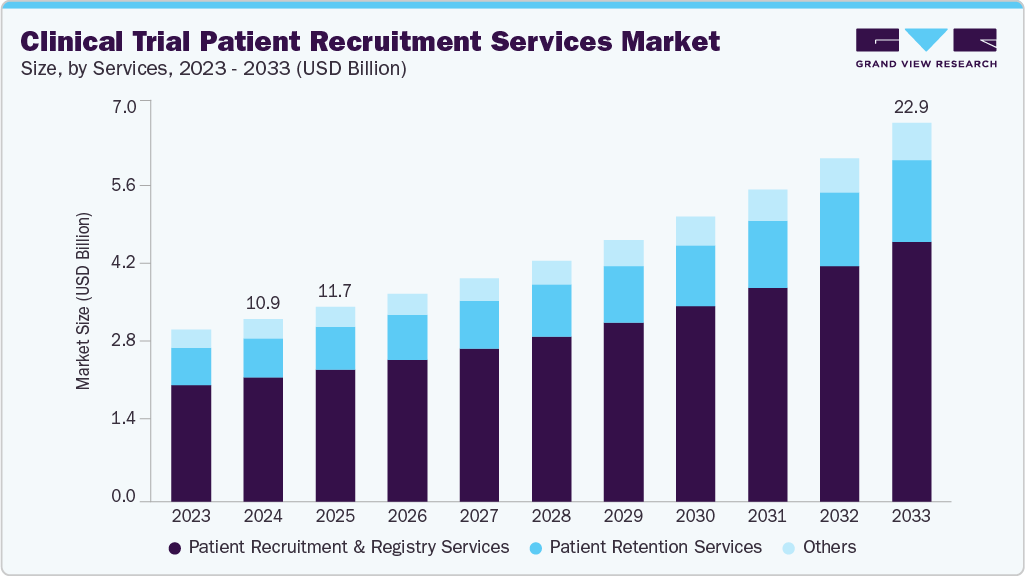
The global clinical trial patient recruitment services market size was valued at USD 11.7 billion in 2025 and is projected to grow from USD 12.5 billion in 2026 to USD 22.9 billion by 2033, at a CAGR of 9.0% from 2026 to 2033. North America dominated the global market with the largest revenue share of 50.3% in 2025. The market growth is driven by an increasing number of clinical trials for rare & chronic diseases, and increasing use of recruitment technologies, which enhance the processes of patient identification & engagement.
 Source: Grand View Research, IR Documents, Primary Interviews, Paid DatabasesTo learn more about this report,
 Download Free Sample Report
Key Market Trends & Insights
- By service: Patient recruitment & registry services segment led the market with the largest revenue share of 68.1% in 2025.
- By phase: Phase III segment led the market with the largest revenue share of 53.8% in 2025.
- By therapeutic area: Oncology segment led the market with the largest revenue share of 26.1% in 2025.
- By age group: Adult (18 - 64 years) segment led the market with the largest revenue share of 50.3% in 2025.
Regional Highlights
- Largest regional market: North America (50.3% revenue share, 2025)
- Fastest-growing regional market: Asia Pacific (highest CAGR, 2026-2033)
- By country: The clinical trial patient recruitment services market in the U.S. held the largest share in the North America region in 2025.
Market Size & Forecast
- Market Size in 2025: USD 11.7 Billion
- Estimated Market Size in 2026: USD 12.5 Billion
- Projected Market Size by 2033: USD 22.9 Billion
- CAGR (2026-2033): 9.0%
Three ways to get this report
Buy it, customize it, or ask a question.Ask an Analyst
Analyst response in 1 business day
- AccessReport author, directly
- Reply timeWithin 1 working day
- No sales callDirect answer only
- FormatEmail reply
- CostFree, no cost
Get the Full Report
What the study covers
- FormatsPDF · Excel · Dashboard
- Timeline2026–2033 annual, 2025 base
- Coverage20+ countries, 5 regions
- Companies10+ key players profiled
Customize the Report
20% free customization
- IncludeCountries, segments, points
- TailorTo your product definition
- ExtendDeeper competitor detail
- OrA fully bespoke study
- Turnaround5–10 working days
Some other factors contributing to market growth are the growing complexity of clinical trial protocols and the increasing funding for clinical research activities, which is encouraging for high R&D spending and outsourcing trends. In addition, emphasis on patient diversity, decentralized trials, and using AI-based analytics to improve enrollment efficiency further drives the market growth.Many pharmaceutical companies outsource various tasks, from basic research to late-stage manufacturing. The contract research organizations (CROs) play a crucial role in patient recruitment as intermediaries between sponsors & study participants. Most CROs utilize their resources, expertise, and networks to identify and enroll candidates for clinical trials. These CROs collaborate with sponsors to understand the study requirements & to develop effective recruitment strategies. In addition, most clinical trial patient recruitment service providers implement strong data security measures and comply with strict privacy regulations to protect the participants' information. Also, outsourcing clinical trial patient recruitment offers numerous benefits for pharmaceutical companies by utilizing the expertise of specialized recruitment services. This supports companies to save time, money, & resources while ensuring the timely recruitment of participants, further boosting efficiency and improving participant diversity.
 To learn more about this report, Download Free Sample Report
According to a May 2024 report, Merck & Co. recorded an R&D expenditure of USD 30.5 billion in 2023, demonstrating its strong commitment to advancing innovation and drug development. This surge in R&D activities has resulted in a growing number of clinical trials worldwide, intensifying the need for efficient patient recruitment solutions.
Moreover, regulatory bodies like the FDA, EMA, and MHRA are implementing reforms emphasizing patient diversity, transparency, and faster trial approvals. For instance, in September 2025, the European Commission, Heads of Medicines Agencies (HMA), and EMA introduced new clinical trial targets under the Accelerating Clinical Trials (ACT) EU initiative to accelerate approvals, enhance multinational participation, and promote patient diversity. These reforms encourage inclusion of underrepresented populations and multinational participation, necessitating broader patient outreach capabilities. Recruitment service providers leverage global networks and digital tools to identify diverse patient groups that meet new regulatory expectations. As a result, these evolving frameworks enhance the importance of specialized recruitment services capable of meeting compliance, diversity, and enrollment speed requirements, further propelling market demand.
In addition, digital technology such as artificial intelligence (AI), electronic health records (EHR), and predictive analytics has made it possible to develop a strong patient recruiting strategy. In contrast, drug manufacturers have historically utilized TV commercials, radio, and print media for patient recruitment. These tools enable real-time patient identification, enhance pre-screening accuracy, and reduce manual workloads. AI-driven recruitment platforms can automatically match patients to trials based on clinical history and eligibility criteria, minimizing human error and improving speed. For instance, in June 2024, TrialX launched an AI-powered Clinical Trial Finder that utilizes NLP and machine learning to match patient data with eligibility criteria, providing personalized trial options by relevance and location, enhancing accessibility and accelerating recruitment efficiency. Digital engagement channels like telehealth and wearable monitoring enhance patient participation and retention. Thus, pharmaceutical and biotech companies increasingly adopt these technologies to reduce costs and shorten trial timelines.
Market Dynamics
The clinical trial patient recruitment services market is witnessing strong growth, supported by rising increasing need for reduced enrollment delays, improved patient access, and faster trial execution. The complexity of clinical trials, stringent eligibility criteria, and a rise in Phase II and Phase III trial activities are driving demand for specialized recruitment and retention partners. Besides, growing focus on therapeutics areas such as oncology, CNS, cardiovascular, and rare disease studies are expected to drive the recruitment intensity due to complex patient identification, biomarker-based screening, and limited eligible patient populations.
In addition, the market growth is fueled by the implementation of digital recruitment tools, electronic health record (EHR)-based screening, patient registries, outreach through social media, decentralized trial models, and prescreening analytics. Sponsors are increasingly focusing on patient diversity, engagement, adherence, and reducing dropout rates, which broadens the demand for retention services. However, obstacles such as data privacy concerns, high screen-failure rates, fragmented patient databases, and varying regional recruitment regulations could hinder execution efficiency. Thus, technology-driven and patient-centric recruitment models are pivotal in shaping the future of this market.
The increasing number of global clinical trials is a key driver for the clinical trial patient recruitment services market, as sponsors require faster and more efficient enrollment support across diverse geographies. Besides, the growth in drug development pipelines, rising R&D investments, and expanding clinical research activity across oncology, CNS, cardiovascular, infectious disease, and rare disease areas are increasing demand for qualified patient populations. As trials become more complex, sponsors face challenges related to strict eligibility criteria, high screen-failure rates, site-level recruitment limitations, and the need for broader patient diversity. This is encouraging pharmaceutical, biotechnology, and CRO sponsors to outsource recruitment activities to specialized providers. Patient recruitment companies support trial feasibility, patient identification, registry access, digital outreach, prescreening, and retention programs. As clinical trials expand across both mature and emerging markets, demand for structured, technology-enabled, and patient-centric recruitment solutions, which is expected to drive the market growth.
The lack of an adequate regulatory framework in some countries acts as a restraint for the Clinical Trial Patient Recruitment Services market. Inconsistent trial approval processes, unclear patient consent requirements, weak data protection standards, and limited ethics committee oversight can create uncertainty for sponsors and recruitment providers. These gaps may delay study initiation, restrict patient outreach activities, and increase compliance risks during enrollment. In emerging markets, limited harmonization with global clinical research standards affecting sponsor confidence. As a result, recruitment vendors may face operational challenges while supporting multi-country trials, particularly where patient privacy, trial advertising, and registry access rules remain underdeveloped.
The growing demand for faster and more efficient patient enrollment presents a strong opportunity for the Clinical Trial Patient Recruitment Services market. Sponsors are under increasing pressure to reduce trial timelines, control development costs, and avoid delays caused by slow patient recruitment. This creates demand for specialized recruitment providers that can accelerate patient identification, screening, and enrollment through digital outreach, EHR-based matching, patient registries, social media campaigns, and prescreening analytics. The opportunity is particularly strong in Phase II and Phase III trials, where larger patient cohorts and strict eligibility criteria increase recruitment complexity. As sponsors focus on speed, diversity, and retention, providers offering integrated recruitment and patient engagement solutions can capture higher demand across therapeutic areas and geographies.
Market Concentration & Characteristics
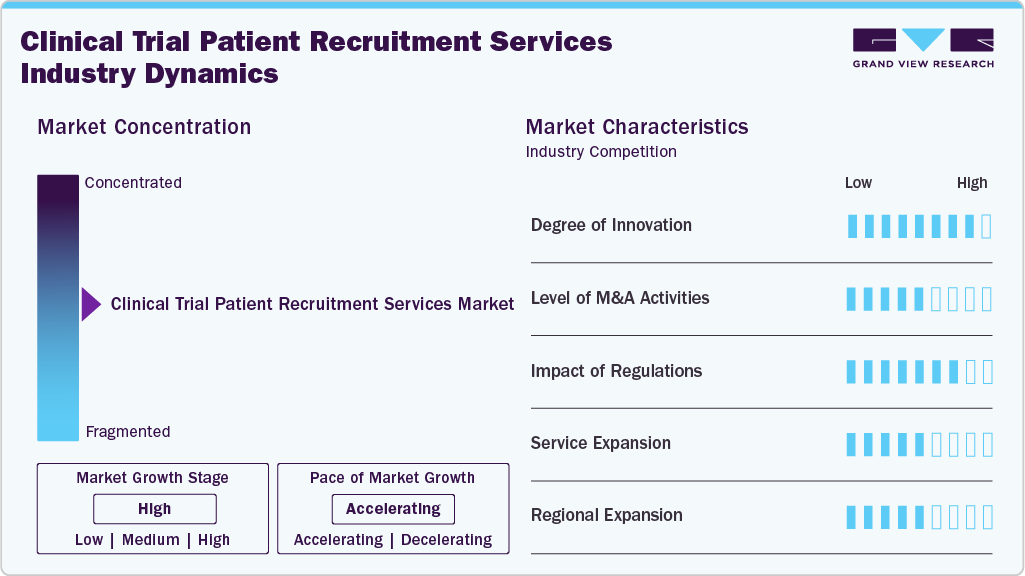
The clinical trial patient recruitment services market growth stage is high, and growth is accelerating. The market is characterized by the level of merger & acquisitions activities, degree of innovation, regulatory impact, product expansion, and regional expansions.
The clinical trial recruitment services is evolving with emerging technologies that have a potential to positively impact clinical trial services. Key trends driving innovation include changes in industry standards, adaptive trial designs, and the introduction of comprehensive patient recruitment services. For instance, in July 2025, PhaseV launched the ClinOps AI platform, utilizing causal machine learning and real-time patient data to revolutionize clinical trial operations with precision-guided site selection, faster decision-making, and enhanced trial performance monitoring.
 To learn more about this report, Download Free Sample Report
Stringent global regulatory standards and the need to comply with HIPAA (US), GDPR (Europe), and regional data protection laws. These regulations drive quality, compliance, and transparency in clinical trial patient recruitment services. It further supports maintaining patient privacy, advertising, informed consent, and transparency.
Mergers and acquisitions (M&A) in clinical trial patient recruitment services are surging, driven by enhancing the patient recruitment process and retention within clinical trials. For instance, in September 2024, SubjectWell acquired Trials24 to enhance global patient recruitment, combining advanced digital solutions, multilingual engagement, and a 13 million member patient network to set a new standard in diverse, patient-centric clinical trial enrollment.
The clinical trial patient recruitment services market is experiencing rapid service expansion driven by digital transformation, AI-powered matching platforms, and global outreach strategies. Companies are integrating multilingual engagement centers, real-world data analytics, and personalized patient communication to improve enrollment diversity and retention.
Clinical trial patient recruitment services is witnessing rapid regional expansion attributed to regional distribution of clinical studies which is gradually shifting from developed nations to emerging economies. The increasing cost of clinical research has led pharmaceutical companies to shift toward regions such as Europe, Latin America, Asia Pacific, and the Middle East for enhanced patient recruitment and cost savings.
Analyst Perspective
The clinical trial patient recruitment services market is experiencing significant growth driven by sponsors' increasing emphasis on accelerating enrollment, enhancing patient access, and minimizing trial delays. Besides, there is a rising demand for these services, particularly in Phase II and Phase III studies, as these phases require large patient populations, involve stringent inclusion criteria, and often face high screen-failure rates, leading many sponsors to rely more on specialized recruitment partners.
In addition, therapeutic areas such as oncology, CNS, cardiovascular, and rare diseases are driving greater service adoption due to the complexities of patient identification and the specific eligibility requirements. Moreover, the market is transitioning from traditional site-based recruitment methods to more innovative, data-driven, digital, and patient-centric approaches. These include using Electronic Health Record (EHR) screening, patient registries, social media outreach, prescreening analytics, and decentralized trial support. Furthermore, increasing emphasis on patient diversity, engagement, and retention is further broadening the scope for recruitment services. Thus, providers that offer integrated recruitment solutions, possess strong therapeutic knowledge, have access to registries, and utilize scalable digital platforms are likely to capitalize on future growth opportunities.
Impact of U.S. Tariffs on Clinical Trial Patient Recruitment Services Market
U.S. tariffs can significantly impact the clinical trial patient recruitment services market by increasing the cost of imported technologies, software, and medical devices essential for trial operations. Higher expenses may be passed on to sponsors, potentially reducing budgets for recruitment and retention initiatives. Tariffs can also disrupt global partnerships, limiting access to international patient databases, digital platforms, and analytics tools. Smaller CROs and service providers may face operational challenges, affecting efficiency and scalability. Thus, sponsors might experience delays, higher costs, and reduced flexibility in trial execution, ultimately influencing market growth and adoption of advanced recruitment solutions.
Technological Advancements
 To learn more about this report, Download Free Sample Report
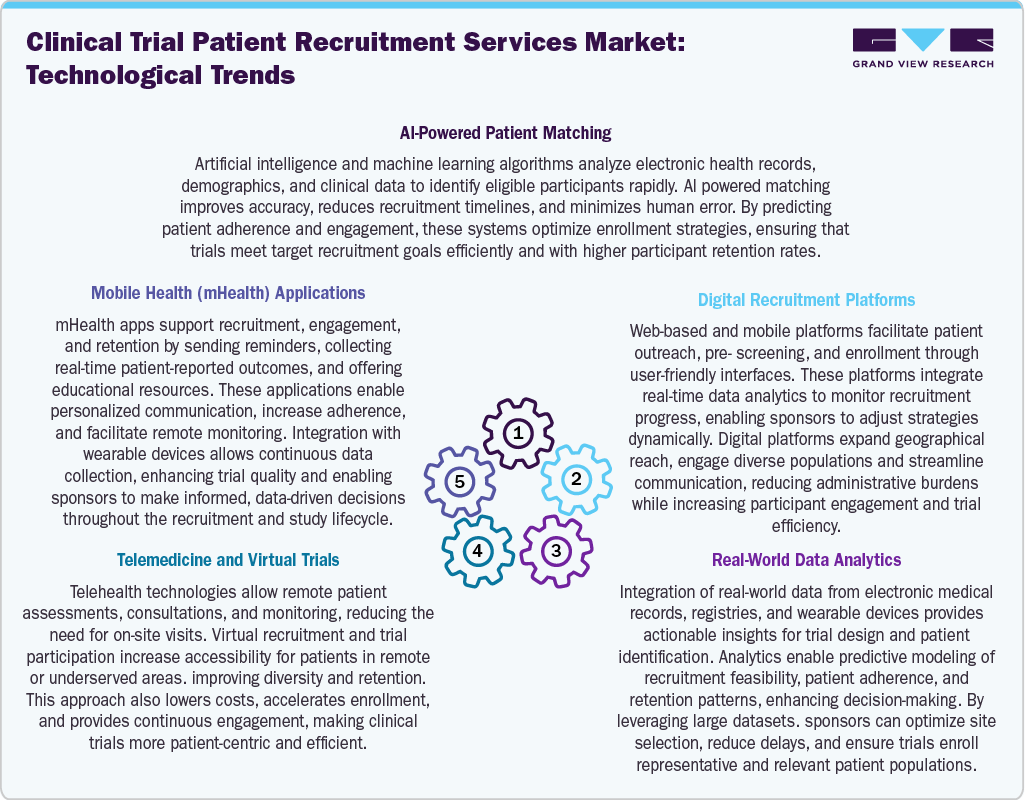
Technological advancements are transforming the clinical trial patient recruitment services market, driven by AI-powered patient matching, mobile health (mHealth) applications, digital recruitment platforms, telemedicine, virtual trials, and real-world data analytics. Regulatory requirements revolutionize clinical trial patient recruitment services by improving efficiency, reach, and precision. In the market, AI-driven patient matching leverages algorithms to analyze electronic health records & identify eligible participants, which reduces enrollment times. Furthermore, mobile health applications facilitate real-time communication and monitoring, enhancing patient engagement and retention throughout the trial process. Besides, the digital recruitment platforms exploit social media and online databases to target a broader range of populations, thus expanding access to clinical trials. In addition, telemedicine & virtual trials enable remote participation, effectively minimizing geographic barriers and enhancing patient convenience. Moreover, real-world data analytics is crucial for integrating insights from healthcare databases, wearables, and patient registries to uncover patterns that optimize recruitment strategies. Thus, these innovations create a data-driven, patient-centric recruitment ecosystem that increases enrollment speed and diversity and improves trial outcomes while lowering costs. This ongoing digital transformation is reshaping sponsors' and CROs' strategies for patient recruitment, making clinical trials more inclusive, flexible, and scalable globally.
Pricing Model Analysis
 To learn more about this report, Download Free Sample Report
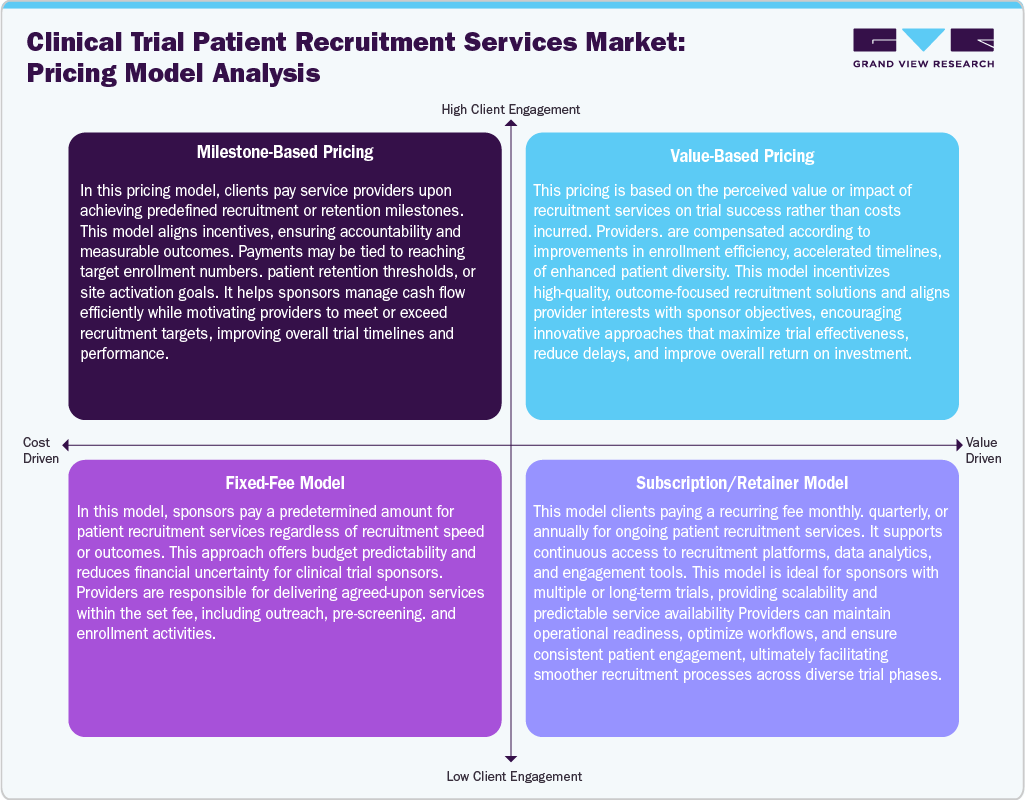
The clinical trial patient recruitment services market employs various pricing models, such as milestone-based pricing, value-based pricing, fixed-fee model, and subscription/retainer model, which customize the project’s scope, client requirements, and performance outcomes. The milestone-based pricing ties the payments to specific achievements, such as patient enrollment targets or completing trial phases, promoting accountability and performance-oriented returns. Besides, value-based pricing focuses on the quality and effectiveness of recruitment outcomes, requiring clients to compensate based on quicker enrollment times or improved patient retention rates. In addition, the fixed-fee model provides predictable costs through a one-time or phase-specific charge, making it well-suited for projects with clear parameters and stable demands. Moreover, the subscription or retainer model ensures ongoing access to recruitment platforms, digital tools, and dedicated support teams, catering to continuous trial requirements. Thus, each model offers unique advantages to ensure performance, maintain cost control, or offer scalability, allowing sponsors and CROs to better align their financial frameworks with recruitment objectives, operational flexibility, and partnerships in an ever-changing clinical research landscape.
Service Insights
Based on service, the patient recruitment & registry services segment led the market with the largest revenue share of 68.1% in 2025 and is expected to grow at the fastest CAGR over the forecast period. The segment growth is driven by an increasing number of clinical trials, rising prevalence of chronic and rare diseases, and the growing need for diverse and representative patient populations. Besides, growing technological advancements further enhance recruitment accuracy and speed, supporting the segment growth. In addition, rising requirements for faster trial timelines, improved retention rates, and post-market surveillance are expected to drive the adoption of integrated recruitment and registry solutions across pharmaceutical, biotech, and CRO organizations globally. For instance, in September 2025, Anova launched its global clinical registry, AnovaOS, to accelerate patient recruitment, enhance real-world data use, support post-market surveillance, and speed clinical trial timelines for global sponsors. Registries enhance long-term engagement, ensure data accuracy, and support diverse participant inclusion.
On the other hand, the patient retention segment is expected to grow at the fastest CAGR over the forecast period. The segment growth is driven by a strong focus on patient-centric design, effective communication, and improved participant experience. Companies are also adopting digital health tools, personalized communication, and real-time monitoring to reduce dropout rates and improve trial completion. Integrating mobile apps, virtual follow-ups, and behavioral analytics enhances patient experience, adherence, and data reliability, which is expected to drive the growth. In addition, the increasing use of AI-driven analytics and digital tools such as mobile health apps, telemedicine, and wearable devices enables continuous engagement and real-time monitoring, reducing dropout rates, further contributing to market growth. Such factors are expected to drive the market growth.
Phase Insights
Based on phase, the phase III segment led the market with the largest revenue share of 53.8% in 2025. The phase III clinical trial represents the most extensive and critical stage of drug development, aimed at confirming a treatment’s safety, efficacy, and overall benefit-risk profile in large patient populations. The phase has an increased requirement for effective patient recruitment for multiple sites, involving thousands of participants. In addition, the growing requirement of engagement models targeted at education tools, community outreach programs, and partnerships with patient advocacy organizations to improve enrollment and retention is expected to drive the segment growth. Moreover, sponsors increasingly use digital recruitment platforms, social media campaigns, and real-world data analytics to efficiently identify candidates, reduce delays, and maintain trial timelines.
On the other hand, the phase I segment is expected to grow at the fastest CAGR over the forecast period, driven by the increasing number of early-stage studies and demand for rapid participant enrollment. Recruiting participants for phase I clinical trials requires careful consideration to ensure the inclusion of individuals who meet study objectives and provide meaningful data. For instance, in 2024, Phase I trials comprised 42.2% of clinical studies in China, up from 39.2% in 2023, primarily targeting metabolic disorders and cardiovascular health. South Korea dominated in significant Phase I activity at 33.4% in 2023. The selection criteria include age, gender, health status, and prior treatments. While many trials recruit healthy volunteers, some involve diagnosed patients to assess treatment safety and preliminary efficacy in relevant populations.
Therapeutic Area Insights
Based on therapeutic area, the oncology segment led the market with the largest revenue share of 26.1% in 2025. This segment is driven by the rising number of cancer diagnoses, increasing cancer prevalence and the expanding pipeline of targeted and immuno-oncology therapies. According to ClinicalTrials.gov, there are approximately 18,997 clinical trials related to oncology currently registered with patients recruiting. Moreover, the growing prevalence of cancer and the demand for effective treatments for various types of cancer are anticipated to further propel the market. Moreover, investment in R&D, and patient-centric approaches, telemedicine, and partnerships with oncology centers improve engagement and accessibility is expected to drive the segment growth. For instance, in October 2025, Flourish Research partnered with Valkyrie Clinical Trials to expand into oncology, combining expertise and patient access to accelerate innovative cancer therapies and advance lifesaving treatments for patients with unmet medical needs.
On the other hand, CNS disorders segment is expected to witness the fastest growth over the forecast period. CNS disorders comprise 600 common neurological disorders as well as over 5000 rare neurological condition. CNS disorders account for about 8.0% of the global health burden, affecting a significant number of populations. About 50 million Americans are affected by neurological disorders, and the numbers are similar across the globe. The incidence of neurological disorders is anticipated to increase with the growing elderly population, which is expected to drive the market over the estimated time period. Such factors are expected to drive the market.
Age Group Insights
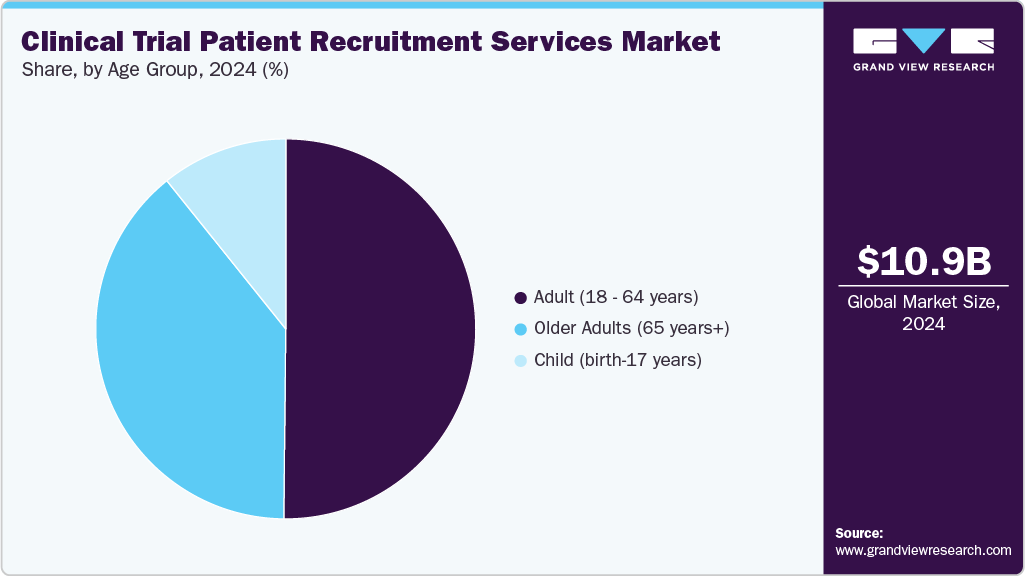
Based on age group, the adult (18 - 64 years) segment led the market with the largest revenue share of 50.3% in 2025. The segment growth is driven by growing prevalence of chronic and lifestyle-related diseases, expanding clinical research activities, and growing technological advancements like AI-based patient matching, digital outreach, and telehealth improve recruitment efficiency. Studies indicated that seven chronic diseases hypertension, diabetes, lung disease, heart disease/stroke, arthritis, neurological disorders, and cancer often develop early, especially in Indian adults aged 45-64, based on competing risk analysis across age groups. Besides, large number of people are categorized as adults, which suffer from disorders that drives the demand for effective treatment options. Besides, the growing number of clinical studies registered with adult participants is anticipated to boost the segment growth. Such factors are expected to drive the segment growth.
 To learn more about this report, Download Free Sample Report
Older adults aged 65 years and above are expected to witness the fastest growth driven by increasing prevalence of age-related diseases and rising need for targeted therapies. Besides, most of the recruitment strategies for this age group is focused on tailored engagement, accessibility, and safety monitoring, ensuring participation while addressing health complexities, ultimately enhancing trial diversity and data relevance for this population. Such factors are expected to drive the segment growth.
Regional Insights
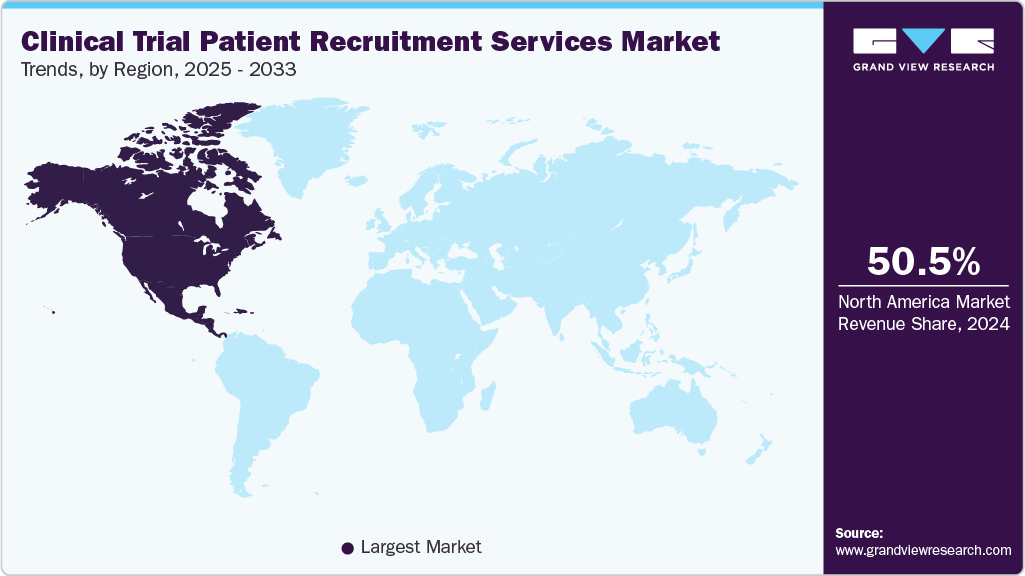
North America dominated the clinical trial patient recruitment services market with the largest revenue share of 50.3% in 2025. This growth can be attributed to various factors, such as an increasing volume of ongoing clinical trials, strong clinical research infrastructure, complex protocol demands, high R&D investment, and widespread adoption of digital recruitment technologies. In addition, the region benefited from advanced healthcare systems, diverse patient populations, and supportive regulatory frameworks. Besides, the growing use of AI, real-world data, decentralized trial models, real-world data integration, and targeted social-media outreach are enhancing recruitment efficiency. Some key players, such as IQVIA, Parexel, PRA Health Sciences, and Syneos Health, utilize large databases, patient registries, and CRO partnerships. Such factors are expected to drive the market growth.
 To learn more about this report, Download Free Sample Report
U.S. Clinical Trial Patient Recruitment Services Market Trends
The clinical trial patient recruitment services market in the U.S. held the largest share in the North America region in 2025, owing to rising clinical research activity, increasing demand for diverse patient populations, and well-established pharmaceutical companies and contract research organizations (CROs) in the country. Major companies are advancing through AI, data analytics, and patient engagement networks to improve enrollment efficiency. For instance, in April 2025, ProofPilot partnered with Inspire to enhance patient participation by connecting Inspire's global health community with clinical trials, offering an entire digital experience that boosts engagement and accelerates recruitment success. Such aforementioned factors are expected to drive the market growth.
Europe Clinical Trial Patient Recruitment Services Market Trends
The clinical trial patient recruitment services market in Europe is anticipated to experience significant growth due to regulatory modernization, developed infrastructure for clinical trials, and the presence of skilled personnel to support market growth in the region. In addition, CROs, such as PPD, Inc., and Icon Plc, have centers in European countries, including the UK, Germany, and France, which are expected to contribute further to market growth in this region. Moreover, the European Medicines Agency announced in September 2025 a clinical trial framework, featuring a centralized online platform, streamlined approvals, and mandatory transparency, which enhances efficiency and accelerates recruitment timelines.
The Germany clinical trial patient recruitment services market held the largest share in 2024. This market is driven by robust healthcare infrastructure, a large patient base, and a strong presence of pharmaceutical and biotechnology companies. Some other factors contributing to market growth are the expanding pharmaceutical industry and the increasing demand for CRO services offering clinical trial patient recruitment services for new pharmaceutical drug development. Furthermore, stringent regulations and evolving industry standards require CROs to comply with proper manufacturing practices, ensuring compliance & prioritizing patient safety is expected to drive the market growth.
In addition, CROs, such as PPD, Inc., and Icon Plc, have centers in European countries, including the UK, Germany, and France, which are expected to contribute further to market growth in this region. Moreover, the European Medicines Agency announced in September 2025 a clinical trial framework, featuring a centralized online platform, streamlined approvals, and mandatory transparency, which enhances efficiency and accelerates recruitment timelines.
The UK clinical trial patient recruitment services market is anticipated to grow over the forecast period. This growth is primarily due to the growing need for CROs, government investments, advanced healthcare infrastructure, and streamlined NHS integration. For instance, in August 2024, a public-private investment initiative included the creation of 18 clinical trial hubs, aiming to accelerate patient recruitment and enhance trial efficiency. This initiative reflects the government's commitment to promoting clinical research and aims to attract global sponsors and boost trial participation. Such factors are expected to drive the market growth.
Asia Pacific Clinical Trial Patient Recruitment Services Market Trends
Asia Pacific is projected to register a significant CAGR during the forecast period. This growth can be attributed to increased offshore clinical trials, rising demand for pharmaceutical products, and large & diverse patient populations in the region, which drives market growth. In addition, the developed hospital networks and the availability of skilled medical practitioners further support the development of the clinical trial patient recruitment services market in the Asia Pacific region. Moreover, countries such as Japan, China, and India are increasingly focusing on expanding due to the presence of developed pharmaceutical companies & CROs in the region and the higher cost-efficiency of conducting clinical trials compared to other countries, further creating growth opportunities in the market.
The China clinical trial patient recruitment services market is expanding rapidly due to its large population, growing disease burden, and strong government support for clinical research. Besides, increasing adoption of digital recruitment platforms, AI-driven patient matching, and integrating electronic health records are expected to improve enrollment efficiency. In addition, rising participation of domestic and global pharmaceutical companies, along with regulatory reforms accelerating trial approvals, further boosts market growth. Moreover, increasing patient awareness, expanding clinical trial sites, and focusing on oncology and chronic diseases enhance recruitment capabilities and trial diversity across China. According to the April 2025 report, China offers rapid digital recruitment, cost-efficient site management, and physician incentives. Western biotechs increasingly conduct early-phase trials in China, where recruitment now rivals or surpasses Western timelines.
The Japan clinical trial patient recruitment services market is second-largest in the Asia Pacific region. The country is strengthening its position in the market by innovation in decentralized clinical trials (DCTs), growing focus on patient-centric models, and access to broader populations through home-based trial solutions. For instance, in May 2025, DCT Japan, the country's first DCT-focused provider, expanded partnerships with multiple medical institutions across seven difficult-to-recruit disease areas by building nationwide networks of visiting nurses and sites. This enhances recruitment efficiency and access to a diverse patient pool, boosting market competitiveness.
The clinical trial patient recruitment services market in India is expected to experience significant growth at a significant CAGR during the forecast period. The country has become one of the most preferred sites for clinical trials due to the presence of a large, diversified patient pool, a rapidly developing healthcare sector, availability of highly educated physicians, and cost competitiveness. Besides, the services are in increasing demand as they offer significant benefits to the existing facilities of CROs. These factors are expected to contribute to the market's growth in the upcoming years. Such factors are expected to drive the market.
Latin America Clinical Trial Patient Recruitment Services Market Trends
The Latin America clinical trial patient recruitment services market is expanding, driven by a large, treatment-naive population, ethnic diversity ideal for global studies, and lower trial costs. Besides, faster recruitment timelines compared to Western regions and improving regulatory harmonization under agencies like ANVISA and COFEPRIS are supporting the market growth. Besides, growing investments from global CROs and increased adoption of digital recruitment tools are positioning Latin America as a strategic destination for multinational clinical trials. These factors are expected to drive the market growth.
The Clinical Trial Patient Recruitment Services Market in Brazil is advancing due to growing pharmaceutical investments and government support for clinical research. Expanding research institutions and increasing adoption of digital recruitment platforms support faster recruitment timelines. The country's diverse genetic pool attracts global sponsors seeking more representative trial outcomes. As international CROs expand operations, collaborations with Brazilian hospitals increase, which is expected to drive the country's position as a major recruitment destination in the Latin America region.
Middle East and Africa Clinical Trial Patient Recruitment Services Market Trends
The Middle East & Africa are emerging as competitive regions in the clinical trial patient recruitment services market, driven by growing government investments in healthcare infrastructure, rising prevalence of chronic diseases, and increasing interest from multinational pharmaceutical companies. Countries like the UAE, Saudi Arabia, and South Africa are establishing clinical research hubs and accelerating ethical approval processes, contributing to the market. In addition, expanding access to diverse patient populations, digital recruitment tools, and partnerships with global CROs enhances recruitment speed and boosts the region's market attractiveness. Such factors are expected to drive the market over the estimated time period.
The South Africa Clinical Trial Patient Recruitment Services Market is witnessing growth due to growing clinical research activity, genetically diverse population, rising disease burden, and increasing focus on cost-effective research. Government support through agencies like SAHPRA and improving regulatory timelines and strong hospital networks is attracting global sponsors. In addition, increasing digital health adoption and community-based recruitment programs enhance patient engagement, contributing to market growth. With expanding oncology and infectious disease trials, South Africa is positioning itself as a strategic recruitment destination. Such factors are expected to drive the market.
The UAE clinical trial patient recruitment services market is emerging as a competitive hub, driven by modern healthcare infrastructure and a diverse expatriate population ideal for multiethnic clinical studies. Strategic initiatives by the Dubai Health Authority and partnerships with global pharma firms are improving patient engagement and recruitment efficiency. For instance, in June 2022, the Department of Health-Abu Dhabi partnered with Sanofi to advance clinical research in oncology, rare metabolic diseases, diabetes, and vaccines. The initiative includes AI-powered population screening and patient recruitment protocols.
Key Clinical Trial Patient Recruitment Services Company Insights
Market players are undertaking various strategic initiatives, such as the launch of new product innovations, collaborations, partnerships, and mergers & acquisitions, to strengthen their service offering and provide a competitive advantage. For instance, in September 2024, SubjectWell mentioned the acquisition of Trials24, a provider of digital patient recruitment solutions. This acquisition will enhance SubjectWell's ability to connect patients to transformative healthcare across the globe.
Key Clinical Trial Patient Recruitment Services Companies
The following key companies have been profiled for this study on the clinical trial patient recruitment services market.
-
Clara Health
-
Antidote
-
BBK Worldwide
-
Clariness
-
Clinical Site Services (CCSi)
-
Worldwide Clinical Trials
-
Thermo Fisher Scientific Inc. (PPD Inc.)
-
IQVIA Inc
-
Veristat
-
Elligo Health Research
-
AutoCruitment
-
MMG (Omnicom Health Group)
-
Praxis
-
Science37
-
StudyKik
Competitive Benchmarking
Category
Operating Strategies
Competitive Edge
Weakness
Established Players (Thermo Fisher Scientific Inc. (PPD Inc.); IQVIA Inc.; Worldwide Clinical Trials)
- Established players focus on integrated recruitment delivery through broad CRO networks, therapeutic expertise, site partnerships, patient registries, digital outreach, and retention support.
- They leverage global operational scale, data analytics, feasibility insights, and sponsor relationships to improve enrollment timelines, minimizing the screen failures, and support multi-country clinical trial recruitment programs.
- Established players benefit from strong brand credibility, global sponsor relationships, established site networks, broad therapeutic coverage, regulatory experience, and integrated clinical development capabilities.
- Their ability to combine recruitment, feasibility, retention, data management, and trial execution services provides sponsors with a single-partner model for complex, large-scale, and geographically diverse trials.
- Established players may face challenges related to higher service costs, complex operating structures, slower customization, and dependency on traditional site-based recruitment models.
- Large organizational scale can limit agility compared to digital-first specialists, while fragmented patient engagement systems and regional execution variability may affect recruitment speed and patient experience.
Emerging Players (Clara Health; Antidote; AutoCruitment)
- Emerging players focus on digital-first recruitment models, patient-matching platforms, social media outreach, online prescreening, decentralized trial support, and disease-specific patient engagement.
- They emphasize speed, targeted enrollment, flexible campaign design, and technology-enabled outreach to help sponsors access hard-to-reach patient populations across selected therapeutic areas and geographies.
- Emerging players offer agility, faster campaign deployment, data-driven targeting, patient-centric engagement, and strong digital recruitment capabilities.
- Their specialized platforms, lower operating complexity, and ability to customize outreach strategies help sponsors improve enrollment efficiency, reduce recruitment delays, and reach niche, diverse, or geographically dispersed patient groups more effectively.
- Emerging players may face limitations related to smaller geographic presence, narrower therapeutic coverage, lower brand recognition, limited site relationships, and dependence on digital recruitment channels.
- Compared to CROs, they may have integrated clinical trial services, reduced global scalability, and weaker long-term sponsor relationships for large, complex, multi-country studies.
Recent Developments
-
In February 2025, Inovalon launched the Clinical Research Patient Finder, an AI-powered platform that integrates with EHRs to identify eligible patients in real time. The tool streamlines recruitment, minimizes manual errors, and enhances trial efficiency for sponsors and research sites ultimately accelerating access to life-saving therapies and transforming clinical trial operations.
-
In July 2024,DocMode Health Technologies announced the launch of its clinical research services. This expansion aims to provide solutions that include data analysis, clinical trial management, regulatory compliance, & others. The solutions are designed to support healthcare providers, pharmaceutical companies, and researchers in conducting high-quality clinical studies efficiently & effectively.In addition, the services include coordination & management of multi-centre clinical trials to facilitate broader and diverse patient recruitment & data collection
-
In April 2024, AutoCruitment announced the completion program for Electronic Medical Records (EMR) Capture & Intelligence, which is part of its patient recruitment technology platform. This AI technology simplifies the processes of obtaining consent, capturing, standardizing, and reviewing EMR for clinical research sites and patients.
Clinical Trial Patient Recruitment Services Market Report Scope
Report Attribute
Details
Market size value in 2025
USD 11.7 billion
Estimated market size in 2026
USD 12.5 billion
Projected market size by 2033
USD 22.9 billion
Growth rate
CAGR of 9.0% from 2026 to 2033
Historical data
2021 - 2025
Forecast period
2026 - 2033
Quantitative units
Revenue in USD million/billion and CAGR from 2026 to 2033
Report coverage
Revenue forecast, company ranking, competitive landscape, growth factors, and trends
Segments covered
Service, phase, therapeutic area, age group, region
Regional scope
North America; Europe; Asia Pacific; Latin America; MEA
Country scope
U.S., Canada, Mexico, UK, Germany, France, Italy, Spain, Denmark, Sweden, Norway, Japan, China, India, Thailand, South Korea, Australia, Brazil, Argentina, South Africa, Saudi Arabia, UAE, Kuwait, Oman, Qatar
Key companies profiled
Clara Health, Antidote, BBK Worldwide, Clariness, Clinical Site Services (CCSi), Worldwide Clinical Trials, Thermo Fisher Scientific Inc. (PPD Inc.), IQVIA Inc, Veristat, Elligo Health Research, AutoCruitment, MMG (Omnicom Health Group), Praxis, Science37, StudyKik
Customization scope
Free report customization (equivalent up to 8 analysts' working days) with purchase. Addition or alteration to country, regional & segment scope.
Pricing and purchase options
Avail customized purchase options to meet your exact research needs. Explore purchase options
Global Clinical Trial Patient Recruitment Services Market Report Segmentation
This report forecasts revenue growth at global, regional, and country levels and provides an analysis of the latest industry trends in each of the sub-segments from 2021 to 2033. For this study, Grand View Research has segmented the global clinical trial patient recruitment services market based on service, phase, therapeutic area, age group and region:
-
Service Outlook (Revenue, USD Million, 2021 - 2033)
-
Patient recruitment & registry services
-
Patient retention services
-
Others
-
-
Phase Outlook (Revenue, USD Million, 2021 - 2033)
-
Phase I
-
Phase II
-
Phase III
-
Phase IV
-
-
Therapeutic Area Outlook (Revenue, USD Million, 2021 - 2033)
-
Respiratory diseases
-
Pain and anesthesia
-
Oncology
-
Central nervous system
-
Cardiovascular
-
Endocrine
-
Anti-infective
-
Others
-
-
Age Group Outlook (Revenue, USD Million, 2021 - 2033)
-
Child (birth-17 years)
-
Adult (18 - 64 years)
-
Older adults (65 years+)
-
-
Regional Outlook (Revenue, USD Million, 2021 - 2033)
-
North America
-
U.S.
-
Canada
-
Mexico
-
-
Europe
-
UK
-
Germany
-
France
-
Italy
-
Spain
-
Denmark
-
Sweden
-
Norway
-
-
Asia Pacific
-
Japan
-
China
-
India
-
Thailand
-
South Korea
-
Australia
-
-
Latin America
-
Brazil
-
Argentina
-
-
Middle East & Africa
-
South Africa
-
Saudi Arabia
-
UAE
-
Kuwait
-
Oman
-
Qatar
-
-
Research Methodology
Segment Definition
Segment - Service
Definition
Patient Recruitment & Registry Services
The segment captures revenue generated by providing patient recruitment & registry services for clinical trials to end users. This includes identifying, screening, engaging, and enrolling eligible patients through site databases, patient registries, electronic health records, physician referrals, digital outreach, social media campaigns, community engagement, and disease-specific patient networks to support timely clinical trial enrollment.
Patient Retention Services
The segment covers revenue generated by providing patient retention services for clinical trials to end users. This includes services aimed at minimizing patient dropout and improving trial continuity through patient engagement programs, visit reminders, travel coordination, reimbursement support, education materials, follow-up communication, adherence monitoring, and patient support services throughout the study duration.
Others
The segment includes revenue generated by providing other patient recruitment-related services for clinical trials to end users. This may include feasibility assessment, site support, diversity recruitment programs, patient journey mapping, prescreening analytics, recruitment strategy consulting, call center support, referral management, and technology-enabled tools that support patient identification, enrollment, and participation.
Segment - Phase
Revenue capture definition
Phase I
The segment captures revenue generated by providing patient recruitment services for Phase I clinical trials to end users. This includes identifying, screening, and enrolling healthy volunteers or small patient cohorts for early-stage studies focused on safety, tolerability, pharmacokinetics, pharmacodynamics, and dose-ranging assessment.
Phase II
The segment covers revenue generated by providing patient recruitment services for Phase II clinical trials to end users. This includes recruiting eligible patient populations for studies designed to evaluate preliminary efficacy, dose optimization, safety profile, and therapeutic response across targeted disease indications.
Phase III
The segment includes revenue generated by providing patient recruitment services for Phase III clinical trials to end users. This includes large-scale patient identification, prescreening, engagement, and enrollment support for pivotal studies assessing treatment efficacy, safety, and comparative outcomes across broad and diverse patient populations.
Phase IV
The segment captures revenue generated by providing patient recruitment services for Phase IV clinical trials to end users. This includes recruiting patients for post-marketing studies, real-world evidence generation, long-term safety monitoring, treatment adherence assessment, pharmacovigilance support, and comparative effectiveness studies after product approval.
Segment - Therapeutic Area
Revenue capture definition
Respiratory diseases
The segment captures revenue generated by providing patient recruitment services for clinical trials in respiratory diseases to end users. This includes identifying, screening, engaging, and enrolling eligible patients for studies focused on asthma, chronic obstructive pulmonary disease, pulmonary fibrosis, respiratory infections, sleep-related breathing disorders, and other lung-related conditions.
Pain and anesthesia
The segment covers revenue generated by providing patient recruitment services for clinical trials in pain and anesthesia to end users. This includes recruiting eligible participants for studies evaluating analgesics, anesthetic agents, perioperative pain management therapies, chronic pain treatments, neuropathic pain therapies, and related supportive care interventions.
Oncology
The segment includes revenue generated by providing patient recruitment services for clinical trials in oncology to end users. This includes identifying, prescreening, engaging, and enrolling cancer patients for studies involving chemotherapy, immunotherapy, targeted therapy, cell and gene therapy, radiopharmaceuticals, supportive oncology care, and precision medicine-based treatment approaches.
Central nervous system
The segment captures revenue generated by providing patient recruitment services for clinical trials in central nervous system disorders to end users. This includes recruiting patients for studies focused on neurological and psychiatric conditions such as Alzheimer’s disease, Parkinson’s disease, epilepsy, multiple sclerosis, depression, schizophrenia, migraine, and other CNS-related disorders.
Cardiovascular
The segment covers revenue generated by providing patient recruitment services for clinical trials in cardiovascular diseases to end users. This includes patient identification, screening, engagement, and enrollment for studies related to hypertension, heart failure, coronary artery disease, arrhythmias, stroke prevention, lipid disorders, thrombosis, and other cardiovascular conditions.
Endocrine
The segment includes revenue generated by providing patient recruitment services for clinical trials in endocrine disorders to end users. This includes recruiting eligible patients for studies focused on diabetes, obesity, thyroid disorders, adrenal disorders, growth hormone deficiencies, metabolic disorders, and other hormone-related diseases.
Anti-infective
The segment captures revenue generated by providing patient recruitment services for clinical trials in anti-infective therapeutic areas to end users. This includes identifying and enrolling patients for studies evaluating antibiotics, antivirals, antifungals, vaccines, antimicrobial stewardship interventions, and treatments for bacterial, viral, fungal, parasitic, and emerging infectious diseases.
Others
The segment covers revenue generated by providing patient recruitment services for clinical trials across other therapeutic areas to end users. This includes recruitment support for studies in dermatology, gastroenterology, immunology, rare diseases, ophthalmology, nephrology, musculoskeletal disorders, women’s health, and other specialty or cross-therapeutic indications.
Segment - Age Group
Revenue capture definition
Child (birth-17 years)
The segment captures revenue generated by providing patient recruitment services for clinical trials involving child participants to end users. This includes identifying, screening, engaging, and enrolling pediatric populations from birth to 17 years, with support for caregiver communication, consent and assent processes, pediatric site coordination, age-appropriate engagement, and recruitment for studies focused on pediatric diseases, vaccines, rare diseases, and developmental conditions.
Adult (18 - 64 years)
The segment covers revenue generated by providing patient recruitment services for clinical trials involving adult participants to end users. This includes recruiting eligible individuals aged 18 to 64 years through site databases, digital outreach, patient registries, physician referrals, community engagement, and prescreening programs for studies across acute, chronic, and specialty therapeutic areas.
Older adults (65 years+)
The segment includes revenue generated by providing patient recruitment services for clinical trials involving older adult participants to end users. This includes identifying, screening, engaging, and enrolling individuals aged 65 years and above for studies focused on age-related diseases, chronic conditions, geriatric care, cardiovascular disorders, oncology, neurodegenerative diseases, and post-marketing or real-world evidence studies, while addressing accessibility, caregiver involvement, and retention needs.
Delivered Customizations
This report has been delivered with the following In-depth customizations
Client Request
Customization Delivered
Value Adds
Extended Market Segmentation & Cross-Segmentation
Detailed market splits customized across service, phase, therapeutic area, age group, and geography. Cross-segmentation such as oncology recruitment by Phase III, adult patient recruitment by region, or registry services by therapeutic area can be delivered in the market.
Identified high-growth recruitment pockets, underserved patient cohorts, and priority segments for investment, service expansion, and targeted go-to-market planning.
Regional Extension & Market Entry Strategy
Country-level expansion provided across North America, Europe, Asia Pacific, Latin America, and Middle East & Africa. Analysis may include recruitment feasibility, patient availability, site density, regulatory environment, digital adoption, and market entry attractiveness.
Enables clients to compare regional opportunity, assess market entry readiness, prioritize attractive countries, and design localized recruitment strategies aligned with patient access and trial execution conditions.
Clinical Trial Data & Volume Analysis
Trial-level customization include active clinical trials, trial volume by phase, therapeutic area, sponsor type, enrollment size, patient pool availability, screen failure risk, recruitment timelines, and trial complexity.
Supports demand forecasting by linking recruitment service revenue potential with real clinical trial activity, patient enrollment burden, and outsourcing requirements.
Competitive Dynamics & Vendor Benchmarking
Competitive customization include profiling of recruitment vendors, CROs, site networks, registry platforms, and digital recruitment providers. Benchmarking may cover service portfolio, geographic presence, therapeutic expertise, technology capabilities, partnerships, pricing approach, and differentiation.
Supported clients to evaluate competitive positioning, identify partnership or acquisition targets, benchmark service capabilities, and understand vendor differentiation across recruitment and retention models.
Frequently Asked Questions About This Report
North America dominated with a 50.3% revenue share in 2025.
Asia Pacific is the fastest-growing region over the forecast period.
The clinical trial patient recruitment services market is witnessing strong growth, driven by the need to reduce enrollment delays, improve patient access, and accelerate trial execution. The complexity of clinical trials, stringent eligibility criteria, and a rise in Phase II and Phase III trial activities are driving demand for specialized recruitment and retention partners.
Key players include Clara Health, Antidote, BBK Worldwide, Clariness, Clinical Site Services (CCSi), Worldwide Clinical Trials, Thermo Fisher Scientific Inc. (PPD Inc.), IQVIA Inc, Veristat, Elligo Health Research, AutoCruitment, MMG (Omnicom Health Group), Praxis, Science37, and StudyKik, among others.
The global clinical trial patient recruitment services market size was valued at USD 11.7 billion in 2025 and is estimated at USD 12.5 billion for 2026.
The global clinical trial patient recruitment services market is expected to grow at a CAGR of 9.0% from 2026 to 2033, reaching USD 22.9 billion.
The patient recruitment & registry services segment led with a 68.1% revenue share in 2025 and is the fastest-growing segment.
The phase III segment led with a 53.8% revenue share in 2025.
The adult (18 - 64 years) segment led with a 50.3% revenue share in 2025.
About the Author(s)
Medical Devices Research Team
Healthcare · Medical DevicesThis report was authored by the medical devices research team at Grand View Research - comprising two research analysts, one senior research analyst, and one industry expert - with specialized expertise in the medical devices segment of the healthcare industry. All findings are based on proprietary healthcare databases, executive interviews, and regulatory analysis, subject to internal peer review prior to publication.
Last Updated:
Speak to Analyst

Customize this report to your needs - add regions, segments, or data points, with 20% free customization.
Or view our licence options:


ISO 9001:2015 & 27001:2022 Certified
We are GDPR and CCPA compliant! Your transaction & personal information is safe and secure. For more details, please read our privacy policy.


