
- Home
- »
- Biotechnology
- »
-
CRISPR-based Gene Editing Market Size Report, 2026-2033GVR Report cover

CRISPR-based Gene Editing Market (2026 - 2033)
Size, Share & Trends Analysis Report By Product & Service (Products, Services), By Application (Biomedical, Agricultural), By End Use (Pharmaceutical & Biotechnology Companies), By Region, And Segment Forecasts
Market Size, 2025
$4.5BMarket Estimate, 2026
$5.1BMarket Forecast, 2033
$13.5BCAGR, 2026–2033
14.8%CRISPR-based Gene Editing Market Summary
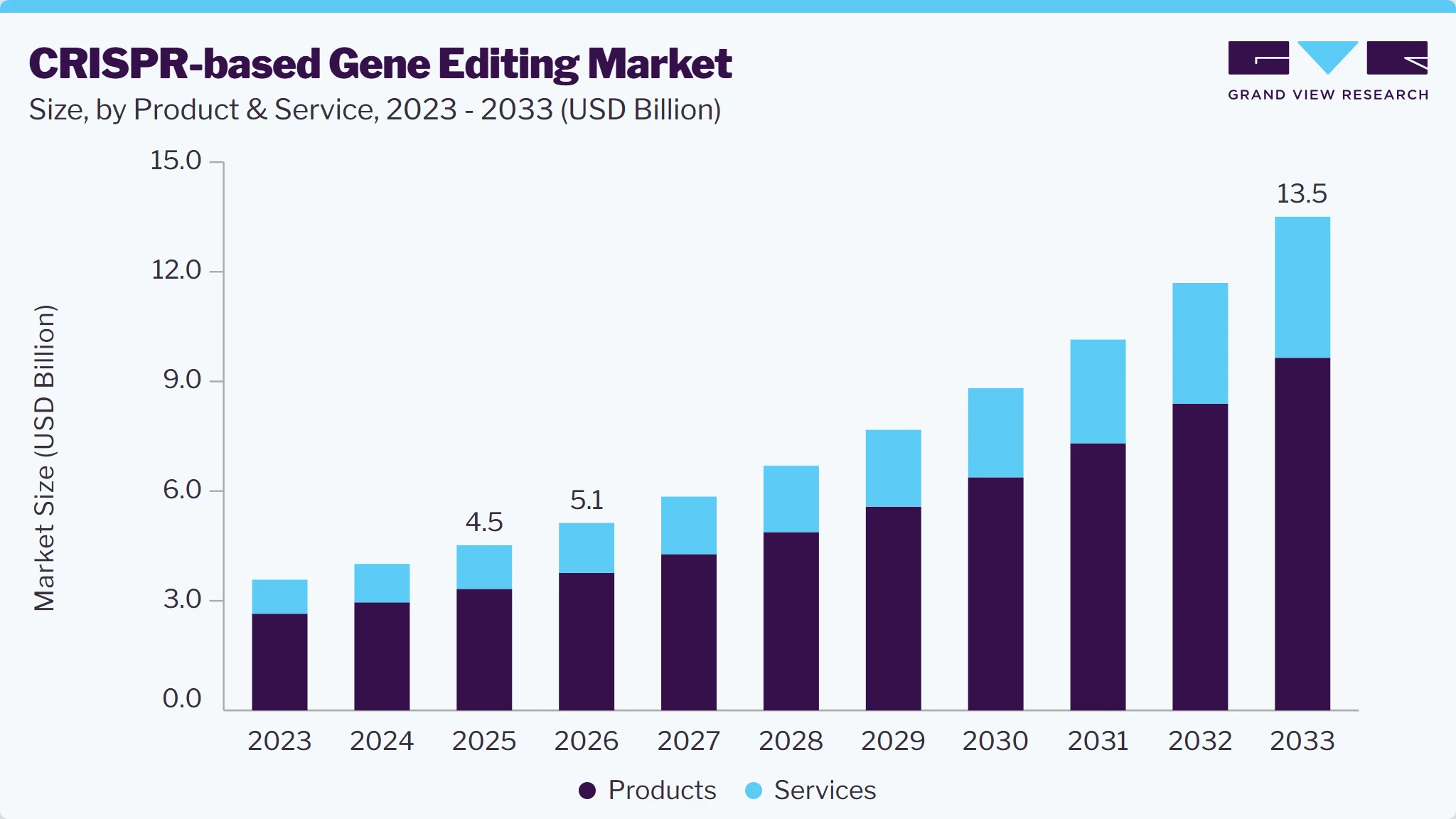
The global CRISPR-based gene editing market size was valued at USD 4.5 billion in 2025 and is projected to grow from USD 5.1 billion in 2026 to USD 13.5 billion by 2033, at a CAGR of 14.8% from 2026 to 2033. The market in North America dominated with a revenue share of 41.8% in 2025. This growth is driven by the rising prevalence of genetic disorders, advancements in research and technology, supportive government initiatives, and increasing investment in biotechnology.
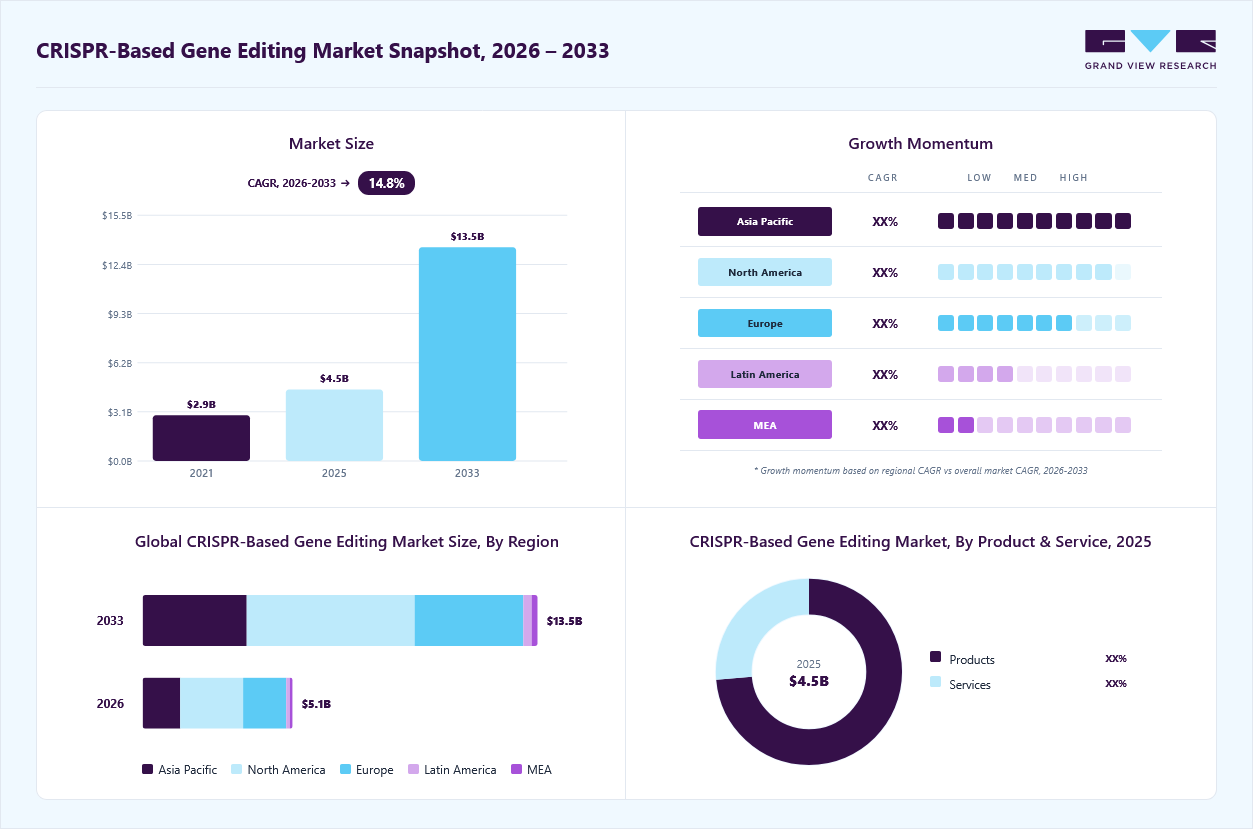 Source: Grand View Research, IR Documents, Primary Interviews, Paid DatabasesTo learn more about this report,
 Download Free Sample Report
 Key Market Trends & Insights
- By product & services: Product segment held the largest market share of 73.5% in 2025.
- By application: Biomedical segment held the largest market share of 82.2% in 2025.
- By end use: Pharmaceutical & biotechnology companies segment held the largest market share of 46.1% in 2025.
Regional Highlights
- Largest regional market: North America (41.8% revenue share, 2025)
- Fastest-growing regional market: Asia Pacific (highest CAGR, 2026-2033)
- By country: The U.S. held the largest market share in 2025
Market Size & Forecast
- Market size in 2025: USD 4.5 Billion
- Estimated market size in 2026: USD 5.1 Billion
- Projected market size by 2033: USD 13.5 Billion
- CAGR (2026-2033): 14.8%
Three ways to get this report
Buy it, customize it, or ask a question.Ask an Analyst
Analyst response in 1 business day
- AccessReport author, directly
- Reply timeWithin 1 working day
- No sales callDirect answer only
- FormatEmail reply
- CostFree, no cost
Get the Full Report
What the study covers
- FormatsPDF · Excel · Dashboard
- Timeline2026–2033 annual, 2025 base
- Coverage20+ countries, 5 regions
- Companies10+ key players profiled
Customize the Report
20% free customization
- IncludeCountries, segments, points
- TailorTo your product definition
- ExtendDeeper competitor detail
- OrA fully bespoke study
- Turnaround5–10 working days
 To learn more about this report, Download Free Sample Report
 Market Dynamics
The CRISPR-based gene editing market is being driven by rapid advances in genome engineering, growing investment in biotechnology research, increasing clinical trial activity for genetic disorders, and expanding applications across therapeutics, agriculture, and industrial biotechnology. Strong funding from venture capital firms, pharmaceutical companies, and government research programs continues to accelerate innovation, while strategic partnerships between biotech firms and large pharmaceutical companies support commercialization efforts. Demand is further influenced by improvements in delivery technologies, rising prevalence of genetic diseases, and increasing interest in personalized medicine, while emerging next-generation editing approaches such as base editing and prime editing are creating new opportunities and intensifying competition within the broader gene-editing landscape.
The increasing prevalence of genetic disorders, cancer, and rare diseases has significantly accelerated the adoption of CRISPR-based gene editing technologies. CRISPR enables precise modification of disease-causing genes, making it a promising tool for developing targeted therapies and personalized treatment approaches. Growing clinical research activities, expanding pipelines of gene-editing therapeutics, and substantial investments from pharmaceutical and biotechnology companies are further supporting market growth. In addition, successful clinical outcomes in treating conditions such as sickle cell disease and beta-thalassemia have strengthened confidence in CRISPR-based interventions, driving broader adoption across the healthcare sector.
Despite its transformative potential, the CRISPR-based gene editing market faces significant challenges related to regulatory oversight, ethical considerations, and long-term safety. Concerns regarding off-target genetic modifications, unintended biological effects, and the potential use of gene editing in human germline cells continue to attract scrutiny from regulatory authorities and bioethics organizations. The absence of harmonized global regulations and lengthy approval processes can delay product development and commercialization. Furthermore, intellectual property disputes among technology developers create additional uncertainty for companies seeking to advance CRISPR-based products.
The emergence of advanced gene-editing technologies, including base editing, prime editing, and CRISPR-associated novel enzymes, presents substantial growth opportunities for the market. These innovations offer improved accuracy, reduced off-target effects, and the ability to address a wider range of genetic mutations compared to conventional CRISPR approaches. Beyond human therapeutics, expanding applications in agricultural biotechnology, synthetic biology, regenerative medicine, and cell and gene therapy manufacturing are creating new revenue streams. As delivery systems improve and regulatory pathways become more defined, the commercialization potential of next-generation CRISPR solutions is expected to expand significantly over the coming years.
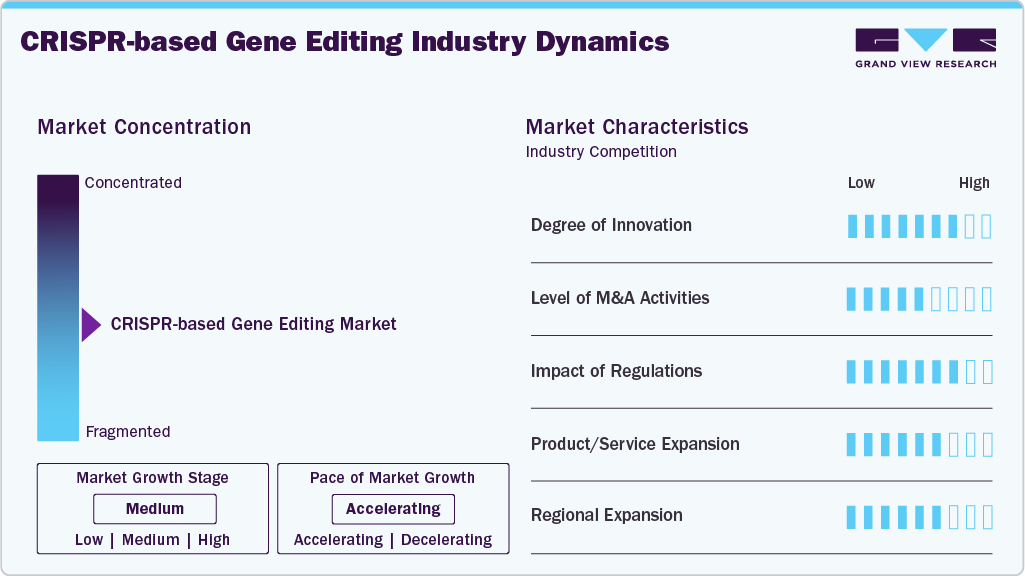
Market Concentration & Characteristics
The CRIPRS-based gene editing industry is characterized by rapid innovation, driven by ongoing advancements in biotechnology. Recent breakthroughs, such as base editing and prime editing, enhance precision and reduce off-target effects compared to traditional CRISPR methods. For instance, in May 2025, India introduced its first genome-edited rice varieties, DRR Rice 100 (Kamala) and Pusa DST Rice 1, developed using CRISPR-Cas technology by the Indian Council of Agricultural Research (ICAR). These varieties enhance yield, climate resilience, and water-use efficiency, significantly advancing agricultural biotechnology and further supporting expansion in the CRISPR-based genome editing industry.
Mergers and acquisitions (M&A) play a significant role in the CRIPRS-based gene editing industry, as companies seek to consolidate resources and expertise to enhance their competitive edge. For instance, in June 2025, Eli Lilly, the world's most valuable pharmaceutical company, announced the acquisition of gene-editing biotech Verve Therapeutics for up to USD 1.3 billion. This move aimed to bolster Lilly's cardiovascular pipeline. Verve's lead program targets a single-dose CRISPR-based treatment for familial hypercholesterolemia, a genetic condition causing high cholesterol levels. The acquisition reflects Lilly's strategic focus on expanding its gene-editing capabilities in the cardiovascular sector. This strategic consolidation enhances research and development efforts, streamlines regulatory processes, and broadens market reach, ultimately fostering growth in CRISPR applications in medicine.
 To learn more about this report, Download Free Sample Report
 Regulatory frameworks are critical in shaping the CRISPR-based gene editing industry. Approvals from authorities like the US FDA, European Medicines Agency (EMA), and UK MHRA for therapies such as exa-cel (Casgevy) have validated CRISPR’s clinical potential and increased investor and patient confidence. Clear guidelines for clinical trials, gene therapy manufacturing, and biosafety standards facilitate faster development and commercialization of new therapies. Conversely, stringent ethical oversight and country-specific restrictions on human germline editing or genetically modified organisms (GMOs) can slow adoption and limit market access in certain regions. Overall, a well-defined regulatory landscape encourages responsible innovation, mitigates risks, and is a key enabler for the sustainable growth of the global CRISPR market.
The market is poised for significant expansion, leveraging advanced biotechnologies to enhance gene editing capabilities. Companies can launch novel products to explore new tool varieties, improve genome editing precision, and optimize workflows. For instance, in July 2025, US-based Integrated DNA Technologies (IDT) expanded its CRISPR translational portfolio with high-purity gRNAs, off-target analysis services, and regulatory support, accelerating the development of personalized gene-editing therapies. This strategy meets consumer demand and promotes sustainable growth in the market.
The regional expansion of CRISPR-based gene editing industry is rapidly gaining momentum, particularly in North America, Europe, and the Asia-Pacific. North America, led by the U.S., dominates the market due to its robust R&D infrastructure and substantial funding from both public and private sectors. NIH’s investment in CRISPR research has accelerated the development of novel therapies targeting genetic disorders.
Analyst Perspective
The CRISPR-based gene editing market is transitioning from a primarily research-driven space into a clinically and commercially oriented ecosystem, supported by accelerating therapeutic approvals and a maturing clinical pipeline. While early momentum is strongly driven by breakthroughs in treating rare genetic disorders, the next phase of growth will depend on scalability, delivery efficiency, and long-term safety validation across broader disease indications. Competitive intensity is increasing as established biotech firms, pharmaceutical companies, and emerging startups pursue differentiated CRISPR platforms, including next-generation editing tools. However, investors and stakeholders remain cautious due to regulatory complexity, ethical scrutiny, and reimbursement uncertainty. Overall, the market is expected to evolve into a highly specialized but high-value segment within advanced therapeutics, where success will be defined by clinical efficacy, manufacturing scalability, and strategic partnerships.
Advancements in CRISPR Technology & Applications
Advancements in CRISPR technology and applications are significantly accelerating market growth by enhancing precision, efficiency, and versatility in gene editing. Since its discovery, the CRISPR-Cas system has evolved beyond basic DNA cutting into a sophisticated genome engineering platform. It is supported by innovations such as high-fidelity Cas variants, base editing, prime editing, and improved delivery mechanisms such as lipid nanoparticles and viral vectors. These improvements have reduced off-target effects, increased editing efficiency, and broadened the scope of treatable conditions. Integration with artificial intelligence (AI) and machine learning has further optimized guide RNA design and target site selection, enabling faster, more accurate development cycles. Technology’s adaptability also supports multiplexed editing, allowing simultaneous modification of multiple genes crucial for tackling complex diseases and traits.
Key CRISPR Mechanisms, Applications, And Examples
CRISPR Mechanism
Applications
Example
CRISPR-Cas9
Gene knockouts, knock-ins, corrections, transgene insertions
Correction of single-point mutations in monogenic diseases
CRISPRa (CRISPR activation)
Cell reprogramming, activation of pluripotency genes
Reprogramming fibroblasts into iPSCs by activating Oct4, Sox2, Klf4
CRISPRi (CRISPR interference)
Gene silencing, studying gene function, cell differentiation
Silencing Oct4 in hESCs to promote differentiation
CRISPR-dCas9
Epigenetic modifications, transcriptional regulation
dCas9-VP64 for activation, dCas9-KRAB for repression
CRISPR-CLOuD9
Modulating nuclear architecture, studying 3D genome organization
Bringing enhancers closer to target genes
CRISPR-Cas13
RNA editing, viral RNA targeting
Cas13a targeting RNA viruses like SARS-CoV-2
CRISPR-paired nickases
Reduce off-target effects, study gene dosage
iPSC lines with different gene dosages
CRISPR prime editing
Base editing, correcting point mutations
Correcting point mutations in genetic diseases
CRISPR base editing
Correct point mutations
Adenine & cytosine base editors for genetic corrections
CRISPR epigenome editing
Studying epigenetic regulation, reprogramming cells
dCas9 fused with TET1 or DNMT3A
CRISPR screens
Identify gene functions, drug targets, synthetic lethality
Genome-wide screens for cancer vulnerabilities
CRISPR diagnostic tools
Point-of-care diagnostics, pathogen detection
SHERLOCK, DETECTR for infectious diseases
CRISPR-Cas14
Pathogen/genetic mutation detection
Detect viral RNA in low-resource settings
CRISPR-Cas12a
Precise genome editing; minimal off-targets
Editing plant genomes for traits
CRISPR-Cas12b
Advanced editing; high specificity
Precise editing in human cells
CRISPR-Cas3
Genome rearrangements/deletions
Large deletions in bacteria
CRISPR-CasΦ
Viral vector delivery
Phage-resistant bacterial strains
Source: ScienceDirect, Secondary Research, Grand View Research
These advancements also expand CRISPR into new application areas beyond human therapeutics, including agriculture, industrial biotechnology, diagnostics, and environmental management. In agriculture, CRISPR is being applied to create climate-resilient, pest-resistant, and nutrient-enhanced crops, offering solutions to food security challenges. In diagnostics, CRISPR-based tools such as SHERLOCK and FELUDA enable rapid, low-cost detection of infectious diseases. At the same time, in synthetic biology, CRISPR is used to engineer microorganisms for sustainable biofuel and material production. The widening scope of CRISPR applications, coupled with ongoing technical refinements, is attracting strong investments from pharmaceutical companies, agri-biotech firms, and research institutions. This continual innovation cycle expands the addressable market and strengthens CRISPR’s position as a transformative technology platform across multiple industries.
Increasing Prevalence of Genetic Disorders
The growing prevalence of genetic disorders is a key catalyst for the CRISPR-based gene editing market. According to the World Health Organization (WHO), around 6% of newborns globally are affected by serious genetic congenital disabilities, representing millions of new cases each year. Conditions such as sickle cell disease, beta-thalassemia, cystic fibrosis, Duchenne muscular dystrophy, Huntington's disease, and hemophilia contribute to substantial clinical and economic burdens worldwide. Advances in genetic screening, increased awareness, and improved diagnostics are revealing a larger patient pool, while demographic shifts such as higher parental age further increase the risk of hereditary conditions. In addition, improved survival rates of infants with complex medical needs mean more individuals live with these disorders into adulthood, expanding the long-term patient base.
Conventional therapies for genetic disorders are often symptom-focused and lifelong, offering limited impact on disease progression. This gap fuels interest in curative approaches such as CRISPR-based gene editing, which enables targeted correction of disease-causing mutations at the DNA level. Breakthrough approvals, such as exa-cel (Casgevy) for sickle cell disease and beta-thalassemia, have validated the clinical potential of these technologies and boosted confidence among healthcare providers, patients, and investors. As genetic testing adoption rises and precision medicine becomes mainstream, the demand for advanced gene editing solutions is set to accelerate, positioning CRISPR as a cornerstone in the treatment landscape for inherited diseases.
Product & Service Insights
Based on product & services, the product segment led the market with the largest revenue share of 73.5% in 2025. The widespread adoption of CRISPR technology in research laboratories has led to a significant demand for high-quality enzymes and kits essential for gene editing applications. Moreover, CRISPR libraries, which allow researchers to conduct high-throughput screenings and facilitate functional genomics studies, are gaining traction. These libraries are pivotal for drug discovery and developing novel therapies, addressing critical health challenges such as cancer and genetic disorders.
The services segment is expected to witness the fastest CAGR over the forecast period. As CRISPR technology becomes increasingly mainstream, researchers and organizations require specialized services for effective implementation, including designing, optimizing, and validating CRISPR systems. GenScript and Integrated DNA Technologies have introduced comprehensive service packages that include gene synthesis, cell line development, and custom CRISPR libraries. These offerings simplify the research process and accelerate project timelines, making them attractive to researchers under pressure to deliver results quickly. Moreover, as educational initiatives and workshops on CRISPR technology proliferate, more researchers seek expert services to enhance their understanding and application of this powerful tool. This growing demand will propel the services segment to new heights.
Application Insights
Based on application, the biomedical segment led the market with the largest revenue share of 82.2% in 2025. This growth is fueled by several key drivers, including the increasing prevalence of genetic disorders and cancers, alongside significant advancements in CRISPR technology. CRISPR technology's ability to precisely edit genes offers transformative potential for conditions such as sickle cell disease and Duchenne muscular dystrophy, driving research and investment in this area. CRISPR's application in developing targeted therapies has garnered attention in oncology, with clinical trials underway for various cancers showcasing promising results in altering tumor genetics. For instance, in December 2024, USC biomedical engineers in the US developed a focused ultrasound-controlled CRISPR toolkit, enabling precise, remote-activated genome editing and enhancing cancer immunotherapy efficacy in preclinical mouse models.
The agricultural segment is expected to witness significant growth over the forecast period, driven by CRISPR’s ability to deliver precise, cost-effective genetic modifications that enhance crop yield, nutritional value, and resistance to pests, diseases, and environmental stressors. Compared to conventional breeding and transgenic methods, CRISPR offers faster development timelines and greater regulatory acceptance in certain markets, making it highly attractive to agri-biotech companies. Applications include engineering drought-tolerant cereals, disease-resistant fruits, and biofortified staples to address global food security challenges. Moreover, CRISPR is being used to improve livestock traits, such as disease resistance and productivity, further broadening its agricultural utility. As climate change intensifies and demand for sustainable farming practices rises, adoption of CRISPR in agriculture is expected to accelerate, supported by growing R&D investment and public-private partnerships worldwide.
End Use Insights
Based on end use, the pharmaceutical & biotechnology companies segment led the market with the largest revenue share of 46.1% in 2025. Pharmaceutical and biotechnology companies are at the forefront of addressing a range of genetic disorders and complex diseases, such as sickle cell anemia, cystic fibrosis, and various cancers, by leveraging CRISPR technology to develop targeted therapies. Recent industry developments further underscore the growth potential of this segment. Numerous biotech firms are actively conducting clinical trials employing CRISPR technology, with regulatory agencies increasingly supporting these initiatives. This trend reflects growing confidence in the safety and efficacy of CRISPR applications. For instance, in May 2023, Vertex Pharmaceuticals Incorporated and CRISPR Therapeutics announced a new non-exclusive licensing agreement. This collaboration focuses on utilizing CRISPR Therapeutics’ CRISPR/Cas9 gene editing technology to expedite the development of Vertex’s hypoimmune cell therapies for type 1 diabetes, showcasing the practical applications and transformative potential of CRISPR in treating chronic conditions.
 To learn more about this report, Download Free Sample Report
 The contract research organizations segment is projected to witness the fastest CAGR over the forecast period. This growth is driven by the increasing complexity of research and development in biotechnology, alongside a rising demand for specialized expertise in gene editing. CROs play a crucial role by providing essential services such as assay development, regulatory compliance, and clinical trial management. This enables pharmaceutical and biotech companies to concentrate on their core competencies while ensuring timely and budget-conscious project completion.
Regional Insights
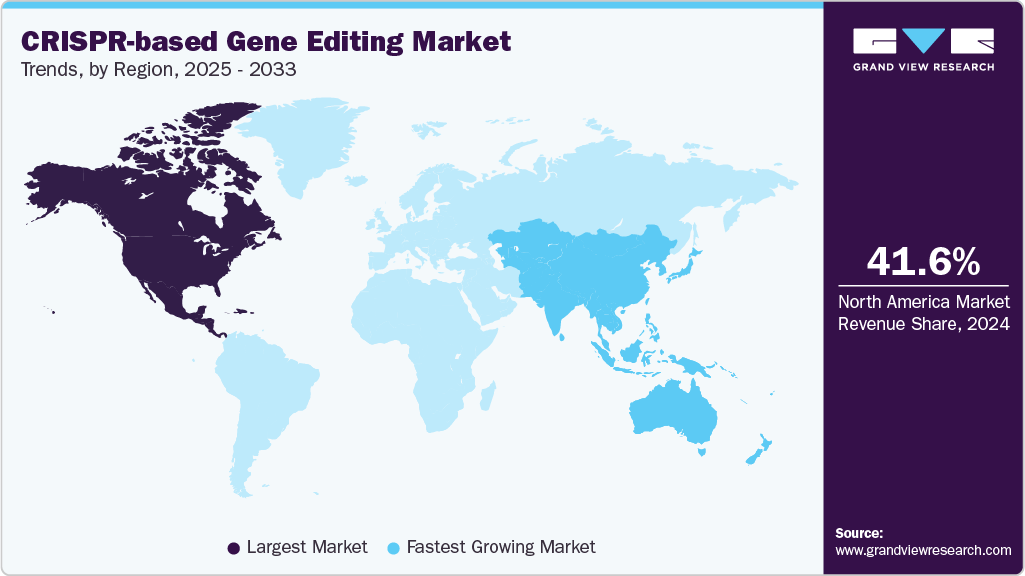
North America dominated the CRISPR-based gene editing market with the largest revenue share of 41.8% in 2025. This leadership is largely attributed to the strong presence of major biotechnology and pharmaceutical companies and substantial investments in research and development. The region also benefits from supportive regulatory frameworks that facilitate innovation and accelerate the approval process for new therapies. Moreover, the high prevalence of genetic disorders, which affects millions of individuals in the U.S., highlights the urgent demand for effective treatments.
 To learn more about this report, Download Free Sample Report
 U.S. CRISPR-based Gene Editing Market Trends
The CRISPR-based gene editing market in the U.S. held the largest share in the North America region in 2025. The CRISPR-based gene editing industry in the U.S. is anticipated to experience a significant CAGR during the forecast period, due to rising investments in biotechnology and healthcare innovation. The regulatory environment is becoming more conducive, with the FDA providing clearer guidelines for gene editing therapies. Recent collaborations between academic institutions and biotech firms are accelerating the development of CRISPR applications, particularly in oncology and rare genetic disorders. Moreover, numerous government initiatives aim to bolster biotechnology research. For instance, the U.S. government has invested heavily in the "Precision Medicine Initiative," which seeks to tailor treatments to individual genetic profiles.
Europe CRISPR-based Gene Editing Market Trends
The CRISPR-based gene editing market in Europe is anticipated to grow significantly over the forecast period, driven by strong governmental support and a collaborative research environment. European countries are investing heavily in biotechnology research, with initiatives like Horizon Europe, which allocates substantial funding to genetic research. Regulatory agencies, such as the European Medicines Agency, are also becoming more proactive in facilitating the approval of gene editing therapies, enhancing the market's growth prospects.
CRISPR-based gene editing industry in UK is expected to witness a significant CAGR during the forecast period, fueled by strong government support for genomic research, a robust biotechnology ecosystem, and early regulatory approvals. The country’s advanced clinical research infrastructure, active academic-industry collaborations, and investment in precision medicine initiatives are accelerating the translation of CRISPR innovations from lab to market. Moreover, the UK’s focus on therapeutic and agricultural applications and a favorable IP environment positions it as a key growth hub in the global CRISPR landscape.
Germany CRISPR-based gene editing market is expected to grow at a substantial CAGR over the forecast period, driven by the country’s strong biomedical research infrastructure, significant public and private R&D investments, and leadership in precision medicine initiatives. Germany’s well-established pharmaceutical and biotechnology sectors, supported by leading academic institutions and research clusters such as the Max Planck Society and Helmholtz Association, foster innovation in CRISPR applications for therapeutics, agriculture, and industrial biotechnology. Moreover, favorable government funding programs, participation in EU-wide genomic projects, and a focus on ethical yet progressive regulatory policies create an enabling environment for market expansion.
Asia Pacific CRISPR-based Gene Editing Market Trends
The CRISPR-based gene editing market in the Asia Pacific is anticipated to witness the fastest CAGR of 15.7% throughout the forecast period, driven by expanding biotechnology and pharmaceutical sectors, rising healthcare expenditure, and increasing adoption of precision medicine. Countries such as China, Japan, South Korea, and India invest heavily in genomic research, clinical trials, and CRISPR-based product development, supported by government initiatives and favorable policy reforms. For instance, in January 2025, India’s CrisprBits opened a Bengaluru gene editing and diagnostics centre, enhancing CRISPR R&D capacity and advancing affordable rare disease, antimicrobial resistance, and hospital-acquired infection diagnostics. The region also benefits from a large patient population with unmet medical needs, accelerating demand for advanced genetic therapies. Collaborative efforts between academic institutions, biotech startups, and multinational companies will strengthen the Asia Pacific’s position as a high-growth hub in the global CRISPR landscape.
China CRISPR-based gene editing market is expected to grow significantly over the forecast period, driven by substantial government investment in life sciences and biotechnology. China’s growing healthcare needs, fueled by a rising population and increasing incidence of genetic disorders, necessitate innovative solutions. The Chinese government has implemented favorable policies to encourage research and development in gene editing, resulting in numerous clinical trials and collaborations between research institutions and biotech firms.
CRISPR-based gene editing market in Japan is set for strong growth, driven by advanced life sciences infrastructure, substantial government funding, and active international collaborations. Applications span rare disease therapeutics, regenerative medicine, and agriculture, supported by a clear regulatory framework and rising demand for precision medicine amid an aging population. For instance, in July 2025, Japan’s Mie University used CRISPR-Cas9 to remove the extra chromosome 21 in Down syndrome cells, marking a milestone in chromosome-level editing with potential therapeutic applications.
MEA CRISPR-based Gene Editing Market Trends
The CRISPR-based gene editing market in the Middle East and Africa is poised for substantial growth during the forecast period, fueled by rising investments in healthcare infrastructure and biotechnology research. Governments and private entities increasingly recognize the importance of genetic research in addressing regional health challenges, driving greater funding and collaborations between research institutions and biotech companies. The region’s high prevalence of genetic disorders, most notably sickle cell disease (SCD), identified by the World Health Organization (WHO) as the most common genetic disorder in Africa, highlights the urgent need for advanced therapeutic solutions. This combination of unmet medical needs, expanding research capacity, and growing demand for innovative healthcare technologies is expected to accelerate CRISPR adoption across the region.
The CRISPR-based gene editing industry in Kuwait is poised for growth, driven by increasing government investment in healthcare innovation, expanding biotechnology research capabilities, and rising adoption of precision medicine. The country’s focus on diversifying its economy through science and technology initiatives and partnerships between local institutions and global biotech companies fosters a supportive ecosystem for CRISPR applications.
Key CRISPR-based Gene Editing Company Insights
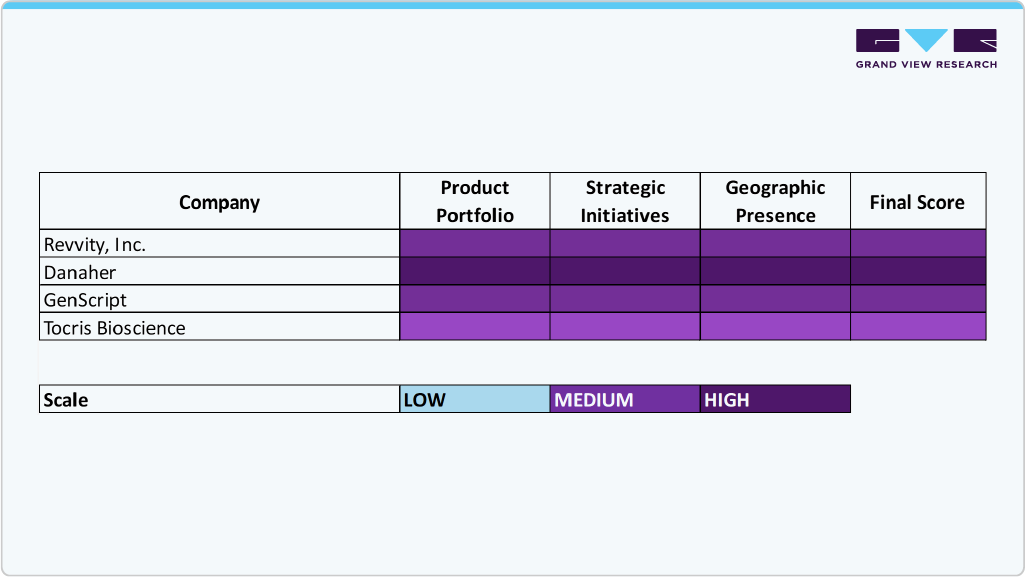
The CRISPR-based gene editing market is characterized by several established players who maintain dominance through advanced technology platforms, strategic partnerships, and sustained investment in research and development. Industry leaders such as Revvity, Inc., Danaher, GenScript, Merck KGaA, and Thermo Fisher Scientific, Inc. have secured significant market share by offering robust CRISPR toolkits, broad application coverage, and strong global distribution networks. These companies continue to advance the field through innovations in high-fidelity Cas variants, precision delivery systems, and scalable manufacturing solutions catering to research and clinical applications.
Other key participants, including Tocris Bioscience, OriGene Technologies, Inc., Bio-Rad Laboratories, Bio-Techne, and New England Biolabs, Inc., are expanding their footprint by providing specialized reagents, assay systems, and customized gene editing services tailored to the evolving needs of academic institutions, pharmaceutical companies, and agricultural biotechnology enterprises. These organizations leverage their technical expertise to address the growing demand for reliable, efficient, and application-specific CRISPR solutions across therapeutic, diagnostic, and industrial domains.
 To learn more about this report, Download Free Sample Report
 Leading players in this market have solidified their positions by integrating cutting-edge CRISPR technologies with comprehensive service portfolios and global outreach. As the demand for precision medicine, regenerative therapies, agricultural genome improvement, and synthetic biology accelerates, the market landscape will be increasingly shaped by a commitment to scalability, accessibility, and regulatory compliance. These factors will be critical in aligning CRISPR innovation with broader healthcare, food security, and sustainability objectives.
The CRISPR-based gene editing industry is witnessing a dynamic interplay between established expertise and emerging innovators. Mergers, acquisitions, strategic alliances, and continual improvements in editing accuracy, delivery efficiency, and safety profiles fuel intense competition. Companies that can successfully merge scientific breakthroughs with customer-focused solutions and ethical considerations are best positioned to capture sustained value and drive the future trajectory of this transformative sector.
Key CRISPR-based Gene Editing Companies
The following key companies have been profiled for this study on the CRISPR-based gene editing market.
-
Revvity, Inc.
-
Danaher
-
GenScript
-
Merck KGaA
-
Thermo Fisher Scientific, Inc.
-
Tocris Bioscience
-
OriGene Technologies, Inc.
-
Bio-Rad Laboratories
-
Bio-Techne
-
New England Biolabs, Inc.
Competitive Benchmarking
Category
Operating Strategies
Competitive Edge
Weakness
Established Life Science & Gene Editing Tool Providers (e.g., Thermo Fisher Scientific, Inc.; Danaher Corporation; Merck KGaA; Revvity, Inc.; Bio-Rad Laboratories; Bio-Techne)
- Focus on expanding comprehensive CRISPR research portfolios comprising gene editing reagents, guide RNA libraries, screening platforms, analytical instruments, and workflow automation solutions.
- Strengthen market presence through acquisitions, strategic collaborations, and integration of CRISPR technologies with genomics, proteomics, and cell analysis platforms.
- Invest heavily in high-throughput screening, multi-omics research, and scalable manufacturing capabilities.
- Strong global distribution networks, diversified life science portfolios, established customer relationships across pharmaceutical, biotechnology, and academic sectors, and the ability to offer end-to-end gene editing workflows.
- Extensive regulatory expertise and financial resources support continuous innovation and market expansion.
- Large organizational structures can result in slower innovation cycles and reduced flexibility in addressing highly specialized CRISPR applications.
- Exposure to pricing pressures in research consumables and increasing competition from niche gene editing technology providers.
Specialized CRISPR Reagent & Service Providers (e.g., GenScript; Tocris Bioscience; OriGene Technologies, Inc.; New England Biolabs, Inc.)
- Focus on developing specialized CRISPR reagents, engineered nucleases, guide RNA products, custom gene editing services, screening libraries, and molecular biology tools.
- Emphasize rapid product development, customized solutions, and support for emerging applications in gene therapy, functional genomics, and precision medicine.
- High scientific expertise in genome engineering, strong customization capabilities, faster product development cycles, and the ability to address niche research requirements.
- Strong reputation within academic and early-stage biotechnology research communities.
- Limited scale and global reach compared to large life science conglomerates.
- Dependence on research funding cycles and academic demand, along with relatively narrower product portfolios and lower commercial manufacturing capabilities.
Recent Developments
-
In May 2025, Danaher used its Business System to deliver the world’s first mRNA-based personalized CRISPR therapy in under six months, accelerating treatment for a child with neonatal-onset CPS1 deficiency.
-
In April 2025, Kytopen and Aldevron partnered to integrate Nanoplasmid and Flowfect Tx technologies, enhancing CRISPR-mediated T-cell engineering, boosting yields, and streamlining GMP manufacturing for advanced cell therapy applications.
CRISPR-based Gene Editing Market Report Scope
Report Attribute
Details
Market size value in 2025
USD 4.5 billion
Market size value in 2026
USD 5.1 billion
Revenue forecast in 2033
USD 13.5 billion
Growth rate
CAGR of 14.8% from 2026 to 2033
Historical data
2021 - 2025
Forecast period
2026 - 2033
Quantitative units
Revenue in USD million/billion and CAGR from 2026 to 2033
Report coverage
Revenue forecast, company ranking, competitive landscape, growth factors, and trends
Segments covered
Product & services, application, end use, region
Regional scope
North America; Europe; Asia Pacific; Latin America; MEA
Country scope
U.S.; Canada; Mexico; Germany; UK; France; Italy; Spain; Norway; Denmark; Sweden; China; Japan; India; South Korea; Australia; Thailand; Brazil; Argentina; Saudi Arabia; South Africa; UAE; Kuwait
Key companies profiled
Revvity, Inc.; Danaher Corporation; GenScript; Merck KGaA; Thermo Fisher Scientific, Inc.; Tocris Bioscience; OriGene Technologies, Inc.; Bio-Rad Laboratories; Bio-Techne; New England Biolabs, Inc.
Customization scope
Free report customization (equivalent up to 8 analysts' working days) with purchase. Addition or alteration to country, regional & segment scope.
Pricing and purchase options
Avail customized purchase options to meet your exact research needs. Explore purchase options
Global CRISPR-based Gene Editing Market Report Segmentation
This report forecasts revenue growth and provides an analysis on the latest trends in each of the sub-segments from 2021 to 2033. For this report, Grand View Research has segmented the global CRISPR-based gene editing market based on product & service, application, end use, and region:
 To learn more about this report, Download Free Sample Report
 -
Product & Service Outlook (Revenue, USD Million, 2021 - 2033)
-
Products
-
CRISPR Kits & Reagents
-
CRISPR Libraries
-
Others
-
-
Services
-
-
Application Outlook (Revenue, USD Million, 2021 - 2033)
-
Biomedical
-
Therapeutic Development
-
By Indication
-
Genetic Disorders
-
Oncology
-
Ophthalmology
-
Others
-
-
By Delivery Method
-
Ex Vivo
-
In Vivo
-
-
-
Disease Diagnostics
-
-
Agricultural applications
-
Plant Engineering
-
Farm Animals Engineering
-
Others
-
-
-
End Use Outlook (Revenue, USD Million, 2021 - 2033)
-
Pharmaceutical & Biotechnology Companies
-
Academic & Research Institutes
-
Contract Research Organizations
-
-
Regional Outlook (Revenue, USD Million, 2021 - 2033)
-
North America
-
U.S.
-
Canada
-
Mexico
-
-
Europe
-
UK
-
Germany
-
France
-
Italy
-
Spain
-
Denmark
-
Sweden
-
Norway
-
-
Asia Pacific
-
Japan
-
China
-
India
-
Australia
-
South Korea
-
Thailand
-
-
Latin America
-
Brazil
-
Argentina
-
-
MEA
-
South Africa
-
Saudi Arabia
-
UAE
-
Kuwait
-
-
Research Methodology
Segment Definition
Segment - Product & Services
Revenue capture definition
Products
Revenue is generated through the sale of CRISPR-based gene editing tools including Cas nucleases, guide RNA libraries, delivery vectors, plasmids, engineered cell lines, gene editing kits, reagents, screening platforms, and associated laboratory consumables used in research, therapeutic development, and agricultural biotechnology applications.
Services
Revenue is derived from contract gene editing services, custom cell line engineering, CRISPR screening, target validation, assay development, bioinformatics support, and preclinical research services provided to pharmaceutical, biotechnology, agricultural, and academic organizations.
Segment - Application
Revenue capture definition
Biomedical
Revenue is captured through the use of CRISPR-based technologies in drug discovery, functional genomics, disease modeling, target identification, gene therapy development, regenerative medicine, and precision medicine applications. Increasing investment in genetic disease treatment and advanced therapeutics is a major driver of this segment.
Agricultural Applications
Revenue is generated from CRISPR-enabled crop improvement, livestock trait enhancement, disease resistance development, yield optimization, and agricultural biotechnology research. Demand is supported by the need for sustainable farming practices and next-generation breeding technologies.
Segment - End-use
Revenue capture definition
Pharmaceutical & Biotechnology Companies
Revenue is generated through the procurement of CRISPR products, licensing agreements, collaborative research programs, and gene editing services by pharmaceutical and biotechnology companies engaged in drug discovery, therapeutic development, clinical research, and commercial biotechnology applications.
Academic & Research Institutes
Revenue is derived from universities, government laboratories, and research institutes purchasing CRISPR reagents, kits, instruments, and related services for basic research, genomic studies, translational medicine, and functional genomics applications.
Contract Research Organizations (CROs)
Revenue is captured from CRO investments in CRISPR screening platforms, gene editing capabilities, and outsourced research services used to support preclinical studies, target validation, disease modeling, and drug development programs for pharmaceutical and biotechnology clients.
Estimation Model
Bottom-Up
Top-Down
Segmentation
Validation
Forecasting
Commodity Flow Analysis
Parent Market & Penetration-Based Analysis
Country-Level Segment Share Modeling
Data Triangulation & Validation Model
Forecasting & CAGR Modeling
Market size was estimated by analyzing revenues generated by key CRISPR-based gene editing companies, supported by company annual reports, investor presentations, distributor insights, and premium databases. Revenue contributions from private companies were assessed using industry databases and validated through primary research to derive the overall market value.
The top-down approach for the CRISPR-based gene editing market begins with evaluating the overall global biotechnology and gene editing market size, followed by identifying the proportion attributable to CRISPR-based technologies through industry reports, company revenues, and adoption trends.
Market shares for product & services, application, and end use segments were derived using country-specific adoption patterns, healthcare infrastructure, reimbursement scenarios, and product penetration rates. Weighted average calculations were applied to determine regional and global segment distributions.
Market estimates were validated through triangulation of secondary research, primary interviews, company-level revenue assessments, and demand-side adoption analysis to ensure consistency and accuracy across all market segments and geographies.
Market forecasts were developed using historical market trends, technology adoption patterns, product innovation trends, healthcare expenditure, and regulatory developments. Regression-based analysis and trend modeling were applied to project future market growth and CAGR.
Delivered Customizations
This report has been delivered with the following In-depth customizations
Client Request
Customization Delivered
Value Adds
CRISPR-Based Gene Editing Market Landscape & Technology Adoption Analysis
Developed a tailored assessment of the global CRISPR-based gene editing market across product & service offerings, application areas, and end-use segments. The analysis covers CRISPR reagents, guide RNA libraries, nucleases, screening platforms, and gene editing services, along with applications in biomedical research and agricultural biotechnology. It also evaluates adoption trends across pharmaceutical companies, CROs, and academic institutions with emphasis on precision medicine and functional genomics.
Enables stakeholders to understand evolving genome engineering technologies, identify high-growth biomedical and agricultural applications, evaluate increasing adoption of CRISPR in drug discovery and target validation, and assess long-term commercialization potential across therapeutics and life sciences research ecosystems.
Competitive Landscape & CRISPR Technology Benchmarking Assessment
Delivered a customized benchmarking of leading CRISPR technology providers, including life science tool companies and specialized gene editing firms. The study evaluates portfolio strength across nucleases, guide RNA systems, delivery platforms, screening tools, and service capabilities such as custom cell line engineering and genome modification services.
Provides actionable insights into competitive positioning, intellectual property strength, product differentiation, and innovation pipelines, helping clients identify partnership opportunities, licensing potential, and emerging leaders in the CRISPR gene editing ecosystem.
Therapeutic & Non-Therapeutic Application Opportunity Assessment
Conducted a focused evaluation of CRISPR applications across biomedical research, drug discovery, and agricultural biotechnology. The analysis includes disease modeling, gene therapy development, target identification, crop improvement, and livestock genetic enhancement, along with regulatory and scalability considerations for translational and commercial use.
Supports strategic decision-making by identifying high-value therapeutic pipelines, highlighting non-therapeutic expansion opportunities, enabling prioritization of R&D investments, and strengthening long-term positioning in precision medicine and sustainable agriculture markets.
Frequently Asked Questions About This Report
Asia Pacific is the fastest-growing region over the forecast period.
The product segment led the market with the largest revenue share of 73.5% in 2025.
The biomedical segment led the market with the largest revenue share of 82.2% in 2025.
The pharmaceutical & biotechnology companies segment led the market with the largest revenue share of 46.1% in 2025.
The global CRISPR-based gene editing market is expected to grow at a compound annual growth rate of 14.8% from 2026 to 2033 to reach USD 13.5 billion by 2033.
North America dominated the CRISPR-based gene editing market with a share of 41.8% in 2025. This is attributable to the strong presence of major biotechnology and pharmaceutical companies, coupled with substantial investments in research and development in this region.
Some key players operating in the CRISPR-based gene editing market include Revvity, Inc.; Danaher Corporation; GenScript; Merck KGaA; Thermo Fisher Scientific, Inc.; Tocris Bioscience; OriGene Technologies, Inc.; Bio-Rad Laboratories; Bio-Techne; New England Biolabs, Inc.
Key factors that are driving the market growth include the rising prevalence of genetic disorders, advancements in research and technology, supportive government initiatives, and increasing investment in biotechnology.
The global CRISPR-based gene editing market size was valued at USD 4.5 billion in 2025 and is expected to reach USD 5.1 billion in 2026.
About the Author(s)
Biotechnology Research Team
Healthcare · BiotechnologyThis report was authored by the biotechnology research team at Grand View Research - comprising two research analysts, one senior research analyst, and one industry expert - with specialized expertise in the biotechnology segment of the healthcare industry. All findings are based on proprietary healthcare databases, executive interviews, and regulatory analysis, subject to internal peer review prior to publication.
Last Updated:
Speak to Analyst

Customize this report to your needs - add regions, segments, or data points, with 20% free customization.
Or view our licence options:


ISO 9001:2015 & 27001:2022 Certified
We are GDPR and CCPA compliant! Your transaction & personal information is safe and secure. For more details, please read our privacy policy.


