
- Home
- »
- Pharmaceuticals
- »
-
Dengue Vaccine Market Size And Share Report, 2026-2033GVR Report cover

Dengue Vaccine Market (2026 - 2033)
Size, Share & Trends Analysis Report By Product (Dengvaxia, Qdenga), By End-user (Government & Public Health Agencies, Hospitals & Specialty Clinics), By Region, And Segment Forecasts
Market Size, 2025
$578.5MMarket Estimate, 2026
$822.0MMarket Forecast, 2033
$1,618.6MCAGR, 2026–2033
10.2%Dengue Vaccine Market Summary
The global dengue vaccine market size was valued at USD 578.5 million in 2025 and is projected to grow from USD 822.0 million in 2026 to USD 1,618.6 million by 2033, at a CAGR of 10.2% from 2026 to 2033. Europe dominated the market, accounting for a revenue share of 48.9% in 2025. The increasing prevalence of dengue fever across tropical and subtropical regions drives strong demand for effective vaccines.
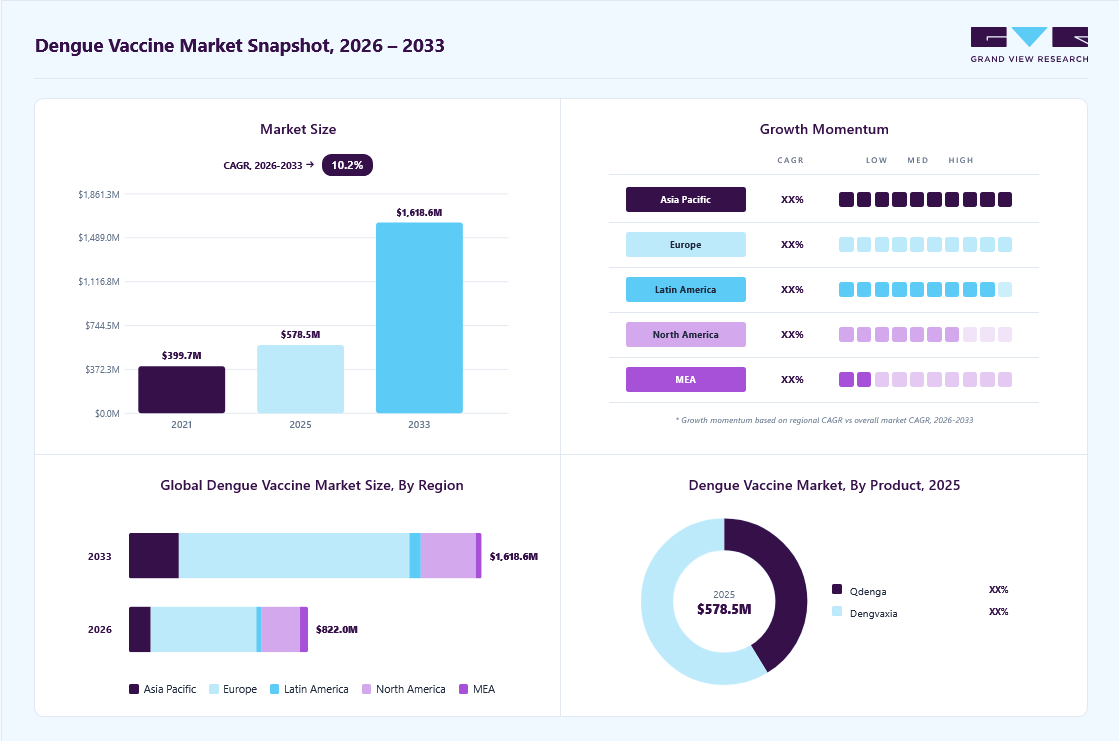 Source: Grand View Research, IR Documents, Primary Interviews, Paid DatabasesTo learn more about this report,
 Download Free Sample Report
Key Market Trends & Insights
- By product: Dengvaxia segment dominated the market, with a revenue share of 58.8% in 2025.
- By end user: Hospitals & specialty clinics segment held the largest market share of 74.4% in 2025.
Regional Highlights
- Largest regional market: Europe (48.9% revenue share, 2025)
- By country: Germany held the largest market share in 2025.
Market Size & Forecast
- Market size in 2025: USD 578.5 Million
- Estimated market size in 2026: USD 822.0 Million
- Projected market size by 2033: USD 1,618.6 Million
- CAGR (2026-2033): 10.2%
Prism AI by Grand View Research Free to tryAsk a question about the dengue vaccine marketTry asking✓Every figure cited from GVR research Prefer the report? Download free sample →
The increasing urbanization and population density create favorable conditions for Aedes mosquitoes, the primary carriers of the virus. The increasing frequency of outbreaks highlights urgent preventive needs, as seen in April 2025, when the World Stock Market reported Brazil had registered 1,010,833 probable cases, 668 confirmed deaths, and 724 under investigation, with São Paulo leading at 585,902 cases. The incidence rate was 475.5 per 100,000, lower than 1,881 per 100,000 in 2024. The increasing awareness among healthcare providers and patients, combined with advances in research, greater accessibility in clinics, and stronger pharmaceutical collaborations, accelerates vaccine adoption and supports global dengue control efforts.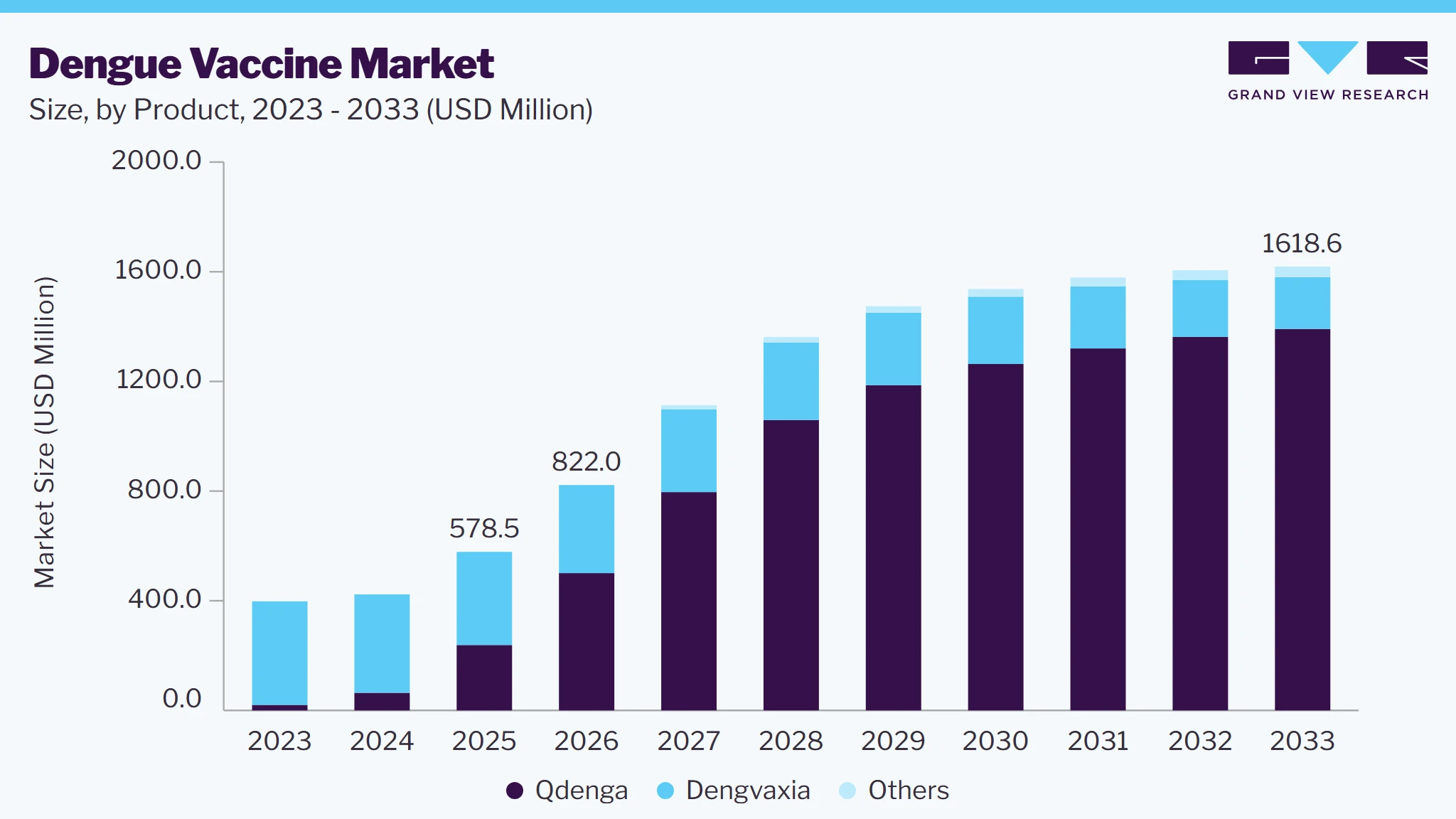 To learn more about this report, Download Free Sample Report
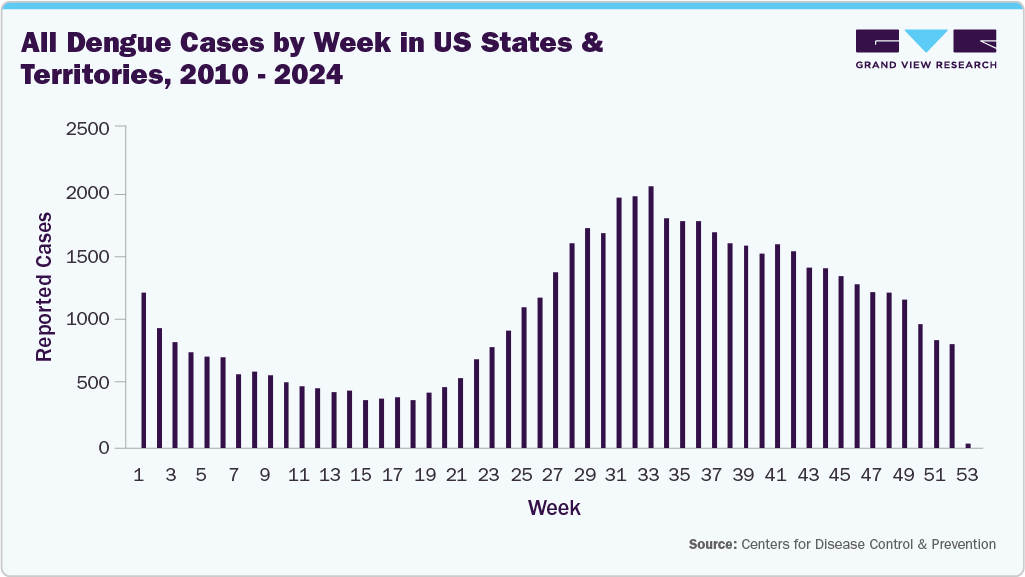
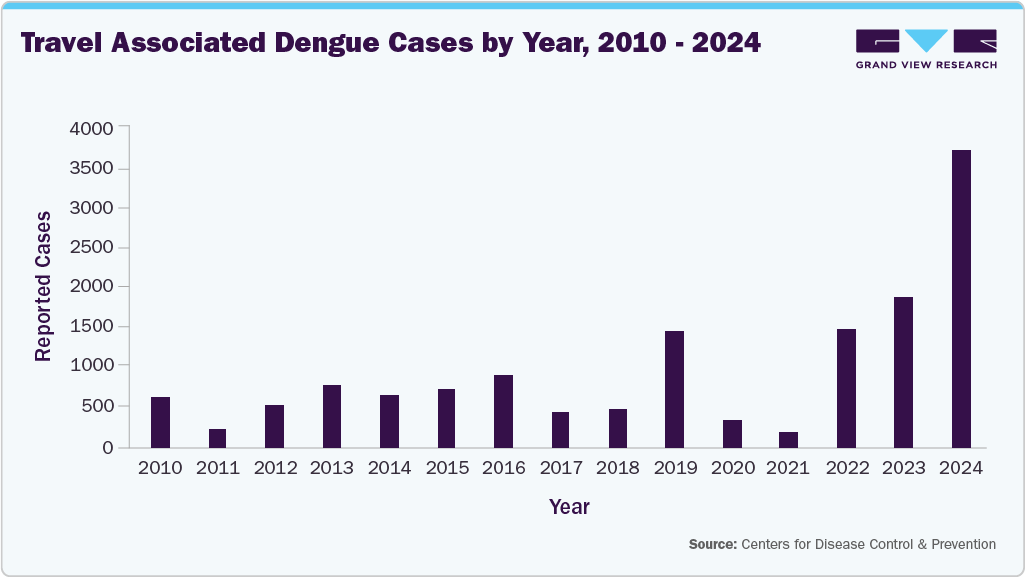
In July 2025, KFF Health News reported a sharp rise in dengue cases across the contiguous United States. The number of new infections reached approximately 3,700, nearly doubling from about 2,050 cases in 2023. Of these, 105 cases were confirmed to be locally transmitted in California, Florida, and Texas, signaling a concerning trend in domestic spread. Historically, dengue infections in the U.S. were mostly travel-related, but the rising local transmission indicates that the Aedes aegypti mosquito has expanded its presence. This surge reflects changing environmental conditions and highlights growing risks for communities that previously faced minimal exposure to dengue. The sudden escalation of cases underscores an urgent need for preventive strategies, including vaccination, mosquito control, and improved monitoring.
The same report emphasized that environmental changes are increasing the risk of dengue outbreaks in U.S. regions. Rising global temperatures, longer rainy seasons, and expanding mosquito breeding sites have created favorable conditions for Aedes aegypti, the main dengue carrier. Warmer climates extend mosquito survival and allow the virus to circulate for longer periods, leading to higher infection rates. With 3,700 total cases in 2024, compared to 2,050 cases in 2023, the doubling of infections shows how these factors are affecting the situation. Local transmission in 105 cases across California, Florida, and Texas demonstrates how climate change and urban density intersect to speed up disease spread. These trends highlight the need to strengthen vaccination campaigns, improve public awareness, and expand community efforts to reduce the rising burden of dengue in the U.S.
 To learn more about this report, Download Free Sample Report
 To learn more about this report, Download Free Sample Report
Pipeline Analysis
NCT Number
Conditions
Sponsor
Phases
Start Date
Anticipated Completion Date
NCT06741683
Dengue Fever
Takeda
PHASE2|PHASE3
1/31/2025
12/31/2025
NCT06665035
Dengue Fever
Takeda
PHASE3
6/16/2025
3/3/2030
NCT07013487
Healthy
Merck Sharp & Dohme LLC
PHASE3
6/11/2025
2/2/2032
Source: ClinicalTrials.gov
Opportunity Analysis for the Dengue Vaccine Market
Opportunity Area
Description
Latest Instance
Rising Disease Burden
Increasing prevalence of dengue fever highlights the urgent need for effective vaccination strategies.
12.4 million dengue cases reported globally in 2024.
Advancements in Vaccine Development
New-generation vaccines offer broader protection against all four dengue virus serotypes, improving efficacy and adoption.
WHO prequalified Takeda’s Qdenga, a tetravalent dengue vaccine.
Strategic Partnerships
Collaborations between pharmaceutical companies and local manufacturers enhance production capacity and market reach.
Takeda partnered with Biological E in India to scale up dengue vaccine production.
International Travel Awareness
Growing international travel spreads dengue to non-endemic regions, increasing demand for preventive vaccination.
In December 2024, Vax-Before-Travel reported that tourism accounted for 67.3% of dengue cases, with Southeast Asia (50.4%) and South Central Asia (14.9%) as the most affected regions. The Americas recorded over 12.5 million cases and 7,656 deaths, while U.S. travel-related cases rose 19% to 7,858.
Private Healthcare Engagement
Expansion of vaccine access through private hospitals and clinics supports wider adoption.
Private hospitals in India and Southeast Asia actively offering dengue vaccination programs in 2024.
Market Dynamics
The global dengue vaccine market is at an early stage of development and is shaped by the growing burden of dengue across tropical and subtropical regions, increasing public health investments, and gradual expansion of immunization strategies. Rising dengue outbreaks, longer transmission seasons, urbanization, climate variability, and the spread of Aedes mosquitoes have increased the need for preventive vaccination alongside vector control measures. Market growth is supported by continued vaccine research, regulatory evaluations, and procurement by governments and international health organizations in countries with high disease incidence. However, vaccine adoption remains dependent on clinical evidence across different age groups and serostatus, national immunization policies, pricing, and manufacturing capacity. Several countries continue to prioritize surveillance and targeted vaccination programs rather than universal immunization, resulting in varying adoption rates across regions. Asia Pacific and Latin America remain the primary demand centers due to their high dengue burden, while ongoing pipeline development and broader regulatory approvals are expected to expand vaccination access and strengthen the market over the coming years.
The increasing burden of dengue across endemic countries has encouraged governments to strengthen preventive healthcare strategies by incorporating vaccination into broader disease control programs. Recurring outbreaks, rising hospitalization rates, and the economic burden associated with dengue management have shifted public health priorities toward long-term prevention rather than outbreak response alone. Health authorities are increasingly evaluating commercially available vaccines for inclusion in national and regional immunization programs, particularly for populations at higher risk of infection. Public procurement initiatives, policy recommendations, and integration of vaccination with vector control measures are supporting demand for dengue vaccines across several countries. Vaccine manufacturers are also strengthening engagement with governments to improve supply continuity and expand vaccine access through public immunization programs. The growing involvement of international health organizations in supporting vaccination strategies is further contributing to market growth and encouraging long-term investments in vaccine supply. Increasing awareness of dengue prevention among policymakers and healthcare providers is also supporting wider acceptance of vaccination as a complementary disease control measure. For instance, in December 2025, Instituto Butantan received regulatory approval from Brazil's National Health Surveillance Agency (ANVISA) for its single-dose tetravalent dengue vaccine for individuals aged 2 to 59 years. The approval supported the planned introduction of the vaccine through Brazil's public healthcare system, strengthening government-led dengue prevention initiatives and supporting broader vaccine adoption across endemic regions.
The dengue vaccine market continues to face challenges due to stringent regulatory requirements and extensive safety evaluations before vaccines are adopted into national immunization programs. Since dengue vaccines are administered to healthy populations, regulatory agencies require comprehensive evidence demonstrating consistent safety and efficacy across different age groups, dengue serotypes, and epidemiological settings before granting approvals or expanding vaccine recommendations. Post-marketing surveillance and pharmacovigilance remain essential to monitor long-term safety and maintain public confidence in vaccination programs. Regulatory authorities may also implement country-specific recommendations regarding eligible populations, vaccination schedules, and risk-benefit assessments, which can delay broader market expansion and influence procurement decisions. Manufacturers must maintain compliance with evolving regulatory standards while ensuring uninterrupted production and supply across multiple regions. These requirements increase development costs, extend regulatory review timelines, and create additional challenges for companies seeking broader commercialization. Variations in national regulatory policies can further slow vaccine adoption, particularly in countries conducting independent clinical evaluations before public procurement. For instance, in February 2025, Sanofi announced the permanent discontinuation of the manufacturing and importation of its commercial dengue vaccine, Dengvaxia, in Brazil due to low local market demand. The company confirmed that ANVISA had been notified of the decision. This development illustrates how commercial and regulatory factors can influence product availability and expansion within the dengue vaccine market.
The expansion of national immunization programs across dengue-endemic countries presents a significant opportunity for the dengue vaccine market. Many governments are evaluating the inclusion of dengue vaccines within routine immunization schedules to reduce disease burden, hospitalization, and healthcare expenditure associated with recurrent outbreaks. As surveillance systems improve and more countries strengthen public health infrastructure, vaccination is increasingly being considered as an important component of integrated dengue prevention strategies. The gradual expansion of government-funded immunization programs is expected to increase procurement volumes, establish long-term supply agreements, and improve access to commercially available vaccines across high-incidence regions. This creates opportunities for manufacturers to strengthen their geographic presence, expand commercial partnerships, and support broader vaccine availability through public-sector channels. Companies with established manufacturing capabilities, regulatory approvals, and global supply networks are well positioned to benefit from increasing government investment in dengue prevention. For instance, in November 2025, Takeda Pharmaceutical Company Limited announced the completion of the seven-year Phase 3 TIDES study for its commercial dengue vaccine, QDENGA. The company stated that the study supported the long-term effectiveness and safety profile of the vaccine and announced that QDENGA had been approved in 41 countries. This broader regulatory acceptance is expected to support expansion into additional national immunization programs and create opportunities for increased public-sector procurement across dengue-endemic regions.
Market Concentration & Characteristics
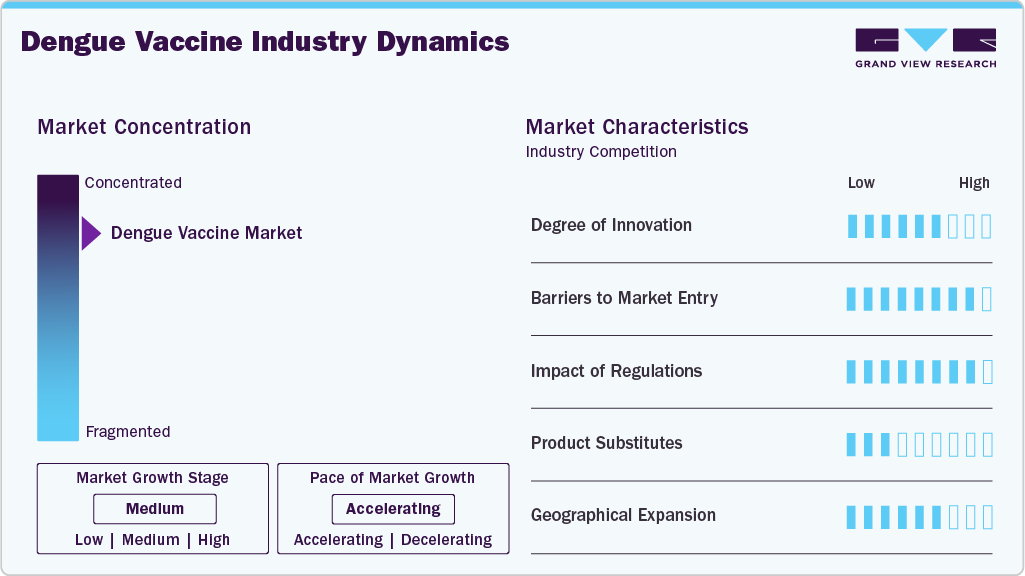
The dengue vaccine market is characterized by significant innovation, driven by the complexity of the dengue virus, which has four distinct serotypes. Developing a vaccine that provides broad protection across all serotypes has been a major focus. Notable advancements include Takeda's Qdenga, a WHO-prequalified tetravalent vaccine, and Sanofi's Dengvaxia, which has been approved in several countries. These innovations aim to address the challenges posed by the virus's variability and enhance vaccine efficacy. Continuous research is essential to improve vaccine safety profiles and extend their use to broader populations. The market's growth is closely linked to these technological advancements, which are crucial for effective dengue prevention.
Entering the dengue vaccine market presents several challenges, including high research and development costs, lengthy clinical trial phases, and the need for regulatory approvals. The complexity of the dengue virus adds to the difficulty, requiring vaccines to be effective against all four serotypes. Additionally, establishing manufacturing capabilities that meet international standards is a significant hurdle. The market is dominated by established players like Sanofi and Takeda, making it challenging for new entrants to compete. These barriers necessitate substantial investment and expertise, limiting the number of companies able to develop and distribute dengue vaccines.
 To learn more about this report, Download Free Sample Report
Regulatory approvals are critical in the dengue vaccine market, ensuring that vaccines are safe and effective for public use. The World Health Organization's prequalification of vaccines like Qdenga and Dengvaxia facilitates their procurement by international agencies such as UNICEF and the Pan American Health Organization. However, stringent regulatory requirements can delay market entry and increase costs for manufacturers. In some regions, vaccines may face limitations based on prior exposure to the virus, affecting their broader application. Despite these challenges, regulatory oversight remains essential for maintaining public health standards and confidence in vaccination programs.
Currently, there are no direct substitutes for dengue vaccines, as they are the primary preventive measure against the disease. Treatment options for dengue are limited and primarily supportive, focusing on symptom management. The absence of alternative preventive methods underscores the importance of widespread vaccination to control dengue outbreaks. Research into antiviral drugs is ongoing, but no effective substitutes have emerged to replace vaccination as the primary strategy for dengue prevention. Thus, vaccines remain the cornerstone of efforts to combat dengue fever.
The demand for dengue vaccines is expanding globally, particularly in tropical and subtropical regions where the disease burden is highest. Countries in Southeast Asia, Latin America, and parts of Africa are increasingly incorporating dengue vaccines into their national immunization programs. For instance, Takeda's partnership with India's Biological E aims to scale up vaccine production to meet local demand. This geographical expansion is driven by rising awareness of dengue's impact and the need for effective preventive measures. As more regions recognize the importance of vaccination, the global reach of dengue vaccine programs continues to grow.
Analyst Perspective
The dengue vaccine market is characterized by a limited number of commercial products and a growing pipeline of vaccine candidates aimed at addressing the increasing burden of dengue in endemic regions. Competition is centered on expanding regulatory approvals, strengthening manufacturing capacity, and increasing participation in government immunization programs. Established manufacturers leverage commercialized vaccines, regulatory expertise, and public-sector partnerships to strengthen their market position, while emerging developers focus on clinical research, vaccine platform innovation, and strategic collaborations. Continued expansion of national vaccination programs, broader regulatory acceptance, and investments in vaccine development are expected to support product availability and create opportunities for both established companies and emerging participants.
Product Insights
Based on product, the dengvaxia segment led the market with the largest revenue share of 58.8% in 2025, driven by its position as the first licensed dengue vaccine for human use. Its early introduction built strong brand recognition and drove uptake in dengue-endemic regions, particularly among children aged 9-16 with prior confirmed infections. Sanofi’s widespread distribution network through hospitals and clinics further supported accessibility. In May 2025, the CDC reported Dengvaxia’s efficacy of 80% against symptomatic dengue, 79% against hospitalization, and 84% against severe disease, with protection lasting for at least six years. Despite these outcomes, Sanofi-Pasteur announced that it would stop manufacturing Dengvaxia in 2026 due to a lack of demand in the global market. The vaccine, which had once dominated the market in 2024, faced declining uptake because of its stringent eligibility criteria and safety monitoring concerns, leading to reduced global adoption despite initial physician confidence and wide distribution. Consequently, despite its established role, Dengvaxia’s future dominance is expected to decline further with the rising adoption of next-generation vaccines like Qdenga, which offer broader applicability across diverse patient groups.
The Qdenga segment is projected to grow at the fastest CAGR of 24.66% over the forecast period, fueled by strong clinical outcomes and wide approval in multiple regions. Developed by Takeda, the vaccine has shown robust efficacy against all four dengue serotypes, strengthening its role in preventive care programs. Its recommendation for children and adolescents in high-burden areas expanded public health relevance, while recognition in international travel medicine extended its adoption to non-endemic zones. In February 2025, Journal of Travel Medicine published results from the TravelMedVac study in Germany involving 1,176 dengue-naïve travelers, confirming Qdenga’s tolerability with systemic and localized reactions, underscoring the value of post-marketing surveillance. For instance, in September 2025, Vax Before Travel reported that Qdenga was authorized in 40 countries and was available in 27 countries. This milestone reflected its rapid global adoption and underscored its expanding role as a next-generation dengue vaccine with broader applicability compared to earlier options. Strategic collaborations and a favorable safety profile further reinforced Qdenga’s rapid global expansion.
End-user Insights
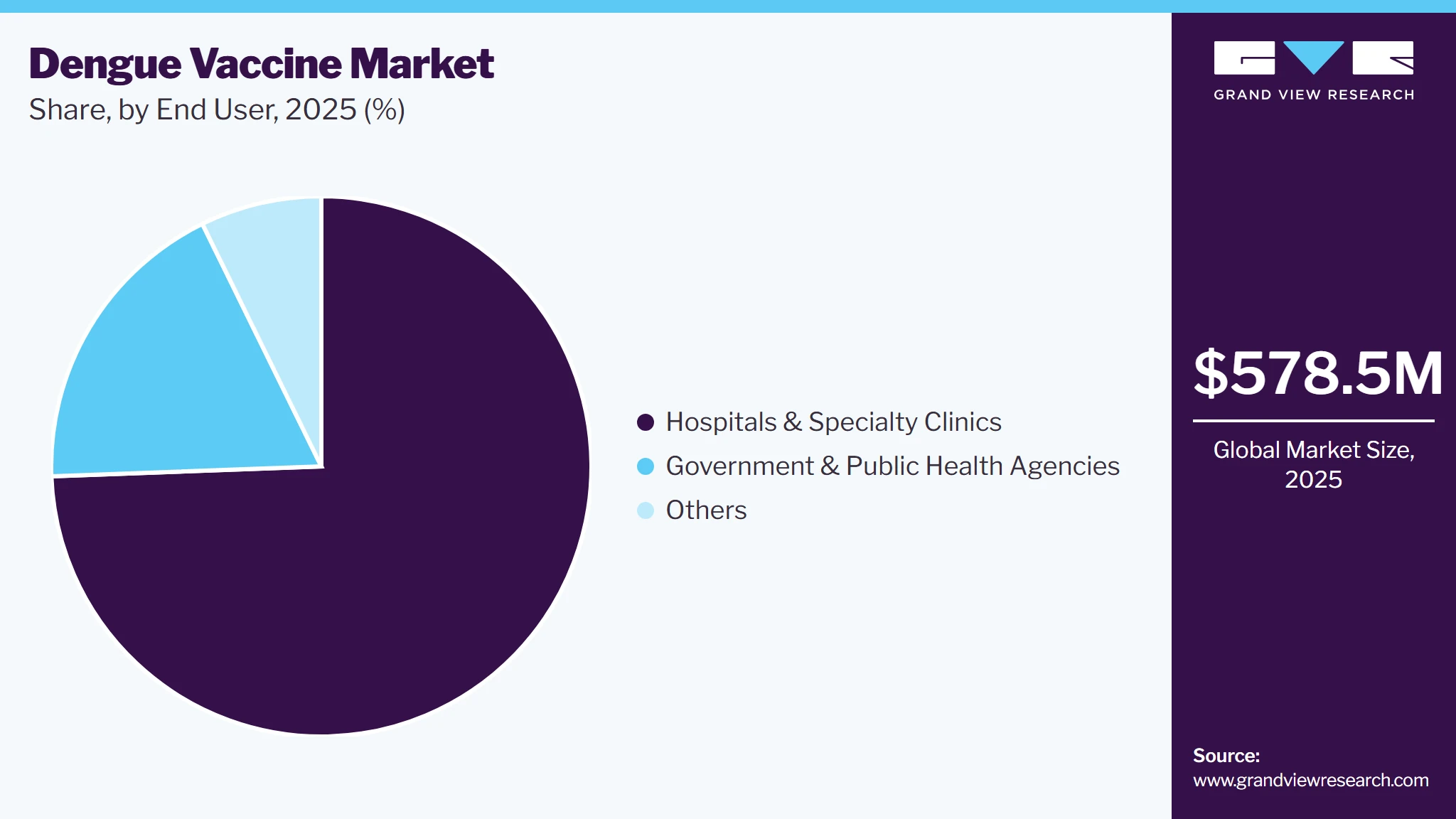
Based on end user, the hospitals & specialty clinics segment led the market with the largest revenue share of 74.4% in 2025, which can be attributed to their role as primary centers for vaccine administration. Patients preferred these settings due to integrated diagnostic services and specialized care. Physicians in hospitals had direct access to updated guidelines and training, ensuring appropriate vaccine use. Complex cases requiring monitoring were managed effectively within these facilities. Hospitals also maintained efficient cold chain systems, which preserved vaccine potency. Their extensive outreach in both urban and semi-urban regions ensured broad patient access. These combined factors positioned hospitals as the leading end user segment in the dengue vaccine market.
 To learn more about this report, Download Free Sample Report
The government & public health agencies segment is projected to grow at a fastest CAGR of 15.27% over the forecast period, driven by mass immunization initiatives targeting high-risk populations. Large-scale vaccination campaigns were organized in schools and community centers to maximize coverage. Agencies prioritized children and adolescents due to higher infection risk and disease burden. Collaborative efforts with international health organizations ensured smooth distribution in resource-limited regions. Outreach activities raised awareness about vaccine benefits among underserved communities. Bulk procurement strategies reduced costs and improved affordability for widespread use. These efforts collectively positioned public health agencies as the fastest-growing end user group in the dengue vaccine market.
Regional Insights
North America held the largest share of the dengue vaccine market in 2024, accounting for 43.76% of global revenue, driven by increasing awareness of dengue risks and the need for preventive measures. The region's robust healthcare infrastructure facilitates the rapid adoption of new vaccines. Climate change has expanded the range of Aedes mosquitoes, raising concerns about local transmission. In 2024, the U.S. reported over 2,500 dengue cases, primarily in Puerto Rico and Florida, indicating a growing domestic threat. The availability of vaccines like Dengvaxia and Qdenga has bolstered public confidence in vaccination programs. Collaborations between pharmaceutical companies and local manufacturers are enhancing vaccine accessibility and distribution across the region.
 To learn more about this report, Download Free Sample Report
U.S. Dengue Vaccine Market Trends
The U.S. represents the largest market within North America, driven by an increase in dengue cases, with over 2,500 reported in 2024, signaling a shift in the disease's epidemiology. This uptick has heightened public health concerns and underscored the importance of preventive vaccination. The FDA's approval of vaccines like Dengvaxia and Qdenga has provided healthcare providers with effective tools to combat the disease. Educational campaigns and travel advisories have been instrumental in informing the public about dengue risks and prevention strategies. The collaboration between Takeda and U.S. health authorities aims to enhance vaccine availability and distribution. These efforts are crucial in mitigating the impact of dengue in the U.S.
Europe Dengue Vaccine Market Trends
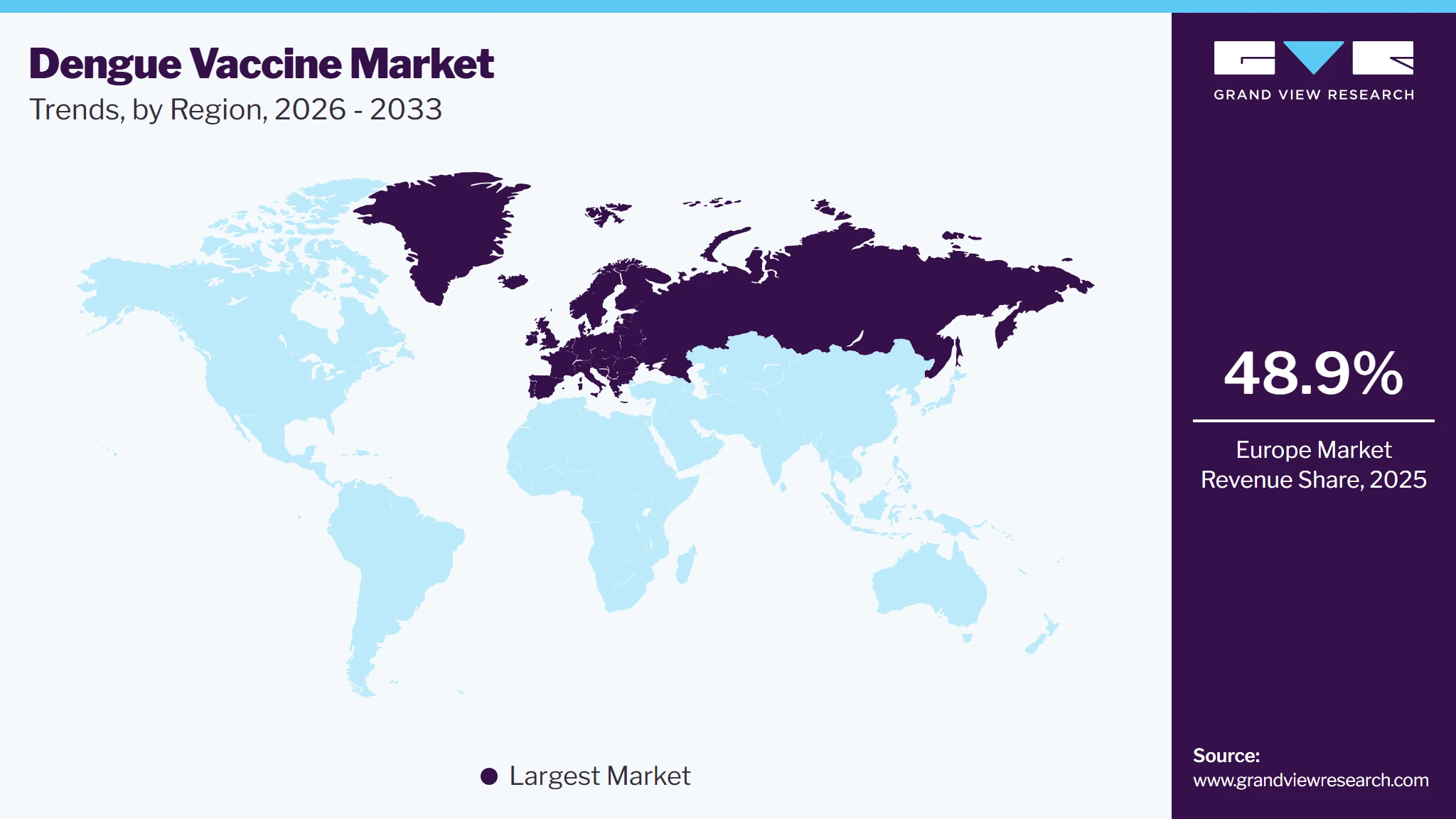
Europe dominated the dengue vaccine market with the largest revenue share of 48.9% in 2025. attributed to climate change and increased travel. The European Medicines Agency's approval of Qdenga has expanded vaccination options for travelers and residents in endemic areas. Countries like France and Spain have integrated dengue vaccination into their public health strategies, especially for at-risk populations. Awareness campaigns targeting travelers have emphasized the importance of pre-travel vaccinations. The European Union's commitment to funding research on mosquito control and dengue prevention underscores the region's proactive approach. These initiatives aim to curb the spread of dengue and protect public health.
The UK dengue vaccine market is anticipated to see a surge since the United Kingdom has reported sporadic cases of dengue, primarily among travelers returning from endemic regions. The National Health Service provides guidance on dengue prevention, including vaccination recommendations for travelers. The UK's involvement in international health initiatives supports global efforts to combat dengue. Research collaborations with European partners focus on developing effective vector control methods. Public health campaigns aim to raise awareness about the risks associated with dengue and the importance of vaccination. These measures contribute to the UK's strategy in managing dengue threats.
The dengue vaccine market in the Germany held the largest share in the Europe region in 2025. The Germany dengue vaccine market has observed an increase in dengue cases, often linked to travel, highlighting the need for preventive measures. The Robert Koch Institute provides updated information on dengue outbreaks and vaccination guidelines. German travelers to endemic regions are advised to receive vaccinations and take precautions against mosquito bites. The country's participation in EU-funded research projects focuses on improving dengue prevention strategies. Public health authorities monitor global trends to anticipate and mitigate potential outbreaks. Germany's comprehensive approach aims to safeguard its population from dengue.
The France dengue vaccine industry witnessed a surge in demand due to localized dengue outbreaks, particularly in overseas territories like Réunion and Guadeloupe. The French Ministry of Health has implemented vector control programs and vaccination campaigns to address these outbreaks. Travel advisories inform citizens about the risks of dengue in endemic areas and recommend preventive measures. Collaboration with international health organizations enhances France's capacity to respond to dengue threats. Research initiatives focus on developing effective vaccines and vector control methods. France's proactive stance aims to reduce the incidence of dengue and protect public health.
Asia Pacific Dengue Vaccine Market Trends
Asia Pacific has experienced a rise in dengue cases, due to countries like India, Indonesia, Thailand, and the Philippines having high dengue prevalence, driving demand for vaccines. Urbanization and climate change have created favorable conditions for Aedes mosquitoes, increasing transmission rates. Government-led vaccination programs and public health initiatives are expanding access to vaccines. The region's large population and rising healthcare awareness contribute to the market's growth. Collaborations between international pharmaceutical companies and local manufacturers are enhancing vaccine production and distribution
The Japan dengue vaccine market is witnessing steady growth since the country has reported a decline in dengue cases, attributed to effective vector control measures and public health strategies. The country's healthcare system provides comprehensive coverage for dengue prevention, including vaccination. Public awareness campaigns educate citizens about the risks of dengue and preventive measures. Japan's involvement in regional health initiatives supports global efforts to combat dengue. Research collaborations focus on developing innovative vaccines and vector control technologies. Japan's integrated approach aims to maintain low dengue incidence and protect public health.
The China dengue vaccine market is witnessing a surge due to the increase in dengue cases, particularly in southern provinces, due to favorable climatic conditions for mosquito breeding. The country's vast population and urbanization have heightened the risk of widespread transmission. China's public health authorities have implemented surveillance and control measures to monitor and mitigate outbreaks. Vaccination campaigns target high-risk populations to curb the spread of the disease. Research efforts focus on developing effective vaccines and improving vector control methods. China's proactive stance aims to reduce the burden of dengue and protect public health.
Latin America Dengue Vaccine Market Trends
Latin America has experienced significant dengue outbreaks, with countries like Brazil and Mexico being heavily affected. The region's tropical climate and urbanization have created conducive environments for mosquito breeding. Government-led vaccination programs and public health initiatives are expanding access to vaccines. International collaborations support research and development of effective vaccines and vector control strategies. Public awareness campaigns educate communities about preventive measures and the importance of vaccination. These efforts aim to reduce the incidence of dengue and protect public health.
Brazil has reported a high number of dengue cases, particularly in the Amazon region, due to environmental factors and inadequate infrastructure. The country's healthcare system faces challenges in providing equitable access to dengue prevention and treatment. Vaccination campaigns target high-risk populations to curb the spread of the disease. International aid and partnerships support Brazil's efforts in combating dengue. Research initiatives focus on developing effective vaccines and improving vector control methods. Brazil's comprehensive approach aims to reduce the burden of dengue and protect public health.Middle East & Africa Dengue Vaccine Market Trends
The Middle East & Africa region has reported sporadic cases of dengue, primarily in travelers returning from endemic areas. The region's healthcare infrastructure varies, influencing the capacity to respond to dengue threats. Public health initiatives focus on raising awareness about dengue risks and preventive measures. Collaborations with international organizations support research and development efforts. Vector control programs aim to reduce mosquito populations and prevent transmission. The region's proactive stance aims to mitigate the impact of dengue and protect public health.
Saudi Arabia has reported isolated cases of dengue, often linked to travel, highlighting the need for preventive measures. The country's healthcare system provides guidance on dengue prevention, including vaccination recommendations for travelers. Public health campaigns educate citizens about the risks of dengue and the importance of preventive measures. Saudi Arabia's participation in regional health initiatives supports global efforts to combat dengue. Research collaborations focus on developing effective vaccines and vector control methods. Saudi Arabia's integrated approach aims to safeguard its population from dengue.
Key Dengue Vaccine Company Insights
Sanofi plays a pivotal role in the dengue vaccine market with its early introduction of Dengvaxia, which provided the first licensed option for dengue prevention and established the company’s strong presence in endemic countries. Its wide distribution networks and clinical expertise strengthened its leadership in this field. Takeda Pharmaceutical Company Limited drives growth through Qdenga (TAK-003), a tetravalent vaccine delivering broad protection against all four dengue serotypes. With expanding approvals across Asia, Europe, and Latin America, Takeda continues to scale global access. Together, both companies shape the competitive landscape through innovation, clinical development, and strategic geographic expansion.
Key Dengue Vaccine Companies
The following key companies have been profiled for this study on the dengue vaccine market.
-
Sanofi
-
Takeda Pharmaceutical Company Limited
Competitive Benchmarking
Category
Operating Strategies
Competitive Edge
Weakness
Established Players (Takeda Pharmaceutical Company Limited, Sanofi S.A., Instituto Butantan)
- Focus on expanding dengue vaccine portfolios through regulatory approvals, manufacturing capacity expansion, and participation in national immunization programs. Strengthen relationships with governments, public health agencies, and healthcare organizations through public procurement agreements, geographic expansion, and long-term vaccine supply commitments.
- Commercially available dengue vaccines, established manufacturing infrastructure, regulatory expertise, and strong relationships with public health authorities. Broad distribution capabilities and experience in supplying vaccines for large-scale immunization programs support their position across dengue-endemic countries.
- High manufacturing and regulatory compliance costs associated with vaccine production and post-marketing surveillance. Expansion depends on country-specific immunization policies, procurement decisions, and regulatory requirements.
Emerging Players (Panacea Biotec Ltd., Biological E. Limited, Merck & Co., Inc., National Institute of Allergy and Infectious Diseases (NIAID, NIH), Medigen Vaccine Biologics Corporation, Vabiotech, GlaxoSmithKline plc (GSK))
- Focus on advancing dengue vaccine research through clinical development, technology collaborations, manufacturing partnerships, and regional expansion initiatives. Invest in vaccine platform development, process optimization, and strategic alliances to support future product approvals and commercialization.
- Strong vaccine research capabilities, experience in biologics development, and access to clinical research and manufacturing partnerships. Ability to develop new vaccine technologies and strengthen future market participation through collaborative development programs.
- Limited commercial presence in the dengue vaccine market due to products remaining in clinical development or pre-commercial stages. Dependence on successful clinical trials, regulatory approvals, and commercialization partnerships may extend the timeline for market entry.
Recent Developments
-
In June 2025, Merck (MSD) launched the Phase III MOBILIZE-1 trial for its live attenuated quadrivalent dengue vaccine, V181. The study assessed prevention of symptomatic dengue, severe cases, warning signs, and hospitalization across all four virus serotypes, addressing a global public health threat.
-
In May 2025, Takeda planned to launch its dengue vaccine, Qdenga, in India by 2026. Partnering with Biological E, the company aimed to produce 50 million doses annually. The tetravalent two-dose vaccine had already been approved in 40 countries.
-
In October 2023, Takeda announced that the WHO’s SAGE recommended its dengue vaccine, QDENGA, for children aged 6-16 in high-burden areas. The two-dose vaccine, given three months apart, was evaluated across 19 trials involving over 28,000 participants, with emphasis on community engagement and strategic communication.
Dengue Vaccine Market Report Scope
Report Attribute
Details
Market size in 2025
USD 578.5 million
Estimated market size in 2026
USD 822.0 million
Projected market size by 2033
USD 1,618.6 million
Growth rate
CAGR of 10.2% from 2026 to 2033
Historical data
2021 - 2024
Forecast period
2026 - 2033
Quantitative units
Revenue in USD million/billion and CAGR from 2026 to 2033
Report coverage
Revenue forecast, company ranking, competitive landscape, growth factors, and trends
Segments covered
Product, end-user, region
Regional scope
North America; Europe; Asia Pacific; Latin America; MEA
Country scope
U.S.; Canada; Mexico; UK; Germany; France; Italy; Spain; Denmark; Norway; Sweden; Japan; China; India; South Korea; Australia; Thailand; Brazil; Argentina; South Africa; Saudi Arabia; UAE; Kuwait.
Key companies profiled
Takeda Pharmaceutical Company Limited.; Sanofi S.A.; Instituto Butantan; Panacea Biotec Ltd.; Biological E. Limited; Merck & Co., Inc.; National Institute of Allergy and Infectious Diseases (NIAID, NIH); Medigen Vaccine Biologics Corporation; Vabiotech; GlaxoSmithKline plc (GSK)
Customization scope
Free report customization (equivalent up to 8 analysts' working days) with purchase. Addition or alteration to country, regional & segment scope.
Pricing and purchase options
Avail customized purchase options to meet your exact research needs. Explore purchase options
Global Dengue Vaccine Market Report Segmentation
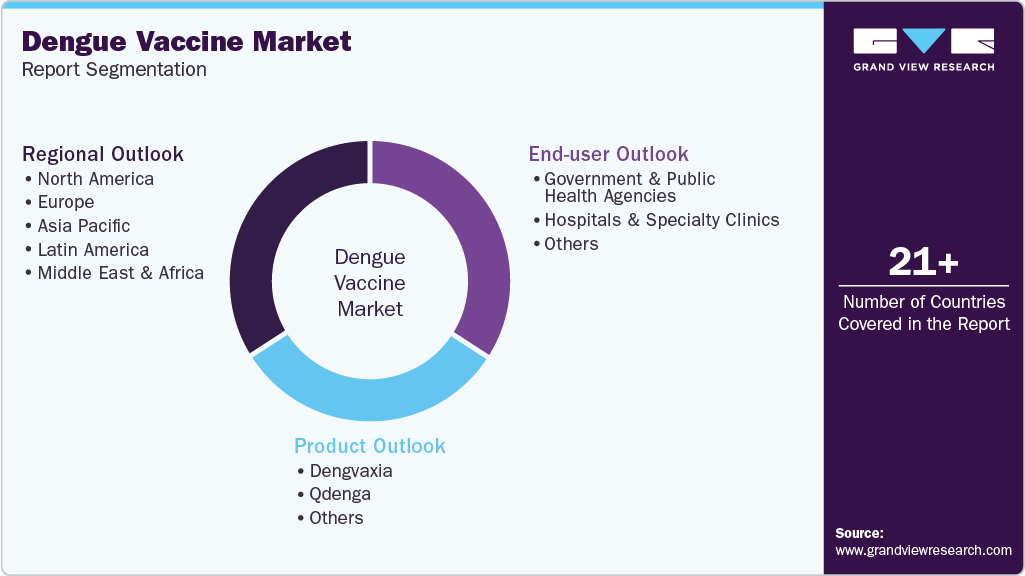
This report forecasts revenue growth at global, regional, and country levels and provides an analysis of the latest industry trends in each of the sub-segments from 2021 to 2033. For this study, Grand View Research has segmented the global dengue vaccine market report based on product, end-user, and region:
 To learn more about this report, Download Free Sample Report
-
Product Outlook (Revenue, USD Million, 2021 - 2033)
-
Dengvaxia
-
Qdenga
-
Others
-
-
End-user Outlook (Revenue, USD Million, 2021 - 2033)
-
Government & Public Health Agencies
-
Hospitals & Specialty Clinics
-
Others
-
-
Regional Outlook (Revenue, USD Million, 2021 - 2033)
-
North America
-
U.S.
-
Canada
-
Mexico
-
-
Europe
-
UK
-
Germany
-
France
-
Italy
-
Spain
-
Denmark
-
Sweden
-
Norway
-
-
Asia Pacific
-
Japan
-
China
-
India
-
Australia
-
South Korea
-
Thailand
-
-
Latin America
-
Brazil
-
Argentina
-
-
Middle East & Africa
-
South Africa
-
Saudi Arabia
-
UAE
-
Kuwait
-
-
Research Methodology
The dengue vaccine market figures in this report are based on a proven research process that combines executive interviews with secondary research from proprietary databases, company filings, and recognized regulatory and institutional sources. Market size is built through value-chain sizing - reconciling supply-side and demand-side estimates - and triangulated with bottom-up and top-down approaches. Every estimate passes multiple levels of expert validation before publication, with each dengue vaccine segment quantified using the revenue-capture definitions in the table below.
Segment Definition
Product
Revenue capture definition
Dengvaxia
Includes the commercially available Dengvaxia vaccine developed by Sanofi for the prevention of dengue. This segment covers demand associated exclusively with Dengvaxia across its approved indications and geographic markets and excludes all other dengue vaccine brands.
Qdenga
Includes the commercially available Qdenga vaccine developed by Takeda Pharmaceutical Company Limited for dengue prevention. This segment covers demand associated exclusively with Qdenga across approved markets and excludes all other commercially available dengue vaccine products.
Others
Includes all commercially available dengue vaccines other than Dengvaxia and Qdenga. This segment covers approved dengue vaccine products introduced by regional manufacturers or future market entrants during the forecast period. Pipeline products that have not received regulatory approval are excluded.
End-user
Revenue capture definition
Government & Public Health Agencies
Includes dengue vaccines procured by ministries of health, national immunization programs, public health departments, and government-supported procurement organizations for population-based vaccination initiatives. This segment excludes vaccines purchased directly by hospitals, clinics, or other healthcare providers.
Hospitals & Specialty Clinics
Includes dengue vaccines procured and administered by public and private hospitals, infectious disease centers, travel medicine clinics, pediatric hospitals, and specialty vaccination clinics for individual patient immunization. This segment excludes vaccines supplied through government-led immunization programs.
Others
Includes dengue vaccines supplied through all remaining healthcare channels not covered under government & public health agencies or hospitals & specialty clinics. This includes private vaccination centers, occupational health providers, military healthcare facilities, non-governmental organizations, academic institutions conducting approved vaccination programs, and other authorized healthcare providers.
Estimation Model
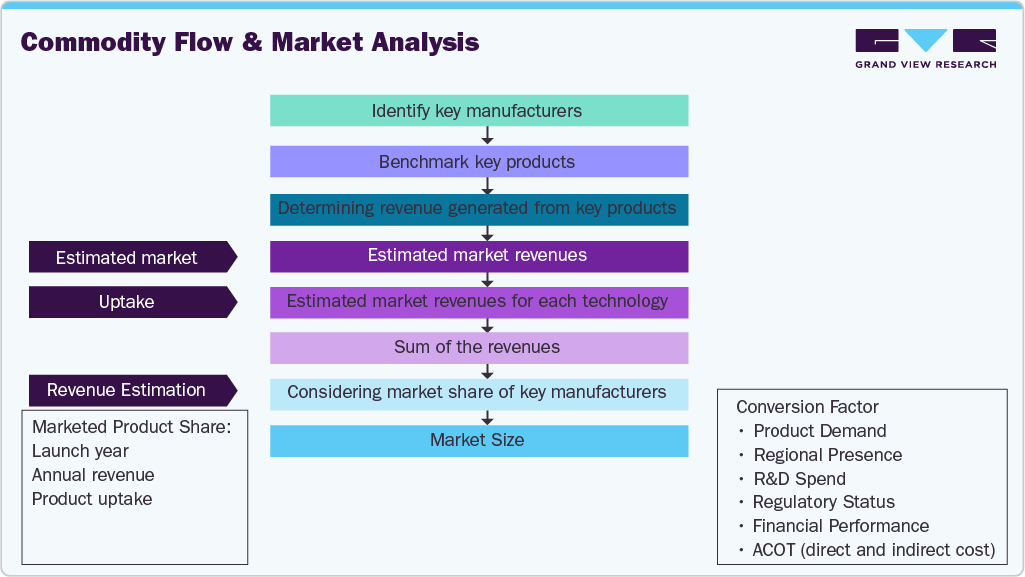
The global dengue vaccine market was estimated using a commodity flow approach. Key manufacturers of commercially available dengue vaccines were identified, and their approved products were benchmarked based on regulatory approvals, geographic presence, pricing, government procurement programs, product uptake, and commercialization status. Revenue generated from key dengue vaccines was assessed using company annual reports, investor presentations, regulatory filings, procurement announcements, and official government publications. Product-level revenues were aggregated to estimate the existing market, while manufacturer market shares were analyzed to validate the overall market size. Forecast estimates considered planned expansion into additional endemic countries, national immunization program adoption, regulatory approvals, manufacturing capacity expansion, and expected product penetration. The market estimates were validated through primary interviews with vaccine manufacturers, distributors, public health organizations, and industry experts, along with secondary analysis of company publications, government databases, and international health agency reports to ensure data consistency and accuracy.
 To learn more about this report, Download Free Sample Report
Delivered Customizations
This report has been delivered with the following In-depth customizations
Client Request
Customization Delivered
Value Adds
Dengue Vaccine Competitive Landscape & Pipeline Assessment
Conducted a targeted assessment of the global dengue vaccine market, evaluating commercially available vaccines, clinical-stage pipeline candidates, vaccine platforms, manufacturing capabilities, regulatory progress, and competitive positioning. The study analyzed key participants including Takeda Pharmaceutical Company Limited, Sanofi, Instituto Butantan, Merck & Co., Serum Institute of India Pvt. Ltd., and public health research organizations, along with developments in tetravalent attenuated vaccine technologies, clinical efficacy, manufacturing expansion, and immunization strategies across endemic countries.
Helped the client identify pipeline opportunities, evaluate competitive positioning, benchmark vaccine technologies, and prioritize partnership, licensing, manufacturing expansion, and regional market entry strategies within the evolving dengue vaccine industry.
Dengue Vaccine Technology & Clinical Benchmarking Study
Delivered a comprehensive benchmarking assessment of dengue vaccine technologies, focusing on live attenuated vaccines, tetravalent formulations, clinical efficacy across dengue serotypes, safety profiles, manufacturing scalability, and regulatory readiness. The assessment compared approved vaccines with pipeline candidates, evaluating target populations, product differentiation, clinical development strategies, and commercialization preparedness across leading vaccine developers.
Enabled the client to assess technology competitiveness, identify product development gaps, benchmark clinical and regulatory strategies, and prioritize investments in next-generation dengue vaccine development, manufacturing capabilities, and portfolio expansion.
Dengue Vaccine Manufacturing, Supply Chain & Commercialization Assessment
Conducted a strategic assessment of the dengue vaccine ecosystem, evaluating manufacturing capacity, supply chain infrastructure, procurement frameworks, regulatory pathways, distribution networks, public immunization program integration, and commercialization readiness. The study analyzed government procurement procedures, cost accessibility, regional deployment strategies, and manufacturing scalability supporting broader vaccine adoption across dengue-endemic countries.
Supported commercialization planning by identifying market access opportunities, evaluating manufacturing and distribution partnerships, mitigating supply chain risks, assessing procurement pathways, and strengthening long-term scalability and vaccine adoption across global endemic markets.
Frequently Asked Questions About This Report
The hospitals & Specialty Clinics segment accounted for the largest revenue share of 74.4% in 2025, owing to widespread administration through hospital-based vaccination and specialty infectious disease centers.
The global dengue vaccine market size was valued at USD 578.5 million in 2025 and is estimated at USD 822.0 million for 2026.
The global dengue vaccine market is expected to grow at a CAGR of 10.2% from 2026 to 2033, reaching USD 1,618.6 million by 2033.
Key factors include the rising incidence of dengue outbreaks, increasing government adoption of dengue vaccination programs in endemic countries, expanding national immunization initiatives, growing public health investments, broader regulatory approvals, and continued development of next-generation dengue vaccines.
Europe dominated the global dengue vaccine market with a 48.9% revenue share in 2025.
Key players include Takeda Pharmaceutical Company Limited, Sanofi S.A., Instituto Butantan, Panacea Biotec Ltd., Biological E. Limited, Merck & Co., Inc., National Institute of Allergy and Infectious Diseases (NIAID, NIH), Medigen Vaccine Biologics Corporation, Vabiotech, and GlaxoSmithKline plc (GSK).
The dengvaxia segment led the market with a 58.8% revenue share in 2025, while Qdenga segment is expected to be the fastest-growing market.
About the Author(s)
Pharmaceuticals Research Team
Healthcare · PharmaceuticalsThis report was authored by the pharmaceuticals research team at Grand View Research - comprising two research analysts, one senior research analyst, and one industry expert - with specialized expertise in the pharmaceuticals segment of the healthcare industry. All findings are based on proprietary healthcare databases, executive interviews, and regulatory analysis, subject to internal peer review prior to publication.
Last Updated:
Speak to Analyst

Customize this report to your needs - add regions, segments, or data points, with 20% free customization.
Or view our licence options:


ISO 9001:2015 & 27001:2022 Certified
We are GDPR and CCPA compliant! Your transaction & personal information is safe and secure. For more details, please read our privacy policy.


