
- Home
- »
- Clinical Diagnostics
- »
-
Endometriosis Diagnostics Market Size Report, 2026-2033GVR Report cover

Endometriosis Diagnostics Market (2026 - 2033)
Size, Share & Trends Analysis Report By Product (Instruments & Equipment; Reagents, Consumables, Kits & Assays; Software & Services), By Technology, By End-use, By Region, And Segment Forecasts
Market Size, 2025
$454.8MMarket Estimate, 2026
$491.2MMarket Forecast, 2033
$886.5MCAGR, 2026–2033
8.8%Endometriosis Diagnostics Market Summary
The global endometriosis diagnostics market size was valued at USD 454.8 million in 2025 and is projected to grow from USD 491.2 million in 2026 to USD 886.5 million by 2033, at a CAGR of 8.8% from 2026 to 2033. North America dominated the market, accounting for a revenue share of 39.0% in 2025. Industry growth is primarily driven by the increasing demand for earlier and less-invasive endometriosis diagnosis, expanding adoption of advanced imaging and biomarker-based testing, and continued development of novel molecular diagnostic approaches.
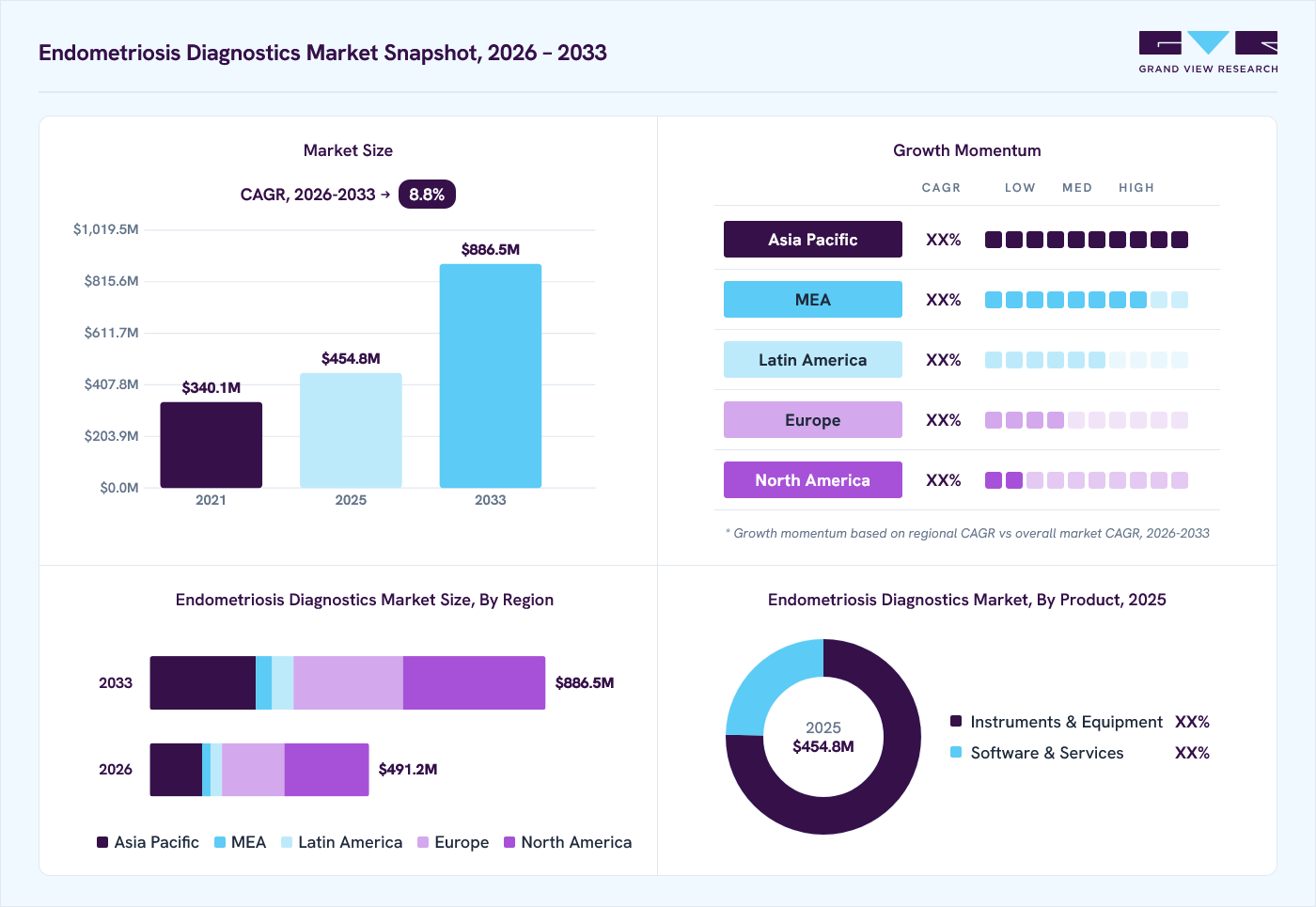 Source: Grand View Research, IR Documents, Primary Interviews, Paid DatabasesTo learn more about this report,
 Download Free Sample Report
Key Market Trends & Insights
- By product: Instruments & equipment segment led the market with the largest revenue share of 55.5% in 2025.
- By technology: Diagnostic imaging segment led the market with the largest revenue share of 51.4% in 2025.
- By end use: Hospitals segment led the market with the largest revenue share of 44.4% in 2025.
Regional Highlights
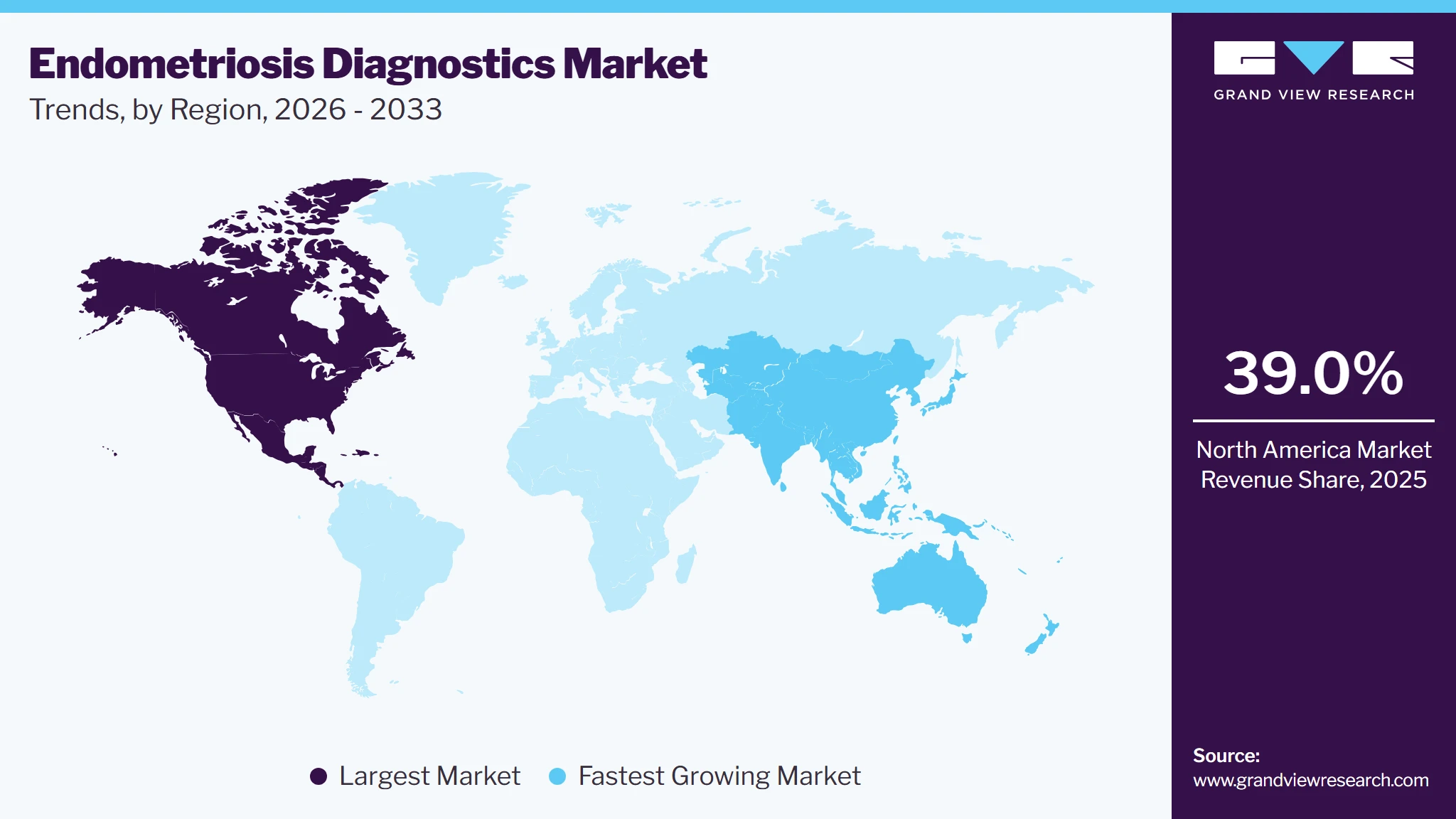
- Largest regional market: North America (39.0% revenue share, 2025)
- Fastest-growing regional market: Asia Pacific (highest CAGR, 2026-2033)
- By country: The U.S. held the largest market share in 2025
Market Size & Forecast
- Market size in 2025: USD 454.8 Million
- Estimated market size in 2026: USD 491.2 Million
- Projected market size by 2033: USD 886.5 Million
- CAGR (2026-2033): 8.8%
Prism AI by Grand View Research Free to tryAsk a question about the endometriosis diagnostics marketTry asking✓Every figure cited from GVR research Prefer the report? Download free sample →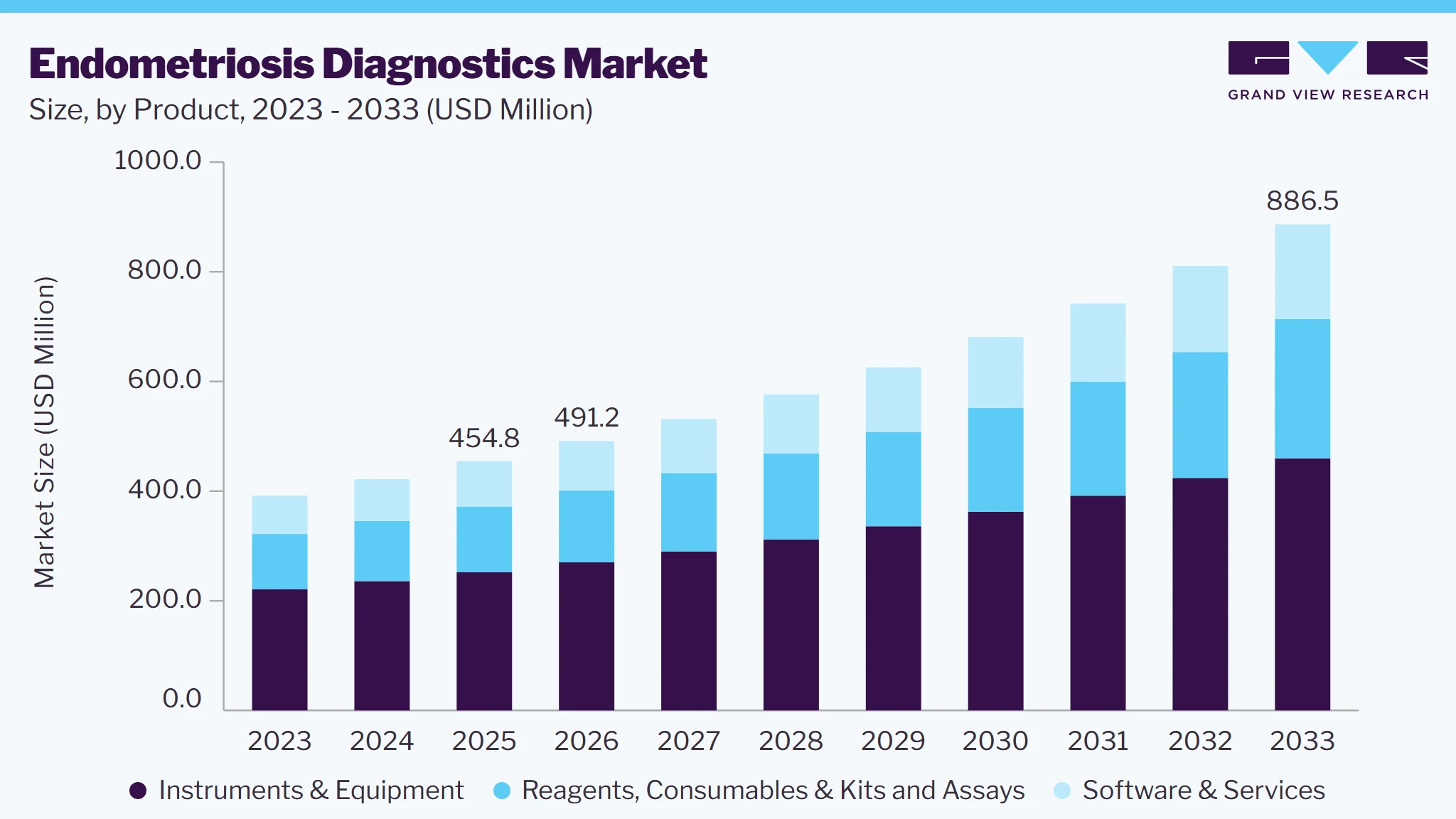 To learn more about this report, Download Free Sample Report
Market Dynamics
The rising disease burden and increasing demand for earlier, less-invasive diagnosis are key factors driving the growth of the endometriosis diagnostics market. Delayed diagnosis remains a significant clinical challenge, supported by heterogeneous symptoms, overlap with other gynecological conditions, and dependence on specialist imaging or surgical assessment in certain cases. According to the World Health Organization (WHO) report published in October 2025, endometriosis affects approximately 10% of reproductive-age women globally, equivalent to around 190 million people, while diagnosis can take an average of 4 to 12 years. The large affected population, combined with prolonged diagnostic timelines, is increasing demand for accessible and non-invasive diagnostic solutions. Consequently, blood-based biomarkers, salivary tests, advanced imaging techniques, and other non-invasive approaches are gaining attention as potential tools for improving disease identification and supporting earlier clinical intervention.
For instance, in September 2026, the UK National Institute for Health and Care Excellence (NICE) recommended Ziwig Endotest, a saliva-based diagnostic test, for use in primary care when endometriosis is suspected, according to updated draft guidance reported by The BMJ. Endotest analyzes salivary biomarkers to support non-invasive identification of endometriosis and represents a potential alternative to prolonged diagnostic pathways involving repeated clinical assessment, specialist imaging, and, in selected cases, surgery. The updated recommendation is particularly significant as NICE withdrew its earlier support for EndoSure after concluding that the available evidence remained insufficient. The development demonstrates increasing healthcare-system acceptance of evidence-supported, non-invasive diagnostic technologies and is expected to strengthen clinical adoption and market opportunities for validated biomarker-based endometriosis tests.
The limited diagnostic accuracy of available methods and stringent clinical-evidence requirements for emerging non-invasive tests represent a key restraint on the endometriosis diagnostics market. Endometriosis is difficult to identify reliably because lesions vary in location and presentation, while currently available tests cannot consistently exclude the disease. NICE guidance states that endometriosis should not be ruled out when abdominal or pelvic examination and ultrasound findings are normal, and laparoscopy may still be considered even after normal ultrasound or MRI results. NICE also recommends against using serum CA125 for endometriosis diagnosis. These limitations increase dependence on specialist expertise and multiple diagnostic approaches, while raising validation requirements for new biomarker and device-based tests. Consequently, developers must establish adequate diagnostic accuracy and clinical utility before emerging technologies can achieve broad adoption in routine care.
Emerging non-invasive diagnostic technologies face substantial clinical-validation requirements before they can be integrated into routine endometriosis care pathways. Developers must demonstrate sufficient sensitivity, specificity, predictive performance, clinical utility, and reproducibility across relevant patient populations while addressing the potential consequences of false-positive and false-negative results. These requirements can increase development costs, extend evidence-generation timelines, and delay integration of novel blood-, saliva-, and device-based diagnostic approaches into established clinical pathways. Variability in disease presentation and lesion location further complicates validation and may limit the ability of a single diagnostic modality to perform consistently across patient populations. Consequently, the need for robust clinical evidence can slow commercialization and restrict near-term adoption of emerging endometriosis diagnostic technologies.
The development of advanced molecular imaging for difficult-to-identify endometriosis lesions represents a significant opportunity in the endometriosis diagnostics market. Conventional imaging can identify ovarian and deep endometriosis, but normal imaging does not exclude the disease. NICE recommends a specialist transvaginal ultrasound or pelvic MRI for diagnosing deep endometriosis. NICE further notes that the diagnostic performance of ultrasound can depend on operator expertise. These limitations create an unmet need for imaging technologies capable of identifying lesions that are difficult to visualize using established approaches, particularly superficial peritoneal disease. Development of more sensitive, non-invasive molecular imaging techniques could therefore broaden diagnostic capabilities, reduce unresolved cases, and create additional opportunities for differentiated imaging agents and associated diagnostic technologies.
In December 2025, Testmate Health and Intermountain Health announced a strategic partnership and investment to expand access to rapid molecular STI testing in the U.S. Testmate's single-use molecular platform is designed to detect trachomatis and Neisseria gonorrhoeae in less than 30 minutes, while eliminating the need for a separate reader or centralized laboratory workflow. The platform supports urine and swab specimens, enabling potential deployment across decentralized healthcare environments. Intermountain Health's participation is intended to support clinical validation and advancement toward FDA submission. This collaboration highlights growing healthcare-system investment in rapid molecular technologies that can facilitate testing closer to the point of patient care and expand access to timely STI diagnosis.
For instance, in April 2026, Serac Healthcare Limited and the University of Oxford's Nuffield Department of Women's & Reproductive Health reported Phase II results from the DETECT study, evaluating technetium-99m maraciclatide with SPECT-CT for endometriosis imaging. The study enrolled 20 participants, with 19 completing imaging and surgery; imaging findings were concordant with surgical presence or absence of endometriosis in 16 of 19 participants (84%) and identified disease in 14 of 17 surgically positive participants, including superficial peritoneal disease. The study remains exploratory and was not powered to establish definitive diagnostic accuracy, while maraciclatide remains investigational and unapproved by U.S., UK, and European regulators. Nevertheless, the findings demonstrate the potential for molecular imaging to address diagnostic gaps and support further development of differentiated endometriosis imaging solutions.
Market Concentration & Characteristics
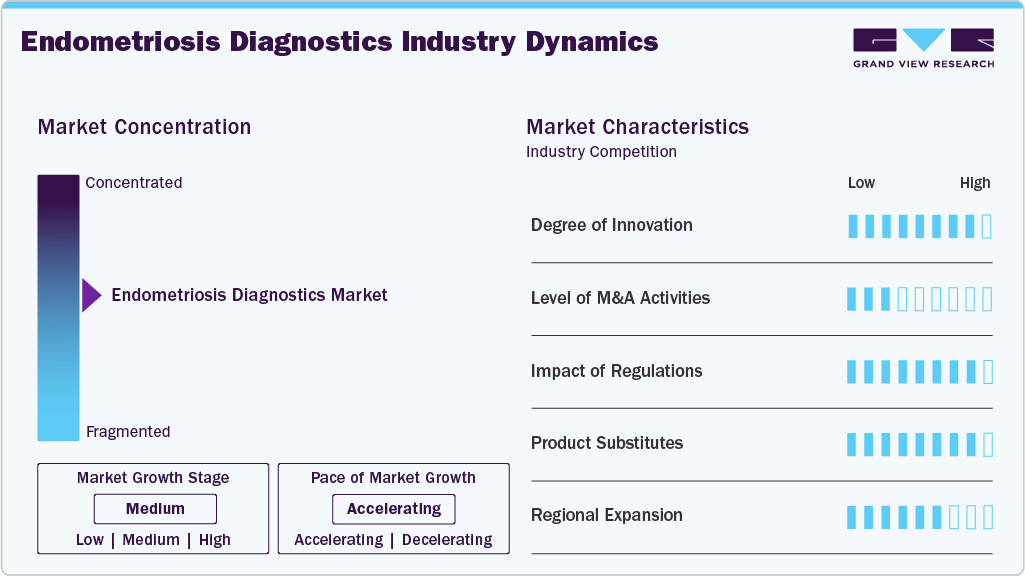
The endometriosis diagnostics market demonstrates a high degree of innovation, driven by non-invasive biomarkers, biosignal-based technologies, molecular imaging, and decentralized diagnostic formats. Innovation focuses on blood- and saliva-based biomarkers, microRNA signatures, algorithm-supported interpretation, and portable testing approaches that can support earlier diagnosis and reduce dependence on specialist procedures. For instance, in October 2025, 3CPM Company and EndoSure, Inc. announced continued development of an at-home EndoSure platform following 3CPM’s selection as one of four finalists in the NIH RADx Tech ACT ENDO Challenge. Each finalist received a USD 100,000 prize and commercialization support. The technology evaluates gastrointestinal myoelectrical activity using external sensors, while the at-home format remained under development rather than commercially launched, highlighting innovation toward decentralized, less-invasive endometriosis diagnostic workflows.
The endometriosis diagnostics industry demonstrates a low level of M&A activity. Market participants are primarily focused on developing proprietary biomarker assays, non-invasive testing platforms, molecular imaging technologies, and algorithm-supported diagnostic solutions. Companies are strengthening their competitive positions through intellectual property development, clinical validation, research collaborations, and commercialization partnerships rather than pursuing broad consolidation strategies. Investment activity is also concentrated on advancing diagnostic candidates through clinical studies and establishing the evidence required for wider clinical adoption. Consequently, M&A currently plays a comparatively limited role in competitive development, while technology advancement, strategic partnerships, clinical evidence generation, and commercialization initiatives remain key approaches for expanding diagnostic capabilities, strengthening product portfolios, and establishing market presence.
 To learn more about this report, Download Free Sample Report
Regulations have a significant impact on the endometriosis diagnostics industry. Regulatory approval, clinical-performance requirements, and health technology assessments influence product commercialization and adoption of emerging diagnostic technologies within the NHS. These requirements are particularly relevant for novel blood-, saliva-, and biosignal-based tests seeking integration into established diagnostic pathways. Regulatory and evidence requirements influence commercialization timelines, market access, clinical uptake, and competitive positioning of emerging endometriosis diagnostic technologies.
Product expansion is strengthening the endometriosis diagnostics market. Companies are broadening access to non-invasive diagnostic solutions through commercial rollouts, expanded clinical networks, biomarker-based assays, and integration into fertility and reproductive-health settings. These initiatives are extending testing beyond conventional imaging and surgical pathways while increasing availability for patients undergoing infertility evaluation or presenting with endometriosis-related symptoms. For instance, in February 2026, HerAnova Lifesciences Inc. expanded commercialization of its HerResolve blood-based endometriosis test across a growing network of U.S. IVF and reproductive-medicine centers, including Reproductive Partners Medical Group locations in Southern California and CNY Fertility locations nationwide. Following LDT validation, HerResolve combines molecular biomarkers with machine-learning analysis to support diagnosis alongside clinical assessment and imaging, expanding access within reproductive-care settings and strengthening HerAnova’s commercial presence in endometriosis diagnostics.
Regional expansion is broadening the global footprint of the endometriosis diagnostics market. Companies are pursuing cross-border commercialization of emerging non-invasive diagnostic technologies through regulatory certifications, distribution partnerships, clinical collaborations, and market-access initiatives. Developers of blood-, saliva-, biosignal-, and molecular-based diagnostic solutions are increasingly seeking entry into markets beyond their initial domestic markets as clinical validation and regulatory pathways advance. Geographic expansion also enables specialized diagnostic companies to access larger patient populations, establish relationships with healthcare providers and laboratories, and diversify commercial opportunities across healthcare systems. Growing international interest in earlier and less invasive endometriosis diagnosis is further supporting cross-border development and commercialization strategies. These initiatives are expected to improve diagnostic accessibility, broaden the commercial reach of emerging technologies, and progressively increase competitive intensity across the global market.
Analyst Perspective
The endometriosis diagnostics market is expected to witness strong growth over the forecast period, supported by rising demand for early, non-invasive diagnosis and continued advancement of diagnostic technologies. Innovation across biomarker-based assays, molecular imaging, biosignal technologies, and algorithm-supported testing is broadening diagnostic capabilities and creating opportunities beyond conventional imaging and surgical pathways. Expanding commercialization and geographic reach are expected to improve testing accessibility and strengthen competitive participation, although regulatory requirements and clinical-validation standards may moderate the pace of adoption. Limited M&A activity indicates that competitive strategies are likely to remain focused on product development, evidence generation, and strategic collaborations rather than consolidation.
Product Insights
The instruments & equipment segment accounted for the largest share of 55.5% in 2025, supported by high utilization of ultrasound, MRI, laparoscopic visualization systems, and other equipment across established endometriosis diagnostic pathways. The segment benefits from the central role of imaging in lesion identification, disease mapping, and evaluation of suspected deep endometriosis, particularly within hospitals and specialist centers. For instance, in April 2026, EndoSure, Inc. announced CE marking for the EndoSure Test, which measures gastrointestinal myoelectrical activity through abdominal sensors and provides results in approximately 30 minutes, excluding 15-20 minutes of preparation. The development demonstrates continued diversification of equipment-based approaches beyond conventional imaging platforms.
The reagents, consumables, kits & assays segment is expected to grow at the fastest CAGR over the forecast period, driven by increasing development of blood-, molecular-, and biomarker-based tests for less-invasive endometriosis diagnosis. Growth is supported by recurring test consumption, expanding molecular research, and demand for diagnostic approaches that can complement imaging and reduce dependence on surgical assessment. Commercialization of laboratory-developed assays is also broadening the addressable testing population and creating recurring laboratory revenue opportunities. For instance, in July 2025, Kephera Diagnostics, LLC launched EndomTest in the U.S. through its CLIA-certified and CAP-accredited laboratory. The blood-based laboratory-developed test combines serum brain-derived neurotrophic factor and CA-125 with clinical-history variables through a proprietary algorithm and provides results within approximately 14 days, demonstrating increasing commercialization of assay-based endometriosis diagnostics.
Technology Insights
The diagnostic imaging segment dominated the global endometriosis diagnostics market, accounting for 51.4% of the revenue share in 2025. Its leading position is driven by the established use of transvaginal ultrasound and MRI for identifying endometriomas, detecting deep endometriosis, assessing disease extent, and supporting clinical and surgical planning. Imaging benefits from integration into established gynecological workflows and its ability to provide anatomical information without requiring surgery. In July 2025, the International Deep Endometriosis Analysis group published an addendum establishing a standardized ultrasound approach for evaluating superficial endometriosis, extending structured sonographic assessment beyond its established role in ovarian and deep disease. The consensus described characteristic sonographic findings and a standardized examination protocol. Continued refinement of ultrasound protocols is strengthening imaging capabilities and supporting broader application of non-invasive visualization across different endometriosis phenotypes.
The biomarker & molecular diagnostics segment is expected to demonstrate the fastest growth, with a CAGR of 13.1% over the forecast period, supported by increasing development of molecular signatures capable of enabling less-invasive and earlier disease identification. Research is expanding across circulating microRNAs, menstrual-fluid biomarkers, transcriptomic signatures, proteins, and algorithm-supported biomarker combinations, creating opportunities for laboratory and decentralized testing formats.
End Use Insights
The hospitals segment accounted for the largest share of 44.4% of the endometriosis diagnostics market in 2025, supported by the concentration of specialist imaging, gynecology services, laparoscopic procedures, and multidisciplinary endometriosis care within hospital settings. Hospitals manage patients requiring advanced ultrasound, MRI, surgical evaluation, and assessment of complex diseases involving the pelvic organs, thereby supporting substantial utilization of diagnostic equipment and associated services. NICE recommends referral to specialist endometriosis services for suspected or confirmed endometrioma, deep endometriosis involving the bowel, bladder, or ureter, and disease outside the pelvic cavity. These care pathways reinforce hospitals and specialist centers as important diagnostic hubs, particularly for patients requiring advanced imaging, multidisciplinary evaluation, and confirmation or mapping of complex disease.
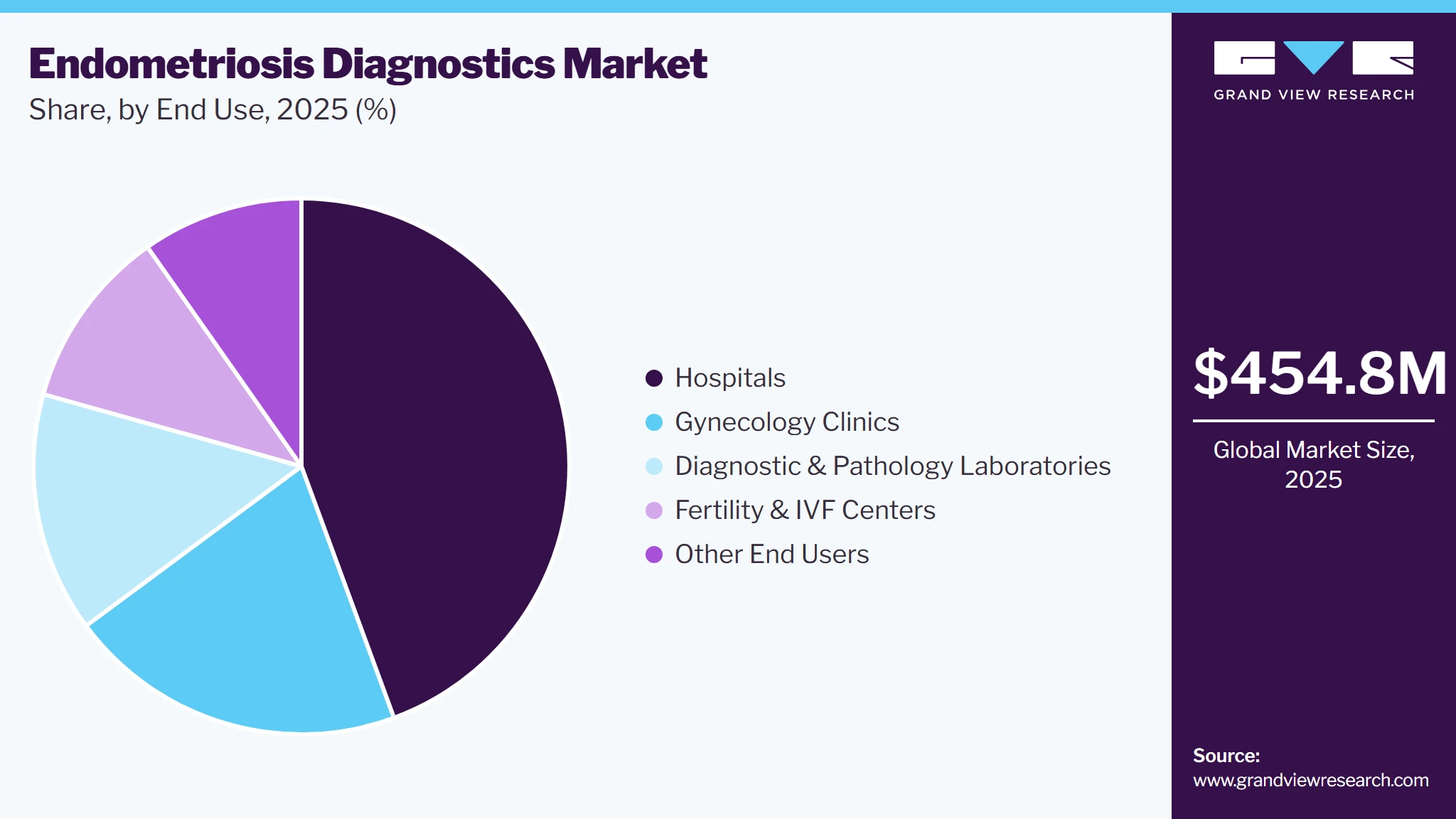 To learn more about this report, Download Free Sample Report
The diagnostic & pathology laboratories segment is expected to see the fastest growth, driven by expanding commercialization of blood- and molecular-based assays, increasing biomarker research, and development of laboratory workflows capable of supporting non-invasive endometriosis diagnosis. Laboratories provide the infrastructure required for molecular analysis, biomarker measurement, quality-controlled sample processing, and algorithm-supported interpretation, positioning them to benefit as testing shifts beyond imaging-only pathways. For instance, in March 2025, NIH selected the Feinstein Institutes for Medical Research-Northwell Health as an ACT ENDO Challenge finalist for a menstrual-fluid diagnostic approach using single-cell RNA sequencing. The proposed workflow uses a dedicated menstrual-fluid collection device, with samples subsequently sent to a central laboratory for analysis. Development of such laboratory-dependent molecular approaches could expand specialized testing volumes and strengthen the role of diagnostic laboratories in future endometriosis diagnostic pathways.
Regional Insights
North America dominated the global endometriosis diagnostics market and accounted for the largest revenue share of 39.0% in 2025. Market growth is supported by substantial disease burden, advanced imaging and laboratory infrastructure, and increasing investment in non-invasive diagnostic innovation. For instance, in 2026, the NIH RADx Tech ACT ENDO Challenge concluded with USD 3.0 million in total cash prizes dedicated to accelerating non-invasive endometriosis diagnostic technologies, including imaging, in-vitro diagnostics, clinical laboratory tests, wearables, and integrated sensing approaches. The program supports technology maturation and commercialization, strengthening North America’s pipeline of less-invasive diagnostic solutions.
 To learn more about this report, Download Free Sample Report
U.S. Endometriosis Diagnostics Market Trends
The endometriosis diagnostics market in the U.S. accounted for the largest share of the North America industry, driven by high disease burden, established specialist-care infrastructure, and investment in non-invasive diagnostic technologies. The U.S. Office on Women’s Health estimates that endometriosis affects more than 11% of American women aged 15-44, representing more than 6.5 million women, supporting substantial diagnostic demand. For instance, in March 2025, NIH selected four finalists in the RADx Tech ACT ENDO Challenge, with each receiving USD 100,000 and commercialization support. The technologies included electroviscerography, RT-qPCR analysis of menstrual-fluid biomarkers, single-cell RNA sequencing, and wearable uterine-peristalsis imaging. The technologies remained developmental rather than commercially validated products, but the program supports progression toward clinically viable non-invasive diagnostic approaches and strengthens the U.S. innovation pipeline.
Europe Endometriosis Diagnostics Market Trends
The endometriosis diagnostics market in Europe represents a significant share of the global industry, supported by advanced gynecological care infrastructure, public research investment, and increasing development of non-invasive diagnostic approaches. A current official Europe-wide prevalence dataset is limited; however, the European Commission-supported EUmetriosis program cites endometriosis as affecting approximately 10% of women of reproductive age, while emphasizing persistent diagnostic delays. For instance, in January 2025, the EU-funded EUmetriosis initiative commenced with approximately EUR 6.98 million in EU funding to improve endometriosis diagnosis and management. The program incorporates steroid metabolomics, microRNA profiling, molecular analysis, and data-driven approaches to investigate biomarkers and disease mechanisms. This investment is strengthening translational research and supporting the development of biomarker- and data-enabled diagnostic approaches that could complement established imaging and surgical pathways across European healthcare systems.
The UK endometriosis diagnostics market is supported by established NHS diagnostic pathways, specialist imaging infrastructure, and increasing evaluation of non-invasive technologies. Official ONS evidence published in October 2026 found that approximately 2 in every 100 reproductive-age women in England received an NHS hospital diagnosis of endometriosis between 2011 and 2021, while the underlying disease burden is considered substantially higher. For instance, in February 2026, NICE issued the final scope for its health technology evaluation of rapid endometriosis diagnostics, covering DotEndo, Endotest, and EndoSure. The assessment considered emerging blood-, saliva-, and biosignal-based approaches in relation to existing diagnostic pathways and clinical-evidence requirements. Formal health technology evaluation of such tests is strengthening evidence generation while establishing clearer market-access requirements for companies seeking integration of non-invasive diagnostics into NHS care pathways.
The endometriosis diagnostics market in Germany is expected to represent significant growth, driven by increasing clinical standardization and greater emphasis on specialist non-invasive imaging. Germany's federal health portal states that precise population prevalence remains uncertain, but reports endometriosis in up to 50% of women with severe dysmenorrhea, indicating substantial diagnostic requirements among symptomatic populations. For instance, in April 2025, the revised DGGG/OEGGG/SGGG S2k guideline for the diagnosis and therapy of endometriosis became effective, with validity through March 2030. The guideline positions transvaginal ultrasound as a central diagnostic procedure and requires transvaginal sonography for ovarian assessment in suspected or confirmed endometriosis. Greater standardization of ultrasound-based evaluation is expected to support imaging utilization, improve diagnostic consistency, and strengthen demand for specialist gynecological imaging capabilities within Germany.
Asia Pacific Endometriosis Diagnostics Market Trends
The endometriosis diagnostics market in the Asia Pacific is expected to register strong growth, driven by improving disease recognition, expanding specialist-care capacity, and government initiatives supporting earlier diagnosis. Comprehensive official Asia-Pacific prevalence data remain limited; however, the Australian Institute of Health and Welfare reported in 2025 that approximately 14% of women born in 1973-1978 had been diagnosed with endometriosis by ages 44-49, demonstrating substantial disease burden within a major regional healthcare market. For instance, in November 2025, the Australian Government announced 11 additional Endometriosis and Pelvic Pain Clinics, expanding the national network to 33 clinics, with at least one clinic in every Primary Health Network region. Expansion of dedicated care infrastructure is intended to shorten diagnostic timelines and improve coordinated access, supporting greater utilization of imaging, specialist assessment, and associated diagnostic services across the region.
The China endometriosis diagnostics market represents a high-potential growth opportunity, driven by substantial disease burden, expanding gynecological care capacity, and increasing emphasis on standardized diagnosis. For instance, in January 2025, researchers from the China Academy of Chinese Medical Sciences published the clinical-question framework for new integrated Chinese and Western medicine guidelines for endometriosis diagnosis and treatment. Two Delphi rounds involving 34 experts resulted in nine prioritized clinical questions for guideline development. While this represents professional guideline development rather than a government regulatory action, increasing standardization of endometriosis assessment is expected to strengthen clinical recognition and support utilization of imaging and laboratory diagnostics.
The endometriosis diagnostics market in Japan is an important market, supported by established gynecological infrastructure, high healthcare access, and increasing evidence on the diagnosed disease burden. A Japanese real-world study published online in November 2025 analyzed approximately 4.9 million adolescent girls and women with at least two years of follow-up and identified 285,309 patients diagnosed with endometriosis between the ages of 15 and 50. Diagnosed prevalence increased consistently and reached 3.62% in 2022, while incidence was highest at age 26. The study provides contemporary evidence of substantial diagnosed disease within Japan and highlights the requirement for improved awareness and management. Although a distinct 2025-2026 MHLW or PMDA regulatory action specifically targeting endometriosis diagnostics was not identified, the expanding documented patient pool supports continued utilization of ultrasound, MRI, and specialist diagnostic services.
The India endometriosis diagnostics market represents a developing opportunity, supported by a large addressable patient population, increasing disease recognition, and growing emphasis on reproductive-health research and standardized clinical management. In September 2026, India's Ministry of Health and Family Welfare reported an estimate of approximately 50 million women affected by endometriosis in India, while highlighting new genomic research into disease susceptibility. For instance, in December 2025, the Indian Council of Medical Research, under the Department of Health Research, Ministry of Health and Family Welfare, published a Standard Treatment Workflow for benign gynecological conditions that explicitly addresses endometriosis within clinical decision-making for hysterectomy. The workflow identifies failed medical treatment, hydroureteronephrosis, and recurrence following medical or conservative surgical management as relevant considerations. Increasing formalization of clinical pathways and domestic research is expected to strengthen disease identification and specialist diagnostic demand.
Latin America Endometriosis Diagnostics Market Trends
The endometriosis diagnostics market in Latin America is an emerging one, supported by increasing disease recognition and government initiatives aimed at improving earlier diagnosis and standardized care. Comparable official region-wide prevalence surveillance remains limited; however, Peru's Congress has reported estimates that more than two million people in Peru are affected by endometriosis, while also highlighting the absence of a comprehensive national patient registry. For instance, in October 2025, Peru's Ministry of Health approved NTS No. 236-MINSA/DGIESP-2025, “Early Diagnosis and Treatment of Endometriosis,” through Ministerial Resolution No. 665-2025-MINSA. The national technical standard establishes an endometriosis-specific framework for earlier diagnosis and treatment. Implementation of standardized clinical pathways is expected to strengthen disease identification, clinician awareness, and utilization of imaging and associated diagnostic services, supporting the gradual development of the regional market.
Middle East and Africa Endometriosis Diagnostics Market Trends
The endometriosis diagnostics market in the Middle East & Africa is expected to develop gradually, supported by improving clinical awareness, formalization of diagnostic pathways, and expansion of specialist women's-health services. Robust region-wide epidemiological surveillance remains limited; however, the Egyptian Health Council reports that precise prevalence is uncertain and cites estimates of 2-10% among the general female population and up to 50% among women with infertility, indicating substantial diagnostic requirements. For instance, in July 2025, the Egyptian Health Council updated its national guideline for diagnosis and management of endometriosis. The guideline recommends ultrasound or MRI within the diagnostic work-up, specifically supports transvaginal ultrasound for suspected disease, and advises against serum CA125 for diagnosis. Greater standardization of imaging and clinical assessment is expected to support structured diagnostic utilization and earlier identification of suspected endometriosis across developing healthcare systems in the region.
Key Endometriosis Diagnostics Company Insights
The endometriosis diagnostics market is characterized by the presence of established medical imaging and surgical visualization companies alongside emerging developers of non-invasive diagnostic technologies. Key companies operating in the market include GE HealthCare, Koninklijke Philips N.V., Siemens Healthineers AG, Canon Inc., and FUJIFILM Holdings Corporation. Established companies maintain strong positions through ultrasound, MRI, endoscopy, and laparoscopic visualization portfolios used across endometriosis diagnostic pathways, while specialized companies are developing less-invasive diagnostic approaches. Competition is increasingly influenced by imaging performance, clinical workflow integration, product innovation, regulatory compliance, specialist-care adoption, geographic distribution, and the generation of clinical evidence supporting emerging diagnostic technologies.
Key Endometriosis Diagnostics Companies
The following key companies have been profiled for this study on the endometriosis diagnostics market.
-
GE HealthCare
-
Koninklijke Philips N.V.
-
Siemens Healthineers AG
-
Canon Inc.
-
FUJIFILM Holdings Corporation
-
Olympus Corporation
-
KARL STORZ SE & Co. KG
-
EndoSure, Inc.
-
Stryker Corporation
-
Samsung Medison Co., Ltd.
-
Shenzhen Mindray Bio-Medical Electronics Co., Ltd.
-
Esaote S.p.A.
-
B. Braun SE
Competitive Benchmarking
Operating Strategies
Competitive Edge
Weaknesses
Mature Players: GE HealthCare
- Expand ultrasound, MRI, endoscopy, and surgical visualization capabilities applicable to endometriosis diagnosis.
- Improve image quality, workflow automation, AI-assisted interpretation, and specialist gynecological imaging capabilities.
- Strengthen installed bases across hospitals, imaging centers, and specialist gynecology facilities.
- Invest in clinical validation, physician training, and integration of imaging and visualization systems into established diagnostic workflows.
- Established global brands and extensive hospital relationships.
- Large installed bases of ultrasound, MRI, endoscopy, and surgical visualization equipment.
- Strong R&D, manufacturing, regulatory, and technical-service capabilities.
- Broad imaging and visualization portfolios supporting multiple stages of endometriosis evaluation.
- Ability to integrate advanced imaging, digital workflow, and visualization technologies into existing clinical infrastructure.
- High acquisition and maintenance costs associated with advanced imaging and visualization equipment.
- Diagnostic performance can depend on lesion type, anatomical location, and operator expertise.
- Large imaging portfolios are generally not dedicated exclusively to endometriosis diagnosis.
- MRI and specialist ultrasound require trained personnel and established healthcare infrastructure.
Emerging Players: EndoSure, Inc.
- Develop non-invasive diagnostic technologies specifically targeting endometriosis and adenomyosis.
- Advance biosignal-based testing designed to reduce dependence on conventional imaging and surgical assessment.
- Develop decentralized and at-home testing formats to broaden potential accessibility.
- Pursue clinical validation and regulatory pathways supporting commercialization.
- Establish research, therapeutic-development, and distribution partnerships to expand clinical and geographic reach.
- Dedicated focus on endometriosis and adenomyosis diagnostics.
- Differentiated technology based on gastrointestinal myoelectrical activity measured using abdominal sensors.
- Non-invasive testing format with potential application outside conventional imaging workflows.
- Development of an at-home testing format could broaden future accessibility.
- Ability to address demand for faster and less-invasive diagnostic approaches.
- Smaller commercial scale and installed base compared with multinational imaging companies.
- Greater dependence on continued clinical validation and regulatory acceptance.
- Limited long-term real-world evidence relative to established imaging modalities.
- Commercial adoption depends on integration into existing diagnostic and referral pathways.
Recent Developments
-
In April 2026, EndoSure, Inc. announced that the EndoSure Test received CE marking for commercial use in the European Union for aiding the diagnosis of endometriosis and adenomyosis. According to the manufacturer, the non-invasive test evaluates gastrointestinal myoelectrical activity using abdominal sensors and provides results in approximately 30 minutes. EndoSure stated that CE marking would support European commercialization through its distribution network.
-
In March 2025, HerAnova Lifesciences Inc. launched its LDT-validated HerResolve blood-based endometriosis test at selected U.S. clinical centers. HerResolve incorporates clinically significant microRNA biomarkers, bioinformatics, and algorithm-supported analysis to generate a positive/negative result intended to aid endometriosis diagnosis.
Endometriosis Diagnostics Market Report Scope
Report Attribute
Details
Market size in 2025
USD 454.8 million
Estimated market size in 2026
USD 491.2 million
Projected market size by 2033
USD 886.5 million
Growth rate
CAGR of 8.8% from 2026 to 2033
Actual data
2021 - 2025
Forecast period
2026 - 2033
Quantitative units
Revenue in USD million and CAGR from 2026 to 2033
Report coverage
Revenue forecast, company ranking, competitive landscape, growth factors, and trends
Segments covered
Product, technology, end use, region
Regional scope
North America; Europe; Asia Pacific; Latin America; MEA
Country scope
U.S.; Canada; Mexico; UK; Germany; France; Italy; Spain; Norway; Denmark; Sweden; China; Japan; India; Australia; Thailand; South Korea; Brazil; Argentina; South Africa; Saudi Arabia; UAE; Kuwait
Key companies profiled
GE HealthCare; Koninklijke Philips N.V.; Siemens Healthineers AG; Canon Inc.; FUJIFILM Holdings Corporation; Olympus Corporation; KARL STORZ SE & Co. KG; EndoSure, Inc.; Stryker Corporation; Samsung Medison Co., Ltd.; Shenzhen Mindray Bio-Medical Electronics Co., Ltd.; Esaote S.p.A.; B. Braun SE.
Customization scope
Free report customization (equivalent up to 8 analyst working days) with purchase. Addition or alteration to country, regional & segment scope.
Pricing and purchase options
Avail customized purchase options to meet your exact research needs. Explore purchase options
Global Endometriosis Diagnostics Market Report Segmentation
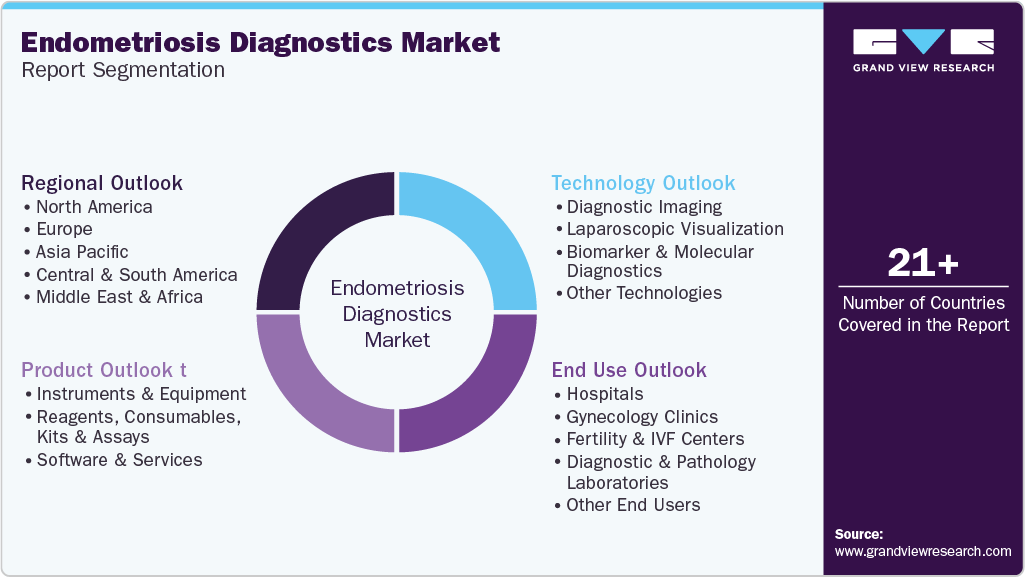
This report forecasts revenue growth at the global, regional, and country levels and provides an analysis on the latest industry trends and opportunities in each of the sub-segments from 2021 to 2033. For this study, Grand View Research has segmented the global endometriosis diagnostics market report on the basis of product, technology, end use, and region:
 To learn more about this report, Download Free Sample Report
-
Product Outlook (Revenue, USD Million, 2021 - 2033)
-
Instruments & Equipment
-
Reagents, Consumables, Kits & Assays
-
Software & Services
-
-
Technology Outlook (Revenue, USD Million, 2021 - 2033)
-
Diagnostic Imaging
-
Laparoscopic Visualization
-
Biomarker & Molecular Diagnostics
-
Other Technologies
-
-
End Use Outlook (Revenue, USD Million, 2021 - 2033)
-
Hospitals
-
Gynecology Clinics
-
Fertility & IVF Centers
-
Diagnostic & Pathology Laboratories
-
Other End Users
-
-
Regional Outlook (Revenue, USD Million, 2021 - 2033)
-
North America
-
U.S.
-
Canada
-
Mexico
-
-
Europe
-
UK
-
Germany
-
France
-
Italy
-
Spain
-
Norway
-
Denmark
-
Sweden
-
-
Asia Pacific
-
Japan
-
China
-
India
-
Australia
-
South Korea
-
Thailand
-
-
Latin America
-
Brazil
-
Argentina
-
-
Middle East & Africa
-
South Africa
-
Saudi Arabia
-
UAE
-
Kuwait
-
-
Research Methodology
The endometriosis diagnostics market figures in this report are based on a proven research process that combines executive interviews with secondary research from proprietary databases, company filings, and recognized regulatory and institutional sources. Market size is built through value-chain sizing reconciling supply-side and demand-side estimates and triangulated with bottom-up and top-down approaches. Every estimate passes multiple levels of expert validation before publication, with each endometriosis diagnostics segment quantified using the revenue-capture definitions in the table below.
Segment Definition
Product
Revenue capture definition
Instruments & Equipment
Revenue flows from sales or qualifying leases of reusable diagnostic hardware used in endometriosis evaluation, including ultrasound, MRI, laparoscopy, pathology, and molecular diagnostic instruments, capturing only the endometriosis-attributable portion of multipurpose equipment.
Reagents, Consumables,
Kits & Assays
Market value is captured through recurring purchases of assay kits, reagents, antibodies, stains, collection and sample-preparation products, slides, laparoscopic disposables, and other single-use materials consumed during endometriosis diagnostic testing.
Software & Services
Revenue is primarily captured from diagnostic software licenses, AI-enabled interpretation, decision-support platforms, maintenance, training, managed imaging, pathology, laboratory-developed tests, molecular testing, and outsourced diagnostic interpretation specifically supporting endometriosis diagnosis.
Technology
Revenue capture definition
Diagnostic Imaging
Market value derives from ultrasound, MRI, associated contrast and image-processing solutions, and imaging services used specifically to detect, localize, characterize, or map suspected endometriosis, excluding intraoperative laparoscopic visualization.
Laparoscopic Visualization
Revenue flows from laparoscopes, cameras, imaging towers, light sources, insufflation systems, visualization accessories, and related diagnostic services used for direct laparoscopic assessment of endometriotic lesions, excluding instruments used exclusively for therapeutic intervention.
Biomarker & Molecular Diagnostics
Revenue is captured from tests identifying endometriosis-associated biomarkers or molecular signatures across biological specimens, including immunoassay, biochemical, nucleic-acid, miRNA, genomic, transcriptomic, proteomic, and metabolomic approaches, with multiplex tests counted once.
Other Technologies
Market value arises from histopathology, cytology, tissue staining, immunohistochemistry, microscopy, and ancillary diagnostic techniques not classified elsewhere; molecular tissue assays remain under Biomarker & Molecular Diagnostics to prevent overlap.
End Use
Revenue capture definition
Hospitals
Revenue is captured from diagnostic products and services purchased, operated, or billed by public and private hospitals, academic medical centers, and their owned gynecology, imaging, laboratory, and surgical departments.
Gynecology Clinics
Market value derives from endometriosis diagnostic products and services used or billed by independent gynecology practices, specialist endometriosis clinics, pelvic-pain clinics, and women’s health centers, excluding hospital-owned and fertility-focused facilities.
Fertility & IVF Centers
Revenue flows from endometriosis imaging, laboratory tests, and related diagnostics performed by independent fertility and IVF centers during infertility or reproductive-health evaluation, excluding assisted-reproduction procedures, fertility drugs, and hospital-owned departments.
Diagnostic & Pathology Laboratories
Revenue is primarily captured by independent reference, molecular, diagnostic, and pathology laboratories performing or billing for endometriosis biomarker, molecular, histopathology, immunohistochemistry, or related testing, excluding hospital-owned laboratories.
Other End Users
Market value captures qualifying commercial diagnostic products and services supplied to academic institutes, CROs, public-health bodies, specialty imaging centers, ambulatory surgical centers, and other unclassified users, excluding research-only grants and experimental products.
Estimation Model
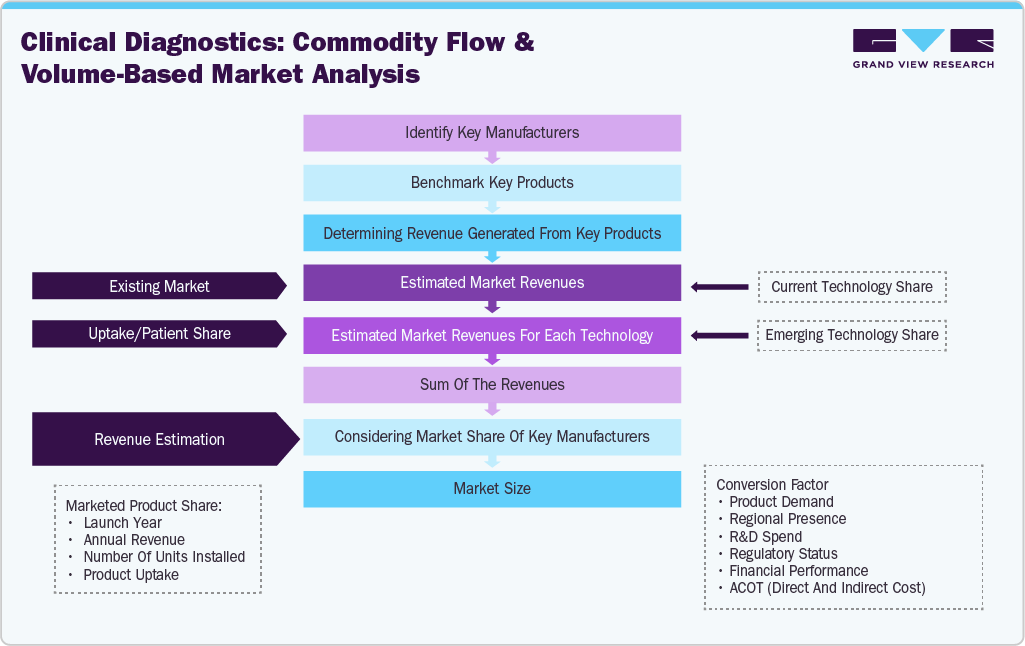
The endometriosis diagnostics market size was estimated by identifying key manufacturers, benchmarking relevant diagnostic products, and assessing revenues attributable to imaging systems, diagnostic instruments, assays, consumables, software, and services used in endometriosis diagnosis.Market revenues were further validated using technology-level adoption, patient utilization, existing market benchmarks, and manufacturer market shares, with individual revenue estimates aggregated and triangulated to derive the final global market size.
 To learn more about this report, Download Free Sample Report
Customization Table
Client Request
Customization Delivered
Value Adds
Endometriosis Diagnostics Market Competitive Landscape & Technology Assessment
Assessed the competitive landscape across diagnostic imaging, laparoscopic visualization, biomarker & molecular diagnostics, histopathology, and emerging non-invasive technologies. Evaluated key companies based on ultrasound and MRI capabilities, visualization systems, biomarker-based tests, diagnostic workflows, regulatory status, clinical validation, partnerships, and geographic presence.
Enables the client to benchmark established imaging and visualization companies against emerging diagnostic developers, assess technology differentiation, identify evolving non-invasive approaches, and evaluate competitive positioning across conventional and emerging endometriosis diagnostic pathways.
Endometriosis Diagnostic Product & Technology Benchmarking Analysis
Conducted comparative benchmarking across ultrasound, MRI, laparoscopic visualization, blood- and saliva-based biomarkers, molecular assays, biosignal-based technologies, and histopathology. Assessed products based on diagnostic approach, sample type, testing workflow, invasiveness, turnaround time, clinical setting, regulatory status, and intended application.
Helps the client identify technology and diagnostic pathway gaps, compare conventional and emerging approaches, assess opportunities for less-invasive testing, and evaluate the potential positioning of imaging, biomarker, molecular, and decentralized diagnostic technologies.
Endometriosis Diagnostics Commercialization & Market Entry Assessment
Assessed commercialization strategies, regulatory and clinical-evidence requirements, distribution models, diagnostic infrastructure, adoption barriers, and market-access considerations across North America, Europe, Asia Pacific, Latin America, and Middle East & Africa. Evaluated adoption across hospitals, gynecology clinics, fertility & IVF centers, and diagnostic & pathology laboratories.
Supports market-entry and expansion planning by identifying high-potential geographies and end users, evaluating regulatory and clinical-validation requirements, assessing opportunities for non-invasive diagnostics, and defining commercialization priorities across established and emerging endometriosis diagnostic settings..
Frequently Asked Questions About This Report
The endometriosis diagnostics market is projected to reach USD 886.5 million by 2033, registering a CAGR of 8.8% during 2026–2033.
North America dominated the market in 2025, driven by advanced healthcare infrastructure, greater awareness of endometriosis, and established diagnostic capabilities.
Instruments & Equipment accounted for the largest share of the market in 2025, driven by the continued use of imaging and diagnostic equipment in endometriosis assessment.
Diagnostic Imaging dominated the market in 2025, driven by its established role in the detection and evaluation of endometriosis.
The global endometriosis diagnostics market size was valued at USD 454.8 million in 2025 and is estimated at USD 491.2 million for 2026.
Hospitals dominated the market in 2025, driven by their access to specialized gynecological services and advanced diagnostic infrastructure.
Asia Pacific is expected to register the fastest growth during 2026–2033, driven by improving healthcare infrastructure, increasing disease awareness, and greater adoption of advanced diagnostic technologies.
The endometriosis diagnostics market is expected to grow at a CAGR of 8.8% during 2026–2033.
Key factors driving market growth include increasing awareness of endometriosis, growing demand for early and accurate diagnosis, advancements in diagnostic imaging, and increasing healthcare expenditure for women's health.
About the Author(s)
Clinical Diagnostics Research Team
Healthcare · Clinical DiagnosticsThis report was authored by the clinical diagnostics research team at Grand View Research - comprising two research analysts, one senior research analyst, and one industry expert - with specialized expertise in the clinical diagnostics segment of the healthcare industry. All findings are based on proprietary healthcare databases, executive interviews, and regulatory analysis, subject to internal peer review prior to publication.
Last Updated:
Speak to Analyst

Customize this report to your needs - add regions, segments, or data points, with 20% free customization.
Or view our licence options:


ISO 9001:2015 & 27001:2022 Certified
We are GDPR and CCPA compliant! Your transaction & personal information is safe and secure. For more details, please read our privacy policy.


