
- Home
- »
- Medical Devices
- »
-
External Ventricular Drain Market Size, Industry Report, 2033GVR Report cover
![External Ventricular Drain Market Size, Share & Trends Report]()
External Ventricular Drain Market (2026 - 2033) Size, Share & Trends Analysis Report By Application (Traumatic Brain Injury, Subarachnoid Hemorrhage, Intracerebral Hemorrhage, Other Non-traumatic Hydrocephalus Conditions), By Patient Type, By End Use , By Region, And Segment Forecasts
- Report Summary
- Table of Contents
- Segmentation
- Methodology
- Download FREE Sample
-
 Download Sample Report
- Buy Now
External Ventricular Drain Market Summary
The global external ventricular drain market size was estimated at USD 1.61 billion in 2025 and is projected to reach USD 3.26 billion by 2033, growing at a CAGR of 9.29% from 2026 to 2033. The rising incidence of traumatic brain injuries, stroke, hydrocephalus, and intracranial hemorrhage worldwide primarily drives the market growth.
Key Market Trends & Insights
- North America dominated the external ventricular drain market with the largest revenue share of 54.47% in 2025.
- The U.S. external ventricular drain industry led North America, with the largest revenue share in 2025.
- By application, the traumatic brain injury segment led the market with the largest revenue share in 2025.
- By patient type, the adult segment led the market with the largest revenue share in 2025.
- By end use, the hospitals segment led the market with the largest revenue share in 2025.
Market Size & Forecast
- 2025 Market Size: USD 1.61 Billion
- 2033 Projected Market Size: USD 3.26 Billion
- CAGR (2026-2033): 9.29%
- North America: Largest market in 2025
The growing demand for effective intracranial pressure monitoring and cerebrospinal fluid management in critical care settings is driving increased device adoption. Advancements in infection-resistant catheter technologies and integrated monitoring systems are further supporting the growth of the external ventricular drain industry. In addition, expanding neurocritical care infrastructure and growing healthcare investments across emerging economies are accelerating global market expansion.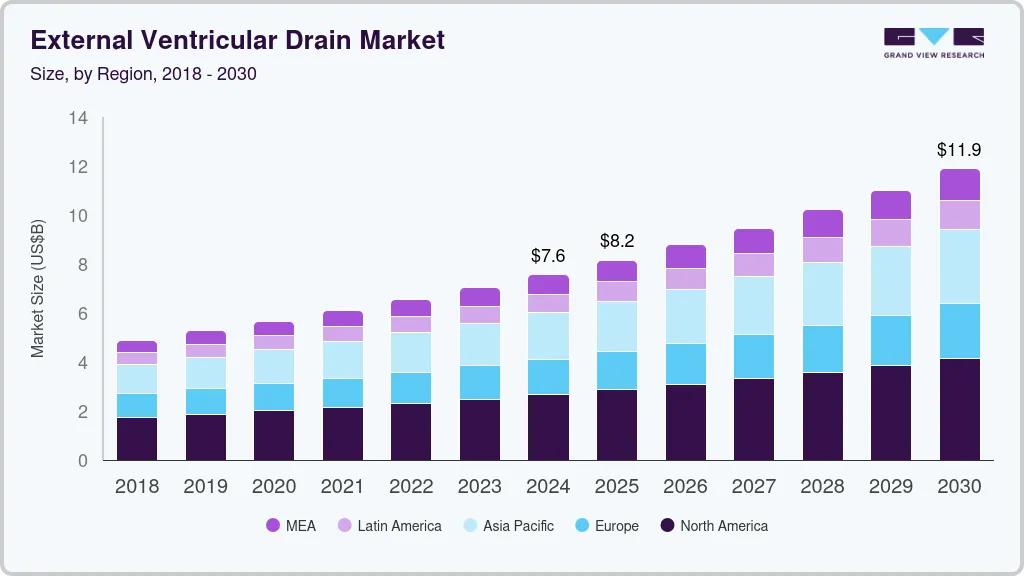
The rising prevalence of neurological disorders is a major driver of growth in the external ventricular drain market. Increasing cases of conditions such as traumatic brain injury, stroke, intracerebral hemorrhage, hydrocephalus, and brain tumors have significantly elevated the need for effective intracranial pressure management and cerebrospinal fluid drainage. Aging populations, lifestyle-related risk factors like hypertension, and higher survival rates following neurological emergencies are further contributing to the growing patient pool. As a result, the demand for advanced External Ventricular Drain (EVD) systems in neurocritical care and emergency settings continues to expand globally.
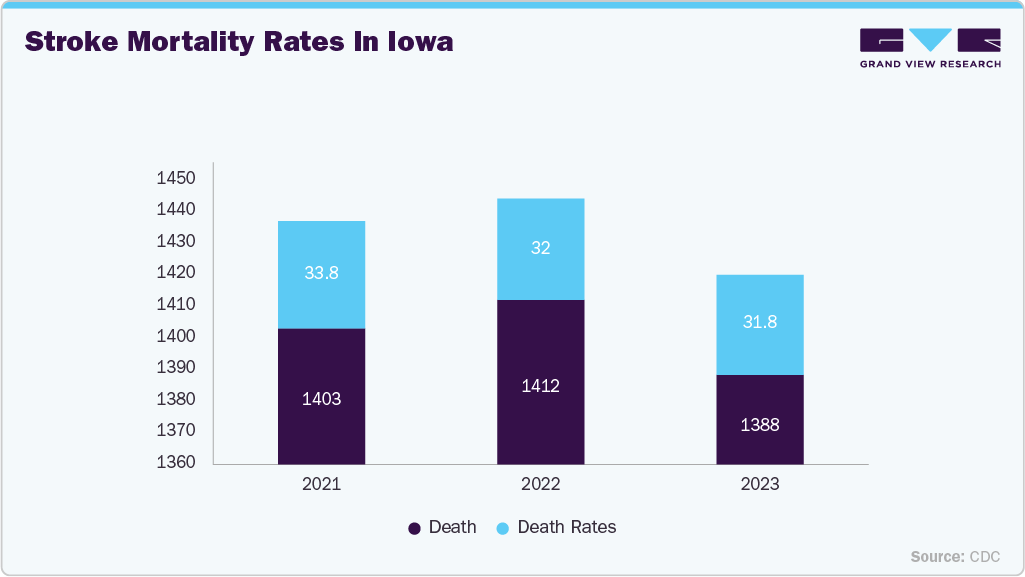
The growing incidence of road accidents and head trauma is a significant driver for the external ventricular drain market growth. Traumatic brain injuries resulting from motor vehicle collisions, falls, and sports-related accidents often lead to elevated intracranial pressure and intracranial bleeding, requiring immediate cerebrospinal fluid drainage. The increasing number of emergency admissions to trauma centers and intensive care units has amplified the demand for EVD systems as a critical life-saving intervention. Consequently, the rising global burden of head injuries continues to support market growth.
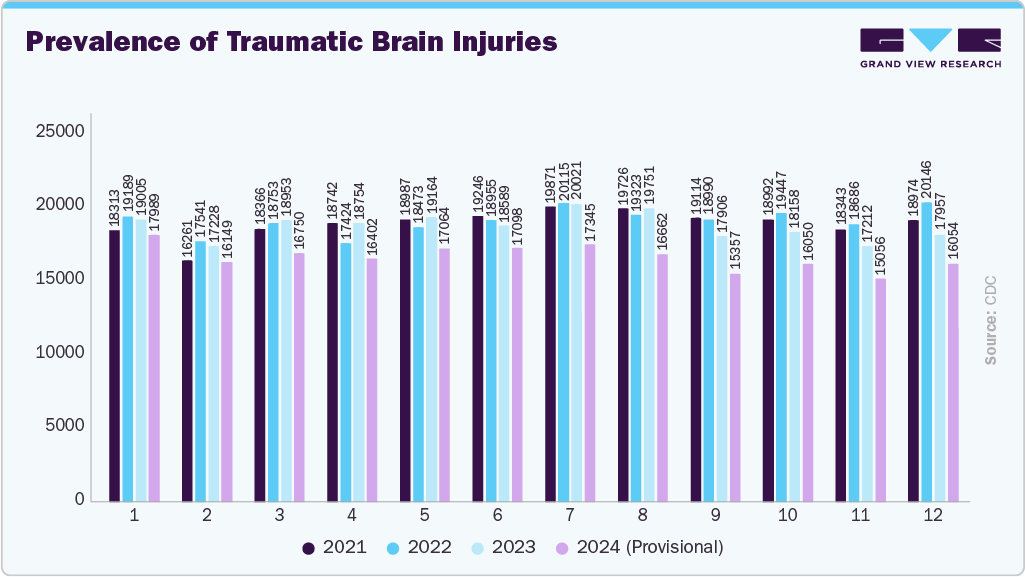
Thus, the increasing burden of neurological disorders and rising cases of head trauma are driving higher demand for external ventricular drain systems. The growing need for rapid intracranial pressure management in emergencies and neurocritical care settings continues to support steady market expansion.
Market Concentration & Characteristics
The external ventricular drain market is experiencing meaningful innovation focused on safety, functionality, and clinical efficiency. Manufacturers are developing antimicrobial and antibiotic-impregnated catheters, closed-system drainage designs, and integrated digital intracranial pressure (ICP) monitoring to reduce infection risk and improve patient outcomes. Advances in biocompatible materials and smart sensor technologies are enhancing device reliability and usability. Overall, innovation centers on minimizing complications and supporting precision neurocritical care across diverse clinical settings. For instance, in March 2025, Anuncia Medical, Inc. received FDA Breakthrough Device Designation for its ReFlow EVD, an innovative solution designed to improve the performance of external ventricular drains in managing elevated intracranial pressure. This milestone builds on the success of its ReFlow portfolio and strengthens the company’s position in advancing acute and long-term CSF management within neurocritical care.
“This regulatory milestone highlights the broader impact of our ReFlow innovation beyond hydrocephalus management,” said Elsa Chi Abruzzo, CEO and President of Anuncia Medical. “We continue to hear from neurosurgeons, nurses, patients, and families that ReFlow’s simple, seconds-long manual flush helps prevent blockages-improving outcomes and providing peace of mind. Expanding our ReFlow portfolio reinforces our commitment to advancing neurocritical care and patient well-being.”
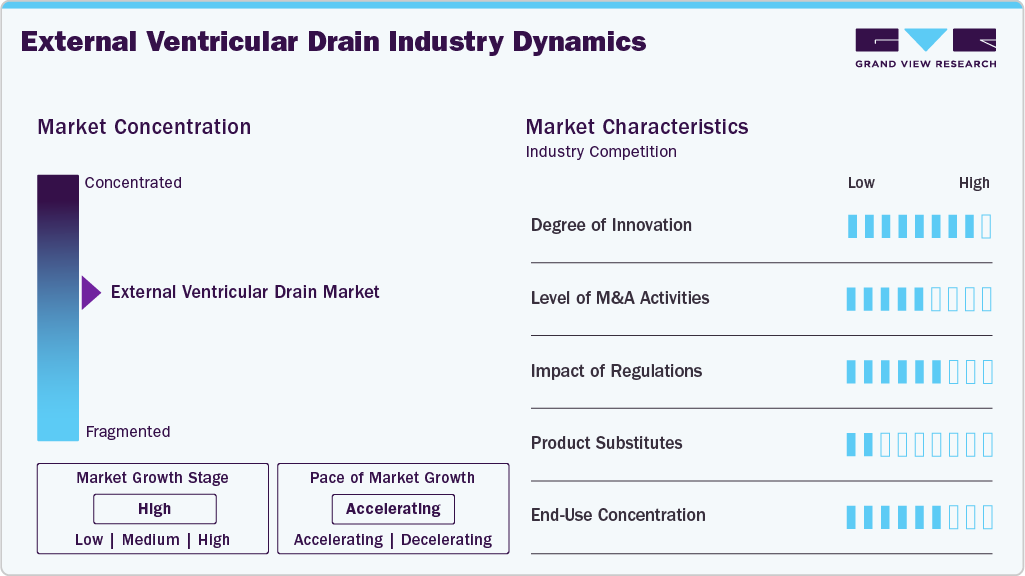
The external ventricular drain market has witnessed selective merger and acquisition activity, with established medical device companies acquiring specialized neurocritical care firms to expand their product portfolios. These transactions are typically focused on gaining access to advanced catheter technologies, infection-control innovations, and integrated monitoring solutions. Although M&A activity is moderate compared to larger medical device segments, it plays a strategic role in strengthening market presence and enhancing technological capabilities. Overall, consolidation efforts aim to improve competitive positioning and expand global reach.
Regulatory requirements play a significant role in shaping the external ventricular drain industry, as these devices are classified as high-risk medical devices and require stringent approval processes, including FDA clearance and CE marking. Compliance with rigorous safety, performance, and clinical validation standards can prolong product development timelines and increase costs for manufacturers. However, regulatory oversight also enhances clinician confidence and patient safety, supporting broader adoption of advanced EVD systems. Overall, regulatory frameworks both challenge market entry and ensure high quality and reliability in the EVD space.
The market is highly concentrated in tertiary hospitals, specialized neurosurgical centers, and advanced ICUs, where comprehensive neurocritical care services are available. Major metropolitan hospitals account for a significant share of demand due to the need for skilled neurosurgical teams and continuous intracranial pressure monitoring. Trauma and stroke centers also contribute notably to device utilization. Adoption remains limited in smaller facilities due to infrastructure constraints and procedural complexity.
Application Insights
Traumatic brain injury dominated the external ventricular drain market in 2025, driven by the rising incidence of road traffic accidents, falls, and sports-related head injuries worldwide. The urgent requirement for intracranial pressure monitoring and cerebrospinal fluid drainage in severe TBI cases significantly increased the adoption of EVD systems across trauma centers and neuro-ICUs.
Intracerebral hemorrhage (ICH) is expected to witness the fastest growth during the forecast period, driven by the rising global incidence of hypertension and stroke-related complications. The increasing need for rapid intracranial pressure control and cerebrospinal fluid diversion in acute hemorrhagic cases is increasing EVD utilization. In addition, advancements in neuroimaging and early diagnosis are supporting timely intervention, further accelerating segment growth.
Patient Type Insights
The adult segment dominated the external ventricular drain industry in 2025, primarily due to the high prevalence of traumatic brain injuries, stroke, intracerebral hemorrhage, and hydrocephalus among the adult population. The growing burden of lifestyle-related risk factors, such as hypertension, further contributed to increased neurosurgical interventions. Higher hospitalization rates and access to advanced neurocritical care facilities also supported the segment’s leading market share.
The pediatric segment is expected to grow the fastest during the forecast period. The rising incidence of congenital hydrocephalus and neonatal brain injuries drives this growth. Improved early diagnosis and advancements in pediatric neurosurgical care support higher intervention rates. In addition, growing investments in specialized pediatric ICUs and enhanced awareness of early intracranial pressure management are further accelerating segment growth.
End Use Insights
The hospitals segment dominated the external ventricular drain market in 2025, as most EVD procedures are performed in tertiary care hospitals equipped with advanced neurosurgical and intensive care facilities. The availability of skilled neurosurgeons, continuous intracranial pressure monitoring systems, and emergency trauma services supports high procedure volumes in hospital settings. Furthermore, expanding ICU infrastructure, increasing trauma admissions, and rising investments in neurocritical care services are expected.
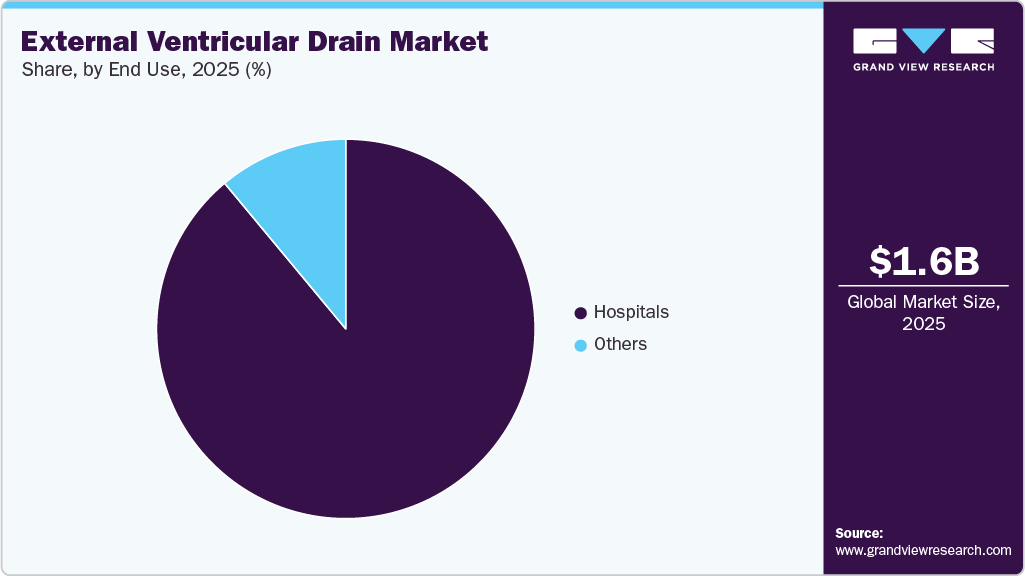
The hospitals segment is projected to register the fastest growth during the forecast period. This growth is supported by the continuous expansion of ICU infrastructure, a rising volume of trauma and stroke admissions, and increasing investments in advanced neurocritical care services across both public and private healthcare institutions.
Regional Insights
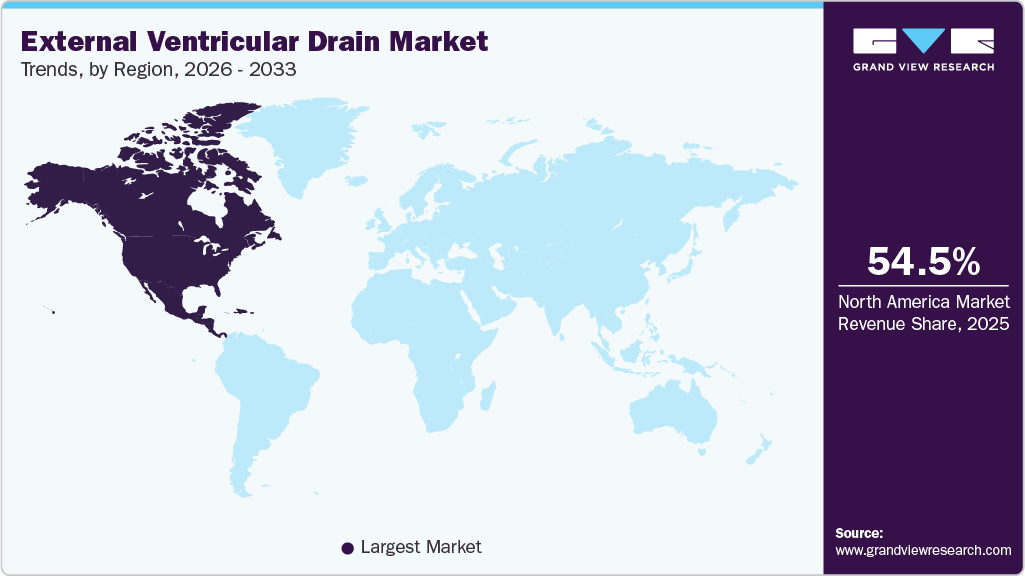
The external ventricular drain industry in North America held the largest revenue share of 54.47% in 2025. This can be attributed to the rising incidence of traumatic brain injuries, stroke, and hydrocephalus, along with a well-established neurocritical care infrastructure. Hospitals are adopting antibiotic-impregnated, closed-system EVD catheters to reduce infection risk and improve patient outcomes. Technological advancements, including integration with real-time intracranial pressure (ICP) monitoring systems, are shaping product innovation. In addition, strong reimbursement frameworks and ongoing clinical research continue to support market expansion across the U.S. and Canada.
U.S. External Ventricular Drain Market Trends
The U.S. external ventricular drain industry is experiencing growth, driven by rising cases of traumatic brain injuries, cerebrovascular diseases, and hydrocephalus, which are elevating demand for intracranial pressure management solutions. There is a clear shift toward advanced EVD systems featuring antimicrobial catheter technologies and integrated pressure monitoring to enhance safety and clinical outcomes. Healthcare infrastructure, favorable reimbursement policies, and strong investments in neurocritical care research and technology further support adoption. Furthermore, ongoing innovations aimed at reducing infection rates and procedural complications are influencing purchasing decisions among U.S. hospitals and trauma centers.
Road accidents in the U.S. have been increasing, driven by higher traffic volumes and risk-taking behaviors, leading to a rise in injuries and fatalities. This trend has heightened demand for trauma care services and critical interventions such as intracranial pressure management.
Road Accidents in the U.S.
State
Percentage Increase
Increase in Deaths
Hawaii
32%
29 more deaths
New Mexico
24%
80 more deaths
Kansas
13%
38 more deaths
Source: National Safety Council
Europe External Ventricular Drain Market Trends
The Europe external ventricular drain industry is growing steadily, supported by the rising prevalence of neurological disorders and the expansion of neurocritical care infrastructure across major healthcare systems. There is a notable shift toward the adoption of advanced EVD solutions with antimicrobial properties and enhanced safety features to address infection concerns. Countries such as Germany, the UK, and France are investing in neurosurgical technologies and ICU capabilities, driving higher utilization of EVD systems. Furthermore, supportive reimbursement policies and ongoing clinical initiatives are strengthening market growth throughout the region.
The UK external ventricular drain market is evolving with increased focus on improving neurocritical care outcomes amid rising cases of traumatic brain injuries and cerebrovascular conditions. Adoption of advanced EVD systems with antimicrobial features and enhanced safety profiles is gaining traction in NHS and private hospital settings to reduce infection risks. Extended waiting times and investment in specialist neuro-ICU facilities are shaping procurement priorities, while clinical guidelines continue to emphasize evidence-based use of ventricular drainage technologies. In addition, research and innovative efforts are contributing to the gradual modernization of EVD practices in the UK.
Road Casualties in the UK in 2024
Severity
2024
Killed
1,602
Seriously Injured (Adjusted)
27,865
KSI (Adjusted)
29,467
Slightly Injured (Adjusted)
98,805
All Casualties
128,272
Traffic (Billion Vehicle Miles)
340
Source: Gov.UK
The France external ventricular drain market is witnessing gradual growth, supported by rising incidences of neurological conditions such as hydrocephalus and traumatic brain injuries. Hospitals and neurosurgical centers are increasingly adopting advanced EVD systems with antimicrobial coatings and integrated monitoring features to improve patient safety and reduce infection rates. Continued investment in critical care infrastructure and supportive healthcare reimbursement policies is enhancing access to EVD procedures. The participation in regional clinical research and innovation initiatives is contributing to the adoption of newer device technologies nationwide.
Asia Pacific External Ventricular Drain Market Trends
The Asia Pacific external ventricular drain industry is expanding rapidly, due to the rising incidence of neurological disorders, increasing trauma cases, and rising healthcare investments in countries such as China and India. Improved access to advanced neurocritical care facilities and expanding ICU infrastructure are driving greater adoption of EVD systems. There is also a growing trend toward the use of infection-resistant and integrated pressure-monitoring EVD technologies. In addition, rising healthcare awareness and government initiatives to strengthen healthcare services are further supporting market growth across the region.
The China external ventricular drain market is experiencing growth, driven by an increasing number of traumatic brain injury cases, stroke incidents, and a rapidly aging population requiring advanced neurological care. Expansion of hospital infrastructure and intensive care units, especially in tier-1 and tier-2 cities, is boosting demand for EVD systems. There is also a rising preference for technologically advanced drainage solutions with infection-control features and integrated pressure monitoring. Government initiatives to improve critical care capabilities and increase healthcare expenditure are further fueling market growth in China.
Latin America External Ventricular Drain Market Trends
The Latin America external ventricular drain industry is gradually expanding as healthcare systems strengthen trauma care and neurosurgical services across countries such as Brazil and Mexico. Growing awareness of neurological disorders and the rising incidence of head injuries are driving increased use of EVD systems. Investments in critical care infrastructure, particularly in urban hospitals, are enabling wider adoption of advanced drainage technologies. Additionally, improving reimbursement frameworks and partnerships with global medical device manufacturers are contributing to market momentum in the region.
MEA External Ventricular Drain Market Trends
The MEA external ventricular drain industry is gradually gaining traction as healthcare infrastructure improvements and investments in neurocritical care facilities increase across the region. Rising cases of neurological disorders and trauma, particularly in urban centers, are driving demand for advanced EVD systems. There is growing interest in infection-resistant and integrated monitoring technologies to improve patient outcomes. Additionally, government initiatives to enhance emergency care capabilities and collaborations with international medical device manufacturers are supporting market growth.
Key External Ventricular Drain Company Insights
Key companies driving the external ventricular drain market include Medtronic, Integra LifeSciences, Spiegelberg, and Neuromedex. They hold a significant market share due to broad product portfolios and strong global distribution. These players focus on innovation in antimicrobial catheters, integrated pressure monitoring, and closed drainage systems to differentiate offerings and expand clinical adoption. Competitive dynamics are also influenced by strategic partnerships and increasing investments in neurocritical care solutions.
Key External Ventricular Drain Companies:
The following key companies have been profiled for this study on the external ventricular drain market.
- Spiegelberg GmbH & Co. KG (Luciole Medical AG)
- Medtronic
- Sophysa
- Natus Medical Incorporated
- Neuromedex GmbH
- Integra LifeSciences
- Möller Medical GmbH ( Centrotec Sustainable AG)
- B. Braun SE
- Fuji Systems
Recent Developments
-
In January 2025, Integra LifeSciences Holding Corporation, a global provider of medical technology, announced the launch of the Integra Institute, its new global medical education platform. This digital initiative is designed to strengthen the company’s medical education programs across surgical, neurologic, ENT, and regenerative care specialties by providing healthcare professionals with comprehensive, on-demand learning resources to support ongoing professional development.
-
In May 2024, Medtronic Neurosurgery announced a recall of the Duet External Drainage and Monitoring System due to a risk that the catheter tubing could disconnect from the patient line stopcock connectors. The recall was issued to address this potential safety concern and prevent possible complications associated with unintended disconnection.
-
In September 2025, B. Braun announced a manufacturing expansion in the Lehigh Valley, highlighting the region’s strong business environment as a key factor enabling the company to compete and succeed globally. The expansion is part of B. Braun’s broader commitment to enhancing production capabilities and supporting long-term growth in advanced medical technologies.
External Ventricular Drain Market Report Scope
Report Attribute
Details
Market size value in 2026
USD 1.75 billion
Revenue forecast in 2033
USD 3.26 billion
Growth rate
CAGR of 9.29% from 2026 to 2033
Base year for estimation
2025
Historical data
2021 - 2024
Forecast period
2026 - 2033
Quantitative units
Revenue in USD million/billion and CAGR from 2026 to 2033
Report coverage
Revenue forecast, company ranking, competitive landscape, growth factors, and trends
Segments covered
Application, patient type, end use, region
Regional scope
North America; Europe; Asia Pacific; Latin America; MEA
Country scope
U.S.; Canada; Mexico; Germany; UK; France; Norway; Italy; Denmark; Sweden; Spain; China; Japan; India; South Korea; Australia; Brazil; KSA; UAE; South Africa
Key companies profiled
Spiegelberg GmbH & Co. KG (Luciole Medical AG); Medtronic; Sophysa; Natus Medical Incorporated; Neuromedex GmbH; Integra LifeSciences; Möller Medical GmbH ( Centrotec Sustainable AG); B. Braun SE; Fuji Systems
Customization scope
Free report customization (equivalent up to 8 analysts working days) with purchase. Addition or alteration to country, regional & segment scope.
Pricing and purchase options
Avail customized purchase options to meet your exact research needs. Explore purchase options
Global External Ventricular Drain Market Report Segmentation
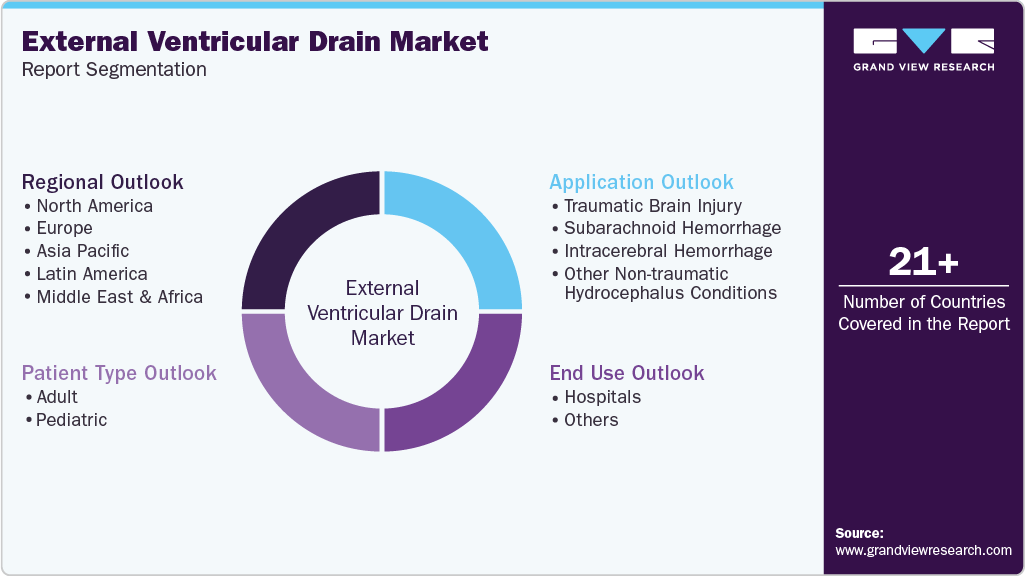
This report forecasts revenue growth at the global, regional, and country levels and provides an analysis of the latest industry trends in each of the sub-segments from 2021 to 2033. For this study, Grand View Research has segmented the global external ventricular drain market report based on product, patient type, end use, and region:
-
Application Outlook (Revenue, USD Million, 2021 - 2033)
-
Traumatic Brain Injury
-
Subarachnoid Hemorrhage
-
Intracerebral Hemorrhage
-
Other Non-traumatic Hydrocephalus Conditions
-
-
Patient Type Outlook (Revenue, USD Million, 2021 - 2033)
-
Adult
-
Pediatric
-
-
End Use Outlook (Revenue, USD Million; 2021 - 2033)
-
Hospitals
-
Others
-
-
Regional Outlook (Revenue, USD Million, 2021 - 2033)
-
North America
-
U.S.
-
Canada
-
Mexico
-
-
Europe
-
Sweden
-
Denmark
-
Norway
-
Germany
-
UK
-
France
-
Italy
-
Spain
-
-
Asia Pacific
-
Japan
-
China
-
India
-
Australia
-
South Korea
-
Thailand
-
-
Latin America
-
Brazil
-
Argentina
-
-
Middle East & Africa
-
South Africa
-
Saudi Arabia
-
UAE
-
Kuwait
-
-
Frequently Asked Questions About This Report
The global external ventricular drain market size was estimated at USD 1.61 billion in 2025 and is expected to reach USD 1.75 billion in 2026.
The global external ventricular drain market is projected to grow at a CAGR of 9.29% from 2026 to 2033 to reach USD 3.26 billion by 2033.
Based on application, traumatic brain injury dominated the External Ventricular Drain (EVD) market in 2025 due to the rising incidence of road traffic accidents, falls, and sports-related head injuries worldwide.
Key companies in the global external ventricular drain market include Spiegelberg GmbH & Co. KG (Luciole Medical AG), Medtronic, Sophysa, Natus Medical Incorporated, Neuromedex GmbH, and Integra LifeSciences among others
The external ventricular drain market is driven by the rising incidence of traumatic brain injuries, stroke, hydrocephalus, and intracranial hemorrhage worldwide. Increasing demand for effective intracranial pressure monitoring and cerebrospinal fluid management in critical care settings is significantly increasing device adoption.
About the Author(s)
Medical Devices Research Team
Healthcare · Medical DevicesThis report was authored by the medical devices research team at Grand View Research - comprising two research analysts, one senior research analyst, and one industry expert - with specialized expertise in the medical devices segment of the healthcare industry. All findings are based on proprietary healthcare databases, executive interviews, and regulatory analysis, subject to internal peer review prior to publication.
Last Updated:
Speak to Analyst

Share this report with your colleague or friend.
Need a Tailored Report?
Customize this report to your needs — add regions, segments, or data points, with 20% free customization.


ISO 9001:2015 & 27001:2022 Certified
We are GDPR and CCPA compliant! Your transaction & personal information is safe and secure. For more details, please read our privacy policy.












