
- Home
- »
- Medical Devices
- »
-
Foot And Ankle Trauma Market Size & Share Report, 2033GVR Report cover

Foot And Ankle Trauma Market (2026 - 2033)
Size, Share & Trends Analysis Report By Product (Talus trauma fixation systems, Fibula Fixation & Syndesmosis Repair Systems), By Application (Ankle, Talus, Calcaneus), By End Use, By Region, And Segment Forecasts
Market Size, 2025
$2.0BMarket Estimate, 2026
$2.1BMarket Forecast, 2033
$3.3BCAGR, 2026–2033
6.8%Foot And Ankle Trauma Market Summary
The global foot and ankle trauma market size was valued at USD 2.0 billion in 2025 and is projected to grow from USD 2.1 billion in 2026 to USD 3.3 billion by 2033, at a CAGR of 6.8% from 2026 to 2033. The market in North America dominated with a revenue share of 47.8% in 2025. The foot and ankle trauma industry is driven by the increasing fractures and sports-related injuries, improvements in minimally invasive surgical methods, and the expanding use of regenerative adjuncts and bio inductive scaffolds to promote healing.
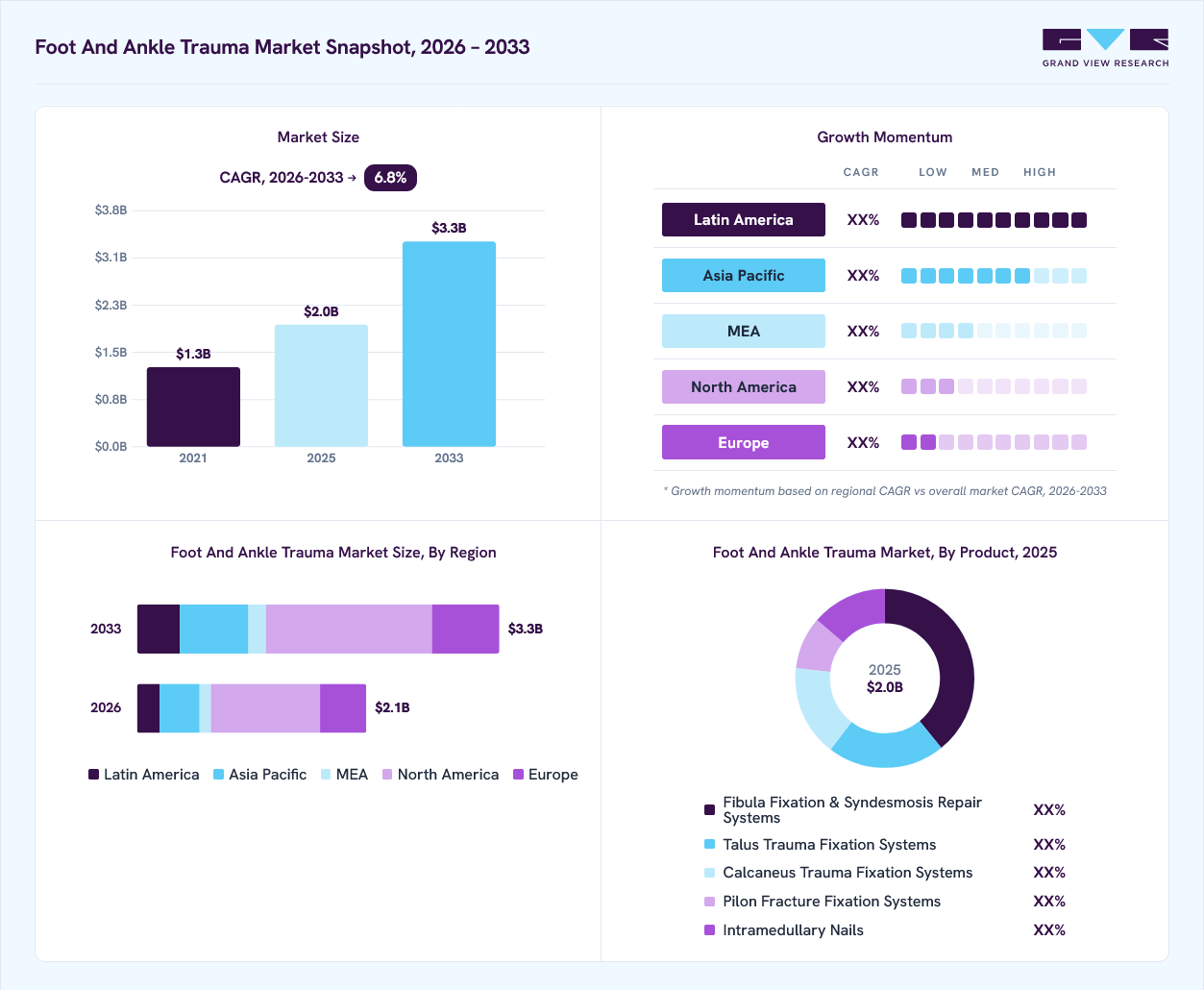 Source: Grand View Research, IR Documents, Primary Interviews, Paid DatabasesTo learn more about this report,
 Download Free Sample Report
Key Market Trends & Insights
- By end use: Hospitals (trauma centers) segment held the largest market share of 59.0% in 2025.
- By product: Fibula fixation & syndesmosis repair systems segment held the largest market share of 39.1% in 2025.
- By application: Ankle segment held the largest market share of 25.0% in 2025.
Regional Highlights
- Largest regional market: North America (47.8% revenue share, 2025)
- Fastest-growing regional market: Latin America (highest CAGR, 2026-2033)
- By country: The U.S. held the largest market share in 2025
Market Size & Forecast
- Market size in 2025: USD 2.0 Billion
- Estimated market size in 2026: USD 2.1 Billion
- Projected market size by 2033: USD 3.3 Billion
- CAGR (2026-2033): 6.8%
Prism AI by Grand View Research Free to tryAsk a question about the foot and ankle trauma marketTry asking✓Every figure cited from GVR research Prefer the report? Download free sample →
Growing investments in comprehensive postoperative care programs, digital surgical support, and surgeon training bolster the market. Greater accessibility and uptake of the latest trauma solutions are facilitated by expansion in developing nations and the steady improvement of healthcare infrastructure.In July 2024, OIC launched the Flex-Fix System, designed to treat ankle syndesmotic injuries with or without associated ankle fractures, offering micromotion support and minimizing the need for hardware removal.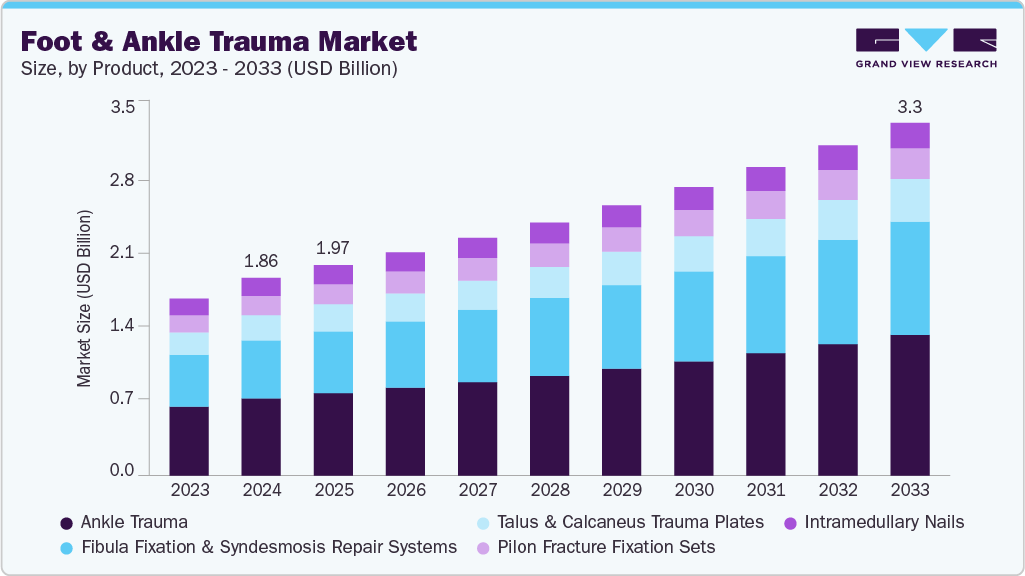 To learn more about this report, Download Free Sample Report
The rising incidence of fractures and sports-related injuries in all age groups is driving the market for lower extremity injuries. Rising awareness of early treatment and enhanced diagnostic capabilities is driving the need for efficient surgical procedures and specialized trauma implants. The need for trauma care is growing due to an aging population with higher fall risk and comorbidities, urbanization, and increased engagement in high-impact sports. These factors increase the need for prompt and efficient treatment solutions.In August 2025, according to CDC statistics, an estimated 1.19 million people die annually from road traffic crashes worldwide, making them the leading cause of death among individuals aged 5-29. These injuries cost the global economy about USD 3.6 trillion each year.
Sports Injuries, By Number of Injuries, 2022
Sport, activity, or equipment
Injuries
Number of injuries by age
Younger than 5
5 to 14
15 to 24
25 to 64
65 and older
Exercise, exercise equipment
4,45,642
6,662
36,769
91,013
2,29,640
81,558
Bicycles and accessories
4,05,411
13,297
91,089
50,863
1,95,030
55,132
Basketball
3,13,924
1,216
1,09,696
1,43,773
57,413
1,825
Football
2,65,747
581
1,45,499
1,00,760
18,527
381
ATV's, mopeds, minibikes, etc.
2,42,347
3,688
42,069
61,065
1,22,941
12,584
Skateboards, scooters, hoverboards
2,30,506
8,513
64,439
61,546
88,328
7,680
Source: National Safety Council analysis of U.S. Consumer Product Safety Commission NEISS data. National Safety Council. Injury Facts
Patient outcomes and surgical precision are improved by navigation technologies, improved imaging, and minimally invasive procedures. These developments promote broader use of the latest trauma devices by facilitating quicker recovery, lowering complications, and boosting surgeon confidence. Surgeons can treat complex fractures with better outcomes due to improvements in implant design and materials. In contrast, surgical workflows are being optimized by the combination of preoperative planning software and intraoperative digital tools.In April 2022, Medline Unite launched its Calcaneal Fracture plating system and IM Fibula implant in the U.S., expanding its titanium portfolio for foot and ankle trauma. The systems provide surgeons with comprehensive fixation options for fractures requiring ORIF.
Orthobiologics, bioinductive scaffolds, and other regenerative therapies are increasingly used to speed up recovery and promote healing. The incorporation of these solutions into surgical procedures is propelling market expansion and promoting wider clinical adoption of contemporary trauma care methodologies. Surgeons' endorsement is growing as part of new data on biologics and scaffold-based technologies. An analysis of the function of orthobiologics in traumatology and orthopedic surgery was published in The Archives of Bone and Joint Surgery in July 2022. Stronger clinical evidence is required to support the safe and effective use of PRP, BMAC, BMP-2, and stem cells in trauma care. It highlighted their applications in managing bone and soft-tissue lesions.
 To learn more about this report, Download Free Sample Report
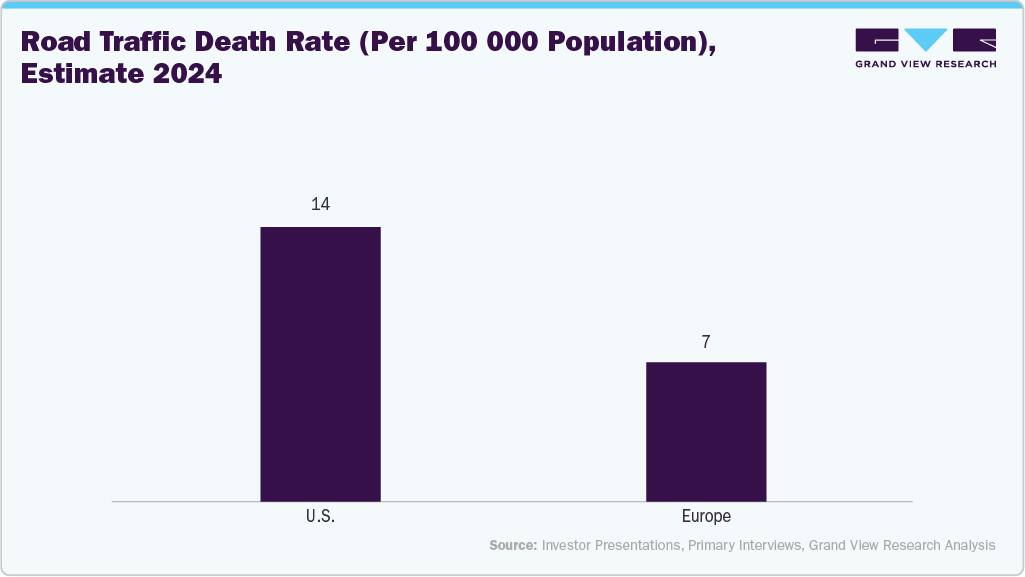
Globally, road traffic crashes remain a significant public health concern, fueling the market's growth. According to the WHO article published in May 2025, it causes approximately 1.19 million deaths annually and leaves 20-50 million individuals with non-fatal injuries. A substantial proportion of these fatalities involve vulnerable road users, including pedestrians, cyclists, and motorcyclists, who are particularly at risk of lower extremity injuries. Road traffic incidents are the leading cause of trauma among children and young adults aged 5-29, while two-thirds of fatalities occur among individuals of working age (18-59 years), representing a substantial socio-economic burden.
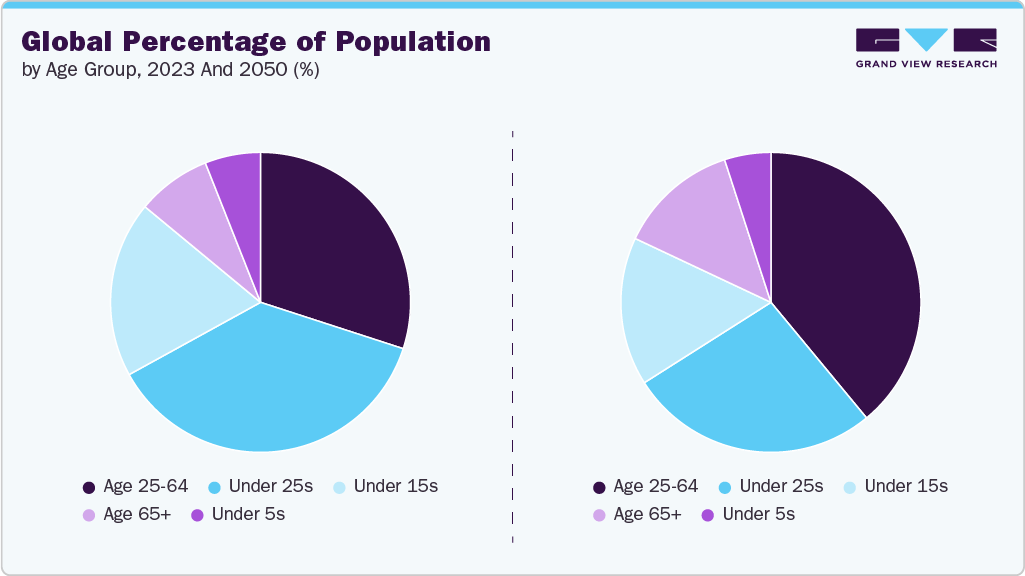
Aging Population and Trauma-Related Fractures
-
Fractures associated with osteoporosis: In patients over 60, osteoporosis accounts for about 25% of ankle and calcaneal fractures, frequently requiring specialized fixation plates and intramedullary nails.
-
Tendon degeneration: With an incidence of 5-10 per 100,000 per year, age-related tendon weakening raises the risk of traumatic Achilles ruptures, driving substantial demand for scaffolds and anchors for Achilles repair.
 To learn more about this report, Download Free Sample Report
Industry Innovation in MIS Devices
Company
Key MIS Innovations in F&A
Regional Adoption Patterns
Arthrex
PROstep MIS platform, SpeedBridge, FiberTak
Widely used in Spain, Italy, UAE
Stryker
PROstep Lapidus, Prophecy 3D planning, Infinity TAR
Strong uptake in UK & Germany
Smith+Nephew
INVISIKNOT Syndesmosis Repair
Growing traction in France & Saudi Arabia
Procedure Updates
Procedure Type
MIS Adoption Trend
Example Devices
Achilles Repair (Traumatic Rupture)
High (PARS, SpeedBridge)
FiberTak, PARS Jig, MIS SpeedBridge
Syndesmosis Repair / Ankle Fractures
High
INVISIKNOT, FiberTak
Advancements in Foot and Ankle Care: Global Technology, Patient-Centric Models, and Research Innovation
-
Technological Advancements in Foot and Ankle Trauma
-
Robotics and Computer Navigation: Robotic-assisted surgery is gradually being adopted worldwide in lower extremity injuries, especially for complex fracture fixation and reconstructive procedures. By increasing accuracy in implant positioning, plate alignment, and pin placement, these systems lower human error and assist to produce more reliable post-operative results. Surgeons can minimize revision surgeries and modify fixation strategies with the aid of computer navigation tools, providing real-time intraoperative feedback.
-
-
Artificial Intelligence (AI): AI is increasingly applied to trauma care in three key areas:
-
Imaging Interpretation: Deep learning algorithms applied to CT and MRI scans detect subtle fractures, syndesmotic injuries, and complex trauma patterns with high accuracy, aiding timely and precise treatment.
-
Predictive Modeling: AI tools forecast rehabilitation timelines after fractures or ligament injuries, enabling personalized post-trauma care and optimized recovery.
-
Surgical Planning: AI-driven simulations help surgeons select fixation devices, determine screw trajectories, and predict construct stability in severe ankle and midfoot trauma cases.
-
Market Dynamics
The foot and ankle trauma industry is driven by the increasing fractures and sports-related injuries, improvements in minimally invasive surgical methods, and the expanding use of regenerative adjuncts and bio inductive scaffolds to promote healing.
The rising incidence of sports-related injuries and road traffic accidents is a major driver of the global foot and ankle trauma market. Increasing participation in recreational and competitive sports has led to a higher number of fractures, ligament injuries, and other traumatic foot and ankle conditions requiring surgical intervention. According to the Elsevier B.V. article published in February 2024, the estimated incidence is around 142 cases per 100,000 individuals. Within this context, ankle fractures account for approximately 5-10% of all traumatic injuries sustained during sporting activities. This high prevalence of foot and ankle injuries underscores the critical need for advanced orthopedic solutions, driving the demand for innovative F&A devices across global markets, including the EMEA region. While athletes and physically active individuals increasingly seek effective treatments to reduce recovery time and prevent long-term complications, manufacturers are focusing on developing state-of-the-art implants, fixation systems, and surgical aids that address both performance and rehabilitation requirements.
Road traffic accidents further contribute to the growing need for foot and ankle trauma management worldwide. According to the WHO article published in May 2025, it causes approximately 1.19 million deaths annually and leaves 20-50 million individuals with non-fatal injuries. A substantial proportion of these fatalities involve vulnerable road users, including pedestrians, cyclists, and motorcyclists, who are particularly at risk of foot and ankle injuries. Road traffic incidents are the leading cause of trauma among children and young adults aged 5-29, while two-thirds of fatalities occur among individuals of working age (18-59 years), representing a substantial socio-economic burden.
The key restraint affecting the market is the stringent regulatory framework governing medical devices in the European Union. According to the European Commission article published in December 2025, the introduction of the EU Medical Device Regulation (EU MDR 2017/745) has significantly increased the regulatory requirements for medical device manufacturers, including those producing orthopedic implants and fixation systems used in foot and ankle procedures. Compared with the previous Medical Device Directive, the MDR requires more extensive clinical evidence, stricter safety evaluations, comprehensive technical documentation, and enhanced post market surveillance before devices obtain CE marking and be commercialized in the European market. While these measures are intended to improve patient safety and device transparency, they have also increased the complexity, cost, and approval timelines for manufacturers. For companies developing advanced orthopedic implants and surgical technologies, these requirements often require substantial investment in clinical trials, regulatory expertise, and compliance systems, which delay the introduction of innovative products to the market.
Emerging Robotics and AI Technologies Transforming Foot & Ankle Care
Technological innovation is reshaping the foot and ankle trauma market, with robotics, artificial intelligence (AI), digital planning platforms, and smart rehabilitation systems improving surgical precision, fracture management, post-operative recovery, and functional outcomes. While traditional trauma treatment relies on fixation devices such as plates, screws, and external fixators, next-generation robotic and AI-enabled solutions are increasingly supporting trauma surgeons throughout the patient care continuum—from pre-operative planning to rehabilitation.
1. Robotic-Assisted Surgery & Digital Planning
Advanced robotic technologies and digital surgical platforms are improving the planning and execution of complex foot and ankle trauma procedures, including fracture fixation, deformity correction, and total ankle replacement.
- Zimmer Biomet (ZBEdge Ecosystem): Zimmer Biomet integrates its Foot & Ankle portfolio with the ZBEdge digital ecosystem, enabling AI-assisted pre-operative planning, surgical navigation, and data-driven decision-making for complex ankle reconstruction, fracture management, and deformity correction.
- Stryker: Stryker combines its extensive foot and ankle trauma implant portfolio with advanced surgical planning technologies and computer-assisted workflows. The company also offers sophisticated hexapod external fixation systems that enable precise, gradual correction of complex fractures, limb deformities, and post-traumatic reconstruction.
2. Advanced Bionic Prosthetics for Post-Traumatic Limb Loss
For patients requiring amputation following severe lower-extremity trauma, next-generation robotic prostheses help restore mobility through intelligent movement control and adaptive gait technology.
- Össur (Proprio Foot): The Proprio Foot is a motorized, microprocessor-controlled prosthetic ankle that delivers active toe lift, automatic terrain adaptation, and real-time gait adjustments, helping amputees achieve safer and more natural walking.
- Ottobock (Empower Ankle): Ottobock's Empower Ankle provides battery-powered propulsion that closely mimics calf muscle function, reducing walking effort and improving mobility for patients recovering from traumatic limb loss.
- Axiles Bionics: Axiles Bionics utilizes AI-powered adaptive algorithms and sensor technology to continuously learn a patient's walking pattern, optimizing ankle movement and enhancing rehabilitation outcomes following lower-limb amputation.
3. Robotic Exoskeletons & Rehabilitation
Robotic rehabilitation technologies are playing an increasingly important role in restoring mobility after foot and ankle trauma surgery by supporting gait retraining, muscle strengthening, and functional recovery.
- BTL Industries (BTL EXO): The BTL EXO is a wearable robotic exoskeleton designed to coordinate movement across the hip, knee, ankle, and foot, enabling patients recovering from trauma to practice natural walking patterns during rehabilitation.
- Human in Motion Robotics: The company's lower-limb exoskeleton incorporates independently controlled hip, knee, and ankle joints, supporting gait rehabilitation for patients recovering from severe orthopedic injuries and lower-extremity trauma.
- Hurotics: Hurotics develops lightweight robotic exosuits that provide personalized ankle assistance and gait guidance, helping patients regain balance, mobility, and functional independence following foot and ankle injuries.
The integration of robotic-assisted surgical planning, AI-enabled prosthetics, and intelligent rehabilitation systems is enhancing the management of foot and ankle trauma. These technologies improve surgical accuracy, optimize fracture reconstruction, accelerate rehabilitation, and support better long-term functional outcomes, making them an important emerging trend in the global foot and ankle trauma market.
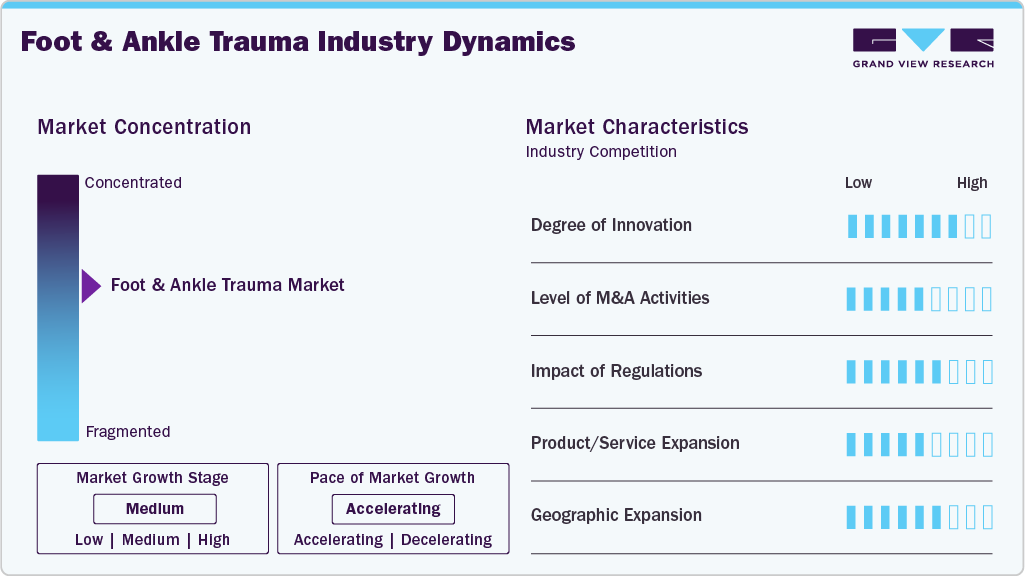
Market Concentration & Characteristics
Bioinductive scaffolds, less invasive implants, and enhanced imaging and navigation technologies are the primary fields of innovation in the foot and ankle trauma industry. These advancements aim to improve patient outcomes and increase surgical precision. Although there have been notable minor improvements, there haven't been many truly revolutionary discoveries. In October 2024, Paragon 28 launched the Phantom Fibula Nail System, providing a less invasive option for fibula fracture stabilization with instrumentation to facilitate anatomic reduction and optional syndesmotic fixation using R3FLEX or R3ACT systems.
Larger orthopedic firms buy smaller, specialized businesses to expand their product offerings and gain more rapid exposure to the latest innovations. These mergers and acquisitions are generally strategic and moderate in nature. Rather than being extensive, activity is selective, indicating a cautious approach to growth. These deals assist businesses in covering gaps in their biologics, trauma implant, and adjunctive therapy portfolios. In April 2025, Zimmer Biomet completed the acquisition of Paragon 28, a notable player in lower extremity orthopedic devices, making Paragon an officially owned subsidiary. This consolidates Zimmer Biomet’s presence in ankle trauma solutions and broadens its surgical portfolio globally.
 To learn more about this report, Download Free Sample Report
Regulatory supervision is crucial for the creation and launch of new goods. Authorities including the FDA and CE Mark have strict evaluation and approval requirements for biologics and advanced implants. Launch schedules and adoption rates are strongly impacted by adherence to safety and efficacy standards. While novel regenerative and scaffold-based solutions are increasingly being examined, traditional trauma devices, such as traditional plates and screws, encounter relatively fewer obstacles.
Firms are expanding the range of their products to include postoperative rehabilitation programs, digital surgical support, and surgeon training. Enhancing adoption, expediting treatment pathways, and fostering stronger professional ties with surgeons are the goals of these initiatives. Although the integration of these services continues to proceed gradually, it is anticipated to grow as providers look for more comprehensive solutions. In September 2023, Orthofix Medical Inc. rolled out its Galaxy Fixation Gemini system across the U.S., offering ready-to-use sterile kits for managing fractures caused by trauma, with specific solutions for ankle and other limb injuries.
Increased expansion into emerging markets such as Asia-Pacific and Latin America, where rising injury rates and evolving healthcare systems are generating new demand, driving growth. These areas' adoption still trails more developed markets such as Western Europe and North America. Businesses are supporting regional growth through targeted infrastructure investments, training programs, and distributor relationships. As long as clinical education and facility capabilities continue to advance, it is expected that the use of advanced trauma solutions is expected to increase gradually.
Analyst Perspective
The global foot and ankle trauma market is growing due to rising road accidents, sports injuries, workplace trauma, falls, and age-related bone disorders. Increasing fracture cases and adoption of advanced fixation technologies are driving demand for improved stabilization, faster recovery, and reduced complications. Competition is driven by innovations in fixation systems, minimally invasive techniques, and anatomically designed implants. The shift toward outpatient procedures and value-based healthcare is increasing demand for cost-effective solutions, while companies with broad portfolios, advanced technologies, strong surgeon engagement, and global reach are positioned for competitive advantage.
Product Insights
By product, the fibula fixation & syndesmosis repair systems segment held the largest market share of 39.1% in 2025. This rapid growth is driven by rising awareness of syndesmotic injuries, advancements in minimally invasive surgical techniques, and the development of novel fixation systems that offer enhanced stability and faster rehabilitation. This growth is further supported by increasing adoption of pre-contoured plates and suture-button devices, which improve surgical precision and patient outcomes in distal limb conditions. In September 2024, Paragon 28 launched the R3FLEX Stabilization System, designed to anatomically repair ankle syndesmotic injuries and restore stability after fractures or high ankle sprains.
The talus trauma fixation systems segment is expected to witness fastest growth over the forecast period from 2026-2033, driven by the need for anatomic reduction and stable fixation in complex and often comminuted talus fractures, where conventional screw fixation may be supplemented with mini-fragment or anatomically contoured plates to restore alignment and prevent collapse. For instance, talar neck and comminuted body fractures may be treated using lateral mini-fragment plates combined with interfragmentary or countersunk screws, while spring plates and small buttress plates can be used to secure small articular fragments. The segment therefore benefits from continued adoption of low-profile, anatomically contoured, locking and mini-fragment fixation systems that provide greater flexibility in addressing complex fracture patterns while minimizing soft-tissue irritation.
Application Insights
By application, ankle segment held the largest market share of 25.0% in 2025. The dominance of this segment is driven by the high incidence of ankle injuries, increasing participation in sports activities, and the widespread use of advanced surgical implants and fixation systems that improve recovery outcomes.In February 2025, Bioretec received CE mark approval for its RemeOs Trauma Screw product group, enabling treatment of ankle trauma in adults and children across Europe, supporting bone healing and eliminating the need for removal surgery.
The talus segment is anticipated to grow at the fastest CAGR over the forecast period,due to rising awareness of talus fractures, the complexity of surgical management, and the introduction of specialized implants designed to enhance stability and healing.In December 2023, PGI doctors treated misaligned ankle trauma involving talus fractures using computer-aided 3D modelling, mirroring the healthy foot to guide surgery. They corrected 8 cases and received a bronze medal at the AO Trauma Research Olympics in Davos.
End Use Insights
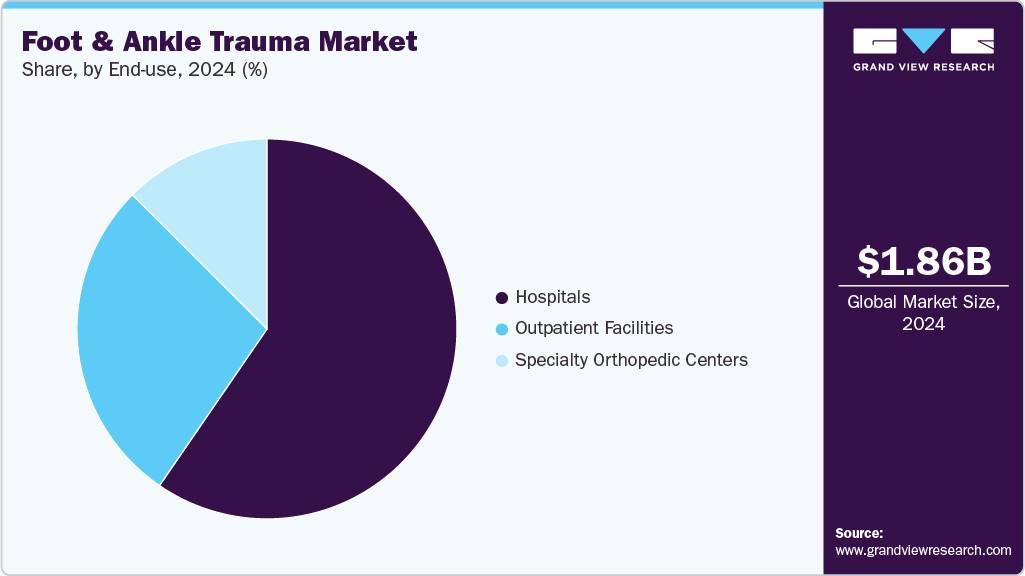
By end use the Hospitals (Trauma Centers) segment held the largest market share of 59.0% in 2025. This dominance is attributed to the availability of specialized orthopedic departments, advanced surgical facilities, and the presence of experienced surgeons capable of performing complex lower extremity procedures.In May 2024, with lateral ankle ligament reconstruction, Fortis Hospital Mohali successfully treated athletes with sports-related ankle trauma, including a 21-year-old kabaddi player who had continuing ankle instability. The procedure restored stability after repeated sprains, enabling the patient to resume athletic activities, highlighting the hospital’s expertise in corrective surgeries for ankle trauma.
 To learn more about this report, Download Free Sample Report
The Outpatient Facilities (Ambulatory Surgical Centers, etc.) segment and is expected to witness the fastest growth during the forecast period, due to increasing adoption of minimally invasive procedures, shorter recovery times, and the growing trend of day-care surgeries for lower extremity injuries.The rising preference for outpatient care is driven by improved patient convenience, reduced hospital stays, and enhanced efficiency in managing distal limb condition cases.In June 2025, HSS at NCH opened a new outpatient musculoskeletal surgery center in North Naples, FL, offering comprehensive orthopedic care, including foot, ankle, trauma surgery, and joint replacements in a modern facility.
Regional Insights
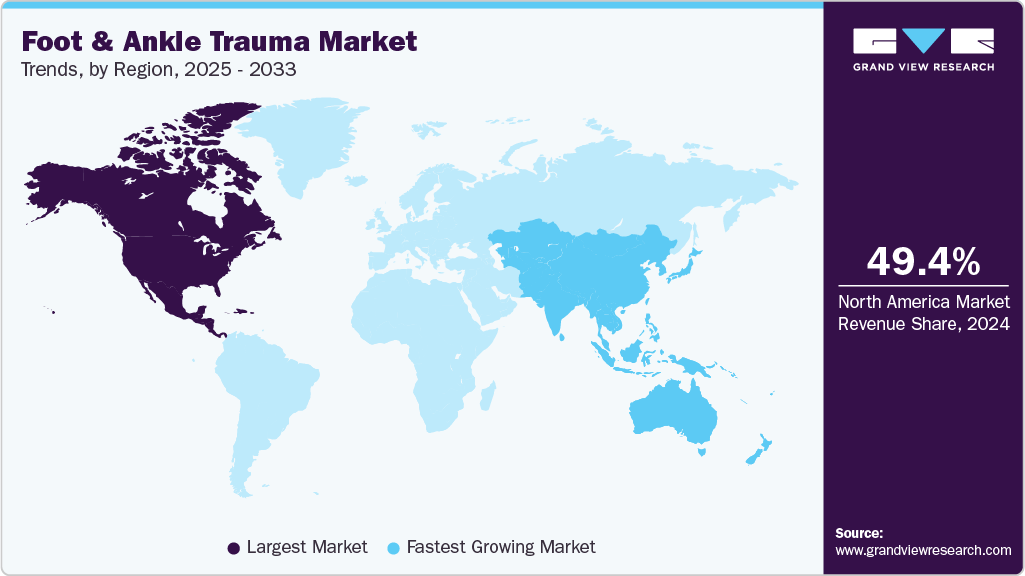
North America dominated the foot and ankle trauma market with the largest revenue share of 47.8% in 2025. It is driven by the high incidence of fractures and sports-related injuries, the early adoption of minimally invasive surgical techniques, and advanced healthcare infrastructure. Strong reimbursement programs, widespread access to the newest implants, and surgical support contributed to market leadership. The Mayo Clinic reported favorable outcomes and high patient satisfaction with the Bridle procedure for trauma-related foot drop in June 2024. A split posterior tibial tendon transfer is used in the procedure to help patients regain ankle dorsiflexion and lessen their need for braces. Patients with trauma-induced foot drop from knee or pelvis injuries due to accidents experienced improved gait and functional recovery.
 To learn more about this report, Download Free Sample Report
U.S. Foot And Ankle Trauma Market Trends
The foot and ankle trauma market in the U.S. held the largest share in the North America region in 2025. The high adoption of the latest surgical techniques, complex orthopedic healthcare facilities, and a substantial patient base are contributing factors. The need for trauma interventions is growing as a result of an aging population and an increase in sports injuries. In February 2024, the American Orthopaedic Foot & Ankle Society (AOFAS) highlighted that lower extremity orthopaedic surgeons are underutilized in diabetic foot care and trauma management. The report highlighted their proficiency in both surgical and non-surgical treatment, the growing demand for high-quality care because diabetes is so common in the U.S., and the significance of education, multidisciplinary care, and early intervention to avoid complications, including ulcers, amputations, and injuries from trauma.
Europe Foot And Ankle Trauma Market Trends
The foot and ankle trauma market in Europe is expected to grow at a significant CAGR over the forecast period.It is driven by a rise in sports-related injuries, a greater understanding of the importance of early intervention, and the application of less invasive surgical methods. The development of healthcare infrastructure and the increasing availability of functional implants globally support growth. A December 2024 article in the Journal of Clinical Medicine states that traffic accidents, the workplace, and sports are the primary causes of trauma for a significant percentage of the population. It stated that a substantial number of patients require surgery for lower extremity injuries, which are a major cause of orthopedic emergency admissions.
The UK foot and ankle trauma market is expected to grow at a significant CAGR during the forecast period. The primary factors driving this market are fractures, sports injuries, and an aging population in need of trauma care. The effectiveness of treatment is being supported by the use of advanced surgical implants and regenerative adjuncts. An article about chronic lateral ankle instability (CLAI) was published in the Journal of Clinical Orthopaedics and Trauma in December 2023. According to the report, the prevalence of CLAI rises to 46% in patients who have previously suffered an ankle sprain, and it can occur in as many as 40% of patients with lateral ligament injuries. The burden in active populations such as the UK, where 5,600 acute ankle sprains are reported to emergency rooms every day, was brought to light in the article.
Asia Pacific Foot And Ankle Trauma Market Trends
The foot and ankle trauma market in the Asia Pacific is expected to grow at a significant CAGR over the forecast period. With the help of growing healthcare infrastructure, increased sports participation, and rising disposable income, the Asia Pacific lower extremity injury industry is anticipated to grow at the fastest rate during the forecast period. These significant variables are the increasing availability of minimally invasive procedures and the growing awareness of trauma care. In May 2023, Zimmer Biomet revealed its acquisition of OSSIS, a private company focused on medical devices that specializes in customized 3D-printed implants and intricate hip replacement procedures, including those involving revisions for bone tumors and trauma situations.
The China foot and ankle trauma market is anticipated to register at a considerable CAGR during the forecast period.Rapid urbanization, a rise in fractures, and an increase in the need for sophisticated surgical implants are the primary drivers. Adoption of digital surgical solutions and increased awareness of early intervention are two major growth drivers. In November 2024, an open-access review in Foot & Ankle Clinics highlighted chronic ankle instability (CAI) with emphasis on trauma-related ligament injuries. Anatomic repair or reconstruction of the anterior talofibular and, if necessary, calcaneofibular ligaments is the primary form of treatment. Proprioceptive training and rehabilitation constitute a part of the treatment, and arthroscopic procedures have been shown to improve functional outcomes, reduce stiffness, and lower the risk of secondary osteoarthritis.
Latin America Foot And Ankle Trauma Market Trends
The foot and ankle trauma market in Latin America is anticipated to grow at the fastest CAGR over the forecast period. It is driven by the growth of healthcare facilities, an increase in sports injuries, and an increase in orthopedic awareness. Growing investments in surgical facilities and training programs are supporting procedural efficiency. Economic development in key countries is improving patient access to advanced trauma care. According to a November 2023 article in Injury, the overall malreduction rate for ankle fractures in two Brazilian trauma centers was 22.2%. Patients over 60 years of age, open fractures, and fracture-dislocations were at higher risk, underscoring the difficulties in achieving the best anatomical reduction in lower extremity injuries.
The Argentina foot and ankle trauma market is anticipated to register at a considerable CAGR during the forecast period.This is owing to more people having access to contemporary surgical methods, and sports-related injuries and fractures are on the rise. The growth of orthopedic clinics and hospitals is supporting better treatment results. Minimally invasive techniques and regenerative solutions are growing in popularity. Government initiatives to improve healthcare services and infrastructure are expected to drive further market growth.
Middle East And Africa Foot And Ankle Trauma Market Trends
The foot and ankle trauma market in the Middle East and Africais anticipated to witness at a considerable CAGR over the forecast period.Growing orthopedic infrastructure, an increase in sports injuries, and rising healthcare spending all support it. Adoption of contemporary implants and awareness of advanced trauma care are steadily rising. Access to specialized trauma services is being improved by the region's growing medical tourism industry. The Journal of Orthopaedic Surgery and Research reported in December 2024 that lower extremity injury surgeries, primarily for fractures from traffic accidents, accounted for a significant amount of orthopaedic trauma costs in Saudi Arabia. Young males (less than 21 years old) accounted for the greatest number of cases and related costs.
The UAE foot and ankle trauma market is anticipated to register considerable growth during the forecast period. An increase in fractures, sports participation, and investments in medical facilities drives the market. Treatment effectiveness is supported by the availability of the latest surgical implants and minimally invasive procedures. The market is growing as a result of the expansion of orthopedic specialty centers and surgeon training programs. In January 2024, Auxein Medical showcased its advanced orthopaedic implants and innovative products specifically for lower extremity procedures at Arab Health, held in Dubai. The company emphasized its commitment to minimally invasive surgical techniques, presenting a new Trauma range that includes specialized implants for foot arthrodesis.
Key Foot And Ankle Trauma Company Insights:
Key participants in the foot and ankle trauma industry are focusing on devising innovative business growth strategies, such as expanding their product portfolios, partnerships and collaborations, mergers and acquisitions, and expanding their business footprints.
Key Foot And Ankle Trauma Companies:
The following key companies have been profiled for this study on the foot and ankle trauma market.
- Smith+Nephew
- Arthrex, Inc.
- DePuy Synthes (Johnson & Johnson)
- CONMED Corporation
- Stryker
- Globus Medical
- Atreon Orthopedics
- Zimmer Biomet
- Osteocare Medical Pvt Ltd.
- Auxein
Competitive Benchmarking
Category
Operating Strategies
Competitive Edge
Weakness
Established Players (Smith+Nephew, DePuy Synthes (Johnson & Johnson), Stryker, Zimmer Biomet, Globus Medical)
- Expand foot and ankle trauma portfolios through continuous innovation in fracture fixation systems, strategic acquisitions, surgeon training initiatives, and global distribution network expansion. Invest in advanced plating systems, intramedullary fixation devices, compression technologies, minimally invasive trauma solutions, and biologics to improve fracture management and surgical outcomes. Focus on developing comprehensive trauma ecosystems that address ankle fractures, calcaneal fractures, talus injuries, syndesmotic repairs, and complex lower extremity trauma cases.
- Strong global brand recognition, extensive clinical validation, broad trauma and orthopedic portfolios, and established relationships with Hospitals (Trauma Centers), trauma centers, and orthopedic surgeons. Significant R&D capabilities, regulatory expertise, manufacturing scale, and comprehensive sales networks enable widespread adoption across diverse trauma care settings worldwide.
- High product development and regulatory compliance costs can impact profitability and pricing flexibility. Premium-priced fixation systems and advanced trauma technologies may face adoption challenges in cost-sensitive healthcare markets. Competitive pricing pressure from healthcare procurement organizations can also affect margins.
Emerging & Specialized Players (Arthrex, Inc., CONMED Corporation, Atreon Orthopedics, Osteocare Medical Pvt Ltd., Auxein)
- Focus on specialized foot and ankle trauma solutions including fracture fixation systems, minimally invasive implants, extremity trauma devices, and procedure-specific surgical instruments. Leverage niche expertise, surgeon-focused product development, flexible manufacturing capabilities, and regional expansion strategies to strengthen competitive positioning and address specific clinical needs in trauma management.
- Greater agility in responding to evolving surgical techniques and emerging clinical requirements within foot and ankle trauma care. Ability to rapidly introduce specialized products, provide focused surgeon education, offer customized procedural solutions, and address unmet needs in fracture fixation and trauma reconstruction applications.
- Limited global scale, narrower product portfolios, and lower financial resources compared to multinational orthopedic leaders. Smaller distribution networks, reduced bargaining power, and lower brand visibility may restrict penetration into large hospital systems, trauma networks, and multinational procurement contracts.
Recent Developments
-
In October 2024, Globus Medical expanded its orthopedic trauma portfolio with several new systems, including the TENSOR Suture Button System. This system is compatible with ANTHEM Ankle and One-Third Tubular Plates, providing surgeons with a comprehensive ankle repair solution for syndesmotic injuries.
-
In August 2024, The TriLEAP Lower Extremity Anatomic Plating System was unveiled in the U.S. by DePuy Synthes, a division of Johnson & Johnson MedTech. This system includes streamlined titanium plates designed for specific trauma and foot and ankle restoration treatments.
-
In March 2022, Acumed launched its Ankle Syndesmosis Repair System with Acu-Sinch Knotless flexible fixation technology, designed with surgeons to address trauma-related syndesmotic disruptions of the tibiofibular joint. The system enables dynamic stabilization, integrates with Acumed and OsteoMed fibula fixation plates and nails, and expands the company’s foot and ankle trauma portfolio.
Foot And Ankle Trauma Market Report Scope
Report Attribute
Details
Market size in 2025
USD 2.0 billion
Estimated market size in 2026
USD 2.1 billion
Projected market size by 2033
USD 3.3 billion
Growth rate
CAGR of 6.8% from 2026 to 2033
Historical data
2021 - 2024
Forecast period
2026 - 2033
Quantitative units
Revenue in USD million/billion and CAGR from 2026 to 2033
Report coverage
Revenue forecast, company ranking, competitive landscape, growth factors, and trends
Segments covered
Product, application, end use, and region
Regional scope
North America; Europe; Asia Pacific; Latin America; MEA
Country scope
U.S.; Canada; Mexico; Germany; UK; France; Italy; Spain; Norway; Denmark; Sweden; China; Japan; India; South Korea; Australia; Thailand; Brazil; Argentina; Saudi Arabia; South Africa; UAE; Kuwait
Key companies profiled
Smith+Nephew; Arthrex, Inc.; DePuy Synthes (Johnson & Johnson); CONMED Corporation; Stryker; Globus Medical; Atreon Orthopedics; Zimmer Biomet; Osteocare Medical Pvt Ltd.; Auxein
Customization scope
Free report customization (equivalent up to 8 analysts' working days) with purchase. Addition or alteration to country, regional & segment scope.
Pricing and purchase options
Avail customized purchase options to meet your exact research needs. Explore purchase options
Global Foot And Ankle Trauma Market Report Segmentation
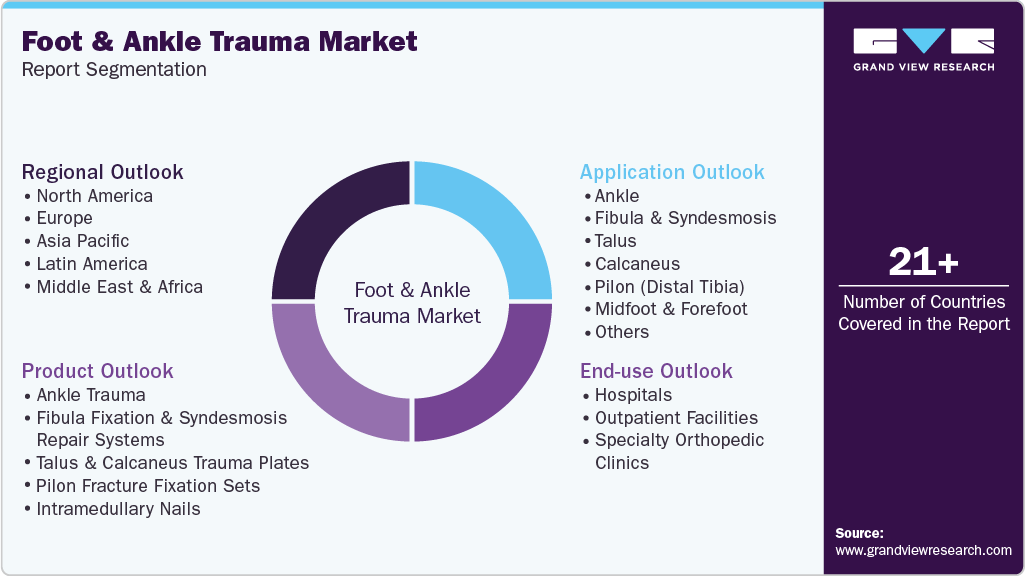
This report forecasts revenue growth and provides at the global, regional, and country levels an analysis of the latest trends in each of the sub-segments from 2021 to 2033. For this report, Grand View Research has segmented the global foot and ankle trauma market report based on product, application, end use, and region:
 To learn more about this report, Download Free Sample Report
-
Product Outlook (Revenue USD Million, 2021 - 2033)
-
Ankle Trauma
-
Fibula fixation and syndesmosis repair systems
-
Talus and calcaneus trauma plates
-
Pilon fracture fixation sets
-
Intramedullary nails
-
-
Application Outlook (Revenue USD Million, 2021 - 2033)
-
Ankle
-
Fibula & Syndesmosis
-
Talus
-
Calcaneus
-
Pilon (Distal Tibia)
-
Midfoot & Forefoot
-
Others
-
-
End Use Outlook (Revenue USD Million, 2021 - 2033)
-
Hospitals
-
Outpatient Facilities
-
Specialty Orthopedic Clinics
-
-
Regional Outlook (Revenue, USD Million, 2021 - 2033)
-
North America
-
U.S.
-
Canada
-
Mexico
-
-
Europe
-
UK
-
Germany
-
France
-
Italy
-
Spain
-
Denmark
-
Sweden
-
Norway
-
-
Asia Pacific
-
Japan
-
China
-
India
-
Australia
-
South Korea
-
Thailand
-
-
Latin America
-
Brazil
-
Argentina
-
-
Middle East & Africa
-
South Africa
-
Saudi Arabia
-
UAE
-
Kuwait
-
-
Research Methodology
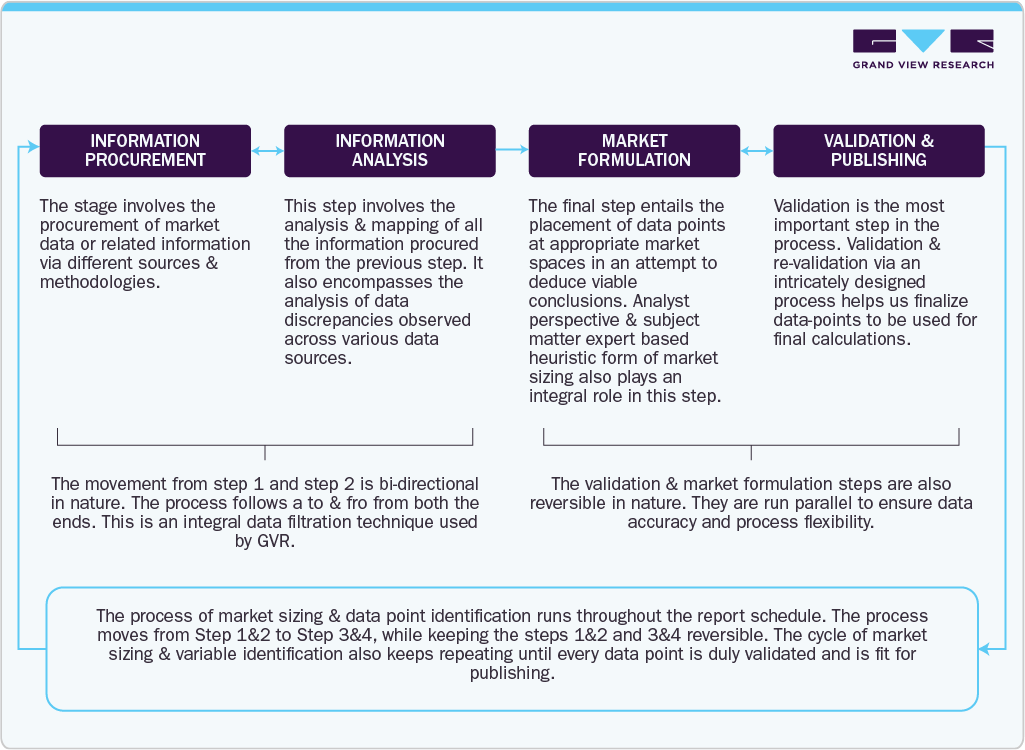
The foot and ankle trauma market figures in this report are based on a proven research process that combines executive interviews with secondary research from proprietary databases, company filings, and recognized regulatory and institutional sources. Market size is built through value-chain sizing - reconciling supply-side and demand-side estimates - and triangulated with bottom-up and top-down approaches. Every estimate passes multiple levels of expert validation before publication, with each foot and ankle trauma segment quantified using the revenue-capture definitions in the table below.
Segment Definition
Segment - Product
Revenue capture definition
Ankle Trauma
A broad category of trauma fixation devices used to treat fractures, dislocations, and traumatic injuries involving the ankle joint. These systems are designed to restore anatomical alignment, provide stable fixation, and facilitate bone healing following injury.
Fibula Fixation and Syndesmosis Repair Systems
Implant systems including plates, screws, locking fixation devices, and suture-button constructs used to stabilize fibular fractures and repair syndesmotic injuries that affect ankle stability and function.
Talus and Calcaneus Trauma Plates
Specialized fixation plates and screw systems designed for the treatment of fractures involving the talus and calcaneus bones. These implants provide stable fixation while accommodating the complex anatomy of the hindfoot.
Pilon Fracture Fixation Sets
Comprehensive fixation systems used to treat pilon fractures involving the distal tibia and ankle articular surface. These sets typically include anatomically contoured plates, screws, and instrumentation designed for complex fracture reconstruction.
Intramedullary Nails
Metal rod implants inserted into the medullary canal of bones such as the tibia or hindfoot to stabilize fractures. Intramedullary nails provide strong internal fixation while minimizing soft tissue disruption and supporting early mobilization.
Segment - Application
Revenue capture definition
Ankle
Refers to the use of trauma fixation devices for fractures and injuries affecting the ankle joint, including medial, lateral, and posterior malleolar fractures as well as complex ankle fracture patterns.
Fibula & Syndesmosis
Includes procedures involving fixation of fibular fractures and repair of syndesmotic ligament injuries that compromise ankle stability. Treatment commonly utilizes plates, screws, and dynamic fixation devices.
Talus
Encompasses trauma management of talar fractures, including fractures of the talar neck, body, and processes. These injuries often require specialized fixation systems due to the talus's unique anatomy and blood supply considerations.
Calcaneus
Covers the treatment of calcaneal (heel bone) fractures using trauma plates, screws, and fixation constructs designed to restore heel anatomy, joint congruity, and weight-bearing function.
Pilon (Distal Tibia)
Refers to the surgical fixation of distal tibial fractures involving the ankle joint surface. These injuries are often high-energy fractures that require advanced fixation techniques to restore alignment and joint integrity.
Midfoot & Forefoot
Includes trauma procedures involving fractures and dislocations of the midfoot and forefoot structures, such as metatarsals, cuneiforms, cuboid, navicular, and Lisfranc injuries.
Others (Navicular, Toe / Phalanx fractures, etc.)
Includes trauma treatments for less common foot and ankle injuries involving multiple fracture sites, hindfoot trauma, revision procedures, pediatric trauma cases, and other specialized indications.
Segment - End Use
Revenue capture definition
Ankle
Refers to the use of trauma fixation devices for fractures and injuries affecting the ankle joint, including medial, lateral, and posterior malleolar fractures as well as complex ankle fracture patterns.
Fibula & Syndesmosis
Includes procedures involving fixation of fibular fractures and repair of syndesmotic ligament injuries that compromise ankle stability. Treatment commonly utilizes plates, screws, and dynamic fixation devices.
Talus
Encompasses trauma management of talar fractures, including fractures of the talar neck, body, and processes. These injuries often require specialized fixation systems due to the talus's unique anatomy and blood supply considerations.
Estimation Model
 To learn more about this report, Download Free Sample Report
Market-specific Research Models
Consensus-Based Estimates & Forecasting
The foot and ankle trauma market presents emerging to dominant opportunities, featuring global key players such as Smith+Nephew; Arthrex, Inc.; DePuy Synthes (Johnson & Johnson); CONMED Corporation; Stryker; Globus Medical; Atreon Orthopedics; Zimmer Biomet; Osteocare Medical Pvt Ltd.; Auxein. To ensure a holistic approach, the GVR research team adopted a comprehensive methodology, considering multiple companies worldwide and utilizing various variables for data accuracy.
Our methodology included:
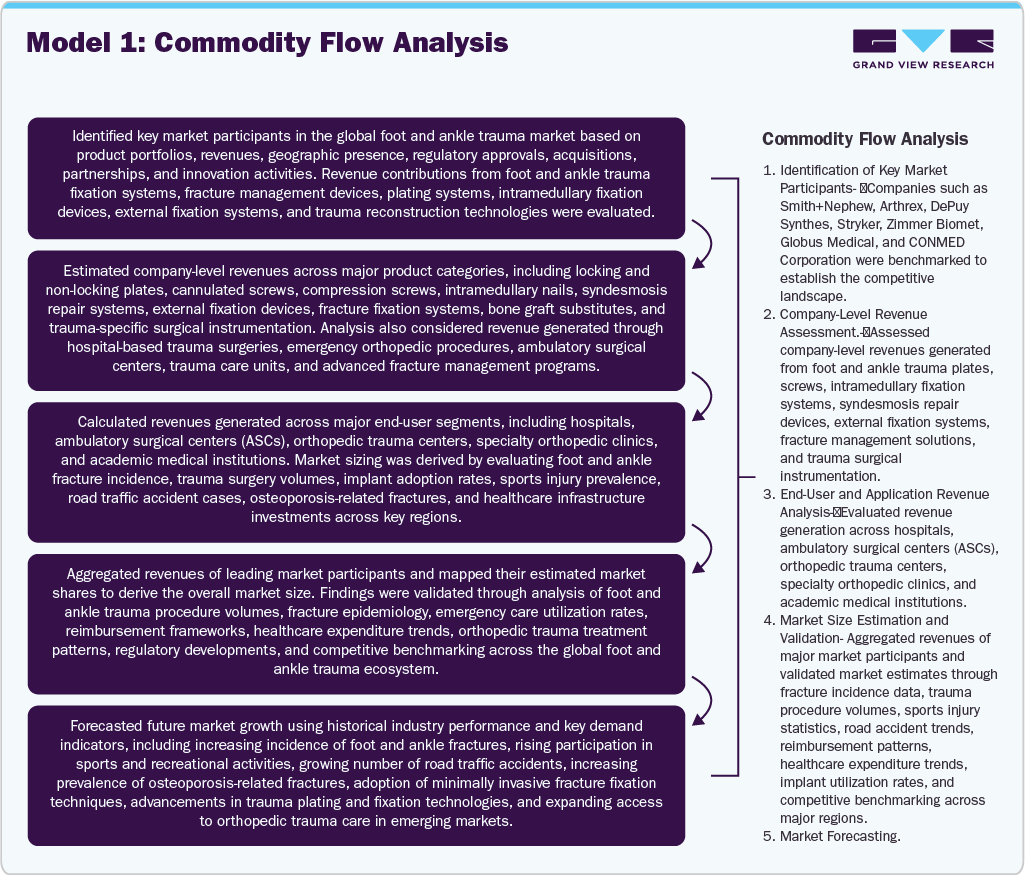
Model 1: Commodity Flow Analysis - For public players, annual reports were referenced. For private players, premium paid data sources such as S&P Global, Crunchbase, ZoomInfo, RocketReach, etc., were used for the latest revenue insights.
Model 2: Parent Market Analysis
Model 3: Country-level Multivariate Analysis Assumptions
Model 4: Segment-level Multivariate Analysis Assumptions
Model 5: Foot and Ankle Trauma Market CAGR Calculations
Model 1: Commodity Flow Analysis
 To learn more about this report, Download Free Sample Report
Commodity flow analysis was employed to track the movement of foot and ankle trauma through the value chain, from technology providers to end users. This analysis provided insights into demand generation points, intermediary roles, and ultimate consumption patterns.
Delivered Customizations
This report has been delivered with the following In-depth customizations
Client Request
Customization Delivered
Value Adds
Foot & Ankle Trauma Device Adoption & Fracture Management Analysis
Developed a tailored analysis of the global foot and ankle trauma market focused on trauma fixation devices, plates, screws, intramedullary nails, external fixation systems, syndesmosis repair systems, and biologic adjuncts used in the treatment of foot and ankle fractures and traumatic injuries. The study assessed adoption trends across hospitals, trauma centers, orthopedic specialty clinics, and ambulatory surgical centers (ASCs) while evaluating the impact of rising road traffic accidents, sports injuries, workplace trauma, and an aging population susceptible to fragility fractures on market growth.
Enables stakeholders to understand evolving trauma care trends, identify high-growth fixation device categories, assess procedure volume opportunities, and evaluate the impact of injury incidence, technological advancements, and healthcare infrastructure development on long-term market expansion.
Trauma Fixation Technologies, Surgical Innovation & Clinical Outcomes Assessment
Delivered a customized evaluation of foot and ankle trauma treatment across ankle fractures, calcaneal fractures, talus fractures, pilon fractures, metatarsal fractures, and complex foot reconstruction procedures. The analysis assessed advancements in locking plate technologies, minimally invasive fixation techniques, anatomically contoured implants, bioabsorbable fixation materials, patient-specific solutions, and intraoperative imaging technologies. Additionally, it evaluated clinical outcomes, fracture healing rates, complication management, revision procedures, and surgeon adoption patterns supporting improved patient recovery and functional restoration.
Provides actionable insights into commercially attractive trauma segments, emerging orthopedic fixation technologies, changing clinical requirements, and growth opportunities associated with enhanced surgical precision, reduced recovery times, improved fracture stabilization, and increasing adoption of advanced trauma management solutions.
Orthopedic Trauma Infrastructure, Regulatory Environment & Competitive Landscape Assessment
Conducted a focused assessment of the foot and ankle trauma ecosystem, including implant manufacturing, supply chain dynamics, distribution networks, reimbursement frameworks, regulatory approval pathways, hospital procurement practices, and competitive positioning. The analysis evaluated market access barriers, pricing pressures, product innovation strategies, surgeon training requirements, technology adoption trends, quality compliance standards, and competitive differentiation initiatives among leading trauma device manufacturers.
Supports strategic planning for product development, manufacturing investments, healthcare partnerships, geographic expansion, regulatory compliance, and market entry initiatives by identifying demand drivers, operational challenges, reimbursement trends, revenue opportunities, and competitive advantages across the global foot and ankle trauma value chain.
Frequently Asked Questions About This Report
The global foot and ankle trauma market size was valued at USD 2.0 billion in 2025 and is estimated at USD 2.1 billion for 2026.
The global foot and ankle trauma market is expected to grow at a CAGR of 6.8% from 2026 to 2033, reaching USD 3.3 billion by 2033.
Some key players operating in the foot and ankle trauma market include Smith+Nephew; Arthrex, Inc.; DePuy Synthes (Johnson & Johnson); CONMED Corporation; Stryker; Globus Medical; Atreon Orthopedics; Zimmer Biomet; Osteocare Medical Pvt Ltd.; Auxein
The foot and ankle trauma industry is driven by the increasing fractures and sports-related injuries, improvements in minimally invasive surgical methods, and the expanding use of regenerative adjuncts and bio inductive scaffolds to promote healing.
The fibula fixation & syndesmosis repair systems segment led with a 39.1% revenue share in 2025, while talus trauma fixation systems is the fastest-growing segment.
North America dominated with a 47.8% revenue share in 2025.
The hospitals (trauma centers) segment led with a 59.0% revenue share in 2025, while outpatient facilities (Ambulatory Surgical Centers, etc.) is the fastest-growing segment.
The ankle segment led with a 25.0% revenue share in 2025, while talus is the fastest-growing segment.
Latin America is the fastest-growing region over the forecast period.
About the Author(s)
Medical Devices Research Team
Healthcare · Medical DevicesThis report was authored by the medical devices research team at Grand View Research - comprising two research analysts, one senior research analyst, and one industry expert - with specialized expertise in the medical devices segment of the healthcare industry. All findings are based on proprietary healthcare databases, executive interviews, and regulatory analysis, subject to internal peer review prior to publication.
Last Updated:
Speak to Analyst

Customize this report to your needs - add regions, segments, or data points, with 20% free customization.
Or view our licence options:


ISO 9001:2015 & 27001:2022 Certified
We are GDPR and CCPA compliant! Your transaction & personal information is safe and secure. For more details, please read our privacy policy.


