
- Home
- »
- Biotechnology
- »
-
Hollow Fiber Filtration Market Size, Share Report, 2026-2033GVR Report cover

Hollow Fiber Filtration Market (2026 - 2033)
Size, Share & Trends Analysis Report By Membrane Material (Polysulfone, Mixed Cellulose Ester), By Process, By Technology, By Application, By End Use, By Region, And Segment Forecasts
Market Size, 2025
$0.9BMarket Estimate, 2026
$1.0BMarket Forecast, 2033
$2.7BCAGR, 2026–2033
14.9%Hollow Fiber Filtration Market Summary
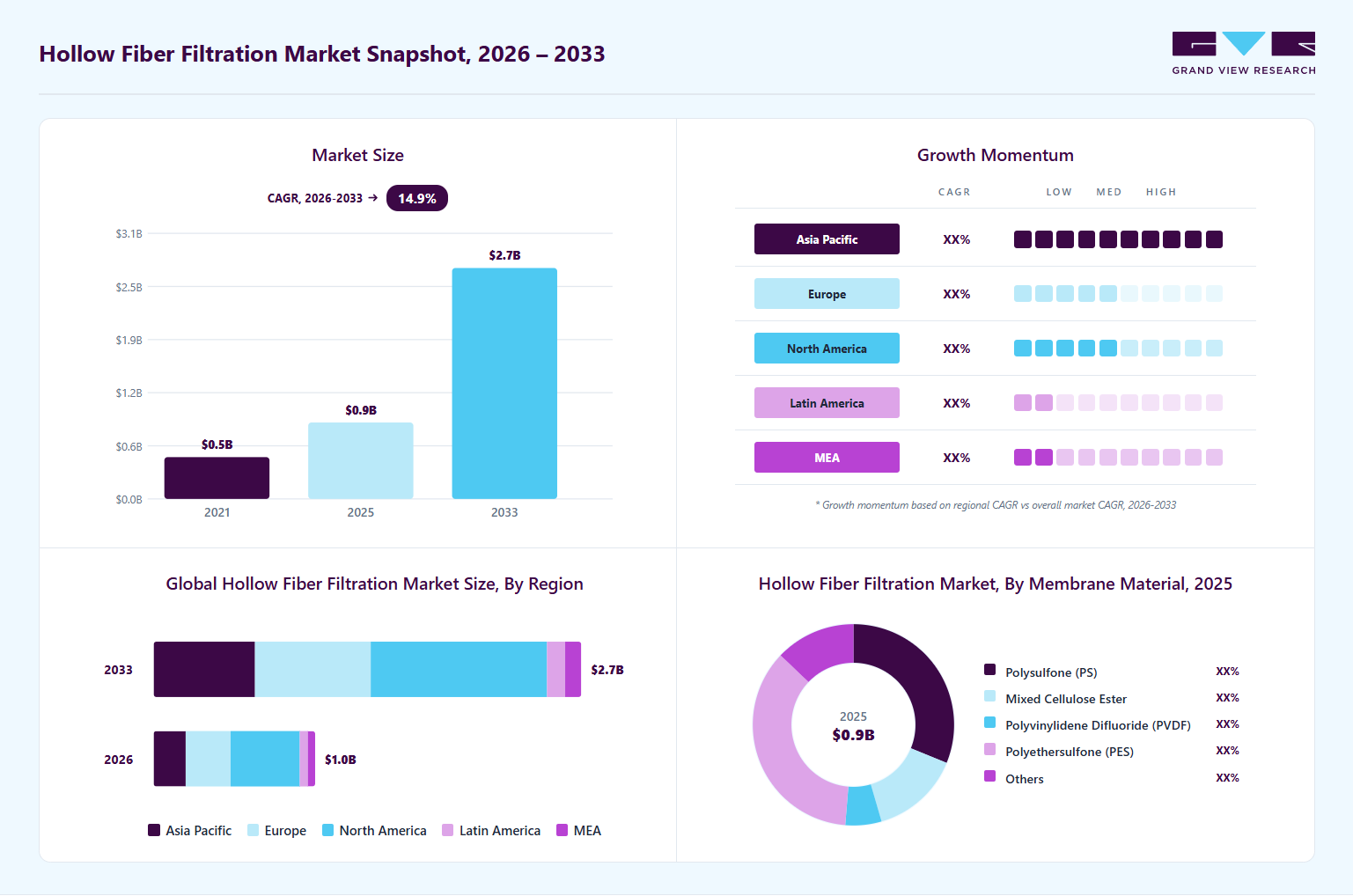
The global hollow fiber filtration market size was valued at USD 0.9 billion in 2025 and is projected to grow from USD 1.0 billion in 2026 to USD 2.7 billion by 2033, growing at a CAGR of 14.9% from 2026 to 2033. The market in North America dominated with a revenue share of 42.7% in 2025. The global market is expanding as a result of aspects such as a growing inclination towards continuous manufacturing, increased use of single-use techniques, and increased expenditure on cell-based technology.
 Source: Grand View Research, IR Documents, Primary Interviews, Paid DatabasesTo learn more about this report,
 Download Free Sample Report
Key Market Trends & Insights
- By membrane material: Polyethersulfone (PES) segment led the market with the largest revenue share of 35.8% in 2025.
- By process: Reusable hollow fiber membranes segment led the market with the largest revenue share of 53.1% in 2025.
- By technology: Microfiltration segment led the market with the largest revenue share of 51.5% in 2025.
- By application: Protein concentration & diafiltration segment led the market with the largest revenue share of 30.3% in 2025.
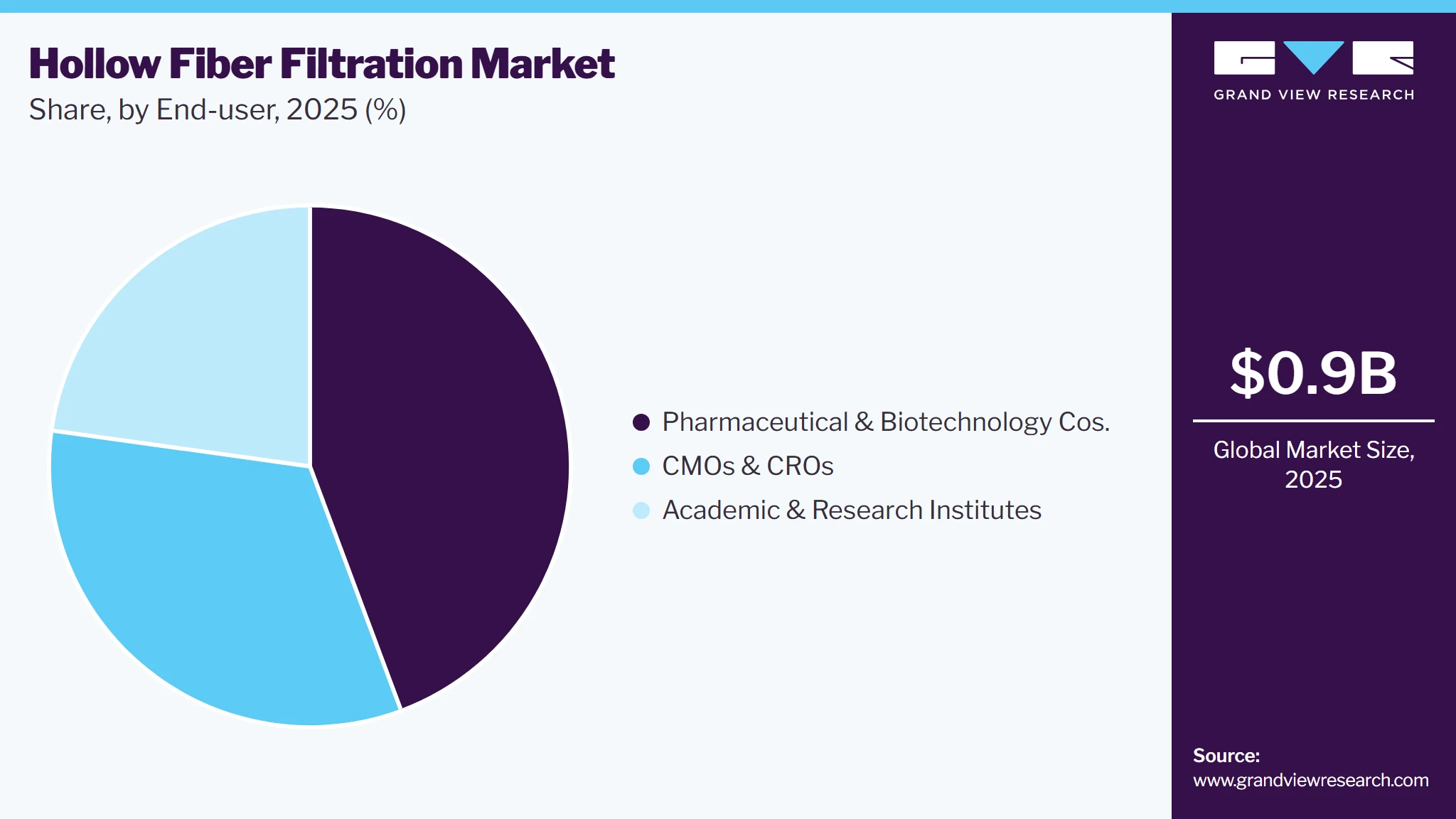
- By end-user: Pharmaceutical & biotechnology companies segment led the market with the largest revenue share of 44.3% in 2025.
Regional Highlights
- Largest regional market: North America (42.7% revenue share, 2025)
- Fastest-growing regional market: (highest CAGR, 2026-2033)
- By country: The U.S. held the largest market share in 2025.
Market Size & Forecast
- Market size in 2025: USD 0.9 Billion
- Estimated market size in 2026: USD 1.0 Billion
- Projected market size by 2033: USD 2.7 Billion
- CAGR (2026-2033): 14.9%
Three ways to get this report
Buy it, customize it, or ask a question.Ask an Analyst
Analyst response in 1 business day
- AccessReport author, directly
- Reply timeWithin 1 working day
- No sales callDirect answer only
- FormatEmail reply
- CostFree, no cost
Get the Full Report
What the study covers
- FormatsPDF · Excel · Dashboard
- Timeline2026–2033 annual, 2025 base
- Coverage20+ countries, 5 regions
- Companies10+ key players profiled
Customize the Report
20% free customization
- IncludeCountries, segments, points
- TailorTo your product definition
- ExtendDeeper competitor detail
- OrA fully bespoke study
- Turnaround5–10 working days
Furthermore, growing adoption of hollow fiber filters for removal of contaminants like fungi, viruses, and bacteria has driven the market growth.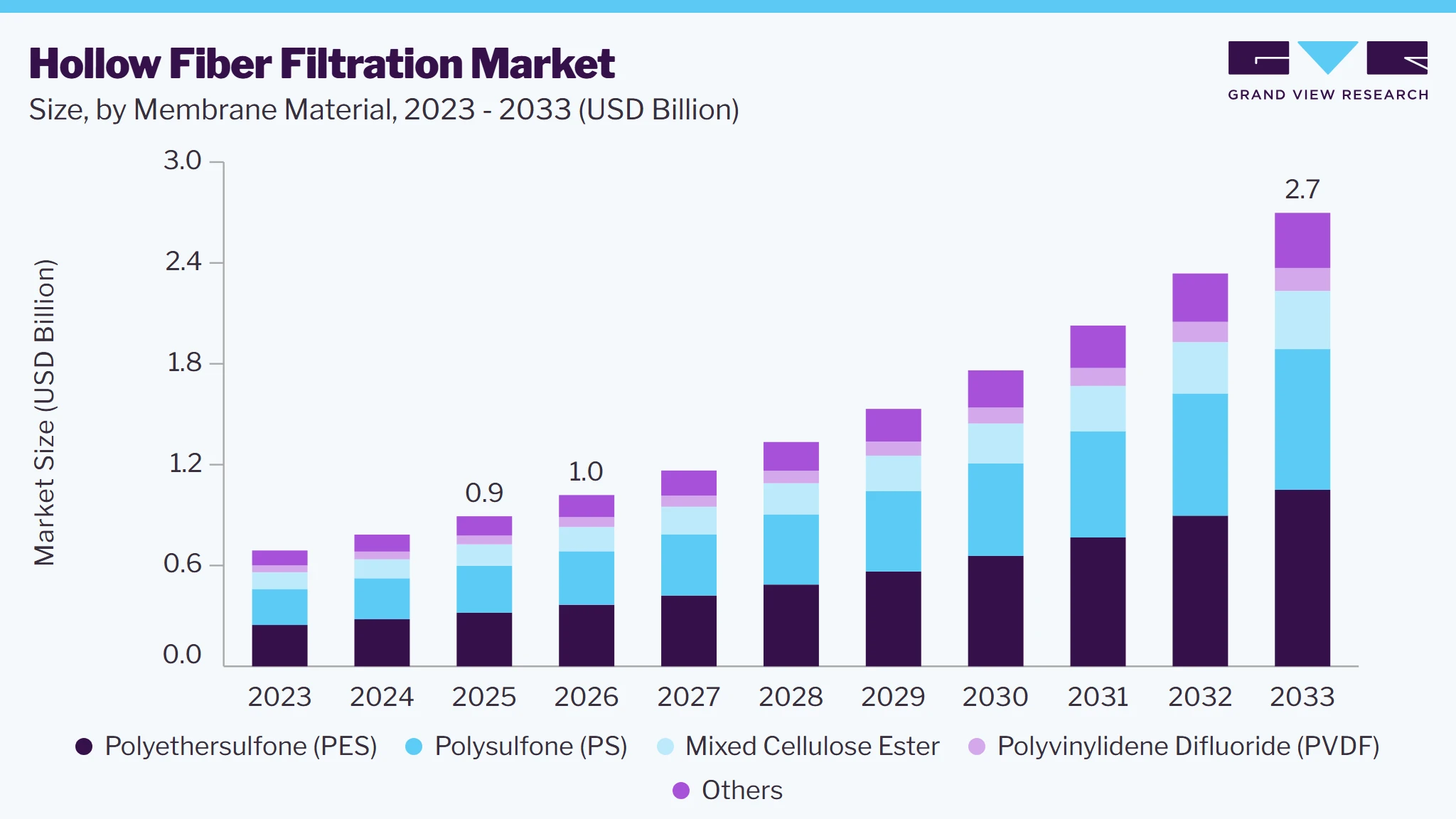 To learn more about this report, Download Free Sample Report
Rising Adoption of Hollow Fiber Filtration Driven by Biologics Expansion
The accelerating growth of biologics, including monoclonal antibodies, recombinant proteins, vaccines, and emerging modalities such as cell and gene therapies, is a primary factor propelling the hollow fiber filtration industry within the biotechnology sector. As biopharmaceutical pipelines increasingly comprise complex and large-molecule therapeutics, the demand for advanced downstream purification and concentration solutions has intensified. Hollow fiber filtration systems, offering high surface area and low shear stress, enable gentle processing of delicate biomolecules while preserving yield and quality. Their suitability for applications such as concentration, buffer exchange, and clarification makes them indispensable in biologics manufacturing.
The need for efficient, scalable, and cost-effective bioprocessing solutions is further influencing the adoption of hollow fiber filtration technology. Biotechnology manufacturers are under constant pressure to improve throughput, shorten production timelines, and ensure process consistency. Hollow fiber systems address these challenges through modular designs that can easily scale from laboratory development to commercial manufacturing. Their flexibility in accommodating varying process volumes and membrane pore sizes allows for optimized operations, reduced labor requirements, and improved process control, which contribute to enhanced productivity and cost efficiency.
The transition toward continuous bioprocessing and the growing preference for single-use systems are additional drivers fueling market expansion. Hollow fiber modules are integral to continuous manufacturing setups, particularly in perfusion bioreactors, where they facilitate uninterrupted cell retention and product harvest. Their compatibility with single-use technologies supports faster changeovers, reduces cleaning validation efforts, and minimizes cross-contamination risks. As contract development and manufacturing organizations (CDMOs) and biopharma companies increasingly prioritize flexible and disposable production platforms, hollow fiber filtration has emerged as a preferred choice for supporting these modern manufacturing models.
Technological advances are also shaping the market’s growth trajectory. Innovations in membrane materials and module configurations have enhanced fouling resistance, permeability, and durability, leading to greater operational reliability and efficiency. Integration with automated and process analytical technologies (PAT) further enables real-time monitoring and control of filtration processes, ensuring regulatory compliance and consistent product quality. These technological improvements, coupled with rising biologics production and the push toward efficient, continuous, and flexible biomanufacturing, are collectively driving sustained demand for hollow fiber filtration systems across the biotechnology domain.
Expanding Application Scope Across Bioprocessing Stages Driving Market Growth
The versatility of hollow fiber filtration across multiple stages of bioprocessing is a significant factor driving market growth in the biotechnology sector. Unlike traditional filtration methods that serve limited purposes, hollow fiber systems are utilized in both upstream and downstream operations, enhancing their commercial appeal. In upstream processing, these systems play a vital role in cell retention and harvest during perfusion culture, enabling continuous production and higher cell densities. Their ability to efficiently separate cells and debris without damaging delicate biological materials improves overall process yield and product quality, making them indispensable in modern biomanufacturing workflows.
In downstream processing, hollow fiber filtration supports a range of critical operations, including virus and bacterial removal, protein concentration, diafiltration, and product clarification. These systems deliver superior selectivity and permeability, allowing for precise separation of target biomolecules from impurities while maintaining high recovery rates. The technology’s modular design and adaptability to different molecular weights and process scales make it suitable for diverse biologics-from monoclonal antibodies to vaccines and recombinant proteins. As the complexity of therapeutic molecules continues to grow, the need for flexible and high-performance filtration technologies such as hollow fiber systems has become increasingly pronounced, further fueling market expansion.
The broad functional scope of hollow fiber filtration also supports operational efficiency and cost optimization for biotechnology manufacturers. By integrating multiple filtration steps within a single platform, companies can minimize equipment footprint, reduce processing time, and streamline validation requirements. This operational advantage aligns well with the industry’s shift toward lean and continuous bioprocessing models. In addition, contract development and manufacturing organizations (CDMOs) prefer technologies that can handle a variety of products and process conditions, enhancing demand for multi-purpose filtration solutions. Consequently, the ability of hollow fiber systems to cater to a wide range of applications across both upstream and downstream stages stands as a major driver accelerating their adoption and overall market growth in the biotechnology domain
Market Dynamics
The hollow fiber filtration market is witnessing significant growth due to increasing demand for efficient separation and purification technologies across biopharmaceutical manufacturing. The rising adoption of biologics, vaccines, cell and gene therapies, and single-use bioprocessing systems is driving the need for high-performance filtration solutions that offer scalability, high throughput, and gentle product handling. Technological advancements in membrane materials and filtration system design are further enhancing process efficiency and product recovery rates.
The increasing production of biologics, vaccines, monoclonal antibodies, and cell and gene therapies is a major driver of the hollow fiber filtration market. Hollow fiber filtration systems offer high filtration efficiency, scalability, and gentle processing conditions, making them well-suited for sensitive biopharmaceutical applications. Moreover, the introduction of high-efficiency separation membrane module significantly drive the market growth. For instance, in January 2026, Toray Industries, Inc. launched a high-efficiency separation membrane module designed for biopharmaceutical purification processes.
The new module offers over four times the filtration performance of conventional alternatives while occupying only one-fifth of the space. By reducing facility footprint requirements and minimizing buffer solution consumption, the technology enhances manufacturing efficiency. These improvements help biopharmaceutical producers increase facility utilization, improve yields, and lower overall production costs. Furthermore, the growing adoption of single-use technologies and intensified bioprocessing strategies has further accelerated demand for these filtration systems.
One of the primary restraints in the hollow fiber filtration market is membrane fouling, which can reduce filtration efficiency, lower product yield, and increase maintenance requirements. Frequent cleaning, replacement of filtration modules, and process optimization efforts can raise operational costs, particularly in large-scale manufacturing environments. Furthermore, the initial capital investment associated with advanced filtration systems and the stringent validation requirements in regulated industries such as biopharmaceuticals can create barriers for adoption, especially among smaller manufacturers and research organizations.
The rapid growth of cell and gene therapy development presents a significant opportunity for the hollow fiber filtration market. These therapies require highly efficient separation, concentration, and purification processes to maintain product quality and cell viability. Hollow fiber filtration technologies are increasingly being integrated into upstream and downstream bioprocessing workflows due to their ability to support scalable and closed-system manufacturing. In addition, increasing demand for personalized medicines, advancements in membrane technology, and growing investments in advanced therapy manufacturing infrastructure are expected to create substantial long-term growth opportunities for market participants.
Market Concentration & Characteristics
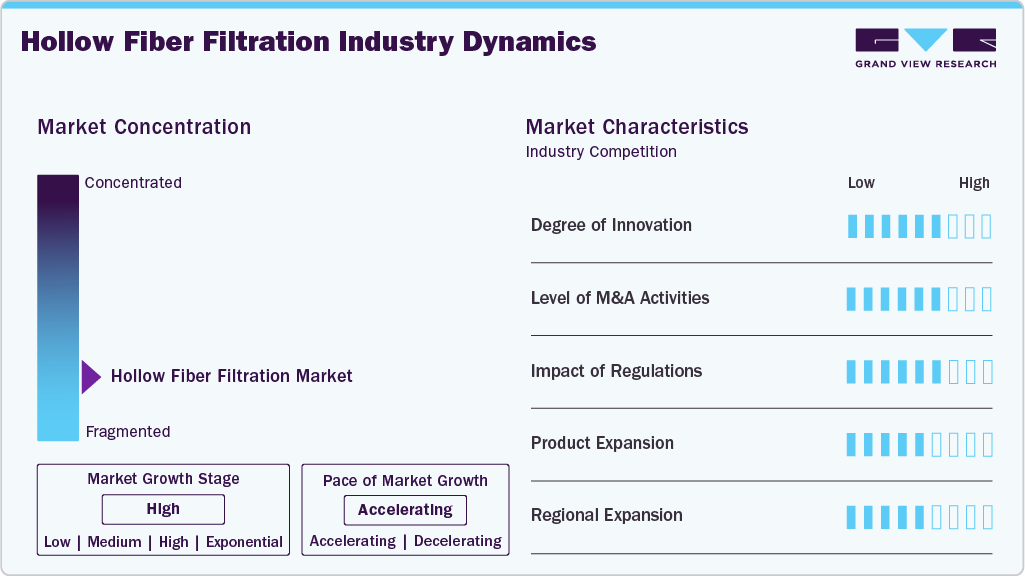
The degree of innovation in the hollow fiber filtration industry is moderate, driven by gradual advancements in membrane materials, module design, and automation integration. While innovations focus on improving fouling resistance, permeability, and scalability, the technology remains relatively mature. Ongoing developments aim to enhance efficiency, support single-use applications, and align with continuous bioprocessing trends, sustaining steady but incremental progress in the biotechnology sector.
The hollow fiber filtration industry is characterized by a moderate level of merger and acquisition (M&A) activity, as leading players pursue strategic collaborations to strengthen their bioprocessing portfolios and expand global reach. These deals are primarily aimed at enhancing technological capabilities, integrating complementary product lines, and accessing new customer bases. While consolidation continues at a steady pace, the industry remains competitive, with both established companies and emerging players driving innovation through targeted acquisitions and partnerships.
 To learn more about this report, Download Free Sample Report
Regulatory requirements governing the hollow fiber filtration industry are stringent, emphasizing product safety, sterility, and validation compliance. Manufacturers must adhere to standards set by agencies such as the FDA and EMA to ensure biocompatibility, consistency, and traceability. These regulations drive quality-focused innovation and influence product design, manufacturing processes, and market entry strategies.
The hollow fiber filtration industry is experiencing exponential growth and product expansion, attributed to rising biologics production, increasing adoption of single-use systems, and advancements in membrane technologies. Growing demand for efficient, scalable, and flexible filtration solutions across upstream and downstream bioprocessing further accelerates market development, positioning hollow fiber systems as a critical component in modern biomanufacturing processes.
The hollow fiber filtration industry is experiencing exponential regional expansion, attributed to increasing investments in biotechnology infrastructure, rising biologics manufacturing, and growing adoption of advanced bioprocessing technologies across key markets. North America and Europe lead due to well-established pharmaceutical sectors, while Asia-Pacific shows rapid growth driven by emerging biopharma hubs and supportive government initiatives. Expanding regional demand is fueling new facility setups and technology adoption, further accelerating market penetration globally.
Analyst Perspective
The hollow fiber filtration market growth is supported by the accelerating shift toward biologics, single-use systems, and advanced therapy manufacturing. Demand growth is strongly tied to the expansion of monoclonal antibody production, vaccines, and cell and gene therapy pipelines, where high-efficiency and gentle filtration is essential. While the technology benefits from strong adoption in regulated biopharmaceutical environments, market progression is tempered by challenges such as membrane fouling, process variability, and cost pressures associated with large-scale implementation. Competitive intensity is increasing as leading filtration and life sciences companies focus on improving membrane performance, scalability, and integration into automated bioprocessing workflows.
Membrane Material Insights
Based on membrane material, the polyethersulfone (PES) segment led the market with the largest revenue share of 35.8% in 2025. The growing market for high performance engineering plastics in industries such as construction, aviation, and automotive is expected to drive global demand for polyethersulfone during projected timeline.
The polyethersulfone's increasing use in dental and medical sectors is expected to drive demand even further. Superior properties such as high thermal resistance & chemical resistance over polyamides as well as polycarbonates are estimated to drive growth in Polyethersulfone consumption.
Process Insights
Based on process, the reusable hollow fiber membranes segment led the market with the largest revenue share of 53.1% in 2025. This is attributed to factors such as high filtration accuracy, low investment and operating cost, easy to maintain, repairable, and others propelling segmental growth.
The single use hollow fiber membranes segment is anticipated to grow at the fastest CAGR during the forecast period, owing to their extensive use in ultrafiltration & microfiltration applications and a genuine ready-to-use separation solution. They are humectant-free, fully integrity-tested, and gamma-irradiated, when delivered. They save time and money because no cleaning is required.
Technology Insights
Based on technology, the microfiltration segment led the market with the largest revenue share of 51.5% in 2025. Microfiltration is a low-pressure technique for separating high-molecular-weight compounds from dissolved solids. Most bacteria & suspended solids are separated by this process, but viruses as well as multivalent ions are not. In addition, microfiltration fibers are typically classified by pore size, rejecting particles ranging from 0.1 to 0.7 microns, therefore the demand for microfiltration is more, that further boosts the segment growth.
The ultrafiltration segment is expected to grow at the fastest CAGR during the forecast period. Due to its cost-effectiveness, the market is also influenced by growing demands for ultrapure water technologies and systems in the health care sectors. The membranes are also suitable for a variety of applications, including municipal and industrial treatment. Thus, it will increase the demand for ultrafilters and further fuels the market growth.
Application Insights
Based on application, the protein concentration & diafiltration segment led the market with the largest revenue share of 30.3% in 2025. One of the primary drivers driving this market is the method's usage in the purification and separation of a diverse variety of biomolecules, including antibodies, nucleic acids, and recombinant proteins. The approach is popular since it can be employed in a variety of biological domains including biochemistry, protein chemistry, molecular biology, and immunology. Therefore, most of the key players are involved in this application area. For instance, in November 2021, Toray Industries, Inc. announced the development of an extremely durable hollow fiber ultrafiltration membrane module enabling biotechnology purification & concentration operations and the availability of samples to clients.
The cell culture harvest segment is expected to grow at the fastest CAGR during the forecast period. Increased spending and research in regenerative medicine & therapies has resulted in an increase in market requirements for cell harvesting. Increase in the amount of infectious diseases documented worldwide has supported the market's progress. For instance, as per the CDC, 7.2 million people visits to physician office due to the infectious disease.
End Use Insights
Based on end-user, the pharmaceutical & biotechnology companies segment led the market with the largest revenue share of 44.3% in 2025. The increasing adoption of hollow fiber filters in diafiltration, ultrafiltration, and microfiltration procedures in biopharmaceutical manufacturing, as well as the rising usage of continuous manufacturing processes owing to the advantages like process efficiency & flexibility, have attributed for the large share of this segment.
 To learn more about this report, Download Free Sample Report
The pharmaceutical and biotechnology sectors segment is anticipated to grow at the fastest CAGR over the forecast period. The growing use of hollow membrane filtration and continuous production technologies has increased processing plant efficiency while decreasing overall procedure time. It is furthermore anticipated to support the segment's revenue growth over the forecast period.
Regional Insights
North America dominated the hollow fiber filtration market with the largest revenue share of 42.7% in 2025. During the projected period, the region is expected to retain its leadership. This expansion can be attributed to the existence of expanding alliances between pharmaceutical & biotechnology companies. Furthermore, the region's significant participation in the industrial sector is due to support from governmental bodies, combined with increased R&D expenditure.
 To learn more about this report, Download Free Sample Report
U.S. Hollow Fiber Filtration Market Trends
The hollow fiber filtration market in the U.S. held the largest share in the North America region in 2025, driven by increasing biologics production, adoption of single-use and continuous bioprocessing systems, and ongoing technological advancements in membrane design. Strong presence of leading biopharmaceutical companies, CDMOs, and supportive regulatory frameworks further bolsters market expansion, making the U.S. a key contributor to the global hollow fiber filtration industry.
Europe Hollow Fiber Filtration Market Trends
The hollow fiber filtration market in Europe has been identified as a lucrative region, driven by a well-established biopharmaceutical industry, high adoption of advanced bioprocessing technologies, and significant investments in biologics manufacturing. Supportive regulatory frameworks, strong R&D infrastructure, and presence of leading industry players further enhance market growth, positioning Europe as a key hub for hollow fiber filtration solutions in biotechnology.
The UK hollow fiber filtration market is expected to grow at a significant CAGR over the forecast period, fueled by increasing biologics production, adoption of single-use and continuous bioprocessing technologies, and advancements in membrane materials. Strong government support for biotechnology, robust pharmaceutical infrastructure, and the presence of key industry players further drive market expansion in the region.
The hollow fiber filtration market in France is anticipated to grow at a substantial CAGR over the forecast period. This is driven by increasing investment in biopharmaceutical manufacturing, rising demand for biologics, and adoption of advanced downstream processing technologies. Supportive regulatory frameworks, strong R&D infrastructure, and the presence of leading biotechnology companies further contribute to market expansion in the country.
Asia Pacific Hollow Fiber Filtration Market Trends
The hollow fiber filtration market in the Asia Pacific is anticipated to witness at the fastest CAGR of 17.62% from 2025 to 2033. This is driven by the rapid expansion of biopharmaceutical manufacturing, the rising demand for biologics, and the growing adoption of single-use and continuous bioprocessing technologies. Supportive government initiatives, increasing foreign investments, and emerging biotech hubs across China, India, and Japan further accelerate market growth in the region.
The China hollow fiber filtration marketis expected to grow at a significant CAGR over the forecast period. This is driven by the rapid expansion of the biopharmaceutical sector, increasing biologics production, and rising adoption of advanced bioprocessing technologies. Government support for biotechnology, growing investments in manufacturing infrastructure, and the presence of key domestic and international players further fuel market growth in the country.
The hollow fiber filtration market in Japan is anticipated to grow at a significant CAGR over the forecast period. This is attributed to increasing biologics production, adoption of continuous and single-use bioprocessing technologies, and advancements in membrane filtration systems. Strong R&D infrastructure, supportive regulatory frameworks, and the presence of leading pharmaceutical and biotechnology companies further bolster market expansion in the country.
The India hollow fiber filtration marketis anticipated to grow at a rapid CAGR over the forecast. This is attributed to the expanding biopharmaceutical industry, increasing biologics production, and rising adoption of advanced filtration technologies. Supportive government initiatives, growing investments in biotechnology infrastructure, and the entry of global and domestic players further drive market growth in the country.
Middle East and Africa Hollow Fiber Filtration Market Trends
The hollow fiber filtration market in the Middle East and Africa is growing rapidly, due to the increasing investments in biotechnology and pharmaceutical manufacturing, rising demand for biologics, and adoption of advanced bioprocessing technologies. Supportive government initiatives, expanding healthcare infrastructure, and the growing presence of regional and international players further contribute to market growth in the region.
The Saudi Arabia hollow fiber filtration market is expected to grow at a significant CAGR over the forecast period, due to the increasing investments in biopharmaceutical manufacturing, rising demand for biologics, and adoption of advanced downstream processing technologies. Supportive government initiatives, expansion of healthcare infrastructure, and growing presence of global and regional players further drive market growth in the country.
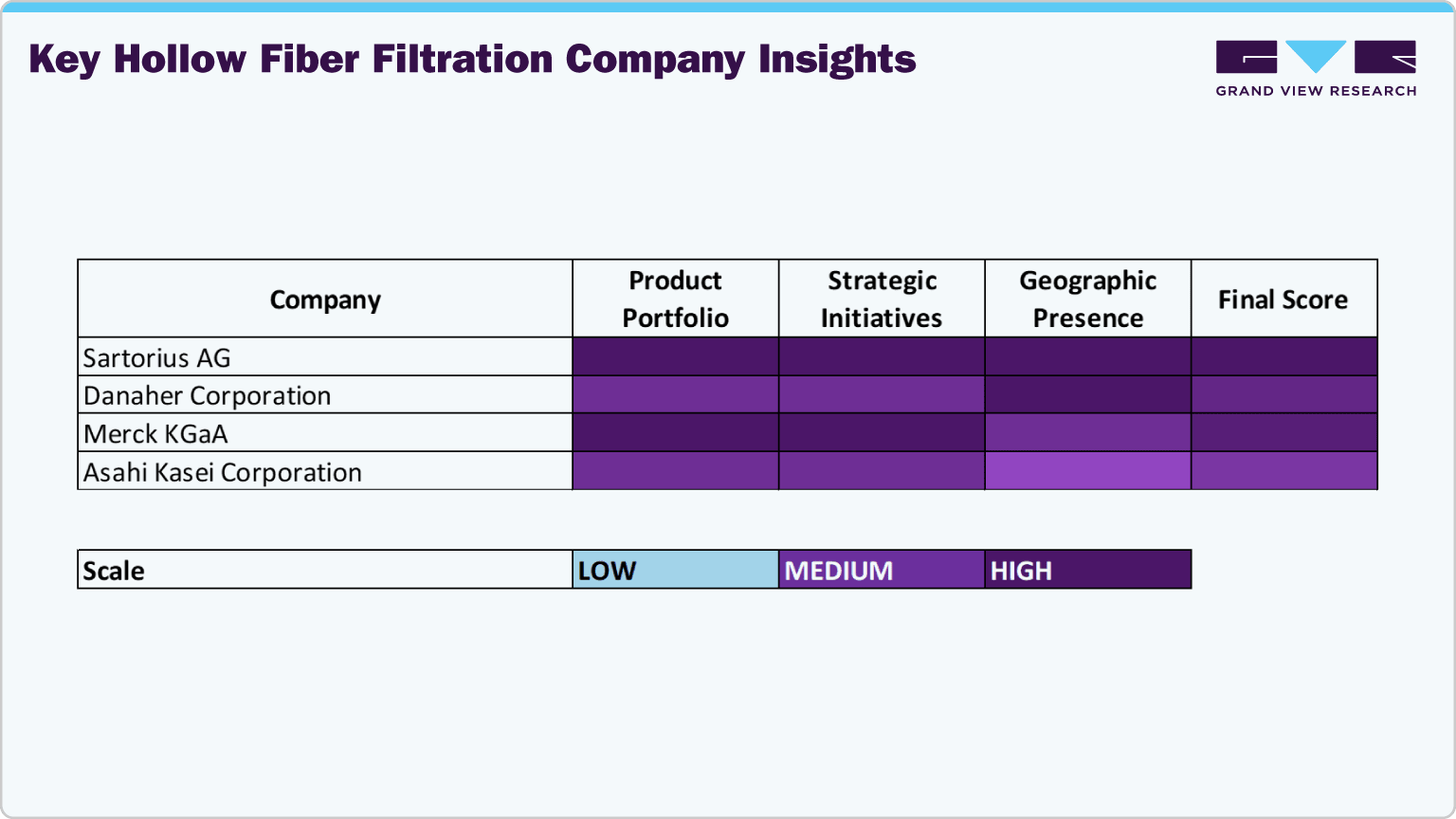
Key Hollow Fiber Filtration Company Insights
The hollow fiber filtration industry is characterized by the presence of several established global players alongside emerging regional manufacturers, creating a competitive yet collaborative landscape. Leading companies have strategically focused on product innovation, mergers and acquisitions, and geographic expansion to maintain and grow their market share. Major players include Pall Corporation, Sartorius AG, GE Healthcare (Cytiva), Merck KGaA, Repligen Corporation, Danaher Corporation, and Asahi Kasei Medical, all of which hold significant shares due to their extensive product portfolios, technological expertise, and established customer relationships in the biopharmaceutical sector.
Pall Corporation remains a dominant player, leveraging a wide range of hollow fiber filtration modules designed for both upstream and downstream applications. Its focus on continuous bioprocessing solutions, single-use systems, and membrane innovation has helped it secure a strong foothold in North America and Europe. Similarly, Sartorius AG has expanded its market presence through targeted acquisitions and collaborations, enabling it to offer integrated filtration solutions that support the growing demand for biologics production and process efficiency.
 To learn more about this report, Download Free Sample Report
Regional players in Asia-Pacific, particularly in China, India, and Japan, are increasingly capturing market share by providing cost-effective alternatives and localized support services. Companies such as Asahi Kasei Medical and emerging domestic manufacturers are expanding their production capabilities to meet the rising demand for hollow fiber modules in biologics and vaccine manufacturing. The growing adoption of single-use and continuous processing technologies in the region further strengthens their competitive positioning.
Mergers, acquisitions, and strategic partnerships continue to shape market dynamics, allowing companies to enhance technological capabilities and broaden geographic reach. For example, collaborations with contract development and manufacturing organizations (CDMOs) and biotech startups enable established players to accelerate product development and gain early access to emerging markets. These strategic moves, combined with ongoing innovation in membrane materials, module design, and process integration, help companies maintain a competitive edge while addressing evolving regulatory and operational requirements.
Overall, the hollow fiber filtration industry exhibits a balanced mix of global leadership and regional growth, with major companies dominating key markets while regional players drive localized adoption. This combination of technological innovation, strategic alliances, and market penetration strategies ensures sustained competition and continuous market expansion across all major geographies
Key Hollow Fiber Filtration Companies:
The following key companies have been profiled for this study on the hollow fiber filtration market.
-
Sartorius AG
-
Repligen Corporation
-
Danaher Corporation
-
Merck KGaA
-
Asahi Kasei Corporation
-
PARKER HANNIFIN CORP.
-
Cole Parmer
-
Sterlitech Corporation
-
Synder Filtration, Inc.
-
Meissner Filtration Products, Inc.
Competitive Benchmarking
Category
Operating Strategies
Competitive Edge
Weakness
Established Players (e.g., Sartorius AG, Danaher Corporation, Merck KGaA, Repligen Corporation, Asahi Kasei Corporation, Parker Hannifin Corp.)
- Focus on expanding integrated bioprocessing portfolios that combine hollow fiber filtration with upstream and downstream processing solutions. Invest in single-use technologies, high-performance membrane development, and scalable filtration platforms for biologics, vaccines, and cell & gene therapy manufacturing.
- Strong global distribution networks, broad product portfolios, extensive regulatory expertise, and established relationships with pharmaceutical and biotechnology companies.
- High operational and manufacturing costs, complex organizational structures, and slower responsiveness to niche application requirements.
Emerging Players (e.g., Synder Filtration Inc., Sterlitech Corporation, Meissner Filtration Products, Inc., Cole Parmer)
- Focus on membrane innovation, customized hollow fiber filtration systems, and application-specific filtration solutions for research, pilot-scale, and commercial bioprocessing environments.
- Strong expertise in membrane science, filtration performance optimization, and customized solution development.
- Limited global footprint and distribution capabilities compared to large multinational competitors.
Recent Developments
-
In July 2025, Japanese technology company Asahi Kasei had announced that its Microza & Water Processing Division, which supplies Microza hollow-fiber membranes for filtration and separation, had received a Gold rating in the EcoVadis sustainability assessment conducted in June 2025.
Hollow Fiber Filtration Market Report Scope
Report Attribute
Details
Market size in 2025
USD 0.9 billion
Estimated market size in 2026
USD 1.0 billion
Projected market size by 2033
USD 2.7 billion
Growth rate
CAGR of 14.9% from 2026 to 2033
Historical data
2021 - 2025
Forecast period
2026 - 2033
Quantitative units
Revenue in USD million/billion and CAGR from 2026 to 2033
Report coverage
Revenue forecast, company ranking, competitive landscape, growth factors, and trends
Segments covered
Membrane material, process, technology, application, end use, region
Regional scope
North America; Europe; Asia Pacific; Latin America; MEA
Country scope
U.S.; Canada; Mexico; Germany; UK; France; Italy; Spain; Norway; Denmark; Sweden; China; Japan; India; South Korea; Australia; Thailand; Brazil; Argentina; Saudi Arabia; South Africa; UAE; Kuwait
Key companies profiled
Sartorius AG; Repligen Corporation; Danaher Corporation; Merck KGaA; Asahi Kasei Corporation; PARKER HANNIFIN CORP.; Cole Parmer; Sterlitech Corporation; Synder Filtration Inc.; Meissner Filtration Products, Inc.
Customization scope
Free report customization (equivalent up to 8 analysts' working days) with purchase. Addition or alteration to country, regional & segment scope.
Pricing and purchase options
Avail customized purchase options to meet your exact research needs. Explore purchase options
Global Hollow Fiber Filtration Market Report Segmentation
This report forecasts revenue growth at global, regional, and country levels and provides an analysis of the latest industry trends in each of the sub-segments from 2021 to 2033. For this report, Grand View Research has segmented the global hollow fiber filtration market report based on the membrane material, process, technology, application, end use, region:
-
Membrane Material Outlook (Revenue, USD Million, 2021 - 2033)
-
Polysulfone (PS)
-
Mixed Cellulose Ester
-
Polyvinylidene Difluoride (PVDF)
-
Polyethersulfone (PES)
-
Others
-
-
Process Outlook (Revenue, USD Million, 2021 - 2033)
-
Single-use Hollow Fiber Membranes
-
Reusable Hollow Fiber Membranes
-
-
Technology Outlook (Revenue, USD Million, 2021 - 2033)
-
Microfiltration
-
Ultrafiltration
-
Others
-
-
Application Outlook (Revenue, USD Million, 2021 - 2033)
-
Virus or Viral Vector Filtration
-
Protein Concentration & Diafiltration
-
Cell Culture Harvest & Clarification
-
Raw Material Filtration
-
Others
-
-
End Use Outlook (Revenue, USD Million, 2021 - 2033)
-
Pharmaceutical & Biotechnology Companies
-
CMOs & CROs
-
Academic & Research Institutes
-
-
Regional Outlook (Revenue, USD Million, 2021 - 2033)
-
North America
-
U.S.
-
Canada
-
Mexico
-
-
Europe
-
UK
-
Germany
-
France
-
Italy
-
Spain
-
Denmark
-
Sweden
-
-
Norway
-
Asia Pacific
-
China
-
Japan
-
India
-
Australia
-
Thailand
-
South Korea
-
-
Latin America
-
Brazil
-
Argentina
-
-
Middle East & Africa
-
South Africa
-
Saudi Arabia
-
UAE
-
Kuwait
-
-
Research Methodology
The hollow fiber filtration market figures in this report are based on a proven research process that combines executive interviews with secondary research from proprietary databases, company filings, and recognized regulatory and institutional sources. Market size is built through value-chain sizing - reconciling supply-side and demand-side estimates - and triangulated with bottom-up and top-down approaches. Every estimate passes multiple levels of expert validation before publication, with each hollow fiber filtration segment quantified using the revenue-capture definitions in the table below.
Segment Definition
Segment - Membrane Material
Revenue capture definition
Polysulfone (PS)
Revenue is generated through the sale of polysulfone-based hollow fiber membranes used in bioprocessing and filtration applications requiring high thermal stability, mechanical strength, and broad chemical compatibility. Demand is driven by pharmaceutical and biotechnology manufacturing processes that require durable and efficient filtration systems.
Mixed Cellulose Ester
Revenue is captured from mixed cellulose ester hollow fiber membranes utilized in laboratory filtration, sterile filtration, and biological sample processing due to their high porosity, low protein binding characteristics, and cost-effective performance.
Polyvinylidene Difluoride (PVDF)
Revenue is derived from PVDF hollow fiber membranes used in demanding biopharmaceutical and life science applications because of their excellent chemical resistance, hydrophobic properties, and suitability for virus filtration, protein processing, and high-purity fluid handling.
Polyethersulfone (PES)
Revenue is generated through PES-based hollow fiber membranes widely used for ultrafiltration and sterile filtration due to their high flow rates, low protein adsorption, and compatibility with biologics manufacturing and cell culture applications.
Others
Revenue comes from alternative membrane materials such as polypropylene, regenerated cellulose, and specialty polymers designed for niche filtration applications, enhanced selectivity, or specific bioprocessing requirements.
Segment - Process
Revenue capture definition
Single-use Hollow Fiber Membranes
Revenue is generated from disposable hollow fiber filtration systems designed for one-time use in biopharmaceutical manufacturing, reducing contamination risk, cleaning requirements, and turnaround time while supporting flexible and scalable production workflows.
Reusable Hollow Fiber Membranes
Revenue is captured through durable hollow fiber membrane systems designed for repeated use after cleaning and sterilization, offering cost efficiency for large-scale or continuous filtration operations in pharmaceutical, biotechnology, and research facilities.
Segment - Technology
Revenue capture definition
Microfiltration
Revenue is derived from hollow fiber microfiltration systems used to remove bacteria, cell debris, and suspended particles from liquids, supporting applications such as clarification, sterile filtration, and water purification in bioprocessing environments.
Ultrafiltration
Revenue is generated through ultrafiltration hollow fiber systems designed for protein concentration, diafiltration, virus removal, and biomolecule purification, making this a critical technology segment in biologics manufacturing and downstream processing.
Others
Revenue comes from specialized hollow fiber filtration technologies such as nanofiltration and advanced separation platforms developed for targeted purification, selective molecule separation, and emerging bioprocessing applications.
Segment - Application
Revenue capture definition
Virus or Viral Vector Filtration
Revenue is generated from hollow fiber filtration systems used to remove viruses or process viral vectors in vaccine manufacturing, gene therapy, and biologics production, where viral safety and product purity are critical regulatory requirements.
Protein Concentration & Diafiltration
Revenue is captured through filtration solutions used to concentrate proteins, antibodies, and biologics while exchanging buffers and removing impurities during downstream bioprocessing workflows.
Cell Culture Harvest & Clarification
Revenue is derived from hollow fiber systems used to separate cells and debris from culture media, enabling efficient harvest and clarification in upstream and downstream biopharmaceutical manufacturing processes.
Raw Material Filtration
Revenue is generated through filtration products used to purify and clarify raw materials, media, buffers, and process fluids before they enter biomanufacturing workflows, helping ensure product quality and process consistency.
Others
Revenue comes from additional applications such as wastewater treatment, blood processing, diagnostic sample preparation, and specialty filtration processes across healthcare, research, and industrial sectors.
Segment - End-user
Revenue capture definition
Pharmaceutical & Biotechnology Companies
Revenue is generated through the procurement of hollow fiber filtration systems, membranes, and consumables by pharmaceutical and biotechnology companies engaged in biologics manufacturing, vaccine production, cell and gene therapy, and drug development.
CMOs & CROs
Revenue is captured from contract manufacturing organizations (CMOs) and contract research organizations (CROs) utilizing hollow fiber filtration technologies for outsourced bioprocessing, purification, process development, and clinical manufacturing services.
Academic & Research Institutes
Revenue is derived from universities and research institutes purchasing hollow fiber filtration products for life science research, biomolecule purification, cell culture studies, and experimental bioprocessing applications.
Delivered Customizations
This report has been delivered with the following In-depth customizations
Client Request
Customization Delivered
Value Adds
Hollow Fiber Filtration Market Landscape & Technology Adoption Analysis
Developed a tailored assessment of the global hollow fiber filtration market across key segments including membrane materials (PES, PVDF, PS, mixed cellulose ester, others), process types (single-use and reusable), technologies (microfiltration, ultrafiltration, others), applications (virus filtration, protein concentration & diafiltration, cell culture harvest & clarification, raw material filtration), and end-user segments (pharma & biotech companies, CMOs & CROs, academic institutes). The analysis also evaluates adoption trends in biologics manufacturing, vaccine production, and cell & gene therapy workflows.
Enables stakeholders to understand evolving bioprocess filtration requirements, identify high-growth single-use and ultrafiltration technologies, evaluate increasing demand from biologics and advanced therapies, and assess long-term expansion opportunities across downstream bioprocessing ecosystems.
Competitive Landscape & Filtration Technology Benchmarking Assessment
Delivered a customized benchmarking of leading hollow fiber filtration solution providers, including membrane manufacturers, bioprocess equipment suppliers, and single-use system developers. The study evaluates membrane performance, protein recovery efficiency, scalability, virus clearance capability, regulatory compliance readiness, and integration with upstream and downstream bioprocessing platforms.
Provides actionable insights into competitive positioning, technology differentiation, product innovation pipelines, and supplier capabilities, helping clients optimize sourcing strategies, identify partnership opportunities, and strengthen positioning in high-value bioprocessing and biologics manufacturing markets.
Biologics Manufacturing & Single-Use Filtration Opportunity Assessment
Conducted a focused evaluation of hollow fiber filtration adoption in biologics manufacturing, including monoclonal antibodies, vaccines, and cell & gene therapies. The analysis also assessed rising adoption of single-use systems, outsourcing trends to CMOs/CDMOs, and capacity expansion in downstream processing infrastructure.
Supports strategic decision-making by identifying high-growth application areas, optimizing investment in single-use and scalable filtration systems, improving process efficiency in downstream bioprocessing, and strengthening long-term positioning in advanced biologics production ecosystems.
Frequently Asked Questions About This Report
The global hollow fiber filtration market size was valued at USD 0.9 billion in 2025 and is expected to reach USD 1.0 billion in 2026.
Some key players operating in the hollow fiber filtration market include Sartorius AG; Repligen Corporation; Danaher Corporation; Merck KGaA; Asahi Kasei Corporation; PARKER HANNIFIN CORP.; Cole Parmer; Sterlitech Corporation; Synder Filtration Inc.; Meissner Filtration Products, Inc.
The rising demand for bioprocessing products, the availability of skilled professionals, and expanding growth opportunities in the biopharma sector are among the key factors expected to propel market revenue growth during the forecast period.
Asia Pacific is the fastest-growing region over the forecast period.
The global hollow fiber filtration market is expected to grow at a compound annual growth rate of 14.9% from 2026 to 2033 to reach USD 2.7 billion by 2033.
North America dominated the hollow fiber filtration market with a share of 42.7% in 2025.
The polyethersulfone (PES) segment led the market with the largest revenue share of 35.8% in 2025
The reusable hollow fiber membranes segment led the market with the largest revenue share of 53.1% in 2025
The microfiltration segment led the market with the largest revenue share of 51.5% in 2025.
About the Author(s)
Biotechnology Research Team
Healthcare · BiotechnologyThis report was authored by the biotechnology research team at Grand View Research - comprising two research analysts, one senior research analyst, and one industry expert - with specialized expertise in the biotechnology segment of the healthcare industry. All findings are based on proprietary healthcare databases, executive interviews, and regulatory analysis, subject to internal peer review prior to publication.
Last Updated:
Speak to Analyst

Customize this report to your needs - add regions, segments, or data points, with 20% free customization.
Or view our licence options:


ISO 9001:2015 & 27001:2022 Certified
We are GDPR and CCPA compliant! Your transaction & personal information is safe and secure. For more details, please read our privacy policy.


