
- Home
- »
- Clinical Diagnostics
- »
-
Home Care Testing Market Size & Share Report, 2026-2033GVR Report cover
![Home Care Testing Market (2026 - 2033)Report]()
Home Care Testing Market (2026 - 2033)
Size, Share & Trends Analysis Report By Age (Pediatric, Adult, Geriatric), By Sample, By Test Type (Infectious Disease Tests, Pregnancy Tests), By Distribution Channel, By Product, By Region, And Segment Forecasts
Market Size, 2025
$11.5BMarket Estimate, 2026
$12.5BMarket Forecast, 2033
$23.6BCAGR, 2026–2033
9.4%Home Care Testing Market Summary
The global home care testing market size was valued at USD 11.5 billion in 2025 and is projected to grow from USD 12.5 billion in 2026 to USD 23.6 billion by 2033, at a CAGR of 9.4% from 2026 to 2033. North America home care testing market accounted for the largest revenue share of 34.0% in 2025. The market growth is driven by various factors such as the rising incidence of chronic diseases such as diabetes, cardiovascular diseases, and respiratory diseases, growing demand for point-of-care testing, an aging population, and technological advancements.

Key Market Trends & Insights
- By age: Geriatric segment held the largest market share of 59.3% in 2025.
- By sample: Urine segment held the largest market share of 35.7% in 2025.
- By distribution channel: Retail pharmacies segment held the largest market share of 50.0% in 2025.
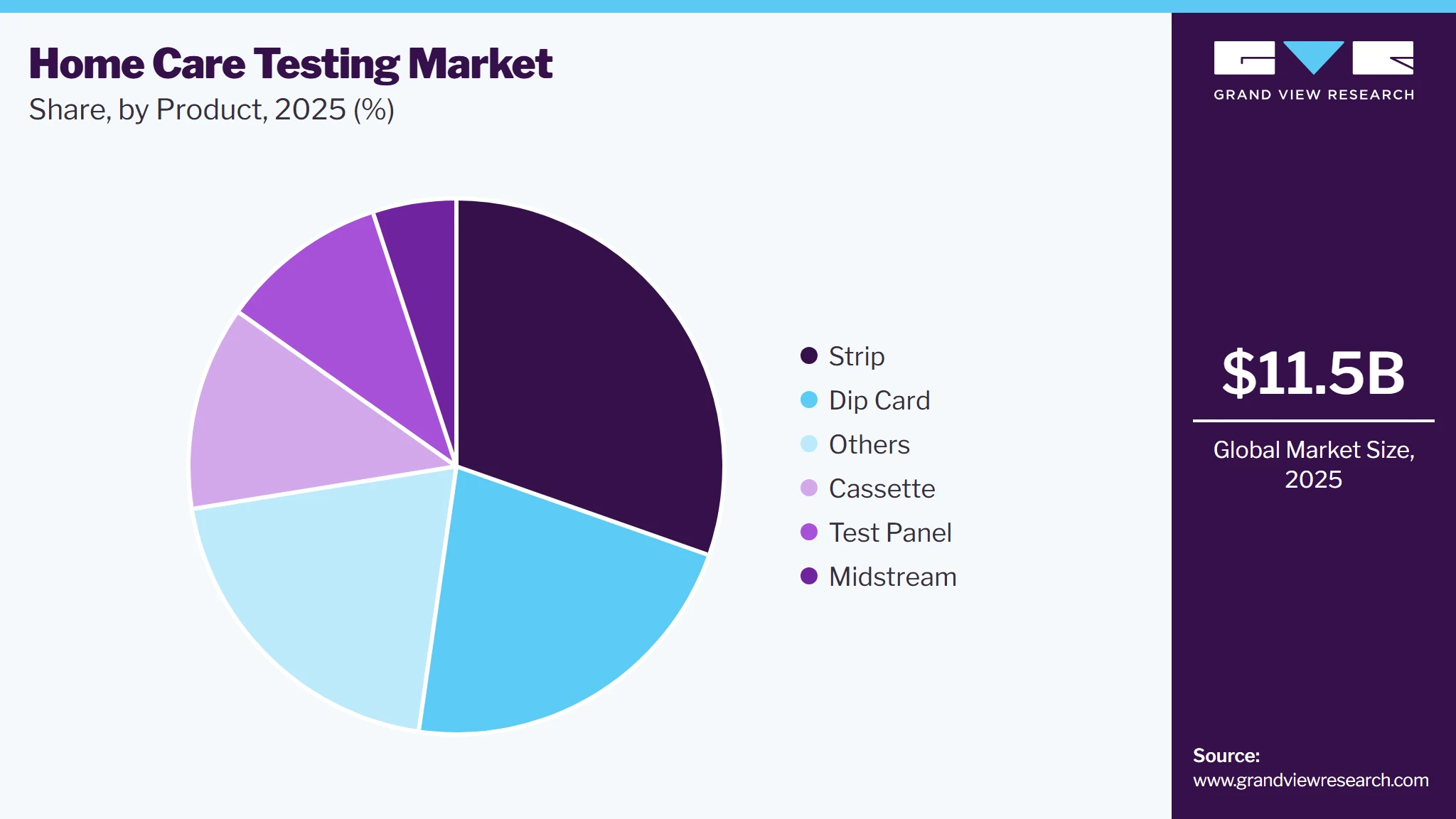
- By product: Strips segment held the largest market share of 30.4% in 2025.
Regional Highlights
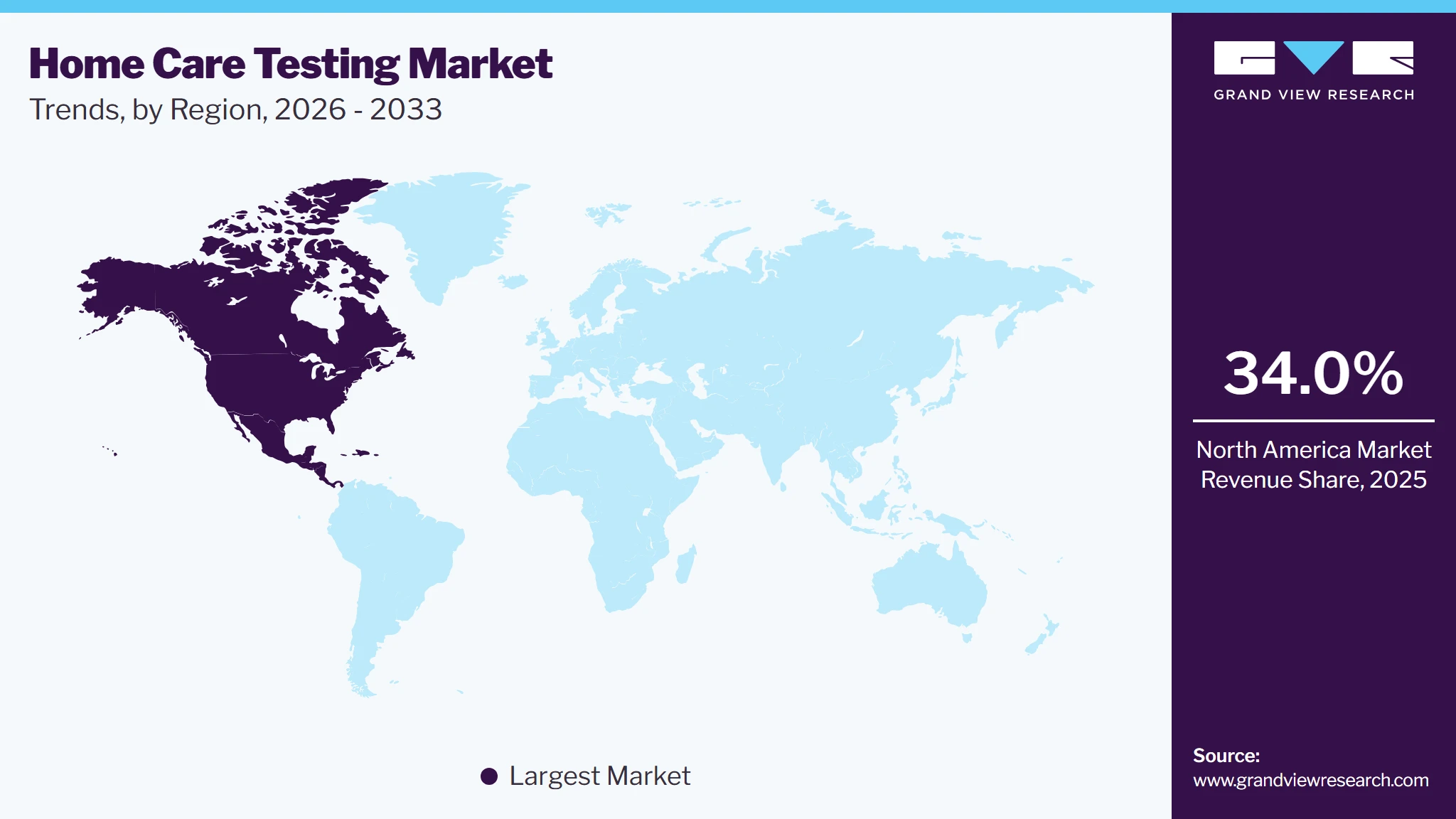
- Largest regional market: North America (34.0% revenue share, 2025)
- By country: The U.S. held the largest market share in 2025
Market Size & Forecast
- Market size in 2025: USD 11.5 Billion
- Estimated market size in 2026: USD 12.5 Billion
- Projected market size by 2033: USD 23.6 Billion
- CAGR (2026-2033): 9.4%
For instance, according to the United Nations data, the global geriatric population aged 65 years and above is expected to increase from around 10% of the total population in 2022 to around 16% in 2050. As the population ages, the demand for healthcare services is also expected to increase as older adults are more likely to have chronic conditions that require frequent monitoring, making home care testing devices a valuable tool for managing their health. The COVID-19 pandemic has also significantly contributed to the home care testing industry as patients seek to avoid exposure to virus by reducing their visits to healthcare facilities. The COVID-19 test from home also became increasingly popular. This trend has boosted the demand for home care testing such as rapid antigen tests, antibody tests, and PCR tests. The demand for home care testing devices has been further fueled by the need for regular testing among individuals who are at high risk of contracting the virus, such as healthcare workers and those who have been in close contact with the infected individuals.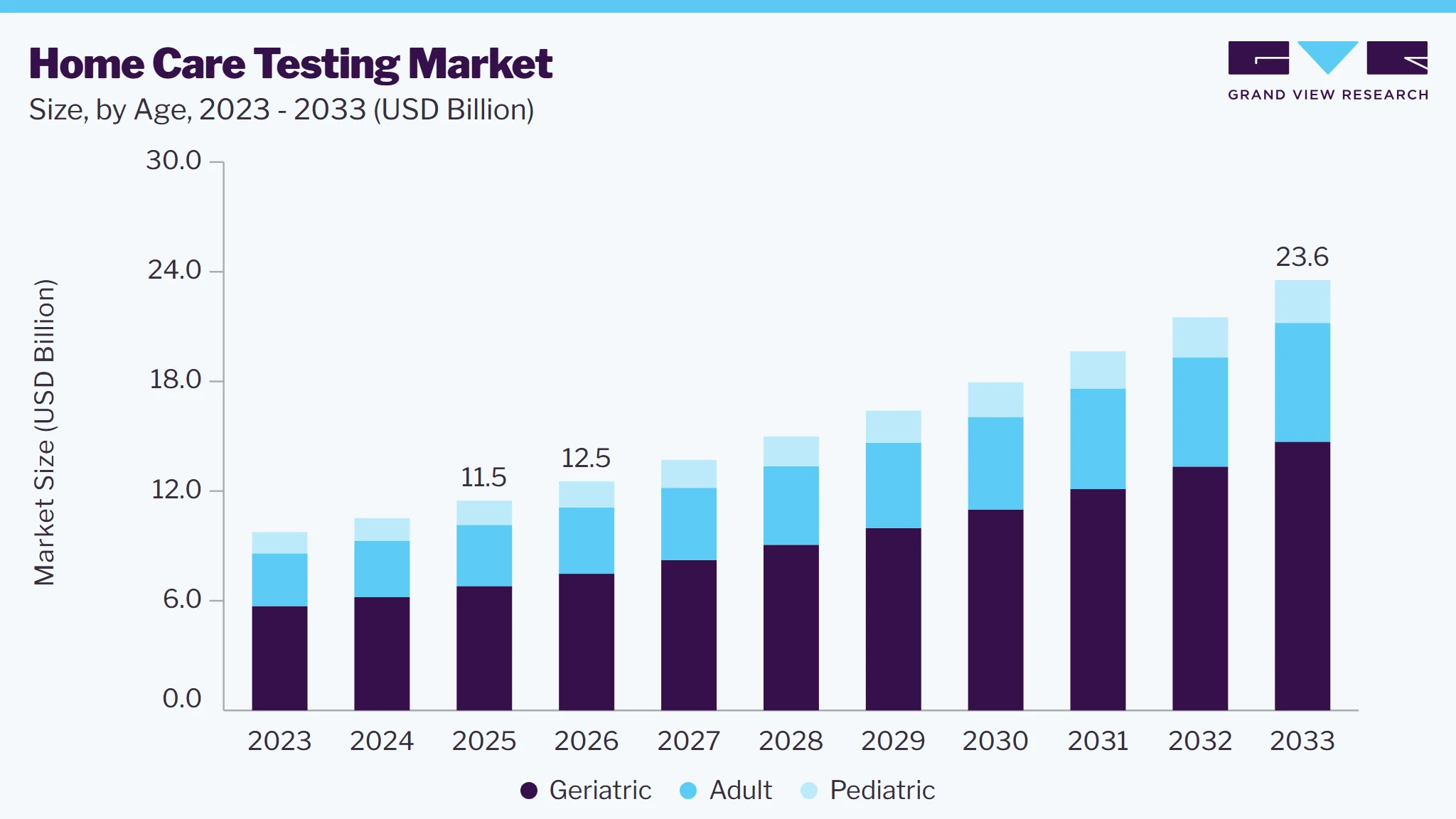
Emerging innovations in home healthcare are seen as a potential solution to the gap between demand and supply. Testing, consultations with doctors, and high-quality patient care can now all be easily provided to patients at their home. These developments have made it possible for patients to manage their conditions more conveniently and efficiently. They no longer have to travel to healthcare facilities, which is particularly beneficial for those who live in rural or remote areas. The availability of home care testing and consultations with doctors has also increased access to healthcare services, which can potentially improve patient health outcomes.
One of the significant factors restraining the market growth is the lack of standardized regulatory frameworks across regions. While some countries have established clear guidelines for the approval, marketing, and use of home testing kits, others lack uniform regulations, creating challenges for manufacturers seeking to expand globally. In addition, concerns over the accuracy and reliability of certain home testing devices can lead to skepticism among consumers and healthcare professionals, further hindering adoption. These challenges are compounded by limited access to advanced diagnostic technologies in developing regions and the high initial costs associated with bringing innovative home testing solutions to market.
Market Dynamics
The homecare testing market is experiencing strong growth, driven by increasing demand for convenient, affordable, and rapid diagnostic solutions. Rising prevalence of chronic diseases, an aging population, and greater consumer awareness of preventive healthcare are encouraging the adoption of at-home testing kits. Technological advancements, including smartphone-enabled diagnostics, digital health platforms, and AI-powered result interpretation, are improving test accuracy and user experience. The expansion of telehealth services has further supported market growth by enabling remote consultation following home-based testing. However, challenges such as regulatory compliance, concerns over test accuracy, limited reimbursement in some regions, and data privacy issues may restrain adoption. Despite these hurdles, expanding healthcare access, continuous product innovation, and growing acceptance of self-monitoring are expected to sustain robust market growth over the coming years.
The increasing emphasis on patient-centric healthcare is significantly transforming how medical services are delivered, with a growing preference for decentralized care models that empower individuals to manage their health independently. Self-testing solutions align well with this shift by enabling users to perform diagnostic tests conveniently at home without the need for clinical appointments. This approach reduces the burden on healthcare facilities while improving accessibility for patients in remote or underserved regions. The convenience of avoiding travel, waiting times, and potential exposure to infections in healthcare settings further strengthens consumer preference for home-based diagnostics. As healthcare systems globally focus on efficiency and patient satisfaction, decentralized testing continues to gain momentum as a practical and scalable solution. For instance, May 2025, Reuters, reported that the U.S. Food and Drug Administration had approved the first at-home cervical cancer screening test developed by Teal Health, supported by a clinical study involving more than 600 women, targeting individuals aged 25 to 65 years, while approximately 11,500 cervical cancer cases and 4,000 deaths annually had been reported in the U.S.
Another major factor contributing to the demand for home-based healthcare is the rising pressure on healthcare infrastructure, particularly in densely populated and aging societies. Hospitals and clinics often experience capacity constraints, long waiting times, and resource limitations, which can delay diagnosis and treatment. Self-testing helps alleviate these challenges by shifting certain diagnostic activities from centralized facilities to individuals’ homes. This not only optimizes healthcare resource utilization but also enables earlier detection of health conditions through more frequent monitoring. Early diagnosis plays a crucial role in improving treatment outcomes and reducing long-term healthcare costs. Consequently, governments and healthcare providers are increasingly supporting decentralized healthcare models, which further accelerates the adoption of self-testing technologies across various medical applications. For instance, March 2025, National Cancer Institute (NCI), study, reported that updated clinical guidance had supported HPV testing using self-collected samples, highlighting high agreement with clinician-collected samples and the potential to expand screening access to individuals who had never been screened or were inadequately screened.
Concerns regarding test accuracy and reliability remain one of the most significant barriers to the adoption of self-testing solutions, particularly when tests are performed without healthcare professional supervision. Unlike laboratory-based diagnostics conducted by trained personnel, self-tests rely heavily on user compliance with instructions, proper sample collection, and correct interpretation of results. Even minor errors in performing the test procedure can lead to inaccurate outcomes, including false positives or false negatives. Such inaccuracies can undermine user confidence and create hesitation among consumers considering self-testing products. Healthcare providers may also remain cautious in recommending certain home-based tests due to concerns about variability in results. These factors collectively contribute to skepticism about the clinical reliability of self-testing technologies despite ongoing technological advancements. For instance, August 2024, National Institute of Biomedical Imaging and Bioengineering (NIH), study, reported that rapid antigen self-tests detected infections approximately 80% of the time compared with about 95% detection using laboratory PCR tests, highlighting accuracy gaps between home and clinical diagnostics.
Improper sample collection is another critical factor affecting the accuracy of self-testing results. Many diagnostic tests require precise timing, correct specimen handling, and adherence to detailed instructions, which may be challenging for individuals without medical training. Variations in user capability, health literacy, and physical limitations can further increase the likelihood of errors. For example, inadequate blood samples, contamination, or incorrect swab techniques may compromise test performance. These risks are particularly relevant for elderly populations or individuals unfamiliar with medical procedures. As a result, manufacturers must invest significantly in user-friendly designs, simplified instructions, and educational support materials. However, despite these improvements, the potential for user error remains a persistent concern that can limit adoption across certain demographics and applications.
The expansion of self-testing solutions into emerging markets represents a major growth opportunity due to the significant gaps in healthcare infrastructure across many developing regions. Countries in Asia, Africa, and Latin America often face shortages of diagnostic laboratories, trained healthcare professionals, and medical equipment, which can delay disease detection and treatment. Self-testing kits provide a practical alternative by enabling individuals to monitor their health without relying heavily on centralized healthcare facilities. These solutions are particularly valuable in rural and remote areas where access to hospitals and clinics may be limited. By offering convenient and affordable diagnostic options, self-testing technologies can help improve early detection rates and support better health outcomes. For instance, July 2024, UNICEF, reported that approximately 4.5 billion people globally lacked access to essential primary healthcare services, highlighting the large unmet need for decentralized diagnostic tools such as self-testing solutions.
Economic growth and increasing disposable incomes in emerging economies are also contributing to the adoption of self-testing products. As middle-class populations expand, consumers are becoming more willing to invest in personal health and wellness solutions. Rising urbanization and improved access to digital technologies further support awareness and acceptance of home-based diagnostics. Retail pharmacies, e-commerce platforms, and mobile health applications are making self-testing products more accessible to consumers across diverse geographic regions. Additionally, local manufacturing initiatives and cost-competitive product offerings are improving affordability. These factors collectively create favorable conditions for market expansion, allowing companies to tap into large, previously underserved consumer bases while addressing unmet healthcare needs through innovative diagnostic solutions.
Market Concentration & Characteristics
The home care testing industry is characterized by a high degree of innovation, driven by technological advancements and a growing demand for convenient healthcare solutions. Innovations in the home care testing sector include the development of user-friendly diagnostic kits that allow patients to conduct tests independently from their homes. These advancements encompass various formats, such as rapid antigen tests, PCR tests, and self-monitoring devices that provide immediate results. For instance, in July 2021, Abbott announced the launch of the Panbio COVID-19 Antigen Self-Test in India, enabling rapid detection of the virus for adults and children. The self-test aims to enhance testing accessibility, allowing individuals to quickly identify infections and isolate accordingly. Results are available in 15 minutes, supporting public health efforts during the pandemic.
The home care testing industry has experienced a significant level of merger and acquisition (M&A) activity, driven by the rising efforts by companies to diversify their product portfolios and enhance their technological capabilities. For instance, in June 2021, Ro acquired at-home diagnostics company Kit to enhance its healthcare platform. This acquisition allows Ro to offer self-administered tests and a CLIA-certified lab, improving patient-centric care for various conditions. Kit will continue operating independently while integrating its services with Ro's existing in-home care capabilities, encouraging preventative healthcare solutions.
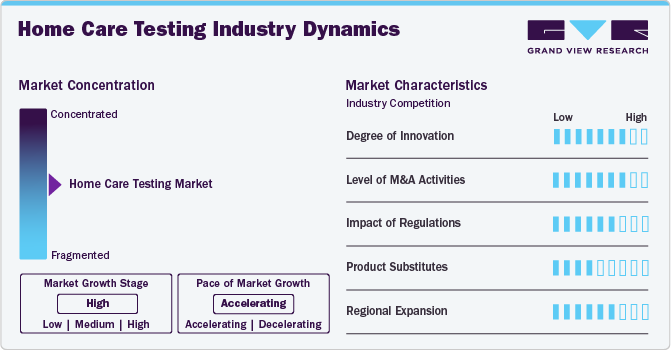
Regulations play a critical role in shaping the home care testing industry by establishing mandatory product safety, accuracy, and efficacy guidelines. Regulatory frameworks from organizations such as the U.S. FDA, European CE marking, and other regional authorities ensure that self-testing devices meet stringent quality standards. In addition, these regulations build consumer trust and also pose challenges for manufacturers, such as increased development costs and extended time-to-market.
The threat of product substitutes in the home care testing industry is significantly low due to several key solutions such as the home care testing solutions offer significant convenience and accessibility for patients managing chronic conditions. Unlike traditional diagnostic methods that require visits to healthcare facilities, home testing kits allow individuals to perform tests in the comfort of their homes, thereby reducing time and travel costs associated with healthcare visits. This convenience is particularly crucial for patients with chronic diseases, such as diabetes or cardiovascular conditions, who require regular monitoring to manage their health effectively.
Regional expansion in the home care testing industry is characterized by targeted initiatives by companies to increase their presence in emerging markets while strengthening footholds in developed regions. Companies are leveraging various strategies such as strategic partnerships, collaborations, and expansion to address region-specific healthcare challenges and regulatory requirements.
Analyst Perspective
The homecare testing market is expected to witness sustained growth over the forecast period, driven by increasing consumer preference for convenient, rapid, and self-administered diagnostic solutions. Rising prevalence of chronic diseases, expanding aging populations, and growing awareness of preventive healthcare are accelerating demand for home-based testing products. Technological advancements, including smartphone-connected devices, AI-assisted result interpretation, digital health platforms, and telehealth integration, are enhancing test accuracy and user accessibility. Market participants are increasingly focusing on expanding product portfolios, improving regulatory compliance, and strengthening omnichannel distribution through retail and online pharmacies. While concerns regarding diagnostic accuracy, reimbursement limitations, and regulatory requirements remain key challenges, continuous innovation and broader acceptance of decentralized healthcare are expected to offset these constraints. Emerging economies present significant growth opportunities due to improving healthcare infrastructure, increasing disposable incomes, and expanding access to affordable home diagnostic solutions, positioning the market for robust long-term expansion.
Age Insights
Based on age, the geriatric segment led the market with the largest revenue share of 59.3% in 2025 and is expected to witness at the fastest CAGR over the forecast period. According to an article by the United Nations Population Fund, the global geriatric population aged 65 years and above has almost doubled between 1974 and 2024 to reach 10.3% from 5.5%. Moreover, this number is further expected to increase to 20.7% between 2024 and 2074. Similarly, the number of people aged 80 years and above is expected to triple in the same period. This increasing geriatric population is expected to drive the demand for home care testing, contributing to the segment growth.
The pediatric segment is expected to witness at a significant CAGR during the forecast period. Home care testing can improve outcomes for pediatric patients by allowing for more frequent monitoring and earlier detection of changes in health status. Moreover, advancements in neonatal care have led to lower infant mortality rates, and premature infants, as well as babies with life-limiting birth defects or chronic illnesses, have a greater chance of survival. These factors have increased the demand for pediatric care services.
Sample Insights
Based on sample, the urine segment led the market with the largest revenue share of 35.7% in 2025, and is anticipated to witness at the fastest CAGR over the forecast period. Urine sample collection is a non-invasive and easy process that can be performed at home. Technology advancements have led to more accurate and reliable urine sample testing, allowing for earlier detection and treatment of health conditions. In January 2023, Withings, a company pioneering in connected health, announced the launch of an in-home biomarker analysis platform, U-Scan. It is a miniaturized health lab that can be placed inside any toilet bowl to analyze urine samples and provide users with real-time health information. It detects a wide range of health conditions, such as urinary tract infections, kidney disease, and even some types of cancer.
The blood sample segment is expected to grow at a significant CAGR over the forecast period. Blood sample testing can be used to detect several health conditions, including diabetes, heart disease, and several other infections. This makes it a widely used diagnostic tool in the healthcare industry. It is a convenient and cost-effective way to monitor the patient’s health and diagnose medical conditions.
Test Type Insights
Based on test type, the others segment led the market with the largest revenue share of 41.4% in 2025. The convenience and accessibility of homecare testing for infectious diseases has become an essential tool after the COVID-19 pandemic, as many people were hesitant to visit hospitals or clinics for fear of exposure to the virus. Homecare testing for COVID-19 was crucial to control the spread of the virus, especially in areas with high infection rates. In February 2023, the FDA authorized the first over-the-counter at-home test to detect COVID-19 and influenza viruses.
The diabetes and glucose tests segment is expected to witness at the fastest CAGR over the forecast period. Diabetes is a chronic condition that affects millions of people worldwide, and glucose testing is a key part of managing diabetes. Home care testing kits for glucose monitoring are widely available, and they allow patients to test their blood sugar levels at home using a simple finger prick. In April 2023, the world-first pilot program, conducted by a hospital trust in the UK, allows pregnant women to take the glucose tolerance test at home using a home care testing kit. Continuous advancements in this field would further drive the segment’s growth.
Distribution channel Insights
Based on distribution channel, the retail pharmacies segment led the market with the largest revenue share of 50.0% in 2025. These are easily accessible to consumers, with many in convenient locations such as shopping centers and grocery stores. This makes it easy for consumers to purchase home care testing kits or pick up test results. Moreover, retail pharmacies have a wide range of home care testing products, such as blood glucose, cholesterol, pregnancy, and infectious diseases such as HIV and hepatitis. This allows consumers to choose the tests that best suit their needs, thus increasing the demand for home care testing.
The online pharmacies segment is expected to grow at the fastest CAGR during the forecast period. The market growth is attributed to factors such as ease of convenience, availability of a wide range of products, competitive pricing, privacy, and accessibility. Online pharmacies offer competitive pricing for home care testing products, which can be more affordable than purchasing them from a physical retail pharmacy. This could be one of the factors driving the segment’s growth.
Product Insights
Based on product, the strips led the market with the largest revenue share of 30.4% in 2025. The strip tests are relatively inexpensive and easy to use and can be performed without the need for specialized equipment or laboratory analysis, making them ideal for self-monitoring and early detection of health conditions. These are also portable, making them ideal for use in resource-limited settings and for mobile healthcare applications.
The cassette segment is expected to grow at a substantial CAGR during the forecast period. These tests are designed to be simple and easy to use, producing results in less than a minute. In addition, cassette tests are more sensitive and specific than strip tests, making them ideal for detecting low levels of analytes. In October 2021, Intrivo announced launching an FDA-authorized at-home rapid COVID-19 self-test, Intrivo's On/Go. The test delivers 95% accuracy within 10 minutes, making it a reliable and convenient way for individuals to test themselves for COVID-19 in the comfort of their own homes.
Regional Insights
North America home care testing market accounted for the largest revenue share of 34.0% in 2025. The region has a highly developed healthcare system, which has led to higher investment in research and development of home care testing. Moreover, the availability of a wide range of testing products, such as rapid diagnostic tests, self-monitoring devices, and mobile health apps, is also contributing to the region’s market growth. In addition, a supportive regulatory framework is also driving market growth. For instance, the FDA in the U.S. and Health Canada in Canada have established clear regulatory pathways for home care testing products, which has enabled faster approval and commercialization of new products.
U.S. Home Care Testing Market Trends
The home care testing market, U.S. held the largest share in the North America region in 2025. One of the major factors driving market growth is the increasing demand for convenient healthcare solutions as patients seek to manage their health from home. Moreover, the increasing regulatory support and efforts by regulatory bodies to increase access to advanced care testing are expected to fuel the market growth in the country. For instance, in October 2024, the FDA authorized the marketing of Healgen’s Rapid Check COVID-19/Flu A&B Antigen Test, the first at-home COVID-19 and flu test approved outside emergency use authorization. This over-the-counter test for ages 14 and above provides results in 15 minutes. It detects influenza A/B and SARS-CoV-2 proteins with high accuracy.
Europe Home Care Testing Market Trends
The home care testing market in Europe is experiencing significant growth. The rising prevalence of chronic diseases, particularly diabetes and cardiovascular conditions, has led to an increased demand for home-based diagnostic solutions. Patients increasingly prefer home care testing as it allows for convenient monitoring of their health without the need for frequent visits to healthcare facilities. Moreover, supportive regulatory frameworks across Europe have facilitated the introduction of new products into the market.
The UK home care testing market is experiencing significant growthprimarily due to the increasing prevalence of chronic diseases and the advancements in technology. According to Diabetes UK, around 5.6 million people in the UK suffer from diabetes, with the number increasing by around 167,822 from 2021-22 to 2022-23. As chronic conditions such as diabetes, cardiovascular diseases, and respiratory disorders become more common, there is an increased demand for convenient and efficient monitoring solutions in the UK.
The home care testing market in Germany is experiencing significant growth, driven by the increasing prevalence of chronic diseases such as diabetes and cardiovascular conditions, which necessitate continuous monitoring. As patients seek more convenient options for managing their health, home care testing solutions are becoming increasingly popular. These tests allow individuals to perform essential diagnostics at home, reducing the need for frequent hospital visits and enabling timely health management.
Asia Pacific Home Care Testing Market Trends
The home care testing market in Asia Pacific is expected to grow at the fastest CAGR during the forecast period, driven by demographic and technological advancements. Asia Pacific has one of the fastest aging populations in the world. This aging population often suffers from chronic diseases such as diabetes and cardiovascular conditions, creating a high demand for home care testing solutions that allow for regular monitoring and management of health conditions from the comfort of the home. The convenience and accessibility offered by these products are crucial in addressing the healthcare needs of this demographic, thereby fueling market growth.
The Japan home care testing market is driven by an aging population, technological advancements, and evolving patient preferences. According to the World Economic Forum, approximately 29.8% population of Japan will be aged 65 years and above in 2021. As Japan's population ages, with a growing number of individuals suffering from chronic diseases such as diabetes and cardiovascular conditions, the demand for convenient and accessible healthcare solutions is expected to increase.
The home care market in India is experiencing growth driven the technological advancements, increasing healthcare awareness, and growing patient awareness. Home care solutions in the country are witnessing a significant shift as patients seek convenience and efficiency in managing their health. Moreover, the increasing efforts to enhance healthcare accessibility have also played a crucial role in promoting home care testing, as they aim to provide quality healthcare services to a broader population, especially in rural areas where access to medical facilities is limited.
Latin America Home Care Testing Market Trends
The home care testing market in Latin America is experiencing significant growth,owing to the region's developing healthcare infrastructure and growing middle-class population with rising disposable income, which has also increased demand for home care testing solutions. In addition, rising patient awareness about the benefit of home care testing over in-facility testing is further contributing to this growth.
The Brazil home care testing market is anticipated to witness at a significant CAGR during the forecast period, driven by a combination of technological advancements, demographic trends, and healthcare policy initiatives. Brazil’s aging population has increased the demand for accessible and convenient health monitoring solutions. Chronic diseases such as diabetes, hypertension, and cardiovascular conditions are prevalent in this aging population, creating a high demand for home-based diagnostic tools. Moreover, the availability of cost-effective devices and growing awareness about preventive healthcare have encouraged Brazilian consumers to adopt home testing as an efficient alternative to frequent clinical visits.
Middle East And Africa Home Care Testing Market Trends
The home care testing marketin the Middle East & Africa is expanding as awareness of chronic and infectious diseases is rising across the region. Initiatives to improve healthcare access, especially in underserved areas, have enhanced the adoption of testing kits. Moreover, the growing affordability of these solutions and the rising efforts to increase patient comfort further contribute to this growth.
The Saudi Arabia home care testing market is characterized by rapid innovation, growing competition, and increasing demand for convenient and accessible healthcare solutions. Moreover, the government’s commitment to reducing the burden on hospitals and enhancing the efficiency of healthcare services has led to a greater emphasis on home-based diagnostic and monitoring solutions.
Key Home Care Testing Company Insights
The home care testing industry is fragmented, with major players focusing on growth strategies, such as new product launches, collaborations, partnerships, expansion, and mergers & acquisitions.
Key Home Care Testing Companies:
The following key companies have been profiled for this study on the home care testing market.
-
Abbott
-
BD
-
Quidel Corporation
-
BioSure
-
F. Hoffmann-La Roche Ltd.
-
Nova Biomedical
-
Siemens Healthcare GmbH
-
ACON Laboratories, Inc.
-
OraSure Technologies, Inc.
-
Chembio Diagnostics, Inc.
Competitive Benchmarking
Category
Operating Strategies
Competitive Edge
Weakness
Well-Established Players (Abbott, Roche, BD, Siemens Healthineers, QuidelOrtho, bioMérieux, OraSure Technologies)
- Focus on expanding comprehensive homecare testing portfolios through rapid diagnostic innovations, digital health integration, smartphone-enabled testing, and AI-supported result interpretation. Emphasize partnerships with retail pharmacies, e-commerce platforms, healthcare providers, and telehealth companies while investing in R&D, automation, regulatory approvals, and global market expansion through acquisitions and strategic collaborations.
- Strong global distribution networks, trusted brands, extensive regulatory expertise, diversified diagnostic portfolios, advanced manufacturing capabilities, and significant R&D investments. Broad product offerings across infectious diseases, chronic disease monitoring, pregnancy, and wellness testing, combined with established healthcare partnerships, support high consumer confidence and widespread market penetration.
- High product development and regulatory compliance costs, pricing pressures from generic and private-label products, dependence on reimbursement policies in certain markets, and continuous investment requirements to maintain technological leadership. Large organizations may also face slower innovation cycles and supply chain complexities.
Emerging & Regional Players (Acon Laboratories, iHealth Labs, Everlywell, LetsGetChecked, Detect, regional diagnostic manufacturers)
- Focus on niche home diagnostic solutions, direct-to-consumer (DTC) testing, digital health platforms, subscription-based wellness testing, and personalized healthcare services. Emphasize rapid product innovation, online distribution, telemedicine integration, and collaborations with healthcare providers and technology companies to expand consumer access and improve user experience.
- High innovation capability, agility in product development, strong digital engagement, consumer-centric business models, competitive pricing, and faster commercialization of novel diagnostic technologies. Ability to quickly respond to evolving consumer demand and expand through online sales channels provides significant competitive differentiation.
- Limited global distribution, smaller manufacturing capacity, lower brand recognition, dependence on external funding and partnerships, and challenges in obtaining regulatory approvals across multiple regions. Regional companies may also face scalability limitations and intense competition from established multinational diagnostic manufacturers.
Recent Developments
-
In November 2024, NOWDiagnostics announced the launch of at-home syphilis tests in U.S. This is the only FDA-authorized syphilis test in the U.S. for over-the-counter use, now available for purchase online via Amazon and at major retail, pharmacy, and drugstore locations nationwide.
-
In September 2024, Mankind Pharma launched its "Rapid News Self-Test Kits" to address critical health challenges in India. These kits aim to enhance accessibility and early detection for conditions such as dengue, malaria, and other infectious diseases. With a focus on affordability and accuracy, this initiative aligns with Mankind Pharma's goal of improving healthcare access across India.
-
In February 2023, R.R. Donnelley & Sons Company (RRD) expanded its diagnostic test kit solution to meet the growing demand for at-home testing. The COVID-19 pandemic has boosted the demand for at-home testing, and RRD's expansion of its diagnostic test kit solution aims to help meet this demand.
Home Care Testing Market Report Scope
Report Attribute
Details
Market size in 2025
USD 11.5 billion
Market size value in 2026
USD 12.5 billion
Revenue forecast in 2033
USD 23.6 billion
Growth rate
CAGR of 9.4% from 2026 to 2033
Historical data
2021 - 2024
Forecast period
2026 - 2033
Quantitative units
Revenue in USD million/billion and CAGR from 2026 to 2033
Report coverage
Revenue forecast, company ranking, competitive landscape, growth factors, and trends
Segments covered
Age, sample, test type, product, distribution channel, region
Regional scope
North America; Europe; Asia Pacific; Latin America; MEA
Country scope
U.S.; Canada; Mexico; Germany; UK; France; Italy; Spain; Denmark; Sweden; Norway; Japan; China; India; South Korea; Australia; Thailand; Brazil; Argentina; South Africa; Saudi Arabia; UAE; and Kuwait
Key companies profiled
Abbott; BD; Quidel Corporation; BioSure; F. Hoffmann-La Roche Ltd.; Nova Biomedical; Siemens Healthcare GmbH; ACON Laboratories; Inc.; OraSure Technologies, Inc.; Chembio Diagnostics, Inc.
Customization scope
Free report customization (equivalent up to 8 analysts' working days) with purchase. Addition or alteration to country, regional & segment scope.
Pricing and purchase options
Avail customized purchase options to meet your exact research needs. Explore purchase options
Global Home Care Testing Market Report Segmentation
This report forecasts revenue growth at global, regional, & country levels and provides an analysis of industry trends in each of the subsegments from 2021 to 2033. For this study, Grand View Research, Inc. has segmented the global home care testing market report based on the age, sample, test type, distribution channel, product, and region:
-
Age Outlook (Revenue, USD Million, 2021 - 2033)
-
Pediatric
-
Adult
-
Geriatric
-
-
Sample Outlook (Revenue, USD Million, 2021 - 2033)
-
Urine
-
Saliva
-
Blood
-
Others
-
-
Test Type Outlook (Revenue, USD Million, 2021 - 2033)
-
HIV Test Kit
-
Diabetes and Glucose Tests
-
Cholesterol and Triglycerides Tests
-
Pregnancy Tests
-
Infectious Diseases Tests
-
Urinary Tract Infection Tests
-
Others
-
-
Distribution Channel Outlook (Revenue, USD Million, 2021 - 2033)
-
Retail Pharmacies
-
Supermarket/Hypermarket
-
Online Pharmacies
-
-
Product Outlook (Revenue, USD Million, 2021 - 2033)
-
Strip
-
Cassette
-
Test Panel
-
Midstream
-
Dip Card
-
Others
-
-
Regional Outlook (Revenue, USD Million, 2021 - 2033)
-
North America
-
U.S.
-
Canada
-
Mexico
-
-
Europe
-
UK
-
Germany
-
France
-
Italy
-
Spain
-
Norway
-
Denmark
-
Sweden
-
-
Asia Pacific
-
Japan
-
China
-
India
-
Australia
-
South Korea
-
Thailand
-
-
Latin America
-
Brazil
-
Argentina
-
-
Middle East & Africa
-
South Africa
-
Saudi Arabia
-
UAE
-
Kuwait
-
-
Research Methodology
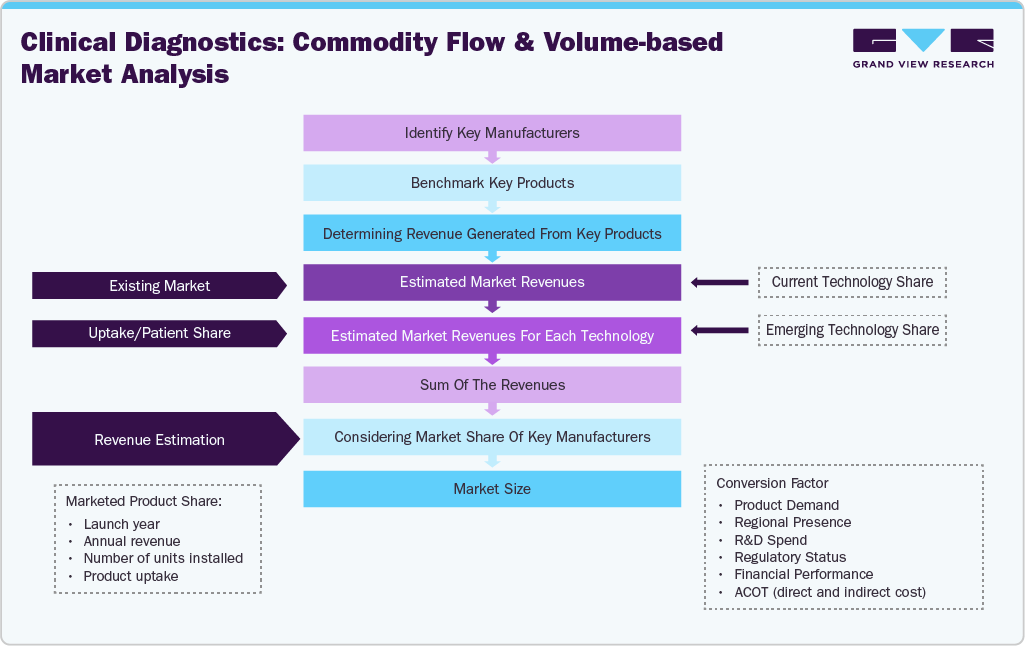
The home care testing market figures in this report are based on a proven research process that combines executive interviews with secondary research from proprietary databases, company filings, and recognized regulatory and institutional sources. Market size is built through value-chain sizing - reconciling supply-side and demand-side estimates - and triangulated with bottom-up and top-down approaches. Every estimate passes multiple levels of expert validation before publication, with each home care testing segment quantified using the revenue-capture definitions in the table below.
Segment Definition
Segment - Age
Revenue capture definition
Pediatric
Revenue generated from homecare diagnostic tests designed for infants, children, and adolescents, purchased by caregivers for routine health monitoring, infectious disease detection, allergy screening, and other pediatric conditions.
Adult
Revenue derived from homecare testing products used by adults for self-monitoring, preventive screening, chronic disease management, reproductive health, and detection of infectious or lifestyle-related conditions.
Geriatric
Revenue generated from homecare diagnostic solutions used by elderly individuals for chronic disease monitoring, medication management, infection detection, and age-related health assessments conducted at home.
Segment - Sample
Revenue capture definition
Urine
Revenue generated from homecare diagnostic tests utilizing urine specimens for detecting pregnancy, urinary tract infections, kidney disorders, diabetes, and other health conditions.
Saliva
Revenue derived from homecare testing kits using saliva samples for infectious disease detection, hormone analysis, genetic screening, drug testing, and other diagnostic applications.
Blood
Revenue generated from homecare diagnostic products requiring blood samples through finger-prick or similar collection methods for glucose, cholesterol, infectious diseases, and biomarker testing.
Others
Revenue generated from homecare tests utilizing alternative sample types, including stool, nasal swabs, sputum, or combined specimens for specialized diagnostic purposes.
Segment - Test Type
Revenue capture definition
HIV Test Kits
Revenue generated from home-based HIV diagnostic kits designed for rapid screening and preliminary detection of Human Immunodeficiency Virus infections.
Diabetes and Glucose Tests
Revenue derived from home glucose monitoring and diabetes screening products used for routine blood sugar measurement, diabetes diagnosis support, and disease management.
Cholesterol and Triglycerides Tests
Revenue generated from home diagnostic kits measuring cholesterol and triglyceride levels for cardiovascular risk assessment and ongoing lipid management.
Pregnancy Test
Revenue generated from home pregnancy testing kits detecting human chorionic gonadotropin (hCG) in urine for early pregnancy confirmation.
Infectious Diseases
Revenue derived from home diagnostic products detecting infectious diseases such as COVID-19, influenza, hepatitis, dengue, malaria, and other communicable illnesses.
Urinary Tract Infection Test
Revenue generated from home urine-based diagnostic kits used for rapid detection of urinary tract infections through biochemical marker identification.
Others
Revenue generated from homecare testing products covering fertility, ovulation, drug screening, allergy testing, hormone analysis, genetic screening, and additional diagnostic applications.
Segment - Distribution Channel
Revenue capture definition
Retail Pharmacies
Revenue generated through sales of homecare testing products distributed via independent pharmacies, drugstores, and pharmacy chains serving consumer healthcare needs.
Supermarket/Hypermarket
Revenue derived from homecare diagnostic products sold through supermarkets, hypermarkets, and large retail stores offering healthcare and wellness product sections.
Online Pharmacies
Revenue generated from homecare testing products sold through e-commerce pharmacies, digital healthcare platforms, and online retail channels providing home delivery services.
Segment - Product
Revenue capture definition
Strip
Revenue generated from strip-based home diagnostic products providing rapid qualitative or semi-quantitative test results using biological sample interaction with reactive strips.
Cassette
Revenue derived from cassette-format home diagnostic kits incorporating enclosed testing devices for improved sample handling, accuracy, and ease of result interpretation.
Test Panel
Revenue generated from multi-analyte home testing panels capable of detecting multiple biomarkers or health conditions within a single diagnostic device.
Midstream
Revenue generated from midstream home diagnostic products allowing direct sample application, primarily for pregnancy, ovulation, and selected urine-based diagnostic tests.
Dip Card
Revenue generated from dip card home testing products requiring immersion into biological samples for rapid detection of target analytes or infectious markers.
Others
Revenue generated from alternative home diagnostic product formats, including digital readers, cartridges, integrated analyzers, wearable testing devices, and emerging diagnostic technologies.
Estimation Model
The homecare testing market is estimated using a combination of bottom-up and top-down methodologies. Revenue is calculated by analyzing sales of home diagnostic products across major manufacturers, distributors, pharmacies, supermarkets, and online platforms. Segment-level estimates are derived by product type, test type, sample type, age group, distribution channel, and geography. Secondary research from company annual reports, regulatory databases, healthcare organizations, and industry publications is validated through primary interviews with manufacturers, distributors, healthcare professionals, and market experts. Historical market trends, pricing analysis, adoption rates, disease prevalence, and technological advancements are incorporated to forecast future market size and growth accurately.
Delivered Customizations
This report has been delivered with the following In-depth customizations
Client Request
Customization Delivered
Value Adds
Homecare Testing Competitive Landscape & Technology Assessment – Rapid Diagnostics, Digital Health & Self-Testing
Assessed the global homecare testing ecosystem across diagnostic manufacturers, digital health providers, retail pharmacies, online pharmacies, and telehealth platforms. Evaluated leading manufacturers of rapid diagnostic kits, glucose monitoring devices, pregnancy tests, infectious disease test kits, digital readers, and smartphone-enabled diagnostic solutions. Analyzed competitive positioning across chronic disease monitoring, infectious disease testing, reproductive health, and preventive healthcare applications.
Enables benchmarking of leading homecare testing companies, identifies innovation opportunities in AI-enabled diagnostics, smartphone-integrated testing, digital health connectivity, and rapid diagnostic technologies. Evaluated competitive differentiation across self-testing platforms, connected healthcare solutions, and consumer-focused diagnostic portfolios.
Homecare Testing Regulatory, Clinical Guidelines & Reimbursement Assessment
Analyzed evolving regulatory frameworks governing home-use diagnostic devices across major global markets, including OTC approvals, quality standards, clinical validation requirements, labeling regulations, and reimbursement policies. Assessed the impact of regulatory changes, consumer safety standards, telehealth integration, and diagnostic accuracy requirements on commercialization and market adoption.
Supported regulatory risk assessment, identified commercialization and reimbursement challenges, evaluated compliance readiness among manufacturers, and highlighted the impact of evolving regulatory standards, digital healthcare policies, and consumer safety requirements on market growth and product adoption.
Homecare Testing Innovation & Technology Assessment – AI, Digital Diagnostics & Connected Healthcare
Evaluated advancements in rapid diagnostic technologies, AI-assisted result interpretation, smartphone-connected diagnostic devices, biosensors, wearable diagnostics, cloud-based health platforms, and laboratory-independent testing solutions. Assessed emerging trends in decentralized healthcare, remote patient monitoring, digital health integration, and personalized home diagnostics supporting preventive healthcare and chronic disease management.
Highlighted high-growth innovation areas, identified emerging technologies improving diagnostic accuracy, user convenience, and healthcare accessibility, assessed competitive positioning in connected home diagnostics, and provided strategic insights into future opportunities in decentralized, consumer-centric, and digitally enabled healthcare solutions.
Frequently Asked Questions About This Report
The global home care testing market size was estimated at USD 11.5 billion in 2025 and is expected to reach USD 12.5 billion in 2026.
The global home care testing market is expected to grow at a compound annual growth rate of 9.4% from 2026 to 2033 to reach USD 23.6 billion by 2033.
Some key players operating in the home care testing market include Abbott; BD; Quidel Corporation; BioSure; F. Hoffmann-La Roche Ltd.; Nova Biomedical; Siemens Healthcare GmbH; ACON Laboratories, Inc.; OraSure Technologies, Inc.; Chembio Diagnostics, Inc.
Key factors that are driving the market growth include increase in chronic disorders prevalence and the increase in the adoption of testing kits for disorder diagnosis.
The home care testing market in Asia Pacific is expected to grow at the fastest CAGR during the forecast period, driven by demographic and technological advancements. Asia Pacific has one of the fastest aging populations in the world.
Based on sample, the urine segment led the market with the largest revenue share of 35.7% in 2025 and is anticipated to witness at the fastest CAGR over the forecast period. Urine sample collection is a non-invasive and easy process that can be performed at home.
Based on test type, the others segment led the market with the largest revenue share of 41.4% in 2025. The convenience and accessibility of homecare testing for infectious diseases has become an essential tool after the COVID-19 pandemic, as many people were hesitant to visit hospitals or clinics for fear of exposure to the virus.
The expansion of self-testing solutions into emerging markets represents a major growth opportunity due to the significant gaps in healthcare infrastructure across many developing regions.
North America dominated the home care testing market with a share of 34.0% in 2025. This is attributable to increasing number of product launches and ease of use for home care testing devices.
About the Author(s)
Clinical Diagnostics Research Team
Healthcare · Clinical DiagnosticsThis report was authored by the clinical diagnostics research team at Grand View Research - comprising two research analysts, one senior research analyst, and one industry expert - with specialized expertise in the clinical diagnostics segment of the healthcare industry. All findings are based on proprietary healthcare databases, executive interviews, and regulatory analysis, subject to internal peer review prior to publication.
Last Updated:
Speak to Analyst


Customize this report to your needs — add regions, segments, or data points, with 20% free customization.
Or view our licence options:


ISO 9001:2015 & 27001:2022 Certified
We are GDPR and CCPA compliant! Your transaction & personal information is safe and secure. For more details, please read our privacy policy.


