
- Home
- »
- Medical Devices
- »
-
Hydrophilic Catheters Market Size, Industry Report, 2033GVR Report cover
![Hydrophilic Catheters Market Size, Share & Trends Report]()
Hydrophilic Catheters Market (2026 - 2033) Size, Share & Trends Analysis Report By Type (Water-Activated Hydrophilic Catheter, Pre-Activated Hydrophilic Catheter), By Material, By Patient, By Size, By End Use, By Region, And Segment Forecasts
- Report ID: GVR-4-68040-884-6
- Number of Report Pages: 120
- Format: PDF
- Historical Range: 2021 - 2024
- Forecast Period: 2026 - 2033
- Industry: Healthcare
- Report Summary
- Table of Contents
- Segmentation
- Methodology
- Download FREE Sample
-
 Download Sample Report
Hydrophilic Catheters Market Summary
The global hydrophilic catheters market size was valued at USD 1.75 billion in 2025 and is projected to reach USD 2.89 billion by 2033, growing at a CAGR of 6.50% from 2026 to 2033. The industry is driven by the rising prevalence of urinary disorders, including urinary incontinence, neurogenic bladder, and urinary retention, which require intermittent catheterization for effective bladder management.
Key Market Trends & Insights
- North America dominated the hydrophilic catheters market with the largest revenue share of 42.56% in 2025.
- The hydrophilic catheters market in the U.S. accounted for the largest market revenue share in North America in 2025.
- By type, the water-activated hydrophilic catheter segment led the market with the largest revenue share in 2025.
- By material, the PVC catheter segment led the market with the largest revenue share in 2025.
- By patient, the male segment led the market with the largest revenue share in 2025.
Market Size & Forecast
- 2025 Market Size: USD 1.75 Billion
- 2033 Projected Market Size: USD 2.89 Billion
- CAGR (2026-2033): 6.50%
- North America: Largest market in 2025
In addition, the growing aging population and increasing awareness of infection prevention are driving the adoption of hydrophilic-coated catheters, which reduce friction and improve patient comfort during catheterization. The increasing prevalence of urinary disorders is a key driver of the market. Conditions such as urinary retention, neurogenic bladder, spinal cord injuries, and benign prostatic hyperplasia are becoming more common, particularly among aging populations. Hydrophilic catheters are widely used for intermittent catheterization as they reduce friction, improve patient comfort, and lower the risk of urinary tract infections. As the number of patients requiring long-term bladder management increases, the demand for hydrophilic catheters continues to grow.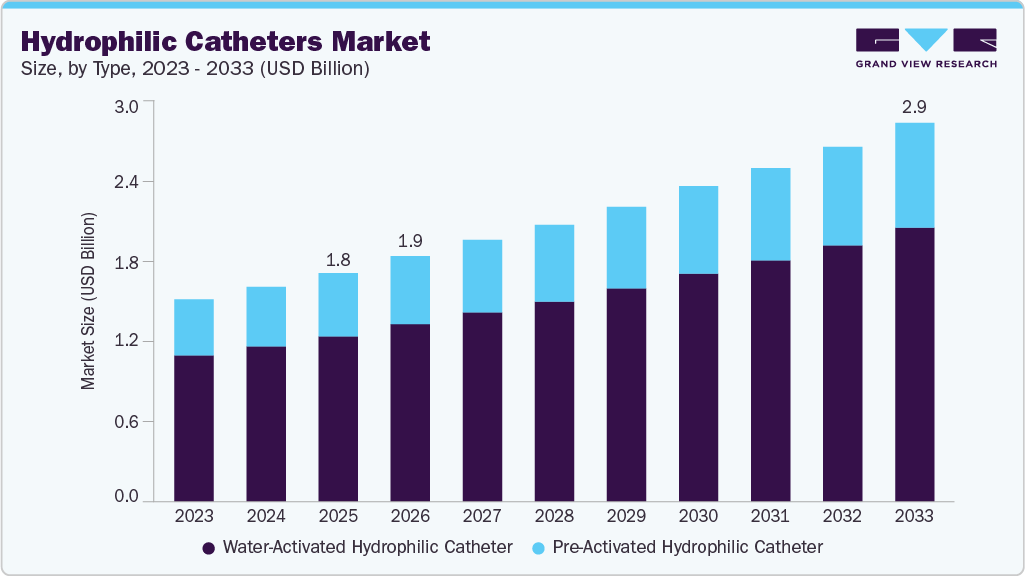
The rising incidence of spinal cord disorders and injuries increases the number of patients experiencing neurogenic bladder dysfunction, which often requires intermittent catheterization for effective bladder management. Hydrophilic catheters are widely preferred in these cases as they reduce friction and discomfort, thereby driving demand in the market.
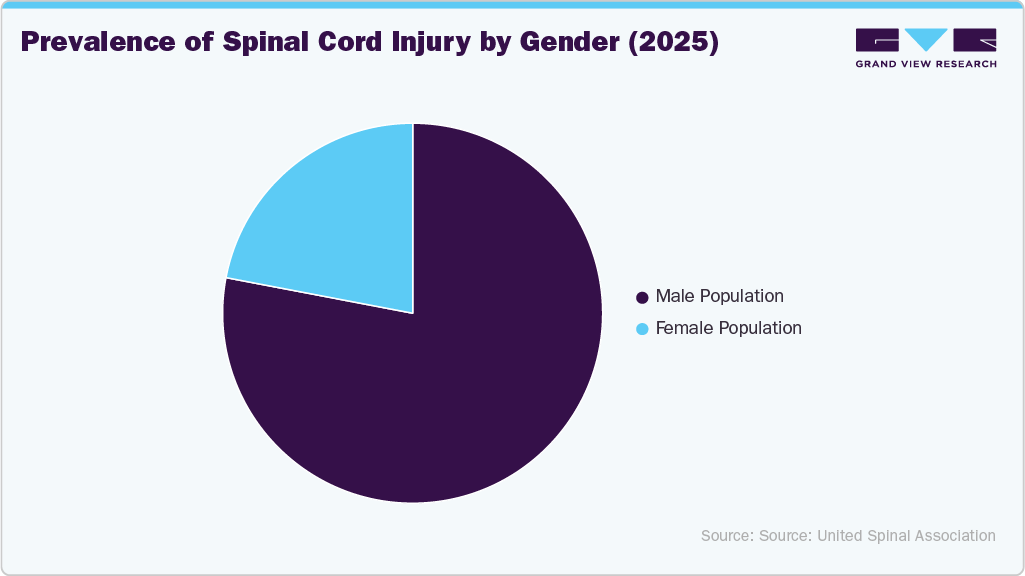
Most spinal cord injuries occur due to the reasons outlined in the table below, with vehicle accidents and falls accounting for the highest percentage of cases, followed by violence, sports-related injuries, and medical or surgical causes.
Causes of Spinal Cord Injury in the U.S.
Cause
Percentage of Cases
Vehicle accidents
39.30%
Falls
31.80%
Violence
13.20%
Sports-related injuries
8.00%
Medical or surgical causes
4.30%
Source: United Spinal Association
Moreover, the growing awareness of catheter-associated urinary tract infections (CAUTIs) is a significant driver of the industry. Healthcare providers are focusing on infection prevention and safer catheterization practices in hospitals and home care settings. Hydrophilic catheters feature a lubricated coating that reduces friction and minimizes urethral trauma, thereby lowering the risk of infection. As a result, medical professionals are increasingly recommending hydrophilic catheters as a safer alternative to conventional catheters. For instance, according to the National Healthcare Safety Network, acute care hospitals reported over 17,000 CAUTI events in 2023 across more than 23 million urinary catheter device-days. Nearly all healthcare-associated UTIs are linked to urinary tract instrumentation. An estimated 12%-16% of adult hospital inpatients receive an indwelling urinary catheter during hospitalization, and each additional day of catheter use increases the risk of developing a catheter-associated urinary tract infection by 3%-7%.
Market Characteristics
The hydrophilic catheters industry shows a moderate to high degree of innovation, with companies focusing on advanced coating technologies and improved catheter designs to enhance patient comfort and reduce infection risks. For instance, in March 2026, HR HealthCare introduced the EZ-Protect Hydrophilic Closed System Intermittent Catheter, designed to improve hygiene and safety during catheterization.
"The introduction of the EZ-Protect Hydrophilic line reflects our purpose of Positively Impacting People's Lives," said Chris Wiesman, Chief Commercial Officer. "By extending the EZ-Series portfolio, we're offering clinicians and patients greater flexibility and variety, empowering them to choose products that best support comfort, routine, and quality of life."
"HR HealthCare remains steadfastly focused on evolving, adapting, and expanding bladder management solutions across the care continuum," said Colby Wiesman, President and CEO. "This ensures healthcare professionals and patients have options that meet clinical requirements while honoring individual needs and preferences. This product launch demonstrates and reinforces that commitment."
The industry is witnessing moderate levels of mergers and acquisitions as medical device companies aim to expand their product portfolios and strengthen their presence in the urology care segment. Strategic acquisitions and partnerships enable companies to enhance technological capabilities, access new geographic markets, and broaden distribution networks. In addition, consolidation activities help manufacturers strengthen their competitive position and support the development of advanced hydrophilic catheter technologies.
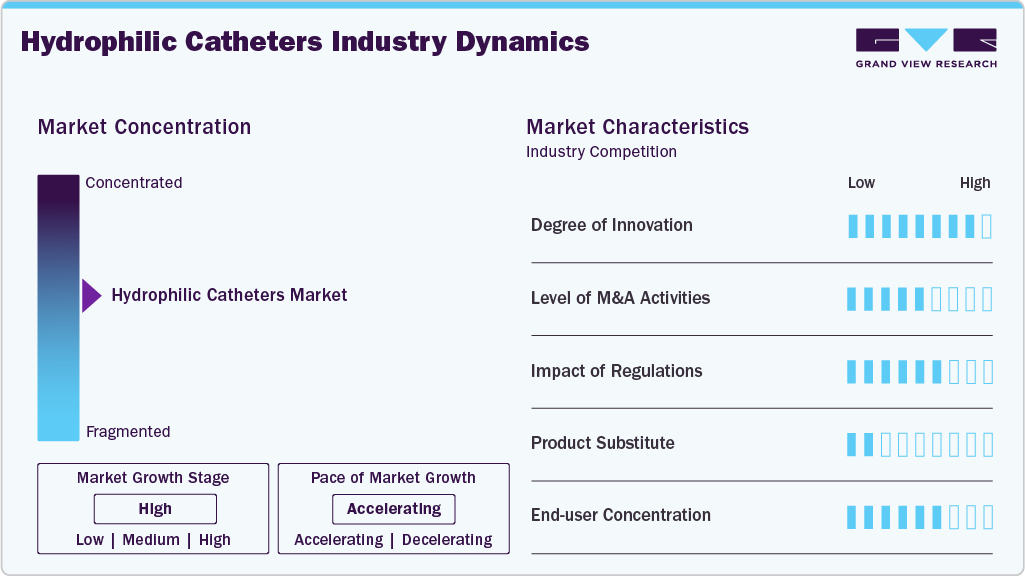
Regulations have a significant impact on the industry, as these medical devices must comply with strict safety, quality, and performance standards before commercialization. Regulatory frameworks such as medical device approvals, clinical evaluations, and quality management requirements ensure product safety but can increase development timelines and compliance costs for manufacturers. At the same time, strong regulatory oversight helps improve product reliability, encourages technological advancements, and strengthens patient safety in catheterization procedures.
The industry shows moderate end-use concentration, with demand primarily driven by hospitals, home care settings, and specialty clinics. Hospitals account for a significant share due to the high number of catheterization procedures and the availability of trained healthcare professionals. However, home-care settings are contributing to market demand as more patients adopt intermittent self-catheterization for long-term bladder management. This shift is encouraging manufacturers to develop user-friendly hydrophilic catheter products for non-clinical environments.
Type Insights
The water-activated hydrophilic catheter segment dominated the market in 2025 due to its ability to create a smooth, lubricated surface when activated with water, reducing friction during insertion and removal. These catheters are widely used in intermittent catheterization as they help improve patient comfort and minimize the risk of urethral trauma. Their ease of use and availability in clinical and home-care settings have further supported their widespread adoption.
The pre-activated hydrophilic catheter segment is expected to grow the fastest during the forecast period, driven by its ready-to-use design that eliminates the need for manual water activation. These catheters provide greater convenience, improved hygiene, and reduced preparation time for both patients and healthcare providers. Their increasing adoption in home-care settings and among patients who perform self-catheterization further supports segment growth.
Material Insights
The PVC catheter segment dominated the market in 2025 due to its cost-effectiveness, durability, and wide availability across healthcare settings. PVC-based hydrophilic catheters are commonly used in intermittent catheterization because they provide adequate flexibility and strength for safe insertion. Their compatibility with hydrophilic coatings and their suitability for large-scale manufacturing further supported their widespread adoption in hospitals and home-care environments.
The silicone catheter segment is expected to witness the fastest growth during the forecast period due to its superior biocompatibility and flexibility compared to other catheter materials. Silicone catheters reduce the risk of allergic reactions and irritation, making them suitable for long-term catheterization and sensitive patients. In addition, their durability and compatibility with advanced hydrophilic coatings are supporting increasing adoption in both hospital and home-care settings.
Patient Insights
The male hydrophilic catheter segment dominated the market in 2025 due to the higher prevalence of urinary retention, prostate-related conditions, and bladder outlet obstruction among men. Male catheters are widely used for intermittent catheterization in both hospital and home-care settings. The availability of hydrophilic coatings that reduce friction and improve insertion comfort has further supported their widespread adoption.
The female hydrophilic catheter segment is expected to witness the fastest growth during the forecast period due to increasing awareness and diagnosis of urinary incontinence and bladder dysfunction among women. The growing availability of shorter, user-friendly catheter designs specifically developed for the female anatomy is supporting higher adoption. In addition, the rising use of intermittent self-catheterization and expansion of home-care management are further driving demand for female hydrophilic catheters.
Size Insights
The 14 Fr catheter segment dominated the market in 2025 due to its widespread use in intermittent catheterization for adult patients. This size provides an optimal balance between efficient urine drainage and patient comfort during insertion. Its broad clinical acceptance across hospitals and home-care settings has supported its strong demand in bladder management procedures.
The 12 Fr catheter segment is expected to witness the fastest growth during the forecast period due to its smaller diameter, which provides improved comfort and reduced urethral irritation for patients. These catheters are preferred for patients who require frequent intermittent catheterization, particularly in home care settings. In addition, rising demand for patient-friendly, minimally invasive bladder management solutions is driving growth in the 12 Fr segment.
End Use Insights
The home care settings segment dominated the market in 2025 and is expected to grow at the fastest rate during the forecast period, driven by the increasing adoption of intermittent self-catheterization among patients with chronic bladder conditions. Hydrophilic catheters are widely preferred in home care because they are easy to use, hygienic, and reduce the risk of urethral irritation. Additionally, the growing shift toward home-based healthcare and patient independence in bladder management is further supporting segment growth.
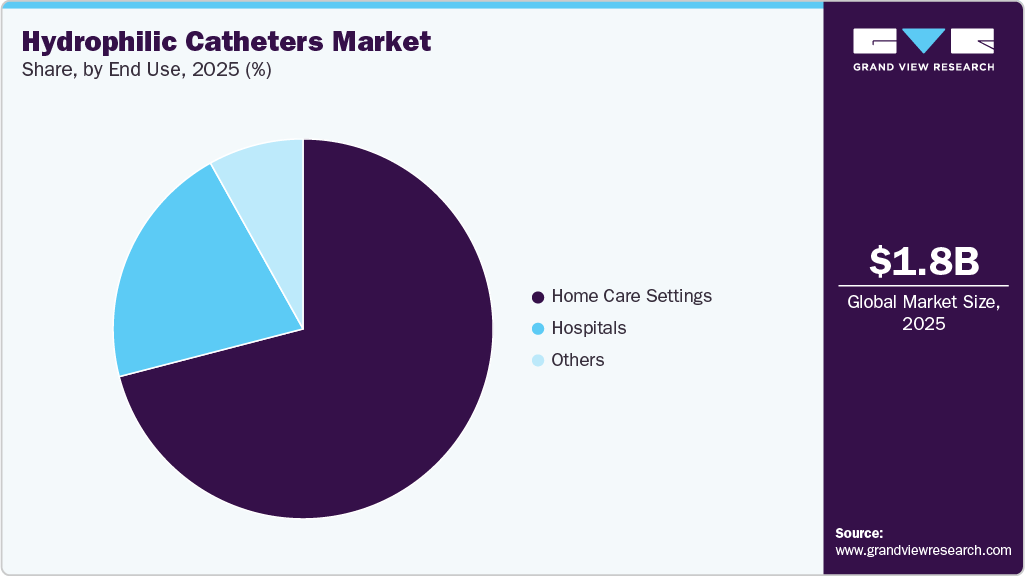
The hospital segment is witnessing significant growth, driven by the increasing number of urological procedures and catheterization cases performed in clinical settings. Hospitals widely use hydrophilic catheters for managing urinary retention, performing surgical procedures, and caring for patients with neurological disorders. In addition, the availability of skilled healthcare professionals and strict infection control practices is encouraging the adoption of advanced hydrophilic-coated catheters in hospital environments.
Regional Insights
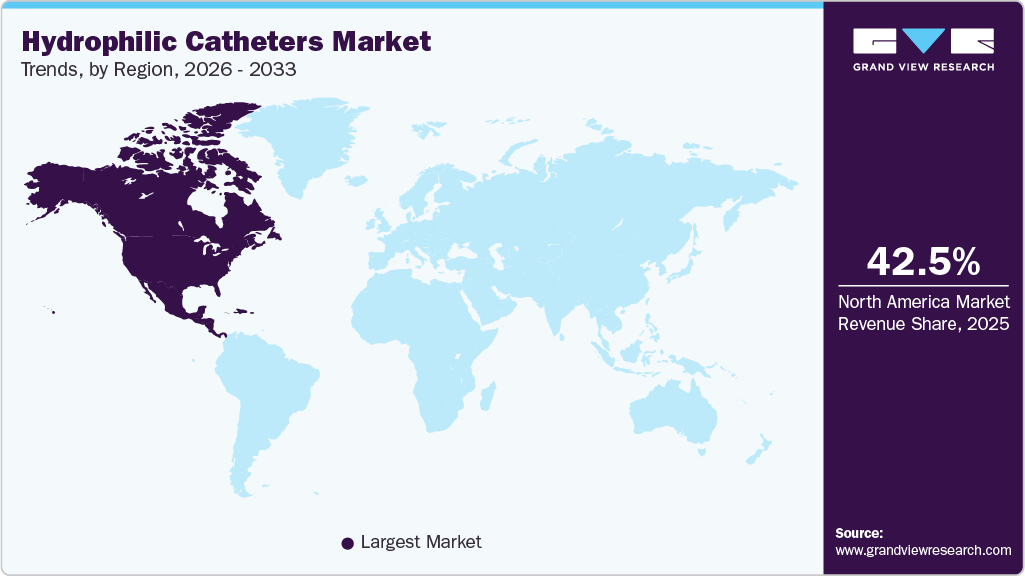
North America hydrophilic catheters market held the largest share and accounted for 42.56% of global revenue in 2025, due to the increasing prevalence of urinary incontinence, neurogenic bladder, and spinal cord injuries that require intermittent catheterization. The region shows strong adoption of advanced hydrophilic-coated catheters, which reduce friction, improve patient comfort, and help lower the risk of urethral trauma during use. In addition, the growing geriatric population and the expansion of home-based care are driving demand for convenient, patient-friendly catheter solutions across the U.S. and Canada.
U.S. Hydrophilic Catheters Market Trends
The hydrophilic catheter market in the U.S. is growing due to the increasing prevalence of urinary disorders such as neurogenic bladder, urinary retention, and spinal cord injuries that require intermittent catheterization. Hydrophilic-coated catheters are gaining preference among healthcare providers and patients because they reduce friction, improve comfort during insertion, and help minimize urethral trauma. In addition, the growing elderly population, greater awareness of infection prevention, and the increasing use of home-based self-catheterization are driving the adoption of hydrophilic catheter products across healthcare settings in the U.S.
Europe Hydrophilic Catheters Market Trends
The hydrophilic catheter market in Europe is witnessing consistent growth driven by the increasing prevalence of urinary incontinence, neurogenic bladder, and other urological conditions requiring intermittent catheterization. The region has a strong adoption of hydrophilic-coated catheters due to their ability to reduce friction and improve patient comfort during use. In addition, the growing geriatric population and the increasing emphasis on infection prevention and patient-friendly medical devices are driving demand for advanced catheter solutions across hospitals and home care settings in Europe.
The UK hydrophilic catheter market is experiencing gradual growth driven by the increasing number of patients requiring intermittent catheterization for bladder dysfunction and urinary retention. For instance, in August 2024, the NIH reported that around 50,000 people in England use intermittent catheters, with the number expected to rise as the population ages and treatment for bladder conditions increases. In addition, clinical guidelines increasingly recommend intermittent catheterization as the preferred approach for long-term bladder management, supporting the adoption of advanced hydrophilic-coated catheter technologies across hospital and community care settings in the UK.
The hydrophilic catheter market in France is witnessing gradual growth driven by the increasing prevalence of urinary disorders and bladder dysfunction requiring intermittent catheterization. Urinary incontinence affects a large portion of the population in France, particularly among the elderly, increasing the need for effective bladder management solutions. For instance, in July 2025, the National Center for Biotechnology Information highlighted that the growing adoption of intermittent catheterization as a standard approach for managing chronic urinary retention is supporting the use of advanced hydrophilic-coated catheters that improve lubrication, patient comfort, and safety in both hospital and home-care settings.
Asia Pacific Hydrophilic Catheters Market Trends
The hydrophilic catheter market in Asia Pacific is experiencing notable growth due to the increasing prevalence of urinary disorders, neurogenic bladder, and spinal cord injuries that require intermittent catheterization. Aging populations in countries such as Japan, China, and South Korea are driving the rising demand for bladder management solutions. In addition, improving healthcare infrastructure, expanding access to medical care, and increasing awareness of infection prevention are supporting the adoption of hydrophilic-coated catheters across hospitals and home care settings in the region.
The China hydrophilic catheter market is witnessing steady growth driven by the increasing prevalence of urinary disorders, bladder dysfunction, and neurogenic bladder conditions that require catheter-based management. For instance, in July 2025, the National Institutes of Health reported that urinary incontinence is common among the elderly population in China, with prevalence rates reaching around 46.8% among people aged 65 and above in rural areas, highlighting the growing need for bladder management solutions. In addition, the expanding aging population, improving hospital infrastructure, and rising awareness of intermittent catheterization are supporting the adoption of advanced hydrophilic-coated catheters across hospitals and home-care settings in China.
Latin America Hydrophilic Catheters Market Trends
The hydrophilic catheter market in Latin America is experiencing gradual growth driven by the rising prevalence of urinary incontinence, neurogenic bladder, and spinal cord injuries that require intermittent catheterization. Increasing healthcare investments and improving access to urological care in countries such as Brazil, Mexico, and Argentina are supporting the demand for advanced catheter products. In addition, growing awareness of infection prevention and patient comfort is encouraging healthcare providers to adopt hydrophilic-coated catheters across hospitals and home-care settings in the region.
MEA Hydrophilic Catheters Market Trends
The hydrophilic catheter market in the Middle East & Africa is experiencing significant growth driven by the rising prevalence of urinary disorders and neurological conditions that require catheterization. Rising healthcare investments and the expansion of hospital infrastructure in countries such as Saudi Arabia, the UAE, and South Africa are supporting the availability of advanced medical devices. In addition, growing awareness of infection prevention and improved patient care practices are encouraging the adoption of hydrophilic-coated catheters in both hospital and home-care settings across the region.
Key Hydrophilic Catheters Companies Insights
The hydrophilic catheters market includes several established medical device manufacturers such as Coloplast Corp, BD, Teleflex Incorporated, B. Braun SE, and Hollister Incorporated that actively compete through product innovation and portfolio expansion. These companies focus on developing advanced hydrophilic coating technologies, improving patient comfort, and strengthening distribution networks to expand their presence in both hospital and home-care segments.
Key Hydrophilic Catheters Companies:
The following key companies have been profiled for this study on the hydrophilic catheters market.
- Coloplast Corp
- BD
- Teleflex Incorporated
- Hollister Incorporated
- Convatec
- Wellspect HealthCare, a Dentsply Sirona Company
- Cook
- Medtronic
- HR HealthCare
- Johnson & Johnson
- B. Braun SE
Recent Developments
-
In February 2026, Johnson & Johnson announced the U.S. launch of the CEREGLIDE 42 and CEREGLIDE 57 aspiration catheters, along with the INNERGLIDE 7 delivery aid, expanding its aspiration-first stroke treatment portfolio. These devices complete the CEREGLIDE product family and are designed to help physicians access and remove distal clots more effectively, streamline procedural decision-making, and support consistent performance across a wide range of ischemic stroke cases.
-
In March 2026, HR HealthCare expanded its presence in the urological care segment with the continued development of its EZ-Series portfolio. The company introduced the EZ-Protect Hydrophilic Closed System Intermittent Catheter, designed to enhance safety and reliability while providing healthcare professionals and patients with a broader range of catheterization solutions.
-
In July 2024, Convatec Group announced the launch of GentleCath Air for Women with FeelClean Technology in the UK and Italy, following its earlier introduction in France. The company also stated that the product was planned for launch in the United States in September 2024, expanding its portfolio of hydrophilic intermittent catheters designed for improved comfort and convenience.
-
In January 2024, Cook Medical announced the availability of its Slip-Cath Beacon Tip Hydrophilic Selective Catheter in the U.S. and Canada. The hydrophilic angiographic catheter is designed for use in both vascular and non-vascular procedures, and its reintroduction reflects the company’s collaboration with physicians and clinicians to better address clinical needs.
Hydrophilic Catheters Market Report Scope
Report Attribute
Details
Market size value in 2026
USD 1.86 billion
Revenue forecast in 2033
USD 2.89 billion
Growth rate
CAGR of 6.50% from 2026 to 2033
Base year for estimation
2025
Historical data
2021 - 2024
Forecast period
2026 - 2033
Quantitative units
Revenue in USD million/billion and CAGR from 2026 to 2033
Report coverage
Revenue forecast, company ranking, competitive landscape, growth factors, and trends
Segments covered
Type, material, patient, size, end use, region
Regional scope
North America; Europe; Asia Pacific; Latin America; MEA
Country scope
U.S.; Canada; Mexico; Germany; UK; France; Norway; Italy; Denmark; Sweden; Spain; China; Japan; India; South Korea; Australia; Brazil; KSA; UAE; South Africa; Kuwait
Key companies profiled
Coloplast Corp; BD; Teleflex Incorporated; Hollister Incorporated; Convatec; Wellspect HealthCare, a Dentsply Sirona Company; Cook; Medtronic; HR HealthCare; Johnson & Johnson; B. Braun SE
Customization scope
Free report customization (equivalent up to 8 analysts working days) with purchase. Addition or alteration to country, regional & segment scope.
Pricing and purchase options
Avail customized purchase options to meet your exact research needs. Explore purchase options
Global Hydrophilic Catheters Market Report Segmentation
This report forecasts revenue growth at global, regional, and country levels and provides an analysis of the latest industry trends in each of the sub-segments from 2021 to 2033. For this study, Grand View Research has segmented the global hydrophilic catheters market report on the basis of type, material, patient, size, end use, and region:
-
Type Outlook (Revenue, USD Million, 2021 - 2033)
-
Water-Activated Hydrophilic Catheter
-
Pre-Activated Hydrophilic Catheter
-
-
Material Outlook (Revenue, USD Million, 2021 - 2033)
-
PVC Catheter
-
Silicone Catheter
-
Thermoplastic Polyurethane (TPU) Catheter
-
Others
-
-
Patient Outlook (Revenue, USD Million, 2021 - 2033)
-
Male Hydrophilic Catheter
-
Female Hydrophilic Catheter
-
Pediatric Hydrophilic Catheter
-
-
Size Outlook (Revenue, USD Million, 2021 - 2033)
-
6 Fr
-
8 Fr
-
10 Fr
-
12 Fr
-
14 Fr
-
16 Fr
-
-
End Use Outlook (Revenue, USD Million, 2021 - 2033)
-
Home Care Settings
-
Hospitals
-
Others
-
-
Regional Outlook (Revenue, USD Million, 2021 - 2033)
-
North America
-
U.S.
-
Canada
- Mexico
-
-
Europe
-
Germany
-
UK
-
France
-
Italy
-
Spain
-
Sweden
-
Denmark
-
Norway
-
-
Asia Pacific
-
Japan
-
China
-
India
-
Australia
-
South Korea
-
Thailand
-
-
Latin America
-
Brazil
-
Argentina
-
-
Middle East & Africa
-
South Africa
-
Saudi Arabia
-
UAE
-
Kuwait
-
-
Frequently Asked Questions About This Report
b. Based on type, water-activated hydrophilic catheter segment dominated the hydrophilic catheters market in 2025.
b. Key companies in the global hydrophilic catheters market include Coloplast Corp, BD, Teleflex Incorporated, Hollister Incorporated, Convatec, Wellspect HealthCare, a Dentsply Sirona Company among others are some of the major players in the hydrophilic catheters market
b. The hydrophilic catheters market is driven by the rising prevalence of urinary disorders, including urinary incontinence, neurogenic bladder, and urinary retention, which require intermittent catheterization for effective bladder management. In addition, the growing aging population and increasing awareness of infection prevention are driving the adoption of hydrophilic-coated catheters, which reduces friction and improves patient comfort during catheterization.
b. The global hydrophilic catheters market size was estimated at USD 1.75 billion in 2025 and is expected to reach USD 1.86 billion in 2026.
b. The global hydrophilic catheters market is projected to grow at a CAGR of 6.50% from 2026 to 2033 to reach USD 2.89 billion by 2033.


Share this report with your colleague or friend.
Need a Tailored Report?
Customize this report to your needs — add regions, segments, or data points, with 20% free customization.


ISO 9001:2015 & 27001:2022 Certified
We are GDPR and CCPA compliant! Your transaction & personal information is safe and secure. For more details, please read our privacy policy.
Trusted market insights - try a free sample
See how our reports are structured and why industry leaders rely on Grand View Research. Get a free sample or ask us to tailor this report to your needs.













