
- Home
- »
- Medical Devices
- »
-
Hypertrophic And Keloid Scar Treatment Market Report, 2033GVR Report cover

Hypertrophic And Keloid Scar Treatment Market (2026 - 2033)
Size, Share & Trends Analysis Report By Scar Type (Hypertrophic, Keloid), By Product (Topical Products, Laser Products, Injectables), By End-use (Business to Business (B2B), Business to Consumers (B2C)), By Region, And Segment Forecasts
Market Size, 2025
$763.2MMarket Estimate, 2026
$842.7MMarket Forecast, 2033
$1,680.2MCAGR, 2026–2033
10.4%Hypertrophic And Keloid Scar Treatment Market Summary
The global hypertrophic and keloid scar treatment market size was valued at USD 763.2 million in 2025 and is projected to grow from USD 842.7 million in 2026 to USD 1,680.2 million by 2033, at a CAGR of 10.4% from 2026 to 2033. Asia Pacific held the largest market share of 46.1% in 2025. The increase in the number of road accidents & burn cases, along with technological advancements and growing awareness regarding the availability of aesthetic surgery, are major factors boosting the industry adoption over the years.
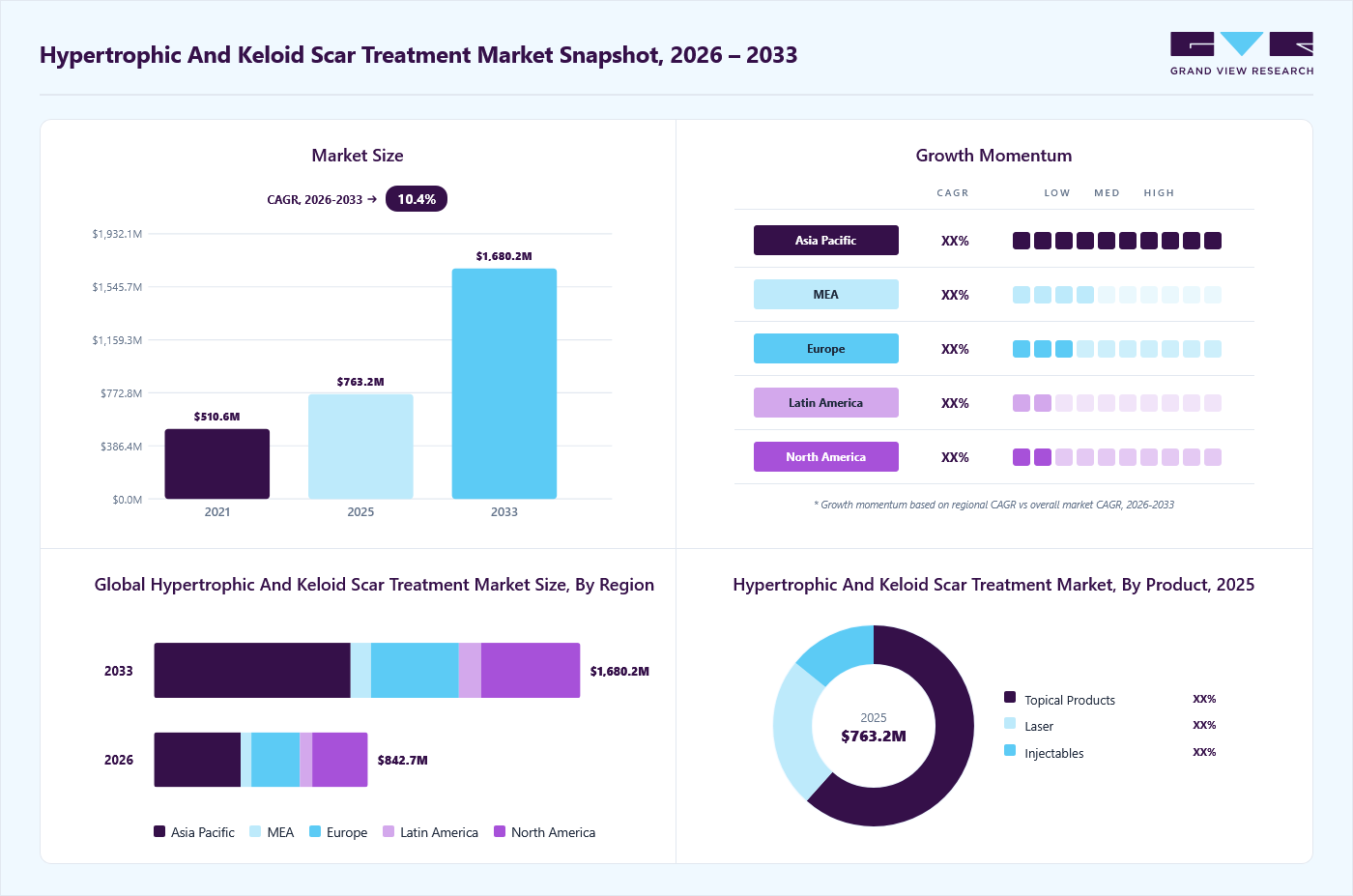 Source: Grand View Research, IR Documents, Primary Interviews, Paid DatabasesTo learn more about this report,
 Download Free Sample Report
Key Market Trends & Insights
- By scar type: Hypertrophic held the largest market share of 59.9% in 2025.
- By product: Topical products held the largest market share of 61.5% in 2025.
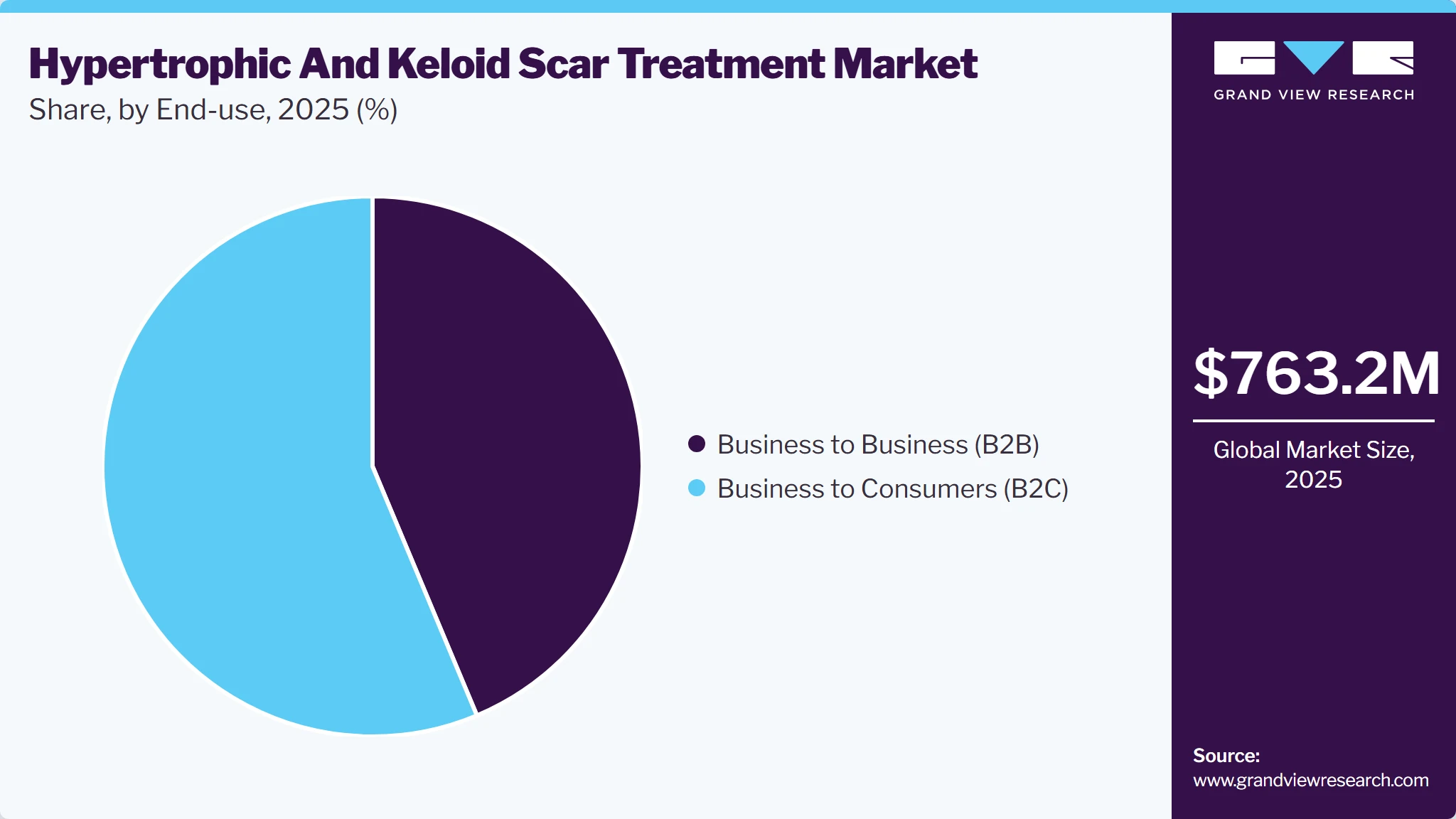
- By end use: Business to consumers (B2C) segment held the largest market share of 56.3% in 2025.
Regional Highlights
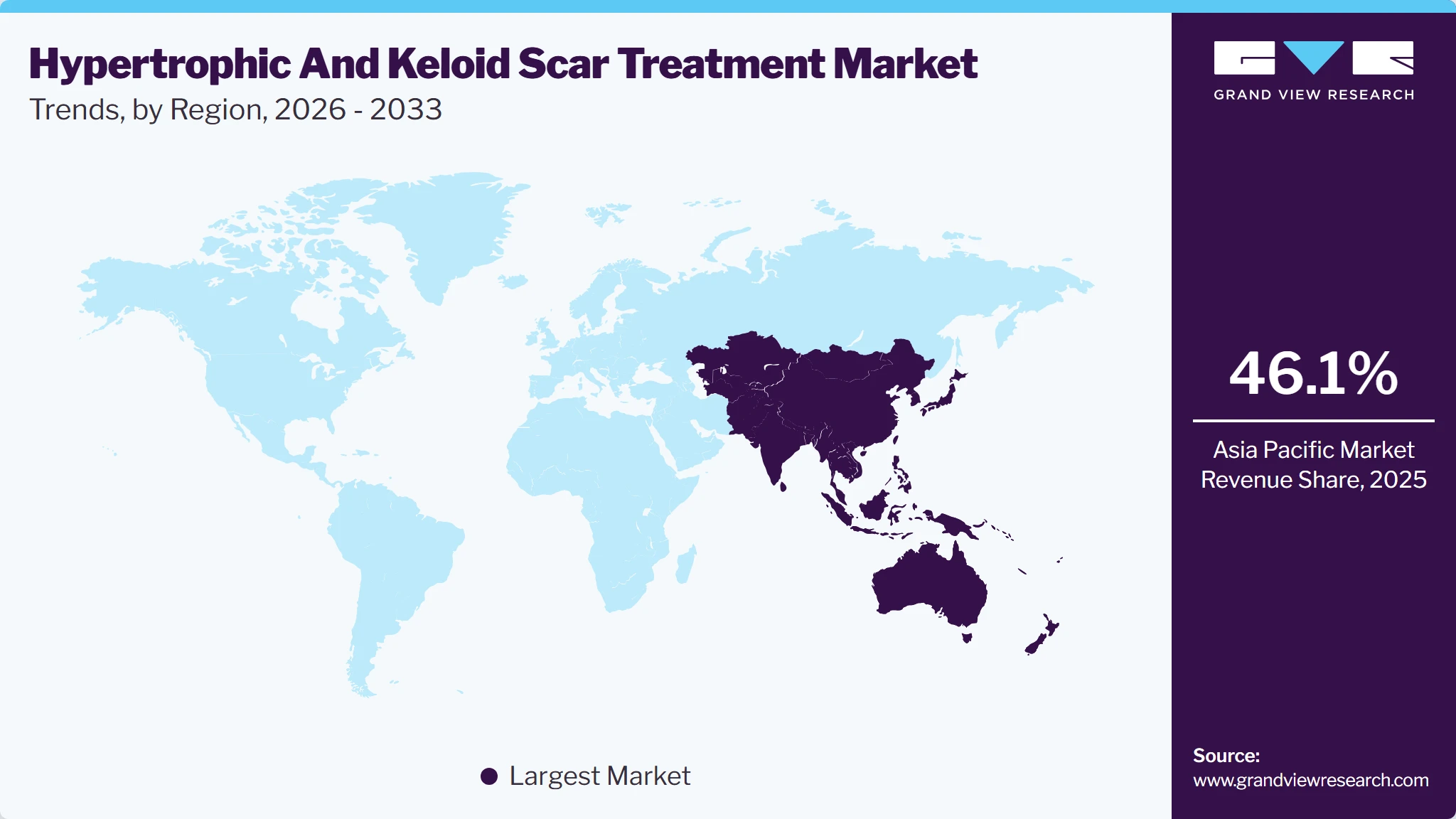
- Largest regional market: Asia Pacific (46.1% revenue share, 2025)
- By country: China held the largest market share in 2025
Market Size & Forecast
- Market size in 2025: USD 763.2 Million
- Estimated market size in 2026: USD 842.7 Million
- Projected market size by 2033: USD 1,680.2 Million
- CAGR (2026-2033): 10.4%
Prism AI by Grand View Research Free to tryAsk a question about the hypertrophic and keloid scar treatment marketTry asking✓Every figure cited from GVR research Prefer the report? Download free sample →
The global increase in the number of road accidents & burn incidence is anticipated to boost the hypertrophic and keloid scar treatment industry. For instance, according to the Association for Safe International Road Travel, approximately 1.35 million people die in road accidents every year. Moreover, as per a similar source, in the U.S., 4.4 million people get seriously injured. The increasing global burden of acne and its long-term secondary effects are key drivers of growth in the hypertrophic and keloid scars industry. In February 2024, a landmark global epidemiology study was published in the Journal of the American Academy of Dermatology (JAAD) by Pierre Fabre Laboratories as part of the ALL-project initiative. This large-scale study surveyed 50,552 adults across 20 countries, representing over 50% of the world’s population, making it one of the most comprehensive assessments of acne prevalence and its societal impact.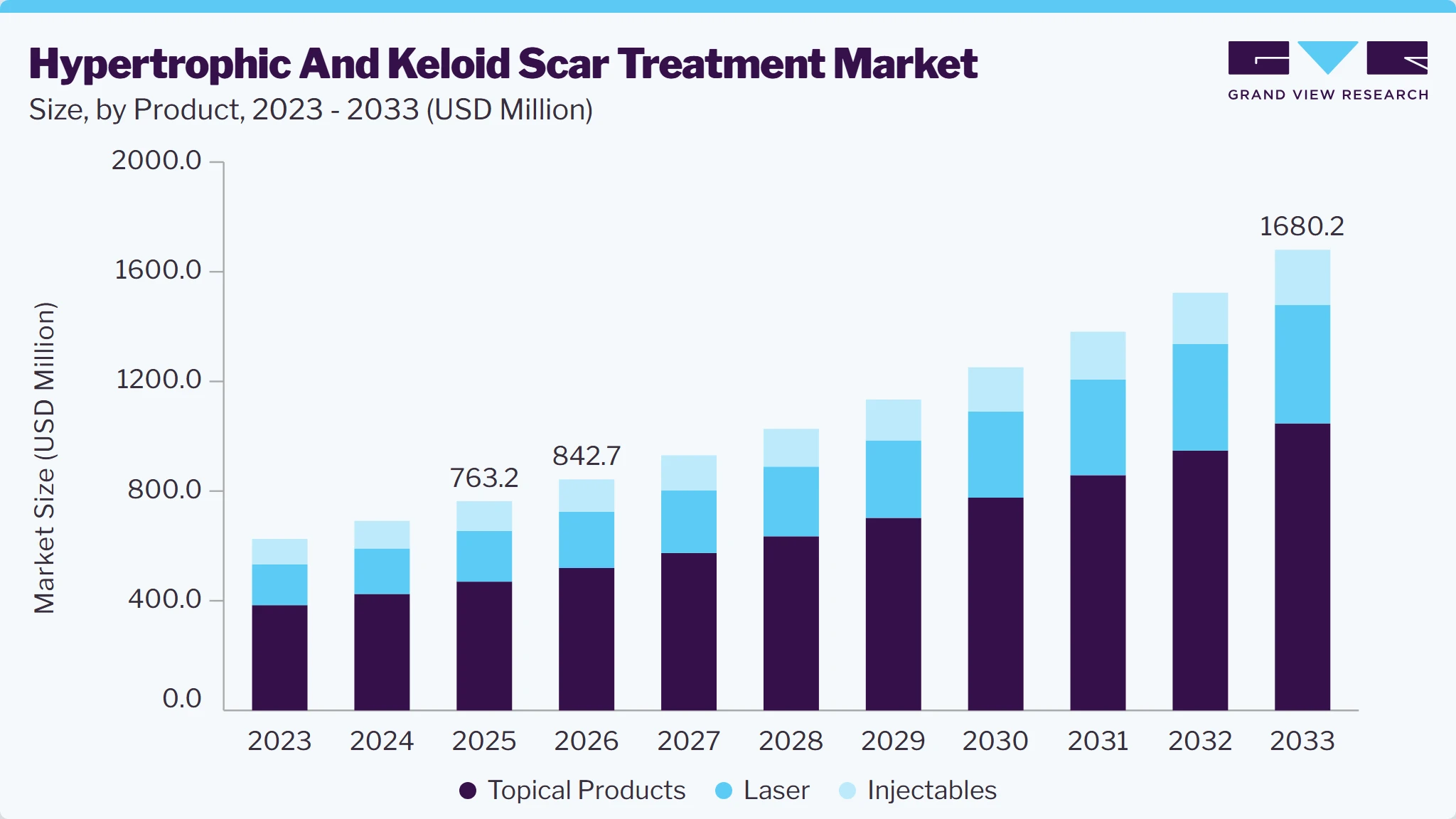 To learn more about this report, Download Free Sample Report
The study found that global acne prevalence stands at 20.5%, meaning one in five individuals worldwide is affected. Prevalence is highest among adolescents and young adults (16-24 years) at 28.3% and remains high in adults aged 25-39 years at 19.3%. Women are more affected than men (23.6% vs. 17.5%), broadening the long-term consumer base for post-acne scar and pigmentation treatments.
Geographically, the highest prevalence rates were observed in Latin America (23.9%), East Asia (20.2%), Africa (18.5%), and the Middle East (16.1%), while Europe (9.7%) and Australia (10.8%) reported lower rates. Many high-prevalence regions overlap with populations predisposed to PIH and hypertrophic scarring, strengthening demand for targeted topical therapies.
The ALL database, comprising 3.3 million data points collected between 2023 and 2027, underscores that dermatological diseases affect more than one-third of the population globally, yet remain underprioritized in public health systems. As acne-related scars and pigmentation changes can last months to years, patients increasingly seek accessible, non-invasive topical solutions. Together, the growing epidemiological evidence, rising global prevalence, strong psychosocial burden, and persistent post-acne complications create a sustained and expanding growth trajectory for the topical scar treatment market worldwide.
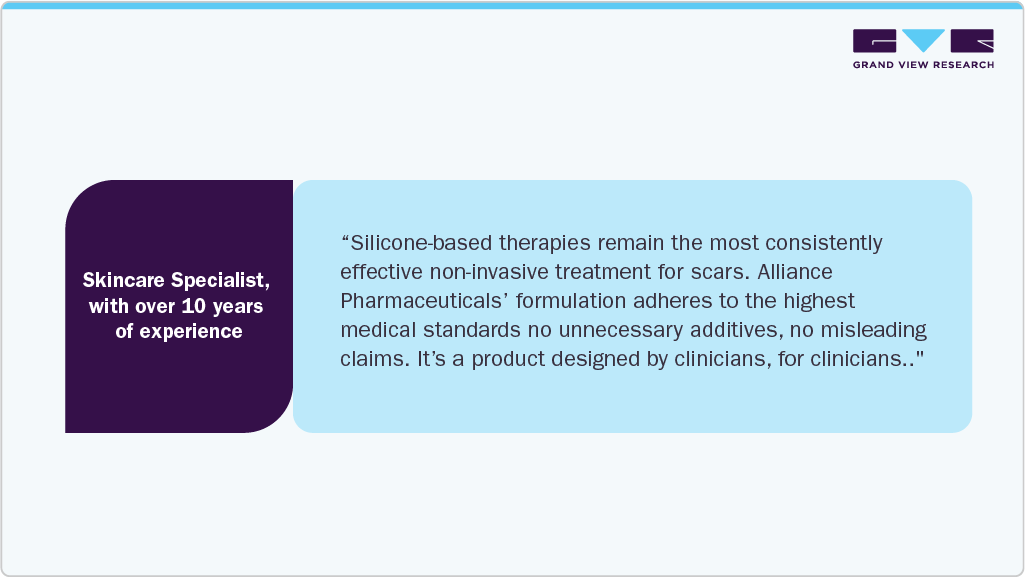
Silicone-based technologies have emerged as a cornerstone in hypertrophic & keloid scar management for over three decades. Recognized as first-line treatments in plastic and reconstructive surgery (as cited in Aesthetic Plastic Surgery), medical-grade silicone gels and sheets are widely used to prevent and treat hypertrophic scars and keloids. Continuous product innovation, particularly self-drying silicone gels, has improved patient compliance, cosmetic acceptability, and at-home usability, significantly driving growth of the hypertrophic & keloid scars market.
 To learn more about this report, Download Free Sample Report
Mechanism of Action of Silicone Gel (Journal of Cutaneous and Aesthetic Surgery)
A clinical and mechanistic evaluation published in the Journal of Cutaneous and Aesthetic Surgery explains how silicone gel modulates scar formation at the molecular level.
Key Mechanisms
Mechanism
Clinical Effect
Market Relevance
Increased hydration of stratum corneum
Reduces fibroblast overactivity and collagen overproduction
Prevents raised, thick scars
Growth factor modulation (TGF-β, FGF-β)
Balances collagen synthesis and breakdown
Normalizes scar remodeling
Barrier against bacterial invasion
Reduces inflammation-induced excess collagen
Supports scar flattening
Reduction in itching/discomfort
Improves patient adherence
Enhances long-term usage
Silicone forms an ultra-thin, semi-occlusive layer that “allows the skin to breathe” while restoring moisture balance. By regulating collagen deposition and fibroblast activity, silicone reduces abnormal scar elevation and discoloration, key aesthetic concerns in hypertrophic and keloid scars.
Social media plays a critical role in shaping aesthetic preferences and purchasing decisions, particularly among millennials and younger adults. A case study titled “The Impact of Snapchat Use on Self-Image and Inclination Toward Cosmetic Procedures in Saudi Arabia” reported that 80% of respondents expressed interest in undergoing cosmetic procedures, strongly influenced by social media exposure. Peer recommendations and influencer marketing further amplify this trend, making continuous digital engagement essential for aesthetic brands and skincare companies, including those that offer scar-reduction solutions.
As cosmetic awareness grows, individuals are increasingly seeking solutions not only for wrinkles and facial contouring but also for visible skin concerns such as acne scars, post-surgical scars, and pigmentation, thereby directly boosting demand for topical scar treatment products.
Market Dynamics
The global hypertrophic and keloid scars treatment market is witnessing substantial growth as hospitals, dermatology clinics, plastic and reconstructive surgery centers, ambulatory surgical centers, aesthetic medicine clinics, and specialty wound care facilities increasingly adopt advanced therapeutic solutions to manage abnormal scar formation and improve patient outcomes. The market comprises a wide range of treatment modalities, including topical therapies, corticosteroid injections, silicone-based products, laser therapies, cryotherapy, surgical scar revision procedures, radiation therapy, pressure therapy, and emerging biologic and regenerative treatment approaches aimed at reducing scar severity, improving cosmetic appearance, alleviating symptoms, and preventing scar recurrence. The increasing incidence of hypertrophic and keloid scars resulting from surgical procedures, traumatic injuries, burns, acne, piercings, and cesarean sections is a major factor driving market growth worldwide. Additionally, the rising global volume of surgical interventions and the growing prevalence of burn injuries and trauma cases are contributing significantly to the demand for effective scar management solutions. The increasing emphasis on post-operative care and aesthetic rehabilitation is further supporting the adoption of scar treatment products and procedures across healthcare settings.
The increasing global burden of acne and its long-term secondary effects are key drivers of growth in the hypertrophic and keloid scars market. According to a 2024 review published in the Journal of Clinical and Aesthetic Dermatology (2024) by Andrew Alexis et al., acne affects approximately 9.4% of the global population and remains one of the most common dermatologic conditions worldwide. While historically considered an adolescent disorder, adult acne is increasingly recognized, expanding the long-term treatment population. Importantly, acne frequently results in post-inflammatory hyperpigmentation (PIH), atrophic scars, and hypertrophic or keloid scars conditions that often persist long after active lesions resolve. These sequelae are particularly prevalent among individuals with skin of color (SOC), who have greater melanocyte reactivity and an increased risk of pigmentary alterations. Studies cited in the review report PIH in 65% of African American women and 48% of Hispanic women, compared to 10-25% in lighter phototypes. In some African cohorts, acne scarring was observed in up to 87.5% of adult women, even when acne severity was mild to moderate.
Despite growing demand for non-invasive scar management solutions, slow and variable treatment outcomes remain a significant restraint in the hypertrophic and keloid scars management market. Products such as creams, gels, and silicone sheets are widely used for hypertrophic scars and keloids. However, visible improvement often requires consistent application over several weeks to months, which can discourage patient adherence and reduce satisfaction. Similarly, laser-based treatments, including fractional CO₂ and pulsed dye lasers, often require multiple treatment sessions over an extended period to achieve meaningful scar reduction. Treatment efficacy can vary depending on scar type, size, age, skin characteristics, and individual patient response, while the risk of recurrence remains a concern, particularly for keloid scars. These factors can lead to prolonged treatment timelines, increased healthcare costs, and uncertainty regarding outcomes, thereby limiting the broader adoption of available scar management therapies.
Scar remodeling is a complex biological process involving collagen reorganization, fibroblast regulation, and gradual pigment normalization. Unlike invasive procedures such as laser resurfacing or corticosteroid injections that may deliver faster results, topical products work gradually by hydrating the stratum corneum, improving barrier function, and modulating collagen production. As a result, patients expecting rapid cosmetic improvement may perceive these treatments as ineffective, leading to premature discontinuation.
Market Concentration & Characteristics
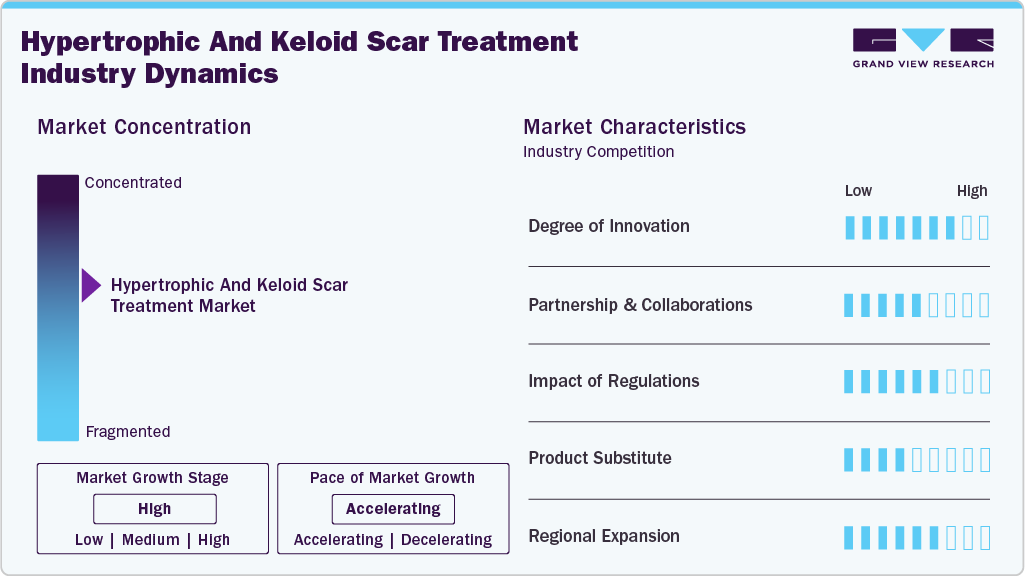
The global hypertrophic and keloid scars treatment market is moderately fragmented, with several pharmaceutical, medical device, and aesthetic dermatology companies competing across both therapeutic and procedural treatment segments. Major market participants, including Smith & Nephew, Merz Pharmaceuticals, LLC, Sonoma Pharmaceuticals, Inc., CCA Industries, Inc., Newmedical Technology Inc., Mölnlycke Health Care AB., hold notable positions in the market through their extensive portfolios of scar management products and energy-based treatment technologies. These companies offer a broad range of solutions, including silicone-based scar management products, injectable therapies, corticosteroid formulations, and laser systems designed to reduce scar formation, improve scar appearance, alleviate associated symptoms, and minimize recurrence rates.
The hypertrophic and keloid scar treatment industry is witnessing significant innovation, driven by the increasing demand for advanced therapeutic approaches that improve scar appearance, minimize recurrence rates, alleviate associated symptoms, and enhance patients' quality of life. For instance, in 2025, Syntara Limited initiated the SATELLITE Phase 1c clinical trial evaluating SNT-6302, a lysyl oxidase inhibitor being investigated for the treatment of keloid scars. The study, led by Professor Fiona Wood through the Fiona Wood Foundation and the University of Western Australia, aims to address the significant unmet need in keloid management. Keloid scars are recognized for their progressive growth, disfigurement, chronic pain, itching, and psychological burden.
 To learn more about this report, Download Free Sample Report
The market is witnessing a notable increase in strategic partnerships and collaborations among pharmaceutical companies, medical device manufacturers, biotechnology firms, academic research institutions, and healthcare providers to accelerate the development of innovative scar management therapies and improve patient outcomes. For instance, in May 2025, Mölnlycke Health Care announced a partnership with the Phoenix Society for Burn Survivors to support burn patients throughout their recovery journey. Through the collaboration, the company aims to increase awareness of effective burn care and scar management solutions, including its silicone-based scar treatment products used in the prevention and management of hypertrophic and keloid scars, while expanding educational resources and patient support initiatives worldwide.
The hypertrophic and keloid scar treatment market operates within a stringent regulatory framework governed by regulatory authorities such as the European Medicines Agency (EMA), the U.S. Food and Drug Administration (FDA), and other national healthcare agencies, which oversee the safety, efficacy, quality, and clinical performance of scar treatment products and technologies. In December 2024, Sonoma Pharmaceuticals completed the transition of four products to comply with the EU’s new Medical Device Regulation (MDR), achieving Class IIb certification for select wound care, scar, and atopic dermatitis treatments. The milestone, reached ahead of the 2028 deadline, reflects strong safety data and regulatory readiness.
The industry faces competition from a variety of alternative and supportive treatment options that may reduce the utilization of advanced scar management therapies. Conventional approaches, including topical creams, emollients, massage therapy, and over-the-counter (OTC) scar reduction products, continue to be widely used for the management of mild hypertrophic scars owing to their affordability, accessibility, and ease of application, particularly in cost-sensitive markets. In addition, patients often rely on silicone gels and sheets as first-line interventions before seeking more advanced medical treatments.
The market is witnessing significant geographic expansion as pharmaceutical companies, medical device manufacturers, aesthetic technology providers, and healthcare organizations strengthen their presence across both developed and emerging markets to address the growing burden of pathological scarring and the increasing demand for advanced scar management solutions. Market participants are actively expanding their distribution networks, securing regulatory approvals, and establishing strategic partnerships to enhance patient access to innovative therapies, including laser-based treatments, injectable therapies, silicone-based products, and regenerative medicine approaches. For instance, in January 2025, Sonoma Pharmaceuticals announced that its dermatology distributor in Ukraine received marketing approval and placed an initial commercial order for GramaDerm acne treatment, Epicyn Scar Gel, and Pediacyn, strengthening the company's presence in Eastern Europe and expanding the commercial reach of its dermatology and scar management portfolio, including products used for hypertrophic and keloid scar treatment.
Analyst Perspective
The hypertrophic and keloid scars market is witnessing a significant shift toward minimally invasive, non-surgical treatment approaches, driven by growing patient awareness, improved access to dermatological care, and rising concerns about aesthetic outcomes. Patients are increasingly seeking scar management solutions that minimize discomfort, reduce recovery time, and provide visible improvements without the risks associated with surgical scar revision. This trend is supporting strong demand for silicone-based products, injectables, laser therapies, and combination treatment approaches. Technological advancements are transforming the treatment landscape. Continuous innovation in fractional CO₂ lasers, pulsed dye lasers (PDL), Nd:YAG lasers, silicone technologies, and advanced drug delivery systems is improving clinical outcomes and expanding treatment options. In addition, the integration of combination therapies involving corticosteroid injections, laser treatments, platelet-rich plasma (PRP), and silicone products is enhancing scar remodeling, reducing recurrence rates, and improving patient satisfaction.
Scar Type Insights
The hypertrophic segment led the hypertrophic & keloid scar treatment market, accounting for the largest revenue share of 59.9% in 2025. Hypertrophic scars (HTS) are an abnormal form of wound healing characterized by excessive deposition of extracellular matrix (ECM), particularly collagen, within the boundaries of the original injury site. As described in the review by Mony et al. (2023), HTS develops when the normal, tightly regulated wound-healing process becomes dysregulated across its four overlapping phases: hemostasis, inflammation, proliferation, and remodeling. In normal healing, these stages ensure proper tissue repair and restoration of skin integrity. However, in hypertrophic scarring, this balance is disrupted, leading to prolonged inflammatory activity, persistent fibroblast stimulation, and incomplete tissue remodeling.
The keloid scar segment is expected to grow at the fastest CAGR of 10.8% over the forecast period. Unlike normal scars, keloids extend beyond the original wound boundary and may continue growing for months or years. According to Merlino et al. (2025), keloids result from a combination of genetic susceptibility, immune dysregulation, and abnormal collagen metabolism. They can develop even after minor skin injuries or sometimes without any clearly remembered trauma, making their pathogenesis complex and not fully understood. At the cellular level, keloids are characterized by overactive fibroblasts and excessive deposition of type I and type III collagen. Normally, wound healing involves balanced phases of inflammation, proliferation, and remodeling. However, in keloids, the remodeling phase is disrupted, leading to uncontrolled fibrosis.
Product Insights
The topical products segment led the hypertrophic & keloid scars treatment industry, accounting for the largest revenue share of 61.5% in 2025. Topical products represent a key non-invasive segment in the hypertrophic and keloid scars market, primarily used to reduce inflammation, flatten raised scars, improve pigmentation, and prevent recurrence after surgery or intralesional therapy. Among these, topical corticosteroids are the most widely used due to their ability to suppress fibroblast proliferation and reduce excessive collagen and extracellular matrix (ECM) deposition. However, their effectiveness is limited by poor penetration through the stratum corneum and reduced drug retention in dense scar tissue, often requiring combination approaches such as occlusion therapy, silicone dressings, or laser-assisted delivery.
The laser products segment is expected to grow at the fastest CAGR over the forecast period. the growth is driven by increasing demand for minimally invasive procedures, technological advancements in dermatological laser systems, and growing awareness regarding aesthetic scar management. Laser therapy is widely used either as a standalone treatment or in combination with corticosteroid injections, silicone therapy, cryotherapy, and surgical scar revision to improve scar appearance and reduce recurrence rates. Unlike topical therapies that primarily act on the skin surface, laser treatments directly target the vascular, pigmentary, and structural abnormalities associated with hypertrophic scars and keloids, resulting in more significant clinical improvements.
End Use Insights
The business to consumers (B2C) segment dominated the hypertrophic & keloid scar treatment market in 2025 and is expected to grow at the fastest CAGR over the forecast period. B2C channels enable manufacturers to directly reach patients through retail pharmacies, online platforms, e-commerce marketplaces, company-owned websites, and over-the-counter (OTC) sales channels. The growing consumer awareness regarding scar prevention and treatment, coupled with increasing demand for convenient and accessible healthcare solutions, has significantly strengthened the B2C segment in recent years. This channel is particularly important for non-invasive scar management products, including silicone gels, silicone sheets, scar creams, scar oils, scar patches, and other home-based treatment solutions.
 To learn more about this report, Download Free Sample Report
The business to business (B2B) segmentis anticipated to grow at a significant CAGR over the forecast period. The B2B channel plays a critical role in the growth and commercialization of products and technologies within the hypertrophic and keloid scars market. Under this channel, manufacturers of scar treatment products, medical devices, injectables, laser systems, and wound care solutions sell directly to healthcare institutions, dermatology clinics, hospitals, plastic surgery centers, burn treatment facilities, ambulatory surgical centers (ASCs), distributors, and specialty pharmacies rather than directly to end consumers. The increasing adoption of advanced scar management therapies and the growing number of specialized dermatology and aesthetic centers worldwide are significantly contributing to the expansion of the B2B segment.
Regional Insights
The Asia Pacific hypertrophic & keloid scar treatment industry accounted for the largest revenue share of 46.1% in 2025, and is expected to grow at the fastest CAGR of 12.4% over the forecast period. The market is strongly influenced by the high prevalence of dermatological conditions and injury-related wounds that frequently result in abnormal scar formation. Acne represents one of the most significant contributors to this burden. Globally, acne affects approximately 9.4% of the population, with the highest prevalence observed among adolescents and young adults. In many Asian countries, prevalence rates among teenagers are substantially higher; studies have reported acne affecting up to 88% of adolescents aged 13-19 in Singapore and over 50-60% of young individuals across several Asian nations. Because inflammatory acne lesions can trigger excessive collagen production during healing, they often lead to hypertrophic scars and other long-term scar-related complications requiring dermatological intervention.
 To learn more about this report, Download Free Sample Report
China Hypertrophic And Keloid Scar Treatment Market Trends
The hypertrophic and keloid scar treatment market in China is driven by the high prevalence of dermatological conditions and injury-related wounds, which often lead to abnormal scar formation. Acne represents one of the most common skin disorders affecting adolescents and young adults in the country. Epidemiological studies indicate that acne prevalence in China varies widely by age group and region, with reported rates ranging from 8.1% to 85.1%, while pooled analyses estimate an overall prevalence of approximately 39.2% across multiple provinces.
South Korea’s hypertrophic and keloid scar treatment market is closely tied to the country’s strong dermatology sector and the widespread cultural emphasis on skin health and aesthetic appearance. Acne is one of the most common dermatological concerns among Korean adolescents and young adults, often leading to long-term skin changes if untreated. Population-based studies in Korea have reported acne prevalence of about 36.2% among school-aged populations, with incidence increasing with age during adolescence. While acne commonly results in atrophic scarring, inflammatory skin lesions, repeated skin trauma, cosmetic procedures, and acne-related interventions can also contribute to abnormal wound healing and the development of hypertrophic and keloid scars in susceptible individuals. This clinical burden has supported demand for advanced scar management solutions, including silicone therapy, corticosteroid injections, laser treatments, cryotherapy, and combination treatment protocols used to control excessive scar formation and improve cosmetic outcomes.
North America Hypertrophic And Keloid Scar Treatment Market Trends
The North America hypertrophic & keloid scar treatment industry held a significant revenue share in 2025. The growth is driven by a growing clinical need for effective scar management solutions and increasing patient demand for treatments that improve the appearance, symptoms, and functional limitations associated with abnormal scars resulting from acne, surgery, trauma, and burns. Rising aesthetic awareness, greater access to dermatological care, and increasing acceptance of minimally invasive treatment approaches have encouraged patients to seek early intervention for hypertrophic and keloid scars. Dermatologists, plastic surgeons, and wound-care specialists commonly recommend evidence-based treatment modalities such as silicone therapy, intralesional corticosteroid injections, cryotherapy, laser treatments, pressure therapy, and combination scar management protocols due to their demonstrated ability to reduce scar thickness, pigmentation, stiffness, itching, and pain.
The U.S. hypertrophic & keloid scar treatment industry is experiencing steady growth, driven by a combination of clinical demand, increasing awareness of pathological scarring, and evolving treatment practices. A significant driver is the high prevalence of scars resulting from surgical procedures, burns, traumatic injuries, and dermatological conditions such as acne. While acne-related scars are predominantly atrophic, hypertrophic, and keloid scars remain clinically important due to their tendency to cause pain, itching, cosmetic disfigurement, and functional impairment. As a result, dermatologists, plastic surgeons, and wound-care specialists increasingly recommend early intervention strategies to prevent abnormal scar formation and improve long-term outcomes.
Europe Hypertrophic And Keloid Scar Treatment Market Trends
The Europe hypertrophic & keloid scar treatment industry is being reshaped by the substantial prevalence of dermatological conditions and injury-related wounds that frequently result in abnormal scar formation. Acne remains one of the most common skin disorders across the region, particularly among adolescents and young adults. Epidemiological studies conducted in multiple European countries report that approximately 57.8% of individuals aged 15-24 years experience acne, highlighting the widespread burden of the condition. Because inflammatory acne can damage dermal tissue during healing, many patients subsequently develop visible scars, including hypertrophic scars in susceptible individuals. This large patient population supports demand for hypertrophic and keloid scar management solutions, including silicone therapy, corticosteroid injections, laser treatments, cryotherapy, pressure therapy, and emerging regenerative treatment approaches.
The UK hypertrophic & keloid scar treatment market is steadily growing. High prevalence of dermatological conditions, surgical procedures, burn injuries, and trauma-related wounds that can lead to permanent scar formation are the major growth drivers contributing to the market growth. Acne remains one of the most common skin conditions affecting adolescents and young adults in the UK. Epidemiological evidence indicates that acne affects approximately 85% of individuals between the ages of 12 and 25, making it one of the most prevalent dermatological disorders in the country. Because inflammatory acne lesions can damage dermal structures during the healing process, a significant proportion of patients subsequently develop visible scars that may persist into adulthood. These scars often have a substantial psychological and social impact, prompting patients to seek medical intervention.
The hypertrophic & keloid scar treatment market in Spain isexperiencing significant growth. The growth is driven by the high prevalence of dermatological conditions and injury-related wounds that can lead to permanent scarring. Acne remains one of the most common skin disorders, particularly among adolescents and young adults. European studies indicate that approximately 57.8% of individuals aged 15-24 years experience acne, with prevalence peaking during adolescence. Since inflammatory acne lesions can damage dermal collagen during healing, many patients subsequently develop atrophic, hypertrophic, or abnormal scars that require clinical management. This sustained clinical burden supports demand for scar management solutions, including silicone therapy, corticosteroid injections, laser treatments, cryotherapy, pressure therapy, and other advanced interventions used to manage hypertrophic and keloid scars.
Latin America Hypertrophic & Keloid Scar Treatment Market Trends
The Latin America hypertrophic and keloid scars industry is experiencing significant growth, driven by rising injury incidence, improving healthcare access, and increasing awareness of scar management and aesthetic dermatology. Countries such as Brazil and Argentina are key contributors, driven by urban population growth, expanding dermatology services, and increasing adoption of advanced scar treatment modalities. One of the major drivers for hypertrophic and keloid scar treatment demand in Latin America is the high prevalence of burn injuries and trauma-related skin damage. According to a study published by MDPI AG in August 2025, Central Latin America reported a severe burn prevalence of approximately 407 cases per 100,000 population, while Southern Latin America recorded a very high prevalence of mild burns exceeding 7,800 cases per 100,000 population.
The Brazil hypertrophic & keloid scar treatment market is growing. A high incidence of road accidents and trauma-related injuries supports the growth. According to a recent World Bank-supported study, Brazil recorded over 34,000 road traffic fatalities in 2023, highlighting the substantial burden of severe injuries that frequently result in long-term scar formation. Additionally, hospital data indicates that thousands of patients undergo surgical intervention following accidents, with some hospitals performing approximately 27 orthopedic surgeries per day related to road traffic injuries. Such injuries often lead to abnormal scar formation, including hypertrophic and keloid scars, thereby increasing demand for scar management therapies such as silicone-based products, corticosteroid injections, laser therapies, cryotherapy, and combination treatment approaches.
Middle East & Africa Hypertrophic & Keloid Scar Treatment Market Trends
The Middle East and Africa (MEA) hypertrophic and keloid scars industry is driven by a rising burden of injuries, expanding healthcare access, and increasing awareness of dermatological care and aesthetic treatments. The region includes a mix of high-income countries in the Gulf Cooperation Council (GCC) and developing economies in Africa, creating a diverse demand landscape. While advanced interventions such as laser therapies, corticosteroid injections, cryotherapy, pressure therapy, silicone-based scar management products, and surgical scar revision are gaining traction in urban areas, conservative scar management approaches remain widely utilized due to their affordability and accessibility.
The hypertrophic & keloid scar treatment market in Saudi Arabia is experiencing notable growth. Saudi Arabia’s healthcare sector is one of the largest in the Gulf region, creating a strong foundation for the growth of the hypertrophic and keloid scars market. The country accounted for over USD 58 billion in healthcare expenditure in 2024, reflecting continued government investment in medical infrastructure and services. Additionally, under Vision 2030, significant privatization and expansion of healthcare facilities are underway, including plans to privatize hundreds of hospitals and to increase private-sector participation. This expansion is improving access to surgical, reconstructive, and dermatological treatments, which in turn increases demand for scar prevention and management therapies, including silicone sheets, silicone gels, corticosteroid injections, pressure therapy, laser treatments, and scar revision procedures.
Key Hypertrophic And Keloid Scar Treatment Company Insights
The hypertrophic and keloid scar treatment market is highly competitive, with key players focusing on strengthening their market position through continuous product innovation, strategic collaborations, portfolio expansion, and geographic expansion initiatives. Companies are increasingly investing in advanced scar management therapies and technologies, including laser-based treatment systems, regenerative medicine approaches, novel anti-fibrotic therapies, injectable treatments, silicone-based products, and combination treatment modalities to improve treatment efficacy, reduce scar recurrence, and enhance cosmetic outcomes.
Key Hypertrophic And Keloid Scar Treatment Companies
The following key companies have been profiled for this study of the hypertrophic & keloid scar treatment market.
-
Smith & Nephew
-
Merz Pharmaceuticals, LLC
-
Sonoma Pharmaceuticals, Inc.
-
CCA Industries, Inc.
-
Newmedical Technology Inc.
-
Mölnlycke Health Care AB
-
Perrigo Company plc
-
Rejuvaskin/ Scar Heal Inc.
-
Alliance Pharma PLC
-
Hanson Medical, Inc.
-
Lumenis Be Ltd.
-
CYNOSURE
Competitive Benchmarking
Operating Strategies
Competitive Edge
Weaknesses
Established Players (Smith & Nephew; Merz Pharmaceuticals, LLC; Sonoma Pharmaceuticals, Inc.; CCA Industries, Inc.)
- Focus on expanding advanced scar management portfolios, including silicone gels, silicone sheets, corticosteroid therapies, laser-based treatments, and combination treatment approaches for hypertrophic and keloid scars.
- Emphasize strategic collaborations with dermatology clinics, plastic surgery centers, hospitals, and aesthetic medicine providers to strengthen market presence and improve patient access.
- Strong brand recognition, extensive distribution networks, and established relationships with dermatologists, plastic surgeons, and wound care specialists support market leadership.
- Broad product portfolios spanning topical therapies, injectable treatments, laser systems, and post-surgical scar management solutions provide comprehensive treatment offerings.
- High R&D expenditures, stringent regulatory requirements, and lengthy product approval timelines increase operational complexity and costs.
- Large companies often experience slower innovation cycles due to extensive quality assurance and compliance processes.
Emerging Players (Alliance Pharma PLC; Hanson Medical, Inc.; Lumenis Be Ltd.; CYNOSURE)
- Focus on niche segments such as silicone-based scar therapies, portable home-use scar management products, and innovative topical formulations.
- Prioritize innovation-driven strategies involving novel formulations, combination therapies, digital patient engagement platforms, and personalized scar management approaches.
- Faster innovation cycles and greater flexibility enable emerging companies to rapidly introduce new scar treatment formulations and delivery systems.
- Strong focus on patient-centric, home-based treatment solutions supports differentiation in the market.
- Limited financial resources, smaller sales infrastructures, and restricted global distribution networks constrain market penetration.
- Lower brand awareness among healthcare professionals compared with established players may hinder adoption.
Recent Developments
-
In January 2026, Newmedical Technology completed the acquisition of Derma Made, a professional skincare brand. The acquisition strengthens Newmedical's dermatology and aesthetics portfolio and expands its scar management business, which includes brands such as Silagen, MyNewGel+, and BruiseMD. The company stated that the transaction will support international growth and broaden its presence in dermatology, plastic surgery, and MedSpa markets.
-
In October 2025, Sonoma Pharmaceuticals entered the UK market after securing MHRA registration for its manufacturing facility and five Microcyn-based products, including wound irrigation and scar management solutions. The expansion supports growth in wound care and dermatology, as the company continues to strengthen its global distribution across more than 55 countries.
-
In April 2024, Mölnlycke Health Care AB announced to unveil its campaign, Power of Gentle in the American Burn Association (ABA) meeting. The company aims to establish its presence in the burn-healing product market through this campaign.
Hypertrophic And Keloid Scar Treatment Market Report Scope
Report Attribute
Details
Market size in 2025
USD 763.2 million
Estimated market size in 2026
USD 842.7 million
Projected market size by 2033
USD 1,680.2 million
Growth rate
CAGR of 10.4% from 2026 to 2033
Base year for estimation
2025
Historical data
2021 - 2024
Forecast period
2026 - 2033
Quantitative units
Revenue in USD million and CAGR from 2026 to 2033
Report coverage
Revenue forecast, company ranking, competitive landscape, growth factors, and trends
Segments covered
Scar type, product, end use,region
Region Scope
North America; Europe; Asia Pacific; Latin America; Middle East & Africa
Country scope
U.S.; Canada; Mexico: UK; Germany; France; Italy; Spain; Denmark, Sweden; Norway; Japan; China; India; Australia; South Korea; Thailand; Brazil; Argentina; South Africa; Saudi Arabia; UAE; Kuwait
Key companies profiled
Smith & Nephew; Merz Pharmaceuticals, LLC; Sonoma Pharmaceuticals, Inc.; CCA Industries, Inc.; Newmedical Technology Inc.; Mölnlycke Health Care AB; Perrigo Company plc; Rejuvaskin/ Scar Heal Inc.; Alliance Pharma PLC; Hanson Medical, Inc.; Lumenis Be Ltd.; CYNOSURE
Customization scope
Free report customization (equivalent up to 8 analyst’s working days) with purchase. Addition or alteration to country, regional, and segment scope
Pricing and purchase options
Avail customized purchase options to meet your exact research needs. Explore purchase options
Global Hypertrophic And Keloid Scar Treatment Market Report Segmentation
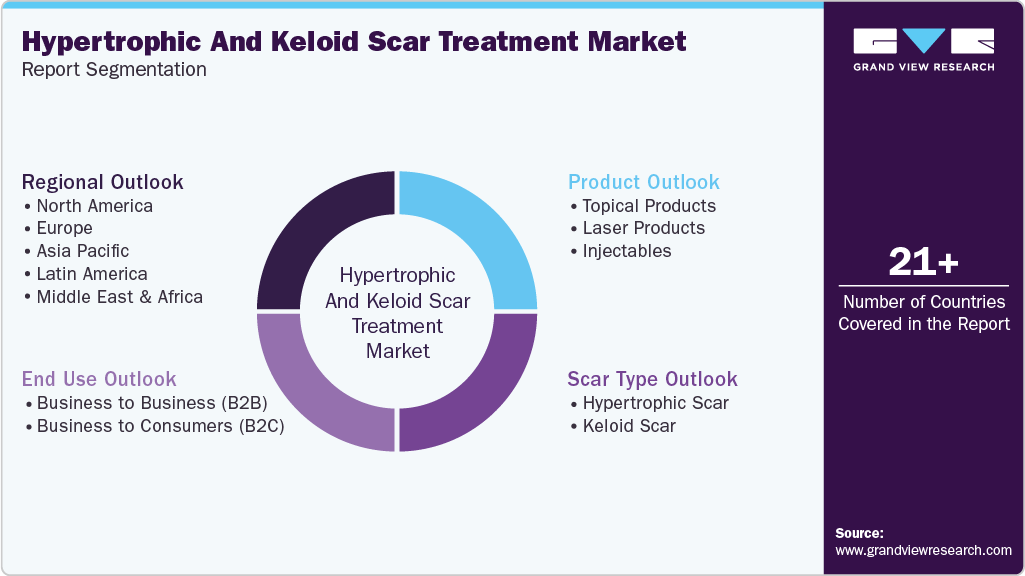
This report forecasts revenue growth at the global, regional & country levels and provides an analysis of the latest industry trends in each of the sub-segments from 2021 to 2033. Forthis study, Grand View Research has segmented the hypertrophic and keloid scar treatment market report based on scar type, product, end use, and region:
 To learn more about this report, Download Free Sample Report
-
Scar type Outlook (Revenue, USD Million, 2021 - 2033)
-
Hypertrophic Scar
-
Keloid Scar
-
-
Product Outlook (Revenue, USD Million, 2021 - 2033)
-
Topical Products
-
Silicone Sheets
-
Creams
-
Gels
-
Others
-
-
Laser Products
-
Pulsed Dye Lasers
-
CO2 Lasers
-
Others
-
-
Injectables
-
-
End Use Outlook (Revenue, USD Million, 2021 - 2033)
-
Business to Business (B2B)
-
Hospitals
-
Clinics
-
-
Business to Consumers (B2C)
-
Pharmacies
-
Online/E-commerce
-
Hypermarkets &Supermarkets
-
Others
-
-
-
Regional Outlook (Revenue, USD Million, 2021 - 2033)
-
North America
-
U.S.
-
Canada
-
Mexico
-
-
Europe
-
Germany
-
UK
-
France
-
Italy
-
Spain
-
Denmark
-
Sweden
-
Norway
-
-
Asia Pacific
-
China
-
Japan
-
India
-
South Korea
-
Australia
-
Thailand
-
-
Latin America
-
Brazil
-
Argentina
-
-
Middle East and Africa (MEA)
-
South Africa
-
Saudi Arabia
-
UAE
-
Kuwait
-
-
Research Methodology
The hypertrophic and keloid scar treatment market figures in this report are based on a proven research process that combines executive interviews with secondary research from proprietary databases, company filings, and recognized regulatory and institutional sources. Market size is built through value-chain sizing - reconciling supply-side and demand-side estimates - and triangulated with bottom-up and top-down approaches. Every estimate passes multiple levels of expert validation before publication, with each hypertrophic & keloid scar treatment segment quantified using the revenue-capture definitions in the table below.
Segment Definition
Segment - Scar Type
Revenue capture definition
Hypertrophic Scar
Revenue is generated through the commercialization of therapies specifically indicated for linear, raised, rigid scars that remain confined within the boundaries of the original wound or surgical incision site. Manufacturers and service providers capture revenue through high-volume product sales and clinical service packages, driven by a highly predictable, broad consumer base that requires post-traumatic, burn, or post-surgical scar modulation.
Keloid Scar
Revenue flows from specialized therapeutic matrices, medical hardware, and prescription-strength pharmaceuticals formulated to treat aggressive, tumor-like fibroproliferative lesions that expand well beyond the margins of the initial tissue injury. Given the high recurrence rate associated with keloids (often exceeding 50%), market participants secure sustained, multi-year recurring revenue streams through chronic, combination treatment protocols that incorporate surgical, laser, and long-term pharmacologic interventions.
Segment - Product
Revenue capture definition
Topical Products
Revenue is captured through the manufacturing and broad distribution of non-invasive surface-applied treatments designed to regulate hydration and normalize collagen synthesis. This high-volume segment generates consistent income via over-the-counter (OTC) and prescription-led consumer purchase cycles across retail, e-commerce, and healthcare professional channels.
Laser Products
Revenue is captured through the upfront capital procurement of energy-based medical devices engineered to reduce scar vascularity, ablate fibrotic tissue, and stimulate healthy dermal remodeling. Equipment developers optimize their revenue capture by pairing single-instance capital sales with high-margin annual service contracts, software upgrades, and multi-use optical handpiece attachments.
Injectables
Revenue is generated through the production and clinical deployment of intralesional pharmacological agents delivered via fine-gauge syringes directly into the scar core. This segment represents a dominant clinical income stream, driven by the absolute clinical standard of repeated steroid cycles.
Segment - End Use
Revenue capture definition
Business to Business (B2B)
Revenue is captured through centralized B2B procurement contracts, commercial wholesale pricing arrangements, and structured bulk-fulfillment distributions to institutional operators and retail networks. This umbrella framework drives large-volume device and pharmaceutical unit sales through contractually locked wholesale configurations.
Business to Consumers (B2C)
Revenue is derived from direct-to-consumer commercial pathways, digital retail infrastructures, and mass-market consumer touchpoints where the end-user purchases products independently for personal homecare use. Operating entirely outside of traditional institutional hospital bidding systems or professional medical clinic group purchasing networks, manufacturers in this segment capture highly scalable, transactional revenue streams.
Estimation Model
Layer Name
Key Question
Description
Data Sources
Scope Definition
What treatment modalities and patient populations are being sized?
Define the market scope by identifying all treatment types
Segment the market by scar type (hypertrophic scars and keloid scars)
Classify the market by product and end-user settings
Align on base year & forecast horizon (2026-2033)
WHO, FDA, EMA, dermatology associations, scar management guidelines
Build the Product Base
How large is the addressable patient pool requiring scar treatment?
Estimate the incidence and prevalence of hypertrophic and keloid scars across major countries and regions
Identify the proportion of patients seeking medical intervention versus untreated populations
Estimate the eligible patient population for different treatment modalities
Forecast future patient volumes considering trends
Epidemiological studies, hospital databases, burn registries, surgical procedure statistics
Estimate Penetration
What proportion of patients receive various scar treatment modalities?
Assess treatment-seeking behavior among patients with hypertrophic and keloid scars
Determine adoption rates of first-line, second-line, and combination therapies across different healthcare settings
Evaluate physician prescribing and treatment preferences
Assess regional variations in treatment accessibility, reimbursement availability, and clinical practice patterns
Primary interviews with dermatologists, plastic surgeons, burn specialists, key opinion leaders (KOLs), treatment guidelines
Revenue Conversion
How does the treated patient volume translate into market revenue?
Collect average treatment costs and average selling prices (ASP)
Estimate annual treatment frequency, repeat procedures, and recurrence-related treatment rates
Incorporate revenues generated from recurring therapies, follow-up procedures, and combination treatment regimens
Triangulate and validate
Company annual reports, pricing databases, reimbursement schedules, hospital procurement data, distributor information
Delivered Customizations
This report has been delivered with the following In-depth customizations
Client Request
Customization Delivered
Value Adds
Trend Analysis
Conducted a comprehensive trend analysis of the global hypertrophic and keloid scar treatment market, evaluating current and emerging treatment trends across pharmaceutical therapies, injectable treatments, laser-based procedures, silicone-based products, cryotherapy, radiation therapy, and surgical scar revision techniques. The study assessed evolving treatment preferences toward minimally invasive and combination therapies, increasing adoption of advanced laser technologies, growing utilization of corticosteroid and botulinum toxin injections, and the emergence of regenerative medicine approaches, including stem cell therapies and biologics. Furthermore, the analysis examined technological advancements, treatment accessibility, reimbursement landscape, physician prescribing patterns, patient awareness levels, and ongoing clinical research activities shaping future market dynamics across hospital, dermatology clinic, and ambulatory care settings.
Enables stakeholders to gain a clear understanding of evolving clinical and technological trends influencing the hypertrophic and keloid scar treatment market. The study supports strategic decision-making by identifying high-growth treatment modalities, emerging areas of innovation, unmet patient needs, and future commercialization opportunities. It also assists manufacturers and healthcare providers in optimizing product portfolios, aligning R&D investments with market trends, and strengthening their competitive positioning in an increasingly innovation-driven scar-management landscape.
Scar Incidence and Prevalence Assessment
Conducted a detailed epidemiological assessment of hypertrophic and keloid scars across major global markets, evaluating disease burden by geography, age group, gender, ethnicity, and underlying causes such as surgical procedures, burns, trauma, acne, and cesarean section-related scarring. The study analyzed historical and current incidence and prevalence trends, high-risk patient populations, recurrence rates, and regional variations in scar occurrence. Additionally, the assessment examined the impact of increasing surgical volumes, rising trauma and burn injuries, growing aesthetic procedure adoption, and genetic predisposition on patient pool expansion. The analysis further evaluated diagnosis rates, treatment-seeking behavior, and healthcare access patterns influencing market demand across developed and emerging economies.
Enables stakeholders to accurately estimate the addressable patient population and identify high-opportunity geographic markets and patient segments. The study supports forecasting accuracy by quantifying the impact of epidemiological trends on future treatment demand. It also assists companies in prioritizing regional expansion strategies, optimizing resource allocation, identifying underserved patient populations, and developing targeted commercialization and market access strategies based on disease burden dynamics.
Porters Analysis
Conducted a detailed Porter's Five Forces analysis of the global hypertrophic and keloid scar treatment market to assess the competitive intensity and overall market attractiveness. The study evaluated the bargaining power of suppliers and buyers, the threat of new entrants, the threat of substitute therapies, and the degree of competitive rivalry among existing market participants. The analysis examined factors including availability of alternative treatment modalities, regulatory barriers, technological differentiation, pricing dynamics, physician preference patterns, distribution channel structures, reimbursement scenarios, and competitive strategies adopted by pharmaceutical, medical device, and aesthetic treatment providers. Additionally, the study assessed the influence of innovation, intellectual property, and strategic partnerships on market competitiveness and long-term industry sustainability.
Enables stakeholders to understand the competitive structure and profitability potential of the hypertrophic and keloid scar treatment market. The analysis supports informed business decisions related to market entry, pricing strategies, partnership opportunities, investment prioritization, and competitive benchmarking. It also helps organizations identify market risks, evaluate competitive threats from substitute therapies, strengthen differentiation strategies, and develop sustainable growth plans in an evolving treatment landscape.
Frequently Asked Questions About This Report
The global hypertrophic and keloid scar treatment market size was estimated at USD 763.2 million in 2025 and is expected to reach USD 842.7 million in 2026.
Some key players operating in the hypertrophic and keloid scar treatment market include Smith & Nephew PLC; Enaltus, LLC; Merz Pharmaceutical, LLC.; Lumenis; Sonoma Pharmaceuticals; Cynosure, Inc.; Alliance Pharma, PLC.; Mölnlycke Health Care AB; Perrigo Company plc; NewMedical Technology, Inc.; Suneva Medical, Inc.; and Pacific World Corporation.
Key factors that are driving the hypertrophic and keloid scar treatment market growth include an increase in the demand for aesthetics, Growth in the number of road accidents and burn cases, and an increase in the availability of technologically advanced products.
The global hypertrophic and keloid scar treatment market is expected to grow at a compound annual growth rate of 10.4% from 2026 to 2033 to reach USD 1680.2 million by 2033.
Business to consumers (B2C) segment held the largest market share of 56.3% in 2025, while business to business (B2B) is the fastest-growing segment.
Asia Pacific dominated the hypertrophic and keloid scar treatment market with a share of 46.1% in 2025. This is attributable to the high prevalence of burn injuries, skin-related disorders, and trauma.
Topical products segment held a leading market share of 61.5% in 2025, while laser products segment is the fastest-growing segment.
Hypertrophic segment held the highest market share of 59.9% in 2025, while keloid scar is the fastest growing segment.
About the Author(s)
Medical Devices Research Team
Healthcare · Medical DevicesThis report was authored by the medical devices research team at Grand View Research - comprising two research analysts, one senior research analyst, and one industry expert - with specialized expertise in the medical devices segment of the healthcare industry. All findings are based on proprietary healthcare databases, executive interviews, and regulatory analysis, subject to internal peer review prior to publication.
Last Updated:
Speak to Analyst

Customize this report to your needs - add regions, segments, or data points, with 20% free customization.
Or view our licence options:


ISO 9001:2015 & 27001:2022 Certified
We are GDPR and CCPA compliant! Your transaction & personal information is safe and secure. For more details, please read our privacy policy.


