
- Home
- »
- Pharmaceuticals
- »
-
Infectious Disease Therapeutics Market Report, 2026-2033GVR Report cover

Infectious Disease Therapeutics Market (2026 - 2033)
Size, Share & Trends Analysis Report By Infection (Bacterial, Viral, Fungal, Parasitic), By Drug Class (Antibacterial, Antiviral, Antifungals, Vaccines), By Distribution Channel, By Region, And Segment Forecasts
Market Size, 2025
$239.2BMarket Estimate, 2026
$241.2BMarket Forecast, 2033
$323.3BCAGR, 2026–2033
4.3%Infectious Disease Therapeutics Market Summary
The global infectious disease therapeutics market size was valued at USD 239.2 billion in 2025 and is projected to grow from USD 241.2 billion in 2026 to USD 323.3 billion by 2033, at a CAGR of 4.3% from 2026 to 2033. North America dominated the market, accounting for 37.7% of revenue in 2025. The market is expanding due to rising global health threats, increasing outbreaks of drug-resistant infections, and heightened awareness of disease prevention.
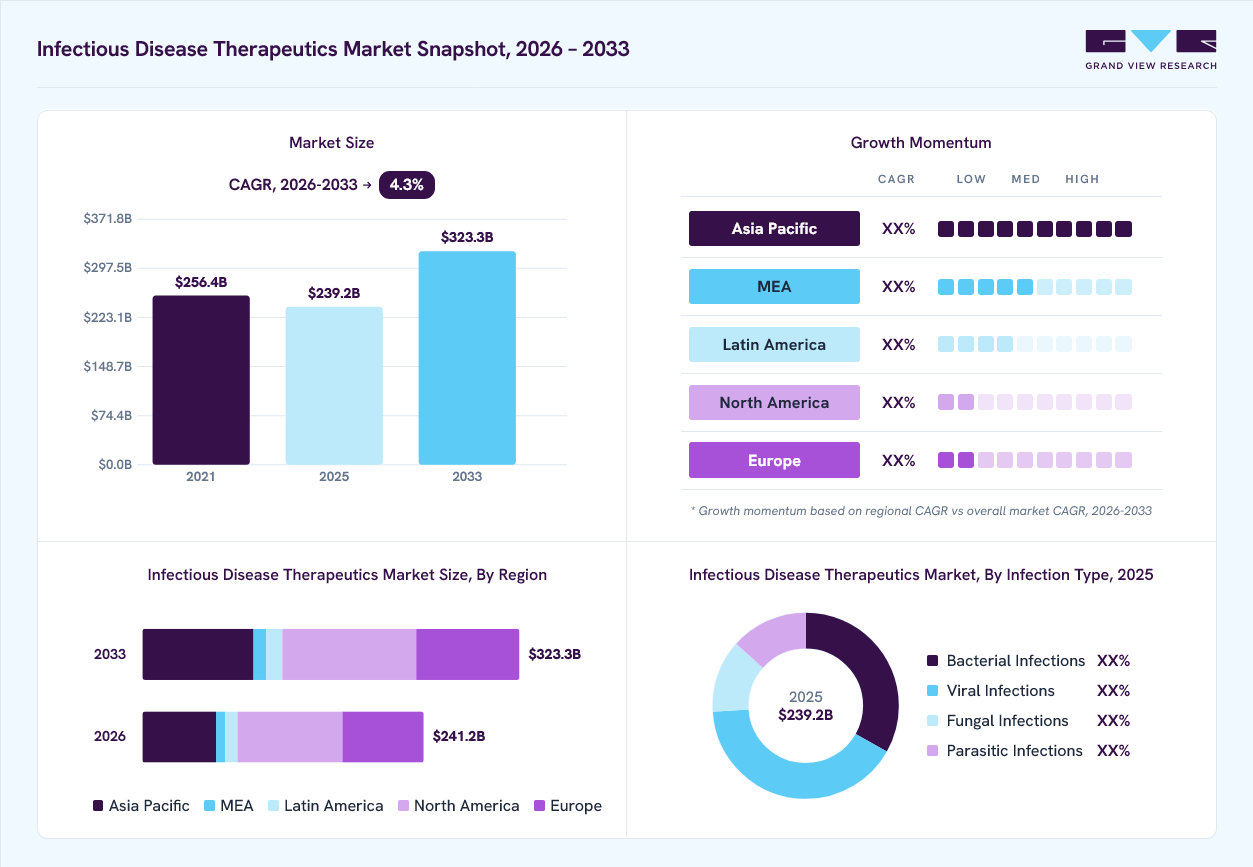 Source: Grand View Research, IR Documents, Primary Interviews, Paid DatabasesTo learn more about this report,
 Download Free Sample Report
Key Market Trends & Insights
- By infection: Viral infections segment led the market with the largest revenue share of 40.7% in 2025.
- By drug class: Vaccines segment led the market with the largest revenue share of 31.4% in 2025.
- By distribution Channel: Hospital pharmacy segment led the market with the largest revenue share of 52.1% in 2025.
Regional Highlights
- Largest regional market: North America (37.7% revenue share, 2025)
- By country: The U.S. held the largest market share in 2025.
Market Size & Forecast
- Market size in 2025: USD 239.2 Billion
- Estimated market size in 2026: USD 241.2 Billion
- Projected market size by 2033: USD 323.3 Billion
- CAGR (2026-2033): 4.3%
Three ways to get this report
Buy it, customize it, or ask a question.Ask an Analyst
Analyst response in 1 business day
- AccessReport author, directly
- Reply timeWithin 1 working day
- No sales callDirect answer only
- FormatEmail reply
- CostFree, no cost
Get the Full Report
What the study covers
- FormatsPDF · Excel · Dashboard
- Timeline2026–2033 annual, 2025 base
- Coverage20+ countries, 5 regions
- Companies10+ key players profiled
Customize the Report
20% free customization
- IncludeCountries, segments, points
- TailorTo your product definition
- ExtendDeeper competitor detail
- OrA fully bespoke study
- Turnaround5–10 working days
The growing burden of chronic infections like tuberculosis, hepatitis, and HIV/AIDS is driving sustained demand for effective treatments. Technological advancements in rapid diagnostics, immunotherapies, and personalized medicine enhance treatment efficacy.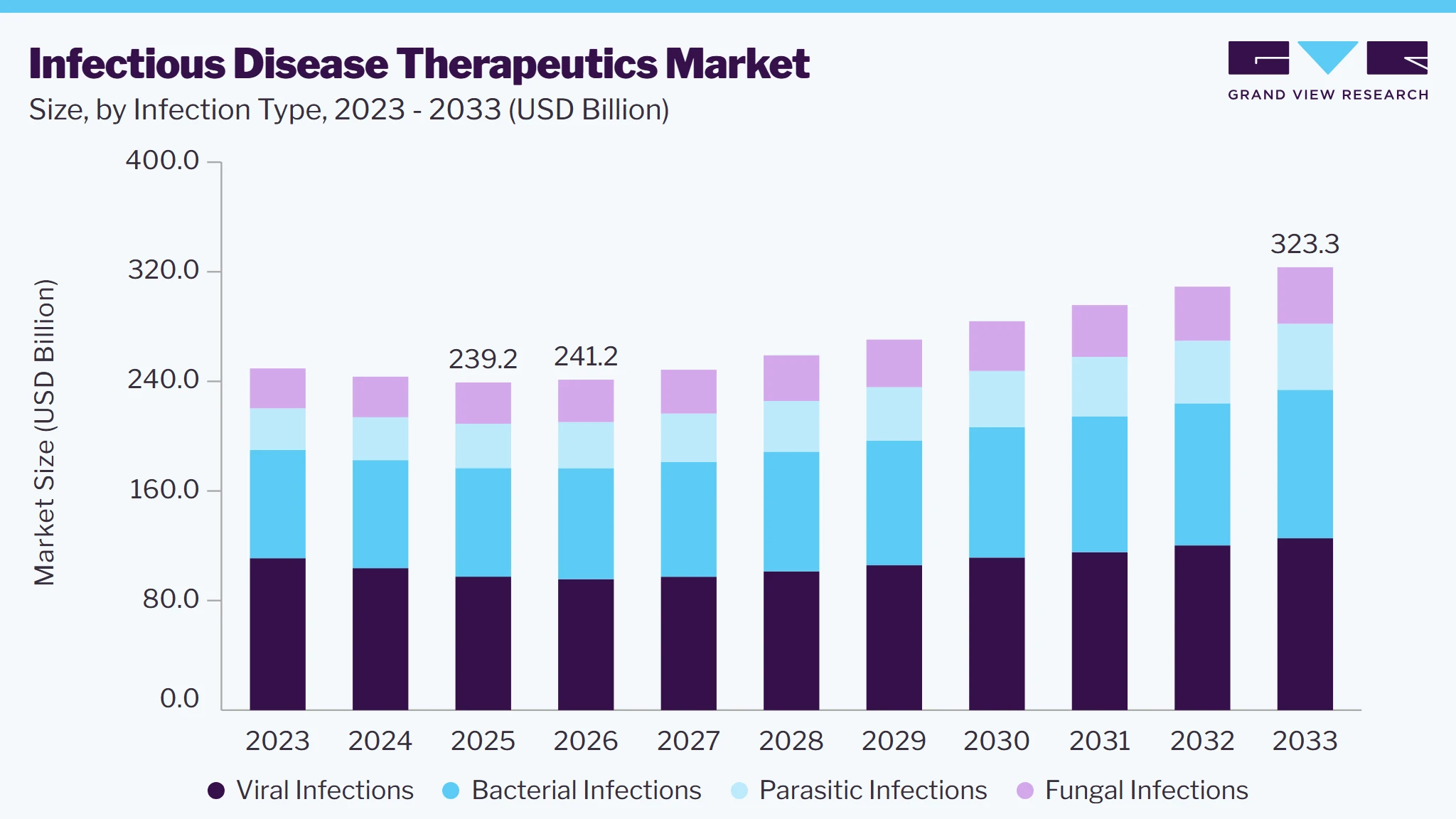 To learn more about this report, Download Free Sample Report
The rising incidence of infectious diseases worldwide has driven strong demand for effective anti-infective agents. Diseases caused by bacteria, viruses, and fungi continue to rise, fueled by global travel, urbanization, and climate change, which facilitate the spread of pathogens across regions. This global health challenge necessitates a proactive approach to developing anti-infective agents to combat new and re-emerging diseases. Notable examples include recent outbreaks of Ebola and Zika, reinforcing the need for quick-response treatments. The COVID-19 pandemic highlighted this urgency, underscoring the critical role of targeted antiviral therapies in swiftly containing and treating high-impact infections.
 To learn more about this report, Download Free Sample Report
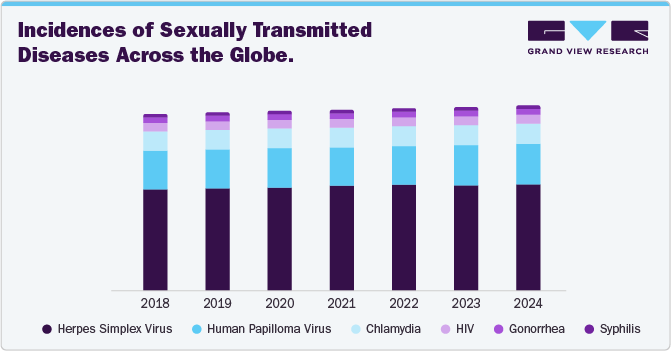
HIV remains a major global public health challenge, with ongoing efforts to reduce new infections and expand treatment access. According to UNAIDS, 39.9 million people were living with HIV in 2023, including 38.6 million adults and 1.4 million children. Women and girls accounted for 53% of cases. In 2023, approximately 1.3 million people acquired HIV, reflecting a 39% decline since 2010 and 60% since 1995. Since 2003, the U.S. President’s Emergency Plan for AIDS Relief (PEPFAR) has provided HIV testing for 71.1 million people and lifesaving ART for 20.5 million individuals. It has also enabled 5.5 million babies to be born HIV-free and supports over 327,000 healthcare workers worldwide.
A study published by the CDC stated that as of 2022, 296 million people globally were suffering from chronic hepatitis B infection. Around 820,000 deaths occur due to hepatitis B annually, causing 25% of chronic hepatitis B cases to ultimately progress to liver cancer. Rapid detection of infectious diseases with PCR facilitates timely intervention and can enable the delivery of appropriate treatments. For instance, the detection of tuberculosis is slow through conventional techniques, which can be overcome with molecular diagnostic tests for faster results.
Moreover, pharmaceutical companies are accelerating R&D to advance innovative therapies, including new classes of antibiotics, antivirals, and antifungals designed to combat resistance that threatens the efficacy of existing drugs. Investments in genomic analysis, artificial intelligence, and drug-repurposing platforms enable faster identification of promising drug candidates, streamlining development and shortening time to market, ultimately helping save more lives.
Overview Of Some Key Funding In The Infectious Disease Therapeutics Market
Funding Provider
Description
CARB-X
Launched a 2025 funding round to support the development of new anti-infective therapeutics, specifically targeting Gram-negative pathogens with small-molecule drugs. (2025).
Appili Therapeutics
Secured funding and regulatory engagement for ATI-1801 and ATI-1701, advancing key infectious disease therapeutics while progressing with a take-private transaction with Aditxt. (2025)
BARDA (Biomedical Advanced Research and Development Authority)
Provided USD 35 million to ModeX Therapeutics for COVID-19 multispecific antibodies and USD 16 million for an influenza program, bringing total funding to USD 110 million, with potential up to USD 205 million. (2024)
ImCheck Therapeutics (French Government - France 2030 Plan)
Received USD 22.01 million in non-dilutive funding to support the development of innovative anti-infective therapies. (2024)
BARDA (GigaGen Partnership)
Awarded USD 19.6 million, potentially up to USD 135 million, to develop a polyclonal antibody platform for botulism, adaptable for other infectious diseases. (2024)
Source: Annual Reports, Press Release
Furthermore, collaborations and partnerships among large pharmaceutical companies, biotech firms, academic institutions, and research organizations strengthen R&D efforts in the infectious-disease therapeutics market. These alliances foster innovation by combining resources and expertise, leading to faster breakthroughs in treatment options. Such partnerships have proven essential in responding swiftly to emerging infectious diseases.
Market Dynamics
The infectious disease therapeutics market is supported by the continued burden of bacterial, viral, fungal, and parasitic infections, along with the growing need for effective treatment options. Rising antimicrobial resistance, increasing healthcare investments, and continued research in novel anti-infective therapies are supporting product development across multiple disease areas. Drug developers are focusing on new antibiotics, antivirals, and biologics to address resistant pathogens and emerging infectious diseases while improving treatment outcomes. Advances in rapid diagnostics are also enabling timely treatment decisions, supporting appropriate therapy selection, and improving patient management. At the same time, public health agencies and pharmaceutical companies are strengthening surveillance programs and expanding access to essential therapies through vaccination programs, infection control measures, and improved healthcare infrastructure. These factors continue to support steady demand for infectious disease therapeutics across hospital and outpatient care while encouraging ongoing investment in research and development for new treatment options.
The increasing burden of antimicrobial resistance is a major driver of growth in the infectious disease therapeutics market. Bacteria, viruses, fungi, and parasites continue to develop resistance to existing therapies, creating demand for medicines with new mechanisms of action. Healthcare providers are also placing greater emphasis on targeted treatment to improve clinical outcomes and reduce treatment failure. Pharmaceutical companies are expanding research programs for antibiotics, antivirals, and antifungals to address resistant pathogens while meeting regulatory requirements. Public health organizations are also encouraging the development of new anti-infective medicines through regulatory incentives and priority review pathways. These activities continue to strengthen product pipelines and increase treatment options for patients with serious infections. For instance, in March 2025, GSK received U.S. FDA approval for Blujepa (gepotidacin) the treat uncomplicated urinary tract infections in adult females weighing at least 40 kg and pediatric patients aged 12 years and older weighing at least 40 kg. The approval introduced the first new class of oral antibiotics for uncomplicated urinary tract infections in nearly 30 years and expanded treatment options against susceptible bacterial pathogens. This development supports continued investment in anti-infective drug research and strengthens the availability of new therapies for resistant infections.
The development of infectious disease therapeutics requires extensive clinical studies, microbiological testing, and long-term safety evaluation before regulatory approval. Antibiotic development also faces lower commercial returns because treatment durations are generally shorter than those of therapies for chronic diseases. In addition, antimicrobial stewardship programs encourage responsible antibiotic use, which can limit prescription volumes even after approval. Manufacturers must also demonstrate activity against resistant organisms while meeting evolving regulatory standards across different countries. These factors increase development costs and extend product development timelines, creating challenges for smaller biotechnology companies with limited financial resources. The need for continuous surveillance of resistance patterns, pharmacovigilance activities, and post-marketing safety monitoring further increases operational complexity and compliance costs. Variations in regulatory requirements across global markets can also delay product launches and increase the resources required for registration, limiting the pace at which new infectious disease therapeutics become available to patients.
The infectious disease therapeutics market continues to offer opportunities through the introduction of therapies that simplify treatment and address resistant infections. Drug developers are focusing on oral alternatives that can reduce hospital stays and improve patient access while maintaining clinical effectiveness. Continued regulatory support for medicines targeting resistant pathogens is encouraging investment in late-stage development programs. The growing demand for therapies against complex bacterial infections is also creating opportunities for companies with differentiated products. Healthcare systems are placing greater importance on treatment options that improve patient management and reduce dependence on intravenous therapies. For instance, in June 2026, GSK received U.S. FDA approval for Utebzi a treatment for complicated urinary tract infections, including pyelonephritis. The approval introduced the first oral carbapenem antibiotic for drug-resistant gram-negative bacterial infections. The Phase 3 trial included 1,690 hospitalized adult patients and demonstrated efficacy comparable to that of intravenous imipenem-cilastatin. Complicated urinary tract infections affect more than 2.8 million people each year in the United States. This approval supports continued opportunities for companies developing new anti-infective medicines that improve treatment access and address resistant infections.
Market Concentration & Characteristics
The infectious disease therapeutics industry continues to evolve with advancements in antiviral drugs, antibiotics, monoclonal antibodies, and vaccine development. Pharmaceutical companies focus on improving drug formulations, enhancing bioavailability, and developing combination therapies to address antimicrobial resistance. The market is witnessing increasing research into host-directed therapies, novel antimicrobial peptides, and immune-modulating agents to enhance treatment outcomes.
Mergers and acquisitions significantly shape the competitive landscape as pharmaceutical companies seek to expand their portfolios in vaccines, antivirals, and antibacterial treatments. Strategic acquisitions focus on strengthening research pipelines, securing proprietary drug formulations, and expanding market reach. The rising demand for novel therapies to combat drug-resistant pathogens and emerging infectious diseases is driving consolidation among key market players.
 To learn more about this report, Download Free Sample Report
Regulatory agencies such as the FDA, EMA, and national health authorities enforce stringent approval processes for infectious disease therapeutics. Drug development must comply with rigorous clinical trial requirements, post-marketing surveillance, and pharmacovigilance protocols. Market access is significantly influenced by pricing regulations, reimbursement policies, and global health organizations' procurement strategies. Fast-track approvals and priority review programs support the development of treatments for high-burden infectious diseases, but regulatory compliance remains critical for market entry and expansion.
The market faces competition from preventive measures such as vaccines, sanitation improvements, and public health initiatives aimed at reducing disease transmission. Alternative therapeutic approaches, including passive immunization and convalescent plasma therapy, offer treatment options for specific infections. However, the continued emergence of resistant pathogens and the need for effective treatment regimens sustain the demand for pharmaceutical interventions, particularly in bacterial, viral, fungal, and parasitic infections.
Pharmaceutical companies are expanding into high-growth regions such as the Asia Pacific, Latin America, and Africa, driven by the increasing burden of infectious diseases, rising healthcare expenditure, and government-led treatment initiatives. Market growth is supported by partnerships with global health organizations, vaccine procurement programs, and funding from international agencies, all aimed at improving access to essential medicines. However, expansion efforts face challenges related to intellectual property rights, local manufacturing requirements, and pricing controls in emerging markets.
Analyst Perspective
The infectious disease therapeutics market continues to play an important role in global healthcare due to the ongoing burden of bacterial, viral, fungal, and parasitic infections. The market is supported by continuous development of new antibiotics, antivirals, antifungals, and vaccines to address antimicrobial resistance and emerging infectious diseases. Companies with broad anti-infective portfolios, established manufacturing capabilities, and global distribution networks continue to maintain a strong market position. Gilead Sciences remains a leading participant in antiviral therapies, particularly for HIV and viral hepatitis, while Merck & Co., Pfizer, AbbVie, and Roche continue to strengthen their infectious disease portfolios through product development and regulatory approvals. At the same time, generic manufacturers such as Sandoz, Xellia Pharmaceuticals, and Mankind Pharma support market growth by improving the availability of cost effective anti-infective therapies across developed and emerging healthcare markets.
Infection Insights
By infection type, the viral infections segment led the market with the largest revenue share of 40.7% in 2025. The rising prevalence of viral infections, including influenza, HIV, hepatitis, and emerging threats like COVID-19 and monkeypox, is a key driver in the market. Increasing globalization, urbanization, and climate change contribute to the rapid spread of viral diseases, fueling demand for antiviral drugs and vaccines. Advancements in biotechnology, RNA-based therapies, and monoclonal antibodies are accelerating treatment options. Governments and health organizations are investing in pandemic preparedness and vaccine development, further driving market growth.
The parasitic infections segment is the fastest-growing market, driven by increasing prevalence, rising drug resistance, and global health initiatives targeting malaria, leishmaniasis, and schistosomiasis. Pharmaceutical advancements focus on novel antiparasitic drugs, combination therapies, and repurposed treatments to address emerging resistance. Government programs, WHO-led eradication efforts, and funding from global health organizations further support market expansion. Growth is prominent in high-burden regions across Africa, Asia-Pacific, and Latin America, where improved access to therapeutics is a key priority.
Drug Class Insights
By drug class, the vaccines segment led the market with the largest revenue share of 31.4% in 2025, driven by rising disease prevalence, growing awareness, and robust government immunization programs. Emerging and re-emerging infections, such as COVID-19, influenza, HPV, and RSV, fuel demand for new and improved vaccines. Advances in mRNA, recombinant, and vector-based vaccine technologies enhance efficacy and speed up development. Increased R&D investments, global health initiatives, and regulatory support accelerate market growth. In addition, the expansion of pediatric and adult immunization programs, alongside rising concerns about antimicrobial resistance, boosts vaccine adoption.
The antiparasitic drugs segment is experiencing significant growth due to the rising prevalence of malaria, leishmaniasis, and other parasitic infections. Increasing drug resistance drives demand for novel formulations and combination therapies. Pharmaceutical companies are expanding research into next-generation antiparasitics, supported by global health initiatives and funding from organizations like the WHO. Growth is strongest in high-burden regions, including Africa, Asia-Pacific, and Latin America, where improved access to treatment and government-led eradication programs contribute to market expansion.
Distribution Channel Insights
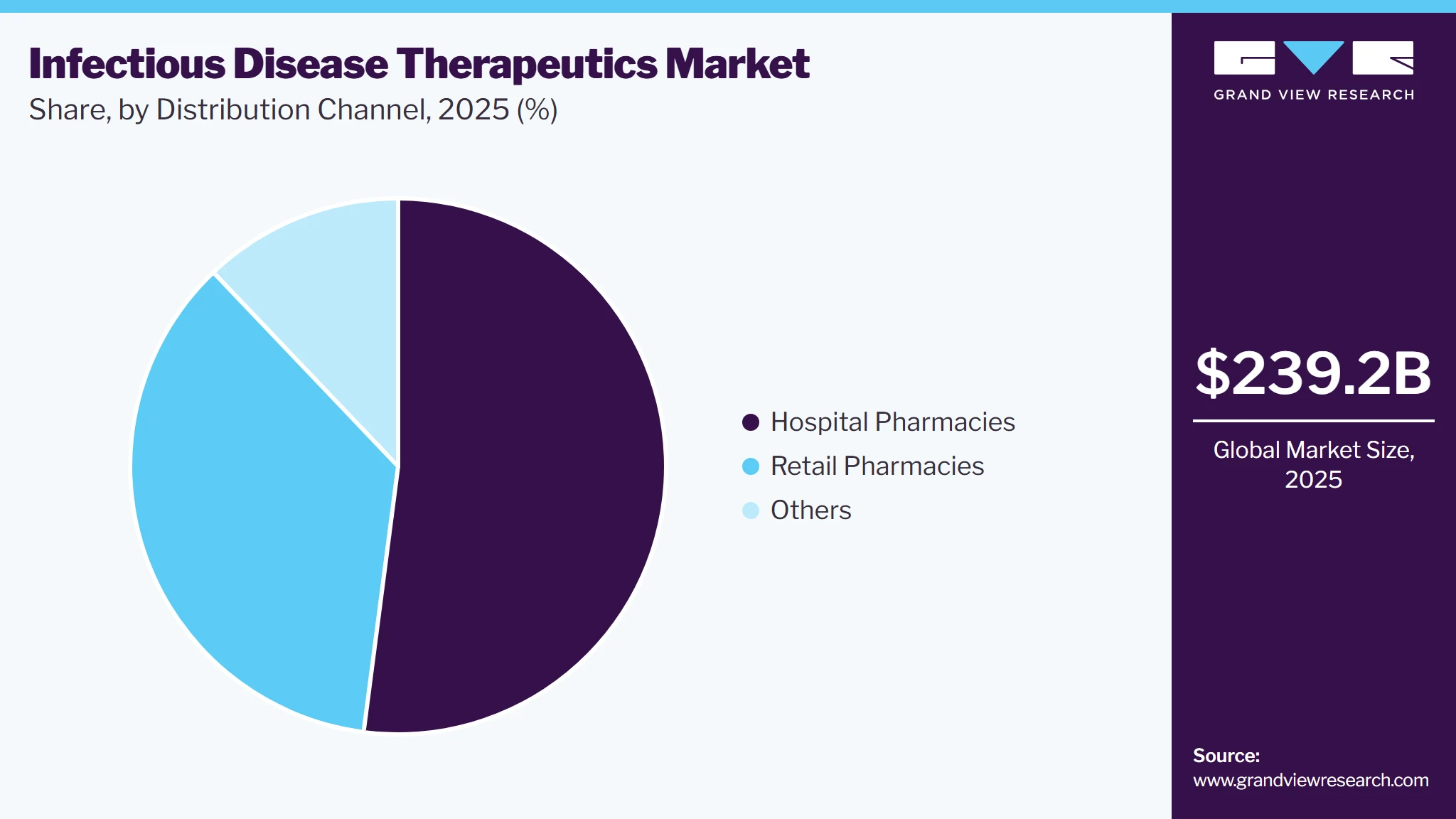
Based on distribution channel, the hospital pharmacy segment led the market with the largest revenue share of 52.1% in 2025, driven by the rising number of hospitalizations globally. Hospitals offer comprehensive patient care, prompt reimbursement, and favorable insurance policies, making them a preferred choice for patients. Hospital pharmacies are typically found in large medical institutions with advanced healthcare facilities, often including specialized departments such as infectious disease or intensive care units, where patients with severe infections receive treatment.
 To learn more about this report, Download Free Sample Report
The other distribution channel segment is experiencing rapid growth due to the increasing adoption of online pharmacies, which enhance accessibility and convenience for infectious disease therapeutics. E-commerce platforms enable direct-to-consumer sales, reducing dependency on traditional retail channels. Regulatory support for online drug sales and rising internet penetration are driving market expansion. Consumers prefer online platforms for affordability, availability, and doorstep delivery, especially in remote areas. The demand for antiparasitic drugs, antibiotics, and antivirals through online channels is rising, particularly in high-burden regions across the Asia-Pacific, Latin America, and Africa.
Regional Insights
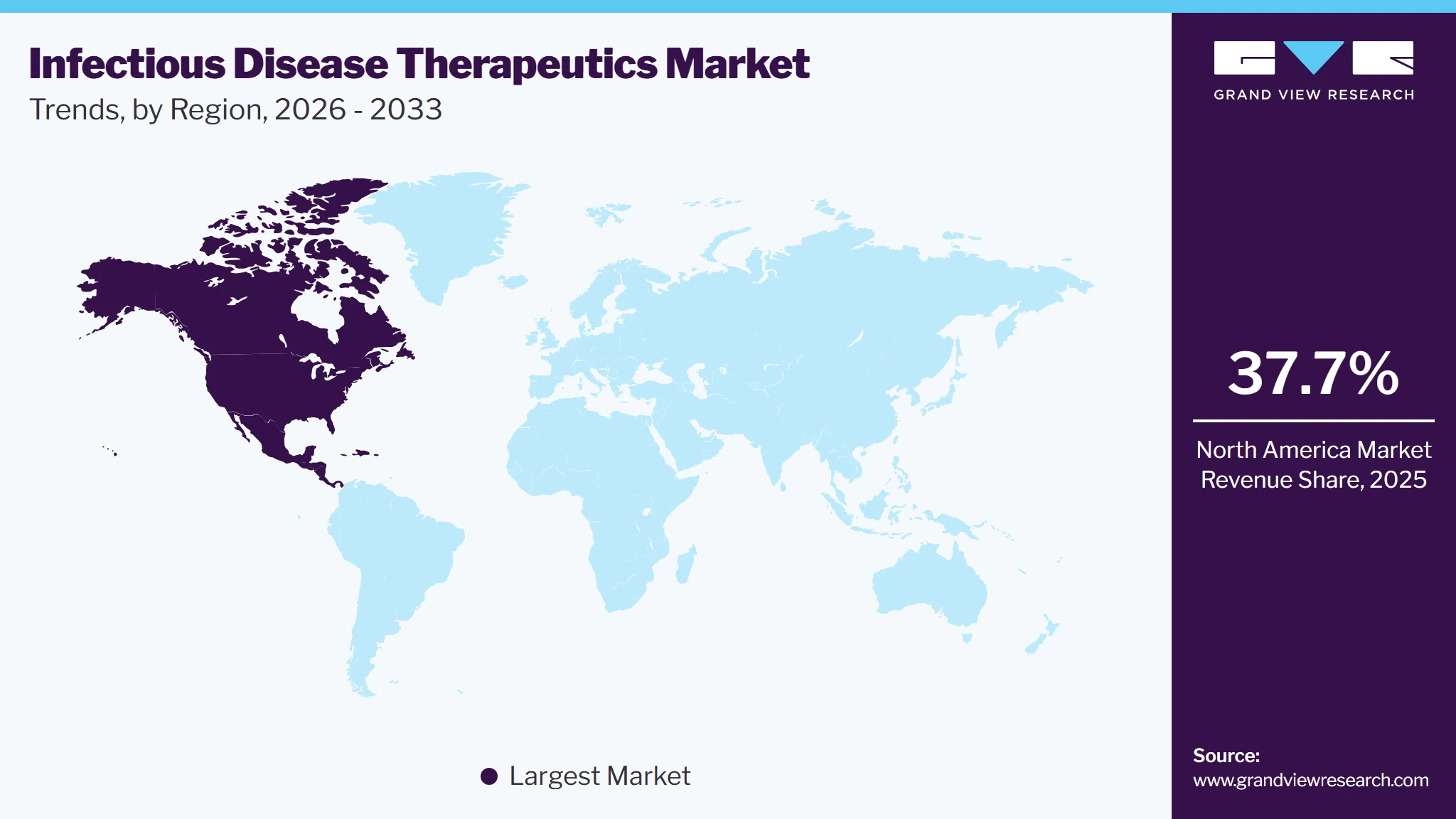
North America dominated the infectious disease therapeutics market with the largest revenue share of 37.7% in 2025. Growth is driven by the high prevalence of bacterial, viral, and parasitic infections and increased adoption of antibiotics, antivirals, and antiparasitic drugs. The expanding use of vaccines and monoclonal antibodies is improving treatment outcomes. Hospital-based treatments dominate distribution, while retail and online pharmacies are witnessing growing demand for infectious disease management.
 To learn more about this report, Download Free Sample Report
U.S. Infectious Disease Therapeutics Market Trends
The infectious disease therapeutics market in the U.S. held the largest share in the North America region in 2025. The infectious disease therapeutics market in the U.S. leads the North American market, supported by substantial biopharma investments, high R&D expenditure, and early regulatory approvals. Rising utilization of antiviral drugs, antibiotics, and combination therapies drives market growth. The expansion of hospital-based care, along with increased accessibility of outpatient treatments, supports market penetration. Government initiatives and strategic pharmaceutical collaborations further strengthen the market landscape.
Europe Infectious Disease Therapeutics Market Trends
The infectious disease therapeutics market in Europe is experiencing steady growth, led by Germany, France, and the UK. The region benefits from strong clinical research infrastructure, government support for infectious disease management, and increasing adoption of vaccines, antibiotics, and novel therapeutics. Hospitals hold the largest share of distribution, complemented by retail pharmacies and specialized infectious disease clinics.
The UK infectious disease therapeutics market is driven by increased funding for infectious disease research and expanding access to antiviral and antibiotic treatments. With ongoing clinical trials and collaborations between healthcare providers and pharmaceutical companies, the demand for monoclonal antibodies and vaccines is rising. Infectious disease clinics are gaining traction, complementing hospital-based treatment pathways.
The infectious disease therapeutics market in Germany remains a key market in Europe’s infectious disease therapeutics sector, supported by advanced manufacturing capabilities and robust biotech investments. Growing demand for antiviral medications, broad-spectrum antibiotics, and combination therapies is observed. Hospital-based treatment remains dominant, with retail pharmacies enhancing outpatient access.
The France infectious disease therapeutics market is driven by the increasing adoption of antiviral drugs, antibiotic therapies, and vaccines. Regulatory advancements and public healthcare initiatives are expanding market penetration. Hospitals remain the primary distribution channel, with retail pharmacies gaining prominence in outpatient care.
Asia Pacific Infectious Disease Therapeutics Market Trends
The infectious disease therapeutics market in the Asia Pacific is expanding due to the rising prevalence of bacterial and viral infections and improving healthcare infrastructure. Countries such as China, India, and Japan are leading the market, supported by increasing government initiatives and local manufacturing of antibiotics and vaccines. Hospital-based treatments and retail pharmacies are improving market penetration.
The Japan infectious disease therapeutics market growth is supported by government funding for infectious disease research and a growing focus on outbreak preparedness. Hospitals remain the dominant distribution channel, with specialized infectious disease clinics improving access to treatments.
The infectious disease therapeutics market in China is expanding rapidly, supported by robust biopharma investments and increased healthcare accessibility. The demand for antibiotics, antivirals, and vaccines is growing, with hospital-based care and online pharmacy platforms facilitating patient access to treatment.
Latin America Infectious Disease Therapeutics Market Trends
The infectious disease therapeutics market in Latin America is growing, driven by rising healthcare expenditures and increasing awareness of infection prevention. Brazil stands out as a key market, supported by government health initiatives and investments in biopharmaceutical development. The demand for antibiotics, vaccines, and antiviral medications is fostering market expansion.
Brazil's infectious disease therapeutics market growth is fueled by a high burden of infectious diseases and expanding healthcare infrastructure. Investments in local manufacturing of antibiotics and vaccines, along with international collaborations, are enhancing access to treatment. Hospital-based care remains dominant, while retail and online pharmacies expand their services.
Middle East & Africa Infectious Disease Therapeutics Market Trends
The infectious disease therapeutics market in MEA is experiencing steady growth due to improving healthcare infrastructure and a rising burden of bacterial and viral infections. Countries such as Saudi Arabia are witnessing increased demand for antibiotics, antivirals, and vaccines, driven by government initiatives aimed at healthcare modernization.
Saudi Arabia infectious disease therapeutics market is expanding, supported by healthcare reforms and growing investments in infectious disease research. The rising incidence of bacterial and viral infections is increasing the demand for treatment solutions, with hospital-based services leading distribution and retail pharmacies improving patient access.
Key Infectious Disease Therapeutics Company Insights
Leading pharmaceutical companies in the market focus on drug development, strategic partnerships, and global expansion. Companies such as Pfizer, Gilead Sciences, Merck & Co., and Roche dominate the infectious disease therapeutics segment, introducing novel antibiotics, antivirals, and vaccines. Mergers, acquisitions, and rising R&D investments are intensifying competition and driving product innovation and treatment accessibility in the market.
Key Infectious Disease Therapeutics Companies:
The following key companies have been profiled for this study on the infectious disease therapeutics market.
- Pfizer, Inc.
- AbbVie.
- Gilead Sciences, Inc.
- Bristol-Myers Squibb
- Merck & Co., Inc.
- Sandoz International GmbH
- B. Braun SE
- Xellia Pharmaceuticals
- Mankind Pharma
- Bayer AG
- AstraZeneca
- Boehringer Ingelheim International GmbH.
- Novartis AG
- F. Hoffmann-La Roche Ltd
Competitive Benchmarking
Category
Operating Strategies
Competitive Edge
Weakness
Established Players (Pfizer Inc., AbbVie, Gilead Sciences, Inc., Bristol-Myers Squibb, Merck & Co., Inc., Bayer AG, AstraZeneca, Boehringer Ingelheim International GmbH, Novartis AG, F. Hoffmann-La Roche Ltd.)
- Focus on expanding infectious disease portfolios through research and development, regulatory approvals, lifecycle management, strategic collaborations, and geographic expansion. These companies also strengthen manufacturing capacity and invest in new antibacterial, antiviral, antifungal, and vaccine technologies to address emerging infectious diseases and antimicrobial resistance.
- Broad infectious disease product portfolios, established global commercial networks, strong clinical development capabilities, manufacturing scale, extensive regulatory experience, and long-term relationships with healthcare providers, governments, and procurement agencies.
- High research and development costs, pricing pressure from generic medicines, patent expirations for key products, and increasing regulatory requirements across multiple markets.
Emerging and Regional Players (Sandoz International GmbH, B. Braun SE, Xellia Pharmaceuticals, Mankind Pharma)
- Focus on expanding generic anti-infective products, injectable antibiotics, contract manufacturing, regional market expansion, and partnerships with hospitals and public healthcare systems. These companies also strengthen manufacturing efficiency and improve access to cost-effective therapies.
- Strong presence in generic medicines, competitive pricing, established manufacturing capabilities, and broad distribution networks in regional markets. Their focus on hospital anti-infective products supports access to essential therapies.
- Limited presence in innovative infectious disease therapies, lower investment in novel drug discovery, dependence on mature product portfolios, and higher competition in the generic medicines segment.
Recent Developments
-
In February 2025, AbbVie and Pfizer’s EMBLAVEO (aztreonam and avibactam) received U.S. FDA approval, in combination with metronidazole, for adults with complicated intra-abdominal infections for whom treatment options are limited or nonexistent.
-
In February 2024, AstraZeneca completed the acquisition of the U.S.-based clinical-stage biopharmaceutical company Icosavax for approximately USD 1.1 billion. The acquisition strengthened AstraZeneca’s vaccine pipeline with a Phase III-ready candidate for respiratory infections.
Infectious Disease Therapeutics Market Report Scope
Report Attribute
Details
Market size in 2025
USD 239.2 billion
Estimated market size in 2026
USD 241.2 billion
Projected market size by 2033
USD 323.3 billion
Growth rate
CAGR of 4.3% from 2026 to 2033
Historical data
2021 - 2024
Forecast period
2026 - 2033
Quantitative units
Revenue in USD million/billion and CAGR from 2026 to 2033
Report coverage
Revenue forecast, company ranking, competitive landscape, growth factors, and trends
Segments covered
Infection, drug class, distribution channel, region
Regional scope
North America; Europe; Asia Pacific; Latin America; MEA
Country scope
U.S.; Canada; Mexico; UK; Germany; France; Italy; Spain; Denmark; Norway; Sweden; Japan; China; India; South Korea; Australia; Thailand; Brazil; Argentina; South Africa; Saudi Arabia; UAE; Kuwait.
Key companies profiled
Pfizer Inc.; AbbVie; Gilead Sciences, Inc.; Bristol-Myers Squibb; Merck & Co., Inc.; Sandoz International GmbH; B. Braun SE; Xellia Pharmaceuticals; Mankind Pharma; Bayer AG; AstraZeneca; Boehringer Ingelheim International GmbH; Novartis AG; F. Hoffmann-La Roche Ltd.
Customization scope
Free report customization (equivalent up to 8 analysts' working days) with purchase. Addition or alteration to country, regional & segment scope.
Pricing and purchase options
Avail customized purchase options to meet your exact research needs. Explore purchase options
Global Infectious Disease Therapeutics Market Report Segmentation
This report forecasts revenue growth at the global, regional, and country levels and provides an analysis of the latest industry trends in each of the sub-segments from 2021 to 2033. For this study, Grand View Research has segmented the global infectious disease therapeutics market report based on infection, drug class, distribution channel, and region:
 To learn more about this report, Download Free Sample Report
-
Infection Outlook (Revenue, USD Million, 2021 - 2033)
-
Bacterial Infections
-
Viral Infections
-
Human Immunodeficiency Virus (HIV/AIDS)
-
Hepatitis (Hepatitis B, Hepatitis C)
-
Influenza
-
Others
-
-
Fungal Infections
-
Parasitic Infections
-
-
Drug Class Outlook (Revenue, USD Million, 2021 - 2033)
-
Antibacterials
-
Antivirals
-
Antifungals
-
Antiparasitic Drugs
-
Vaccines
-
Others
-
-
Distribution Channel Outlook (Revenue, USD Million, 2021 - 2033)
-
Hospital Pharmacies
-
Retail Pharmacies
-
Others
-
-
Regional Outlook (Revenue, USD Million, 2021 - 2033)
-
North America
-
U.S.
-
Canada
-
Mexico
-
-
Europe
-
Germany
-
UK
-
France
-
Italy
-
Spain
-
Denmark
-
Sweden
-
Norway
-
-
Asia Pacific
-
China
-
India
-
Japan
-
Australia
-
South Korea
-
Thailand
-
-
Latin America
-
Brazil
-
Argentina
-
-
Middle East & Africa
-
South Africa
-
Saudi Arabia
-
UAE
-
Kuwait
-
-
Research Methodology
The infectious disease therapeutics market figures in this report are based on a proven research process that combines executive interviews with secondary research from proprietary databases, company filings, and recognized regulatory and institutional sources. Market size is built through value-chain sizing - reconciling supply-side and demand-side estimates - and triangulated with bottom-up and top-down approaches. Every estimate passes multiple levels of expert validation before publication, with each infectious disease therapeutics segment quantified using the revenue-capture definitions in the table below.
Segment Definition
Segment - Infection
Revenue capture definition
Bacterial Infections
Includes therapeutics used for the treatment of infections caused by pathogenic bacteria. This segment covers therapies for community-acquired and hospital-acquired bacterial infections affecting the respiratory tract, urinary tract, skin, bloodstream, gastrointestinal tract, and other organs.
Viral Infections
Covers therapeutics used for the treatment of viral diseases, including HIV/AIDS, hepatitis B, hepatitis C, influenza, and other viral infections. The segment includes medicines that inhibit viral replication, reduce disease progression, and improve patient outcomes.
Fungal Infections
Includes therapeutics used to treat superficial and invasive fungal infections caused by yeasts, molds, and other fungal pathogens. These therapies are commonly used in immunocompromised patients and individuals with systemic or localized fungal diseases.
Parasitic Infections
Covers therapeutics used for the treatment of infections caused by protozoa, helminths, and other parasites. These therapies are used for diseases such as malaria, leishmaniasis, toxoplasmosis, and intestinal parasitic infections.
Segment - Drug Class
Revenue capture definition
Antibacterials
Includes antibacterial drugs that eliminate or inhibit the growth of pathogenic bacteria. These therapies are used across a broad range of bacterial infections and include multiple antibiotic classes for susceptible and drug-resistant organisms.
Antivirals
Covers antiviral drugs that prevent viral replication or reduce viral activity. This segment includes therapies used for HIV/AIDS, hepatitis, influenza, herpes virus infections, respiratory viral infections, and other viral diseases.
Antifungals
Includes antifungal drugs used to treat fungal infections by inhibiting fungal growth or destroying fungal cells. These therapies are available for both localized and systemic fungal infections across different patient populations.
Antiparasitic Drugs
Covers medicines used to prevent or treat parasitic infections caused by protozoa, helminths, and ectoparasites. These therapies are used in both endemic and non-endemic regions for a variety of parasitic diseases.
Vaccines
Includes preventive biological products that stimulate the immune system to protect against infectious diseases caused by bacteria, viruses, or other pathogens. This segment includes both routine immunization and disease-specific vaccination programs.
Others
Covers therapeutic products that do not fall under antibacterial, antiviral, antifungal, antiparasitic, or vaccine categories. These include supportive anti-infective therapies, immune-based treatments, and combination products used for infectious disease management.
Segment - Distribution Channel
Revenue capture definition
Hospital Pharmacies
Includes the distribution of infectious disease therapeutics through hospital pharmacies for inpatient care, emergency treatment, intensive care, and specialty infectious disease management under healthcare professional supervision.
Retail Pharmacies
Covers the dispensing of prescription and over-the-counter infectious disease therapeutics through community and retail pharmacies. These pharmacies provide access to medicines for outpatient treatment and long-term disease management.
Others
Includes distribution through online pharmacies, mail order pharmacies, government supply programs, specialty pharmacies, and other healthcare distribution channels that improve patient access to infectious disease therapeutics.
Estimation Model
The study incorporated a combination of primary and secondary research methodologies to evaluate the global infectious disease therapeutics market. Secondary research involved the review of company annual reports, investor presentations, regulatory filings, clinical practice guidelines, World Health Organization publications, Centers for Disease Control and Prevention reports, clinical trial databases, scientific publications, industry journals, and publicly available information from pharmaceutical companies and healthcare agencies. Epidemiology data, disease surveillance reports, treatment guidelines, and drug approval databases were also analyzed to assess disease burden, treatment patterns, and product availability across major markets. Primary research included interviews and discussions with pharmaceutical manufacturers, infectious disease specialists, microbiologists, hospital pharmacists, researchers, healthcare providers, business development executives, and key opinion leaders to validate epidemiology trends, prescribing patterns, treatment adoption, competitive developments, pricing trends, and future market opportunities. The findings from both research approaches were combined to ensure accurate market estimates and comprehensive industry analysis.
Delivered Customizations
This report has been delivered with the following In-depth customizations
Client Request
Customization Delivered
Value Adds
Infectious Disease Therapeutics Competitive Landscape & Pipeline Assessment
Conducted a targeted assessment of the global infectious disease therapeutics market by evaluating approved products, late-stage pipeline assets, drug classes, mechanisms of action, clinical development progress, and competitive positioning. The study analyzed key participants, including Pfizer, Gilead Sciences, Merck & Co., AbbVie, Roche, AstraZeneca, Bayer, Novartis, and other manufacturers, as well as product development trends for bacterial, viral, fungal, and parasitic infections.
Helped the client identify product development opportunities, evaluate competitive activities, benchmark pipeline assets, and prioritize licensing, acquisition, and partnership opportunities across infectious disease therapeutic areas.
Infectious Disease Therapeutics Portfolio & Product Benchmarking Study
Delivered a benchmarking analysis of infectious disease therapeutics by comparing antibacterial, antiviral, antifungal, antiparasitic, and vaccine portfolios. The assessment evaluated product approvals, clinical evidence, treatment indications, safety profiles, patent status, geographic availability, and lifecycle management strategies across leading manufacturers.
Enabled the client to assess portfolio competitiveness, identify product gaps, benchmark development strategies, and prioritize investments in therapeutic areas with unmet medical needs and growing treatment demand.
Infectious Disease Therapeutics Manufacturing & Supply Chain Assessment
Conducted an assessment of the infectious disease therapeutics manufacturing ecosystem by evaluating active pharmaceutical ingredient production, finished dosage manufacturing, sterile injectable capacity, supply chain networks, regulatory compliance requirements, and contract manufacturing capabilities. The study also reviewed manufacturing capacity, procurement channels, and regional production capabilities supporting anti-infective therapies.
Supported manufacturing planning by identifying qualified manufacturing partners, evaluating supply chain risks, assessing outsourcing opportunities, and strengthening long-term production capacity and product availability across major healthcare markets.
Frequently Asked Questions About This Report
Based on drug class, the vaccines segment led the market with the largest revenue share of 31.4% in 2025.
Based on distribution Channel, the hospital pharmacy segment led the market with the largest revenue share of 52.1% in 2025.
North America dominated the infectious disease therapeutics market with the largest revenue share of 37.7% in 2025.
Based on infection, the viral infections segment led the market with the largest revenue share of 40.7% in 2025.
The global infectious disease therapeutics market size was valued at USD 239.2 billion in 2025 and is projected to grow to USD 241.2 billion in 2026.
The global infectious disease therapeutics market is expected to grow at a compound annual growth rate of 4.3% from 2026 to 2033 to reach USD 323.3 billion by 2033.
The key players operating in the infectious disease therapeutics market include Pfizer, AbbVie, Gilead Sciences, Bristol-Myers Squibb, Merck & Co., Inc., Sandoz International GmbH, B. Braun SE, Xellia Pharmaceuticals, Mankind Pharma, Bayer AG, AstraZeneca, Boehringer Ingelheim International GmbH, Novartis AG, and F. Hoffmann-La Roche Ltd., among others.
Key factors that are driving the market growth include rising global health threats, increasing outbreaks of drug-resistant infections, and increasing awareness of disease prevention. The growing burden of chronic infections like tuberculosis, hepatitis, and HIV/AIDS is driving sustained demand for effective treatments. Technological advancements in rapid diagnostics, immunotherapies, and personalized medicine are enhancing treatment efficacy.
About the Author(s)
Pharmaceuticals Research Team
Healthcare · PharmaceuticalsThis report was authored by the pharmaceuticals research team at Grand View Research - comprising two research analysts, one senior research analyst, and one industry expert - with specialized expertise in the pharmaceuticals segment of the healthcare industry. All findings are based on proprietary healthcare databases, executive interviews, and regulatory analysis, subject to internal peer review prior to publication.
Last Updated:
Speak to Analyst

Customize this report to your needs - add regions, segments, or data points, with 20% free customization.
Or view our licence options:


ISO 9001:2015 & 27001:2022 Certified
We are GDPR and CCPA compliant! Your transaction & personal information is safe and secure. For more details, please read our privacy policy.


