
- Home
- »
- Pharmaceuticals
- »
-
Inhalation & Nasal Spray Generic Drugs Market Report, 2026-2033GVR Report cover

Inhalation And Nasal Spray Generic Drugs Market (2026 - 2033)
Size, Share & Trends Analysis Report By Drug Class (Bronchodilators, Corticosteroids), By Indication, By Patient Demographics, By End-use, By Distribution Channel, By Region, And Segment Forecasts
Market Size, 2025
$32.6BMarket Estimate, 2026
$35.3BMarket Forecast, 2033
$63.6BCAGR, 2026–2033
8.8%Inhalation And Nasal Spray Generic Drugs Market Summary
The global inhalation & nasal spray generic drugs market size was valued at USD 32.6 billion in 2025 and is projected to grow from USD 35.3 billion in 2026 to USD 63.6 billion by 2033, growing at a CAGR of 8.8% from 2026 to 2033. North America dominated the market with the largest revenue share of 38.1% in 2025. Chronic diseases like asthma, chronic obstructive pulmonary disease (COPD), and allergic rhinitis are growing globally.
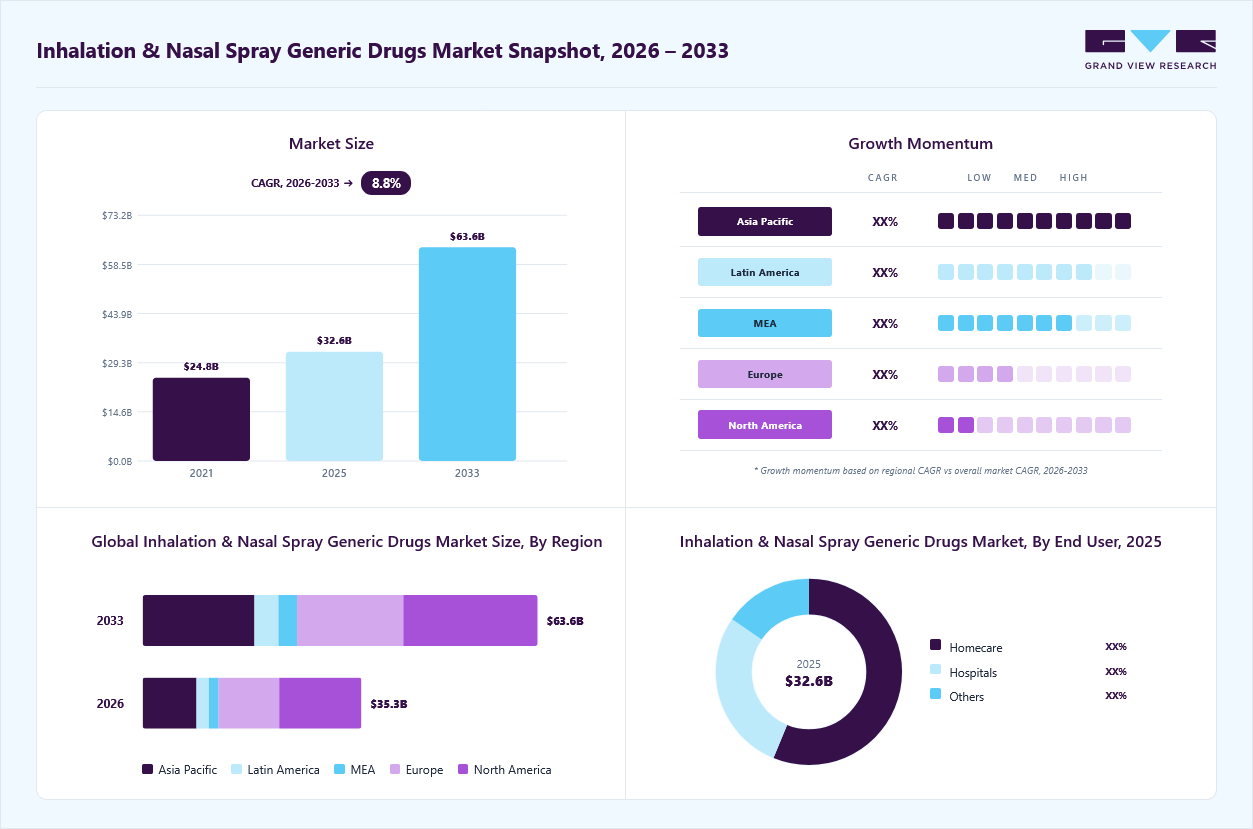 Source: Grand View Research, IR Documents, Primary Interviews, Paid DatabasesTo learn more about this report,
 Download Free Sample Report
Key Market Trends & Insights
- By drug class: Bronchodilators segment led the market with the largest revenue share of 30.0% in 2025.
- By indication: Asthma segment led the market with the largest revenue share of 43.2% in 2025.
- By patient demographics: Adult patient segment led the market with the largest revenue share of 43.6% in 2025.
- By end user: Homecare segment led the market with the largest revenue share of 56.2% in 2025.
- By distribution channel: Retail pharmacies segment led the market with the largest revenue share of 57.0% in 2025.
Regional Highlights
- Largest regional market: North America (38.1% revenue share, 2025)
- By country: The U.S. held the largest market share in 2025.
Market Size & Forecast
- Market size in 2025: USD 32.6 Billion
- Estimated market size in 2026: USD 35.3 Billion
- Projected market size by 2033: USD 63.6 Billion
- CAGR (2026-2033): 8.8%
Three ways to get this report
Buy it, customize it, or ask a question.Ask an Analyst
Analyst response in 1 business day
- AccessReport author, directly
- Reply timeWithin 1 working day
- No sales callDirect answer only
- FormatEmail reply
- CostFree, no cost
Get the Full Report
What the study covers
- FormatsPDF · Excel · Dashboard
- Timeline2026–2033 annual, 2025 base
- Coverage20+ countries, 5 regions
- Companies10+ key players profiled
Customize the Report
20% free customization
- IncludeCountries, segments, points
- TailorTo your product definition
- ExtendDeeper competitor detail
- OrA fully bespoke study
- Turnaround5–10 working days
These conditions are often treated using inhalers and nasal sprays, creating a demand for generic alternatives to branded drugs. Furthermore, air pollution and increasing smoking rates contribute to the rising incidence of respiratory conditions, further fueling market growth. The global initiative for asthma (GINA) 2024 estimates, that asthma, a prevalent chronic non-communicable disease affecting over 260 million people globally and causing more than 450,000 preventable deaths annually, is driving significant market growth. The increasing burden of asthma, coupled with the need for affordable, effective treatments, is fueling demand for generic inhalers and nasal sprays, particularly in low- and middle-income countries where healthcare costs are a major concern. As these generics offer cost-effective alternatives to branded medications, they are playing a crucial role in reducing asthma-related mortality and improving patient outcomes, positioning the market for continued expansion.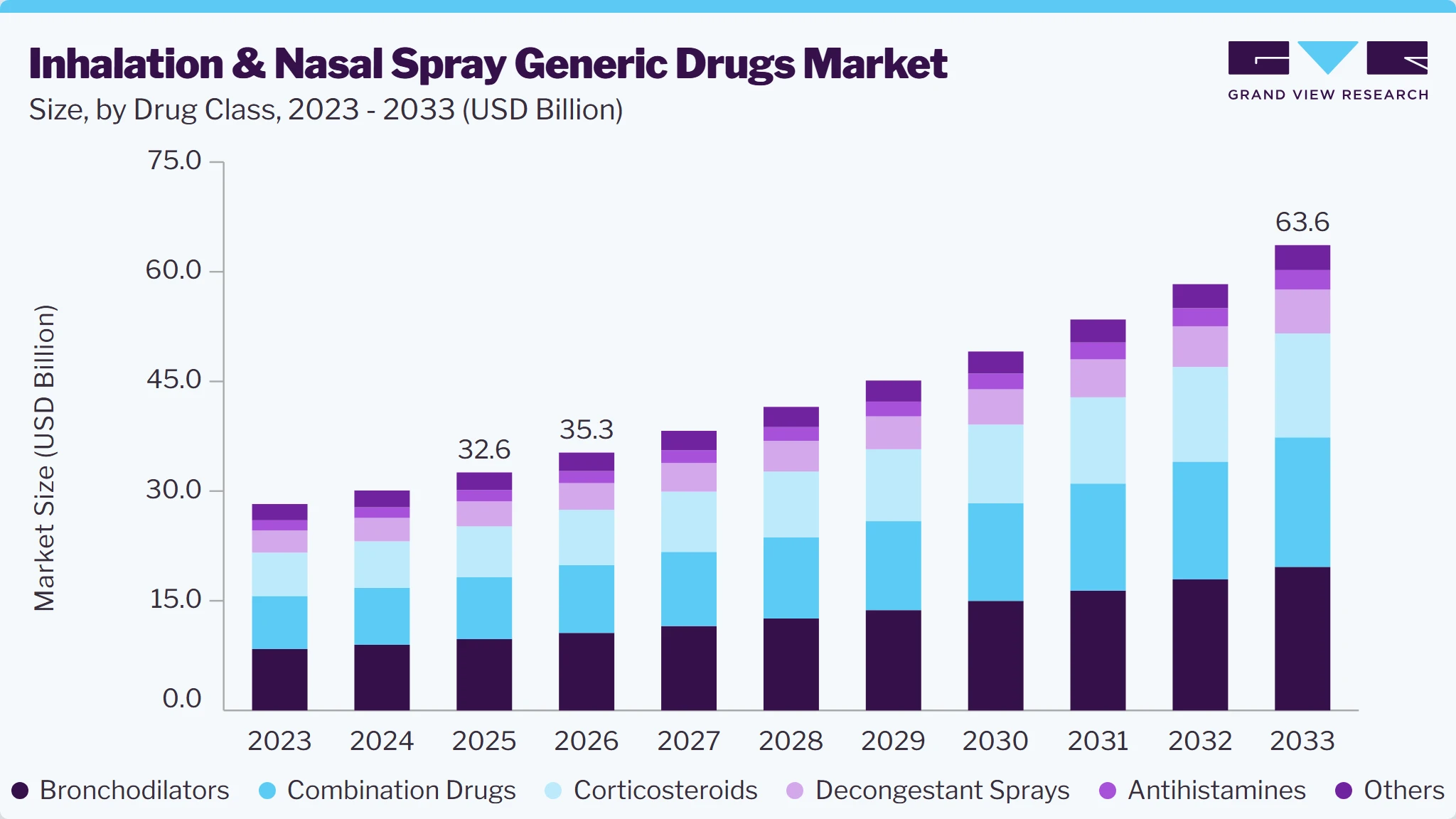 To learn more about this report, Download Free Sample Report
The rising number of respiratory disease conditions in developed countries like U.S. and region like Europe is anticipated to drive market growth during the forecast period. according to the center for disease control and prevention (CDC), in 2020 , there were approximately 986,453 asthma-related emergency department (ED) visits across the U.S., with children under 18 years accounting for 270,330 ED visits, while adults (18 years and older) contributed 716,117 ED visits. The significant volume of asthma-related medical encounters underscores the growing need for effective and affordable treatment options, driving demand in the global market. As these treatments help manage chronic respiratory conditions, the market is likely to expand, especially as healthcare systems seek cost-effective solutions for large populations.
The market is expected to experience robust growth, driven by several key factors. First, the increasing demand for nasal sprays is notable in both developed and emerging markets such as China, Brazil, and India. These products are widely used to treat common respiratory conditions, but ongoing research and development efforts are expanding their potential applications for broader medical treatments. In addition, innovations in the manufacturing of nasal sprays are enhancing product effectiveness and accessibility. The rise of e-commerce platforms further supports this growth by making these products more readily available to consumers. With their fast and efficient drug delivery method, nasal sprays are set to play a crucial role in the future of medical treatments.
Market Dynamics
The inhalation & nasal spray generic drugs market is experiencing steady growth, driven by the increasing prevalence of respiratory disorders, growing demand for cost-effective treatment alternatives, and the loss of patent exclusivity for several branded inhalation products. Increasing regulatory emphasis on expanding access to affordable respiratory therapies, coupled with the growing adoption of complex generic drug-device combination products, is further encouraging the development and commercialization of generic respiratory therapies. In January 2025, Hikma Pharmaceuticals received U.S. FDA approval for its generic version of Xopenex (levalbuterol hydrochloride) inhalation solution, indicated for the treatment and prevention of bronchospasm in patients with reversible obstructive airway disease. The approval reflects the ongoing expansion of generic competition within the respiratory therapeutics segment. Continued patent expirations of branded inhalers and nasal sprays, increasing diagnosis rates of asthma and COPD, and ongoing investments in advanced inhalation and nasal drug-delivery technologies are expected to create favorable growth opportunities for generic manufacturers over the forecast period.
The rising global burden of respiratory diseases, particularly asthma, chronic obstructive pulmonary disease (COPD), and allergic rhinitis, is a major factor driving growth in the Inhalation & Nasal Spray Generic Drugs Market. Increasing exposure to air pollution, tobacco smoke, occupational hazards, and environmental allergens has contributed to a growing patient population requiring long-term respiratory care. In addition, aging populations are becoming more susceptible to chronic respiratory conditions, further increasing demand for inhalation and nasal spray therapies. As healthcare systems continue to focus on reducing treatment costs, generic alternatives are gaining wider acceptance among payers, providers, and patients due to their comparable therapeutic efficacy and lower cost relative to branded products. The growing availability of generic inhalers and nasal sprays is improving treatment accessibility across both developed and emerging markets. In December 2025, Amneal Pharmaceuticals received U.S. FDA approval for Albuterol Sulfate Inhalation Aerosol, the generic equivalent of PROAIR HFA. The product is indicated for the treatment or prevention of bronchospasm in adults and children aged 12 years and older with reversible obstructive airway disease. The continued introduction of generic respiratory therapies is expected to enhance treatment accessibility and support broader adoption of cost-effective inhalation products across healthcare systems.
The development of generic inhalation and nasal spray products remains significantly more complex than that of conventional oral generics, posing a major restraint to market growth. These products are classified as complex drug-device combination therapies, requiring manufacturers to demonstrate equivalence not only in the active pharmaceutical ingredient but also in device performance, aerosol characteristics, particle size distribution, spray pattern, and clinical outcomes. Regulatory agencies such as the U.S. FDA and the European Medicines Agency impose stringent requirements to ensure therapeutic equivalence, often resulting in lengthy development timelines and substantial research and development investments. In addition, manufacturing challenges associated with device engineering, formulation stability, and quality control further increase development costs. Patent protections covering inhaler devices and delivery technologies can also delay generic market entry. In February 2025, the U.S. Court of Appeals for the Federal Circuit upheld a decision related to the patent listing status of inhaler device technologies associated with Teva's ProAir HFA, underscoring the complex intellectual property and regulatory environment surrounding generic inhalation products. These challenges increase development risk, extend commercialization timelines, and create barriers for manufacturers seeking to enter the inhalation and nasal spray generic drugs market.
The increasing number of patent expirations for branded respiratory therapies is creating substantial opportunities for manufacturers operating in the Inhalation & Nasal Spray Generic Drugs Market. Several leading inhalers and nasal spray products are approaching the end of their exclusivity periods, enabling generic companies to target high-value respiratory therapeutic segments. Advances in formulation science, device engineering, and analytical testing technologies are also improving manufacturers' ability to develop complex inhalation and nasal spray products while meeting stringent regulatory requirements. In addition, healthcare providers and payers continue to encourage the adoption of lower-cost generic alternatives to reduce long-term treatment costs associated with chronic respiratory diseases. In May 2025, Ritedose Pharmaceuticals received U.S. FDA approval for generic Formoterol Fumarate Inhalation Solution (20 mcg/2 mL), indicated for the long-term maintenance treatment of chronic obstructive pulmonary disease (COPD), including chronic bronchitis and emphysema. The approval reflects continued activity in the development and commercialization of generic respiratory therapies, supported by growing demand for cost-effective treatment alternatives. As additional respiratory products approach patent expiration, opportunities for generic manufacturers are expected to expand, supported by a strengthening pipeline of complex inhalation and nasal spray products.
Analyst Perspective
The inhalation & nasal spray generic drugs market is characterized by increasing manufacturer focus on expanding access to cost-effective respiratory therapies as branded inhalation and nasal spray products lose market exclusivity. Industry participants are investing in advanced formulation development, device engineering, and regulatory capabilities to successfully develop and commercialize drug-device combination products. Market competitiveness is driven by technological expertise, regulatory proficiency, product portfolio strength, and the ability to navigate stringent approval pathways for respiratory generics. Established pharmaceutical companies leverage extensive respiratory portfolios, global manufacturing infrastructure, and well-established distribution networks to strengthen their market positions, while emerging players focus on niche respiratory segments and targeted loss-of-exclusivity opportunities. Continued innovation in inhalation technologies, increasing investment in respiratory generic development, and a growing pipeline of branded products approaching patent expiration are expected to support market expansion and shape the competitive landscape over the forecast period.
Drug Class Insights
Based on drug class, the bronchodilators segment led the market with the largest revenue share of 30.0% in 2025. The growth of the bronchodilator drug segment in the global market is expected to be driven by the increasing demand for quick-relief treatments for asthma and other respiratory conditions. For instance, short-acting bronchodilators, such as albuterol (Proair Hfa, Proventil Hfa, Ventolin Hfa, Accuneb), levalbuterol (xopenex hfa), Metaproterenol, And Pirbuterol (Maxair), are widely used for managing acute asthma symptoms and preventing exercise-induced bronchospasm. Their rapid action, typically within minutes, and availability in both inhaler and nebulizer forms make them essential for immediate symptom relief. However, over-reliance on these medications indicates poor asthma control, underscoring the need for better long-term management therapies, which may further influence segment dynamics.
The combination drugs segment is expected to register at a significant CAGR during the forecast period, owing to the introduction of new combination therapies by key players such as Apotex Inc. and Teva pharmaceutical industries ltd. for instance, in march 2020, Apotex Inc. launched a generic version of Meda pharmaceuticals' Dymista, a nasal spray combining Azelastine and fluticasone for the treatment of allergic rhinitis. Such combination drugs offer enhanced therapeutic efficacy by addressing multiple symptoms simultaneously, and with ongoing innovation in this area, the segment is poised for continued expansion in the future.
Indication Insights
Based on indication, the asthma segment led the market with the largest revenue share of 43.2% in 2025. According to the CDC, in 2021, approximately 9.82 million individuals live with current asthma in the U.S., experienced asthma attacks. This included 1.81 million children and 8.01 million adults. These highlights the ongoing burden of asthma across all age groups, underscoring a significant demand for effective treatments like inhalation and nasal spray generic drugs. As asthma remains a prevalent condition, the need for accessible, affordable medications will continue to drive growth for these generic treatments, offering significant potential for future expansion.
The chronic obstructive pulmonary disease (COPD) segment is projected to experience at the fastest CAGR during the forecast period. Chronic obstructive pulmonary disease (COPD) is a prevalent, preventable, and treatable condition, affecting approximately 10.1% of individuals aged 40 and older globally, as reported by the national center for biotechnology information (NCBI) in 2022. The rising prevalence of COPD underscores the growing demand for effective therapeutic solutions, particularly inhalation and nasal spray generic drugs. As the awareness of COPD management increases, coupled with an aging population and the need for affordable medication options, the market for these generic drugs is poised for significant growth in the coming years.
Patient Demographics Insights
Based on patient demographics, the adult patient segment led the market with the largest revenue share of 43.6% in 2025. According to the CDC, 4.6% of U.S. adults were diagnosed with chronic obstructive pulmonary disease (COPD), emphysema, or chronic bronchitis in 2022. This significant portion of the population indicates a growing demand for respiratory treatments, making it a key driver for the future market growth. As more adults require long-term management of respiratory conditions, generic inhalers and nasal sprays will likely see increased adoption due to their cost-effectiveness and accessibility, positioning them as essential treatment options in the expanding respiratory care segment.
The pediatric patient segment is projected to experience at the fastest CAGR during the forecast period. A 2023 study published in the journal of infectious diseases reported that, on average, 245,244 annual hospital admissions in the EU related to respiratory infections in children under 5 were linked to respiratory syncytial virus (RSV), with 75% of cases affecting those under 1 year old. Infants under 2 months were particularly vulnerable, with an incidence rate of 71.6 per 1,000 children. This high burden of RSV in young children, especially infants, highlights the growing demand for effective respiratory treatments, positioning the pediatric segment as a key driver for the future market growth.
End-use Insights
Based on indication, the homecare segment led the market with the largest revenue share of 56.2% in 2025. The growing awareness of healthcare and advancements in product design have made it easier for patients to manage respiratory disorders at home using inhalers and nasal sprays without needing assistance from healthcare professionals. This trend, coupled with the rising geriatric population, is driving the expansion of the home care segment. According to who estimates, the global population aged 60 and older, which was 1 billion in 2020, is expected to reach 1.4 billion by 2030 and 2.1 billion by 2050. This aging demographic further boosts the demand for home-based respiratory treatments, supporting the market growth.
The hospital segment is projected to witness at a lucrative CAGR during the forecast period. According to the CDC, in 2020, there were a total of 94,560 hospital inpatient stays due to asthma, with 27,055 of these involving children under 18 and 67,505 involving adults aged 18 and older. This high number of hospitalizations highlights the ongoing prevalence of asthma, emphasizing the need for effective treatment options. The significant demand for management of asthma, particularly through affordable and accessible treatment forms like inhalers and nasal sprays, suggests a growing opportunity for the market growth.
Distribution Channel Insights
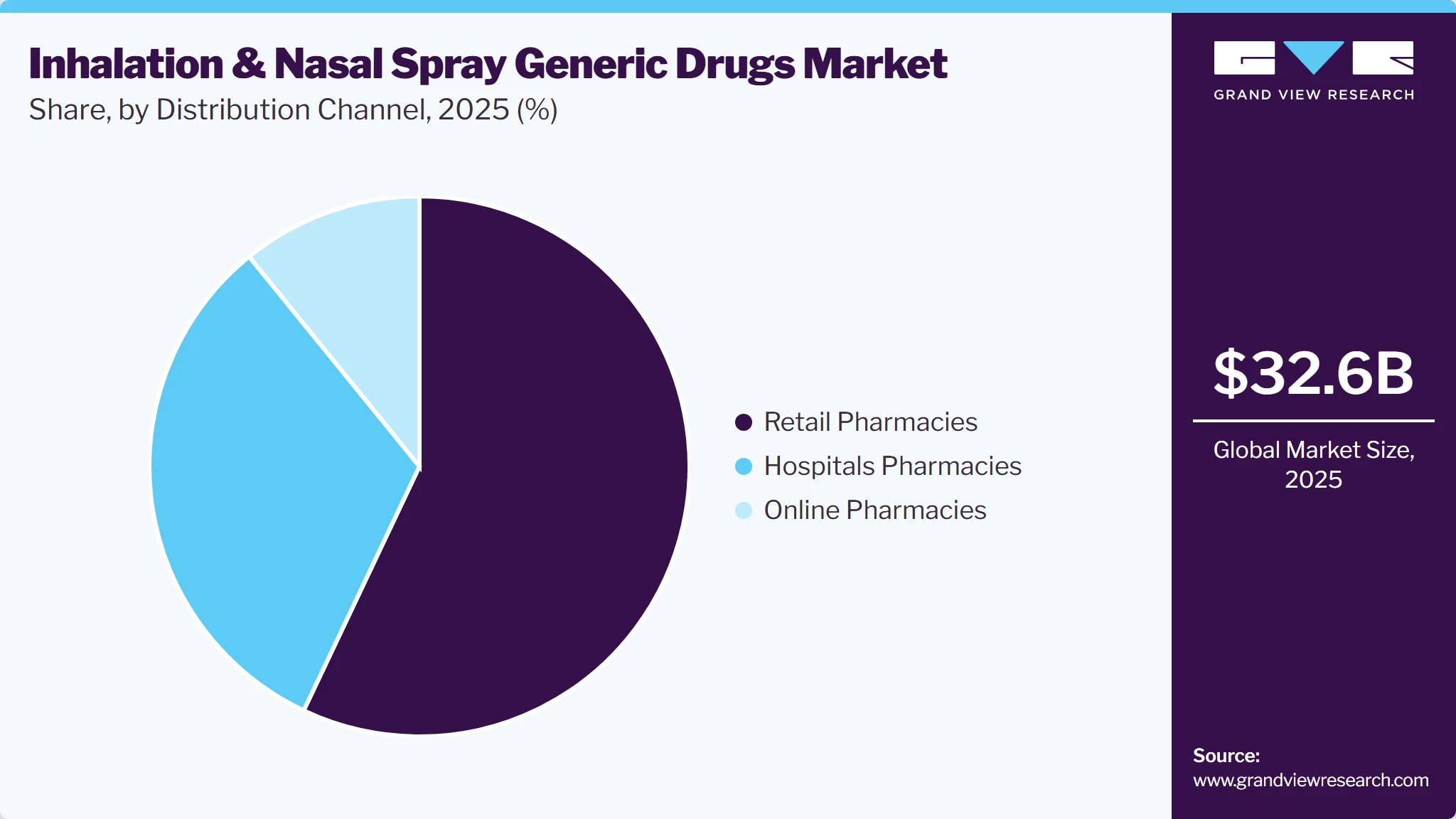
Based on distribution channel, the retail pharmacies segment led the market with the largest revenue share of 57.0% in 2025. According to the commonwealth fund's 2021 report, generic drugs make up about 90% of all prescription drugs dispensed in the U.S., and they are chosen 97% of the time when available. Reimbursement to pharmacies for these generics is determined by maximum allowable cost (MAC) schedules, which cap the price payers will reimburse for specific off-patent drugs. Each state creates its own mac schedule for Medicaid reimbursement. In the future, these reimbursement mechanisms, combined with the high dispensing rate of generics, will likely drive growth in the retail pharmacy segment of the global market, particularly as cost containment and accessibility become more critical in healthcare.
 To learn more about this report, Download Free Sample Report
The online pharmacies segment is projected to witness at a significant CAGR over the forecast period. The growing accessibility and convenience of online pharmacies, fueled by rising internet penetration, has significantly boosted consumer adoption. For instance, according to the pharmaceutical journal, in 2020, England saw a 45% increase in online pharmacy product dispensation compared to the previous year. This trend is likely to drive market growth, as more patients seek convenient, remote access to essential medications, particularly for chronic respiratory conditions.
Regional Insights
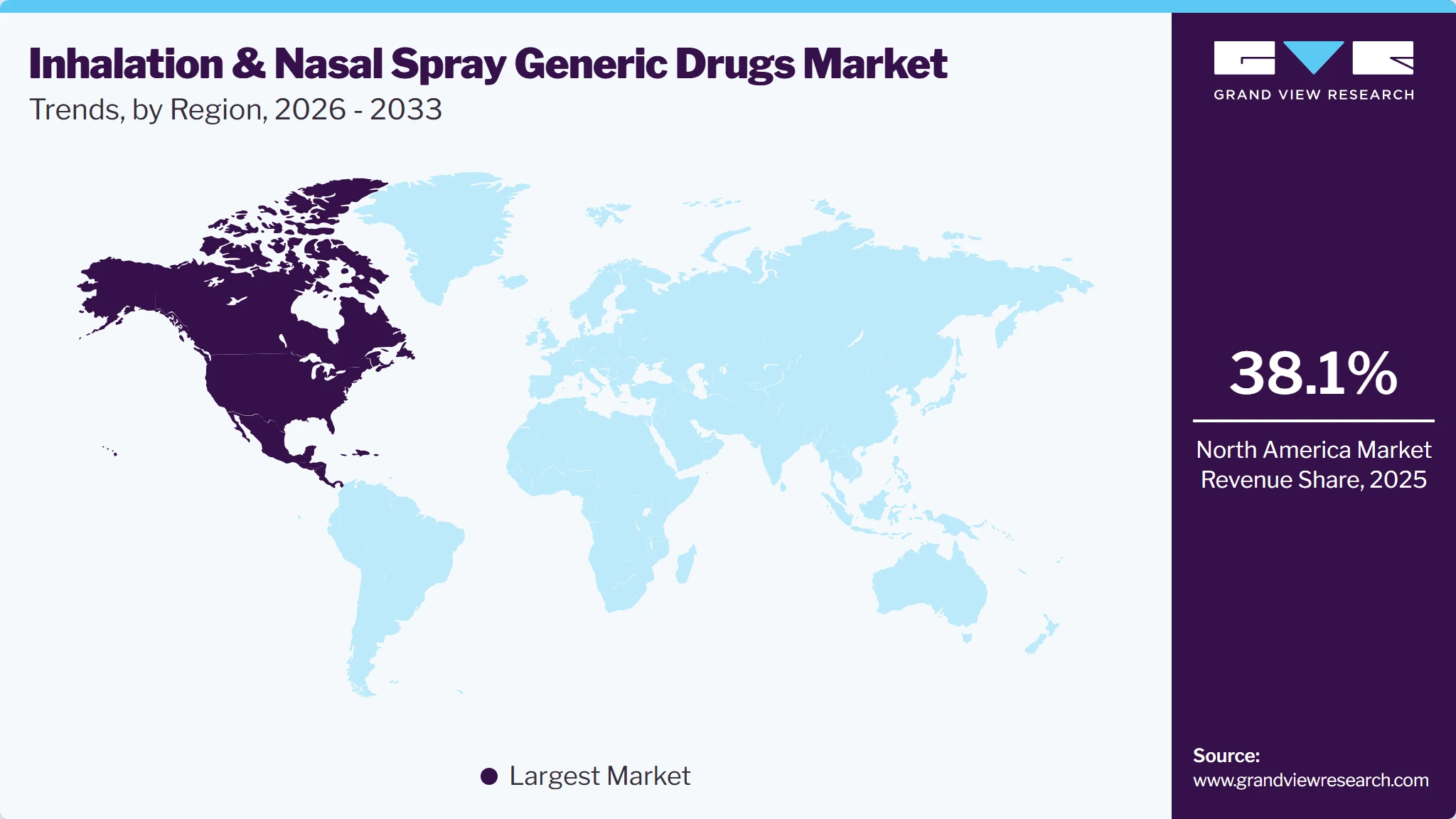
North America dominated the inhalation & nasal spray generic drugs market with the largest revenue share of 38.1% in 2025. This dominance is primarily attributed to the growing prevalence of respiratory conditions such as asthma and COPD, supported by a well-established healthcare infrastructure. The region benefits from advanced therapeutic innovations, including combination drugs and corticosteroids, which cater to the diverse needs of adult, pediatric, and geriatric patients. However, rising healthcare costs and disparities in insurance coverage may hinder broader regional growth.
 To learn more about this report, Download Free Sample Report
U.S. Inhalation And Nasal Spray Generic Drugs Market Trends
The inhalation & nasal spray generic drugs market in the U.S. held the largest share in the North America region in 2025, fueled by the increasing cases of respiratory diseases like asthma and allergic rhinitis. Telemedicine and online consultations are enhancing patient accessibility, while hospitals and retail pharmacies remain key distribution channels. Although this growing demand supports market expansion, barriers such as varying provider knowledge about the latest treatments and the challenges of high out-of-pocket costs for uninsured patients persist.
Europe Inhalation And Nasal Spray Generic Drugs Market Trends
The inhalation and nasal spray generic drugs market in Europe is emerging as a promising area, benefiting from a growing awareness of respiratory conditions and increased access to healthcare services. This is further boosted by advancements in drug delivery systems, such as decongestant sprays and bronchodilators, which are gaining popularity among patients suffering from conditions like COPD and allergic rhinitis. Regulatory frameworks in the region support the introduction of new and effective treatments, and combination therapies are becoming more common, particularly in hospitals and homecare settings.
The UK inhalation and nasal spray generic drugs market holds a significant share of global market, driven by the increasing incidence of allergic rhinitis and asthma. The integration of digital health solutions with physical care, such as online pharmacies and homecare applications, is making it easier for patients to manage chronic conditions. Educational initiatives aimed at improving treatment adherence and patient outcomes are playing a key role in boosting market growth.
The inhalation and nasal spray generic drugs market in Germany is anticipated to exhibit strong growth within Europe in 2025, fueled by a rising geriatric population that frequently suffers from chronic respiratory conditions. The market is seeing strong demand for corticosteroids and bronchodilators to treat asthma and COPD. In addition, the growing preference for generic alternatives over branded drugs, combined with improved hospital and retail pharmacy access, is expected to support growth.
The France inhalation and nasal spray generic drugs market is poised for expansion, supported by government-led initiatives aimed at improving awareness of respiratory diseases like asthma and COPD. The increased focus on patient-centered care and advancements in drug formulation are supporting the adoption of generic drugs, particularly in hospitals and homecare settings.
Asia Pacific Inhalation And Nasal Spray Generic Drugs Market Trends
The Asia Pacific inhalation and nasal spray generic drugs market is projected to experience at the fastest CAGR from 2026 to 2033. Rapid urbanization, rising pollution levels, and increased awareness of respiratory health are driving demand for effective treatments such as antihistamines and combination drugs. A surge in online pharmacies, coupled with greater access to healthcare resources, is further boosting market penetration. In addition, the rising middle class with growing disposable incomes is fueling demand for both prescription and OTC medications.
The China inhalation and nasal spray generic drugs market is anticipated to grow at a significant CAGR during the forecast period, owing to an increased focus on managing asthma and allergic rhinitis. Government initiatives that aim to enhance healthcare accessibility, especially in rural areas, and rising investments in respiratory research are expected to stimulate market growth. Retail and hospital pharmacies are pivotal in ensuring broad patient access to these therapies.
The japan inhalation and nasal spray generic drugs market remains is driven by advancements in personalized respiratory treatments, including sophisticated inhalation devices for bronchodilators and corticosteroids. The country’s aging population and the government's focus on homecare services are further enhancing the adoption of these generic drugs. In addition, online pharmacies are increasingly becoming a popular choice for medication access, contributing to overall market growth.
Latin America Inhalation And Nasal Spray Generic Drugs Market Trends
The inhalation and nasal spray generic drugs market in Latin America is expanding, propelled by rising healthcare investments and increased patient awareness of respiratory conditions. The market is seeing growing adoption of affordable generic alternatives for conditions like COPD and asthma, with hospitals and retail pharmacies playing key roles in distribution. The region’s focus on improving healthcare infrastructure, particularly in Brazil, is also fostering greater demand for these therapies.
The Brazil inhalation and nasal spray generic drugs market is driven by increasing healthcare expenditure and expanding access to advanced respiratory treatments. The rising prevalence of respiratory diseases among both pediatric and adult patients is pushing demand for bronchodilators and corticosteroids, particularly in hospital and retail pharmacy settings.
Middle East & Africa Inhalation And Nasal Spray Generic Drugs Market Trends
The inhalation and nasal spray generic drugs market in Middle East & Africa is expected to witness at a notable CAGR during the forecast period, as government initiatives focused on improving healthcare access and managing chronic respiratory conditions. Increased patient awareness of diseases such as asthma and allergic rhinitis is fueling demand for effective therapies, with hospitals and homecare becoming increasingly important settings for treatment.
The Saudi Arabia inhalation and nasal spray generic drugs market is set to be a fast-growing market within the mea region, driven by a growing population and increased healthcare investments. The focus on managing chronic respiratory conditions like asthma through innovative treatments such as decongestant sprays and bronchodilators is boosting demand. The development of online and hospital pharmacy networks is further improving patient access to these generic therapies, supporting market expansion.
Key Inhalation And Nasal Spray Generic Drugs Company Insights
Some of the key players in the market include teva pharmaceuticals industries ltd, Viatris Inc., Akorn Operating Company Llc, Cipla, Sandoz Group Ag, and others are prominent players in the global pharmaceutical industry. These companies specialize in manufacturing a wide range of pharmaceutical products, including generic medicines for specialized treatments across various therapeutic areas. Their global reach and extensive product portfolios contribute significantly to healthcare markets worldwide, addressing diverse medical needs and improving patient outcomes.
Key Inhalation And Nasal Spray Generic Drugs Companies:
The following key companies have been profiled for this study on the inhalation and nasal spray generic drugs market.
-
Teva Pharmaceuticals Industries Ltd
-
Viatris Inc.
-
Akorn Operating Company Llc
-
Cipla
-
Sandoz Group Ag
-
Apotex Inc.
-
Hikma Pharmaceuticals Plc
-
Beximco Pharmaceuticals Ltd
-
Sun Pharmaceutical Industries Ltd
-
Nephron Pharmaceuticals Corporation
Competitive Benchmarking
Category
Operating Strategies
Competitive Edge
Weakness
Established Players (Teva Pharmaceutical Industries Ltd., Viatris Inc., Cipla Ltd., Sandoz Group AG, Hikma Pharmaceuticals PLC, Sun Pharmaceutical Industries Ltd.)
- Expand respiratory portfolios through the development and commercialization of complex generic inhalers, nasal sprays, and drug-device combination products; invest in advanced inhalation technologies, device engineering, and regulatory capabilities; pursue strategic partnerships, licensing agreements, and geographic expansion to strengthen market presence; leverage established manufacturing networks and distribution channels to enhance product accessibility.
- Strong regulatory expertise in complex generic approvals; extensive respiratory product portfolios; established relationships with healthcare providers, payers, and distributors; large-scale manufacturing capabilities; broad global commercial presence; significant financial resources to support R&D and product launches.
- High research and development costs associated with inhalation and nasal spray generics; exposure to patent litigation and pricing pressures; lengthy development and approval timelines for complex drug-device combinations; operational complexity arising from compliance across multiple regulatory jurisdictions.
Emerging Players (Akorn Operating Company LLC, Apotex Inc., Beximco Pharmaceuticals Ltd., Nephron Pharmaceuticals Corporation)
- Focus on selected high-value respiratory products and niche inhalation therapies; invest in specialized manufacturing capabilities and targeted product development; pursue market expansion through cost-competitive offerings and selective regulatory filings; strengthen positions in specific geographic regions and respiratory subsegments.
- Greater operational flexibility and faster decision-making; ability to focus resources on niche respiratory opportunities; specialized expertise in selected inhalation and nebulized therapies; cost-efficient manufacturing capabilities in targeted markets.
- Limited product portfolios and geographic reach compared to established competitors; lower bargaining power with suppliers and healthcare systems; resource constraints for large-scale respiratory R&D programs; challenges associated with scaling commercialization and competing in highly regulated markets.
Recent Developments
-
In May 2024, Amphastar Pharmaceuticals, Inc. received approval from the U.S. food and drug administration (FDA) for its abbreviated new drug application (ANDA) for albuterol sulfate inhalation aerosol, previously designated as amp-008. This medication is indicated for treating and preventing bronchospasm in patients aged four and older with reversible obstructive airway disease, as well as for preventing exercise-induced bronchospasm in the same age group.
-
In July 2023, VIATRIS, in collaboration with Kindeva, launched Breyna (Budesonide and Formoterol Fumarate Dihydrate) inhalation aerosol, the first fda-approved generic alternative to Symbicort. Breyna is designed for individuals managing asthma and chronic obstructive pulmonary disease (COPD). This launch is anticipated to enhance accessibility and treatment options for these conditions.
-
In August 2023, Lupin limited announced the launch of Tiotropium Bromide Inhalation Powder, delivering 18 mcg per capsule, for the treatment of chronic obstructive pulmonary disease (COPD) in the United States. This launch is likely to have a significant impact on the market.
Inhalation And Nasal Spray Generic Drugs Market Report Scope
Report Attribute
Details
Market size in 2025
USD 32.6 billion
Estimated market size in 2026
USD 35.3 billion
Projected market size by 2033
USD 63.6 billion
Growth rate
CAGR of 8.8% from 2026 to 2033
Base year for estimation
2025
Historical data
2021 - 2024
Forecast period
2026 - 2033
Quantitative units
Revenue in USD million/billion and CAGR from 2026 to 2033
Report coverage
Revenue forecast, company ranking, competitive landscape, growth factors, and trends
Segments covered
Drug class, indication,patient demographics, end-user, distribution channel, region
Regional scope
North America; Europe; Asia Pacific; Latin America; MEA
Country scope
U.S.; Canada; Mexico; Germany; UK; France; Italy; Spain; Norway; Denmark; Sweden; Russia; Iceland; Finland; China; Japan; India; South Korea; Australia; Thailand; Singapore; Brazil; Argentina; Saudi Arabia; South Africa; UAE; Kuwait; Israel
Key companies profiled
Teva Pharmaceuticals Industries Ltd, Viatris Inc., Akorn Operating Company Llc, Cipla, Sandoz Group Ag, Apotex Inc., Hikma Pharmaceuticals Plc, Beximco Pharmaceuticals Ltd, Sun Pharmaceutical Industries Ltd, Nephron Pharmaceuticals Corporation
Customization scope
Free report customization (equivalent up to 8 analysts' working days) with purchase. Addition or alteration to country, regional & segment scope.
Pricing and purchase options
Avail customized purchase options to meet your exact research needs. Explore purchase options
Global Inhalation And Nasal Spray Generic Drugs Market Report Segmentation
This report forecasts revenue growth at global, regional, and country levels and provides an analysis of the latest industry trends in each of the sub-segments from 2021 to 2033. For this study, Grand View Research has segmented the global inhalation and nasal spray generic drugs market report based on drug class, indication, patient demographics, end-use, distribution channel, and region.
-
Drug Class Outlook (Revenue, USD Million, 2021 - 2033)
-
Bronchodilators
-
Combination Drugs
-
Corticosteroids
-
Decongestant Sprays
-
Antihistamines
-
Others
-
-
Indication Outlook (Revenue, USD Million, 2021 - 2033)
-
Asthma
-
Chronic Obstructive Pulmonary Disease (COPD)
-
Allergic Rhinitis
-
Others
-
-
Patient Demographics Outlook (Revenue, USD Million, 2021 - 2033)
-
Adult Patient
-
Pediatric Patient
-
Geriatric Patient
-
-
End-use Outlook (Revenue, USD Million, 2021 - 2033)
-
Homecare
-
Hospitals
-
Others
-
-
Distribution Channel Outlook (Revenue, USD Million, 2021 - 2033)
-
Retail Pharmacies
-
Hospital Pharmacies
-
Online Pharmacies
-
-
Regional Outlook (Revenue, USD Million, 2021 - 2033)
-
North America
-
U.S.
-
Canada
-
Mexico
-
-
Europe
-
Germany
-
UK
-
France
-
Italy
-
Spain
-
Denmark
-
Sweden
-
Norway
-
-
Asia Pacific
-
China
-
Japan
-
India
-
South Korea
-
Australia
-
Thailand
-
-
Latin America
-
Brazil
-
Argentina
-
-
Middle East And Africa (Mea)
-
South Africa
-
Saudi Arabia
-
Kuwait
-
UAE
-
-
Research Methodology
The inhalation and nasal spray generic drugs market figures in this report are based on a proven research process that combines executive interviews with secondary research from proprietary databases, company filings, and recognized regulatory and institutional sources. Market size is built through value-chain sizing - reconciling supply-side and demand-side estimates - and triangulated with bottom-up and top-down approaches. Every estimate passes multiple levels of expert validation before publication, with each inhalation and nasal spray generic drugs segment quantified using the revenue-capture definitions in the table below.
Segment Definition
Segment - Drug Class
Revenue capture definition
Bronchodilators
Includes generic inhalation products containing bronchodilator agents intended to relax airway smooth muscles and improve airflow in patients with obstructive respiratory diseases. This segment comprises standalone short-acting beta-agonists (SABAs), long-acting beta-agonists (LABAs), short-acting muscarinic antagonists (SAMAs), long-acting muscarinic antagonists (LAMAs), and other bronchodilator monotherapies delivered via inhalers or nebulizers. Revenue is derived exclusively from single-agent bronchodilator therapies and excludes fixed-dose combination products containing multiple active ingredients.
Combination Drugs
Includes generic inhalation products containing two or more active pharmaceutical ingredients combined within a single formulation or delivery device for the treatment of respiratory disorders. This segment covers inhaled corticosteroid (ICS)/LABA combinations, LABA/LAMA combinations, ICS/LABA/LAMA combinations, and other fixed-dose respiratory therapies. Revenue generated from fixed-dose combination products is assigned entirely to this segment irrespective of the therapeutic class of the individual active ingredients and excludes all standalone bronchodilator, corticosteroid, antihistamine, and decongestant products.
Corticosteroids
Includes generic inhalation and nasal spray products containing corticosteroid active ingredients used primarily to reduce inflammation in the respiratory tract or nasal passages. This segment covers inhaled corticosteroid monotherapies and intranasal corticosteroid sprays prescribed for asthma, allergic rhinitis, and related inflammatory conditions. Revenue is generated exclusively from corticosteroid-only products and excludes corticosteroids incorporated into fixed-dose combination therapies.
Decongestant Sprays
Includes generic nasal spray products containing sympathomimetic or vasoconstrictive agents indicated for the temporary relief of nasal congestion associated with upper respiratory tract infections, sinusitis, allergic conditions, or nasal inflammation. Revenue is generated from standalone decongestant nasal sprays and excludes antihistamine sprays, corticosteroid sprays, saline formulations, and combination nasal therapies.
Antihistamines
Includes generic nasal spray products containing antihistamine active ingredients used to manage allergy-related nasal symptoms such as sneezing, itching, rhinorrhea, and congestion. This segment captures revenue from standalone antihistamine nasal sprays prescribed primarily for allergic rhinitis and related allergic conditions. Products containing corticosteroids, decongestants, or multiple active ingredients are excluded from this category
Others
Includes generic inhalation and nasal spray products that do not fall within the bronchodilator, combination drug, corticosteroid, decongestant spray, or antihistamine categories. This segment may include mast cell stabilizers, mucolytic inhalation therapies, saline-based therapeutic nasal sprays, and other respiratory or nasal therapies with mechanisms of action not captured under the defined therapeutic classes. Revenue is derived from products not otherwise classified within the aforementioned segments.
Segment - Indication
Revenue capture definition
Asthma
Includes revenue generated from generic inhalation and nasal spray products prescribed primarily for the prevention, control, and treatment of asthma. This segment covers maintenance therapies, rescue medications, and other respiratory products indicated for asthma management regardless of drug class or formulation type. Revenue is allocated based on the product’s primary approved indication and excludes products primarily indicated for COPD, allergic rhinitis, or other respiratory conditions.
Chronic Obstructive Pulmonary Disease (COPD)
Includes revenue generated from generic inhalation therapies indicated primarily for the treatment and long-term management of chronic obstructive pulmonary disease (COPD), including chronic bronchitis and emphysema. This segment encompasses maintenance therapies, bronchodilators, and combination treatments prescribed for COPD management. Revenue is allocated based on the product’s primary approved indication and excludes products primarily prescribed for asthma or allergic rhinitis.
Allergic Rhinitis
Includes revenue generated from generic nasal spray products indicated primarily for the treatment and management of seasonal, perennial, or chronic allergic rhinitis. This segment covers therapies used to alleviate allergy-related nasal symptoms, including congestion, sneezing, itching, and rhinorrhea. Revenue is allocated based on the product’s primary approved indication and excludes products primarily prescribed for asthma, COPD, sinusitis, or other respiratory conditions.
Others
Includes revenue generated from generic inhalation and nasal spray products prescribed for indications other than asthma, COPD, and allergic rhinitis. This segment may include sinusitis, nasal polyps, non-allergic rhinitis, respiratory infections, exercise-induced bronchospasm, cystic fibrosis-associated respiratory complications, and other respiratory or nasal disorders not separately categorized. Revenue is allocated to this segment when these conditions represent the primary approved indication of the product.
Segment - Patient Demographics
Revenue capture definition
Adult Patient
Includes revenue generated from generic inhalation and nasal spray products prescribed to individuals aged 18 to 64 years. This segment encompasses therapies utilized for the prevention, management, and treatment of respiratory and nasal disorders within the adult population. Revenue is allocated based on the primary patient population for which the product is prescribed and excludes pediatric and geriatric patient usage.
Pediatric Patient
Includes revenue generated from generic inhalation and nasal spray products prescribed to patients below 18 years of age. This segment covers therapies specifically approved, formulated, or predominantly utilized for the treatment of pediatric respiratory and nasal conditions, including childhood asthma, allergic rhinitis, and related disorders. Revenue is allocated based on the primary patient population for which the product is prescribed and excludes adult and geriatric patient usage.
Geriatric Patient
Includes revenue generated from generic inhalation and nasal spray products prescribed to patients aged 65 years and above. This segment encompasses therapies used for the prevention, management, and treatment of age-associated respiratory and nasal disorders, including COPD, chronic bronchitis, emphysema, and other chronic respiratory conditions prevalent among elderly individuals. Revenue is allocated based on the primary patient population for which the product is prescribed and excludes adult and pediatric patient usage.
Segment - End-use
Revenue capture definition
Homecare
Includes revenue generated from generic inhalation and nasal spray products dispensed for self-administration in residential settings. This segment covers products prescribed for the long-term management, maintenance, prevention, or symptomatic treatment of respiratory and nasal disorders by patients outside institutional healthcare facilities. Revenue is recognized from products primarily utilized in home-based care environments and excludes therapies administered during inpatient hospitalization or within healthcare facilities.
Hospitals
Includes revenue generated from generic inhalation and nasal spray products administered, dispensed, or prescribed within hospital settings for inpatient and outpatient respiratory care. This segment encompasses products utilized in emergency departments, intensive care units, respiratory care units, outpatient clinics, and other hospital-based treatment settings. Revenue is allocated to this segment when the primary point of care is a hospital facility and excludes products dispensed primarily for home-based use.
Others
Includes revenue generated from generic inhalation and nasal spray products utilized in healthcare settings other than homecare and hospitals. This segment may include ambulatory care centers, specialty respiratory clinics, physician offices, long-term care facilities, rehabilitation centers, nursing homes, and other healthcare institutions. Revenue is derived from products administered or dispensed through these alternative care settings and not otherwise classified under the homecare or hospital segments.
Segment - Distribution Channel
Revenue capture definition
Retail Pharmacies
Includes revenue generated from generic inhalation and nasal spray products distributed through community pharmacies, chain pharmacies, independent drug stores, supermarket pharmacies, and other brick-and-mortar retail pharmacy outlets. This segment captures products dispensed directly to patients through physical pharmacy locations based on prescription or over-the-counter purchase, where applicable. Revenue excludes sales fulfilled through hospital pharmacies and online pharmacy platforms
Hospital Pharmacies
Includes revenue generated from generic inhalation and nasal spray products distributed through pharmacies operating within hospitals and affiliated healthcare institutions. This segment covers products dispensed to inpatients, outpatients, and healthcare professionals as part of hospital-based treatment and medication management programs. Revenue is recognized from products supplied through hospital pharmacy channels and excludes sales generated through retail and online pharmacies.
Online Pharmacies
Includes revenue generated from generic inhalation and nasal spray products sold through digital pharmacy platforms, e-commerce pharmacy providers, mail-order pharmacies, and other internet-based pharmaceutical distribution channels. This segment captures products ordered electronically and delivered directly to patients or caregivers. Revenue excludes products dispensed through physical retail pharmacies and hospital pharmacy networks.
Estimation Model
The Inhalation & Nasal Spray Generic Drugs Market size is estimated through a comprehensive combination of secondary research, primary interviews, and quantitative market modeling. The research process begins with the collection of data from pharmaceutical company annual reports, SEC filings, investor presentations, regulatory authorities (FDA, EMA, PMDA, MHRA), government healthcare databases, scientific publications, and industry associations. Key information including product approvals, generic drug launches, prescription volumes, pricing trends, respiratory disease prevalence, and company revenues is analyzed to establish the market landscape.
A bottom-up approach is employed as the primary market sizing technique, wherein revenues generated from generic inhalation products (metered-dose inhalers, dry powder inhalers, nebulizer solutions) and generic nasal spray products are gathered from leading manufacturers and distributors. Revenue estimates are calculated at the country level and aggregated to regional and global levels. Market segmentation is conducted by product type, indication, distribution channel, and geography. Simultaneously, a top-down analysis is performed by evaluating the overall respiratory and nasal drug markets and identifying the proportion represented by generic inhalation and nasal spray formulations. Epidemiological data related to asthma, COPD, allergic rhinitis, and sinusitis, along with prescription and utilization rates, are incorporated to strengthen demand-side estimates.
The preliminary findings are validated through primary interviews with pharmaceutical executives, pulmonologists, otolaryngologists (ENT specialists), hospital pharmacists, distributors, procurement managers, and regulatory experts. Insights obtained from these stakeholders help verify market penetration rates, competitive positioning, pricing structures, and future growth assumptions. Finally, data triangulation is applied by comparing supply-side revenues, demand-side consumption patterns, and healthcare utilization statistics to ensure consistency and accuracy. Forecasting is performed using historical trends, generic drug adoption rates, patent expiration analysis, regulatory developments, and disease burden projections to generate reliable market estimates for the Inhalation & Nasal Spray Generic Drugs Market.
Delivered Customizations
This report has been delivered with the following In-depth customizations
Client request
Customization Delivered
Value adds
Respiratory Product Portfolio and Drug Class Assessment
Detailed evaluation of market dynamics across bronchodilators, corticosteroids, combination therapies, antihistamines, and decongestant nasal sprays, including adoption trends, competitive positioning, regulatory developments, and growth opportunities.
Helps identify high-growth therapeutic segments, commercialization opportunities, and areas of competitive differentiation across respiratory generics.
Respiratory Disease Treatment Landscape Assessment
Analysis of utilization patterns across asthma, chronic obstructive pulmonary disease (COPD), allergic rhinitis, and other respiratory conditions, including treatment trends, patient population dynamics, prescribing patterns, and generic adoption rates.
Supports identification of key demand drivers, high-opportunity indications, and evolving treatment preferences across respiratory care markets.
Drug-Device Combination and Delivery Technology Evaluation
Assessment of inhalation and nasal spray delivery platforms, including metered-dose inhalers (MDIs), dry powder inhalers (DPIs), nebulized therapies, and nasal spray technologies, along with their impact on product adoption, patient adherence, and market competitiveness.
Provides insights into technology-driven differentiation opportunities, device innovation trends, and factors influencing product uptake.
Complex Generic Development and Patent Expiry Landscape
Evaluation of upcoming loss-of-exclusivity opportunities, complex generic development trends, regulatory pathways, patent challenges, and product pipeline activity across inhalation and nasal spray therapies.
Identifies future growth opportunities, supports portfolio prioritization, and enables strategic planning around high-value respiratory generic assets.
Competitive Intelligence and Benchmarking Assessment
Comparative analysis of respiratory generic portfolios, pipeline developments, manufacturing capabilities, regulatory approvals, geographic presence, pricing strategies, distribution networks, and strategic initiatives of leading market participants.
Supports competitive positioning, partnership evaluation, market entry planning, and identification of strategic growth opportunities within the respiratory generics landscape.
Frequently Asked Questions About This Report
Bronchodilators segment led the market with the largest revenue share of 30.0% in 2025.
Some key players operating in the inhalation and nasal spray generic drugs market include Teva Pharmaceuticals Industries Ltd.; Mylan N.V.; Akorn Operating Company LLC; Cipla Inc.; Sandoz International GmBH (Novartis AG); Apotex Inc.; Hikma Pharmaceuticals PLC; Sun Pharmaceuticals Industries Ltd.; Beximco Pharmaceuticals Ltd.; and Nephron Pharmaceuticals Corporation amongst others.
Key factors driving the inhalation & nasal spray generic drugs market growth are the rising incidence of chronic respiratory diseases, the increasing geriatric population, the rising number of drug approvals, and the growing demand for generic drugs.
Asthma segment led the market with the largest revenue share of 43.2% in 2025.
Adult patient segment led the market with the largest revenue share of 43.6% in 2025.
Homecare segment led the market with the largest revenue share of 56.2% in 2025.
Retail pharmacies segment led the market with the largest revenue share of 57.0% in 2025.
The global inhalation & nasal spray generic drugs market size was valued at USD 32.6 billion in 2025 and is projected to grow from USD 35.3 billion in 2026
The global inhalation and nasal spray generic drugs market is attributed to reach USD 63.6 billion by 2033, growing at a CAGR of 8.8% from 2026 to 2033..
About the Author(s)
Pharmaceuticals Research Team
Healthcare · PharmaceuticalsThis report was authored by the pharmaceuticals research team at Grand View Research - comprising two research analysts, one senior research analyst, and one industry expert - with specialized expertise in the pharmaceuticals segment of the healthcare industry. All findings are based on proprietary healthcare databases, executive interviews, and regulatory analysis, subject to internal peer review prior to publication.
Last Updated:
Speak to Analyst

Customize this report to your needs - add regions, segments, or data points, with 20% free customization.
Or view our licence options:


ISO 9001:2015 & 27001:2022 Certified
We are GDPR and CCPA compliant! Your transaction & personal information is safe and secure. For more details, please read our privacy policy.


