
- Home
- »
- Pharmaceuticals
- »
-
Long-acting Injectables Therapeutics Market Report, 2033GVR Report cover

Long-acting Injectables Therapeutics Market (2026 - 2033) Size, Share & Trends Analysis Report By Therapeutic Area (Infectious Diseases, Metabolic & Endocrine Disorders, Oncology), By Molecule Type, By Route of Administration, By Distribution Channel, By Region, And Segment Forecasts
Market Size, 2025
$18.3BMarket Estimate, 2026
$20.5BMarket Forecast, 2033
$47.7BCAGR, 2026–2033
12.8%Long-acting Injectables Therapeutics Market Summary
The global long-acting injectables therapeutics market size was valued at USD 18.3 billion in 2025 and is projected to grow from USD 20.5 billion to USD 47.7 billion by 2033, at a CAGR of 12.8% from 2026 to 2033. North America held the largest share of 41.8% of the global market in 2025. The LAI therapeutics market is evolving into a prominent segment within advanced drug delivery systems, driven by the growing need for sustained-release treatment options across chronic and complex diseases.
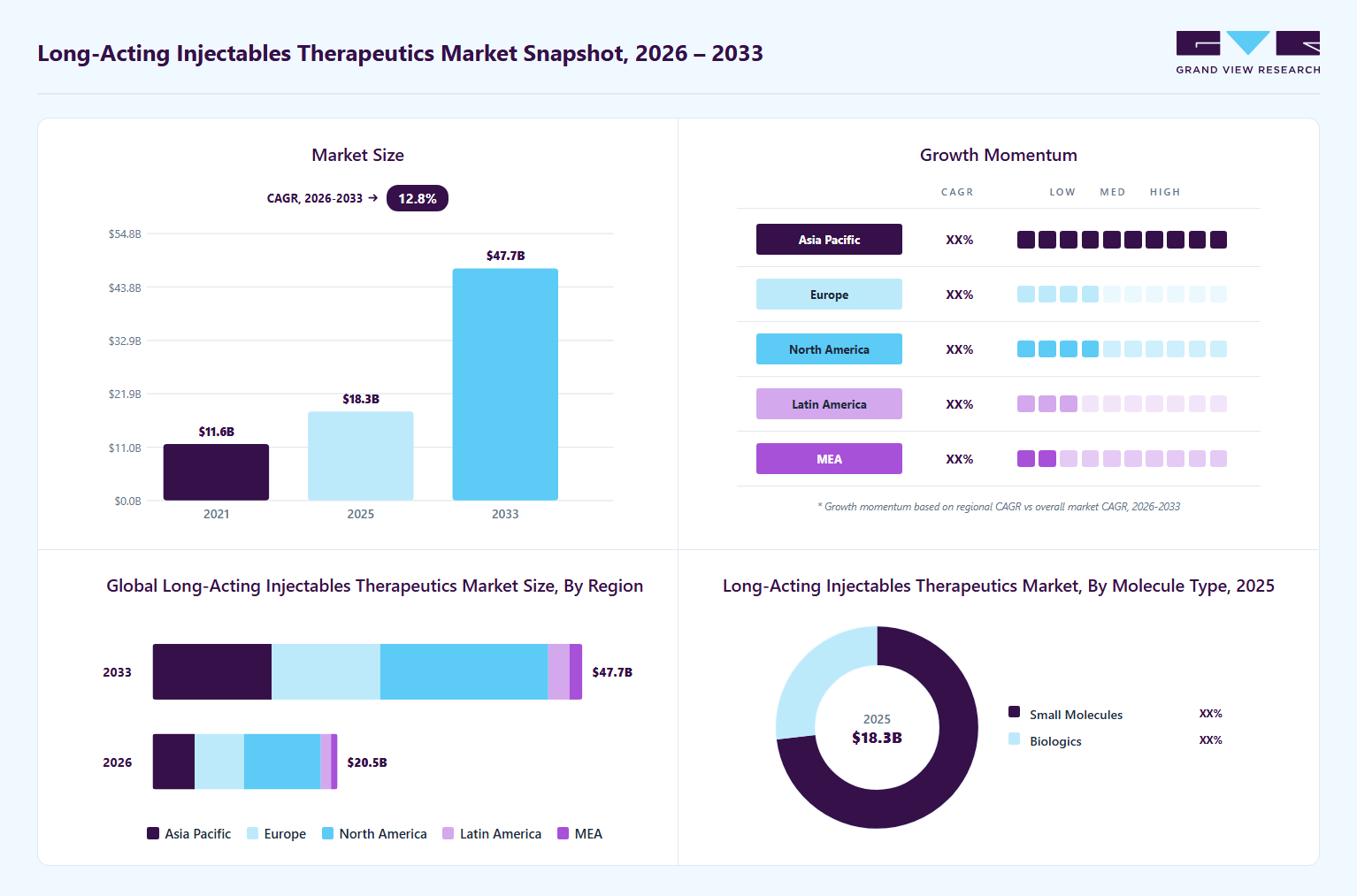 Source: Grand View Research, IR Documents, Primary Interviews, Paid DatabasesTo learn more about this report,
 Download Free Sample Report
Key Market Trends & Insights
- The long-acting injectables therapeutics industry in the U.S. is expected to grow significantly over the forecast period.
- By therapeutic area, the central nervous system (CNS) disorders segment held the highest market share of 44.6% in 2025.
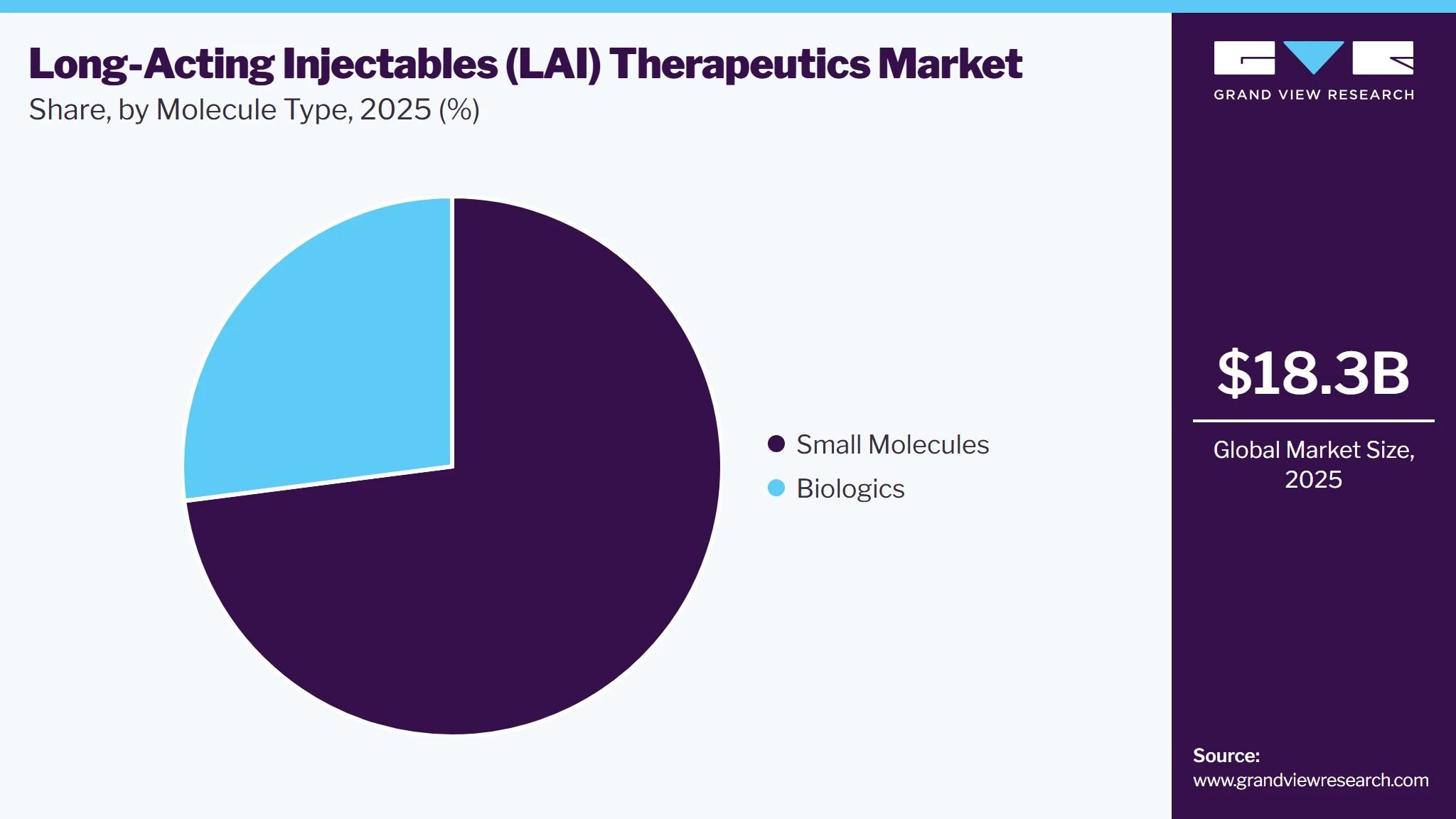
- By molecule type, the small molecules segment held the highest market share of 73.0% in 2025.
- By route of administration, the intramuscular (IM) segment held the highest market share of 67.5% in 2025.
- By distribution channel, the hospital pharmacies segment held the highest market share of 55.0% in 2025.
Market Size & Forecast
- 2025 Market Size: USD 18.3 Billion
- 2026 Market Size: USD 20.5 Billion
- 2033 Projected Market Size: USD 47.7 Billion
- CAGR (2026-2033): 12.8%
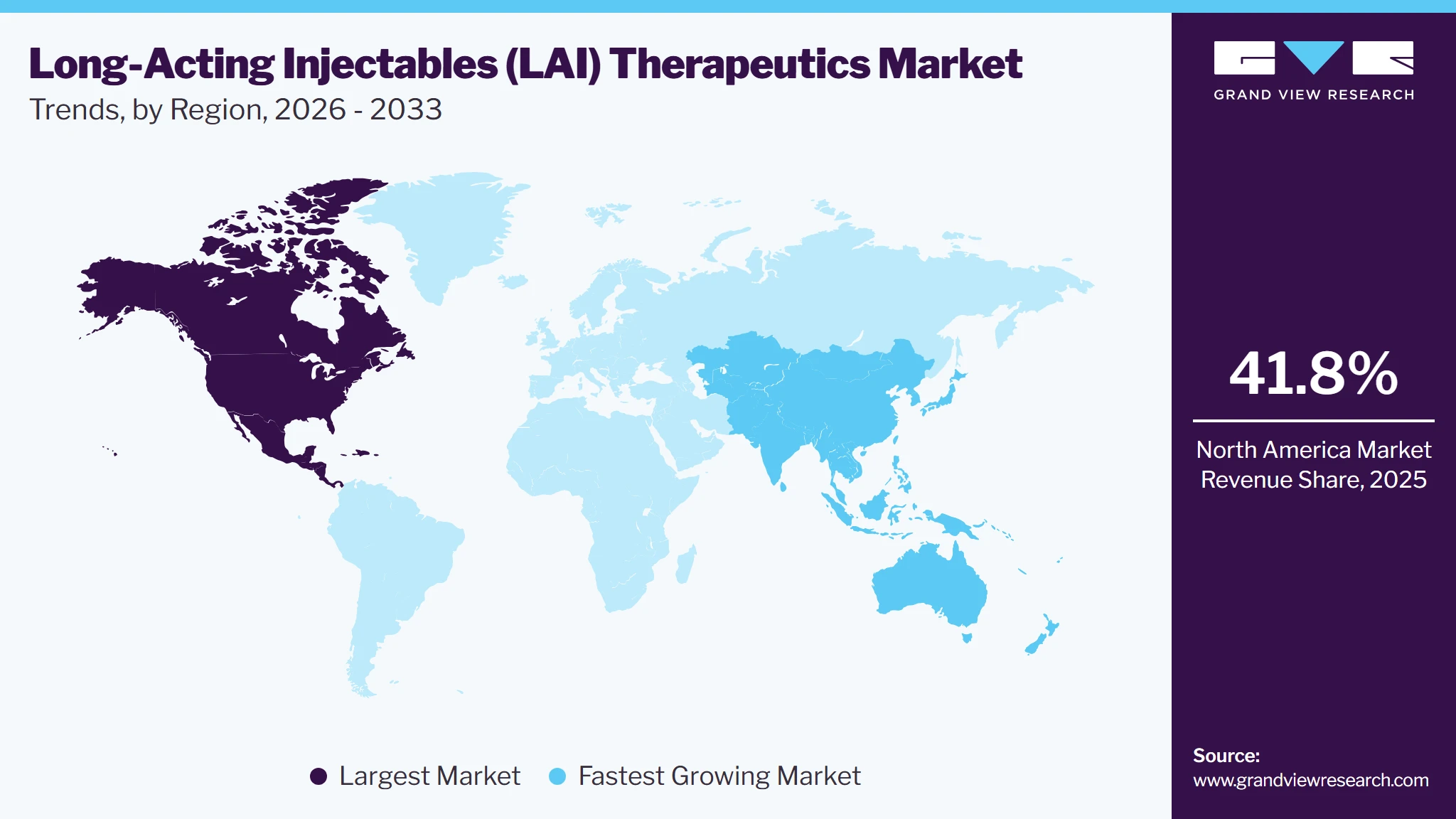
- North America: Largest market in 2025
- Asia Pacific: Fastest growing market
Prism AI by Grand View Research Free to tryAsk a question about the long-acting injectables therapeutics marketTry asking✓Every figure cited from GVR research Prefer the report? Download free sample →
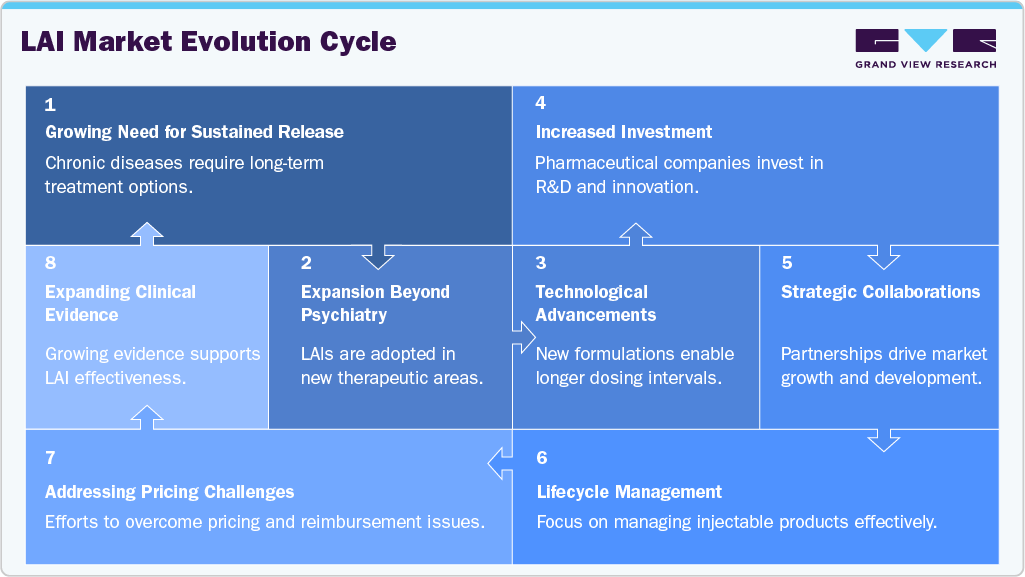
Initially concentrated in the management of psychiatric disorders, particularly schizophrenia, LAIs have progressively gained traction as a broader therapeutic approach that enhances patient adherence and reduces the frequency of dosing. This shift reflects a wider industry movement toward patient-centric care models, where treatment convenience and long-term disease control are prioritized alongside clinical efficacy. As healthcare systems continue to emphasize outcomes-based care, LAIs are increasingly being recognized as a strategic solution to address medication non-compliance and improve overall treatment continuity.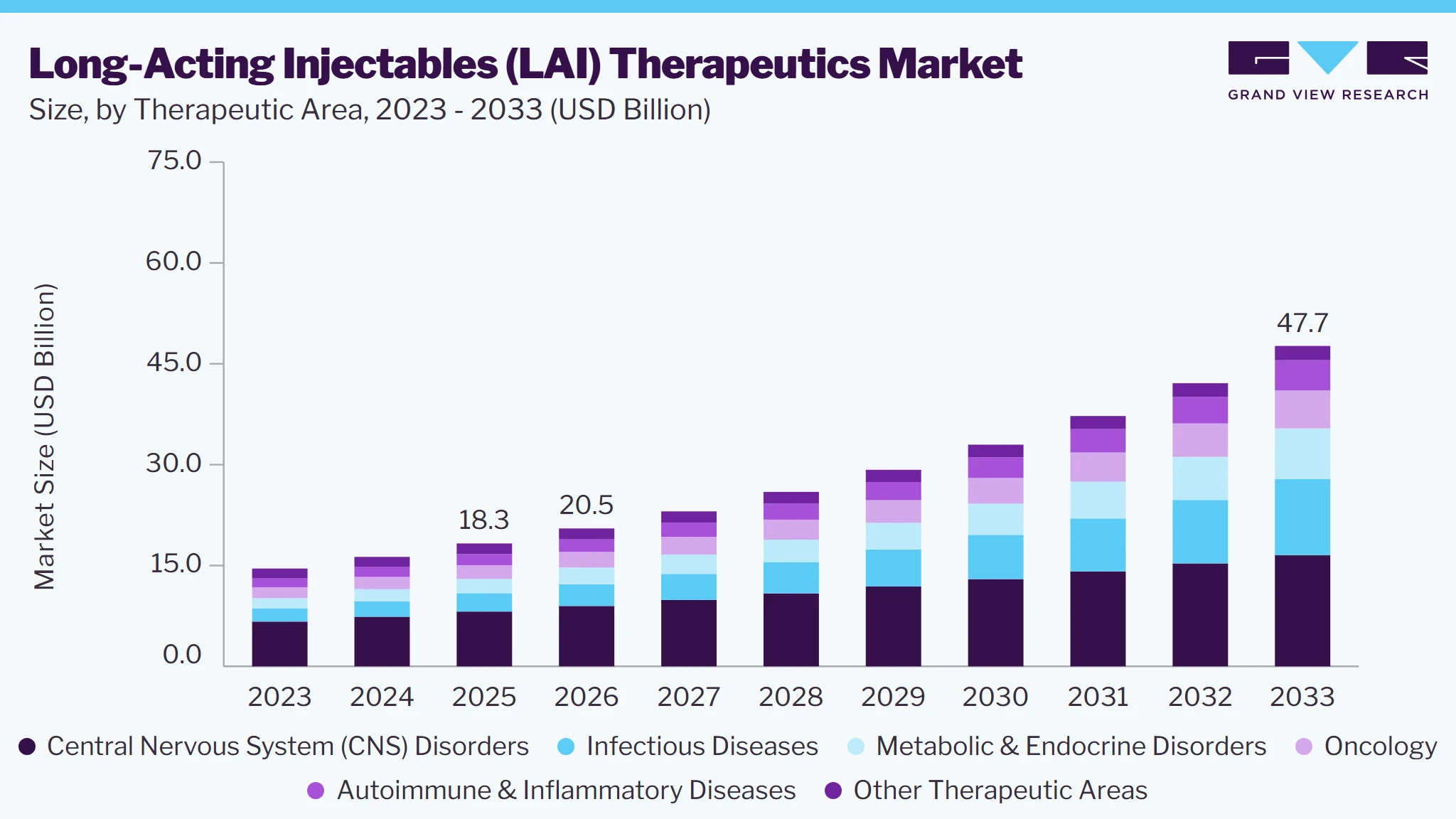 To learn more about this report, Download Free Sample Report
The industry is experiencing significant expansion beyond its traditional psychiatric applications, with growing adoption in infectious diseases, oncology support therapies, and hormonal treatments. Advancements in drug delivery technologies, including microsphere-based formulations, biodegradable depots, and long-acting biologics, are enabling extended dosing intervals ranging from weeks to several months. This technological progress is facilitating the development of next-generation therapies that offer improved pharmacokinetic profiles and reduced treatment burden. Pharmaceutical companies are actively investing in pipeline expansion and formulation innovation, supporting the transition of LAIs into a multi-therapeutic platform with increasing clinical and commercial relevance across global healthcare markets.
The LAI therapeutics industry is characterized by rising investments in research and development, strategic collaborations, and growing emphasis on lifecycle management of injectable products. While pricing and reimbursement challenges remain key considerations due to the premium nature of these therapies, their value proposition is strengthened by reduced hospitalization rates and improved patient outcomes. The market is further supported by expanding clinical evidence and regulatory interest in long-acting formulations, positioning LAIs as a critical component of future drug delivery strategies. Overall, the market is moving toward sustained growth, underpinned by innovation, therapeutic diversification, and increasing global demand for adherence-focused treatment solutions.
 To learn more about this report, Download Free Sample Report
Market Dynamics
The increasing demand for improved patient adherence and treatment compliance remained a major driver of the industry. LAIs reduced dosing frequency from daily administration to monthly, bi-monthly, or even twice-yearly injections, enabling patients to maintain consistent treatment regimens and achieve better clinical outcomes. This was particularly important in chronic conditions such as HIV, schizophrenia, and bipolar disorder, where missed doses often led to disease progression, relapse, and increased healthcare costs. The ability of LAIs to reduce treatment burden, improve convenience, lower hospitalization rates, and enhance long-term disease management continued to drive their adoption globally. For instance, in February 2025, Gilead Sciences announced that the U.S. FDA had accepted New Drug Applications for lenacapavir, a twice-yearly injectable HIV prevention therapy, under Priority Review. The company reported that in the PURPOSE 1 trial, 0 of 2,134 participants receiving lenacapavir acquired HIV infection, demonstrating 100% risk reduction, while in the PURPOSE 2 trial, only 2 of 2,179 participants acquired HIV, resulting in 99.9% effectiveness. These clinical outcomes highlighted the growing preference for long-acting therapies that significantly improved adherence by reducing dosing frequency to just two injections per year.
The high development and manufacturing complexity of long-acting injectable (LAI) formulations remained a significant restraint for the industry. LAIs require sophisticated formulation technologies, specialized excipients, sterile manufacturing facilities, and stringent quality control processes to achieve controlled drug release over extended periods. These requirements increase research and development costs, prolong product development timelines, and create challenges in large-scale manufacturing and regulatory approval. Furthermore, ensuring product stability, reproducible release profiles, and supply chain efficiency adds to the overall cost burden, particularly for novel biologics and complex drug molecules. For instance, in September 2025, researchers A. Otte, M. Schaefer, and colleagues reported in the Journal of Pharmacy and Pharmacology that only approximately 70 long-acting injectable formulations had been successfully developed worldwide despite extensive research efforts. The study further found that more than 50% of commercially available LAI products consisted of oily solutions and suspensions for poorly water-soluble drugs, underscoring the substantial formulation, manufacturing, and scalability challenges that continue to limit broader market expansion.
The growing adoption of long-acting injectable therapies in mental health treatment represented a significant opportunity for the industry. The increasing prevalence of schizophrenia and bipolar disorder, combined with rising concerns regarding medication non-adherence, encouraged pharmaceutical companies to develop advanced injectable formulations with extended dosing intervals. These therapies improved treatment continuity, reduced relapse rates, and enhanced patient convenience, creating substantial growth opportunities across psychiatric care settings. For instance, in October 2025, Teva Pharmaceuticals and Medincell announced that the U.S. FDA had approved UZEDY (risperidone) extended-release injectable suspension for the maintenance treatment of Bipolar I Disorder in adults. The product was designed for administration once every month or once every 2 months, providing flexible dosing options. The companies stated that UZEDY was already approved for schizophrenia treatment and significantly reduced the risk of relapses, highlighting the expanding commercial potential of long-acting injectable therapies in chronic psychiatric disorders.
Market Concentration & Characteristics
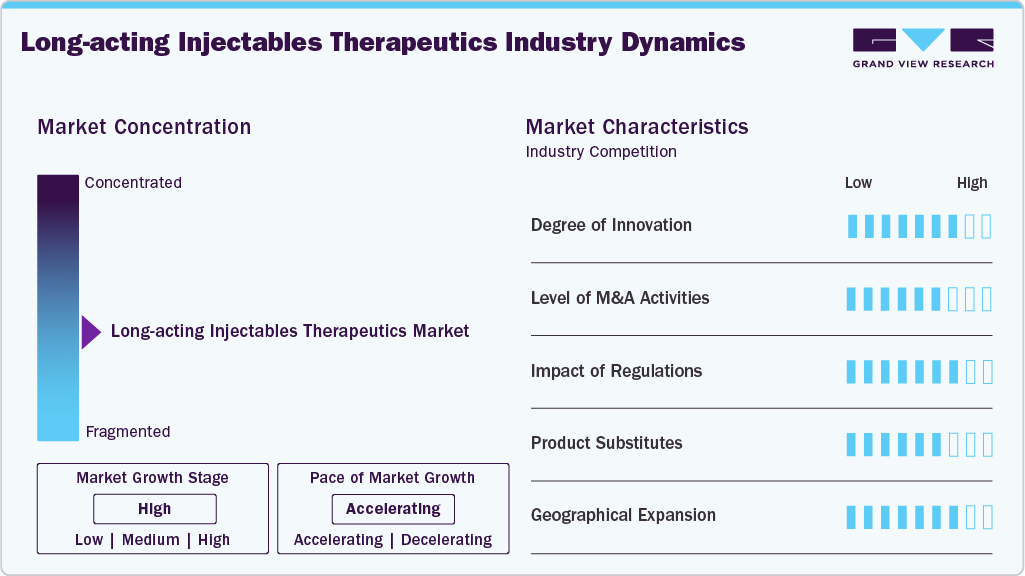
The industry is highly innovation-driven, with continuous advancements in drug delivery systems such as microspheres, biodegradable polymer depots, liposomal carriers, and in-situ forming implants. Innovation is primarily focused on extending dosing intervals from weekly or monthly administration to quarterly or even semi-annual regimens, significantly improving patient adherence. The market is also witnessing strong R&D activity in biologics and peptide-based long-acting formulations, particularly in psychiatric, HIV, and metabolic disease molecule types. Pharmaceutical companies are increasingly integrating advanced formulation science with device-based delivery systems, including prefilled syringes and autoinjectors, to enhance usability and compliance. Furthermore, ongoing research in nanotechnology-based delivery platforms and controlled-release mechanisms continues to expand the clinical and commercial potential of long-acting injectable therapies.
The industry presents high barriers to entry due to complex formulation development and advanced drug delivery technology requirements. Manufacturing these products demands specialized expertise in sterile production, polymer science, and controlled-release systems, which significantly increases development costs and technical complexity. Regulatory approval pathways are also stringent, as long-acting injectables require extensive clinical validation to demonstrate safety, efficacy, and consistent release profiles over extended durations. Additionally, high capital investment in manufacturing infrastructure and quality control systems limits entry primarily to established pharmaceutical companies. Intellectual property protection around novel depot technologies and biologic formulations further restricts competition and slows the entry of new market participants.
 To learn more about this report, Download Free Sample Report
The industry is strongly influenced by stringent regulatory frameworks governing complex drug delivery systems and sterile injectable products. Regulatory agencies such as the FDA, EMA, PMDA, and NMPA require extensive clinical and pharmacokinetic data to ensure consistent drug release, long-term safety, and therapeutic efficacy. These approval processes often extend development timelines due to the need for long-duration clinical studies and post-marketing surveillance requirements. At the same time, evolving regulatory pathways for biologics and advanced formulations are encouraging innovation by providing clearer guidelines for depot technologies and extended-release injectables. Furthermore, harmonization efforts and fast-track designations for critical therapies such as HIV and psychiatric treatments are helping accelerate market access for select long-acting injectable products.
The industry faces substitution pressure from conventional oral drug therapies, which remain widely preferred due to lower cost, ease of administration, and established prescribing practices. Daily oral medications in psychiatric, metabolic, and infectious disease management often serve as primary alternatives where patient adherence is not a critical limitation. In some therapeutic areas, implantable drug delivery systems and transdermal patches also act as substitutes by offering sustained release without injection-related discomfort. Additionally, emerging oral long-acting formulations, particularly in metabolic and antiviral treatments, are gradually challenging injectable-based sustained-release approaches. However, long-acting injectables maintain a competitive advantage in cases requiring strict adherence control, reduced dosing frequency, and improved clinical outcomes in chronic disease management.
The industry is experiencing geographical expansion as pharmaceutical companies increasingly target emerging and high-growth healthcare regions. North America and Europe remain mature markets, while Asia Pacific is witnessing rapid expansion due to rising chronic disease prevalence, improving healthcare infrastructure, and growing adoption of specialty biologics. Latin America is gradually expanding access through public healthcare programs and increasing availability of depot antipsychotics and long-acting anti-infective therapies in urban centers. Meanwhile, the Middle East & Africa region is also adopting long-acting injectables at a steady pace, supported by healthcare modernization initiatives and expanding hospital networks in countries such as Saudi Arabia and South Africa. Global manufacturers are strengthening distribution partnerships, localization strategies, and regulatory collaborations to improve market penetration across these diverse regional healthcare systems.
Therapeutic Area Insights
The central nervous system (CNS) disorders segment dominated the market with the largest revenue share of 44.6% in 2025, driven by the high burden of chronic psychiatric conditions such as schizophrenia and bipolar disorder, where long-term treatment adherence remains a key clinical challenge. This segment benefits significantly from LAI formulations that provide sustained drug release over extended periods, improving treatment continuity and reducing relapse rates. Increasing clinical emphasis on early intervention and maintenance therapy in psychiatric care has further strengthened the adoption of long-acting antipsychotic options.
Additionally, growing awareness among healthcare providers regarding the benefits of adherence-focused therapies is supporting wider integration of LAIs into standard treatment pathways. The CNS segment continues to attract strong pharmaceutical investment, particularly in next-generation antipsychotic therapies and extended-release delivery systems. As a result, it remains the most established and commercially significant therapeutic area within the market. For instance, in September 2024, the FDA approved xanomeline/trospium (KarXT) for schizophrenia, marking a notable advancement in CNS therapeutics. Although this is an oral treatment, it has significantly influenced pipeline development strategies by reinforcing interest in novel mechanisms of action for schizophrenia management. The approval may further support pharmaceutical companies in exploring long-acting injectable (LAI) versions of next-generation CNS therapies to enhance adherence and long-term disease control.
The infectious diseases segment is projected to grow at a CAGR of 19.5% over the forecast period, driven by the need to improve adherence in chronic infectious conditions where daily oral therapies often lead to suboptimal compliance and treatment gaps. This segment is particularly prominent in HIV management, where sustained viral suppression and prevention strategies require consistent drug exposure over time. LAI formulations are increasingly being adopted as they offer extended dosing intervals, reduce treatment burden, and enhance patient convenience. The growing emphasis on preventive healthcare and simplified dosing regimens is further strengthening the role of long-acting antiviral therapies. In addition, ongoing innovation in injectable antiviral platforms is expanding the scope of LAIs beyond treatment into prevention-based applications. As a result, infectious diseases have emerged as one of the fastest-evolving therapeutic areas within the market. For instance, in June 2025, Gilead Sciences announced that the U.S. Food and Drug Administration (FDA) approved lenacapavir (marketed as Yeztugo) as the first and only twice-yearly injectable option for HIV prevention, offering six months of protection per dose. This milestone represents a significant advancement in long-acting HIV prophylaxis, demonstrating strong efficacy in preventing HIV transmission while addressing adherence challenges associated with daily oral pre-exposure prophylaxis (PrEP).
Molecule Type Insights
The small molecules segment dominated the market with the largest revenue share of 73.0% in 2025 due to its extensive use in reformulating well-established oral drugs into extended-release injectable depot systems. This segment benefits from relatively lower development complexity, established safety profiles, and strong compatibility with technologies such as microspheres and polymer-based delivery systems. It is particularly prominent in central nervous system (CNS) disorders, where sustained drug exposure is critical for long-term disease management and relapse prevention. Pharmaceutical companies are increasingly focusing on lifecycle extension strategies by converting existing small-molecule drugs into long-acting formulations to improve patient adherence and treatment outcomes.
 To learn more about this report, Download Free Sample Report
Growing regulatory support for generic and extended-release injectable versions is further strengthening market penetration across developed healthcare systems. As a result, small molecules remain the most widely utilized molecule type within the industry. For instance, in September 2025, Amneal Pharmaceuticals received U.S. Food and Drug Administration (FDA) approval for risperidone extended-release injectable suspension, a microsphere-based long-acting formulation indicated for schizophrenia and bipolar I disorder maintenance therapy, reinforcing the continued expansion of small-molecule LAI antipsychotics in CNS disorders.
The biologics segment is projected to grow at a CAGR of 19.0% over the forecast period, supported by the increasing use of monoclonal antibodies, peptide-based therapies, and protein biologics in chronic disease management. This segment is gaining momentum due to the growing demand for targeted therapies that offer improved efficacy, reduced dosing frequency, and better patient convenience compared to conventional biologic regimens. Advances in drug delivery technologies, including extended-release infusion systems and engineered antibody platforms, are enabling biologics to achieve longer dosing intervals while maintaining therapeutic stability. The segment is particularly prominent in areas such as oncology, autoimmune diseases, and neurology, where biologics already form the backbone of treatment standards. However, challenges such as high development costs, manufacturing complexity, and stability requirements continue to shape market dynamics. Despite these constraints, biologic LAIs are increasingly being prioritized by pharmaceutical companies as part of long-term pipeline expansion strategies. Increasing collaboration between biotechnology firms and large pharmaceutical companies is further accelerating innovation in long-acting biologic delivery platforms. Additionally, ongoing research in novel antibody engineering and sustained-release formulations is expected to broaden the application scope of biologic LAIs across a wider range of chronic and specialty disease areas.
Route of Administration Insights
The intramuscular (IM) segment dominated the market with the largest revenue share of 67.5% in 2025, driven by its ability to deliver sustained drug release through depot formation in muscle tissue. This route enables gradual absorption of active pharmaceutical ingredients, ensuring stable plasma concentration over extended periods ranging from weeks to months. IM administration is extensively used in chronic therapeutic areas such as central nervous system (CNS) disorders, infectious diseases, and hormonal therapies, where consistent dosing and improved adherence are critical for long-term disease management. Its established clinical acceptance and compatibility with both small-molecule and selected biologic formulations further strengthen its dominance in the market. Additionally, IM injectables are favored for their operational simplicity in clinical settings compared to more complex delivery routes. Despite challenges such as injection-site discomfort and the need for healthcare professional administration, ongoing advancements in formulation and delivery technologies continue to support its widespread adoption.
The subcutaneous (SC) segment is projected to grow at a CAGR of 17.3% over the forecast period, driven by its minimally invasive nature and increasing alignment with patient-centric care models. This route enables drug delivery into subcutaneous tissue, where formulations form a sustained-release depot that facilitates gradual absorption over extended periods. SC administration is increasingly preferred in chronic disease management due to its ease of use, improved patient comfort, and reduced reliance on frequent healthcare facility visits compared to intravenous and intramuscular routes. It is gaining notable traction across therapeutic areas such as infectious diseases, autoimmune disorders, oncology, and metabolic conditions, where long-term adherence is critical for effective disease management. Pharmaceutical companies are actively focusing on reformulating existing therapies into SC long-acting versions to enhance accessibility, dosing convenience, and treatment continuity. As a result, the SC segment is emerging as a key growth driver within the industry, supported by advancements in formulation technologies and the expansion of decentralized and home-based care delivery models.
Distribution Channel Insights
The hospital pharmacies segment dominated the market with the largest revenue share of 55.0% in 2025, driven by the clinical complexity and administration requirements of injectable therapies. Hospital pharmacies play a central role in dispensing LAIs because most treatments, particularly in CNS disorders, infectious diseases, and oncology, require physician supervision, controlled administration, and patient monitoring at initiation. This ensures safe delivery of depot or long-acting formulations and supports management of potential side effects during early treatment cycles. The segment also benefits from strong integration with hospital-based care pathways, where LAIs are typically initiated in inpatient or specialty clinic settings before transitioning to maintenance care. Additionally, hospital pharmacies manage cold-chain storage, inventory control, and adherence tracking, which are critical for biologic and specialty injectable products. Despite gradual growth in outpatient and homecare-based administration models, hospital pharmacies continue to serve as the primary backbone of LAI distribution due to their infrastructure, clinical oversight capabilities, and established reimbursement systems.
The specialty pharmacies segment is projected to grow at a CAGR of 16.6% over the forecast period, driven by the increasing use of high-cost and clinically complex injectable therapies that require structured patient management. These pharmacies play a crucial role in handling LAI drugs by providing services such as prior authorization support, adherence monitoring, patient education, and coordinated care delivery. Their importance is particularly evident in therapeutic areas like CNS disorders, infectious diseases, oncology, and autoimmune conditions, where long-term continuity of treatment is essential. Specialty pharmacies also ensure proper handling of biologics and advanced injectables through temperature-controlled storage and regulated distribution systems. The growing involvement of pharmacy benefit managers and integrated specialty pharmacy networks is further strengthening this channel’s role in efficient drug access and reimbursement management. As a result, specialty pharmacies are becoming a key distribution hub in the industry, supporting both clinical outcomes and commercial adoption of long-acting therapies.
Regional Insights
North America long-acting injectables therapeutics market held the largest share of 41.8% in 2025 due to the strong adoption of sustained-release therapies across psychiatric disorders, HIV treatment, and metabolic disease management in the region. The presence of advanced specialty drug delivery infrastructure, high biologics utilization, and favorable reimbursement frameworks supported broader uptake of long-acting injectable formulations in the United States and Canada. Increasing prescription volumes of long-acting antipsychotics and injectable GLP-1 therapies further contributed to market expansion. In addition, the region benefits from strong pharmaceutical R&D investments focused on depot technologies, biodegradable polymer formulations, and extended duration biologics. Growing emphasis on medication adherence and reduction of hospital readmission rates across chronic disease management programs also accelerated demand for long-acting injectable therapeutics. Furthermore, the presence of major pharmaceutical manufacturers and expanding regulatory approvals for extended-release injectable products continued to strengthen the North American market landscape.
 To learn more about this report, Download Free Sample Report
U.S. Long-acting Injectables Therapeutics Market Trends
The long-acting injectables therapeutics market in the U.S. is witnessing robust expansion driven by increasing adoption of extended-release therapies in schizophrenia, HIV management, and obesity care. Rising utilization of long-acting antipsychotics and injectable GLP-1 therapies is strengthening demand for sustained-release drug delivery systems across specialty healthcare settings. The market is further supported by strong FDA regulatory activity and continued approvals of complex injectable formulations, including long-acting risperidone products and extended-release paliperidone therapies. In addition, pharmaceutical manufacturers in the U.S. are investing heavily in microsphere-based depot technologies, biodegradable polymer platforms, and ultra-long-duration injectable formulations to improve patient adherence and reduce dosing frequency. The country also benefits from advanced biologics infrastructure, favorable reimbursement systems, and high penetration of specialty pharmaceuticals, particularly in chronic disease management. Furthermore, increasing prescription volumes of GLP-1 receptor agonists and expanding commercialization of innovative LAI platforms continue to strengthen the competitive landscape of the U.S. market.
Europe Long-acting Injectables Therapeutics Market Trends
The long-acting injectables therapeutics market in Europe shows steady growth driven by the increasing adoption of adherence-focused therapies across psychiatric disorders, HIV treatment, and chronic disease management programs. The region benefits from well-established universal healthcare systems and centralized reimbursement frameworks that support broader access to long-acting injectable formulations across major European countries. Growing utilization of long-acting antipsychotics and injectable antiretroviral therapies in Germany, France, and the UK is further strengthening market demand. In addition, expanding preference for outpatient and community-based care models is accelerating the use of sustained-release injectable therapies that reduce dosing frequency and improve treatment persistence. European pharmaceutical companies are also investing in advanced depot technologies, biodegradable polymer systems, and biologic lifecycle extension strategies to enhance long-duration drug delivery capabilities. Furthermore, supportive EMA approvals, strong mental health treatment infrastructure, and increasing integration of long-acting HIV regimens into national healthcare programs continue to support the expansion of the European industry.
The UK long-acting injectables therapeutics market is witnessing steady expansion driven by increasing adoption of extended-release therapies across mental health, HIV prevention, and metabolic disorder management. The market benefits from strong National Health Service (NHS) support for adherence-focused treatment models, particularly for schizophrenia and HIV care programs. Rising utilization of long-acting antipsychotics within community-based psychiatric services is improving relapse prevention and reducing hospital readmission rates across the country. In addition, the UK is expanding access to long-acting HIV injectable therapies such as cabotegravir through NHS-backed prevention initiatives and national HIV elimination strategies. The growing uptake of injectable GLP-1 therapies for obesity and metabolic disease management is also contributing to demand for sustained-release injectable platforms in the country. Furthermore, continued investments in advanced drug delivery technologies, supportive NICE recommendations, and increasing focus on outpatient care models continue to strengthen the UK market.
The long-acting injectables therapeutics market in Germany is experiencing steady growth driven by increasing adoption of sustained-release therapies across psychiatric care, HIV management, and chronic disease treatment programs. The country benefits from a well-established statutory health insurance system that supports access to long-acting injectable formulations for schizophrenia, bipolar disorder, and HIV prevention. Rising utilization of depot antipsychotics in outpatient psychiatric settings is contributing to improved medication adherence and reduced relapse-related hospitalizations across Germany. In addition, growing integration of long-acting HIV injectable therapies into specialized infectious disease treatment centers is strengthening demand for extended-duration therapeutics. German pharmaceutical and biotechnology companies are also investing in advanced biodegradable depot technologies, microsphere delivery systems, and biologic formulation innovations to enhance long-acting drug delivery capabilities. Furthermore, supportive EMA and BfArM regulatory approvals, strong specialty care infrastructure, and increasing emphasis on community-based chronic disease management continue to support the expansion of the German market.
France long-acting injectables therapeutics market is demonstrating steady growth supported by increasing adoption of sustained-release therapies in psychiatric care, HIV management, and chronic disease treatment programs. The country benefits from a universal healthcare system and reimbursement structure that improves patient access to long-acting injectable formulations across hospital and outpatient care settings. Rising utilization of depot antipsychotics within public mental health services is contributing to improved medication adherence and reduced relapse-related hospitalizations in France. In addition, specialized infectious disease centers are increasingly incorporating long-acting injectable HIV therapies into national treatment and prevention strategies, supporting demand for extended-duration therapeutics. French pharmaceutical manufacturers and research organizations are also investing in biodegradable depot technologies, microsphere formulations, and biologic lifecycle extension platforms to strengthen innovation in sustained-release drug delivery. Furthermore, supportive ANSM and EMA regulatory approvals, expansion of ambulatory care models, and growing focus on long-term chronic disease management continue to strengthen the French market.
Asia Pacific Long-acting Injectables Therapeutics Market Trends
The long-acting injectables therapeutics market in Asia Pacific is expected to register the fastest CAGR of 16.0% over the forecast period due to expanding adoption of sustained-release therapies across psychiatric disorders, metabolic diseases, and chronic disease management programs. The region is witnessing significant growth in specialty pharmaceutical manufacturing capabilities, particularly in China, India, Japan, and South Korea, which is supporting the development and commercialization of advanced injectable formulations. Rising healthcare expenditure, improving access to biologics, and increasing awareness regarding medication adherence are accelerating demand for long-acting antipsychotics and extended-release therapeutic products across the region. In addition, growing utilization of injectable GLP-1 therapies for diabetes and obesity management is contributing to the expansion of long-acting drug delivery platforms in Asia Pacific. Regional pharmaceutical companies are also investing in biodegradable depot technologies, microsphere-based delivery systems, and biosimilar long-acting injectables to strengthen product innovation and cost competitiveness. Furthermore, supportive healthcare reforms, expanding outpatient treatment infrastructure, and increasing regulatory approvals for specialty injectable therapeutics continue to drive the growth of the Asia Pacific market.
Japan long-acting injectables therapeutics market is experiencing stable growth supported by increasing adoption of sustained-release therapies across psychiatric disorders, metabolic diseases, and chronic disease management programs. The market benefits from Japan’s advanced healthcare infrastructure, high pharmaceutical innovation capabilities, and strong penetration of specialty therapeutics across hospital and outpatient care settings. Rising utilization of long-acting antipsychotics for schizophrenia treatment is contributing to improved medication adherence and long-term disease management in the country. In addition, growing demand for injectable GLP-1 receptor agonists for diabetes and obesity management is strengthening the adoption of extended-release injectable platforms in Japan. Domestic pharmaceutical companies are actively focusing on depot-based drug delivery technologies, microsphere formulations, and long-duration biologic development to enhance therapeutic efficiency and patient convenience. Furthermore, supportive PMDA regulatory pathways, increasing aging population burden, and expanding preference for low-frequency dosing therapies continue to support the growth of the Japanese market.
The long-acting injectables therapeutics market in China is expanding rapidly due to the increasing commercialization of specialty injectable drugs and the country’s growing focus on advanced drug delivery technologies. The rising prevalence of schizophrenia, diabetes, and other chronic diseases is driving demand for sustained-release therapeutics that improve treatment adherence and reduce frequent dosing requirements. China is also strengthening its position as a major pharmaceutical manufacturing hub, with domestic companies investing heavily in biodegradable depot systems, liposomal injectables, and microsphere-based formulations. In addition, expanding adoption of injectable GLP-1 therapies and long-acting biologics is accelerating the transition toward extended-duration treatment approaches across urban healthcare centers. Government healthcare reforms, broader insurance coverage, and increasing investments in hospital modernization are further supporting access to specialty injectable therapeutics throughout the country. Furthermore, ongoing NMPA approvals for innovative long-acting formulations and the growing presence of domestic biosimilar manufacturers continue to strengthen the Chinese market.
Latin America Long-acting Injectables Therapeutics Market Trends
The long-acting injectables therapeutics market in Latin America is witnessing moderate growth driven by increasing demand for cost-effective chronic disease management solutions and improving access to specialty healthcare services across the region. The rising prevalence of psychiatric disorders, HIV infections, and metabolic diseases is supporting the adoption of sustained-release injectable therapies in countries such as Brazil, Mexico, and Argentina. Public healthcare systems across Latin America are increasingly emphasizing medication adherence and reduced hospitalization burden, which is accelerating the utilization of long-acting antipsychotics and extended-duration anti-infective therapies. In addition, multinational pharmaceutical companies are expanding their regional presence through partnerships, local distribution networks, and specialty care product launches to strengthen market penetration. The market is also benefiting from improving biologics availability, expanding private healthcare infrastructure, and increasing physician awareness regarding advanced injectable drug delivery systems. Furthermore, regulatory modernization efforts, growing outpatient treatment adoption, and rising investments in specialty pharmaceutical access programs continue to support the development of the Latin American market.
Brazil long-acting injectables therapeutics market is witnessing steady growth driven by the increasing adoption of sustained-release therapies for schizophrenia, bipolar disorder, and other chronic disease conditions across the country. Brazil’s expanding public healthcare network and community-based mental health programs are supporting greater utilization of long-acting antipsychotics to improve medication adherence and reduce relapse-related hospitalizations. The market is also benefiting from rising demand for injectable biologics and specialty therapeutics across hospital and ambulatory care settings, particularly in major urban healthcare centers. In addition, growing investments in domestic pharmaceutical manufacturing and biosimilar development are strengthening the availability of advanced injectable formulations in Brazil. Healthcare providers are increasingly emphasizing outpatient treatment models and long-duration therapies to reduce long-term healthcare system burden and improve patient continuity of care. Furthermore, expanding reimbursement access under SUS, increasing physician awareness regarding depot formulations, and ongoing adoption of advanced drug delivery technologies continue to support the growth of the Brazilian market.
Middle East & Africa Long-acting Injectables Therapeutics Market Trends
The long-acting injectables therapeutics market in the Middle East & Africa is experiencing steady development driven by the gradual expansion of specialty healthcare infrastructure and increasing demand for long-term chronic disease management solutions across the region. Countries including Saudi Arabia, the UAE, and South Africa are witnessing growing utilization of long-acting antipsychotics and extended-release anti-infective therapies within hospital and specialty care settings. The market is also benefiting from rising government healthcare expenditure, modernization of public healthcare systems, and broader access to specialty pharmaceuticals in urban treatment centers. In addition, healthcare providers across the region are increasingly adopting sustained-release injectable therapies to improve treatment adherence in psychiatric and infectious disease management. Multinational pharmaceutical companies are further strengthening market presence through regional partnerships, localized distribution strategies, and expansion of specialty therapeutics portfolios. Furthermore, increasing investment in healthcare digitization, expansion of private healthcare networks, and gradual improvement in regulatory pathways for advanced injectable formulations continue to support the growth of the MEA market.
Saudi Arabia long-acting injectables therapeutics market is expanding steadily due to increasing investment in advanced healthcare services and growing demand for long-duration therapies for psychiatric and chronic diseases. The country is actively strengthening specialty treatment capacity under Vision 2030, which is supporting wider adoption of long-acting antipsychotics and hospital-administered injectable therapeutics. The rising prevalence of diabetes and chronic metabolic disorders is also contributing to increased utilization of sustained-release injectable formulations across major healthcare institutions. In addition, Saudi Arabia is accelerating pharmaceutical localization initiatives, encouraging domestic production of biologics, sterile injectables, and complex drug delivery formulations through public-private partnerships. The market is further supported by centralized procurement systems and expanding access to specialty medicines through government-backed healthcare programs. Furthermore, ongoing SFDA regulatory modernization, increasing private healthcare participation, and continued investment in tertiary care infrastructure are strengthening the Saudi Arabian market.
Key Long-acting Injectables Therapeutics Company Insights
The market reflects rising competition driven by innovation in drug delivery systems, expanding therapeutic applications, and a growing shift toward long-acting, patient-centric treatment approaches. Johnson & Johnson continues to strengthen its long-acting injectable portfolio, particularly in depot formulations for psychiatric and chronic care indications. Gilead Sciences is advancing long-acting injectable innovations in infectious diseases, especially in HIV treatment and prevention with extended dosing intervals. Otsuka Pharmaceutical and Lundbeck are focusing on long-acting antipsychotic injectables to improve adherence in schizophrenia management. Pfizer and AstraZeneca are investing in extended-release injectable and biologic delivery platforms across multiple therapeutic areas, including chronic and specialty care. Takeda Pharmaceutical Company and Novartis AG are enhancing their pipelines with sustained-release and biologic-based injectable formulations.
Key Long-acting Injectables Therapeutics Companies:
The following key companies have been profiled for this study on the Long-acting injectables therapeutics market.
-
Johnson & Johnson
-
Gilead Sciences
-
Eli Lilly and Company
-
AstraZeneca
-
Otsuka Pharmaceutical
-
Lundbeck
-
Pfizer
-
Takeda Pharmaceutical Company
-
Novartis AG
Competitive Benchmarking
Operating Strategies
Competitive Edge
Weaknesses
Mature Player: Johnson & Johnson
- Mature players focus on expanding their long-acting injectable therapeutics portfolios through continuous product innovation, lifecycle management, and geographic expansion.
- They invest significantly in clinical research, regulatory approvals, and large-scale manufacturing capabilities while forming strategic partnerships with healthcare providers and payers to strengthen market presence and improve patient access globally.
- Mature players maintain a strong competitive advantage through established product portfolios, extensive global distribution networks, advanced manufacturing infrastructure, and strong financial resources.
- Their long-standing relationships with healthcare stakeholders, broad regulatory expertise, and proven capabilities in sustained-release drug delivery technologies help sustain market leadership and support continued growth.
- Mature players face challenges related to high research, development, and manufacturing costs associated with complex injectable formulations.
- They are also exposed to patent expiration risks, pricing pressures, and increasing competition from generic and biosimilar products. Large organizational structures may reduce flexibility and slow responses to emerging market opportunities.
Emerging Player: Gilead Sciences
- Emerging players prioritize innovation-driven growth by developing next-generation long-acting injectable therapies targeting unmet medical needs.
- They focus on accelerating clinical development, obtaining regulatory approvals, and establishing strategic collaborations and licensing agreements. Investments in novel drug delivery platforms help strengthen commercialization efforts and expand their market footprint.
- Emerging players gain a competitive advantage through technological innovation, specialized therapeutic expertise, and agility in product development.
- Their focus on differentiated long-acting therapies with extended dosing intervals supports improved patient adherence and treatment outcomes. Faster decision-making processes and targeted investments enable them to capitalize on emerging market opportunities effectively.
- Emerging players often face limited manufacturing capacity, lower brand recognition, and greater dependence on external funding compared with established pharmaceutical companies.
- They may encounter challenges in scaling production, achieving broad regulatory approvals, and expanding commercial operations globally while competing against larger organizations with stronger financial and operational resources.
Recent Developments
-
In November 2025, Lupin Limited launched risperidone extended-release injectable suspension under its PrecisionSphere platform, marking its first long-acting injectable product for schizophrenia and bipolar disorder. The microsphere-based LAI ensures sustained drug release and improved adherence. The product also received 180-day CGT exclusivity in the U.S., strengthening Lupin’s LAI portfolio.
-
In April 2024, AbbVie entered into a strategic co-development and licensing agreement with Medincell to co-develop up to six next-generation long-acting injectable therapies across multiple therapeutic areas, with AbbVie responsible for clinical development and commercialization and Medincell contributing LAI formulation technology.
-
In March 2024, Otsuka Pharmaceutical and Lundbeck received regulatory approval in Europe for Abilify Maintena 960 mg, a long-acting injectable formulation of aripiprazole administered once every two months for schizophrenia maintenance therapy, strengthening their position in the CNS-focused LAI therapeutics market.
Long-acting Injectables Therapeutics Market Report Scope
Report Attribute
Details
Market size value in 2025
USD 18.3 billion
Market size value in 2026
USD 20.5 billion
Revenue forecast in 2033
USD 47.7 billion
Growth rate
CAGR of 12.8% from 2026 to 2033
Base year for estimation
2025
Historical data
2021 - 2024
Forecast period
2026 - 2033
Quantitative units
Revenue in USD million/billion and CAGR from 2026 to 2033
Report coverage
Revenue forecast, company ranking, competitive landscape, growth factors, trends
Segments covered
Therapeutic area, molecule type, route of administration, distribution channel, region
Regional scope
North America; Europe; Asia Pacific; Latin America; Middle East & Africa
Country scope
U.S.; Canada; Mexico; UK; Germany; France; Italy; Spain; Denmark; Sweden; Norway; China; Japan; India; Australia; South Korea; Thailand; Brazil; Argentina; South Africa; Saudi Arabia; UAE; Kuwait
Key company profiled
Johnson & Johnson; Gilead Sciences; Eli Lilly and Company; AstraZeneca; Otsuka Pharmaceutical; Lundbeck; Pfizer; Takeda Pharmaceutical Company; Novartis AG.
Customization scope
Free report customization (equivalent to 8 analysts working days) with purchase. Addition or alteration to country, regional & segment scope.
Pricing and purchase options
Avail customized purchase options to meet your exact research needs. Explore purchase options
Global Long-acting Injectables Therapeutics Market Report Segmentation
This report forecasts revenue growth at global, regional, and country levels and provides an analysis of the latest industry trends in each of the sub-segments from 2021 to 2033. For this study, Grand View Research has segmented the global long-acting injectables therapeutics market report based on therapeutic area, molecule type, route of administration, distribution channel, and region:
-
Therapeutic Area Outlook (Revenue, USD Billion, 2021 - 2033)
-
Central Nervous System (CNS) Disorders
-
Infectious Diseases
-
Metabolic & Endocrine Disorders
-
Oncology
-
Autoimmune & Inflammatory Diseases
-
Other Therapeutic Areas
-
-
Molecule Type Outlook (Revenue, USD Billion, 2021 - 2033)
-
Small Molecules
-
Biologics
-
-
Route of Administration Outlook (Revenue, USD Billion, 2021 - 2033)
-
Intramuscular (IM)
-
Subcutaneous (SC)
-
-
Distribution Channel Outlook (Revenue, USD Billion, 2021 - 2033)
-
Hospital Pharmacies
-
Specialty Pharmacies
-
Retail Pharmacies
-
-
Regional Outlook (Revenue, USD Billion, 2021 - 2033)
-
North America
-
U.S.
-
Canada
-
Mexico
-
-
Europe
-
UK
-
Germany
-
France
-
Italy
-
Spain
-
Denmark
-
Sweden
-
Norway
-
-
Asia Pacific
-
Japan
-
China
-
India
-
Australia
-
South Korea
-
Thailand
-
-
Latin America
-
Brazil
-
Argentina
-
-
Middle East & Africa
-
South Africa
-
Saudi Arabia
-
UAE
-
Kuwait
-
-
Delivered Customizations
This report has been delivered with the following In-depth customizations
Client Request
Customization Delivered
Value Adds
Global LAI Therapeutics Market Opportunity Assessment (U.S., Europe & Asia-Pacific)
Conducted a detailed assessment of the Long-Acting Injectables (LAI) Therapeutics Market across major regions, evaluating disease prevalence, treatment adherence challenges, reimbursement frameworks, regulatory pathways, product adoption trends, and pipeline innovations. The study included market sizing, competitive benchmarking, physician prescribing behavior, and forecast analysis across psychiatry, HIV, and endocrine therapy segments.
Helped the client identify high-growth therapeutic areas, prioritize regional expansion strategies, assess commercialization potential, optimize market entry plans, and understand competitive positioning across rapidly growing LAI treatment markets.
LAI Pipeline Benchmarking & Business Development Assessment
Delivered a comprehensive benchmarking study of marketed and pipeline long-acting injectable therapies. The assessment covered clinical development activities, drug delivery technologies, licensing opportunities, partnership landscapes, patent positioning, regulatory milestones, and manufacturing capabilities across leading pharmaceutical companies developing next-generation LAI products.
Enabled the client to identify acquisition and licensing opportunities, evaluate technology platforms, prioritize investment targets, assess competitive threats, and strengthen long-term growth strategies within the evolving LAI therapeutics ecosystem.
LAI Manufacturing & Commercial Feasibility Assessment
Conducted an in-depth evaluation of manufacturing scalability, sterile production requirements, supply chain infrastructure, cold-chain logistics, and regulatory compliance considerations for long-acting injectable therapeutics. The study analyzed production economics, capacity expansion opportunities, outsourcing models, and commercialization readiness across key global markets.
Supported strategic investment planning by identifying manufacturing bottlenecks, cost optimization opportunities, supply chain risks, and partnership prospects, enabling improved operational efficiency and successful commercialization of LAI therapeutics in both developed and emerging markets.
Frequently Asked Questions About This Report
The global long-acting injectables therapeutics market size was estimated at USD 18.3 billion in 2025 and is expected to reach around USD 20.5 billion in 2026.
The global long-acting injectables therapeutics market is expected to register a CAGR of 12.8% from 2026 to 2033, reaching market size of USD 47.7 billion by 2033
Based on Therapeutic Area, The central nervous system (CNS) disorders segment dominated the market with the largest revenue share of 44.6% in 2025, driven by the high burden of chronic psychiatric conditions such as schizophrenia and bipolar disorder, where long-term treatment adherence remains a key clinical challenge.
North America held the largest long-acting injectables therapeutics market share of 41.8% in 2025 due to the strong adoption of sustained-release therapies across psychiatric disorders, HIV treatment, and metabolic disease management in the region.
The increasing demand for improved patient adherence and treatment compliance remained a major driver of the Long-Acting Injectables (LAI) Therapeutics Market. LAIs reduced dosing frequency from daily administration to monthly, bi-monthly, or even twice-yearly injections, enabling patients to maintain consistent treatment regimens and achieve better clinical outcomes.
Some of the key players operating in the market are Johnson & Johnson, Gilead Sciences, Eli Lilly and Company, AstraZeneca, Otsuka Pharmaceutical, and Lundbeck
About the Author(s)
Pharmaceuticals Research Team
Healthcare · PharmaceuticalsThis report was authored by the pharmaceuticals research team at Grand View Research - comprising two research analysts, one senior research analyst, and one industry expert - with specialized expertise in the pharmaceuticals segment of the healthcare industry. All findings are based on proprietary healthcare databases, executive interviews, and regulatory analysis, subject to internal peer review prior to publication.
Last Updated:
Speak to Analyst

Customize this report to your needs - add regions, segments, or data points, with 20% free customization.
Or view our licence options:


ISO 9001:2015 & 27001:2022 Certified
We are GDPR and CCPA compliant! Your transaction & personal information is safe and secure. For more details, please read our privacy policy.


