
- Home
- »
- Medical Devices
- »
-
Lymphedema Treatment Market Size Report, 2026-2033GVR Report cover

Lymphedema Treatment Market (2026 - 2033)
Size, Share & Trends Analysis Report By Type (Secondary Lymphedema, Primary Lymphedema), By Treatment Type (Conservative/Non-invasive Therapy, Medical Devices), By Affected Area, By End-use, By Region, And Segment Forecasts
Market Size, 2025
$8.8BMarket Estimate, 2026
$9.5BMarket Forecast, 2033
$16.6BCAGR, 2026–2033
8.3%Lymphedema Treatment Market Summary
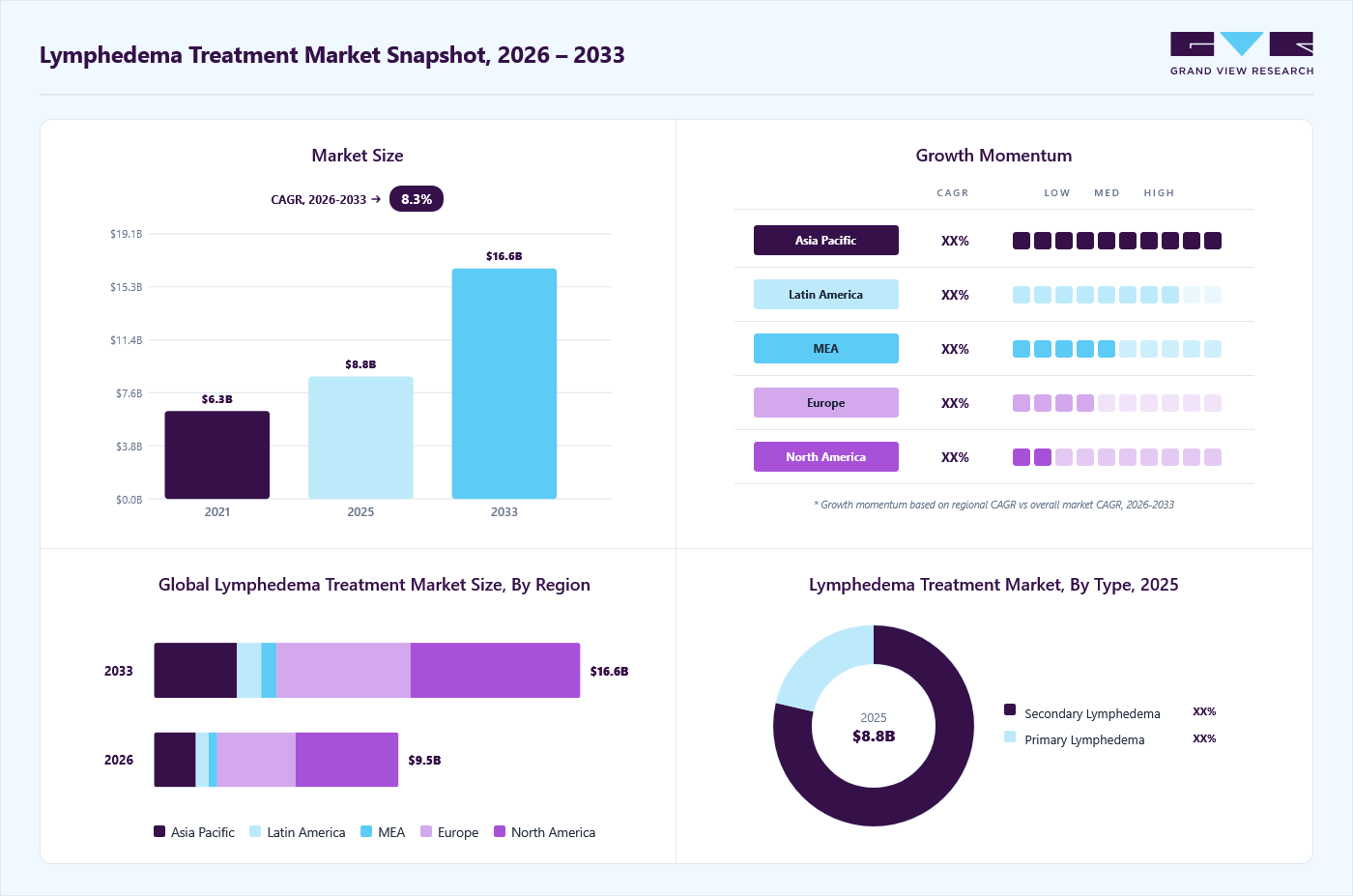
The global lymphedema treatment market size was valued at USD 8.8 billion in 2025 and is projected to grow from USD 9.5 billion in 2026 to USD 16.6 billion by 2033, at a CAGR of 8.3% from 2026 to 2033. North America held the largest global revenue share of 42.4% in 2025. The growth of the lymphedema treatment industry is driven by the rising prevalence of secondary lymphedema associated with cancer treatments, particularly breast cancer surgeries and radiation therapy, along with growing awareness and earlier diagnosis of the condition.
 Source: Grand View Research, IR Documents, Primary Interviews, Paid DatabasesTo learn more about this report,
 Download Free Sample Report
Key Market Trends & Insights
- By type: Secondary lymphedema held the largest revenue share of 78.6% in 2025.
- By treatment type: Conservative/non-invasive therapy held the largest revenue share of 42.7% in 2025.
- By affected area: Upper extremity lymphedema held the largest revenue share of 39.3% in 2025.
- By end use: Hospitals held the largest revenue share of 39.7% in 2025.
Regional Highlights
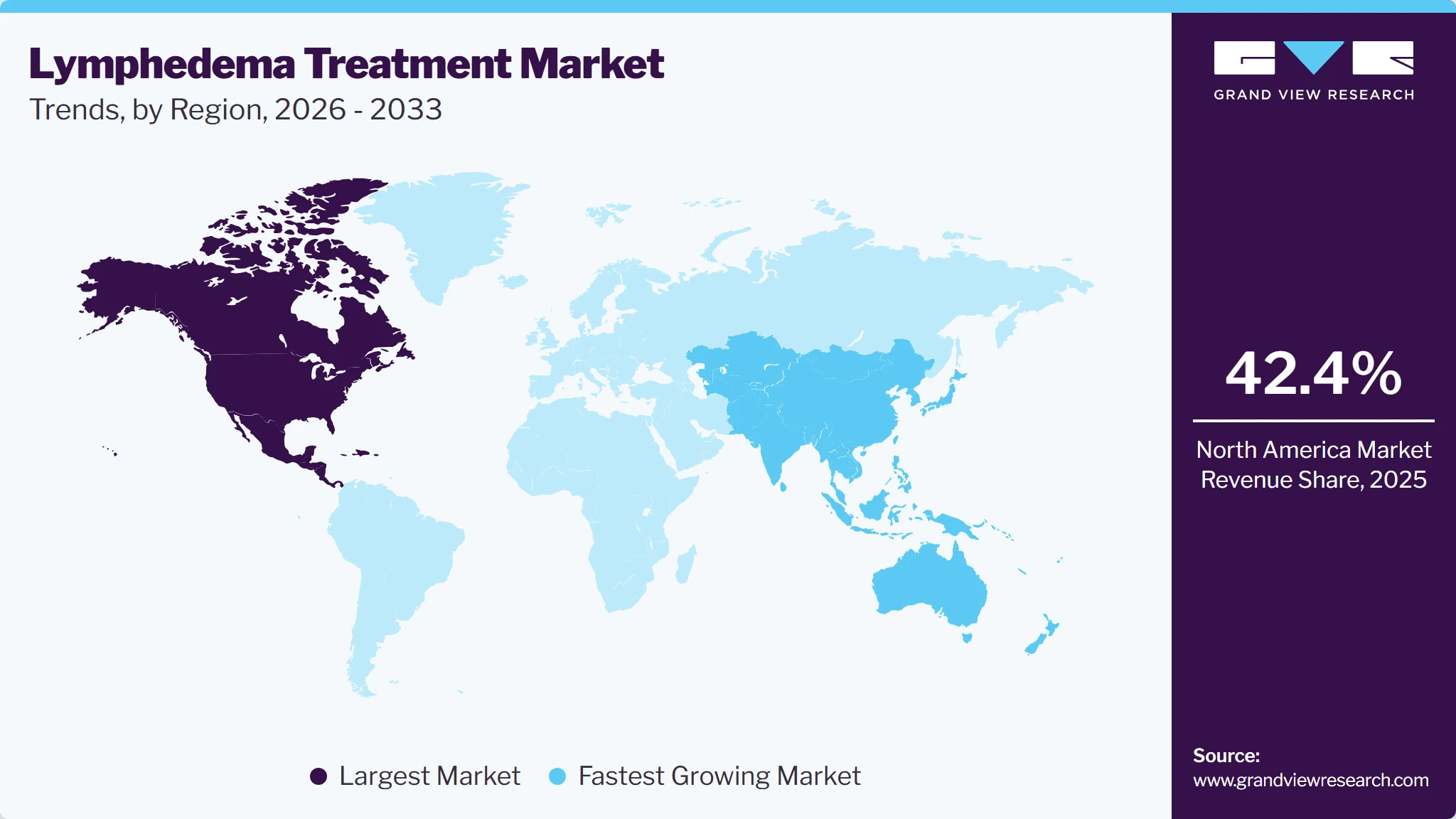
- Largest regional market: North America (42.4% revenue share, 2025)
- Fastest-growing regional market: Asia Pacific (fastest CAGR, 2026-2033)
- By country: The U.S. held the largest revenue share of North America in 2025.
Market Size & Forecast
- Market size in 2025: USD 8.8 Billion
- Estimated market size in 2026: USD 9.5 Billion
- Projected market size by 2033: USD 16.6 Billion
- CAGR (2026-2033): 8.3%
Prism AI by Grand View Research Free to tryAsk a question about the lymphedema treatment marketTry asking✓Every figure cited from GVR research Prefer the report? Download free sample →
The increasing adoption of compression therapy products, pneumatic compression devices, and emerging surgical interventions is driving market growth. In addition, expanding healthcare access and ongoing advancements in treatment technologies are improving patient outcomes and creating new opportunities within the market. According to Breastcancer.org, in 2026, it is estimated that about 42,140 women in the U.S. will die from breast cancer, highlighting the continuing mortality burden of the disease despite advances in early detection and treatment.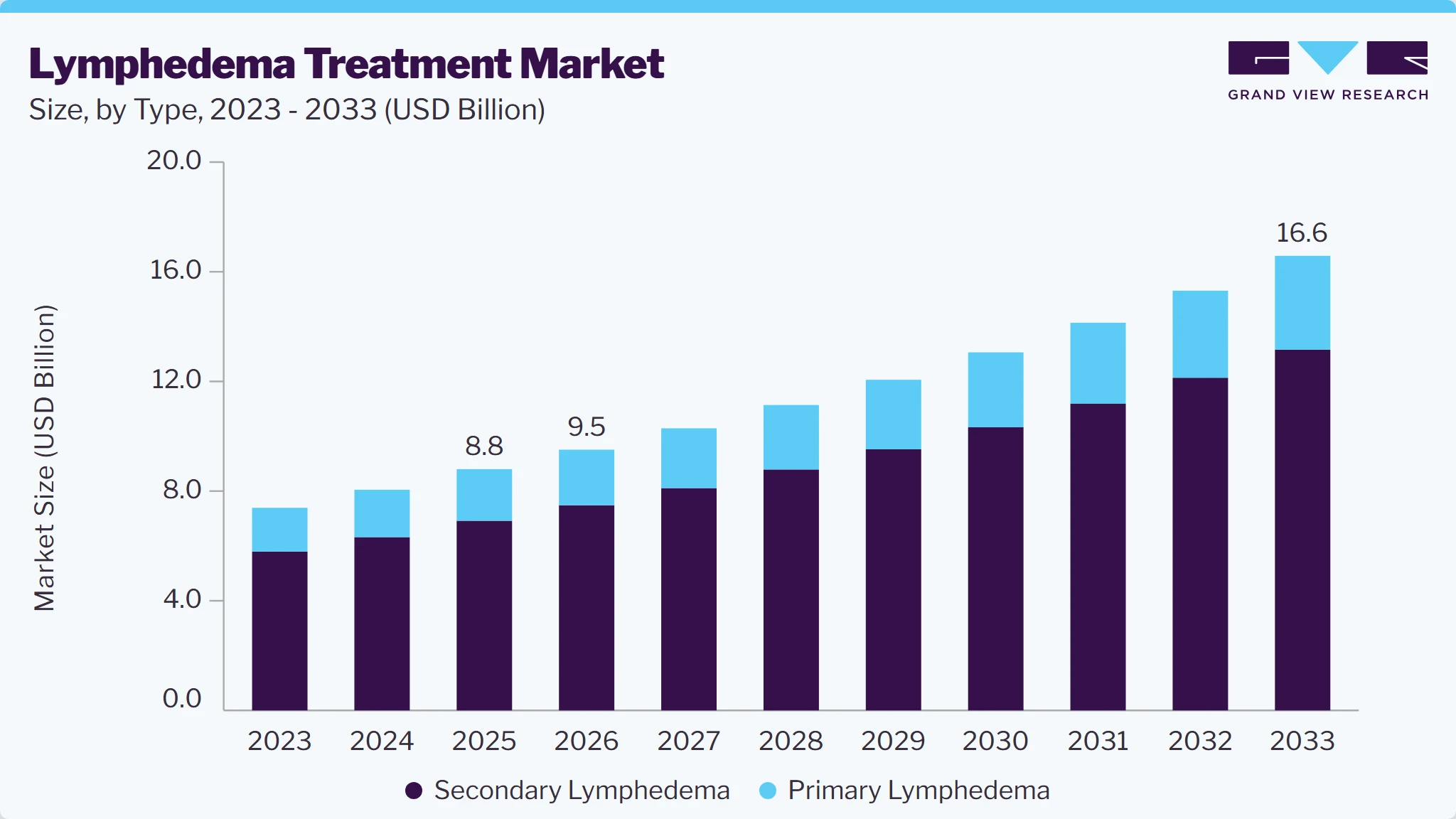 To learn more about this report, Download Free Sample Report
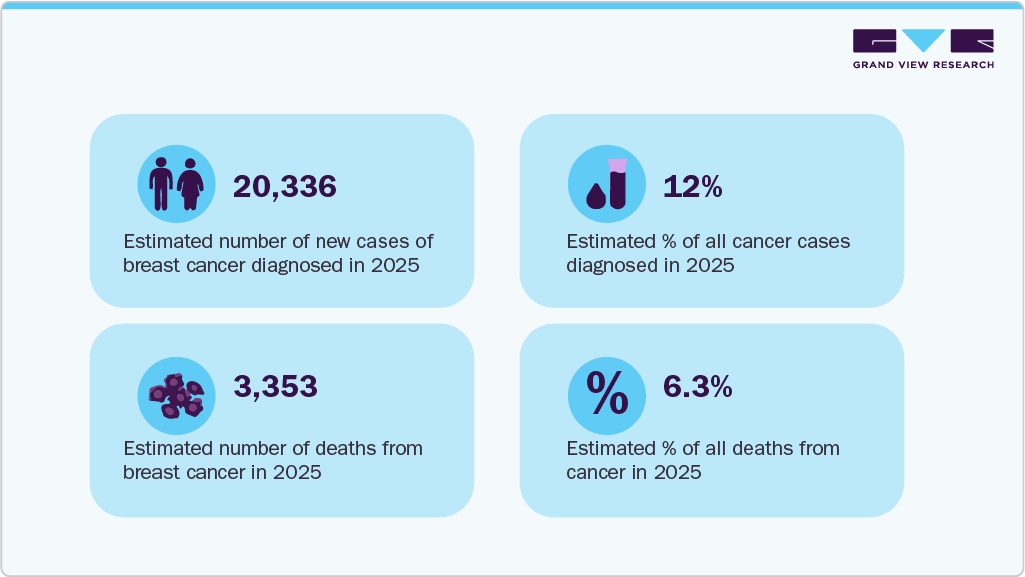
The rising prevalence of cancer-related lymphedema is a major driver of the lymphedema treatment market, as increasing numbers of cancer survivors require long-term management following lymph node dissection and radiation therapy. Breast cancer patients represent the largest affected group, although lymphedema is also common among survivors of gynecological, prostate, melanoma, and head and neck cancers. Improvements in cancer survival rates have expanded the patient population at risk of developing secondary lymphedema, driving demand for compression therapies, pneumatic compression devices, rehabilitation services, and surgical interventions.
 To learn more about this report, Download Free Sample Report
 To learn more about this report, Download Free Sample Report
The increasing incidence and improved survival rates of head and neck cancers are contributing to the growth of the lymphedema treatment market, as many patients develop secondary lymphedema following lymph node dissection, radiation therapy, or combined treatments. Head and neck lymphedema can affect the face, neck, and airway, leading to swallowing difficulties, speech impairment, and reduced quality of life. As awareness of these complications grows, healthcare providers are increasingly adopting early screening, manual lymphatic drainage, compression therapies, and advanced rehabilitation programs, driving demand for specialized lymphedema treatment solutions.
Estimated head and neck cancer statistics in Canada (2025)
Category
Diagnosed Cases
Deaths
Total Population
8,100
2,200
Men
5,800
1,600
Women
2,300
620
Source: Canadian Cancer Society
Growing awareness and early diagnosis are emerging as key drivers of the lymphedema treatment market, as healthcare providers recognize the importance of timely intervention to prevent disease progression. Educational initiatives, cancer survivorship programs, and improved referral pathways are enabling earlier identification of patients at risk of developing lymphedema. Early diagnosis facilitates prompt initiation of compression therapy and rehabilitation, improving clinical outcomes while increasing the utilization of lymphedema treatment products and services.
-
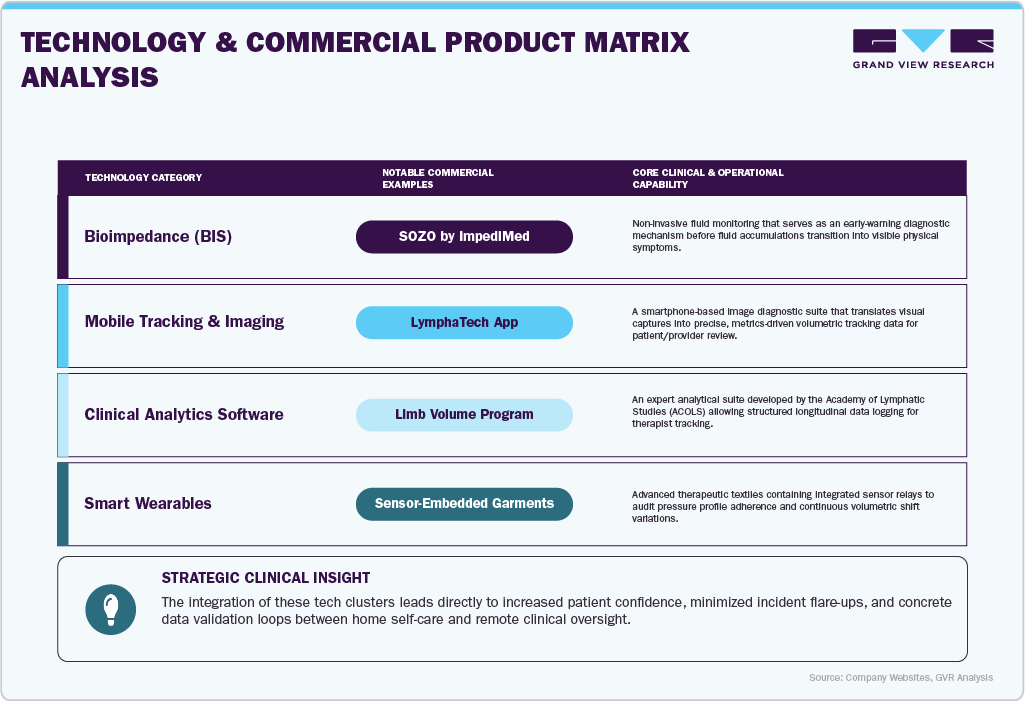
In February 2025, the Upstate Cancer Center (U.S.) implemented routine lymphedema screening using the SOZO Digital Health Platform, enabling the detection of subclinical lymphedema before visible swelling develops and facilitating early intervention.
Lauren Buck, PT, DPT, CLT-LANA, a certified lymphedema therapist, said that breast cancer-related lymphedema occurs in approximately 25 to 30 percent of all breast cancer patients over their lifespan.
-
In June 2025, oncology experts highlighted the expanding role of oncology nurses in survivorship care and lymphedema prevention, reflecting growing awareness and strengthening referral pathways for timely diagnosis and treatment.
-
In the UK, the Society of Tissue Viability (SoTV) announced that Lymphoedema Awareness Week 2025 started on 3 March 2025, coinciding with World Lymphoedema Day, and promoted a week-long campaign featuring educational resources, webinars, and social media activities aimed at increasing public awareness, supporting healthcare professionals, and encouraging earlier recognition and referral of patients with lymphoedema. These initiatives help reduce underdiagnosis and improve access to timely treatment, thereby supporting the market growth.
Market Dynamics
The growth of the lymphedema treatment market is driven by the rising prevalence of cancer-related lymphedema, increasing cancer survivorship, and growing awareness of early diagnosis and intervention. Technological advancements in pneumatic compression devices, compression garments, and microsurgical procedures are expanding treatment options and improving patient outcomes. However, high treatment costs, limited reimbursement in certain regions, and shortages of trained specialists continue to restrain market growth. Despite these challenges, the expansion of home-based care solutions and improving access to specialized lymphedema services present significant opportunities for the market.
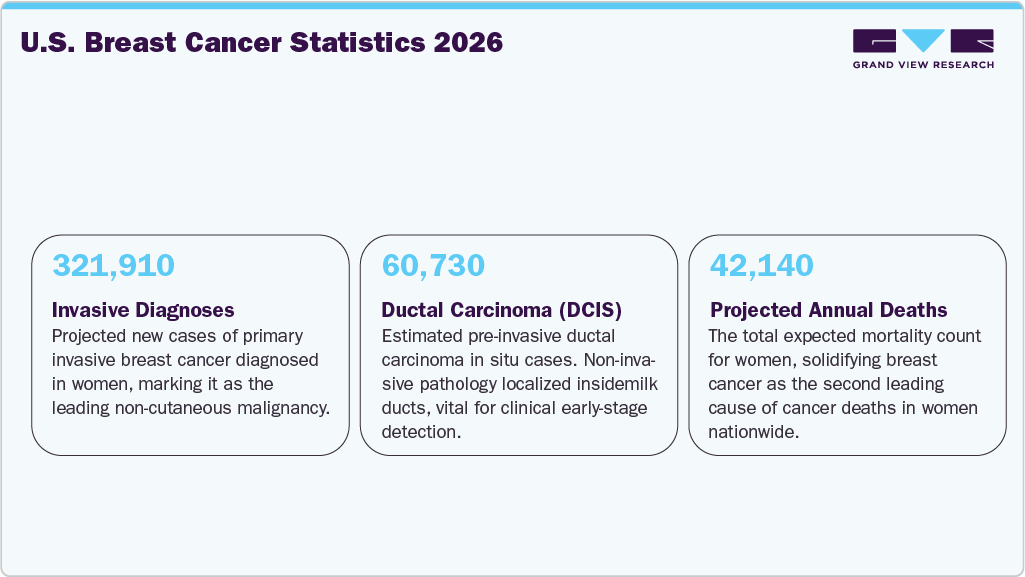
The lymphedema treatment market is primarily driven by the increasing prevalence of cancer-related lymphedema and the growing population of cancer survivors requiring long-term post-treatment care. Rising awareness of early diagnosis, expanding survivorship programs, and improved referral pathways are further boosting treatment adoption. In addition, advancements in compression technologies and the greater availability of home-based treatment solutions are enhancing patient access and supporting market growth.- According to the American Cancer Society, an estimated 321,910 women in the U.S. will be diagnosed with invasive breast cancer in 2026, while 60,730 women will be diagnosed with ductal carcinoma in situ (DCIS), resulting in a total of 382,640 new breast cancer cases.
- Approximately 42,140 women are projected to die from breast cancer in 2026, although mortality rates have declined by 44% since 1989 due to earlier detection and improved treatments.
- There are currently more than 4 million breast cancer survivors in the United States, many of whom remain at risk of developing secondary lymphedema following lymph node removal and radiation therapy.
- The lifetime risk of breast cancer remains about 1 in 8 women (13%), underscoring the growing need for lymphedema surveillance, compression therapy, and rehabilitation services.
The lymphedema treatment market is restrained by the high cost of advanced therapies, including pneumatic compression devices, custom compression garments, and microsurgical procedures, which can limit affordability for many patients. Inconsistent reimbursement policies and limited insurance coverage across several countries further limit access to treatment. In addition, the shortage of certified lymphedema therapists and specialized treatment centers, particularly in developing regions, continues to hinder timely diagnosis and comprehensive disease management.
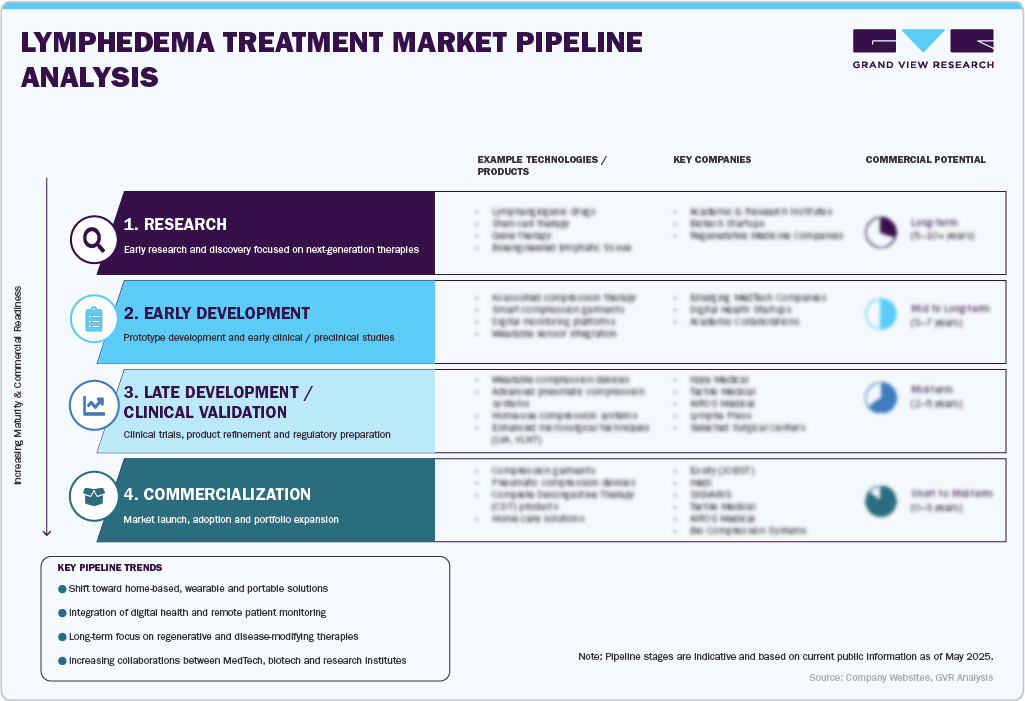
The lymphedema treatment market presents significant opportunities, such as the adoption of home-based treatment solutions, including portable pneumatic compression devices and self-management therapies, improves convenience and long-term adherence. Advancements in digital health technologies, remote monitoring, and personalized compression products are further enhancing patient outcomes. In addition, expanding healthcare infrastructure and increasing awareness in emerging markets are creating new avenues for market growth and wider access to lymphedema care.
 To learn more about this report, Download Free Sample Report
 To learn more about this report, Download Free Sample Report
Market Concentration & Characteristics
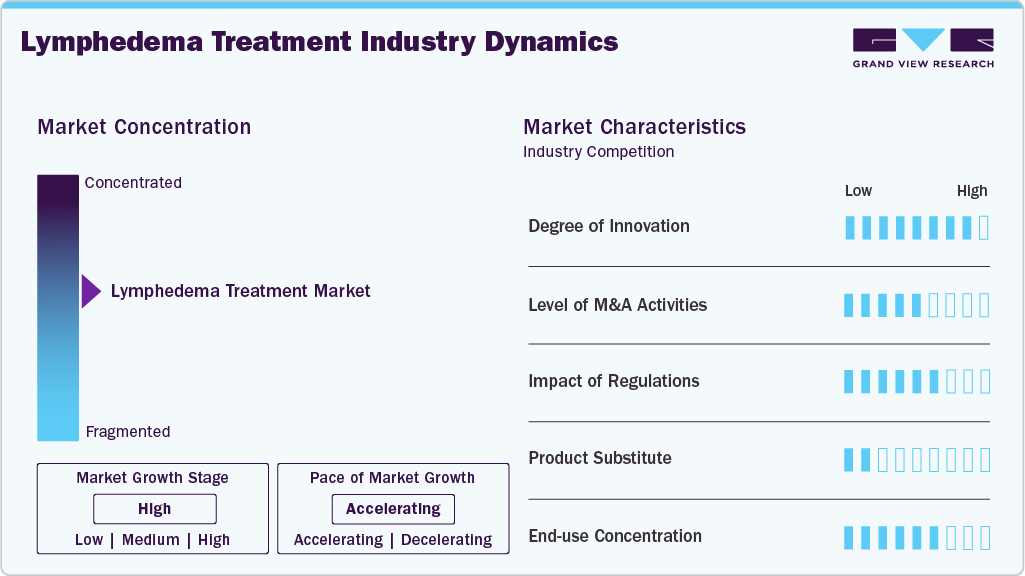
The degree of innovation in the lymphedema treatment market is steadily increasing, driven by the development of advanced pneumatic compression devices with programmable settings, portability, and digital connectivity to improve treatment adherence and patient convenience. Innovations in compression garments, including custom-fit and smart textile designs, are enhancing comfort and therapeutic effectiveness. In addition, advancements in microsurgical procedures such as lymphovenous bypass and vascularized lymph node transfer, along with the integration of imaging technologies for precise diagnosis and treatment planning, are expanding the scope of lymphedema management. For instance, in April 2025, Lympha Press introduced the Optimal Plus with Lympha Touch technology, integrating intermittent pneumatic compression with negative pressure therapy to improve lymphatic drainage, particularly in patients with fibrosis and difficult-to-treat head-and-neck lymphedema.
“At Lympha Press, we’re always thinking about how we can offer a real benefit to people with lymphedema,” said Deborah Gross, a product specialist for Lympha Press in the U.S.
“We entered into a collaboration with a company that makes a really wonderful device, called Lympha Touch, for treating lymphedema,” said Deborah. “This new treatment adds to patients’ options, which include Lympha Press pneumatic compression therapy, compression garments, and manual lymph drainage (MLD).”
 To learn more about this report, Download Free Sample Report
The level of merger and acquisition activity in the market remains moderate, with transactions primarily focused on expanding product portfolios, strengthening compression therapy capabilities, and enhancing geographic reach. Established medical device companies are pursuing strategic acquisitions and partnerships to gain access to innovative lymphedema technologies, while emerging players are leveraging collaborations to accelerate commercialization and broaden their presence in specialized lymphatic care markets. For instance, in February 2026, Tactile Systems Technology, Inc. (Tactile Medical) announced the acquisition of LymphaTech Inc. for an upfront cash payment of USD 6.8 million, with additional contingent consideration tied to the achievement of specified future milestones. The acquisition strengthened Tactile Medical’s lymphedema portfolio by enhancing its capabilities in digital health and objective limb-measurement technologies, thereby supporting improved monitoring and management of patients with chronic lymphatic disorders.
“This acquisition is a milestone in Tactile’s evolution from a product-based company to a comprehensive, integrated solutions leader for lymphatic dysfunction,” said Sheri Dodd, Chief Executive Officer of Tactile Medical. “By bringing together Tactile and LymphaTech, we become uniquely positioned to support patients and clinicians from early disease intervention to innovative connected therapies with long-term support and monitoring alongside our Kylee™ patient engagement application.”
Ms. Dodd continued, “The acquisition also brings advanced research competencies and programs that extend LymphaTech’s proprietary capabilities into next-generation approaches for assessment and treatment. As the scientific and clinical understanding of lymphatic dysfunction continues to increase, Tactile is poised to lead the next wave of technological innovation accelerating therapy for the 20 million symptomatic patients in the United States.”
“With the rising prevalence of lymphedema, this tool is essential in providing clinicians with accurate, repeatable measurements that reduce variability and streamline workflows,” said Tony Gasparis, MD, Chief Medical Officer at Tactile Medical “By introducing greater objectivity and efficiency into assessment, it enhances confidence in clinical decision-making and enables providers to dedicate more time to patient care.”
Regulatory activities significantly impact the lymphedema treatment industry by influencing product approvals, reimbursement eligibility, and the clinical adoption of new therapies. Evolving regulations and coverage policies for compression devices, surgical interventions, and digital monitoring technologies encourage manufacturers to generate strong clinical evidence while ensuring patient safety and treatment effectiveness. These frameworks ultimately shape market access, innovation pathways, and the pace of commercialization of novel lymphedema therapies.
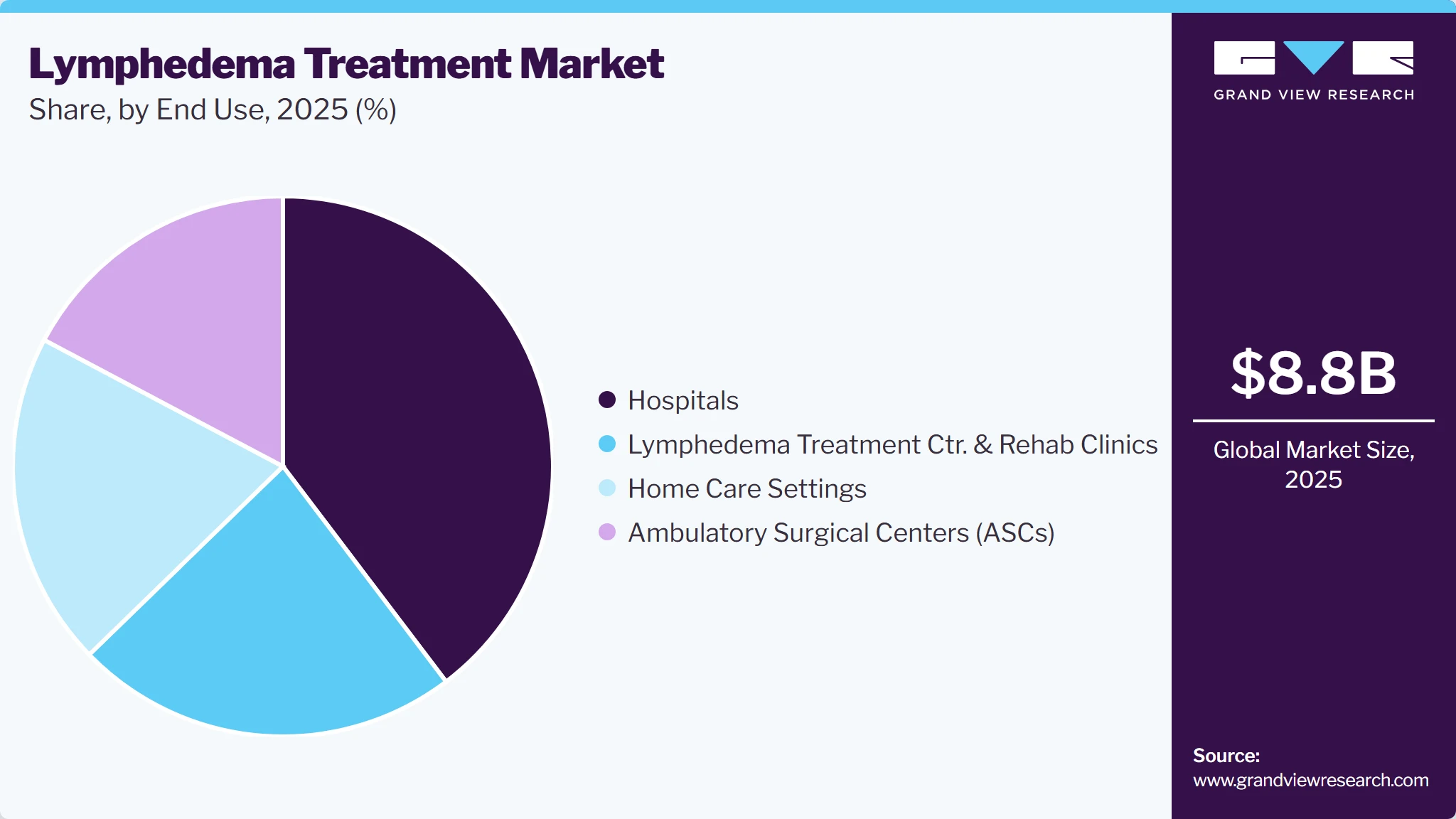
End-user concentration in the lymphedema treatment market is moderate, with hospitals and specialized lymphedema clinics accounting for a significant share of treatment demand due to their access to multidisciplinary care and advanced therapeutic options. However, the increasing availability of home-based compression devices and self-management solutions is gradually shifting a portion of treatment utilization toward home care settings, reducing dependence on institutional care and expanding the overall patient base.
Analyst Perspective
The lymphedema treatment market is transitioning from traditional symptom management toward proactive, patient-centric care driven by early diagnosis and long-term disease monitoring. The expanding population of cancer survivors, supportive reimbursement developments, and growing adoption of home-based compression therapies are expected to sustain market growth. In addition, innovations in wearable compression technologies, digital health platforms, and microsurgical interventions are reshaping the competitive landscape and creating opportunities for both established companies and emerging innovators.
Type Insights
The secondary lymphedema segment led the market with the largest revenue share of 78.6% in 2025 and is expected to grow at the fastest CAGR over the forecast period. The condition commonly develops following cancer treatments such as lymph node dissection, surgery, and radiation therapy, particularly among breast cancer survivors, leading to a growing patient pool requiring long-term management. Rising cancer incidence, improved survival rates, and increased awareness of early diagnosis and treatment further supported the segment's leading market share. In addition, the chronic nature of secondary lymphedema has driven sustained demand for compression therapy, physiotherapy, and surgical interventions.
Primary lymphedema is expected to witness significant growth in the lymphedema treatment market due to increasing awareness of rare lymphatic disorders and improvements in diagnostic capabilities that enable earlier identification of congenital and hereditary cases. Growing access to specialized lymphedema care centers and multidisciplinary treatment approaches is also supporting greater treatment uptake. In addition, advancements in genetic research and personalized management strategies are encouraging timely intervention, thereby contributing to the segment's accelerated growth despite its relatively lower prevalence compared to secondary lymphedema.
Treatment Type Insights
The conservative/non-invasive therapy segment led the lymphedema treatment industry, accounting for the largest revenue share of 42.7% in 2025. Owing to its established role as the first-line approach for managing both primary and secondary lymphedema. Complete Decongestive Therapy (CDT), which includes compression therapy, manual lymphatic drainage, exercise, and skin care, remains the standard of care due to its proven effectiveness in reducing limb swelling, improving quality of life, and preventing disease progression. In addition, the availability of compression garments and pneumatic compression devices for long-term home-based management, coupled with favorable clinical guidelines and expanding reimbursement support in several countries, has further strengthened the adoption of non-invasive treatment modalities.
The surgical interventions segment is expected to grow at the fastest CAGR during the forecast period, driven by increasing adoption of advanced microsurgical procedures such as lymphovenous bypass (LVB), vascularized lymph node transfer (VLNT), and liposuction for advanced-stage lymphedema. Improvements in surgical techniques, imaging technologies, and postoperative outcomes are encouraging both physicians and patients to opt for definitive treatment options when conservative therapy is insufficient. Furthermore, the rising prevalence of cancer-related lymphedema, growing availability of specialized lymphedema surgery centers, and increasing clinical evidence supporting long-term efficacy are expected to accelerate the adoption of surgical interventions.
Affected Area Insights
The upper extremity lymphedema segment led the lymphedema treatment market, accounting for the largest revenue share of 39.3% in 2025, and is expected to grow at the fastest CAGR over the forecast period. This can be attributed to the high incidence of breast cancer-related lymphedema following lymph node dissection and radiation therapy. The growing number of breast cancer survivors has significantly increased the demand for long-term management, including compression therapy, pneumatic compression devices, and rehabilitation services. In addition, increased awareness, earlier diagnosis, and the availability of specialized treatment programs for upper-limb lymphedema have further supported the segment's leading market share.
The lower extremity lymphedema segment is expected to witness significant growth during the forecast period, driven by the rising prevalence of obesity, chronic venous insufficiency, gynecological and urological cancers, and an aging population. Increasing cases of secondary lymphedema following pelvic cancer surgeries and radiation therapy are further expanding the patient pool requiring long-term treatment. In addition, the growing adoption of advanced compression systems, microsurgical procedures, and improved access to specialized lymphedema care is expected to support strong growth in this segment.
End-use Insights
The hospitals segment led the lymphedema treatment industry, accounting for the largest revenue share of 39.7% in 2025, due to their ability to provide comprehensive diagnosis, conservative therapy, advanced imaging, and specialized surgical interventions under one roof. They serve as the primary treatment centers for patients with cancer-related and advanced-stage lymphedema, supported by multidisciplinary teams comprising oncologists, vascular surgeons, rehabilitation specialists, and certified lymphedema therapists. In addition, favorable reimbursement policies, access to advanced medical technologies, and increasing referrals from oncology departments have further strengthened hospitals' leading market position.
 To learn more about this report, Download Free Sample Report
Lymphedema treatment centers and rehabilitation clinics are expected to experience significant growth during the forecast period, as demand for specialized, multidisciplinary care increases. These facilities provide comprehensive services, including complete decongestive therapy (CDT), manual lymphatic drainage, compression therapy, exercise programs, and long-term patient monitoring, thereby improving clinical outcomes. Rising awareness of lymphedema, expanding referral networks from oncology and vascular care centers, and the establishment of dedicated rehabilitation programs are further driving this segment's growth.
Regional Insights
North America dominated the lymphedema treatment market with the largest revenue share of 42.4% in 2025. The market is witnessing increased adoption of home-based compression therapies, supported by the implementation of the U.S. Lymphedema Treatment Act, which expanded Medicare coverage for compression supplies from January 2024. The region is also seeing greater use of microsurgical interventions, such as lymphovenous bypass (LVA) and vascularized lymph node transfer (VLNT), at specialized centers, reflecting a shift toward personalized, multidisciplinary lymphedema care.
 To learn more about this report, Download Free Sample Report
U.S. Lymphedema Treatment Market Trends
The U.S. lymphedema treatment industry held the largest share of North America in 2025. The U.S. market is witnessing increased adoption of home-based compression therapies following expanded Medicare coverage under the Lymphedema Treatment Act, improving access to essential treatment supplies. Growing numbers of cancer survivors, particularly breast cancer patients, are driving demand for specialized lymphedema services, while leading U.S. centers are utilizing lymphovenous bypass (LVB) and vascularized lymph node transfer (VLNT) supported by advanced imaging techniques for personalized care.
Europe Lymphedema Treatment Market Trends
The Europe lymphedema treatment industry focuses on specialized rehabilitation and conservative management, with compression therapy remaining the cornerstone of care within well-established public reimbursement systems. Countries such as Germany, France, and the UK are expanding access to multidisciplinary lymphedema clinics and incorporating microsurgical interventions, including lymphovenous anastomosis (LVA), for refractory cases. In addition, the region is witnessing growing adoption of custom-fit compression garments and home-based treatment approaches to improve long-term patient adherence and quality of life.
The UK lymphedema treatment market is centered on NHS-led community and specialist services, with a strong emphasis on early intervention, patient education, and long-term self-management through compression therapy and decongestive lymphatic therapy (DLT). The market is also witnessing broader integration of lymphedema care within oncology pathways, particularly for post-cancer patients, alongside selective adoption of advanced surgical options at specialist referral centers.
The lymphedema treatment market in France is characterized by strong reliance on compression therapy and hospital-based rehabilitation services, supported by the country’s universal healthcare system, which facilitates access to conservative treatments. France is also witnessing growing adoption of lymphovenous anastomosis (LVA) and vascularized lymph node transfer (VLNT) at specialized tertiary centers, particularly for cancer-related lymphedema. In addition, increasing integration of lymphedema surveillance within breast cancer follow-up pathways is promoting earlier diagnosis and intervention, improving long-term patient outcomes.
Asia Pacific Lymphedema Treatment Market Trends
The Asia Pacific lymphedema treatment industry is evolving rapidly, driven by improving awareness of cancer-related lymphedema and expanding access to rehabilitation services across countries such as Japan, China, South Korea, and Australia. The region is witnessing growing adoption of cost-effective compression products and home-based pneumatic compression devices, while advanced markets such as Japan and South Korea are expanding the use of super microsurgical procedures, including lymphovenous anastomosis (LVA), with support from specialized lymphatic centers. Growing healthcare investments and the rising burden of cancer survivors are further accelerating demand for comprehensive lymphedema management across the region.
The Japan lymphedema treatment market is characterized by the growing adoption of super microsurgical techniques, particularly lymphovenous anastomosis (LVA), supported by the country’s strong expertise in reconstructive microsurgery and early-stage intervention. Japan also emphasizes post-cancer lymphedema surveillance and rehabilitation, with increasing use of indocyanine green (ICG) lymphography for early diagnosis and treatment planning. In addition, the country’s aging population and expanding cancer survivor base continue to drive demand for specialized lymphedema management services and compression therapies.
Latin America Lymphedema Treatment Market Trends
The growth of the Latin America lymphedema treatment industry is driven by increasing recognition of cancer-related lymphedema and the gradual expansion of rehabilitation services in countries such as Brazil and Argentina. The region continues to rely heavily on compression therapy and manual lymphatic drainage, while public hospitals and oncology centers are incorporating lymphedema screening into survivorship programs. However, limited reimbursement and uneven access to specialized care are encouraging demand for cost-effective, home-based treatment solutions to improve long-term disease management.
Middle East & Africa Lymphedema Treatment Market Trends
The Middle East & Africa (MEA) lymphedema treatment industry is experiencing gradual growth, driven by improving cancer care infrastructure and rising awareness of post-surgical lymphedema in countries such as the UAE, Saudi Arabia, and South Africa. The market remains largely dependent on compression therapy and hospital-based rehabilitation, while rising investments in specialized oncology centers and rehabilitation services are expanding access to lymphedema management. In several African countries, the ongoing burden of lymphatic filariasis-related lymphedema also sustains demand for affordable conservative treatment approaches and community-based care programs.
Key Lymphedema Treatment Company Insights
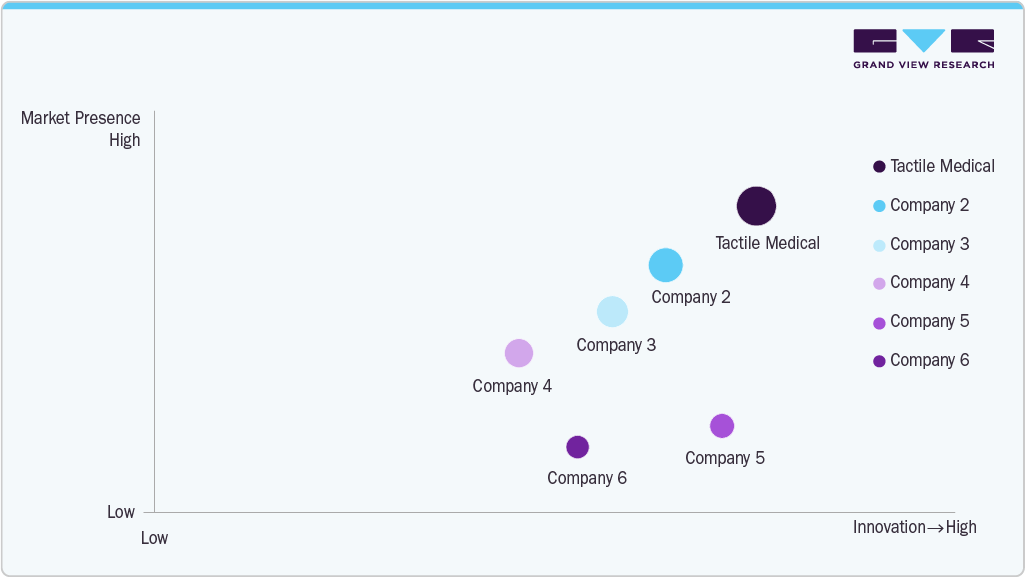
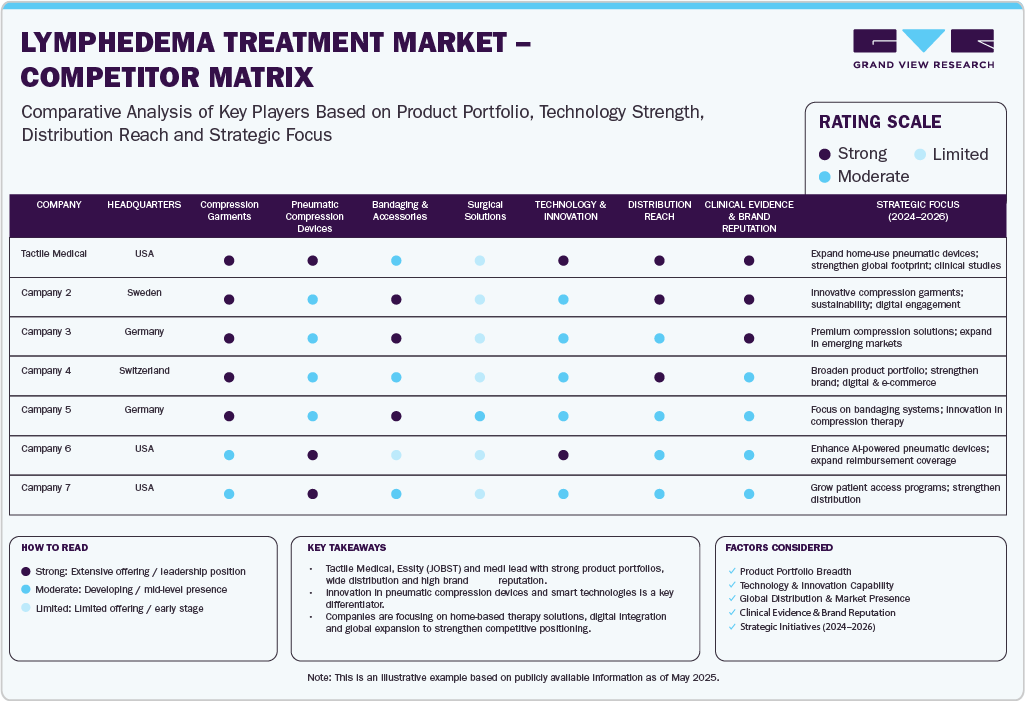
The lymphedema treatment market is moderately consolidated, with key players such as Tactile Medical, Essity AB, 3M, Lohmann & Rauscher, SIGVARIS Group, Medi GmbH & Co. KG, and AIROS Medical, Inc. competing through product innovation, reimbursement expansion, and strategic acquisitions. While established companies account for a significant share of the compression therapy segment, emerging players are strengthening their presence through advanced pneumatic compression technologies and digital monitoring solutions.
 To learn more about this report, Download Free Sample Report
Key Lymphedema Treatment Companies
The following key companies have been profiled for this study of the lymphedema treatment market.
-
Tactile Medical
-
medi GmbH & Co. KG
-
SIGVARIS GROUP
-
BIOCOMPRESSION SYSTEMS
-
AIROS Medical, Inc.
-
L&R Group
-
Huntleigh Healthcare Limited (Getinge AB)
-
Koya Medical
-
3M (Solventum)
-
Juzo
-
JOBST (Essity)
-
ImpediMed Limited and ImpediMed Inc.
-
Lympha Press (Mego Afek)
 To learn more about this report, Download Free Sample Report
Competitive Benchmarking
Operating Strategies
Competitive Edge
Weaknesses
Established Players (Tactile Medical; medi GmbH & Co. KG; SIGVARIS GROUP; BIOCOMPRESSION SYSTEMS)
- Focus on expanding compression therapy portfolios through product upgrades and strategic acquisitions.
- Strengthen relationships with hospitals, oncology centers, and reimbursement agencies to improve market penetration.
- Strong brand recognition and established customer base.
- Broad product portfolios supported by regulatory approvals and reimbursement expertise.
- Higher organizational complexity may slow innovation and decision-making.
- Dependence on mature markets can limit growth potential.
Emerging Players (Koya Medical; AIROS Medical, Inc.; ImpediMed Limited and ImpediMed Inc.)
- Emphasize innovation in portable compression devices, digital monitoring, and patient-centric solutions.
- Target niche segments and underserved markets with specialized offerings.
- Greater agility in product development and faster adoption of emerging technologies.
- Ability to address unmet needs through differentiated and user-friendly solutions.
- Limited brand awareness and smaller distribution networks.
- Resource constraints related to regulatory approvals, marketing, and scaling operations.
Recent Developments
-
In February 2026, Tactile Systems Technology, Inc. (Tactile Medical) acquired LymphaTech Inc. for an upfront cash payment of USD 6.8 million, with additional contingent consideration tied to future milestones. The acquisition enhanced Tactile Medical’s capabilities in digital health and objective limb measurement technologies, strengthening its portfolio for the management of patients with chronic lymphatic disorders.
-
In November 2024, Lympha Press, LLC announced its transition to full ownership under Mego Afek AC LTD (Mego), with Mego moving from a long-standing partner to the sole proprietor of the organization. This strategic restructuring was aimed at creating a vertically integrated company to enhance patient access, strengthen clinician support services, and improve outcomes for individuals living with lymphedema and other chronic disorders.
-
In April 2023, AIROS Medical, Inc. announced that it had received U.S. FDA 510(k) clearance for its AIROS 8P Sequential Compression Therapy device and garment system. The clearance also expanded the company’s product indications to include larger compression garments, such as lower-truncal garments designed to treat abdominal swelling, thereby strengthening its portfolio in lymphedema and venous disease management.
Lymphedema Treatment Market Report Scope
Report Attribute
Details
Market size value in 2025
USD 8.8 billion
Estimated market size in 2026
USD 9.5 billion
Projected market size by 2033
USD 16.6 billion
Growth rate
CAGR of 8.3% from 2026 to 2033
Historical data
2021 - 2024
Forecast period
2026 - 2033
Quantitative units
Revenue in USD million/billion, and CAGR from 2026 to 2033
Report coverage
Revenue forecast, company ranking, competitive landscape, growth factors, and trends
Segments covered
Type, treatment type, affected area, end-use, region
Regional scope
North America; Europe; Asia Pacific; Latin America; MEA
Country scope
U.S.; Canada; Mexico; Germany; UK; France; Italy; Spain; Norway; Denmark; Sweden; Russia; Iceland; Finland; China; Japan; India; South Korea; Australia; Thailand; Singapore; Brazil; Argentina; Saudi Arabia; South Africa; UAE; Kuwait; Israel
Key companies profiled
Tactile Medical; medi GmbH & Co. KG; SIGVARIS GROUP; BIOCOMPRESSION SYSTEMS; AIROS Medical, Inc.; L&R Group; Huntleigh Healthcare Limited (Getinge AB); Koya Medical; 3M (Solventum); Juzo; JOBST (Essity); ImpediMed Limited and ImpediMed Inc.; Lympha Press (Mego Afek)
Customization scope
Free report customization (equivalent up to 8 analysts' working days) with purchase. Addition or alteration to country, regional & segment scope.
Pricing and purchase options
Avail customized purchase options to meet your exact research needs. Explore purchase options
Global Lymphedema Treatment Market Report Segmentation
This report forecasts revenue growth at the global, regional, and country levels and provides an analysis of the latest industry trends in each of the sub-segments from 2021 to 2033. For this study, Grand View Research has segmented the global lymphedema treatment market report based on type, treatment type, affected area, end-use, and region:
-
Type Outlook (Revenue, USD Million/Billion, 2021 - 2033)
-
Secondary Lymphedema
-
Cancer-related Lymphedema
-
Non-cancer-related Lymphedema
-
-
Primary Lymphedema
-
-
Treatment Type Outlook (Revenue, USD Million/Billion, 2021 - 2033)
-
Conservative/Non-invasive Therapy
-
Compression Garments & Stockings
-
Compression Bandages & Wraps
-
Manual Lymphatic Drainage (MLD)
-
Therapeutic Exercise & Complete Decongestive Therapy (CDT)
-
Kinesiology Taping
-
-
Medical Devices
-
Sequential Pneumatic Compression Devices (SPCDs)
-
Low-Level Laser Therapy (LLLT) Devices
-
Advanced Compression Systems
-
-
Surgical Interventions
-
Lymphovenous Anastomosis (LVA)
-
Vascularized Lymph Node Transfer (VLNT)
-
Liposuction & Debulking Procedures
-
-
Pharmacological Therapy
-
-
Affected Area Outlook (Revenue, USD Million/Billion, 2021 - 2033)
-
Upper Extremity Lymphedema
-
Lower Extremity Lymphedema
-
Head & Neck Lymphedema
-
Genital & Truncal Lymphedema
-
-
End-use Outlook (Revenue, USD Million/Billion; 2021 - 2033)
-
Hospitals
-
Lymphedema Treatment Centers & Rehabilitation Clinics
-
Ambulatory Surgical Centers (ASCs)
-
Home Care Settings
-
-
Regional Outlook (Revenue, USD Million/Billion, 2021 - 2033)
-
North America
-
U.S.
-
Canada
-
Mexico
-
-
Europe
-
Germany
-
UK
-
France
-
Italy
-
Spain
-
Sweden
-
Denmark
-
Norway
-
-
Asia Pacific
-
Japan
-
China
-
India
-
Australia
-
South Korea
-
Thailand
-
-
Latin America
-
Brazil
-
Argentina
-
-
Middle East & Africa
-
South Africa
-
Saudi Arabia
-
UAE
-
Kuwait
-
-
Research Methodology
The lymphedema treatment market figures in this report are based on a proven research process that combines executive interviews with secondary research from proprietary databases, company filings, and recognized regulatory and institutional sources. Market size is built through value-chain sizing-reconciling supply-side and demand-side estimates-and triangulated with bottom-up and top-down approaches. Every estimate passes multiple levels of expert validation before publication, with each lymphedema treatment segment quantified using the revenue-capture definitions in the table below.
Segment Definition
Segment - Product
Revenue capture definition
Secondary Lymphedema
Revenue generated from the diagnosis, monitoring, and treatment of primary lymphedema, a congenital or hereditary disorder caused by abnormalities in the development of the lymphatic system. This segment includes sales from compression garments, pneumatic compression devices, manual lymphatic drainage services, rehabilitation therapies, diagnostic procedures, and surgical interventions used to manage the condition.
Primary Lymphedema
Revenue generated from the diagnosis, treatment, and long-term management of secondary lymphedema, which develops as a result of damage or obstruction to the lymphatic system caused by factors such as cancer surgery, radiation therapy, infection, trauma, or chronic venous disorders. This segment captures sales from compression garments, pneumatic compression devices, decongestive therapy, rehabilitation services, diagnostic assessments, and surgical procedures used to manage the condition.
Estimation Model
Layer Name
Key Question
Description
Bottom-Up
Procedure Volume Modeling
Estimates the market by calculating the number of diagnosed lymphedema patients receiving treatment across hospitals, specialty lymphedema clinics, rehabilitation centers, vascular clinics, and home healthcare settings. The model incorporates disease prevalence, diagnosis rates, treatment adoption, frequency of compression therapy, manual lymphatic drainage sessions, pneumatic compression device usage, surgical interventions, and average annual spending per patient to determine the total market value.
Top-Down
Revenue Triangulation
Estimates the market by analyzing revenues generated from companies offering compression garments, pneumatic compression devices, bandages, wraps, surgical products, and related lymphedema management solutions. Revenue estimates are segmented by product category and geography, then validated using publicly available financial disclosures, healthcare expenditure trends, regulatory product approvals, distribution networks, and expert interviews to ensure comprehensive market coverage while avoiding revenue duplication.
Demand-Side
Care-Setting Modeling
Evaluates demand by assessing the utilization of lymphedema treatment products and services across hospitals, oncology centers, rehabilitation facilities, specialty vascular clinics, outpatient care centers, and home healthcare providers. The model considers patient treatment volumes, post-cancer lymphedema incidence, reimbursement availability, clinical treatment pathways, healthcare infrastructure, physician prescribing patterns, and regional adoption of compression therapy and surgical procedures to estimate annual product consumption and market demand.
Delivered Customizations
This report has been delivered with the following In-depth customizations
Client Request
Customization Delivered
Value Adds
Disease Epidemiology Analysis
Comprehensive epidemiology assessment covering prevalence, incidence, diagnosed and treated patient populations, primary vs. secondary lymphedema distribution, cancer-related lymphedema burden, age and gender analysis, risk factors, and country-level epidemiology across key markets.
Helps quantify the addressable patient population, identify high-growth regions, prioritize therapeutic focus areas, and support market sizing and forecasting.
Company Positioning Analysis
Comparative positioning of major and emerging market participants based on product portfolio breadth, technological innovation, geographic presence, pricing strategy, regulatory approvals, strategic partnerships, mergers & acquisitions, and commercialization capabilities.
Enables competitive benchmarking, identification of market leaders and challengers, strategic gap analysis, and informed partnership or investment decisions.
Pipeline Analysis
Detailed review of the lymphedema treatment pipeline by product type, development stage (Discovery, Preclinical, Phase I-III, Regulatory Review), mechanism of action, sponsor company, target indication, expected launch timeline, and key clinical milestones.
Provides visibility into future market entrants, innovation trends, commercialization timelines, competitive threats, and long-term growth opportunities.
Frequently Asked Questions About This Report
Asia Pacific is the fastest-growing region over the forecast period.
The global lymphedema treatment market size was estimated at USD 8.8 billion in 2025 and is expected to reach USD 9.5 billion in 2026.
The hospitals segment led the market with the largest revenue share of 39.7% in 2025.
The upper extremity lymphedema segment led the market with the largest revenue share of 39.3% in 2025.
The conservative/non-invasive therapy segment led the market with the largest revenue share of 42.7% in 2025.
The global lymphedema treatment market is expected to grow at a compound annual growth rate of 8.3% from 2026 to 2033 to reach USD 16.6 billion by 2033.
Secondary lymphedema devices segment of the wound therapy devices market held the largest share in 2025 with a market share of 78.6% and is expected to witness the fastest growth rate over the forecast period.
North America dominated the lymphedema treatment market with the largest revenue share of 42.4% in 2025.
The lymphedema treatment market is driven by the rising prevalence of cancer-related lymphedema, increasing cancer survivorship, and growing awareness of early diagnosis and intervention.
Some key players operating in the lymphedema treatment market include Tactile Medical, medi GmbH & Co. KG, SIGVARIS GROUP, BIOCOMPRESSION SYSTEMS, AIROS Medical, Inc., L&R Group, Huntleigh Healthcare Limited (Getinge AB), Koya Medical, 3M (Solventum), Juzo, JOBST (Essity), ImpediMed Limited and ImpediMed Inc. and Lympha Press (Mego Afek)
About the Author(s)
Medical Devices Research Team
Healthcare · Medical DevicesThis report was authored by the medical devices research team at Grand View Research - comprising two research analysts, one senior research analyst, and one industry expert - with specialized expertise in the medical devices segment of the healthcare industry. All findings are based on proprietary healthcare databases, executive interviews, and regulatory analysis, subject to internal peer review prior to publication.
Last Updated:
Speak to Analyst

Customize this report to your needs - add regions, segments, or data points, with 20% free customization.
Or view our licence options:


ISO 9001:2015 & 27001:2022 Certified
We are GDPR and CCPA compliant! Your transaction & personal information is safe and secure. For more details, please read our privacy policy.


