
- Home
- »
- Medical Devices
- »
-
Mesotherapy Market Size & Share Report, 2026-2033GVR Report cover

Mesotherapy Market (2026 - 2033)
Size, Share & Trends Analysis Report By Type (Mesotherapy Solutions, Mesotherapy Masks, Mesotherapy Devices), By Application (Anti-Aging, Facial Rejuvenation, Hair Loss), By End-use (Hospitals), By Region, And Segment Forecasts
Market Size, 2025
$818.1MMarket Estimate, 2026
$876.4MMarket Forecast, 2033
$1,460.7MCAGR, 2026–2033
7.6%Mesotherapy Market Summary
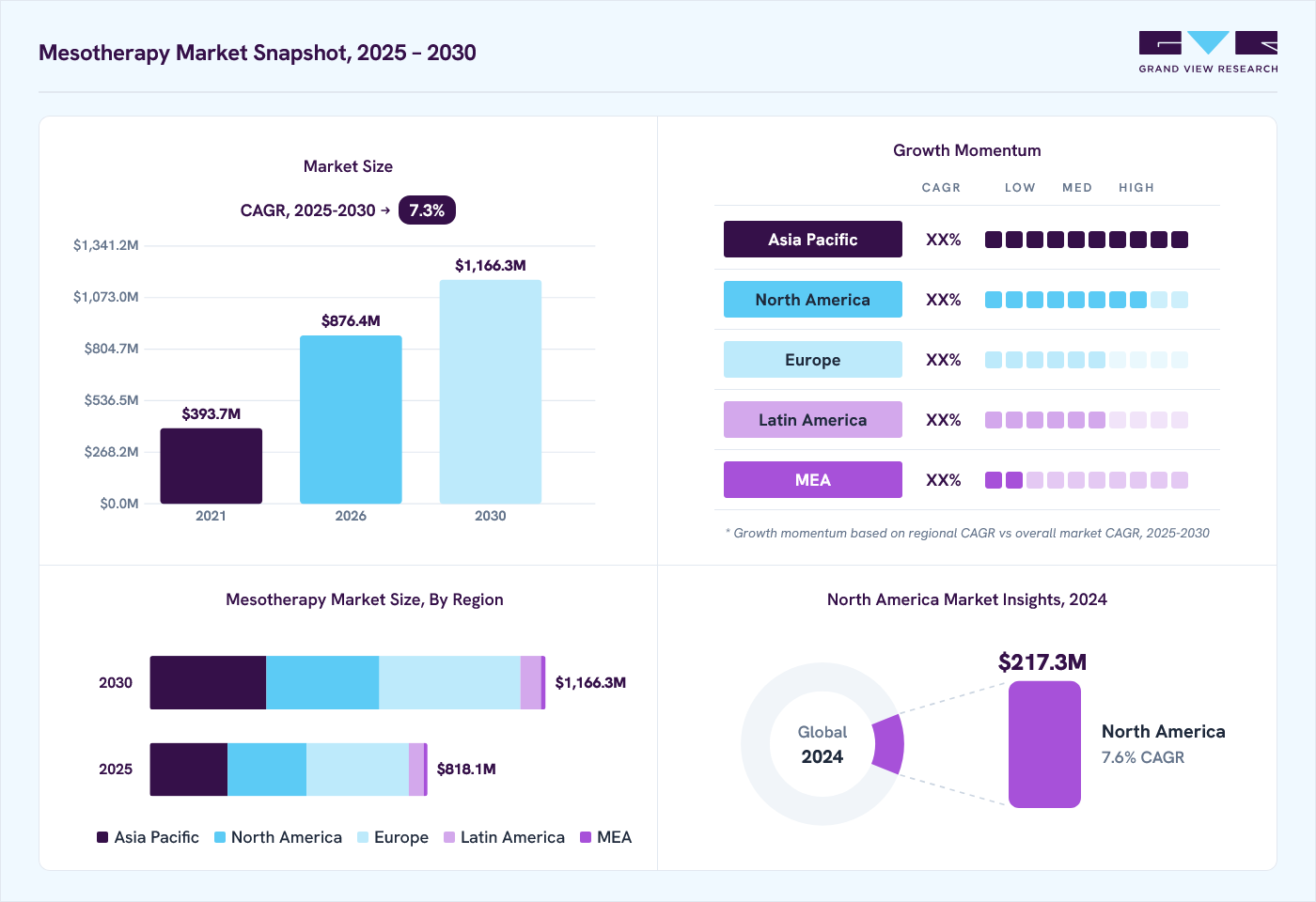
The global mesotherapy market size was valued at USD 818.1 million in 2025 and is projected to grow from USD 876.4 million in 2026 to USD 1,460.7 million by 2033, at a CAGR of 7.6% from 2026 to 2033. Europe dominated the market, accounting for a revenue share of 36.8% in 2025. The market surge can be attributed to the growing concerns about aging.
 Source: Grand View Research, IR Documents, Primary Interviews, Paid DatabasesTo learn more about this report,
 Download Free Sample Report
 Key Market Trends & Insights
- By type: Mesotherapy solutions segment led the market with the largest revenue share of 37.2% in 2025.
- By application: Anti-aging segment led the market with the largest revenue share of 38.2% in 2025.
- By end-use: Dermatology & cosmetic clinics segment led the market with the largest revenue share of 65.9% in 2025.
Regional Highlights
- Largest regional market: Europe (36.8% revenue share, 2025)
- By country: The Germany held the largest market share in 2025.
Market Size & Forecast
- Market size in 2025: USD 818.1 Million
- Estimated market size in 2026: USD 876.4 Million
- Projected market size by 2033: USD 1460.7 Million
- CAGR (2026-2033): 7.6%
Three ways to get this report
Buy it, customize it, or ask a question.Ask an Analyst
Analyst response in 1 business day
- AccessReport author, directly
- Reply timeWithin 1 working day
- No sales callDirect answer only
- FormatEmail reply
- CostFree, no cost
Get the Full Report
What the study covers
- FormatsPDF · Excel · Dashboard
- Timeline2026–2033 annual, 2025 base
- Coverage20+ countries, 5 regions
- Companies10+ key players profiled
Customize the Report
20% free customization
- IncludeCountries, segments, points
- TailorTo your product definition
- ExtendDeeper competitor detail
- OrA fully bespoke study
- Turnaround5–10 working days
As people become more conscious about age-related issues due to lifestyle shifts and stress levels, the demand for mesotherapy has increased significantly. This therapy helps address wrinkles and hair loss, rejuvenate the skin, and maintain hydration. Its applicability across different age groups has contributed to its widespread adoption. The growing preference for minimally invasive treatments such as mesotherapy over traditional surgeries is driven by shorter recovery times and reduced risks. Additionally, mesotherapy offers a more affordable alternative to costly surgical procedures, providing localized treatment with lower doses to minimize side effects. This cost-effectiveness, along with an increasing number of skilled professionals in the dermatology field, has attracted consumers looking for cosmetic enhancements without undergoing major surgery. Moreover, more women of all age groups seek mesotherapy to enhance their skin quality, fueled by increased per capita income.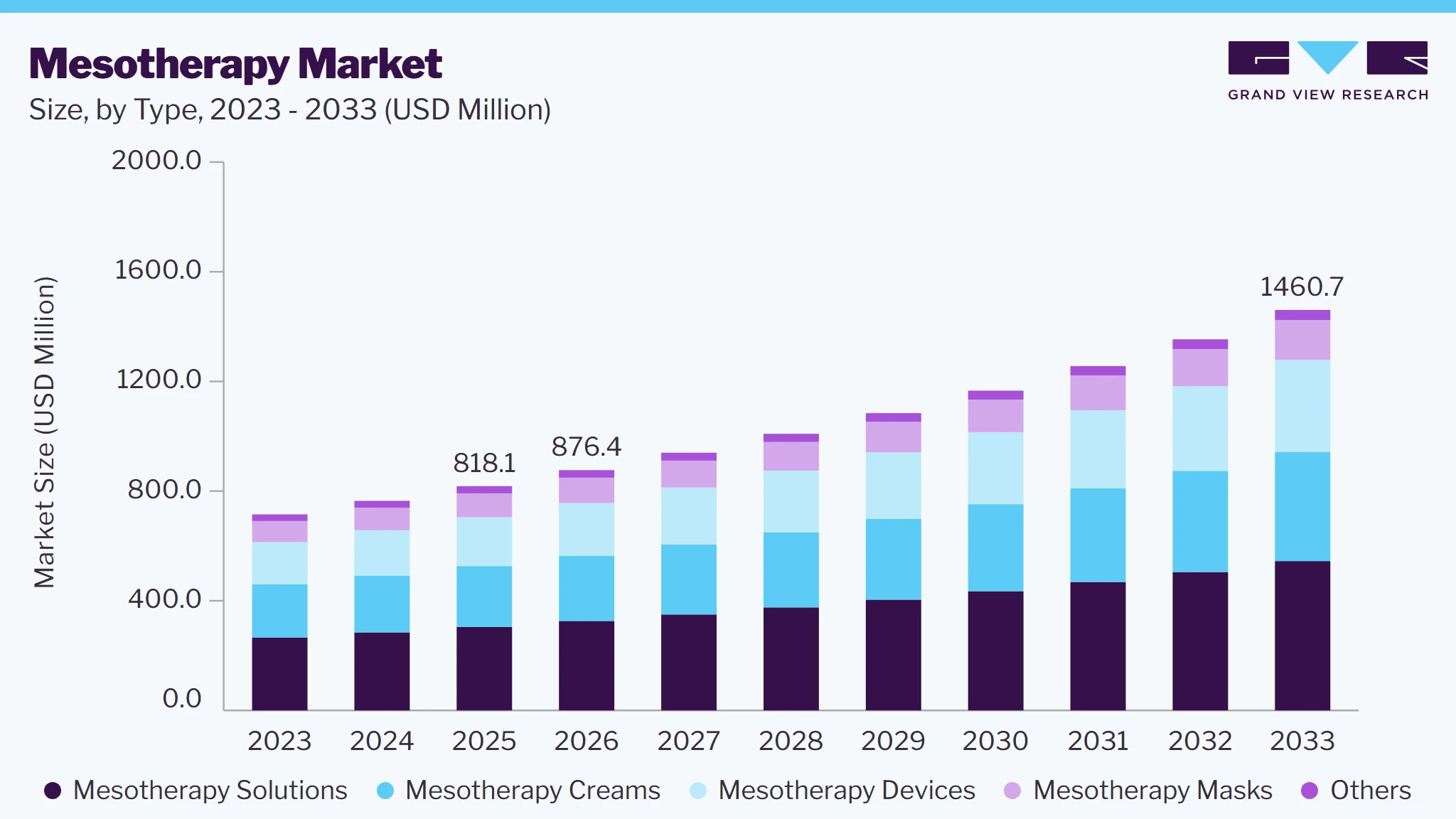 To learn more about this report, Download Free Sample Report
 The rise of social media influencers has dramatically transformed the cosmetic procedures and aesthetic treatment industries. Influencers, especially on platforms such as Instagram and TikTok, openly share their aesthetic experiences, making procedures such as mesotherapy more accessible and popular. Influencers and celebrities have reshaped societal views on beauty by normalizing cosmetic treatments and showcasing positive results. A study revealed that 90.4% of participants recognized the popularity of cosmetic procedures among influencers, with 37.9% saying before-and-after images influenced their decision. This trend has led to a surge in demand for mesotherapy.
Market Dynamics
The mesotherapy market is experiencing significant growth as consumers increasingly seek minimally invasive aesthetic and therapeutic treatments that deliver effective results with minimal downtime. Mesotherapy involves the intradermal administration of bioactive substances such as hyaluronic acid, vitamins, amino acids, peptides, polydeoxyribonucleotides (PDRN), exosomes, and other regenerative compounds to improve skin quality, hydration, rejuvenation, hair restoration, body contouring, and pigmentation management. The procedure is widely utilized across dermatology clinics, aesthetic centers, medical spas, cosmetic surgery practices, and specialty healthcare facilities for a broad range of cosmetic and therapeutic applications.
Growing consumer awareness regarding anti-aging treatments, rising demand for personalized aesthetic procedures, and increasing preference for non-surgical facial rejuvenation solutions are accelerating market adoption globally. In addition, advancements in mesotherapy formulations, microinjection techniques, automated delivery systems, and regenerative medicine technologies are enhancing treatment efficacy, safety, and patient satisfaction. The integration of innovative ingredients such as hyaluronic acid, growth factors, exosomes, and biostimulatory compounds is further expanding the clinical applications of mesotherapy beyond traditional aesthetic indications. Rising disposable incomes, growing medical tourism, increasing influence of social media on beauty trends, and expanding availability of aesthetic services continue to support market growth. Furthermore, the increasing prevalence of skin aging, hair loss disorders, pigmentation concerns, and other dermatological conditions is driving demand for advanced mesotherapy treatments across both developed and emerging healthcare markets.
Driver –Growing Demand for Minimally Invasive Skin Rejuvenation and Therapeutic Aesthetic Treatments
The increasing demand for minimally invasive aesthetic procedures that improve skin quality, hydration, and overall appearance is a major factor driving growth in the global mesotherapy market. Consumers are increasingly seeking non-surgical treatments that provide visible results with minimal downtime, lower costs, and reduced procedural risks compared to traditional cosmetic interventions. Mesotherapy has gained significant popularity for facial rejuvenation, anti-aging, hair restoration, pigmentation management, and skin hydration due to its ability to deliver active ingredients directly into the dermis. Technological advancements in formulations containing hyaluronic acid, peptides, vitamins, amino acids, and regenerative compounds are further expanding treatment applications. Clinical evidence continues to strengthen market adoption.
In October 2025, a study published in the Journal of Cosmetic Dermatology demonstrated that intradermal mesotherapy using high-molecular-weight non-cross-linked hyaluronic acid (HMWNCHA) combined with succinic acid achieved approximately 80% reduction in facial erythema, significant improvements in skin hydration and elasticity, and meaningful symptom relief in rosacea patients unresponsive to topical therapies. The findings also highlighted favorable safety outcomes and lower treatment costs compared to laser-based alternatives, reinforcing mesotherapy's growing role in both aesthetic and therapeutic dermatology.
One of the key restraints affecting the mesotherapy market is the absence of globally standardized treatment protocols and the limited availability of large-scale long-term clinical evidence supporting many mesotherapy formulations and indications. Treatment outcomes can vary significantly depending on practitioner expertise, injection techniques, ingredient combinations, treatment frequency, and patient characteristics. While numerous studies have reported favorable aesthetic and therapeutic outcomes, many investigations involve relatively small patient populations, short follow-up periods, and limited comparative analyses.
For example, despite promising 2025 findings demonstrating substantial rosacea improvements following hyaluronic acid and succinic acid mesotherapy, researchers acknowledged limitations including small sample size, lack of randomization, single-center design, and short-term follow-up. Such evidence gaps may contribute to regulatory uncertainty and varying physician acceptance across healthcare markets. Additionally, concerns regarding inconsistent product quality, off-label use of injectable formulations, and differing regional regulatory requirements can create challenges for broader clinical adoption. These factors may slow market expansion, particularly in highly regulated healthcare environments where robust evidence-based validation is required before widespread treatment acceptance.
Analyst Perspective
The mesotherapy market is poised for steady growth, driven by increasing demand for minimally invasive aesthetic procedures, rising awareness of skin rejuvenation treatments, and growing adoption of personalized cosmetic solutions. Advancements in mesotherapy formulations incorporating hyaluronic acid, peptides, PDRN, exosomes, and regenerative ingredients are expanding treatment applications across anti-aging, facial rejuvenation, hair restoration, and scar management. The market is also benefiting from the rapid expansion of dermatology clinics, medical spas, and aesthetic centers worldwide. While regulatory variations and limited standardization remain challenges, continued product innovation and increasing consumer preference for non-surgical cosmetic procedures are expected to support long-term market expansion.
Type Insights
Based on type, the mesotherapy solutions segment led the market with the largest revenue share of 37.2% in 2025. The minimal recovery time is a key factor driving the growth of mesotherapy solutions. Unlike invasive surgeries, mesotherapy allows individuals to resume their daily activities, making it highly appealing quickly. The rise of social media influencers, celebrities, and beauty professionals sharing their personal mesotherapy experiences has further fueled its popularity. Women in their 30s to 50s, seeking skin rejuvenation, anti-aging, and body contouring, make up the largest demographic, while men increasingly turn to mesotherapy to address male pattern baldness, a growing concern.
The mesotherapy devices segment is expected to grow at the fastest CAGR of 8.1% over the forecast period. The growing demand for mesotherapy devices is largely driven by their widespread use in aesthetic and cosmetic clinics for skin rejuvenation, anti-aging treatments, and body contouring. Additionally, dermatology clinics are increasingly adopting mesotherapy devices for various skin-related treatments, further fueling the market's growth. With the increase in the aging population, the demand for anti-aging treatments has increased. While women have traditionally favored aesthetic treatments, there is a significant rise in men seeking them for issues such as hair loss and skin rejuvenation. This shift is broadening the market, encouraging clinics to offer more tailored solutions designed to meet the specific needs of both men and women.
Application Insights
Based on application, the anti-aging segment led the market with the largest revenue share of 38.2% in 2025. The growing demand for anti-aging mesotherapy can be attributed to its ability to improve emotional and psychological well-being by addressing the physical effects of aging and enhancing appearance. Studies have shown that patients seeking cosmetic procedures for an aging face, such as facelifts, often experience greater psychological benefits when they desire an improved self-image before undergoing treatment. This desire for enhanced self-esteem and youthful appearance has contributed to the increasing popularity of anti-aging treatments such as mesotherapy.
The facial rejuvenation segment in the mesotherapy market is expected to grow significantly at a CAGR of 8.4% over the forecast period. Facial rejuvenation through mesotherapy is popular due to its customizable approach, allowing treatments to be tailored with specific vitamins, minerals, and active ingredients based on individual skin needs. It causes minimal discomfort, with no post-treatment pain, and most patients resume daily activities immediately. Improvements in skin texture, elasticity, brightness, and collagen production contribute to noticeable results, with patients reporting high satisfaction through self-assessments. An assessment revealed that by the end of the procedure, most patients reported improvement in the treated area.
End-use Insights
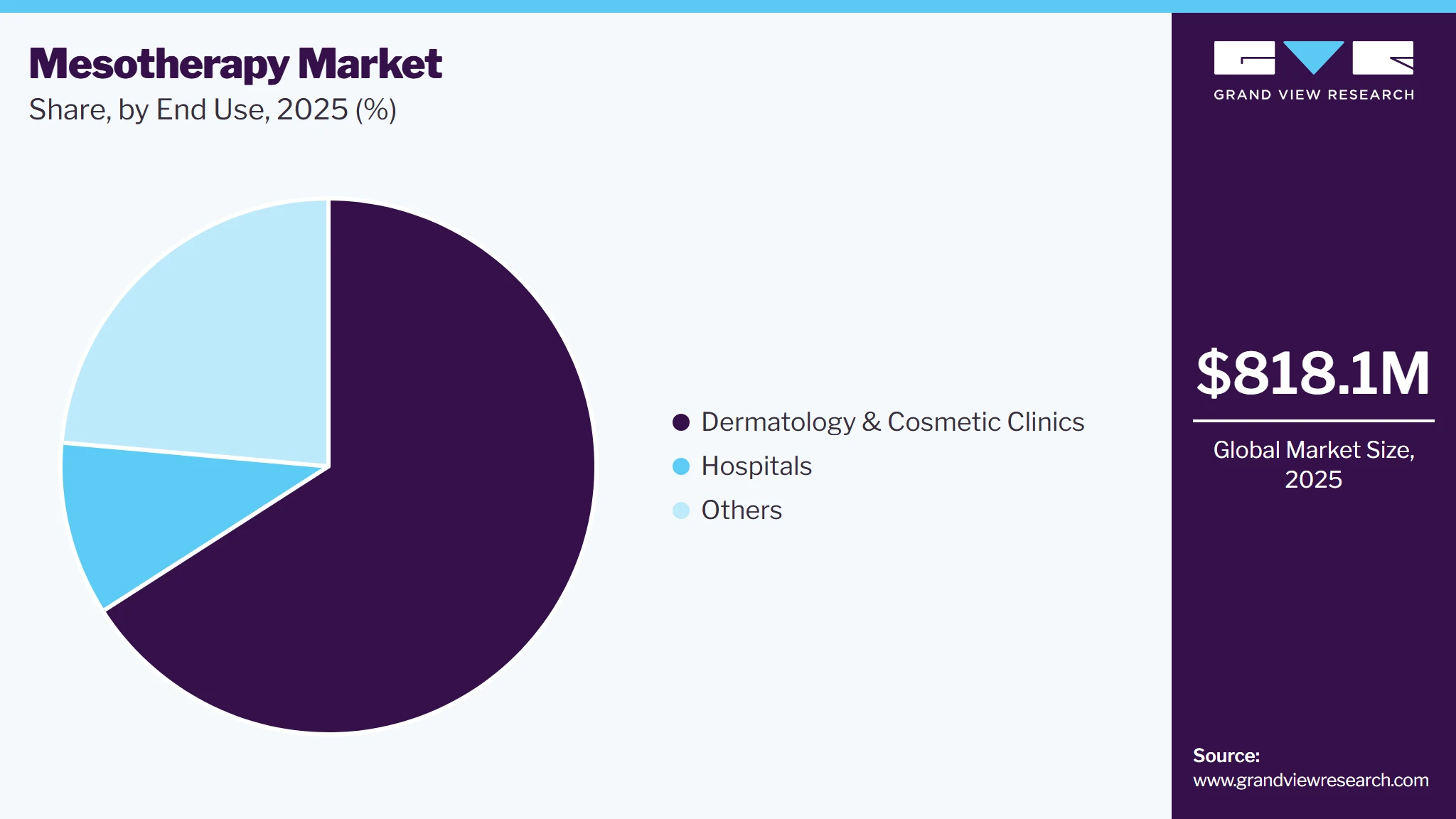
Based on end-use, the dermatology & cosmetic clinics segment led the market with the largest revenue share of 65.9% in 2025. Dermatology and cosmetic clinics play a crucial role in the popularity of mesotherapy by providing accessible, non-invasive treatments for skin rejuvenation, hair loss, and other aesthetic concerns. The rising acceptance of mesotherapy, combined with the expertise of trained professionals, has driven market growth. These clinics also serve as key distribution points for mesotherapy products and devices, ensuring widespread availability. Additionally, mesotherapy has gained popularity among celebrities, leading to continuous appointments and maintenance of youthful appearances, further boosting its demand.
 To learn more about this report, Download Free Sample Report
 The hospitals segment in the mesotherapy market is expected to grow at a significant CAGR over the forecast period. The rising prevalence of skin concerns drives it. Hospitals have increasingly embraced mesotherapy due to its non-invasive nature, providing a comprehensive approach to patient care. It complements other medical treatments, enabling hospitals to offer various services. Patients benefit from convenient access to both cosmetic and medical procedures. Additionally, growing awareness of skin disorders and the recognition of mesotherapy's benefits have encouraged hospitals to integrate this therapy into their offerings.
Regional Insights
The North America mesotherapy market held a substantial market share in 2024. These procedures are highly popular in North America due to factors such as access to skilled professionals, advanced technology, and a cultural emphasis on appearance. The growing acceptance of minimally invasive treatments has made them more accessible and less stigmatized. The U.S. leads the market with a high volume of procedures each year. Celebrities and media platforms, particularly Hollywood, normalize cosmetic treatments, influencing public perception. Widespread advertising and marketing also make these procedures more familiar and readily available to the public.
U.S. Mesotherapy Market Trends
The U.S. mesotherapy market dominated the North America market, with the highest revenue share of 88.7% in 2024. The U.S. is known for its high standards in cosmetic procedures, offering top-tier facilities and skilled dermatologists. Renowned for innovations in facelifts, breast augmentations, and reconstructive procedures, the U.S. provides a wide range of advanced treatments. Hollywood is often seen as a key driver of the mesotherapy industry, as it sets beauty standards both on and off-screen. The growing number of celebrities opting for these procedures has influenced many to follow suit, helping to gradually reduce the stigma surrounding these procedures.
Europe Mesotherapy Market Trends
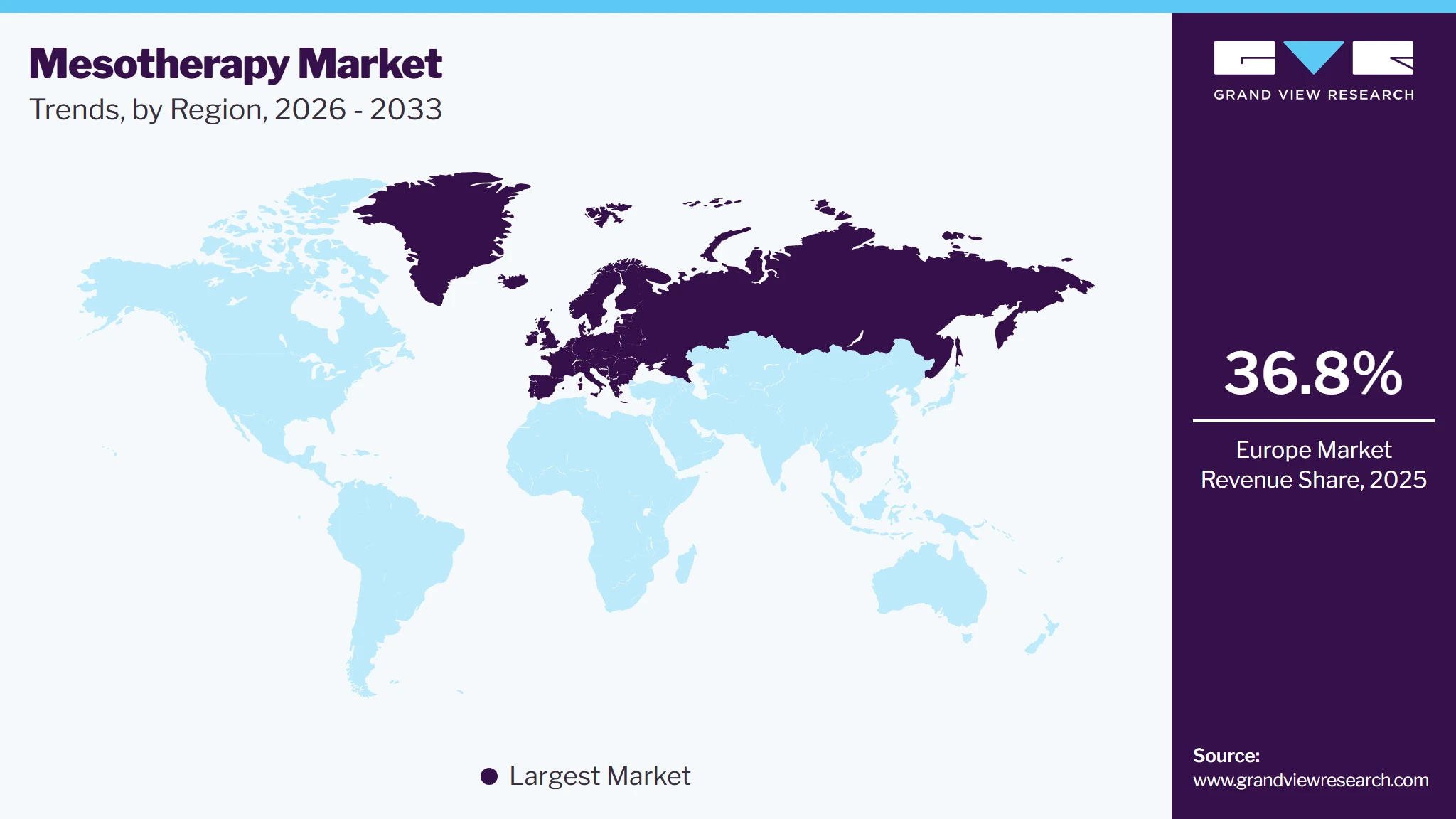
Europe dominated the mesotherapy market with the largest revenue share of 36.8% in 2025, owing to the increased localization of mesotherapy treatment with minimal doses and fewer side effects. Furthermore, major companies have heavily invested in research and development, extensive distribution networks, and training centers. Europe's aging population is driving the demand for non-invasive treatments such as mesotherapy for skin rejuvenation and anti-aging. As awareness of mesotherapy's benefits grows, there is an increasing demand for treatments targeting skin concerns, hair loss, and other aesthetic issues. The region's well-established healthcare system and competitive pricing are also attracting international patients seeking mesotherapy. Additionally, mesotherapy's expanding applications in pain management, sports medicine, and dermatology are further enhancing its appeal and contributing to market growth.
 To learn more about this report, Download Free Sample Report
 The mesotherapy market in the Germany held the largest share in the Europe region in 2025. Germany is home to several renowned mesotherapy clinics and practitioners that provide treatments for various skin concerns. According to the Federal Statistical Office of Germany (Statistisches Bundesamt), the population aged 67 and older is expected to grow from 4 million to at least 20 million by the mid-2030s. A culture that prioritizes skincare and anti-aging, combined with an aging population and a high prevalence of skin conditions, has driven the demand for mesotherapy treatments focused on skin rejuvenation and wrinkle reduction in Germany.
Asia Pacific Mesotherapy Market Trends
The Asia Pacific mesotherapy market is expected to grow at the fastest CAGR of 8.4% over the forecast period. Countries in this region have seen a growing interest in minimally invasive cosmetic procedures. Mesotherapy, being non-surgical and targeted, fits well with this trend, drawing consumers who seek treatments for skin rejuvenation and hair loss. Additionally, APAC has become a key hub for medical tourism, with countries such as South Korea, Thailand, and India offering cosmetic treatments. Mesotherapy clinics attract international patients looking for quality care at competitive prices.
The mesotherapy market in Japan dominated the Asia Pacific market with the highest revenue share in 2024. In Japan, cosmetic procedures are seen as a tool for both personal and professional growth, influenced by cultural expectations and social mobility. In Japan’s competitive job market, appearance plays a key role in making positive first impressions, particularly in corporate, media, and service industries. Cosmetic procedures are viewed as investments in career advancement, especially among young professionals. Technological advances have made treatments more affordable and accessible, aligning with Japan’s cultural values of subtlety, refinement, and enhancing natural beauty. Moreover, Japan's cultural focus on refinement and discretion influences the popularity of cosmetic procedures. For many, these treatments have become an integral part of a holistic self-care routine, similar to fitness or skin care.
Key Mesotherapy Company Insights
Key companies in the global mesotherapy market include Koru Pharma Co., Ltd.; Fusion Meso; Toskani Cosmetics; and Persebelle; among others. Top mesotherapy companies stay competitive by focusing on innovation and developing new formulations to address various skin and hair concerns. They ensure practitioners are well-trained and certified, enhancing credibility. Investing in marketing, including collaborations with influencers, boosts brand visibility. Companies expand globally and ensure accessibility through clinics and medical spas. Adhering to safety regulations builds consumer trust, while personalized customer support increases satisfaction and loyalty. Competitive pricing strategies allow them to reach broader markets while maintaining high-quality standards.
-
Koru Pharma Co., Ltd. specializes in developing and manufacturing innovative mesotherapy products for skin rejuvenation and aesthetic treatments. One of its flagship offerings is “Mesoheal,” a mesotherapy solution designed to address various skin concerns by rejuvenating and revitalizing the skin. Professionals in clinics and dermatology practices widely use the company's products for targeted treatments that improve skin elasticity, hydration, and texture.
-
Fusion Meso offers a comprehensive range of products designed to enhance various aesthetic procedures, including mesotherapy. Their offerings include sterile formulations that can be used in conjunction with microneedling therapies, providing targeted solutions for skin rejuvenation, hair loss, and other aesthetic concerns. Their product line encompasses ceramide moisturizer cream, vitamin C 5.0 highly concentrated serum, f-eye glow, and many others.
Key Mesotherapy Companies
The following key companies have been profiled for this study on the mesotherapy market.
-
Koru Pharma Co., Ltd.
-
Fusion Meso
-
Toskani Cosmetics
-
Persebelle
-
Dermaqual
-
Mesoskinline
-
OstarBeauty
-
Mesotech S.r.l.
-
Institute BCN
-
Dermoaroma
Competitive Benchmarking
Operating Strategies
Competitive Edge
Weakness
Established Players (Koru Pharma Co., Ltd.; Fusion Meso; Toskani Cosmetics; Persebelle; Dermaqual; Mesoskinline)
- Established companies focus on expanding comprehensive mesotherapy portfolios comprising injectable solutions, skin rejuvenation products, hair restoration formulations, anti-aging treatments, and professional mesotherapy devices.
- They emphasize clinical validation, practitioner training programs, international distribution expansion, strategic partnerships with dermatology clinics and aesthetic centers, and continuous formulation innovation involving hyaluronic acid, peptides, vitamins, PDRN, and regenerative ingredients.
- Strong brand recognition, extensive distribution networks, and long-standing relationships with dermatologists, aesthetic physicians, medical spas, and cosmetic clinics support sustained market leadership.
- Broad product portfolios, established safety profiles, clinical evidence, and significant investment capabilities enable continuous innovation and successful penetration into both mature and emerging aesthetic markets.
- Dependence on premium product positioning may create pricing challenges in cost-sensitive markets.
- Regulatory compliance requirements across multiple countries can increase operational complexity and commercialization timelines.
- Large organizational structures may reduce flexibility in responding rapidly to emerging aesthetic trends and niche treatment demands.
Emerging Players (OstarBeauty; Mesotech S.r.l.; Institute BCN; and Dermoaroma)
- Emerging companies prioritize innovative mesotherapy formulations, specialty-focused aesthetic solutions, personalized treatment products, and cost-effective alternatives to premium brands.
- Many focus on introducing advanced active ingredients, expanding regional presence, collaborating with aesthetic practitioners, and targeting rapidly growing medical spa and cosmetic clinic segments.
- Agile development processes enable faster introduction of new formulations and adaptation to changing consumer preferences.
- Competitive pricing, niche product specialization, and the ability to rapidly incorporate emerging ingredients such as exosomes, growth factors, and regenerative compounds provide opportunities to gain market share.
- Limited global brand recognition and smaller distribution infrastructures may restrict international expansion.
- Lower financial resources can constrain large-scale clinical studies, marketing investments, and regulatory activities.
- Dependence on third-party distributors and increasing competition from established aesthetic companies may challenge long-term growth and market penetration.
Recent Developments
-
In November 2024, Mesotech participated in Aestetica 2024 in Napoli, an important event for the aesthetics industry. The company showcased its latest innovations in mesotherapy, focusing on its high-quality products and cutting-edge treatments. Aestetica is an exhibition for professionals in the medical aesthetics field, attracting experts and clinicians from around the world. Mesotech's presence at the event underscored its commitment to advancing aesthetic medicine and connecting with professionals to promote its mesotherapy solutions.
Mesotherapy Market Report Scope
Report Attribute
Details
Market size in 2025
USD 818.1 million
Estimated market size in 2026
USD 876.4 million
Projected market size by 2033
USD 1,460.7 million
Growth rate
CAGR of 7.6% from 2026 to 2033
Historical data
2021 - 2024
Forecast period
2026 - 2033
Quantitative units
Revenue in USD million/billion and CAGR from 2026 to 2033
Report coverage
Revenue forecast, company ranking, competitive landscape, growth factors, and trends
Segments covered
Type, application, end-use, region
Regional scope
North America; Europe; Asia Pacific; Latin America; MEA
Country scope
U.S.; Canada; Mexico; Germany; UK; France; Italy; Spain; China; Japan; India; South Korea; Thailand; Brazil; Argentina; Colombia; Saudi Arabia; South Africa; UAE
Key companies profiled
Koru Pharma Co., Ltd.; Fusion Meso; Toskani Cosmetics; Persebelle; Dermaqual; Mesoskinline; OstarBeauty; Mesotech S.r.l.; Institute BCN; and Dermoaroma
Customization scope
Free report customization (equivalent up to 8 analysts' working days) with purchase. Addition or alteration to country, regional & segment scope.
Pricing and purchase options
Avail customized purchase options to meet your exact research needs. Explore purchase options
Global Mesotherapy Market Report Segmentation
This report forecasts revenue growth at global, regional, and country levels and provides an analysis of the latest industry trends in each of the sub-segments from 2021 to 2033. For this study, Grand View Research has segmented the global mesotherapy market report based on type, application, end-use, and region:
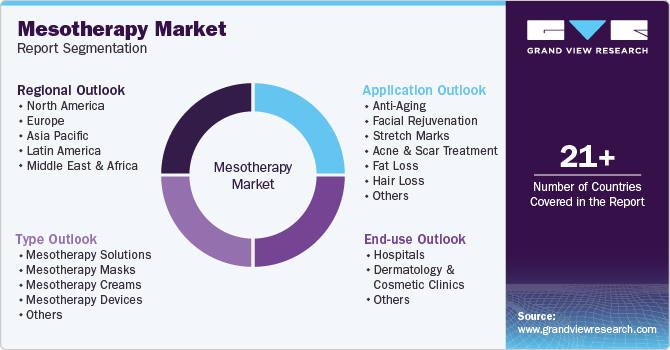 To learn more about this report, Download Free Sample Report
 -
Type Outlook (Revenue, USD Million; 2021 - 2033)
-
Mesotherapy Solutions
-
Mesotherapy Masks
-
Mesotherapy Creams
-
Mesotherapy Devices
-
Others
-
-
Application Outlook (Revenue, USD Million; 2021 - 2033)
-
Anti-Aging
-
Facial Rejuvenation
-
Stretch Marks
-
Acne & Scar Treatment
-
Fat Loss
-
Hair Loss
-
Others
-
-
End-use Outlook (Revenue, USD Million; 2021 - 2033)
-
Hospitals
-
Dermatology & Cosmetic Clinics
-
Others
-
-
Regional Outlook (Revenue, USD Million; 2021 - 2033)
-
North America
-
U.S.
-
Canada
-
-
Europe
-
UK
-
Germany
-
France
-
Italy
-
Spain
-
Denmark
-
Sweden
-
Norway
-
-
Asia Pacific
-
Japan
-
China
-
India
-
Australia
-
South Korea
-
-
Latin America
-
Brazil
-
Mexico
-
Argentina
-
-
Middle East & Africa
-
South Africa
-
Saudi Arabia
-
UAE
-
Kuwait
-
-
Research Methodology
The mesotherapy market figures in this report are based on a proven research process that combines executive interviews with secondary research from proprietary databases, company filings, and recognized regulatory and institutional sources. Market size is built through value-chain sizing-reconciling supply-side and demand-side estimates-and triangulated with bottom-up and top-down approaches. Every estimate passes multiple levels of expert validation before publication, with each mesotherapy segment quantified using the revenue-capture definitions in the table below.
Segment Definition
Segment – Type
Revenue capture definition
Mesotherapy Solutions
Revenue captured from injectable mesotherapy formulations containing hyaluronic acid, vitamins, minerals, amino acids, peptides, PDRN, exosomes, and other active ingredients administered intradermally for aesthetic and therapeutic purposes. This segment includes single-use ampoules, vials, and ready-to-use injectable solutions used in skin rejuvenation, hair restoration, and body contouring treatments.
Mesotherapy Masks
Revenue generated from mesotherapy-inspired facial masks designed to complement professional treatments by enhancing hydration, skin repair, and nutrient delivery. These products are commonly used in post-procedure care and aesthetic skincare regimens to improve treatment outcomes and patient satisfaction.
Mesotherapy Creams
Revenue flows from the sale of disposable electrosurgical pencils, electrodes, vessel sealing instruments, bipolar and monopolar accessories, smoke evacuation consumables, and other energy-based surgical devices. Manufacturers generate value through recurring purchases of procedure-specific consumables, while also benefiting from installed bases of electrosurgical generators that drive ongoing demand for compatible disposable accessories.
Mesotherapy Devices
Revenue captured from specialized devices used to administer mesotherapy treatments, including mesoguns, automated injection systems, microneedling devices, electroporation systems, and other delivery technologies. This segment includes both professional-grade and clinic-based equipment used for precise ingredient delivery.
Others
Revenue generated from additional mesotherapy-related products such as serums, post-treatment care products, consumables, needles, syringes, and emerging delivery systems that support mesotherapy procedures and patient care.
Segment – Application
Revenue capture definition
Anti-aging
Revenue captured from mesotherapy treatments and products used to reduce wrinkles, fine lines, skin laxity, and other visible signs of aging. This segment includes procedures designed to improve collagen production, skin elasticity, hydration, and overall skin quality.
Facial Rejuvenation
Revenue generated from mesotherapy procedures aimed at enhancing skin texture, radiance, hydration, and facial appearance. Treatments commonly address dull skin, uneven skin tone, dehydration, and overall skin revitalization through targeted delivery of active ingredients.
Stretch Marks
Revenue derived from mesotherapy treatments used to improve the appearance of stretch marks by stimulating collagen synthesis, tissue regeneration, and skin remodeling. This segment includes treatments performed on various body areas affected by striae.
Acne & Scar Treatment
Revenue captured from mesotherapy procedures used to manage acne, acne scars, post-inflammatory pigmentation, and other skin imperfections. Treatments focus on skin regeneration, inflammation reduction, tissue repair, and improvement of overall skin texture.
Fat Loss
Revenue generated from mesotherapy applications designed to reduce localized fat deposits and improve body contouring. These treatments utilize lipolytic substances and other active ingredients to support non-surgical fat reduction procedures.
Hair Loss
Revenue derived from mesotherapy treatments for androgenetic alopecia, thinning hair, and other hair loss conditions. The segment includes scalp injections containing vitamins, peptides, growth factors, and regenerative ingredients that support hair follicle health and hair growth.
Others
Revenue captured from additional therapeutic and aesthetic applications, including rosacea management, pigmentation disorders, skin hydration, cellulite reduction, wound healing, and other emerging dermatological indications.
Segment – End-use
Revenue capture definition
Hospitals
Revenue generated from mesotherapy products, devices, and procedures performed within hospital settings, including dermatology departments, cosmetic surgery units, and specialized aesthetic treatment centers. Hospitals typically provide mesotherapy as part of broader dermatological and cosmetic treatment programs.
Dermatology & Cosmetic Clinics
Revenue captured from mesotherapy procedures performed in dermatology clinics, aesthetic medicine centers, cosmetic clinics, and medical spas. This segment represents the primary end-user category due to the high volume of elective aesthetic and skin rejuvenation treatments.
Others
Revenue derived from mesotherapy services and products utilized in ambulatory care centers, wellness clinics, beauty centers, research institutions, and other healthcare or aesthetic facilities offering mesotherapy-related treatments.
Estimation Model
Layer Name
Key Question
Description
Data Sources
Scope Definition
What is being sized?
1. Triangulate data from aesthetic clinics, dermatology centers, manufacturers, distributors, and regulatory authorities.
2. Scope Type, Application, and End-Use Segments
3. Establish Geographic Coverage (Global/Regional)
4. Align on base year & forecast horizon (2026–2033)
ASCRS, ESCP, WHO, FDA, CE Mark
Build the Product Base
How large is total addressable market?
1. Gather patient population and procedure volume data
2. Estimate annual procedure volumes across aesthetic clinics, dermatology centers, medical spas, and cosmetic surgery practices.
3. Apply patient eligibility, treatment frequency, and repeat-procedure assumptions.
4. Forecast demand based on rising aesthetic awareness, aging populations, disposable income growth
National inpatient databases, hospital procurement databases, health ministry surgery registries
Estimate Penetration
What portion of procedures use disposable devices?
1. Evaluate treatment demand across various aesthetic indications and patient demographics.
2. Map adoption rates of mesotherapy relative to competing aesthetic treatments
3. Analyze penetration across dermatology clinics, medical spas, cosmetic centers, and hospitals.
4. Validate estimates through clinic surveys, manufacturer sales data, product launches, and practitioner interviews.
Primary interviews, company filings, trade surveys
Revenue Conversion
How does volume become revenue?
1. Collect pricing data for mesotherapy products, treatment sessions, and practitioner fees.
2. Segment revenues by type, application, end user, and geography.
3. Apply Regional Pricing Variations
4. Cross-check with Company Revenues and Trade Data
Distributor pricing sheets, procurement data, import/export databases, expert interviews
Delivered Customizations
This report has been delivered with the following In-depth customizations
Client Request
Customization Delivered
Value Adds
Technological Advancements in Mesotherapy
Conducted a comprehensive assessment of technological developments in the mesotherapy market, focusing on injectable skin rejuvenation solutions, advanced mesotherapy formulations, hyaluronic acid-based treatments, PDRN, exosomes, peptides, vitamins, and biostimulatory agents.
The study evaluated innovations in injection techniques, automated mesotherapy delivery systems, microinjection devices, combination therapies, and personalized aesthetic treatment approaches. Regulatory developments, product launches, clinical studies, and strategic partnerships among aesthetic companies, dermatology clinics, and medical spas were also analyzed.
This analysis enables stakeholders to identify innovation-driven growth opportunities and understand emerging trends in minimally invasive aesthetic procedures.
The insights support product development, treatment portfolio expansion, and strategic planning while highlighting advancements that improve patient outcomes, treatment precision, and practitioner efficiency.
Competitive Landscape and Product Benchmarking Analysis
Conducted an in-depth evaluation of leading mesotherapy product manufacturers and aesthetic companies based on product portfolios, ingredient technologies, clinical evidence, regulatory approvals, pricing strategies, distribution networks, and geographic presence.
The study assessed differentiation factors such as treatment efficacy, duration of results, safety profiles, patient satisfaction, and practitioner adoption. Strategic developments including mergers, acquisitions, partnerships, and new product launches were also examined.
This assessment helps stakeholders benchmark market positioning, identify competitive advantages, and evaluate growth strategies adopted by industry participants.
The analysis supports investment decisions, partnership opportunities, product differentiation initiatives, and market entry planning while providing insights into evolving competitive dynamics.
Geographical Expansion Analysis – Global Mesotherapy Market
Conducted a detailed geographical assessment of the mesotherapy market across North America, Europe, Asia Pacific, Latin America, and the Middle East & Africa.
The study analyzed aesthetic procedure volumes, consumer demand for minimally invasive treatments, disposable income trends, regulatory frameworks, healthcare infrastructure, and medical tourism developments. Country-level growth opportunities and market penetration strategies were also evaluated.
This geographical analysis enables stakeholders to identify high-growth markets and optimize regional expansion strategies.
The study highlights differences in consumer preferences, regulatory requirements, aesthetic treatment adoption, and practitioner availability, supporting informed business decisions and long-term growth planning.
Frequently Asked Questions About This Report
Some key players operating in the mesotherapy market include Mesoskinline, Koru Pharmaceuticals, Fusion Meso, Toskani Cosmetics, Perse Belle, Dermo Aroma, Pluryal, and Messoessence.
Key factors driving the market growth include the rise in the adoption of mesotherapy, the increasing middle-aged population concerned about appearance, and the growing number of cosmetic clinics offering Mesotherapy treatments. In addition, growing medical tourism for cosmetic procedures is contributing to the market growth.
The mesotherapy solutions segment dominated the market and accounted for the largest revenue share of 37.2% in 2025.
In 2025, the anti-aging segment dominated the mesotherapy market and accounted for the largest revenue share of 38.2%.
The dermatology and cosmetic clinics segment dominated the mesotherapy market and accounted for the largest revenue share of 65.9% in 2025.
The global mesotherapy market size was estimated at USD 818.1 million in 2025 and is expected to reach USD USD 876.4 million.
The global mesotherapy market is expected to grow at a compound annual growth rate of 7.6% from 2026 to 2033 to reach USD 1,460.7 million by 2033.
In 2025, Europe dominated the mesotherapy market and held the largest revenue share of 36.8%.
About the Author(s)
Medical Devices Research Team
Healthcare · Medical DevicesThis report was authored by the medical devices research team at Grand View Research - comprising two research analysts, one senior research analyst, and one industry expert - with specialized expertise in the medical devices segment of the healthcare industry. All findings are based on proprietary healthcare databases, executive interviews, and regulatory analysis, subject to internal peer review prior to publication.
Last Updated:
Speak to Analyst

Customize this report to your needs - add regions, segments, or data points, with 20% free customization.
Or view our licence options:


ISO 9001:2015 & 27001:2022 Certified
We are GDPR and CCPA compliant! Your transaction & personal information is safe and secure. For more details, please read our privacy policy.


