
- Home
- »
- Medical Devices
- »
-
Mesotherapy Products Market Size, Share Report 2026-2033GVR Report cover
![Mesotherapy Products Market (2026 - 2033)Report]()
Mesotherapy Products Market (2026 - 2033)
Size, Share & Trends Analysis Report By Product (Hyaluronic Acid (Non-crosslinked) Revitalizers, Polynucleotides (PN)/PDRN Injectables, Vitamin), By Form Factors, By Indication, By Application, By End Use, By Region, And Segment Forecasts
Market Size, 2025
$82.1MMarket Estimate, 2026
$87.4MMarket Forecast, 2033
$151.6MCAGR, 2026–2033
8.4%Mesotherapy Products Market Summary
The global mesotherapy products market size was valued at USD 82.1 million in 2025 and is projected to grow from USD 87.4 million in 2026 to USD 151.6 million by 2033, at a CAGR of 8.4% from 2026 to 2033. The market in Europe dominated with a revenue share of 44.3% in 2025. This growth is driven by the rising demand for minimally invasive aesthetic treatments, increasing focus on skin quality enhancement, and expanding consumer interest in preventive anti-aging solutions.

Key Market Trends & Insights
- By product: Hyaluronic acid (non-cross-linked) revitalizers segment held the largest market share of 34.8% in 2025.
- By form factors: Vials segment held the largest market share of 43.4% in 2025.
- By indication: Aging/revitalization (hydration, texture, glow, fine lines) segment held the largest market share of 36.1% in 2025.
- By application: Face segment held the largest market share of 43.5% in 2025.
- By end use: Aesthetic clinics/medspas segment held the largest market share of 31.6% in 2025.
Regional Highlights
- Largest regional market: Europe (44.3% revenue share, 2025)
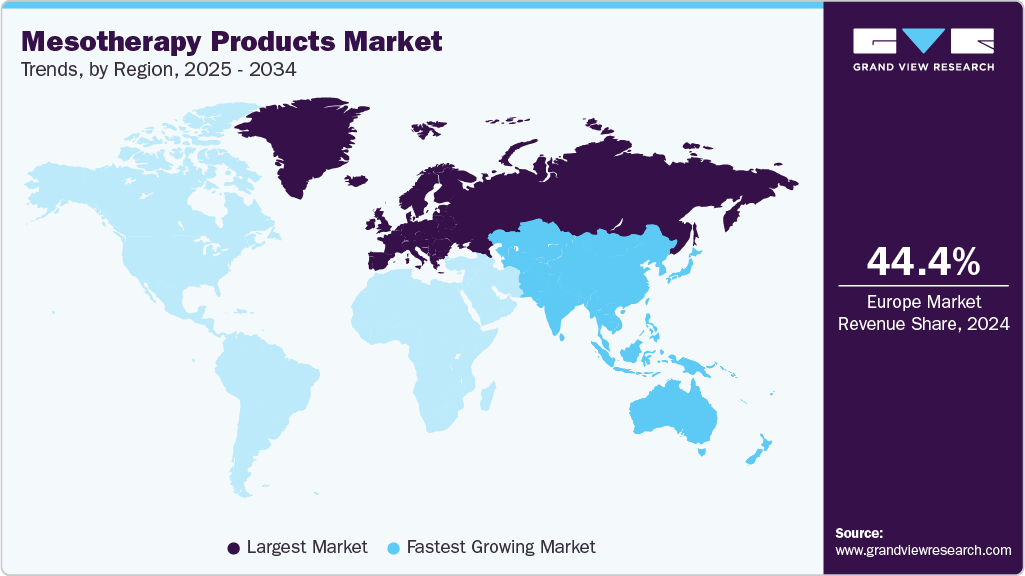
- Fastest-growing regional market: Asia Pacific (highest CAGR, 2026-2033)
- By country: Germany held the largest market share in 2025
Market Size & Forecast
- Market size in 2025: USD 82.1 Million
- Estimated market size in 2026: USD 87.4 Million
- Projected market size by 2033: USD 151.6 Million
- CAGR (2026-2033): 8.4%
The growing prevalence of concerns such as dehydration, fine lines, pigmentation, and hair thinning has strengthened the adoption of injectable formulations that offer natural-looking improvements with minimal downtime. Advancements in hyaluronic acid revitalizers, polynucleotide injectables, and customized meso-cocktails have further improved treatment safety and efficacy, supporting wider clinical use.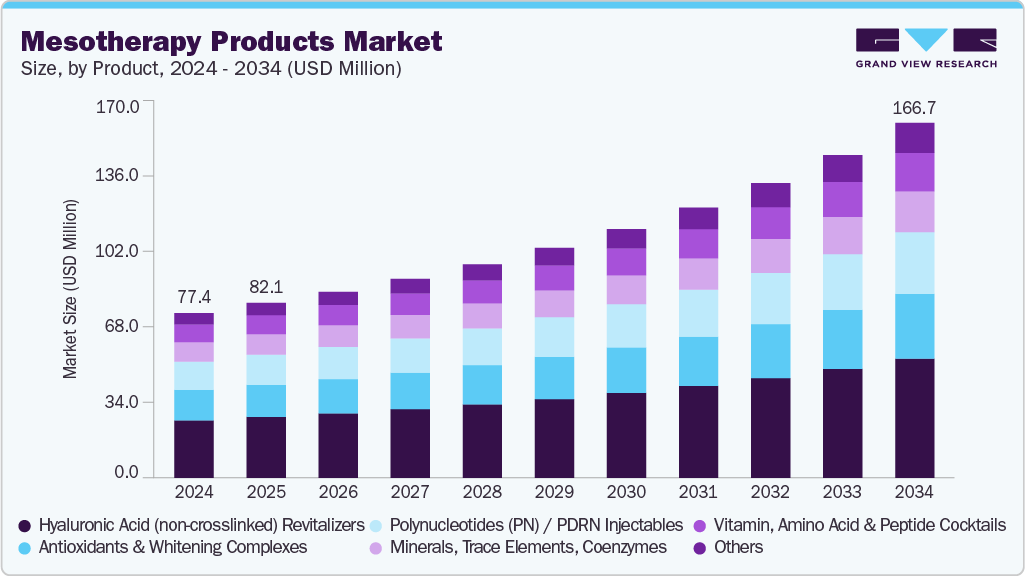
People are increasingly opting for non-surgical cosmetic enhancements that provide visible results without the risks and recovery time associated with traditional surgery. The global demand for minimally invasive procedures surged in 2023; according to the American Society of Plastic Surgeons (ASPS), minimally invasive procedures grew by about 7% that year, outpacing surgical procedures. This shift reflects changing consumer preferences toward treatments that provide effective cosmetic results with fewer risks, shorter recovery periods, and lower overall costs. Patients are increasingly seeking procedures that can be performed quickly, often in outpatient settings, allowing them to return to their daily routines with minimal interruption. Growing awareness of these benefits, combined with advancements in technologies and products that enhance treatment outcomes, is encouraging more people to choose minimally invasive options over traditional surgical alternatives.
Rising hair loss and skin disorders among younger people are becoming clear drivers for growth in the mesotherapy products market. Young adults are experiencing hair thinning at an earlier age: approximately 25% of men begin losing hair by age 30, and hair-loss conditions also affect a substantial share of women. This early onset increases demand for cosmetic and restorative treatments that work quickly and with minimal downtime. At the same time, common skin problems remain highly prevalent in younger age groups. Acne affects roughly 85% of people aged 12-25 and continues to be one of the top skin complaints worldwide; persistent or scarring acne often pushes younger patients toward in-clinic treatments beyond topical drugs. These conditions heighten consumer willingness to try clinic-based, injectable, and minimally invasive solutions that promise visible results.
The rapid expansion of aesthetic clinics and the rising trend of medical tourism are becoming key drivers of the growing demand for mesotherapy products. In recent years, countries such as India have seen a significant increase in specialized clinics offering cosmetic and aesthetic treatments, ranging from laser and energy-based skin rejuvenation to injectables and mesotherapy. Medical tourism amplifies this trend further. Patients from abroad are increasingly traveling to countries like India, drawn by high‑quality treatments at costs often substantially lower than in Western nations. For example, a major aesthetic clinic chain in India recently reported that over 15% of its patients come from overseas, illustrating how global demand contributes significantly to the clinic's business volume.
Market Dynamics
The mesotherapy products market is gaining significant traction as dermatology clinics, aesthetic centers, medical spas, plastic surgery practices, and outpatient cosmetic treatment facilities increasingly adopt minimally invasive injectable solutions to address skin aging, pigmentation, hair loss, cellulite, localized fat deposits, and overall skin rejuvenation. These products encompass a broad range of injectable formulations, including hyaluronic acid-based solutions, vitamins, minerals, amino acids, peptides, antioxidants, plant extracts, coenzymes, and fat-dissolving compounds specifically designed to improve skin quality and aesthetic appearance.
These advanced formulations enable practitioners to deliver targeted bioactive ingredients directly into the mesodermal layer of the skin, enhancing hydration, collagen synthesis, skin elasticity, tissue regeneration, and localized fat metabolism. Mesotherapy products help healthcare providers and aesthetic practitioners address a growing range of cosmetic concerns, including facial aging, skin laxity, alopecia, cellulite, hyperpigmentation, and body contouring requirements. Increasing emphasis on minimally invasive aesthetic procedures, natural-looking outcomes, preventive aesthetics, and personalized cosmetic treatments is driving the adoption of mesotherapy products across both developed and emerging aesthetic markets.
People increasingly prefer non-surgical cosmetic enhancements that offer visible results without the risks and recovery time associated with traditional surgery. The global demand for minimally invasive procedures surged in 2023; according to the American Society of Plastic Surgeons (ASPS), minimally invasive procedures grew by about 7% that year, outpacing surgical procedures. This shift reflects changing consumer preferences toward treatments that provide effective cosmetic results with fewer risks, shorter recovery periods, and lower overall costs. Patients are increasingly seeking procedures that can be performed quickly, often in outpatient settings, allowing them to return to daily routines with minimal interruption. Growing awareness of these benefits, combined with advancements in technologies and products that enhance treatment outcomes, is encouraging more people to choose minimally invasive options over traditional surgical alternatives.
Mesotherapy fits well into this trend as it is a minimally invasive treatment that delivers vitamins, hyaluronic acid, amino acids, minerals, antioxidants, and other bioactive compounds directly into the skin’s middle layer (mesoderm) using microinjections. By targeting this layer, mesotherapy enhances skin hydration, stimulates collagen and elastin production, and improves microcirculation, which leads to natural skin rejuvenation and gradual improvement in skin texture and tone. One of its key advantages is that it can be customized with different formulations depending on the patient’s skin concerns, making it a highly adaptable treatment option in aesthetic practice. Mesotherapy is widely used for treating stretch marks by stimulating tissue repair and improving skin elasticity, while its brightening and depigmentation cocktails help reduce hyperpigmentation and even out skin tone. For hair fall, mesotherapy introduces nutrients that nourish hair follicles, stimulate growth factors, and improve scalp circulation, offering a non-surgical alternative for addressing thinning hair. It is also used for localized fat reduction, where lipolytic formulations help break down fat deposits in areas like the abdomen, thighs, and chin with minimal discomfort.
The growing acceptance of aesthetic procedures and rising social media influence are making treatments like mesotherapy more mainstream. According to the International Society of Aesthetic Plastic Surgery (ISAPS), total aesthetic procedures reached nearly 35 million in 2023, with non-surgical treatments representing a significant share. Industry reports indicate that global demand for non-invasive treatments, including injectables and skin rejuvenation, is expected to rise in the coming years, reflecting strong consumer interest in convenient and effective cosmetic solutions. In this context, the demand for mesotherapy products is expected to grow as consumers continue to seek safer, quicker, and less disruptive beauty treatments.
High treatment costs and limited reimbursement are significant restraints for the growth of the mesotherapy products market. Mesotherapy typically requires multiple sessions, specialised injectables, and trained clinicians, all of which push the high cost for a single patient to several thousand dollars, depending on the treatment area, country, and overall environment. Many clinic pages and patient guides note that mesotherapy often isn’t covered by health insurance because it’s classified as cosmetic, so consumers must pay directly for each session. For instance, as per the blog published by Aesthetic & cosmetic surgeons "Mesotherapy is generally categorized as an aesthetic treatment, which means health insurance typically does not cover its expenses. However, certain clinics provide installment plans or financing alternatives to make the procedure more affordable for patients who need help managing the cost." As insurers exclude cosmetic procedures from standard coverage, buyers weigh cost much more heavily than for medically reimbursed treatments. This makes the treatment expensive for many people and discourages those who are sensitive to price, even if they are interested in trying it. As a result, the lack of reimbursement limits the overall demand, especially in countries where consumers depend heavily on insurance to manage healthcare expenses. This situation slows market growth because fewer buyers are willing or able to pay high costs repeatedly for non-essential treatments.
High cost also encourages shortcuts that harm the market’s reputation: price pressure pushes some providers to offer lower-cost, lower-quality products or unregulated “at-home” kits and to market via social platforms rather than through accredited clinics. That combination raises safety concerns and regulatory scrutiny, which in turn can reduce clinic willingness to invest in new mesotherapy product lines. Clinical reviews and expert warnings highlight complications and the need for standardization factors that increase provider overhead which also contributes to the increased cost for consumers as well. Social media has increased awareness and interest in mesotherapy and similar injectable treatments, attracting many new customers. However, this trend does not translate into insured or financially supported demand, so consumers often look for cheaper options or try low-cost providers, which can be risky. These risk factors and cost barriers will keep limiting the market’s growth and reach a wider customer base.
Market Concentration & Characteristics
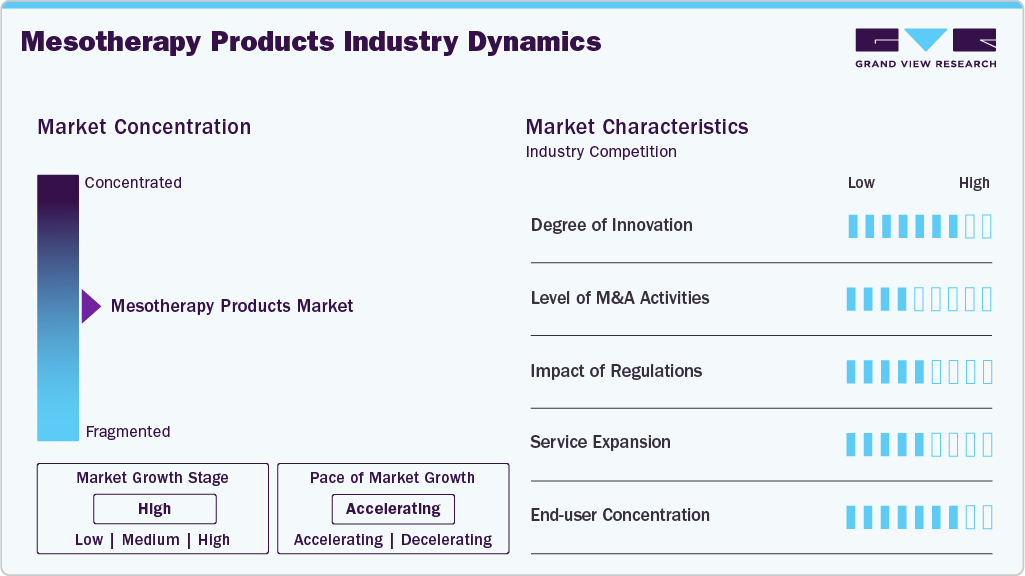
The mesotherapy products industry is moderately concentrated, with key companies such as Laboratoires FILLMED, Revitacare, Mesoestetic, and Mastelli s.r.l. holding a notable share of the market. These players offer a wide range of injectable solutions containing vitamins, minerals, hyaluronic acid, peptides, and plant-based ingredients designed for skin rejuvenation, hair restoration, and body contouring. The market is evolving steadily due to ongoing product innovation, customized treatment formulations, and growing preference for minimally invasive aesthetic procedures. The rising demand for anti-aging, skin brightening, and hair-loss treatments across diverse age groups is supporting market growth and attracting new entrants with specialized and targeted mesotherapy solutions.
The market is undergoing major innovations and advancements. For instance, in January 2025, Maypharm launched its hybrid mesotherapy filler Hyalmass Aqua-Exosome, which blends hyaluronic acid with exosomes and PDRN to deliver improved skin hydration, elasticity, and regeneration. Such R&D efforts are important as they help expand the mesotherapy market, moving beyond basic hydration or wrinkle reduction to offer deeper skin rejuvenation, longer-lasting results, and even regenerative benefits.
Partnering and collaborating play a major role in learning how to get access to the new, different technological ways, and also being able to enhance the dermal fillers. For instance, in August 2025, PharmaResearch signed a strategic partnership with Laboratoires VIVACY to distribute its flagship skin‑booster brand Rejuran across 22 European countries, including major markets such as the UK, Germany, and France. The deal, worth approximately USD 63.64 (Euro 54.5) million over five years, is intended to leverage VIVACY’s extensive commercial network to introduce and expand Rejuran’s presence in Europe rapidly.
The industry is strictly regulated to ensure the safety, efficacy, and reliability of products. In January 2025, Thailand’s FDA issued the Guideline for Consideration of Notification of Cosmetics in Ampoule, Vial, or Syringe Forms (Revised September 2024) to ensure consumer safety and prevent misuse. The regulation clarifies that cosmetics packaged in vials must not be classified as medical devices or used with mesotherapy equipment such as MTS, iontophoresis devices, laser add-ons, or injection systems. Approved vial-based cosmetics must be strictly topical, with mandatory warnings: “Do not inject or use with medical devices. For external use only.”
Competition from more established aesthetic treatments limits the growth of the mesotherapy products industry. Clinics and patients prefer well-known options such as Botox, dermal fillers, lasers, and microneedling because these treatments are widely used, have strong clinical results, and are supported by trusted brands. Botox and fillers are performed in extremely high volumes globally, so clinics invest more in training, equipment, and marketing for these procedures rather than mesotherapy. As a result, mesotherapy is seen as a secondary option with lower awareness, less standardisation, and slower demand, making it harder for new products to grow in the market.
The market for mesotherapy products is expanding across all major regions. For instance, in November 2024, Vivacy signed a strategic distribution agreement with Shanghai Pharmaceuticals, China’s largest medicines importer, to bring Vivacy’s medical aesthetic solutions to China. As a result, Vivacy is expanding its high-quality aesthetic solutions into the rapidly growing Chinese medical aesthetics market. The partnership aims to leverage Shanghai Pharmaceuticals’ local presence to reach Chinese medical professionals and consumers and support Vivacy’s international expansion in Asia.
Analyst Perspective
The mesotherapy products market is driven by the growing demand for minimally invasive cosmetic procedures, increasing focus on preventive aesthetics, and rising interest in personalized beauty treatments. Concerns related to skin aging, pigmentation, hair loss, cellulite, and body contouring are fueling demand for mesotherapy products. Advancements in hyaluronic acid revitalizers, polynucleotide-based injectables, peptide complexes, antioxidant formulations, and regenerative aesthetic solutions are improving treatment efficacy and patient outcomes. The market is also benefiting from the increasing adoption of combination aesthetic therapies, expansion of medical spas and aesthetic clinics, and consumer preference for natural-looking results with minimal downtime. As aesthetic awareness and disposable incomes continue to rise, the mesotherapy products market is expected to witness sustained growth across both developed and emerging markets.
Product Insights
Based on product, the hyaluronic acid (non-cross-linked) revitalizers segment led the market with the largest revenue share of 34.8% in 2025. Non-crosslinked hyaluronic acid (NCHA) revitalizers are emerging as high-value mesotherapy solutions designed to restore skin quality through deep hydration, enhanced radiance, and subtle micro-filling effects. Unlike crosslinked HA fillers, NCHA formulations are optimized for superficial intradermal delivery, making them ideal for global skin revitalization rather than volumization. These products play a growing role in the mesotherapy market due to their biocompatibility, natural integration into dermal tissues, and ability to improve multiple dimensions of skin aging.
The polynucleotides (PN)/PDRN injectables segment is expected to witness the fastest CAGR over the forecast period. Polynucleotides (PN) and Polydeoxyribonucleotide (PDRN) injectables have become among the most dynamic product segments in the global mesotherapy industry. Represented by leading brands such as Nucleofill, Crystal PDRN, PhilArt, and Plinest, these next-generation skin boosters rely on highly purified DNA fragments derived from salmon or trout. Unlike mechanical fillers, PN/PDRN therapies stimulate natural tissue repair, positioning them as biological rejuvenators favored by dermatologists for their regenerative potency.
Form Factor Insights
Based on form factors, the vials segment led the market with the largest revenue share of 43.4% in 2025. Vials represent one of the fastest-growing and most versatile product formats in the global market for mesotherapy products. Their popularity stems from their stability, sterile preservation capabilities, precise dosing, and compatibility with multi-ingredient formulations used for skin rejuvenation, hydration, pigmentation correction, and hair revitalization. As mesotherapy expands across dermatology, aesthetic medicine, and combination therapies, vials have become the preferred carrier for high-potency actives, regenerative complexes, peptides, vitamins, hyaluronic acid serums, and biostimulatory solutions. At the same time, regulatory developments are reshaping the vial landscape. In January 2025, Thailand’s FDA issued the Guideline for Consideration of Notification of Cosmetics in Ampoule, Vial, or Syringe Forms (Revised September 2024) to ensure consumer safety and prevent misuse. The regulation clarifies that cosmetics packaged in vials must not be classified as medical devices or used with mesotherapy equipment such as MTS, iontophoresis devices, laser add-ons, or injection systems.
The prefilled syringes (PFS) segment is expected to witness the fastest CAGR over the forecast period. The growth is driven by demand for precision dosing, enhanced safety, and improved treatment efficiency. Unlike vials or ampoules that require manual preparation, PFS come preloaded with a sterile, ready-to-use formulation, minimizing contamination risks while ensuring consistent ingredient concentration during mesotherapy sessions. In aesthetic medicine, PFS are increasingly used to deliver hyaluronic acid boosters, vitamin complexes, polynucleotides, peptides, antioxidants, and skin-repair blends directly into targeted dermal layers. Their single-use format lowers the risk of infection, reduces preparation time, and offers clinicians better control over depth and volume with each injection. This makes them particularly valuable for repetitive, multi-point mesotherapy procedures where dosing accuracy is essential.
Indication Insights
Based on indication, the aging / revitalization (hydration, texture, glow, fine lines) segment led the market with the largest revenue share of 36.1% in 2025. Skin aging is driven by moisture loss, reduced collagen synthesis, oxidative stress, and gradual weakening of dermal structure. Mesotherapy has become a leading minimally invasive rejuvenation option because it delivers bioactive ingredients directly into the superficial dermis, where hydration, firmness, and texture improvements begin at the cellular level. Unlike topical skincare, which struggles to penetrate beyond the epidermis, mesotherapy injectables provide targeted revitalization through cocktails containing hyaluronic acid, amino acids, vitamins, peptides, antioxidants, and polynucleotides. Polynucleotide-based injectables (e.g., Rejuran, PhilArt) also support revitalization through tissue repair and anti-inflammatory effects, making them suitable for thin or photo-damaged skin.
The anti-cellulite/lipolytic segment is expected to witness the fastest CAGR over the forecast period. The growth of the segment is driven by rising demand for minimally invasive body-contouring solutions. These injectable formulations are designed to target localized fat deposits, enhance microcirculation, and reduce the appearance of cellulite by addressing both adipocyte size and the structure of fibrous tissue. Unlike topical creams, lipolytic mesotherapy delivers active compounds directly into the subcutaneous fat layer, offering more precise and effective correction. A noteworthy trend is the social media-driven popularity of mesotherapy for cellulite, where treatments promising fat cell inhibition and enhanced lymphatic drainage have gained significant attention, increasing consumer awareness and clinical demand.
Application Insights
Based on application, the face segment led the market with the largest revenue share of 43.5% in 2025. Face mesotherapy is becoming one of the most rapidly expanding categories in aesthetic dermatology as consumers increasingly prefer non-surgical, minimally invasive rejuvenation solutions. The technique delivers micro-injections of hyaluronic acid, vitamins, minerals, peptides, antioxidants, and growth factors into the dermis to boost hydration, refine texture, and revitalize facial skin. It effectively targets dullness, dehydration, pigmentation, early signs of aging, acne scars, and fine lines, making it appealing to a broad audience seeking natural, progressive results.
The body segment is expected to witness significant growth during the forecast period. The global surge in obesity has become a defining health challenge of the modern era, with prevalence more than tripling between 1975 and 2022. Findings published by the NCD Risk Factor Collaboration in 2024 reveal that over one billion people worldwide are currently living with obesity, about 880 million adults and 159 million children and adolescents aged 5-19. Analysis by the World Obesity Federation further indicates that nearly 3 billion people fall into the overweight or obese category, showing that excess weight now poses a greater health risk than undernutrition in most regions. This creates rising demand for mesotherapy products for the fat-cutting treatments. With increasing use of ready-to-inject ampoules, tighter regulatory oversight, and growing consumer preference for natural-looking, low-downtime solutions, the body mesotherapy market is poised for strong global growth.
End Use Insights
Based on end use, the aesthetic clinics/medspas segment led the market with the largest revenue share of 31.6% in 2025. The growth is driven by the explosive growth of minimally invasive cosmetic procedures. With the number of U.S. med spas rising from 1,600 in 2010 to nearly 10,500 in 2023 and projected to reach 13,000 by 2026, the sector represents a massive commercial channel for mesotherapy injectables, serums, hyaluronic acid revitalizers, hair-growth formulations, and skin-brightening cocktails. Their convenience-based business model, shorter wait times, and relatively lower treatment costs compared to dermatology clinics have expanded access to treatments like skin rejuvenation, lipolysis, hair revitalization, anti-aging bio revitalization, and pigmentation correction, all of which rely heavily on mesotherapy.
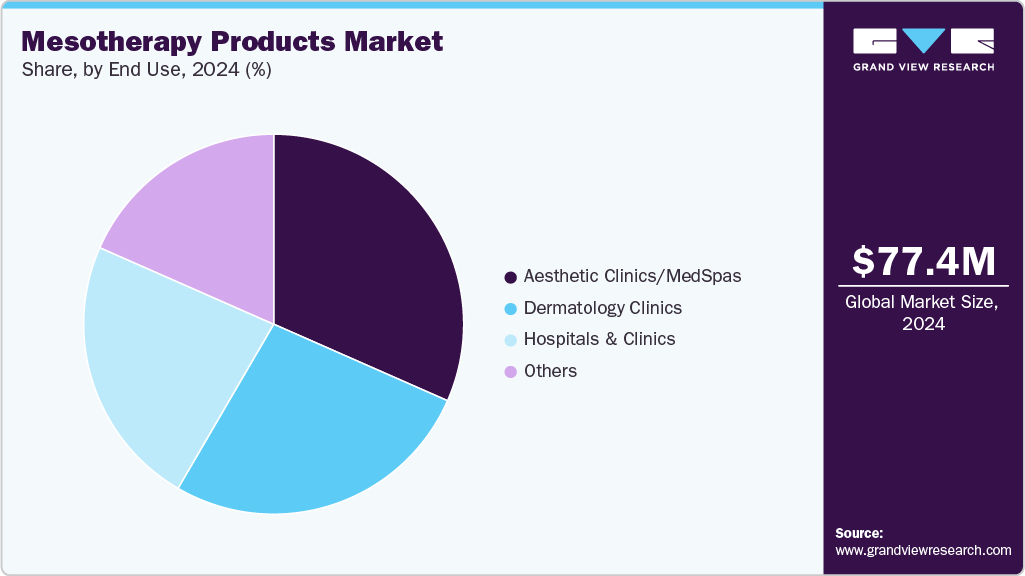
The dermatology clinics segmentis anticipated to grow at the second-fastest CAGR over the forecast period. Dermatology clinics utilize mesotherapy to address a wide range of dermatological concerns, including skin rejuvenation, pigmentation, acne scars, cellulite, hair loss, and localized fat deposits. With rising patient preference for minimally invasive solutions, dermatology clinics are increasingly positioning mesotherapy as a safe, effective, and customizable treatment option that falls between basic skincare and surgical procedures. Dermatologists rely on high-quality mesotherapy formulations containing hyaluronic acid, vitamins, peptides, amino acids, antioxidants, growth factors, and lipolytic agents to deliver targeted benefits directly into the dermis. Their expertise ensures an accurate assessment of skin conditions, precise injection depth, and personalized treatment plans, all of which significantly enhance outcomes and patient satisfaction.
Regional Insights
The North America mesotherapy products industry accounted for the revenue share of 12.5% in 2025. Mesotherapy products in North America are primarily used within the broader scope of minimally invasive aesthetic medicine. Instead of being tracked as a separate procedure category, mesotherapy includes products such as skin boosters, hair restoration injectables, and injectable body contouring, among others. There is an underlying demand for these procedures. For instance, in 2024, plastic surgeons worldwide performed over 20 million non-surgical procedures, with the U.S. alone accounting for approximately 3.2 million of the total. The growing volume of injectable aesthetic treatments in the region, particularly in the U.S., has contributed to this trend. Injectable procedures have consistently been ranked among the most performed cosmetic interventions, creating a receptive environment for mesotherapy solutions based on non-crosslinked hyaluronic acid, vitamins, peptides, amino acids, and lipolytic agents.
U.S. Mesotherapy Products Market Trends
The U.S. mesotherapy products industry is experiencing steady growth, mainly driven by increasing preference for non-invasive cosmetic procedures. The American Society of Plastic Surgeons (ASPS) reported that approximately 25.4 million minimally invasive cosmetic procedures were performed in the U.S. in 2023, representing a 7% increase from 2022. Neuromodulator injections, soft-tissue fillers, skin resurfacing, and other skin treatments ranked among the most frequently performed non-surgical procedures. This high baseline of injectable volume creates the clinical and commercial infrastructure, trained injectors, treatment rooms, and follow-up systems, into which mesotherapy products are introduced. Many practices in dermatology and plastic surgery utilize mesotherapy-type formulations as add-on or maintenance services between major filler or neurotoxin sessions, particularly for patients seeking subtle improvements in skin hydration or tone, rather than structural changes.
Europe Mesotherapy Products Market Trends
Europe dominated the mesotherapy products market with the largest revenue share of 44.3% in 2025. The mesotherapy products industry in Europeis being reshaped by rising consumer demand for minimally invasive cosmetic interventions and a strong presence of experienced dermatologists and aesthetic practitioners across the region. Countries such as France, Italy, Spain, and Germany represent key hubs where mesotherapy has been commonly utilized for facial rejuvenation, hair restoration, and body contouring procedures. The method benefits from its flexibility, allowing practitioners to administer tailored formulations that may include hyaluronic acid, vitamins, amino acids, biomimetic peptides, and plant extracts depending on the indication. Growing interest in preventive aesthetics and natural-looking enhancements has further supported adoption, particularly among younger demographics seeking subtle, low-downtime treatments.
The UK mesotherapy products industry is expected to grow steadily over the forecast period. Aesthetic practitioners in the UK often position mesotherapy products as part of a multi-step treatment pathway rather than a standalone solution. Patients frequently undergo mesotherapy combined with or sequenced alongside dermal fillers, chemical peels, micro-needling, or botulinum toxin to enhance outcomes and prolong visible side effects. Hair-focused mesotherapy has also become more prominent, especially in early-stage androgenic alopecia and telogen effluvium cases, where injectables are used to improve follicular microcirculation and scalp vitality.
The mesotherapy products industry in Spain is experiencing significant growth in the regional landscape. The country has a fairly well-established tradition of injectable mesotherapy, used widely in aesthetic medicine for skin rejuvenation, hydration, localized fat reduction, cellulite treatment, and hair or scalp therapy. Many Spanish clinics describe “mesoterapia inyectada” (injected mesotherapy) as a minimally invasive technique involving micro-injections into the dermis. The injected cocktails may include hyaluronic acid, vitamins, amino acids, antioxidants, or lipolytic and bio-stimulatory substances.
The Germany mesotherapy products industry is steadily growing over the forecast period. The use of mesotherapy products in Germany has steadily increased, supported by a mature aesthetic medicine ecosystem and strong demand for non-surgical procedures focused on skin rejuvenation, hydration, and hair restoration. Dermatology and aesthetic clinics commonly integrate mesotherapy as part of individualized treatment plans for early signs of aging, pigmentation concerns, and localized fat reduction. The approach is particularly valued for its subtle outcomes, short recovery time, and compatibility with complementary procedures such as dermal fillers, botulinum toxin, and micro-needling. Growing interest in biostimulatory and regenerative approaches has further contributed to the adoption of formulations containing hyaluronic acid, vitamins, amino acids, and peptide-based complexes.
The mesotherapy products industry in France is growing significantly. French laboratories have played a prominent role in shaping the mesotherapy product market landscape. Laboratoires Filorga (now Fillmed) was among the first in France to develop polyrevitalizing mesotherapy solutions, and its NCTF 135HA formulation, containing non-crosslinked hyaluronic acid with a complex of vitamins, amino acids, coenzymes, minerals, and nucleic acids, is widely used for intradermal injections targeting facial, neck, décolleté, and hand rejuvenation. These injectables are positioned to improve skin hydration, tone, and fine lines without altering facial volumes, aligning with French patient preferences for gradual, natural-looking results. In clinical practice, NCTF-based mesotherapy protocols are typically delivered over multiple sessions, with cumulative effects on skin quality that complement, rather than replace, volumizing filler injections.
Asia Pacific Mesotherapy Products Market Trends
The mesotherapy products industry in the Asia Pacific region is witnessing growth due to consumer spending power in the aesthetics and wellness sector. As a result, minimally invasive treatments such as injectable mesotherapy have become more accessible and appealing to a broader patient base, particularly among younger consumers seeking early anti-aging or preventative skincare interventions. Growing awareness of aesthetic medicine, coupled with rising demand for natural-looking results with limited downtime, has contributed to wider acceptance of mesotherapy as an alternative or complement to traditional cosmetic procedures.
The Thailand mesotherapy products industry is experiencing significant growth. In Thailand, injectable mesotherapy is a common service offered by many private aesthetic and dermatology clinics, especially in major cities like Bangkok. Clinics such as Bangkok Aesthetic Clinic provide mesotherapy skin-revitalization programs where vitamins, amino acids, enzymes, and other nourishing substances are injected micro-intradermally to improve skin hydration, elasticity, and overall radiance, often promoted as a minimally invasive alternative to surgery for facial rejuvenation, contouring, and skin tone enhancement. This creates demand for mesotherapy products across the country.
The mesotherapy products industry in China benefits from increased traction for the non-surgical approach to hair loss management, particularly among individuals experiencing androgenetic alopecia, stress-related shedding, or post-partum hair thinning. The technique, often marketed alongside scalp “growth factor injections”, involves delivering targeted formulations, such as peptides, amino acids, vitamins, trace elements, and, in some protocols, platelet-rich bioactive components, directly into the scalp to improve microcirculation, nourish follicles, and stimulate cellular activity in the hair bulb. For instance, according to the National Council on Aging, in China, approximately 250 million people (1 in 6) suffer from hair loss.
The South Korea mesotherapy products industry has witnessed anincreased focus on new product development. A validated example includes the Rejuran (PDRN) injectable, developed by a South Korean company, PharmaResearch Bio, which has become well recognized across Asia since its introduction. The product is used in clinics to promote dermal repair, improve texture, and support skin regeneration through polynucleotide-based mesotherapy-style injection protocols. Multiple dermatology clinics, such as Oracle Clinic Korea, offer Rejuran as part of mesotherapy-type anti-aging programs aimed at stimulating collagen and improving long-term skin structure rather than providing temporary filling effects. This example demonstrates how Korea is not only a user of mesotherapy products but also a contributor to innovation within the category.
Latin America Mesotherapy Products Market Trends
The mesotherapy products industry in Latin America has observed a significant rise in medical tourism. Similarly, the growing middle-class population with higher disposable incomes in the region allows consumers to invest more in personal care and beauty products. Besides, with improved healthcare and longer life expectancy, more people are prioritizing skincare routines that help maintain a youthful appearance. Consumers are increasingly seeking products that offer hydration, collagen stimulation, and protection against environmental damage, particularly from UV exposure and pollution, which are common in many parts of the region.
The Brazil mesotherapy products industry is growing notably. Injectable mesotherapy is widely practiced in the country and is integrated into dermatology and aesthetic medicine clinics across major cities such as São Paulo, Rio de Janeiro, and Brasília. Treatments are commonly performed to address skin aging, hydration loss, uneven tone, and textural irregularities using intradermal injections of hyaluronic acid, vitamins, amino acids, and bioactive compounds. Many Brazilian clinics also promote mesotherapy as a “preventive aesthetic procedure,” reflecting the country’s strong cultural emphasis on maintaining skin quality and youthful appearance.
Middle East & Africa Mesotherapy Products Market Trends
The mesotherapy products industry in the Middle East is influenced by rising demand for minimally invasive aesthetic procedures, expanding medical tourism, and strong consumer focus on skin quality enhancement rather than surgical facial modification. The Gulf region, in particular, has seen rapid growth in cosmetic procedure uptake, with countries like the UAE and Saudi Arabia emerging among the most active aesthetic markets globally; for example, Dubai Health Authority has publicly reported increasing demand for cosmetic treatments, including injectables, driven by both residents and international patients seeking advanced aesthetic services.
The Saudi Arabia mesotherapy products industry growth isdriven by increasing consumer preference for non-surgical aesthetic procedures, with the rising popularity of mesotherapy products for their ability to enhance skin hydration and texture with minimal downtime. Key drivers of this demand include changing beauty standards that emphasize natural enhancement, rising awareness and education about skincare fueled by social media influencers, and technological advancements in formulation. These factors collectively drive the growth of the market.
Key Mesotherapy Products Company Insight
The market is highly competitive, with several key players. The major market players are focused on expanding their geographical presence, forming partnerships to enhance skin care products and patient care, leveraging key cooperation activities, and exploring mergers and acquisitions.
Key Mesotherapy Products Companies:
The following key companies have been profiled for this study on the mesotherapy products market.
-
Laboratoires FILLMED
-
Revitacare
-
Mesoestetic
-
Mastelli s.r.l.
-
PharmaResearch
-
BRPHARM Co., Ltd.
-
Teoxane
-
Laboratoires VIVACY
-
SKIN TECH PHARMA GROUP S.L.U.
-
CAREGEN LTD
Competitive Benchmarking
Category
Operating Strategies
Competitive Edge
Weakness
Established Players (Laboratoires FILLMED; Revitacare; Mesoestetic; Mastelli s.r.l.; PharmaResearch)
- Focus on expanding comprehensive mesotherapy product portfolios including hyaluronic acid revitalizers, polynucleotide (PN/PDRN) injectables, vitamin and amino acid cocktails, antioxidant complexes, skin brightening formulations, hair revitalization solutions, and body contouring products. Strengthen strategic partnerships with dermatology clinics, aesthetic physicians, plastic surgeons, medical spas, and wellness centers to enhance treatment adoption and long-term market penetration. Invest heavily in clinical validation, practitioner training programs, and product innovation to support growing demand for minimally invasive aesthetic procedures.
- Strong brand recognition, extensive practitioner loyalty, established global distribution networks, and broad product portfolios support market leadership. Large-scale clinical evidence, regulatory expertise, and long-standing relationships with aesthetic professionals provide significant competitive advantages and strengthen treatment credibility. Comprehensive aesthetic solutions covering skin rejuvenation, pigmentation management, body contouring, and hair restoration facilitate cross-selling opportunities.
- Large organizations often experience slower product development cycles due to extensive validation, regulatory compliance, and portfolio management requirements. Premium pricing strategies may limit penetration in cost-sensitive markets. Dependence on trained aesthetic practitioners and evolving regulatory requirements can constrain expansion in regions with limited specialist availability.
Emerging Players (BRPHARM Co., Ltd.; Teoxane; Laboratoires VIVACY; SKIN TECH PHARMA GROUP S.L.U.; CAREGEN LTD)
- Focus on niche mesotherapy technologies targeting skin regeneration, anti-aging treatments, hair restoration, pigmentation correction, and personalized aesthetic medicine solutions. Develop innovative peptide-based formulations, advanced regenerative ingredients, and cost-effective alternatives to established mesotherapy products. Emphasize targeted product development, practitioner-focused education programs, and expansion into emerging aesthetic markets.
- Faster innovation cycles and greater operational flexibility enable rapid development of novel mesotherapy formulations and regenerative aesthetic solutions. Specialized expertise in biomimetic peptides, polynucleotides, growth factors, and advanced skin revitalization technologies provides differentiation. Ability to address unmet aesthetic needs through customized treatment protocols and specialized applications supports targeted market positioning.
- Limited financial resources, smaller marketing budgets, and narrower distribution networks restrict large-scale commercialization efforts. Lower brand awareness, limited clinical evidence compared with established competitors, and dependence on practitioner education may slow market adoption. Regulatory approval requirements and intense competition from global aesthetic medicine companies can further challenge expansion efforts.
Recent Development
-
In April 2025, Caregen showcased its core technology-based 'Dr. CYJ Hair Filler, new inner beauty product 'Korglutide', and peptide-based injectable products, such as mesotherapy treatment, at the Dubai Derma 2025 exhibition. This product enhances blood flow and stimulates hair follicle regeneration, providing a minimally invasive alternative to traditional hair loss treatments. Through this exposure, Caregen reinforced its global competitiveness in aesthetic medicine, particularly in markets where demand for effective, non-surgical hair care solutions is high.
-
In December 2023, Teoxane received a CE certification under the Medical Device Regulation (MDR) for its entire injectable product portfolio, including TEOSYAL PureSense and TEOSYAL RHA, making it the first company in its sector to earn this approval. The MDR-CE certification confirms that Teoxane’s products meet rigorous standards of safety, efficacy, and quality, supported by 14 clinical studies across Europe and the U.S.
Mesotherapy Products Market Report Scope
Report Attribute
Details
Market size in 2025
USD 82.1 million
Estimated market size in 2026
USD 87.4 million
Projected market size by 2033
USD 151.6 million
Growth rate
CAGR of 8.4% from 2026 to 2033
Historical data
2021 - 2024
Forecast period
2026 - 2033
Quantitative units
Revenue in USD million/billion and CAGR from 2026 to 2033
Report coverage
Revenue forecast, company ranking, competitive landscape, growth factors, and trends
Segments covered
Product, form factors, indication, application, end use, region
Regional scope
North America; Europe; Asia Pacific; Latin America; MEA
Country scope
U.S.; Canada; Mexico; UK; Germany; France; Italy; Spain; Denmark; Sweden; Norway: Japan; China India; Australia; Thailand; South Korea; Brazil; Argentina; South Africa; Saudi Arabia; UAE; Kuwait
Key companies profiled
Laboratoires FILLMED; Revitacare; Mesoestetic; Mastelli s.r.l.; PharmaResearch; BRPHARM Co., Ltd.; Teoxane; Laboratoires VIVACY; SKIN TECH PHARMA GROUP S.L.U.; CAREGEN LTD
Customization scope
Free report customization (equivalent up to 8 analysts' working days) with purchase. Addition or alteration to country, regional & segment scope.
Pricing and purchase options
Avail customized purchase options to meet your exact research needs. Explore purchase options
Global Mesotherapy Products Market Report Segmentation
This report forecasts revenue growth at global, regional, and country levels and provides an analysis of the latest industry trends in each of the sub-segments from 2021 to 2033. Forthis study, Grand View Research has segmented the global mesotherapy products market report based on product, form factor, indication, application, end use, and region:
-
Product Outlook (Revenue, USD Million, 2021 - 2033)
-
Hyaluronic Acid (non-crosslinked) Revitalizers
-
Polynucleotides (PN) / PDRN Injectables
-
Vitamin, Amino Acid & Peptide Cocktails
-
Antioxidants & Whitening Complexes
-
Minerals, Trace elements, Coenzymes
-
Others
-
-
Form Factors Outlook (Revenue, USD Million, 2021 - 2033)
-
Vials
-
Ampoules
-
Prefilled Syringes (PFS)
-
-
Indication Outlook (Revenue, USD Million, 2021 - 2033)
-
Aging/Revitalization (hydration, texture, glow, fine lines)
-
Firming/Tightening (skin laxity, sagging, body firming)
-
Brightening/Anti-dark spots (pigmentation, photodamage)
-
Anti-cellulite/Lipolytic
-
Hair/Scalp revitalization (density, quality, hair loss support)
-
Others
-
-
Application Outlook (Revenue, USD Million, 2021 - 2033)
-
Face
-
Full Face (General Revitalization)
-
Periorbital Area
-
Perioral/Lip Zone
-
Cheeks/Mid-face
-
Forehead/Upper face
-
-
Body
-
Hair/Scalp
-
-
End Use Outlook (Revenue, USD Million, 2021 - 2033)
-
Hospitals & Clinics
-
Dermatology Clinics
-
Aesthetic Clinics/MedSpas
-
Chain-based MedSpas
-
Standalone MedSpas
-
-
Others
-
-
Regional Outlook (Revenue, USD Million, 2021 - 2033)
-
North America
-
U.S.
-
Canada
-
-
Europe
-
UK
-
Germany
-
France
-
Italy
-
Spain
-
Portugal
-
Romania
-
Bulgaria
-
Czech Republic
-
Denmark
-
Sweden
-
Norway
-
Russia
-
-
Asia Pacific
-
China
-
Japan
-
South Korea
-
Thailand
-
-
Latin America
-
Brazil
-
Argentina
-
Mexico
-
Peru
-
Colombia
-
-
Middle East and Africa
-
South Africa
-
Saudi Arabia
-
UAE
-
Kuwait
-
Iran
-
-
Research Methodology
The mesotherapy products market figures in this report are based on a proven research process that combines executive interviews with secondary research from proprietary databases, company filings, and recognized regulatory and institutional sources. Market size is built through value-chain sizing - reconciling supply-side and demand-side estimates - and triangulated with bottom-up and top-down approaches. Every estimate passes multiple levels of expert validation before publication, with each mesotherapy products segment quantified using the revenue-capture definitions in the table below.
Segment Definition
Segment - Product
Revenue capture definition
Hyaluronic Acid (Non-Crosslinked) Revitalizers
Revenue generated from non-crosslinked hyaluronic acid-based mesotherapy products designed to improve skin hydration, elasticity, texture, and overall skin quality. This segment includes injectable skin boosters and revitalization formulations used for facial and body rejuvenation treatments.
Polynucleotides (PN) / PDRN Injectables
Revenue generated from polynucleotide and polydeoxyribonucleotide (PDRN)-based mesotherapy products formulated to support tissue regeneration, skin repair, collagen stimulation, wound healing, and skin rejuvenation. The segment includes injectable regenerative aesthetic treatments used across dermatology and aesthetic medicine settings.
Vitamin, Amino Acid & Peptide Cocktails
Revenue generated from mesotherapy formulations containing vitamins, amino acids, peptides, and bioactive compounds designed to improve skin metabolism, collagen production, hydration, and overall skin vitality.
Antioxidants & Whitening Complexes
Revenue generated from mesotherapy products formulated with antioxidants, glutathione, vitamin C, and skin-brightening agents aimed at reducing oxidative stress, pigmentation, uneven skin tone, and photodamage.
Minerals, Trace Elements, Coenzymes
Revenue generated from mesotherapy solutions containing minerals, trace elements, coenzymes, and metabolic activators used to enhance cellular function, skin health, tissue repair, and rejuvenation.
Others
Revenue generated from other mesotherapy formulations, including lipolytic agents, botanical extracts, growth factors, stem-cell-derived ingredients, biomimetic compounds, and customized injectable solutions not classified under the above categories.
Segment - Form Factors
Revenue capture definition
Vials
Revenue generated from mesotherapy products packaged in single-dose or multi-dose vials intended for preparation and administration by healthcare professionals in aesthetic and dermatology settings.
Ampoules
Revenue generated from mesotherapy formulations supplied in sealed ampoules designed for single-use administration, ensuring sterility, product stability, and accurate dosing during aesthetic procedures.
Prefilled Syringes (PFS)
Revenue generated from ready-to-use mesotherapy products supplied in prefilled syringes that improve procedural efficiency, dosing accuracy, convenience, and safety for practitioners and patients.
Segment - Indication
Revenue capture definition
Aging / Revitalization (Hydration, Texture,
Glow, Fine Lines)
Revenue generated from mesotherapy treatments and products used to improve skin hydration, texture, radiance, elasticity, and fine lines associated with intrinsic and extrinsic aging processes.
Firming / Tightening (Skin Laxity, Sagging,
Body Firming)
Revenue generated from mesotherapy products designed to improve skin firmness, elasticity, tissue tone, and body contour appearance by stimulating collagen production and tissue remodeling.
Brightening / Anti-Dark Spots (Pigmentation,
Photodamage)
Revenue generated from mesotherapy formulations utilized to address hyperpigmentation, melasma, age spots, uneven skin tone, and sun-induced skin damage through skin-brightening and antioxidant mechanisms.
Anti-Cellulite / Lipolytic
Revenue generated from mesotherapy products used for cellulite reduction, localized fat metabolism, body contouring, and improvement of skin smoothness through lipolytic and circulation-enhancing mechanisms.
Hair / Scalp Revitalization (Density, Quality,
Hair Loss Support)
Revenue generated from mesotherapy treatments formulated to improve scalp health, stimulate hair follicles, enhance hair density and quality, and support the management of hair thinning and hair loss conditions.
Others
Revenue generated from mesotherapy applications addressing additional aesthetic and dermatological concerns, including scar management, stretch marks, post-procedure recovery, skin sensitivity, and customized cosmetic treatment protocols.
Segment - Application
Revenue capture definition
Face
Revenue generated from mesotherapy products used for facial aesthetic treatments, including skin rejuvenation, hydration, anti-aging, pigmentation correction, skin tightening, and overall facial enhancement procedures.
Body
Revenue generated from mesotherapy products utilized for body-focused treatments, including cellulite reduction, body contouring, skin tightening, localized fat reduction, and skin revitalization procedures.
Hair/Scalp
Revenue generated from mesotherapy products administered to the scalp and hair-bearing areas for hair restoration, follicle stimulation, scalp rejuvenation, and hair loss management applications.
Segment - End-use
Revenue capture definition
Hospitals & Clinics
Revenue generated from mesotherapy products purchased and administered through hospitals, multi-specialty clinics, and healthcare facilities providing dermatology, cosmetic medicine, and aesthetic treatment services.
Dermatology Clinics
Revenue generated from mesotherapy products utilized by dermatologists and skin care specialists for medical aesthetic treatments, skin rejuvenation, pigmentation management, and hair restoration procedures.
Aesthetic Clinics/MedSpas
Revenue generated from mesotherapy products administered in aesthetic clinics, medical spas, cosmetic treatment centers, and wellness facilities offering minimally invasive beauty and rejuvenation procedures.
Others
Revenue generated from mesotherapy products used in other settings, including plastic surgery centers, ambulatory aesthetic facilities, academic medical institutions, research centers, wellness clinics, and specialty cosmetic practices.
Estimation Model
Layer Name
Key Question
Process Steps
Data Sources
Scope
Definition
What is being sized?
- Define mesotherapy product categories
- Segment the market
- Set geographic boundaries (global / regional)
- Align on base year & forecast horizon (2026-2033)
ISAPS, ASERF, FDA, EMA
Build the Product Base
How large is total addressable market?
- Assess the volume of aesthetic procedures and demand for minimally invasive cosmetic treatments globally.
- Evaluate patient populations seeking skin rejuvenation, anti-aging, body contouring, cellulite reduction, and hair restoration treatments.
- Analyze procedure frequency and treatment utilization rates.
- Estimate adoption of mesotherapy products across aesthetic clinics and dermatology centers.
National aesthetic provider registries and society databases, Specialized dermatology and medical spa practice surveys
Estimate
Penetration
What portion of the target market is actively utilizing mesotherapy treatments?
- Analyze adoption rates of mesotherapy relative to alternative aesthetic treatments.
- Evaluate practitioner preferences and treatment protocols.
- Examine regional variations in treatment acceptance and accessibility.
- Validate estimates through clinic surveys, manufacturer sales data, and expert interviews.
Primary interviews, company filings, trade surveys
Revenue
Conversion
How does volume become revenue?
- Collect average selling prices of mesotherapy solutions, injectable formulations, and treatment kits.
- Segment by Revenue Streams
- Estimate manufacturer market shares and regional pricing variations.
- Cross-validate revenue estimates using company financial reports, clinic procurement data, and distributor sales records.
Distributor pricing sheets, procurement data, import/export databases, expert interviews
Delivered Customizations
This report has been delivered with the following In-depth customizations
CLIENT REQUEST
CUSTOMIZATION DELIVERED
VALUE ADDS
Consumer Behavior Analysis
Conducted a comprehensive competitive landscape assessment for the mesotherapy products market, covering skin rejuvenation solutions, anti-aging mesotherapy products, fat-dissolving formulations, hair restoration solutions, vitamin and mineral complexes, hyaluronic acid-based products, and specialty injectable formulations. The study evaluated company positioning, product portfolio differentiation, formulation innovations, regulatory approvals, manufacturing capabilities, strategic partnerships, mergers and acquisitions, distribution strategies, and geographic expansion initiatives. It also benchmarked established aesthetic medicine companies and emerging mesotherapy-focused manufacturers to identify market share dynamics, innovation trends, pricing strategies, and competitive factors influencing adoption.
Enables stakeholders to understand the competitive dynamics of the mesotherapy products market, benchmark innovation capabilities, evaluate product differentiation strategies, identify partnership and acquisition opportunities, and strengthen market positioning within the growing minimally invasive aesthetics industry.
Segment by Product Analysis
Conducted a detailed segment-level analysis across skin rejuvenation mesotherapy products, anti-aging formulations, body contouring solutions, cellulite reduction products, hair restoration treatments, and specialty injectable compounds. The study assessed treatment demand patterns, pricing trends, practitioner preferences, patient adoption rates, treatment frequencies, and technological advancements across key product categories. It further evaluated innovation trends such as personalized aesthetic treatments, regenerative formulations, biomimetic peptides, and advanced skin revitalization technologies influencing future market development.
Enables stakeholders to identify high-growth product categories, understand evolving practitioner and patient preferences, evaluate innovation opportunities, assess competitive intensity within individual segments, and align product development and commercialization strategies with emerging aesthetic medicine trends.
Macroeconomic Analysis
Conducted an in-depth assessment of macroeconomic, demographic, and consumer lifestyle factors influencing the mesotherapy products market, including disposable income growth, beauty and wellness spending, aging populations, urbanization trends, social media influence, healthcare expenditure, and demand for minimally invasive cosmetic procedures. The study analyzed regulatory developments, reimbursement environments, supply chain dynamics, inflationary pressures, and advancements in aesthetic medicine affecting market growth. Additionally, it evaluated the impact of medical tourism, consumer awareness, and expanding aesthetic clinic infrastructure on treatment adoption.
Enables stakeholders to understand the key economic, demographic, consumer, and regulatory factors driving or restraining market growth. The analysis supports strategic planning, investment prioritization, pricing optimization, market entry decisions, and long-term risk assessment across regional and global mesotherapy products markets.
Frequently Asked Questions About This Report
The hyaluronic acid (non-cross-linked) revitalizers segment led with a 34.8% revenue share in 2025, while the polynucleotides (PN)/PDRN injectables segment is the fastest-growing.
Asia Pacific is the fastest-growing region over the forecast period.
The vials segment accounted for the largest market revenue share of 43.4% in 2025, while the prefilled syringes (PFS) is projected to register the fastest growth rate during the forecast period.
The global mesotherapy products market size was valued at USD 82.1 million in 2025 and is estimated at USD 87.4 million for 2026.
The global mesotherapy products market is expected to grow at a CAGR of 8.4% from 2026 to 2033, reaching USD 151.6 million by 2033.
Europe dominated the mesotherapy products market and accounted for the largest revenue share of 44.3% in 2025. This is owing to the rising consumer demand for minimally invasive cosmetic interventions and a strong presence of experienced dermatologists and aesthetic practitioners across the region.
The aging/revitalization (hydration, texture, glow, fine lines) segment led with a 36.1% revenue share in 2025, while the anti-cellulite/lipolytic segment is the fastest-growing indication.
Face segment held the largest share (over 43.0%) in 2025, and is the fastest-growing application.
Some key players operating in the mesotherapy products market include Laboratoires FILLMED; Revitacare; Mesoestetic; Mastelli s.r.l.; PharmaResearch; BRPHARM Co., Ltd.; Teoxane; Laboratoires VIVACY; SKIN TECH PHARMA GROUP S.L.U.; and CAREGEN LTD
Rising demand for minimally invasive aesthetic treatments, increasing focus on skin quality enhancement, and expanding consumer interest in are some of the major factors driving the growth of the mesotherapy products market
About the Author(s)
Medical Devices Research Team
Healthcare · Medical DevicesThis report was authored by the medical devices research team at Grand View Research - comprising two research analysts, one senior research analyst, and one industry expert - with specialized expertise in the medical devices segment of the healthcare industry. All findings are based on proprietary healthcare databases, executive interviews, and regulatory analysis, subject to internal peer review prior to publication.
Last Updated:
Speak to Analyst


Customize this report to your needs — add regions, segments, or data points, with 20% free customization.
Or view our licence options:


ISO 9001:2015 & 27001:2022 Certified
We are GDPR and CCPA compliant! Your transaction & personal information is safe and secure. For more details, please read our privacy policy.


