
- Home
- »
- Clinical Diagnostics
- »
-
Molecular Nucleic Acid Testing Transfusion Medicine Market Report, 2033GVR Report cover

Molecular Nucleic Acid Testing Transfusion Medicine Market (2026 - 2033)
Size, Share & Trends Analysis Report By Product (Reagents & Consumables, Instruments, Software & Services), Technology, By Pathogen Target, By End-use, By Region, And Segment Forecasts
Market Size, 2025
$996.1MMarket Estimate, 2026
$1,042.8MMarket Forecast, 2033
$1,513.7MCAGR, 2026–2033
5.5%Molecular (NAT) Transfusion Medicine Market Summary
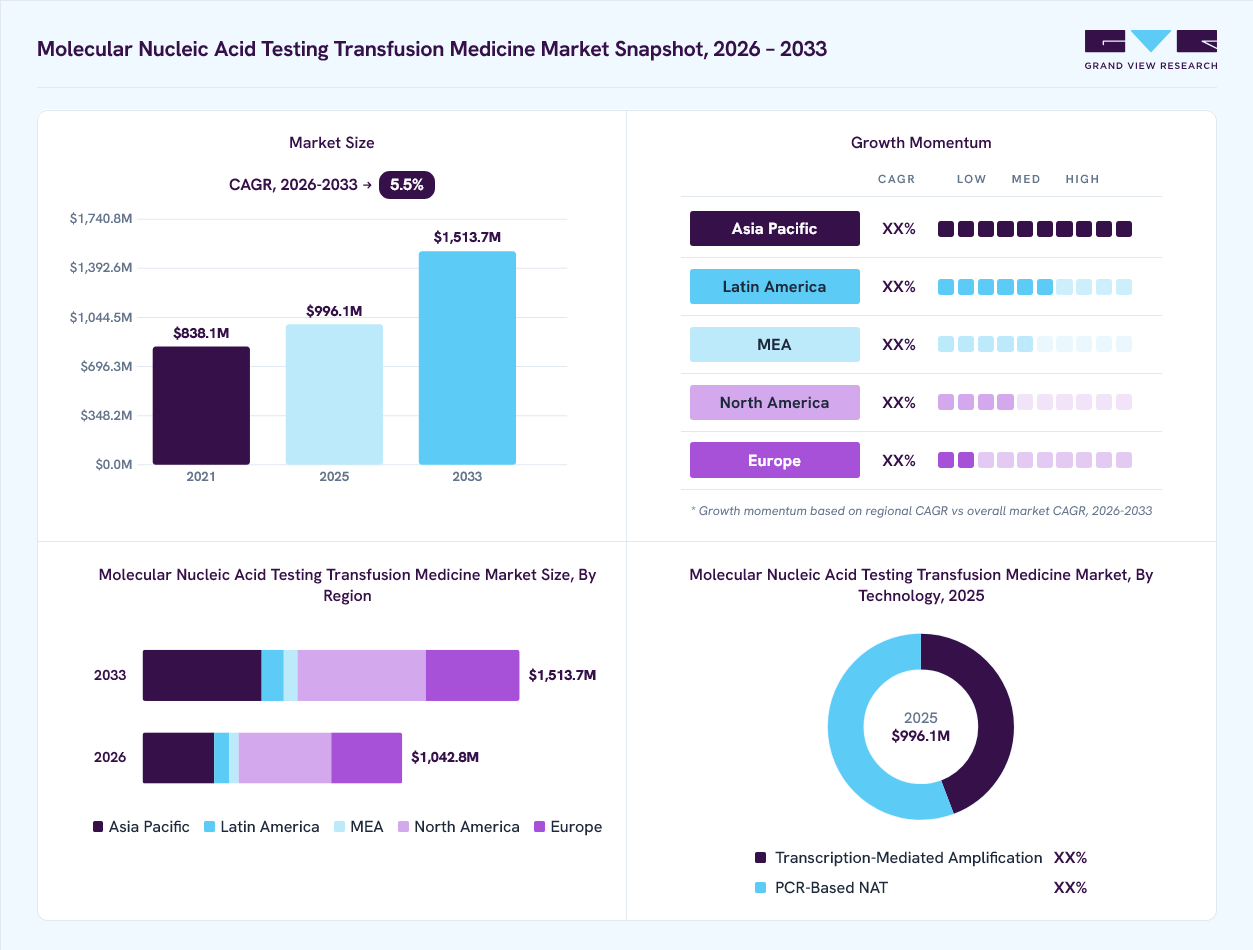
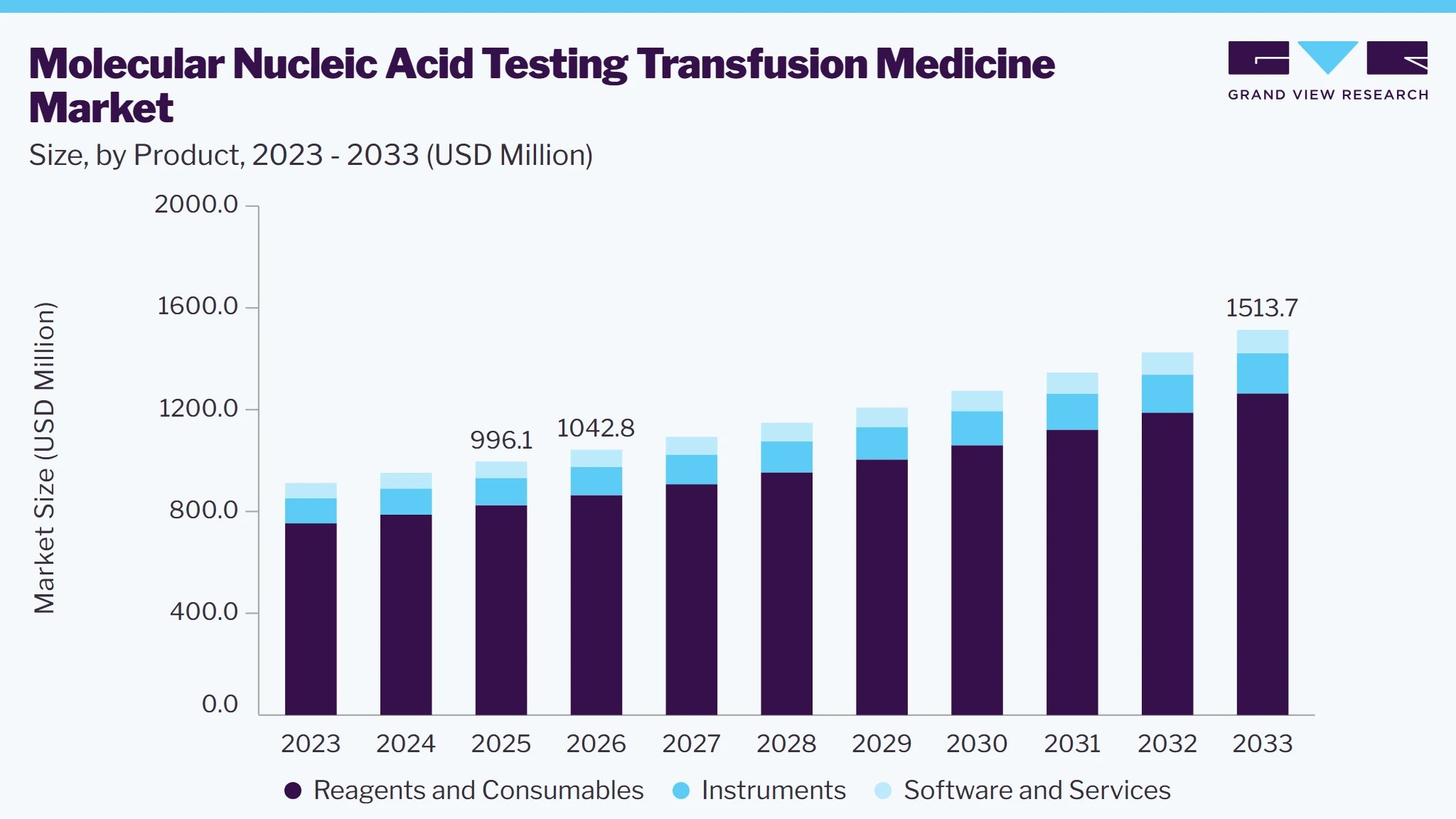
The global molecular nucleic acid testing (NAT) transfusion medicine market size was valued at USD 996.1 million in 2025 and is projected to grow from USD 1,042.8 million in 2026 to USD 1,513.7 million by 2033, at a CAGR of 5.5% from 2026 to 2033. North America dominated the market, accounting for a revenue share of 35.8% in 2025. The rising emphasis on minimizing residual risk of transfusion-transmissible infections supports demand for molecular nucleic acid testing (NAT) in blood and plasma screening.
 Source: Grand View Research, IR Documents, Primary Interviews, Paid DatabasesTo learn more about this report,
 Download Free Sample Report
 Key Market Trends & Insights
- By product: Reagents and Consumables segment led the market with the largest revenue share of 82.8% in 2025.
- By technology: PCR-Based NAT segment led the market with the largest revenue share of 55.8% in 2025.
- By pathogen target: Hepatitis B Virus segment led the market with the largest revenue share of 28.8% in 2025.
- By end-use: Blood Banks and Blood Centers segment held the largest revenue share of 52.7% in 2025.
Regional Highlights
- Largest regional market: North America (35.8% revenue share, 2025)
- Fastest-growing regional market: Asia Pacific (highest CAGR, 2026-2033)
- By country: The U.S. held the largest market share in 2025
Market Size & Forecast
- Market size in 2025: USD 996.1 Million
- Estimated market size in 2026: USD 1,042.8 Million
- Projected market size by 2033: USD 1,513.7 Million
- CAGR (2026-2033): 5.5%
Three ways to get this report
Buy it, customize it, or ask a question.Ask an Analyst
A direct answer, usually in 1 working day
- AccessReport author, directly
- Reply timeWithin 1 working day
- No sales callDirect answer only
- FormatEmail reply
- CostFree, no cost
Get the Full Report
What the study covers
- FormatsPDF · Excel · Dashboard
- Timeline2026–2033 annual, 2025 base
- Coverage20+ countries, 5 regions
- Companies10+ key players profiled
Customize the Report
20% free customization
- IncludeCountries, segments, points
- TailorTo your product definition
- ExtendDeeper competitor detail
- OrA fully bespoke study
- Turnaround5–10 working days
 To learn more about this report, Download Free Sample Report
 Market Dynamics
The increasing focus on minimizing residual risk of transfusion-transmissible infections supports demand for molecular nucleic acid testing (NAT) in blood and plasma screening. NAT complements serological testing by detecting pathogen nucleic acids during early infection stages, identifying donations missed during the serological window period. Continued prevalence of HIV, hepatitis B (HBV), and hepatitis C (HCV) reinforces the need for sensitive screening. A 2026 North India study evaluated 142,710 seronegative donations, finding 57 NAT-only reactive donations (1 in 2,504 yield) across HBV, HCV, and HIV, reducing residual risk by over 90%.
Economic and public health benefits further drive demand. The North India study estimated USD 2.06 million in implementation costs against USD 8.0 million in avoidable disease burden, generating USD 5.94 million in net savings. The WHO Global Hepatitis Report 2026 estimated 240 million people living with chronic HBV and 47 million with HCV in 2024, with 0.9 million new infections each annually. NAT addresses diagnostic gaps from occult infections and delayed antibody/antigen development, making it vital for high-volume collection programs.
NAT offers a scalable molecular framework adaptable to evolving epidemiological conditions and regulations across national blood services, blood banks, centralized laboratories, and plasma operations. Demand extends beyond instrument procurement to recurring reagents, consumables, quality-control materials, maintenance, and software.
By improving transfusion safety and lowering disease burden, NAT presents a strong investment rationale. Platform scalability and expandable pathogen menus support sustained network utilization, ensuring continued prioritization of blood safety and infection surveillance drives molecular NAT demand.
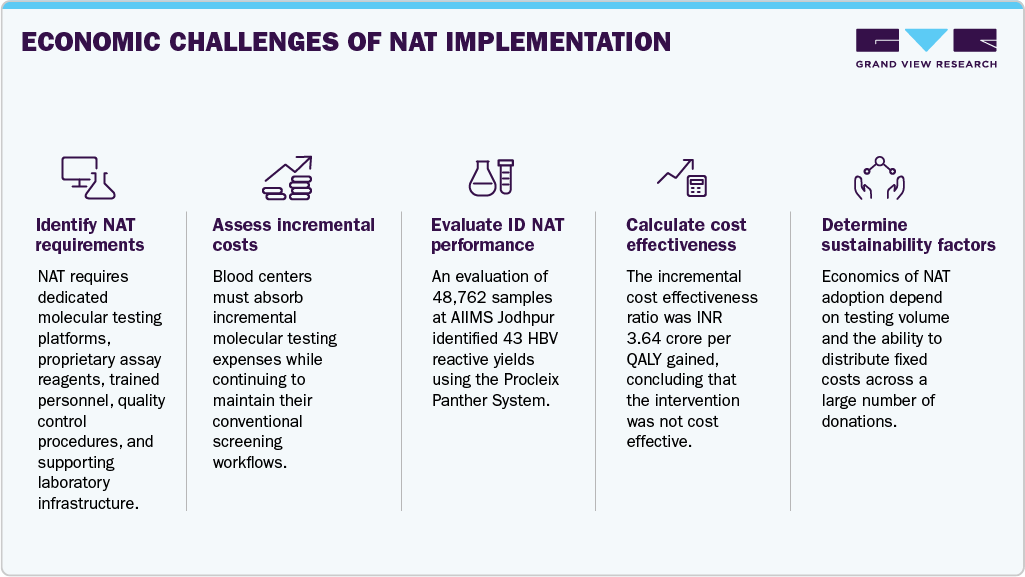
The high cost associated with implementing and maintaining molecular nucleic acid testing (NAT) remains an important constraint on market expansion, particularly in blood systems where healthcare budgets are limited and donation volumes are fragmented across smaller collection facilities. Unlike conventional serological screening, NAT requires dedicated molecular testing platforms, proprietary assay reagents, trained personnel, quality control procedures, and supporting laboratory infrastructure. These requirements create both upfront and recurring expenditures for blood establishments. The cost burden is particularly relevant when NAT is introduced as an additional layer alongside existing serological screening rather than as a replacement, since blood centers must absorb incremental molecular testing expenses while continuing to maintain their conventional screening workflows.
 To learn more about this report, Download Free Sample Report
 The cost constraint therefore creates a differentiated adoption environment across markets. High volume blood services with established molecular infrastructure can spread platform, staffing, and quality management costs across large testing workloads, whereas smaller or fragmented blood centers may face a substantially higher cost per screened donation. This can encourage centralized NAT models, pooled testing strategies, or selective implementation where resources are constrained. From a market perspective, the resulting economic hurdle can delay new instrument placements and limit the transition from serology-based screening to routine molecular screening in price sensitive markets. Reducing per donation testing costs, improving platform utilization, and expanding centralized testing capacity will therefore be important to broader NAT adoption.
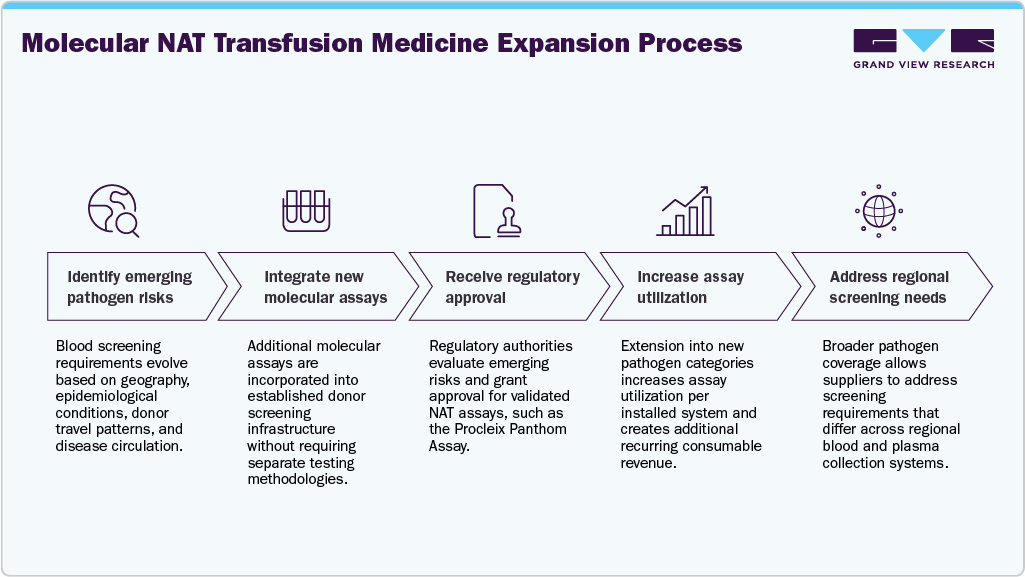
The expansion of molecular donor screening beyond established HIV, HBV, HCV, and West Nile virus testing represents a significant growth opportunity for the Molecular (NAT) Transfusion Medicine Market Screening requirements continue to evolve as blood services address pathogens influenced by geography, epidemiological conditions, donor travel patterns, and disease circulation. NAT platforms can accommodate additional molecular assays within established screening infrastructure, limiting the need for separate testing methodologies. As regulatory authorities and blood systems assess emerging transfusion-transmissible risks, validated assays for additional pathogens can generate incremental reagent and consumables demand while broadening the utility of installed molecular platforms. This scalability enables blood establishments to strengthen pathogen coverage while improving utilization of existing instruments, supporting longer-term adoption of NAT technologies across donor and plasma screening networks.
In March 2026, Grifols received U.S. FDA approval for the Procleix Plasmodium Assay for use with the Procleix Panther System. The NAT assay detects Plasmodium, the parasite responsible for malaria, in blood donors and is intended to reduce the risk of transfusion-transmitted malaria. Grifols also indicated that molecular screening could support blood availability by reducing reliance on donor deferral based solely on malaria risk. The approval demonstrates the extension of an established automated donor NAT platform into a pathogen category beyond traditional HIV, HBV, and HCV screening. Such portfolio expansion can increase assay utilization across installed systems, strengthen recurring reagent consumption, and create opportunities for suppliers to address geographically relevant or emerging transfusion-transmissible pathogens through scalable molecular screening solutions.
 To learn more about this report, Download Free Sample Report
 pathogen-specific NAT demand as epidemiological conditions change. In November 2024, the U.S. CDC reported a substantial increase in parvovirus B19 DNA detected through nucleic acid amplification testing of pooled source plasma donations. Pools containing 512 individual donations showed approximately 20% exceeding the study threshold in June 2024, compared with less than 2% during 2020-2023. Separately, CDC data showed plasma donor pools with B19 DNA above 10,000 IU/mL increasing from 1.5% in December 2023 to 19.9% in June 2024. These findings demonstrate how pathogen circulation can alter molecular testing requirements in plasma collection. Consequently, broader pathogen coverage can deepen installed-platform utilization and recurring reagent demand, although adoption will depend on regulatory authorization, epidemiological relevance, testing economics, and whether screening is universal, seasonal, regional, or risk-based.
Market Concentration & Characteristics
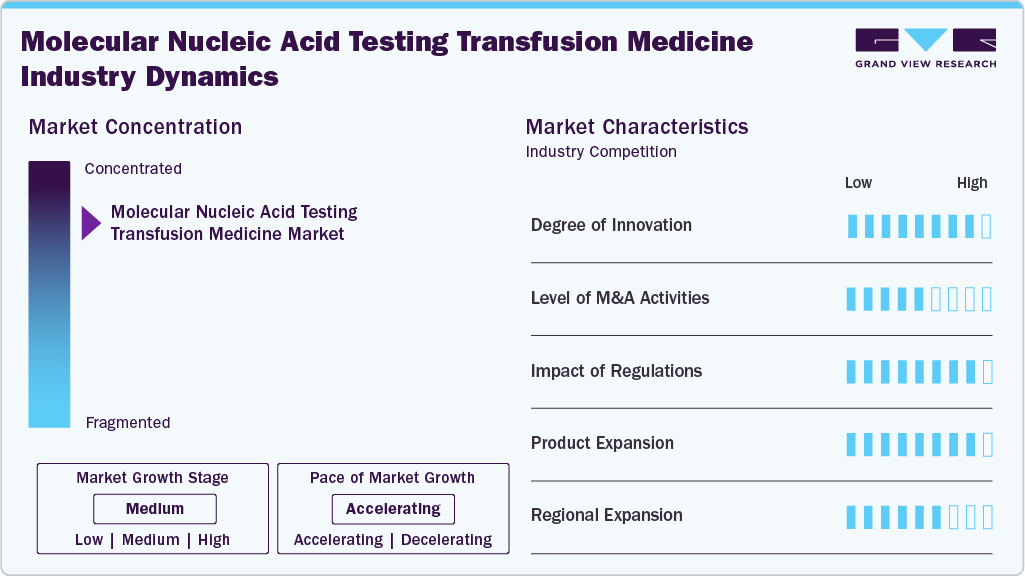
The Molecular (NAT) Transfusion Medicine Market demonstrates a high degree of innovation, driven by advances in molecular amplification, multiplex pathogen detection, automation, and integration with donor-screening workflows. Innovation is focused on improving analytical sensitivity, reducing window periods, expanding pathogen coverage, and enabling higher-throughput testing without substantially increasing laboratory complexity. Technological advancements increasingly support broader pathogen menus, automated sample processing, integrated result interpretation, and compatibility with high-throughput donor-screening platforms. The integration of molecular testing with laboratory information systems and automated workflows further enhances operational efficiency, standardization, and testing reliability. Consequently, innovation in the market is increasingly centered on broader pathogen coverage, improved analytical performance, workflow automation, scalability, platform integration, and enhanced transfusion safety.
The Molecular (NAT) Transfusion Medicine Market exhibits a low level of M&A activity, as the market is dominated by established diagnostic companies with mature donor-screening platforms and long-standing regulatory approvals. M&A and strategic corporate activity is generally focused on consolidating transfusion diagnostics capabilities, strengthening molecular technology portfolios, and accessing complementary platforms. In March 2026, GFE and Seegene Germany announced a strategic collaboration under which Seegene would distribute GFE’s products in selected countries and the companies would explore joint product-development opportunities. The collaboration reflects the market’s preference for strategic arrangements that expand access to NAT technologies and support portfolio development without requiring large-scale acquisitions. Overall, M&A activity remains selective, with companies emphasizing strategic consolidation, technology ownership, portfolio strengthening, distribution capabilities, and transfusion-diagnostics expansion rather than frequent large-scale acquisitions.
 To learn more about this report, Download Free Sample Report
 The Molecular (NAT) Transfusion Medicine Market experiences a high regulatory impact, as stringent requirements govern donor eligibility, infectious-disease screening, assay validation, quality control, traceability, and blood-component safety. Regulatory authorities require NAT systems and assays to demonstrate analytical performance, reliability, and consistency before adoption, creating substantial compliance requirements for market participants. Regulations also influence the selection of pathogens, testing protocols, sample handling, and implementation of individual-donation or pooled testing approaches. Evolving regulatory frameworks, including expanded pathogen-screening requirements and updated quality standards, encourage laboratories and blood establishments to modernize molecular testing infrastructure. Consequently, regulatory compliance significantly shapes product development, market entry, procurement decisions, operating costs, and technology adoption across the market.
The Molecular (NAT) Transfusion Medicine Market demonstrates a high level of product expansion, as manufacturers broaden assay menus, pathogen coverage, and platform capabilities to address evolving transfusion-transmitted infection risks. Expansion increasingly focuses on multiplex molecular assays capable of detecting multiple pathogens within established automated workflows, reducing the need for additional instruments and improving laboratory efficiency. For instance, in March 2026, Roche launched the cobas MPX-E test, a multiplex real-time PCR assay for blood-donor screening of HIV-1/2, HCV, HBV, and HEV on the cobas 5800, 6800, and 8800 systems. The addition of HEV within the same screening workflow illustrates how manufacturers are extending product portfolios while improving testing flexibility and operational efficiency. Consequently, product expansion supports broader pathogen coverage, platform utilization, scalability, and transfusion safety.
The Molecular (NAT) Transfusion Medicine Market demonstrates a moderate level of regional expansion, as adoption is extending from established markets into countries and regions that are strengthening blood-screening infrastructure and molecular testing capacity. Expansion is supported by investments in national blood services, implementation of centralized testing models, and growing recognition of NAT for reducing transfusion-transmitted infection risks. For instance, in 2026, Brazil expanded its national blood-screening program to require malaria testing across 100% of blood-screening examinations, incorporating malaria detection into its NAT Plus program alongside HIV, hepatitis B, and hepatitis C. This development demonstrates geographic and application-level expansion of molecular screening within a large national blood-service network. Overall, regional expansion depends on regulatory adoption, healthcare infrastructure, funding availability, epidemiological needs, and national blood-safety priorities.
Analyst Perspective
The Molecular (NAT) Transfusion Medicine Market is expected to maintain a strong growth trajectory, supported by the increasing emphasis on reducing residual transfusion-transmitted infection risk, expanding pathogen coverage, and modernization of blood-screening infrastructure. From an analyst perspective, reagents and consumables will remain the primary revenue contributor because of their recurring utilization across donor-screening workflows, while instruments are expected to benefit from investments in automation and high-throughput testing. PCR-based NAT is likely to retain its leading position, supported by established workflows and expanding multiplex capabilities. Growth opportunities are particularly pronounced across Asia Pacific and emerging markets, where centralized testing models and infrastructure expansion can accelerate adoption. Competitive positioning will increasingly depend on assay breadth, analytical sensitivity, automation, regulatory compliance, workflow integration, supply reliability, and total cost of ownership.
Product Insights
The Reagents and Consumables segment accounted for the largest revenue share of 82.8% in 2025 and is expected to register the fastest growth in the Molecular (NAT) Transfusion Medicine Market. The segment includes assay kits, primers, probes, enzymes, extraction materials, controls, calibrators, cartridges, reaction vessels, pooling materials, and platform-specific disposables required for routine donor screening. Its recurring, utilization-driven nature supports sustained demand across blood and plasma screening laboratories. For instance, in October 2025, Grifols expanded its U.S. diagnostic manufacturing capacity through a new San Diego facility supporting production of Procleix Panther reagents, strengthening supply infrastructure for molecular blood and plasma screening. Continued adoption of multiplex assays, automated workflows, and broader pathogen coverage is expected to further increase recurring reagent consumption and reinforce the segment’s market position.
The Instruments segment is expected to exhibit lucrative growth over the forecast period, supported by continued investments in automated donor-screening infrastructure and modernization of transfusion laboratories. The segment includes nucleic acid extraction modules, amplification and detection analyzers, integrated molecular platforms, sample-pooling systems, automated liquid handlers, and associated control hardware. Integrated systems are gaining importance by improving throughput, reducing manual intervention, and supporting standardized individual-donation and minipool workflows. For instance, in December 2025, Roche launched the next-generation cobas 6800/8800 systems version 2.0 and software version 2.0.1 in the U.S. following FDA 510(k) clearance, increasing throughput, assay-per-run capacity, and sample prioritization. Such upgrades enable greater utilization of existing infrastructure and provide laboratories with flexible, high-throughput molecular testing capabilities, supporting continued demand for advanced NAT instruments.
Technology Insights
The PCR-Based NAT segment accounted for the largest revenue share of 55.8% in 2025 and is expected to register the fastest CAGR over the forecast period. The segment includes conventional PCR, real-time PCR, reverse-transcription PCR, multiplex PCR assays, and associated instruments and consumables used for pathogen detection in blood and plasma donor screening. Its established infrastructure, analytical sensitivity, and ability to detect multiple transfusion-transmissible infections support widespread adoption. For instance, in July 2026, GFE launched the PoET Multiscreen PCR kit for blood donation screening, enabling simultaneous detection and differentiation of HCV, HBV, and HIV and receiving IVDR certification for commercial rollout. The development strengthens the segment’s portfolio of dedicated donor-screening solutions and highlights continued innovation in multiplex PCR, supporting PCR-based NAT’s leading position and future growth.
The Transcription-Mediated Amplification (TMA) segment is expected to exhibit lucrative growth over the forecast period, supported by its established use in high-throughput blood and plasma donor screening. TMA enables sensitive nucleic-acid detection through isothermal amplification and supports automated workflows for individual-donation and minipool testing. The technology encompasses TMA-based assays, analyzers, target-capture reagents, controls, consumables, software, and technical services. For instance, in 2025, Grifols submitted the Procleix UltrioPlex W assay to the U.S. FDA for donor screening of five pathogens in a single test, demonstrating continued expansion of multiplex molecular screening capabilities. In addition, February 2025 research involving OneBlood, Creative Testing Solutions, and Grifols demonstrated retrospective TMA-based testing using the Procleix Plasmodium Assay during a malaria cluster in Florida. These developments broaden TMA applications and support demand for compatible assays and platforms.
Pathogen Target Insights
The Hepatitis B Virus (HBV) segment dominated the Molecular (NAT) Transfusion Medicine Market, accounting for 28.8% of revenue share in 2025, and is expected to register the fastest CAGR of 6.0% over the forecast period, supported by the substantial global burden of hepatitis B and the critical role of molecular screening in identifying HBV infections among blood and plasma donors. According to the World Health Organization, approximately 240 million people were living with chronic hepatitis B globally in 2024, with an estimated 0.9 million new infections annually. For instance, in 2025, researchers from Max Super Speciality Hospital, New Delhi, reported that PCR-based minipool NAT identified 205 additional transfusion-transmissible infections missed by serology, including 164 HBV NAT yields, representing 79.76% of the additional cases. The findings reinforce the importance of HBV NAT in reducing residual transfusion-transmission risk and sustaining demand for HBV-targeted donor-screening solutions.
The HIV-1 and HIV-2 segment is expected to demonstrate lucrative growth over the forecast period, supported by the persistent global burden of HIV infection and the importance of molecular screening in preventing transfusion-transmitted infections. The segment comprises standalone, duplex, and multiplex NAT solutions for direct detection of HIV nucleic acids in blood and plasma donor samples. According to the World Health Organization report July 2026, an estimated 41.0 million people were living with HIV globally at the end of 2025, while approximately 1.2 million acquired HIV during 2025. For instance, in November 2025, Tianlong introduced an integrated nucleic acid blood-screening solution combining the Aurora PANA X6 automated extraction system, Gentier 96 Real-time PCR System, and high-sensitivity NAT reagents for HBV, HCV, HIV-1, and HIV-2. The integrated workflow supports high-throughput donor screening and strengthens demand for HIV-targeted NAT solutions.
End-use Insights
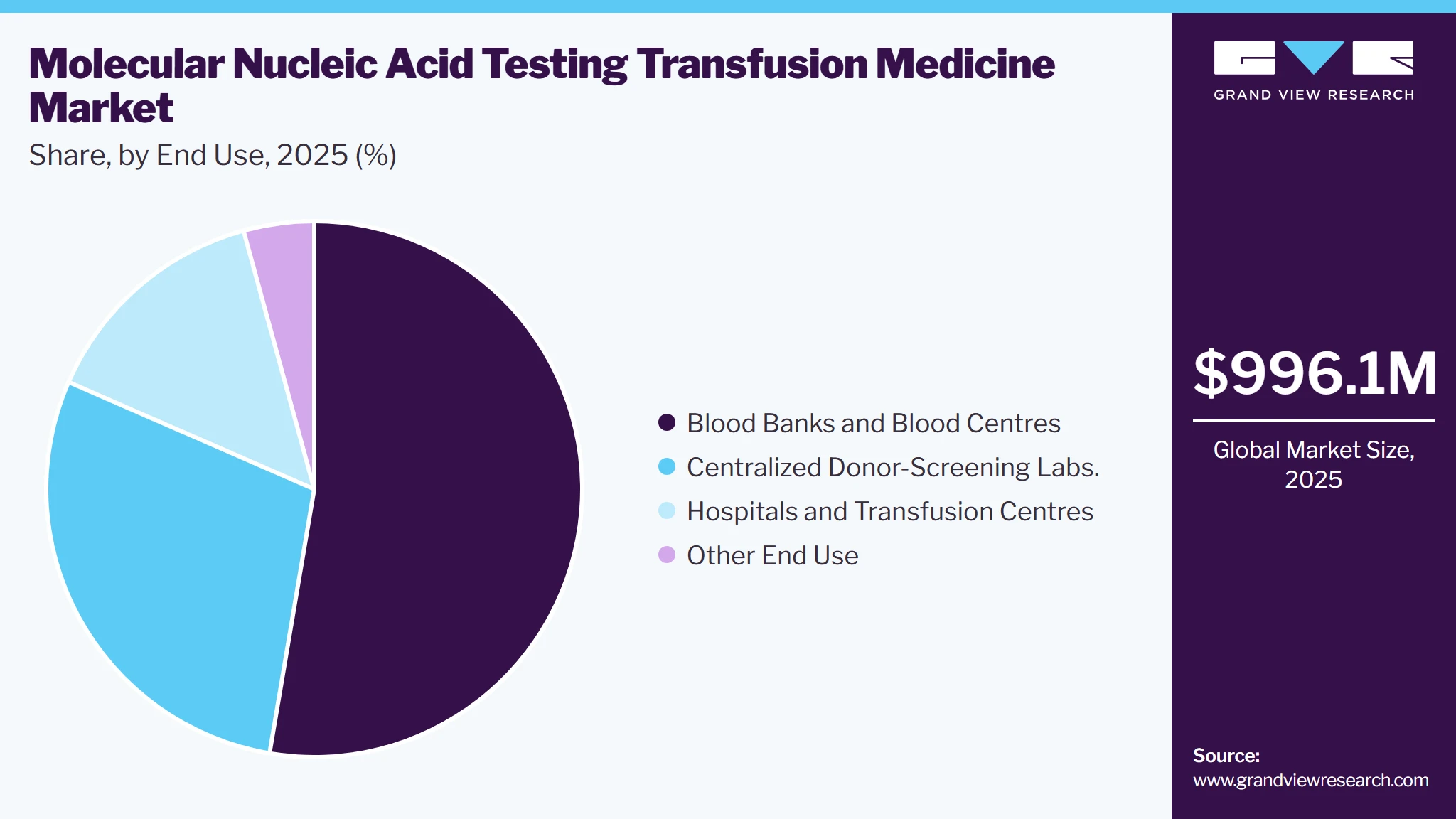
The Blood Banks and Blood Centres segment is expected to account for the largest revenue share of 52.7%, supported by its central role in donor screening and blood-component testing. In 2026, a 12.5-year study from a tertiary-care blood centre in North India analyzed 158,493 seronegative donations and identified 57 NAT-only reactive cases, including 49 HBV, seven HCV, and one HIV case. NAT reduced residual risk by more than 90%, while implementation required INR 17.1 crore compared with an adjusted treatment burden of INR 66.39 crore, indicating potential net savings of INR 49.29 crore. Furthermore, approximately 349 of 1,131 blood centres supported by the Directorate General of Health Services had NAT facilities in 2026, highlighting continued infrastructure expansion and adoption opportunities.
 To learn more about this report, Download Free Sample Report
 The Centralized Donor-Screening Laboratories segment is expected to witness strong adoption and register the fastest CAGR over the forecast period, supported by increasing use of centralized molecular testing across geographically dispersed blood-collection networks. These laboratories consolidate donor samples from multiple blood banks and collection centres, enabling standardized testing, higher instrument utilization, centralized quality control, and operational efficiencies. For instance, an October 2025 study from a tertiary centre in North India reported centralized individual-donor NAT (ID-NAT) screening under the National Health Mission, with samples transported approximately 350 km to a centralized facility using the Procleix Panther System and Procleix Ultrio Elite Assay. The program screened 76,996 samples and identified 242 ID-NAT-yield cases, including 194 HBV, 24 HCV, one HIV, and 23 HBV-HCV dual-infection cases, demonstrating the scalability of centralized NAT screening.
Regional Insights
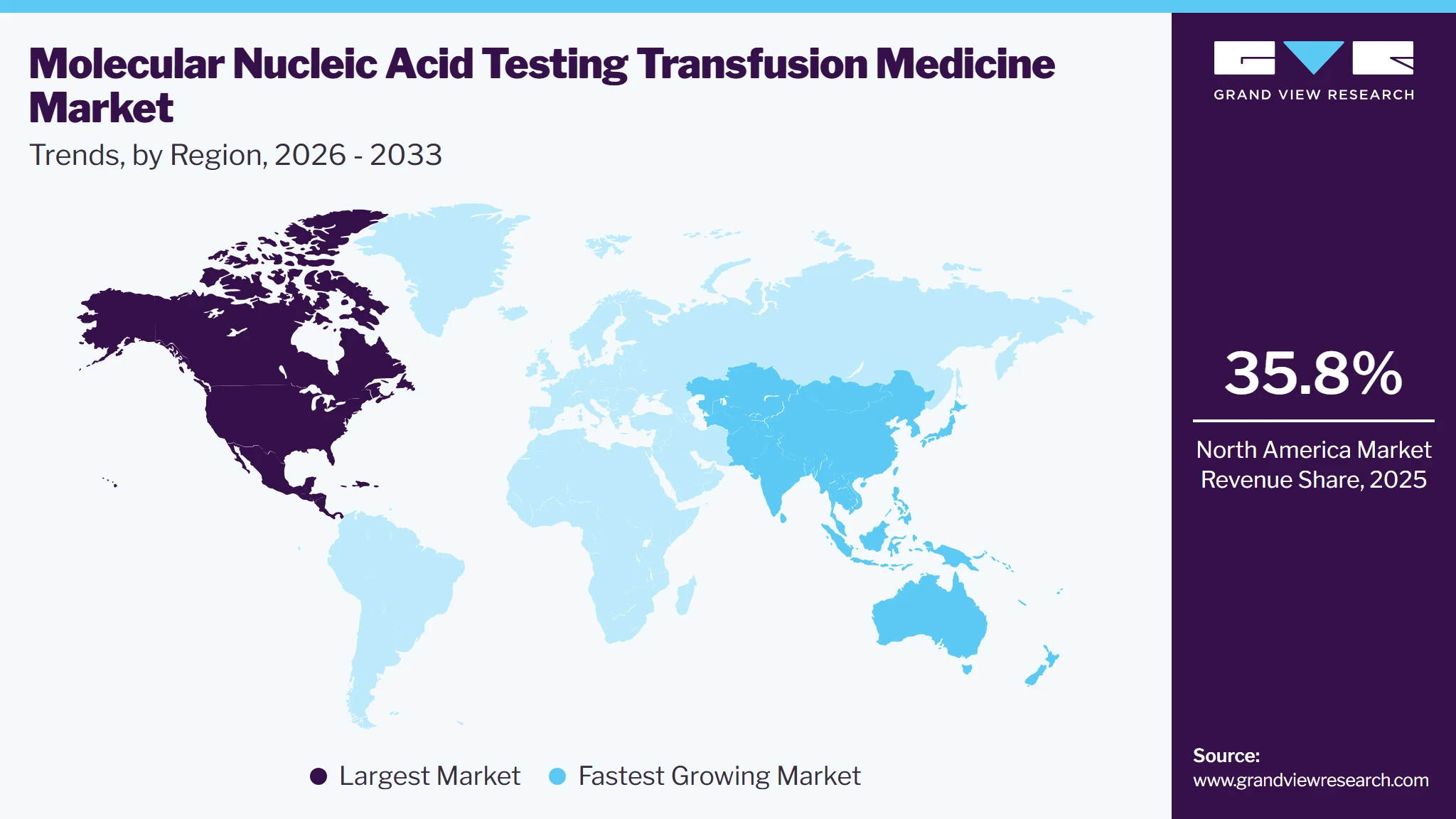
North America dominated the global Molecular nucleic acid testing (NAT) Transfusion Medicine Market and accounted for the largest revenue share of 35.8% in 2025, supported by well-established blood-screening infrastructure, stringent transfusion-safety requirements, and substantial institutional and public healthcare funding. The U.S. blood centers, hospitals, and transfusion services incorporate NAT expenditures into budgets covering blood collection, processing, infectious-disease screening, storage, and distribution. Canada follows a centralized public funding model, while Mexico relies substantially on government-supported blood centers and public healthcare institutions. In June 2026, Canadian Blood Services received new federal funding to strengthen blood-component capabilities, emergency preparedness, supply-chain resilience, and national health-system readiness. This investment supports continued modernization of transfusion infrastructure and creates a favorable environment for NAT adoption. Procurement is influenced by assay performance, throughput, automation, regulatory compliance, maintenance requirements, reagent utilization, and total operating costs.
 To learn more about this report, Download Free Sample Report
 U.S. Molecular NAT Transfusion Medicine Market Trends
The U.S. accounted for the largest share of the North America Molecular nucleic acid testing (NAT) Transfusion Medicine Market, supported by a technologically advanced blood-screening infrastructure, stringent regulatory requirements, and established adoption of automated molecular testing. The market is characterized by competition among leading suppliers offering high-throughput NAT platforms, broad infectious-disease assay menus, and integrated workflows. Grifols and Roche remain prominent suppliers, with the Procleix Panther System and cobas 6800/8800 Systems supporting large-volume donor screening. The market is further supported by substantial blood-testing requirements, with approximately 29,000 units of red blood cells, 5,000 units of platelets, and 6,500 units of plasma required daily in the U.S., while nearly 16 million blood components are transfused annually. These requirements sustain demand for scalable, reliable, and automated NAT solutions and create significant entry barriers for new suppliers.
Europe Molecular NAT Transfusion Medicine Market Trends
The Europe Molecular nucleic acid testing (NAT) Transfusion Medicine Market represents a significant market, supported by well-established national blood services, public healthcare funding, stringent blood-safety requirements, and institutional procurement. National blood establishments and hospitals allocate funding for donor collection, infectious-disease screening, blood-component processing, laboratory infrastructure, and quality management, with NAT expenditures generally incorporated into broader transfusion-service budgets. Funding priorities increasingly emphasize testing quality, standardization, and blood-system efficiency. In 2026, the European Directorate for the Quality of Medicines & HealthCare (EDQM) scheduled a dedicated B-PTS study for HBV/HCV/HIV NAT, co-funded by the EDQM and European Commission, enabling participating blood-establishment laboratories to assess and improve donor-testing performance. Such initiatives support standardized molecular screening capabilities across Europe and create a favorable environment for continued investment in NAT platforms, reagents, consumables, maintenance, and technical services.
The UK Molecular nucleic acid testing (NAT) Transfusion Medicine Market is supported by a mature and highly regulated blood-screening infrastructure, centralized national blood services, and institutional procurement. Donor-screening activities across England, Scotland, Wales, and Northern Ireland create sustained demand for automated, high-throughput NAT solutions capable of meeting stringent quality and blood-safety requirements. Competition is influenced by assay performance, pathogen coverage, workflow integration, service reliability, and supply continuity. In October 2025, an integrated NAT managed-service contract was established to support the Scottish National Blood Transfusion Service, Northern Ireland Blood Transfusion Service, and Welsh Blood Service, covering equipment, reagents, maintenance, technical support, and operational requirements. This development highlights the importance of service-based procurement and centralized molecular screening infrastructure in the UK, while supporting demand for scalable and reliable NAT platforms across national blood-service organizations.
The Germany Molecular nucleic acid testing (NAT) Transfusion Medicine Market is expected to represent a significant European market, supported by a mature blood-screening infrastructure, established blood establishments, hospital transfusion services, and stringent quality requirements. The market benefits from demand for sensitive, reliable, and standardized molecular screening of transfusion-transmissible infections. In March 2026, GFE and Seegene Germany entered a strategic collaboration under which Seegene Germany will distribute GFE’s PoET blood-screening solution in selected countries and explore opportunities for joint development. The collaboration expands commercial access to specialized molecular blood-screening technologies and strengthens competition around pathogen detection, assay portfolios, and transfusion-diagnostics solutions. In addition, German blood establishments continue to prioritize automation, throughput, interoperability, assay performance, and technical support, creating opportunities for suppliers offering integrated NAT platforms and strengthening demand for advanced molecular screening technologies.
Asia Pacific Molecular NAT Transfusion Medicine Market Trends
The Asia Pacific Molecular nucleic acid testing (NAT) Transfusion Medicine Market is characterized by a diverse competitive landscape, supported by mature blood-screening systems in Japan and Australia and developing molecular-testing infrastructure across emerging economies. Competition centers on assay sensitivity, pathogen coverage, automation, throughput, workflow integration, scalability, and technical support. In May 2025, NRL Testing Services launched its 2NAT Program at a newly commissioned laboratory in Melbourne, Australia, screening donated plasma for hepatitis A virus and human parvovirus B19 using NAT. The program demonstrates expanding specialized molecular screening infrastructure and supports demand for NAT platforms, assays, consumables, and testing services. Across the region, differences in NAT adoption, healthcare investment, regulatory requirements, and blood-safety infrastructure influence supplier positioning. Consequently, providers offering reliable, scalable, automated, and cost-efficient solutions are expected to gain competitive opportunities across Asia Pacific.
China represents a high-potential market for the Molecular nucleic acid testing (NAT) Transfusion Medicine Market, supported by the modernization of blood-screening infrastructure, expanding adoption of automated molecular testing, and the growing presence of domestic diagnostic manufacturers. The market benefits from a large healthcare system and an established network of blood centers and transfusion-service providers, creating demand for scalable NAT platforms, reagents, consumables, and laboratory services. Domestic suppliers are strengthening their capabilities through integrated solutions that combine nucleic-acid extraction, amplification, detection, information management, and standardized workflows. In November 2025, Tianlong introduced an automated NAT blood-screening solution combining the Aurora PANA X6 nucleic-acid extraction system, Gentier 96 PCR system, and NAT reagents for HBV, HCV, and HIV-1/HIV-2. Continued investment in automation, pathogen coverage, workflow integration, and testing capacity is expected to create further opportunities for molecular blood-screening technologies in China.
Japan is an important market for the Molecular nucleic acid testing (NAT) Transfusion Medicine Market, supported by a mature and highly standardized blood-screening infrastructure, established transfusion-safety protocols, and the nationwide testing network of the Japanese Red Cross Society. The Japanese Red Cross conducts individual-donation NAT for HBV, HCV, HIV, and HEV through eight designated testing facilities, demonstrating the integration of molecular screening into the national blood-supply system. The established infrastructure creates sustained demand for high-throughput molecular platforms, reagents, consumables, and supporting technologies. In July 2025, the Japanese Red Cross introduced bacterial screening for platelet products as an additional transfusion-safety measure. Although culture-based rather than NAT, the development reflects continued investment in blood-product screening and quality assurance. Consequently, suppliers are expected to compete primarily through assay performance, automation, reliability, pathogen coverage, workflow efficiency, and compatibility with established transfusion-testing infrastructure.
Latin America Molecular NAT Transfusion Medicine Market Trends
Latin America represents an emerging market for the Molecular nucleic acid testing (NAT) Transfusion Medicine Market, supported by expanding blood-safety initiatives, gradual modernization of transfusion infrastructure, and increasing adoption of molecular donor screening. The competitive environment remains heterogeneous, with NAT adoption varying across national blood services, public hospitals, private transfusion centers, and specialized laboratories. Brazil represents one of the region’s more advanced markets, supported by established NAT infrastructure and public-sector investment. In 2026, Brazil expanded mandatory malaria screening to 100% of blood-screening examinations, with the NAT Plus platform developed by Bio-Manguinhos/Fiocruz extending molecular screening beyond HIV, HBV, and HCV to include malaria. The initiative strengthens demand for broader pathogen detection and highlights assay-menu expansion as a competitive differentiator. Across the region, suppliers offering scalable, automated, multiplex, and cost-efficient NAT solutions are positioned to benefit from continued modernization of transfusion-testing infrastructure.
Middle East and Africa Molecular NAT Transfusion Medicine Market Trends
The Middle East & Africa (MEA) Molecular nucleic acid testing (NAT) Transfusion Medicine Market is expected to develop gradually, supported by expanding blood-safety initiatives, healthcare-system modernization, and the gradual strengthening of molecular-testing infrastructure. Adoption varies between advanced Gulf healthcare systems and resource-constrained blood services across sub-Saharan Africa, creating a heterogeneous competitive environment. Competition is shaped by assay sensitivity, pathogen coverage, throughput, automation, workflow integration, regulatory compliance, infrastructure requirements, and cost efficiency. In February 2026, the National Blood Service of Zimbabwe commissioned a NAT platform capable of processing approximately 1,000 tests within 24 hours, strengthening molecular screening capacity and supporting demand for NAT instruments, assays, consumables, and technical services. Across the region, suppliers offering scalable automation, broad pathogen coverage, dependable reagent supply, localized technical support, and cost-efficient operating models are positioned to benefit from gradual modernization of transfusion-testing infrastructure.
Key Molecular (NAT) Transfusion Medicine Company Insights
The Molecular nucleic acid testing (NAT) Transfusion Medicine Market demonstrates a moderately concentrated competitive landscape, with companies competing through comprehensive donor-screening portfolios, established instrument platforms, regulatory approvals, assay performance, pathogen coverage, and strong relationships with blood centers and plasma organizations. F. Hoffmann-La Roche Ltd., Grifols, S.A., GFE, Sansure Biotech Inc., Mylab Discovery Solutions Pvt. Ltd., DaAn Gene Co., Ltd., and Shanghai Kehua Bio-Engineering Co., Ltd. (KHB) are among the key companies shaping the competitive environment. Market positioning is influenced by the breadth of NAT assay menus, analytical sensitivity, testing throughput, automation, workflow integration, pricing, reagent availability, technical support, and geographic reach. Companies are also strengthening their positions through integrated molecular platforms, product development, strategic collaborations, localized manufacturing, and expansion into blood-screening applications. Overall, competition is centered on technology differentiation, operational efficiency, product breadth, regulatory compliance, and cost-effectiveness.
Key Molecular NAT Transfusion Medicine Companies
The following key companies have been profiled for this study on the molecular nucleic acid testing (NAT) transfusion medicine market.
-
F. Hoffmann-La Roche Ltd.
-
Grifols, S.A.
-
GFE
-
Sansure Biotech Inc.
-
Mylab Discovery Solutions Pvt. Ltd.
-
DaAn Gene Co., Ltd
-
Shanghai Kehua Bio-Engineering Co., Ltd. (KHB)
Competitive Benchmarking
Operating Strategies
Competitive Edge
Weaknesses
Mature Players: F. Hoffmann-La Roche Ltd.; Grifols, S.A.; GFE
- Leverage established molecular donor screening platforms, broad NAT assay portfolios, and high throughput automation to support blood and source plasma screening across major transfusion markets.
- Expand pathogen coverage through additional donor screening assays while strengthening installed instrument bases and recurring reagent and consumables demand.
- Invest in automated pooling, workflow management, regulatory approvals, and strategic collaborations to improve laboratory efficiency and extend NAT adoption.
- Strong global presence, established relationships with blood centers and plasma organizations, and extensive installed molecular testing infrastructure.
- Broad donor NAT portfolios covering core and additional transfusion transmissible pathogens, supported by automated platforms and recurring consumables.
- Significant R&D capabilities, regulatory experience, manufacturing infrastructure, and established customer support networks strengthen commercialization and market access.
- High system, assay, and implementation costs may limit adoption among smaller blood centers and resource constrained transfusion facilities.
- Large organizational structures and established platform architectures may make rapid adaptation to emerging pathogen requirements more challenging than for smaller specialized competitors.
- Dependence on sophisticated laboratory infrastructure, trained personnel, and sufficiently high testing volumes can limit competitiveness in decentralized and low volume settings.
Emerging Players: Sansure Biotech Inc.; Mylab Discovery Solutions Pvt. Ltd.; DaAn Gene Co., Ltd.; Shanghai Kehua Bio-Engineering Co., Ltd. (KHB)
- Focus on cost competitive molecular NAT solutions for blood donor screening, particularly HBV, HCV, and HIV detection in individual and pooled testing workflows.
- Expand market presence through automated extraction, amplification, and integrated blood screening platforms designed for regional blood centers and laboratories.
- Pursue regulatory approvals, local partnerships, and geographic expansion to increase adoption across emerging blood screening markets.
- Specialized expertise in PCR based molecular testing and the ability to develop donor screening solutions tailored to regional blood banking requirements.
- Competitive pricing and integrated instrument and reagent offerings can support adoption among laboratories seeking alternatives to higher cost multinational platforms.
- Agile product development and strong regional market knowledge provide opportunities to address localized testing requirements and expand NAT access in developing markets.
- Smaller global installed bases and more limited international commercial footprints compared with established multinational NAT providers.
- Narrower donor NAT assay menus and geographic regulatory coverage may restrict their ability to address diverse pathogen screening requirements across major global markets.
- Lower global brand recognition, distribution reach, and long-term relationships with large international blood organizations can create barriers to expansion outside core markets.
Recent Developments
-
In July 2026, GFE launched PoET Multiscreen, an IVDR-certified PCR kit designed for blood donation screening. The kit enables simultaneous detection and differentiation of HCV, HBV, and HIV, expanding GFE’s molecular screening portfolio and supporting multiplex testing within blood-screening workflows.
-
In May 2026, Grifols presented MUNDAKA, its next-generation molecular/NAT platform designed to provide high multiplexing, sensitivity, speed, and workflow integration. With launch targeted for 2030, the platform reflects continued development toward advanced, integrated molecular donor-screening technologies.
-
In March 2026, Roche launched cobas MPX-E, a four-in-one multiplex donor-screening assay for simultaneous detection and differentiation of HIV-1/2, HCV, HBV, and HEV. Designed for the cobas x800 systems, the assay expands pathogen coverage while supporting automated, high-throughput blood and plasma screening.
-
In March 2026, the FDA approved Grifols’ Procleix Plasmodium Assay for qualitative nucleic-acid detection of Plasmodium species in whole blood from individual donors. The approval expands NAT-based donor screening to malaria and strengthens the role of molecular testing in addressing emerging transfusion-transmitted infection risks.
-
In January 2026, the FDA cleared Procleix WNV/Babesia Quality Control, providing dedicated quality-control material for the corresponding donor-screening assays. The development supports standardized monitoring of assay performance and reinforces quality assurance within routine molecular blood-screening workflows.
-
In January 2026, the FDA cleared Procleix HIV-1/HCV/HBV Quality Control, supporting quality control for corresponding donor-screening assays. The development strengthens quality-assurance capabilities for routine molecular detection of major transfusion-transmissible viral infections.
-
In August 2025, KHB introduced the Aurora PANA X6 automated nucleic-acid purification system with integrated real-time PCR capabilities. The system supports automated blood NAT workflows from sample loading through amplification and analysis, improving workflow integration and supporting higher-throughput molecular donor screening.
-
In 2025, Grifols submitted the Procleix UltrioPlex W Assay to the FDA for donor screening of five pathogens in a single test. The submission highlights continued development of multiplex NAT capabilities and expansion of pathogen coverage within a consolidated donor-screening workflow.
-
In March 2025, Grifols and Inpeco announced a strategic partnership to integrate Inpeco’s FlexLab automation technology with Grifols diagnostic systems for transfusion medicine workflows. The collaboration covers sample routing, storage, traceability, and workflow management, supporting greater automation and standardization of transfusion-testing operations.
Molecular (NAT) Transfusion Medicine Market Report Scope
Report Attribute
Details
Market size in 2025
USD 996.1 million
Estimated market size in 2026
USD 1,042.8 million
Projected market size by 2033
USD 1,513.7 million
Growth rate
CAGR of 5.5% from 2026 to 2033
Actual data
2021 - 2025
Forecast period
2026 - 2033
Quantitative units
Revenue in USD million, and CAGR from 2026 to 2033
Report coverage
Revenue forecast, company ranking, competitive landscape, growth factors, and trends
Segments covered
Product, technology, pathogen target, end-use, region
Regional scope
North America; Europe; Asia Pacific; Latin America; MEA
Country scope
U.S.; Canada; Mexico; UK; Germany; France; Italy; Spain; Netherlands; Denmark; Sweden; China; Japan; India; Australia; Thailand; South Korea; Brazil; Argentina; South Africa; Saudi Arabia; UAE; Kuwait
Key companies profiled
F. Hoffmann-La Roche Ltd.; Grifols, S.A.; GFE; Sansure Biotech Inc.; Mylab Discovery Solutions Pvt. Ltd.; DaAn Gene Co., Ltd.; Shanghai Kehua Bio-Engineering Co., Ltd. (KHB)
Customization scope
Free report customization (equivalent up to 8 analyst working days) with purchase. Addition or alteration to country, regional & segment scope.
Pricing and purchase options
Avail customized purchase options to meet your exact research needs. Explore purchase options
Global Molecular NAT Transfusion Medicine Market Report Segmentation
This report forecasts revenue growth at country levels and provides an analysis of the latest industry trends and opportunities in each of the sub-segments from 2021 to 2033. For this study, Grand View Research has segmented the molecular nucleic acid testing (NAT) transfusion medicine market report on the basis of product, technology, pathogen target, end-use, and region.
-
Product Outlook (Revenue, USD Million, 2021 - 2033)
-
Reagents and Consumables
-
Instruments
-
Software and Services
-
-
Technology Outlook (Revenue, USD Million, 2021 - 2033)
-
Transcription-Mediated Amplification
-
PCR-Based NAT
-
-
Pathogen Target Outlook (Revenue, USD Million, 2021 - 2033)
-
HIV-1 and HIV-2
-
Hepatitis B Virus
-
Hepatitis C Virus
-
West Nile Virus
-
Other Pathogen Target
-
-
End-use Outlook (Revenue, USD Million, 2021 - 2033)
-
Blood Banks and Blood Centers
-
Hospitals and Transfusion Centers
-
Centralized Donor-Screening Laboratories
-
Other End Use
-
-
Regional Outlook (Revenue, USD Million, 2021 - 2033)
-
North America
-
U.S.
-
Canada
-
Mexico
-
-
Europe
-
UK
-
Germany
-
France
-
Italy
-
Spain
-
Netherlands
-
Denmark
-
Sweden
-
-
Asia Pacific
-
Japan
-
China
-
India
-
Australia
-
South Korea
-
Thailand
-
-
Latin America
-
Brazil
-
Argentina
-
-
Middle East & Africa
-
South Africa
-
Saudi Arabia
-
UAE
-
Kuwait
-
-
Research Methodology
The molecular (NAT) transfusion medicine market figures in this report are based on a proven research process that combines executive interviews with secondary research from proprietary databases, company filings, and recognized regulatory and institutional sources. Market size is built through value-chain sizing-reconciling supply-side and demand-side estimates-and triangulated with bottom-up and top-down approaches. Every estimate passes multiple levels of expert validation before publication, with each molecular (NAT) transfusion medicine segment quantified using the revenue-capture definitions in the table below.
Segment Definition
Product
Revenue capture definition
Reagents and Consumables
Covers assay kits, primers, probes, enzymes, extraction materials, controls, calibrators, cartridges, reaction vessels, pooling materials, and other test-specific disposables. Revenue primarily flows from recurring purchases required for individual-donation and routine NAT screening volumes.
Instruments
Covers automated or semi-automated equipment performing NAT workflows, including extraction systems, amplification and detection analyzers, integrated platforms, and sample-pooling systems. Revenue is primarily captured through instrument sales, placements, and associated equipment contracts.
Software and Services
Covers laboratory information software, workflow-management systems, connectivity solutions, installation, validation, maintenance, technical support, training, and related services supporting NAT operations. Revenue primarily comes from software licenses, service contracts, and recurring technical support.
Technology
Revenue capture definition
Transcription-Mediated Amplification
Covers NAT solutions utilizing transcription-mediated amplification, including compatible assays, analyzers, target-capture systems, reagents, controls, and consumables. Revenue is primarily captured through TMA assay consumption and compatible platform utilization.
PCR-Based NAT
Covers NAT solutions utilizing conventional, real-time, reverse-transcription, and multiplex PCR technologies for donor screening, including dedicated assays, instruments, and consumables. Revenue flows from PCR assay utilization and associated platform requirements.
Pathogen Target
Revenue capture definition
HIV-1 and HIV-2
Covers NAT solutions detecting HIV-1 and HIV-2 nucleic acids in blood and plasma donor samples through standalone or multiplex assays. Revenue primarily flows from recurring HIV-targeted testing during routine donor screening.
Hepatitis B Virus
Covers NAT solutions detecting HBV DNA in blood and plasma donations through standalone or multiplex assays for donor screening, minipool testing, and reactive-sample resolution. Revenue flows from recurring HBV assay utilization.
Hepatitis C Virus
Covers NAT solutions detecting HCV RNA in blood and plasma donor samples through standalone or multiplex assays used for routine screening and reactive-sample resolution. Revenue is primarily captured through recurring HCV testing requirements.
West Nile Virus
Covers NAT solutions detecting WNV RNA in blood and plasma donations, including seasonal, risk-based, individual-donation, and minipool screening. Revenue primarily flows from assay utilization associated with WNV donor-screening requirements.
Other Pathogen Target
Covers NAT solutions targeting transfusion-transmissible pathogens outside separately defined categories, including HAV, HEV, parvovirus B19, Zika, dengue, chikungunya, Babesia, and Plasmodium. Revenue is captured through pathogen-specific assay consumption.
End User
Revenue capture definition
Blood Banks and Blood Centres
Covers public, private, nonprofit, national, and regional blood facilities performing NAT on collected blood or plasma donations within their own testing operations. Revenue primarily flows from procurement of NAT instruments, assays, consumables, and related services.
Hospitals and Transfusion Centres
Covers hospital-owned blood banks, transfusion departments, and associated laboratories conducting NAT for donor screening, blood safety, and testing of locally collected blood components. Revenue is primarily captured through institutional procurement of NAT solutions and supporting services.
Centralized Donor-Screening Laboratories
Covers high-throughput laboratories receiving donor samples from multiple blood banks, hospitals, collection centres, or plasma facilities for consolidated NAT screening. Revenue flows from centralized procurement and high-volume molecular testing requirements.
Other End Use
Covers donor-screening facilities outside defined blood banks, hospitals, and centralized laboratories, including military, humanitarian, and specialized blood-screening programs. Revenue is primarily captured through institutional procurement and program-specific NAT testing requirements.
Estimation Model
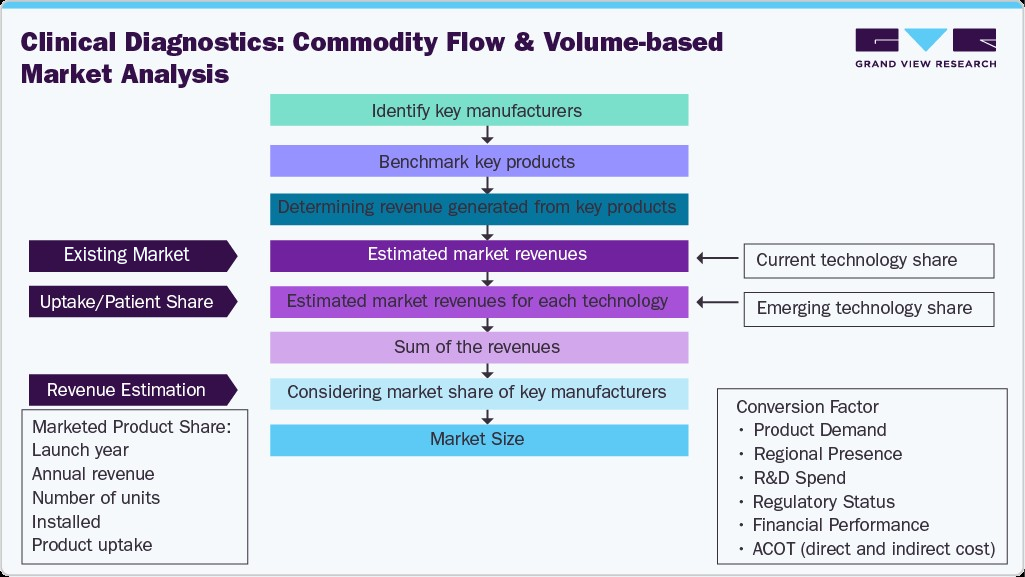
The Molecular (NAT) Transfusion Medicine Market is estimated using a bottom-up revenue approach, beginning with identification of key manufacturers and benchmarking their relevant products. Revenue contributions from key NAT products are assessed and aggregated to estimate technology-level revenues.The estimated revenues are then adjusted for market share and existing market uptake, with technology-specific revenues summed to derive the overall market size. This approach incorporates manufacturer-level revenue estimation and market-share analysis to establish the final market value.
 To learn more about this report, Download Free Sample Report
 Customization Table
Client Request
Customization Delivered
Value Adds
Molecular (NAT) Transfusion Medicine Market Competitive Landscape & Technology Assessment
Assessed the competitive landscape across NAT assays, reagents, consumables, instruments, and software & services. Evaluated key manufacturers based on product portfolios, pathogen coverage, technology platforms (PCR and TMA), regulatory approvals, installed base, strategic collaborations, and geographic presence.
Enabled the client to benchmark leading NAT manufacturers, understand technology positioning, identify gaps in pathogen coverage, and evaluate strategic opportunities across product development, partnerships, and market expansion.
Molecular (NAT) Transfusion Medicine Market Diagnostic Product & Pathogen Benchmarking Analysis
Conducted detailed benchmarking of NAT assays and kits across key pathogen targets, including HIV-1/2, HBV, HCV, West Nile virus, and other emerging pathogens. Assessed assay performance, regulatory status, sample types, testing throughput, product formats, and compatibility with automated molecular testing platforms.
Helped the client identify product and pathogen-coverage gaps, compare technology and assay positioning, and prioritize opportunities for product development, portfolio expansion, or licensing while aligning with evolving blood-safety requirements.
Molecular (NAT) Transfusion Medicine Market Entry & Commercialization Assessment
Evaluated market-entry strategies, regulatory pathways such as U.S. FDA and CE-IVDR requirements, reimbursement and funding structures, blood-collection and testing infrastructure, distribution channels, and adoption barriers across key regions and countries. Assessed demand across blood banks and blood centers, hospitals and transfusion centers, centralized donor-screening laboratories, and other end users.
Supported market-entry planning by identifying high-potential regions and end users, assessing regulatory and funding environments, understanding local blood-screening practices, and developing tailored commercialization strategies for NAT products and solutions.
Frequently Asked Questions About This Report
The molecular nucleic acid testing transfusion medicine market is projected to reach USD 1,513.7 million by 2033, registering a CAGR of 5.5% during 2026–2033.
Hepatitis B Virus represented the largest pathogen target segment in 2025, reflecting the continued importance of HBV screening in blood safety.
Blood Banks and Blood Centers dominated the market in 2025, driven by the routine implementation of molecular screening for donated blood.
North America accounted for the largest regional share in 2025, driven by established blood screening infrastructure, stringent safety requirements, and widespread adoption of molecular testing.
Asia Pacific is expected to register the fastest growth during 2026 to 2033, driven by expanding healthcare infrastructure, increasing transfusion volumes, and growing adoption of molecular donor screening.
The global molecular nucleic acid testing (NAT) transfusion medicine market size was valued at USD 996.1 million in 2025 and is estimated at USD 1,042.8 million in 2026
Reagents and Consumables dominated the market in 2025, supported by recurring demand for molecular testing materials in blood screening.
PCR-Based NAT accounted for the largest share of the market in 2025, driven by its widespread use for sensitive pathogen detection in transfusion screening.
The molecular nucleic acid testing transfusion medicine market is expected to grow at a CAGR of 5.5% during 2026–2033.
Key factors driving market growth include increasing emphasis on transfusion-transmitted infection screening, adoption of nucleic acid testing, expansion of donor-screening laboratories, and demand for sensitive pathogen detection.
About the Author(s)
Clinical Diagnostics Research Team
Industry · Clinical DiagnosticsThis report was authored by the clinical diagnostics research team at Grand View Research - comprising two research analysts, one senior research analyst, and one industry expert - with specialized expertise in the clinical diagnostics segment of the industry industry. All findings are based on proprietary industry databases, executive interviews, and regulatory analysis, subject to internal peer review prior to publication.
Last Updated:
Speak to Analyst

Customize this report to your needs - add regions, segments, or data points, with 20% free customization.
Or view our licence options:


ISO 9001:2015 & 27001:2022 Certified
We are GDPR and CCPA compliant! Your transaction & personal information is safe and secure. For more details, please read our privacy policy.


