
- Home
- »
- Clinical Diagnostics
- »
-
Multiplex Testing Reagents Market Size & Share Report 2033GVR Report cover

Multiplex Testing Reagents Market (2026 - 2033)
Size, Share & Trends Analysis Report By Type (Biotin-based Reagents, Streptavidin-based Reagents), By Application (Autoimmune Disease Diagnostics, Oncology), By End Use, By Region, And Segment Forecasts
Market Size, 2025
$1.6BMarket Estimate, 2026
$1.7BMarket Forecast, 2033
$4.1BCAGR, 2026–2033
13.5%Multiplex Testing Reagents Market Summary
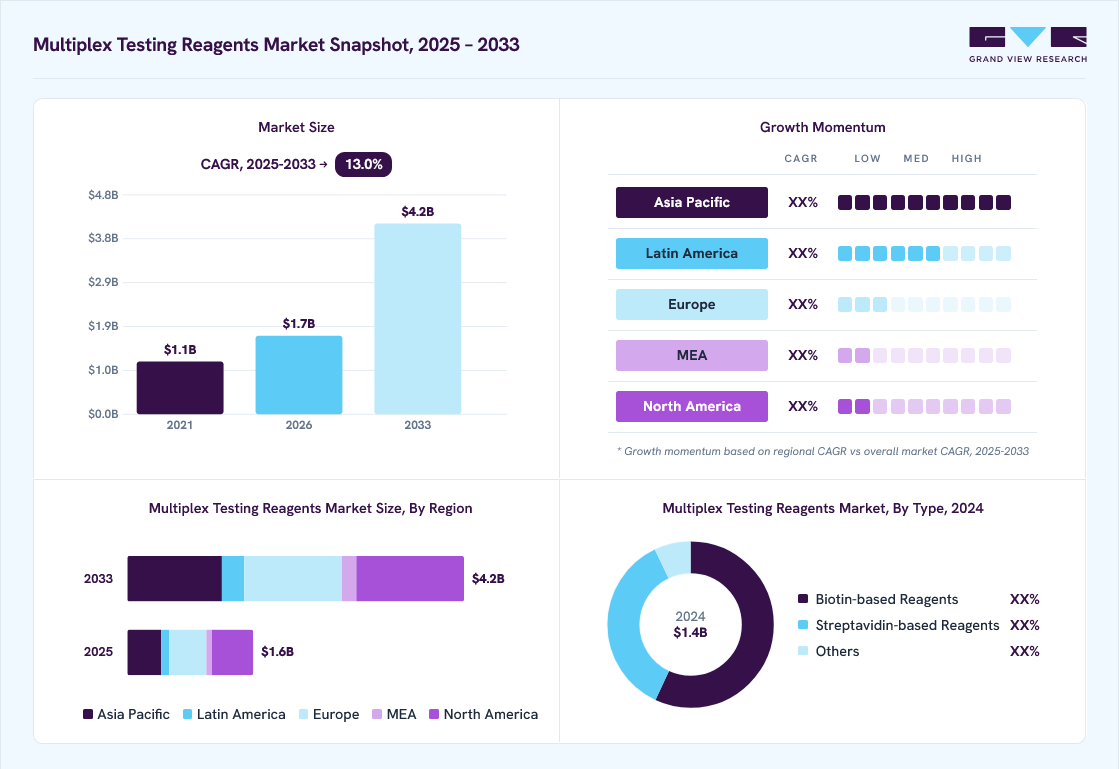
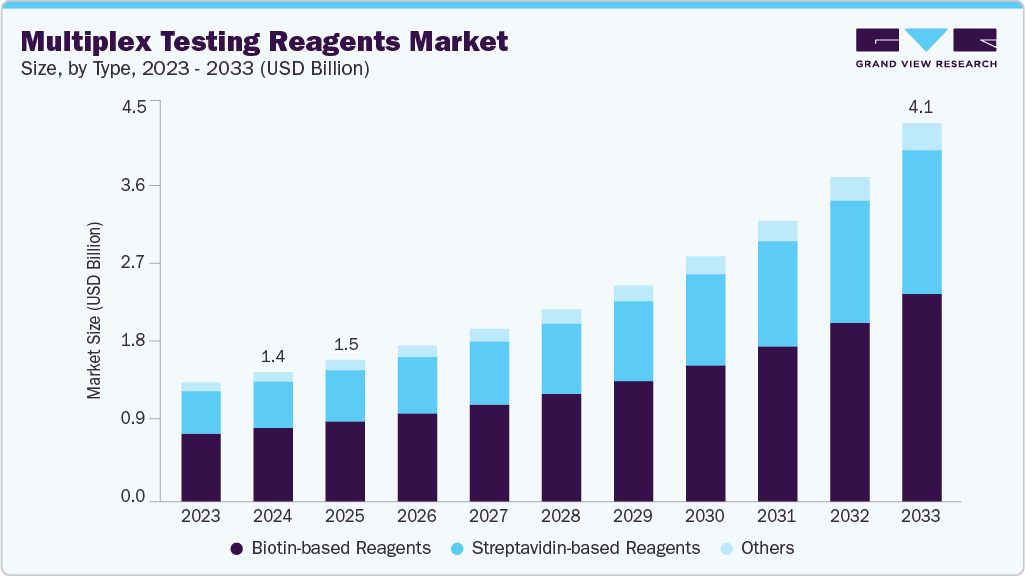
The global multiplex testing reagents market size was valued at USD 1.6 billion in 2025 and is projected to grow from USD 1.7 billion in 2026 to USD 4.1 billion by 2033, at a CAGR of 13.5% from 2026 to 2033. The market in North America dominated with a revenue share of 32.8% in 2025. Multiplex testing reagents enable the simultaneous detection of multiple analytes in a single test, offering higher efficiency and cost-effectiveness compared to conventional single-target assays.
 Source: Grand View Research, IR Documents, Primary Interviews, Paid DatabasesTo learn more about this report,
 Download Free Sample Report
 Key Market Trends & Insights
- By type: Biotin-based reagents segment held the largest market share of 56.6% in 2025.
- By application: Drug discovery & development segment held the largest market share of 26.4% in 2025.
- By end use: Pharmaceutical & bioapplication companies segment held the largest market share of 38.3% in 2025.
Regional Highlights
- Largest regional market: North America (32.8% revenue share, 2025)
- Fastest-growing regional market: Asia Pacific (highest CAGR, 2026-2033)
- By country: The U.S. held the largest market share in 2025
Market Size & Forecast
- Market size in 2025: USD 1.6 Billion
- Estimated market size in 2026: USD 1.7 Billion
- Projected market size by 2033: USD 4.1 Billion
- CAGR (2026-2033): 13.5%
Three ways to get this report
Buy it, customize it, or ask a question.Ask an Analyst
A direct answer, usually in 1 working day
- AccessReport author, directly
- Reply timeWithin 1 working day
- No sales callDirect answer only
- FormatEmail reply
- CostFree, no cost
Get the Full Report
What the study covers
- FormatsPDF · Excel · Dashboard
- Timeline2026–2033 annual, 2025 base
- Coverage20+ countries, 5 regions
- Companies10+ key players profiled
Customize the Report
20% free customization
- IncludeCountries, segments, points
- TailorTo your product definition
- ExtendDeeper competitor detail
- OrA fully bespoke study
- Turnaround5–10 working days
Their ability to provide comprehensive diagnostic data in shorter timeframes has driven adoption across clinical, research, and pharmaceutical applications. The market’s growth is further fueled by the increasing demand for personalized medicine, where rapid and precise detection of multiple biomarkers is critical for tailoring treatment strategies. Technological advancements in assay design, automation, and detection platforms have also enhanced the reliability and throughput of multiplex testing, making it an attractive choice for laboratories aiming to optimize workflow while minimizing sample volume and operational costs.A primary factor driving the growth of multiplex testing reagents is the rising prevalence of chronic diseases and infectious conditions worldwide. Chronic illnesses such as cardiovascular disorders, cancer, autoimmune diseases, and metabolic syndromes often involve multiple biomarkers, making multiplex assays an efficient tool for comprehensive monitoring and diagnosis. In addition, the global burden of infectious diseases, including viral, bacterial, and emerging pathogens, has increased the need for high-throughput diagnostic solutions capable of detecting multiple pathogens simultaneously. Multiplex reagents allow clinicians to screen for co-infections and identify pathogen profiles in a single test, reducing diagnostic delays. This is particularly important in public health scenarios where early detection can prevent outbreaks. Consequently, growing disease prevalence directly correlates with increased adoption of multiplex testing reagents, thereby driving market expansion.
 To learn more about this report, Download Free Sample Report
 Technological innovation is a key driver of market growth for multiplex testing reagents. Advanced assay platforms, such as bead-based flow cytometry, microarrays, and next-generation sequencing-compatible reagents, have enhanced the sensitivity, specificity, and throughput of multiplex testing. Automation and integration with laboratory information systems have further streamlined workflows, allowing laboratories to process larger sample volumes with reduced human error. Novel reagent chemistries and labeling techniques have improved the detection of low-abundance biomarkers, expanding clinical and research applications. In addition, miniaturization and microfluidic technologies have enabled point-of-care multiplex testing, bringing laboratory-grade analysis closer to patients. These technological improvements not only improve diagnostic accuracy but also reduce turnaround time and costs, making multiplex testing reagents increasingly attractive for hospitals, diagnostic laboratories, and research institutions globally.
The trend toward personalized and precision medicine is fueling demand for multiplex testing reagents. Personalized medicine relies on comprehensive biomarker profiling to tailor therapies to individual patients, optimizing treatment outcomes while minimizing adverse effects. Multiplex testing allows simultaneous analysis of genetic, proteomic, and immunologic markers, providing a holistic view of disease states. This is particularly critical in oncology, where tumor heterogeneity requires multiple biomarker assessments to guide targeted therapies. Similarly, in autoimmune and metabolic disorders, multiplex reagents facilitate accurate disease classification and monitoring of treatment response. As healthcare providers increasingly focus on individualized care, the need for multiplex testing reagents rises. The ability to obtain multiple diagnostic results from a single patient sample aligns with efficiency goals, patient comfort, and cost reduction, further strengthening the market’s growth trajectory.
Expanding research activities and clinical applications represent another growth factor for multiplex testing reagents. Pharmaceutical and biotechnology companies are increasingly relying on multiplex assays for drug discovery, clinical trials, and biomarker validation studies. Academic and government research institutions utilize these reagents to investigate complex disease mechanisms, study immune responses, and perform large-scale epidemiological studies. Multiplex testing’s capability to analyze multiple parameters simultaneously accelerates research timelines and enhances data quality. Moreover, the adoption of multiplex reagents in routine clinical diagnostics, such as infectious disease screening, allergy panels, and autoimmune disorder monitoring, has broadened market opportunities. Government initiatives promoting advanced diagnostics and funding for translational research further support market growth. Consequently, the combination of research and clinical applications continues to drive sustained demand for multiplex testing reagents worldwide.
Market Dynamics
The multiplex testing reagents market is experiencing steady growth, driven by increasing demand for high-throughput diagnostics, rising prevalence of infectious diseases and cancer, and expanding adoption of precision medicine. Healthcare providers and laboratories are increasingly utilizing multiplex assays to simultaneously detect multiple biomarkers, reducing turnaround time and improving diagnostic efficiency. Technological advancements in molecular diagnostics, immunoassays, and next-generation sequencing (NGS), coupled with growing investments in clinical research and decentralized testing, are accelerating market expansion. However, high assay development costs and stringent regulatory requirements continue to challenge widespread commercialization and adoption.
The increasing burden of infectious diseases, cancer, and genetic disorders is driving demand for multiplex testing reagents capable of detecting multiple targets in a single assay. Multiplex technologies improve laboratory efficiency by reducing turnaround time, sample volume requirements, and overall testing costs while enabling comprehensive diagnostic information. These advantages have accelerated adoption across hospitals, reference laboratories, and public health laboratories for respiratory, gastrointestinal, sexually transmitted infection (STI), and oncology testing.
A recent example is the continued expansion of multiplex respiratory testing following updated respiratory disease surveillance programs. According to the U.S. Centers for Disease Control and Prevention (CDC), during the 2024-2025 respiratory virus season, simultaneous circulation of influenza, COVID-19, and RSV increased the need for multiplex molecular diagnostic assays capable of differentiating multiple pathogens from a single specimen. Additionally, the World Health Organization (WHO) continues to recommend integrated surveillance of respiratory pathogens, encouraging laboratories to adopt multiplex molecular testing platforms for improved public health response.
Developing multiplex testing reagents is technically complex because each assay must demonstrate high sensitivity, specificity, and minimal cross-reactivity among multiple analytes. Manufacturers must perform extensive analytical and clinical validation before obtaining regulatory approvals, increasing development timelines and commercialization costs. The need for standardized quality control and compatibility across multiple laboratory platforms further limits rapid product launches.
Recent regulatory developments continue to emphasize rigorous validation requirements for in vitro diagnostic products. Throughout 2024, the U.S. Food and Drug Administration (FDA) maintained stringent performance expectations for multiplex molecular diagnostic assays, while implementation of the European Union In Vitro Diagnostic Regulation (IVDR) continues to require enhanced clinical evidence and post-market surveillance for diagnostic manufacturers. These regulatory obligations increase compliance costs, particularly for smaller companies entering the multiplex diagnostics market.
Precision medicine is creating significant opportunities for multiplex testing reagents by increasing demand for simultaneous analysis of multiple biomarkers that support targeted therapy selection and disease monitoring. Multiplex assays are becoming increasingly important in oncology, autoimmune diseases, infectious disease management, and pharmacogenomics, where comprehensive biomarker profiling improves clinical decision-making while reducing testing time.
A notable example is the continued growth of precision oncology initiatives supported by the U.S. National Cancer Institute (NCI) and the National Institutes of Health (NIH) during 2024, which emphasize biomarker-driven clinical trials and molecular profiling. According to the National Cancer Institute, approximately 2.0 million new cancer cases are expected in the U.S. in 2024, highlighting the increasing need for multiplex molecular assays capable of evaluating multiple genomic and protein biomarkers simultaneously. Growing pharmaceutical investment in companion diagnostics further strengthens long-term opportunities for multiplex reagent manufacturers.Market Concentration & Characteristics
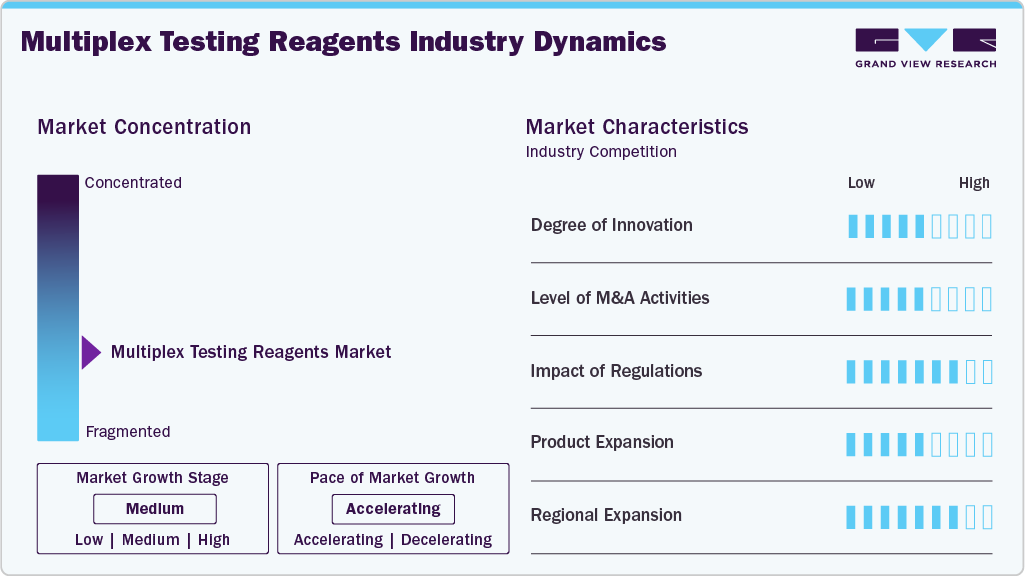
The multiplex testing reagents industry is experiencing significant innovation, driven by advancements in molecular diagnostics and personalized medicine. Companies are developing high-throughput platforms that enable the simultaneous detection of multiple biomarkers, enhancing diagnostic efficiency and accuracy. This innovation is crucial for applications in oncology, infectious diseases, and autoimmune disorders.
The market has seen robust mergers and acquisitions, as companies seek to expand their technological capabilities and market reach. Strategic acquisitions of biotech firms and assay technology developers are helping larger diagnostics companies strengthen their assay portfolios and access new markets. These consolidations accelerate innovation cycles and enable faster deployment of advanced testing solutions.
 To learn more about this report, Download Free Sample Report
 Regulatory frameworks significantly influence the global landscape. In the U.S., the FDA oversees in vitro diagnostic (IVD) products, ensuring safety and efficacy. Proposed changes to regulations, such as stricter premarket review requirements, aim to enhance public health protection but may impact the development and availability of new diagnostic tests.
The market for multiplex testing reagents is expanding with the development of new products that offer enhanced sensitivity and specificity. Innovations include multiplex PCR kits and lateral flow assays that can detect multiple pathogens or biomarkers simultaneously. These advancements are particularly beneficial in point-of-care diagnostics and personalized medicine, where rapid and accurate results are essential.
The multiplex testing reagents market is witnessing regional expansion, particularly in the Asia Pacific region. Countries like China are increasingly sourcing laboratory reagents from domestic suppliers to reduce costs and shorten delivery times, responding to rising import tariffs and concerns about supply chain reliability. This shift is supported by robust biotech sector growth and government initiatives to enhance local manufacturing capabilities.
Analyst Perspective
The Multiplex Testing Reagents Market is expected to witness robust growth, driven by increasing demand for high-throughput diagnostics, expanding precision medicine initiatives, and rising adoption of multiplex molecular and immunoassay technologies. Market participants should prioritize investments in highly sensitive, application-specific reagent chemistries, automated assay workflows, and next-generation multiplex platforms to improve testing efficiency and diagnostic accuracy. Strengthening collaborations with clinical laboratories, hospitals, pharmaceutical and biotechnology companies, contract research organizations (CROs), and academic institutions will be critical for accelerating biomarker discovery and clinical adoption. Companies should also focus on regulatory compliance, assay standardization, and expanding companion diagnostic applications to strengthen market presence. Developing cost-effective multiplex reagent solutions for emerging markets and integrating reagents with automated laboratory systems and digital analytics platforms will create significant long-term growth opportunities while enhancing competitive differentiation.
Type Insights
Based on type, the biotin-based reagents segment led the market with the largest revenue share of 56.6% in 2025. The dominance of this segment is primarily attributed to biotin’s high binding affinity with streptavidin, which ensures superior assay sensitivity, specificity, and reproducibility. Biotin-based reagents are widely used in multiplex immunoassays, PCR, and molecular diagnostic platforms due to their ability to enable efficient signal amplification and multi-target detection in a single reaction. Moreover, the increasing demand for accurate and high-throughput diagnostic tools in infectious disease testing, oncology, and genetic screening has accelerated the adoption of these reagents. Major market players such as Thermo Fisher Scientific, Bio-Rad Laboratories, QIAGEN, and Merck KGaA continue to innovate biotin-based chemistries to improve assay performance and automation compatibility, further reinforcing this segment’s leadership and growth potential in multiplex diagnostic applications.
The streptavidin-based reagents segment is anticipated to experience the fastest growth during the forecast period in the multiplex testing reagents industry. This growth is driven by the increasing adoption of streptavidin-biotin chemistry in multiplex assays due to its exceptional binding strength, low background interference, and compatibility with diverse detection platforms. Streptavidin-based reagents enable high signal amplification, making them ideal for applications in immunoassays, molecular diagnostics, and proteomics where precision and sensitivity are critical. Moreover, the growing use of multiplex assays in infectious disease diagnosis, cancer biomarker profiling, and genetic testing is further fueling demand for these reagents. Key manufacturers such as Thermo Fisher Scientific, Merck KGaA, Bio-Rad Laboratories, and PerkinElmer Inc. are investing in developing next-generation streptavidin conjugates with enhanced stability and reduced non-specific binding, which is expected to accelerate adoption and solidify this segment’s position as a key growth driver in the multiplex testing market.
Application Insights
Based on application, the drug discovery & development segment led the market with the largest revenue share of 26.4% in 2025. This dominance is attributed to the increasing utilization of multiplex assays in pharmaceutical research to accelerate target identification, biomarker validation, and high-throughput screening. Multiplex testing enables simultaneous analysis of multiple analytes, reducing reagent consumption, cost, and time while improving data reliability-key advantages in modern drug development workflows. In addition, the growing emphasis on personalized medicine and precision therapeutics has boosted demand for multiplex-based platforms that support comprehensive pharmacological profiling. As R&D investments continue to rise globally, the Drug Discovery & Development segment is expected to sustain its strong market position throughout the forecast period.
The others segment is anticipated to experience the fastest growth during the forecast period in the market for multiplex testing reagents. This segment includes emerging applications such as neurological disorder research, cardiovascular disease diagnostics, environmental testing, and veterinary diagnostics. The rapid expansion of these areas is driven by growing awareness of early disease detection, increased funding for translational research, and advancements in high-throughput multiplex platforms. Furthermore, the integration of multiplex assays in epigenetic and metabolic studies is broadening their utility beyond conventional diagnostics. Leading manufacturers, including Thermo Fisher Scientific, Bio-Rad Laboratories, Merck KGaA, and PerkinElmer Inc., are actively developing specialized multiplex reagent kits to address these new applications, positioning the “Others” segment as a key driver of future market expansion.
End Use Insights
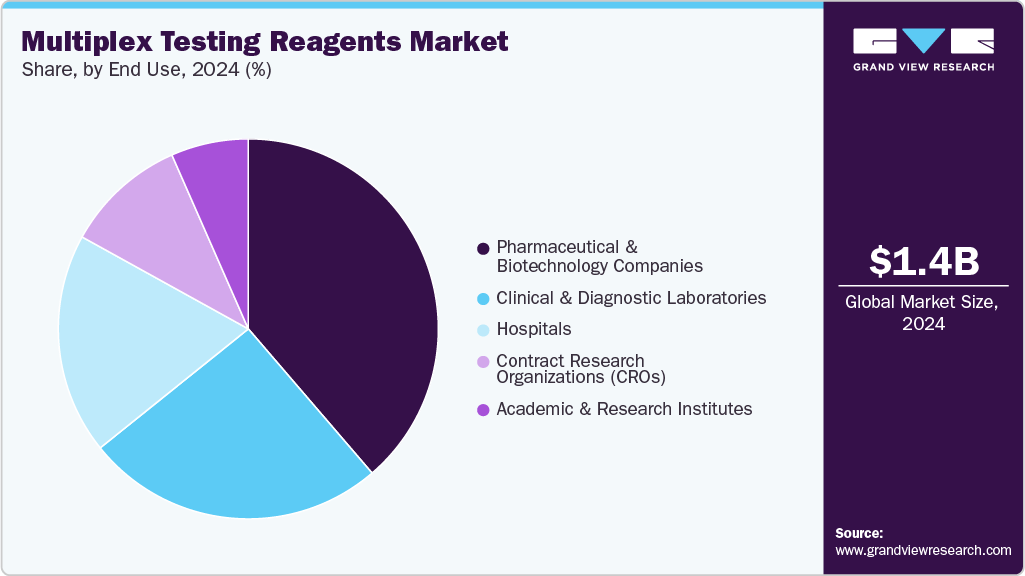
Based on End use, the pharmaceutical & bioapplication companies segment led the market with the largest revenue share of 38.3% in 2025. This dominance is primarily attributed to the extensive use of multiplex assays in drug discovery, biomarker validation, and clinical research. These companies leverage multiplex reagent technologies to analyze multiple biomarkers simultaneously, accelerating R&D timelines and improving data accuracy in preclinical and clinical studies. The growing demand for personalized medicine and precision diagnostics has further fueled the adoption of multiplex testing platforms within the biopharmaceutical sector. Additionally, the rising prevalence of infectious and chronic diseases has increased investment in multiplex-based molecular and immunoassay technologies.
 To learn more about this report, Download Free Sample Report
 The clinical & diagnostic laboratories segment is anticipated to experience the fastest growth during the forecast period. This growth is primarily driven by the increasing adoption of multiplex assays for infectious disease detection, oncology diagnostics, allergy testing, and the screening of autoimmune disorder. Clinical laboratories are rapidly transitioning from conventional single-analyte testing to multiplex technologies due to their ability to deliver faster, more accurate, and cost-efficient results. Moreover, the rising global burden of chronic and infectious diseases, coupled with the growing demand for personalized and precision diagnostics, is accelerating the use of multiplex reagent platforms. Advancements in automation, digital PCR, and high-throughput immunoassay systems are also enhancing test efficiency and scalability.
Regional Insights
North America multiplex testing reagents market accounted for the largest revenue share of 32.8% in 2025, driven by growing R&D activities, including the development of novel drugs, diagnostics, and treatment options. The rising prevalence of chronic conditions such as stroke and cancer, along with increased government funding for new biomarker detection, is expected to fuel segment growth. Leading regional players are also likely to strengthen market expansion.
 To learn more about this report, Download Free Sample Report
 U.S. Multiplex Testing Reagents Market Trends
The multiplex testing reagents market in the U.S. held the largest share in the North America region in 2025. The multiplex testing reagents industry in the U.S. is experiencing strong growth due to advanced healthcare infrastructure, significant R&D investments, and early adoption of innovative diagnostics. The increasing burden of chronic and infectious diseases, coupled with an emphasis on precision medicine, drives demand. Supportive FDA regulatory pathways and the presence of key market players further promote rapid innovation and commercialization. Technological advancements in genomics and proteomics, along with the need for efficient diagnostic solutions, position the U.S. as a global leader.
Europe Multiplex Testing Reagents Market Trends
The Europe multiplex testing reagents industry is expanding steadily, supported by strong academic research, favorable healthcare policies, and a rising chronic disease burden. EU initiatives promoting early disease diagnosis and personalized medicine accelerate adoption. Countries such as France, Italy, and the Netherlands are witnessing an increase in investment in diagnostic laboratories. Collaborations between pharmaceutical and biotech firms for drug development further boost clinical trial applications. Regulatory frameworks, while strict, ensure high-quality standards and continued innovation.
The multiplex testing reagents industry in the UK benefits from strong government support for genomics research and NHS initiatives promoting early detection. Projects like Genomics England and public-private partnerships enhance the use of multiplex testing in personalized healthcare. A focus on cancer diagnostics and infectious disease screening is expanding demand, while the UK’s vibrant biotech ecosystem and streamlined regulatory environment foster innovation and commercialization.
The Germany multiplex testing reagents industry is driven by its advanced medical technology sector, extensive healthcare infrastructure, and robust clinical research landscape. Emphasis on precision diagnostics and laboratory automation encourages adoption of multiplex testing. Government funding for cancer and infectious disease research, combined with leading biotech and pharmaceutical companies, supports market growth. Germany’s skilled workforce and efficient regulatory processes further promote the development and distribution of advanced diagnostic reagents.
Asia Pacific Multiplex Testing Reagents Market Trends
The Asia Pacific multiplex testing reagents industry is expected to witness the fastest growth during the forecast period, driven by the increasing number of hospitals, expanding R&D sectors, growing healthcare infrastructure, and regional investments. For example, QuantuMDx received USD 10.9 million from Vita Spring and partnered with Sansure Biotech to develop multiplex capabilities in China. Rising cancer prevalence due to tobacco use also increases the demand for screenings, supporting market growth.
The multiplex testing reagents industry in China is rapidly expanding due to government investment in healthcare modernization and biotechnology. The growing prevalence of infectious and chronic diseases drives demand for rapid, accurate diagnostics. Initiatives like “Made in China 2025” promote biotech innovation, with local companies developing multiplex technologies. Collaborations between Chinese hospitals and global firms accelerate clinical application, while population size and regulatory reforms aid market penetration.
The Japan multiplex testing reagents industry is growing steadily due to an aging population, high healthcare standards, and a focus on early disease detection. Investment in genomic research and personalized medicine makes multiplex reagents vital diagnostic tools. Government initiatives and academic collaborations drive R&D, supported by a robust domestic pharmaceutical industry and a regulatory environment that encourages innovation while ensuring high-quality standards.
Latin America Multiplex Testing Reagents Market Trends
The Latin America multiplex testing reagents industry is experiencing gradual growth, supported by rising healthcare investments and growing awareness of advanced diagnostics. Brazil, Mexico, and Argentina lead the market, driven by improved laboratory infrastructure and demand for infectious disease testing. Regulatory challenges and limited reimbursement structures pose obstacles, but partnerships with global diagnostics companies and public health programs are expanding access. Government emphasis on disease prevention and early diagnosis highlights the market’s potential.
Middle East and Africa Multiplex Testing Reagents Market Trends
The multiplex testing reagents industry in the Middle East and Africa shows emerging growth, fueled by rising healthcare spending and the burden of infectious diseases. Countries like the UAE and Saudi Arabia are investing in diagnostic technologies as part of healthcare modernization. In Africa, international aid and NGO collaborations facilitate multiplex testing adoption, particularly for HIV and tuberculosis. Limited infrastructure and high costs may restrict growth, though ongoing investment is expected to improve market expansion.
Key Multiplex Testing Reagents Company Insights
The multiplex testing reagents industry is driven by several leading companies at the forefront of innovation and adoption. Prominent players include Thermo Fisher Scientific Inc., Bio-Rad Laboratories, Inc., Luminex Corporation, QIAGEN N.V., Seegene Inc., Abcam plc., PerkinElmer Inc., Merck KGaA, Illumina, Inc., and Bio-Techne Corporation. These companies are investing heavily in research and development, expanding geographically, introducing continuous product innovations, and forming strategic collaborations, which strengthen their market positions and drive growth in diagnostics and personalized medicine.
Key Multiplex Testing Reagents Companies
The following are the leading companies in the multiplex testing reagents market.
- Luminex Corporation
- Bio-Rad Laboratories, Inc.
- Abcam plc.
- Seegene Inc.
- Merck KGaA
- Illumina, Inc.
- Promega Connections
- QIAGEN N.V.
- Thermo Fisher Scientific
- PerkinElmer Inc.
- Bio-Techne Corporation
- BD
Competitive Benchmarking
Category
Operating Strategies
Competitive Edge
Weakness
Well-Established Players (Thermo Fisher Scientific, Bio-Rad Laboratories, QIAGEN, Merck KGaA, Agilent Technologies, Danaher (Beckman Coulter), PerkinElmer (Revvity))
- Focus on expanding multiplex testing reagent portfolios through multiplex PCR reagents, immunoassay reagents, bead-based assay chemistries, high-throughput assay kits, automated laboratory workflows, and integrated molecular diagnostics solutions. Emphasize collaborations with clinical laboratories, hospitals, pharmaceutical and biotechnology companies, CROs, and academic institutions while investing in reagent development, assay optimization, regulatory approvals, and global expansion through strategic acquisitions, partnerships, and continuous product innovation.
- Strong global distribution networks, established life science and diagnostics portfolios, extensive regulatory expertise, advanced assay development capabilities, broad reagent portfolios, and significant R&D investments. Comprehensive offerings comprising multiplex reagents, assay kits, instruments, automation platforms, software, and laboratory informatics enable high analytical accuracy, operational efficiency, and widespread adoption across clinical diagnostics, research, and drug development applications.
- High R&D expenditure, increasing regulatory compliance costs, pricing pressure from regional reagent manufacturers, dependence on research funding and healthcare reimbursement policies, and continuous investment required to maintain technological leadership. Large organizations may also experience longer product development cycles, complex supply chain management, and integration challenges across diverse product portfolios.
Emerging & Regional Players (Luminex (DiaSorin), AYOXXA Biosystems, RayBiotech, BioVendor, Mabtech, regional assay reagent manufacturers)
- Focus on specialized multiplex assay reagents, customized biomarker panels, bead-based immunoassays, cost-effective molecular testing solutions, and application-specific reagent development. Emphasize regional market expansion, collaborations with research institutes, diagnostic laboratories, CROs, pharmaceutical companies, and biotechnology firms while strengthening localized manufacturing, customized assay development, and distributor partnerships to improve accessibility and affordability of multiplex testing reagents.
- High innovation capability, competitive pricing, rapid reagent development, strong customization capabilities, and specialized expertise in multiplex assay technologies. Flexible product offerings, application-specific reagent panels, and agile commercialization strategies enable faster adoption across biomarker research, translational medicine, clinical diagnostics, and pharmaceutical R&D.
- Limited global commercial presence, smaller manufacturing capacity, lower brand recognition, dependence on regional distributors and research collaborations, and challenges in obtaining regulatory approvals across multiple countries. Emerging companies may also face scalability constraints, limited financial resources, and intense competition from multinational life science companies offering integrated assay platforms and comprehensive diagnostics portfolios.
Recent Developments
-
In October 2025, Seegene unveiled two multiplex diagnostic platforms, CURECA and STAgora, at the ADLM 2025 conference. These platforms are designed to enhance the detection of complex diseases through advanced multiplex assays.
-
In October 2025, Thermo Fisher Scientific launched a high-throughput multiplex platform capable of analyzing over 100 biomarkers simultaneously. This advancement aims to accelerate diagnostics in oncology, autoimmune disorders, and infectious diseases.
-
In June 2024, Columbia Biosciences announced a partnership with AlphaThera to develop a range of site-specific fluorescent protein-labeling reagents (workflows that commonly use biotin/streptavidin chemistry for capture or detection). This expands available biotinylation and labeling reagents for multiplex workflows.
-
In May 2025, ZEISS announced a collaboration leveraging Kromnigon’s StreptaClick® HRP technology for tissue multiplexing (8-channel multiplex immunofluorescence), demonstrating a streptavidin-based HRP approach optimized for spatial biology workflows
-
In July 2025, Bio-Rad Laboratories introduced four new Droplet Digital PCR (ddPCR) platforms, including the QX Continuum ddPCR system and the QX700 series, acquired through their purchase of Stilla Technologies.
Multiplex Testing Reagents Market Report Scope
Report Attribute
Details
Market size in 2024
USD 1.4 billion
Estimated market size in 2026
USD 1.7 billion
Projected market size by 2033
USD 4.2 billion
Growth Rate
CAGR of 13.0% from 2025 to 2033
Base year for estimation
2024
Historical data
2021 - 2023
Forecast period
2025 - 2033
Quantitative units
Revenue in USD million/billion and CAGR from 2025 to 2033
Report coverage
Revenue forecast, company ranking, competitive landscape, growth factors, and trends
Segments covered
Type, application, end use, region
Regional scope
North America; Europe; Asia Pacific; Latin America; Middle East & Africa
Country scope
U.S.; Canada; Mexico; UK; Germany; France; Italy; Spain; Norway; Sweden; Denmark; Japan; China; India; Australia; South Korea; Thailand; Brazil; Argentina; South Africa; Saudi Arabia; UAE; Kuwait
Key companies profiled
Luminex Corporation; Bio-Rad Laboratories, Inc.; Abcam plc.; Seegene Inc.; Merck KGaA; Illumina, Inc.; Promega Connections; QIAGEN N.V.; Thermo Fisher Scientific; PerkinElmer Inc.; Bio-Techne Corporation; BD
Customization scope
Free report customization (equivalent up to 8 analysts’ working days) with purchase. Addition or alteration to country, regional & segment scope
Pricing and purchase options
Avail customized purchase options to meet your exact research needs. Explore purchase options
Global Multiplex Testing Reagents Market Report Segmentation
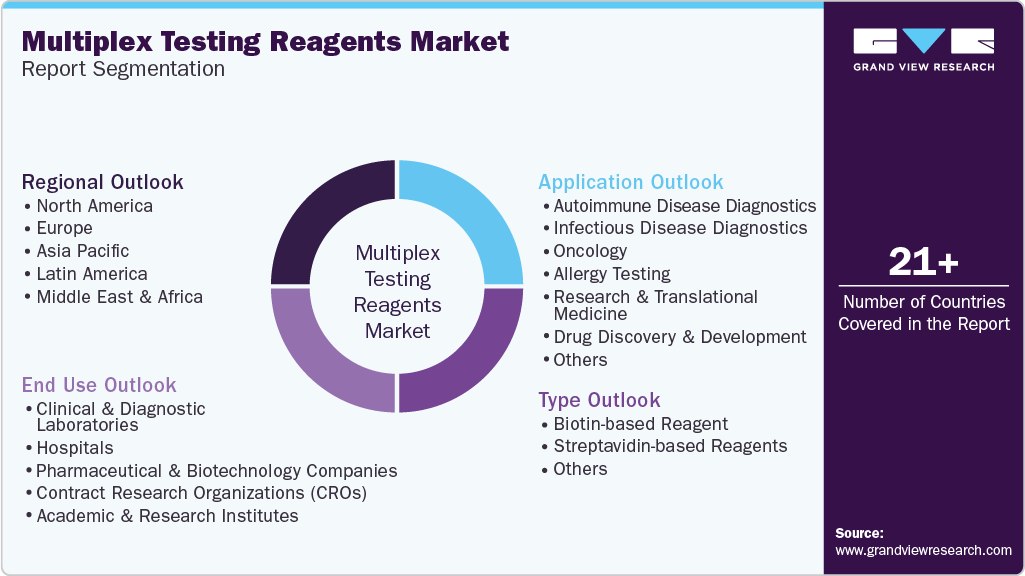
This report forecasts revenue growth and provides an analysis of the latest trends in each of the sub-segments from 2021 to 2033. For this study, Grand View Research has segmented the global multiplex testing reagents market report based on type, application, end use, and region:
 To learn more about this report, Download Free Sample Report
 -
Type Outlook (Revenue, USD Million, 2021 - 2033)
-
Biotin-based Reagents
-
Biotinylated Antibodies
-
Biotinylated Probes/primers
-
Biotin-tagged Proteins/enzymes
-
-
Streptavidin-based Reagents
-
Streptavidin-conjugated Beads/microspheres
-
Streptavidin-conjugated Enzymes & Fluorophores
-
Recombinant Streptavidin Variants (engineered for higher stability)
-
Others
-
-
-
Application Outlook (Revenue, USD Million, 2021 - 2033)
-
Autoimmune Disease Diagnostics
-
Infectious Disease Diagnostics
-
Oncology
-
Allergy Testing
-
Research & Translational Medicine
-
Drug Discovery & Development
-
Others
-
-
End Use Outlook (Revenue, USD Million, 2021 - 2033)
-
Clinical & Diagnostic Laboratories
-
Hospitals
-
pharmaceutical & bioapplication Companies
-
Contract Research Organizations (CROs)
-
Academic & Research Institutes
-
-
Regional Outlook (Revenue, USD Million, 2021 - 2033)
-
North America
-
U.S.
-
Canada
-
Mexico
-
-
Europe
-
UK
-
Germany
-
France
-
Italy
-
Spain
-
Denmark
-
Sweden
-
Norway
-
-
Asia Pacific
-
Japan
-
China
-
India
-
Australia
-
South Korea
-
Thailand
-
-
Latin America
-
Brazil
-
Argentina
-
-
Middle East & Africa
-
South Africa
-
Saudi Arabia
-
UAE
-
Kuwait
-
-
Research Methodology
The multiplex testing reagents market figures in this report are based on a proven research process that combines executive interviews with secondary research from proprietary databases, company filings, and recognized regulatory and institutional sources. Market size is built through value-chain sizing - reconciling supply-side and demand-side estimates - and triangulated with bottom-up and top-down approaches. Every estimate passes multiple levels of expert validation before publication, with each multiplex testing reagents segment quantified using the revenue-capture definitions in the table below.
Segment Definition
Segment - Type
Revenue capture definition
Biotin-based Reagents
Revenue generated from biotin-based reagents used in multiplex assay workflows for biomarker detection, target capture, signal amplification, and diagnostic research applications.
Streptavidin-based Reagents
Revenue generated from streptavidin-based reagents supporting multiplex assay binding, detection, and high-affinity molecular interaction across clinical and research laboratories.
Others
Revenue generated from alternative reagent chemistries supporting multiplex assay development, biomarker detection, molecular diagnostics, and advanced laboratory testing applications.
Segment - Application
Revenue capture definition
Autoimmune Disease Diagnostics
Revenue generated from multiplex reagents used for simultaneous detection of autoimmune biomarkers supporting accurate diagnosis, disease classification, and patient monitoring.
Infectious Disease Diagnostics
Revenue generated from multiplex reagents enabling simultaneous identification of multiple pathogens for rapid diagnosis, surveillance, and infectious disease management.
Oncology
Revenue generated from multiplex reagents supporting cancer biomarker detection, molecular profiling, companion diagnostics, and precision oncology testing applications.
Allergy Testing
Revenue generated from multiplex reagents used to detect multiple allergen-specific biomarkers, improving allergy diagnosis and personalized patient management.
Research & Translational Medicine
Revenue generated from multiplex reagents supporting biomarker discovery, translational research, disease mechanism studies, and clinical research initiatives.
Drug Discovery & Development
Revenue generated from multiplex reagents utilized in pharmaceutical research, biomarker validation, therapeutic screening, and clinical drug development programs.
Others
Revenue generated from multiplex reagent applications across public health, veterinary diagnostics, environmental testing, and other specialized laboratory settings.
Segment - End Use
Revenue capture definition
Clinical & Diagnostic Laboratories
Revenue generated from multiplex reagents utilized in clinical and diagnostic laboratories for routine testing, disease diagnosis, and biomarker analysis.
Hospitals
Revenue generated from multiplex reagents used in hospital laboratories supporting patient diagnosis, treatment selection, and disease monitoring services.
Pharmaceutical & BioApplication Companies
Revenue generated from multiplex reagents supporting pharmaceutical and biotechnology research, biomarker development, clinical trials, and therapeutic innovation programs.
Contract Research Organizations (CROs)
Revenue generated from multiplex reagents utilized by CROs for biomarker studies, assay development, clinical trial testing, and laboratory research services.
Academic & Research Institutes
Revenue generated from multiplex reagents supporting academic research, translational medicine, biomarker discovery, and life science research across universities and institutes.
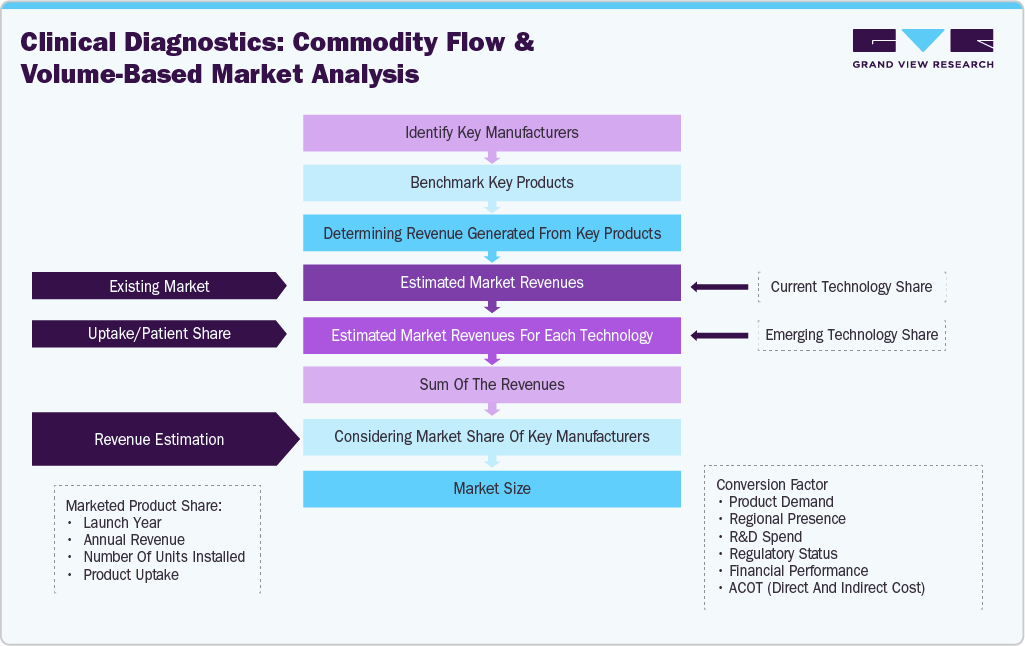
Estimation Model
The Multiplex Testing Reagents Market is estimated using a combination of top-down and bottom-up methodologies. Market revenues are calculated by analyzing sales of multiplex testing reagents, assay kits, consumables, and associated laboratory solutions across clinical laboratories, hospitals, pharmaceutical and biotechnology companies, contract research organizations (CROs), and academic research institutes. Demand assessment incorporates testing volumes, disease prevalence, biomarker adoption, clinical research activity, and assay utilization rates. Primary interviews with industry experts validate assumptions, while secondary data from regulatory agencies, scientific publications, company annual reports, and healthcare organizations are triangulated to develop accurate market estimates and forecasts.
 To learn more about this report, Download Free Sample Report
 Delivered Customizations
This report has been delivered with the following In-depth customizations
Client Request
Customization Delivered
Value Adds
Multiplex Testing Reagents Competitive Landscape & Technology Assessment – Multiplex Molecular Diagnostics, Immunoassays & High-Throughput Testing
Assessed the global multiplex testing reagents ecosystem across reagent manufacturers, clinical and diagnostic laboratories, hospitals, pharmaceutical and biotechnology companies, contract research organizations (CROs), and academic research institutes. Evaluated leading developers of biotin-based reagents, streptavidin-based reagents, multiplex PCR chemistries, bead-based immunoassays, high-throughput assay reagents, automated testing workflows, and integrated laboratory automation platforms.
Enabled benchmarking of leading multiplex reagent providers, identified innovation opportunities in high-throughput molecular diagnostics, multiplex immunoassays, automated laboratory workflows, AI-assisted assay analytics, and integrated diagnostic platforms. Evaluated competitive differentiation across multiplex assay technologies, biomarker detection solutions, companion diagnostics, and research applications while providing strategic insights into future technology adoption and commercialization opportunities.
Multiplex Testing Reagents Regulatory, Clinical Guidelines & Reimbursement Assessment
Analyzed evolving regulatory frameworks governing multiplex testing reagents across major global markets, including IVD approvals, laboratory accreditation standards, assay validation requirements, quality management systems, reimbursement policies, clinical performance requirements, and disease-specific diagnostic guidelines.
Supported regulatory risk assessment, identified commercialization and reimbursement challenges, evaluated compliance readiness among reagent manufacturers and diagnostic laboratories, and highlighted the impact of evolving regulatory standards, laboratory accreditation requirements, reimbursement policies, and clinical guidelines on market growth, product adoption, and competitive positioning within multiplex diagnostics.
Frequently Asked Questions About This Report
The pharmaceutical & bioapplication companies segment led with a 38.3% revenue share in 2025, while the clinical & diagnostic laboratories segment is the fastest-growing.
The U.S. accounted for the largest country-level share in 2025 due to its substantial customer base, developed infrastructure, and presence of leading manufacturers.
The drug discovery & development segment led with a 26.4% revenue share in 2025, while the others segment is the fastest-growing.
The global multiplex testing reagents market size was valued at USD 1.6 billion in 2025 and is estimated at USD 1.7 billion for 2026.
The global multiplex testing reagents market is expected to grow at a CAGR of 13.5% from 2026 to 2033, reaching USD 4.1 billion by 2033.
The multiplex testing reagents industry is driven by several leading companies at the forefront of innovation and adoption. Prominent players include Thermo Fisher Scientific Inc., Bio-Rad Laboratories, Inc., Luminex Corporation, QIAGEN N.V., Seegene Inc., Abcam plc., PerkinElmer Inc., Merck KGaA, Illumina, Inc., and Bio-Techne Corporation.
Multiplex testing reagents enable the simultaneous detection of multiple analytes in a single test, offering higher efficiency and cost-effectiveness compared to conventional single-target assays.
Asia Pacific is projected to register the fastest CAGR during 2026-2033
On the basis of type, biotin-based reagents accounted for the largest market share of 56.6% in 2025. The dominance of this segment is primarily attributed to biotin’s high binding affinity with streptavidin, which ensures superior assay sensitivity, specificity, and reproducibility.
About the Author(s)
Clinical Diagnostics Research Team
Healthcare · Clinical DiagnosticsThis report was authored by the clinical diagnostics research team at Grand View Research - comprising two research analysts, one senior research analyst, and one industry expert - with specialized expertise in the clinical diagnostics segment of the healthcare industry. All findings are based on proprietary healthcare databases, executive interviews, and regulatory analysis, subject to internal peer review prior to publication.
Last Updated:
Speak to Analyst

Customize this report to your needs - add regions, segments, or data points, with 20% free customization.
Or view our licence options:


ISO 9001:2015 & 27001:2022 Certified
We are GDPR and CCPA compliant! Your transaction & personal information is safe and secure. For more details, please read our privacy policy.


