
- Home
- »
- Medical Devices
- »
-
Neurology Clinical Trials Market Size & Share Report, 2033GVR Report cover

Neurology Clinical Trials Market (2026 - 2033)
Size, Share & Trends Analysis Report By Phase (Phase I, Phase II, Phase III, Phase IV), By Study Design, By Indication, By Indication By Study Design, By Indication By Phase, By Value Chain, By Region, And Segment Forecasts
Market Size, 2025
$10.9BMarket Estimate, 2026
$11.5BMarket Forecast, 2033
$19.2BCAGR, 2026–2033
7.6%Neurology Clinical Trials Market Summary
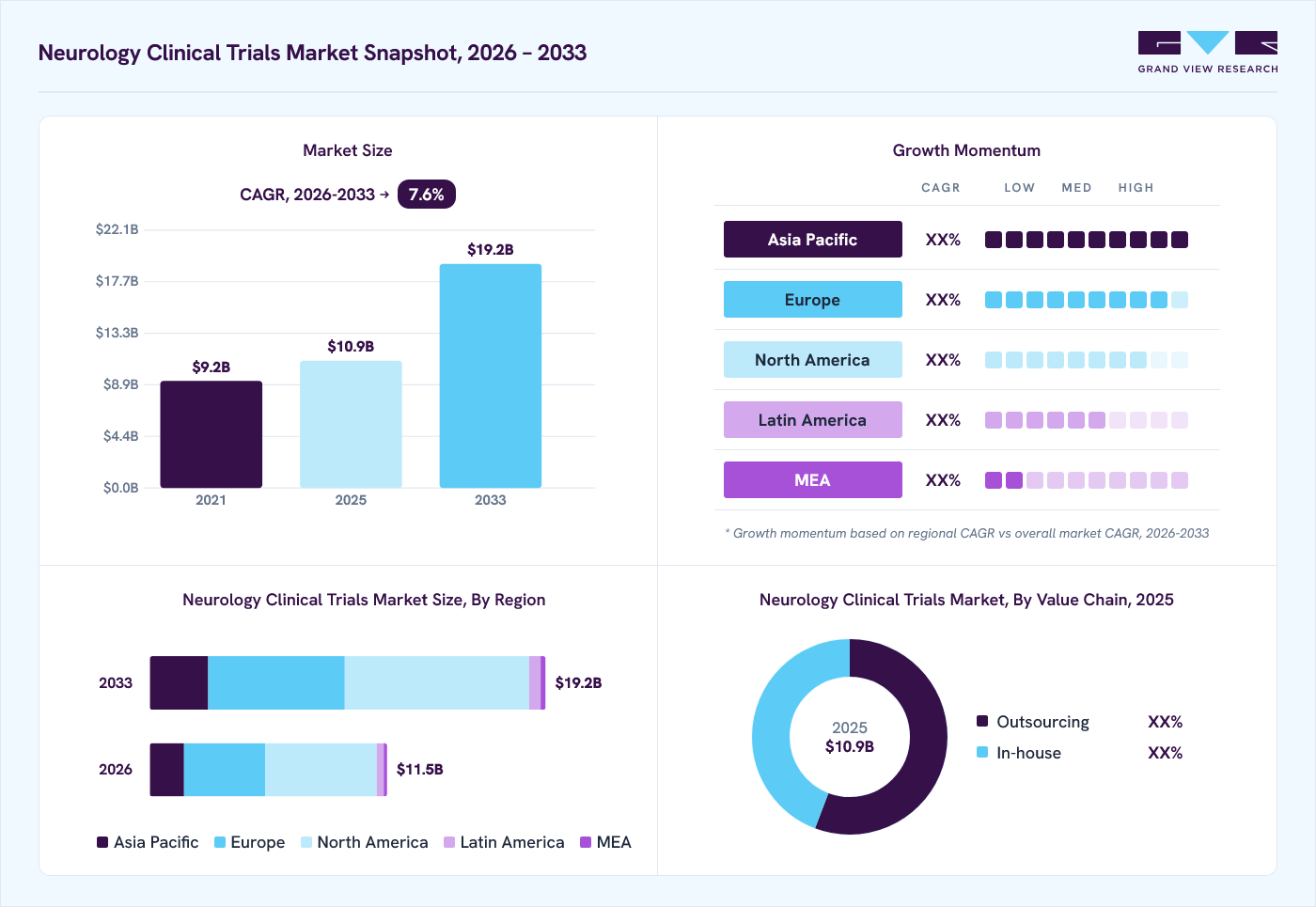
The global neurology clinical trials market size was valued at USD 10.9 billion in 2025 and is projected to grow from 11.5 billion in 2026 to USD 19.2 billion by 2033, at a CAGR of 7.6% from 2026 to 2033. North America dominated the market, accounting for a revenue share of 46.9% in 2025. The market growth is driven by the increasing prevalence of neurological disorders; the expansion of clinical research pipelines; the growing adoption of advanced biomarkers, artificial intelligence, and digital technologies in neurological clinical trials; and increasing pharmaceutical and biotechnology investments and outsourcing of neurology clinical trials.
 Source: Grand View Research, IR Documents, Primary Interviews, Paid DatabasesTo learn more about this report,
 Download Free Sample Report
 Key Market Trends & Insights
- By phase: Phase III segment held the largest market share of 42.2% in 2025.
- By study design: Interventional segment held the largest market share of 82.4% in 2025.
- By indication: Alzheimer's disease segment held the largest revenue share of 22.7% in 2025.
- By value chain: Outsourcing segment held the largest revenue share of 55.7% in 2025.
Regional Highlights
- Largest regional market: North America (46.9% revenue share, 2025)
- Fastest-growing regional market: Asia Pacific (highest CAGR, 2026-2033)
- By country: The U.S. held the largest market share in 2025.
Market Size & Forecast
- Market size in 2025: USD 10.9 Billion
- Estimated market size in 2026: USD 11.5 Billion
- Projected market size by 2033: USD 19.2 Billion
- CAGR (2026-2033): 7.6%
Three ways to get this report
Buy it, customize it, or ask a question.Ask an Analyst
Analyst response in 1 business day
- AccessReport author, directly
- Reply timeWithin 1 working day
- No sales callDirect answer only
- FormatEmail reply
- CostFree, no cost
Get the Full Report
What the study covers
- FormatsPDF · Excel · Dashboard
- Timeline2026–2033 annual, 2025 base
- Coverage20+ countries, 5 regions
- Companies10+ key players profiled
Customize the Report
20% free customization
- IncludeCountries, segments, points
- TailorTo your product definition
- ExtendDeeper competitor detail
- OrA fully bespoke study
- Turnaround5–10 working days
 To learn more about this report, Download Free Sample Report
 Market Dynamics
The neurology clinical trials market is experiencing growth driven by the increasing prevalence of neurological disorders, expanding therapeutic development pipelines, and growing investment in innovative treatment approaches. In addition, rising clinical research activity involving Alzheimer’s disease, Parkinson’s disease, epilepsy, depression, and amyotrophic lateral sclerosis is generating demand for specialized trial infrastructure, patient recruitment, neurological assessments, and clinical monitoring services. Besides this, advancements in neuroimaging, digital biomarkers, AI, and decentralized clinical trial technologies are improving patient identification, disease progression monitoring, and clinical data collection.
Furthermore, increasing adoption of precision medicine, gene therapies, and disease-modifying treatments is creating opportunities for complex clinical trial designs and specialized research services. Some pharmaceutical and biotechnology companies are outsourcing trial management, regulatory support, and patient recruitment to contract research organizations to improve operational efficiency and access specialized neurological expertise.
However, high clinical trial costs, prolonged development timelines, patient recruitment difficulties, and complex neurological endpoints remain significant market restraints. Besides this, disease heterogeneity, limited predictive biomarkers, and elevated trial failure risks further complicate clinical development. Despite these challenges, increasing research collaborations, biomarker-driven study designs, and investments in neurological therapeutic development are expected to accelerate clinical trial activity, supporting sustained market growth across clinical phases, study designs, and therapeutic indications.
Driver: Increasing Prevalence of Neurological Disorders and Expansion of Clinical Research Pipelines
The growing burden of neurological disorders, including Alzheimer’s disease, Parkinson’s disease, epilepsy, multiple sclerosis, and amyotrophic lateral sclerosis, is driving demand for clinical research evaluating innovative therapeutic interventions. According to the Fisher Center for Alzheimer's Research Foundation report, approximately 6.7 million people were living with Alzheimer’s disease in 2023. The market is also driven by increasing development of disease-modifying treatments, neuroprotective agents, and targeted therapies contributing to expanding Phase I through Phase IV clinical trial activity. In addition, pharmaceutical and biotechnology companies are conducting multicenter studies to assess treatment efficacy, long-term safety, disease progression, and patient outcomes. The growing complexity of neurological research is generating demand for specialized clinical sites, neuroimaging, biomarker assessments, patient recruitment, and longitudinal monitoring services. For instance, in September 2026, AbbVie announced U.S. FDA approval of JUVMO (tavapadon) for Parkinson’s disease, supported by its Phase III TEMPO clinical development program. This development demonstrates continued investment in neurological therapeutic research and the importance of comprehensive clinical evaluations for regulatory approval.
Similarly, in October 2026, Zenas BioPharma announced upcoming presentations covering orelabrutinib Phase II data and Phase III trial designs for progressive multiple sclerosis. These programs indicate continuing research activity across neurological indications and disease stages. Thus, expanding therapeutic pipelines are expected to increase expenditure on clinical operations, specialized research infrastructure, and outsourced trial services, supporting growth in the neurology clinical trials market.
The high costs of neurological clinical trials and extended drug development timelines pose significant challenges to market growth. Neurological disorders frequently require complex study protocols, specialized diagnostic procedures, extensive patient monitoring, and prolonged follow-up periods to establish therapeutic efficacy and safety. In addition, clinical trials involving Alzheimer's disease, Parkinson's disease, and amyotrophic lateral sclerosis often require advanced neuroimaging, biomarker assessments, cognitive evaluations, and specialized clinical investigators, increasing operational expenditure. Moreover, variability in disease progression and difficulty identifying clinically meaningful endpoints may necessitate larger patient populations and extended observation periods, particularly during Phase II and Phase III studies.
Moreover, high screening failure rates, stringent eligibility criteria, and patient retention difficulties further increase recruitment expenditure and clinical site management costs. Pharmaceutical and biotechnology companies also face substantial financial risks when investigational neurological therapies fail to demonstrate statistically significant clinical benefits. In addition, smaller biotechnology companies may face funding constraints, leading to delayed trial initiation, reduced study populations, or discontinuation of development programs. Thus, escalating research expenditure and prolonged development timelines can restrict clinical trial participation, delay therapeutic commercialization, and moderately constrain market growth.
The increasing adoption of artificial intelligence (AI), digital biomarkers, and advanced patient recruitment technologies presents significant growth opportunities for the neurology clinical trials market. Neurological disorders frequently involve heterogeneous patient populations, variable disease progression, and complex clinical endpoints, creating demand for innovative trial management solutions. Besides this, AI-powered patient identification platforms can facilitate eligibility screening, improve recruitment efficiency, and support enrollment across geographically dispersed clinical sites.
In addition, digital biomarkers, wearable sensors, and remote neurological assessments enable continuous monitoring of motor functions, cognitive performance, and disease progression, potentially reducing dependence on conventional site-based evaluations. For instance, in April 2026, EverythingALS announced the launch of SAVA AI, an AI-based platform designed to match patients with relevant clinical trials, addressing recruitment challenges in amyotrophic lateral sclerosis research. Furthermore, increasing integration of these technologies creates opportunities for CROs, technology providers, and specialized neurological research centers to expand clinical monitoring, data analytics, and patient engagement services. Moreover, technology-enabled trial designs may improve operational efficiency and support more precise therapeutic assessments. Consequently, the growing adoption of digital technology is expected to stimulate clinical research investments and support market expansion.
Market Concentration & Characteristics
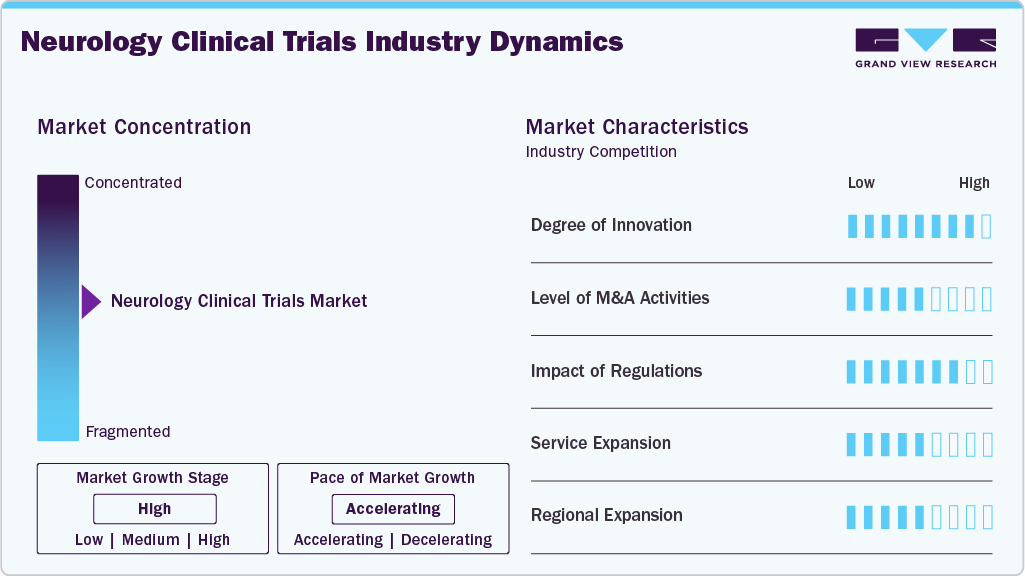
The neurology clinical trials market is characterized by high research complexity, stringent regulatory requirements, prolonged development timelines, and increasing demand for specialized clinical expertise. In addition, growing adoption of digital biomarkers, advanced neuroimaging, and artificial intelligence is improving trial execution. Strategic collaborations, outsourcing, and the expansion of neurological therapeutic pipelines are creating opportunities for clinical research organizations and pharmaceutical companies worldwide.
The neurology clinical trials market demonstrates a high degree of innovation, driven by artificial intelligence, digital biomarkers, advanced neuroimaging, and precision medicine technologies. These advancements improve patient stratification, recruitment efficiency, and neurological assessments. The increasing adoption of decentralized clinical trials and adaptive study designs is creating opportunities for specialized research providers, supporting technological differentiation, and improving clinical development efficiency across neurological indications.
 To learn more about this report, Download Free Sample Report
 The neurology clinical trials industry exhibits moderate merger and acquisition activity, driven by demand for specialized research capabilities, geographic expansion, and integrated clinical services. Strategic consolidation enables service portfolio diversification, operational efficiencies, and improved access to pharmaceutical and biotechnology sponsors conducting neurological studies. For instance, in June 2026, Nurix Therapeutics partnered with Roche to develop bexobrutideg, including planned Phase II multiple sclerosis trials, expanding neurological research pipelines and creating opportunities for clinical development services.
Regulatory requirements significantly influence neurological clinical trial design, patient safety, and operational expenditure. Authorities such as the U.S. FDA, EMA, and national regulatory agencies establish requirements concerning clinical protocols, informed consent, Good Clinical Practice, and data integrity. Increasing regulatory scrutiny of neurological endpoints, biomarker validation, and investigational therapies necessitates specialized compliance capabilities, influencing trial timelines, research investments, and outsourcing decisions.
The market demonstrates moderate fragmentation, comprising multinational contract research organizations, specialized neurological research providers, academic institutions, and pharmaceutical companies conducting internal studies. Established organizations offer comprehensive clinical development services, while smaller providers concentrate on disease-specific expertise, patient recruitment, and advanced neurological assessments. Competition centers on therapeutic specialization, geographic coverage, research infrastructure, and clinical trial execution capabilities.
The neurology clinical trials market exhibits moderate end-user concentration, with large pharmaceutical and biotechnology companies accounting for substantial clinical research expenditure. Companies including AbbVie, Biogen, Eli Lilly, Pfizer, and AstraZeneca participate in neurological therapeutic development. Smaller biotechnology companies contribute specialized clinical pipelines but frequently require external research support. Sponsor concentration influences contract negotiations, service pricing, resource allocation, and competitive positioning among research providers.
Analyst Perspective
The neurology clinical trials market is expected to experience sustained growth, supported by expanding therapeutic pipelines, increasing investment in neurodegenerative disease research, and advancements in precision medicine. The complex neurological endpoints, prolonged study durations, and patient recruitment challenges will continue to influence clinical development expenditure. In addition, growing adoption of artificial intelligence, digital biomarkers, and decentralized trial models presents opportunities to improve operational efficiency. Furthermore, outsourcing is anticipated to gain further traction as sponsors seek specialized neurological expertise and global research networks. Companies offering integrated clinical services, advanced technological capabilities, and disease-specific expertise are positioned for competitive growth.
Impact of U.S. Tariffs on Neurology Clinical Trials Market
U.S. tariffs have had a significant indirect effect on the global neurology clinical trials industry, leading to increased costs and disruptions in supply chains for essential trial materials, such as laboratory equipment, imaging devices, and biologics. The tariffs imposed on goods from China have notably reduced access to affordable medical components and reagents vital to trial operations. This situation has resulted in increased operational expenses for U.S.-based sponsors and contract research organizations (CROs), prompting some to relocate trial activities to countries with fewer trade restrictions and lower operational costs.
Furthermore, the uncertainty surrounding tariff policies has complicated long-term planning for multinational neurology trials, particularly those necessitating cross-border regulatory alignment or the transport of biospecimens and diagnostic tools. In addition, these challenges have increased investment in local sourcing, nearshoring, and innovative digital trial technologies to lessen reliance on physical imports. Thus, the introduction of tariffs has created cost pressures and logistical complexities, reshaping trial design, site selection, and global vendor partnerships within the neurology research field.
Technological Advancements
 To learn more about this report, Download Free Sample Report
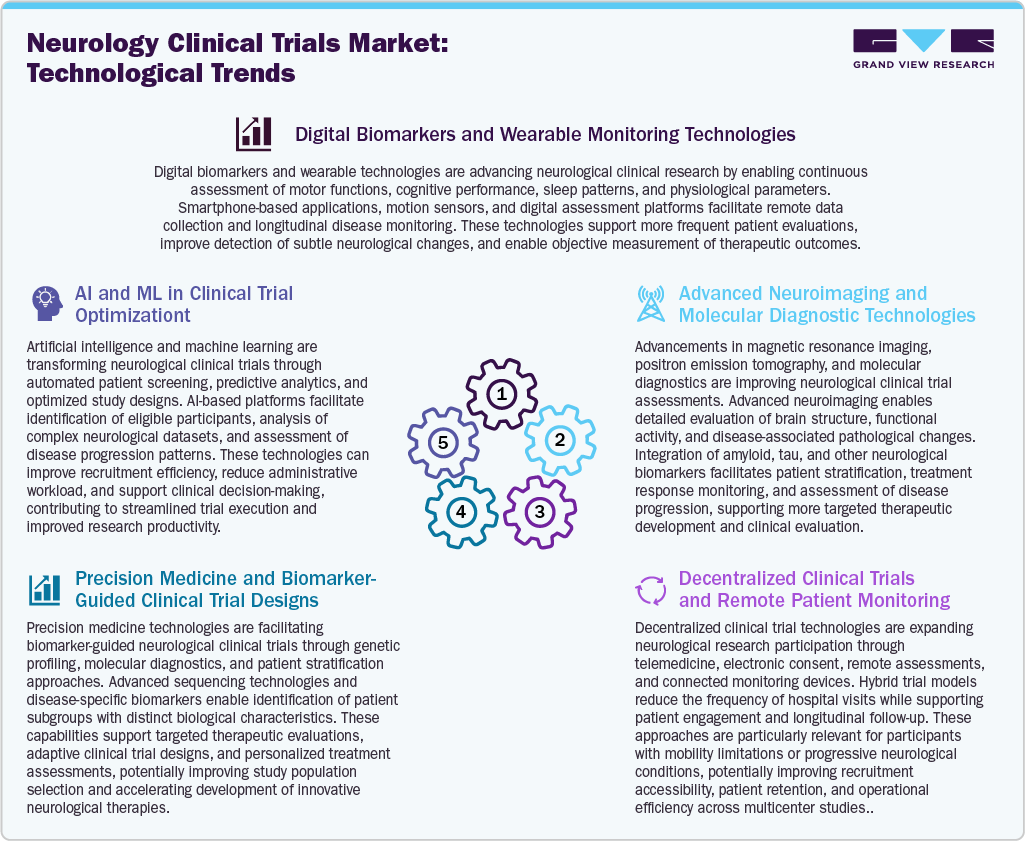
 Technological advancements are transforming the neurology clinical trials industry by improving patient recruitment, clinical assessments, data accuracy, and trial management efficiency. AI and ML are increasingly utilized for patient identification, eligibility screening, predictive analytics, and neurological disease progression assessments, facilitating efficient clinical trial execution. In addition, digital biomarkers, wearable sensors, and smartphone-based monitoring platforms enable continuous evaluation of cognitive functions, motor symptoms, and physiological parameters, supporting longitudinal patient assessments. Besides this, advanced neuroimaging technologies, including magnetic resonance imaging and positron emission tomography, facilitate detailed neurological evaluations and identification of disease-specific pathological changes.
Furthermore, molecular diagnostics and genetic profiling are advancing precision medicine approaches by enabling patient stratification and biomarker-guided therapeutic investigations. In addition, decentralized clinical trial technologies, including telemedicine, electronic consent, and remote patient monitoring, are improving research accessibility for individuals with mobility limitations and progressive neurological conditions. Integration of adaptive trial designs and advanced data analytics further supports treatment response evaluations and clinical development decisions.
Pricing Model Analysis
 To learn more about this report, Download Free Sample Report
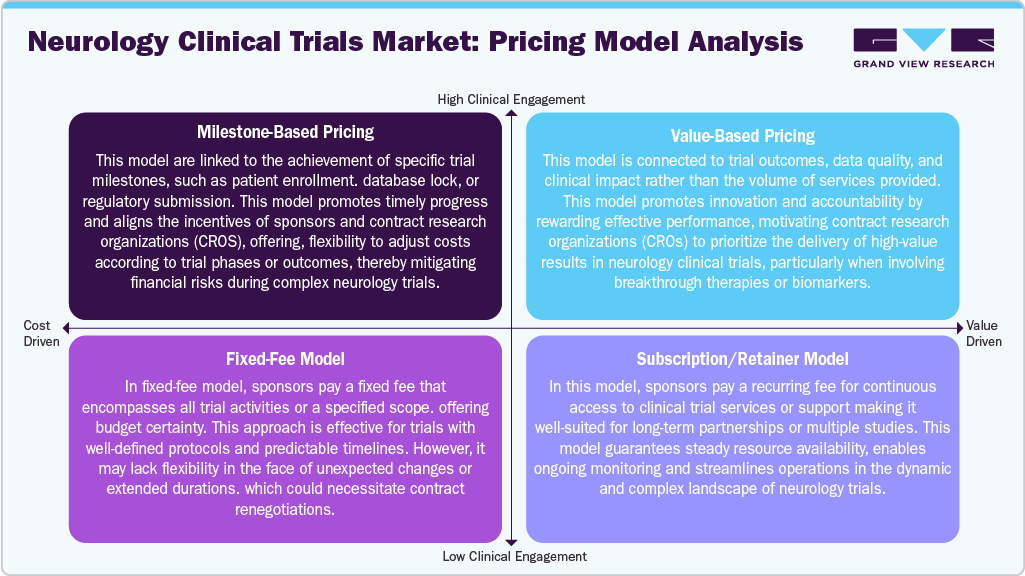
 The market utilizes diverse pricing models based on study complexity, therapeutic indication, clinical phase, and service requirements. Milestone-based pricing involves payments linked to predefined achievements, including protocol development, patient enrollment, regulatory submissions, and study completion, enabling sponsors to manage expenditure across clinical development stages. In value-based pricing service fees align with measurable performance indicators, such as recruitment efficiency, data quality, protocol compliance, and operational timelines. Whereas fixed-fee pricing establishes predetermined costs for defined services, including clinical monitoring, statistical analysis, regulatory documentation, and trial management, providing budget predictability while accommodating contractual adjustments for protocol modifications. In addition, subscription/retainer models involve recurring payments for continuous regulatory consulting, data management, recruitment coordination, and specialized neurological research support. These arrangements are particularly relevant for pharmaceutical and biotechnology companies requiring sustained operational assistance. Thus, pricing model selection depends on trial duration, patient recruitment challenges, neurological assessment requirements, financial flexibility, and contractual risk allocation between sponsors and research providers.
Phase Insights
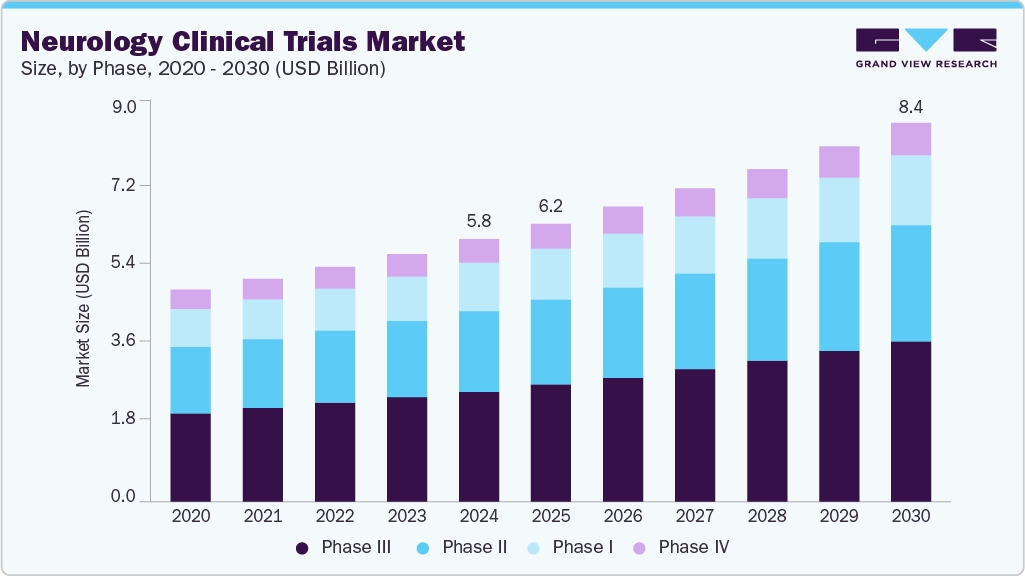
The phase III segment dominated the neurology clinical trials industry, accounting for a revenue share of 42.2% in 2025, owing to extensive patient enrollment requirements, multicenter study designs, and substantial expenditure on therapeutic efficacy evaluations. Besides this, neurological conditions such as Alzheimer's disease and Parkinson's disease require prolonged patient monitoring, advanced neuroimaging, and comprehensive safety assessments. In addition, large patient populations and geographically distributed research sites increase clinical operations expenditure. Stringent regulatory requirements and complex neurological endpoints further contribute to higher trial management costs, supporting the segment's revenue dominance.
The phase I segment is anticipated to grow at the fastest CAGR over the forecast period, driven by increasing early-stage investigations involving novel neurological therapeutic mechanisms, gene-targeted treatments, and neuroprotective compounds. Besides this, growing investment in biotechnology for first-in-human studies is generating demand for specialized safety evaluations, pharmacokinetic assessments, and dose-escalation protocols. Furthermore, early neurological trials incorporate cerebrospinal fluid biomarkers, neuroimaging, and assessments of central nervous system exposure. In addition, expanding research into rare neurological conditions and innovative drug delivery approaches is expected to accelerate the initiation of Phase I trials and associated clinical research expenditure.
Study Design Insights
The interventional segment dominated the neurology clinical trials market, accounting for a revenue share of 82.4% in 2025, and is projected to register the fastest growth over the forecast period, supported by increasing investigations of disease-modifying therapies, targeted neurological treatments, and advanced therapeutic modalities. The randomized controlled trials require extensive protocol management, treatment administration, clinical monitoring, and regulatory oversight. In addition, growing adoption of adaptive study designs and biomarker-guided patient selection is further increasing demand for specialized interventional research capabilities.
The observational segment is expected to grow at the second-fastest CAGR over the forecast period, driven by increasing demand for real-world evidence, longitudinal disease monitoring, and comprehensive neurological patient registries. These studies facilitate assessment of disease progression, treatment utilization, and long-term patient outcomes without assigning investigational interventions. In addition, growing adoption of electronic health records, digital patient registries, and remote monitoring platforms is improving clinical data collection. Furthermore, increasing requirements for post-treatment effectiveness assessments and natural history studies in rare neurological disorders are creating additional research opportunities.
Indication Insights
The Alzheimer's disease segment accounted for the largest revenue share of 22.7% in 2025, supported by substantial investment in clinical research for disease-modifying treatments, anti-amyloid therapies, and cognitive impairment management. Alzheimer's trials frequently require extensive cognitive assessments, amyloid and tau biomarker testing, positron emission tomography, and prolonged participant follow-up. In addition, complex patient screening procedures and large multicenter study populations contribute to higher research expenditure. Increasing investigations involving early-stage disease detection, treatment combinations, and neurodegenerative progression are expected to sustain clinical trial activity and segment revenue generation.
The Huntington's disease segment is projected to grow at the fastest CAGR over the forecast period, driven by increasing development of gene-silencing therapies, antisense oligonucleotides, and investigational treatments targeting mutant huntingtin protein. Some of the advances in genetic testing facilitate the identification of eligible participants, supporting targeted clinical trial enrollment. In addition, growing adoption of molecular biomarkers, functional neurological assessments, and specialized disease progression measurements is creating demand for advanced research capabilities. Furthermore, expanding collaborations among biotechnology companies, academic institutions, and rare disease research networks are expected to accelerate therapeutic investigations and clinical trial expenditure.
Value Chain Insights
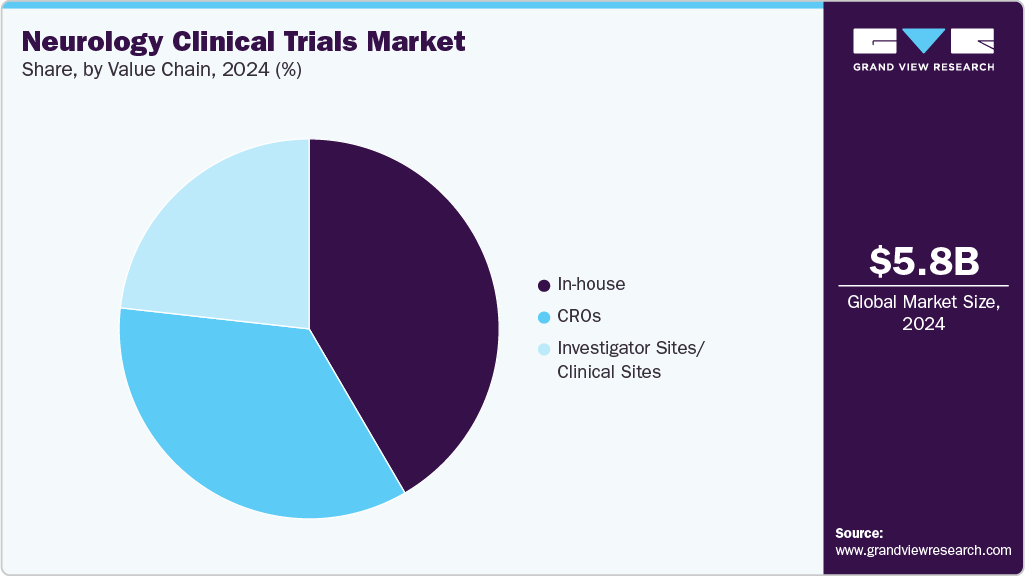
The outsourcing segment dominated the neurology clinical trials industry, accounting for a revenue share of 55.7% in 2025, and is expected to grow at the fastest CAGR over the forecast period. The segment growth is driven by increasing demand for specialized neurological clinical research expertise and efficient trial execution. Pharmaceutical and biotechnology companies are engaging contract research organizations for patient recruitment, site management, clinical monitoring, regulatory documentation, and data analytics. In addition, complex neurological study protocols and geographically dispersed patient populations increase demand for established clinical research networks.
 To learn more about this report, Download Free Sample Report
 The in-house segment is projected to grow at the second-fastest CAGR over the forecast period, supported by pharmaceutical companies maintaining internal clinical development capabilities for strategically important neurological therapeutic programs. Large pharmaceutical organizations invest in proprietary clinical data infrastructure, specialized neuroscience teams, biomarker research, and centralized trial management systems. Internal operations facilitate direct oversight of study protocols, intellectual property, clinical development priorities, and regulatory strategies. In addition, continued investment in neurological research facilities and digital clinical trial management platforms is expected to support internal research expenditure and segment expansion.
Regional Insights
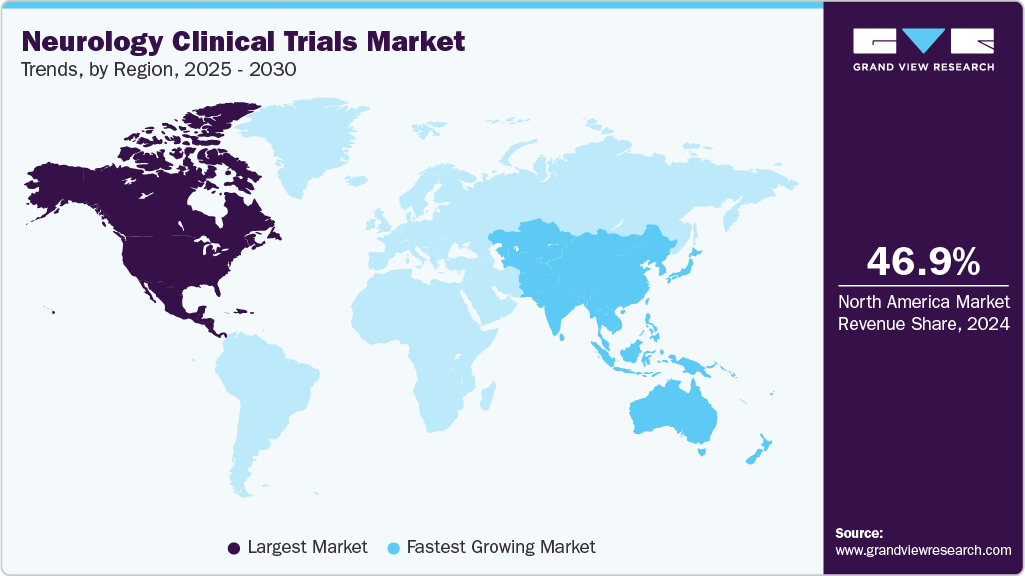
The North America neurology clinical trials market held the largest revenue share of 46.9% in 2025, driven by substantial pharmaceutical R&D investment, increasing neurological disease prevalence, and advanced clinical research infrastructure. The competitive landscape includes ICON plc, Syneos Health, Pfizer, Eli Lilly, and specialized neuroscience research networks. The U.S. FDA and Health Canada regulate clinical investigations through investigational drug authorization, Good Clinical Practice requirements, and patient safety standards. In addition, established academic medical centers, advanced biomarker capabilities, and extensive clinical trial networks are expected to sustain regional market growth.
 To learn more about this report, Download Free Sample Report
 U.S. Neurology Clinical Trials Market Trends
The U.S. neurology clinical trials industry’s growth is driven by rising investment in disease-modifying therapies, advanced neurological biomarkers, and extensive pharmaceutical research pipelines. Besides this, specialized neuroscience centers facilitate complex investigations involving Alzheimer's disease, Parkinson's disease, and multiple sclerosis. The country’s growth is driven by the presence of key companies. For instance, in September 2026, AbbVie announced FDA approval of JUVMO (tavapadon) for Parkinson's disease, following its Phase III clinical development program. Such continued therapeutic innovation, established investigator networks, and substantial late-stage research expenditure are expected to support the country’s market growth.
The neurology clinical trials market in Canada benefits from publicly funded academic research, established neuroscience institutions, and collaborative clinical research networks. In addition, growing investigations into neurodegenerative disorders and neurological rehabilitation contribute to demand for specialized research services. The competitive landscape comprises international contract research organizations, biotechnology companies, university-affiliated hospitals, and research institutions such as the Montreal Neurological Institute-Hospital. Canada's centralized healthcare data resources support longitudinal neurological studies and patient outcome assessments. Moreover, the country's leadership in decentralized and patient-centered trial models supported by digital health technologies is enhancing participant recruitment and data collection processes. These factors are expected to advance neurological research and therapeutic development in Canada.
Europe Neurology Clinical Trials Market Trends
The Europe neurology clinical trials industry benefits from extensive academic research collaborations, increasing neurodegenerative disease investigations, and growing adoption of multinational clinical studies. In addition, competition involves global contract research organizations, specialized neuroscience centers, and pharmaceutical companies. The European Medicines Agency and EU Clinical Trials Regulation govern trial authorization, transparency, and safety, alongside national authorities. Furthermore, coordinated research infrastructure, access to diverse patient populations, and expanding investigations of advanced neurological therapies are expected to support regional market expansion.
The UK neurology clinical trials market held a significant share in 2025. The country’s market growth is supported by the National Health Service's research infrastructure, established patient registries, and growing investigations into dementia and neurological rehabilitation. The National Institute for Health and Care Research facilitates patient identification and coordination of multicenter studies. Besides this, universities and neuroscience institutes contribute expertise in cognitive assessments, experimental medicine, and early clinical development. In addition, increasing collaboration between NHS hospitals, research sponsors, and technology providers is expected to improve trial accessibility, strengthen recruitment capabilities, and support sustained market growth.
The neurology clinical trials market in Germany is anticipated to grow significantly over the forecast period. Germany benefits from advanced neurological diagnostics, established university hospitals, and substantial expertise in neuroimmunology and movement disorders, technological advancements, streamlined approval processes, and enhanced access to research data and quality clinical resources. Specialized research centers support investigations involving multiple sclerosis, Parkinson's disease, and experimental neurological treatments. Besides, strong healthcare infrastructure, efficient patient recruitment, a well-trained workforce, and a commitment to regulatory innovation make it an attractive destination for clinical neurology trials. In addition, partnerships among academic institutions, CROs, and biotech companies are accelerating neurological research, providing speed, regulatory clarity, and scientific excellence for global sponsors focused on brain health innovations.
Asia Pacific Neurology Clinical Trials Market Trends
The Asia Pacific neurology clinical trials industry is expected to grow at the fastest CAGR over the forecast period, driven by expanding pharmaceutical research investments, improving hospital infrastructure, and increasing participation in international clinical development programs. Besides, the presence of multinational pharmaceutical and medical device companies in countries like China, India, and South Korea is increasingly focusing on both in-house innovations and the use of outsourcing facilities such as Contract Research Organizations (CROs) and investigator sites/clinical sites for clinical trials, which are anticipated to fuel the market over the estimated period.
The neurology clinical trials market in China is expected to grow over the forecast period. The growth of the market is due to expanding domestic biotechnology pipelines, substantial hospital-based research capacity, and increasing development of innovative neurological therapeutics. In addition, large hospitals facilitate patient recruitment and complex neurological assessments. Continued improvements in clinical research infrastructure, regulatory review processes, and domestic drug development capabilities are expected to accelerate trial initiation and strengthen China's neurological clinical research market.
Japan's Neurology clinical trials market is witnessing significant growth over the forecast period. The growth is due to rapid technological innovations, an increasing demand for outsourcing services, and rising healthcare expenditures. Besides, the growing incidence of neurological disorders is expected to boost the demand for a variety of pharmaceutical products and medical devices aimed at addressing the challenges faced by patients with these conditions in the country. In addition, Japan's Pharmaceuticals and Medical Devices Agency provides regulatory oversight, while increasing investment in disease-modifying therapies and elderly patient research is expected to generate additional clinical trial opportunities.
The India neurology clinical trials market is witnessing considerable growth as the country benefits from competitive clinical research operating costs and increasing availability of specialized investigators. In addition, growing interest in epilepsy, stroke, and neurological disorders creates opportunities for multicenter clinical investigations. India's diverse patient population and expanding digital health infrastructure facilitate recruitment and clinical data collection. In addition, improvements in research governance, investigator training, and hospital-based clinical trial capabilities are expected to attract international sponsors and support market growth.
Latin America Neurology Clinical Trials Market Trends
The neurology clinical trials industry in Latin America is projected to grow over the forecast period. The region’s growth is supported by expanding patient recruitment opportunities, increasing international research partnerships, and growing clinical trial activity. The competition comprises multinational contract research organizations, regional clinical service providers, and hospital-based research institutions. Furthermore, the expanding demand for medical devices is anticipated to drive the need for cost-effective diagnostic solutions. These factors are expected to drive market growth over the forecast period.
The neurology clinical trials market in Brazil is driven by the ANVISA regulatory framework, growing CRO presence, neurological disease burden, relevant companies, and trial activity. In addition, the growing prevalence of chronic diseases, such as cancer, diabetes, and cardiovascular conditions, has increased the need for diagnostic devices for early detection. Besides, the combination of versatility, specialized expertise, a focus on emerging regulations, and a commitment to high-quality product innovation makes the Neurology Clinical Trials a unique offering for medical device companies.
Middle East and Africa Neurology Clinical Trials Market Trends
The Middle East & Africa neurology clinical trials industry is developing and is supported by expanding healthcare research investment, improving specialized hospital infrastructure, and growing interest in neurological disease management. The region is facing competition from international CROs, academic medical centers, and emerging regional clinical research providers. In addition, increasing government support for clinical research, development of research hospitals, and international pharmaceutical collaborations are expected to strengthen regional trial participation and market growth.
The South Africa neurology clinical trials market is witnessing growth due to growing research into neurological complications associated with infectious diseases, stroke, and epilepsy. Established academic hospitals provide expertise in clinical neurology, neuroinfectious diseases, and patient outcome assessments. Besides this, increasing demand for geographically diverse trial populations and improved neurological diagnostic capabilities is expected to strengthen international collaborations and support gradual market growth.
The neurology clinical trials market in Saudi Arabia is driven by healthcare transformation initiatives, the expansion of specialist hospitals, and increased investment in domestic clinical research capabilities. In addition, growing attention to stroke management, neurodegenerative conditions, and neurological complications of chronic diseases supports research demand. Furthermore, government initiatives supporting biotechnology development, research infrastructure, and international collaboration are expected to increase participation in neurological trials and accelerate market growth.
Key Neurology Clinical Trials Company Insights
The key players operating across the market are adopting inorganic strategic initiatives such as partnerships, mergers, acquisitions, service launches, partnerships & agreements, and expansions to gain a competitive edge in the market. For instance, in April 2026, Barrow Neurological Institute expanded its Neuro Analytics Center, strengthening AI-driven neuroscience research. This initiative supports neurological data analysis, disease investigations, and future clinical research opportunities.
Key Neurology Clinical Trials Companies:
The following key companies have been profiled for this study of the neurology clinical trials market.
-
Syneos Health
-
Icon Plc
-
Lindus Health
-
AbbVie
-
GlaxoSmithKline
-
Aurora Healthcare
-
Labcorp Drug Development
-
Pfizer
-
AstraZeneca
-
Biogen
-
Eli Lilly
-
Alzheon
-
GAP Network
-
BDD Pharma
-
Re:Cognition Health
Competitive Benchmarking
Category
Operating Strategies
Competitive Edge
Weaknesses
Mature Players
- Mature players in the neurology clinical trials market focus on expanding global research networks, developing integrated clinical trial services, and establishing strategic partnerships with pharmaceutical and biotechnology companies. Organizations such as ICON plc, Syneos Health, and IQVIA prioritize advanced data analytics, decentralized trial capabilities, and specialized neurological research expertise to strengthen competitiveness.
- Established players benefit from extensive geographic coverage, experienced clinical research teams, advanced technological infrastructure, and established relationships with pharmaceutical sponsors. Their capabilities in managing complex multicenter neurological studies, recruiting patient populations, and meeting regulatory requirements provide competitive advantages. Integrated service portfolios further support efficient clinical trial execution and long-term contracts.
- Mature players face challenges associated with high operating expenditure, complex organizational structures, and dependence on major pharmaceutical contracts. Extensive global operations can increase administrative costs and limit flexibility in specialized neurological studies.
Emerging Players
- Emerging players focus on developing specialized therapeutic expertise, establishing partnerships with academic institutions, and adopting technology-driven clinical research solutions. Companies prioritize niche neurological indications, digital patient recruitment, biomarker-based assessments, and flexible service models. Strategic collaborations with pharmaceutical sponsors facilitate portfolio diversification, geographic expansion, and revenue generation.
- Emerging players gain competitive advantages through specialized neurological research capabilities, operational flexibility, and innovative clinical trial technologies. Expertise in rare neurological disorders, artificial intelligence-driven recruitment, and digital biomarker assessments enables differentiated service offerings. Streamlined organizational structures facilitate customized trial protocols, faster operational decisions, and responsive sponsor engagement, supporting competitiveness against established research organizations.
- Emerging players face limitations associated with restricted financial resources, smaller investigator networks, and limited international clinical trial infrastructure.
Recent Developments
- In October 2026, Lundbeck reported Phase IV THRIVE results showing 60% patient improvement with VYEPTI following inadequate migraine treatment response. This development supports post-marketing neurological research, treatment sequencing assessments, and demand for specialized clinical trial services.
-
In October 2026, Zenas BioPharma announced upcoming Phase II orelabrutinib data presentations and Phase III trial designs for progressive multiple sclerosis. This initiative expands late-stage neurological research and increases demand for specialized clinical trial management services.
-
In May 2026, NeuroDiscovery AI launched NeuroTerminal, a neurology-focused platform integrating artificial intelligence and real-world patient data. The initiative aims to accelerate patient recruitment, improve trial feasibility, and increase demand for technology-enabled neurological research services.
Neurology Clinical Trials Market Report Scope
Report Attribute
Details
Market size in 2025
USD 10.9 billion
Estimated market size in 2026
USD 11.5 billion
Projected market size by 2033
USD 19.2 billion
Growth rate
CAGR of 7.6% from 2026 to 2033
Historical data
2021 - 2025
Forecast period
2026 - 2033
Quantitative units
Revenue in USD Million and CAGR from 2026 to 2033
Report coverage
Revenue forecast, company ranking, competitive landscape, growth factors, and trends
Segments covered
Phase, study design, indication, indication by study design, indication by phase, value chain, region
Regional scope
North America; Europe; Asia Pacific; Latin America; MEA
Country scope
U.S.; Canada; Mexico; UK; Germany; France; Italy; Spain; Denmark; Sweden; Norway; China; Japan; India; Australia; South Korea; Thailand; Brazil; Argentina; South Africa; Saudi Arabia; UAE; Kuwait; Oman; Qatar
Key companies profiled
Syneos Health; Icon Plc; Lindus Health; AbbVie; GlaxoSmithKline; Aurora Healthcare; Labcorp Drug Development; Pfizer; AstraZeneca; Biogen; Eli Lilly; Alzheon; GAP Network; BDD Pharma; Re:Cognition Health
Customization scope
Free report customization (equivalent up to 8 analysts' working days) with purchase. Addition or alteration to country, regional & segment scope.
Pricing and purchase options
Avail customized purchase options to meet your exact research needs. Explore purchase options
Global Neurology Clinical Trials Market Report Segmentation
This report forecasts revenue growth at the global, regional & country levels and provides an analysis of the latest industry trends in each of the sub-segments from 2021 to 2033. For this study, Grand View Research has segmented the global neurology clinical trials market report based on phase, study design, indication, indication by study design, indication by phase, value chain, and region:
-
Indication by Study Design Outlook (Revenue, USD Million, 2021 - 2033)
-
Alzheimer’s Disease
-
Interventional
-
Observational
-
Expanded Access
-
-
Depression (MDD)
-
Interventional
-
Observational
-
Expanded Access
-
-
Parkinson's Disease (PD)
-
Interventional
-
Observational
-
Expanded Access
-
-
Epilepsy
-
Interventional
-
Observational
-
Expanded Access
-
-
Stroke
-
Interventional
-
Observational
-
Expanded Access
-
-
Traumatic Brain Injury (TBI)
-
Interventional
-
Observational
-
Expanded Access
-
-
Amyotrophic Lateral Sclerosis (ALS)
-
Interventional
-
Observational
-
Expanded Access
-
-
Huntington's Disease
-
Interventional
-
Observational
-
Expanded Access
-
-
Muscle Regeneration
-
Interventional
-
Observational
-
Expanded Access
-
Others
-
-
Interventional
-
Observational
-
Expanded Access
-
-
-
Indication Outlook (Revenue, USD Million, 2021 - 2033)
-
Alzheimer’s Disease
-
Depression (MDD)
-
Parkinson's Disease (PD)
-
Epilepsy
-
Stroke
-
Traumatic Brain Injury (TBI)
-
Amyotrophic Lateral Sclerosis (ALS)
-
Huntington's Disease
-
Muscle Regeneration
-
Others
-
-
Study Design Outlook (Revenue, USD Million, 2021 - 2033)
-
Interventional
-
Observational
-
Expanded Access
-
-
Phase Outlook (Revenue, USD Million, 2021 - 2033)
-
Phase I
-
Phase II
-
Phase III
-
Phase IV
-
-
Indication by Phase Outlook (Revenue, USD Million, 2021 - 2033)
-
Alzheimer’s Disease
-
Phase I
-
Phase II
-
Phase III
-
Phase IV
-
-
Depression (MDD)
-
Phase I
-
Phase II
-
Phase III
-
Phase IV
-
-
Parkinson's Disease (PD)
-
Phase I
-
Phase II
-
Phase III
-
Phase IV
-
-
Epilepsy
-
Phase I
-
Phase II
-
Phase III
-
Phase IV
-
-
Stroke
-
Phase I
-
Phase II
-
Phase III
-
Phase IV
-
-
Traumatic Brain Injury (TBI)
-
Phase I
-
Phase II
-
Phase III
-
Phase IV
-
-
Amyotrophic Lateral Sclerosis (ALS)
-
Phase I
-
Phase II
-
Phase III
-
Phase IV
-
-
Huntington's Disease
-
Phase I
-
Phase II
-
Phase III
-
Phase IV
-
-
Muscle Regeneration
-
Phase I
-
Phase II
-
Phase III
-
Phase IV
-
-
Others
-
Phase I
-
Phase II
-
Phase III
-
Phase IV
-
-
-
Value Chain Outlook (Revenue, USD Million, 2021 - 2033)
-
In-house
-
Outsourcing
-
-
Regional Outlook (Revenue, USD Million, 2021 - 2033)
-
North America
-
U.S.
-
Canada
-
Mexico
-
-
Europe
-
UK
-
Germany
-
France
-
Italy
-
Spain
-
Denmark
-
Sweden
-
Norway
-
-
Asia Pacific
-
China
-
Japan
-
India
-
Australia
-
South Korea
-
Thailand
-
-
Latin America
-
Brazil
-
Argentina
-
-
Middle East and Africa (MEA)
-
South Africa
-
Saudi Arabia
-
UAE
-
Kuwait
-
Oman
-
Qatar
-
-
Research Methodology
The neurology clinical trials market figures in this report are based on a proven research process that combines executive interviews with secondary research from proprietary databases, company filings, and recognized regulatory and institutional sources. Market size is built through value-chain sizing-reconciling supply-side and demand-side estimates-and triangulated with bottom-up and top-down approaches. Every estimate passes multiple levels of expert validation before publication, with each neurology clinical trials segment quantified using the revenue-capture definitions in the table below.
Segment Definition
Phase Segment
Revenue Capture Definitions
Phase I
The revenue captured from Phase I neurology clinical trials includes early-stage safety assessments, tolerability testing, pharmacokinetic evaluations, dose-escalation studies, participant recruitment, clinical monitoring, laboratory testing, and associated trial management services.
Phase II
The revenue captured from Phase II neurology clinical trials includes preliminary efficacy assessments, dose optimization, safety monitoring, patient recruitment, biomarker evaluations, clinical site operations, data management, and associated research services.
Phase III
The revenue captured from Phase III neurology clinical trials includes large-scale efficacy evaluations, comparative treatment assessments, multicenter patient recruitment, clinical monitoring, regulatory documentation, statistical analysis, and trial management activities supporting registration.
Phase IV
The revenue captured from Phase IV neurology clinical trials includes post-marketing safety surveillance, long-term effectiveness assessments, real-world clinical investigations, adverse event monitoring, patient follow-up, observational assessments, and associated study management services.
Study Design Segment
Revenue Capture Definitions
Interventional
The revenue captured from interventional neurology clinical trials includes investigator-directed treatment administration, randomized controlled studies, protocol management, participant recruitment, therapeutic efficacy evaluations, safety monitoring, and clinical data collection activities.
Observational
The revenue captured from observational neurology clinical studies includes patient registries, cohort studies, disease progression monitoring, longitudinal assessments, real-world evidence generation, clinical data collection, and associated research management services.
Expanded Access
The revenue captured from expanded access neurology programs includes treatment access coordination, regulatory submissions, eligibility assessments, safety monitoring, patient follow-up, clinical documentation, and program management for investigational neurological therapies.
Indication Segment
Revenue Capture Definitions
Alzheimer's Disease
The revenue captured from Alzheimer's disease clinical trials includes cognitive assessments, amyloid and tau biomarker testing, neuroimaging, participant recruitment, disease-modifying therapy evaluations, safety monitoring, and specialized clinical research services.
Depression (MDD)
The revenue captured from major depressive disorder clinical trials includes antidepressant efficacy evaluations, psychiatric assessments, depression rating scales, patient recruitment, treatment monitoring, safety evaluations, and associated clinical research management activities.
Parkinson's Disease (PD)
The revenue captured from Parkinson's disease clinical trials includes motor function assessments, neuroprotective therapy evaluations, movement disorder monitoring, imaging studies, patient recruitment, clinical site management, and associated therapeutic research activities.
Epilepsy
The revenue captured from epilepsy clinical trials includes seizure frequency monitoring, antiepileptic treatment evaluations, electroencephalography assessments, patient recruitment, neurological examinations, safety monitoring, and associated clinical trial management and research services.
Stroke
The revenue captured from stroke clinical trials includes acute intervention assessments, rehabilitation therapy evaluations, neurological outcome measurements, neuroimaging, patient recruitment, functional recovery monitoring, and associated clinical research and management services.
Traumatic Brain Injury (TBI)
The revenue captured from traumatic brain injury clinical trials includes neurocognitive evaluations, rehabilitation assessments, neuroimaging, functional recovery monitoring, investigational treatment assessments, patient recruitment, and associated neurological clinical research management services.
Amyotrophic Lateral Sclerosis (ALS)
The revenue captured from amyotrophic lateral sclerosis clinical trials includes motor function assessments, respiratory monitoring, disease progression evaluations, investigational therapy testing, patient recruitment, biomarker analysis, and specialized clinical research services.
Huntington's Disease
The revenue captured from Huntington's disease clinical trials includes genetic assessments, motor and cognitive evaluations, disease progression monitoring, investigational treatment studies, patient recruitment, biomarker testing, and associated clinical research activities.
Muscle Regeneration
The revenue captured from muscle regeneration clinical trials includes investigational regenerative therapy evaluations, muscle strength assessments, functional recovery measurements, imaging studies, patient recruitment, safety monitoring, and associated clinical research management services.
Others
The revenue captured from other neurological clinical trials includes research involving multiple sclerosis, migraine, neuropathies, neuromuscular disorders, and additional neurological conditions, covering therapeutic evaluations, patient monitoring, and trial management services.
Value Chain Segment
Revenue Capture Definitions
In-house
The revenue captured from in-house neurology clinical trials represents the attributable value of clinical research activities managed internally by pharmaceutical companies, biotechnology firms, academic institutions, and healthcare organizations using internal resources.
Outsourcing
The revenue captured from outsourced neurology clinical trials includes payments to contract research organizations, site management organizations, and specialized service providers for trial management, recruitment, monitoring, data management, and regulatory support.
Estimation Model
Category
Heading
Content
Commodity Flow Analysis
Commodity Flow Analysis
The commodity flow analysis estimates neurological clinical trials market revenue by assessing the movement of clinical research expenditure across pharmaceutical sponsors, biotechnology companies, and research service providers.
The approach evaluates trial initiation, phase-wise expenditure, outsourced services, and internal research investments while accounting for regional variations and avoiding double counting of expenditures.Top-Down Analysis
Top-Down Analysis
The top-down analysis estimates market revenue by evaluating global clinical research expenditure and determining the proportion attributable to neurological indications.
Revenue is subsequently distributed across regions, countries, clinical phases, study designs, indications, and value chain segments.
Pharmaceutical R&D investments, neurological pipeline activity, and clinical trial expenditure patterns support market allocation.Bottom-Up Approach
Bottom-Up Approach
The bottom-up approach estimates market revenue by aggregating neurological clinical trial expenditure across individual studies, sponsors, and research service providers.
Trial counts, phase-specific costs, enrollment requirements, study duration, and outsourcing expenditure are assessed. Country-level estimates are consolidated into regional and global market values, with adjustments to prevent expenditure duplication.Multivariate Analysis
Multivariate Analysis
Multivariate analysis estimates neurology clinical trials market growth by examining relationships among neurological disease prevalence, clinical trial initiation rates, pharmaceutical R&D expenditure, therapeutic pipeline development, and outsourcing penetration.
Statistical models assess the influence of these variables on historical revenue trends and support market projections under different clinical research investment scenarios.Summary
Market Estimation Summary
The neurology clinical trials market is estimated using commodity flow analysis, top-down analysis, bottom-up approaches, and multivariate analysis. Commodity flow analysis assesses clinical research expenditure across sponsors and service providers. Top-down analysis allocates global clinical research spending to neurological indications and market segments. Bottom-up estimation aggregates trial-level expenditure based on clinical phase, enrollment, duration, and outsourcing requirements. Multivariate analysis evaluates disease prevalence, trial activity, pharmaceutical R&D investments, and technological advancements to validate historical estimates and forecast market growth.
Delivered Customizations
This report has been delivered with the following In-depth customizations
Client Request
Customization Delivered
Value Adds
Detailed Segment Assessments
It provides customized evaluation of Phase I, Phase II, Phase III, and Phase IV neurological clinical trials, alongside interventional, observational, and expanded access study designs. The assessment examines phase-specific operational requirements, patient enrollment complexity, clinical endpoints, research expenditure patterns, and study execution considerations.
This supports identification of clinical development stages generating substantial research expenditure and demand for specialized services. The analysis assists stakeholders in understanding phase-specific resource requirements, selecting suitable trial management capabilities, identifying operational challenges, and developing differentiated research strategies aligned with neurological study complexity and therapeutic development objectives.
Competitive Benchmarking & Company Profiling
It provides comprehensive evaluation of established and emerging participants, including pharmaceutical companies, biotechnology developers, contract research organizations, and specialized neurological research providers. Customization covers competitive positioning, operating strategies, technological capabilities, strategic collaborations, outsourcing trends, and the comparative roles of in-house and externally managed clinical research.
This facilitates identification of potential outsourcing partners, competitive service gaps, and collaboration opportunities. The assessment helps research providers evaluate sponsor requirements, strengthen therapeutic specialization, and assess opportunities in clinical monitoring, patient recruitment, biomarker analysis, regulatory support, and data management.
Technological Innovation and Regulatory Impact Assessment
It provides customized analysis of artificial intelligence, digital biomarkers, neuroimaging, decentralized clinical trials, remote patient monitoring, and precision medicine applications in neurological research. Coverage includes evolving regulatory expectations, patient safety requirements, data integrity considerations, and technology adoption across major clinical research markets.
This enables assessment of technology-driven operational improvements, regulatory compliance requirements, and emerging clinical research service opportunities. The analysis assists stakeholders in prioritizing digital infrastructure investments, evaluating innovative neurological assessment technologies, improving trial execution strategies, and identifying capabilities likely to influence future market competitiveness and growth.
Frequently Asked Questions About This Report
The phase III segment dominated the neurology clinical trials market led with revenue share of 42.2% in 2025, while phase I segment is the fastest-growing segment.
Some of the players operating in the neurology clinical trials market are Syneos Health, Icon Plc, Lindus Health, AbbVie, GlaxoSmithKline, Aurora healthcare, Labcorp Drug Development, Pfizer, AstraZeneca, Biogen, Eli Lilly, Alzheon, GAP Network, BDD Pharma, and Re:Cognition Health
The interventional segment dominated the neurology clinical trials market led with revenue share of 82.4% in 2025, while observational segment is the fastest-growing segment.
The Alzheimer's disease segment accounted for the largest revenue share of 22.7% in 2025, while huntington's disease is the fastest-growing segment.
Asia Pacific is the fastest-growing region over the forecast period.
North America dominated with a 46.9% revenue share in 2025.
Key factors driving market growth include increasing prevalence of neurological disorders and expansion of clinical research pipelines, growing adoption of advanced biomarkers, artificial intelligence, and digital technologies in neurological clinical trials and increasing pharmaceutical and biotechnology investments and outsourcing of neurology clinical trials.
The global neurology clinical trials market is expected to grow at a CAGR of 7.6% from 2026 to 2033, reaching USD 19.2 billion by 2033.
The global neurology clinical trials market size was valued at USD 10.9 billion in 2025 and is estimated at USD 11.5 billion for 2026.
About the Author(s)
Medical Devices Research Team
Healthcare · Medical DevicesThis report was authored by the medical devices research team at Grand View Research - comprising two research analysts, one senior research analyst, and one industry expert - with specialized expertise in the medical devices segment of the healthcare industry. All findings are based on proprietary healthcare databases, executive interviews, and regulatory analysis, subject to internal peer review prior to publication.
Last Updated:
Speak to Analyst

Customize this report to your needs - add regions, segments, or data points, with 20% free customization.
Or view our licence options:


ISO 9001:2015 & 27001:2022 Certified
We are GDPR and CCPA compliant! Your transaction & personal information is safe and secure. For more details, please read our privacy policy.


