
- Home
- »
- Pharmaceuticals
- »
-
Oral Transmucosal Drugs Market Size Report, 2026-2033GVR Report cover

Oral Transmucosal Drugs Market (2026 - 2033)
Size, Share & Trends Analysis Report By Dosage Form (Tablets, Lozenges), By Route of Administration (Sublingual, Buccal), By Therapeutic Application (Pain Management, Neurological Disorders), By Distribution Channel, By Region, And Segment Forecasts
Market Size, 2025
$37.8BMarket Estimate, 2026
$40.5BMarket Forecast, 2033
$68.5BCAGR, 2026–2033
7.8%Oral Transmucosal Drugs Market Summary
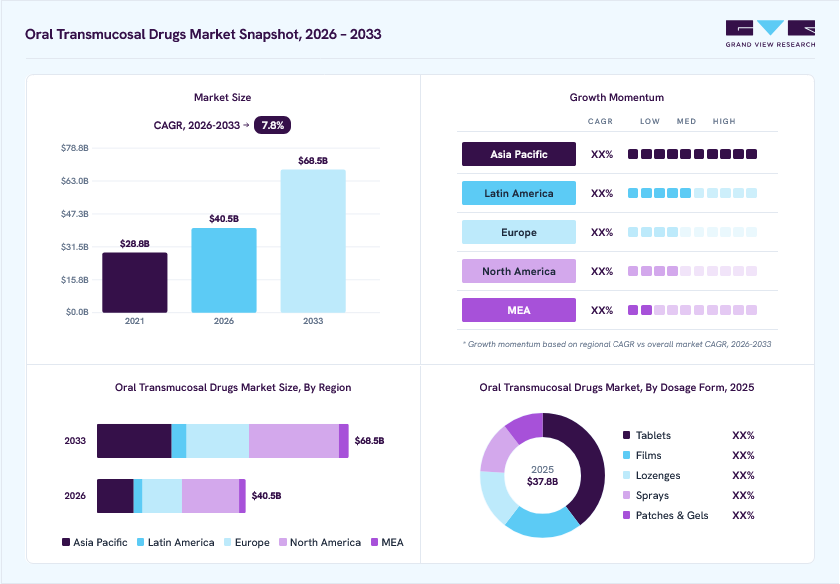
The global oral transmucosal drugs market size was valued at USD 37.8 billion in 2025 and is projected to grow from USD 40.5 billion in 2026 to USD 68.5 billion by 2033, at a CAGR of 7.8% from 2026 to 2033. North America dominated the market, accounting for the largest revenue share of 38.6% in 2025. The market is witnessing sustained expansion due to increasing demand for rapid-onset, non-invasive drug delivery systems across pain management, opioid dependence, seizure rescue therapies, and central nervous system disorders.
 Source: Grand View Research, IR Documents, Primary Interviews, Paid DatabasesTo learn more about this report,
 Download Free Sample Report
Key Market Trends & Insights
- By dosage form: Tablets segment held the highest market share of 39.8% in 2025.
- By route of administration: Sublingual segment held the highest market share of 56.7% in 2025.
- By therapeutic application: Pain management segment held the highest market share of 43.0% in 2025.
- By distribution channel: Hospital pharmacies segment held the highest market share of 47.2% in 2025.
Regional Highlights
- Largest regional market: North America (38.6% revenue share, 2025)
- Fastest-growing regional market: Asia Pacific (highest CAGR, 2026-2033)
- By country: The U.S. held the largest market share in 2025
Market Size & Forecast
- Market size in 2025: USD 37.8 Billion
- Estimated market size in 2026: USD 40.5 Billion
- Projected market size by 2033: USD 68.5 Billion
- CAGR (2026-2033): 7.8%
Prism AI by Grand View Research Free to tryAsk a question about the oral transmucosal drugs marketTry asking✓Every figure cited from GVR research Prefer the report? Download free sample →
Pharmaceutical manufacturers are increasingly focusing on sublingual tablets, buccal films, oral thin films, and spray-based formulations that improve bioavailability while bypassing gastrointestinal degradation and first-pass metabolism. Market growth is being further supported by the rising prevalence of chronic neurological disorders, cancer-associated breakthrough pain, and opioid use disorder globally. In addition, the growing preference for needle-free and swallow-free administration among pediatric and geriatric patient populations is accelerating product adoption across both hospital and outpatient settings. Regulatory agencies in the U.S., Europe, and Asia are also supporting innovation through accelerated approvals for advanced transmucosal formulations and specialty drug delivery technologies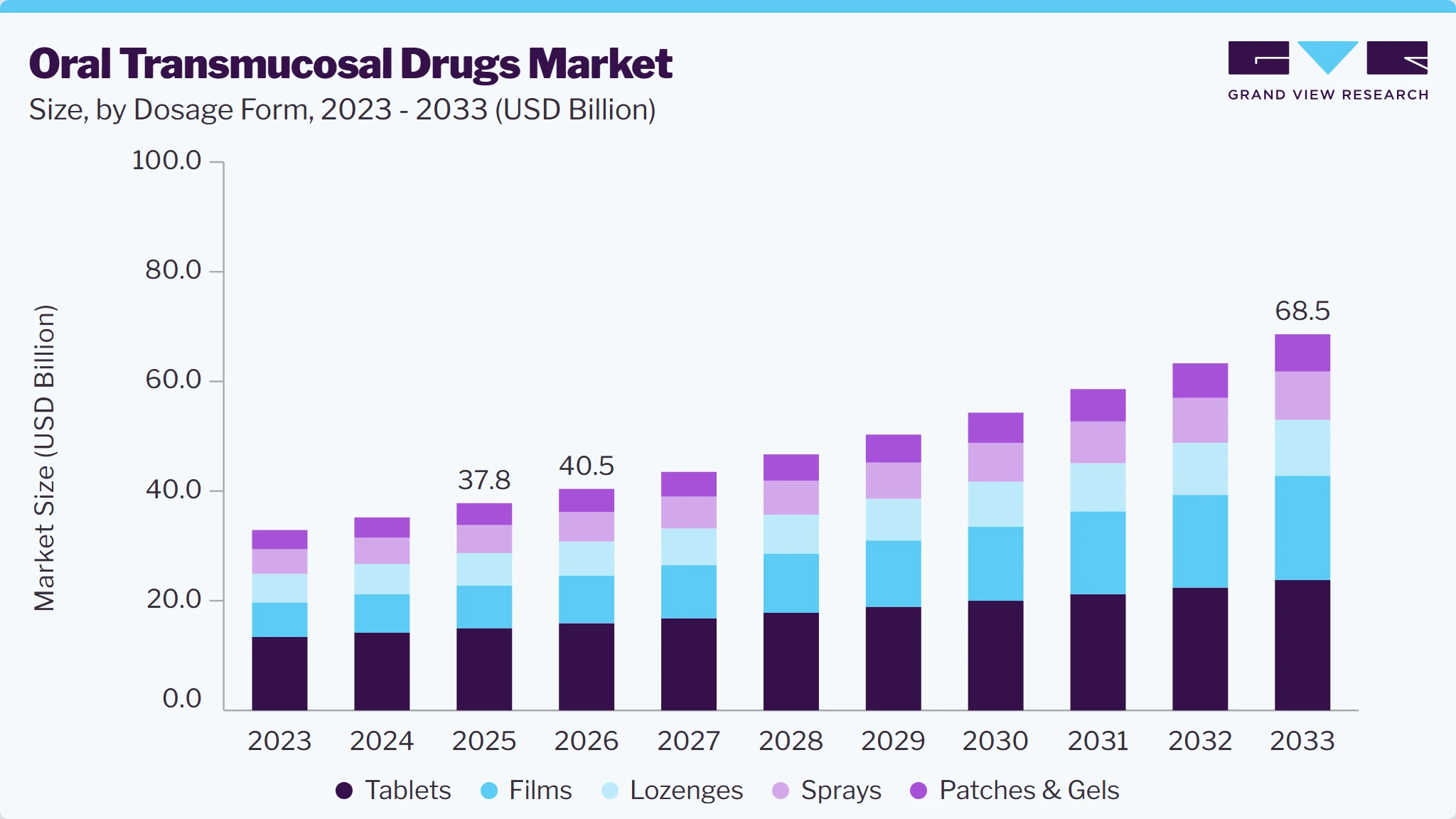 To learn more about this report, Download Free Sample Report
The market is increasingly characterized by strong research activity, platform-based drug delivery innovation, and expanding commercialization strategies among pharmaceutical companies. Industry participants are investing heavily in mucoadhesive technologies, permeation enhancers, and advanced oral film platforms to improve drug absorption efficiency and patient adherence. The growing emphasis on convenient self-administration therapies is driving interest in transmucosal delivery for chronic disease management and emergency care applications. In addition, the market is benefiting from rising collaborations between specialty drug delivery developers and pharmaceutical manufacturers aimed at expanding proprietary formulation capabilities and lifecycle management strategies. The increasing adoption of digitally integrated manufacturing technologies and scalable film production systems is also improving production efficiency, supporting broader product availability, and accelerating pipeline development across multiple therapeutic categories.
The market continues to gain momentum due to rising industry focus on temperature-stable oral formulations and ambient-storage drug delivery systems that improve accessibility and supply chain flexibility. Furthermore, growing research in oral peptide delivery, CNS-targeted therapies, and next-generation transmucosal platforms is expected to create substantial long-term commercialization opportunities. Pharmaceutical companies are also expanding investments in patient-centric dosage formats that enhance compliance and reduce administration burden, particularly among elderly and pediatric populations. The increasing penetration of specialty pharmacies, e-commerce pharmaceutical distribution channels, and direct-to-patient delivery models is further strengthening market accessibility. In addition, ongoing advancements in formulation science and biomaterial engineering are expected to support the development of more efficient and targeted transmucosal therapies, contributing to sustained market growth over the forecast period.
Market Dynamics
The market is being driven by the increasing preference for rapid-onset drug delivery systems that improve bioavailability, treatment adherence, and patient convenience. Sublingual and buccal formulations bypass gastrointestinal degradation and first-pass metabolism, enabling faster therapeutic action and making them suitable for pain management, neurological disorders, opioid dependence, and emergency care. Growing demand for noninvasive therapies among pediatric, geriatric, and dysphagic patients is further supporting product adoption. Pharmaceutical companies are investing in oral thin films, fast-dissolving tablets, and advanced mucoadhesive technologies to improve treatment outcomes and expand therapeutic applications. Regulatory approvals of innovative transmucosal formulations are also strengthening market confidence and encouraging further product development. For instance, in August 2025, Tonix Pharmaceuticals announced that the U.S. Food and Drug Administration approved TONMYA (cyclobenzaprine HCl sublingual tablets) for the treatment of fibromyalgia in adults. The therapy became the first new FDA-approved prescription treatment for fibromyalgia in more than 15 years. The approval was supported by two Phase III clinical trials involving nearly 1,000 patients, while safety was established across three Phase III studies involving more than 1,400 patients, demonstrating increasing regulatory acceptance of innovative oral transmucosal drug delivery technologies.
The market faces challenges because products require extensive clinical validation to demonstrate consistent absorption, bioavailability, formulation stability, manufacturing quality, and long-term safety before regulatory approval. Advanced formulations intended for rapid systemic delivery must undergo comprehensive pharmacokinetic evaluations, human factor studies, manufacturing inspections, and quality assessments, increasing both development costs and approval timelines. Products designed for emergency use or containing highly potent active pharmaceutical ingredients are subject to additional regulatory scrutiny, further delaying commercialization. Smaller pharmaceutical companies often face financial and technical barriers due to the specialized manufacturing capabilities required for these formulations. For instance, in August 2025, Aquestive Therapeutics announced that the U.S. Food and Drug Administration accepted the New Drug Application for Anaphylm (epinephrine) Sublingual Film and assigned a Prescription Drug User Fee Act target action date of January 31, 2026. The announcement noted that the application would undergo a comprehensive regulatory evaluation of clinical efficacy, manufacturing quality, pharmacokinetics, and product performance prior to commercialization, reflecting the rigorous approval pathway for oral transmucosal therapies.
The market presents significant opportunities as pharmaceutical companies expand these delivery technologies beyond traditional pain management into neurological disorders, allergy treatment, peptide therapeutics, and chronic disease management. Continuous advances in permeation enhancers, oral thin film technologies, and mucoadhesive formulations are improving the delivery of complex molecules while reducing dependence on injectable therapies. Increasing patient preference for home-based treatment, coupled with expanding specialty pharmacy networks and digital healthcare platforms, is expected to support wider adoption of these formulations. Strategic investments in formulation technologies and lifecycle management are also creating opportunities for differentiated products with improved patient compliance. For instance, in November 2025, Tonix Pharmaceuticals announced the commercial launch of TONMYA in the United States following its FDA approval. The company confirmed that the product was supported by two pivotal Phase III clinical trials involving nearly 1,000 patients and more than 1,400 patients evaluated across three Phase III studies. The nationwide commercialization of a novel sublingual therapy highlighted the growing opportunity for oral transmucosal drug delivery platforms across chronic disease management and demonstrated increasing industry investment in patient-friendly, noninvasive therapies.
Market Concentration & Characteristics
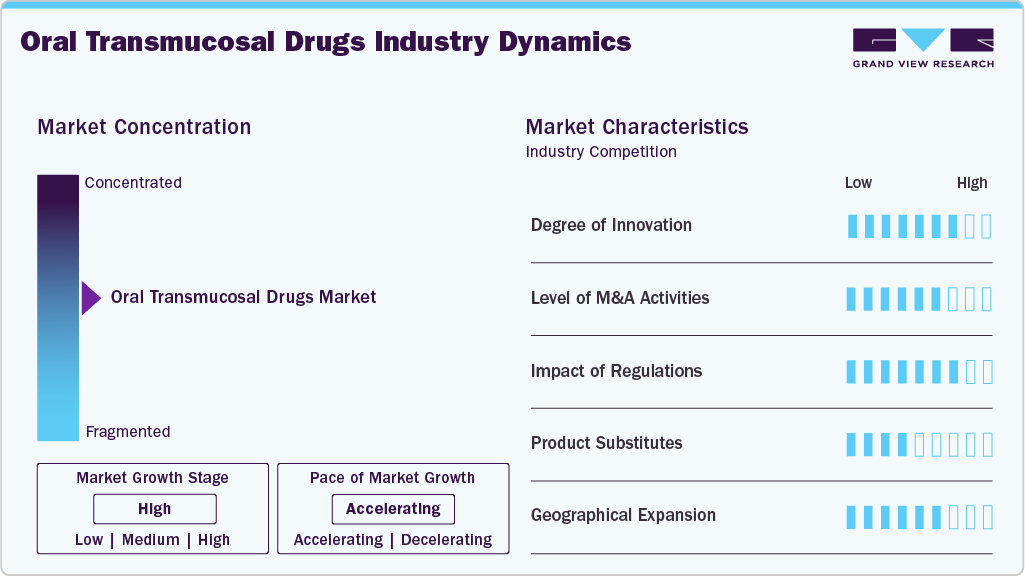
The oral transmucosal drugs industry demonstrates a high degree of innovation driven by continuous advancements in drug delivery technologies, formulation science, and mucoadhesive materials. Pharmaceutical companies are increasingly developing advanced oral films, fast-dissolving tablets, and permeation-enhancing platforms to improve bioavailability, enable rapid drug absorption, and enhance patient compliance. Innovation in the market is further supported by growing investments in peptide delivery technologies, controlled-release formulations, and temperature-stable dosage systems, which expand the applicability of transmucosal therapies across multiple chronic and acute care applications. In addition, strategic collaborations between specialty drug delivery companies and pharmaceutical manufacturers are accelerating the commercialization of next-generation transmucosal platforms and differentiated therapeutic products.
The oral transmucosal drugs industry presents moderate to high barriers to market entry due to the complex formulation requirements needed to ensure consistent mucosal absorption, drug stability, and bioavailability. Companies entering the market must invest significantly in specialized drug delivery technologies, proprietary film-forming platforms, and advanced manufacturing infrastructure to meet stringent quality and regulatory standards. In addition, extensive clinical validation and bioequivalence studies are often required to demonstrate the therapeutic efficacy, safety, and controlled drug-release characteristics of transmucosal formulations. Intellectual property protections surrounding mucoadhesive technologies, permeation enhancers, and oral film delivery systems further intensify competitive barriers and limit rapid entry by new participants.
 To learn more about this report, Download Free Sample Report
The oral transmucosal drugs industry is significantly influenced by stringent regulatory frameworks governing drug safety, formulation consistency, bioavailability, and manufacturing quality standards. Regulatory agencies such as the U.S. Food and Drug Administration and the European Medicines Agency require extensive pharmacokinetic, stability, and bioequivalence data for approval of transmucosal formulations due to their complex absorption characteristics and rapid systemic delivery profiles. Regulatory emphasis on abuse-deterrent opioid formulations, pediatric safety evaluations, and controlled manufacturing processes is also shaping product development strategies across the industry. In addition, evolving guidelines for oral film technologies, excipient safety, and advanced drug delivery systems are encouraging pharmaceutical companies to strengthen compliance capabilities and invest in higher-quality formulation and production technologies.
The oral transmucosal drugs industry faces competition from several alternative drug delivery systems, including conventional oral tablets, injectable therapies, transdermal patches, nasal sprays, and inhalation-based formulations. These substitutes are widely used in pain management, neurological disorders, and emergency care due to established clinical use, broader availability, and lower manufacturing complexity in certain therapeutic areas. Injectable formulations, in particular, continue to serve as strong alternatives for rapid systemic drug delivery in acute care settings, while extended-release oral medications remain preferred for long-term chronic disease management. In addition, ongoing advancements in wearable injectors, smart drug delivery devices, and transdermal technologies are increasing competitive pressure on oral transmucosal products by offering improved dosing convenience, controlled release profiles, and expanded therapeutic applicability.
The oral transmucosal drugs industry is witnessing increasing geographical expansion driven by rising demand for patient-friendly drug delivery systems, improving healthcare infrastructure, and broader access to specialty pharmaceuticals across emerging economies. Pharmaceutical companies are expanding commercialization activities through regional distribution partnerships, licensing agreements, and localized manufacturing strategies to strengthen market penetration in high-growth countries. Growing regulatory harmonization and improvements in pharmaceutical approval pathways are also supporting the introduction of advanced transmucosal formulations into new international markets. In addition, expanding investments in specialty pharmacy networks, e-commerce pharmaceutical distribution, and outpatient care infrastructure are enabling wider accessibility of transmucosal therapies across both developed and developing healthcare systems.
Analyst Perspective
The oral transmucosal drugs market is expanding due to rising demand for rapid, non- invasive drug delivery across pain management, neurological disorders, and opioid dependence. Investment in advanced formulations, regulatory approvals, and broader therapeutic applications support market growth. However, formulation complexity and regulatory requirements remain key challenges. Companies with strong formulation capabilities and manufacturing capacity are well positioned for growth.
Dosage Form Insights
The tablets segment dominated the market with the largest revenue share of 39.8% in 2025, driven by the growing adoption of sublingual and buccal tablet formulations for rapid systemic drug delivery. These formulations enable direct absorption through the oral mucosa, supporting faster therapeutic onset and improved bioavailability by bypassing hepatic first-pass metabolism. The segment is witnessing increased utilization across pain management, neurological disorders, allergy treatment, and hormone therapies due to improved dosing convenience and patient compliance. Pharmaceutical manufacturers are increasingly investing in fast-dissolving and mucoadhesive tablet technologies to enhance drug absorption efficiency and therapeutic performance. In addition, the portability, longer shelf stability, and ease of self-administration associated with tablet formulations continue to support segment expansion across outpatient and homecare settings. Rising preference for non-invasive drug delivery systems among geriatric and pediatric patient populations is further contributing to the growth of the tablets segment in the market. For instance, in August 2025, Tonix Pharmaceuticals received U.S. FDA approval for Tonmya (cyclobenzaprine HCl sublingual tablets) to treat fibromyalgia. The therapy was introduced as a first-in-class, non-opioid sublingual tablet designed for rapid transmucosal absorption, highlighting ongoing innovation and commercialization advancements within oral transmucosal tablet technologies.
The films segment is projected to grow at a CAGR of 11.8% over the forecast period, driven by increasing demand for rapid-onset, non-invasive drug delivery systems that improve patient compliance. Oral transmucosal films are designed to dissolve quickly within the buccal or sublingual cavity, enabling direct absorption through the oral mucosa and enhancing bioavailability by bypassing first-pass hepatic metabolism. The segment is gaining wider adoption across allergy management, pain therapy, neurological disorders, and opioid dependence treatment owing to its convenience, portability, and ease of administration. Compared with conventional oral solid dosage forms, transmucosal films offer faster dissolution, precise dosing accuracy, and improved suitability for pediatric, geriatric, and dysphagic patient populations. Pharmaceutical companies are increasingly investing in advanced thin-film technologies, taste-masking formulations, and stability-enhancement platforms to improve therapeutic performance and product differentiation. Growing regulatory support and commercialization activities surrounding sublingual film-based therapeutics are further contributing to the expansion of the films segment in the global market. For instance, in July 2025, Aquestive Therapeutics announced international regulatory expansion activities for Anaphylm (epinephrine) Sublingual Film across Canada and Europe, including regulatory engagements with Health Canada and the European Medicines Agency. The development highlighted increasing commercialization momentum and continued innovation in oral transmucosal film-based drug delivery technologies.
Route of Administration Insights
The sublingual segment dominated the market, with the largest revenue share of 56.7% in 2025, owing to its ability to provide rapid systemic drug delivery via the highly vascularized tissues beneath the tongue. This route enables active pharmaceutical ingredients to bypass gastrointestinal degradation and hepatic first-pass metabolism, resulting in faster therapeutic onset and enhanced bioavailability compared with conventional oral dosage forms. The segment is witnessing increasing adoption across allergy treatment, pain management, neurological disorders, and emergency care applications due to growing demand for fast-acting, non-invasive drug delivery systems. Pharmaceutical companies are increasingly focusing on the development of advanced sublingual formulations, including rapidly dissolving tablets and thin-film technologies, to improve absorption efficiency, portability, and patient compliance. In addition, the ease of self-administration and suitability for pediatric, geriatric, and dysphagic patient populations continue to support wider utilization of sublingual therapeutics across clinical and homecare settings. Growing regulatory and commercialization activities associated with sublingual products are further contributing to the expansion of the sublingual segment in the market. For instance, in July 2025, Aquestive Therapeutics announced international regulatory expansion activities for Anaphylm (epinephrine) Sublingual Film across Canada and Europe, including regulatory engagements with Health Canada and the European Medicines Agency. The development highlighted growing momentum in commercialization and continued innovation in sublingual transmucosal drug delivery technologies designed for rapid systemic absorption and improved patient convenience.
The buccal segment is projected to grow at a CAGR of 9.8% over the forecast period, due to its ability to facilitate controlled and efficient drug absorption through the inner lining of the cheek. Buccal drug delivery enables therapeutic agents to bypass gastrointestinal degradation and hepatic first-pass metabolism, supporting improved bioavailability and prolonged therapeutic effects for selected medications. The segment is witnessing increasing utilization across pain management, opioid dependence treatment, cardiovascular therapies, and hormone replacement applications owing to its non-invasive nature and ease of administration. Compared with conventional oral dosage forms, buccal formulations offer advantages such as sustained mucosal contact, reduced dosing frequency, and improved patient compliance. Pharmaceutical manufacturers are increasingly investing in advanced buccal tablets, films, and mucoadhesive formulations to enhance drug retention time, absorption efficiency, and therapeutic performance. In addition, rising demand for patient-centric drug delivery systems and ongoing innovation in transmucosal formulation technologies are contributing to the continued growth of the buccal segment in the global market.
Therapeutic Application Insights
The pain management segment dominated the market, with the largest revenue share of 43.0% in 2025, driven by rising demand for rapid-acting, non-invasive analgesic therapies for acute and chronic pain conditions. Oral transmucosal drug delivery systems enable fast absorption of therapeutic agents through the oral mucosa, supporting quicker onset of action and improved bioavailability compared with conventional oral formulations. The segment is witnessing growing adoption across breakthrough cancer pain, postoperative pain, neuropathic pain, migraine management, and emergency trauma care owing to the need for immediate symptom relief and improved patient convenience. Sublingual and buccal formulations are increasingly utilized in pain management applications due to their ease of administration, rapid systemic delivery, and suitability for patients experiencing difficulty swallowing conventional oral medications. Pharmaceutical companies are also focusing on advanced transmucosal analgesic formulations, including fast-dissolving tablets, films, and fentanyl-based delivery systems, to enhance therapeutic effectiveness and dosing precision. In addition, rising clinical acceptance of rapid-onset transmucosal pain therapies and continued research supporting their safety and efficacy are contributing to the ongoing growth of the pain management segment in the global market. For instance, in January 2026, a study published in the Scandinavian Journal of Trauma, Resuscitation and Emergency Medicine demonstrated the effectiveness and safety of oral transmucosal fentanyl citrate (OTFC) for prehospital trauma pain management across multiple patient groups. The study highlighted the growing clinical importance of fast-acting transmucosal analgesic delivery systems for emergency and acute pain care applications.
The opioid dependence segment is projected to grow at a CAGR of 10.6% over the forecast period, owing to the increasing adoption of transmucosal formulations for opioid use disorder (OUD) treatment and maintenance therapy. Oral transmucosal drug delivery systems, particularly sublingual and buccal formulations, enable efficient systemic absorption and predictable therapeutic exposure while bypassing gastrointestinal degradation and hepatic first-pass metabolism. The segment is witnessing growing utilization of transmucosal buprenorphine- and naloxone-based therapies due to their effectiveness in reducing withdrawal symptoms, supporting long-term treatment adherence, and improving patient convenience. The rising prevalence of opioid use disorder (OUD) and increasing emphasis on medication-assisted treatment (MAT) programs are further supporting demand for patient-friendly and non-invasive drug delivery approaches. Pharmaceutical manufacturers are increasingly focusing on advanced transmucosal tablets and films to improve dosing flexibility, treatment accessibility, and supervised therapy adherence. In addition, expanding regulatory support, clinical adoption of transmucosal opioid dependence therapies, and growing awareness regarding addiction management are contributing to the continued growth of the opioid dependence segment in the global market.
Distribution Channel Insights
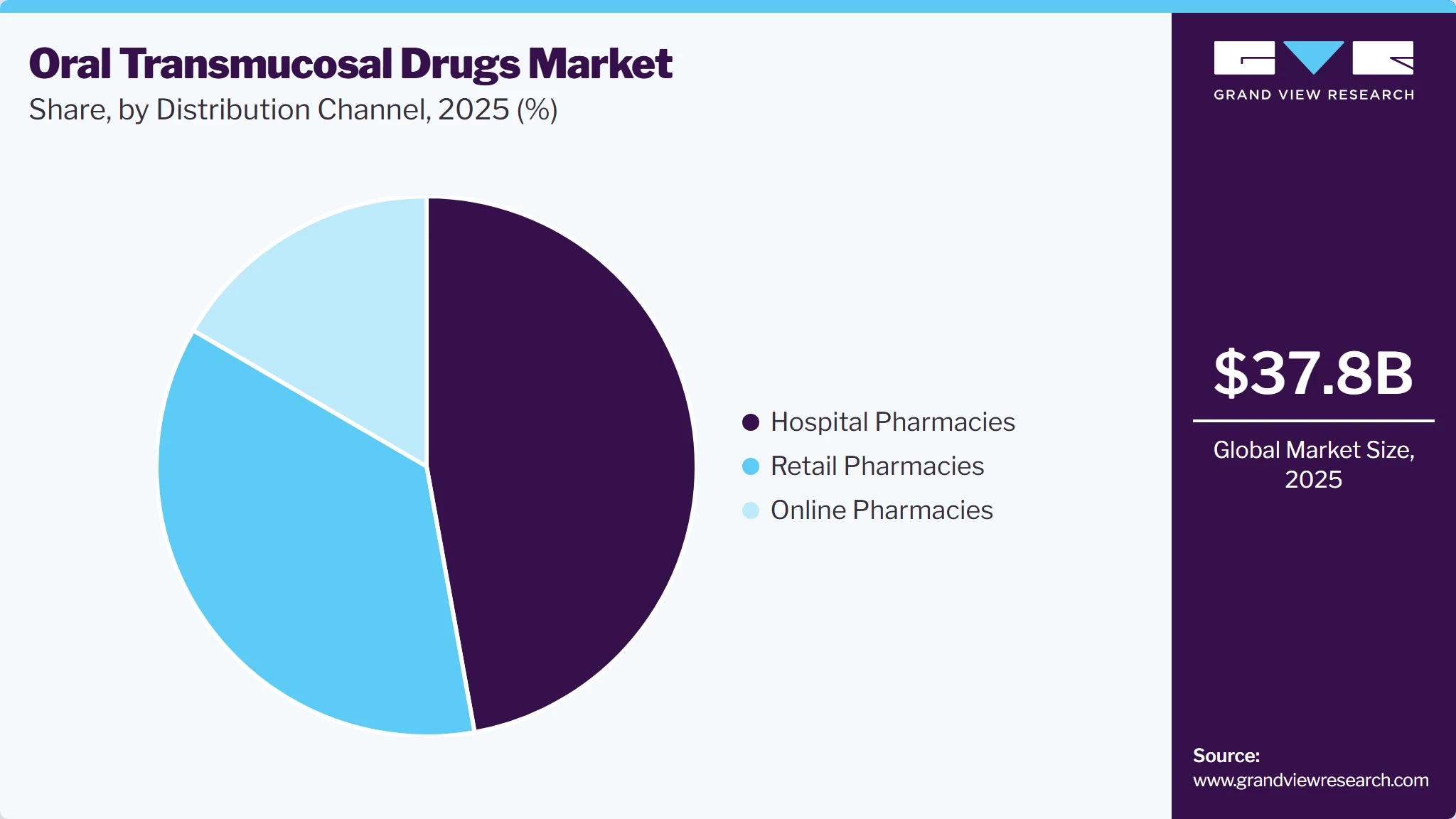
The hospital pharmacies segment dominated the market with the largest revenue share of 47.2% in 2025, due to the increasing utilization of specialized transmucosal therapeutics in hospital-based pain management, oncology care, opioid dependence treatment, and emergency care settings. Hospital pharmacies play a critical role in the dispensing and monitoring of oral transmucosal formulations, including sublingual tablets, buccal films, and rapid-acting analgesic therapies that often require controlled prescribing and supervised administration protocols. The segment is witnessing growing demand due to the rising clinical adoption of fast-acting transmucosal drugs for breakthrough cancer pain, severe acute pain, and opioid use disorder management within inpatient and specialty care environments. In addition, hospital pharmacies serve as key distribution channels for newly approved and high-risk transmucosal therapies that are subject to strict regulatory and risk management programs. Pharmaceutical companies are increasingly collaborating with hospitals and healthcare providers to improve access to advanced transmucosal drug formulations and support appropriate therapeutic utilization. Furthermore, the expansion of specialty healthcare infrastructure, rising hospitalization rates, and increasing demand for rapid-onset drug delivery systems are contributing to the continued growth of the hospital pharmacies segment.
 To learn more about this report, Download Free Sample Report
The online pharmacies segment is projected to grow at a CAGR of 12.8% over the forecast period, driven by increasing consumer preference for convenient, remote access to prescription medications. Online pharmacy platforms are becoming important distribution channels for oral transmucosal formulations, including sublingual tablets, buccal films, and oral thin-film therapeutics used in pain management, opioid dependence treatment, allergy management, and neurological disorders. The segment benefits from rising digital healthcare adoption, expanding e-pharmacy infrastructure, and growing utilization of telemedicine services that support electronic prescribing and home-based treatment management. In addition, online pharmacies improve medication accessibility for patients requiring long-term therapies, particularly in regions with limited access to specialty healthcare facilities. Pharmaceutical companies and digital healthcare providers are increasingly focusing on secure prescription verification systems, controlled dispensing protocols, and direct-to-patient distribution models to support safe delivery of transmucosal therapies. Furthermore, increasing internet penetration, growing patient awareness regarding non-invasive drug delivery systems, and continued expansion of regulated e-pharmacy services are contributing to the growth of the online pharmacies segment in the global market.
Regional Insights
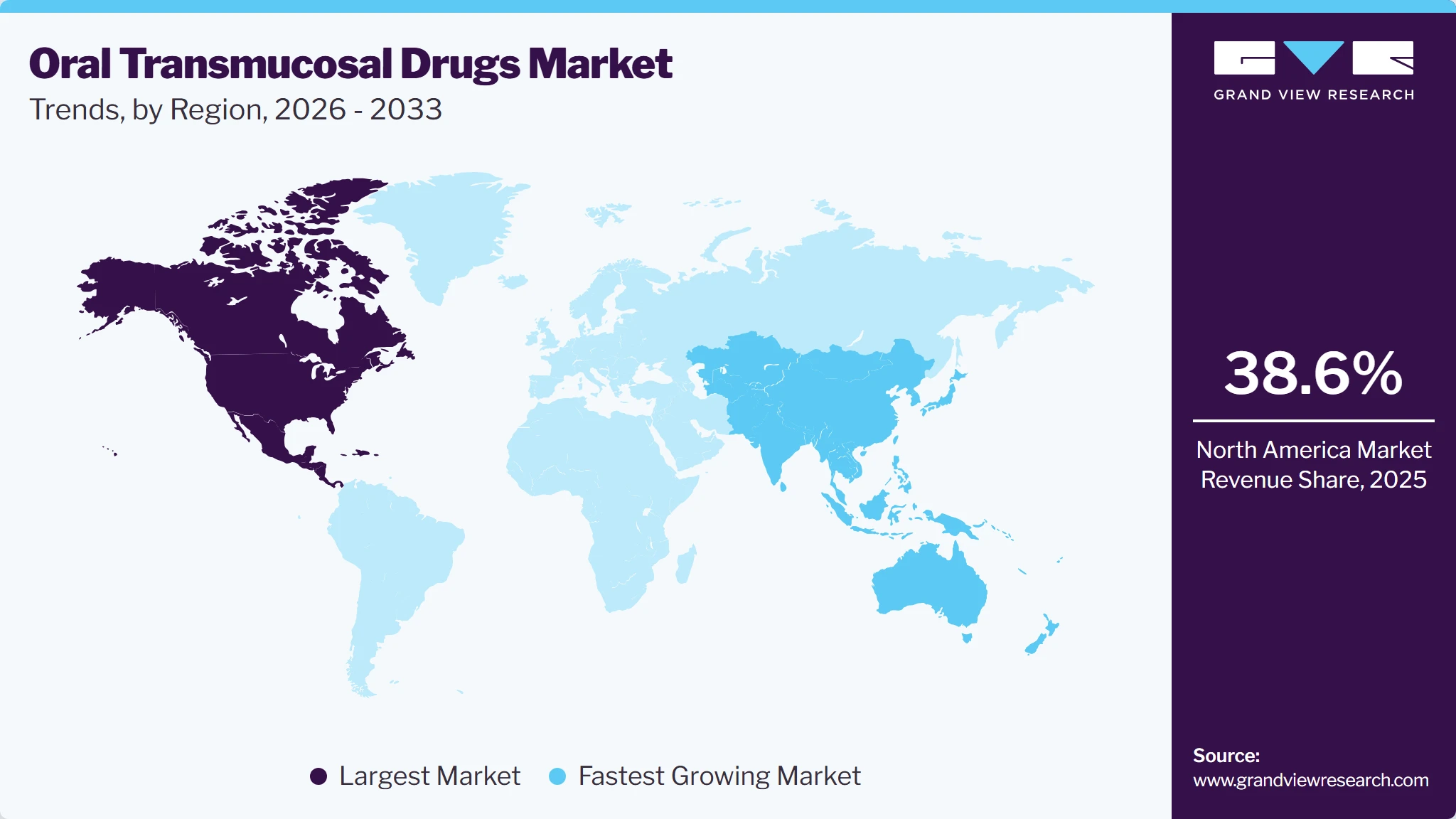
North America held the largest oral transmucosal drugs market share of 38.6% in 2025, driven by the rising demand for rapid-onset, needle-free drug delivery systems for managing conditions such as opioid dependence, breakthrough pain, epilepsy, and other neurological disorders. The region benefits from a strong healthcare infrastructure and advanced drug delivery technologies, particularly sublingual and buccal formulations that improve patient compliance and bioavailability. The increasing prevalence of chronic and CNS-related disorders, along with a growing geriatric population, is further supporting market uptake. Regulatory support from agencies such as the FDA is encouraging innovation in fast-dissolving films, tablets, and sprays, thereby accelerating product approvals and pipeline development. Pharmaceutical companies in North America are also focusing on formulation advancements and strategic collaborations to strengthen specialty drug portfolios. Overall, North America remains the dominant regional market, supported by strong R&D activity and high clinical demand for fast-acting transmucosal therapies.
 To learn more about this report, Download Free Sample Report
U.S. Oral Transmucosal Drugs Market Trends
The oral transmucosal drugs market in the U.S. dominates North America due to its high burden of chronic and neurological disorders, including opioid dependence, epilepsy, and severe pain conditions that require rapid-acting therapies. The market is strongly supported by a well-established healthcare infrastructure and advanced pharmaceutical R&D ecosystem, enabling faster adoption of buccal, sublingual, and fast-dissolving drug formulations. In addition, the country’s large aging population and high prevalence of multiple chronic conditions significantly increase demand for needle-free and patient-friendly drug delivery options. Regulatory support from the U.S. FDA for innovative formulations and accelerated approvals further strengthens product availability and pipeline expansion. Growing preference for rapid onset and high bioavailability drug delivery systems continues to drive clinical adoption across hospitals and specialty care settings. Overall, the U.S. maintains its leading position in the region due to strong innovation activity, high healthcare expenditure, and expanding use of transmucosal therapies for critical care and CNS-related therapeutic applications.
Europe Oral Transmucosal Drugs Market Trends
The oral transmucosal drugs market in Europe shows steady growth, driven by increasing clinical preference for non-invasive, rapid-acting drug delivery systems across pain management and neurological care settings. The region’s rising geriatric population and growing incidence of chronic diseases such as cancer-related breakthrough pain and neurological disorders are supporting demand for buccal and sublingual formulations. Strong regulatory oversight by the European Medicines Agency (EMA) ensures consistent quality standards while encouraging the adoption of innovative drug delivery technologies. In addition, well-structured public healthcare systems in major European countries facilitate broader patient access to advanced therapies, particularly in hospital and specialty care settings. The expanding shift toward outpatient and home-based care is also contributing to greater use of fast-dissolving and easy-to-administer formulations. Overall, Europe is witnessing a stable expansion of this market, supported by clinical acceptance, healthcare accessibility, and continuous pharmaceutical formulation advancements.
The UK oral transmucosal drugs market is expected to grow significantly during the forecast period. In UK the increasing preference for non-invasive and fast-acting drug delivery options in the management of pain, neurological disorders, and palliative care conditions. Rising cases of chronic illnesses, along with a growing elderly population, are contributing to sustained demand for sublingual and buccal formulations that offer improved patient convenience. The National Health Service (NHS) plays a key role in supporting the adoption of cost-effective and clinically efficient therapies, encouraging wider use of advanced transmucosal products in both hospital and community care settings. In addition, ongoing pharmaceutical innovation within the UK’s strong life sciences sector is supporting the development of improved drug absorption technologies. The shift toward outpatient care and home-based treatment models is further increasing the utilization of easy-to-administer dosage forms. Overall, the market is witnessing steady growth, supported by healthcare accessibility, clinical acceptance, and continuous advancements in drug delivery systems.
The oral transmucosal drugs market in Germany is showing steady development, supported by the country’s emphasis on high-quality pharmaceutical production and advanced drug formulation technologies. Demand is rising due to an increasing burden of chronic conditions such as cancer-related pain, neurological disorders, and geriatric complications, where rapid-acting therapies are clinically preferred. Germany’s statutory health insurance system enables broad access to innovative treatments, contributing to consistent uptake of buccal and sublingual drug delivery formats in clinical practice. The regulatory environment, overseen by the Federal Institute for Drugs and Medical Devices (BfArM), ensures strict quality and safety compliance while still allowing innovation in novel dosage forms. In addition, strong collaboration between research institutes and pharmaceutical companies is fostering continuous improvement in transmucosal drug technologies. Overall, the market is progressing at a stable pace, driven by clinical reliability, manufacturing strength, and increasing preference for non-invasive therapeutic options.
France oral transmucosal drugs market is witnessing steady growth driven by increasing clinical preference for rapid-acting and non-invasive drug delivery systems in pain management, oncology-related breakthrough pain, and neurological conditions. The country’s aging population and rising prevalence of chronic diseases are contributing to sustained demand for buccal and sublingual formulations that improve treatment convenience and adherence. France’s universal healthcare system, supported by reimbursement oversight through national health authorities, facilitates structured access to innovative pharmaceutical products while emphasizing cost-effectiveness in adoption decisions. In addition, strong regulatory governance by the National Agency for the Safety of Medicines and Health Products (ANSM) ensures high standards of quality and safety for advanced dosage forms. Pharmaceutical innovation in France, supported by established research institutions and industry collaboration, is further enabling the development of improved transmucosal delivery technologies. Overall, the market is expanding at a steady pace, driven by clinical acceptance, improved healthcare accessibility, and continued advances in patient-centric drug delivery solutions.
Asia Pacific Oral Transmucosal Drugs Market Trends
The oral transmucosal drugs market in the Asia Pacific is expected to register the fastest CAGR of 10.6% over the forecast period due to the rapid expansion of healthcare infrastructure and increasing accessibility to advanced drug delivery systems across emerging economies such as China, India, and Southeast Asia. Rising prevalence of chronic diseases, including cancer-related pain, epilepsy, and neurological disorders, is significantly boosting demand for fast-acting, non-invasive formulations like buccal films and sublingual tablets. In addition, growing patient awareness regarding needle-free and convenient medication options is supporting wider acceptance of transmucosal therapies. Expanding pharmaceutical manufacturing capabilities in the region, coupled with increasing investments by global drug developers, is further accelerating product availability. Government initiatives aimed at improving healthcare access and strengthening hospital care systems are also contributing to market penetration. Overall, the region’s strong demographic growth, rising healthcare spending, and rapid adoption of modern drug delivery technologies are collectively driving the fastest market expansion.
Japan oral transmucosal drugs market is mature due to its highly advanced healthcare system and early adoption of innovative drug delivery technologies across clinical practice. A significant aging population with a high prevalence of chronic conditions such as cancer-related pain, neurological disorders, and post-operative pain has long supported consistent demand for buccal and sublingual formulations. Japan’s strong regulatory framework under the Pharmaceuticals and Medical Devices Agency (PMDA) ensures rigorous quality standards while enabling steady integration of novel transmucosal products. The market is characterized by well-established pharmaceutical players and a strong domestic manufacturing base focused on precision and formulation excellence. However, growth is relatively stable rather than rapid, as most key transmucosal therapies are already well penetrated in hospital and specialty care settings. Overall, the market reflects maturity through high treatment adoption, incremental innovation, and steady demand driven primarily by demographic and clinical stability rather than rapid expansion.
The oral transmucosal drugs market in China is expanding due to rapid improvements in healthcare infrastructure and increasing adoption of advanced drug delivery systems in both urban and tertiary care hospitals. The rising prevalence of chronic diseases such as cancer, neurological disorders, and severe pain conditions is driving demand for fast-acting buccal and sublingual therapies. Growing patient awareness regarding non-invasive and convenient treatment options is further supporting market uptake across outpatient and hospital settings. Strong domestic pharmaceutical manufacturing capabilities, along with increasing participation of multinational companies, are accelerating product availability and innovation in formulation technologies. Regulatory streamlining by the National Medical Products Administration (NMPA) is also improving the pace of approvals for novel transmucosal dosage forms. Overall, the market is experiencing strong growth momentum, supported by expanding healthcare access, rising clinical demand, and ongoing advances in drug delivery.
Latin America Oral Transmucosal Drugs Market Trends
The oral transmucosal drugs market in Latin America is growing steadily due to gradual improvement in healthcare accessibility and increasing availability of specialty pharmaceutical products across urban healthcare centers. The rising incidence of chronic pain conditions, cancer-related complications, and neurological disorders is supporting demand for fast-acting and easy-to-administer drug delivery systems. Market expansion is further influenced by growing reliance on hospital-based treatment settings, where clinicians are increasingly adopting buccal and sublingual formulations to improve therapeutic response and patient compliance. The region’s pharmaceutical landscape is also witnessing increased participation from multinational companies, which is helping improve product penetration and distribution networks. However, adoption remains uneven due to variations in healthcare infrastructure and reimbursement coverage across countries. Overall, the market is progressing at a moderate pace, driven by expanding clinical awareness, improving healthcare systems, and gradual integration of advanced drug delivery technologies.
Brazil oral transmucosal drugs market dominates the Latin America region due to its large patient population, expanding healthcare infrastructure, and relatively higher access to specialty pharmaceutical treatments compared to neighboring countries. The increasing prevalence of chronic conditions such as cancer-related pain, neurological disorders, and severe acute pain is driving demand for fast-acting buccal and sublingual drug delivery systems. Brazil’s mixed public-private healthcare system enables wider utilization of advanced therapies, particularly in urban hospitals and specialty care centers. The country also benefits from a growing pharmaceutical distribution network and a stronger presence of multinational companies, which support improved product availability. In addition, gradual improvements in regulatory processes under ANVISA are facilitating the introduction of innovative dosage forms. Overall, Brazil remains the key regional market, supported by healthcare expansion, clinical demand, and growing adoption of patient-friendly drug-delivery technologies.
Middle East & Africa Oral Transmucosal Drugs Market Trends
The oral transmucosal drugs market in MEA is gradually developing, driven by expanding healthcare infrastructure in selected Gulf Cooperation Council (GCC) countries and improving access to specialty care treatments across urban centers. The rising burden of chronic diseases, including cancer and neurological disorders, is increasing the need for fast-acting pain management solutions that support buccal and sublingual drug delivery. Market growth is primarily concentrated in higher-income economies such as the UAE and Saudi Arabia, where investments in hospital modernization and specialty pharmaceutical services are more advanced. In several parts of Africa, limited access to healthcare and affordability constraints continue to hinder widespread adoption, leading to uneven regional penetration. Increasing participation of multinational pharmaceutical companies and government-led healthcare diversification initiatives are gradually improving product availability. Overall, the market is emerging at a moderate pace, shaped by infrastructure disparities, rising clinical demand in urban hubs, and gradual integration of advanced drug delivery systems.
Saudi Arabia oral transmucosal drugs market is witnessing strong growth, supported by ongoing healthcare transformation under Vision 2030, which is significantly enhancing access to advanced specialty and hospital-based pharmaceutical care. The rising prevalence of chronic conditions such as cancer, diabetes-related complications, and neurological disorders is driving demand for fast-acting, non-invasive drug delivery systems, including buccal and sublingual formulations. Market adoption is particularly concentrated in urban and tertiary healthcare centers, where hospital modernization initiatives are accelerating the integration of innovative treatment options. In addition, procurement-led healthcare spending and structured institutional purchasing systems are shaping the uptake of advanced transmucosal therapies across public hospitals. Strengthened regulatory oversight by the Saudi Food and Drug Authority (SFDA) is further facilitating the introduction of high-quality novel dosage forms into the market. Overall, the market is expanding steadily, driven by infrastructure upgrades, policy support, and increasing clinical reliance on efficient drug delivery solutions in specialty care settings.
Key Oral Transmucosal Drugs Company Insights
Pfizer Inc., AbbVie Inc., and Teva Pharmaceutical Industries Ltd. continue to strengthen their specialty and generic pharmaceutical portfolios by developing and commercializing oral dosage formulations, including sublingual and orally dissolving products used across the pain management, neurology, and addiction treatment segments. Indivior PLC, Aquestive Therapeutics, Inc., and Sanofi S.A. maintain their presence in controlled substances and pain therapeutics markets, which continue to support demand for rapid-onset transmucosal delivery approaches. BioDelivery Sciences International (Collegium Pharmaceutical) and GSK plc are expanding their portfolios of complex generics and differentiated oral formulations, including products designed to improve patient compliance and enable faster therapeutic action. Novartis AG and Boehringer Ingelheim International GmbH are focusing on specialty pharmaceuticals and advanced drug-delivery technologies to support the broader adoption of patient-friendly oral administration systems. The market remains competitive due to increasing utilization of fast-dissolving and sublingual formulations, growing preference for non-invasive drug administration, and continued investments in differentiated oral delivery platforms across branded and generic pharmaceutical segments.
Key Oral Transmucosal Drugs Companies
The following key companies have been profiled for this study on the oral transmucosal drugs market.
-
Pfizer Inc.
-
AbbVie Inc.
-
Teva Pharmaceutical Industries Ltd.
-
Indivior PLC
-
Aquestive Therapeutics, Inc.
-
BioDelivery Sciences International (Collegium Pharmaceutical)
-
GSK plc
-
Sanofi S.A.
-
Novartis AG
-
Boehringer Ingelheim International GmbH
Competitive Benchmarking
Operating Strategies
Competitive Edge
Weaknesses
Mature Players: Pfizer Inc.
- Mature players focused on expanding oral transmucosal drug portfolios through formulation innovation, lifecycle management, strategic acquisitions, regulatory approvals, and commercialization across pain management, opioid dependence, neurological disorders, and other specialty therapeutic areas.
- They also invested in advanced drug delivery technologies, global manufacturing capabilities, and patient support programs to improve treatment adherence, strengthen commercial presence, and sustain long-term leadership within the oral transmucosal drug market.
- Mature players maintained competitive advantage through strong global distribution networks, diversified pharmaceutical portfolios, advanced manufacturing infrastructure, and established regulatory expertise across major healthcare markets.
- Their financial strength, commercial scale, and continuous investments in innovative transmucosal drug delivery platforms enabled broad product adoption, faster market penetration, and sustained competitive positioning across international pharmaceutical markets.
- Mature players faced challenges including high research and development costs, pricing pressure from generic competition, stringent regulatory requirements, and increasing reimbursement scrutiny across developed healthcare markets.
- Large organizational structures also reduced operational flexibility and slowed rapid adaptation to emerging transmucosal technologies, changing treatment preferences, and evolving competitive dynamics within the global pharmaceutical industry.
Emerging Players: Indivior PLC
- Emerging players prioritized innovation-driven strategies focused on oral thin films, sublingual formulations, proprietary delivery technologies, and specialty therapies addressing unmet clinical needs across targeted disease indications.
- They emphasized strategic collaborations, pipeline expansion, technology licensing, regional commercialization initiatives, and investments in next-generation transmucosal drug delivery platforms to strengthen competitive positioning within specialized pharmaceutical markets.maceutical segments globally.
- Emerging players gained competitive advantage through proprietary drug delivery technologies, specialized formulation expertise, focused research capabilities, and agile product development strategies supporting rapid innovation in oral transmucosal therapies.
- Their flexible commercialization approaches and targeted therapeutic focus enabled faster response to evolving clinical demands while strengthening market presence within specialized phar
- Emerging players faced limitations including smaller manufacturing scale, lower global brand recognition, limited commercial infrastructure, and restricted international distribution capabilities compared with established multinational pharmaceutical companies.
- They also experienced challenges in expanding commercialization activities, securing broader regulatory approvals, obtaining reimbursement coverage, and competing against companies possessing stronger financial, operational, and global marketing capabilities.
Recent Developments
-
In September 2025, Pfizer Inc. announced the acquisition of Metsera to strengthen its next-generation obesity and cardiometabolic therapy pipeline, including oral therapeutic candidates. The transaction expanded Pfizer’s presence in advanced drug delivery and metabolic disease therapeutics.
-
In January 2025, AbbVie Inc. completed the acquisition of Nimble Therapeutics to strengthen its oral peptide therapeutic pipeline and peptide optimization platform capabilities. The acquisition supported AbbVie’s expansion into advanced oral drug technologies and next-generation peptide therapeutics.
-
In August 2025, Aquestive Therapeutics, Inc. announced that the U.S. FDA accepted the NDA submission for Anaphylm, a sublingual epinephrine film, while simultaneously accelerating expansion activities across Canada and the European Union. The development highlighted the growing momentum in the commercialization of oral transmucosal film technologies.
Oral Transmucosal Drugs Market Report Scope
Report Attribute
Details
Market size in 2025
USD 37.8 billion
Estimated market size in 2026
USD 40.5 billion
Projected market size by 2033
USD 68.5 billion
Growth rate
CAGR of 7.8% from 2026 to 2033
Historical data
2021 - 2025
Forecast period
2026 - 2033
Quantitative units
Revenue in USD billion and CAGR from 2026 to 2033
Report coverage
Revenue forecast, company ranking, competitive landscape, growth factors, trends
Segments covered
Dosage form, route of administration, therapeutic application, distribution channel, region
Regional scope
North America; Europe; Asia Pacific; Latin America; MEA
Country scope
U.S.; Canada; Mexico; UK; Germany; France; Italy; Spain; Denmark; Sweden; Norway; Japan; China; India; Australia; South Korea; Thailand; Brazil; Argentina; South Africa; Saudi Arabia; UAE; Kuwait
Key company profiled
Pfizer Inc.; AbbVie Inc.; Teva Pharmaceutical Industries Ltd.; Indivior PLC; Aquestive Therapeutics, Inc.; BioDelivery Sciences International (Collegium Pharmaceutical); GSK plc; Sanofi S.A.; Novartis AG; Boehringer Ingelheim International GmbH
Customization scope
Free report customization (equivalent up to 8 analysts working days) with purchase. Addition or alteration to country, regional & segment scope.
Pricing and purchase options
Avail customized purchase options to meet your exact research needs. Explore purchase options
Global Oral Transmucosal Drugs Market Report Segmentation
This report forecasts revenue growth at global, regional, and country levels and provides an analysis of the latest industry trends in each of the sub-segments from 2021 to 2033. For this study, Grand View Research has segmented the global oral transmucosal drugs market report based on dosage form, route of administration, therapeutic application, distribution channel, and region:
-
Dosage Form Outlook (Revenue, USD Billion, 2021 - 2033)
-
Tablets
-
Films
-
Lozenges
-
Sprays
-
Patches & Gels
-
-
Route of Administration Outlook (Revenue, USD Billion, 2021 - 2033)
-
Sublingual
-
Buccal
-
Other Oral Mucosal Routes
-
-
Therapeutic Application Outlook (Revenue, USD Billion, 2021 - 2033)
-
Pain Management
-
Opioid Dependence
-
Neurological Disorders
-
Migraine
-
Other Applications
-
-
Distribution Channel Outlook (Revenue, USD Billion, 2021 - 2033)
-
Hospital Pharmacies
-
Retail Pharmacies
-
Online Pharmacies
-
-
Regional Outlook (Revenue, USD Billion, 2021 - 2033)
-
North America
-
U.S.
-
Canada
-
Mexico
-
-
Europe
-
UK
-
Germany
-
France
-
Italy
-
Spain
-
Denmark
-
Sweden
-
Norway
-
-
Asia Pacific
-
Japan
-
China
-
India
-
Australia
-
South Korea
-
Thailand
-
-
Latin America
-
Brazil
-
Argentina
-
-
Middle East & Africa
-
South Africa
-
Saudi Arabia
-
UAE
-
Kuwait
-
-
Research Methodology
The oral transmucosal drugs market figures in this report are based on a proven research process that combines executive interviews with secondary research from proprietary databases, company filings, and recognized regulatory and institutional sources. Market size is built through value-chain sizing-reconciling supply-side and demand-side estimates-and triangulated with bottom-up and top-down approaches. Every estimate passes multiple levels of expert validation before publication, with each oral transmucosal drugs segment quantified using the revenue-capture definitions in the table below.
Segment Definition
Segment - Dosage Form
Revenue capture definition
Tablets
This segment includes oral transmucosal drug products formulated as solid tablets designed to dissolve or disintegrate in the oral cavity for drug delivery. Classification is based only on the tablet dosage form, irrespective of therapeutic application, distribution channel, or administration site.
Films
This segment includes oral transmucosal drug products formulated as thin polymer-based films intended to dissolve or adhere within the oral cavity for drug delivery. The segment is defined solely by the film dosage form, regardless of therapeutic use or administration route.
Lozenges
This segment includes oral transmucosal drug products formulated as medicated lozenges that gradually dissolve in the mouth to release the active ingredient. The segment includes only lozenge formulations and excludes all other oral transmucosal dosage forms.
Sprays
This segment includes oral transmucosal drug products formulated as liquid sprays for administration within the oral cavity. It covers products delivered through spray devices and excludes tablets, films, lozenges, patches, gels, and other dosage forms.
Patches & Gels
This segment includes oral transmucosal drug products formulated as adhesive patches or gel preparations intended for application to the oral mucosa. The segment is classified only by these formulation types and excludes all other dosage forms.
Segment - Route of Administration
Revenue capture definition
Sublingual
This segment includes oral transmucosal drug products administered beneath the tongue for absorption through the sublingual mucosa. Classification is based only on the site of administration, regardless of dosage form, therapeutic application, or distribution channel.
Buccal
This segment includes oral transmucosal drug products administered against the inner cheek for absorption through the buccal mucosa. The segment is defined solely by the buccal route of administration and is independent of product formulation.
Other Oral Mucosal Routes
This segment includes oral transmucosal drug products administered through oral mucosal sites other than the sublingual or buccal regions, including gingival, palatal, or other approved oral mucosal locations. It excludes products classified under the sublingual and buccal segments.
Segment - Therapeutic Application
Revenue capture definition
Pain Management
This segment includes oral transmucosal drug products indicated for the treatment of acute, chronic, breakthrough, post-operative, or cancer-related pain. It includes products classified according to their approved pain management indication.
Opioid Dependence
This segment includes oral transmucosal drug products indicated for the treatment and long-term management of opioid use disorder. It covers products used for maintenance therapy, withdrawal management, and relapse prevention.
Neurological Disorders
This segment includes oral transmucosal drug products indicated for neurological conditions other than migraine, including epilepsy, Parkinson’s disease, seizure disorders, and related central nervous system conditions. Products indicated specifically for migraine are excluded from this segment.
Migraine
This segment includes oral transmucosal drug products indicated specifically for the acute treatment or management of migraine. Products included in this segment are classified solely based on migraine as the approved therapeutic indication.
Other Applications
This segment includes oral transmucosal drug products indicated for therapeutic uses not classified under pain management, opioid dependence, neurological disorders, or migraine. It includes products developed for allergy, hormone therapy, emergency care, and other approved medical indications.
Segment - Distribution Channel
Revenue capture definition
Hospital Pharmacies
This segment includes oral transmucosal drug products supplied and dispensed through hospital pharmacies for inpatient and outpatient use. It covers products distributed as part of hospital-based pharmaceutical services and excludes retail and online pharmacy sales.
Retail Pharmacies
This segment includes oral transmucosal drug products distributed through licensed community, independent, and chain retail pharmacies. It covers products purchased from physical pharmacy outlets and excludes hospital and online pharmacy distribution.
Online Pharmacies
This segment includes oral transmucosal drug products distributed through licensed digital pharmacy platforms and e-pharmacy services. It covers products ordered online for authorized home delivery or pharmacy collection and excludes hospital and physical retail pharmacy sales.
Delivered Customizations
This report has been delivered with the following In-depth customizations
Client Request
Customization Delivered
Value Adds
Oral Transmucosal Drugs Market Assessment (U.S., Europe & Asia Pacific)
Conducted a comprehensive assessment of the oral transmucosal drugs market across the U.S., Germany, France, the U.K., Japan, and China. The study evaluated product adoption trends, therapeutic area demand, regulatory pathways, reimbursement scenarios, branded and generic competition, prescribing patterns, and commercialization opportunities across major healthcare systems.
Helped the client identify high-growth regional markets, assess market-entry opportunities for novel transmucosal formulations, optimize portfolio expansion strategies, and benchmark competitive positioning. The assessment also supported investment planning by analyzing prescribing trends, patient adoption, reimbursement outlook, and evolving regulatory frameworks.
Oral Transmucosal Drug Pipeline & Competitive Benchmarking
Delivered a detailed benchmarking study covering late-stage pipeline products, approved therapies, proprietary drug delivery technologies, licensing activities, strategic collaborations, and commercialization strategies adopted by leading pharmaceutical and specialty drug delivery companies. The study also assessed clinical differentiation, intellectual property landscape, and pipeline maturity across key therapeutic indications.
Enabled the client to identify licensing and acquisition opportunities, evaluate competitive pipeline positioning, prioritize investments in innovative transmucosal drug delivery platforms, and support strategic business decisions through assessment of clinical development progress, market accessibility, and long-term commercial potential across major therapeutic segments.
Commercial Expansion & Market Access Strategy Assessment
Conducted a regional commercialization and market access assessment for oral transmucosal drugs across North America, Europe, and Asia Pacific. The study analyzed healthcare infrastructure, specialty pharmacy penetration, reimbursement frameworks, physician prescribing behavior, patient accessibility, regulatory requirements, and distribution channel dynamics to identify expansion opportunities.
Supported the client in identifying priority expansion markets, optimizing commercialization strategies, strengthening distribution partnerships, improving product accessibility, and evaluating reimbursement opportunities. The assessment also enabled effective resource allocation, minimized market entry risks, and enhanced long-term growth planning across high-potential pharmaceutical markets.
Frequently Asked Questions About This Report
The global oral transmucosal drugs market size was valued at USD 37.8 billion in 2025 and is estimated at USD 40.5 billion in 2026.
The global oral transmucosal drugs market is expected to grow at a CAGR of 7.8% from 2026 to 2033, reaching USD 68.5 billion by 2033.
Key factors include increasing demand for rapid-onset and non-invasive drug delivery systems, rising prevalence of chronic neurological disorders and breakthrough cancer pain, growing preference for patient-friendly dosage forms, advancements in oral film and mucoadhesive technologies, and expanding regulatory support for innovative transmucosal formulations.
North America dominated the global oral transmucosal drugs market with a 38.6% revenue share in 2025.
Asia Pacific is expected to be the fastest-growing regional market over the forecast period, driven by expanding healthcare infrastructure, increasing chronic disease burden, and rising adoption of advanced drug delivery technologies.
The tablets segment led the market with a 39.8% revenue share in 2025, while the films segment is expected to register the fastest growth during the forecast period.
The pain management segment accounted for the largest 43.0% revenue share in 2025, while the opioid dependence segment is projected to be the fastest-growing therapeutic application.
The sublingual segment held the largest 56.7% revenue share in 2025, while the buccal segment is anticipated to witness the fastest growth during the forecast period.
Key players include Pfizer Inc., AbbVie Inc., Teva Pharmaceutical Industries Ltd., Indivior PLC, Aquestive Therapeutics, Inc., BioDelivery Sciences International (Collegium Pharmaceutical), GSK plc, Sanofi S.A., Novartis AG, and Boehringer Ingelheim International GmbH.
About the Author(s)
Pharmaceuticals Research Team
Healthcare · PharmaceuticalsThis report was authored by the pharmaceuticals research team at Grand View Research - comprising two research analysts, one senior research analyst, and one industry expert - with specialized expertise in the pharmaceuticals segment of the healthcare industry. All findings are based on proprietary healthcare databases, executive interviews, and regulatory analysis, subject to internal peer review prior to publication.
Last Updated:
Speak to Analyst

Customize this report to your needs - add regions, segments, or data points, with 20% free customization.
Or view our licence options:


ISO 9001:2015 & 27001:2022 Certified
We are GDPR and CCPA compliant! Your transaction & personal information is safe and secure. For more details, please read our privacy policy.


