
- Home
- »
- Animal Health
- »
-
Pet Therapeutic Diet Market Size & Share Report, 2026-2033GVR Report cover

Pet Therapeutic Diet Market (2026 - 2033)
Size, Share & Trends Analysis Report By Product (Wet Food, Dry Food), By Animal, By Indication (Renal Care, Obesity Care, Diabetic Care, Dental Care, Gastrointestinal Care, Recovery Care), By Distribution Channel, By Region, And Segment Forecasts
Market Size, 2025
$4.6BMarket Estimate, 2026
$5.0BMarket Forecast, 2033
$8.4BCAGR, 2026–2033
7.8%Pet Therapeutic Diet Market Summary
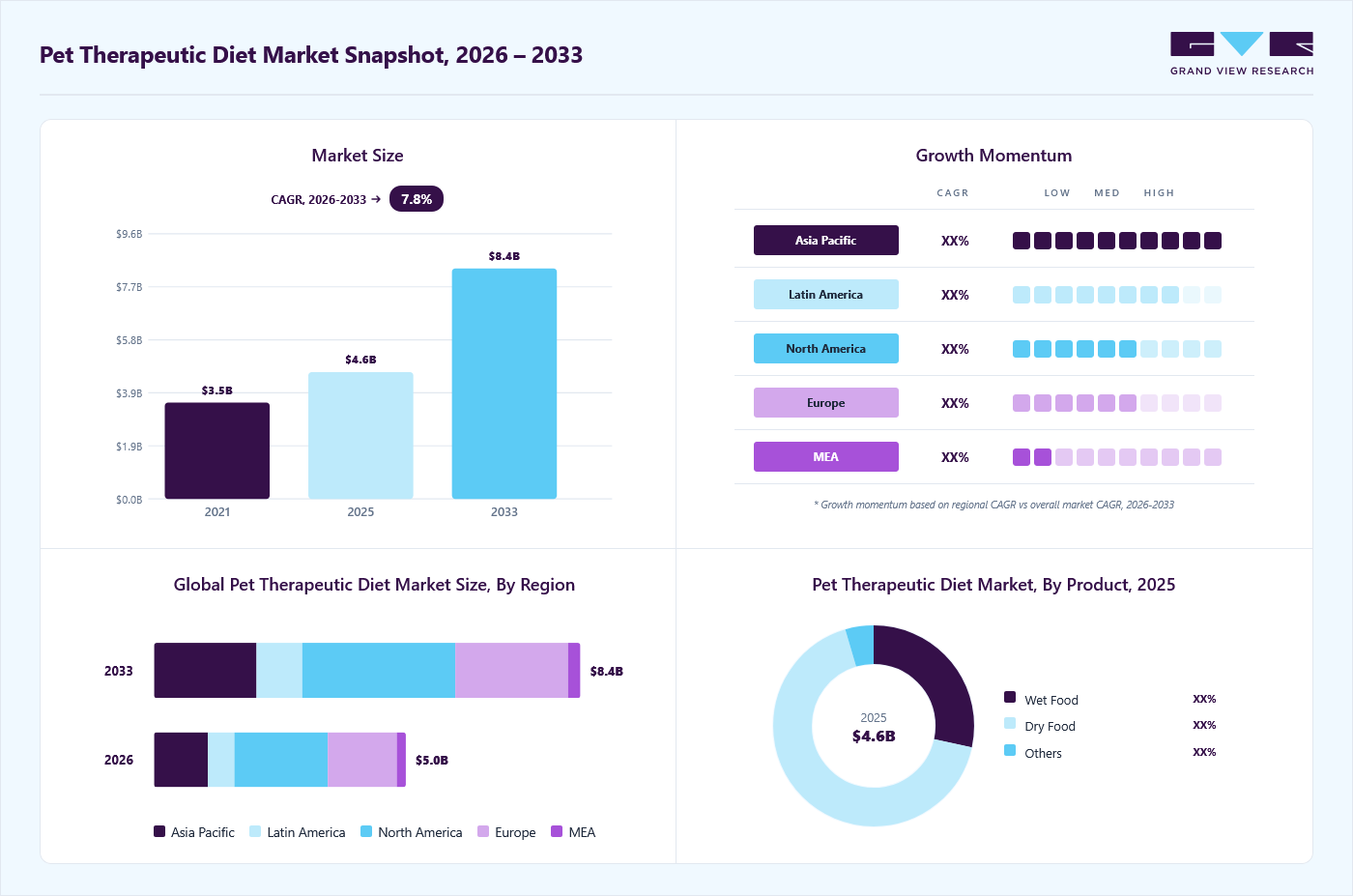
The global pet therapeutic diet market size was valued at USD 4.6 billion in 2025 and is projected to grow from USD 5.0 billion in 2026 to USD 8.4 billion by 2033, at a CAGR of 7.8% from 2026 to 2033. The market in North America dominated with a revenue share of 37.2% in 2025. Rising pet expenditure, continuous innovation in therapeutic diets, a growing aging pet population, and the increasing prevalence of chronic diseases are key factors driving the market’s growth.
 Source: Grand View Research, IR Documents, Primary Interviews, Paid DatabasesTo learn more about this report,
 Download Free Sample Report
Key Market Trends & Insights
- By product: Dry food segment held the largest market share of 66.7% in 2025.
- By animal: Dogs segment held the largest market share in 2025.
- By indication: Obesity care segment held the largest market share in 2025.
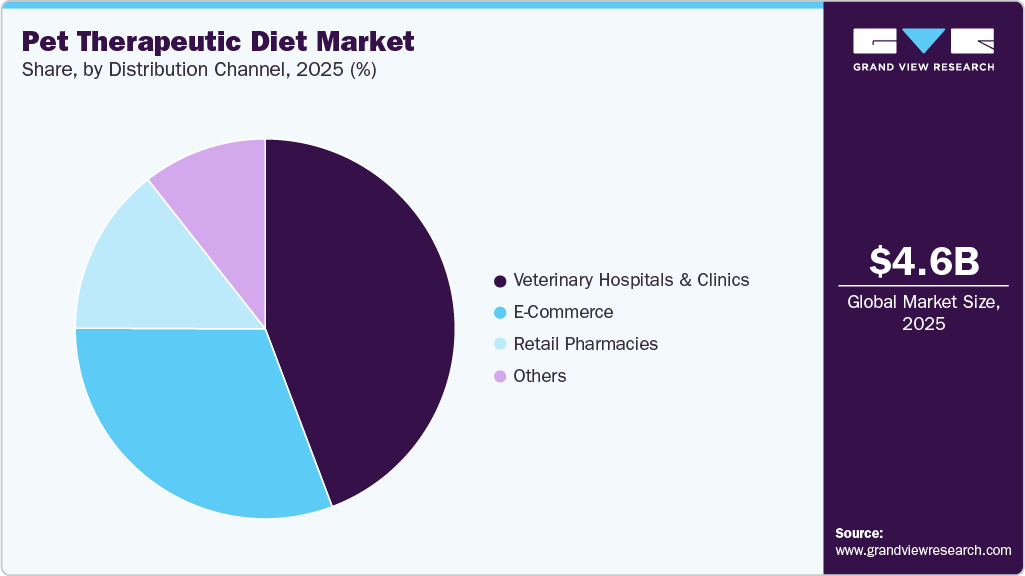
- By distribution channel: Veterinary hospitals & clinics segment held the largest market share in 2025.
Regional Highlights
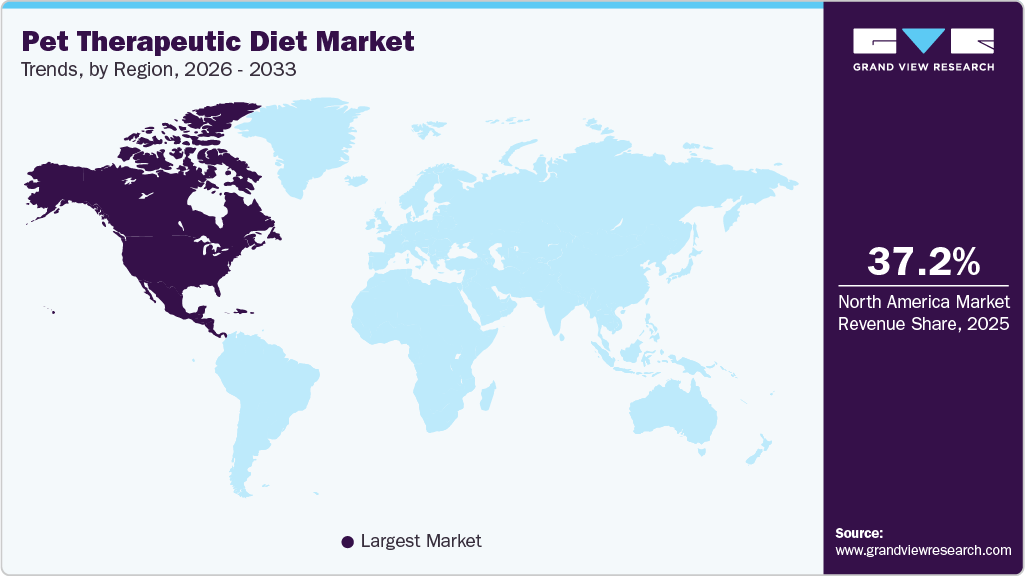
- Largest regional market: North America (37.2% revenue share, 2025)
- Fastest-growing regional market: Asia Pacific (highest CAGR, 2026-2033)
- By country: U.S. held the largest market share in 2025
Market Size & Forecast
- Market size in 2025: USD 4.6 Billion
- Estimated market size in 2026: USD 5.0 Billion
- Projected market size by 2033: USD 8.4 Billion
- CAGR (2026-2033): 7.8%
Prism AI by Grand View Research Free to tryAsk a question about the pet therapeutic diet market✓Every figure cited from GVR research Prefer the report? Download free sample →
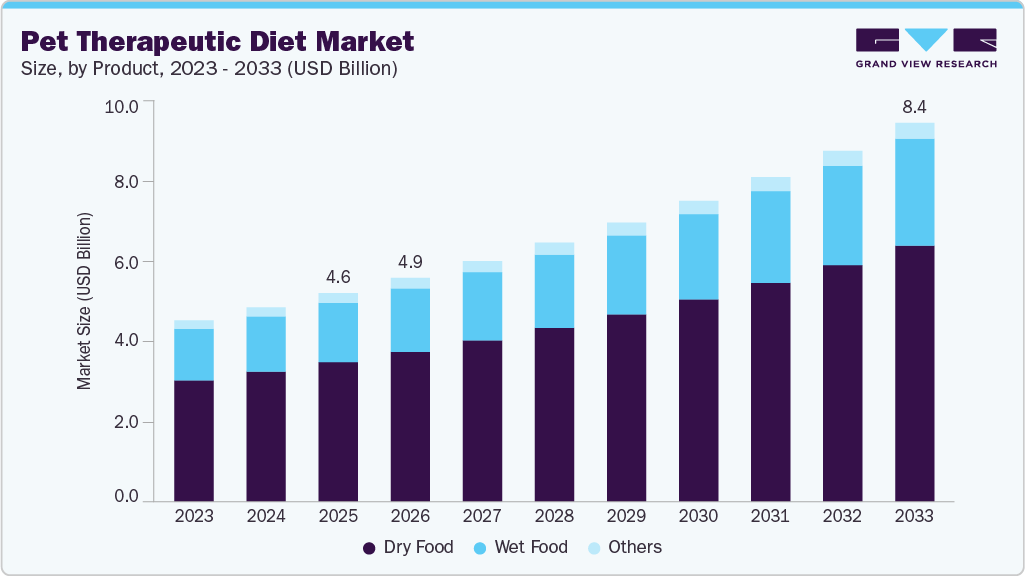
Pet owners are progressively allocating higher budgets toward clinically formulated diets that support disease management, indicating a clear shift from basic nutrition to targeted, health-focused feeding practices. The growing prioritization of pet health and condition specific nutrition is significantly accelerating demand within the pet therapeutic diet market. Pet owners are increasingly allocating higher budgets toward clinically formulated diets that support disease management, reflecting a shift from basic feeding to targeted nutritional care. For instance, according to an article published by APPA, in 2025, the U.S. pet industry reached approximately USD 157.0 billion in 2025, with USD 67.8 billion spent on pet food and treats and USD 41.4 billion on veterinary care and product sales. This strong spending on both nutrition and medical services highlights a clear alignment between dietary intervention and clinical treatment, creating a robust foundation for therapeutic diet adoption.Moreover, according to an article published by Flamingo Pet Products, in August 2025, in Belgium, pet owners spend an average of Euro 122 (USD 140.59) per month per pet, with younger pet parents spending as much as Euro 151 (USD 174.00), covering food, healthcare, veterinary visits, and accessories. Notably, 61% of pet owners report no intention to reduce spending despite inflation, and 70% consider their pets as family members, reflecting a deep emotional commitment. This strong humanization trend directly supports the adoption of therapeutic diets, as owners are more willing to invest in specialized nutrition for disease prevention and management. The willingness to maintain or even increase spending, combined with emotional factors such as guilt associated with pet care, drives higher compliance with veterinary recommendations, thereby boosting demand for condition-specific therapeutic diets and supporting sustained market growth.
 To learn more about this report, Download Free Sample Report
Furthermore, growing population of senior pets is becoming a key factor determining demand for specialized nutrition. For instance, according to an article published by Brownsburg Animal Clinic, in May 2025, senior cats and dogs account for nearly 44% of the pet population, largely due to advancements in veterinary care that have extended lifespans. As pets age, they become more susceptible to chronic conditions such as cancer, kidney disease, diabetes, joint disorders, dental issues, and cognitive decline. These age related health challenges require continuous medical attention, frequent veterinary visits, and tailored care strategies. In addition, veterinarians often increase the frequency of health check-ups for senior pets to enable early diagnosis and better disease management, further highlighting the need for disease specific nutritional support.
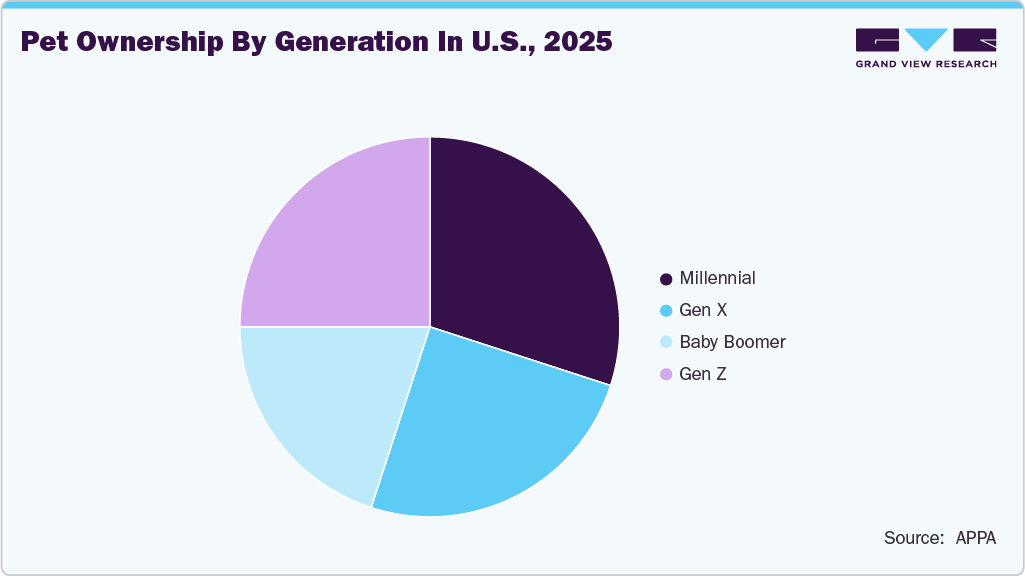
Companion animals such as dogs and cats represent the largest share of pet ownership, making them the primary focus for industries such as pet food, veterinary care, and therapeutic nutrition. Other pet categories such as fish, birds, reptiles, and small animals also contribute to the overall landscape, but with relatively niche demand patterns. Understanding this distribution allows companies to prioritize product development and tailor therapeutic diets toward species with higher disease prevalence and healthcare needs.
Pet Demographic Analysis, 2025
 To learn more about this report, Download Free Sample Report
Market Concentration & Characteristics
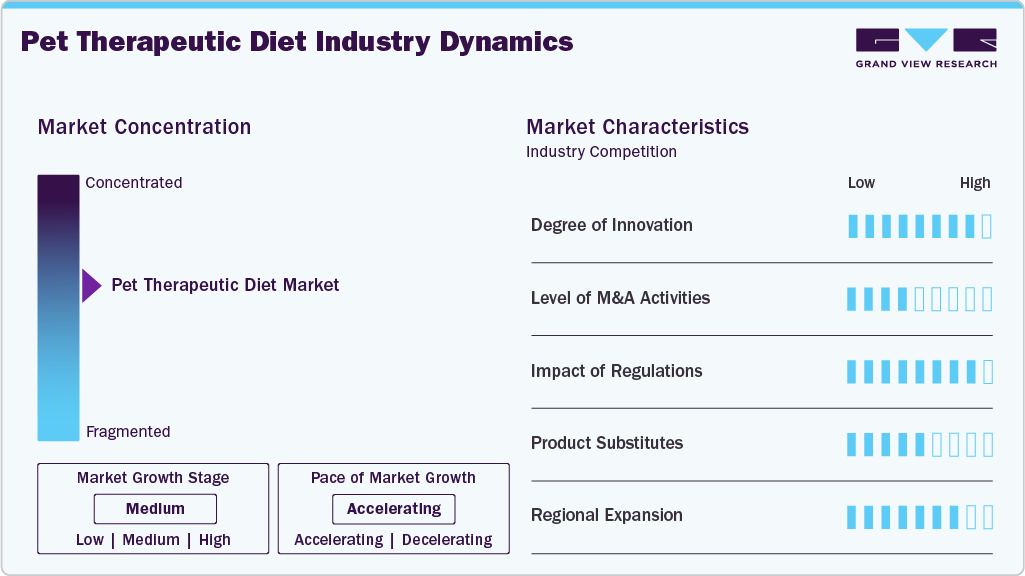
The pet therapeutic diet industry remains concentrated and the pace is accelerating, with a few major players dominating the market through strong brand portfolios, extensive veterinary networks, and continuous product innovation. Companies such as leading pet food manufacturers and specialized pet nutrition firms hold significant market share, creating high entry barriers for new entrants. At the same time, the pace of growth is accelerating due to rising pet humanization, increasing prevalence of chronic diseases in pets, and greater awareness of condition-specific nutrition. Veterinary recommendations are playing a crucial role in driving demand, as pet owners increasingly depend on professional guidance for managing health conditions.
 To learn more about this report, Download Free Sample Report
Pet Therapeutic Diet Industry Characteristics
-
Advancements in genomics and data driven veterinary care are transforming how nutritional therapies are developed and prescribed for pets. For instance, according to an article published by Kadence International, in 2025, the industry is increasingly moving toward personalized approaches, where diets are tailored based on a pet’s genetic profile, species-specific requirements, and individual health conditions. By identifying genetic predispositions to diseases such as obesity, renal disorders, or food sensitivities, veterinarians recommend targeted nutritional interventions at earlier stages.
-
Mergers and acquisitions are significantly reshaping the competitive dynamics of the industry by enabling leading companies to strengthen their market position. Through acquiring independent facilities and smaller players, major firms can rapidly expand their geographic footprint and access new customer bases. This consolidation also helps in achieving economies of scale, improving operational efficiency, and enhancing service offerings.
-
Regulations have a strong impact as these products are often classified as prescription-based or medically guided nutrition. Strict regulatory frameworks (such as FDA and regional feed regulations) ensure that only scientifically validated and veterinarian-approved diets are sold, which increases consumer trust but also raises production costs and limits entry for smaller players. In addition, compliance with labeling, formulation standards, and clinical validation makes the market highly specialized and controlled.
-
Alternatives such as premium non-therapeutic pet food, homemade diets, and dietary supplements can act as substitutes, particularly in early or mild health conditions. Some pet owners may choose these options due to convenience or perceived cost benefits. However, substitutes often lack clinical precision and targeted nutritional balance required for managing specific diseases. As conditions become more severe or chronic, reliance on veterinarian-prescribed therapeutic diets increases, reducing the long-term threat of substitutes.
-
Geographical expansion plays a crucial role in industry growth by allowing companies to extend their presence into emerging regions with rising pet ownership and awareness. Expanding into new markets helps companies improve distribution networks, strengthen supply chains, and increase access to veterinary channels. It also enables firms to adapt products to regional needs and tap into growing demand for condition-specific diets, thereby enhancing overall market penetration and revenue diversification.
Product Insights
On the basis of product, dry food segment dominated the market with largest revenue share of 66.7% in 2025 and is anticipated to grow at the fastest CAGR over the forecast period. Dry therapeutic diets offer advantages such as higher shelf stability, cost-effectiveness, ease of portion control, and suitability for daily feeding over extended periods, making them ideal for managing chronic conditions such as obesity, gastrointestinal disorders, and metabolic diseases. In addition, advancements in formulation such as the inclusion of functional ingredients such as prebiotics, probiotics, and novel proteins are enhancing the clinical efficacy of dry diets, increasing their acceptance among veterinarians and pet owners.
For instance, in January 2026, Wynwood Dog Food Co. expanded its FRESH RX therapeutic line by launching Low Fat Digestive Support and Weight + Mobility Support prescription diets, showcased at the 2026 Veterinary Meeting & Expo (VMX). The Low Fat Digestive Support formulation is specifically designed for dogs with gastrointestinal issues, including pancreatitis, hyperlipidemia, and food sensitivities, and incorporates highly digestible ingredients along with prebiotics and probiotics to improve gut health.
Wet food are expected to witness strong growth in the pet therapeutic diet market, primarily due to their superior hydration benefits and clinical suitability for managing chronic conditions. Their high moisture content supports pets suffering from kidney disease, urinary tract disorders, and digestive issues such as constipation conditions that are increasingly prevalent in aging pet populations. In addition, wet food improves palatability, making it particularly effective for pets with reduced appetite or those undergoing medical treatment.
Animal Insights
On the basis of animal, dogs segment dominated with largest revenue share in 2025. The rising prevalence of chronic and life-threatening diseases in dogs, particularly cancer and age-related conditions, is a key driver accelerating the growth of the dog segment in the pet therapeutic diet market. As dogs age, they become increasingly susceptible to conditions requiring long-term clinical nutrition, including oncology-related complications, digestive disorders, and immune dysfunction. This growing disease burden is driving demand for specialized therapeutic diets that support treatment outcomes, enhance immunity, and improve overall quality of life, making nutrition an integral part of veterinary care.
The cats segment represents the fastest growing segment over the forecast period driven of 2026-2033. The increasing demand for disease-specific, clinically proven nutrition tailored to feline health needs is a key driver accelerating the growth of the cats segment in the pet therapeutic diet market. As cats are more prone to metabolic disorders such as diabetes, along with gastrointestinal and dermatological conditions, there is a rising need for specialized diets that can manage these issues while maintaining overall health. In addition, the growing emphasis on precise nutrition, controlled calorie intake, and improved quality of life is encouraging pet owners and veterinarians to adopt advanced therapeutic diets designed specifically for cats. For instance, in January 2026, Royal Canin previewed its latest therapeutic innovations at VMX 2026, including the introduction of GLYCOADVANCED, a feline diet formulated with an increased nutrient-to-calorie ratio to enable safe caloric restriction in overweight diabetic cats, while supporting healthy blood glucose levels and overall vitality, and offered in both dry and wet formats to enhance adoption.
Indication Insights
On the basis of indication, obesity care segment dominated with largest revenue share in 2025, driven by the increasing number of obese pets, increasing awareness of obesity-related comorbidities, growing veterinary recommendations, and expanding pet humanization. In addition, demand for weight management diets, preventive healthcare, and tailored nutrition solutions is accelerating. Furthermore, educational initiatives and collaborations between industry players and veterinary organizations are further boosting adoption of therapeutic diets targeting obesity and metabolic disorders. The segment is driven by rising pet obesity and associated health risks such as diabetes, cardiovascular issues, and joint disorders. For instance, in September 2024, collaborations between Virbac and Association for Pet Obesity Prevention aim to raise awareness and promote tailored nutrition solutions.
The renal care segment is the fastest growing over the forecast period. This segment is driven by rising prevalence of chronic kidney disease (CKD) in aging pets, increasing veterinary visits, growing awareness of phosphorus management, demand for condition-specific diets, and advancements in medicated and functional nutrition. In addition, improved pet owner awareness and focus on long-term disease management are further accelerating demand for renal-support therapeutic diets.
One of the major driver is the high incidence of kidney disorders, particularly in cats and senior dogs. According to a research study published in December 2025, the prevalence of chronic kidney disease (CKD) rises significantly with age, affecting an estimated 20-50% of cats over 10 years old. The overall prevalence in the general feline population is reported at 1-3% across the U.S. and Europe, it can exceed 30% among geriatric cats.
Distribution Channel Insights
On the basis of distribution channel, veterinary hospitals & clinics dominated the market in 2025, as pet owners become more proactive about preventive healthcare and condition‑specific nutrition. Veterinary professionals are the first point of diagnosis and treatment for pets with chronic conditions such as obesity, gastrointestinal disorders, allergies, kidney disease, and diabetes, and they play a critical role in recommending therapeutic diets tailored to those health needs. As awareness of the link between nutrition and long‑term health rises, veterinarians are prescribing therapeutic diets and treatment support as part of preventive health plans, encouraging owners to adopt these diets earlier rather than later.
 To learn more about this report, Download Free Sample Report
E-Commerce is the fastest-growing segment in the market over the forecast period, as digital adoption among pet owners rises, driven by a desire for convenience, accessibility, and home delivery of specialized nutrition products. Increasing internet penetration, smartphone usage, and the growth of online marketplaces have made it easier for consumers to access a broader range of therapeutic diets with subscription options, easy reorder features, and competitive pricing that physical stores cannot match. The shift toward online shopping has accelerated since the pandemic, with several owners preferring to order veterinary recommended diets through platforms such as Amazon, Chewy, JD.com, Tmall, and other regional marketplaces that offer direct‑to‑home delivery and auto‑replenishment services. This convenience is especially important for therapeutic diets that pets may need long‑term, and e‑commerce channels often integrate telehealth and vet consultation services to simplify prescription authorization, further boosting adoption.
Regional Insights
North America Pet Therapeutic Diet Market Trends
North America dominated the market with largest revenue share of 37.2% in 2025, due to increasing pet ownership, rising prevalence of chronic diseases in pets, high pet healthcare spending, and strong veterinary infrastructure across the U.S. and Canada. The region dominates the global market, supported by high pet humanization trends in which pets are treated as family members and owners are willing to spend more on specialized veterinary nutrition and prescription diets. In addition, the increasing diagnosis of conditions such as obesity, kidney disease, gastrointestinal disorders, diabetes, and allergies is driving demand for condition-specific therapeutic diets.
 To learn more about this report, Download Free Sample Report
The pet therapeutic diet market in the U.S. accounted for the highest market share in the North America market, due to increasing pet humanization, rising prevalence of chronic diseases in pets, higher veterinary healthcare spending, and expanding pet insurance coverage. Several pets in the U.S. suffer from chronic conditions such as kidney disease, diabetes, obesity, gastrointestinal disorders, and allergies, which require long-term dietary management through prescription or therapeutic diets recommended by veterinarians. In addition, pet owners in the U.S. are willing to spend on premium and condition-specific nutrition products to improve pet health and lifespan.
Canada pet therapeutic diet market is expected to grow at a significant CAGR during the forecast period, owing to increasing pet humanization, rising demand for premium and health-focused pet food, and the growing prevalence of chronic health conditions in pets. Canada pet owners consider pets as family members and are willing to spend more on high-quality nutrition, preventive healthcare, and veterinary-recommended diets. This trend has led to a strong shift toward premium, functional, and therapeutic pet food products that support digestive health, joint health, kidney disease management, weight management, and the management of food allergies.
Europe Pet Therapeutic Diet Market Trends
The pet therapeutic diet market in Europe is experiencing growth, driven by rising awareness among pet owners about the role of nutrition in managing chronic health conditions such as obesity, kidney disease, digestive disorders, and skin sensitivities. Veterinarians recommend specialized diets as part of treatment plans, which enhance adoption across households. Growth is further supported by strong distribution networks, including retail and e‑commerce channels, ongoing product innovation and research that enhance the efficacy and convenience of therapeutic diets.
The pet therapeutic diet market in UK is expanding due to increasing veterinary care spending and the trend of treating pets as family members. The market is growing as more pet owners shift toward vet-recommended, disease-specific diets to manage chronic diseases such as obesity, kidney disease, gastrointestinal disorders, and food allergies. In the UK, a significant portion of pets are overweight or suffer from chronic health conditions, which increases the demand for therapeutic diets designed for weight management, renal care, digestive health, and skin allergies. In addition, the strong veterinary infrastructure and high pet insurance adoption in the UK support the use of prescription diets recommended by veterinarians, further driving market growth.
Germany pet therapeutic diet market is anticipated to grow swiftly, due to growing prevalence of chronic health conditions in pets. In Germany, pets are considered family members, leading to significant increases in spending on premium pet food, veterinary services, and specialized nutrition products. Pet owners are willing to purchase condition-specific diets recommended by veterinarians for conditions such as obesity, kidney disease, gastrointestinal disorders, diabetes, and food allergies. This shift from standard pet food to functional and therapeutic nutrition is one of the key factors supporting market growth in Germany.
Asia Pacific Pet Therapeutic Diet Market Trends
Asia Pacific is expected to grow at the fastest CAGR over the forecast period. Rapid urbanization, coupled with growing pet ownership and heightened pet humanization, is contributing to the strong growth of the pet therapeutic diet market across Asia Pacific. Urbanization in countries such as China, India, Japan, South Korea, and Southeast Asia has led more households to adopt dogs and cats. Pets are regarded as family members, and owners are prioritizing specialized nutrition to support their long-term health and well-being.
The pet therapeutic diet market in China held the significant share, driven by rising pet ownership, deeper emotional attachment to pets, and growing awareness of health and wellness needs. Chinese consumers are treating pets as family members and seeking specialized, scientifically formulated diets that address specific health concerns, such as digestive issues, allergies, obesity, and chronic conditions, thereby driving demand for therapeutic nutrition beyond basic pet food.
The market for pet therapeutic diet in India is gaining momentum within the broader pet nutrition market, driven by greater awareness of pet health issues, and a growing shift toward specialized diets recommended by veterinarians. Urban pet parents are becoming more conscious of the importance of scientifically formulated nutrition to manage health conditions such as obesity, digestive disorders, and skin sensitivities, which encourages demand for therapeutic and condition‑specific diets alongside general premium pet food trends.
Latin America Pet Therapeutic Diet Market Trends
In Latin America, the pet therapeutic diet market is driven by ongoing reforms in the region’s veterinary and animal healthcare systems. The increasing prevalence of chronic conditions among companion animals, such as obesity, diabetes, and renal disorders, is a key factor driving demand for condition-specific therapeutic diets. In addition, rising government support and investment in animal health, particularly in countries such as Brazil, is further contributing to market expansion.
Brazil pet therapeutic diet market is witnessing growth driven by the rising humanization of pets, as owners treat their animals like family and invest more in condition-specific nutritional solutions for better health outcomes. This shift is further supported by rising awareness of pet health and preventive care, leading to greater adoption of veterinary-recommended nutrition for managing chronic conditions such as obesity, diabetes, renal disorders, and digestive issues.
Middle East & Africa Pet Therapeutic Diet Market Trends
Pet therapeutic diet market in MEA is growing due to increasing pet ownership, rising pet humanization, expanding veterinary infrastructure, and growing awareness about pet health and disease-specific nutrition. In countries such as the UAE, Saudi Arabia, and South Africa, more pet owners are seeking specialized diets for conditions such as obesity, kidney disease, digestive disorders, and food allergies, which is increasing demand for prescription and therapeutic pet food products. The market is also supported by the presence and expansion of international pet food companies and premium pet food brands, and the growth of veterinary clinics and pet specialty stores in urban areas.
South Africa pet therapeutic diet market is growing due to increasing pet humanization, rising awareness of pet health and nutrition, and the growing prevalence of chronic diseases in companion animals, such as obesity, kidney disease, diabetes, gastrointestinal disorders, and skin allergies. Pet owners are seeking veterinary advice and specialized nutrition products to manage these conditions, which is driving demand for therapeutic and prescription pet diets.
Saudi Arabia pet therapeutic diet market is fueled by rising pet ownership, increased pet humanization, greater awareness of pet health and nutrition, and rising demand for premium, health-focused pet food products. As more households adopt pets and disposable incomes increase, pet owners are spending on specialized and condition-specific nutrition rather than standard pet food. There is also a growing trend toward functional, health-focused pet food products that support digestion, immunity, joint health, and disease management, driving demand for therapeutic diets recommended by veterinarians.
Key Pet Therapeutic Diet Company Insights
The market is competitive, with established global players competing on clinical efficacy, product innovation, and brand trust. Companies continuously develop condition-specific formulations to differentiate their offerings. Strong competition exists in securing veterinary recommendations and partnerships with clinics and hospitals. Marketing efforts focused on education, awareness, and digital engagement further intensify rivalry, while consistent product performance and proven health outcomes remain key factors for sustaining competitive advantage.
Key Pet Therapeutic Diet Companies:
The following key companies have been profiled for this study on the pet therapeutic diet market.
- Colgate-Palmolive Company (Hill's Pet Nutrition Inc.)
- Nestlé
- Mars Petcare (Royal Canin)
- General Mills Inc. (Blue Buffalo Company, Ltd.)
- Diamond Pet Foods, Inc.
- Virbac
- VNG (Veterinary Nutrition Group
- Farmina Pet Foods
- JustFoodForDogs
- EmerAid, LLC
Recent Developments
-
In March 2026, JustFoodForDogs launched the industry’s first complete line of fresh targeted nutrition diets addressing sensitive stomach, skin issues, weight management, and joint health. Such an innovation strengthened the shift toward personalized, fresh therapeutic nutrition, expanding treatment options and driving premiumization in the pet therapeutic diet market.
-
In January 2026, Royal Canin introduced GLYCOADVANCED, a feline therapeutic diet targeting diabetic and overweight cats. Such launches bolsters disease-specific nutrition offerings, particularly in metabolic and endocrine care, driving growth in specialized veterinary diet segments.
-
In November 2025, Farmina partnered with MyVetStoreOnline to enable home delivery of VetLife therapeutic diets. This improves treatment adherence and convenience for pet owners, supporting the growing trend of digital veterinary care and expanding the reach of therapeutic nutrition solutions.
Pet Therapeutic Diet Market Report Scope
Report Attribute
Details
Market size in 2025
USD 4.6 billion
Estimated Market size in 2026
USD 5.0 billion
Projected Market size by 2033
USD 8.4 billion
Growth rate
CAGR of 7.8% from 2026 to 2033
Actual data
2021 - 2025
Forecast period
2026 - 2033
Quantitative units
Revenue in USD million/billion and CAGR from 2026 to 2033
Report coverage
Revenue forecast, company ranking, competitive landscape, growth factors, and trends
Segments covered
Animal, product, distribution channel, indication, and regional
Regional scope
North America; Europe; Asia Pacific; Latin America; MEA
Country scope
U.S.; Canada; Mexico; UK; Germany; France; Italy; Spain; Denmark; Sweden; Norway; Japan; China; India; Thailand; South Korea; Australia; Brazil; Argentina; South Africa; UAE; Saudi Arabia; Kuwait; Qatar; Oman
Key companies profiled
Colgate-Palmolive Company (Hill's Pet Nutrition Inc.); Nestlé; Mars Petcare (Royal Canin); General Mills Inc. (Blue Buffalo Company, Ltd.); Diamond Pet Foods, Inc.; Virbac; Veterinary Nutrition Group; Farmina Pet Foods; JustFoodForDogs; EmerAid
Customization scope
Free report customization (equivalent up to 8 analysts working days) with purchase. Addition or alteration to country, regional & segment scope.
Pricing and purchase options
Avail customized purchase options to meet your exact research needs. Explore purchase options
Global Pet Therapeutic Diet Market Report Segmentation
This report forecasts revenue growth at global, regional, and country levels and provides an analysis of the latest industry trends in each of the sub-segments from 2021 to 2033. For this study, Grand View Research has segmented the pet therapeutic diet market report based on product, animal, indication, distribution channel and region.
-
Product Outlook (Revenue, USD Million, 2021 - 2033)
-
Wet Food
-
Dry Food
-
Others
-
-
Indication Outlook (Revenue, USD Million, 2021 - 2033)
-
Renal Care
-
Obesity Care
-
Diabetic Care
-
Dental Care
-
Gastrointestinal Care
-
Recovery Care
-
Joint Care
-
Oncology Care
-
Others
-
-
Animal Outlook (Revenue, USD Million, 2021 - 2033)
-
Dogs
-
Cats
-
Others
-
-
Distribution Channel Outlook (Revenue, USD Million, 2021 - 2033)
-
E-commerce
-
Veterinary hospitals & clinics
-
Retail Pharmacies
-
Others
-
-
Region Outlook (Revenue, USD Million, 2021 - 2033)
-
North America
-
U.S.
-
Canada
-
Mexico
-
-
Europe
-
UK
-
Germany
-
France
-
Italy
-
Spain
-
Denmark
-
Sweden
-
Norway
-
-
Asia Pacific
-
Japan
-
China
-
India
-
Australia
-
Thailand
-
South Korea
-
-
Latin America
-
Brazil
-
Argentina
-
-
Middle East & Africa
-
South Africa
-
UAE
-
Saudi Arabia
-
Kuwait
-
Qatar
-
Oman
-
-
Frequently Asked Questions About This Report
Some key players operating in the pet therapeutic diet market include Colgate-Palmolive Company (Hill's Pet Nutrition Inc.), Nestlé, Mars Petcare (Royal Canin), General Mills Inc. (Blue Buffalo Company, Ltd.), Diamond Pet Foods, Inc., Virbac, Veterinary Nutrition Group, Farmina Pet Foods, JustFoodForDogs, EmerAid, LLC
The global pet therapeutic diet market size was estimated at USD 4.6 billion in 2025 and is expected to reach USD 5.0 billion in 2026.
The global pet therapeutic diet market is expected to grow at a compound annual growth rate of 7.8% from 2026 to 2033 to reach USD 8.4 billion by 2033.
North America dominated the pet therapeutic diet market with a share of 37.2% in 2025. This is attributable to rising pet obesity rates, increased diagnosis of chronic conditions, and growing pet humanization trends. The region maintains market leadership due to advanced veterinary infrastructure, high pet insurance penetration, and innovative product development by key players like Hill's Pet Nutrition, Royal Canin, and Purina Pro Plan Veterinary Diets.
Key factors that are driving the market growth include the rising pet expenditure, continuous innovation in therapeutic diets, a growing aging pet population, and the increasing prevalence of chronic diseases
The dry food segment led with a 66.7% revenue share in 2025 and is anticipated to grow at the fastest CAGR.
The dogs segment held the largest revenue share in 2025, while the cats segment is the fastest-growing.
The obesity care segment held the largest revenue share in 2025, while the renal care segment is the fastest-growing.
Veterinary hospitals & clinics segment held the largest share in 2025, while the E-Commerce segment is the fastest-growing.
About the Author(s)
Animal Health Research Team
Healthcare · Animal HealthThis report was authored by the animal health research team at Grand View Research - comprising two research analysts, one senior research analyst, and one industry expert - with specialized expertise in the animal health segment of the healthcare industry. All findings are based on proprietary healthcare databases, executive interviews, and regulatory analysis, subject to internal peer review prior to publication.
Last Updated:
Speak to Analyst

Customize this report to your needs - add regions, segments, or data points, with 20% free customization.
Or view our licence options:


ISO 9001:2015 & 27001:2022 Certified
We are GDPR and CCPA compliant! Your transaction & personal information is safe and secure. For more details, please read our privacy policy.


